The global market for Digital Customer Experience and Engagement Solutions, valued at USD 412.5 million in 2023, is projected to reach USD 661.3 million by 2033, expanding at a compound annual growth rate (CAGR) of 4.8%. Key drivers behind this growth include increasing digital transformation initiatives, enhanced customer interaction touchpoints, and the growing need for personalized experiences across industries.
In 2022, the market was valued at USD 399.7 million, indicating steady growth year-on-year. With North America leading the charge, accounting for more than 35% of the market share, businesses across the globe are prioritizing investments in tools and platforms that enhance customer engagement and experience.
This rising demand is further fueled by advancements in AI, machine learning, and analytics tools that allow businesses to gain deeper insights into customer behavior and preferences.
Key Takeaways from Market Study:
Global market projected to reach USD 661.3 million by 2033, with a CAGR of 4.8%.
North America holds over 35% market share, driven by tech adoption and advanced customer interaction strategies.
Increasing focus on personalized customer experiences across various sectors.
Digital transformation efforts continue to accelerate market growth.
Drivers and Opportunities: The demand for seamless, omnichannel experiences is pushing organizations to invest heavily in digital customer experience and engagement solutions. Companies are focusing on building more personalized, AI-driven customer interactions, leveraging data analytics and machine learning.
As consumers expect faster, more intuitive service, industries like retail, banking, and telecom are shifting their focus to comprehensive digital transformation initiatives. This trend provides significant opportunities for businesses to differentiate themselves in highly competitive environments.
Furthermore, technological advancements in cloud computing, AI, and machine learning are enabling businesses to implement solutions at scale, reducing operational costs and improving customer satisfaction.
Components Insights: The market is segmented into software and services. The software component is witnessing high demand, driven by the growing need for advanced analytics tools that offer real-time customer insights and predictive engagement strategies. The services segment, which includes consulting and implementation services, is also expected to grow as enterprises seek customized solutions tailored to their specific requirements.
Application Insights: Key application areas include retail, banking, telecom, and healthcare. Retail holds a significant share, as businesses in this sector strive to improve customer satisfaction through personalized recommendations, loyalty programs, and streamlined customer service channels. Banking and telecom sectors are also rapidly adopting engagement solutions to offer enhanced digital experiences and retain their customer base.
Deployment Insights: The deployment model is categorized into cloud and on-premises solutions. Cloud-based solutions are gaining prominence due to their scalability, ease of integration, and cost-effectiveness. Enterprises are increasingly adopting cloud platforms for faster deployment and to remain agile in an ever-evolving digital landscape.
Key Companies & Market Share Insights: Leading players in the Spending in Digital Customer Experience and Engagement Solutions Market include Accenture PLC, Capgemini SE, Cognizant, IBM Corporation, Liferay Inc., MEGA International, Orange Business Services, Tietoevry Corporation, SAS Institute Inc., KOFAX Inc., NCR Corporation, Tata Consultancy Services Limited, and Zendesk Inc. North American companies hold the largest market share, bolstered by early technology adoption and mature digital infrastructure.
Recent Developments:
In 2023, IBM Corporation launched a new AI-powered customer experience platform designed to enhance multi-channel interactions and streamline customer service operations.
Accenture PLC announced the acquisition of a leading customer experience technology company to strengthen its digital engagement capabilities.
Zendesk Inc. introduced new AI-enhanced solutions to help businesses deliver personalized customer support and improve overall satisfaction.
The market continues to evolve as businesses invest in advanced technologies to meet rising consumer expectations for superior digital experiences.
About Future Market Insights (FMI)
Future Market Insights, Inc. (ESOMAR certified, recipient of the Stevie Award, and a member of the Greater New York Chamber of Commerce) offers profound insights into the driving factors that are boosting demand in the market. FMI stands as the leading global provider of market intelligence, advisory services, consulting, and events for the Packaging, Food and Beverage, Consumer Technology, Healthcare, Industrial, and Chemicals markets. With a vast team of over 400 analysts worldwide, FMI provides global, regional, and local expertise on diverse domains and industry trends across more than 110 countries. Join us as we commemorate 10 years of delivering trusted market insights. Reflecting on a decade of achievements, we continue to lead with integrity, innovation, and expertise.
The global Hutchinson Gilford progeria syndrome market is expected to garner a market value of USD 103.07 Billion in 2023 and is expected to accumulate a market value of USD 233.05 Billion by registering a CAGR of 8.5% in the forecast period 2023 to 2033. The growth of the Hutchinson-Gilford progeria syndrome market can be attributed to the increasing population of the globe which in turn is contributing to more cases of the illness. The market for Hutchinson Gilford progeria syndrome registered a CAGR of 5.5% in the historical period 2017 to 2022
In the coming years, it is anticipated that the market for Hutchinson Gilford progeria syndrome treatments will grow quickly. The market for treatments for Hutchinson-Gilford Progeria Syndrome (HGPS) is likely to be primarily driven by the introduction of novel therapies and an increase in HGPS cases. The affected patients have a maximum life expectancy of 30 years, with an average life expectancy of 13 years. Almost 90% of patients die as a result of complications related to atherosclerosis.
There was only one FDA-approved drug for the treatment of progeria until 2020. The other available treatment options were mostly aimed at reducing cardiovascular symptoms and growth abnormalities. Major institutes’ research and development activities to find novel therapies for age-related conditions are expected to provide lucrative opportunities for global market players.
Key Takeaways from the Market Study
Hutchinson Gilford progeria syndrome market is expected to grow at a value of 8.5% CAGR for the forecast period 2023-2033
Hospitals & surgical centres are expected to hold 50% market share for Hutchinson Gilford progeria syndrome market in 2023.
North America is expected to possess 45% market share for Hutchinson Gilford progeria syndrome market in 2023.
Asia Pacific Hutchinson Gilford progeria syndrome market size is expected to possess 40% market share in 2023.
“Increasing population across the globe along with investment by key players in therapeutics treatments and medication is creating lucrative opportunities for Hutchinson Gilford progeria syndrome market” states an FMI analyst
Competitive Landscape
Key players in the Hutchinson-Gilford progeria syndrome market Eiger BioPharmaceuticals, Teva Pharmaceutical, Inc., Amgen, Sanofi, Novartis AG, Schering-Plough, PRG Science & Technology Co., Ltd, Micro Interventional Devices Inc, Boston Scientific Corporation, CryoLife Inc.
Micro Interventional Devices Inc, a key player in the Hutchinson Gilford progeria syndrome market is focusing on investing in research and development for innovating medications for treating Hutchinson-Gilford progeria syndrome.
Boston Scientific Corporation, another key player in the Hutchinson Gilford progeria syndrome market has undertaken extensive research to innovate medication and treatment to increase the life cycle of patients suffering from Hutchinson Gilford progeria syndrome.
More Valuable Insights
Future Market Insights, in its new offering, presents an unbiased analysis of the global Hutchinson Gilford progeria syndrome market, presenting historical analysis from 2017 to 2022 and forecast statistics for the period of 2023-2033.
The study reveals essential insights on the basis of Treatment (Farnesyltransferase Inhibitor (FTI), MRI scan, Hearing tests, Cardiovascular, Others), End User (Hospitals & Surgical Centres, Specialty Clinics, Others) regions (North America, Latin America, Europe, Asia Pacific, and Middle East & Africa).
Key Segments Profiled in the Hutchinson-Gilford Progeria Syndrome Market Survey
Treatment:
Farnesyltransferase Inhibitor (FTI)
MRI scan
Hearing tests
Cardiovascular
Others
End User:
Hospitals & Surgical Centres
Specialty Clinics
Others
Author By:
Sabyasachi Ghosh (Associate Vice President at Future Market Insights, Inc.) holds over 12 years of experience in the Healthcare, Medical Devices, and Pharmaceutical industries. His curious and analytical nature helped him shape his career as a researcher.
Identifying key challenges faced by clients and devising robust, hypothesis-based solutions to empower them with strategic decision-making capabilities come naturally to him. His primary expertise lies in areas such as Market Entry and Expansion Strategy, Feasibility Studies, Competitive Intelligence, and Strategic Transformation.
Holding a degree in Microbiology, Sabyasachi has authored numerous publications and has been cited in journals, including The Journal of mHealth, ITN Online, and Spinal Surgery News.
About Future Market Insights (FMI)
Future Market Insights, Inc. (ESOMAR certified, recipient of the Stevie Award, and a member of the Greater New York Chamber of Commerce) offers profound insights into the driving factors that are boosting demand in the market. FMI is the leading global provider of market intelligence, advisory services, consulting, and events for the Packaging, Food and Beverage, Consumer Technology, Healthcare, Industrial, and Chemicals markets. With a team of over 400 analysts worldwide, FMI provides global, regional, and local expertise on diverse domains and industry trends across more than 110 countries.
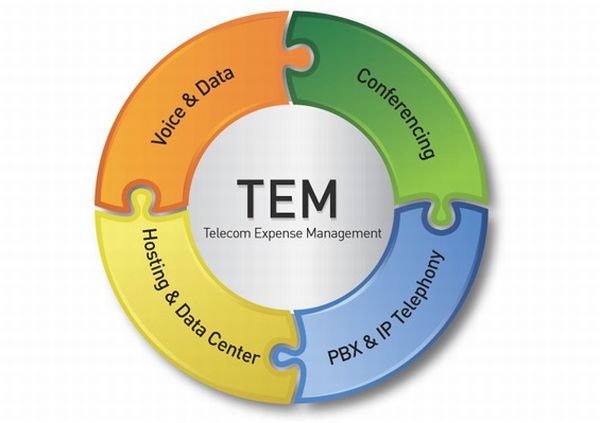
The Telecom Expense Management Market revenues were estimated at US$ 3.4 Bn in 2021 and is anticipated to grow at a CAGR of 12% from 2022-2032, according to a recently published Future Market Insights report. By the end of 2032, the market is expected to reach a valuation of US$ 11.9 Bn.
Organizations are increasingly using telecom-related services to improve communication across their business divisions, partners, and clients, all of whom are situated in different geographic regions. Companies have been forced to adopt cost-effective Telecom Expense Management services as their telecom expenditures have increased as a result of the integration of the newest telecom-enabled services.
The growing demand for better mobile banking applications, as well as the increasing usage of IoT devices combined with a shift to 4G networks, efforts to improve APIs for a seamless user experience, and telecom operators’ growing need to utilize their advanced services, are the key factors driving the market growth.
Controlling the telecom environment is a key duty for any business. Telecom Expense Management, or end-to-end TEM, is a practice and toolset used by enterprise businesses to effectively navigate their telecommunication assets, operations, and expenditures. Expense management has become an essential technique for a business’s long-term success. Through automatic connectivity to multiple departments utilizing a variety of apps, telecom cost management aids in the creation of autonomy in expenditure tracking systems.
In the long term, there is less manual overhead and a slower reaction time. TEM programs provide a corporation with an actionable awareness of IT assets and services by improving data visualization. Besides that, in the booming era of LTE and IoT, the rising adoption of advanced technologies, as well as the recent expansion of mobile internet in day-to-day activities, has fueled cutting-edge competitive pressures among various new technologies across BFSI, which may further propel market demand.
Competitive Landscape
The market is fiercely competitive, where key players are increasingly focused to obtain a competitive advantage. The key companies in the Telecom Expense Management Market are focused on R&D to produce innovative technological solutions.
· In July 2020, Tangoe, a leading provider of business IT cost management and managed mobility services, announced that it has achieved ISO 27001 certification, proving that the firm has been investing in people, processes, and technology to secure the organization’s data.
· In January 2020, MDSL and Calero Software completed their merger. The merger has an objective to offer the best-in-class solutions to its clients globally.
More Insights Available
Future Market Insights, in its new offering, presents an unbiased analysis of the Telecom Expense Management Market, presenting historical market data (2015-2021) and forecast statistics for the period of 2022-2032.
The study reveals extensive growth in the Telecom Expense Management Market in terms of Application (Financial Management, Order Management, Business Intelligence, Inventory Management, Contract Management, Dispute Management, Others), and End Use (BFSI, Retail, IT and Telecommunication, Healthcare, Transportation and Logistics, Manufacturing, Government and Defense, Others) across five regions (North America, Latin America, Europe, Asia Pacific and Middle East & Africa).
Market Segments Covered In Telecom Expense Management Market Analysis
By Application:
Financial Management
Order Management
Business Intelligence
Inventory Management
Contract Management
Dispute Management
Others
By Mode of Delivery:
Managed Services
Complete Outsourcing
Cloud Services
By End-use Adoption:
BFSI
Retail
IT and Telecommunication
Healthcare
Transportation and Logistics
Manufacturing
Government and Defense
Others
By Region:
North America
Europe
Asia Pacific
Middle East and Africa
Latin America
About Future Market Insights (FMI)
Future Market Insights, Inc. (ESOMAR certified, recipient of the Stevie Award, and a member of the Greater New York Chamber of Commerce) offers profound insights into the driving factors that are boosting demand in the market. FMI stands as the leading global provider of market intelligence, advisory services, consulting, and events for the Packaging, Food and Beverage, Consumer Technology, Healthcare, Industrial, and Chemicals markets. With a vast team of over 400 analysts worldwide, FMI provides global, regional, and local expertise on diverse domains and industry trends across more than 110 countries. Join us as we commemorate 10 years of delivering trusted market insights. Reflecting on a decade of achievements, we continue to lead with integrity, innovation, and expertise.
The global polyphenylene market is witnessing significant growth, driven by the increasing demand for high-performance polymers across various industries. As businesses strive to meet stringent environmental regulations and enhance performance in manufacturing, polyphenylene is emerging as a key material offering superior thermal and chemical resistance. This market is set to experience substantial growth, with key drivers, trends, and opportunities pushing its expansion in the coming decade.
The global polyphenylene market is projected to experience significant growth, with its size expected to expand from US$ 4.2 billion in 2024 to an impressive US$ 10.5 billion by 2034. This growth is driven by a robust compound annual growth rate (CAGR) of 9.6% over the forecast period.
Market Overview
Polyphenylene, a high-performance polymer, has gained prominence due to its exceptional mechanical and thermal properties. It is widely used in automotive, electrical & electronics, aerospace, and industrial applications. The material’s unique features, such as its ability to withstand extreme temperatures, resistance to chemicals, and lightweight characteristics, make it an ideal choice for high-stress environments.
Market Growth Drivers
Several factors are contributing to the growth of the polyphenylene market:
Automotive Industry Demand: With the automotive sector focusing on reducing vehicle weight to improve fuel efficiency and lower emissions, the demand for lightweight, durable materials like polyphenylene is surging. Polyphenylene finds extensive use in engine components, electrical housings, and under-the-hood applications, where high resistance to heat and chemicals is required.
Expansion in Electronics: As the electronics industry continues to grow, driven by the increasing demand for smart devices, there is a rising need for materials that can ensure long-term performance under extreme conditions. Polyphenylene’s excellent insulating properties and resistance to high temperatures make it a preferred choice for electronic components such as connectors, relays, and circuit breakers.
Focus on Sustainability: The global push for environmentally friendly materials is propelling the demand for polyphenylene. It is increasingly replacing metals and other heavier materials in industries focused on reducing energy consumption and improving sustainability. Polyphenylene’s recyclability and reduced carbon footprint further enhance its appeal.
Aerospace Industry Growth: In aerospace, where materials must endure harsh environmental conditions while being lightweight, polyphenylene is becoming increasingly important. It helps manufacturers meet the stringent safety and performance standards required in aircraft design and construction.
Key Trends and Opportunities
R&D Investments: Companies are increasing their investment in research and development to enhance the properties of polyphenylene polymers. Innovations focusing on improving electrical insulation, flame retardancy, and mechanical strength are expected to unlock new application areas for the material, particularly in the fast-growing electric vehicle (EV) sector.
Growing Adoption in 3D Printing: The polyphenylene market is also benefiting from the growing trend of 3D printing in manufacturing. Its adaptability to various processing techniques, including 3D printing, allows manufacturers to create complex, high-performance components more efficiently, thereby driving market growth.
Emerging Markets: While North America and Europe currently dominate the polyphenylene market, regions such as Asia-Pacific are showing robust growth potential due to rapid industrialization, urbanization, and increased automotive production. Countries like China, Japan, and South Korea are key contributors to the rising demand for polyphenylene in automotive, electronics, and manufacturing industries.
Regulatory Standards: Stringent regulations regarding emissions and energy efficiency are creating opportunities for polyphenylene applications, especially in the automotive and aerospace sectors. Manufacturers are increasingly incorporating polyphenylene in the production of lighter, more fuel-efficient vehicles and aircraft, aligning with global sustainability goals.
Future Market Insights, Inc. (ESOMAR certified, recipient of the Stevie Award, and a member of the Greater New York Chamber of Commerce) offers profound insights into the driving factors that are boosting demand in the market. FMI stands as the leading global provider of market intelligence, advisory services, consulting, and events for the Packaging, Food and Beverage, Consumer Technology, Healthcare, Industrial, and Chemicals markets. With a vast team of over 400 analystsworldwide, FMI provides global, regional, and local expertise on diverse domains and industry trends across more than 110 countries. Join us as we commemorate 10 years of delivering trusted market insights. Reflecting on a decade of achievements, we continue to lead with integrity, innovation, and expertise.
In 2023, the global bake stable pastry fillings market is estimated to be worth USD 2.06 billion. The bake stable pastry fillings industry is to reach USD 3.90 billion by 2033, developing at a CAGR of 6.6% from 2023 to 2033.
Customers are growing more aware of calorie counts and the demand for more nutritious foods. Generally, manufacturers respond to consumer demand for healthier alternatives to their favorite cuisines.
The bake stable pastry fillings industry is predicted to increase rapidly due to rising customer demand for diverse bakery product flavors. Improvements in comprehending the connection between health and nutrition, frequently at the molecular level, led directly to functional foods.
Determinants of Economic Expansion
Innovative and creative food items cause a rapid shift in customer eating habits, boosting the pastry fillings market. Favorable conditions such as urbanization, changes in food preferences, and the company’s new methods of generating and processing vital food elements boost demand. The economy is driven by consumer expenditure on packaged foods.
Due to increased customer interest in varied flavours, the bake stable pastry fillings market is expected to grow significantly in the coming years. The demand for baked stable pastry fillings increases as consumer spending on cakes, tarts, and other baked goods increases.
Busy and Hectic Lifestyle
As more people become vegans and consumers search for healthier products. Food that is organic, sugar-free, gluten-free, and vegan is growing increasingly in bake stable pastry fillings demand.
By including cake as one of the major dishes when celebrating birthdays, engagements, weddings, etc., rising foreign influence has led to a growing demand for bake stable pastry fillings.
Prominent Insights
Europe dominated the global bake stable pastry fillings market in 2023, accounting for almost 42% of all revenues.
From 2023 to 2033, Asia Pacific is expected to evolve at a CAGR of around 5.0%.
Fruits led the market in terms of products and accounted for more than 55% of total revenue in 2023.
The offline segment dominated the bake stable pastry fillings market in terms of distribution channels.
Product Information
In 2023, the pastry fillings market was led by the fruits category. Fruits retain sugar content, making baked goods healthier. As a result, increased hygiene awareness during the pandemic has increased consumer focus on building and maintaining a healthy immune system by consuming fruits high in vitamins and antioxidants.
Customers desire culinary items that improve the dining experience and offer nutritional advantages. The bake stable pastry fillings industry is driven by the need for bake-stable items with dietary benefits, in which nuts raise energy levels.
Insights on Distribution
Since consumers prefer to walk up to the door and purchase directly from the store, the offline sector dominated the pastry fillings market revenue share. The rise in the availability of different providers to the client and vice versa has caused this surge in offline functionalities.
An important factor in accelerating the growth of this area is the rise in malls, supermarkets, and general stores. Using offline methods, customers can check the quality of the products.
Regional Point of View
Due to high consumption, Europe’s dominating bake stable pastry fillings market is starting to grow again. Creating new products, including those made of whole wheat, whole grains, high-fiber, non-allergenic, sugar- and gluten-free, and low-fat ingredients, is a priority for manufacturers.
Almonds are regarded as the best nut for European vegans by a wide margin compared to other nuts because of their robust domestic production and affordable food price.
Environment of Competition
Companies that produce delicious pastry fillings from magnificent fruits are available in the bake stable pastry fillings industry. These bake stable pastry fillings manufacturers generally target customers searching for fillings that are convenient to use and ready to eat for both baked and cold applications. This has increased revenue and increased bake stable pastry fillings sales.
Exponential Breakthroughs
Launch
Dawn Foods introduced the cocoa Delicream, a new selection of chocolate fillings, in February 2022. With this launch, the company hoped to provide freeze-thaw and final bake stability without the use of water or hydrogenated fats.
Puratos introduced a range of very concentrated flavoring chemicals called Puratos Classic in September 2021. This introduction talked about issues with fruit fillings in baked goods, especially clogged depositors.
Acquisition
Dawn Foods acquired JABEX, a reputable producer of fruit-based products, in March 2021. The company hoped to strengthen its operations and supply chain throughout Eastern and Central Europe with this acquisition while also expanding its food manufacturing capabilities on a worldwide scale.
Bake Stable Pastry Fillings Industry – Key Segments
Bake Stable Pastry Fillings Industry by Product:
Chocolate
Fruits
Nuts
Others
Bake Stable Pastry Fillings Industry by Distribution Channel:
Offline
Online
Bake Stable Pastry Fillings Industry by Region:
North America
Europe
Asia Pacific
Latin America
The Middle East and Africa
About Future Market Insights (FMI)
Future Market Insights (FMI) is a leading provider of market intelligence and consulting services, serving clients in over 150 countries. FMI is headquartered in Dubai and has delivery centres in the United Kingdom, the United States, and India. FMI’s latest market research reports and industry analysis helps businesses navigate challenges and make critical decisions with confidence and clarity amidst breakneck competition. Our customized and syndicated market research reports deliver actionable insights that drive sustainable growth. A team of expert-led analysts at FMI continuously tracks emerging trends and events in a broad range of industries to ensure that our clients prepare for the evolving needs of their consumers.
Join us as we commemorate 10 years of delivering trusted market insights. Reflecting on a decade of achievements, we continue to lead with integrity, innovation, and expertise.
The telecom cloud market is poised for remarkable growth with a projected CAGR of 15.2%. This robust expansion is expected to propel the market to a substantial valuation of US$ 99.4 Billion by the year 2032. The surge in demand for advanced telecommunications services and the increasing adoption of cloud-based solutions within the telecommunications sector are key drivers behind this anticipated growth.
During the pandemic, as individuals lived at home during the shutdown and businesses opted to work remotely, massive data consumption led to a spike in demand for telecom cloud installations, which significantly contributed to the market growth. Cloud has been one of the key themes of conversation in the telecom business in 2021 with the development of cloud-native 5G technology.
The public cloud solution provides on-demand infrastructure, lowering capital expenditure as well as continuous operational and life-cycle control. The public cloud may be a terrific incubator environment for not just developing new apps and services, but also bringing them to market and scaling them quickly.
Many corporate firms rely on the public cloud as their base. Telecom companies are increasingly looking to collaborate using public cloud services to use their computational capacity and their strong network skills on the back end.
Hyperscalers such as Amazon, Google, Microsoft, and Oracle often establish and manage a uniform tech environment with public cloud platforms. CSPs, on the other hand, buy solutions from a variety of vendors who compete and advance in different directions, sometimes marginally, sometimes significantly.
Also, The BFSI sector outsources non-core functions to save money and enhance efficiency. As a consequence, targeted content views and precise financial data are required, which may be merged via a telecommunications cloud service.
Competitive Landscape:
The market is fiercely competitive, where key players are increasingly focused on obtaining a competitive advantage. The key companies in the Telecom Cloud Market are focused on R&D to produce innovative technological solutions.
In April 2021, Momentum Telecom, a global provider of managed networks and cloud voice, revealed that it had accomplished its purchase of Atlus Technology, a Tennessee-based leader in the development of cloud-based unified communications solutions.
In December 2020, Cisco announced the purchase of IMImobile, a cloud telecommunications software and service provider, allowing Cisco to provide its customers with an end-to-end client engagement management solution.
About Future Market Insights (FMI)
Future Market Insights, Inc. (ESOMAR certified, recipient of the Stevie Award, and a member of the Greater New York Chamber of Commerce) offers profound insights into the driving factors that are boosting demand in the market. FMI stands as the leading global provider of market intelligence, advisory services, consulting, and events for the Packaging, Food and Beverage, Consumer Technology, Healthcare, Industrial, and Chemicals markets. With a vast team of over 400 analysts worldwide, FMI provides global, regional, and local expertise on diverse domains and industry trends across more than 110 countries. Join us as we commemorate 10 years of delivering trusted market insights. Reflecting on a decade of achievements, we continue to lead with integrity, innovation, and expertise.
The demand for rice-based products is anticipated to expand its roots at an average CAGR of 6.1% between 2023 and 2033. The market is expected to cross a market share of USD 379.86 billion by 2033 while it is likely to be valued at USD 210.12 billion in 2023
The restoration of the food and beverages industry along with the expansion of packaged food and ready-to-eat food items is flourishing the market growth. Furthermore, the search for authentic Asian rice cakes and rice ramen is transforming marketing tactics.
The penetration of Chinese or Asian restaurants in the Western part of the world along with Europe adopting multi-cuisine café culture is anticipated to fuel the market growth. Alongside this, the food delivery companies introducing rice ramen meal bowls are flourishing in the market.
New companies are mixing rice with other grains like maize and corn to make the food more nutritional and easy to digest. Thus, the other market elements are flourishing in the overall demand for rice-based products.
Different authenticity tags along with vegan and organic tags are helping products find their potential consumer base. Furthermore, the addition of packaged rice ramen with added flavor is likely to transform the market during the forecast period.
Key Points
The United States market leads the rice-based products market in terms of market share in North America. The growth in this region is promoted by new Asian restaurants, the craze for multi-cuisine foods, and the higher migration of Asians into the food culture.
The United Kingdom rice-based products market is another significant market from the European region. Europe with high tourist footfall welcomes visitors with its multi-cuisine restaurants.
The Chinese rice-based products market is anticipated to thrive at a healthy CAGR during the forecast period. The growth is attributed to it being the home of these food products.
Asia Pacific region leads the market as it held a share of 35% in 2022. The Asia Pacific region thrives at a CAGR of 6.6% between 2023 and 2033
The rice noodles product type segment is leading the segment as it held a market share of 30% in 2022. It’s due to its higher consumption and ready-to-eat byproducts.
Based on the distribution channel, the supermarket/hypermarket segment leads as it held a global share of 50% in 2022.
The key vendors work on delivering high authenticity, better packaging, and enhanced taste & texture. Key competitors and also merge, acquire, and partner with other companies to increase their supply chain, and distribution channel.
Recent Market Developments
Ottogi Corporation, a South Korea-based food manufacturer introduced a new range of rice-based products. The products include rice ramen with added flavors, rice-based plain noodles, and classic/authentic rice cakes.
Ricegrowers Limited has launched their authentic and organic rice cake that is available for shipping and comes in different pouch sizes.
Key Players
Thai President Foods Public Company Limited.
Nona Lim, LLC.
Lotus Foods Inc.
Annie Chun’s, Inc.
Element Snacks
The Quaker Oats Company
Ricegrowers Limited
KAMEDA SEIKA CO., LTD.
Rice-based Products Market: Segmentation
Product Outlook:
Rice Snacks
Rice Noodles
Rice Puddings
Rice Cakes
Rice Balls
Others
Distribution Channel Outlook:
Supermarkets/Hypermarkets
Online
Others
Type Outlook:
Conventional
Organic
Key Regions Covered:
North America
The United States
Canada
Latin America
Brazil
Mexico
Rest of Latin America
Europe
Germany
The United Kingdom
France
Spain
Russia
Rest of Europe
Japan
Asia Pacific Excluding Japan
China
India
Malaysia
Singapore
Australia
Rest of Asia Pacific Excluding Japan (APEJ)
The Middle East and Africa
GCC Countries
Israel
South Africa
Rest of the MEA
About Future Market Insights (FMI)
Future Market Insights (FMI) is a leading provider of market intelligence and consulting services, serving clients in over 150 countries. FMI is headquartered in Dubai and has delivery centres in the United Kingdom, the United States, and India. FMI’s latest market research reports and industry analysis helps businesses navigate challenges and make critical decisions with confidence and clarity amidst breakneck competition. Our customized and syndicated market research reports deliver actionable insights that drive sustainable growth. A team of expert-led analysts at FMI continuously tracks emerging trends and events in a broad range of industries to ensure that our clients prepare for the evolving needs of their consumers.
Join us as we commemorate 10 years of delivering trusted market insights. Reflecting on a decade of achievements, we continue to lead with integrity, innovation, and expertise.
The telecom API platform market is rapidly expanding, with a predicted CAGR of 16.7% from 2023 to 2033. This significant rise in CAGR above the 14.6% recorded between 2018 and 2022 highlights the growing trend of API-based communication solutions adoption. The considerable increase in market value, from US$ 6,002.3 million in 2023 to US$ 28,201.2 million in 2033, demonstrates increased demand for telecom API platforms as organizations seek to utilize seamless integration and communication capabilities to improve their services and customer experiences.
The telecom API platform market is critical to the telecoms sector because it serves as a basis for integrating and interacting with numerous services and applications. Telecom Application Programming Interfaces (APIs) facilitate creating, innovative services and solutions for service providers and users by allowing smooth connection across diverse software systems. The Telecom API platform market has grown significantly as demand for greater connectivity and digital services has increased, owing to the growing adoption of IoT, 5G technology, and the rising need for cloud-based communication services.
The increased popularity of IoT devices and applications drives the Telecom API Platform market’s development. As the connected devices grow, APIs that enable communication and data exchange between these devices become increasingly important. Telecom APIs allow IoT devices to communicate with one another and with cloud platforms, opening up new opportunities for smart homes, industrial automation, and smart cities.
The industry has several constraints, such as security and privacy issues. The growing reliance on APIs for communication and data exchange raises the danger of cybersecurity risks and data breaches. Service providers must prioritize rigorous security measures to secure sensitive information and retain customer confidence.
Despite these obstacles, the telecom API platform market offers potential for growth and innovation. The introduction of 5G technology allows for quicker and more reliable connectivity, generating a desire for APIs that can use the capabilities of 5G networks to provide consumers with seamless experiences. Furthermore, there is potential to leverage APIs to create value-added services and personalized customer experiences, such as mobile payments, video streaming, and location-based services. Telecom API Platform vendors who can provide safe, scalable, and feature-rich solutions may benefit from the increasing need for increased connection and communication services in the ever-changing telecoms landscape.
Key Takeaways
In the United States, the market is capturing a CAGR of 20.2% in 2022 during the forecast of 2022 in the global market.
United Kingdom is expected to record a substantial CAGR of 15.8% by 2033, owing to the rising usage of cloud-based communication services and the requirement for seamless interaction across software systems.
India’s CAGR of 17.5% demonstrates the country’s fast digital transformation as well as the rising popularity of Telecom API platforms for allowing enhanced communication solutions.
China’s CAGR of 19.1% demonstrates significant development, which may be ascribed to the country’s developing telecom infrastructure and increased demand for API-based services to support the country’s burgeoning digital economy.
Japan’s market has a compound annual growth rate of1% as per the forecast for 2023 in the global market.
Competitive landscape
The telecom API platform industry is hugely competitive, with several competitors contending for market share. Twilio, Nexmo (acquired by Vonage), Apigee (developed by Google Cloud), Tropo (acquired by Cisco), and Plivo are among the market’s leading players.
These businesses provide extensive API platforms that enable easy integration and communication across various software systems, hence meeting the diversified demands of service providers and developers. Each rival has distinct advantages, such as excellent developer tools, worldwide access, and a diverse set of APIs for phone, messaging, video, and IoT applications. The intense competition fosters continuous innovation and advancements, benefitting the telecom industry with robust and scalable API solutions.
Recent Developments:
Twilio is a global leader in telecom API platforms, providing a powerful platform that enables developers to incorporate phone, message, video, and authentication features into their apps. Twilio has steadily grown its global reach and developer-friendly solutions, enabling organizations to improve customer engagement and communication globally.
Nexmo, now a subsidiary of Vonage, offers a complete API platform for SMS, phone, and authentication services. Enhancing API capability with AI-powered capabilities, allowing chatbot integrations, and boosting security measures to secure sensitive client data and conversations are among their recent improvements.
Apigee, now part of Google Cloud, provides a full-stack API management platform. Their research focuses on API analytics, monetization, and the seamless integration of API platforms with Google Cloud’s vast range of services.
About Future Market Insights (FMI)
Future Market Insights, Inc. (ESOMAR certified, recipient of the Stevie Award, and a member of the Greater New York Chamber of Commerce) offers profound insights into the driving factors that are boosting demand in the market. FMI stands as the leading global provider of market intelligence, advisory services, consulting, and events for the Packaging, Food and Beverage, Consumer Technology, Healthcare, Industrial, and Chemicals markets. With a vast team of over 400 analysts worldwide, FMI provides global, regional, and local expertise on diverse domains and industry trends across more than 110 countries. Join us as we commemorate 10 years of delivering trusted market insights. Reflecting on a decade of achievements, we continue to lead with integrity, innovation, and expertise.
In 2023, the microbial protein used in feed market is expected to be worth USD 159.0 million. Sales of microbial protein used in feed are projected to increase at a CAGR of 13.5% and reach USD 564.1 million by 2033.
The microbial protein used in feed industry has been experiencing significant growth due to several drivers. One of the key drivers is the growing demand for high-quality animal protein sources globally. In addition, the increasing concerns regarding the environmental impact of traditional protein sources such as soybean and fishmeal have led to a shift towards microbial protein as a more sustainable alternative. Furthermore, advancements in fermentation technology have made it easier to produce microbial protein at a lower cost, further driving demand.
The industry is not without its restraints. One of the key challenges is the lack of awareness and understanding of microbial protein among farmers and animal feed manufacturers. Moreover, the high cost of microbial protein compared to traditional protein sources is hindering its adoption. In addition, the stringent regulations surrounding the use of microbial protein in animal feed are limiting its growth potential.
Despite these challenges, there are several opportunities for growth in the microbial protein used in feed industry. The increasing investments in research and development by key players to enhance microbial protein production and reduce its cost is expected to drive growth. Furthermore, the rising demand for plant-based protein sources in animal feed is expected to create new opportunities for the industry.
The latest trend in the industry is the adoption of precision feeding technology, which allows for the precise and accurate feeding of animals based on their specific nutritional needs. This trend is driving demand for high-quality protein sources such as microbial protein. In addition, the increasing use of automation and digital technologies in animal husbandry is expected to create new opportunities for the industry.
Key Takeaways from the Microbial Protein Used in Feed Market:
In 2023, the United States is predicted to hold a 37% share of the global microbial protein used in feed industry.
Germany’s microbial protein used in the feed industry registered 23% of the global market in 2022.
In 2022, Chinese microbial protein utilized in the feed industry accounted for 29% of the global market.
Japan’s microbial protein used in the feed industry accounted for 11% of the market in 2022.
In 2023, the poultry segment is estimated to have a market share of roughly 49%.
In 2023, the bacteria segment is estimated to account for around 61% of the market.
A Look at the Key Players in the Microbial Protein Used in Feed Industry
The microbial protein used in feed industry is highly competitive, with several players vying for market share. Some key players in the industry include Archer Daniels Midland Company, Cargill, Novozymes, DuPont, and Chr. Hansen Holding A/S, among others. These companies are actively engaged in product development, research and development, and strategic partnerships to stay competitive in the market.
One of the key challenges faced by companies in the microbial protein used in feed industry is the high cost of production, which can be a significant barrier to entry for new players. Additionally, regulatory hurdles and compliance requirements can add to the cost of production, further increasing the barrier to entry. However, the growing demand for sustainable and eco-friendly protein sources is expected to drive investment and innovation in the industry, creating opportunities for new entrants.
In terms of investment opportunities, the microbial protein used in feed industry offers significant potential for growth and profitability. Increasing demand for animal protein, coupled with the need for sustainable and eco-friendly protein sources, is expected to drive the growth of the industry in the coming years. Moreover, the adoption of advanced technologies such as fermentation and genetic engineering is expected to improve the efficiency and cost-effectiveness of production, further fueling the growth of the industry.
Recent Developments in the Market:
The France Relance investment program invested USD 13.50 million in Arbiom in February 2022. Arbiom is a French-American maker of high-quality proteins for animal feed and culinary uses by processing agricultural waste and wood waste.
To launch their first industrial-scale manufacturing plant in Chongqing, China, and produce 20,000 tonnes of FeedKind, a microbial protein for aquafeed yearly, Calysta Inc. and Adisseo created a joint venture (JV) called ‘Calysseo’ in June 2022.
Future Market Insights (FMI) is a leading provider of market intelligence and consulting services, serving clients in over 150 countries. FMI is headquartered in Dubai and has delivery centres in the United Kingdom, the United States, and India. FMI’s latest market research reports and industry analysis helps businesses navigate challenges and make critical decisions with confidence and clarity amidst breakneck competition. Our customized and syndicated market research reports deliver actionable insights that drive sustainable growth. A team of expert-led analysts at FMI continuously tracks emerging trends and events in a broad range of industries to ensure that our clients prepare for the evolving needs of their consumers.
Join us as we commemorate 10 years of delivering trusted market insights. Reflecting on a decade of achievements, we continue to lead with integrity, innovation, and expertise.
The global telecom analytics market is poised for exponential revenue growth and is expected to reach an impressive US$ 22.91 billion by 2033 from US$ 6.21 billion in 2023.
Telecom companies are focusing on offering a better customer experience, and here, telecom analytics helps achieve this, creating multiple opportunities in the telecom analytics market.
Market Opportunities
The increasing demand for big data analytics in telecom industry businesses needs solutions that help them map future demand as telecom analytics can help companies analyse network patterns for millions and analyse service performance using business intelligence technologies such as 5G.
Key Takeaways
The telecom analytics market is expected to generate significant revenue, projected to increase from US$ 6.21 billion in 2023 to US$ 22.91 billion by 2033.
The telecom analytics market is expected to grow steadily, with a CAGR of 9% from 2023 to 2033.
The North American market for telecom analytics is large and mature and accounts for a 1% share of the global market. This is due to the region’s strong telecom industry and the increasing adoption of cloud-based solutions and big data analytics.
The European market for telecom analytics is innovative and data-driven, accounting for a 7% share of the global market. This is due to the region’s focus on innovation and the increasing demand for data-driven decision-making.
The Chinese market for telecom analytics is rapidly growing, accounting for a 8% share of the global market. This is due to the region’s rapid growth in mobile data traffic and the increasing adoption of 5G networks.
The Japan telecom analytics market is emerging, accounting for a 7% global market share. The market is expected to grow significantly in the coming years due to the region’s increasing investment in telecom infrastructure.
Competitors Winning Strategies
Competitors in the telecom analytics market are focusing on the needs of their customers. With this, businesses get to know what customers exactly want. They provide comprehensive data collection, storage, analysis, and visualization solutions. They are trying to develop new solutions that meet the demands of telecom companies.
They are building partnerships with other companies to get more customers from new markets.
Oracle, IBM, SAP, Microsoft, Huawei, Cisco, Altitude Software, and Google Cloud are competitors in the telecom analytics market.
Recent Developments
SAP: SAP unveiled its new telecom analytics solution, SAP Customer Data Cloud for Telco. This service lets companies in telecom better understand their clients and customize their products.
Microsoft: Microsoft launched the wide release of its new telecom analytics product, Azure for Telecom. Azure for Telecom is a cloud-based platform offering telecom organizations the resources they need to gather, store, and analyze data.
Huawei: Huawei introduced its recent telecom analytics platform, Huawei Analytics Platform for 5G. This tool allows telecom firms to improve their 5G networks and gather insights regarding 5G traffic.
Cisco: Cisco cooperated with Google Cloud to develop a unified solution for telecom analytics. This solution may combine Cisco’s proficiency with telecom networks and Google Cloud’s expertise in big data analytics.
Restraints:
Despite the market’s promising growth trajectory, challenges persist. Data privacy concerns, regulatory complexities, and the high cost associated with implementing advanced analytics solutions pose as notable restraints hindering the market’s expansion. Addressing these challenges becomes imperative to sustain the market’s upward trajectory.
Key Companies Covered
SAP
Oracle
IBM
SAS Institute
Adobe
Cisco
Teradata
Micro Focus
TIBCO
MicroStrategy
Tableau
Panorama Software
Qlik
OpenText
Alteryx
Sisense
About Future Market Insights (FMI)
Future Market Insights, Inc. (ESOMAR certified, recipient of the Stevie Award, and a member of the Greater New York Chamber of Commerce) offers profound insights into the driving factors that are boosting demand in the market. FMI stands as the leading global provider of market intelligence, advisory services, consulting, and events for the Packaging, Food and Beverage, Consumer Technology, Healthcare, Industrial, and Chemicals markets. With a vast team of over 400 analysts worldwide, FMI provides global, regional, and local expertise on diverse domains and industry trends across more than 110 countries. Join us as we commemorate 10 years of delivering trusted market insights. Reflecting on a decade of achievements, we continue to lead with integrity, innovation, and expertise.