FMI Study States Global Adaptive Optics Market Share to Cross USD 14.5 Billion by 2033, Growing at a Robust CAGR of 24.9% CAGR

The global adaptive optics market is poised for an extraordinary ascent, projected to surge from its 2023 valuation of USD 1.6 billion to a staggering USD 14.5 billion by 2033. This remarkable trajectory underscores the increasing significance of adaptive optics technology on a global scale.

Undergoing a transformative journey, the adaptive optics market is buoyed by recent statistics showcasing its immense potential. With noteworthy sales revenue of USD 1.1 billion achieved by the close of 2022, the market has established a robust foundation for a dynamic and highly promising future. Anticipating an exceptional 24.9% Compound Annual Growth Rate (CAGR) in the forthcoming years, this remarkable growth rate mirrors the accelerating demand for adaptive optics solutions across diverse industries, highlighting the market’s pivotal role in advancing technological capabilities.

Browse Full Report Here

Expanding Horizons: The Surging Global Market Fueled by Adaptive Optics Advancements

The rising adoption of Adaptive Optics technology across several sectors including astronomy, military & defense, communication, and biomedical is driving the global market forward.

Adaptive Optics is a technique/technology used for compensating atmospheric distortions by precisely deforming a mirror. It is being used in a wide range of applications. For instance, it finds application in laser communication systems and astronomical telescopes for removing the effects of atmospheric distortion.

Similarly, it is used in optical fabrication, microscopy, and retinal imaging systems to lower optical aberrations. These widening applications are expected to boost the target segment during the projection period.

Revolutionizing Optical Precision: Adaptive Optics’ Vital Role in Advancing Science and Medicine

Adaptive Optics systems play a pivotal role in enhancing the capabilities of optical systems by mitigating atmospheric disturbances, thereby vastly elevating the performance of devices like lasers, telescopes, and various other intricate systems. This technology’s significance is underscored by the escalating prevalence of retinal diseases and substantial investments in research and development, aimed at propelling Adaptive Optics to new heights.

In the realm of biomedical imaging and ophthalmology, Adaptive Optics emerges as a game-changer, spearheading an era of transformation. Through its prowess, researchers and scientists are empowered to unravel intricate details of retinal structure, function, and the underlying causes of retinal pathologies, ushering in unprecedented clarity in their pursuits.

Key Takeaways from the Adaptive Optics Market Report:

  • The global Adaptive Optics industry is forecast to attain a valuation of USD 14.4 Billion by 2033.
  • Based on components, the wavefront sensor segment is expected to thrive at 24.8% CAGR during the forecast period.
  • By end-use industry, the military & defense sector is projected to expand at a CAGR of 24.7% through 2033.
  • The United States Adaptive Optics Market value is expected to reach USD 4.3 Billion by 2033.
  • Adaptive Optics demand in China is forecast to increase at 26.0% CAGR during the assessment period.
  • The Adaptive Optics industry in Japan is anticipated to exceed a valuation of USD 1.1 Billion by 2033.
  • South Korea Market is projected to expand at 25.4% CAGR through 2033.
  • The United Kingdom Market is likely to progress at 23.9% CAGR during the assessment period.

Key Companies Profiled:

  1. Teledyne e2v
  2. Northrop Grumman Corporation
  3. Thorlabs Inc.
  4. Iris AO, Inc.
  5. Adaptica S.R.L.
  6. Active Optical Systems LLC
  7. OKO Technologies
  8. Imagine Optic Sa
  9. Boston Micromachines Corporation
  10. Physics CORP

Adaptive Optics Market Segmentation:

By Component:

  • Wavefront Sensor
  • Wavefront Modulator
  • Control System
  • Others

By End-user Industry:

  • Consumer
    • Head-Mounted Display
    • Camera Lenses
    • Other Consumer Devices
  • Astronomy
  • Bio-Medical
    • Ophthamology
    • Biomedical Microscopy
    • Cell Analysis
    • Other Applications
  • Military & Defense
    • Laser Defense System
    • Biometric Security
    • Surveillance
    • Other Applications
  • Industrial Manufacturing
    • Precision Manufacturing
    • Machine Vision
    • 3D Printing
    • Other Applications
  • Communication & Others
    • Free-Space Optical Communications
    • Sensing
    • Other Applications

By Region:

  • North America
  • Latin America
  • Europe
  • Asia Pacific
  • Middle East and Africa

Author:

Nikhil Kaitwade (Associate Vice President at Future Market Insights, Inc.) has over a decade of experience in market research and business consulting. He has successfully delivered 1500+ client assignments, predominantly in Automotive, Chemicals, Industrial Equipment, Oil & Gas, and Service industries.

His core competency circles around developing research methodology, creating a unique analysis framework, statistical data models for pricing analysis, competition mapping, and market feasibility analysis. His expertise also extends wide and beyond analysis, advising clients on identifying growth potential in established and niche market segments, investment/divestment decisions, and market entry decision-making.

Nikhil holds an MBA degree in Marketing and IT and a Graduate in Mechanical Engineering. Nikhil has authored several publications and quoted in journals like EMS Now, EPR Magazine, and EE Times.

About Future Market Insights (FMI)

Future Market Insights, Inc. (ESOMAR certified, recipient of the Stevie Award, and a member of the Greater New York Chamber of Commerce) offers profound insights into the driving factors that are boosting demand in the market. FMI stands as the leading global provider of market intelligence, advisory services, consulting, and events for the Packaging, Food and Beverage, Consumer Technology, Healthcare, Industrial, and Chemicals markets. With a vast team of over 400 analysts worldwide, FMI provides global, regional, and local expertise on diverse domains and industry trends across more than 110 countries.

Contact Us:        

Future Market Insights Inc.
Christiana Corporate, 200 Continental Drive,
Suite 401, Newark, Delaware – 19713, USA
T: +1-845-579-5705
For Sales Enquiries: 
sales@futuremarketinsights.com
Website: https://www.futuremarketinsights.com
LinkedInTwitterBlogs | YouTube

Industrial Bluetooth Market Predicted to Achieve 8.4% CAGR, Reaching US$ 8,231.0 Million by 2032

The global industrial bluetooth market is anticipated to reach a total value of US$ 3,665.0 million by the end of 2022. Looking ahead, from 2022 to 2032, experts project a Compound Annual Growth Rate (CAGR) of 8.4% for the market, leading to an estimated value of US$ 8,231.0 million at the end of this period. In the five-year historical period from 2016 to 2021, the industry saw steady growth, with a value CAGR of 7.8%.

The industrial Bluetooth market refers to the use of Bluetooth technology in industrial applications such as manufacturing, automation, transportation, and logistics. Bluetooth technology enables wireless communication between devices, making it ideal for industrial applications where wired connections may not be feasible or practical. Industrial Bluetooth devices are designed to withstand harsh environments and offer features such as high reliability, low latency, and secure communication.

Wireless Bluetooth technology has entered the industrial sector as well due to its important features and cutting-edge functionalities. Industrial Bluetooth eliminates the difficulties that come with conventional communication techniques, enabling more effective communication.

The market for industrial Bluetooth is driven by the increasing adoption of wireless communication technologies in the industrial sector, as well as the growing trend of Industry 4.0, which emphasizes the use of advanced digital technologies to optimize industrial processes. Industrial Bluetooth devices are used for a wide range of applications such as wireless sensors, machine-to-machine communication, and asset tracking.

The market for industrial Bluetooth is expected to grow significantly in the coming years, driven by the increasing demand for wireless communication technologies in the industrial sector, and the growing adoption of Industry 4.0. The emergence of new applications such as industrial IoT and the increasing use of wireless sensors in industrial processes are expected to further drive the growth of the industrial Bluetooth market.


Industrial Bluetooth Market

Leading Key Players in the Global Industrial Bluetooth Market:

  • Intel Corporation,
  • Texas Instruments Incorporated,
  • Cypress Semiconductor Corporation,
  • NORDIC SEMICONDUCTOR,
  • Dialog Semiconductor,
  • Microchip Technology Inc.,
  • Microchip,
  • STMicroelectronics, and
  • Advantech Co., Ltd.

Request for a Sample of this Research Report: https://www.futuremarketinsights.com/reports/sample/rep-gb-6197

Industrial Bluetooth Industry Segmentation:

By Type:

  • Single-Mode Module
  • Dual-Mode Module

By Industry Vertical:

  • for Oil and Gas
  • for Mining
  • for Power Generation
  • or Water and Wastewater Treatment
  • for Other Industry Verticals

By Region:

  • North America
  • Latin America
  • Europe
  • Asia Pacific
  • Middle East & Africa

About Future Market Insights (FMI)

Future Market Insights, Inc. (ESOMAR certified, recipient of the Stevie Award, and a member of the Greater New York Chamber of Commerce) offers profound insights into the driving factors that are boosting demand in the market. FMI stands as the leading global provider of market intelligence, advisory services, consulting, and events for the Packaging, Food and Beverage, Consumer Technology, Healthcare, Industrial, and Chemicals markets. With a vast team of over 400 analysts worldwide, FMI provides global, regional, and local expertise on diverse domains and industry trends across more than 110 countries. Join us as we commemorate 10 years of delivering trusted market insights. Reflecting on a decade of achievements, we continue to lead with integrity, innovation, and expertise.

Contact Us:      

Future Market Insights Inc.
Christiana Corporate, 200 Continental Drive,
Suite 401, Newark, Delaware – 19713, USA
T: +1-347-918-3531
For Sales Enquiries: sales@futuremarketinsights.com
Website: https://www.futuremarketinsights.com
LinkedInTwitterBlogs | YouTube

Global Stone-Cutting Saw Blades Market Poised for Strong 8.6% CAGR Growth, projected to Reach US$ 1.7 Billion by 2033

The stone-cutting saw blade market is expected to grow quickly and reach a market size of US$ 0.7 billion by the end of 2023.

Over the course of the forecast period, it is expected to retain an incredible CAGR of 8.6%, eventually jumping to reach over US$ 1.7 billion by 2033. The need for saw blades designed for cutting stone is expected to increase with the expansion of both residential and commercial buildings.

The global Stone Cutting Saw Blades Market continues to exhibit robust growth, driven by a surge in construction activities, infrastructure development, and advancements in stone processing technologies. These blades, essential for precise and efficient cutting of stones, have become a crucial component in various industries such as construction, mining, and landscaping.

Browse Full Report Here

Market Drivers: The market is primarily fueled by the escalating demand for stone  materials in construction and renovation projects worldwide. The rise in urbanization, coupled with the growing preference for aesthetically pleasing architectural designs, has intensified the need for precise and efficient stone cutting solutions. Additionally, the expansion of mining activities to meet the demands of infrastructure development further contributes to the market’s growth.

Restraints: While the Stone Cutting Saw Blades Market presents promising opportunities, it also faces certain restraints. Fluctuating raw material prices, particularly those of diamond segments – a key component of these blades – pose challenges to market players. Moreover, environmental concerns and stringent regulations regarding dust emissions during cutting operations are prompting manufacturers to invest in cleaner and more sustainable cutting technologies.

Key Factors Shaping the Market:

  1. Technological Advancements: Ongoing innovations in blade design, composition, and manufacturing techniques are enhancing the longevity and cutting efficiency of stone cutting saw blades. The incorporation of advanced materials and coatings is enabling blades to withstand higher temperatures and pressures, ultimately improving their performance.
  2. End-User Diversification: The demand for stone cutting saw blades is not limited to the construction sector; it extends to industries such as mining, automotive, and aerospace. As these industries adopt stones for various applications, the demand for specialized cutting solutions continues to grow.
  3. Regional Insights:
    • North America: The region boasts a strong construction industry and a steady demand for stone materials. The renovation and restoration of historical buildings further drive the demand for precision stone cutting tools.
    • Europe: Urbanization and infrastructural projects are fueling the market in Europe. The emphasis on sustainable construction practices also drives the adoption of advanced stone cutting technologies.
    • Asia-Pacific: Rapid urbanization, particularly in emerging economies like China and India, is propelling the demand for stone cutting saw blades. The region’s booming construction and mining sectors contribute significantly to market growth.

The Stone Cutting Saw Blades Market is witnessing a competitive landscape with key players focusing on research and development to enhance blade efficiency and durability.

In conclusion, the Stone Cutting Saw Blades Market continues to expand its horizons driven by urbanization, construction projects, and technological advancements. While challenges such as fluctuating raw material prices persist, the market’s growth potential remains substantial. As industries increasingly demand precision in stone cutting operations, the market players’ ability to innovate will be pivotal in shaping its future trajectory.

Segmentation Analysis

By Blade Type:

  • Diamond Blades
  • Carbide Blades

By Blade Diameter:

  • Small
  • Medium
  • Large

By End User:

  • Construction Industry
  • Stone Fabrication Industry

About Future Market Insights (FMI)

Future Market Insights, Inc. (ESOMAR certified, recipient of the Stevie Award, and a member of the Greater New York Chamber of Commerce) offers profound insights into the driving factors that are boosting demand in the market. FMI is the leading global provider of market intelligence, advisory services, consulting, and events for the Packaging, Food and Beverage, Consumer Technology, Healthcare, Industrial, and Chemicals markets. With a vast team of over 5,000 analysts worldwide, FMI provides global, regional, and local expertise on diverse domains and industry trends across more than 110 countries.

Contact Us:        

Future Market Insights Inc.
Christiana Corporate, 200 Continental Drive,
Suite 401, Newark, Delaware – 19713, USA
T: +1-845-579-5705
For Sales Enquiries: 
sales@futuremarketinsights.com
Website: https://www.futuremarketinsights.com
LinkedInTwitterBlogs | YouTube

Driving Success: FMI Digs Deeper into How Business Process-as-a-Service (BPaaS) Empowers Businesses to Scale with Ease

In 2023, the Global Business Process-as-a-Service (BPaaS) Market is expected to be worth US$ 172,626.0 million. Business Process-as-a-Service demand is predicted to rise at an 11.2% CAGR, reaching a market worth US$ 500,552.0 million by 2033.

Data Points

Key Statistics

Growth Rate (2018 to 2022)

9.1%CAGR

Projected Growth Rate (2023 to 2033)

11.2% CAGR

Expected Market Value (2023)

US$ 172,626.0 million

Anticipated Forecast Value (2033)

US$ 500,552.0 million

The Business Process-as-a-Service (BPaaS) industry is being propelled by several key drivers. Firstly, organizations across various sectors are increasingly recognizing the need to optimize their operations and enhance productivity. Business Process as a Service (BPaaS) offers a compelling solution by streamlining and automating critical business processes, allowing companies to focus on their core competencies. Additionally, the growing demand for cost-effective IT infrastructure and data accessibility is driving the adoption of Business Process as a Service (BPaaS), as it provides scalable and flexible solutions that can be tailored to specific business needs. Moreover, the integration of advanced technologies such as artificial intelligence, machine learning, and robotic process automation within Business Process as a Service (BPaaS) platforms is fueling its growth and enabling businesses to achieve greater efficiency and innovation.

BPaaS Market Restraints:

Despite the rapid growth of the Business Process as a Service (BPaaS) industry, certain restraints need to be acknowledged. One significant challenge is the concern over data security and privacy. As businesses entrust their critical processes and sensitive information to third-party service providers, ensuring robust security measures becomes crucial. Organizations must carefully assess the security protocols and compliance standards of Business Process as a Service (BPaaS) vendors to mitigate potential risks. Additionally, regulatory complexities and compliance requirements can hinder the widespread adoption of Business Process as a Service (BPaaS), especially in highly regulated industries. Overcoming these challenges through transparent communication, strong data governance, and adherence to regulatory frameworks is essential for the continued growth of the Business Process as a Service (BPaaS) industry.

Business Process as a Service (BPaaS) Market Opportunities:

The Business Process as a Service (BPaaS) industry presents a range of exciting opportunities for businesses. One such opportunity lies in the ability to leverage advanced analytics and business process analytics tools offered by Business Process as a Service (BPaaS) platforms. By harnessing the power of data analytics, organizations can gain valuable insights into their operations, make data-driven decisions, and identify areas for further improvement. Furthermore, the increasing adoption of cloud computing and the emergence of edge computing present opportunities for Business Process as a Service (BPaaS) providers to deliver more scalable and agile solutions. As businesses embrace digital transformation, the demand for cloud-based Business Process as a Service (BPaaS) offerings is expected to soar, creating new avenues for growth and innovation.

Business Process as a Service (BPaaS) Market Trends:

The Business Process as a Service (BPaaS) industry is witnessing several notable trends that are shaping its landscape. One prominent trend is the integration of artificial intelligence (AI) and machine learning (ML) capabilities within Business Process as a Service (BPaaS) platforms. AI and ML technologies enable intelligent automation, predictive analytics, and cognitive decision-making, enhancing the efficiency and accuracy of business processes. Another significant trend is the rise of industry-specific Business Process as a Service (BPaaS) solutions tailored to various sectors’ unique requirements. These specialized offerings provide targeted functionalities and domain expertise, enabling organizations to optimize industry-specific processes effectively. Furthermore, the convergence of Business Process as a Service (BPaaS) with other emerging technologies, such as blockchain and the Internet of Things (IoT), is opening up new possibilities for enhanced transparency, efficiency, and collaboration across supply chains and business ecosystems. By staying abreast of these trends, businesses can stay ahead of the curve and leverage the full potential of Business Process as a Service (BPaaS) in driving their digital transformation journeys.

Key Takeaways from the Business Process-as-a-Service (BPaaS) Market:

  • In 2023, the United States dominates the Business Process as a Service (BPaaS) market with a significant market share of 18.2%, reflecting a strong adoption and presence of Business Process as a Service (BPaaS) solutions in the country.
  • Germany holds an 8.2% share in the Businin the German market in the Business Process as a Service (BPaaS) industry in 2023, indicating a notable foothold and growing demand for Business Process as a Service (BPaaS) solutionshare of 4.3% in 2023, Japan showcases a steady adoption of Business Process as a Service (BPaaS) solutions, contributing to its presence and value share in the global Business Process as a Service (BPaaS) market.
  • Australia is expected to experience steady growth with a CAGR of 2.8% during the forecast period, highlighting a gradual but consistent uptake of Business Process as a Service (BPaaS) solutions in the Australian market.
  • China exhibits a robust growth potential, projected to have a CAGR of 10.3% during the forecast period, reflecting a strong market demand and increasing adoption of Business Process as a Service (BPaaS) solutions in the Chinese market.
  • India presents a high-growth market opportunity, with an impressive CAGR of 12.9% during the forecast period, indicating a significant surge in the adoption of Business Process as a Service (BPaaS) solutions and a thriving market landscape in India.
  • The United Kingdom demonstrates a solid growth potential, expected to achieve a CAGR of 9.5% during the forecast period, highlighting a strong market momentum and increasing acceptance of Business Process as a Service (BPaaS) solutions in the United Kingdom market.
  • Process, finance, and accounting is anticipated to hold a share of 43.2% in the Business Process-as-a-Service (BPaaS) industry.

Want to Know the Projected Growth of the BPaaS Market? Download a Sample Report Today: https://www.futuremarketinsights.com/reports/sample/rep-gb-1206

About Future Market Insights (FMI)

Future Market Insights, Inc. (ESOMAR certified, recipient of the Stevie Award, and a member of the Greater New York Chamber of Commerce) offers profound insights into the driving factors that are boosting demand in the market. FMI stands as the leading global provider of market intelligence, advisory services, consulting, and events for the Packaging, Food and Beverage, Consumer Technology, Healthcare, Industrial, and Chemicals markets. With a vast team of over 400 analysts worldwide, FMI provides global, regional, and local expertise on diverse domains and industry trends across more than 110 countries. Join us as we commemorate 10 years of delivering trusted market insights. Reflecting on a decade of achievements, we continue to lead with integrity, innovation, and expertise.

Contact Us:      

Future Market Insights Inc.
Christiana Corporate, 200 Continental Drive,
Suite 401, Newark, Delaware – 19713, USA
T: +1-347-918-3531
For Sales Enquiries: sales@futuremarketinsights.com
Website: https://www.futuremarketinsights.com
LinkedInTwitterBlogs | YouTube

Demand for Systematic Storage & Transportation to take the Digital Freight Management Market cross US$ 34.56 Bn by 2032 end at a CAGR of 9.4% | Future Market Insights, Inc.

The global digital freight management market is worth US$ 14.08 Bn as of now and is expected to reach US$ 34.56 Bn by the year 2032 at a CAGR of 9.4% between 2022 and 2032.

With domestic and global trade witnessing an exponentiation, adopting digital freight management is inevitable. As such, the digital freight management market is bound to witness stupendous growth in the upcoming period.

There is a growing focus on centralization of various logistics processes as well as operations. As such, carriers could be accommodated by letting them access a fewer channels and enabling interaction on the similar lines. 3PLs also help in integration of warehousing services and transportation operations.

With free trade policy being laid down in various countries, the frequency of exports and imports has increased all over. This is one of the factors catalyzing the digital freight management market. Another advantage is improvement in delivery capacities by deploying the software through numerous transport enterprises.

Digital freight management is known for offering lesser time frame, along with higher flexibility and precision in the delivery services that help in the optimization of commercial freight operations’ efficiency. Additionally, the software could be operated through modern technologies, which would, ultimately, prove to be assets regarding proficient operations.

With the advent of big data analytics and various ERP (Enterprise Management Suites), human exertion has reduced drastically. Plus, there is a spike in transportation & logistics and cash flow with the application of blockchain technology. These factors are bound to take the digital freight management market to a new ‘high’ in the forecast period.

These days, on-time delivery of raw materials and products is a matter of concern, especially after e-Commerce sector flourishing. Digital freight management system is likely to streamline the process by automating the material handling systems, warehouse management and distribution systems, and digitizing logistics operations.

Last-mile robots and trucks are opening new opportunities regarding safety, quality, and efficiency vis deploying self-driven vehicles, which does aim toward transformation of freight management solutions. Also, enhancing management systems in conjunction with upgradation of monitoring, tracking, and integrating systems is expected to accelerate the digital freight management market in the near future.

At the same time, the fact that a costly and trained human resource is required for operating these equipment and software’s can’t be ignored. This factor could, indeed, prove to be challenging to the digital freight management market going forward.

Picture background

Browse Full Report@ https://www.futuremarketinsights.com/reports/freight-management-systems-market

Key Takeaways from Digital Freight Management Market

  • North America holds the largest market share (~30%) and the scenario is expected to be the same even in the forecast period due to rapid digitization.
  • Europe stands second, with contribution of ~25%. This could be reasoned with presence of numerous IT companies, technological advancements, and fast adoption of the freight management system tools.
  • The Asia-Pacific is expected to grow at the fastest pace in the digital freight management market in the forecast period due to an upswing in e-Commerce activities.

“With enterprises increasingly adopting digital logistics solutions for supply chain operations for better serving customers, the global digital freight management market is bound to grow at a substantial rate in the forecast period”, says an analyst from Future Market Insights.

Competitive Landscape

  • Accenture, in March 2022, completed acquisition of Trancom ITS’ digital engineering and operating technology. It would facilitate the former’s industry X service to provide hyper-automation solutions at the desired scale in Japan.
  • Intel, in May 2020, entered into partnership with Smart Navigation Systems for providing Intel Connected Logistic Platform for helping them in developing smart solutions for multiple use cases like freight management, warehouse management, and logistics and supply chain management.
  • Infosys, in January 2020, entered into partnership with GEFCO for extending support to the latter’s journey of digital transformation.
  • CEVA Logistics, in March 2022, launched a new-fangled contract logistics warehouse in Jundiai (brazil), thereby setting new benchmarks for sustainable warehousing in LATAM.

What does the Report Cover?

  • Future Market Insights offers an exclusive perspective and various real-time insights on the digital freight management market in its latest study, presenting historical demand assessment of 2016 – 2021 and projections for 2022 – 2032.
  • The research study is based on solution (digital logistics management, digital baggage & cargo screening, digital freight operational management, and digital freight security monitoring), by technology (digital freight surveillance, X-Ray, and detectors & radiators), and by service (professional, support & maintenance, and system integration).

Request a Report Sample @ https://www.futuremarketinsights.com/reports/sample/rep-gb-4190

About Future Market Insights (FMI)

Future Market Insights, Inc. (ESOMAR certified, recipient of the Stevie Award, and a member of the Greater New York Chamber of Commerce) offers profound insights into the driving factors that are boosting demand in the market. FMI stands as the leading global provider of market intelligence, advisory services, consulting, and events for the Packaging, Food and Beverage, Consumer Technology, Healthcare, Industrial, and Chemicals markets. With a vast team of over 400 analysts worldwide, FMI provides global, regional, and local expertise on diverse domains and industry trends across more than 110 countries. Join us as we commemorate 10 years of delivering trusted market insights. Reflecting on a decade of achievements, we continue to lead with integrity, innovation, and expertise.

Contact Us:      

Future Market Insights Inc.
Christiana Corporate, 200 Continental Drive,
Suite 401, Newark, Delaware – 19713, USA
T: +1-347-918-3531
For Sales Enquiries: sales@futuremarketinsights.com
Website: https://www.futuremarketinsights.com
LinkedInTwitterBlogs | YouTube

Traffic Sensor Market 2022 Future Analysis, Demand by Regions and Opportunities with Challenges 2032

This traffic sensor market is expected to expand significantly and be valued at US$ 1439.0 million by 2032. Forecasts indicate that this market will rise at an impressive rate. Based on recent market data, a consistent Compound Annual Growth Rate (CAGR) of 8.4% is anticipated between 2022 and 2032.

The market’s increased need for traffic sensors is mostly being driven by safety and dependability. The Federal Highway Administration (FHWA) reports that more than half of all incidents resulting in fatalities or serious injuries happen at intersections or in the area around them. This concerning number emphasises how urgently improved traffic monitoring and control systems are needed.

Conventional radar technologies offer basic movement and location data for advancing objects, yet they struggle to accurately distinguish between various modes. In this context, traffic sensors have emerged as a game-changer. These sensors leverage high-resolution radar technology, outperforming cameras in low-light conditions and delivering superior performance compared to traditional radar systems. The result is a more detailed and informative image, enabling better decision-making for traffic management and safety.

One of the most significant growth factors propelling the market is the expansion of the Asia Pacific region. Governments in countries such as China, Japan, and India are heavily investing in smart cities and modern transportation infrastructure. These investments create a favorable environment for the growth of the traffic sensor market in the region.

Key Market Figures and Insights:

  • Traffic Sensor Market Size: The market is projected to attain a valuation of US$ 1439.0 million by 2032.
  • Market Growth Rate: A robust CAGR of 8.4% is anticipated from 2022 to 2032.
  • Safety and Reliability: Increasing demand for traffic sensors is driven by their ability to enhance safety and reliability in traffic management.
  • Fatal and Injury Crashes: Over 50% of fatal and injury crashes occur at junctions or nearby locations, highlighting the need for improved traffic monitoring.
  • Advanced Radar Technology: Traffic sensors employ high-resolution radar sensors, surpassing traditional radar and camera systems, especially in low-light scenarios.
  • Asia Pacific Expansion: The Asia Pacific market is experiencing growth due to substantial government investments in smart cities and transportation infrastructure, particularly in China, Japan, and India.

Market Outlook and Trends:

The trajectory of the traffic sensor market is set to remain upward as the need for efficient traffic management systems gains prominence worldwide. With an emphasis on safety, reliability, and technological advancements, traffic sensors are expected to play a pivotal role in shaping the future of transportation infrastructure.

Competition Analysis and Regional Trends:

As the market expands, competition among key players is expected to intensify. Innovations and strategic collaborations will likely shape the competitive landscape. The Asia Pacific region, driven by substantial government spending on smart cities and transportation, is positioned to be a critical growth hub for the traffic sensor market.

Key Segments Profiled in the Traffic Sensor Market Survey

By Type:

  • Infrared Sensors
  • Inductive Loops
  • LiDAR Sensors
  • Piezoelectric Sensors
  • Magnetic Sensors
  • Radar Sensors
  • Thermal Sensors
  • Acoustic Sensors
  • Thermal Sensors
  • Image Sensors

By Application:

  • Traffic Monitoring
  • Automated Tolling (e-toll)
  • Vehicle Measurement & Profiling
  • Others

By Region:

  • North America
  • Latin America
  • Asia Pacific
  • The Middle East and Africa
  • Europe

Empower Your Strategy: Acquire Our Comprehensive Report Today

About Future Market Insights (FMI)

Future Market Insights, Inc. (ESOMAR certified, recipient of the Stevie Award, and a member of the Greater New York Chamber of Commerce) offers profound insights into the driving factors that are boosting demand in the market. FMI stands as the leading global provider of market intelligence, advisory services, consulting, and events for the Packaging, Food and Beverage, Consumer Technology, Healthcare, Industrial, and Chemicals markets. With a vast team of over 400 analysts worldwide, FMI provides global, regional, and local expertise on diverse domains and industry trends across more than 110 countries. Join us as we commemorate 10 years of delivering trusted market insights. Reflecting on a decade of achievements, we continue to lead with integrity, innovation, and expertise.

Contact Us:      

Future Market Insights Inc.
Christiana Corporate, 200 Continental Drive,
Suite 401, Newark, Delaware – 19713, USA
T: +1-347-918-3531
For Sales Enquiries: sales@futuremarketinsights.com
Website: https://www.futuremarketinsights.com
LinkedInTwitterBlogs | YouTube


Home Automation Sensors Market Current and Future Trends, Leading Players and Regional Forecast from 2023 to 2033

The global home automation sensors market is predicted to reach a value of approximately US$ 114.4 billion in 2023. This growth is driven by the increasing focus on quick and convenient automation for controlling household appliances and electrical outlets with just a simple touch.

Home automation sensors are equipped with advanced security features that enhance the safety of homes through embedded sensors and the Internet of Things (IoT). As a result, there is a growing demand for these sensors, and it is expected that the market will expand at a CAGR of 16.6% between 2023 and 2033, reaching a total value of around US$ 533.1 billion by 2033.

Home Automation Sensors are associated with a home to make the home savvy by gathering data as projects and orders. These days, automation is gaining momentum in homegrown applications including security frameworks and home machines.

In consistency with the Internet of Things (IoT), a few home machines are credited with different sensors to play out specific undertakings as customized or with man-made consciousness. Sensors like light sensors, movement sensors, nearness (presence) sensors, infrared sensors, voice finders, and others are utilized to control indoor lights, entryways or windows, surveillance cameras, TV, temperature (HVAC), and different apparatuses.

These sensors are fundamentally planned to decrease power utilization and increment the unwavering quality of the frameworks, additionally, these automation highlights help to fabricate a predominant tasteful appearance.

Home Automation Sensors Market Current and Future Trends, Leading Players and Regional Forecast from 2023 to 2033

Home Automation Sensors Market Dynamics:

The global home automation sensors market is highly dependent on the adoption of automation systems in domestic applications. The rapid growth in technology has enabled manufacturers to develop sophisticated systems with smart sensors, which is observed as an emerging USP for the products and is estimated to gain significant growth over the forecast period.

Also, growing disposable income among consumers is expected to propel the growth of the global home automation sensors market. Furthermore, the growing fascination for high living standards among the urban population is estimated to be the other major factor escalating the growth of the global home automation sensors market.

On the other side, the incorporation of sensors involves higher technological complexity as compared to conventional systems, which ultimately increases the cost of manufacturing home automation systems. Also, systems with sensors require high maintenance and suitable environmental conditions in order to work effectively.

Despite the decent advantages of home automation sensors, high cost, and maintenance are expected to hinder the market growth over the forecast period. Also, as most of these systems are connected directly through a command unit or controller, which generally will be connected to a remote station or cloud storage, impinges customer’s mind about the hacking or malfunctioning of the system, which can lead to full access to the house, thereby raising security concerns.

Request for a Sample of this Research Report:
https://www.futuremarketinsights.com/reports/sample/rep-gb-4248

About Future Market Insights (FMI)

Future Market Insights, Inc. (ESOMAR certified, recipient of the Stevie Award, and a member of the Greater New York Chamber of Commerce) offers profound insights into the driving factors that are boosting demand in the market. FMI stands as the leading global provider of market intelligence, advisory services, consulting, and events for the Packaging, Food and Beverage, Consumer Technology, Healthcare, Industrial, and Chemicals markets. With a vast team of over 400 analysts worldwide, FMI provides global, regional, and local expertise on diverse domains and industry trends across more than 110 countries. Join us as we commemorate 10 years of delivering trusted market insights. Reflecting on a decade of achievements, we continue to lead with integrity, innovation, and expertise.

Contact Us:      

Future Market Insights Inc.
Christiana Corporate, 200 Continental Drive,
Suite 401, Newark, Delaware – 19713, USA
T: +1-347-918-3531
For Sales Enquiries: sales@futuremarketinsights.com
Website: https://www.futuremarketinsights.com
LinkedInTwitterBlogs | YouTube

Aerospace Head-Up Display Market Expected to Surge at a CAGR of 16.1% from 2023 to 2033

The global Aerospace Head-Up Display (HUD) Market is poised for significant growth over the coming decade. In 2023, the market was valued at US$ 2,149.6 million, up from US$ 1,875.0 million in 2022. By 2033, the market is forecast to reach US$ 9,715.3 million, driven by a compound annual growth rate (CAGR) of 16.1%.

This rising demand for aerospace HUDs is largely fueled by increasing adoption in commercial and military aviation, where safety and situational awareness are paramount. As global air travel and defense modernization programs continue to expand, HUD systems, which provide critical flight information directly in the pilot’s line of sight, are becoming indispensable.

Key Takeaways from the Market Study:

  • The global Aerospace Head-Up Display Market is projected to grow at a CAGR of 16.1% between 2023 and 2033.
  • The market value is expected to reach US$ 9,715.3 million by 2033.
  • Increasing demand for enhanced pilot situational awareness and safety is driving the adoption of HUD systems.
  • Both commercial and military aviation sectors are contributing significantly to market growth.
  • The technological shift towards augmented reality (AR) and holographic displays presents new opportunities for market expansion.

Drivers and Opportunities:

The growing focus on pilot safety, situational awareness, and operational efficiency is the key driver for the increasing adoption of aerospace head-up displays. HUD systems improve the pilot’s ability to monitor critical flight data, including speed, altitude, and navigation, without diverting their attention from the view ahead. This is particularly vital during adverse weather conditions or high-pressure situations, significantly reducing the risk of accidents.

The military aviation sector is also a major contributor to the growth of HUDs, driven by increasing defense budgets and the modernization of aircraft fleets. Additionally, the rise of commercial aviation, with more airlines focusing on enhancing passenger safety and pilot performance, presents new opportunities for HUD manufacturers.

Technological advancements in augmented reality (AR) and holographic displays are opening up further growth opportunities, as these technologies allow for even more immersive and intuitive flight data presentation. These innovations are expected to revolutionize the aerospace HUD market over the next decade.


Picture background

Component Insights:

The Aerospace Head-Up Display Market can be segmented by component into projectors, combiner glass, display panels, and video generators. In 2023, projectors held the largest market share due to their role in transmitting real-time data to the combiner, enabling the pilot to view essential flight information.

Display panels, which offer clear, high-definition visuals to the pilot, are also witnessing increased demand, particularly as airlines and military organizations continue to seek high-performance HUDs. The video generator segment is anticipated to experience strong growth as technological advancements enable more precise and real-time data projection.

Application Insights:

HUD systems are used across military aviation, commercial aviation, business jets, and helicopters. The military aviation sector remains the largest market, as governments invest heavily in next-generation combat and training aircraft, all of which require advanced HUD systems to enhance pilot capabilities.

Meanwhile, commercial aviation is expected to see significant growth as airlines increasingly equip aircraft with HUD systems to comply with stricter safety regulations and improve pilot performance during takeoff, landing, and low-visibility conditions. Additionally, business jets and helicopters are rapidly adopting HUD systems, particularly for enhanced situational awareness in complex or low-visibility environments.

Deployment Insights:

In terms of deployment, the Aerospace Head-Up Display Market is categorized into new installations and retrofit solutions. New installations currently hold the largest market share, particularly in military and commercial aircraft being manufactured with advanced HUD systems from the outset.

However, retrofit solutions are gaining momentum as many airlines and military fleets are upgrading their existing aircraft with modern HUD technology to improve performance and extend operational life. This segment is expected to see rapid growth in the coming years as both commercial and defense sectors look to modernize their fleets.

Key Companies & Market Share Insights:

The Aerospace Head-Up Display Market is highly competitive, with several key players vying for market share through innovation and strategic partnerships. Leading companies include BAE Systems, Honeywell International Inc., Rockwell Collins, Elbit Systems Ltd., Saab AB, and Thales Group. These players are at the forefront of delivering cutting-edge HUD systems that meet the evolving needs of both military and commercial aviation.

Rockwell Collins and Honeywell International Inc. are recognized for their advanced commercial aviation HUD solutions, while BAE Systems and Elbit Systems lead the military HUD sector with sophisticated defense-grade systems. These companies are actively investing in research and development to enhance the capabilities of HUD technology, with a particular focus on integrating augmented reality and 3D imaging.

Recent Developments:

  1. BAE Systems recently unveiled a new generation of HUD systems for military aircraft, offering enhanced visibility and real-time data integration in combat scenarios.
  2. Honeywell International Inc. introduced a breakthrough HUD system for business jets, providing pilots with clearer visual data during critical phases of flight.
  3. Rockwell Collins has expanded its HUD product line for commercial airlines, focusing on improving low-visibility landing capabilities and flight safety.
  4. Elbit Systems Ltd. has made significant advancements in holographic HUD technology, positioning itself as a leader in next-gen aerospace head-up displays.
  5. Thales Group continues to push the boundaries of HUD technology with the integration of augmented reality, delivering more immersive and interactive flight experiences for pilots.

Request a Sample of this Report:
https://www.futuremarketinsights.com/reports/sample/rep-gb-6196

About Future Market Insights (FMI)

Future Market Insights, Inc. (ESOMAR certified, recipient of the Stevie Award, and a member of the Greater New York Chamber of Commerce) offers profound insights into the driving factors that are boosting demand in the market. FMI stands as the leading global provider of market intelligence, advisory services, consulting, and events for the Packaging, Food and Beverage, Consumer Technology, Healthcare, Industrial, and Chemicals markets. With a vast team of over 400 analysts worldwide, FMI provides global, regional, and local expertise on diverse domains and industry trends across more than 110 countries. Join us as we commemorate 10 years of delivering trusted market insights. Reflecting on a decade of achievements, we continue to lead with integrity, innovation, and expertise.

Contact Us:      

Future Market Insights Inc.
Christiana Corporate, 200 Continental Drive,
Suite 401, Newark, Delaware – 19713, USA
T: +1-347-918-3531
For Sales Enquiries: sales@futuremarketinsights.com
Website: https://www.futuremarketinsights.com
LinkedInTwitterBlogs | YouTube

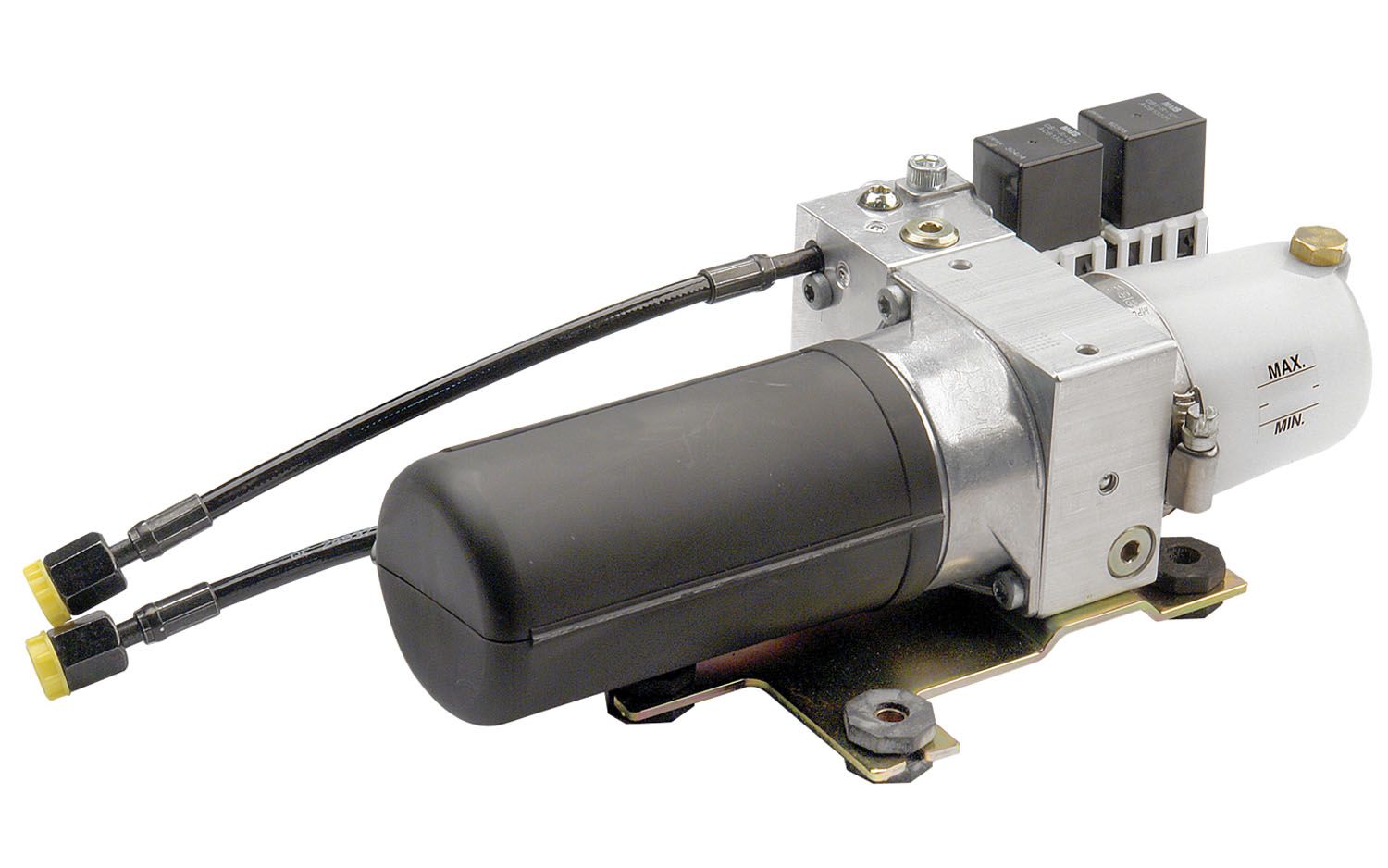
Electrohydraulic Pump Market to Reach USD 2,565.6 Million by 2034, with 5.50% CAGR

Electrohydraulic Pump Market

According to a report by Future Market Insights (FMI), the electrohydraulic pump market is expected to reach a valuation of USD 1,392.7 million in 2024 and is projected to grow to USD 2,565.6 million by 2034, with a compound annual growth rate (CAGR) of 5.50% over the forecast period.

The rise of Industry 4.0 has fueled demand for smart, energy-efficient hydraulic systems across various industries. Electrohydraulic pumps, which use electric motors to control fluid pressure and flow precisely, have become increasingly important in sectors such as manufacturing, construction, and aerospace.

In particular, the metal-forming industry has seen growing adoption of electrohydraulic pumps due to their ability to deliver precise force and motion control, which is essential for shaping and molding metals. The post-pandemic recovery of the global manufacturing and machine tools industries has further boosted demand for these systems.

In the construction and infrastructure sectors, electrohydraulic pumps are integrated into heavy machinery such as excavators, cranes, and loaders, providing hydraulic power for lifting, digging, and other tasks. Countries with ongoing infrastructure projects, including India, China, and the United States, are expected to see significant growth in the demand for electrohydraulic pumps.

Key Takeaways from the Electrohydraulic Pump Industry:

  • Variable displacement electrohydraulic pumps command a substantial market share of 33.00% in 2024, emerging as the predominant choice.
  • Electrohydraulic pumps for metal forming industries secure a robust market lead, claiming a solid 24.00% market share in 2024.
  • The electrohydraulic pump market in India is predicted to grow at a remarkable CAGR of 6.20% through 2034.
  • The electrohydraulic pump industry in China is predicted to rise at a whopping 6.00% CAGR through 2034.
  • The electrohydraulic pump market in Australia has the potential to increase at 5.20% CAGR through 2034.
  • The United Kingdom’s electrohydraulic pump market is predicted to rise at a 5.10% CAGR through 2034.
  • The electrohydraulic pump industry in the United States is predicted to grow at a CAGR of 5.10% through 2034.

Competitive Landscape for Electrohydraulic Pump Market:

The market for electrohydraulic pumps is characterized by the presence of several players who have gained a loyal consumer base spread across various sectors and industries. The majority of this consumer base is metal forming and precision engineering companies with the financial and technical capacity to invest in advanced hydraulic systems. This cut-throat competition often consists of innovations and advanced features, ensuring that companies stay at the forefront of meeting the requirements of manufacturing units in various industries.

Key Players Operating in the Global Electrohydraulic Pump Industry:

  • Bosch Rexroth AG
  • Parker Hannifin Corporation
  • Eaton Corporation PLC
  • Moog Inc.
  • Danfoss Power Solutions
  • Enerpac Tool Group
  • Linde Hydraulics
  • Oilgear Company
  • Shimadzu Corporation
  • HYDAC International GmbH

Electrohydraulic Pump Market Segmentation Analysis:

By Type:

  • Wound Field Motors
  • Permanent Magnet Motors
  • Variable Displacement

By End Use:

  • Electric power steering
  • Electro-Hydraulic system and circuits
  • Metal Forming

By Application:

  • Buses and coaches and Vocational vehicles
  • Construction
  • Agricultural equipment

By Region:

  • North America
  • Latin America
  • Europe
  • Asia Pacific
  • The Middle East and Africa (MEA)

Report Preview: https://www.futuremarketinsights.com/reports/electrohydraulic-pump-market

About Future Market Insights (FMI)

Future Market Insights, Inc. (ESOMAR certified, recipient of the Stevie Award, and a member of the Greater New York Chamber of Commerce) offers profound insights into the driving factors that are boosting demand in the market. FMI stands as the leading global provider of market intelligence, advisory services, consulting, and events for the Packaging, Food and Beverage, Consumer Technology, Healthcare, Industrial, and Chemicals markets. With a vast team of over 400 analysts worldwide, FMI provides global, regional, and local expertise on diverse domains and industry trends across more than 110 countries.

Contact Us:    

Future Market Insights Inc.
Christiana Corporate, 200 Continental Drive,
Suite 401, Newark, Delaware – 19713, USA
T: +1-347-918-3531
For Sales Enquiries: sales@futuremarketinsights.com
Website: https://www.futuremarketinsights.com
LinkedInTwitterBlogs | YouTube

Printed Sensors Market Set to Soar: Projected to Reach $161.9 Billion by 2033 with a 5.4% CAGR

Printed Sensors Market

As the worldwide printed sensors market is expected to rise significantly from US$ 95,374.8 million in 2023 to US$ 161,882.6 million by 2033, it is expected to be a large market. This growth trajectory is explained by the 5.4% compound annual growth rate (CAGR) predicted for the duration of the prediction.

The market for printed sensors is being driven primarily by the growing need for inexpensive, high-performing sensors that can be readily and expeditiously manufactured using printing technology. Printed sensors are more widely available to a greater range of sectors and applications due to their reduced cost and larger manufacturing capacity as compared to conventional sensors.

Key Figures:

  • Global Printed Sensors Market in 2023: US$ 95,374.8 million.
  • Projected Market Valuation by 2033: US$ 161,882.6 million.
  • Expected CAGR (2023-2033): 5.4%.

Drivers and Opportunities: The surge in demand for printed sensors can be attributed to their remarkable mechanical flexibility, enabling the detection of various stimuli associated with specific biological and environmental factors. Their versatility has garnered substantial attention, fostering increased demand in the global market.

The application of printed sensors across diverse sectors, including automobiles, aviation, healthcare, and environmental monitoring, has expanded their reach across numerous verticals. Their eco-friendly and flexible nature allows them to seamlessly integrate with small-shaped electronic devices. This, in turn, is expected to fuel substantial growth in the printed sensors industry over the forecast period.

Competitive Landscape – Regional Trends: The competitive landscape in the global printed sensors market is evolving, with regional trends shaping the industry. Market players are focusing on regional customization to cater to specific demands and regulations, thus enhancing their competitive positions. Regional variations in technological advancements and environmental regulations are influencing the production and adoption of printed sensors.

Restraints: While the printed sensors market shows promising growth prospects, certain challenges must be addressed. These include regulatory hurdles, standardization issues, and the need for continued technological innovation to maintain and enhance the sensors’ performance and capabilities.

Region-wise Insights – Category-wise Insights: The growth of the printed sensors market is not uniform across regions. Variations in demand, regulatory landscapes, and technological readiness contribute to regional disparities. Additionally, within the printed sensors market, specific categories such as healthcare and environmental monitoring are experiencing distinct growth patterns, influenced by evolving industry requirements and consumer preferences.

Key Takeaways:

  • The global printed sensors market is forecasted to reach US$ 161,882.6 million by 2033, with a CAGR of 5.4%.
  • High mechanical flexibility and versatile stimulus detection capabilities are driving the demand for printed sensors.
  • Printed sensors find applications in various sectors, including automobiles, aviation, healthcare, and environmental monitoring.
  • Regional trends and customization play a pivotal role in the competitive landscape.
  • Regulatory challenges and the need for ongoing technological innovation are key restraints.
  • Region-wise and category-wise disparities exist in the growth of the printed sensors market, influenced by regional factors and industry-specific demands.

Get a Sample PDF of the Report.
https://www.futuremarketinsights.com/reports/sample/rep-gb-4897

Key Segments in the Printed Sensors Market

By Type:

  • Printed Biosensor
  • Printed Touch Sensor
  • Printed Gas Sensor
  • Printed Humidity Sensor
  • Printed Image Sensor
  • Printed Pressure Sensor
  • Printed Temperature Sensor
  • Printed Proximity Sensor

By Printing Technology:

  • Gravure Printing
  • Inkjet Printing
  • Screen Printing
  • Flexography
  • Others

By Application:

  • Industrial
  • Automotive
  • Consumer Electronics
    • Smartphones
    • Wearable Devices
    • Others
  • Environmental Testing
  • Industrial Equipment
  • Medical Devices
  • Building Automation
  • Smart Packaging
  • Others

By Region:

  • North America
  • Latin America
  • MEA
  • Europe
  • Asia Pacific

About Future Market Insights (FMI)

Future Market Insights, Inc. (ESOMAR certified, recipient of the Stevie Award, and a member of the Greater New York Chamber of Commerce) offers profound insights into the driving factors that are boosting demand in the market. FMI stands as the leading global provider of market intelligence, advisory services, consulting, and events for the Packaging, Food and Beverage, Consumer Technology, Healthcare, Industrial, and Chemicals markets. With a vast team of over 400 analysts worldwide, FMI provides global, regional, and local expertise on diverse domains and industry trends across more than 110 countries. Join us as we commemorate 10 years of delivering trusted market insights. Reflecting on a decade of achievements, we continue to lead with integrity, innovation, and expertise.

Contact Us:      

Future Market Insights Inc.
Christiana Corporate, 200 Continental Drive,
Suite 401, Newark, Delaware – 19713, USA
T: +1-347-918-3531
For Sales Enquiries: sales@futuremarketinsights.com
Website: https://www.futuremarketinsights.com
LinkedInTwitterBlogs | YouTube