Vestibular Testing System Market Set to Reach USD 202.4 Million by 2033 at a 5.4% of CAGR

Vestibular Testing System Market

The vestibular testing system market is projected to be valued at USD 119.3 million in 2023, with expectations to rise to USD 202.4 million by 2033, marking a significant CAGR of 5.4% during the forecast period.

The anticipated growth in the vestibular testing system market is largely attributed to the affordability and convenience of the Video Nystagmography (VNG) system, which enhances diagnostic capabilities in various clinical settings. This advancement allows healthcare providers to conduct comprehensive assessments of vestibular disorders efficiently.

The market is primarily segmented into two key areas: private clinics and hospitals, both of which are increasingly adopting vestibular testing systems to improve patient outcomes and streamline diagnostic processes.

As awareness of vestibular disorders grows and the demand for effective diagnostic tools increases, stakeholders in the healthcare industry are encouraged to explore the evolving landscape of vestibular testing systems. This growth presents significant opportunities for innovation and enhancement of patient care in the field of vestibular health.

The vestibular testing system is a sensory system that controls special orientation and coordination. It consists of several tests that determine whether there is something wrong with the vestibular portion of the inner ear. These tests can also help in isolating dizziness symptoms, which can then be treated effectively.

The growing demand for vestibular testing systems can be attributed to their high accuracy in identifying inner ear disorders. Recent studies have shown that these systems are more reliable than medical examinations in detecting vestibular problems. As a result, the industry is expected to experience steady growth in the coming years.

Tests for hearing evaluations are categorized into audiometric hearing evaluation, videonystagmography (VNG), vestibular evoked myogenic potential (VEMP), rotary chair and computerized dynamic posturography. The tests include hearing evaluations because the balance and hearing functions of the inner ear are closely related.

The vestibular tests are suggested for those people who are mainly suffering from vertigo, balance disorders, disequilibrium, benign paroxysmal positional vertigo (BPPV) and concussion. The main objective of the vestibular testing system is to decrease the symptoms of vertigo & dizziness, improve gaze stability and decrease risk of falls.

According to the CDC, more than one third of adults of age 65 and older fall each year in the United States and about 20% to 30% of people who fall suffer moderate to severe injuries.

Global Vestibular Testing System Industry: Drivers and Restraints

The factors responsible for the growth of global vestibular testing system are improving healthcare infrastructure and increased risk of clinically significant outcomes such as falls. In addition, rise in the prevalence of balance disorders is significantly expanding the scope of vestibular testing systems.

However, high cost of tests and lack of skilled professionals in understanding test results are some of the factors which are restraining the growth of global vestibular testing system market.

Global Vestibular Testing System Industry: Overview

Based on test type, the global vestibular testing system market is segmented into Videonystagmography (VNG), Vestibular evoked myogenic potential (VEMP), Rotary chair, Computerized dynamic posturography and others. Based on end user, the market is segmented into hospitals, diagnostic centers and clinics.

Hospitals are preferred more due to the supervision of the physicians and availability of comparatively better-skilled professionals.

Vestibular Testing System Industry: Regional Overview

Region wise, the Global Vestibular Testing System Industry is classified into regions namely, North America, Latin America, Western Europe, Eastern Europe, Asia-Pacific excluding Japan, Japan, and Middle East and Africa. The market in North America is expected to hold the largest share due to new product innovations, lifestyle changes and early treatment adoption.

Europe is the second leading market for vestibular testing system due to development activities and large research base. The Asia Pacific market is also expected to show a significant growth rate over the forecast period. Overall, the Global Vestibular Testing System Industry is expected to show significant growth over the forecast period.

Global Vestibular Testing System Industry: Key Players 

Some of the key players in the Global Vestibular Testing System Industry are Balanceback, BeOn Solutions, DIFRA, BioMed Jena, Vesticon, Inc., Recorders & Medicare Systems, Happersberger otopront GmbH, Interacoustics, Homoth Medizinelektronik GmbH & Co., Ecleris S.R.L, MEDI-CARE SOLUTIONS srl, Micromedical Technologies, NAGASHIMA MEDICAL INSTRUMENTS.CO.,LTD., Natus Medical Incorporated, Otometrics A/S and TECHNO CONCEPT.

The report covers an exhaustive analysis on

  • Market Segments
  • Market Dynamics
  • Market Size
  • Supply & Demand
  • Current Trends/Issues/Challenges
  • Competition & Companies involved
  • Technology
  • Value Chain

A Full Report Overview

Global Vestibular Testing System Industry: Segmentation is classified based on test type, end-user, and geography.

Based on test type, the Global Vestibular Testing System Industry is segmented into the following:

  • Videonystagmography (VNG)
  • Vestibular evoked myogenic potential (VEMP)
  • Rotary chair
  • Computerized dynamic posturography
  • Others

Based on end-user, the Global Vestibular Testing System Industry is segmented into the following:

  • Hospitals
  • Diagnostic Centres
  • Clinics

Author

Sabyasachi Ghosh (Associate Vice President at Future Market Insights, Inc.) holds over 12 years of experience in the Healthcare, Medical Devices, and Pharmaceutical industries. His curious and analytical nature helped him shape his career as a researcher.

Identifying key challenges faced by clients and devising robust, hypothesis-based solutions to empower them with strategic decision-making capabilities come naturally to him. His primary expertise lies in areas such as Market Entry and Expansion Strategy, Feasibility Studies, Competitive Intelligence, and Strategic Transformation.

Holding a degree in Microbiology, Sabyasachi has authored numerous publications and has been cited in journals, including The Journal of mHealth, ITN Online, and Spinal Surgery News.

About Future Market Insights (FMI)

Future Market Insights, Inc. (ESOMAR certified, recipient of the Stevie Award, and a member of the Greater New York Chamber of Commerce) offers profound insights into the driving factors that are boosting demand in the market. FMI stands as the leading global provider of market intelligence, advisory services, consulting, and events for the Packaging, Food and Beverage, Consumer Technology, Healthcare, Industrial, and Chemicals markets. With a vast team of over 400 analysts worldwide, FMI provides global, regional, and local expertise on diverse domains and industry trends across more than 110 countries.

Contact Us:      

Future Market Insights Inc.
Christiana Corporate, 200 Continental Drive,
Suite 401, Newark, Delaware – 19713, USA
T: +1-347-918-3531
For Sales Enquiries: sales@futuremarketinsights.com
Website: https://www.futuremarketinsights.com
LinkedInTwitterBlogs | YouTube

Global Commercial Paper Bags Market Set to Reach USD 13.0 Billion by 2033, Driven by Innovations and Environmental Regulations

Commercial Paper Bags Market

The global commercial paper bags market is projected to grow from USD 6.3 billion in 2023 to USD 13.0 billion by 2033, reflecting a robust CAGR of 7.5%. This growth is significantly bolstered by innovations in paper bag technology and increasing regulations aimed at reducing plastic waste.

The increasing prevalence of plastic bans and regulations on single-use plastics stands as a powerful catalyst behind the growing adoption of commercial paper bags across industries. This shift is a direct response to mounting global environmental concerns surrounding plastic pollution, which adversely affects ecosystems, marine life, and human well-being.

Plastic waste’s pervasive presence in various environments has led to heightened awareness among governments, businesses, and consumers. Plastic bags, being prominent symbols of this pollution, have garnered significant attention. The adverse impact of plastics on ecosystems and wildlife has spurred urgent efforts to reduce plastic consumption.

Governments worldwide have taken proactive measures to tackle the plastic pollution crisis, including banning single-use plastics, imposing taxes on plastic bags, and instituting regulations to limit their use. These legislative actions aim to mitigate plastic waste and promote the adoption of more sustainable alternatives like commercial paper bags, contributing to a greener and more eco-conscious future.

Growth Factors:

  1. Environmental Awareness and Plastic Bans:  Increasing global concern about environmental issues, coupled with government initiatives to ban or restrict single-use plastics, is driving the demand for eco-friendly alternatives like commercial paper bags.
  2. Innovations in Paper Bag Technology:  Ongoing advancements in the design and manufacturing of paper bags, including improvements in durability, printing techniques, and customization options, are attracting businesses and consumers towards paper bag solutions.
  3. Corporate Sustainability Initiatives:  Many businesses are adopting sustainable practices, including the use of environmentally friendly packaging. Commercial paper bags align with corporate sustainability goals, leading to a growing preference for such packaging solutions.
  4. Consumer Preference for Eco-Friendly Packaging:  As consumer awareness about the environmental impact of plastic grows, there is a shift in preferences toward sustainable and biodegradable packaging options, driving the demand for commercial paper bags.
  5. Global Expansion of Retail and E-commerce:  The expanding retail sector and the rise of e-commerce globally contribute to increased demand for packaging solutions. Commercial paper bags are favored for their versatility, branding opportunities, and eco-friendly appeal.

Industry Trends in the Commercial Paper Bags:

  1. Customization and Branding:  Companies are increasingly using commercial paper bags as a means of branding and marketing. Customized designs, logos, and messages on paper bags contribute to brand visibility and customer engagement.
  2. Emphasis on Recyclability and Biodegradability:  With a growing focus on sustainability, there is a trend towards commercial paper bags that are not only recyclable but also biodegradable, aligning with circular economy principles.
  3. Digital Printing Technologies:  The adoption of advanced digital printing technologies allows for intricate and high-quality printing on paper bags. This trend enhances the visual appeal of bags, providing opportunities for unique and eye-catching designs.
  4. Collaborations for Sustainable Supply Chains:  Businesses in the commercial paper bags market are forming partnerships and collaborations to create sustainable supply chains. This involves sourcing raw materials responsibly and ensuring ethical and eco-friendly production processes.
  5. E-commerce Packaging Solutions:  With the rise of online shopping, there is a trend towards developing commercial paper bags tailored for e-commerce packaging. These bags not only serve as carriers but also play a role in enhancing the overall unboxing experience for consumers.

Regional Outlook

Geographically, the global commercial paper bags market is segmented into North America, Latin America, Western Europe, Eastern Europe, Asia Pacific excl. Japan (APEJ), Middle East and Africa (MEA) and Japan. The countries of MEA are expected to represent growth opportunities for owing to its applications in building & construction sector. In the APEJ region, the retail sector is booming and is expected to propel the demand for the commercial paper bags in the region. Changing consumer spending pattern has resulted into high expenditure on packaged goods, which will buttress the demand for commercial paper bags in the region.

Key Players

Examples of some of the key players operating in the global market are Smurfit Kappa Group Plc., Essentra Plc., Novolex Holdings, Inc., Mondi Group plc, International Paper Company, United Bags, Inc., El Dorado Packaging, Inc., and Langston Companies, Inc. among others.

Access Full Report: https://www.futuremarketinsights.com/reports/commercial-paper-bags-market

Market Segmentation

Based on product type

  • Sewn open mouth bags
  • Pinched bottom open bags,
  • Pasted valve bags,
  • Pasted open mouth bags
  • Flat bottom bags

Based on material type,

  • Brown Kraft
  • White Kraft

Based on thickness,

  • 2 ply
  • 3 ply
  •  >3 ply

Based on end-uses

  • Agricultural & allied industries
  • Building & construction
  • Food & beverage
  • Retail
  • Chemical industry
  • Others

About Future Market Insights (FMI)

Future Market Insights, Inc. (ESOMAR certified, recipient of the Stevie Award, and a member of the Greater New York Chamber of Commerce) offers profound insights into the driving factors that are boosting demand in the market. FMI stands as the leading global provider of market intelligence, advisory services, consulting, and events for the Packaging, Food and Beverage, Consumer, Technology, Healthcare, Industrial, and Chemicals markets. With a vast team of over 400 analysts worldwide, FMI provides global, regional, and local expertise on diverse domains and industry trends across more than 110 countries.

Join us as we commemorate 10 years of delivering trusted market insights. Reflecting on a decade of achievements, we continue to lead with integrity, innovation, and expertise.

Contact Us:       

Future Market Insights Inc.
Christiana Corporate, 200 Continental Drive,
Suite 401, Newark, Delaware – 19713, USA
T: +1-347-918-3531
For Sales Enquiries: sales@futuremarketinsights.com
Website: https://www.futuremarketinsights.com
LinkedInTwitterBlogs | YouTube

Global Plastic Sterilization Trays Market Set to Reach USD 33.4 Billion by 2033, Driven by Customization and Precision in Healthcare

Plastic Sterilization Trays Market

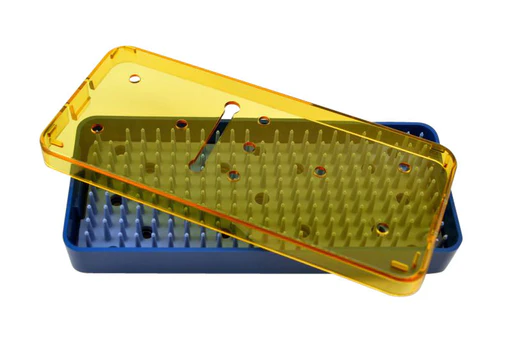
The global plastic sterilization trays market is projected to grow from USD 15.9 billion in 2023 to USD 33.4 billion by 2033, reflecting a robust CAGR of 7.7%. The market’s growth is propelled by the increasing demand for pharmaceutical packaging and the trend toward customizable solutions tailored to meet the specific needs of the healthcare sector.

Transformative Trends Driving Market Growth:

  1. Customization for Diverse Medical Needs: The demand for plastic sterilization trays is being driven by the transformative trend of customization to meet diverse medical requirements. In the healthcare sector, precision, efficiency, and patient safety are paramount, and the ability to tailor sterilization trays to specific medical procedures and instruments is reshaping the market landscape. Customized trays ensure a secure fit, optimal protection, and organized arrangement during the sterilization process, catering to the unique needs of various medical applications.
  2. Advancements in Sterilization Techniques: Innovations in sterilization techniques, such as low-temperature hydrogen peroxide plasma and ozone sterilization, are propelling market growth. These advanced methods offer benefits like compatibility with heat-sensitive materials, shorter cycle times, and reduced environmental impact. Plastic sterilization trays are evolving to complement these techniques, featuring materials and designs optimized for compatibility and effectiveness.
  3. Increasing Demand for Sterile & Ready-to-Use Instruments: The emphasis on patient safety and infection control is driving the demand for sterile and ready-to-use instruments. Plastic sterilization trays offer a packaging solution that ensures thorough sterilization, packaging, and organization of medical instruments before use, minimizing the risk of healthcare-associated infections (HAIs) and enhancing patient safety.

Growing Demand for Sterile and Ready-to-Use Instruments

The healthcare sector’s emphasis on patient safety and efficient procedures has fueled the demand for sterile and ready-to-use instruments. Plastic sterilization trays offer a strategic solution, contributing to streamlined processes and enhanced patient care.

By ensuring thorough sterilization, organized packaging, and immediate availability of instruments, these trays minimize the risk of contamination and streamline instrument preparation. This not only reduces the burden on healthcare providers but also allows them to focus more on patient care and clinical tasks. The standardized packaging further enhances instrument management and inventory control, fostering a well-organized healthcare environment.

North America Poised for Significant Growth

North America, with its stringent regulations for medical device sterilization and packaging, is expected to witness significant growth in the plastic sterilization trays market. Healthcare facilities in the region require efficient and effective sterilization solutions to uphold the highest patient safety standards, driving the adoption of these trays.

Furthermore, the growing trend of minimally invasive surgeries necessitates specialized instruments that require effective sterilization and organization. Plastic sterilization trays cater to this need by providing a convenient and sterile packaging solution, supporting the expansion of such procedures. Additionally, advancements in tray design and technology, like RFID integration and customization features, further propel market growth in the region.

Looking Ahead: A Sterile and Efficient Future

The plastic sterilization trays market is well-positioned for continued growth, driven by the increasing demand for customization, advanced sterilization techniques, and sterile and ready-to-use instruments. As innovation continues in materials, design, and technology, expect to see even more sophisticated and efficient plastic sterilization trays emerge, playing a vital role in ensuring patient safety and streamlining processes within the healthcare sector.

Access Full Report: https://www.futuremarketinsights.com/reports/plastic-sterilization-trays-market

Key Segmentation:

By Material:

  • Polyethylene (PE)
  • Polycarbonate
  • Polyetherimide (PEI)

By Product Type:

  • Perforated
  • Non-Perforated

By End User:

  • Hospitals
  • Drug Manufacturing
  • Clinical Research Centre
  • Laboratories

By Region:

  • North America
  • Latin America
  • Western Europe
  • Eastern Europe
  • South Asia and Pacific
  • East Asia
  • The Middle East and Africa

About Future Market Insights (FMI)

Future Market Insights, Inc. (ESOMAR certified, recipient of the Stevie Award, and a member of the Greater New York Chamber of Commerce) offers profound insights into the driving factors that are boosting demand in the market. FMI stands as the leading global provider of market intelligence, advisory services, consulting, and events for the Packaging, Food and Beverage, Consumer, Technology, Healthcare, Industrial, and Chemicals markets. With a vast team of over 400 analysts worldwide, FMI provides global, regional, and local expertise on diverse domains and industry trends across more than 110 countries.

Join us as we commemorate 10 years of delivering trusted market insights. Reflecting on a decade of achievements, we continue to lead with integrity, innovation, and expertise.

Contact Us:       

Future Market Insights Inc.
Christiana Corporate, 200 Continental Drive,
Suite 401, Newark, Delaware – 19713, USA
T: +1-347-918-3531
For Sales Enquiries: sales@futuremarketinsights.com
Website: https://www.futuremarketinsights.com
LinkedInTwitterBlogs | YouTube

3D Printed Drugs Market Projected to Reach USD 742.88 Million by 2032 at a 9.2% of CAGR

3D Printed Drugs Market

The global 3D printed drugs market is estimated to generate a value of USD 307.54 million in 2022, with projections indicating it will reach USD 742.88 million by 2032, reflecting a robust CAGR of 9.2% from 2022 to 2032.

The growth of the 3D printed drugs industry is primarily driven by the increasing demand for personalized pharmaceuticals across various age groups. As patients seek tailored treatment solutions that cater to their individual needs, 3D printing technology offers the ability to create customized medication formulations and dosages.

This innovative approach to drug manufacturing is revolutionizing the pharmaceutical landscape, enabling healthcare providers to deliver more effective and precise treatments. The 3D printed drugs market is poised for significant advancements as technology continues to evolve and expand its applications in the medical field.

Industry stakeholders are encouraged to stay informed about the ongoing developments in 3D printing technology and its implications for personalized medicine, as these advancements are set to enhance patient care and outcomes.

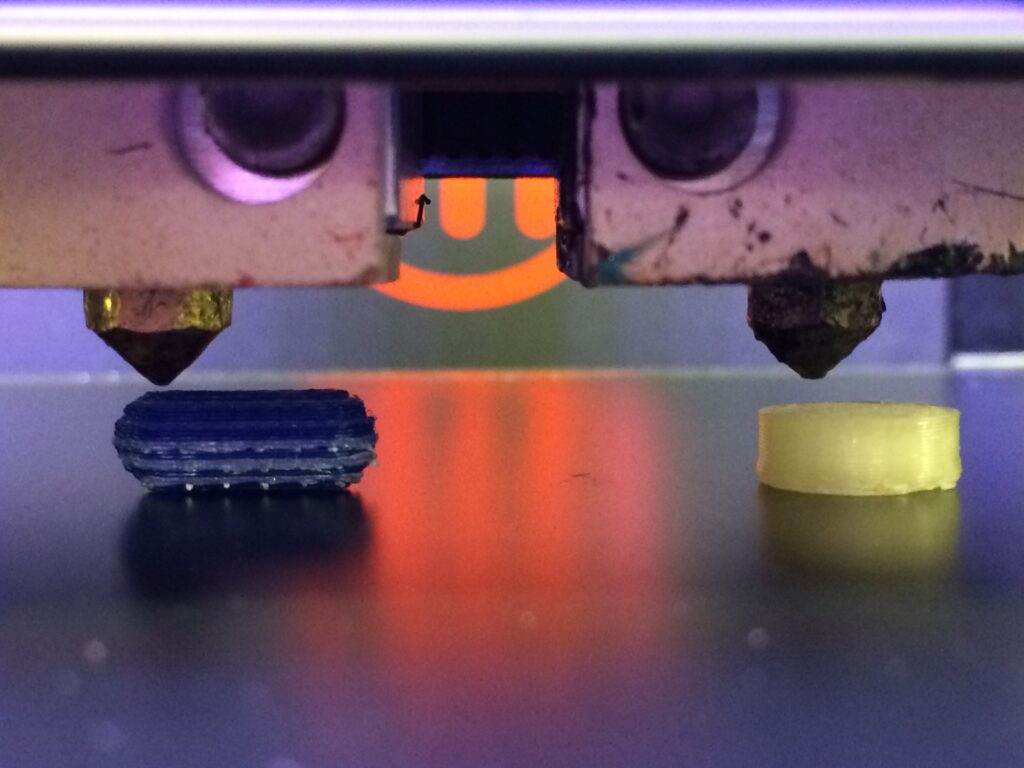
Quick solubility and customizable aspect of 3D printed drugs augments the demand for the same in the international market. These drugs are produced by the help of powder bed inkjet printing by adding the drug’s components in a layer by layer format- similar to 3D printing for any other application. This process of production makes the medications easier to swallow and is advantageous for people suffering from dysphagia.

Moreover, 3D printing has the potential to fasten up the arrival of customized pharmaceuticals or the development of therapeutic blends. With the help of 3D printing, medications could be personalized for each patient, which will likely be more effective than batch-produced medications as they would be produced individually with consideration for that patient’s medical history. All of these considerations aid the growth of the 3D printed drugs market during the forecast period.

“A surge in the demand for customized medications will fuel the global growth of the 3D printed drugs market over the forecast period,” says an FMI analyst.  

Key Takeaways:

  • The inkjet printer technology segment will hold 24% of the 3D printed drugs market share by the end of 2022.
  • The hospitals and clinics end-user segment will own about 45% of the overall market share.
  • In 2022, the 3D printed drugs market in North America will account for 31.1% of the total market share.
  • Europe’s 3D drug printing market will hold 29.9% of the market share in 2022.
  • Immense potential for 3D printed drugs research will drive the Asia Pacific market to hold 27% of the overall market share in 2022.

Competitive Landscape:

Hewlett Packard Caribe, Merck, Cycle Pharmaceuticals, AstraZeneca, Aprecia, Osmotica Pharmaceuticals, Aprecia Pharmaceuticals LLC Extend Biosciences, Bioduro, Affinity Therapeutics, GlaxoSmithKline Plc, and FabRx Ltd. among others are some of the major players in the 3D printed drugs market profiled in the full version of the report.

Key market players are focusing on product development and new product launches to meet the growing demand. These organizations also employ strategic partnership and collaboration tactics to gain a competitive advantage.

More Insights into 3D Printed Drugs Market Report

In its latest report, FMI offers an unbiased analysis of the global 3D printed drugs market, providing historical data from 2017 to 2021 and forecast statistics for 2022 to 2032. To understand the global market potential, growth, and scope, the market is segmented on the basis of the dosage form (3D printed tablets, 3D printed capsules, 3D printed multi drug implants, 3D printed nanoparticles, 3D printed solutions, other 3D printed drug dosage forms), technology (inkjet 3D printed drugs, direct write 3D printed drugs, zip dose 3D printed drugs, thermal inkjet 3D printed drugs, 3D printed drugs based on fuel deposition modeling, powder bed 3D printed drugs, stereo lithography (SLA) 3D printed drugs, semi solid extrusion (SSE) 3D printed drugs), and region.

According to the latest FMI reports, based on segmentation, the inkjet printer technology will gain momentum over the forecast period. This segment will likely account for 24% of the 3D printed drugs market share in 2022. Owing to technological advancement the inkjet printers are easier and convenient to use. In terms of end use, hospitals and clinics are expected to be major contributors to the overall growth of the target market As easy installation and fewer waste fasten up the manufacture of 3D printed drugs in hospitals and clinics, these end users are predicted to hold 45% of the overall market share.

Based on region, the 3D printed drugs market in North America will exhibit impressive growth during 2022-2032. Increasing incidences of chronic diseases, an aging population, access to a well-established healthcare infrastructure are some of the factors that drive the target market in this region. Thus, the 3D printed drugs market in North America will account for 31.1% of the total market share in 2022. Besides North America, Europe and the Asia Pacific regions, too, will register considerable 3D printed drugs market growth during the forecast period.

Key Companies Profiled

  • Hewlett Packard Caribe
  • Merck
  • Cycle Pharmaceuticals
  • AstraZeneca
  • Aprecia
  • Osmotica Pharmaceuticals
  • Aprecia Pharmaceuticals LLC
  • Extend Biosciences
  • Bioduro
  • Affinity Therapeutics
  • GlaxoSmithKline Plc
  • FabRx Ltd

A Full Report Overview

Key Segments Covered in the 3D Printed Drugs Industry Analysis

3D Printed Drugs Market by Dosage Form:

  • 3D Printed Tablets
  • 3D Printed Capsules
  • 3D Printed Multi Drug Implants
  • 3D Printed Nanoparticles
  • 3D Printed Solutions
  • Other 3D Printed Drug Dosage Forms

3D Printed Drugs Market by Technology:

  • Inkjet 3D Printed Drugs
  • Direct Write 3D Printed Drugs
  • Zip Dose 3D Printed Drugs
  • Thermal Inkjet 3D Printed Drugs
  • 3D Printed Drugs based on Fused Deposition Modeling
  • Powder Bed 3D Printed Drugs
  • Stereo Lithography (SLA) 3D Printed Drugs
  • Semi Solid Extrusion (SSE) 3D Printed Drugs

About Future Market Insights (FMI)

Future Market Insights, Inc. (ESOMAR certified, recipient of the Stevie Award, and a member of the Greater New York Chamber of Commerce) offers profound insights into the driving factors that are boosting demand in the market. FMI is the leading global provider of market intelligence, advisory services, consulting, and events for the Packaging, Food and Beverage, Consumer Technology, Healthcare, Industrial, and Chemicals markets. With a vast team of over 400 analysts worldwide, FMI provides global, regional, and local expertise on diverse domains and industry trends across more than 110 countries.

Contact:

Future Market Insights, Inc.
Christiana Corporate, 200 Continental Drive,
Suite 401, Newark, Delaware – 19713, USA
T: +1-347-918-3531
For Sales Enquiries: sales@futuremarketinsights.com
Browse All Reports: https://www.futuremarketinsights.com/reports
LinkedInTwitterBlogs

Insulated Shipping Boxes Market Poised to Hit USD 7.3 Billion by 2033, Driven by Innovation and Demand for Fresh Food Delivery

The global insulated shipping boxes market is set for substantial growth, with the market value projected to soar from USD 3.2 billion in 2023 to USD 7.3 billion by 2033. This impressive expansion, at a compound annual growth rate (CAGR) of 8.5%, is fueled by advancements in insulation technology and the surge in demand for fresh and frozen food delivery services.

Fresh Food Revolution Drives Demand

The rise of e-commerce and convenient delivery options has fundamentally changed how consumers access food. The ability to order groceries, meal kits, and ingredients online has created a significant demand for reliable methods to transport perishable goods. Insulated shipping boxes have emerged as a critical solution, ensuring the quality, safety, and freshness of these items throughout their journey from supplier to consumer.

Maintaining Optimal Temperatures, Minimizing Waste

By offering superior thermal insulation, these boxes shield contents from external temperature fluctuations, guaranteeing that frozen goods stay frozen and fresh products remain at the desired temperature. This not only prevents spoilage and bacterial growth but also extends the shelf life of perishable items, particularly crucial for products like seafood, meat, dairy, and produce. This extended shelf life translates to reduced food waste and more flexible delivery schedules, catering to busy lifestyles and minimizing the need for frequent grocery runs.

Empowering Flexible Delivery Models

Insulated shipping boxes empower food delivery services to adopt more flexible delivery models, catering to the on-the-go consumer. These boxes allow for longer transit times without compromising food quality, perfect for meal kit subscriptions or large grocery orders. Additionally, they facilitate the expansion of delivery services to broader geographical areas, ensuring that consumers in remote locations can enjoy access to fresh and frozen food options previously limited by logistical challenges.

Beyond Food: Safeguarding E-commerce Deliveries

The benefits of insulated shipping boxes extend beyond the food and beverage industry. E-commerce platforms dealing with a wide range of products, including pharmaceuticals, cosmetics, and even flowers, rely on these boxes to maintain optimal temperatures throughout the delivery journey. This ensures the products arrive in pristine condition, preserving their quality and efficacy.

Cross-Border Trade and Global Supply Chains

In today’s interconnected world, seamless cross-border trade is essential for a robust global supply chain. Insulated shipping boxes play a vital role in this ecosystem, safeguarding the integrity of temperature-sensitive goods like pharmaceuticals, biologics, and specialty chemicals during international transportation. These boxes ensure consistent temperature control, preventing spoilage and maintaining product efficacy, even during longer transit times due to customs clearance or distance. Additionally, they help businesses comply with varying international regulations governing the transportation of such products.

Direct-to-Consumer Boom: A Perfect Match

The direct-to-consumer meal kit and grocery delivery revolution has significantly impacted the demand for insulated shipping boxes. These boxes are instrumental in maintaining the quality and freshness of perishable ingredients and food items, ultimately enhancing the overall consumer experience. By ensuring products arrive as fresh as if purchased from a store, insulated shipping boxes contribute to the success of this rapidly growing market segment.

Looking Ahead: A Promising Future

As e-commerce flourishes and the demand for convenient food delivery options persists, the insulated shipping boxes market is poised for continued growth. With continuous advancements in insulation technology, expect even more efficient and reliable solutions to emerge, further supporting the expansion of temperature-sensitive product delivery across various industries.

Key Companies Profiled: 

  1. Drew Foam Companies Inc.
  2. Harwal Group
  3. Marko Foam Products
  4. Cryopak
  5. Radwa Corporation
  6. Sofrigam SA
  7. Sonoco Products Company
  8. COOL Sarl
  9. Topa Thermal
  10. Creopack Packaging Intelligence

Access Full Report: https://www.futuremarketinsights.com/reports/insulated-shipping-boxes-market

Regions Included:

  • North America
  • Latin America
  • Europe
  • Middle East and Africa (MEA)
  • East Asia
  • South Asia
  • Oceania

Market Segmentation: 

Based on material type:

  • Polyurethane
  • Polypropylene
  • Polystyrene
  • Extended Polystyrene (EPS)
  • Extruded Polystyrene (XPS)
  • Others

Based on capacity:

  • Up to 5 ltr
  • 5 ltr – 10 ltr
  • 10 ltr – 15 ltr
  • Above 15 ltr

Based on sales channel:

  • Specialty/Departmental Stores
  • Online
  • Distributors

Based on end use:

  • Food & Beverages
  • Pharmaceuticals
  • Chemicals
  • Others

About Future Market Insights (FMI)

Future Market Insights, Inc. (ESOMAR certified, recipient of the Stevie Award, and a member of the Greater New York Chamber of Commerce) offers profound insights into the driving factors that are boosting demand in the market. FMI stands as the leading global provider of market intelligence, advisory services, consulting, and events for the Packaging, Food and Beverage, Consumer, Technology, Healthcare, Industrial, and Chemicals markets. With a vast team of over 400 analysts worldwide, FMI provides global, regional, and local expertise on diverse domains and industry trends across more than 110 countries.

Join us as we commemorate 10 years of delivering trusted market insights. Reflecting on a decade of achievements, we continue to lead with integrity, innovation, and expertise.

Contact Us:       

Future Market Insights Inc.
Christiana Corporate, 200 Continental Drive,
Suite 401, Newark, Delaware – 19713, USA
T: +1-347-918-3531
For Sales Enquiries: sales@futuremarketinsights.com
Website: https://www.futuremarketinsights.com
LinkedInTwitterBlogs | YouTube

Global Immunoassay Market Projected to Reach USD 45.78 Billion by 2032 at a 5% of CAGR

Global Immunoassay Market

The global immunoassay market is expected to reach USD 45.78 billion by 2032, growing at a CAGR of 5% from its current value of USD 29.51 billion in 2022.

The growth of the immunoassay market is primarily driven by the increased prevalence of chronic and infectious diseases, along with heightened awareness surrounding early disease detection. Market analysis indicates promising growth prospects due to the rising awareness of new viruses and diseases that require elevated antibody levels in the body.

Demand for immunoassay tests is surging, particularly as government hospitals, clinics, and research and development centers become the primary consumers in the market. This trend has been further fueled by rising public awareness, government-sponsored research initiatives, and the widespread need for COVID-19 antibody testing systems.

However, the market faces challenges, including stringent regulatory frameworks for immunoassay product approval and technical hurdles associated with immunoassay products and reagents. Nevertheless, the COVID-19 pandemic has significantly impacted the immunoassay market, leading to dramatic growth as countries ramped up their diagnostic capabilities. As the number of COVID-19 cases continues to rise during the third wave, the demand for immunoassay testing is anticipated to expand even further.

With the environment changing and climate change-based diseases and viruses growing in the urban and rural areas, the demand for vaccines is on a rise. The immunoassay market survey explains that the tests of the effectiveness of these vaccines are conducted through immunoassays tests that include the strength of antibodies in the immune system, fueling the sales of immunoassay testing kits.

Rising awareness, government research and development programs, and covid-19’s spread has collectively flourished the demand for the antibodies testing systems. Hence, it has expanded the immunoassay market share in the global market

This fueled the market’s growth prospects and brought opportunities for the new medical and healthcare market players to come up with the latest technology and integrate it with immunoassay technology. Furthermore, the breakdown of the third covid-19 wave has partially slowed down the growth of the market as the spread is at lower levels

Key Takeaways from Market Study

  • The Immunoassay market is expected to increase with a market share of 35.0% in North America.
  • Asia Pacific is expected to account for 30% market share during the assessment year.
  • By product, reagents and kits accounted for 60% share of total revenue generated of the immunoassay market globally and is anticipated to hold the highest share by 2032, owing to the cost-effective products, fueling the overall sales of immunoassay testing instrument
  • EIA/ELISA technology gains the highest traction in the market by technology with a market share of 60% and its growth owing to higher use of it in reducing the assay time for immunoelectrophoretic and immunodiffusion while providing accurate and quantitive results.

Immunoassay market analysis displays the higher growth prospects due to the higher awareness of the new viruses and diseases that demand for higher antibodies in the body. An immunoassay test gives you information about the antibodies present in the body for any specific virus or disease spread by it. Demand for immunoassay tests rises as the hospitals, clinics, and research and development centers established by the government are consuming the most from the market” says a Future Market Insights analyst.

Competitive Landscape

New market research report on immunoassay defines the market space as a younger space where there is a space for innovation and technology. The defining factors key players have been the ability to deliver effective and accurate results while making the product more logistics friendly and easy to use.

  • Siemens Healthineers has introduced its latest and revised fully automated immunoassay platforms and a comprehensive and disease-specific chart in excess of 100 tests. This enhanced productivity and efficiency while delivering accurate and faster results.
  • Biomerieux, with more than 26000 immunoassay systems globally has introduced its R7D programs that covers high medical value applications, increased automation and decentralized testing, flourishing the sales of immunoassay platforms.
  • Abbott Laboratories focuses on chia technology and offers an automatic immunoassay analyzer named Abbott prism, delivers effectiveness and enhances productivity.

Explore More Valuable Insights

Future Market Insights, in its new report, offers an impartial analysis of the global Immunoassay market, presenting historical data (2017-2021) and estimation statistics for the forecast period of 2022-2032.

The study offers compelling insights based on Application (Food, Beverage, Pharmaceuticals, Other (Applications), Form (Natural Immunoassay, Synthetic Immunoassay), Region (North America, Latin America, Europe, East Asia, South Asia, Oceania, MEA)

A Full Report Overview

Immunoassay Market by Category

By Product, Immunoassay Market is segmented as:

  • Reagents & Kits
  • Analyzers/Instruments
    • Open-ended Systems
    • Closed-ended Systems
  • Software & Services

By Technology, Immunoassay Market is segmented as:

  • Radioimmunoassay (RIA)
  • Enzyme Immunoassays (EIA)Rapid Test
    • Chemiluminescence Immunoassays (CLIA)
    • Fluorescence Immunoassays (FIA)
  • Others

By End-use, Immunoassay Market is segmented as:

  • Therapeutic Drug Monitoring
  • Oncology
  • Cardiology
  • Endocrinology
  • Infectious Disease Testing
  • Autoimmune Diseases

By Application, Immunoassay Market is segmented as:

  • Hospitals
  • Blood Banks
  • Clinical Laboratories
  • Pharmaceutical and Biotech Companies
  • Academic Research Centers
  • Others

By Form, Immunoassay Market is segmented as:

  • Natural Immunoassay
  • Synthetic Immunoassay

About Future Market Insights (FMI)

Future Market Insights, Inc. (ESOMAR certified, recipient of the Stevie Award, and a member of the Greater New York Chamber of Commerce) offers profound insights into the driving factors that are boosting demand in the market. FMI is the leading global provider of market intelligence, advisory services, consulting, and events for the Packaging, Food and Beverage, Consumer Technology, Healthcare, Industrial, and Chemicals markets. With a vast team of over 400 analysts worldwide, FMI provides global, regional, and local expertise on diverse domains and industry trends across more than 110 countries.

Contact:

Future Market Insights, Inc.
Christiana Corporate, 200 Continental Drive,
Suite 401, Newark, Delaware – 19713, USA
T: +1-347-918-3531
For Sales Enquiries: sales@futuremarketinsights.com
Browse All Reports: https://www.futuremarketinsights.com/reports
LinkedInTwitterBlogs

Global Thoracolumbar Stabilization Devices Market Projected to Reach USD 2,066.2 Million by 2033 at a 5.5% of CAGR

Global Thoracolumbar Stabilization Devices Market

The global thoracolumbar stabilization devices market is poised for significant growth, projected to be valued at USD 2,066.2 million by 2033, up from USD 1,206.7 million in 2023, advancing at a CAGR of 5.5% during the forecast period from 2023 to 2033.

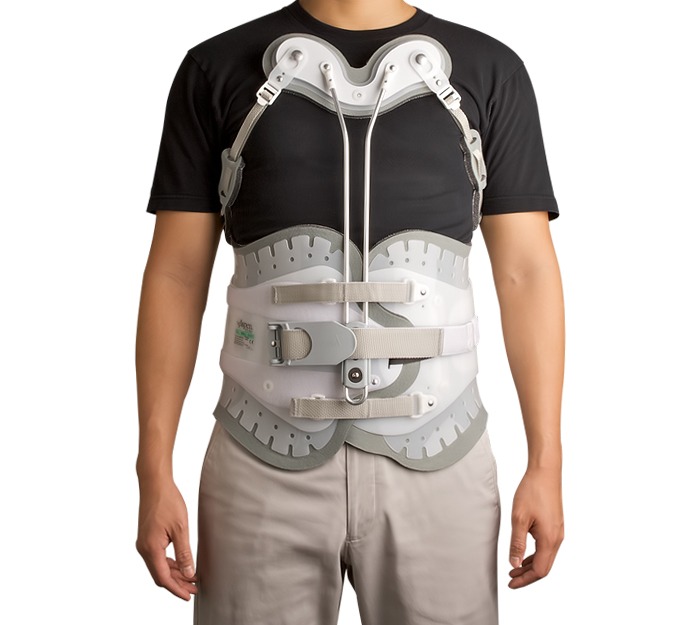
The demand for thoracolumbar stabilization devices is gaining momentum as they play a crucial role in reducing or eliminating instability in the spinal regions. These devices serve as a viable alternative to spinal fusion, allowing for some mobility in the spine while still providing essential support.

The thoracolumbar stabilization procedure retains more spinal mobility compared to fusion methods, which completely eliminate movement. This unique benefit is expected to significantly spike the demand for these devices. Additionally, thoracolumbar stabilization devices help provide firm support to the thoracic spine and assist in straightening spinal curves, further contributing to their popularity among healthcare providers.

As the understanding of spinal health continues to evolve, the market for thoracolumbar stabilization devices is anticipated to experience robust growth. Healthcare professionals are encouraged to explore these innovative solutions that enhance patient outcomes and support spinal stability.

Thoracolumbar stabilisation keeps some spine mobility while providing absolute stability, whereas fusion eliminates all movement while providing absolute stability. These devices also assist in straightening the curve and provide significant support to the thoracic spine.

Thoracolumbar Stabilization Devices Market: Drivers and Restraints

The increasing prevalence of spine injuries and fractures is expected to drive demand for Thoracolumbar Stabilisation Devices. The rising need for minimally invasive surgical techniques is also expected to drive the Thoracolumbar Stabilisation Devices market forward. The increasing occurrence of spine problems among the elderly is also expected to fuel the Thoracolumbar Stabilisation Devices market.

Thoracolumbar Stabilisation Devices’ high initial cost may limit their commercial expansion.

Thoracolumbar Stabilization Devices Market: Overview

Thoracolumbar Stabilisation Devices are expected to grow significantly over the projection period. Spinal injury and chronic back pain are two of the most frequent illnesses, and their rising prevalence is expected to drive the Thoracolumbar Stabilisation Devices market forward.

Titanium gadgets are expected to be the most profitable market due to their light weight and active nature. Because every surgical thoracolumbar stabilisation begins with the posterior implant, posterior Thoracolumbar Stabilisation Devices are predicted to generate greater income than anterior devices.

The market for Thoracolumbar Stabilisation Devices is predicted to increase steadily due to cost effectiveness and better disease management when compared to analgesics. These devices are available in a number of shapes and sizes, allowing users to select from a wide range of alternatives, which is likely to boost the revenue of the Thoracolumbar Stabilisation Devices market.

Thoracolumbar Stabilization Devices Market: Region Wise Outlook

Geographically, the global thoracolumbar stabilization devices market can be segmented into the regions: North America, Latin America, Western Europe, Eastern Europe, Asia Pacific excluding Japan, Japan and Middle East & Africa. North America is biggest and most attractive market for the thoracolumbar stabilization devices due to presence of major players, awareness among people, better healthcare infrastructure and reimbursement policies.

Followed by which is Europe. Asia Pacific region is expected to be fastest growing thoracolumbar stabilization devices market due to large patient pool, increasing healthcare infrastructure and awareness among people.

Thoracolumbar Stabilization Devices Market: Key Players

Some of the market participants in the global thoracolumbar stabilization devices market are, B. Braun Melsungen AG, Zimmer, Inc., Coligne AG, Yellowsteps SAS, Medyssey Co. Ltd., DePuy Synthes Company, Aesculap Implant Systems, LLC, Ulrich Medical, Medtronic Public Limited Company and Stryker. Companies are focusing on advancement of devices and development of minimally invasive screws and roads.

The research report presents a comprehensive assessment of the market and contains thoughtful insights, facts, historical data, and statistically supported and industry-validated market data. It also contains projections using a suitable set of assumptions and methodologies. The research report provides analysis and information according to market segments such as geographies, application, and grades.

A Full Report Overview

Key Segments Profiled in the Thoracolumbar Stabilization Devices Market Survey

By Device Type:

  • Anterior Stabilization Device
  • Posterior Stabilization Device
  • Retractors

By Material:

  • Titanium
  • Stainless Steel

By End Use:

  • Hospitals
  • Clinics
  • Ambulatory Surgical Centers

About Future Market Insights (FMI)

Future Market Insights, Inc. (ESOMAR certified, recipient of the Stevie Award, and a member of the Greater New York Chamber of Commerce) offers profound insights into the driving factors that are boosting demand in the market. FMI is the leading global provider of market intelligence, advisory services, consulting, and events for the Packaging, Food and Beverage, Consumer Technology, Healthcare, Industrial, and Chemicals markets. With a vast team of over 400 analysts worldwide, FMI provides global, regional, and local expertise on diverse domains and industry trends across more than 110 countries.

Contact:

Future Market Insights, Inc.
Christiana Corporate, 200 Continental Drive,
Suite 401, Newark, Delaware – 19713, USA
T: +1-347-918-3531
For Sales Enquiries: sales@futuremarketinsights.com
Browse All Reports: https://www.futuremarketinsights.com/reports
LinkedInTwitterBlogs

Global Robotic Biopsy Devices Market Expected to Reach USD 1,072.3 Million by 2033 at a 9.3% of CAGR

Global Robotic Biopsy Devices Market

The global robotic biopsy devices market has reached a valuation of USD 440.2 million in 2023 and is projected to grow at a CAGR of 9.3% over the forecast period. With robotic biopsy systems leading the market, these devices accounted for approximately 59.8% of the total market share in 2023.

The increasing demand for minimally invasive procedures and the need for precise and accurate diagnostics are driving the growth of the robotic biopsy devices market. These advanced systems enhance the efficiency of biopsy procedures, reduce patient discomfort, and improve overall outcomes, making them an essential tool in modern medical practice.

As healthcare providers continue to adopt innovative technologies to enhance diagnostic capabilities, the market for robotic biopsy devices is expected to expand significantly. By the end of the forecast period in 2033, the market is anticipated to reach a valuation of around USD 1,072.3 million.

Key stakeholders in the healthcare sector are encouraged to stay informed about advancements in robotic biopsy technology, as these innovations are set to transform the landscape of diagnostic procedures.

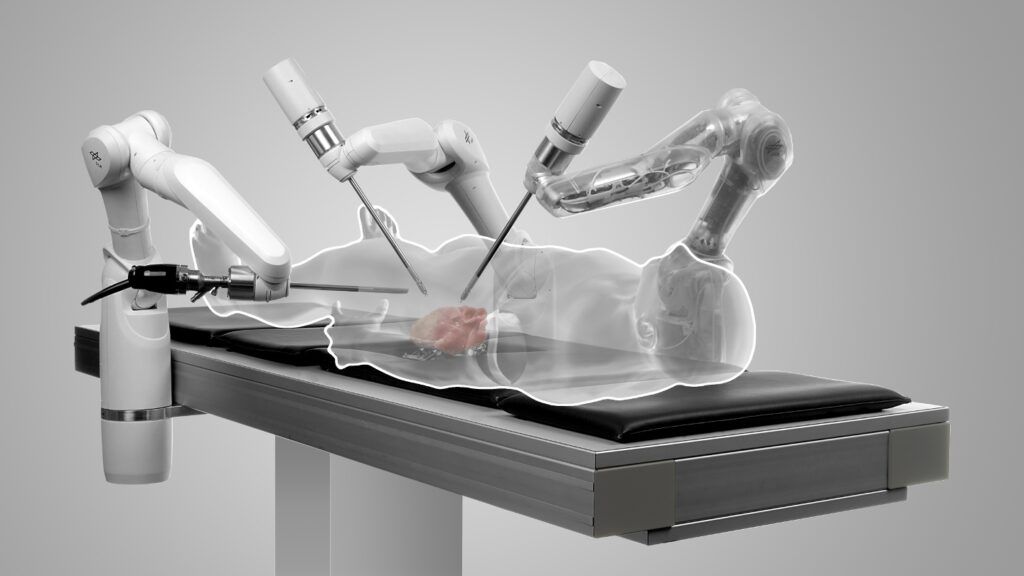
The remarkable growth of the robotic biopsy devices industry can be attributed to the relentless pursuit of innovation and cutting-edge advancements in robotic biopsy systems. In 2023, these systems held a commanding 59.8% market share, solidifying their position as a game-changer in the global market. The incorporation of state-of-the-art robotic systems has significantly raised the bar for neurosurgical procedures, delivering unrivaled precision and improved patient outcomes.

The market for Robotic Biopsy Devices is anticipated to grow at a fast pace over the projected years due to the rising need for safe and effective minimally invasive procedures and the growing use of automated systems in the healthcare sector. It can be further attributed to the rapid transformation of conventional healthcare systems to integrated digital technology.

Key Takeaways: Global Robotic Biopsy Devices Industry

  • By product, the systems segment is expected to showcase high growth at a CAGR of 4% by the end of 2032.
  • By application, the brain biopsy category is leading the Global Robotic Biopsy Devices Industry and is projected to exhibit a CAGR of 3% during the forecast period.
  • By end user, hospitals held around 5% of the Global Robotic Biopsy Devices Industry share in 2021.
  • The U.S. currently dominates the North America Robotic Biopsy Devices market and it generated a share of about 8% in 2021.
  • The U.K. is set to hold a share of nearly 2% in the Global Robotic Biopsy Devices Industry during the assessment period.

“Increasing use of automated technologies for surgical procedures and growing global burden of chronic diseases are expected to drive sales of Robotic Biopsy Devices,” says Sabyasachi Ghosh (Associate Vice President at Future Market Insights, Inc.)

Competition Landscape: Global Robotic Biopsy Devices Industry

The market for Robotic Biopsy Devices is oligopolistic, with the presence of a few established manufacturers. The product range of every player in the market varies as per the competitors’ licensed novel devices with unique applications. Key players are striving to gain regulatory authorizations for creating new medical devices, generating high product sales, and initiating marketing purposes.

  • In October 2021, Medtronic reported that the Hugo robotic-assisted surgery (RAS) system had been granted the CE (Conformité Européenne) Mark, allowing for sales of the system across Europe.

Key Players

  • Medtronic
  • Renishaw plc
  • iSYS Medizintechnik GmbH
  • Mazor Robotics
  • Biobot Surgical Pte Ltd
  • Medrobotics
  • Medtech SA

What Does the Global Robotic Biopsy Devices Industry Report Cover?

Future Market Insights offers a unique perspective and actionable insights on the Global Robotic Biopsy Devices Industry in its latest study, presenting a historical demand assessment of 2012 to 2021 and projections for 2022 to 2032.

A Full Report Overview

Global Robotic Biopsy Devices Industry Outlook by Category

By Product:

  • Systems
  • Instrument & Accessories

By Application:

  • Brain Biopsy
  • Lung Biopsy
  • Prostate biopsy
  • Others

By End User:

  • Hospitals
  • Ambulatory Surgical Centers
  • Academic & Research Institutes

Author

Sabyasachi Ghosh (Associate Vice President at Future Market Insights, Inc.) holds over 12 years of experience in the Healthcare, Medical Devices, and Pharmaceutical industries. His curious and analytical nature helped him shape his career as a researcher.

Identifying key challenges clients face and devising robust, hypothesis-based solutions to empower them with strategic decision-making capabilities come naturally to him. His primary expertise lies in areas such as Market Entry and Expansion Strategy, Feasibility Studies, Competitive Intelligence, and Strategic Transformation.

Holding a degree in Microbiology, Sabyasachi has authored numerous publications and has been cited in journals, including The Journal of mHealth, ITN Online, and Spinal Surgery News.

About Future Market Insights (FMI)

Future Market Insights, Inc. (ESOMAR certified, recipient of the Stevie Award, and a member of the Greater New York Chamber of Commerce) offers profound insights into the driving factors that are boosting demand in the market. FMI is the leading global provider of market intelligence, advisory services, consulting, and events for the Packaging, Food and Beverage, Consumer Technology, Healthcare, Industrial, and Chemicals markets. With a vast team of over 400 analysts worldwide, FMI provides global, regional, and local expertise on diverse domains and industry trends across more than 110 countries.

Contact Us:      

Future Market Insights Inc.
Christiana Corporate, 200 Continental Drive,
Suite 401, Newark, Delaware – 19713, USA
T: +1-347-918-3531
For Sales Enquiries: sales@futuremarketinsights.com
Website: https://www.futuremarketinsights.com
LinkedInTwitterBlogs | YouTube

Global Industrial Power Supply Market Size Anticipated to Exceed USD 21.5 Billion by 2034, Growing at 10.1% CAGR | FMI Study

The industrial power supply market is estimated to be worth USD 8.2 billion in 2024 and is projected to be valued at USD 21.5 billion in 2034. Between 2024 and 2034, the industry is poised to rise at a CAGR of 10.1%. The growing integration of industrial automation and the implementation of Industry 4.0 initiatives are contributing to a heightened demand for dependable and efficient power supplies. This demand stems from the necessity of providing stable and accurate power delivery to automation systems, encompassing PLCs, robotics, and control systems.

The increasing recognition of the importance of energy conservation and sustainability in industrial settings is fostering a preference for energy-efficient power supplies. Businesses are actively seeking power solutions that not only optimize energy consumption but also contribute to reducing overall operational costs. Global economic growth and the expansion of manufacturing and industrial infrastructure contribute to increased demand for power supplies. As industries expand, there is a need for reliable and scalable power solutions to support new facilities and equipment.

Browse Full Report Here

Continuous technological progress, marked by enhancements in power electronics, digital control, and the integration of intelligent features, propels the evolution of highly efficient and advanced industrial power supplies. To remain competitive in this dynamic market, companies are dedicating resources to research and development initiatives.

Key Takeaways from the Market Study:

  • From 2019 to 2023, the industrial power supply market expanded at a CAGR of 13.2%.
  • Based on the product types, the AC-DC converters segment is expected to rise at a CAGR of 9.8% from 2024 to 2034.
  • The industrial power supply demand in China is predicted to grow at a CAGR of 9.2% through 2034.
  • In the United States, the industrial power supply industry is estimated to register a CAGR of 10.4% from 2024 to 2034.
  • The United Kingdom is projected to expand by a value CAGR of 10.8% between 2024 and 2034.
  • The industrial power supply market in Japan is anticipated to record a CAGR of 11.5% during 2034.

“The industrial power supply market is experiencing momentum driven by the growth of manufacturing and industrial infrastructure, coupled with a rising demand for energy-efficient solutions in industrial settings.” says Nikhil Kaitwade (Associate Vice President at Future Market Insights, Inc.).

Competitive Landscape:

The industrial power supply market players are forming strategic partnerships with other industry players, technology providers, or manufacturers to enhance product portfolios or expand market reach and collaborating with key stakeholders in the supply chain to ensure a seamless and reliable power supply ecosystem.

Leading Manufactures in Industrial Power Supply Market:

  • TDK Lambda
  • Delta Electronics
  • XP Power
  • Siemens
  • Murata Power Solutions
  • Advanced Energy
  • Bel Fuse
  • Cosel
  • MEAN WELL

Recent Developments in Industrial Power Supply Industry:

  • TDK Lambda – a leading global manufacturer of power supplies, TDK Lambda specializes in providing innovative and reliable solutions for various industrial applications.
  • Delta Electronics – is a multinational company known for its power and thermal management solutions, offering a wide range of industrial power supply products.
  • XP Power – is a well-established provider of power solutions, delivering high-quality and efficient power supplies for industrial applications, including medical, technology, and industrial sectors.

Industrial Power Supply Market Segmentation Analysis:

By Product Types:

  • AC-DC Converters
  • DC-DC Converters

By Output Power:

  • Very Low Output (Up to 500W)
  • Low Output (500W-1,000W)
  • Medium Output (1,000W-10 kW)
  • High Output (10-75kW)
  • Very High Output (75-150kW)

By Vertical:

  • Transportation
  • Semiconductor
  • Military & Aerospace
  • Robotics
  • Test & Measurement
  • Battery Charging & Test
  • Industrial 3D Printing
  • Laser
  • Lighting

By Region:

  • North America
  • Latin America
  • Western Europe
  • Eastern Europe
  • South Asia and Pacific
  • East Asia
  • Middle East and Africa

Browse Related Reports:

The below 30 Hp centrifugal water pump market is anticipated to reach USD 68.95 million in 2032.

The global heat pump market is anticipated to secure a valuation of USD 58.7 billion by 2033.

The global heavy-duty heat pump market is likely to secure USD 4.8 billion in 2033.

Author:

Nikhil Kaitwade (Associate Vice President at Future Market Insights, Inc.) has over a decade of experience in market research and business consulting. He has successfully delivered 1500+ client assignments, predominantly in Automotive, Chemicals, Industrial Equipment, Oil & Gas, and Service industries.

His core competency circles around developing research methodology, creating a unique analysis framework, statistical data models for pricing analysis, competition mapping, and market feasibility analysis. His expertise also extends wide and beyond analysis, advising clients on identifying growth potential in established and niche market segments, investment/divestment decisions, and market entry decision-making.

Nikhil holds an MBA degree in Marketing and IT and a Graduate in Mechanical Engineering. Nikhil has authored several publications and quoted in journals like EMS Now, EPR Magazine, and EE Times.

About Future Market Insights (FMI)

Future Market Insights, Inc. (ESOMAR certified, recipient of the Stevie Award, and a member of the Greater New York Chamber of Commerce) offers profound insights into the driving factors that are boosting demand in the market. FMI stands as the leading global provider of market intelligence, advisory services, consulting, and events for the Packaging, Food and Beverage, Consumer Technology, Healthcare, Industrial, and Chemicals markets. With a vast team of over 400 analysts worldwide, FMI provides global, regional, and local expertise on diverse domains and industry trends across more than 110 countries.

Join us as we commemorate 10 years of delivering trusted market insights. Reflecting on a decade of achievements, we continue to lead with integrity, innovation, and expertise.

Contact Us:        

Future Market Insights Inc.
Christiana Corporate, 200 Continental Drive,
Suite 401, Newark, Delaware – 19713, USA
T: +1-845-579-5705
For Sales Enquiries: sales@futuremarketinsights.com
Website: https://www.futuremarketinsights.com
LinkedInTwitterBlogs | YouTube

Global Commercial Water Heater Market Revenue Share to Cross USD 16 Billion Mark by 2034, Growing at 6.9% CAGR | FMI Study

According to Future Market Insights (FMI), the commercial water heater market is estimated to be worth USD 8.2 Billion in 2024 and is projected to be valued at USD 16 Billion in 2034. Between 2024 and 2034, the industry is expected to register a CAGR of 6.9%. Economic growth and increased construction activities, particularly in commercial sectors such as hospitality, healthcare, and manufacturing, drive the demand for water heaters. New commercial buildings, hotels, and industrial facilities require reliable hot water solutions to drive market growth.

Global urbanization trends result in the construction of more commercial spaces, contributing to a heightened demand for water heaters. Urban areas witness increased commercial development, necessitating efficient water heating solutions for various applications. Businesses are placing greater importance on energy efficiency and sustainability. Modern commercial water heaters come with advanced technologies and features that enhance energy efficiency, reduce operational costs, and align with environmentally friendly practices.

Browse Full Report Here

The demand for commercial water heaters in various industries, including hospitality, healthcare, education, manufacturing, and food service is expected to propel the market growth. Each industry has specific hot water requirements, driving the need for specialized water heating solutions. The growth of the food service and hospitality sectors, including restaurants, hotels, and catering services, contributes significantly to the demand for commercial water heaters. These establishments rely on hot water for various purposes, such as cooking, cleaning, and guest amenities.

The heightened awareness of hygiene and sanitization, especially in industries like healthcare and food service, has led to a greater demand for hot water. Commercial water heaters play a crucial role in providing the necessary hot water for cleaning and sanitizing purposes. The growth of the global tourism industry contributes to increased demand for commercial water heaters in hotels, resorts, and other accommodations. The hospitality sector, driven by tourism, relies heavily on efficient water heating systems.

Key Takeaways from the Market Study:

  • From 2019 to 2023, the commercial water heater market expanded at a CAGR of 8.6%.
  • Based on storage capacity, the below 500 L segment is expected to rise at a CAGR of 6.6% from 2024 to 2034.
  • The commercial water heater demand in China is predicted to grow at a CAGR of 7.7% through 2034.
  • In the United States, the commercial water heater industry is estimated to register a CAGR of 7.2% from 2024 to 2034.
  • The United Kingdom is projected to expand by a value CAGR of 8.1% between 2024 and 2034.
  • The commercial water heater market in Japan is anticipated to record a CAGR of 8.0% during 2034.

Thecommercial water heater market is experiencing substantial growth due to the expanding footprint of the hospitality sector and a heightened focus on improving energy efficiency. – opines Nikhil Kaitwade, Associate Vice President at Future Market Insights (FMI).

Competitive Landscape:

The market players are adapting strategies to cater to the specific needs and preferences of diverse consumer bases. Market players are actively forming strategic alliances, entering into partnerships, and pursuing mergers and acquisitions to propel technology development. Manufacturers are increasingly offering customized and specialized commercial water heating solutions to meet the unique needs of different industries.

Key Players Profiled in the Report:

  • A.O. Smith
  • Rinnai Corporation
  • Rheem Manufacturing
  • Ariston Thermo S.p.A
  • Racold
  • Midea Group
  • Nibe Corporation
  • Nortiz Corporation
  • Hubbell
  • Valliant
  • Lowe’s
  • Bradford White Corporation
  • Flexiheat UK Ltd
  • Daikin Industries

Recent Developments:

  • Racold, a brand of Ariston Thermo, is a major player in the Indian market. They manufacture a wide range of water heating solutions, including commercial water heaters.
  • Midea Group, based in China, is a leading global manufacturer of home appliances and HVAC systems. They offer a diverse range of products, including commercial water heaters.

Commercial Water Heater Market Segmentation Analysis:

By Storage Capacity:

  • Below 500 L
  • 500-1000 L
  • 1000-2000 L
  • 2000-3000 L
  • More than 3000 L

By Power Rating:

  • 0 to 10 kW
  • 10 to 50 kW
  • 50 to 100 kW
  • 100 to 300 kW
  • 100 to 300 kW

By Fuel Type:

  • Electric
  • Gas
  • Oil
  • Solar
  • Hybrid
  • Others

By Application:

  • Healthcare
  • Restaurants
  • Institutes
  • Offices
  • Others

By Region:

  • North America
  • Latin America
  • Western Europe
  • Eastern Europe
  • South Asia and Pacific
  • East Asia
  • Middle East and Africa

Browse Related Reports:

The global industrial solar water heaters market share to surpass USD 1,138.9 million by 2032.

The global produced water treatment system industry anticipated to cross USD 8.41 billion valuation by 2034.

The global chilled water storage system market revenue forecasted to reach USD 322.9 million mark in 2033.

Author:

Nikhil Kaitwade (Associate Vice President at Future Market Insights, Inc.) has over a decade of experience in market research and business consulting. He has successfully delivered 1500+ client assignments, predominantly in Automotive, Chemicals, Industrial Equipment, Oil & Gas, and Service industries.

His core competency circles around developing research methodology, creating a unique analysis framework, statistical data models for pricing analysis, competition mapping, and market feasibility analysis. His expertise also extends wide and beyond analysis, advising clients on identifying growth potential in established and niche market segments, investment/divestment decisions, and market entry decision-making.

Nikhil holds an MBA degree in Marketing and IT and a Graduate in Mechanical Engineering. Nikhil has authored several publications and quoted in journals like EMS Now, EPR Magazine, and EE Times.

About Future Market Insights (FMI)

Future Market Insights, Inc. (ESOMAR certified, recipient of the Stevie Award, and a member of the Greater New York Chamber of Commerce) offers profound insights into the driving factors that are boosting demand in the market. FMI stands as the leading global provider of market intelligence, advisory services, consulting, and events for the Packaging, Food and Beverage, Consumer Technology, Healthcare, Industrial, and Chemicals markets. With a vast team of over 400 analysts worldwide, FMI provides global, regional, and local expertise on diverse domains and industry trends across more than 110 countries.

Join us as we commemorate 10 years of delivering trusted market insights. Reflecting on a decade of achievements, we continue to lead with integrity, innovation, and expertise.

Contact Us:        

Future Market Insights Inc.
Christiana Corporate, 200 Continental Drive,
Suite 401, Newark, Delaware – 19713, USA
T: +1-845-579-5705
For Sales Enquiries: sales@futuremarketinsights.com
Website: https://www.futuremarketinsights.com
LinkedInTwitterBlogs | YouTube