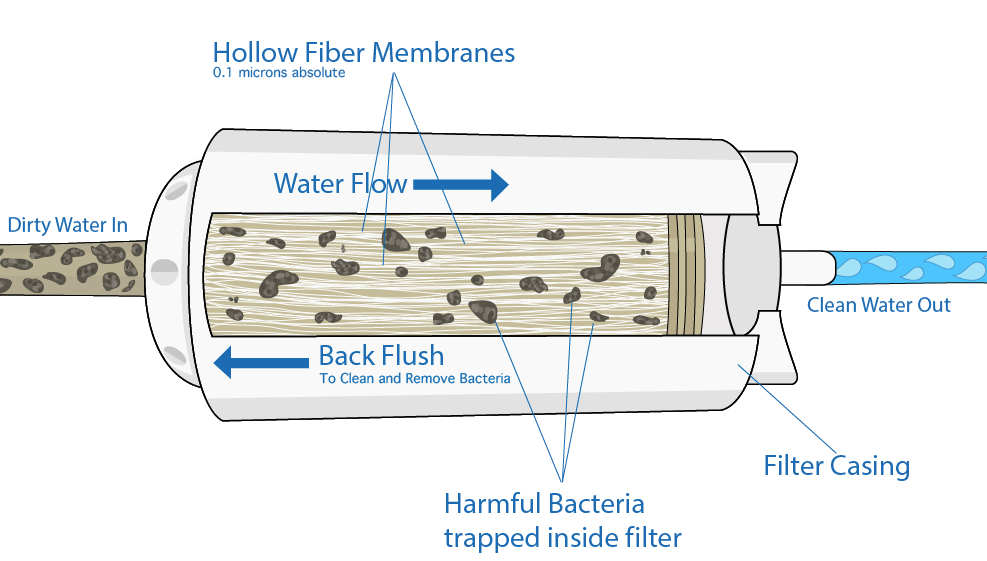
Hollow Fiber Ceramic Membrane Market to Hit USD 415.0 million by 2033 Amid Rising Biopharmaceutical Demand

By 2023, the global hollow fiber ceramic membranes market demand is likely to be worth USD 166.6 million. In the study period from 2023 to 2033, a CAGR of 9.6% is predicted.

By 2033, the hollow fiber ceramic membranes industry is anticipated to reach a valuation of around USD 415.0 million. A total financial potential of USD 248.4 million will be generated during the assessment period.

Hollow fiber ceramic membranes might consume less energy than other filtration techniques such as reverse osmosis. It is believed that this would make them the best option for uses such as the desalination and treatment of brackish water. Demand is expected to be supported by industries looking for energy-efficient and affordable solutions.

One leading element driving demand for hollow fiber ceramic membranes is the ongoing global expansion of the biopharmaceutical industry. Demand is also anticipated to be boosted by rising single-use technology adoption and the necessity for continuous manufacturing.

It is predicted that the world’s population growth will cause freshwater supplies to become scarce. Demand is anticipated to increase because of hollow fiber ceramic membranes’ capacity to remove impurities, diseases, and pollutants from water sources.

It is also anticipated that hollow fiber ceramic membranes will be used in the global pharmaceutical, food and beverage, and electronics industries. Industries that use high-quality water for manufacturing might require these membranes as they can provide a greater level of filtration efficiency. Demand might also be influenced by their capacity to guarantee that the treated water adheres to stringent government standards.

Key Takeaways from Hollow Fiber Ceramic Membranes Market Report

  • The global hollow fiber ceramic membranes industry expanded at an astonishing CAGR of 12.0% in the historical period.
  • The United States hollow fiber ceramic membranes industry is set to reach a valuation of US$ 75.5 million by 2033.
  • China is projected to capture a valuation of US$ 67.2 million in the hollow fiber ceramic membranes industry by 2033.
  • In terms of end-use, the biotechnology segment is expected to witness a CAGR of 9.2% in the forecast period from 2023 to 2033.
  • Based on application, the ultrafiltration segment is projected to showcase a moderate CAGR of 9.4% in the review period.

“Hollow fiber ceramic membranes are anticipated to have a long lifespan and high level of durability, leading to a low replacement rate. They are expected to be greatly preferred in industries that strongly emphasize sustainability due to their reduced chemical use and low energy use.” – Says a lead analyst at Future Market Insights (FMI).

Browse the Complete Report!

Competitive Landscape

Leading hollow fiber ceramic membrane manufacturers are expected to invest huge sums in research & and development activities. They are expected to launch new manufacturing processes, designs, and materials to reduce production costs and improve performance.

A handful of companies are focusing on educating several sectors and clients about the applications and advantages of hollow fiber ceramic membranes. They are conducting webinars, seminars, and workshops to attract their target audience.

Key Companies Profiled:

  • Atech Innovations GmbH
  • Ceraflo
  • CoorsTek, Inc.
  • I2M
  • Koch Membrane

Recent Developments-

  • NGK Insulators, a Japan-based ceramics company, developed a carbon dioxide separation membrane for producing exhaust gas in December 2021. During testing, the carbon dioxide separation factor of this membrane outperformed that of the more popular DDR-type zeolite membrane by a factor of around five.
  • A technology start-up from the United Kingdom named G2O Water Technologies secured its first commercial contract in July 2021 to use graphene oxide to enhance water filtration membranes. This was hugely significant for the technology sector and the global water industry. It was the first commercially viable application of the freshly discovered substance for water treatment.

Get More Valuable Insights on Hollow Fiber Ceramic Membranes Market

Future Market Insights (FMI) has released an objective assessment of the global hollow fiber ceramic membranes industry, presenting past demand data from 2018 to 2022 and projecting forecast statistics for the 2023 to 2033 period.

The hollow fiber ceramic membranes market is segmented by application (ultrafiltration, microfiltration, and nanofiltration) and end-use (biotechnology, chemical processing, water & wastewater processing, pharmaceutical, food & beverage, and others) across different regions from 2023 to 2033.

Hollow Fiber Ceramic Membrane Market Outlook by Category

By Application:

  • Ultrafiltration
  • Microfiltration
  • Nanofiltration

By End-use:

  • Biotechnology
  • Chemical Processing
  • Water & Wastewater Processing
  • Pharmaceutical
  • Food & Beverage
  • Other End-Uses

By Region:

  • North America
  • Latin America
  • Western Europe
  • Eastern Europe
  • South Asia and the Pacific
  • East Asia
  • Middle East and Africa

About Future Market Insights (FMI)

Future Market Insights, Inc. (ESOMAR certified, recipient of the Stevie Award, and a member of the Greater New York Chamber of Commerce) offers profound insights into the driving factors that are boosting demand in the market. FMI stands as the leading global provider of market intelligence, advisory services, consulting, and events for the Packaging, Food and Beverage, Consumer Technology, Healthcare, Industrial, and Chemicals markets. With a vast team of over 400 analysts worldwide, FMI provides global, regional, and local expertise on diverse domains and industry trends across more than 110 countries.

Contact Us:       

Future Market Insights Inc.
Christiana Corporate, 200 Continental Drive,
Suite 401, Newark, Delaware – 19713, USA
T: +1-845-579-5705
For Sales Enquiries: sales@futuremarketinsights.com
Website: https://www.futuremarketinsights.com
LinkedIn| Twitter| Blogs | YouTube

Teak Decking Market Set to Reach USD 1,366.1 million by 2033, Driven by Growing Demand in Marine Sector

Over the assessment period from 2023 to 2033, global teak decking sales are projected to record a 4.6% CAGR. Revenue is set to reach a market size of USD 1,366.1 million by 2033 end. The global industry size reached USD 793.5 million in 2018. The global demand for teak decking is expected to reach USD 871.6 million in 2023.

The expanding tourism sector is one of the primary drivers fueling the teak decking market. With the growing popularity of marine tourism and leisure activities, there is a great need for boats, super yachts, and yachts. Marine leisure companies are using teak decking to increase the visual appeal and luxury experience.

Teak is highly sought after for its aesthetic appeal, durability, and resistance to water. It’s a popular choice for decking material in the luxury yacht sector, driving demand for high-quality teak. The trend of creating luxurious outdoor living spaces has increased demand for teak decking in residential settings. Its natural beauty and weather-resistant properties make it an attractive option for application in such instances.

Teak decking is often used in upscale resorts, hotels, and cruise ships to create visually appealing outdoor areas for guests, contributing to the demand for teak products. As environmental concerns rise, consumers and businesses increasingly value sustainably sourced materials. Teak from well-managed plantations appeals to eco-conscious consumers.

Teak has a rich history and is considered a premium wood with heritage associated with craftsmanship and quality. This adds to its allure and drives demand. Teak’s natural oils and high density provide excellent resistance to decay and insects. It reduces the need for frequent replacements and maintenance, making it a cost-effective long-term choice.

Teak is used in several architectural applications beyond decking, such as exterior siding and flooring, contributing to its demand in the construction sector. Teak’s timeless aesthetic and versatility in design contribute to its popularity as a material for both classic and contemporary design styles.

Europe is the leading region in the global market as it has beautiful coastlines and a flourishing tourism industry across its countries, especially in Italy, the Netherlands, and France. Apart from Europe, the Middle East and Africa are expected to grow at above-average growth rates. Türkiye and UAE are the key driving countries for the Middle East and Africa market. Türkiye has a strong tourism industry, and people own personal yachts and boats.

Key Takeaways from the Report:

  • The global market for teak decking is projected to witness a CAGR of 4.6% during the period between 2023 and 2033.
  • By grade, the FEQ division is expected to expand at a CAGR of 4.6% between 2023 and 2033.
  • By application, the marine segment is anticipated to reach USD 540.7 million by the end of the projected period.
  • The United States is accounted to hold a significant valuation in the global market by 2033.
  • Italy is set to dominate the Europe market with a CAGR of 5.5% throughout the projected period.

“Astonishing demand from the marine sector is likely to drive demand in the teak decking market through 2033. Key players are creating innovative and aesthetically pleasing teak decking designs to cater to diverse consumer preferences. Even as interior design trends change, teakwood remains an attractive option for both contemporary as well as modern designs.” – says a lead Future Market Insights (FMI) analyst.

Browse the Complete Report!

Competitive Landscape

Key players such as manufacturers, traders, and boat builders engage in responsible sourcing practices. Companies can also establish teak plantations to improve supply chain control and encourage sustainable practices.

Teak suppliers, producers, and boat builders frequently collaborate in the industry. Companies that collaborate can optimize supply chains, increase product development, and expand market reach. Industry associations and companies might create and promote teak decking certification programs and standards.

Key Companies Profiled

  • GGI Myanmar
  • ETT Fine Woods
  • Teakdecking Systems
  • Global Teak, Inc (GTI)
  • Mys-Teak Holdings Inc.
  • Teak Resources Co.
  • COMILEGNO SRL
  • Advantage Lumber, LLC
  • BALAJI TIMBER AND PLYWOOD PRIVATE LIMITED
  • Friends Timber
  • Starwood Veneers Pvt. Ltd
  • Tank Group
  • ACCORD FLOORS

Key Players in the Market:

  • Teak Decking Systems is a creative business that creates, installs and distributes high-quality decking materials for the global shipping sector. Products are made to the most significant quality standards, utilizing only the best, lawfully acquired materials.
  • GGI Myanmar is a Burmese producer of specialty hardwoods and teakwood. It provides high-quality flooring, paneling, trim work, and furniture of different types for residential and commercial applications all over the world.

More Insights into the Teak Decking Market

The latest report offers an unbiased analysis of the global teak decking market, providing historical data from 2018 to 2022 and forecast statistics for the period 2023 to 2033.

To understand the global market potential, growth, and scope, the market is segmented based on grade (FEQ, MEQ, and FAS), and application (marine, hospitality and tourism, and building and construction) across different regions.

Teak Decking Market Outlook by Category

By Grade:

  • FEQ (First European Quality)
  • MEQ (Middle East Quality)
  • FAS (Free Along Side)

By Application:

  • Marine
    • Boat Decking
    • Yacht Decking
  • Hospitality and Tourism
    • Pool Decks
    • Walkways
    • Seating Areas
    • Recreational Areas
    • Others
  • Building and Construction
    • Living Spaces
    • Boardwalks
    • Garden Pathways
    • Outdoor Decking
    • Others

By Region:

  • North America
  • Latin America
  • Western Europe
  • Eastern Europe
  • East Asia
  • South Asia and the Pacific
  • Middle East and Africa

About Future Market Insights (FMI)

Future Market Insights, Inc. (ESOMAR certified, recipient of the Stevie Award, and a member of the Greater New York Chamber of Commerce) offers profound insights into the driving factors that are boosting demand in the market. FMI stands as the leading global provider of market intelligence, advisory services, consulting, and events for the Packaging, Food and Beverage, Consumer Technology, Healthcare, Industrial, and Chemicals markets. With a vast team of over 400 analysts worldwide, FMI provides global, regional, and local expertise on diverse domains and industry trends across more than 110 countries.

Contact Us:       

Future Market Insights Inc.
Christiana Corporate, 200 Continental Drive,
Suite 401, Newark, Delaware – 19713, USA
T: +1-845-579-5705
For Sales Enquiries: sales@futuremarketinsights.com
Website: https://www.futuremarketinsights.com
LinkedIn| Twitter| Blogs | YouTube

Fiber-reinforced Plastic (FRP) Recycling Market Set for Robust Growth, Reaching USD 1.0 billion by 2033

According to Future Market Insights (FMI), the global Fiber-reinforced Plastic (FRP) Recycling Market demand is set to reach a valuation of USD 482.0 million in 2023. Over the forecast period, global FRP recycling demand is anticipated to increase at 8.0% CAGR, taking the overall market valuation to USD 1.0 billion by 2033.

In 2022, the FRP recycling market was valued at USD 442.2 million. The target market is projected to generate an absolute dollar growth of USD 557.0 million during the forecast period.

The adoption of thermal and chemical recycling techniques is expected to remain high due to their several benefits. As per the latest analysis, the thermal/chemical recycling segment is forecast to progress at 7.7% CAGR during the assessment period.

Surging demand from end-use sectors such as transportation, building and construction, sports and leisure, and industrial is expected to drive the global FRP recycling market forward.

Rising environmental concerns and the implementation of stringent regulations are expected to uplift fiber-reinforced plastic (FRP) recycling demand during the assessment period.

Fiber-reinforced plastic recycling refers to recovering and reusing materials from FRPs. The recycled materials are then utilized for manufacturing new products across several sectors.

End-use sectors use multiple recycling techniques for recycling FRPs. These include mechanical recycling, thermal/chemical recycling, and incineration and co-incineration.

A growing focus on reducing waste and conserving resources is expected to fuel demand for fiber-reinforced plastic recycling during the projection period.

Escalating environmental awareness and enforcing strict waste management and disposal regulations are compelling sectors to employ recycling for materials like FRPs. Adopting recycling techniques helps reduce landfill waste and the overall environmental impact.

Rising demand for recycled products such as recycled FRPs will positively impact global fiber-reinforced plastic recycling sales revenues during the assessment period.

Similarly, partnerships and collaborations between recycling companies, end-use sectors, and research institutions to drive innovative investments in FRP recycling technologies might foster market development.

Key Takeaways from the Fiber-reinforced Plastic (FRP) Recycling Market Report:

  • The global fiber-reinforced plastic recycling industry is projected to reach USD 1.0 billion by 2033.
  • Based on product, glass-fiber reinforced plastic segment is set to progress at 7.9% CAGR during the forecast period.
  • By recycling technique, thermal/chemical recycling segment is expected to thrive at 7.7% CAGR through 2033.
  • The United States FRP recycling market value is anticipated to total USD 174.4 million by 2033.
  • FRP recycling demand in South Korea is predicted to increase at 7.9% CAGR during the assessment period.
  • China FRP recycling industry is likely to exceed a valuation of USD 188.8 million by 2033.
  • Japan market is set to attain a valuation of USD 150.0 million by 2033.
  • The United Kingdom market is poised to expand at 7.9% CAGR over the assessment period.

“Growing environmental concerns coupled with enforcement of new regulations for reducing composite waste is creating a conducive environment for the growth of the fiber-reinforced plastic recycling industry. Key companies are likely to invest in new FRP recycling technologies and processes to take advantage of emerging opportunities,” says a lead Future Market Insights (FMI) analyst.

Browse the Complete Report!

Competitive Landscape:

These top companies are concentrating on launching new fiber-reinforced plastic recycling technologies and establishing new recycling facilities. They also employ strategies such as mergers, alliances, collaborations, acquisitions, partnerships, and agreements to solidify their market positions.

Recent developments:

  • In June 2023, Toray Resins Europe GmbH developed a recycling process for GFR PPS resin waste from injection molding processes.
  • In December 2021, Apply Carbon strengthened its presence by investing in a new manufacturing facility for recycled carbon fiber.

Scope of the Fiber-reinforced Plastic Recycling Market

Attribute Details
Estimated Market Value (2023) USD 482.0 million
Projected Market Value (2033) USD 1.0 billion
Anticipated Growth Rate (2023 to 2033) 8.0% CAGR
Historical Data 2018 to 2022
Forecast Period 2023 to 2033
Quantitative Units Revenue in US$ Million/Billion and CAGR from 2023 to 2033
Report Coverage Revenue Forecast, Volume Forecast, Company Ranking, Competitive Landscape, Growth Factors, Trends and Pricing Analysis
Segments Covered Product, Recycling Technique, End Use, and Region
Regions Covered North America, Latin America, Western Europe, Eastern Europe, South Asia and Pacific, East Asia, and the Middle East & Africa
Key Countries Covered United States, Canada, Brazil, Mexico, Germany, United Kingdom, France, Italy, Spain, Nordic, Russia, Poland, China, India, Thailand, Indonesia, Australia and New Zealand, Japan, GCC countries, North Africa, South Africa, and others.
Key Companies Profiled
  • Aeron Composite Pvt. Ltd
  • Carbon Conversions
  • Carbon Fiber Recycle Industry Co. Ltd
  • Carbon Fiber Recycling
  • Conenor Ltd
  • Eco-Wolf Inc.
  • Gen 2 Carbon Limited
  • Global Fiberglass Solutions
  • Karborek Recycling Carbon Fibers
  • MCR (Mixt Composites Recyclables)
  • Mitsubishi Chemical Advanced Materials GmbH
  • neocomp GmbH
  • Procotex
  • Toray Industries Inc.
  • Ucomposites A/S
  • Vartega Inc.

More Insights Available:

Future Market Insights (FMI), in its new offering, presents an unbiased analysis of the fiber-reinforced plastic (FRP) recycling industry, presenting historical data (2018 to 2022) and forecast statistics for the period from 2023 to 2033.

The study reveals market projections based on product (glass-fiber reinforced plastic and carbon-fiber-reinforced plastic), recycling technique (thermal/chemical recycling, incineration & co-incineration, and mechanical recycling), end use (industrial, transportation, building & construction, and sports & Leisure), and region (North America, Latin America, Western Europe, Eastern Europe, East Asia, South Asia and Pacific, and Middle East and Africa).

Read Complete Research: Fiber-reinforced Plastic (FRP) Recycling Market to Hit US$ 1 Billion in Revenues by 2033 amid Rising Environmental Concerns | Future Market Insights, Inc.

About Future Market Insights (FMI)

Future Market Insights, Inc. (ESOMAR certified, recipient of the Stevie Award, and a member of the Greater New York Chamber of Commerce) offers profound insights into the driving factors that are boosting demand in the market. FMI stands as the leading global provider of market intelligence, advisory services, consulting, and events for the Packaging, Food and Beverage, Consumer Technology, Healthcare, Industrial, and Chemicals markets. With a vast team of ~400 analysts worldwide, FMI provides global, regional, and local expertise on diverse domains and industry trends across more than 110 countries.

Contact Us:       

Future Market Insights Inc.
Christiana Corporate, 200 Continental Drive,
Suite 401, Newark, Delaware – 19713, USA
T: +1-845-579-5705
For Sales Enquiries: sales@futuremarketinsights.com
Website: https://www.futuremarketinsights.com
LinkedIn| Twitter| Blogs | YouTube

Bioinsecticides Market Surpasses USD 287 million in 2033, Driven by Sustainable Agriculture Practices

By 2033, the market for bioinsecticides is anticipated to reach a value of about USD 287 million. In 2023, it’s expected to surpass a value of around USD 101.3 million. During the assessment period of 2023 to 2033, the market is anticipated to surge at a CAGR of 11.0%.

The growing use of integrated pest management (IPM) strategies has raised the demand for bioinsecticides. IPM emphasizes the use of several pest management strategies in a comprehensive approach, which helps to reduce the over-reliance on chemical remedies.

In 2022, the bioinsecticides industry was estimated to be worth around USD 90.5 million. In the forecast period, it is expected to provide an absolute dollar opportunity of USD 185.7 million.

In recent years, the market for bioinsecticides has steadily grown. It is primarily motivated by a range of strong arguments that highlight how agriculture and pest management are evolving.

The trend points to a wider shift toward environmentally responsible and sustainable agricultural practices. One of the main factors is a growing awareness of the harmful effects of traditional chemical pesticides on ecosystems, non-target animals, and human health.

Alternatives that are less harmful to the environment and human welfare are becoming more and more necessary. This is due to growing consumer and government concern about these repercussions on a global scale.

As a result of increased trade and globalization, invasive pests have spread to new regions, significantly affecting ecosystems and agriculture. Bioinsecticides might be able to defeat these invasive species with a clear advantage. They can be specifically developed to eradicate these pests without harming local species.

Bioinsecticides are regarded as a preferred solution for maintaining ecological balance and biodiversity in agricultural contexts. These have excellent targeting abilities and have little impact on beneficial insects such as predators and pollinators.

Stronger regulations governing the use of chemical pesticides are motivating farmers and landowners to consider less harmful alternatives. For crops with rigorous residue regulations and those intended for export, bioinsecticides are expected to be a good choice.

They frequently have reduced maximum residue levels and shorter pre-harvest times. This regulatory pressure has led to an increasing usage of bioinsecticides as a component of an all-encompassing pest management strategy. Sales might also be boosted by the high demand for residue-free meals.

Research and advancements in biotechnology have led to the discovery of new bioinsecticide formulations that have increased efficacy and longer shelf lives. Farmers might be more likely to incorporate these things into their pest management strategies.

A greater shift toward sustainable agriculture would be reflected in a rising demand for bioinsecticides. It is anticipated that this will prioritize long-term ecological health and food security over immediate concerns.

Key Takeaways from Bioinsecticides Market Study:

  • The global bioinsecticides market expanded at a considerable CAGR of 5% in the historical period from 2018 to 2022.
  • South Korea bioinsecticides industry is likely to create an incremental opportunity of around USD 10.7 million in the review period.
  • Japan bioinsecticides industry is expected to top a valuation of USD 41.6 million by 2033.
  • Based on source, the microbials segment is anticipated to witness a CAGR of about 9% in the assessment period.
  • In terms of application, the cereals and grains segment registered a CAGR of 1% between 2018 and 2022.

“Bioinsecticides might offer adaptable and unique pest control methods that are better able to handle the changing pest activity brought on by climatic changes. These pesticides typically take their inspiration from living things, including beneficial insects or microbes. Their adaptability can raise awareness of them as a safe and efficient pest control technique. This is projected to create new opportunities for leading players.” – Says a lead analyst at Future Market Insights (FMI).

Browse the Complete Report!

Competitive Landscape

Manufacturers of bioinsecticides are investing in research & development to create novel formulations that increase product stability, shelf life, and efficacy. This covers delivery methods, adjuvants, and encapsulating technologies that maximize the release of active substances.

Utilizing biotechnology, they are creating bioinsecticides with improved characteristics such as greater specificity, faster action, and resistance to environmental influences. Creation of bioinsecticides designed to successfully target particular pests would be made possible through genetic alterations.

Advantages of utilizing bioinsecticides are being made known to farmers, agronomists, and consumers by small manufacturers who are funding instructional programs. Workshops, seminars, and online resources are used to highlight the environmental benefits and show proper application techniques.

A small number of other businesses are gaining certificates that confirm the security, effectiveness, and environmental impact of their products. Certifications such as organic certifications can increase consumer confidence and make it easier to access markets.

Key Companies Profiled

  1. BASF SE
  2. Bayer AG
  3. Certis USA L.L.C.
  4. Novozymes
  5. Marrone Bio Innovations

For instance,

  • A well-known producer of peptide-based bioinsecticides, Vestaron, debuted Spear RC, a new product in the Spear family, in February 2023. Lepidopteran pests such as armyworm, soybean looper, and cotton bollworm would be killed by this new treatment. It is designed to be used in a range of crops, including cotton, soybeans, and rice.

Bioinsecticides Market Outlook by Category

By Source:

  • Microbials
  • Plants
  • Others

By Application:

  • Cereals & Grains
  • Oilseed and Pulses
  • Fruits and Vegetables
  • Others

By Region:

  • North America
  • Latin America
  • Western Europe
  • Eastern Europe
  • South Asia and Pacific
  • East Asia
  • Middle East and Africa

About Future Market Insights (FMI)

Future Market Insights, Inc. (ESOMAR certified, recipient of the Stevie Award, and a member of the Greater New York Chamber of Commerce) offers profound insights into the driving factors that are boosting demand in the market. FMI stands as the leading global provider of market intelligence, advisory services, consulting, and events for the Packaging, Food and Beverage, Consumer Technology, Healthcare, Industrial, and Chemicals markets. With a vast team of over 400 analysts worldwide, FMI provides global, regional, and local expertise on diverse domains and industry trends across more than 110 countries.

Contact Us:       

Future Market Insights Inc.
Christiana Corporate, 200 Continental Drive,
Suite 401, Newark, Delaware – 19713, USA
T: +1-845-579-5705
For Sales Enquiries: sales@futuremarketinsights.com
Website: https://www.futuremarketinsights.com
LinkedIn| Twitter| Blogs | YouTube
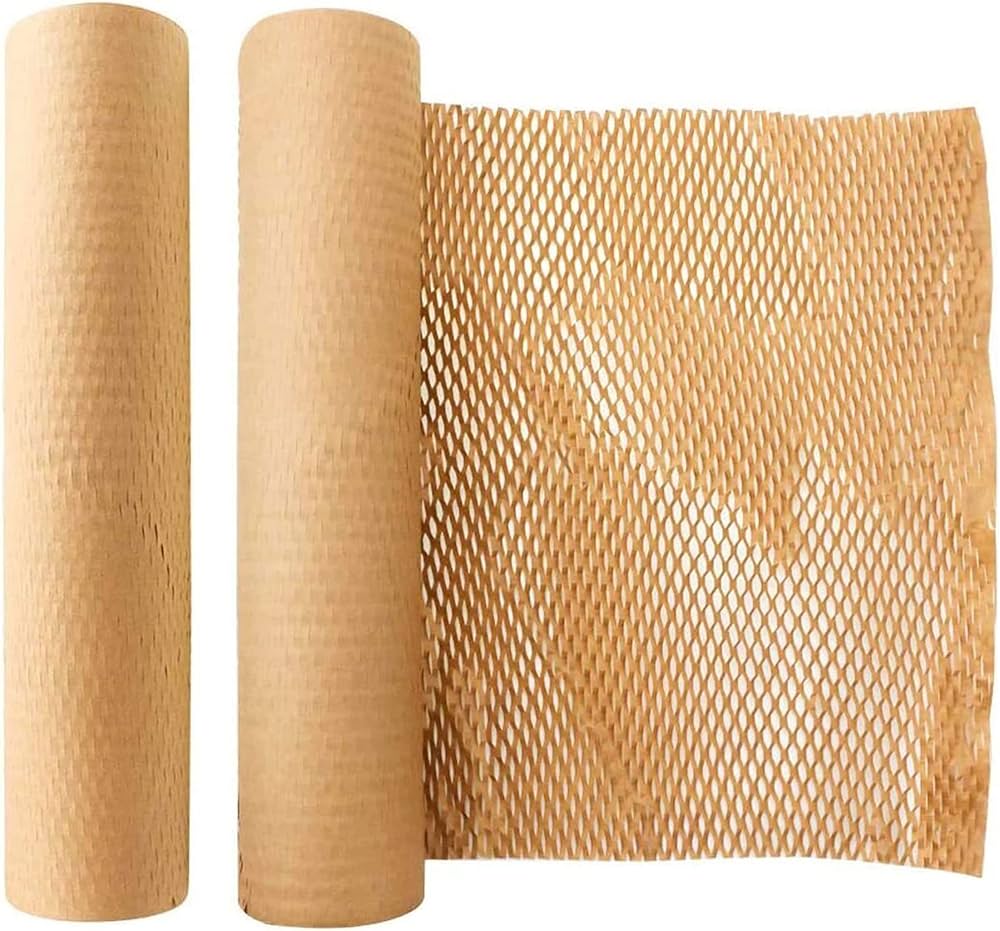
Paper Bubble Wrap Market Poised for Significant Growth, Projected to Reach USD 1.09 Billion by 2033

Paper Bubble Wrap Market

The global paper bubble wrap market is on a strong growth trajectory, with a valuation projected to rise from approximately USD 629.3 million in 2022 to USD 661.4 million in 2023. This upward trend reflects a significant compound annual growth rate (CAGR) of 5.1%, with the market anticipated to exceed USD 1,087.4 million by 2033.

Core Concepts in the Paper Bubble Wrap Industry

  • Expected Size by End of 2023: The paper bubble wrap market is projected to be valued at USD 661.4 million.
  • Leading Industry Players: Key players in the paper bubble wrap industry include DS Smith Plc, Protega Global Ltd, and Kingfisher Packaging Ltd.
  • Growth Forecast: The industry is expected to grow at a CAGR of 5.1% from 2023 to 2033.
  • Key Segment by Kraft Paper Type: The unbleached segment is anticipated to lead the market through 2033.
  • Top Trend: The demand for secure transportation and packaging driven by the logistics industry is a major trend in the paper bubble wrap market.

Key Trends Driving Paper Bubble Wrap Demand:

  1. Extensive Usage in Logistics & Transportation: The robust growth of the logistics industry has propelled the demand for paper bubble wrap, particularly in transportation and logistics packaging. As products need to be securely packaged to prevent damage during transit, paper bubble wrap has emerged as a preferred solution. Its use for palletizing in logistics further contributes to market growth.
  2. Shift Towards Sustainable Packaging: The increasing demand for paper bubble wrap as an alternative to plastic packaging solutions is driving market growth. Manufacturers are leveraging unbleached kraft paper bubble wrap to protect fragile products while adhering to government regulations and sustainability initiatives. Continuous research and development efforts by leading manufacturers aim to enhance the functionality of paper bubble wrap for various packaging needs.

“Eco-friendly paper bubble wrap in packaging is expected to gain traction in the next decade due to the consumer preference for recyclable and biodegradable packaging solutions and implementation of stringent regulation pertaining to plastic usage” – comments FMI analyst

Burgeoning Growth of E-Commerce to Fuel the Expansion of Paper Bubble Wrap Market

The strong growth of the e-commerce sector has increased the demand for paper bubble wrap. Major e-commerce platforms such as Amazon and Flipkart continue to expand their reach by expanding their packaging style.

They use paper bubble wrap to cover delicate products and protect them from damage. Market share in the e-commerce sector is expected to be around 40-42% during the forecast period.

Who is Winning?

Leading paper bubble wrap manufacturers include DS Smith Plc, Protega Global Ltd, Kingfisher Packaging Ltd, HexcelPack, LLC,Sealed Air Corporation, Packhelp, Packopaper, Rajapack Ltd, Swiftpak, Verite Eco packaging, A&A Naturals, Ameson Packaging, The Bamboo Company, HUIZHOU BETA PACKTECH CO.,LTD, Million parcel, Hexsa, Guangzhou Pai King Packing Products Co. Ltd., Intertape Polymer Group, Ajit Industries Pvt.

Ltd. and Safe Corrugated Containers Pvt Ltd.

These key players bare constantly upgrading their product portfolios by introducing novel products with innovative designs. Besides this, they provide customized packaging solutions to improve their customer base.

Access Full Report: https://www.futuremarketinsights.com/reports/paper-bubble-wrap-market

Global Paper Bubble Wrap Market by Category

By Kraft Paper Type:

  • Bleached
  • Unbleached

By Thickness:

  • Less than 41 GSM
  • 41 to 100 GSM
  • Above 100 GSM

By End Use:

  • Manufacturing and Warehousing
    • Pharmaceutical
    • Electronics & Electricals
    • Automotive & Allied Industries
    • Food & Beverages
    • Cosmetics & Personal Care
    • Others (Agriculture etc.)
  • E-commerce
  • Logistics and Transportation

About Future Market Insights (FMI)

Future Market Insights, Inc. (ESOMAR certified, recipient of the Stevie Award, and a member of the Greater New York Chamber of Commerce) offers profound insights into the driving factors that are boosting demand in the market. FMI stands as the leading global provider of market intelligence, advisory services, consulting, and events for the Packaging, Food and Beverage, Consumer, Technology, Healthcare, Industrial, and Chemicals markets. With a vast team of over 400 analysts worldwide, FMI provides global, regional, and local expertise on diverse domains and industry trends across more than 110 countries.

Join us as we commemorate 10 years of delivering trusted market insights. Reflecting on a decade of achievements, we continue to lead with integrity, innovation, and expertise.

Contact Us:       

Future Market Insights Inc.
Christiana Corporate, 200 Continental Drive,
Suite 401, Newark, Delaware – 19713, USA
T: +1-845-579-5705
For Sales Enquiries: sales@futuremarketinsights.com
Website: https://www.futuremarketinsights.com
LinkedIn| Twitter| Blogs | YouTube

Paper Bottles Market Set for Significant Growth, Projected to Reach USD 115.6 Million by 2033

Paper Bottles Market

The global paper bottles market is on an upward trajectory, expected to grow from USD 67.7 million in 2023 to USD 115.6 million by 2033, marking a significant CAGR of 5.5% during the forecast period. This remarkable growth is driven by the increasing demand for sustainable packaging solutions across various industries, including beverages and personal care.

Core Concepts in the Paper Bottles Industry

  • United States Market Growth: Efforts to reduce carbon footprint are driving significant demand for paper bottles in the United States.
  • Europe’s Surge in Sales: Growing environmental awareness in Europe is fueling the increased demand for paper bottles.
  • Global Adoption Drivers: The need for non-hazardous packaging solutions is accelerating the global adoption of paper bottles.
  • US Market Contribution: The United States captured a 4.3% CAGR of the global market in 2022.
  • North America’s Growth Potential: North America is poised to experience lucrative growth opportunities in the paper bottles market through 2033.
  • Sustainability Focus: The emphasis on sustainable packaging solutions is a key factor driving market trends and adoption globally.

Rising Demand for Eco-Friendly Packaging

The shift towards environmentally friendly packaging solutions has accelerated the adoption of paper bottles. Consumers and businesses alike are increasingly opting for paper bottles for their storage and distribution needs, recognizing their benefits in reducing environmental impact. The top three countries alone held approximately 38% of the market share in 2022, underscoring the global trend towards sustainability.

Market Growth

Cutting-edge products like paper bottles have gained prominence across various industries, including personal care products, beverages, and cosmetics, contributing significantly to increased sales in the forecast period.

In recent times, the sustainable packaging sector has experienced substantial market growth, attributed to its versatile, sustainable, and recyclable attributes.

The market share for paper bottles is expected to grow, driven by the matte finish and creative, bold designs, enhancing a brand’s visibility. This has prompted major beverage companies to adopt paper bottles alongside PET bottles, not only to elevate brand value but also to align with sustainability requirements, owing to the ecological aesthetics these containers provide during effective product packaging.

Top Market Trends

  1. Rise in Sustainable Packaging: Sustainable packaging has witnessed significant market growth due to its versatility, recyclability, and eco-friendly properties. Paper bottles are emerging as cutting-edge products in personal care, beverages, and cosmetics industries. Their ecological aesthetics not only aid in effective packaging but also enhance visual appeal, driving their adoption.
  2. Customization and Versatility: Paper bottles offer high adaptability in terms of customization, which is gaining traction in beverage packaging. Customers can personalize paper bottle colors, caps, shapes, and sizes to meet specific needs. This flexibility is attracting top beverage manufacturers, who seek personalized, attractive packaging solutions to enhance brand equity.
  3. Innovation and Collaboration: Leading beverage companies such as Coca-Cola, Carlsberg, and PepsiCo are collaborating with top paper bottle producers to develop innovative solutions that reduce plastic usage. These partnerships are boosting the production and supply of paper bottles, meeting the rising demand for sustainable packaging.
  4. Technological Advancements: Research and development by key players are leading to trends that improve the qualities of paper bottles, such as increased adaptability and durability. These advancements are expected to drive market growth, as manufacturers develop more robust and efficient packaging solutions.

Competitive Landscape:

Most of the key players operating in the paper bottle market are switching toward the usage of advanced packaging. Further, leading players similarly utilize new product development as an essential method for growing their market presence among customers.

Recent Developments in the Market:

  • In March 2022, PAPACKS Sales GmbH partnered with Keurig Dr. Pepper Inc. to develop a fully recyclable and compostable paper bottle.
  • In June 2021, Unilever launched its first-ever paper-based laundry detergent bottle.
  • The Absolut Company (TAC) announced on September 4, 2020, that as part of the paper bottle company effort, they might be releasing 2,000 paper bottle prototypes. The prototype is made up of 57 percent paper and 43 percent recyclable plastic which is also produced entirely of recycled materials.
  • Johnnie Walker Scotch Whisky started coming in paper-based bottles on August 5th, 2020. According to Diageo, the multinational beverage and alcoholic firm that owns the trademark, Johnnie Walker, the bottle is 100 percent plastic-free and made entirely from sustainably sourced wood.

Leading Players:

  • Frugalpac
  • Unilever plc
  • Paper Water Bottle
  • Kagzi Bottles
  • O.Berk Company, LLC
  • Just Water
  • Paper Bottle Company
  • PAPACKS Sales GmbH
  • LYS Packaging
  • Choose Packaging
  • Pulp Packaging International
  • Pulpex Ltd.
  • Shruti Agro
  • 3Epack Group

Access Full Report: https://www.futuremarketinsights.com/reports/paper-bottles-market

Key Segments Covered in the Market Report

By Capacity:

  • 15 ml to 100 ml (Small)
  • 101 ml to 500 ml (Medium)
  • Above 500 ml (Large)

By Primary Usage:

  • Everyday
  • Sports
  • Others (Travel, etc.)

By End Use:

  • Water
  • Beverage
  • Alcoholic
  • Non-alcoholic
  • Personal Care &Cosmetics
  • Others (Homecare & Toiletries, etc.)

By Region:

  • North America
  • Latin America
  • Western Europe
  • Eastern Europe
  • Asia Pacific Excluding Japan (APEJ)
  • Japan
  • The Middle East & Africa (MEA)

About Future Market Insights (FMI)

Future Market Insights, Inc. (ESOMAR certified, recipient of the Stevie Award, and a member of the Greater New York Chamber of Commerce) offers profound insights into the driving factors that are boosting demand in the market. FMI stands as the leading global provider of market intelligence, advisory services, consulting, and events for the Packaging, Food and Beverage, Consumer, Technology, Healthcare, Industrial, and Chemicals markets. With a vast team of over 400 analysts worldwide, FMI provides global, regional, and local expertise on diverse domains and industry trends across more than 110 countries.

Contact Us:       

Future Market Insights Inc.
Christiana Corporate, 200 Continental Drive,
Suite 401, Newark, Delaware – 19713, USA
T: +1-845-579-5705
For Sales Enquiries: sales@futuremarketinsights.com
Website: https://www.futuremarketinsights.com
LinkedIn| Twitter| Blogs | YouTube
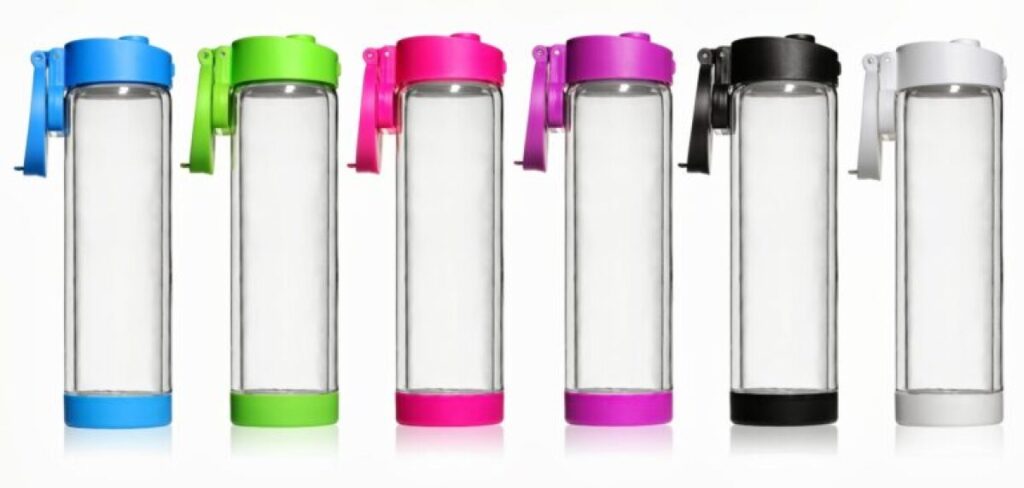
Reusable Water Bottle Market Set to Reach USD 11.5 billion by 2034 Amidst Rising Environmental Consciousness

Reusable Water Bottle Market

The global market for reusable water bottles is witnessing substantial growth, with an estimated value of USD 8.8 billion in 2024. According to industry analysis by leading research firm Future Market Insights (FMI), sales of reusable water bottles are projected to expand at a CAGR of 2.8% through 2034, reaching a valuation surpassing USD 11.5 billion.

Core Concepts in the Reusable Water Bottle Industry

  • Market Potential: The reusable water bottle market is projected to expand at a CAGR of 2.8% between 2024 and 2034.
  • Dominant Material Segment: The metal segment dominates the reusable water bottle market.
  • Top Manufacturers: Leading manufacturers in the market include Camelbak Products LLC, Brita GmbH, and Klean Kanteen, Inc.
  • Growth Outlook for 2034: The market is anticipated to surpass USD 11.5 billion by 2034.
  • Driving Factors: The demand for reusable water bottles is driven by growing environmental consciousness and the desire to reduce plastic waste.

Key Trends Shaping the Market:

  1. Corporate Sustainability Initiatives: Many companies are implementing corporate social responsibility programs focused on reducing single-use plastics, which include providing employees with reusable water bottles. This corporate shift towards sustainability is boosting the adoption of reusable bottles in workplaces.
  2. Fashion and Personalization: The trend towards personalized and stylish reusable water bottles, featuring unique designs and customizable options, is appealing to consumers looking for functional yet fashionable hydration accessories.
  3. Rise of Specialty Markets: Emerging markets for specialized reusable water bottles, catering to outdoor enthusiasts, athletes, and children, are diversifying product offerings and meeting niche consumer needs.
  4. Corporate Sustainability Programs: Corporations and organizations are implementing sustainability programs that promote the use of reusable water bottles among employees and customers, contributing to the overall growth of the market.

Drivers:

  1. Environmental Concerns:  Increasing awareness of environmental issues, particularly plastic pollution and single-use plastics, is driving consumers to opt for reusable water bottles as a more sustainable and eco-friendly choice.
  2. Health and Hydration:  The emphasis on healthy lifestyles and staying hydrated throughout the day is encouraging the use of reusable water bottles, as they provide a convenient way to carry water and other beverages.
  3. Regulations and Bans:  Government regulations and bans on single-use plastic bottles and containers in various regions are promoting the adoption of reusable alternatives.
  4. Cost Savings:  Reusable water bottles represent a cost-effective choice for consumers over time, as they eliminate the need to repeatedly purchase single-use bottled beverages.
  5. Customization and Style:  Many consumers appreciate the variety of designs, sizes, and materials available in reusable water bottles, allowing them to express their personal style and preferences.
  6. Promotion and Branding:  Businesses and organizations are increasingly using branded reusable water bottles as promotional items, contributing to the market’s growth.

Key Companies in the Market

  • Camelbak Products LLC
  • Brita GmbH
  • Klean Kanteenm, Inc.
  • Newell Brands
  • Can’t Live Without It, LLC
  • Thermos LLC
  • A.O. Smith Corporation
  • Bulletin Brands LLC
  • Nalge Nunc International Corp.
  • Zhejiang Haers Vacuum Containers Co. Ltd.

Key Coverage in the Reusable Water Bottle Industry Report

  • Eco-friendly Water Bottle Market Outlook
  • USA Reusable Water Bottle Market
  • Water Bottle Market Analysis & Statistics
  • Target Market for the Reusable Water Bottle
  • Future of Reusable Water Bottles

Access Full Report: https://www.futuremarketinsights.com/reports/reusable-water-bottles-market

Reusable Water Bottles Industry by Category

By Material Type,

  • Glass
  • Metal
  • Polymer
  • Silicone

By Distribution Channel,

  • Hyper/Supermarkets
  • Independent Stores
  • Online Sales
  • Others

By Primary Usage,

  • Everyday
  • Sports
  • Travel
  • Others

By Region,

  • North America
  • Latin America
  • Europe
  • South Asia
  • East Asia
  • Oceania
  • Middle East & Africa

About Future Market Insights (FMI)

Future Market Insights, Inc. (ESOMAR certified, recipient of the Stevie Award, and a member of the Greater New York Chamber of Commerce) offers profound insights into the driving factors that are boosting demand in the market. FMI stands as the leading global provider of market intelligence, advisory services, consulting, and events for the Packaging, Food and Beverage, Consumer, Technology, Healthcare, Industrial, and Chemicals markets. With a vast team of over 400 analysts worldwide, FMI provides global, regional, and local expertise on diverse domains and industry trends across more than 110 countries.

Contact Us:       

Future Market Insights Inc.
Christiana Corporate, 200 Continental Drive,
Suite 401, Newark, Delaware – 19713, USA
T: +1-845-579-5705
For Sales Enquiries: sales@futuremarketinsights.com
Website: https://www.futuremarketinsights.com
LinkedIn| Twitter| Blogs | YouTube

Composite IBCs System Market Poised for Robust Growth, Expected to Reach $12.6 Billion by 2033

Composite IBCs System Market

The composite IBCs system market is projected to grow from US$ 7,990.7 million in 2023 to US$ 12,648.47 million by 2033, recording a significant compound annual growth rate (CAGR) of 4.7% during the forecast period. This growth is driven by the increasing demand for reliable and cost-effective cross-border transportation solutions.

Core Concepts in the Composite IBCs System Industry

  • Growth Rate through 2033: The composite IBCs system market is expected to grow at a 4.7% CAGR from 2023 to 2033.
  • Market Size by 2033: The market is projected to increase from US$ 7,990.7 million in 2023 to US$ 12,648.47 million by 2033.
  • Countries with Significant Demand: The United States, Germany, China, and Japan demonstrate notable demand for composite IBCs systems due to their robust industrial sectors.
  • Strategies of Market Leaders: Market leaders maintain their competitive edge through continuous innovation, strategic partnerships, and global market expansion.
  • Factors Influencing Adoption: Consumer adoption in the composite IBCs system market is influenced by factors such as product durability, cost-effectiveness, and sustainability.

Key Market Drivers:

  1. Efficient Cross-Border Transportation: The need for dependable modes of cross-border transportation has bolstered the demand for composite IBCs. These containers offer benefits such as reduced transportation costs and enhanced safety during shipping compared to traditional alternatives.
  2. Safety and Efficiency: Composite IBCs are preferred for their lightweight, space-saving design that ensures secure transportation without spillage. They are particularly valued in industries handling flammable and volatile materials due to their non-corrosive and flame-retardant properties.
  3. Global Trade Expansion: The surge in global cross-trade activities has further fueled the adoption of composite IBCs. These containers are widely used by automotive technicians and manufacturers to store large volumes of fuels, paints, oils, and other chemicals, supporting seamless logistics operations.
  4. Technological Advancements: Innovations in materials and manufacturing processes, including the use of bio-based raw materials, are enhancing the sustainability and versatility of composite IBCs. This trend is expected to open new growth avenues in the market.

Competitive Landscape and Market Share Analysis::

The analysis of the study was carried out worldwide and presents the current and traditional growth analysis, competition analysis, and growth prospects of the central regions. With industry-standard analytical accuracy and high data integrity, the report offers an excellent attempt to highlight the key opportunities available in the market to help players establish strong market positions. Buyers of the report can access verified and reliable market forecasts, including those regarding the overall size of the market in terms of sales and volume.

Grief Inc., Snyder Industries, Inc., Hoover Ferguson Group Inc., Mauser Group B.V., Composite Containers LLC, Pacific Container Systems

The report on the Composite IBCs System Market covers the following region (country) analysis:

This report additionally states import/export consumption, supply and demand figures, cost, price, revenue, and gross margins. The Composite IBCs System Market 2022 research provides a basic overview of the industry including definitions, classifications, applications, and industry chain structure.

North America (United States, Canada, Mexico)
Europe (Germany, UK, France, Italy, Spain, Others)
Asia-Pacific (China, Japan, India, South Korea, Southeast Asia, Others)
The Middle East and Africa (Saudi Arabia, UAE, South Africa, Others)
South America (Brazil, Others)

Key Reasons to Purchase Composite IBCs System Market Report:

  • The report provides a thorough examination of the manufacturing methods, as well as ideas to reduce development risk, major market growth challenges, and strategic inputs to overcome the market threats.
  • An in-depth market analysis and an overview of the Composite IBCs System Market trend and commercial landscape are included in the report. In addition, the report discusses the effect of COVID-19 on the market.
  • Readers can acquire a better interpretation of the Composite IBCs System Market forecast’s future view and opportunities from the report.
  • The report contains an analysis of recent developments as well as profiles of important market leaders and key players.
  • To gain an understanding of the market strategies of the leading market players in the market
  • The report analyses the most important driving and restraining factors in the industry, as well as their impact on global market growth.

Key Questions Answered:

✦ What is the market size and CAGR of the Composite IBCs System Market during the forecast period?
✦ How is the growing demand impacting the growth of market shares?
✦ What is the growing demand of the market during the forecast period?
✦ Who are the leading vendors in the market and what are their market shares?

Access Full Report: https://www.futuremarketinsights.com/reports/composite-ibcs-market

Market Segmentation

By Material Type:

  • Plastics
  • Aluminum
  • Carbon Steel
  • Galvanized Iron

By End Use:

  • Industrial Chemicals
  • Paints
  • Inks & Dyes
  • Food & Beverage
  • Building & Construction
  • Pharmaceuticals

By Technology:

  • Aseptic Technology
  • Non-Aseptic Technology

By Capacity:

  • 180 to 250 gallons
  • 250 to 300 gallons
  • 300 to 350 gallons
  • Above 350 gallons

By Region:

  • North America
  • Latin America
  • Europe
  • South Asia & Pacific
  • East Asia
  • The Middle East & Africa (MEA)

About Future Market Insights, Inc.

Future Market Insights, Inc. (ESOMAR certified, Stevie Award – recipient market research organization and a member of Greater New York Chamber of Commerce) provides in-depth insights into governing factors elevating the demand in the market. It discloses opportunities that will favor the market growth in various segments on the basis of Source, Application, Sales Channel and End Use over the next 10 years.

Contact:
Future Market Insights, Inc.
Christiana Corporate, 200 Continental Drive,
Suite 401, Newark, Delaware – 19713, USA
T: +1-845-579-5705
For Sales Enquiries: sales@futuremarketinsights.com
Browse latest Market Reports: https://www.futuremarketinsights.com/reports

Molded Pulp Packaging Machines Market Poised for Steady Growth, Expected to Reach USD 833.4 Million by 2033

Molded Pulp Packaging Machines Market

The global molded pulp packaging machines market is poised to achieve a valuation of US$ 590.8 million in 2023 and is projected to grow at a steady CAGR of 3.5% to reach US$ 833.4 million by 2033. According to Future Market Insights (FMI), the trays segment is expected to dominate the market, driven by high demand for packaging fragile products. This segment alone is anticipated to create an incremental opportunity of nearly US$ 126 million from 2023 to 2033.

Core Concepts in the Molded Pulp Packaging Machines Industry

  • Growth Rate until 2033: The market is projected to expand at a 3.5% compound annual growth rate (CAGR) through 2033.
  • Market Size in 2023: The market is estimated to be valued at US$ 590.8 million in 2023.
  • Historical Growth: In 2022, the market was valued at US$ 570.8 million.
  • Substantial Market Share Region: North America is expected to hold a significant market share of 19.7% from 2023 to 2033.
  • Most Popular Application: The food & beverage industries are the most popular among users, contributing to 40.6% of the market share.

Key Growth Drivers

  1. Rising Demand for Sustainable Packaging: There is a growing preference for green packaging solutions as alternatives to single-use plastics. Molded pulp, derived from recycled paperboard or newspaper, aligns with sustainability goals, reducing environmental impact and meeting regulatory standards.
  2. Expansion in Food & Beverage Industry: The food and beverage sector, in particular, is witnessing robust demand for molded pulp packaging due to its ability to preserve product freshness and meet hygiene standards. This sector’s reliance on sustainable packaging solutions is propelling market growth.

Market Trends

  1. Increased Production Capacity: Manufacturers are scaling up production of molded pulp packaging machines to meet the escalating demand driven by sustainability trends. This expansion is expected to create substantial growth opportunities throughout the forecast period.
  2. Technological Advancements: Ongoing advancements in molded pulp production technologies are enhancing the efficiency and versatility of packaging solutions. Innovations in machine capabilities are catering to diverse application needs across various end-use industries.

Growth Factors

Molded pulp packaging has gained widespread acceptance owing to its myriad advantages, including exceptional vibration dampening and cushioning properties, versatility in application, and more. Products crafted from molded pulp, such as trays, clamshells, bowls, cups, among others, represent a cost-effective packaging solution.

Notably, molded pulp packaging not only boasts a low disposal cost but also offers a straightforward and efficient packaging process. Furthermore, an escalating preference for eco-friendly packaging practices, in line with the growing environmental concerns, has driven a surge in demand for molded pulp packaging. As a result, manufacturers are scaling up the production of molded pulp packaging machines, witnessing a noticeable boost in sales.

Market Players:

  • Huhtamaki Oyj
  • TRIDAS
  • Eurasia United Equipment Group Co., Ltd (EAMC)
  • Brødrene Hartmann A/S
  • Beston Group Co. Ltd.
  • inmaco
  • PulPac
  • BeSure Technology Co., Ltd.
  • HGHY PULP MOLDING PACK CO., LTD
  • Southern Pulp Machinery (Pty) Ltd
  • ZH MOULDED PULP CO., LTD.
  • Taiwan Pulp Molding Co., Ltd
  • Parason

Access Full Report: https://www.futuremarketinsights.com/reports/molded-pulp-packaging-machines-market

Segments Covered:

By Machine Type:

  • Automatic
  • Semi-automatic
  • Manual

By Application:

  • Trays
  • Cups
  • Clamshells
  • Boxes
  • Plates
  • Carriers

By End-use Industry:

  • Food & Beverage
  • Healthcare
  • Electrical & Electronics
  • Automotive
  • Personal Care & Cosmetics
  • Consumer Durables

By Region:

  • North America
  • Latin America
  • Europe
  • South Asia
  • East Asia
  • The Middle East & Africa
  • Oceania

About Future Market Insights (FMI)

Future Market Insights, Inc. (ESOMAR certified, recipient of the Stevie Award, and a member of the Greater New York Chamber of Commerce) offers profound insights into the driving factors that are boosting demand in the market. FMI stands as the leading global provider of market intelligence, advisory services, consulting, and events for the Packaging, Food and Beverage, Consumer, Technology, Healthcare, Industrial, and Chemicals markets. With a vast team of over 400 analysts worldwide, FMI provides global, regional, and local expertise on diverse domains and industry trends across more than 110 countries.

Contact Us:       

Future Market Insights Inc.
Christiana Corporate, 200 Continental Drive,
Suite 401, Newark, Delaware – 19713, USA
T: +1-845-579-5705
For Sales Enquiries: sales@futuremarketinsights.com
Website: https://www.futuremarketinsights.com
LinkedIn| Twitter| Blogs | YouTube
Global Cutting and Bending Machine Market to Reach US$ 16,383.6 Million by 2032, with a Projected CAGR of 7.1%

The Cutting and Bending Machine Market is experiencing a remarkable surge in demand, fueled by its growing adoption across various industries such as automotive, metal fabrication, electrical and electronics, and more. This rise in popularity can be attributed to the numerous advantages these machines offer, including enhanced precision, efficiency, and cost-effectiveness.

The global cutting and bending machine market will be worth more than US$ 8,238.3 million by 2022, according to Future Market Insights. Furthermore, from 2022 to 2032, overall sales of cutting and bending machines are predicted to expand at a CAGR of more than 7.1%, totaling US$ 16,383.6 Million.

The increasing use of cutting and bending machines in the automotive, metal fabrication, electrical and electronics, and other industries is driving the global cutting and bending machine market.

Among these, strong expansion in the automotive industry is likely to play a significant role in increasing sales of cutting and bending equipment. Metals are frequently utilised in car manufacture, which is constantly increasing the demand for cutting and bending machines.

For increasing the production rate, there is increasing automation in the material processing equipment and their assembly lines, in which integration of cutting machines with robots and automatic or electric bending machines is gaining traction owing to its ability to do faster flexible sheet metal bending in vehicle manufacturing. This will boost the assembly line’s productivity and allow operators to increase production efficiency in a minimum amount of time.

Browse Full Report Here

Regionally, Asia Pacific is likely to emerge as the fastest growing market for cutting and bending machines due to the high presence of leading automotive and electronic component manufacturers and growing end-use industries in these regions.

Key Takeaways from Cutting and Bending Machine Market Study

  • By operation, automatic segment is estimated to account for the highest share of more than 45% in terms of value in 2022.
  • By end use, the automotive segment will dominate the market in terms of end use, creating an incremental opportunity of nearly US$ 2,578.7 Million between 2022 to 2032.
  • By product type, cutting machine segment is set to account for more than 80% of the global cutting and bending machine market during the forecast period.
  • The North America cutting and bending machine market is expected to grow at 6%CAGR through 2032.
  • The U.S. cutting and bending machine market is predicted to expand by 9xthrough 2032.
  • The cutting and bending machines market in China is expected to reach a valuation of US$ 1,317.0 Millionby the end of 2032.

“Significant market opportunities are projected to occur with the differentiated product offerings by the manufacturers attuned to the end user’s viewpoint.” says a Future Market Insights analyst.

Who is Winning?

The cutting and bending machine market is fragmented with the leading players acquiring around 25% to 35% of the market shares. These players are likely to invest in new technology developments and expansion of their distribution networks to maintain their market presence.

Some of the key players in this industry include TRUMPF Group, Amada Co. Ltd., Bystronic Group, Coherent Inc., Hans Laser Technology Ltd., and Others.

Find More Valuable Insights

The research report analyzes the demand for Cutting and Bending machines. The global Cutting and Bending machine market has been analyzed with the COVID-19 impact, various macroeconomic factors, market trends, and market background. As per Future Market Insights, the market has been analyzed based on Product Type, Operation, End Use, and Region. The report provides qualitative and quantitative information on various players in this market. This report also tracks the market by both supply-side and demand factors.

Global Cutting and Bending Machine Industry by Segments

By Product Type:

  • Cutting Machine
    • Laser Cutting Machine
    • Waterjet Cutting Machine
    • Plasma Cutting Machine
    • Flame Cutting Machine
  • Bending Machine
    • Electric
    • Hydraulic
    • Pneumatic
    • Others

By Operation:

  • Automatic
  • Semi-automatic
  • Manual

By End Use:

  • Automotive
  • Aerospace
  • Electrical and Electronics
  • Marine & Construction
  • Others

By Region:

  • North America
  • Latin America
  • Europe
  • East Asia
  • South Asia Pacific
  • Middle East and Africa

About Us

Future Market Insights, Inc. (ESOMAR certified, Stevie Award – recipient market research organization and a member of Greater New York Chamber of Commerce) provides in-depth insights into governing factors elevating the demand in the market. It discloses opportunities that will favour the market growth in various segments on the basis of Source, Application, Sales Channel and End Use over the next 10-years.

Contact:

Future Market Insights Inc.   
Christiana Corporate,
200 Continental Drive, 
Suite 401, Newark, 
Delaware – 19713, USA   
T: +1-845-579-5705
For Sales Enquiries: sales@futuremarketinsights.com