Global Acrylic Airless Bottle Market to be Worth USD 1,508.5 Million by 2034: Future Market Insights, Inc.

The global market for acrylic airless bottles is projected to experience steady growth over the next decade. According to recent market insights, sales of acrylic airless bottles are valued at USD 1,038.9 million in 2024 and are expected to reach an impressive USD 1,508.5 million by 2034, reflecting a compound annual growth rate (CAGR) of 3.8% during the forecast period.

Acrylic airless bottles generated USD 992.2 million in revenue in 2023 and are expected to record a year-on-year (Y-o-Y) growth of 3.6% in 2024. This continued growth underscores the increasing demand for premium packaging solutions, particularly in the luxury cosmetics sector.

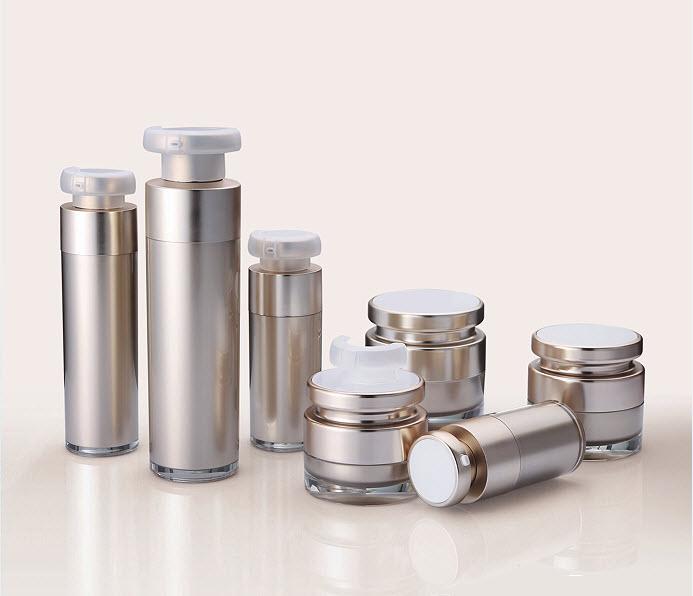
Acrylic airless bottles have gained popularity due to their combination of elegance, utility, and durability. With high-gloss, glass-like transparency, and a smooth, luxurious surface, these bottles provide the perfect packaging solution for high-end serums, creams, and other beauty products. Their sophisticated design not only offers an attractive shelf impact but also ensures the product’s integrity by being virtually unbreakable.

Explore In-Depth Analysis—Click Here to Access the Report!

Widely used in the cosmetics industry, especially for luxury products, acrylic airless bottles are favored for their ability to protect sensitive formulations while maintaining an upscale aesthetic. This unique blend of functionality and visual appeal has positioned acrylic airless bottles as the go-to packaging solution for premium brands.

As the demand for luxury skincare and high-end cosmetics continues to surge, the need for packaging that preserves product integrity is more critical than ever. Acrylic airless bottles are stepping up to meet these demands, offering a premium solution that keeps sensitive skincare products protected from contamination and oxidation.

Featuring an airless pump with a disc, this innovative design safeguards valuable ingredients like vitamin C and retinol, prolonging product freshness by keeping the formulation away from harmful air exposure. This is especially important for sensitive skincare products, where maintaining ingredient efficacy is crucial to delivering promised results.

Key Takeaways: Acrylic Airless Bottle Market

  • The global acrylic airless bottle market recorded a CAGR of 2.6% during the historical period from 2019 to 2023.
  • China is projected to dominate the East Asia region, capturing over 50% market share, with a robust CAGR of 5.3%.
  • In 2023, the cosmetic and personal care industry in Germany reached a valuation of USD 15.9 billion, highlighting strong demand for packaging solutions.
  • European research and development expenditures in the cosmetics and personal care sector amounted to around 2.3 billion euros.
  • The acrylic airless bottle market generated a revenue of USD 992.2 million in 2023, signifying substantial market growth.

Competitive Landscape

Due to the existence of major companies, the worldwide acrylic airless bottle market is moderately fragmented. To gain a competitive advantage and increase worldwide acrylic airless bottle sales, most organizations use a variety of strategies, including product development and differentiation, pricing, brand, technology, and customized products.

Furthermore, rising demand for airless packaging solutions is likely to drive market participants to invest extensively in product development, resulting in improved market competitiveness and higher demand for worldwide acrylic airless bottles.

Key Players of Acrylic Airless Bottle Industry

  • Radcom Packaging Private Limited
  • AptarGroup, Inc.
  • HCP Packaging Inc.
  • Berlin Packaging
  • Lumson SPA
  • Quadpack Industries, S.A.
  • Silgan Dispensing Systems
  • Albea Group
  • Yonwoo Co., Ltd.
  • Nest Filler
  • Frapak Packaging
  • ABC Packaging Ltd.
  • APG Packaging
  • IMS Packaging
  • Kaufman Container
  • B.I. Packaging
  • Premium Pack Ltd.

Recent Industry Developments in Acrylic Airless Bottle Market

  • In August 2024, AptarGroup, Inc. announced that its Unidose Liquid System (Unidose) is the delivery system approved with neffy ® (epinephrine nasal spray), the first and only needle-free treatment approved by the USA
  • HCP has acquired the remaining 50% shares of Hetian Packaging (Huai’an) Co., Ltd. (hereinafter referred to as “Hetian Packaging”). Hetian Packaging is now a wholly owned subsidiary of HCP Group.
  • In April 2024, Quadpack announced the launch of new glass airless pack which is refillable and made with recyclable materials.

Key Segments of Acrylic Airless Bottle Industry

By Material Type:

In terms of material type, the industry is divided into acrylic, polyethylene, polypropylene, glass, and other materials.

By Capacity:

In terms of capacity, the industry is segregated as up to 15 ml, 15 to 30 ml, 30 to 50 ml, and above 50 ml.

By Pump Type:

The industry is classified by pump type as airless pump with disc, airless pump with nozzle, spray pump, lotion pump, and other pump types.

By Application:

The industry is classified by application as skincare, cosmetics, haircare, personal care, medical products, and other applications.

By Region:

Key countries of North America, Latin America, Western Europe, Eastern Europe, South Asia & Pacific, East Asia, and Middle East and Africa (MEA), have been covered in the report.

About Future Market Insights (FMI)

Future Market Insights, Inc. (ESOMAR certified, recipient of the Stevie Award, and a member of the Greater New York Chamber of Commerce) offers profound insights into the driving factors that are boosting demand in the market. FMI stands as the leading global provider of market intelligence, advisory services, consulting, and events for the Packaging, Food and Beverage, Consumer Technology, Healthcare, Industrial, and Chemicals markets. With a vast team of over 400 analysts worldwide, FMI provides global, regional, and local expertise on diverse domains and industry trends across more than 110 countries.

Contact Us:     

Future Market Insights Inc.
Christiana Corporate, 200 Continental Drive,
Suite 401, Newark, Delaware – 19713, USA
T: +1-347-918-3531
For Sales Enquiries: sales@futuremarketinsights.com
Website: https://www.futuremarketinsights.com
LinkedInTwitterBlogs | YouTube

Dairy Blends Market Sees Steady Growth in Functional Foods and Health-Conscious Consumer Segments

Dairy Blends Market

According to a newly released market report by Future Market Insights (FMI), the overall market value of dairy blends is expected to reach USD ~4.5 Bn by 2032, rising at a CAGR of ~7.0% during 2022-2032. The regular segment is expected to lead the global dairy blends market over flavored blends.

The demand for dairy blends is increasing at a faster pace, due to alterations in social and economical patterns, augmenting urbanization, buying power, changes in meal patterns and existing food habits, awareness about health and wellness foods, and the desire to try new products. Dairy blends are becoming extremely popular, specifically among working-class people.

The use of dairy blends as an absolute and real taste enhancer to food products like bakery and confectionery is widely prevalent, blends are insipid and are hence mixed with sugar, cocoa powder, vegetable fats, dextrin, aroma, salt, or other flavorings to add flavor.

Key Takeaways from the Market Report

  • The global dairy blends market valued at USD 2.4 Bn in 2022.
  • Spreadable dairy blends are becoming increasingly popular and are expected to witness the fastest growth at a CAGR of ~8%.
  • Key contributing factors for the growth of spreadable dairy blends are their ability to be used as a low-fat alternative to butter and margarine.
  • The bakery segment has emerged as the largest end-user for dairy blends and is a contributor to around 35% of dairy blends sales. Dairy blends are also used in applications like ice cream, confectioneries, ready-to-eat foods, and infant formulas.
  • Growth witnessed in the dairy blends market is also steered by the expansion of infant formulas. According to FMI, infant formulas are expected to contribute lion’s share in the market.
  • Powder dairy blends are widely used for a variety of functions like enhancing taste, emulsifying, dispersion, and thickening and are a good example of dairy as a carrier in the food processing industry.
  • Asia-pacific is expected to witness the highest growth in dairy blends, as the Asian standard demand for milk fat is growing in contrast to vegetable fats. Milk Fat is a natural product and offers a better taste, therefore, the production of dairy blends is satisfying the growing demand in the region.

Get Full Access of this Report

Competitive Landscape

The dairy blends market is reforming from a consolidated market dominated by big corporations like Fonterra Group(New Zealand) to a fragmented one, thanks to consistent innovation, research and development, and support from government agencies to local producers.

Key Players in the dairy blends market are Abbott Nutrition, Cape Food Ingredients, Hormel Specialty Products, All American Foods, Cargill, Friesland Capina, SPX Flow, Agropour Ingredients, Kerry, AgriMark Inc., Doehler Group, Landell Mills- sure, Pacific blends, and others.

Major players are innovating varieties of blends and creating awareness by attractive packaging and marketing. Another trend observed is that major manufacturers are enhancing the nutritional content of blends by means of fortification, making dairy blends a healthier option over their counterparts.

“Manufacturers of dairy blends would gain significant profits by targeting the food and beverage industry, especially bakery, confectionery, and convenient food producers. The infant formula industry would also serve as a good potential market for dairy blends. Dairy blends manufacturers should continue being creative with their products as insipid tastes of dairy blends gives a lot of leeways to innovate with tastes, flavors, and nutritional properties of the blends,” says a Future Market Insights analyst.

Key Segments

By Application:

  • Infant Formula
  • Ice Cream
  • Bakery
  • Confectionery
  • Butter & Cheese Blends
  • Beverages
  • Others

By Flavor:

  • Regular
  • Flavored

By Form:

  • Spreadable
  • Powder
  • Liquid

By Distribution Channel:

  • B2B
  • B2C
    • Modern Trade
    • Convenience Store
    • Forecourt Retail
    • Online Retail

By Region:

  • North America
  • Latin America
  • Europe
  • Asia Pacific (APAC)
  • Middle East & Africa (MEA)

About Future Market Insights (FMI)

Future Market Insights, Inc. (ESOMAR certified, recipient of the Stevie Award, and a member of the Greater New York Chamber of Commerce) offers profound insights into the driving factors that are boosting demand in the market. FMI stands as the leading global provider of market intelligence, advisory services, consulting, and events for the Packaging, Food and Beverage, Consumer Technology, Healthcare, Industrial, and Chemicals markets. With a vast team of over 400 analysts worldwide, FMI provides global, regional, and local expertise on diverse domains and industry trends across more than 110 countries.

Contact US:
Future Market Insights Inc.
Christiana Corporate, 200 Continental Drive,
Suite 401, Newark, Delaware – 19713, USA
T: +1-347-918-3531
For Sales Enquiries: sales@futuremarketinsights.com
Website:https://www.futuremarketinsights.com
LinkedIn| Twitter| Blogs | YouTube

Food Grade Alcohol Market Rises with Increasing Demand in Food, Beverage, and Pharmaceuticals

Food-Grade Alcohol Market

According to Future Market Insights (FMI), the global food-grade alcohol market is expected to be worth US$ 4.16 billion in 2023 and US$ 6.16 billion by 2033, expanding at a CAGR of 4.0% during the forecast period.

The food-grade alcohol demand may get fueled by an upward trend in the demand for spirits and beers in various economies. Expansion in the food processing industry, combined with rising ethanol consumption accelerates organic food-grade alcohol market expansion.

Market Opportunities

The conventional food-grade alcohol market ought to develop significantly over the forecast years, owing to an increase in the sale of alcoholic drinks, as well as improved alcohol trade across developing economies due to favorable trade rules.

Escalating sophistication in the food and beverage industry is leading to an increase in the use of efficient preservatives, flavorings, and other ingredients. This can contribute to the enhancement of the product’s taste while also improving its shelf-life, which is to fuel the growth of the food-grade alcohol products market in the coming years.

The advancement of the countries, as well as the involvement of ethanol co-products in the feed sector, may provide further prospects for the expansion of the food-grade alcohol market in the approaching years.

Negative Health Effects Dwindling Economic Growth of the Market

The negative health effects of excessive alcohol intake, along with demographic and legal concerns related to alcohol usage, may stymie organic food-grade alcohol market expansion during the predicted years.

In the near future, the volatile raw material prices and rigorous limits on the use of alcohol in food and beverages, health, and personal care products may provide additional challenges to the food-grade alcohol market growth.

Regional Evaluation

Due to increasing alcohol consumption by end-use industries including food, pharmaceuticals, and cosmetics & personal care across countries in Europe, leading the region with the lion’s share of the conventional food-grade alcohol market and is to maintain its dominance during the forecast years.

The region’s well-established food and beverage sector and significant adoption of food-grade alcohol in the creation of various types of food flavors, vinegar preparation, and other processes are to be the catalyst for the organic food-grade alcohol market expansion.

Key Takeaways:

  • Between 2023 and 2033, the United States may command a market share of 3.8%.
  • From 2023 to 2033, Germany’s market share may capture 5.2%.
  • Japan can boost its share of the market to 3.6% between 2023 and 2033.
  • Australia’s market share between 2023 and 2033 is likely to be 2.9%.
  • China food-grade alcohol products market is to advance at a 7.7% CAGR between 2023 and 2033.
  • Between 2023 and 2033, India market is to register a CAGR of 13.7%.
  • The market in the United Kingdom is to blossom at a CAGR of 4.2% between 2023 and 2033.

Gain Immediate Access to Detailed Market Insights Purchase Now

Insights into Notable Businesses and Market Dominance

The global market is very competitive, with the leading international brands focused on long-term relationships with end customers. Competition is to raise more in the food and beverage, pharmaceutical, and personal care sectors in the future years.

Sucrogen Bioethanol Pty. Ltd., MGP Ingredients, Inc., Shree Renuka Sugars Limited, AppliChem GmbH, Balrampur Chini Mills Ltd. (Sugar Division), Shanker International, Cargill, Incorporated, Cristalco S.A.S, Grain Processing Corporation, and others are among the food-grade alcohol manufacturers and suppliers of food-grade alcohol products.

Many food-grade alcohol product manufacturers and industrialists have expressed an interest in food-grade ethanol, which may increase food-grade alcohol demand among food makers and consumers in the coming years.

Notable Economic Innovation

  • Acquisition

Cargill Incorporated purchased Rogers, Arkansas-based BioBased Technologies, and Agrol, their vegetable-based polyol product line, in May 2017.

Key Segments

By Nature:

  • Organic
  • Conventional

By Application:

  • Spirits
  • Vinegar
  • Extracts
  • Cosmetics & Fragrances
  • Pharmaceutical
  • Nutraceutical
  • Other Industrial Applications

By Function:

  • Aromas
  • Preservatives
  • Solvents
  • Disinfectants
  • Others

By Source:

  • Sugarcane
  • Wheat
  • Rye
  • Barley
  • Corn
  • Others

By Region:

  • North America (The United States & Canada)
  • Latin America (Brazil, Mexico & Rest of Latin America)
  • Europe (Germany, Italy, France, United kingdom, Spain, BENELUX, Nordics, Russia, Poland & Rest of Europe)
  • Middle East & Africa (GCC, South Africa & Rest of the Middle East and Africa)
  • East Asia (China, Japan & South Korea)
  • South Asia (India, Thailand, Indonesia, Malaysia & Rest of South Asia)
  • Oceania (Australia & New Zealand)

About Future Market Insights (FMI)

Future Market Insights, Inc. (ESOMAR certified, recipient of the Stevie Award, and a member of the Greater New York Chamber of Commerce) offers profound insights into the driving factors that are boosting demand in the market. FMI stands as the leading global provider of market intelligence, advisory services, consulting, and events for the Packaging, Food and Beverage, Consumer Technology, Healthcare, Industrial, and Chemicals markets. With a vast team of over 400 analysts worldwide, FMI provides global, regional, and local expertise on diverse domains and industry trends across more than 110 countries.

Contact US:
Future Market Insights Inc.
Christiana Corporate, 200 Continental Drive,
Suite 401, Newark, Delaware – 19713, USA
T: +1-347-918-3531
For Sales Enquiries: sales@futuremarketinsights.com
Website:https://www.futuremarketinsights.com
LinkedIn| Twitter| Blogs | YouTube

Organic Beauty Revolution: How Castor Oil Derivatives Are Transforming the Cosmetic Industry

Castor Oil Derivatives Market


The market for castor oil derivatives is expected to grow at a 4.9% average annual growth rate (CAGR) between 2023 and 2033. The market for castor oil derivatives is anticipated to be valued at USD 1.37 billion in 2023, but it is anticipated to reach a market share of USD 2.21 billion by 2033.

  • The expansion of pharmaceutical, cosmetic, and personal care industries is flourishing the demand for castor oil derivatives. Furthermore, the increasing pollution is also pushing end users to look for herbal products to safeguard their skin and hair.
  • The medicinal usage of castor oil derivatives for effective immunity and is helpful in constipation. Along with it, pharmaceutical lotions for joint pain and arthritis are expanding the market verticals.
  • The long range of applications including the usage of castor oil derivatives as a bio-energy source is gaining traction for the market and its future possibilities during the forecast period.
  • Enhancing blood circulation, and effective impact on the moles and cysts are garnering market growth. The increased manufacturing facilities in emerging economies are thriving the demand for castor oil derivatives.
  • Lastly, the most important application of castor oil derivatives on hair is that it strengthens and thickens the hair. These derivatives have no or lower side effects. Alongside this, the rising usage of alternative medicine in developed economies is also propelling market growth.

Key Points

  1. Indian market leads the castor oil derivatives market in terms of CAGR in the Asian region. The India region thrives at a CAGR of 5.9% between 2023 and 2033. The growth in this region is attributed to the expanding production and exporting capacity along with the higher government efforts.
  2. In 2023, the Japanese market holds a market share of 3.6% in the global market, attributed to the higher penetration of the cosmetic industry.
  3. The German castor oil derivatives market is another significant market in the region. The market holds a market share of 5.8% in 2023. The growth is attributed to the presence of major cosmetic and pharmaceutical brands along with the joint efforts of the European government.
  4. The pharmaceutical segment leads the application type segment as it holds a market share of 22.5% in 2023. The growth is attributed to the higher consumption and its helpful proposition on constipation.
  5. Based on the classification, the industrial segment leads as it holds a market share of 74.7% in 2023.

Competitive Landscape

The key vendors work on application-specific castor oil derivatives along with increasing the production capacity. Key competitors and also merge, acquire, and partner with other companies to increase their supply chain, and distribution channel.

Recent Market Developments

  • Sebacic India Pvt. Ltd. Has introduced its “From black to green” program that produces powder sebacic acid and grain sebacic acid with white crystalline powder and white granular.
  • Adani Wilmer and Royal Castor Products are engaging in third-generation castor seeds and castor oil derivatives. This development has fueled the presence of Indian dominance in the global market.

Key Players

  • BASF SE
  • Hengshui Jinghua Chemical Co., Ltd.
  • N.K. Proteins Pvt. Ltd.
  • Thai Castor Oil Industries Co. Ltd.
  • Sebacic India Pvt. Ltd.
  • HOKOKU Co. Ltd.
  • Adani Wilmar Ltd.
  • Gokul Agri International Ltd.
  • RPK Agrotech
  • Arvalli Castor Derivatives Pvt Ltd.
  • Krishna Antioxidants Pvt. Ltd.

Get the Insights You Need – Connect with Sales to Secure Your Copy of Report

Key Segments Covered

Product Type:

  • Undecylenic Acid
  • Sebacic Acid
  • Castor Wax
  • Dehydrated Castor Oil
  • Others

Application:

  • Lubricants
  • Cosmetics & Pharmaceuticals
  • Biodiesel
  • Plastics & Resins
  • Other

About Future Market Insights (FMI)

Future Market Insights, Inc. (ESOMAR certified, recipient of the Stevie Award, and a member of the Greater New York Chamber of Commerce) offers profound insights into the driving factors that are boosting demand in the market. FMI stands as the leading global provider of market intelligence, advisory services, consulting, and events for the Packaging, Food and Beverage, Consumer Technology, Healthcare, Industrial, and Chemicals markets. With a vast team of over 400 analysts worldwide, FMI provides global, regional, and local expertise on diverse domains and industry trends across more than 110 countries. Join us as we commemorate 10 years of delivering trusted market insights. Reflecting on a decade of achievements, we continue to lead with integrity, innovation, and expertise.

Contact Us:     

Future Market Insights Inc.
Christiana Corporate, 200 Continental Drive,
Suite 401, Newark, Delaware – 19713, USA
T: +1-347-918-3531
For Sales Enquiries: sales@futuremarketinsights.com
Website: https://www.futuremarketinsights.com
LinkedInTwitterBlogs | YouTube

Industrial Rubber Products Market: Driving Growth in Automotive, Construction, and Mining Sectors

Industrial Rubber Products Market

The industrial rubber products market size is poised for significant growth, projected to reach a value of approximately USD 214.7 billion by 2033, with a robust compound annual growth rate (CAGR) of 6.6% during the forecast period. This expansion is driven by the increasing demand for rubber products across various sectors, including automotive, construction, and manufacturing, as industries seek durable, high-performance materials. Advancements in rubber processing technologies and the rising focus on sustainability are also contributing to market growth, as companies explore eco-friendly alternatives and innovative applications. With these trends, the industrial rubber products market is set to play a crucial role in supporting infrastructure and industrial development worldwide.

The industrial rubber products market has been gradually expanding due to rising demand from end-use sectors such as automotive, construction, and aerospace. The increased need for lightweight and long-lasting rubber products in various sectors is a primary driver of market expansion. Furthermore, the surge in industrialization and infrastructure development throughout the world has increased demand for rubber products, increasing market growth even further.

The industrial rubber products market faces significant obstacles, despite the prospects for expansion. The shift in the pricing of raw materials is one of the key constraints.

Natural rubber, one of the key raw materials used in the manufacture of rubber products, has high volatility. This raw material is influenced by a variety of variables such as climate change, geopolitical conflicts, and supply-demand dynamics. This is a big problem for market manufacturers that are struggling to regain profitability and continue their operations.

Manufacturers and service providers may benefit greatly from the industrial rubber products industry. There is a rising need for creative and sustainable rubber products as demand from diverse end-use sectors grows. Manufacturers may capitalize on this opportunity by investing in research and development and investigating new materials and technologies that might enable them to make high-quality, environment-friendly rubber products. Furthermore, increasing their geographical presence and providing customized solutions may assist manufacturers in scaling their market enterprises.

One of the latest trends in the industrial rubber products market is a huge emphasis on environment-friendly products. With increased concern about environmental sustainability, manufacturers are investing in research and development to create rubber products that are not only long-lasting but also environmentally benign.

The market is seeing a trend toward automation and digitalization, with manufacturers using new technologies like artificial intelligence and the Internet of Things (IoT) to increase operational efficiency and product quality.

Key Takeaways from the Industrial Rubber Products Market:

  • The industrial rubber products industry in the United States is expected to be valued at US$ 37.9 billion by 2033.
  • The United Kingdom is set to become a key market for industrial rubber products in Europe, with a forecast market value of US$ 7.7 billion by 2033.
  • China is expected to lead Asia Pacific industrial rubber products market throughout the forecast period, with a market size of US$ 48.8 billion by 2033.
  • With a forecasted market value of US$ 31 billion by 2033, Japan is likely to be a prominent market for industrial rubber products in Asia Pacific.
  • With a predicted market value of US$ 9.5 billion by 2033, South Korea is equally likely to be an important market for industrial rubber products in Asia Pacific.
  • The industrial rubber products category is expected to increase at a CAGR of 5.9% from 2023 to 2033.
  • Natural Rubber is projected to be the most dominant type, with a CAGR of 5.7% from 2023 to 2033.

What Does the Competition in the Industrial Rubber Products Market Look Like?

The industrial rubber products industry is competitive, with numerous well-established competitors vying for market share. Key firms in the market are considerably spending on research and development to remain ahead of the competition and retain their market position.

Product innovation is one of the primary strategies used by the firms. To meet the expanding demand from diverse end-use sectors, they are constantly inventing new and creative industrial rubber products. To increase the quality and efficiency of their products, corporations are also investing in sophisticated production processes and technology.

Players in the industry confront various challenges, including changing raw material costs, especially for natural rubber, which impacts company profitability. Intense competition from low-cost manufacturing nations puts prices under pressure and diminishes profit margins. Furthermore, the business is confronted with the issue of providing an increased demand for customized products while being cost-effective.

New market entrants have various investment options, especially in growing markets like India, China, and Brazil. These nations have a huge client base, cheap labor costs, and favorable government regulations, making them an appealing market for new entrants.

Key Players in the Industrial Rubber Products Industry include:

  • Federal-Mogul Corporation
  • Bridgestone Corporation
  • Freudenberg SE
  • Amp Impex Private Limited
  • Caledonian Industries Ltd.

Reach out to Sales to Secure Your Copy of the Report Now

Segmentation Analysis of the Industrial Rubber Products Market

By Product:

  • Mechanical Rubber Goods
  • Rubber Hose & Belting
  • Others

By Type:

  • Natural
  • Styrene Butadiene
  • Polybutadiene
  • Ethylene-Propylene
  • Nitrile Butadiene
  • Others

By End-Use:

  • Automotive
  • Construction & Infrastructure
  • Energy
  • Aerospace
  • Others

By Region:

  • North America
  • Latin America
  • Europe
  • East Asia
  • South Asia
  • Oceania
  • The Middle East & Africa

About Future Market Insights (FMI)

Future Market Insights, Inc. (ESOMAR certified, recipient of the Stevie Award, and a member of the Greater New York Chamber of Commerce) offers profound insights into the driving factors that are boosting demand in the market. FMI stands as the leading global provider of market intelligence, advisory services, consulting, and events for the Packaging, Food and Beverage, Consumer Technology, Healthcare, Industrial, and Chemicals markets. With a vast team of over 400 analysts worldwide, FMI provides global, regional, and local expertise on diverse domains and industry trends across more than 110 countries. Join us as we commemorate 10 years of delivering trusted market insights. Reflecting on a decade of achievements, we continue to lead with integrity, innovation, and expertise.

Contact Us:     

Future Market Insights Inc.
Christiana Corporate, 200 Continental Drive,
Suite 401, Newark, Delaware – 19713, USA
T: +1-347-918-3531
For Sales Enquiries: sales@futuremarketinsights.com
Website: https://www.futuremarketinsights.com
LinkedInTwitterBlogs | YouTube

Rising Demand in the United Kingdom Plastomers Industry Driven by Lightweight and High-Performance Material Applications

United Kingdom Plastomers Market

From 2023 to 2033, the United Kingdom plastomers industry is expected to grow at a noteworthy compound annual growth rate (CAGR) of 4.6%. By the end of 2033, it is projected to have a market valuation of USD 198,623.9 thousand. Throughout the forecast period, the packaging, automotive, construction, and aerospace industries’ growing demand for polymers is anticipated to propel the market.

The United Kingdom plastomers market is dominated by a small number of leading manufacturers, who control around 80% of share. Manufacturers from Asia Pacific are seeking to enter the United Kingdom market. They are partnering with established distributors, resulting in intense competition among distributors rather than manufacturers.

The market is expected to benefit from the circular economy model, which emphasizes recycling and reusing plastics. It is projected to lead to new opportunities for recycled and biodegradable plastics and increased investment in research & development. Development of innovative and eco-friendly plastomers, as well as increased demand for recycling infrastructure and technology would also propel growth.

Plastomers are being increasingly used in the United Kingdom packaging industry, particularly in the production of flexible packaging materials. Growing popularity of flexible packaging, driven by high convenience and environmental concerns, is likely to push plastomers demand.

Plastomers are also being used in the production of healthcare products such as medical devices, drug delivery systems, and packaging materials. Growing demand for healthcare products on the back of rising aging population and increasing healthcare spending, is projected to augment plastomers sales.

Key Takeaways from the United Kingdom Plastomers Industry Study:

  • The United Kingdom market of plastomers is projected to witness a CAGR of the magnitude of 4.6% from 2023 to 2033.
  • By product type, the ethylene octene segment is expected to surge at a rapid CAGR of 4.8% through 2033.
  • By application, the packaging segment is anticipated to flourish at 4.6%CAGR in the assessment period.
  • By processing type, the cast film segment is likely to experience a significant growth rate at a CAGR of 4.5% in the next ten years.
  • The United Kingdom plastomers market witnessed sluggish growth from 2018 to 2022 at a CAGR of 2.0%

 “Need for plastomers is anticipated to be fueled by the automotive industry’s adoption of fuel-efficient and electric/hybrid vehicles. Other elements driving demand include presence of numerous emerging players and technological breakthroughs & innovation. High demand for environmentally friendly and sustainable goods is also anticipated to spur growth.” – Says a lead analyst.

Competitive Landscape

Several plastomers manufacturers in the United Kingdom are investing heavily in research and development to improve the properties of their plastomers. They are striving to make their products more suitable for a wide range of applications. It includes developing new formulations, improving processing techniques, and exploring new applications for their products.

Plastomers manufacturers are also increasingly investing in marketing and branding to differentiate themselves in the market and build customer loyalty. It includes developing strong brand identities, creating targeted marketing campaigns, and offering value-added services to their customers.

A few new entrants are adopting sustainable practices such as using renewable energy sources, reducing waste, and improving recyclability of their products. It not only helps to reduce their environmental impact but also improves their reputation in the market.

For instance,

  • Borealis unveiled Borstar Nextension in October 2022, a patented technology that combines Borstar and Borstar Nextension catalysts. It makes it possible to produce a huge selection of specialized polyolefins. It also makes it easier to replace several materials with just one. It might lead to increased recyclability and encourage environmentally friendly design strategies.

Get in Touch with Our Sales Team to Secure Your Copy of the Report Now!

United Kingdom Plastomers Industry Key Players

  • ExxonMobil Corporation
  • INEOS
  • Borealis AG
  • LyondellBasell Industries N.V.
  • LG Chem Ltd
  • Dow Inc.
  • SABIC
  • SK United Kingdom
  • Mitsui Chemical
  • Westlake Chemical Corporation

Get More Insights into the United Kingdom Plastomers Industry Report

In its latest report, Future Market Insights (FMI) offers an unbiased analysis of the United Kingdom plastomers industry, providing historical data from 2018 to 2022 and forecast statistics for the period 2023 to 2033. To understand the United Kingdom market potential, growth, and scope, it is segmented based on product type (ethylene butene, ethylene hexene, ethylene octene, ethylene propylene), processing type (blown film, cast film, extrusion lamination, extrusion molding, injection molding), application (packaging application, adhesive & sealants, wire & cable compounds, polymer modifiers, molded & extruded products, auto component parts, foam products & footwear, heavy duty bags, non-woven coatings, industrial liners), end-use industry (automotive, building & construction, compounding, consumer appliances, electrical & electronics, healthcare, food & beverages, agriculture), and country.

About Future Market Insights (FMI)

Future Market Insights, Inc. (ESOMAR certified, recipient of the Stevie Award, and a member of the Greater New York Chamber of Commerce) offers profound insights into the driving factors that are boosting demand in the market. FMI stands as the leading global provider of market intelligence, advisory services, consulting, and events for the Packaging, Food and Beverage, Consumer Technology, Healthcare, Industrial, and Chemicals markets. With a vast team of over 400 analysts worldwide, FMI provides global, regional, and local expertise on diverse domains and industry trends across more than 110 countries. Join us as we commemorate 10 years of delivering trusted market insights. Reflecting on a decade of achievements, we continue to lead with integrity, innovation, and expertise.

Contact Us:     

Future Market Insights Inc.
Christiana Corporate, 200 Continental Drive,
Suite 401, Newark, Delaware – 19713, USA
T: +1-347-918-3531
For Sales Enquiries: sales@futuremarketinsights.com
Website: https://www.futuremarketinsights.com
LinkedInTwitterBlogs | YouTube

Exploring Growth: Australia Horse Riding Equipment Market Projected to Achieve 6.9% CAGR

Australia’s horse riding equipment market is projected to grow at a CAGR of 6.9% from 2024 to 2034. The country’s favorable climate, extensive rural areas, and rich tradition in horse breeding and racing have fostered a vibrant equestrian community. The increasing popularity of events such as show jumping, dressage, and endurance riding has significantly boosted the demand for high-quality riding equipment.

Government support and private investments in equestrian sports play a vital role in the sector’s development. Additionally, Australian riders’ success on international platforms has heightened the demand for premium and specialized riding gear that meets global standards.

The global horse riding equipment market is on a trajectory of robust growth, anticipated to reach a valuation of USD 2,279.4 million in 2024, a rise from USD 2,189.6 million in 2023. Projections indicate this market could nearly double, soaring to USD 3,406.7 million by 2034, with a compound annual growth rate (CAGR) of 4.1% through the next decade.

Driving Factors Behind Market Growth

A growing awareness of safety risks associated with horse riding is propelling demand for high-quality, certified safety gear, including helmets, protective vests, and specialized footwear. In developing regions, increased equestrian events and stringent safety regulations further boost the market. Manufacturers are responding by investing in advanced materials and innovative designs that prioritize rider safety and performance.

The rise of e-commerce platforms has made it easier for riders to access a diverse array of safety gear, enhancing market growth.

Market Trends and Consumer Preferences

  1. Technological Integration: Leading brands are integrating technology into products, with innovations like airbag vests and performance monitoring systems.
  2. Sustainability: Growing consumer demand for eco-friendly and cruelty-free alternatives is prompting manufacturers to explore sustainable materials, such as recycled plastics and vegan leather.
  3. Customization: The trend towards personalized riding equipment is on the rise, fueled by technological advancements and increasing consumer preference for tailored products.

Competitive Landscape

Manufacturers are blending craftsmanship with modern technology to achieve both aesthetic beauty and functional excellence. Riders are showing a growing preference for customizable, ergonomic equipment tailored to their individual needs.

As a result, leading brands are constantly innovating and refining their products. Many are also expanding their product lines and enhancing their online presence to connect with a wider audience. There’s a strong emphasis on integrating ergonomic design with sustainable materials to meet international safety standards.

Industry Update

  • On January 23, 2024, Bogenraith Equestrian Centre announced its upcoming opening in Durris, Aberdeenshire, aiming to be a “world class” horse riding venue. The centre, envisioned by owner Marion Dreelan, will offer top-tier facilities, reducing the need for riders to travel south for competitions.
  • On October 27, 2023, Laura’s Saddlery, an equestrian store in Tomball, approached its one-year anniversary. Eighteen-year-old Laura Hughes opened the business in December 2022 to offer horse riders a comprehensive selection of tack for training, showing, and competition, establishing a popular local destination for equestrian needs.
  • On July 5, 2023, The Tried Equestrian, a leading discount and consignment shop, introduced Halter Ego, a renowned luxury riding brand, to their product line. This partnership united two industry leaders, enhancing their offerings and providing equestrians with top-quality gear and apparel.

Leading Horse Riding Equipment Brands

  • Colonial Saddlery
  • Dainese
  • Georg Kieffer Sattlerwarenfabrik GmbH
  • Decathlon
  • Cavallo GmbH
  • Antares Sellier
  • Fabtron Inc.
  • Mountain Horse
  • HKM Sports Equipment.
  • Charlie1Horse
  • Resistol
  • Justin Boots
  • Cashel Company
  • Professional’s Choice

Get Strategic Guidance from Our Analyst Contact us on: +1-347-918-3531

Key Segments of Horse Riding Equipment Market Report

By Product:

Helmets, vests, stirrups, saddles, halters, bridles, accessories, and other products are segmented in the horse riding equipment market.

By Price Range:

Mass and premium are two price ranges in this industry.

By Material Type:

The segment is distributed to wooden, metal, plastic, leather, and other material types.

By Equipment Type:

The sector is subdivided into equine and rider equipment.

By Consumer Orientation:

Male, female, and kids are trifurcated categories of this landscape.

By End User:

The horse riding equipment id divided into amateurs and professional end users.

By Sales Channel:

Hypermarkets or supermarkets, independent sports outlets, sports retail chains, franchised sports outlets, direct-to-consumer online channels, direct-to customer institutional channels, modern trade channels, and third-party online channels are sales channels of this sector.

By Region:

A regional analysis has been carried out in key countries of North America, Latin America, Asia Pacific, Middle East and Africa (MEA), and Europe.

About Future Market Insights (FMI)

Future Market Insights, Inc. (ESOMAR certified, recipient of the Stevie Award, and a member of the Greater New York Chamber of Commerce) offers profound insights into the driving factors that are boosting demand in the market. FMI stands as the leading global provider of market intelligence, advisory services, consulting, and events for the Packaging, Food and Beverage, Consumer Technology, Healthcare, Industrial, and Chemicals markets. With a vast team of over 400 analysts worldwide, FMI provides global, regional, and local expertise on diverse domains and industry trends across more than 110 countries.

Contact Us:

Future Market Insights Inc.
Christiana Corporate, 200 Continental Drive,
Suite 401, Newark, Delaware – 19713, USA
T: +1-347-918-3531
For Sales Enquiries: sales@futuremarketinsights.com
Website: https://www.futuremarketinsights.com
LinkedInTwitterBlogs | YouTube

Phthalate and Non-Phthalate Plasticizers Market Poised for Growth Amid Rising Adoption Across Diverse Industries


The global phthalate and non-phthalate plasticizers market is poised for substantial growth, with its value projected to reach USD 14,432.6 million in 2023. Over the next decade, the market is expected to thrive at a steady compound annual growth rate (CAGR) of 4.8%, driven by increasing demand across various industries such as construction, automotive, and consumer goods. By the end of 2033, the total market size is forecasted to climb to approximately USD 22,968.9 million. This expansion is fueled by the rising adoption of non-phthalate alternatives, as stringent regulations on phthalate usage and heightened awareness regarding environmental and health concerns push manufacturers to shift towards safer, sustainable plasticizers.

The shift towards bio-based plasticizers is emerging as a key trend that will bolster sales during the projection period.

Traditional phthalate plasticizers have been linked to negative health effects and environmental concerns. Hence, non-toxic alternatives that are sustainable and safer for human health & the environment such as non-phthalate plasticizers are coming into spotlight.

Increasing demand for non-phthalate plasticizers from automotive, aerospace, and building & construction industries will boost the market during the forecast period.

Rising trend of lightweight vehicles and energy-efficient buildings will play a key role in uplifting product demand through 2033. Plasticizers are commonly used to improve the flexibility, durability, and workability of plastics, which are widely used in the automotive and building industries.

The trend towards lightweight vehicles and energy-efficient buildings is driving demand for plasticizers. This is because manufacturers seek to create more flexible, durable, and high-performance materials that can meet the changing needs of these industries.

Increasing adoption of medical devices presents an opportunity for non-phthalate plasticizers. This is because of the potential health risks associated with phthalate plasticizers.

Non-phthalate plasticizers are now being used in a wide range of medical devices, including IV bags, tubing, and other flexible plastic components. These plasticizers offer several advantages, including better compatibility with certain polymers, improved flexibility, and reduced leaching into the surrounding environment.

Key Takeaways from the Market:

  • The global phthalate and non-phthalate plasticizers market will reach around US$ 22,968.9 million by 2033
  • Global sales of phthalate and non-phthalate plasticizers are projected to rise at 8% through 2033.
  • By product type, non-phthalate plasticizers segment is forecast to expand at a CAGR of around 3%.
  • Based on application, cables & wires segment is likely to exhibit a CAGR of 5% from 2023 to 2033.
  • China phthalate and non-phthalate plasticizers market value is estimated to reach US$ 7,805.8 million by 2033.
  • Phthalate and non-phthalate plasticizer demand in India is projected to increase at around 4% CAGR through 2033.
  • BASF SE, Exxon Mobil Corporation, Eastman Chemical Company, Lanxess AG, and Evonik Industries AG are the top players, accounting for a share of nearly 20% in the global market.

“Growing demand for non-toxic plasticizers and increasing demand from medical industry are key factors driving growth in this market. Manufacturers are likely to find lucrative opportunities for non-phthalate plasticizers that are sustainable, light-weight, durable and cost-effective. This is because such products would find widespread use across numerous industries like automotive and construction.” says a lead FMI analyst.

Who is Winning?

BASF SE, Exxon Mobil Corporation, Evonik Industries AG, Eastman Chemical Company, Lanxess AG, Hanwha Group, Sasol Ltd., Hallstar, Aarti Industries, New Japan Chemical Co., Ltd., Bluesail Group, Henan Qing’an Chemical Hi-Tech Co., Ltd., Polynt S.p.A., Aekyung Chemical Co. Ltd., UPC Technology Corporation, KLJ Group, Shandong Hongxin Chemicals Co., Ltd., LG Chem, Perstorp Holding AB, and others are few of the leading manufacturers of phthalate and non-phthalate plasticizers profiled in the full version of the report.

Key players are focusing on expanding their production capacity to increase their market presence. To secure long-term demand, top players are also entering into long-term supply agreements with key industries. Companies are also concentrating on establishing new facilities to meet rising demand from various industries.

Get the Insights You Need – Connect with Sales to Secure Your Copy of Report

Phthalate and Non-phthalate Plasticizers Market Segmentation

By Product Type:

  • Phthalate Plasticizers
  • Non-Phthalate Plasticizers

By Applications:

  • Wire and Cables
  • Flooring and Wall Coverings
  • Coatings
  • Films and Sheets
  • Consumer and Industrial Goods
  • Upholstery
  • Medical Products
  • Others

By End-use Industry:

  • Healthcare
  • Aerospace
  • Automotive
  • Building and Construction
  • Food and Beverage
  • Electrical and Electronics
  • Consumer Goods
  • Others

About Future Market Insights (FMI)

Future Market Insights, Inc. (ESOMAR certified, recipient of the Stevie Award, and a member of the Greater New York Chamber of Commerce) offers profound insights into the driving factors that are boosting demand in the market. FMI stands as the leading global provider of market intelligence, advisory services, consulting, and events for the Packaging, Food and Beverage, Consumer Technology, Healthcare, Industrial, and Chemicals markets. With a vast team of over 400 analysts worldwide, FMI provides global, regional, and local expertise on diverse domains and industry trends across more than 110 countries. Join us as we commemorate 10 years of delivering trusted market insights. Reflecting on a decade of achievements, we continue to lead with integrity, innovation, and expertise.

Contact Us:     

Future Market Insights Inc.
Christiana Corporate, 200 Continental Drive,
Suite 401, Newark, Delaware – 19713, USA
T: +1-347-918-3531
For Sales Enquiries: sales@futuremarketinsights.com
Website: https://www.futuremarketinsights.com
LinkedInTwitterBlogs | YouTube

Unlocking Growth: The 32.5% Market Share of Vegan Cosmetics in the United States

The United States vegan cosmetics market is experiencing substantial growth, reaching a 32.5% market share, fueled by rising consumer awareness of ethical and environmentally friendly beauty products. Concerns over animal testing and the demand for cruelty-free alternatives are driving this trend. Eco-conscious consumers increasingly prefer vegan cosmetics, which exclude animal-derived ingredients. Additionally, the surge in demand for natural and organic formulations highlights the importance of clean and green beauty. Major cosmetic brands are expanding their vegan offerings, while innovative new companies are emerging to meet this demand. As veganism and eco-awareness gain traction, the U.S. vegan cosmetics industry is poised for continued expansion.

The vegan cosmetics market is experiencing significant growth, valued at approximately USD 16,8674 million in 2023, and is projected to evolve at a 6.1% CAGR over the next decade, ultimately reaching USD 30,493 million by 2033. This expansion is fueled by increasing consumer awareness regarding ethical, sustainable, and cruelty-free beauty products.

Key Market Insights

  1. Rising Demand for Cruelty-Free Products: Consumers are increasingly opting for products that align with their ethical values, prompting brands to enhance their vegan offerings.
  2. E-commerce Growth: While online sales are surging, brick-and-mortar stores remain crucial touchpoints for consumers seeking vegan beauty options.
  3. Shifting Consumer Preferences: The growth of veganism and the introduction of innovative vegan products are driving consumer interest in the market.
  4. Environmental Consciousness: A marked shift toward sustainable packaging is shaping the market, as consumers favor recyclable and biodegradable options.
  5. Technological Advancements: Investment in research and development is leading to the creation of high-quality, plant-based ingredients that rival traditional cosmetics.

Regional Analysis

  • United States: Market share of 32.5%, driven by ethical consumer awareness and demand for cruelty-free products.
  • China: Holding 8.4% of the market, fueled by rising middle-class awareness of sustainable beauty practices.
  • India: Comprising 7.8% of the market, reflecting a growing preference for eco-friendly and cruelty-free cosmetics.
  • United Kingdom: With a 6.8% market share, influenced by increasing concern for animal welfare and sustainable products.
  • Germany: Capturing 5.2% of the market, propelled by strict labeling laws and a commitment to ethical goods.
  • Canada: Account for 3.2%, showcasing a growing interest in vegan and cruelty-free options among consumers.

Get Connected with Our Expert Analyst on Email: sales@futuremarketinsights.com

Key Vegan Cosmetics Manufacturers

  • Milani
  • Too Faced
  • Tarte
  • Urban Decay
  • Wet n Wild
  • Lush
  • Kat Von D Beauty

Key Segments

By Product Type:

  • Facial Products
  • Eye Products
  • Lip Products
  • Nail Products

By Packaging Type:

  • Pumps & Dispensers
  • Compact Cases
  • Jars
  • Pencils and Sticks
  • Tubes
  • Others

By Consumer Orientation:

  • Men
  • Women
  • Kids

By Price Range:

  • Mass
  • Premium

By Sales Channel:

  • Wholesalers/ Distributors
  • Modern Trade
  • Convenience Stores
  • Departmental Stores
  • Specialty Stores
  • Online Retailers
  • Others

By Region:

  • North America
  • Europe
  • The Middle East and Africa
  • East Asia
  • South Asia
  • Oceania
  • Latin America

About Future Market Insights (FMI)

Future Market Insights, Inc. (ESOMAR certified, recipient of the Stevie Award, and a member of the Greater New York Chamber of Commerce) offers profound insights into the driving factors that are boosting demand in the market. FMI stands as the leading global provider of market intelligence, advisory services, consulting, and events for the Packaging, Food and Beverage, Consumer Technology, Healthcare, Industrial, and Chemicals markets. With a vast team of over 400 analysts worldwide, FMI provides global, regional, and local expertise on diverse domains and industry trends across more than 110 countries.

Contact Us:

Future Market Insights Inc.
Christiana Corporate, 200 Continental Drive,
Suite 401, Newark, Delaware – 19713, USA
T: +1-347-918-3531
For Sales Enquiries: sales@futuremarketinsights.com
Website: https://www.futuremarketinsights.com
LinkedInTwitterBlogs | YouTube

Fluoroelastomer Market Set to Expand as Demand Soars in High-Temperature and Chemical-Resistant Applications

Fluoroelastomer Market

The global fluoroelastomer market (marché des fluoroélastomères) is poised for steady growth, expanding at a compound annual growth rate (CAGR) of 4.9% during the forecast period from 2022 to 2032. This positive outlook is driven by increasing demand from various end-use industries such as automotive, aerospace, and chemical processing, where fluoroelastomers are valued for their exceptional resistance to heat, chemicals, and solvents. Their use in manufacturing seals, gaskets, and hoses that perform under harsh conditions further boosts market prospects. As a result, overall fluoroelastomer sales are projected to reach a market valuation of US$ 2,374.8 million by 2032, reflecting their critical role in high-performance applications.

Rising adoption across end-use industries such as automotive, oil & gas, energy, and aerospace is a key factor driving demand for fluoroelastomers globally.

Similarly, rapid shift towards lightweight and fuel-efficient vehicles is expected to boost the global fluoroelastomer market during the assessment period.

Automotive industry has witnessed drastic changes over the last few years. Implementation of environmental regulations and vehicle norms across the world has promoted the use of lightweight and polymeric automotive components to increase fuel efficiency of the vehicle. Thanks to this shift in automotive industry, fluoroelastomer sales are growing at a healthy pace and the trend is likely to continue during the projection period.

Fluoroelastomers possess various specific properties including high fluorine-to-hydrogen proportion, outstanding oil resistance, and strong heat stability due to the lack of saturation. Hence, they find application in diverse end-use industries.

The fluoroelastomer market is expected to be driven by rising end-user demand for materials with excellent mechanical qualities including lightweight and high resistance to heat and chemicals.

Advancements in existing fluoroelastomers for better performance are anticipated to create lucrative opportunities for fluoroelastomer manufacturers during the forthcoming decade.

“Upsurge in new aircraft production coupled with rising demand for lightweight and energy-efficient vehicles will create growth prospects for the global fluoroelastomer market projection period,” said an analyst at FMI.

Key Takeaways from Fluoroelastomer Market Study

  • The global market for fluoroelastomers is estimated to witness a growth rate of 9% CAGR during the forecast period.
  • By product type, fluorocarbon segment currently holds a share of 7% in the global fluoroelastomer market.
  • Based on end-use industry, automotive segment dominates the global market, holding a value share of 8%.
  • The North America fluoroelastomer market is projected to grow at 4% CAGR through 2032.
  • Demand for fluoroelastomers across the Europe is likely to increase at 1% CAGR between 2022 and 2032.
  • India’s fluoroelastomer market is forecast to grow at 6.2% CAGR during the assessment period.

Who is Winning?

Leading players operating in the global fluoroelastomers industry include The Chemours Company, 3M, Daikin Industries, Gujarat Fluorochemicals Limited, Zhejiang Fluorine Chemical New Materials Co., Ltd, Halopolymer OJSC, James Walker & Co, Shin-Etsu chemicals, AGC Chemical Inc., and Solvay SA.

Key fluoroelastomer manufacturing companies are concentrating on growing their regional market and are actively engaged in establishing their direct presence in the local markets through mergers and acquisitions with regional players. They are also focused on increasing their investments in research and development to uncover new application areas of fluoroelastomers.

Connect with Our Sales Team Now to Explore the In-Depth Insights in This Report and Drive Your Business Forward.

Fluoroelastomer Industry Segmentation

By Product Type:

  • Fluorosilicone
  • Fluorocarbon
  • Perfluoroelastomers

By End-use Industry:

  • Aerospace
  • Automotive
  • Chemicals
  • Consumer Electronics and Wearables
  • Oil and Gas
  • Energy
  • Pharmaceutical and Food
  • Others

By Region:

  • North America
  • Latin America
  • Europe
  • East Asia
  • South Asia & Pacific
  • Middle East & Africa

About Future Market Insights (FMI)

Future Market Insights, Inc. (ESOMAR certified, recipient of the Stevie Award, and a member of the Greater New York Chamber of Commerce) offers profound insights into the driving factors that are boosting demand in the market. FMI stands as the leading global provider of market intelligence, advisory services, consulting, and events for the Packaging, Food and Beverage, Consumer Technology, Healthcare, Industrial, and Chemicals markets. With a vast team of over 400 analysts worldwide, FMI provides global, regional, and local expertise on diverse domains and industry trends across more than 110 countries. Join us as we commemorate 10 years of delivering trusted market insights. Reflecting on a decade of achievements, we continue to lead with integrity, innovation, and expertise.

Contact Us:     

Future Market Insights Inc.
Christiana Corporate, 200 Continental Drive,
Suite 401, Newark, Delaware – 19713, USA
T: +1-347-918-3531
For Sales Enquiries: sales@futuremarketinsights.com
Website: https://www.futuremarketinsights.com
LinkedInTwitterBlogs | YouTube