
Food Grade Phosphate Market to Surge Beyond USD 6.6 Billion by 2034 | Analysis by Future Market Insights

The global food grade phosphate market was worth around USD 2,125.3 million in 2019 and has reached up to USD 3,104.8 million in 2024. The entire market is witnessing opportunities to develop at a promising CAGR of 8% over the next ten years. By 2034, the total industry valuation is set to reach up to US$ 6,685.7 million.

The need for food-grade phosphate production has been fueled by its higher use in bakery foods for texture enhancement, moisture retention, and shelf-life extension. Phosphorus is also used in many carbonated beverages as an acidity control. The increase in consumption of carbonated soft drinks and energy drinks as a result of contemporary consumer trends and taste preferences is aiding the phosphate market’s rapid expansion. The market dynamics of food phosphates are also fast changing due to their wide range of applications in the animal feed sector.

Key Takeaways from the Food Grade Phosphate Market Study Report

  • The United Kingdom food grade phosphate market is poised to advance at a CAGR of 5% through 2034.
  • Germany is going to increase its supply of food grade phosphates in Europe at a rate of 5.8% per year till 2034.
  • China and Japan are competing for market domination in Asia with estimated CAGRs of 4.1% and 4.7% respectively for the forecast years.
  • India presents a very lucrative opportunity for its region with an estimated CAGR of 7% from 2024 to 2034.
  • In terms of application, food-based phosphate is predicted to have a promising development rate, with a share of 41.8% in 2024, across the bakery sector.

“Rising health awareness and convenience of product acquisition as a result of the expansion of supermarkets and hypermarkets have altered customer purchasing behaviors. With a hectic and dynamic lifestyle, people prefer easy food items, therefore firms are attempting to innovate and employ phosphate in the process to improve the food’s quality, flavor, and texture,” says Nandini Roy Choudhury, Client Partner at Future Market Insights.

Competitive Landscape for the Food Grade Phosphate Market Players

The overall market is highly distributed and moderately competitive with enough growth opportunities for the establishment and expansion of business. A drastic rise in the demand for food additives has encouraged the emergence of many new suppliers of phosphate-based food ingredients market supplier.

Key Players Profiled in the Food Grade Phosphate Market Report

  • Sulux Phosphates Ltd.
  • Hawkins Inc.
  • Aditya Birla Chemicals
  • ATP Group
  • Sichuan Zhituo Biochem Technology
  • Fosfa a.s.
  • Budenheim

Recent Developments by the Food Grade Phosphate Industry Participants

In July 2023, the South Korean company CJ FNT, also having manufacturing units in Europe, introduced an alternative to standard phosphates, TasteNrich Hybind. The firm also claims to have struck a delicate balance between natural sourcing and better performance as many traditional phosphate substitutes can be ineffective or tasteless. With a high cooking yield and less purge loss during shelf life, TasteNrich Hybind is now a versatile solution that can be applied to various meat types and processing methods.

In October 2023, Ardelyx, Inc. disclosed that the United States Food and Drug Administration (FDA) approved its XPHOZAH® product. It is the first and only phosphate absorption inhibitor, indicated to reduce serum phosphorus in adults with chronic kidney disease (CKD) on dialysis. The organization claims it to be an add-on therapy that has a first-in-class mode of action that inhibits phosphate absorption via its major channel. Ardelyx is a biopharmaceutical company involved in discovering, developing, and commercializing innovative, first-in-class medicines that meet significant unmet medical needs.

Click Here To Buy Your Full Report: https://www.futuremarketinsights.com/checkout/894

Key Segments Covered by Food Grade Phosphate Industry Survey Report

By Source Type:

  • Sodium Phosphate
  • Ammonium Phosphate
  • Calcium Phosphate
  • Potassium Phosphate
  • Other Sources

By Application:

  • Bakery Products
  • Dairy
  • Beverages
  • Meat & Seafood Processing
  • Other Applications

By Region:

  • North America
  • Latin America
  • Europe
  • East Asia
  • South Asia and Pacific
  • Middle East and Africa (MEA)

About Future Market Insights (FMI)

Future Market Insights, Inc. (ESOMAR certified, recipient of the Stevie Award, and a member of the Greater New York Chamber of Commerce) offers profound insights into the driving factors that are boosting demand in the market. FMI stands as the leading global provider of market intelligence, advisory services, consulting, and events for the Packaging, Food and Beverage, Consumer Technology, Healthcare, Industrial, and Chemicals markets. With a vast team of over 400 analysts worldwide, FMI provides global, regional, and local expertise on diverse domains and industry trends across more than 110 countries.

Contact FMI:

Future Market Insights Inc.
Christiana Corporate, 200 Continental Drive,
Suite 401, Newark, Delaware – 19713, USA
T: +1-845-579-5705
For Sales Enquiries: 
sales@futuremarketinsights.com
Website: https://www.futuremarketinsights.com
LinkedIn| Twitter| Blogs | YouTube

Ecotourism Market Set for Explosive Growth: Projected to Reach USD 979 Billion by 2034 with a 14.6% CAGR

The global ecotourism market is projected to be valued at USD 251,188.1 million in 2024 and is expected to grow to USD 979,128.7 million by 2034, with a compound annual growth rate (CAGR) of 14.6% during the forecast period. In 2023, the ecotourism industry generated USD 222,127.8 million in revenue, and it is anticipated to experience a year-on-year (Y-o-Y) growth rate of 13.1% in 2024. The market share of the ecotourism sector within the overall tourism market is estimated to range between 5% and 7%.

They are studying the ecological and cultural impacts of ecotourism and working on projects that promote recycling, priorities energy efficiency, and reuse water to create jobs for locals. Because of this, the market is growing. Growth in the global ecotourism market is expected, in part because many national governments are actively promoting the industry through public education, training programs, data collection and analysis, and business partnerships.

Nepal, for example, which is at the forefront of unique sustainable tourism locations worldwide and which saw a remarkable 24% increase in passengers in 2020, totaling 1,172,052 at the end of the year, is one of the countries credited with providing the growth factors. Similarly, 2019 saw over two million tourists visit Kenya, a 35.7% increase from the previous year. Destinations like Costa Rica, the Galapagos Islands, and Panama are at the forefront of the sustainable tourism movement. Governments’ newfound focus on tourist security has also contributed to an uptick in international visitors, which in turn has boosted the sustainable tourism industry.

Key Takeaways

Drivers:

  • Increasing demand for sustainable and responsible tourism practices.
  • Growing interest in nature-based tourism activities.
  • Rise of eco-conscious millennials and Gen Z travelers.

Opportunities:

  • Expansion of sustainable tourism to emerging markets.
  • Development of unique and authentic ecotourism experiences.
  • Embracing technology to reach a wider audience.

Restraints:

  • High initial investment costs.
  • Limited infrastructure and accessibility in some destinations.
  • Dependence on natural resources, which can be impacted by climate change.

Challenges:

  • Balancing sustainable tourism development with conservation efforts.
  • Ensuring sustainable practices throughout the entire tourism supply chain.
  • Dealing with the negative impacts of mass tourism in some destinations.

Competitive Landscape

Adventure Alternative Ltd, Aracari, Black Kite tour PLC, G Adventures, Frosch International Travel, Gondwana Ecotours, Discover Corps, ROW Adventures, Natural Habitat Adventuresm, and Cheesemans’ Ecology Safaris are just a few of the major companies in the ecotourism industry. These major tour operators are making serious efforts to improve their standing in the industry and provide ecotourists around the world with genuine, in-depth adventures.

 Recent Developments

Wetravel, Inc. has teamed up with Tourism Cares to offer a new academy course titled Introduction to Sustainable Tourism in June 2022. The recently released training provides tourism businesses with an entry-level course that is expected to help them stay informed, actively participate, and advocate for change.

In July 2022, Rabbie’s, a major UK tour operator, introduced two eco-friendly itineraries in Scotland. The newly introduced tours are a part of the company’s ‘We Care About There’ initiative, which promotes responsible and sustainable tourism by providing a unique and meaningful experience for its customers.

Italian global cruise line MSC Cruises launched nearly 1,400 sustainability-themed summer tours in May 2022 to highlight the company’s commitment to environmental responsibility. The new itinerary was created to promote “nature-positive” pursuits and lessen the negative effects of tourism.

Key Segments

By Type:

  • Nature & Wildlife
  • Cultural
  • Rural

By Tour Type:

  • Independent Traveler
  • Tour Group
  • Package Traveler

By Tourist Type:

  • Domestic
  • International

By Consumer Orientation:

  • Men
  • Women
  • Children

By Age Group:

  • 15 to 25 Years
  • 26 to 35 Years
  • 36 to 45 Years
  • 46 to 55 Years
  • 56 to 65 Years
  • 66 to 75 Years

By Region:

  • North America
  • Latin America
  • Europe
  • East Asia
  • South Asia
  • Oceania
  • Middle East and Africa

About Future Market Insights (FMI)

Future Market Insights, Inc. (ESOMAR certified, recipient of the Stevie Award, and a member of the Greater New York Chamber of Commerce) offers profound insights into the driving factors that are boosting demand in the market. FMI stands as the leading global provider of market intelligence, advisory services, consulting, and events for the Packaging, Food and Beverage, Consumer, Technology, Healthcare, Industrial, and Chemicals markets. With a vast team of ~400 analysts worldwide, FMI provides global, regional, and local expertise on diverse domains and industry trends across more than 110 countries.

Contact Us:        

Future Market Insights Inc.
Christiana Corporate, 200 Continental Drive,
Suite 401, Newark, Delaware – 19713, USA
T: +1-845-579-5705
For Sales Enquiries: 
sales@futuremarketinsights.com
Website: https://www.futuremarketinsights.com
LinkedIn| Twitter| Blogs | YouTube

Global Soybean Meal Market to Grow to USD 157.8 Billion by 2034, Expanding at a 4.8% CAGR | FMI

Soybean Meal Market
Soybean Meal Market

Global soybean meal market sales are expected to reach US$ 98.6 billion by 2024. The market is projected to register a 4.8% CAGR and reach a valuation of US$ 157.8 billion by 2034.

Regular soybean meal feed to dairy animals such as cattle and buffalo is the key factor driving the market’s growth. Regular consumption of soybean meal helps dairy farm animals to produce milk that is more nutritious.

Soybean meal is given to ruminants and poultry for weight gain to meet the increasing demand for meat worldwide. Furthermore, soybean meal is being used as an ingredient in several goods by pharmaceutical companies, which is expected to push the market for soybean meal.

The market is expected to witness high growth during the forecast period, with Asia Pacific being a significantly flourishing region. The increasing demand for soybean meal, especially in the animal feed and food industries, is a key factor driving the market’s growth.

Key Takeaways from the Report: 

  • The global soybean meal market is expected to reach a valuation of US$ 157.8 billion by 2034.
  • The market is projected to surge at a CAGR of 4.8% over the forecast period.
  • The United States is projected to attain a market valuation of US$ 22.7 billion by 2024.
  • The feed application segment is estimated to hold a market share of 48.0% in 2024.
  • India is estimated to surge at a CAGR of 5.5% during the forecast period.

“The food industry uses soybean meal for both human and animal feed. The growing number of livestock that are fed soybean meal, as well as the health advantages of this food that is high in protein, are the primary factors of the surging demand for soybean meal,” – says Nandini Roy Choudhury (client Partner for Food and Beverages at Future Market Insights, Inc.)

Competitive Landscape

Key players with a wide range of expertise are directed toward research & development, environmentally friendly sourcing, and novel formulations.

Leading players are prioritizing ecologically conscious methodologies, product certifications, and meeting the growing need for natural & sustainable feed ingredients. They are also focusing on quality, innovation, and catering to customer preferences to maintain their market position and take advantage of the rising demand.

Key Companies Profiled

  • UFAC-UK
  • The United Soybean Board (USB)
  • Satavie
  • SoyKitty
  • Afrizon Pte Ltd.
  • Mamta Hygiene Products Pvt Ltd
  • Guru Soya Foods Pvt. Ltd.
  • Delta Equities LLC
  • Prorich Agro Private Limited
  • The Delong Co., Inc.

For instance,

  • In 2023, UFAC-UK launched a new partial soybean meal replacement for dairy diets. This meal aims to increase yields, solids, and feed conversion efficiency (FCE) while lowering dependency on imported soy.
  • In 2022, The United Soybean Board (USB) and The Yield Lab Institute launched the Soy Innovation Challenge to increase the value of soybean meal and explore new uses.

Get More Valuable Insights

Future Market Insights (FMI) has released an objective assessment of the global market, presenting past demand data from 2019 to 2023 and projecting forecast statistics for the 2024 to 2034 period.

The study provides compelling insights into the soybean meal market segment based on product type (full-fat soybean meal, defatted soybean meal, and high-protein types), application (feed, fertilizers, food additives, and others), nature (organic and conventional), and region.

Soybean Meal Market Segmentation by Category

By Product Type:

  • Full-fat Soybean Meal
  • Defatted Soybean Meal
  • High-protein Types

By Nature:

  • Organic
  • Conventional

By Application:

  • Feed
    • Aquaculture
    • Livestock
    • Pet Food
  • Fertilizer
  • Food Additive
  • Others

By Region:

  • North America
  • Latin America
  • Europe
  • East Asia
  • South Asia

About Future Market Insights (FMI)

Future Market Insights, Inc. (ESOMAR certified, recipient of the Stevie Award, and a member of the Greater New York Chamber of Commerce) offers profound insights into the driving factors that are boosting demand in the market. FMI stands as the leading global provider of market intelligence, advisory services, consulting, and events for the Packaging, Food and Beverage, Consumer Technology, Healthcare, Industrial, and Chemicals markets. With a vast team of over 400 analysts worldwide, FMI provides global, regional, and local expertise on diverse domains and industry trends across more than 110 countries.

Contact FMI:
Future Market Insights Inc.
Christiana Corporate, 200 Continental Drive,
Suite 401, Newark, Delaware – 19713, USA
T: +1-845-579-5705
For Sales Enquiries: sales@futuremarketinsights.com
Website: https://www.futuremarketinsights.com
LinkedIn| Twitter| Blogs | YouTube

Essential Fatty Acids Market to Expand to USD 13.87 Billion by 2033, Growing at a 9.9% CAGR | FMI

Essential Fatty Acids Market1
Essential Fatty Acids Market

Future Market Insight projects that the global essential fatty acids market could achieve considerable growth, with an estimated value of US$ 13.87 billion by 2033. This remarkable growth is anticipated to be driven by a CAGR of 9.9%. It signifies a substantial rise from the projected value of US$ 5.37 billion in 2023.

Essential fatty acids, such as omega-3 and omega-6, are pivotal in maintaining overall health. They are necessary for brain development, cardiovascular health, inflammation reduction, and immune system support. The heightened awareness of these health benefits among consumers is fostering a strong demand for essential fatty acids.

As individuals strive to lead healthier lifestyles, there is a growing emphasis on nutritional supplements and functional foods enriched with essential fatty acids. People are increasingly recognizing the significance of a balanced diet and engaging in proactive healthcare measures. This surge in health consciousness is fueling the demand for essential fatty acids across various product forms.

The nutraceutical industry, encompassing dietary supplements and functional foods, has grown substantially in recent years. Essential fatty acids are pivotal in this industry, serving as key ingredients in various health products. The expanding nutraceutical market presents a significant opportunity for the essential fatty acids market players.

The global prevalence of chronic diseases, such as heart disease, obesity, diabetes, and cognitive disorders, is on the rise. Essential fatty acids have demonstrated their potential in reducing the risk and managing the progression of these ailments. Consequently, consumers are increasingly turning to essential fatty acid supplements and functional foods as part of their disease management and prevention strategies.

The pharmaceutical industry has recognized the therapeutic potential of essential fatty acids. Numerous studies have shown that these fatty acids are crucial in maintaining proper brain function, reducing inflammation, improving cardiovascular health, and supporting overall well-being. Hence, it has been actively exploring their use in the development of new drugs for the treatment of chronic diseases.

The food and beverage industry is experiencing substantial growth, with a notable focus on functional and fortified products. Essential fatty acids are incorporated into various food and beverage offerings to enhance their nutritional value and health benefits. This encompasses fortified dairy products, functional beverages, infant formulas, and bakery and confectionery items. The thriving food and beverage industry is driving essential fatty acids market expansion.

Plant-based sources of essential fatty acids, such as flaxseed, chia seeds, hemp seeds, walnuts, and algae, are gaining traction due to their sustainability and potential health advantages. Increasingly, individuals are becoming aware of the environmental impact of animal-based sources and embracing vegetarian and vegan diets. This shift in consumer preferences is fueling the demand for plant-based essential fatty acids.

Essential fatty acids are gaining popularity in the cosmetics and personal care industry due to their potential benefits for skin health and beauty. Omega-3 and omega-6 essential fatty acids, renowned for their moisturizing and anti-inflammatory properties, are sought-after ingredients in skincare products.

To ensure that essential fatty acids are effectively absorbed and utilized by the body, manufacturers are continuously seeking to improve their bioavailability. To enhance the bioavailability of essential fatty acids, manufacturers are developing new delivery systems, such as soft gels, capsules, and powders. These delivery systems aim to improve the stability and release characteristics of essential fatty acids.

Key Takeaways from the Essential Fatty Acids Market

  • The essential fatty acids industry in the United Kingdom is anticipated to rise sizably, exhibiting a CAGR of 9.2% through 2033.
  • The United States held a 29.4% share of the global essential fatty acids industry in 2022.
  • With a CAGR of 12.3% over the forecast period, India is predicted to develop rapidly in the essential fatty acids industry.
  • In 2022, Japan had a 4.5% share of the essential fatty acids industry globally.
  • The essential fatty acids industry in China is expected to flourish speedily, registering a CAGR of 10.6% over the forecast period.
  • Germany accounted for 7.9% of the global essential fatty acids industry in 2022.

Competitive Landscape in the Essential Fatty Acids Market

Key players are actively engaged in various strategic initiatives to maintain their market position and drive growth. These initiatives typically include

  • product development and innovation
  • partnerships and collaborations
  • mergers and acquisitions
  • geographical expansion

Companies are investing in research and development to introduce new and advanced essential fatty acid products with enhanced functionalities and health benefits. Additionally, they are forming strategic partnerships and collaborations with suppliers, distributors, and healthcare organizations to expand their market reach and distribution network. Moreover, mergers and acquisitions are also witnessed as key players aim to consolidate their market presence and gain a competitive edge.

Recent Developments by Key Players

Neptune Wellness Solutions Inc. launched Forest Remedies’ Multi Omega 3-6-9 gummies and soft gels in July 2021. These innovative products feature Ahiflower as a prominent ingredient and offer a natural solution for meeting the body’s nutritional needs.

OZiva, a start-up company headquartered in India, revealed in February 2021 their latest introduction of vegan Omega-3 multivitamins. This strategic move aimed to address the evolving needs of health-conscious individuals who prefer plant-based options for their nutritional requirements.

About Future Market Insights (FMI)

Future Market Insights, Inc. (ESOMAR certified, recipient of the Stevie Award, and a member of the Greater New York Chamber of Commerce) offers profound insights into the driving factors that are boosting demand in the market. FMI stands as the leading global provider of market intelligence, advisory services, consulting, and events for the Packaging, Food and Beverage, Consumer Technology, Healthcare, Industrial, and Chemicals markets. With a vast team of over 400 analysts worldwide, FMI provides global, regional, and local expertise on diverse domains and industry trends across more than 110 countries.

Contact FMI:
Future Market Insights Inc.
Christiana Corporate, 200 Continental Drive,
Suite 401, Newark, Delaware – 19713, USA
T: +1-845-579-5705
For Sales Enquiries: sales@futuremarketinsights.com
Website: https://www.futuremarketinsights.com
LinkedIn| Twitter| Blogs | YouTube

Coconut Flour Market to Reach USD 6.33 Billion by 2033, Growing at a 7.8% CAGR |FMI

Coconut Flour Market

The global coconut flour market, valued at USD 2,984.2 million in 2023, is projected to witness a remarkable growth trajectory, reaching USD 6,325.6 million by 2033. This growth is expected to surge at a Compound Annual Growth Rate (CAGR) of 7.8% during the forecast period from 2023 to 2033. The increasing consumer inclination towards healthier and gluten-free alternatives is driving the expansion of this market.

Key Industry Trends and Highlights

Coconut flour is gaining popularity for its versatility and nutritional benefits. It is increasingly incorporated into various functional foods like protein bars, gluten-free pastries, and high-fiber snacks, capitalizing on its rich nutritional profile. Both home bakers and professional chefs are experimenting with coconut flour, leveraging its moisture retention and mild coconut flavor for a wide range of recipes.

Manufacturers are also innovating by creating coconut flour blends with other alternative flours, such as almond flour or tapioca flour, to enhance texture and flavor in gluten-free baked goods. The market is witnessing a diversification of coconut flour products, including organic, non-GMO, and specialty flours like defatted or high-protein coconut flour.

The growth of e-commerce has significantly increased the availability of coconut flour products from various brands and regions, making it easier for consumers to access these products.

Historical Analysis vs. Future Projections

Between 2018 and 2022, the coconut flour market grew at a CAGR of 7.2%, driven by the rising demand for gluten-free and low-carb baked goods and confectionery products. The market is anticipated to continue its growth at a moderate CAGR of 7.8% from 2023 to 2033.

In 2018, the industry was valued at USD 1,859.8 million and rose to USD 2,456.2 million in 2022. The growth was primarily attributed to increasing awareness of the health benefits of coconut flour and the growing demand for gluten-free products.

Key Drivers of Market Growth

  • Health Consciousness: The rising health consciousness among consumers has increased the demand for healthier food alternatives. Coconut flour is perceived as a healthier option due to its lower carbohydrate content, gluten-free nature, and high fiber and protein content.
  • Gluten-Free Diets: The rise in gluten-free diets, driven by consumers with celiac disease and gluten sensitivity, has led to increased interest in coconut flour as an alternative to wheat flour.
  • Clean-Label Ingredient: Coconut flour is considered a natural and clean-label ingredient, aligning with consumer preferences for minimally processed foods with recognizable ingredients.
  • Plant-Based Diets: The popularity of plant-based and vegan diets has expanded the market for coconut flour as it is a plant-derived product. It can be used as a substitute for eggs in baking, making it suitable for vegan recipes.

Challenges in the Market

The coconut flour market faces challenges such as the availability and pricing of coconut products, which can be influenced by variability in coconut harvests, weather conditions, and regional factors. Additionally, coconut flour prices can be susceptible to fluctuations due to changes in coconut supply, processing costs, and international trade dynamics. The market also faces competition from other gluten-free and grain-free flour alternatives like almond flour, cassava flour, and chickpea flour. Furthermore, the distinct texture and flavor profile of coconut flour may not be suitable for all recipes or consumer preferences.

Competitive Landscape

Key players in the market, such as Bob’s Red Mill, Nature’s Way, and Anthony’s Goods, are focusing on product innovation and expansion. In 2023, Bob’s Red Mill launched a new organic coconut flour product, and Nature’s Way expanded its coconut flour product line with a new blend.

The global coconut flour market presents numerous opportunities for growth, driven by health trends, dietary preferences, and product innovations. Manufacturers are well-positioned to capitalize on these trends and expand their market presence in the coming years.

Segmentation Analysis of the Coconut Flour Industry

By End-Use:

  • Retail
    • Conventional / Grocery Stores
    • Modern Trade
    • E-retailers
  • Industrial

By Application:

  • Snack Foods
    • Polvoron
    • Multi-Grain Chips
    • Extruded Products
    • Kroepeck
  • Baked Products
    • Cookies
    • Bread
    • Cakes
  • Animal Feed
  • Extruded Products

By Product Form:

  • Low Fat High Fibre Flour
  • Medium Fat Flour
  • Whole Full Fat Flour

By Technology:

  • Wet Process
  • Fresh-Dry Process

By Nature:

  • Organic
  • Conventional

Region:

  • North America
  • Latin America
  • Western Europe
  • Eastern Europe
  • South Asia & Pacific
  • East Asia
  • The Middle East & Africa

About Future Market Insights (FMI)

Future Market Insights, Inc. (ESOMAR certified, recipient of the Stevie Award, and a member of the Greater New York Chamber of Commerce) offers profound insights into the driving factors that are boosting demand in the market. FMI stands as the leading global provider of market intelligence, advisory services, consulting, and events for the Packaging, Food and Beverage, Consumer Technology, Healthcare, Industrial, and Chemicals markets. With a vast team of over 400 analysts worldwide, FMI provides global, regional, and local expertise on diverse domains and industry trends across more than 110 countries.

Contact FMI:
Future Market Insights Inc.
Christiana Corporate, 200 Continental Drive,
Suite 401, Newark, Delaware – 19713, USA
T: +1-845-579-5705
For Sales Enquiries: sales@futuremarketinsights.com
Website: https://www.futuremarketinsights.com
LinkedIn| Twitter| Blogs | YouTube

Europe Malt Extract Market to Grow to USD 12.9 Billion by 2026, Expanding at a 5.6% CAGR |FMI

The Europe malt extract market is valued at US$ 9.8 Bn in 2021. The market is likely to grow at a CAGR of 5.6% through 2026, reaching US$ 12.9 Bn by 2026.

In 2017, the Europe malt extract market is estimated to be valued at a little over US$ 7,900 Mn and is expected to reach more than US$ 12,900 Mn by the end of 2026, registering a CAGR of 5.6% over the forecast period. The market is estimated to represent an incremental dollar opportunity of US$ 5,411.5 Mn between 2016 and 2026.

Rising consumer awareness about the high nutritive value of diastatic malt extract will continue to drive the growth of the Europe malt extract market Increasing health awareness and rising consumer demand for traditional foods will also influence demand. However, the non-availability of substitutes and shortage of malt owing to increasing usage in breweries can impede demand. These insights are according to a new research report by Future Market Insights.

Diastatic malt extract is derived from sprouted grains and is used as a substitute product replacing sugar and honey needed to feed yeast in bakery products. Another important feature of diastatic malt is that it can also reduce the need for additional artificial sugar in bakery products and thus can be labelled as sugar-free. Also, as diastatic malt is rich in vitamins and enzymes, it increases the nutritional value of baked products and also helps in extending the shelf life of baked products.

The key trends influencing the Europe malt extract market include,

  • Increasing preference for gluten-free bakery products: Concerns about rising obesity levels is prompting consumers in Europe to opt for gluten-free bakery products. Gluten-free malt extract is used as a colouring and sweetening agent in a variety of products. Owing to this, it is expected that demand for malt extracts will witness steady growth during the period 2016-2026.
  • Government regulation on additive-free products: The industry-wide focus on additive-free products has led to increased demand for malt extracts, as these reduce the need of adding synthetic flavours, resulting in extended shelf life of products.
  • Marketing aligned with ‘health and wellness’: Manufacturers are focusing on selling the ‘health and wellness’ attributes of malt extracts, by creating relevant marketing campaigns.
  • Preference for sugar-free label products: Non-diastatic malt extracts naturally convert to sugar, reducing the need for addition of sugar. Owing to these factors, demand for malt extracts is expected to witness an increase during 2016-2026.

A Highly Fragmented Market 

Top three players – Group Soufflet, VIVESCIA Industries, and Cargill Incorporated – account for over 28% volume share of the Europe malt extract market. The Europe malt extract market remains quite fragmented fifteen players accounting for nearly 72% volume share. Both established and emerging players are focusing on increasing their production capacity and acquisition of niche players to boost their market position.

The Europe malt extract market was valued at US$ 7.53 billion in 2016. Future Market Insights projects it to grow at 5.6% CAGR during the forecast period 2016-2026, reaching US$ 12.94 billion in revenues.

Barley Remains the Largest Source 

Barley remains the largest source for malt extracts, accounting for nearly 75% revenue share of the market in 2016. In 2016, this segment was valued at US$ 5.63 billion; in terms of volume, demand for barley was worth nearly 9 million tonnes in 2016. Wheat remained the second largest source, followed by rice and rye.

Dry Malt Extracts Continue to Witness Higher Demand

Malt extracts are available in dry and liquid form, with the former accounting for bulk of demand. Demand for dry malt extracts will continue to remain higher than liquid variants throughout the forecast period. While dry malt extract volume is projected to grow at 4.6% CAGR, demand for liquid malt extracts will grow at 3.9% CAGR.

Standard Outsells Speciality 

Future Market Insights has also segmented the Europe malt extract market on the basis of product type into standard and specialty. The standard segment accounted for over 77% revenue share of the market in 2016; this is expected to decrease to 76% by the end of forecast period.

Beverages Largest Application Segment 

Beverages continue to remain the largest application segment of malt extracts. This segment held 48% revenue share of the market in 2016. Bakery and confectionary remain the other key application segments.

Western Europe Accounts for Bulk of the Demand 

Demand for malt extracts is concentrated in Western Europe, owing to the presence of a large number of manufacturers. Future Market Insights projects Western Europe to remain the dominant region for malt extracts during the forecast period.

Market Taxonomy

By Application:

  • Bakery
  • Confectionary
  • Beverages
    • Alcoholic
    • Non-Alcoholic
  • Animal Feed
  • Pharmaceuticals

By Source:

  • Barley
  • Wheat
  •  Rice
  • Rye

By Product Form:

  • Dry
  • Liquid

By Product Type:

  • Standard
  • Speciality

About Future Market Insights (FMI)

Future Market Insights, Inc. (ESOMAR certified, recipient of the Stevie Award, and a member of the Greater New York Chamber of Commerce) offers profound insights into the driving factors that are boosting demand in the market. FMI stands as the leading global provider of market intelligence, advisory services, consulting, and events for the Packaging, Food and Beverage, Consumer Technology, Healthcare, Industrial, and Chemicals markets. With a vast team of over 400 analysts worldwide, FMI provides global, regional, and local expertise on diverse domains and industry trends across more than 110 countries.

Contact FMI:
Future Market Insights Inc.
Christiana Corporate, 200 Continental Drive,
Suite 401, Newark, Delaware – 19713, USA
T: +1-845-579-5705
For Sales Enquiries: sales@futuremarketinsights.com
Website: https://www.futuremarketinsights.com
LinkedIn| Twitter| Blogs | YouTube

Global Saffron Market to Reach USD 687.8 Million by 2034, Growing at a 7.4% CAGR | FMI

Superfood Powders Market

The superfood powders market is forecasted to garner revenue of US$ 13.66 billion in 2033, up from US$ 6.84 billion in 2023, advancing at a rate of 7% from 2023 to 2033.

The superfood powders market is experiencing a surge in popularity as health-conscious consumers embrace the plant-based revolution and prioritize their well-being. With a growing emphasis on nourishing wellness, superfood powders have emerged as a sought-after dietary supplement. These powders, packed with nutrient-rich ingredients, offer a convenient way to incorporate essential vitamins, minerals, and antioxidants into daily routines.

Superfood blends cater to various health needs, whether vibrant green matcha powder, antioxidant-rich acai powder, or protein-packed spirulina powder. As many individuals seek to optimize their nutrition and support overall wellness, the superfood powders industry continues to expand, providing diverse options for those embracing a holistic approach to their health journey.

The superfood powders market is experiencing significant growth worldwide, driven by increasing awareness about the importance of a healthy lifestyle. Preventive healthcare has led consumers to seek functional and nutritious food options.

The Rise of Superfood Powders

Superfood powders have gained popularity due to their convenient and accessible nature, meeting the evolving needs of consumers. Moreover, the growing adoption of plant-based diets, driven by concerns over environmental sustainability and animal welfare, has fueled the demand for superfood powders as a crucial component of plant-powered nutrition.

Challenges and Opportunities in the Superfood Powders Market

While the market for superfood powders continues to grow, there are challenges that industry players must address. Considering the abundance of products in the market, educating consumers about the authenticity and quality of superfood powders is a major challenge. Transparency regarding sourcing, production methods, and ingredient purity is essential. Additionally, the cost of superfood powders may pose a barrier for some consumers on a tight budget.

Despite these challenges, there are ample opportunities for innovation and expansion in the market. Consumers’ growing culinary curiosity opens doors for the development of new and unique superfood powder blends. Collaboration between superfood powder manufacturers and food industry players can lead to incorporating these powders into various food and beverage products. Furthermore, leveraging digital marketing strategies and social media platforms can enable companies to reach a broad audience and build brand awareness.

Key Takeaways:

  • By 2033, the United States of America is likely to hold a value share of 7.7% in the superfood powders industry.
  • The market in Germany is anticipated to account for 3.4% value share by 2033.
  • During the forecast period, the organic sub-segment is to remain prominent based on nature.
  • The market value for superfood powders reached US$ 6.58 billion in 2022, with a CAGR of 2.7% from 2018 to 2022.
  • Based on sales channel, the convenience store sub-segment is predicted to account for a significant share.

How Intense is the Competition in the Superfood Powders Industry?

The superfood powders industry is characterized by intense competition as companies strive to capture the attention of health-conscious consumers seeking functional and nutrient-dense products. With the market witnessing significant growth, numerous players are entering the arena, offering a wide range of superfood powder blends and formulations.

Key competitors are constantly innovating, introducing new flavors, incorporating unique ingredients, and focusing on quality and transparency to differentiate them. Aggressive marketing strategies, collaborations with influencers, and expanding distribution networks also fuel the industry’s competitive landscape. Amidst this fierce competition, companies that can effectively communicate their product’s benefits, establish trust, and deliver exceptional quality are well-positioned to succeed in this thriving market.

Key Players Profiled in the Market

  • Aduna Ltd.
  • Barlean Organic Oils Ltd.
  • Creative Nature Ltd.
  • Nature’s Superfoods
  • Sports Supplements Ltd.

Key Segmentation

By Nature:

  • Organic
  • Conventional

By Sales Channel:

  • Modern Trade
  • Convenience Store
  • Specialty Store
  • Pharmacy Store
  • Online Retail
  • Other Sales Channels

By Region:

  • North America
  • Latin America
  • Europe
  • East Asia
  • South Asia
  • Oceania
  • The Middle East & Africa (MEA)

About Future Market Insights (FMI)

Future Market Insights, Inc. (ESOMAR certified, recipient of the Stevie Award, and a member of the Greater New York Chamber of Commerce) offers profound insights into the driving factors that are boosting demand in the market. FMI stands as the leading global provider of market intelligence, advisory services, consulting, and events for the Packaging, Food and Beverage, Consumer Technology, Healthcare, Industrial, and Chemicals markets. With a vast team of over 400 analysts worldwide, FMI provides global, regional, and local expertise on diverse domains and industry trends across more than 110 countries.

Contact FMI:
Future Market Insights Inc.
Christiana Corporate, 200 Continental Drive,
Suite 401, Newark, Delaware – 19713, USA
T: +1-845-579-5705
For Sales Enquiries: sales@futuremarketinsights.com
Website: https://www.futuremarketinsights.com
LinkedIn| Twitter| Blogs | YouTube

Global Dark Rum Market to Grow to USD 1.51 Billion by 2034, With a 4.7% CAGR | FMI

Dark Rum Market
Dark Rum Market

The dark rum market value is expected to rise from USD 953.1 million in 2024 to USD 1,510 million by 2034. Global sales will likely rise at a CAGR of 4.7% throughout the assessment period.

Multiple factors are expected to spur growth of the dark rum industry during the forecast period. These include growing interest in premium spirits, expanding cocktail culture, and increasing number of bars and pubs.

Dark rum is presently having its moment in emerging economies like India and China. Players in such economies, in addition to relying on low-cost tags, are finding growth in premium product offerings among growing discerning audiences.

Providers of alcoholic beverages are seeking a makeover, as they wish to switch their labeling as a favorite college cocktail drink or a staple product found in defense canteens. Such a dynamic shift is the reason why players are finding a sweet spot among connoisseurs who are consistently on the lookout for premium, niche products.

Nowadays, consumers are willing to experiment and attempt to consume innovative, unique blends. Consumers are consuming less but high-quality drinks. Additionally, the surging cocktail trend and increasing adoption of rum as a unique ingredient are creating heightened demand for premium rums.

Key Takeaways from the Dark Rum Market Report

  • The dark rum market is forecast to record a CAGR of 4.7% through 2034.
  • Demand for dark rums with a strength of 40% ABV is projected to surge at a 4.5% CAGR.
  • Liquor stores segment accounted for a share of 75% in 2023.
  • Sales in the United States are set to total USD 268.7 million by 2034.
  • South Korea is forecast to record a CAGR of 7.1% over the forecast period.

“Players take note of inclusivity as they offer premium dark rum offerings to cater to multiple regions after achieving success in mass-produced dark rums that have been on sale in emerging countries,” Nandini Roy Choudhury, Client Partner at Future Market Insights 

Who is Winning?

Players are relying on luxurious rum offerings to make a larger cut in the market. Consumers, especially in developed economies, have displayed a preference for finer drinking experiences.

Discerning population in developing economies is also contributing to the sales of these drinks. Companies are thus trying their hands at unique blends of dark rums. A new variety that is having its limelight moment is spiced and flavored rums.

Certain players, particularly those with target audiences based in specific countries, are experimenting with local ingredients and arranging for small-batch dark rum production processes. This signifies that the consumer base is open to experimental drinking options.

Latest Developments in the Dark Rum Market

  • Piccadily Distilleries, an independent producer and distributor of malt spirits throughout India, released Camkara recently. Camkara is a limited edition that is aged over the span of 12 years in ex-bourbon barrels. The alcoholic beverage contains 50% ABV and has no added color, sugar, or flavor.
  • Equiano Rum, which is the producer of the first Caribbean and African rum offering, introduced a new product in March 2024. The company made its first vintage debut of Foursquare and Gray’s Rums.

Leading Dark Rum Brands

  • SASMA
  • Captain Morgan
  • Bacardi
  • Malibu
  • Radico Khaitan
  • Amrut Distilleries
  • Others

Get More Valuable Insights

Future Market Insights (FMI), in its new offering, provides a thorough, detailed and unbiased analysis of the global dark rum market, presenting historical demand data for the years 2019 to 2023 and forecast statistics for the years 2024 to 2034.

The study provides compelling industry insights based on alcohol content {40%, 69%, and 75% Alcohol by Volume (ABV)}, end user (individual consumer, store purchase, HORECA, and others), and sales channel (direct sales, liquor store, and others) across several regions.

Key Segments of Dark Rum Market

By Alcohol Content:

The dark rum market segmentation, based on alcohol content, is divided into 40%, 69%, and 75% Alcohol by Volume (ABV).

By End User:

The industry is classified based on end users into HORECA, individual consumers, and store purchases, among others.

By Sales Channel:

Different sales channels that sell aged rum include direct sales, liquor stores, and others.

By Region:

Key countries of regions like North America, Latin America, Europe, East Asia, South Asia, Middle East and Africa (MEA), and Oceania have been introspected in the report.

About Future Market Insights (FMI)

Future Market Insights, Inc. (ESOMAR certified, recipient of the Stevie Award, and a member of the Greater New York Chamber of Commerce) offers profound insights into the driving factors that are boosting demand in the market. FMI stands as the leading global provider of market intelligence, advisory services, consulting, and events for the Packaging, Food and Beverage, Consumer Technology, Healthcare, Industrial, and Chemicals markets. With a vast team of over 400 analysts worldwide, FMI provides global, regional, and local expertise on diverse domains and industry trends across more than 110 countries.

 Contact Us:
Future Market Insights Inc.
Christiana Corporate, 200 Continental Drive,
Suite 401, Newark, Delaware – 19713, USA
T: +1-845-579-5705
For Sales Enquiries: sales@futuremarketinsights.com
Website: https://www.futuremarketinsights.com
LinkedIn| Twitter| Blogs | YouTube

Exploring the MENA POU Water Purifier Market: Growth Projections, Subscription Models, and Innovations in AI and Antimicrobial Technology

The MENA POU water purifier market is expected to exceed USD 604.7 million in 2023 and reach an estimated value of USD 1,127.90 million by 2033. The market is projected to grow at a compound annual growth rate (CAGR) of 6.40% between 2023 and 2033.

Subscription models for consumable products, such as filters and cartridges, offer consumers the convenience of automatic replacements and maintenance. This approach enhances customer satisfaction and retention by eliminating the need for manual reordering, ensuring essential components are delivered on time. For businesses, subscription-based consumables create a steady revenue stream and foster long-term customer relationships, making this strategy effective for driving loyalty and operational stability.

Incorporating antimicrobial materials and coatings in water purifiers helps inhibit the growth of bacteria and germs, promoting greater safety and hygiene. This feature resonates with health-conscious consumers who prioritize not only water purity but also the cleanliness of the filtration system. By emphasizing this benefit, companies can address key consumer health concerns, building trust, brand loyalty, and a reputation for offering solutions that prioritize well-being.

Using AI algorithms to optimize water purification operations in real-time increases efficiency and efficacy. This technology guarantees that water treatment is customized to individual conditions and changing water quality, in line with the increasing need for sophisticated and automated solutions. Businesses can demonstrate their dedication to sophisticated technology and give consumers an improved user experience by implementing AI, gaining a competitive advantage in the industry.

Obtaining eco-certifications and environmental badges is a strategic step that demonstrates a dedication to sustainability. This method is popular among environmentally aware consumers who choose eco-friendly items. Businesses can represent their commitment to sustainable practices by obtaining such certificates and badges, promoting customer trust, and positively improving their brand reputation in an increasingly eco-conscious industry.

The incorporation of hydration monitoring capabilities allows users to establish and monitor their daily hydration goals, receive reminders, and measure their water consumption. This trend promotes optimal hydration, which helps customers achieve their health and wellness goals. Businesses that offer such features integrate their products with the health and fitness goals of today’s consumers, providing value to their offers and supporting healthy lives.

Key Takeaways from the MENA POU Water Purifier Industry Report:

  • In 2022, the global industry size stood at US$ 559.8 million.
  • The reverse osmosis segment captured 42.20% of industry shares in 2023.
  • The UAE occupied 22.50% of industry shares in 2023.

Recent Developments Observed by FMI:

  • At a key water symposium held in the Swedish Pavilion at Expo 2020 Dubai, Bluewater, a leading innovator of premium water purification technologies and sustainable bottles, launched its leading premium residential and commercial water purifiers and sustainable bottles for the UAE and GCC industry in March 2023.
  • In March 2023, Aquamax, a new reverse osmosis drinking water filter brand, was debuted in the UAE.

Key Players Are:

  • Straus Water
  • Water Life
  • LG
  • Panasonic
  • Samsung
  • Eureka Forbes

Key Segmentations:

By Technology:

  • Reverse Osmosis
  • Distillation
  • Ultrafiltration
  • Ultraviolet
  • Activated Carbon Filtration
  • Disinfection

By Product Type:

  • Under-the-Counter Purifiers
  • Countertop Purifiers
  • Faucet-mounted Purifiers
  • Pitcher Purifiers
  • Tabletop Pitchers
  • Refrigerator Purifiers
  • Others

By Application:

  • Flocculation and Coagulation
  • Filtration
  • Disinfection

By End Use:

  • Residential
  • Commercial

By Sales Channel:

  • Direct Sales
  • HyperIndustrys/ SuperIndustrys
  • Convenience Stores
  • Specialty Stores
  • Multi-brand Stores
  • Online Retailers
  • Others

By Country:

  • Saudi Arabia
  • United Arab Emirates
  • Turkey
  • Algeria
  • Bahrain
  • Israel
  • Rest of MENA

About Future Market Insights (FMI)

Future Market Insights, Inc. (ESOMAR certified, recipient of the Stevie Award, and a member of the Greater New York Chamber of Commerce) offers profound insights into the driving factors that are boosting demand in the market. FMI stands as the leading global provider of market intelligence, advisory services, consulting, and events for the Packaging, Food and Beverage, Consumer, Technology, Healthcare, Industrial, and Chemicals markets. With a vast team of ~400 analysts worldwide, FMI provides global, regional, and local expertise on diverse domains and industry trends across more than 110 countries.

Contact Us:        

Future Market Insights Inc.
Christiana Corporate, 200 Continental Drive,
Suite 401, Newark, Delaware – 19713, USA
T: +1-845-579-5705
For Sales Enquiries: 
sales@futuremarketinsights.com
Website: https://www.futuremarketinsights.com
LinkedIn| Twitter| Blogs | YouTube
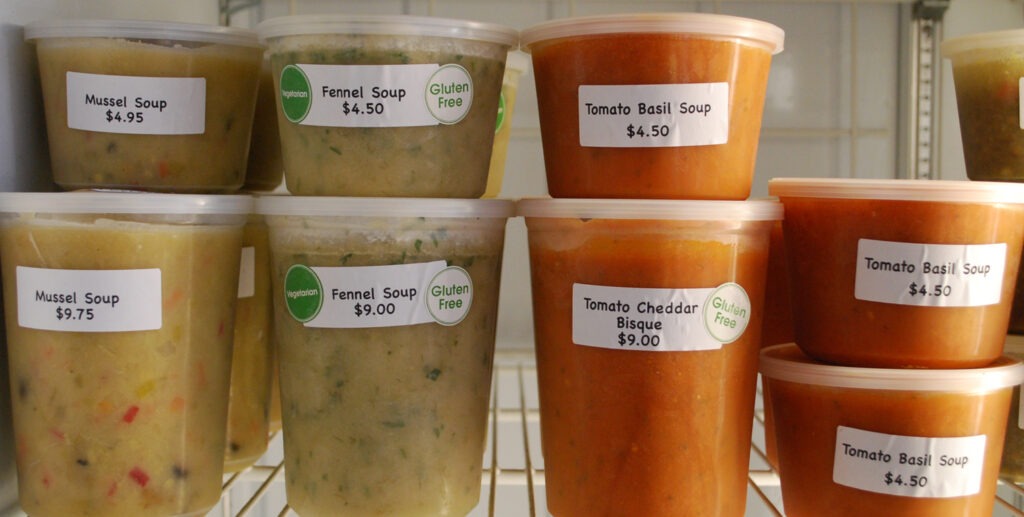
Global Refrigerated and Frozen Soup Market to Reach USD 6.3 Billion by 2034, Expanding at a 9.1% CAGR | FMI

Refrigerated and Frozen Soup Market

The global refrigerated and frozen soup market is on a remarkable growth trajectory, with its valuation projected to escalate from USD 2.6 billion in 2024 to an impressive USD 6.3 billion by 2034. This promising expansion is driven by a robust CAGR of 9.1% throughout the assessment period.

The frozen soup segment is leading the charge, capturing a significant 58% value share of the global industry in 2023. The rising demand for convenience foods, longer shelf life, and minimal preparation time are key factors contributing to the popularity of frozen soups.

Convenience and Lifestyle Trends Propel Market Growth

The fast-paced modern lifestyle is a major driver behind the growing popularity of refrigerated and frozen soups. As consumers juggle busy schedules, the need for quick, easy-to-prepare meal options is more critical than ever. Frozen and refrigerated soups, which often require only heating, are becoming increasingly attractive to time-pressed consumers.

Popular products in this segment include frozen onion soup, potato soup, miso soup, and clam chowder. The market is also seeing a surge in innovative chilled soups with new flavors and ingredients, contributing to sector growth.

Addressing Food Insecurity and Waste Reduction

Refrigerated and frozen soups play a crucial role in addressing food insecurity and reducing waste. These products have an extended shelf life compared to fresh alternatives, helping to minimize food wastage. The convenience and nutritional value of these soups make them a staple in hotels, cafes, and restaurants.

Organic and Eco-Friendly Trends

The industry is witnessing a growing interest in organic soup variations and eco-friendly packaging. Leading players are focusing on using high-quality ingredients and minimal preservatives to meet the rising demand for healthy and natural food options. Companies are also adopting compostable or recycled packaging materials to attract eco-conscious consumers.

Competitive Landscape and Innovations

Major industry players such as Campbell Soup Company, Conagra Foods, Kraft Heinz, and Nestle dominate the market with their extensive manufacturing and distribution networks. These companies are continuously upgrading their product portfolios with innovative frozen soup varieties featuring exotic flavors and functional ingredients.

Advanced freezing and preservative technologies are being employed to maintain the taste, quality, and nutritional value of soups. Additionally, new players and start-ups are entering the market, offering healthier, nutrient-dense products to compete with established brands. For example, Soupologie recently introduced the new Souper Cube range in the United Kingdom, targeting health-conscious consumers with innovative, plant-based soups.

Regional Insights and Growth Opportunities

United States: The U.S. market is projected to grow at a CAGR of 9.4%, reaching USD 1.1 billion by 2034. The busy American lifestyle and the presence of leading frozen food brands are key factors driving this growth.

United Kingdom: The U.K. market is expected to achieve a 10.4% CAGR, driven by a growing interest in healthy eating and convenient food options. The demand for vegan and vegetarian soups is particularly strong, prompting companies to innovate with plant-based ingredients.

China: China is emerging as a lucrative market with a CAGR of 9.9%, fueled by rapid urbanization and increasing demand for non-veg frozen soups. Ongoing innovation in soup flavors and ingredients is further boosting market growth.

South Korea and Japan: These markets are set to experience significant growth, with CAGRs of 11.3% and 10.8%, respectively, through 2034. The rising popularity of chilled soups and convenience foods is driving demand in these regions.

Key Segments of the Market Report

By Type:

Based on type, the industry is segmented into refrigerated soup and frozen soup.

By Application:

In terms of applications, the sector is segmented into supermarkets/hypermarkets, foodservice, retail, and others.

By Region:

Frozen and refrigerated soup industry analysis has been carried out in key countries of North America, Latin America, Europe, East Asia, South Asia, Oceania, and the Middle East and Africa.

About Future Market Insights (FMI)

Future Market Insights, Inc. (ESOMAR certified, recipient of the Stevie Award, and a member of the Greater New York Chamber of Commerce) offers profound insights into the driving factors that are boosting demand in the market. FMI stands as the leading global provider of market intelligence, advisory services, consulting, and events for the Packaging, Food and Beverage, Consumer Technology, Healthcare, Industrial, and Chemicals markets. With a vast team of over 400 analysts worldwide, FMI provides global, regional, and local expertise on diverse domains and industry trends across more than 110 countries.

Contact FMI:
Future Market Insights Inc.
Christiana Corporate, 200 Continental Drive,
Suite 401, Newark, Delaware – 19713, USA
T: +1-845-579-5705
For Sales Enquiries: sales@futuremarketinsights.com
Website: https://www.futuremarketinsights.com
LinkedIn| Twitter| Blogs | YouTube