Fine Hydrate Market Set to Reach USD 802.5 million by 2033, Driven by Diverse Applications and Sustainable Solutions

The global fine hydrate market demand is poised for significant growth, with revenues expected to reach USD 428 million in 2023. This growth trajectory is anticipated to continue, driven by increasing demand across various industries, resulting in a projected compound annual growth rate (CAGR) of 6.5%. By 2033, the market is forecasted to reach an impressive USD 802.5 million.

The fine hydrate is expected to rise as more people use it as an alternative to titanium dioxide to create pigments. The refinishing of automobiles, protective coatings, building, and timber coatings all use paints and coatings extensively.

The automotive sector has a high need for polymers as they are used to create parts for cars that are lighter overall and produce more fuel-efficient automobiles. Thus, increased demand for plastic from the automotive sector leads to high adoption of fine hydrate.

Due to the increased need for fire hydrants in the consumer electronics sector, particularly in the Asia Pacific, the market share is anticipated to grow. Additionally, rising urbanization is expected to fuel fire retardant demand, which is likely to support the expansion of the market.

Throughout the anticipated period, alternatives such as zinc hydroxy stannate and magnesium hydroxide are expected to restrain the growth of the fine hydrate industry.

Key Takeaways

  • By 2033, the fine hydrate market in the United Kingdom is likely to expand, with a CAGR of 5.5%.
  • In 2023, the United States is projected to dominate the market share of 19.3% in the fine hydrate sector.
  • The fine hydrate market was significantly expanding, with a size of US$ 398.3 million in 2022.
  • By 2033, the fine hydrate market in China is projected to expand, with a CAGR of 7.3%.
  • In 2023, Germany is expected to expand significantly in the fine hydrate business, with an expected share of 5.2%.
  • By 2033, India is projected to grow considerably in the fine hydrate market, with a share of 7.7%.
  • In 2023, Australia is likely to develop substantially in the fine hydrate business, with an expected share of 0.7%.
  • Japan’s fine hydrate industry share is likely to expand significantly, with a 4.7% share in 2023.
  • In 2023, the cable compound is expected to lead the market with a share of 67.4% and is likely to hold a top spot in the market in terms of application by 2033.

Browse the Complete Report!

Competitors Winning Strategies

Fine hydrate businesses are implementing a variety of techniques to promote market expansion. Several companies are pursuing organic growth strategies, including launching new goods, getting those items approved, and planning events.

Industry observers have noted inorganic growth tactics such as partnerships and acquisitions. The business operations and consumer reach of market participants have been significantly expanded due to these activities.

Certain fine hydrate producers increased their production capabilities to accommodate the rising demand. This required spending money on more factories, machinery, and infrastructure to boost their output capacity.

Recent Development:

Huber Engineered Materials acquired Magnesita’s 50% ownership in the 50/50 joint venture MAGNIFIN Magnesiaprodukte GmbH & Co. KG (“MAGNIFIN”) on January 10, 2022. MAGNIFIN manufactures a variety of specialist aluminum oxides, halogen-free fire retardants, and smoke suppressants.

Leading Players in the Fine Hydrate Market

  • Nabaltec AG
  • Huber Engineered Materials
  • Hindalco Industries Limited
  • Sumitomo Chemical Co. Ltd.
  • Alumina Castables & Chemicals Private Limited
  • Aluminium Corporation of China Limited (CHALCO)
  • JINAN CHENXU CHEMICAL CO., LTD.
  • Henan Kingway Chemicals Co., Ltd

Key Segmentation of the Fine Hydrate Market

By Application:

  • Cable Compounds
  • Sheet Molding Compounds
  • Bulk Molding Compounds
  • Others

Region:

  • North America
  • Latin America
  • Europe
  • East Asia
  • South Asia
  • Oceania
  • Middle East & Africa

About Future Market Insights (FMI)

Future Market Insights, Inc. (ESOMAR certified, recipient of the Stevie Award, and a member of the Greater New York Chamber of Commerce) offers profound insights into the driving factors that are boosting demand in the market. FMI stands as the leading global provider of market intelligence, advisory services, consulting, and events for the Packaging, Food and Beverage, Consumer Technology, Healthcare, Industrial, and Chemicals markets. With a vast team of ~400 analysts worldwide, FMI provides global, regional, and local expertise on diverse domains and industry trends across more than 110 countries.

Join us as we commemorate 10 years of delivering trusted market insights. Reflecting on a decade of achievements, we continue to lead with integrity, innovation, and expertise.

Contact Us:        

Future Market Insights Inc.
Christiana Corporate, 200 Continental Drive,
Suite 401, Newark, Delaware – 19713, USA
T: +1-347-918-3531
For Sales Enquiries: 
sales@futuremarketinsights.com
Website: https://www.futuremarketinsights.com
LinkedInTwitterBlogs | YouTube

Industrial & Institutional Cleaning Chemicals Market Size Set to Reach USD 158.1 billion by 2033, Driven by Increased Demand for Hygiene Solutions

The market demand for industrial and institutional cleaning chemicals is predicted to be valued at USD 76.7 billion worldwide in 2023 and grow at a compound annual growth rate (CAGR) of 7.5% from 2023 to 2033. By the end of 2033, the global market share is projected to be worth approximately USD 158.1 billion.

Key Takeaways:

  • The global industrial & institutional cleaning chemicals market is estimated to register a CAGR of 5% with a valuation of USD 158.1 billion by 2033.
  • The United States is anticipated to dominate the global market by capturing a share of 1% by 2033.
  • Germany is estimated to secure a share of 2% in the global market during the forecast period.
  • With a share of 5%, Japan is significantly driving the global market.
  • Australia is estimated to register a CAGR of 1.2% in the global market by 2033.

Top Trends and Opportunities in the Global Market

Various trends and opportunities influence the global market. Here are some trends and opportunities to consider:

  • Eco-friendly and Sustainable solutions: The industry has been witnessing a growing demand for environmentally friendly and sustainable cleaning chemicals. Consumers, corporations, and governments have been increasingly concerned about the environmental impact of cleaning products, leading to a shift towards greener alternatives.
  • Automation and Robotics: The adoption of automation and robotics in cleaning processes has increased. Industrial and institutional cleaning companies are exploring ways to improve efficiency and reduce labor costs by incorporating automated cleaning systems.
  • Green Certifications and Standards: Many cleaning chemical manufacturers have sought green certifications and labels to cater to the demand for eco-friendly products. These certifications assure customers that the products meet specific environmental standards.
  • Customization and Specialization: Clients in various industries seek cleaning solutions tailored to their specific needs. Industrial and institutional cleaning chemical companies are adapting by offering specialized products and services for different applications, such as healthcare, food processing, and hospitality.
  • Digitalization and Data-Driven Solutions: The industry has been exploring ways to leverage technology to enhance efficiency and optimize cleaning processes. Data-driven solutions, IoT devices, and predictive analytics are integrated into cleaning operations to monitor performance and schedule maintenance.

Browse the Complete Report!

Opportunities in the Industrial & Institutional Cleaning Chemicals Market:

  • Developing Markets: Emerging economies and regions with rapid industrialization and urbanization present significant industrial and institutional cleaning chemical market opportunities. As more businesses and institutions are established, the demand for cleaning solutions is likely to increase.
  • Biodegradable and Non-toxic Formulations: There is a growing market for biodegradable and non-toxic cleaning chemicals. Companies that can develop effective and safe formulations may find substantial opportunities in this segment.
  • Collaboration and Partnerships: Collaborating with industrial and institutional clients to understand their specific cleaning needs can lead to opportunities for custom solutions and long-term partnerships.
  • Integration of the Internet of Things and Artificial Intelligence: Integrating the Internet of Things devices and artificial intelligence can lead to advanced monitoring and optimization of cleaning processes, providing opportunities for companies to offer cutting-edge solutions.
  • Value-added Services: Additional services like training, consulting, and maintenance of cleaning equipment can help cleaning chemical companies differentiate themselves and add value for their clients.

Global Industrial & Institutional Cleaning Chemicals Market Key Players

  • Procter & Gamble
  • BASF SE
  • Clariant
  • The Clorox Company, Inc.
  • Henkel AG & Co. KGaA
  • 3M
  • Kimberly-Clark Corporation
  • Reckitt Benckiser Group plc
  • Croda International PLC
  • Albemarle Corporation
  • Eastman Chemical Corporation
  • Huntsman International LLC
  • STEPAN Company
  • Westlake Chemicals Corporation

Industrial & Institutional Cleaning Chemicals Market by Segmentation

By Raw Material:

  • Chlor-alkali
  • Surfactant
  • Solvents
  • Phosphates
  • Biocides
  • Others

By Product Type:

  • General Purpose Cleaners
  • Disinfectants and Sanitizers
  • Laundry Care Products
  • Vehicle Wash Products
  • Others

By End Use Verticals:

  • Commercial
  • Manufacturing

By Region:

  • North America
  • Latin America
  • Europe
  • East Asia
  • South Asia
  • Oceania
  • Middle East & Africa (MEA)

About Future Market Insights (FMI)

Future Market Insights, Inc. (ESOMAR certified, recipient of the Stevie Award, and a member of the Greater New York Chamber of Commerce) offers profound insights into the driving factors that are boosting demand in the market. FMI stands as the leading global provider of market intelligence, advisory services, consulting, and events for the Packaging, Food and Beverage, Consumer Technology, Healthcare, Industrial, and Chemicals markets. With a vast team of ~400 analysts worldwide, FMI provides global, regional, and local expertise on diverse domains and industry trends across more than 110 countries.

Join us as we commemorate 10 years of delivering trusted market insights. Reflecting on a decade of achievements, we continue to lead with integrity, innovation, and expertise.

Contact Us:        

Future Market Insights Inc.
Christiana Corporate, 200 Continental Drive,
Suite 401, Newark, Delaware – 19713, USA
T: +1-347-918-3531
For Sales Enquiries: 
sales@futuremarketinsights.com
Website: https://www.futuremarketinsights.com
LinkedInTwitterBlogs | YouTube

Future Market Insights Predicts Refrigeration Oil Market Will Reach USD 2,332.9 million by 2033 Amid Growing Demand for Packaged Foods

The refrigeration oil market size is anticipated to increase from USD 1,425.9 million in 2023 to USD 2,332.9 million by 2033. Throughout the forecast period, refrigeration oil sales are anticipated to increase at a noteworthy CAGR of 4.9%.

The refrigeration oil market plays a crucial role in supporting the efficient and reliable operation of refrigeration systems across various industries. Refrigeration oil is a specialized lubricant specifically formulated for use in refrigeration compressors and other components of refrigeration systems.

The increasing demand for refrigeration and cooling solutions in industries such as food and beverage, pharmaceuticals, chemicals, and HVAC (heating, ventilation, and air conditioning) has propelled the growth of the market. Refrigeration systems are essential for preserving and transporting temperature-sensitive products, and the proper lubrication of compressors is crucial for their optimal performance.

The growing focus on energy efficiency and environmental sustainability has influenced the refrigeration oil market. Manufacturers are developing refrigeration oils that offer excellent lubrication properties, thermal stability, and compatibility with modern refrigerants.

Additionally, the increasing demand for frozen and packaged food products has driven the growth of the refrigeration oil market. The global food trade has expanded, and perishable food products need to be transported and stored under controlled temperature conditions.

HFCs (hydro-fluorocarbons) hold a significant share of 36.3% in the refrigeration oil market, reflecting their widespread use as refrigerants in various cooling and refrigeration systems. Refrigeration oils specifically formulated for HFC-based systems offer excellent lubrication properties, thermal stability, and compatibility with HFC refrigerants. The demand for refrigeration oil is closely linked to the adoption of HFCs, driven by increasing environmental regulations and the focus on sustainable refrigeration solutions.

Refrigerators and freezers hold a substantial share of 31.5% in the application of refrigeration oil market, reflecting their extensive usage in both residential and commercial sectors. Proper lubrication with refrigeration oil is essential for the efficient and reliable operation of refrigeration systems in these appliances.

The USA is expected to hold a prominent value share of 15.3% in the refrigeration oil market in 2022. Ongoing investments and development in industries such as automotive, oil and gas, pharmaceuticals, and infrastructure contribute to the demand for refrigeration systems and refrigeration oil in the country.

Germany is projected to hold around 6.1% of the demand share in the Europe refrigeration oil market. The country’s extensive spending on drug development and the expansion of the healthcare system and pharmaceutical industry contribute to the demand for refrigeration systems and refrigeration oil.

Recent Developments

ExxonMobil, an oil and gas company, and Qatar Energy, a petroleum company, announced in June 2022 that they had signed an agreement to further develop Qatar’s North Field East project, which will increase the country’s annual LNG capacity from 77 million tonnes to 110 million tonnes by 2026.

Shell plc, an oil and gas company, agreed to sell IKAV its 100% stake in Shell Onshore Ventures LLC, which owns a 51.8% stake in Aera Energy LLC, a natural gas and oil exploration and production company, for approximately US$ 2 billion in cash and additional contingent payments based on future oil prices, in September 2022.

Browse the Complete Report!

Key Companies Profiled

  • ExxonMobil Corporation
  • Shell Plc
  • Idemitsu Kosan Co., Ltd.
  • MEIWA CORPORATION
  • CPI Fluid Engineering (Part of The Lubrizol Corporation)
  • FUCHS Lubricants (Part of FUCHS Petrolub SE)
  • Chevron Phillips Chemical Company LLC
  • Performance Chemicals (Division of BASF SE)

Key Segments Covered in the Refrigeration Oil Market Report

By Product Type:

  • Mineral Oil
  • Synthetic Oil
    • Polyol Ester
    • Poly Alpha Olefin
    • Alkyl Benzene
    • Polyethylene Glycol
    • Polyvinyl ether
    • Others (Phenol Propoxylate oil)

By Refrigerant Type:

  • Chlorofluorocarbon (CFC)
  • Hydro-chlorofluorocarbon (HCFC)
  • Hydro-fluorocarbon (HFC)
  • Ammonia
  • Others

By End User:

  • Industrial
  • Commercial
  • Residential
  • By Application:
  • Air Conditioners
  • Coolers
  • Chillers
  • Refrigerators/Freezers
  • Condensers
  • Others (Ice Machines etc)

By Region:

  • North America
  • Latin America
  • Western Europe
  • Eastern Europe
  • Asia Pacific excluding Japan (APEJ)
  • Japan
  • Middle East & Africa (MEA)

About Future Market Insights (FMI)

Future Market Insights, Inc. (ESOMAR certified, recipient of the Stevie Award, and a member of the Greater New York Chamber of Commerce) offers profound insights into the driving factors that are boosting demand in the market. FMI stands as the leading global provider of market intelligence, advisory services, consulting, and events for the Packaging, Food and Beverage, Consumer Technology, Healthcare, Industrial, and Chemicals markets. With a vast team of ~400 analysts worldwide, FMI provides global, regional, and local expertise on diverse domains and industry trends across more than 110 countries.

Join us as we commemorate 10 years of delivering trusted market insights. Reflecting on a decade of achievements, we continue to lead with integrity, innovation, and expertise.

Contact Us:        

Future Market Insights Inc.
Christiana Corporate, 200 Continental Drive,
Suite 401, Newark, Delaware – 19713, USA
T: +1-347-918-3531
For Sales Enquiries: 
sales@futuremarketinsights.com
Website: https://www.futuremarketinsights.com
LinkedInTwitterBlogs | YouTube

Rising Demand for Lime in USA Metal Industry: A Key Driver for Metallurgical Growth

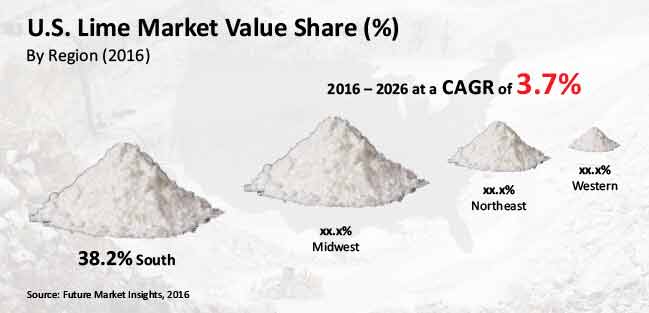
The USA lime market is on a trajectory of growth, driven by increasing demand across various industries, including construction, agriculture, and food processing. With a current market value of approximately USD 2,538.1 million in 2016, the lime market in the United States is expected to witness a compound annual growth rate (CAGR) of 3.7% from 2016 to 2026. This press release delves into the key aspects of the USA lime market, including its value, growth projections, prominent drivers, and challenges faced by industry stakeholders.

Understanding the USA Lime Market

Lime, primarily composed of calcium carbonate, is a versatile chemical widely used in various applications. The USA lime market encompasses different product types, including quicklime, hydrated lime, and agricultural lime. These products are utilized in several sectors, such as construction for cement and concrete production, agriculture for soil conditioning, water treatment, and chemical processing. As urbanization and industrialization continue to rise, the demand for lime is expected to grow, bolstering the market’s expansion.

USA Lime Market Value and Growth Projections

As of 2016, the USA lime market was valued at USD 2,538.1 million. Projections indicate a steady growth trajectory, with expectations of reaching new heights by 2034. The projected CAGR of 3.7% reflects the market’s resilience and adaptability to changing economic landscapes. Factors such as infrastructure development, increasing agricultural production, and a growing emphasis on sustainable practices contribute to this optimistic outlook. With ongoing investments in key sectors, the lime market is poised for significant growth in the coming years.

Prominent Drivers of the USA Lime Market

Several factors are driving the growth of the USA lime market:

  1. Construction Boom: The construction industry remains a key consumer of lime products, primarily in cement and concrete production. With ongoing infrastructure projects and an increasing demand for residential and commercial buildings, the construction sector’s growth is a significant driver for the lime market.
  2. Agricultural Applications: Lime is crucial for improving soil quality and crop yields. As farmers increasingly adopt precision agriculture techniques and focus on sustainable practices, the demand for agricultural lime is expected to rise. This trend supports both soil health and increased food production.
  3. Water Treatment Needs: The rising need for clean water and effective wastewater treatment solutions drives the demand for lime in water treatment processes. Its ability to neutralize acidity and remove impurities makes it an essential component in maintaining water quality.
  4. Environmental Regulations: Growing environmental concerns and stringent regulations regarding emissions and waste management are prompting industries to adopt lime-based solutions. Lime is widely used in flue gas desulfurization (FGD) systems, which help reduce sulfur dioxide emissions from power plants and industrial facilities.
  5. Chemical Industry Applications: The lime market is also supported by the chemical sector, where lime is used as a feedstock for various chemical processes. The growth of the chemical industry further bolsters the demand for lime products.

CARMEUSE, United States Lime & Minerals Inc., CHENEY LIME & CEMENT COMPANY, Lhoist, Linwood Mining & Minerals Corporation, Pete Lien & Sons Inc., Mississippi Lime Company, Graymont Limited, and Valley Minerals LLC are some of the leading players operating in the U.S lime market. Some of these companies have followed a strategy of acquisitions and alliances to expand their presence and retain market share.

Browse the Complete Report!

Challenges Faced by the USA Lime Market

Despite its promising growth prospects, the USA lime market faces several challenges:

  1. Environmental Concerns: The production of lime is energy-intensive and can contribute to greenhouse gas emissions. As sustainability becomes a priority for industries, there is pressure to develop more eco-friendly production methods.
  2. Competition from Alternative Materials: The lime market faces competition from alternative materials, such as slag and fly ash, which can be used in construction and industrial applications. These alternatives may offer cost advantages or enhanced properties, posing challenges for traditional lime producers.
  3. Volatility in Raw Material Prices: The cost of raw materials used in lime production, including limestone, can be volatile, impacting profit margins for manufacturers. Fluctuating prices may affect the competitiveness of lime products in the market.
  4. Transportation and Logistics Challenges: The lime industry often faces logistical challenges due to the need for efficient transportation of heavy materials. Rising fuel costs and supply chain disruptions can impact the availability and pricing of lime products.
  5. Market Saturation in Certain Regions: In some regions, the lime market may experience saturation, limiting growth opportunities. Manufacturers must explore new markets and applications to maintain growth momentum.

Conclusion

The USA lime market is positioned for growth, driven by strong demand across various sectors, including construction, agriculture, and water treatment. With a projected CAGR of 3.7% from 2016 to 2026, the market is set to reach new heights. However, industry stakeholders must navigate challenges such as environmental concerns and competition from alternative materials. By addressing these issues and leveraging growth opportunities, the USA lime market can thrive in the coming years.

Market Segmentation

By Product Type:

  • Quick Lime
  • Hydrated Lime

By Application:

  • Cement Manufacturing
  • Metal Manufacturing
  • Chemical (Water Treatment, Flue Gas, Others)
  • Fertilizer
  • Pulp & Paper
  • Others

By Region:

  • Northeast
  • Midwest
  • South
  • Western

About Future Market Insights (FMI)

Future Market Insights, Inc. (ESOMAR certified, recipient of the Stevie Award, and a member of the Greater New York Chamber of Commerce) offers profound insights into the driving factors that are boosting demand in the market. FMI stands as the leading global provider of market intelligence, advisory services, consulting, and events for the Packaging, Food and Beverage, Consumer Technology, Healthcare, Industrial, and Chemicals markets. With a vast team of 400 analysts worldwide, FMI provides global, regional, and local expertise on diverse domains and industry trends across more than 110 countries.

Join us as we commemorate 10 years of delivering trusted market insights. Reflecting on a decade of achievements, we continue to lead with integrity, innovation, and expertise.

Contact Us:        

Future Market Insights Inc.
Christiana Corporate, 200 Continental Drive,
Suite 401, Newark, Delaware – 19713, USA
T: +1-347-918-3531
For Sales Enquiries: 
sales@futuremarketinsights.com
Website: https://www.futuremarketinsights.com
LinkedInTwitterBlogs | YouTube

Sludge Treatment Chemicals Market Size to Reach USD 14,456.8 million by 2033, Driven by Rising Demand in Industrial Waste Treatment

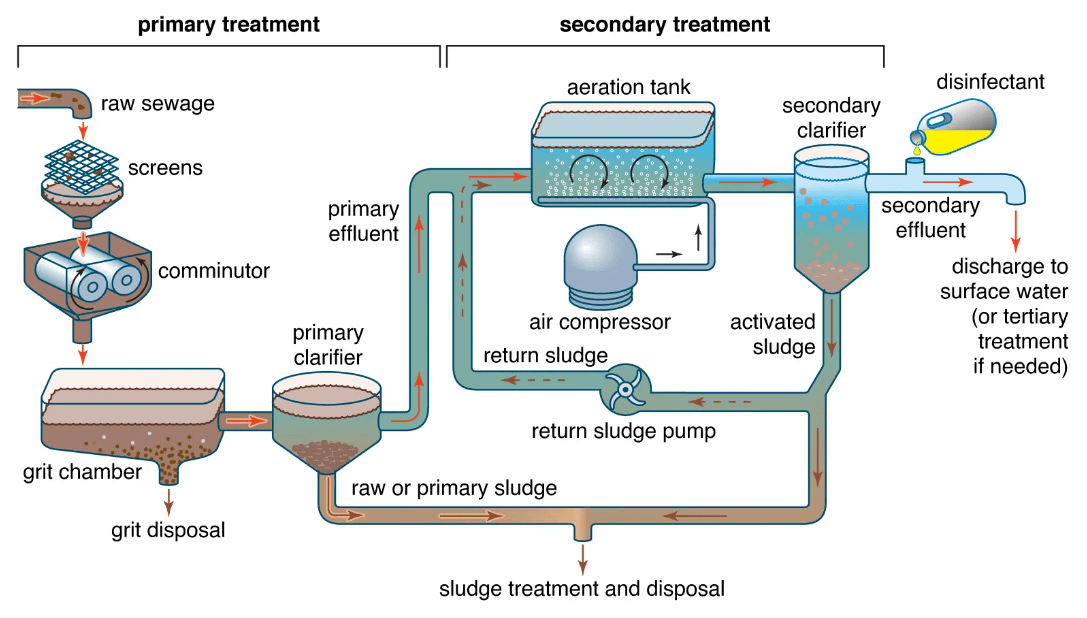
According to forecasts, the sludge treatment chemicals industry size is expected to be USD 9,561.7 million in 2023 and USD 14,456.8 million by 2033.

The market is also anticipated to be caused by the expanding number of enterprises worldwide and municipal sludge treatment facilities. Moreover, growing initiatives for the supply of clean drinking water in the United States are expected to propel demand for sludge treatment chemicals during the forecast period.

The need for sludge treatment chemicals is driven by increasing efforts by municipal corporations, industrial organizations, and environmental organizations toward water conservation operations.

The primary reasons boosting the global market are growing industrialization, rising environmental concerns, and increased need for sludge removal. The market is anticipated to increase during the projected period due to the rising attention of various regulatory authorities on reducing sludge volume.

The high cost of sludge treatment severely constrains the market for sludge treatment chemicals. High operational costs also restrict the market rate of expansion.

Key Takeaways

  • By 2033, the sludge treatment chemicals market in the United Kingdom is likely to expand, with a CAGR of 5.2%.
  • In 2023, the United States is expected to develop the sludge treatment chemicals business with a share of 16.1%.
  • The sludge treatment chemicals market grew considerably to US$ 9,220.5 million in 2022.
  • The sludge treatment chemicals sector expanded at a CAGR of 3.7% from 2018 to 2022.
  • By 2033, China’s sludge treatment chemicals market is projected to develop with a CAGR of 4.0%.
  • By 2033, India’s sludge treatment chemicals industry is projected to expand with a CAGR of 4.7%.
  • Japan’s sludge treatment chemicals industry is likely to grow significantly, with a 7.1% share in 2023.
  • Australia’s sludge treatment chemicals are expected to develop with a share of 3.5% in 2023.
  • Germany’s sludge treatment chemicals business is expected to grow, with a share of 0.9% in 2023.
  • In 2023, based on the product type, the flocculant segment is expected to dominate the market, with a share of 61.4%.
  • In 2023, an industrial segment is expected to dominate the market, with a share of 45.8%, based on application.

Competitors’ Successful Techniques

Businesses are working to make industrial sludge less harmful, and demand for sludge treatment chemicals is anticipated to rise throughout the expected period. In the next few years, the expanding metal processing industry and the increasing chemical industry are anticipated to jointly drive the global sludge treatment chemicals market.

Browse the Complete Report!

Recent Development:

  • 2019 saw the completion of Solenis’ acquisition of BASF’s wet-end Paper and Water Chemicals division. It is a multinational specialty chemical company focusing on paper and commercial water treatment.
  • In September 2021, Ecolab introduced Flotation 360, a product designed specifically for mining and mineral processing, under the Nalco water segment.
  • Kemira’s new Asia Pacific research and development facility opened in Pujiang Town, Shanghai, China, in September 2021.
  • Suez, a French-based water utility firm, partnered with Jiangsu Sino, a French-based water company, to build a water plant in Changshu, a city in China, in April 2022.

Top Key Players in the Global Market

  1. BASF SE
  2. Chembond Chemicals Limited
  3. GE Water and Process Technologies
  4. Kurita Water Industries Ltd.
  5. Ion Exchange
  6. Kemira Oyj
  7. AkzoNobel N.V.
  8. Solenis
  9. Thermax Ltd.
  10. Veolia Water Technologies
  11. Accepta Advanced Environmental Technologies
  12. Hubbard-Hall Inc
  13. Beckart Environmental
  14. Ecolab Incorporated

Key Segmentation of the Sludge Treatment Chemicals Market

By Product Type:

  • Flocculant
  • Coagulant
  • Disinfectant
  • Anti Foulant
  • Anti Foamer
  • Activated Carbon

By Treatment:

  • Primary
  • Tertiary

By Application:

  • Industrial
  • Municipal

By Region:

  • North America
  • Latin America
  • East Asia
  • Europe
  • South Asia & Pacific
  • Middle East & Africa (MEA)

About Future Market Insights (FMI)

Future Market Insights, Inc. (ESOMAR certified, recipient of the Stevie Award, and a member of the Greater New York Chamber of Commerce) offers profound insights into the driving factors that are boosting demand in the market. FMI stands as the leading global provider of market intelligence, advisory services, consulting, and events for the Packaging, Food and Beverage, Consumer Technology, Healthcare, Industrial, and Chemicals markets. With a vast team of over 400 analysts worldwide, FMI provides global, regional, and local expertise on diverse domains and industry trends across more than 110 countries.

Join us as we commemorate 10 years of delivering trusted market insights. Reflecting on a decade of achievements, we continue to lead with integrity, innovation, and expertise.

Contact Us:        

Future Market Insights Inc.
Christiana Corporate, 200 Continental Drive,
Suite 401, Newark, Delaware – 19713, USA
T: +1-347-918-3531
For Sales Enquiries: 
sales@futuremarketinsights.com
Website: https://www.futuremarketinsights.com
LinkedInTwitterBlogs | YouTube

Renewable Methanol Market to Reach USD 398.1 million by 2033, Driven by Rising Demand for Sustainable Chemicals

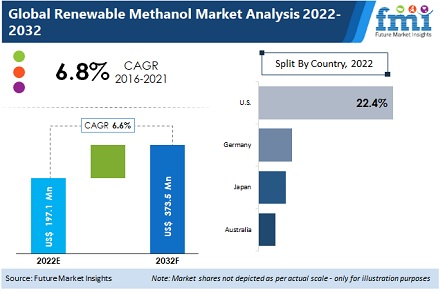
The global renewable methanol market share is poised for substantial growth, projected to expand at a compound annual growth rate (CAGR) of 6.6% during the forecast period, reaching over USD 398.1 million by 2033.

As it is used in the chemical sector to make acetic acid, formaldehyde, and plastics, there is expected to be an increase in demand for renewable methanol throughout the projection period. To produce polyethylene and polypropylene, much more biomethanol is now being used. Moreover, the main applications of biomethanol are as fuel for industrial boilers, vehicles, ships, and kitchen appliances.

The key reasons behind the market expansion include decreasing or eliminating CO2 emissions to prevent climate change drastically and the increased emphasis on limiting the average global temperature rise to no more than 1.5°C. This suggests that emissions throughout the economy are net zero by the middle of the century.

In some industries with few choices for carbon emission reduction, biomethanol has been more effective as a feedstock in the chemical industry or as a fuel for land or marine transportation.

Low petrol costs are also affecting the use of renewable methanol. Due to weak domestic and global demand, several EU, Brazil, and United States production facilities have cut their output. As a result of the decreased demand, renewable methanol stocks are predicted to rise across several markets, driving down prices and jeopardizing profitability.

Key Takeaways

  • By 2033, the renewable methanol market in the United Kingdom is likely to expand, with a CAGR of 5.8%.
  • In 2023, the United States is expected to develop the renewable methanol business with a share of 22.4%.
  • The renewable methanol market size grew considerably to US$ 201.1 million in 2022.
  • The renewable methanol industry expanded at a CAGR of 6.8% from 2018 to 2022.
  • By 2033, China’s renewable methanol market is projected to have a CAGR of 6.9%.
  • By 2033, India’s renewable methanol industry is projected to expand with a CAGR of 7.3%.
  • Japan’s renewable methanol sector is likely to grow significantly, with a 10.2% share in 2023.
  • Australia’s renewable methanol is expected to develop with a share of 3.1% in 2023.
  • Germany’s renewable methanol business is expected to grow, with a share of 15.4% in 2023.
  • In 2023, based on a primary source, the biomass feedstock segment is expected to dominate the market, with a share of 42%.
  • In 2023, based on application, the formaldehyde segment is expected to dominate the market, with a share of 25%.

Browse the Complete Report!

Competitors’ Successful Techniques and Recent Developments:

  • At Anyang, Henan Province, China, production of the first CO2-to-methanol facility on a commercial scale began in October 2022.
    • The state-of-the-art plant is the first in the world to generate methanol at this scale from waste carbon dioxide and hydrogen gasses.
    • Methanol is a valuable fuel and chemical feedstock. The manufacturing method of the plant is based on Carbon Recycling International’s Emissions-to-Liquids (ETL) technology.
  • A contract for a 100,000 tonnes per year CO2 to methanol plant was signed on September 28, 2021, between the China-based petrochemicals firm Jiangsu Sailboat Petrochemicals Co. Ltd. and the Icelandic technology company Carbon Recycling International.
  • Repsol, Enerkem, and Agbar constructed the first waste-to-chemicals facility in the Iberian Peninsula on April 27, 2021. Repsol, a Spanish multi-energy corporation, will join the Eco Planta project to build a waste-to-chemicals plant in Tarragona, Spain, alongside Enerkem, a technical leader located in Montreal, and Agbar, a world authority in water and waste management.

Top Key Players in the Global Market

  • Methanex Corporation
  • Carbon Recycling International
  • BioMCN
  • Enerkem
  • Chemrec Inc.
  • VarmlandsMethanol
  • Alberta Pacific
  • New Hope Energy
  • Trans World Energy
  • Proman
  • ENI
  • BASF SE

Key Segmentation of the Renewable Methanol Market

By Primary Source:

  • Biomass
  • Municipal Waste
  • Industrial Waste
  • Others

By End Use Sector:

  • Formaldehyde
  • MTBE
  • Gasoline
  • Dimethyl Ethers
  • Solvents
  • Others

By Region:

  • North America
  • Latin America
  • Europe
  • East Asia
  • South Asia Pacific
  • Middle East & Africa (MEA)

About Future Market Insights (FMI)

Future Market Insights, Inc. (ESOMAR certified, recipient of the Stevie Award, and a member of the Greater New York Chamber of Commerce) offers profound insights into the driving factors that are boosting demand in the market. FMI stands as the leading global provider of market intelligence, advisory services, consulting, and events for the Packaging, Food and Beverage, Consumer Technology, Healthcare, Industrial, and Chemicals markets. With a vast team of ~400 analysts worldwide, FMI provides global, regional, and local expertise on diverse domains and industry trends across more than 110 countries.

Join us as we commemorate 10 years of delivering trusted market insights. Reflecting on a decade of achievements, we continue to lead with integrity, innovation, and expertise.

Contact Us:        

Future Market Insights Inc.
Christiana Corporate, 200 Continental Drive,
Suite 401, Newark, Delaware – 19713, USA
T: +1-347-918-3531
For Sales Enquiries: 
sales@futuremarketinsights.com
Website: https://www.futuremarketinsights.com
LinkedInTwitterBlogs | YouTube

Pocket Containers Market to Reach USD 429.2 Million by 2032, Driven by Growing Demand for Compact and Portable Packaging Solutions

Pocket Containers Market

The global pocket container market is on a steady growth trajectory, expected to reach US$429.2 million by 2032, with a projected CAGR of 4.5% from 2022 (US$276.4 million). This press release explores the key trends driving this market surge.

Compact Packaging Solutions for Modern Lifestyles

Consumers today seek convenience and portability. Pocket containers cater to this need perfectly. These compact, lightweight containers, often using less plastic than traditional packaging, offer a convenient and economical way to store items in pockets. The rising demand for lightweight, space-saving packaging across various industries is a major driver of the pocket containers market

Flourishing Food & Beverage on the Go

The thriving food and beverage industry, particularly the on-the-go segment, presents a significant opportunity for pocket containers. Their ability to resist moisture, heat, and air makes them ideal for storing single-serve portions, samples, and travel-sized products. Consumers increasingly opt for convenient options like pocket containers for their on-the-go snacks and beverages, propelling market growth.

Beyond Food: Diverse Applications Fuel Demand

Pocket containers extend their reach beyond food and beverage. They find applications in the pharmaceutical industry for storing medications and supplements. The cosmetics and personal care sector utilizes them for compact versions of lotions, creams, and other products. Even the consumer goods industry leverages pocket containers for storing small items like hardware or crafting materials. The versatility of these containers across various end-use industries contributes significantly to market expansion.

Regional Growth Potential

South Asia’s pocket container market is poised for the highest CAGR due to a burgeoning manufacturing base and rising sales in the region. The increasing population and rapid urbanization create a fertile ground for pocket containers, catering to the growing demand for convenient and portable packaging solutions.

Looking Ahead: A Convenient Future

The pocket containers market is well-positioned for continued growth. As consumers seek ever-increasing convenience and portability, pocket containers will remain a valuable solution across diverse industries. Manufacturers have the opportunity to capitalize on this trend by focusing on innovative designs, sustainable materials, and functionality to meet the evolving needs of the market.

Industry Trends:

  1. Smart Packaging Solutions: Integration of technology such as RFID tags and QR codes into pocket containers, enabling real-time tracking, inventory management, and providing customers with product information, enhancing overall supply chain efficiency.
  2. Ergonomic Designs: Growing emphasis on user-friendly and ergonomic designs for pocket containers, ensuring ease of use, storage, and transportation, aligning with the preferences of both consumers and logistics professionals.
  3. Emphasis on Safety and Security: Increasing concerns about product safety and security, driving the adoption of tamper-evident and child-resistant features in pocket container designs, especially in industries like pharmaceuticals and personal care.
  4. Rise of Smart Cities: Urbanization trends leading to the rise of smart cities, creating opportunities for pocket containers to play a role in intelligent waste management and storage solutions, contributing to cleaner and more efficient urban environments.
  5. Health and Hygiene Standards: The global focus on health and hygiene, especially in the wake of public health crises, influencing the design of pocket containers to incorporate features that enhance sanitation, such as antimicrobial coatings and touchless opening mechanisms.
  6. E-commerce Integration: Increasing demand for compact and convenient packaging solutions in the e-commerce sector, creating opportunities for pocket containers to serve as efficient packaging options for small and delicate items.

Access Full Report: https://www.futuremarketinsights.com/reports/pocket-containers-market
Market Taxonomy

By Region

  • North America
  • Latin America
  • Europe
  • Japan
  • APEJ
  • MEA

By Material Type

  • Polypropylene (PP)
  • Polyethylene terephthalate(PET)
  • Polyethylene(PE)
  • Other Material Types

By End Use Industry

  • Pharmaceutical
  • Food & Beverage
  • Consumer Goods

By Closure Type

  • Side opening
  • Child Resistant
  • Screw Cap
  • Snap-on
  • Other Closure types

By Capacity

  • Less than 30 ml
  • 30 -75 ml
  • 75 – 125 ml
  • More than 125 ml

About Future Market Insights (FMI)

Future Market Insights, Inc. (ESOMAR certified, recipient of the Stevie Award, and a member of the Greater New York Chamber of Commerce) offers profound insights into the driving factors that are boosting demand in the market. FMI stands as the leading global provider of market intelligence, advisory services, consulting, and events for the Packaging, Food and Beverage, Consumer, Technology, Healthcare, Industrial, and Chemicals markets. With a vast team of over 400 analysts worldwide, FMI provides global, regional, and local expertise on diverse domains and industry trends across more than 110 countries.

Join us as we commemorate 10 years of delivering trusted market insights. Reflecting on a decade of achievements, we continue to lead with integrity, innovation, and expertise.

Contact Us:       

Future Market Insights Inc.
Christiana Corporate, 200 Continental Drive,
Suite 401, Newark, Delaware – 19713, USA
T: +1-347-918-3531
For Sales Enquiries: sales@futuremarketinsights.com
Website: https://www.futuremarketinsights.com
LinkedInTwitterBlogs | YouTube

Global Dairy Product Packaging Market to Reach USD 43.1 Billion by 2034, Driven by Rising Demand for Single-Serve and On-the-Go Options

Dairy Product Packaging Market

The global dairy product packaging market is projected to experience steady growth over the next decade, expanding at a compound annual growth rate (CAGR) of 2.7%, according to a new report. The market, valued at USD 33.0 billion in 2024, is expected to reach USD 43.1 billion by 2034.

Growing consumer demand for healthy on-the-go snack options drives sales of dairy products worldwide. Dairy-based products contain calcium naturally, making them a healthy snack option.

Due to their health benefits, probiotic drinks have gained popularity, especially due to their ability to improve digestion and immunity. Health and wellness trends have led consumers to choose dairy snacks that are low-fat, lactose-free, and calcium-rich.

Key Trends Shaping the Future of Dairy Product Packaging:

  1. Rising Consumption of Dairy Products: The growing popularity of dairy products, particularly single-serve options and yogurt drinks, is driving demand for specialized packaging solutions. The convenience of on-the-go options is a significant factor propelling market growth.
  2. Shift Towards Single-Serve and On-the-Go Formats: Consumer preference for single-serve milk and yogurt drinks is boosting sales in the dairy product packaging sector. Initiatives such as school milk programs are also contributing to increased demand.
  3. Adaptation to Consumer Preferences: Key industry players are responding to consumer demands for aesthetically appealing, sustainable, and convenient packaging formats. Innovations in design and materials are playing a crucial role in capturing consumer interest.
  4. Rising International Trade: Increased international trade to fulfill dairy product demand in regions with lower domestic production is further driving the need for effective dairy product packaging solutions.
  5. Emphasis on Freshness: Consumers’ heightened focus on freshness is leading to greater demand for packaging that preserves the quality and shelf life of dairy products. Packaging technologies that enhance product preservation are becoming increasingly important.

Key Takeaways from Market Study

  • The dairy products market is expected to record a CAGR of 4.8% over the forecast period.
  • According to estimates, the dairy products market in the Asia Pacific might remain strong throughout the length of the forecast period.
  • The butter segment was valued at US$ 23.25 billion in 2023 and is expected to register a CAGR of 3.5% during the forecast period.
  • The cheese segment was valued at US$ 96.86 billion in 2023 and is expected to record a CAGR of 3.8% from 2023 to 2033.
  • It is expected that the market in India is anticipated to demonstrate a high level of growth by the year 2033.
  • The milk segment is expected to record a CAGR of 3.1% between 2023 and 2023, reaching US$ 310.07 billion in 2023.

Competitive Landscape:

Several local companies are operating in the moderately fragmented market. Market players use various strategies to gain market share, including investments, partnerships, acquisitions, and mergers. Furthermore, companies are striving to keep their products competitive and to improve their products.

Several prominent companies dominate this market, including Arla Foods Amba, Nestle, Danone, Fonterra, Lactalis, Frieslandcampina, DMK Group, GCMMF, Dairy Farmers of America, Inc., Meiji Holdings Co. Ltd., The Kraft Heinz Company and others.

Recent Developments:

  • There is a newly developed drinkable yogurt product in the works from Danone called Activia+. It is available in March 2022 in the United States and other parts of North America. The products come in strawberry, peach, and raspberry flavors.
  • In February 2022, Danone North America released its Light+Fit yogurt under the Light+Fit brand. Lemon and orange are the flavors available in the market.
  • The dairy company announced the launch of two all-new dairy products in February 2022, expanding its refrigerated shelf presence in New Berlin, New York. Ultra-filtered milk, lactose-free, protein-dense ultra-filtered milk, and half & half. They are made from locally sourced milk and come in paper-based packaging that is widely recyclable, like many of the company’s other new products.
  • In March 2019, the Wallaby yogurt brand was introduced in the United States in three flavors to cater to health-conscious consumers. It is a no-sugar-added yogurt.
  • To reduce its carbon footprint, Arla Foods partnered with Walki in August 2019 to provide sustainable and recyclable packaging solutions.

Access Full Report: https://www.futuremarketinsights.com/reports/dairy-products-packaging-market

Dairy Products Market Segmentation by Category

By Product Type:

  • Milk
  • Cheese
  • Yogurt
  • Dessert
  • Butter
  • Milk Powder
  • Cream
  • Others

By Distribution Channel:

  • Hypermarket / Supermarket
  • Convenience Store
  • Speciality Store
  • Other

By Region:

  • North America
  • Latin America
  • Europe
  • The Middle East and Africa
  • East Asia

About Future Market Insights (FMI)

Future Market Insights, Inc. (ESOMAR certified, recipient of the Stevie Award, and a member of the Greater New York Chamber of Commerce) offers profound insights into the driving factors that are boosting demand in the market. FMI stands as the leading global provider of market intelligence, advisory services, consulting, and events for the Packaging, Food and Beverage, Consumer, Technology, Healthcare, Industrial, and Chemicals markets. With a vast team of over 400 analysts worldwide, FMI provides global, regional, and local expertise on diverse domains and industry trends across more than 110 countries.

Contact Us:       

Future Market Insights Inc.
Christiana Corporate, 200 Continental Drive,
Suite 401, Newark, Delaware – 19713, USA
T: +1-845-579-5705
For Sales Enquiries: sales@futuremarketinsights.com
Website: https://www.futuremarketinsights.com
LinkedInTwitterBlogs | YouTube

Global Decorative Paints Market to Surpass USD 108 billion in 2033, Fueled by Construction Boom and Urbanization, Says FMI

Decorative paint industry innovation and growth have increased significantly in recent years. As an eco-friendly and sustainable paint option has become more popular, manufacturers have spent a great deal of time in research and development to create low-VOC water-based paints and other environmentally friendly finishes.

According to Future Market Insights, the decorative paints industry size is expected to grow from USD 63.34 billion in 2023 to USD 108 billion in 2033. It is expected that the market will grow at a CAGR of 5.4% during the forecast period.

The decorative painting process provides a wide variety of designs, styles, and textures for individuals to select from.

Decor technique, mainly used in interior design, has developed into a major player in the renovation of houses, apartments, commercial premises, kitchens, and bathrooms. In the past, it was purely a professional paint, but now it is popular with homeowners who wish to repurpose their homes.

Technology such as virtual reality is being used by many companies to improve customer engagement and experience.

Paint the Future, an initiative of AkzoNobel, and Asian Paints’ research and technology organization are also driving industry innovation. As a whole, the decorative paints industry is poised for growth, with more sustainable products and innovation in its future.

Decorative paints are expected to see high growth in demand over the next few years in India. The government’s initiative to invest in infrastructure, schemes such as Housing for All in India is likely to gain traction in the market.

GST on paints is set to be reduced from 28% to 18%, which will boost demand for paints.

Key Takeaways:

  • Due to their superior performance characteristics, water-based decorative paints are expected to replace solvent-based paints in the near future. It is estimated that the segment will grow at a CAGR of 5% over the next decade.
  • The market share of decorative paints applied to the interior in Europe is expected to reach 77% by 2023.
  • The United States. decorative paint market is expected to grow by 4.8% CAGR between 2023 and 2033.
  • Sales of decorative paints are expected to grow at 5.7% CAGR in India over the next decade.
  • The decorative paints industry share is expected to reach about 9% in Japan and South Korea by 2023.
  • In 2023, China is expected to hold a 73% share of the East Asia decorative paints market.

“Many foreign and domestic investors are flocking to Asia’s emerging economies to meet the growing demand for construction. As a result, decorative paints are in demand.

In the future, decorative paint consumption will continue to grow because of the growing importance of improving interior décor around the globe,” says an analyst at FMI.

Browse the Complete Report!

Competitive Landscape:

The decorative paint industry expands and penetrates new markets, it relies on both inorganic and organic strategies. A number of these strategies are employed, including mergers and acquisitions, partnerships, and the launch of new products.

The key industry players are:

  • Akzo Nobel N.V.
  • Sherwin-Williams Company
  • PPG Industries, Inc.
  • Asian Paints Limited
  • NIPSEA GROUP (Nippon Pain)
  • Valspar Corporation
  • Jotun
  • BASF-SE
  • Berger Paints India Limited
  • RPM International Inc.
  • KANSAI Paints Co., Ltd.

Recent Market Developments are:

  • In April 2023, AkzoNobel will increase its presence in China through the acquisition of Sherwin-Williams’ Chinese decorative paints business on its own. Regulatory approvals must be obtained before the project can be completed. The company generates about €100 million in revenue each year and employs about 300 people. There is a long history and reputation for Huarun’s brand in China, which is included in the transaction.
  • In June 2023, a subsidiary of Asian Paints Limited known as Asian Paints Berger has announced the launch of its new decorative finishes for walls based on Arabic patterns, a product that is curated specifically for the region to restore its design heritage and give it a new look and feel. During the INDEX 2023 event at the Dubai World Trade Centre, Asian Paints Berger launched its all-new ‘Royale Play Artistica’ decorative coating product line in its own pavilion.

More Valuable Insights Available:

Future Market Insights offers an unbiased analysis of the global decorative paints market, providing historical data for 2018 to 2022 and forecast statistics from 2023 to 2033.

To understand opportunities in the decorative paints market, the market is segmented on the basis of product type (water-based paints and solvent-based paints), formulation (emulsion-based paints and distemper), application (interior paints and exterior paints), sales channel (online and offline), and price (premium, medium, and economical) across five major regions (North America, Latin America, Europe, Asia Pacific, and Middle East & Africa).

Key Segments Covered in Decorative Paints Market Report

By Product Type:

  • Water-based Paints
  • Solvent-based Paints

By Formulation:

  • Emulsion-based Paints
  • Distemper

By Application:

  • Interior Paints
  • Exterior Paints

By Sales Channel:

  • Online
  • Offline

By Price:

  • Premium
  • Medium
  • Economical

Region:

  • North America
  • Latin America
  • Europe
  • Asia Pacific
  • Middle East & Africa

About Future Market Insights (FMI)

Future Market Insights, Inc. (ESOMAR certified, recipient of the Stevie Award, and a member of the Greater New York Chamber of Commerce) offers profound insights into the driving factors that are boosting demand in the market. FMI stands as the leading global provider of market intelligence, advisory services, consulting, and events for the Packaging, Food and Beverage, Consumer Technology, Healthcare, Industrial, and Chemicals markets. With a vast team of over 400 analysts worldwide, FMI provides global, regional, and local expertise on diverse domains and industry trends across more than 110 countries.

Join us as we commemorate 10 years of delivering trusted market insights. Reflecting on a decade of achievements, we continue to lead with integrity, innovation, and expertise.

Contact Us:        

Future Market Insights Inc.
Christiana Corporate, 200 Continental Drive,
Suite 401, Newark, Delaware – 19713, USA
T: +1-347-918-3531
For Sales Enquiries: 
sales@futuremarketinsights.com
Website: https://www.futuremarketinsights.com
LinkedInTwitterBlogs | YouTube

Global Plastic Caps & Closures Market to Reach USD 76.95 Billion by 2033, Fueled by Beverage Industry Growth

Plastic Caps & Closures Market

The global plastic caps & closures market is on track for substantial growth over the next decade, driven primarily by developments in the food and beverage sector. According to a new report by Future Market Insights (FMI), the market is projected to reach a valuation of USD 45.91 billion by the end of 2023 and is expected to soar to USD 76.95 billion by 2033, representing a CAGR of 5.3% throughout the forecast period.

Core Concepts in the Plastic Caps & Closures Industry

  • Current Market Valuation: In 2023, the market is estimated to be valued at US$ 45,913.6 million.
  • Future Market Size: By 2033, the market is projected to reach US$ 76,953.0 million.
  • Growth Potential: The market is expected to grow at a CAGR of 5.3% through 2033.
  • Leading Caps Type Segment in 2023: Screw closures are expected to dominate with a market share of 71.0%.
  • Leading Material Type in 2023: Thermoplastics are anticipated to lead the category, commanding 97% of the market share.
  • Market Dynamics: The continued growth and dominance of screw closures and thermoplastics highlight the market’s preference for reliable and versatile packaging solutions.

Key Market Insights:

  1. Market Growth and Value:
    • The plastic caps & closures market recorded a value of US$ 43,602.7 million in 2022.
    • It is anticipated to create an incremental opportunity of US$ 18 billion by the end of 2033.
    • The market is expected to expand 1.4 times its current value by the end of 2033.
  2. Dominance of Screw Closures:
    • Screw closures accounted for nearly three-quarters of the market value in 2022.
    • This cap type continues to be a preferred choice due to its ease of use and reliability.
  3. Beverage Segment Leadership:
    • The beverage segment is projected to lead the market by market share during the forecast period.
    • Plastic caps and closures are essential for sealing bottles in the carbonated and non-carbonated drinks segment, driving their demand.

Growth Drivers

  1. Rising Consumption of Carbonated and Non-Carbonated Drinks: The segment was valued at USD 20.2 billion in 2021. The increasing consumption of these drinks, particularly among millennials in developing countries, coupled with growing disposable incomes, is driving demand for plastic caps and closures. The trend towards diet drinks further contributes to the market’s high growth as consumers shift towards healthier lifestyles.
  2. Beverage Segment Leadership: The beverage segment is expected to lead the market share during the forecast period. In 2022, it captured 49.1% of the market. The demand for packaged and ready-to-drink beverages, such as sports drinks, energy drinks, and bottled water, is boosting the need for plastic caps and closures.

Technological and Material Advancements

Thermoplastics as Preferred Material: Thermoplastics accounted for nearly 97% of the market share in 2022 and are expected to maintain this dominance. Characteristics such as lightweight, high strength, and low processing cost make thermoplastics preferable. Polypropylene leads among thermoplastics, while LDPE and HDPE are likely to see notable growth.

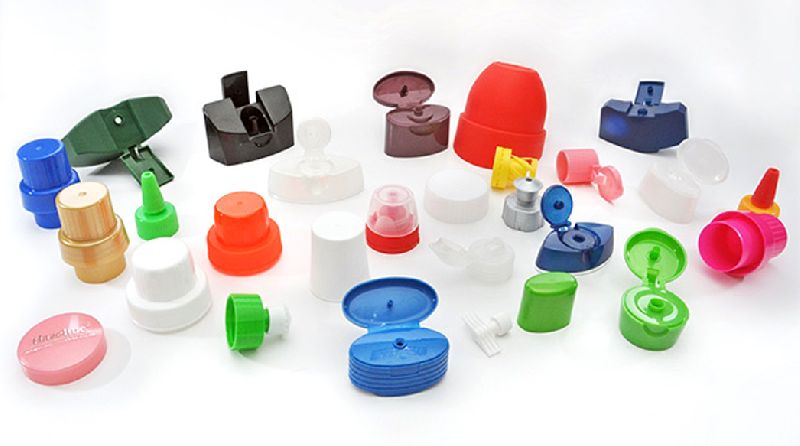
Innovative Closure Types
: Innovations have led to various closure types, including child-resistant closures, tamper-evident seals, and dispensing mechanisms. Manufacturers are continuously investing in R&D to enhance brand differentiation and consumer convenience, supporting market expansion.

Growth Factors and Future Opportunities

  • Rising Production of Packaged Food and Beverages:  The increasing demand for convenience and longer shelf life is driving the production of packaged food and beverages, which in turn fuels the need for secure and reliable caps and closures.
  • Surging Consumption of Bottled Water, Carbonated, and Non-Carbonated Drinks:  The growing popularity of bottled water and other convenient beverage options is creating a significant demand for plastic caps and closures.
  • Growing Inclination Towards Healthy Lifestyles:  The market is adapting to meet evolving consumer preferences for healthy options. For instance, the demand for diet drinks with plastic caps and closures is on the rise.

Sustainability: A Key Market Trend

The growing focus on sustainability is influencing the plastic caps & closures market. Manufacturers are exploring the use of recycled materials and developing innovative solutions to address environmental concerns. This trend presents exciting opportunities for the industry in the future.

The global plastic caps & closures market presents a promising outlook, driven by the beverage boom and increasing emphasis on sustainability. As the market evolves, innovations that cater to both functionality and environmental responsibility will be key to success.

Access Full Report: https://www.futuremarketinsights.com/reports/plastic-caps-and-closures-market

Plastic Caps & Closures Market by Category By Caps Type:

  • Screw Closures
  • Snap Closures
  • Push-Pull Closures
  • Others

By Material Type:

  • Thermoplastic
    • PE
      • LDPE/LLDPE
      • HDPE
    • PP
    • Others (PS, PET etc.)
  • Thermosets

By End Use:

  • Beverage
  • Food
  • Pharmaceutical
  • Household
  • Cosmetics & Personal Care
  • Others (Chemicals, Fertilizers etc.)

By Region:

  • North America
  • Latin America
  • Western Europe
  • Eastern Europe
  • Asia Pacific
  • MEA
  • Japan

About Future Market Insights (FMI)

Future Market Insights, Inc. (ESOMAR certified, recipient of the Stevie Award, and a member of the Greater New York Chamber of Commerce) offers profound insights into the driving factors that are boosting demand in the market. FMI stands as the leading global provider of market intelligence, advisory services, consulting, and events for the Packaging, Food and Beverage, Consumer, Technology, Healthcare, Industrial, and Chemicals markets. With a vast team of over 400 analysts worldwide, FMI provides global, regional, and local expertise on diverse domains and industry trends across more than 110 countries.

Contact Us:       

Future Market Insights Inc.
Christiana Corporate, 200 Continental Drive,
Suite 401, Newark, Delaware – 19713, USA
T: +1-845-579-5705
For Sales Enquiries: sales@futuremarketinsights.com
Website: https://www.futuremarketinsights.com
LinkedInTwitterBlogs | YouTube