Europe Malt Extract Market to Grow to USD 12.9 Billion by 2026, Expanding at a 5.6% CAGR |FMI

The Europe malt extract market is valued at US$ 9.8 Bn in 2021. The market is likely to grow at a CAGR of 5.6% through 2026, reaching US$ 12.9 Bn by 2026.

In 2017, the Europe malt extract market is estimated to be valued at a little over US$ 7,900 Mn and is expected to reach more than US$ 12,900 Mn by the end of 2026, registering a CAGR of 5.6% over the forecast period. The market is estimated to represent an incremental dollar opportunity of US$ 5,411.5 Mn between 2016 and 2026.

Rising consumer awareness about the high nutritive value of diastatic malt extract will continue to drive the growth of the Europe malt extract market Increasing health awareness and rising consumer demand for traditional foods will also influence demand. However, the non-availability of substitutes and shortage of malt owing to increasing usage in breweries can impede demand. These insights are according to a new research report by Future Market Insights.

Diastatic malt extract is derived from sprouted grains and is used as a substitute product replacing sugar and honey needed to feed yeast in bakery products. Another important feature of diastatic malt is that it can also reduce the need for additional artificial sugar in bakery products and thus can be labelled as sugar-free. Also, as diastatic malt is rich in vitamins and enzymes, it increases the nutritional value of baked products and also helps in extending the shelf life of baked products.

The key trends influencing the Europe malt extract market include,

  • Increasing preference for gluten-free bakery products: Concerns about rising obesity levels is prompting consumers in Europe to opt for gluten-free bakery products. Gluten-free malt extract is used as a colouring and sweetening agent in a variety of products. Owing to this, it is expected that demand for malt extracts will witness steady growth during the period 2016-2026.
  • Government regulation on additive-free products: The industry-wide focus on additive-free products has led to increased demand for malt extracts, as these reduce the need of adding synthetic flavours, resulting in extended shelf life of products.
  • Marketing aligned with ‘health and wellness’: Manufacturers are focusing on selling the ‘health and wellness’ attributes of malt extracts, by creating relevant marketing campaigns.
  • Preference for sugar-free label products: Non-diastatic malt extracts naturally convert to sugar, reducing the need for addition of sugar. Owing to these factors, demand for malt extracts is expected to witness an increase during 2016-2026.

A Highly Fragmented Market 

Top three players – Group Soufflet, VIVESCIA Industries, and Cargill Incorporated – account for over 28% volume share of the Europe malt extract market. The Europe malt extract market remains quite fragmented fifteen players accounting for nearly 72% volume share. Both established and emerging players are focusing on increasing their production capacity and acquisition of niche players to boost their market position.

The Europe malt extract market was valued at US$ 7.53 billion in 2016. Future Market Insights projects it to grow at 5.6% CAGR during the forecast period 2016-2026, reaching US$ 12.94 billion in revenues.

Barley Remains the Largest Source 

Barley remains the largest source for malt extracts, accounting for nearly 75% revenue share of the market in 2016. In 2016, this segment was valued at US$ 5.63 billion; in terms of volume, demand for barley was worth nearly 9 million tonnes in 2016. Wheat remained the second largest source, followed by rice and rye.

Dry Malt Extracts Continue to Witness Higher Demand

Malt extracts are available in dry and liquid form, with the former accounting for bulk of demand. Demand for dry malt extracts will continue to remain higher than liquid variants throughout the forecast period. While dry malt extract volume is projected to grow at 4.6% CAGR, demand for liquid malt extracts will grow at 3.9% CAGR.

Standard Outsells Speciality 

Future Market Insights has also segmented the Europe malt extract market on the basis of product type into standard and specialty. The standard segment accounted for over 77% revenue share of the market in 2016; this is expected to decrease to 76% by the end of forecast period.

Beverages Largest Application Segment 

Beverages continue to remain the largest application segment of malt extracts. This segment held 48% revenue share of the market in 2016. Bakery and confectionary remain the other key application segments.

Western Europe Accounts for Bulk of the Demand 

Demand for malt extracts is concentrated in Western Europe, owing to the presence of a large number of manufacturers. Future Market Insights projects Western Europe to remain the dominant region for malt extracts during the forecast period.

Market Taxonomy

By Application:

  • Bakery
  • Confectionary
  • Beverages
    • Alcoholic
    • Non-Alcoholic
  • Animal Feed
  • Pharmaceuticals

By Source:

  • Barley
  • Wheat
  •  Rice
  • Rye

By Product Form:

  • Dry
  • Liquid

By Product Type:

  • Standard
  • Speciality

About Future Market Insights (FMI)

Future Market Insights, Inc. (ESOMAR certified, recipient of the Stevie Award, and a member of the Greater New York Chamber of Commerce) offers profound insights into the driving factors that are boosting demand in the market. FMI stands as the leading global provider of market intelligence, advisory services, consulting, and events for the Packaging, Food and Beverage, Consumer Technology, Healthcare, Industrial, and Chemicals markets. With a vast team of over 400 analysts worldwide, FMI provides global, regional, and local expertise on diverse domains and industry trends across more than 110 countries.

Contact FMI:
Future Market Insights Inc.
Christiana Corporate, 200 Continental Drive,
Suite 401, Newark, Delaware – 19713, USA
T: +1-845-579-5705
For Sales Enquiries: sales@futuremarketinsights.com
Website:https://www.futuremarketinsights.com
LinkedIn| Twitter| Blogs | YouTube
Global Saffron Market to Reach USD 687.8 Million by 2034, Growing at a 7.4% CAGR | FMI

Superfood Powders Market

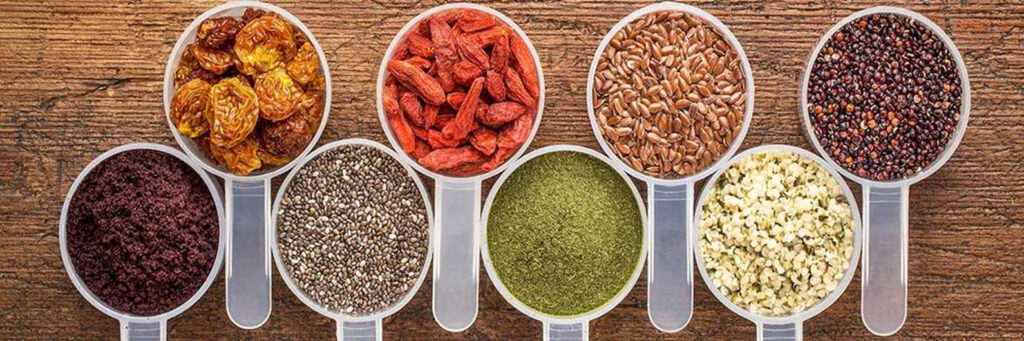
The superfood powders market is forecasted to garner revenue of US$ 13.66 billion in 2033, up from US$ 6.84 billion in 2023, advancing at a rate of 7% from 2023 to 2033.

The superfood powders market is experiencing a surge in popularity as health-conscious consumers embrace the plant-based revolution and prioritize their well-being. With a growing emphasis on nourishing wellness, superfood powders have emerged as a sought-after dietary supplement. These powders, packed with nutrient-rich ingredients, offer a convenient way to incorporate essential vitamins, minerals, and antioxidants into daily routines.

Superfood blends cater to various health needs, whether vibrant green matcha powder, antioxidant-rich acai powder, or protein-packed spirulina powder. As many individuals seek to optimize their nutrition and support overall wellness, the superfood powders industry continues to expand, providing diverse options for those embracing a holistic approach to their health journey.

The superfood powders market is experiencing significant growth worldwide, driven by increasing awareness about the importance of a healthy lifestyle. Preventive healthcare has led consumers to seek functional and nutritious food options.

The Rise of Superfood Powders

Superfood powders have gained popularity due to their convenient and accessible nature, meeting the evolving needs of consumers. Moreover, the growing adoption of plant-based diets, driven by concerns over environmental sustainability and animal welfare, has fueled the demand for superfood powders as a crucial component of plant-powered nutrition.

Challenges and Opportunities in the Superfood Powders Market

While the market for superfood powders continues to grow, there are challenges that industry players must address. Considering the abundance of products in the market, educating consumers about the authenticity and quality of superfood powders is a major challenge. Transparency regarding sourcing, production methods, and ingredient purity is essential. Additionally, the cost of superfood powders may pose a barrier for some consumers on a tight budget.

Despite these challenges, there are ample opportunities for innovation and expansion in the market. Consumers’ growing culinary curiosity opens doors for the development of new and unique superfood powder blends. Collaboration between superfood powder manufacturers and food industry players can lead to incorporating these powders into various food and beverage products. Furthermore, leveraging digital marketing strategies and social media platforms can enable companies to reach a broad audience and build brand awareness.

Key Takeaways:

  • By 2033, the United States of America is likely to hold a value share of 7.7% in the superfood powders industry.
  • The market in Germany is anticipated to account for 3.4% value share by 2033.
  • During the forecast period, the organic sub-segment is to remain prominent based on nature.
  • The market value for superfood powders reached US$ 6.58 billion in 2022, with a CAGR of 2.7% from 2018 to 2022.
  • Based on sales channel, the convenience store sub-segment is predicted to account for a significant share.

How Intense is the Competition in the Superfood Powders Industry?

The superfood powders industry is characterized by intense competition as companies strive to capture the attention of health-conscious consumers seeking functional and nutrient-dense products. With the market witnessing significant growth, numerous players are entering the arena, offering a wide range of superfood powder blends and formulations.

Key competitors are constantly innovating, introducing new flavors, incorporating unique ingredients, and focusing on quality and transparency to differentiate them. Aggressive marketing strategies, collaborations with influencers, and expanding distribution networks also fuel the industry’s competitive landscape. Amidst this fierce competition, companies that can effectively communicate their product’s benefits, establish trust, and deliver exceptional quality are well-positioned to succeed in this thriving market.

Key Players Profiled in the Market

  • Aduna Ltd.
  • Barlean Organic Oils Ltd.
  • Creative Nature Ltd.
  • Nature’s Superfoods
  • Sports Supplements Ltd.

Key Segmentation

By Nature:

  • Organic
  • Conventional

By Sales Channel:

  • Modern Trade
  • Convenience Store
  • Specialty Store
  • Pharmacy Store
  • Online Retail
  • Other Sales Channels

By Region:

  • North America
  • Latin America
  • Europe
  • East Asia
  • South Asia
  • Oceania
  • The Middle East & Africa (MEA)

About Future Market Insights (FMI)

Future Market Insights, Inc. (ESOMAR certified, recipient of the Stevie Award, and a member of the Greater New York Chamber of Commerce) offers profound insights into the driving factors that are boosting demand in the market. FMI stands as the leading global provider of market intelligence, advisory services, consulting, and events for the Packaging, Food and Beverage, Consumer Technology, Healthcare, Industrial, and Chemicals markets. With a vast team of over 400 analysts worldwide, FMI provides global, regional, and local expertise on diverse domains and industry trends across more than 110 countries.

Contact FMI:
Future Market Insights Inc.
Christiana Corporate, 200 Continental Drive,
Suite 401, Newark, Delaware – 19713, USA
T: +1-845-579-5705
For Sales Enquiries: sales@futuremarketinsights.com
Website:https://www.futuremarketinsights.com
LinkedIn| Twitter| Blogs | YouTube

Global Dark Rum Market to Grow to USD 1.51 Billion by 2034, With a 4.7% CAGR | FMI

Dark Rum Market
Dark Rum Market

The dark rum market value is expected to rise from USD 953.1 million in 2024 to USD 1,510 million by 2034. Global sales will likely rise at a CAGR of 4.7% throughout the assessment period.

Multiple factors are expected to spur growth of the dark rum industry during the forecast period. These include growing interest in premium spirits, expanding cocktail culture, and increasing number of bars and pubs.

Dark rum is presently having its moment in emerging economies like India and China. Players in such economies, in addition to relying on low-cost tags, are finding growth in premium product offerings among growing discerning audiences.

Providers of alcoholic beverages are seeking a makeover, as they wish to switch their labeling as a favorite college cocktail drink or a staple product found in defense canteens. Such a dynamic shift is the reason why players are finding a sweet spot among connoisseurs who are consistently on the lookout for premium, niche products.

Nowadays, consumers are willing to experiment and attempt to consume innovative, unique blends. Consumers are consuming less but high-quality drinks. Additionally, the surging cocktail trend and increasing adoption of rum as a unique ingredient are creating heightened demand for premium rums.

Key Takeaways from the Dark Rum Market Report

  • The dark rum market is forecast to record a CAGR of 4.7% through 2034.
  • Demand for dark rums with a strength of 40% ABV is projected to surge at a 4.5% CAGR.
  • Liquor stores segment accounted for a share of 75% in 2023.
  • Sales in the United States are set to total USD 268.7 million by 2034.
  • South Korea is forecast to record a CAGR of 7.1% over the forecast period.

“Players take note of inclusivity as they offer premium dark rum offerings to cater to multiple regions after achieving success in mass-produced dark rums that have been on sale in emerging countries,” Nandini Roy Choudhury, Client Partner at Future Market Insights 

Who is Winning?

Players are relying on luxurious rum offerings to make a larger cut in the market. Consumers, especially in developed economies, have displayed a preference for finer drinking experiences.

Discerning population in developing economies is also contributing to the sales of these drinks. Companies are thus trying their hands at unique blends of dark rums. A new variety that is having its limelight moment is spiced and flavored rums.

Certain players, particularly those with target audiences based in specific countries, are experimenting with local ingredients and arranging for small-batch dark rum production processes. This signifies that the consumer base is open to experimental drinking options.

Latest Developments in the Dark Rum Market

  • Piccadily Distilleries, an independent producer and distributor of malt spirits throughout India, released Camkara recently. Camkara is a limited edition that is aged over the span of 12 years in ex-bourbon barrels. The alcoholic beverage contains 50% ABV and has no added color, sugar, or flavor.
  • Equiano Rum, which is the producer of the first Caribbean and African rum offering, introduced a new product in March 2024. The company made its first vintage debut of Foursquare and Gray’s Rums.

Leading Dark Rum Brands

  • SASMA
  • Captain Morgan
  • Bacardi
  • Malibu
  • Radico Khaitan
  • Amrut Distilleries
  • Others

Get More Valuable Insights

Future Market Insights (FMI), in its new offering, provides a thorough, detailed and unbiased analysis of the global dark rum market, presenting historical demand data for the years 2019 to 2023 and forecast statistics for the years 2024 to 2034.

The study provides compelling industry insights based on alcohol content {40%, 69%, and 75% Alcohol by Volume (ABV)}, end user (individual consumer, store purchase, HORECA, and others), and sales channel (direct sales, liquor store, and others) across several regions.

Key Segments of Dark Rum Market

By Alcohol Content:

The dark rum market segmentation, based on alcohol content, is divided into 40%, 69%, and 75% Alcohol by Volume (ABV).

By End User:

The industry is classified based on end users into HORECA, individual consumers, and store purchases, among others.

By Sales Channel:

Different sales channels that sell aged rum include direct sales, liquor stores, and others.

By Region:

Key countries of regions like North America, Latin America, Europe, East Asia, South Asia, Middle East and Africa (MEA), and Oceania have been introspected in the report.

About Future Market Insights (FMI)

Future Market Insights, Inc. (ESOMAR certified, recipient of the Stevie Award, and a member of the Greater New York Chamber of Commerce) offers profound insights into the driving factors that are boosting demand in the market. FMI stands as the leading global provider of market intelligence, advisory services, consulting, and events for the Packaging, Food and Beverage, Consumer Technology, Healthcare, Industrial, and Chemicals markets. With a vast team of over 400 analysts worldwide, FMI provides global, regional, and local expertise on diverse domains and industry trends across more than 110 countries.

 Contact Us:
Future Market Insights Inc.
Christiana Corporate, 200 Continental Drive,
Suite 401, Newark, Delaware – 19713, USA
T: +1-845-579-5705
For Sales Enquiries: sales@futuremarketinsights.com
Website: https://www.futuremarketinsights.com
LinkedInTwitterBlogs | YouTube

Exploring the MENA POU Water Purifier Market: Growth Projections, Subscription Models, and Innovations in AI and Antimicrobial Technology

The MENA POU water purifier market is expected to exceed USD 604.7 million in 2023 and reach an estimated value of USD 1,127.90 million by 2033. The market is projected to grow at a compound annual growth rate (CAGR) of 6.40% between 2023 and 2033.

Subscription models for consumable products, such as filters and cartridges, offer consumers the convenience of automatic replacements and maintenance. This approach enhances customer satisfaction and retention by eliminating the need for manual reordering, ensuring essential components are delivered on time. For businesses, subscription-based consumables create a steady revenue stream and foster long-term customer relationships, making this strategy effective for driving loyalty and operational stability.

Incorporating antimicrobial materials and coatings in water purifiers helps inhibit the growth of bacteria and germs, promoting greater safety and hygiene. This feature resonates with health-conscious consumers who prioritize not only water purity but also the cleanliness of the filtration system. By emphasizing this benefit, companies can address key consumer health concerns, building trust, brand loyalty, and a reputation for offering solutions that prioritize well-being.

Using AI algorithms to optimize water purification operations in real-time increases efficiency and efficacy. This technology guarantees that water treatment is customized to individual conditions and changing water quality, in line with the increasing need for sophisticated and automated solutions. Businesses can demonstrate their dedication to sophisticated technology and give consumers an improved user experience by implementing AI, gaining a competitive advantage in the industry.

Obtaining eco-certifications and environmental badges is a strategic step that demonstrates a dedication to sustainability. This method is popular among environmentally aware consumers who choose eco-friendly items. Businesses can represent their commitment to sustainable practices by obtaining such certificates and badges, promoting customer trust, and positively improving their brand reputation in an increasingly eco-conscious industry.

The incorporation of hydration monitoring capabilities allows users to establish and monitor their daily hydration goals, receive reminders, and measure their water consumption. This trend promotes optimal hydration, which helps customers achieve their health and wellness goals. Businesses that offer such features integrate their products with the health and fitness goals of today’s consumers, providing value to their offers and supporting healthy lives.

Key Takeaways from the MENA POU Water Purifier Industry Report:

  • In 2022, the global industry size stood at US$ 559.8 million.
  • The reverse osmosis segment captured 42.20% of industry shares in 2023.
  • The UAE occupied 22.50% of industry shares in 2023.

Recent Developments Observed by FMI:

  • At a key water symposium held in the Swedish Pavilion at Expo 2020 Dubai, Bluewater, a leading innovator of premium water purification technologies and sustainable bottles, launched its leading premium residential and commercial water purifiers and sustainable bottles for the UAE and GCC industry in March 2023.
  • In March 2023, Aquamax, a new reverse osmosis drinking water filter brand, was debuted in the UAE.

Key Players Are:

  • Straus Water
  • Water Life
  • LG
  • Panasonic
  • Samsung
  • Eureka Forbes

Key Segmentations:

By Technology:

  • Reverse Osmosis
  • Distillation
  • Ultrafiltration
  • Ultraviolet
  • Activated Carbon Filtration
  • Disinfection

By Product Type:

  • Under-the-Counter Purifiers
  • Countertop Purifiers
  • Faucet-mounted Purifiers
  • Pitcher Purifiers
  • Tabletop Pitchers
  • Refrigerator Purifiers
  • Others

By Application:

  • Flocculation and Coagulation
  • Filtration
  • Disinfection

By End Use:

  • Residential
  • Commercial

By Sales Channel:

  • Direct Sales
  • HyperIndustrys/ SuperIndustrys
  • Convenience Stores
  • Specialty Stores
  • Multi-brand Stores
  • Online Retailers
  • Others

By Country:

  • Saudi Arabia
  • United Arab Emirates
  • Turkey
  • Algeria
  • Bahrain
  • Israel
  • Rest of MENA

About Future Market Insights (FMI)

Future Market Insights, Inc. (ESOMAR certified, recipient of the Stevie Award, and a member of the Greater New York Chamber of Commerce) offers profound insights into the driving factors that are boosting demand in the market. FMI stands as the leading global provider of market intelligence, advisory services, consulting, and events for the Packaging, Food and Beverage, Consumer, Technology, Healthcare, Industrial, and Chemicals markets. With a vast team of ~400 analysts worldwide, FMI provides global, regional, and local expertise on diverse domains and industry trends across more than 110 countries.

Contact Us:        

Future Market Insights Inc.
Christiana Corporate, 200 Continental Drive,
Suite 401, Newark, Delaware – 19713, USA
T: +1-845-579-5705
For Sales Enquiries: 
sales@futuremarketinsights.com
Website: https://www.futuremarketinsights.com
LinkedInTwitterBlogs | YouTube

Global Refrigerated and Frozen Soup Market to Reach USD 6.3 Billion by 2034, Expanding at a 9.1% CAGR | FMI

Refrigerated and Frozen Soup Market

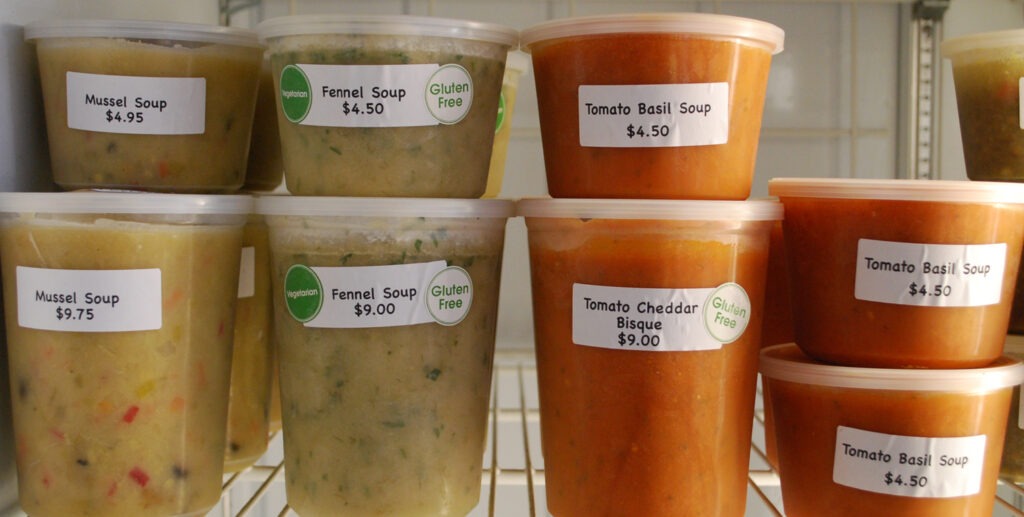
The global refrigerated and frozen soup market is on a remarkable growth trajectory, with its valuation projected to escalate from USD 2.6 billion in 2024 to an impressive USD 6.3 billion by 2034. This promising expansion is driven by a robust CAGR of 9.1% throughout the assessment period.

The frozen soup segment is leading the charge, capturing a significant 58% value share of the global industry in 2023. The rising demand for convenience foods, longer shelf life, and minimal preparation time are key factors contributing to the popularity of frozen soups.

Convenience and Lifestyle Trends Propel Market Growth

The fast-paced modern lifestyle is a major driver behind the growing popularity of refrigerated and frozen soups. As consumers juggle busy schedules, the need for quick, easy-to-prepare meal options is more critical than ever. Frozen and refrigerated soups, which often require only heating, are becoming increasingly attractive to time-pressed consumers.

Popular products in this segment include frozen onion soup, potato soup, miso soup, and clam chowder. The market is also seeing a surge in innovative chilled soups with new flavors and ingredients, contributing to sector growth.

Addressing Food Insecurity and Waste Reduction

Refrigerated and frozen soups play a crucial role in addressing food insecurity and reducing waste. These products have an extended shelf life compared to fresh alternatives, helping to minimize food wastage. The convenience and nutritional value of these soups make them a staple in hotels, cafes, and restaurants.

Organic and Eco-Friendly Trends

The industry is witnessing a growing interest in organic soup variations and eco-friendly packaging. Leading players are focusing on using high-quality ingredients and minimal preservatives to meet the rising demand for healthy and natural food options. Companies are also adopting compostable or recycled packaging materials to attract eco-conscious consumers.

Competitive Landscape and Innovations

Major industry players such as Campbell Soup Company, Conagra Foods, Kraft Heinz, and Nestle dominate the market with their extensive manufacturing and distribution networks. These companies are continuously upgrading their product portfolios with innovative frozen soup varieties featuring exotic flavors and functional ingredients.

Advanced freezing and preservative technologies are being employed to maintain the taste, quality, and nutritional value of soups. Additionally, new players and start-ups are entering the market, offering healthier, nutrient-dense products to compete with established brands. For example, Soupologie recently introduced the new Souper Cube range in the United Kingdom, targeting health-conscious consumers with innovative, plant-based soups.

Regional Insights and Growth Opportunities

United States: The U.S. market is projected to grow at a CAGR of 9.4%, reaching USD 1.1 billion by 2034. The busy American lifestyle and the presence of leading frozen food brands are key factors driving this growth.

United Kingdom: The U.K. market is expected to achieve a 10.4% CAGR, driven by a growing interest in healthy eating and convenient food options. The demand for vegan and vegetarian soups is particularly strong, prompting companies to innovate with plant-based ingredients.

China: China is emerging as a lucrative market with a CAGR of 9.9%, fueled by rapid urbanization and increasing demand for non-veg frozen soups. Ongoing innovation in soup flavors and ingredients is further boosting market growth.

South Korea and Japan: These markets are set to experience significant growth, with CAGRs of 11.3% and 10.8%, respectively, through 2034. The rising popularity of chilled soups and convenience foods is driving demand in these regions.

Key Segments of the Market Report

By Type:

Based on type, the industry is segmented into refrigerated soup and frozen soup.

By Application:

In terms of applications, the sector is segmented into supermarkets/hypermarkets, foodservice, retail, and others.

By Region:

Frozen and refrigerated soup industry analysis has been carried out in key countries of North America, Latin America, Europe, East Asia, South Asia, Oceania, and the Middle East and Africa.

About Future Market Insights (FMI)

Future Market Insights, Inc. (ESOMAR certified, recipient of the Stevie Award, and a member of the Greater New York Chamber of Commerce) offers profound insights into the driving factors that are boosting demand in the market. FMI stands as the leading global provider of market intelligence, advisory services, consulting, and events for the Packaging, Food and Beverage, Consumer Technology, Healthcare, Industrial, and Chemicals markets. With a vast team of over 400 analysts worldwide, FMI provides global, regional, and local expertise on diverse domains and industry trends across more than 110 countries.

Contact FMI:
Future Market Insights Inc.
Christiana Corporate, 200 Continental Drive,
Suite 401, Newark, Delaware – 19713, USA
T: +1-845-579-5705
For Sales Enquiries: sales@futuremarketinsights.com
Website:https://www.futuremarketinsights.com
LinkedIn| Twitter| Blogs | YouTube

Feed Additive Nosiheptide Premix Market to Reach USD 1.72 Billion by 2034, Growing at a 9.2% CAGR | FMI

Feed Additive Nosiheptide Premix Market

The global feed additive nosiheptide premix Industry is projected to reach USD 713.1 million in 2024 and USD 1,720 million by 2034, with sales increasing at a CAGR of 9.2% from 2024 to 2034. In 2023, the market generated USD 650 million in revenue.

The market is driven by the rising demand for high-quality animal protein and growing concerns over animal health and welfare. Increased consumer awareness of the importance of safe and nutritious food is boosting the adoption of nosiheptide premixes. Additionally, evolving regulatory frameworks concerning antibiotic use in animal production are expected to benefit the industry.

Enhancing Animal Health with Nosiheptide Premix

Nosiheptide premix is a feed additive containing nosiheptides, a class of antibiotics used to promote animal growth and prevent specific bacterial infections. Incorporating nosiheptide premix into animal feed offers several advantages:

  • Improved weight gain and feed conversion: Studies suggest nosiheptides can enhance nutrient absorption, leading to better growth performance in animals.
  • Enhanced gut health: Nosiheptides can help maintain a healthy gut microbiome, crucial for optimal digestion and nutrient utilization.
  • Disease prevention: Nosiheptides target specific bacterial pathogens, aiding in the prevention of certain infections common in livestock.

However, the use of antibiotics in animal feed raises concerns about antibiotic resistance.

The Nosiheptide Premix Market: Navigating the Future

The future of the nosiheptide premix market hinges on a few key factors:

  • The rise of antibiotic resistance: Growing awareness of antibiotic resistance in animals is prompting stricter regulations and a search for alternatives. As per a Future Market Insights report, this could potentially limit the use of nosiheptide premix in the long run.
  • Focus on preventative healthcare: The industry is shifting towards preventative measures like improved hygiene and vaccination to reduce reliance on antibiotics.
  • Development of alternatives: Research into antibiotic alternatives like probiotics, prebiotics, and organic acids is ongoing, presenting potential substitutes for nosiheptide premix.

Market Trends to Watch

The Future Market Insights report highlights some interesting trends shaping the nosiheptide premix market:

  • Stringent regulations: Regulatory bodies are likely to impose stricter guidelines on the use of antibiotics in animal feed, impacting nosiheptide premix usage.
  • Focus on regional variations: Regulations and antibiotic use practices will differ geographically, affecting market growth in specific regions.
  • Demand for organic and antibiotic-free products: The growing consumer preference for organic and antibiotic-free meat products will influence the demand for nosiheptide premix.

Nosiheptide premix remains a vital feed additive for the animal feed industry, but its future depends on navigating the challenges of antibiotic resistance. Innovation in preventative healthcare and the development of effective alternatives will be crucial for the sustainable use of nosiheptide premix and the overall health of the livestock industry.

About Future Market Insights (FMI)

Future Market Insights, Inc. (ESOMAR certified, recipient of the Stevie Award, and a member of the Greater New York Chamber of Commerce) offers profound insights into the driving factors that are boosting demand in the market. FMI stands as the leading global provider of market intelligence, advisory services, consulting, and events for the Packaging, Food and Beverage, Consumer Technology, Healthcare, Industrial, and Chemicals markets. With a vast team of over 400 analysts worldwide, FMI provides global, regional, and local expertise on diverse domains and industry trends across more than 110 countries.

 Contact Us:
Future Market Insights Inc.
Christiana Corporate, 200 Continental Drive,
Suite 401, Newark, Delaware – 19713, USA
T: +1-845-579-5705
For Sales Enquiries: sales@futuremarketinsights.com
Website: https://www.futuremarketinsights.com
LinkedInTwitterBlogs | YouTube

Global Vegan Pizza Crust Market to Reach USD 1.87 Billion by 2033, Growing at 7.3% CAGR | FMI

Vegan Pizza Crust Market

The demand for vegan pizza crust market is experiencing strong growth, driven by a number of factors. The increasing demand for vegan options, health and wellness trend, and convenience are driving the growth of the market. The market is expected to be valued at US$ 989.1 million in 2023 and to reach a valuation of US$ 1866.5 million by 2033. The Sales of vegan pizza crust is estimated to grow at a steady 7.3% CAGR, with the U.K., the U.S., China, and India emerging as key producers.

One of the key drivers of the vegan pizza crust is the increasing demand for vegan options. The number of vegans in the world has been steadily increasing in recent years, and this trend is expected to continue. As more people adopt a vegan lifestyle, the demand for vegan pizza crusts is likely to increase. Companies are innovating and creating new and exciting vegan crust options, such as gluten-free, whole wheat, cauliflower crusts, etc to cater to the changing consumer preferences. Gluten-free, organic and vegan crusts are becoming more popular among consumers, and are expected to drive the vegan pizza crust in the future.

Another driver of the market is the health and wellness trend. Many people are becoming more health-conscious and are looking for options that are lower in fat, calories, and cholesterol. Vegan pizza crusts are typically made from plant-based ingredients, which are often considered to be healthier than traditional pizza crusts made from animal products.

The vegan pizza crust market is relatively diverse with a mix of large established companies and small startups. There is a growing number of startups entering the vegan pizza crust market with innovative and unique vegan crust options. Many of these startups are focusing on niche segments such as gluten-free, organic, and plant-based options to cater to the growing demand for vegan pizza crusts. They are also focusing on sustainable packaging and sourcing of ingredients, which are becoming more important for consumers.

However, the vegan pizza crust market also faces some restraints. One of the main restraints is the lack of awareness among consumers about the availability of vegan pizza crusts. Additionally, the high cost of vegan pizza crusts compared to traditional crusts can also be a restraint for some consumers.

Despite the restraints, the vegan pizza crust is expected to continue to grow in the future as more and more people adopt veganism and become more health-conscious.

Key Takeaways

  • The increasing demand for vegan options, health and wellness trend, and convenience are driving the growth of the market.
  • Companies are innovating and creating new and exciting vegan crust options, such as gluten-free, whole wheat, cauliflower crusts, etc to cater to the changing consumer preferences.
  • Gluten-free, organic and plant-based crusts are becoming more popular among consumers, and are expected to drive the market growth in the future.
  • The market is relatively diverse with a mix of large established companies and small startups, and is expected to see more startups entering the vegan pizza crust market with innovative and unique vegan crust
  • Private label brands are becoming increasingly popular among consumers and are expected to drive the market growth in the future.

Competitive Landscape

The competitive landscape of the vegan pizza crust market is relatively diverse, with a mix of large established companies and small startups. The market is characterized by the presence of several well-established players such as Daiya, Tofurky, Dr. Oetker, Follow Your Heart, Caulipower, and Amy’s Kitchen. These companies have a strong presence in the market and have a wide range of products catering to different dietary needs. They also have a strong distribution network and a good brand reputation in the market.

On the other hand, there are also several small and medium-sized startups that are entering the market with innovative and unique vegan crust options. These startups are focusing on niche segments such as gluten-free, organic, and plant-based options to cater to the growing demand for vegan pizza crusts. They are also focusing on sustainable packaging and sourcing of ingredients, which are becoming more important for consumers.

The startup ecosystem in the vegan pizza crust market is relatively new and is still evolving. There is a growing number of startups entering the market with innovative and unique vegan crust options. Many of these startups are focusing on niche segments such as gluten-free, organic, and plant-based options to cater to the growing demand for vegan crusts. They are also focusing on sustainable packaging and sourcing of ingredients, which are becoming more important for consumers.

Key Segments

Ingredient:

  • Wheat
  • Corn
  • Rice
  • Others

Type:

  • Thin crust
  • Thick crust
  • Stuffed crust

Distribution Channel:

  • Supermarkets and hypermarkets
  • Convenience stores
  • Online channels
  • Others

By Application:

  • Household
  • Food service
  • Commercial

Region:

  • North America
  • Latin America
  • Europe
  • Asia Pacific (APAC)
  • Middle East & Africa (MEA)

About Future Market Insights (FMI)

Future Market Insights, Inc. (ESOMAR certified, recipient of the Stevie Award, and a member of the Greater New York Chamber of Commerce) offers profound insights into the driving factors that are boosting demand in the market. FMI stands as the leading global provider of market intelligence, advisory services, consulting, and events for the Packaging, Food and Beverage, Consumer Technology, Healthcare, Industrial, and Chemicals markets. With a vast team of over 400 analysts worldwide, FMI provides global, regional, and local expertise on diverse domains and industry trends across more than 110 countries.

 Contact Us:
Future Market Insights Inc.
Christiana Corporate, 200 Continental Drive,
Suite 401, Newark, Delaware – 19713, USA
T: +1-845-579-5705
For Sales Enquiries: sales@futuremarketinsights.com
Website: https://www.futuremarketinsights.com
LinkedInTwitterBlogs | YouTube

Global Feed Grains Market to Reach USD 70.0 Billion by 2034, Growing at a 3.4% CAGR | FMI

Feed Grain Market
Feed Grain Market

The Global Feed Grain Market value is anticipated to increase from US$ 50.0 billion in 2024 to US$ 70.0 billion by 2034. Global demand for feed grains is projected to expand at a 3.4% CAGR throughout the assessment period.

Several factors are expected to stimulate the growth of the feed grain market during the forecast period. These include-

  • Booming livestock industry
  • Growing demand for high-quality animal feeds
  • Rising consumption of meat and poultry products
  • Population growth and changing dietary patterns
  • Favorable government support aimed at boosting domestic meat production

Feed grains are essential animal feed components, with corn being the predominant grain. They are widely used to feed livestock due to their high nutritional content, low cost, and easy availability.

The exploding population is creating enormous demand for nutritional animal products like meat, eggs, and dairy. This, in turn, will play a key role in boosting the feed grain industry through 2034.

Livestock farmers are focusing on providing high-quality feeds to their animals to foster their growth. This is expected to create lucrative growth opportunities for feed grain suppliers during the forecast period.

Sustainable agriculture practices are gaining immense traction, with feed grain producers increasingly adopting sustainable agriculture practices. This can help them to minimize the ecological footprint of feed grain cultivation.

Key Takeaways from the Report:

  • The global market for feed grains is expected to total a valuation of US$ 70.0 billion by 2034.
  • By grain type, corn is set to lead the global market, holding a value share of 36.8% in 2024.
  • Based on application, the livestock segment is estimated to account for a revenue share of 65.3% in 2024.
  • The United States market valuation is projected to total US$ 19.3 billion by 2034.
  • Sales in Germany are estimated to be valued at US$ 6.7 billion by 2034.
  • Feed grain demand in India is projected to expand at a CAGR of 3.3% through 2034.

“The global feed grain market is driven by the increasing demand for animal protein, with corn being the predominant grain used in animal feed. Sustainable agriculture practices are gaining importance in feed grain production to minimize ecological impact,” – Nandini Roy Choudhury, Client Partner at Future Market Insights

Who is Winning?

Following are the leading players operating in the market.

  • Cargill, Incorporated
  • ADM
  • Louis Dreyfus Company (LDC)
  • GrainCorp.
  • Ardent Mills
  • Stone House Grain
  • Gavilon
  • Nutreco N.V.
  • New Hope Liuhe Co., Ltd.
  • Bartlett Milling Co., LP
  • Scoular
  • Perdue Farms
  • Other Players

Key players are focusing on increasing their production capacities as well as using sustainable farming practices. They also employ strategies like new product launches, acquisitions, partnerships, and collaborations to stay ahead of the competition.

Key Developments in the Feed Grain Market

  • In 2023, Highland Specialty Grains launched new barley varieties, including forage barley varieties, conventional feed grains for feed grain, and food barley.
  • In 2021, Scoular launched Emerge™, a concentrated barley protein, which was introduced to meet the growing demand for plant-based, sustainable ingredients in pet food and aquafeed. This innovative feed product was created through a patent-pending process that concentrates the protein naturally found in whole barley kernels, providing a nutrient-dense ingredient for use in pet food and aquafeed.

Get More Valuable Insights

Future Market Insights (FMI) has released an objective assessment of the global feed grain market, presenting past demand data from 2019 to 2023 and projecting forecast statistics for the 2024 to 2034 period. The study reveals growth projections based on grain type (corn, wheat, barley, sorghum, and others (oats, rye, millets)), application (aquaculture, livestock, and pet food), nature (organic and conventional), and region.

About Future Market Insights (FMI)

Future Market Insights, Inc. (ESOMAR certified, recipient of the Stevie Award, and a member of the Greater New York Chamber of Commerce) offers profound insights into the driving factors that are boosting demand in the market. FMI stands as the leading global provider of market intelligence, advisory services, consulting, and events for the Packaging, Food and Beverage, Consumer Technology, Healthcare, Industrial, and Chemicals markets. With a vast team of over 400 analysts worldwide, FMI provides global, regional, and local expertise on diverse domains and industry trends across more than 110 countries.

Contact FMI:
Future Market Insights Inc.
Christiana Corporate, 200 Continental Drive,
Suite 401, Newark, Delaware – 19713, USA
T: +1-845-579-5705
For Sales Enquiries: sales@futuremarketinsights.com
Website:https://www.futuremarketinsights.com
LinkedIn| Twitter| Blogs | YouTube
ASEAN Organic Cosmetic Market Set to Reach USD 9.48 Billion by 2033: Steady Growth at 5.4% CAGR

The ASEAN organic cosmetic market is expected to reach a valuation of US$ 9,484.4 million by 2033. According to our consumer product industry analysts, the market is anticipated to grow at a steady CAGR of 5.4% over the forecast period, up from its current valuation of US$ 5,605.4 million in 2023.

The rising demand for vegan and cruelty-free cosmetics highlights the growing influence of ethical consumerism in the ASEAN organic cosmetics market. Vegan products, free from any animal-derived ingredients, appeal to consumers who prioritize ethical and animal-friendly choices. What once started as a niche trend has now become a mainstream movement within the clean beauty sector. To capitalize on this growing interest, major cosmetics brands have either entered the market directly or acquired smaller natural brands. As a result, clean beauty products are now more widely available in key retail locations, making them accessible to a larger audience. This shift is expected to drive significant growth in the ASEAN organic cosmetics market in the coming years.

The adoption of green packaging materials is increasing in the ASEAN organic cosmetics market. Environmental-conscious customers choose products with packaging that produces little waste and causes minimal environmental damage. Aside from catering to these consumers, brands that place value on sustainable packaging also show a concern for ethical and environmentally responsible conduct in accordance with the prevalent trend of sustainability worldwide

A few ASEAN-based organic cosmetics companies provide customization and personalization options. Customers may now customize items to suit their unique skin types, problems, and preferences. This strategy appeals to people looking for customized skincare solutions while also improving the entire consumer experience. In addition to meeting the particular demands of each customer, personalized products also encourage brand loyalty by establishing a feeling of exclusivity and engagement.

Competitive Landscape

The ASEAN organic cosmetics market is fiercely competitive, with numerous brands vying for consumers’ attention on grounds including product quality, innovation, sustainability, and sales strategies. Knowledge of the local market, international expertise, and a dedication to satisfying consumer desires for safe, natural, and environmentally conscious beauty products are frequently necessary for success in this industry. The market is characterized by ongoing innovation, with brands emphasizing distinctive formulations, environmentally friendly packaging, and sustainable ingredient sourcing. Brands that can adapt to changing consumer preferences and offer novel products are poised to prosper.

Recent Developments:

  • In April 2022, the Thai clothing company ‘LYN’ introduced Lyn Beauty, a vegan and cruelty-free alternative.
  • TARA, a South Korean marine beauty brand, made its formal Southeast Asian debut in Singapore in June 2021. TARA wants to take on Thailand and Vietnam next to increase its SEA footprint. TARA is a clean beauty skin care line with marine influences that makes the claim that it can provide a high-performance, results-driven skin care spa experience at home.


Key Takeaways from the ASEAN Organic Cosmetics Market Report:

  • In 2018, the market size stood at US$ 4,366.9 million.
  • In 2022, the market size stood at US$ 5,308.1 million.
  • Skin care segment acquired 30%of the ASEAN organic cosmetics market shares in 2023.
  • Departmental stores captured 70%of the ASEAN organic cosmetics market shares in 2023.
  • Thailand acquired 29.0%of the ASEAN organic cosmetics market shares in 2023.
  • Indonesia captured nearly 17.0%of the ASEAN organic cosmetics market shares in 2023.
  • Malaysia gained 4%of the ASEAN organic cosmetics market shares in 2023.

Key Companies in the ASEAN Organic Cosmetics Market:

  • Innisfree
  • The Body Shop (owned by Natura &Co)
  • Burt’s Bees (owned by The Clorox Company)
  • Human Nature
  • Hada Labo (Rohto Pharmaceutical Co., Ltd.)
  • Sukin (BWx Limited)
  • Neal’s Yard Remedies (Neal’s Yard Remedies Ltd.)
  • Organic (Dr. Organic Ltd.)
  • Tata Harper (Tata Harper Skincare, LLC)
  • Melvita (L’Occitane Group)

Recent Developments Observed by FMI:

  • The Thai clothing business ‘LYN’ debuted Lyn Beauty in April 2022 as a vegan and cruelty-free substitute.
  • In June 2021, Singapore served as the official Southeast Asian launch location for the South Korean marine beauty brand TARA. TARA aims to take on Thailand and Vietnam next to expand its SEA footprint. According to the clean beauty skincare line TARA, a high-performance, results-driven skin care spa experience can be had at home, which draws inspiration from the ocean.

ASEAN Organic Cosmetics Market Segmentation

By Product Type:

  • Skin Care
  • Hair Care
  • Make Up
  • Fragrances
  • Toiletries
  • Others

By Distribution Channel:

  • Departmental Stores
  • Franchise Outlet
  • Beauty Specialist Salon
  • Direct Sales
  • Chemist/Pharmacies
  • Internet
  • Others

About Future Market Insights (FMI)

Future Market Insights, Inc. (ESOMAR certified, recipient of the Stevie Award, and a member of the Greater New York Chamber of Commerce) offers profound insights into the driving factors that are boosting demand in the market. FMI stands as the leading global provider of market intelligence, advisory services, consulting, and events for the Packaging, Food and Beverage, Consumer, Technology, Healthcare, Industrial, and Chemicals markets. With a vast team of ~400 analysts worldwide, FMI provides global, regional, and local expertise on diverse domains and industry trends across more than 110 countries.

Contact Us:        

Future Market Insights Inc.
Christiana Corporate, 200 Continental Drive,
Suite 401, Newark, Delaware – 19713, USA
T: +1-845-579-5705
For Sales Enquiries: 
sales@futuremarketinsights.com
Website: https://www.futuremarketinsights.com
LinkedInTwitterBlogs | YouTube

Global and BRICS Oral Care Markets: Growth Trends, Projections, and Key Drivers From 2014 to 2020

BRICS Boom in Oral Care Overview

The global oral care market was valued at approximately US$ 39.1 billion in 2014 and is projected to grow to US$ 50.8 billion by 2020, with a compound annual growth rate (CAGR) of 4.5% from 2014 to 2020. In contrast, the BRICS oral care market was estimated at US$ 10.7 billion in 2014 and is expected to reach US$ 17.3 billion by 2020, registering a higher CAGR of 8.4% over the same period. A key factor driving this growth in the BRICS region is the increasing visibility of oral care products.

Who Should Read This?

This information is valuable for various stakeholders in the oral care industry:

  • Manufacturers and Sellers of Dental Products:Understand the growing market potential in BRICS countries.
  • Research & Development Organizations:Identify opportunities for innovation in oral care products tailored to BRICS markets.
  • Governmental Bodies:Gain insights to develop policies promoting oral health awareness and accessibility in BRICS nations.
  • Dental Professionals:Stay informed about the growing demand for oral care services in BRICS.
  • Venture Capitalist Investors:Identify potential investment opportunities in the booming BRICS oral care market.

Global Oral Care Market

For comparison, the worldwide oral care market is also experiencing growth, with a projected CAGR of 4.5% from 2014 to 2020, reaching an estimated sales revenue of $50.8 billion by the end of the period.

Improvements:

  • Clearer Headline:“BRICS Boom in Oral Care” captures the key message.
  • Structured Text:Information is divided into sections for better readability.
  • Target Audience Breakdown:Explains the relevance of the information for different stakeholders.
  • Removed Outdated Information:Removed reference to a specific year (2020) as the passage discusses market predictions.
  • Concise Language:Maintains key points while using fewer words.

Several companies, including

  • Uniliver Group
  • Colgate-Palmolive Co.
  • Koninklijke Philips N.V.
  • Procter & Gamble Co.
  • Johnson & Johnson Inc.
  • and GlaxoSmithKline Plc.

hold a strong position and are anticipated to maintain it in the near future, according to a recent study by Future Market Insights (FMI).

However, the competition in the oral care market in BRICS countries is fierce. Most of these businesses employ typical strategies to draw in and keep customers, including the creation of novel items and vigorous marketing campaigns. Vendors now have more opportunities to wow urban inhabitants and create new revenue streams thanks to the rising demand of organic products.

The survey notes that customers are increasingly prepared to pay for a range of items that helps them maintain the health of their dental and respiratory systems as a result of increased disposable income among urban populations in BRICS countries, namely Brazil, Russia, India, China, and South Africa.

The ubiquity of cellphones and the rising popularity of social media have made it easier to spread awareness across vast populations, which is helping the BRICS oral care market gain pace. Additionally, there is a growing market for dental care products that are eco-friendly and contain organic components. Another factor driving demand in this market is consumers’ increasing awareness of the importance of oral hygiene.

Toothpaste Most Profitable Product Segment

On the basis of product type, the oral care market in the BRICS countries is segmented into primary oral care including toothbrush and toothpaste and secondary oral care including dental floss, mouthwash, denture care, and others such as whitening strips, chewing gum, and mouth fresheners. Currently, primary oral care sub-segments collective account for the most prominent chunk of demand, with toothpaste producing the maximum demand.

Gel toothpaste, sensitivity-resistant toothpaste, and gum strengthening toothpaste are a few new products attracting specific customers. On the other hand, the demand for secondary oral care products is projected to increment at a strong CAGR of 14.5% during the forecast period of 2014 to 2020, gaining traction from the introduction of new products in this segment.

Based on distribution channel, the BRICS oral care market has been bifurcated into departmental stores, convenience stores, hypermarkets and supermarkets, vending machines, pharmacies and specialty stores, direct selling, and general merchandise retailers. In 2013, the general merchandising and direct selling segments collectively accounted for 53% of the overall demand, while hypermarkets and supermarkets provided for 27% of the demand.

Country-wise, heavily populated countries of India and China currently produce the most prominent chunk of demand and are anticipated to further gain demand share as we approach 2020. These two countries served 50.6% of total demand in the BRICS oral care market in 2014 and the demand percentage is estimated to increase up to 52.7% by 2020.

Key Segment

on the basis of product type:

  • primary oral care products
    • toothbrush
      • specialised
      • mid-tier
      • kids
    • toothpaste
      • gel toothpaste
      • non-gel toothpaste
  • secondary oral care products
    • mouthwash
      • comprises flavoured
      • conventional
      • organic toothpaste
    • dental floss
      • waxed
      • unwaxed
      • flavoured
      • unflavoured
      • thread
      • tape floss
    • denture care
      • denture care products
        • cleanser
        • adhesive
        • paste
      • denture care fixtures
        • complete
        • partial
        • over denture fixtures
    • others

on the basis of product type

  • convenience stores
  • department stores
  • direct selling
  • general merchandise retailers
  • hypermarkets & supermarkets
  • vending machines
  • speciality stores & pharmacies
  • direct selling
  • others

About Future Market Insights (FMI)

Future Market Insights, Inc. (ESOMAR certified, recipient of the Stevie Award, and a member of the Greater New York Chamber of Commerce) offers profound insights into the driving factors that are boosting demand in the market. FMI stands as the leading global provider of market intelligence, advisory services, consulting, and events for the Packaging, Food and Beverage, Consumer, Technology, Healthcare, Industrial, and Chemicals markets. With a vast team of ~400 analysts worldwide, FMI provides global, regional, and local expertise on diverse domains and industry trends across more than 110 countries.

Contact Us:        

Future Market Insights Inc.
Christiana Corporate, 200 Continental Drive,
Suite 401, Newark, Delaware – 19713, USA
T: +1-845-579-5705
For Sales Enquiries: 
sales@futuremarketinsights.com
Website: https://www.futuremarketinsights.com
LinkedInTwitterBlogs | YouTube