Rice-Based Products Market to Reach USD 379.86 Billion by 2033 Expanding at a 6.1% CAGR

Rice-Based Products Market

The demand for rice-based products is anticipated to expand its roots at an average CAGR of 6.1% between 2023 and 2033. The market is expected to cross a market share of US$ 379.86 billion by 2033 while it is likely to be valued at US$ 210.12 billion in 2023

  • The restoration of the food and beverages industry along with the expansion of packaged food and ready-to-eat food items is flourishing the market growth. Furthermore, the search for authentic Asian rice cakes and rice ramen is transforming marketing tactics.
  • The penetration of Chinese or Asian restaurants in the Western part of the world along with Europe adopting multi-cuisine café culture is anticipated to fuel the market growth. Alongside this, the food delivery companies introducing rice ramen meal bowls are flourishing in the market.
  • New companies are mixing rice with other grains like maize and corn to make the food more nutritional and easy to digest. Thus, the other market elements are flourishing in the overall demand for rice-based products.
  • Different authenticity tags along with vegan and organic tags are helping products find their potential consumer base. Furthermore, the addition of packaged rice ramen with added flavor is likely to transform the market during the forecast period.

Browse full Report: https//www.futuremarketinsights.com/reports/rice-based-products-market

Key Points

  • The United States market leads the rice-based products market in terms of market share in North America. The growth in this region is promoted by new Asian restaurants, the craze for multi-cuisine foods, and the higher migration of Asians into the food culture.
  • The United Kingdom rice-based products market is another significant market from the European region. Europe with high tourist footfall welcomes visitors with its multi-cuisine restaurants.
  • The Chinese rice-based products market is anticipated to thrive at a healthy CAGR during the forecast period. The growth is attributed to it being the home of these food products.
  • Asia Pacific region leads the market as it held a share of 35% in 2022. The Asia Pacific region thrives at a CAGR of 6.6% between 2023 and 2033
  • The rice noodles product type segment is leading the segment as it held a market share of 30% in 2022. It’s due to its higher consumption and ready-to-eat byproducts.
  • Based on the distribution channel, the supermarket/hypermarket segment leads as it held a global share of 50% in 2022.

The key vendors work on delivering high authenticity, better packaging, and enhanced taste & texture. Key competitors and also merge, acquire, and partner with other companies to increase their supply chain, and distribution channel.

Recent Market Developments

  • Ottogi Corporation, a South Korea-based food manufacturer introduced a new range of rice-based products. The products include rice ramen with added flavors, rice-based plain noodles, and classic/authentic rice cakes.
  • Ricegrowers Limited has launched their authentic and organic rice cake that is available for shipping and comes in different pouch sizes.

Key Players

Thai President Foods Public Company Limited.

Nona Lim, LLC.

Lotus Foods Inc.

Annie Chun’s, Inc.

Element Snacks

The Quaker Oats Company

Ricegrowers Limited

KAMEDA SEIKA CO., LTD.

Secure Your Copy Now: Gain full access to the Rice-based Products Industry report, including Market Forecast, Company Share Analysis, Competitive Intelligence, DROT Analysis, Market Dynamics, Challenges, and Strategic Growth Initiatives.

Rice-based Products Market: Segmentation

Product Outlook:

  • Rice Snacks
  • Rice Noodles
  • Rice Puddings
  • Rice Cakes
  • Rice Balls
  • Others

Distribution Channel Outlook:

  • Supermarkets/Hypermarkets
  • Online
  • Others

Type Outlook:

  • Conventional
  • Organic

Key Regions Covered:

  • North America
    • The United States
    • Canada
  • Latin America
    • Brazil
    • Mexico
    • Rest of Latin America
  • Europe
    • Germany
    • The United Kingdom
    • France
    • Spain
    • Russia
    • Rest of Europe
  • Japan
  • Asia Pacific Excluding Japan
    • China
    • India
    • Malaysia
    • Singapore
    • Australia
    • Rest of Asia Pacific Excluding Japan (APEJ)
  • The Middle East and Africa
    • GCC Countries
    • Israel
    • South Africa
    • Rest of the MEA

About Future Market Insights (FMI)

Future Market Insights, Inc. (ESOMAR certified, recipient of the Stevie Award, and a member of the Greater New York Chamber of Commerce) offers profound insights into the driving factors that are boosting demand in the market. FMI stands as the leading global provider of market intelligence, advisory services, consulting, and events for the Packaging, Food and Beverage, Consumer Technology, Healthcare, Industrial, and Chemicals markets. With a vast team of over 400 analysts worldwide, FMI provides global, regional, and local expertise on diverse domains and industry trends across more than 110 countries.

 Contact Us:
Future Market Insights Inc.
Christiana Corporate, 200 Continental Drive,
Suite 401, Newark, Delaware – 19713, USA
T: +1-845-579-5705
For Sales Enquiries: sales@futuremarketinsights.com
Website: https://www.futuremarketinsights.com
LinkedInTwitterBlogs | YouTube

B2B Sports Nutrition Market Hits to USD 8.25 Billion by 2033, Growing at a 7.35% CAGR

B2B Sports Nutrition Market

The demand for B2B sports nutrition is valued at US$ 4.06 billion in 2023. By 2033, it is projected to surpass US$ 8.25 billion, evolving at a CAGR of 7.35%.

The demand for nutrition products among athletes and recreational instructors makes it critical indicators powering the B2B sports nutrition business. Due to rising consumer preference for a fit and healthy lifestyle, there has been an upsurge in gyms and fitness centers.

Growth Catalysts

The B2B sports nutrition industry may expand as the expanding consumer base, which includes people who want healthy lifestyles but aren’t athletes or bodybuilders. Numerous customers who use sports nutrition products to meet their daily nutritional needs rather than for physical activity may rise over the projection period.

Sports nutrition items are predicted to be freely accessible owing to the expanding retail channel, supporting B2B sports nutrition market growth.

  • Customers made online purchases from American retailers for US$ 601.75 billion in 2019, up 14.9% from US$ 523.64 billion in 2018. The United States Department of Commerce provided this information.

The expansion of the retail channel is anticipated to strengthen the B2B sports nutrition industry.

Commodities Prices Have Soared Substantially

High material prices, weak economic conditions, and a lack of suitable insurance systems all impede global adoption of B2B sports nutrition solutions. As a result, developing new low-cost solutions and strengthening market penetration efforts in these areas may present appealing growth prospects for B2B sports nutrition manufacturers.

With an Eye on Asia Pacific

Due to the changing lifestyles of Asians sports nutrition food to hold the remarkable B2B sports nutrition market share. As a result, consumer participation in sports is a main determinant of the sports nutrition sector. The growing snacking habit among the country’s health-conscious consumers increases demand for sports nutrition, notably energy and protein bars.

Looking Toward on Europe

European B2B sports nutrition market to have the maximum CAGR owing to the region’s growing awareness of the need of maintaining a healthy lifestyle. The expanding number of athletes and sports enthusiasts in Europe is pushing up B2B sports nutrition demand.

Demand for creative, novel, and proven compounds that aid in endurance and muscle building is projected to stimulate demand for sports nutrition products in Europe. Online sales channels are being established to provide consumers with greater accessibility and feasibility, which might significantly fuel the regional market

Pivotal Insights

  • In 2023, North America accounted for more than 63% of total sales.
  • The quicker CAGR is anticipated for the Europe region between 2023 and 2033.
  • By application, the recovery category dominated the market in 2023, accounting for a revenue share of around 25%.
  • The gym sector generated a record market share by distribution channel of about 69% in 2023.

Browse full Report: https//www.futuremarketinsights.com/reports/b2b-sports-nutrition-market 

Market Participants of Prominence

Abbott, PepsiCo, Glanbia Plc, Herbalife International of America, Inc., The Hut Group, Iovate Health Sciences, Cardiff B2B Sports Nutrition Limited, MUSCLEPHARM, The Bountiful Company, General Nutrition Centers, Inc., Post Holdings, Inc., Clif Bar & Company, and Science in Sport make up the prominent stakeholders profiled in the B2B sports nutrition market.

To increase market dominance, essential B2B sports nutrition manufacturers are implementing business tactics such as various product offers, collaborations and agreements, and new product launches. Almost all of the B2B sports nutrition manufacturers have lately announced new items to expand their product line.

Prominent Advancements

Acquisition

  • Abbott and Cardiovascular Systems, Inc signed a definitive agreement in February 2023 for Abbott to purchase CSI, a medical device firm with a revolutionary atherectomy system utilised in the treatment of peripheral and coronary artery disease.
  • Glanbia Co-op approves acquisition of 40% stake in Glanbia Ireland in December 2021.
  • In October 2018, the global nutrition firm agreed to purchase SlimFast and other brands from the owners of KSF Holdings LLP and HNS Intermediate Corporation for $350 million.

Announcement

  • Abbott today announced FDA clearance of the company’s EternaTM spinal cord stimulation (SCS) device, the smallest implantable, rechargeable spinal cord stimulator currently available on the market for the treatment of chronic pain, in December 2022.

Secure Your Copy Now: Gain full access to the Business-to-Business Sports Nutrition Industry report, including Market Forecast, Company Share Analysis, Competitive Intelligence, DROT Analysis, Market Dynamics, Challenges, and Strategic Growth Initiatives.

Key Segments

Business-to-Business Sports Nutrition by Application:

  • Endurance
  • Strength Training
  • Muscle Growth
  • Recovery
  • Energy
  • Weight Management
  • Immunity Enhancement
  • Cognitive Repairment

Business-to-Business Sports Nutrition by Distribution Channel:

  • Gyms
  • Fitness Studio
  • Sports Academies

Business-to-Business Sports Nutrition by Region:

  • North America
  • Europe
  • Asia Pacific
  • Latin America
  • Middle East and Africa

About Future Market Insights (FMI)

Future Market Insights, Inc. (ESOMAR certified, recipient of the Stevie Award, and a member of the Greater New York Chamber of Commerce) offers profound insights into the driving factors that are boosting demand in the market. FMI stands as the leading global provider of market intelligence, advisory services, consulting, and events for the Packaging, Food and Beverage, Consumer Technology, Healthcare, Industrial, and Chemicals markets. With a vast team of over 400 analysts worldwide, FMI provides global, regional, and local expertise on diverse domains and industry trends across more than 110 countries.

 Contact Us:
Future Market Insights Inc.
Christiana Corporate, 200 Continental Drive,
Suite 401, Newark, Delaware – 19713, USA
T: +1-845-579-5705
For Sales Enquiries: sales@futuremarketinsights.com
Website: https://www.futuremarketinsights.com
LinkedInTwitterBlogs | YouTube

Microbial Protein in Feed Market to Surge From USD 159 Million in 2023 to Over USD 564 Million by 2033, Driven by a 13.5% CAGR

Microbial Protein Market for Feed

In 2023, the demand for microbial protein used in feed is expected to be worth US$ 159.0 million. Sales of microbial protein used in feed are projected to increase at a CAGR of 13.5% and reach US$ 564.1 million by 2033.

The microbial protein used in feed industry has been experiencing significant growth due to several drivers. One of the key drivers is the growing demand for high-quality animal protein sources globally. In addition, the increasing concerns regarding the environmental impact of traditional protein sources such as soybean and fishmeal have led to a shift towards microbial protein as a more sustainable alternative. Furthermore, advancements in fermentation technology have made it easier to produce microbial protein at a lower cost, further driving demand.

The industry is not without its restraints. One of the key challenges is the lack of awareness and understanding of microbial protein among farmers and animal feed manufacturers. Moreover, the high cost of microbial protein compared to traditional protein sources is hindering its adoption. In addition, the stringent regulations surrounding the use of microbial protein in animal feed are limiting its growth potential.

Despite these challenges, there are several opportunities for growth in the microbial protein used in feed industry. The increasing investments in research and development by key players to enhance microbial protein production and reduce its cost is expected to drive growth. Furthermore, the rising demand for plant-based protein sources in animal feed is expected to create new opportunities for the industry.

The latest trend in the industry is the adoption of precision feeding technology, which allows for the precise and accurate feeding of animals based on their specific nutritional needs. This trend is driving demand for high-quality protein sources such as microbial protein. In addition, the increasing use of automation and digital technologies in animal husbandry is expected to create new opportunities for the industry.

Key Takeaways from the Microbial Protein Used in Feed Market:

  • In 2023, the United States is predicted to hold a 37% share of the global microbial protein used in feed industry.
  • Germany’s microbial protein used in the feed industry registered 23% of the global market in 2022.
  • In 2022, Chinese microbial protein utilized in the feed industry accounted for 29% of the global market.
  • Japan’s microbial protein used in the feed industry accounted for 11% of the market in 2022.
  • In 2023, the poultry segment is estimated to have a market share of roughly 49%.
  • In 2023, the bacteria segment is estimated to account for around 61% of the market.

Browse full Report: https//www.futuremarketinsights.com/reports/microbial-protein-used-in-feed-market

A Look at the Key Players in the Microbial Protein Used in Feed Industry

The microbial protein used in feed industry is highly competitive, with several players vying for market share. Some key players in the industry include Archer Daniels Midland Company, Cargill, Novozymes, DuPont, and Chr. Hansen Holding A/S, among others. These companies are actively engaged in product development, research and development, and strategic partnerships to stay competitive in the market.

One of the key challenges faced by companies in the microbial protein used in feed industry is the high cost of production, which can be a significant barrier to entry for new players. Additionally, regulatory hurdles and compliance requirements can add to the cost of production, further increasing the barrier to entry. However, the growing demand for sustainable and eco-friendly protein sources is expected to drive investment and innovation in the industry, creating opportunities for new entrants.

In terms of investment opportunities, the microbial protein used in feed industry offers significant potential for growth and profitability. Increasing demand for animal protein, coupled with the need for sustainable and eco-friendly protein sources, is expected to drive the growth of the industry in the coming years. Moreover, the adoption of advanced technologies such as fermentation and genetic engineering is expected to improve the efficiency and cost-effectiveness of production, further fueling the growth of the industry.

Recent Developments in the Market:

  • The France Relance investment program invested US$ 13.50 million in Arbiom in February 2022. Arbiom is a French-American maker of high-quality proteins for animal feed and culinary uses by processing agricultural waste and wood waste.
  • To launch their first industrial-scale manufacturing plant in Chongqing, China, and produce 20,000 tonnes of FeedKind, a microbial protein for aquafeed yearly, Calysta Inc. and Adisseo created a joint venture (JV) called ‘Calysseo’ in June 2022.

Key Players in the Microbial Protein Used in Feed Industry

  • Archer Daniels Midland Company
  • Cargill, Inc.
  • Novozymes A/S
  • DuPont
  • Lesaffre Group
  • Evonik Industries AG
  • Koninklijke DSM N.V.
  • Hansen Holding A/S
  • Lallemand Inc.
  • Calysta, Inc.

Secure Your Copy Now: Gain full access to the Microbial Protein Used in Feed Industry report, including Market Forecast, Company Share Analysis, Competitive Intelligence, DROT Analysis, Market Dynamics, Challenges, and Strategic Growth Initiatives.

Global Microbial Protein Used in Feed Market by Category

By Application:

  • Poultry
  • Ruminants
  • Aquaculture
  • Others

By Source:

  • Bacteria
  • Yeast
  • Others

By Region:

  • North America
  • Latin America
  • Europe
  • South Asia & Pacific
  • East Asia
  • The Middle East and Africa

About Future Market Insights (FMI)

Future Market Insights, Inc. (ESOMAR certified, recipient of the Stevie Award, and a member of the Greater New York Chamber of Commerce) offers profound insights into the driving factors that are boosting demand in the market. FMI stands as the leading global provider of market intelligence, advisory services, consulting, and events for the Packaging, Food and Beverage, Consumer Technology, Healthcare, Industrial, and Chemicals markets. With a vast team of over 400 analysts worldwide, FMI provides global, regional, and local expertise on diverse domains and industry trends across more than 110 countries.

 Contact Us:
Future Market Insights Inc.
Christiana Corporate, 200 Continental Drive,
Suite 401, Newark, Delaware – 19713, USA
T: +1-845-579-5705
For Sales Enquiries: sales@futuremarketinsights.com
Website: https://www.futuremarketinsights.com
LinkedInTwitterBlogs | YouTube

UK Interesterified Fats Market Growth Outlook Projected 4.5% CAGR Driving Value to USD 322.4 Million by 2033

United Kingdom Interesterified Fats Market

During the projected period, the United Kingdom interesterified fats industry is expected to grow at a CAGR of 4.5%. The market value is projected to increase from US$ 207.3 million in 2023 to US$ 322.4 million by 2033.

The historical estimation of this market was valued at US$ 199.4 million by the end of 2022 and is estimated to exhibit CAGR growth of 3.3% in 2018 to 2022.

Rising demand for reduced trans fat products across the world is a key factor driving the interesterified fats industry forward. Interesterified fats have gained immense traction across the food processing industry as they are being increasingly used as a substitute for conventional fats that are unhealthy for human health.

Seize Market Opportunities: Identify and capitalize on market opportunities with our comprehensive report.

Consuming food items containing trans-fatty acids produced during the industrial partial hydrogenation process has detrimental cardiovascular health consequences.

In several nations, this has resulted in voluntary government measures and initiatives to reduce the so-called “industrial” trans-fatty acids in food products. This is creating a conducive environment for the expansion of United Kingdom Intersterified Fats Market.

As a substitute for hydrogenation, interesterification of fats is being used more frequently to create the shortening and margarine bases. Food manufacturing companies are putting efforts to reduce the trans fat content in their products. This in turn is propelling demand for interesterified fats worldwide.

Incorporating interesterified fats into meals increases desirable functional properties while eliminating the requirement for trans-fats and lowering the saturated fatty acid (SFA) content by 10% to 20%.

The rapidly expanding usage of UK interesterified fats in pharmaceutical and cosmetics & personal care industries is another factor fueling expansion of this industry.

Key Takeaways from the Report:

  • Global sales of interesterified fats are forecast to rise at 5.9% CAGR during the assessment period, totaling a valuation of US$ 4,486.2 million in 2023.
  • In terms of interesterification process, the enzymatic segment is projected to expand at 6.2% CAGR through 2033
  • By end use application, food processing segment is likely to accelerate at 4.1% CAGR during the assessment period.
  • Interesterified fats demand across India is forecast to surge at 5.7% between 2023 and 2033.
  • The United States interesterified fats market is projected to progress at a CAGR of 4.5% between 2023 and 2033, attaining a valuation of US$ 1,494.2 million by 2033.
  • China’s interesterified fats market is likely to exhibit a CAGR of 5.4% throughout the projection period.

Browse full Report: https//www.futuremarketinsights.com/reports/united-kingdom-interesterified-fats-market

Competitive Landscape: The United Kingdom Interesterfied Market

Earlier product portfolios were less diverse, but as time has passed and product demand has increased, major players are focussing on new product formation.

Companies like Cargill Incorporated, Archer Daniels Midland Company, and others are starting to broaden their product range and increase their market reach.

Further, they are adopting strategies such as mergers, acquisitions, partnerships, facility expansions, and collaborations, and firming up distribution channels to expand their global footprint.

For instance

  • In March 2022, AAK, a leading provider of specialty vegetable oils and fats, announced the launch of a new line of interesterified fats called Akomix, which is designed to improve the texture, stability, and shelf life of confectionery products.
  • In August 2018, Cargill has invested $17.5 million in Izegem edible vegetable oil refinery to advance food safety and infant nutrition. The plant is one of the most complex edible oil refineries in Europe.

With its refining, hydrogenation, interesterification, winterization, and blending technologies, the plant can process 11 types of oils and fats into 300 product blends.

Key Companies Profiled

  • Bunge
  • Archer Daniels Midland Co.
  • Cargill Incorporated
  • Wilmar International Limited
  • Intercontinental Specialty Fats Sdn
  • Industries Limited
  • Oleo Fats Inc.
  • IOI Corporation Berhad
  • Liberty Oil Mills Ltd.
  • Fuji Oil Holdings
  • Mewah International Inc.
  • Novozymes
  • Oieofinos
  • AAK Kamani Pvt. Ltd.
  • Willowton Group

Secure Your Copy Now: Gain full access to the United Kingdom Interesterified Fats Industry report, including Market Forecast, Company Share Analysis, Competitive Intelligence, DROT Analysis, Market Dynamics, Challenges, and Strategic Growth Initiatives.

The United Kingdom Interesterified Fats Market by Category

By Interesterification Process:

  • Chemical
  • Enzymatic

By Source:

  • Palm Oil
  • Soybean Oil
  • Groundnut Oil
  • Walnut Oil
  • Coconut Oil
  • Rapeseed Oil
  • Sunflower Oil
  • Cottonseed Oil
  • Other Vegetables

By End-Use Application:

  • Food Processing
  • Pharmaceutical
  • Cosmetics & Personal Care Products

About Future Market Insights (FMI)

Future Market Insights, Inc. (ESOMAR certified, recipient of the Stevie Award, and a member of the Greater New York Chamber of Commerce) offers profound insights into the driving factors that are boosting demand in the market. FMI stands as the leading global provider of market intelligence, advisory services, consulting, and events for the Packaging, Food and Beverage, Consumer Technology, Healthcare, Industrial, and Chemicals markets. With a vast team of over 400 analysts worldwide, FMI provides global, regional, and local expertise on diverse domains and industry trends across more than 110 countries.

 Contact Us:
Future Market Insights Inc.
Christiana Corporate, 200 Continental Drive,
Suite 401, Newark, Delaware – 19713, USA
T: +1-845-579-5705
For Sales Enquiries: sales@futuremarketinsights.com
Website: https://www.futuremarketinsights.com
LinkedInTwitterBlogs | YouTube

Global Ice Cream Coating Market Forecast: Expected Increase to USD 4,819.0 Million by 2033 with 3.3% CAGR

The global ice cream coating market is projected to reach USD 3,486.1 million in 2023 and grow at a 3.3% CAGR, reaching USD 4,819.0 million by 2033. This growth is driven by increasing global demand for ice cream products. Between 2018 and 2022, the market expanded at a CAGR of 2.3%.

Ice cream coatings are typically high-fat substances that influence viscosity and behavior during production. These coatings consist of thin layers of fat, often made from cost-effective ingredients like coconut oil or hydrogenated palm kernel fat. Coconut oil and palm kernel oil not only provide a pleasing snap and a smooth melting texture but also contribute to a fat content of over 60% in the coating, ensuring a thin layer and quick crystallization.

The coating enhances the quality and production efficiency of ice cream while helping to manage costs. Applied at temperatures of 30–35 degrees Celsius, the warm coating is spread over deep-frozen ice cream sticks. It quickly solidifies upon contact, making it firm by the time of packaging. Ice cream coatings are typically supplied in buckets, containers, or liquid food tankers.

What are Some Prominent Drivers Spearheading Ice Cream Coating Market Growth?

The increasing demand for ice cream coatings in the ice cream parlours, dairy, and HoReCa (Hotel, Restaurant, and Cafe) is driving the growth of the ice cream coating market during the forecast period. The increasing awareness among bakers and parlours regarding the utilization of coating with the ice creams to improvise the shape, quality, and taste of ice creams is expected to drive the market over the forecast period.

Also, the growing demand for ice cream products in the food and beverages industry due to increasing per capita income and rising consumer preference is expected to drive the global ice cream coating market. The ice cream coating helps to improve the taste and quality of ice cream products which will increase the growth of the market during the forecast period. Rapid urbanization is increasing the demand for food products and also changing the eating trends of the consumers which are expected to propel the global ice cream coating market.

What are the challenges Faced by the Ice Cream Coating Industry?

No market is devoid of challenges and the global ice cream coatings market is no exception. Rising health concerns among the consumers and growing popularity of low-calorie products may hamper the growth of the ice cream coating market. The high storage cost, the short lifespan of ice creams, and seasonal demand for the product may also impede the growth of the market.

Key Companies Profiled

  • Chr. Hansen Holding A/S
  • FONA International
  • Smucker Company
  • Walter Rau Neusser Ol und Fett AG
  • Blommer Chocolate Company
  • Palsgaard
  • Göteborgsfood Budapest Ltd.
  • Barry Callebaut

Recent Development

  • In February 2021 – Smucker introduced a new Unicorn Magic Shell ice cream topping. This Magic Shell topping features a delicious and dreamy white cupcake flavor with beautiful speckles of pink, blue, and purple – a few of every unicorn′s favorite colors.
  • In May 2023, Maersk entered a long-term partnership with Barry Callebaut, with groundbreaking of the new cocoa bean warehouse situated in Malaysia.
  • Nestlè announced investing in the Yield Lab Latam from its sustainability fund, to find sustainable solutions in the food industry in June 2023.

Tap into Expertise: Discuss with Our Analyst on Email: sales@futuremarketinsights.com

Key Segments Profiled in the Ice Cream Coating Industry Survey

By Types:

  • Dark
  • Milk
  • Yogurt
  • White
  • Colored
  • Flavored Types

By Application:

  • Dipping
  • Enrobing
  • Spraying
  • Co-Extrusion
  • Chocolate Aeration

By End-user:

  • Parlors
  • Dairies
  • Horeca (Hotel, Restaurants, Café)
  • Other

By Region:

  • North America
  • Latin America
  • Western Europe
  • Eastern Europe
  • Asia Pacific
  • Japan
  • Middle East and Africa

About Future Market Insights (FMI)

Future Market Insights, Inc. (ESOMAR certified, recipient of the Stevie Award, and a member of the Greater New York Chamber of Commerce) offers profound insights into the driving factors that are boosting demand in the market. FMI stands as the leading global provider of market intelligence, advisory services, consulting, and events for the Packaging, Food and Beverage, Consumer Technology, Healthcare, Industrial, and Chemicals markets. With a vast team of over 400 analysts worldwide, FMI provides global, regional, and local expertise on diverse domains and industry trends across more than 110 countries.

Contact Us:

Future Market Insights Inc.
Christiana Corporate, 200 Continental Drive,
Suite 401, Newark, Delaware – 19713, USA
T: +1-845-579-5705
For Sales Enquiries: sales@futuremarketinsights.com
Website: https://www.futuremarketinsights.com
LinkedInTwitterBlogs | YouTube

Boric Acid Tablets: An Overview of Uses as well as Advantages

Boric acid pills have actually gained popularity in recent times for their wide variety of applications as well as potential health advantages. This versatile compound, stemmed from boron, has actually been used for centuries in different sectors as a result of its disinfectant, insecticidal, and medical residential or commercial properties. In this post, we will discover the primary usages and advantages of boric acid tablets, in addition to potential threats and also preventative measures to think about.

What is Boric Acid?

Boric acid, likewise referred to as hydrogen borate, is a white crystalline powder that is originated from boron minerals and water. It is a weak acid and also its chemical formula is H3BO3. Boric acid is generally located in volcanic locations, salt lakes, and mineral deposits. It can be generated commercially through the reaction of borax with hydrochloric acid or by treating borates with sulfuric acid.

Boric acid has actually been used for centuries in various sectors, including agriculture, cosmetics, medication, as well as insect control. Its adaptability comes from its antifungal, antiseptic, as well as insecticidal homes, making it a beneficial compound for a wide range of applications.

Uses of Boric Acid Tablets

Boric acid tablets have acquired appeal for their prospective wellness benefits and also properties. Below are several of the main uses of boric acid tablets:

  • Genital Wellness: Boric acid is generally utilized as a natural solution for vaginal infections. It functions by lowering the pH level of the vaginal area, creating a setting that is inhospitable to bacteria and yeast that trigger infections such as microbial vaginosis and candidiasis. Boric acid pills can be inserted right into the vagina to eliminate signs and also advertise balance.
  • Eye Inflammation: As a result of its light disinfectant residential or commercial properties, boric acid can be used to relieve small eye irritations, such as dry skin, soreness, and stinging. It is typically utilized in the form of an eyewash or eye declines, which assist cleanse and also calm the eyes.
  • Pest Control: Boric acid is a common active ingredient in lots of pesticides and also pest control products. It works by harming the exoskeleton and digestive system of insects, eventually resulting in their death. Boric acid tablets can be made use of to manage bugs such as ants, roaches, and silverfish.
  • Foot Issues: Boric acid tablets can be reliable in dealing with particular foot conditions, such as athlete’s foot and nail fungus. Its antifungal buildings aid prevent the development of fungis and also reduce signs connected with these problems. Boric acid foot soaks or powders can be used for this purpose.
  • Injury Treatment: Boric acid has disinfectant high qualities that make it ideal for treating small wounds as well as cuts. It assists clean up the wound and also avoid infection, advertising faster recovery. Boric acid solutions or lotions can be applied topically to the afflicted area.

Prospective Risks as well as Safety Measures

While boric acid tablets have different usages and benefits, it is crucial to recognize as well as consider the possible risks and also precautions associated with their usage:

  • Interior Use: While boric acid is usually safe when utilized in suitable dosages, interior usage must always be come close to with care. It is vital to comply with proper guidelines as well as get in touch with a healthcare expert before using boric acid pills inside. Wrong use or too much doses can cause poisoning.
  • Maternity and also Breastfeeding: Pregnant women and also nursing mothers should avoid making use of boric acid pills as a result of minimal research on its security throughout these durations. Issues relating to possible harm to the fetus or baby exist, as well as it is recommended to seek clinical suggestions prior to making use of boric acid tablets.
  • Allergic Reactions: Some individuals might be allergic to boric acid, experiencing signs and symptoms such as irritation, breakout, or problem breathing. If any type of allergic reaction happens, prompt medical attention ought to be sought.
  • Skin Level Of Sensitivity: Direct call with boric acid can cause skin inflammation, particularly for those with delicate skin. It is very important to manage boric acid tablets with care and also prevent prolonged skin contact.
  • Kids and Pets: Boric acid pills ought to be saved securely unreachable of children and also family pets. Consumption of boric acid can be hazardous and also trigger severe harm.

In Conclusion

Boric acid pills have a variety of applications and also possible wellness benefits. From promoting genital health to regulating pests and dealing with minor ailments, the uses of boric acid pills vary. However, it is critical to work out caution, follow appropriate standards, and seek advice from healthcare specialists when making use of boric acid pills internally or for particular clinical problems. As with any type of compound, appropriate use and also notified decision-making are important to ensure security tonerin para que sirve and maximize the possible benefits of boric acid tablets.

Disclaimer: This article is for informative purposes only as well as does not comprise medical guidance. Seek advice from a health care professional prior to utilizing boric acid tablets or any kind of brand-new treatment.

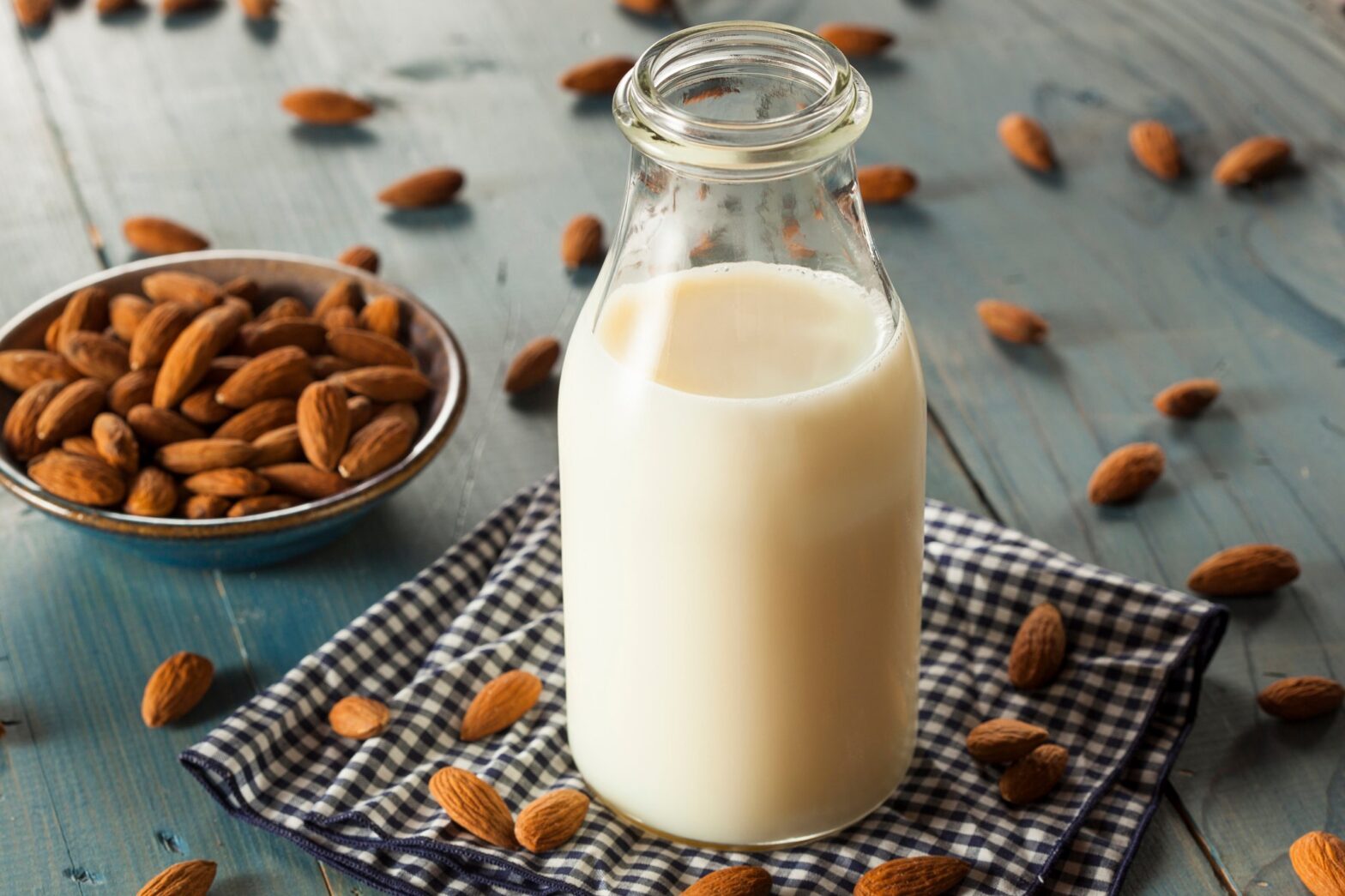
Exploring the Boom in Almond Drinks: Key Drivers and Market Potential for the Forecast Period

During the forecast period, the almond drink market is expected to register a CAGR of 5.1%, with the global market value going from USD 4,719.5 million in 2023 to USD 7,751.1 million by 2033.

Several aspects, such as a rise in health consciousness and lactose intolerance among consumers, drive the growth of the market. This is followed by the immense innovation seen in almond drinks and blends, which appeal to a wide consumer base, meaning that their availability and distribution will be seen to rise.

The growing vegan and vegetarian population provides an increased consumer base to companies and allows for an expansion of emerging markets. Companies are also seen to be experimenting with added nutrients and flavors, which are seen as beneficial by many consumers.

What are some of the Key Takeaways in the Almond Drink Market?

  • The United States market contributed 4.4% of the global market share in 2022.
  • The almond drink market in Germany added 4.9% to the global market share in 2022.
  • Japanese almond drink market accelerated the global market share by 4.9% in 2022.
  • In 2022, the Australian market augmented by 3.1% to the global market share.
  • China displayed a CAGR of 4.4% in the year 2022.
  • According to the sources of FMI, the almond drink market in India expanded at a CAGR of 13.2% in 2022.
  • The United Kingdom almond drink market accelerated at a CAGR of 2.7% in 2022.

What Does the Competitive Landscape of the Almond Drink Market Look Like?

The companies in the almond drink market generally focus on offering a wide selection of products to their consumer base and expanding their horizon beyond just almond beverages. They tend to offer vegan beverages to accompany coffee, tea or to add to other recipes. They also offer several flavors in the beverage, such as chocolate, hazelnut, cinnamon, and others.

India also has a considerable contribution to this market. Indian startup companies such as SAIN and Jus Amazin are also leading in the market and offering alternatives more suitable to the Indian palette.

  • Califia Farms

Califa Farms considers it its mission to create a future where plants replace dairy completely. They have a line of plant-based milk. They are known for their almond milk, but it also comes in variations and flavors. They also have creamers, coffee, barista blends, and milk in seasonal flavors. They are a sustainable company and believe it is necessary to follow sustainable practices in their production.


  • Malk Organics

Malk Organics makes dairy-free products with the best materials possible. They do not use anything artificial and are certified organic. They have flavored, unflavoured, sweetened, and unsweetened milk that can be used in lattes, cocoa, milkshakes, smoothies, and baking. Their bestsellers are their almond and oat milk.


  • Natura Foods

Natura Foods offers almond beverages enriched with Vitamin D. It has no cholesterol, no lactose, or trans fat and helps in satisfying non-dairy ways to help consumers stay healthy, happy, and strong. They also offer milk in different flavors and from different sources, such as oat, almond, soy, and many others.

Other Key Players Benchmarking the Almond Drink Market

  • Hain Celestial Group
  • The Luz Almond Company Pty Ltd
  • Nutriops
  • Hiland Dairy Foods
  • Califia Farms
  • Daiya Foods Inc.
  • Pacific Foods of Oregon LLC
  • Alpro
  • Provamel
  • Malk Organics
  • Dream
  • Earth’s Own Food Company Inc.
  • Natura Foods
  • Rude Health
  • Blue Diamond Growers

Get Strategic Guidance from Our Analyst Contact us on: +1-347-918-3531

Key Segments of the Almond Drink Market

By Form:

  • Sweetened
  • Unsweetened
  • Flavored
    • Chocolate
    • Vanilla

By Application:

  • Food & Beverages
  • Cosmetics

By Distribution Channel:

  • Hypermarkets/Supermarkets
  • Department & Grocery Stores
  • Online Retailers
  • Others

By Region:

  • North America
  • Latin America
  • Asia Pacific
  • Middle East and Africa
  • Europe

About Future Market Insights (FMI)

Future Market Insights, Inc. (ESOMAR certified, recipient of the Stevie Award, and a member of the Greater New York Chamber of Commerce) offers profound insights into the driving factors that are boosting demand in the market. FMI stands as the leading global provider of market intelligence, advisory services, consulting, and events for the Packaging, Food and Beverage, Consumer Technology, Healthcare, Industrial, and Chemicals markets. With a vast team of over 400 analysts worldwide, FMI provides global, regional, and local expertise on diverse domains and industry trends across more than 110 countries.

Contact Us:

Future Market Insights Inc.
Christiana Corporate, 200 Continental Drive,
Suite 401, Newark, Delaware – 19713, USA
T: +1-845-579-5705
For Sales Enquiries: sales@futuremarketinsights.com
Website: https://www.futuremarketinsights.com
LinkedInTwitterBlogs | YouTube

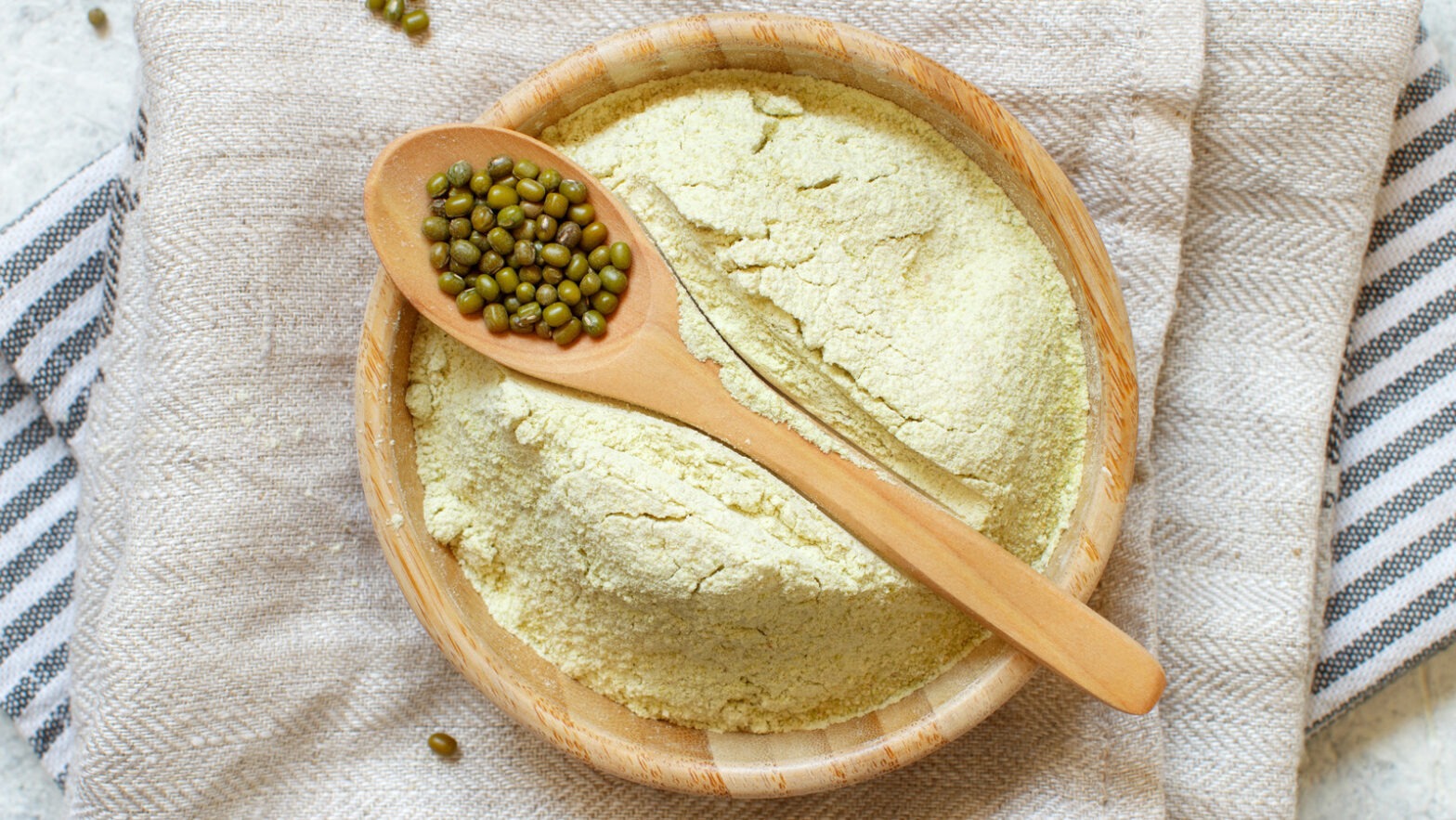
The Rise of Bean Flour: Market Expected to Grow to USD 5,209.5 Million by 2033 with a 6.4% CAGR

The bean flour market is expected to grow from USD 2788.7 million in 2023 to USD 5209.5 million by 2033, with a CAGR of 6.4% from 2023 to 2033.

The bean flour market is undergoing a significant transformation driven by increasing demand for plant-based and healthier alternatives. With its rich nutritional profile and sustainability benefits, bean flour has captured the attention of health-conscious consumers and culinary professionals alike. Its versatility makes it an attractive choice for incorporating plant-based ingredients into various products while maintaining desirable taste and texture.

Manufacturers are increasingly innovating to meet diverse customer preferences and tastes. Bean flour, known for its versatility, is being incorporated into a wide range of products, from traditional and modern baked goods to snacks, pasta, sauces, and more. Its ability to enhance nutritional value and adaptability makes it a highly desirable ingredient in the evolving food industry.

Market Opportunities

Opportunities for development and expansion in the bean flour sector are many. One significant potential is to meet the growing demand for healthier and plant-based substitutes. Interest in introducing wholesome, sustainable products into meals is rising as people become more environmentally concerned and health conscious.

Manufacturers may take advantage of this potential by creating a wide variety of bean flour products that not only have health advantages but are adaptable for use in a variety of culinary applications. Market competitors may draw in health-conscious customers searching for nourishing and plant-based solutions by highlighting the advantages of bean flour, such as its high protein and fiber content.

Key Takeaways

  • The bean flour sector expanded at a CAGR of 6.4% from 2023 to 2033.
  • By 2033, the bean flour market is projected to expand to a value of US $5,033.4 million.
  • In 2022, the United States dominated the bean flour market with a share of 22.4%.
  • In 2022, Germany expanded significantly in the bean flour market business, with a share of 8.9%.
  • Japan emerged as a dominant player in the bean flour market in 2022, securing a substantial 2.1% market share.

Competitors Winning Strategies

Competitors in the bean flour industry might use successful tactics to obtain an advantage. They may broaden their distribution networks to reach a larger customer base, produce novel bean flour flavors and blends, and create specialized bean flour products to meet the needs of dietary restrictions and health-conscious consumers. Conscious consumers might be attracted by highlighting sustainability and ethical sourcing techniques.

Effective techniques include using cultural links, investing in marketing and branding, and consistently creating new items and packaging. Additionally, spending money on research and development to investigate fresh uses for bean flour promotes consistent growth and client loyalty in this competitive sector.

Key Trends

  • The increasing popularity of bean-based foods, such as tofu, tempeh, and edamame, is driving the demand for bean flour.
  • The growing trend of “clean eating” is also contributing to the growth of the bean flour market. Consumers are looking for healthier alternatives to traditional wheat flour, and bean flour is a good option because it is high in protein, fiber, and other nutrients.
  • The increasing availability of bean flour in supermarkets and online retailers is making it more convenient for consumers to purchase.
  • The development of new and innovative bean flour products, such as bean flour tortillas and bean flour bread, is also contributing to the growth of the market.

What key players are doing in Bean Flour Market?

  • Nikken Foods: The company is investing in research and development to develop new and innovative bean flour products.
  • Xi’an Sost Biological Science & Technology Co., Ltd.: The company is expanding its production capacity to meet the growing demand for bean flour products.
  • Eden Foods: The company is committed to using sustainable farming practices and is certified organic by the USDA.
  • Bob’s Red Mill Natural Foods: The company is committed to using high-quality ingredients and is certified gluten-free by the GFCO.
  • Golden Temple Foods: The company is committed to using traditional Indian methods of processing bean flour.
  • SunOpta: The company is expanding its production capacity to meet the growing demand for bean flour products.
  • Archer Daniels Midland Company (ADM): The company is investing in research and development to develop new and innovative bean flour products.
  • The Hain Celestial Group: The company is committed to using sustainable farming practices and is certified organic by the USDA.
  • General Mills: The company is investing in research and development to develop new and innovative bean flour products.

Tap into Expertise: Discuss with Our Analyst on Email: sales@futuremarketinsights.com

Key Segments Profiled In the Global Bean Flour Market Report

By Product Type:

  • Black
  • White

By Nature:

  • Conventional
  • Organic

By Region:

  • North America
  • Latin America
  • Europe
  • East Asia
  • South Asia
  • Oceania
  • Middle East & Africa

About Future Market Insights (FMI)

Future Market Insights, Inc. (ESOMAR certified, recipient of the Stevie Award, and a member of the Greater New York Chamber of Commerce) offers profound insights into the driving factors that are boosting demand in the market. FMI stands as the leading global provider of market intelligence, advisory services, consulting, and events for the Packaging, Food and Beverage, Consumer Technology, Healthcare, Industrial, and Chemicals markets. With a vast team of over 400 analysts worldwide, FMI provides global, regional, and local expertise on diverse domains and industry trends across more than 110 countries.

Contact Us:

Future Market Insights Inc.
Christiana Corporate, 200 Continental Drive,
Suite 401, Newark, Delaware – 19713, USA
T: +1-845-579-5705
For Sales Enquiries: sales@futuremarketinsights.com
Website: https://www.futuremarketinsights.com
LinkedInTwitterBlogs | YouTube

Confectionery Ingredients Market Set for Steady Growth: Projected to Reach USD 1,35,319.3 Million by 2033

The Global Confectionery Ingredients Market is expected to grow at a steady CAGR of 4.6% over the forecast period. Valued at approximately USD 86,607.0 million in 2023, the market is projected to reach around USD 1,35,319.3 million by 2033.

Rising demand for baked goods and confectioneries among youth and millennials is projected to accelerate the growth of the confectionery ingredients market. Additionally, advancements in printing and labeling technologies within this market allow producers to integrate personalized features into their packaging.

The increasing appetite for baked goods and confectioneries among youth and millennials is likely to drive growth in the confectionery ingredients market. Additionally, the market provides sophisticated printing and labeling technologies that allow producers to add personalized elements to their packaging.

As demand for savory flavors such as chocolate, strawberry, and vanilla increases, the confectionery ingredients market has become a significant player in the global market. The appeal of various flavors and textures, along with the expansion into premium and specialty bakery goods, reflects consumer preferences for higher-quality and ethically sourced ingredients. Additionally, the inclusion of ingredients like nuts, seeds, and dried fruits in confectioneries helps attract consumers and drive sales.

The growing consumer preference for sugar-free options is expected to drive demand for healthier confectionery ingredients. Emulsifiers and stabilizers, commonly used in chocolates, candies, and other confectioneries, help extend shelf life and ensure product stability.

The dietary preferences of consumers align with the growing population of veganism and awareness about health concerns, and this also syncs with the demand for sugar-free alternatives of confectionery products leading to a rise in the revenue of the confectionery ingredients.

Key Takeaways from Confectionery Ingredients Market

  • The confectionery ingredients market value reached US$ 83,276 million in 2022, with a CAGR of 2.3% from 2018 to 2022.
  • The market in the United States accounted for a 13.3% share in 2022 on a global level.
  • The United Kingdom’s confectionery ingredients industry is projected to advance at 2.6% CAGR from 2023 to 2033. The United Kingdom confectionery ingredients industry is projected to advance at 2.6% CAGR from 2023 to 2033.
  • The market for confectionery ingredients in Japan accounted for 7.6% of the market share in 2022.
  • India market for confectionery ingredients market is predicted to progress steadily with a CAGR of 18.8% during the projected period.

Competitive Landscape

Key players in the confectionery ingredients market strongly focus on profit generation from their existing product portfolios while exploring potential new applications from emerging economies. The players emphasize enhancing their confectionery ingredients production capacities to cater to the demand from numerous end-use industries. numerous end-use industries.

Cargill, Incorporated, Olam International, Barry Callebaut, Archer Daniels Midland Company, Ingredion Incorporated, Concord Foods Inc., Tate & Lyle PLC, AarhusKarlshamn, DuPont.

The Asia Pacific market is anticipated to grow fastest due to its rapidly growing population and impulsive demand over the projected period. Due to the popularity of confectionery flavors among the country’s young demographics, India is expected to grow faster than China.

Recent Developments

  • In June 2023, ADM, a global player in human and animal welfare and nutrition, announced the unveiling of its new customer creation and innovation center in the United Kingdom to develop and improve food innovation capabilities.
  • Kerry Inc. launched Biobake EgR, an enzyme solution that reduces the number of eggs needed in baking applications and methods, in June 2023.

Get Strategic Guidance from Our Analyst Contact us on: +1-347-918-3531

Key Segments

By Types:

  • Citrate
  • Cocoa & Chocolate
  • Malt
  • Confectionery Starches & Derivatives
  • Confectionery Sweeteners

By Form:

  • Liquid
  • Dry

By Source:

  • Natural
  • Synthetic

By Region:

  • North America
  • Latin America
  • Asia Pacific
  • Middle East and Africa
  • Europe

About Future Market Insights (FMI)

Future Market Insights, Inc. (ESOMAR certified, recipient of the Stevie Award, and a member of the Greater New York Chamber of Commerce) offers profound insights into the driving factors that are boosting demand in the market. FMI stands as the leading global provider of market intelligence, advisory services, consulting, and events for the Packaging, Food and Beverage, Consumer Technology, Healthcare, Industrial, and Chemicals markets. With a vast team of over 400 analysts worldwide, FMI provides global, regional, and local expertise on diverse domains and industry trends across more than 110 countries.

Contact Us:

Future Market Insights Inc.
Christiana Corporate, 200 Continental Drive,
Suite 401, Newark, Delaware – 19713, USA
T: +1-845-579-5705
For Sales Enquiries: sales@futuremarketinsights.com
Website: https://www.futuremarketinsights.com
LinkedInTwitterBlogs | YouTube

Surging Demand for Melaleuca Alternifolia: Market Expected to Reach USD 98 Million by 2032

The melaleuca alternifolia market is expected to grow at a CAGR of 7.4% through 2032, reaching a valuation of USD 48 million in 2022 and expanding to USD 98 million by 2032.

Melaleuca alternifolia is extensively used in cosmetics and personal care products because of its natural and antiseptic properties. The increasing demand for this oil is driven by its purity and high quality, prompting personal care and cosmetic manufacturers to incorporate it as a natural and herbal ingredient in their formulations.

Tree oil is increasingly sought after in the healthcare industry due to its use in medical treatments. The rising demand for melaleuca alternifolia is primarily driven by its natural antiseptic properties, which are highly valued by global healthcare manufacturers. The majority of global production is concentrated in the Asia Pacific region, particularly in Australia and New Zealand.

The rising demand for herbal, natural, and organic cosmetic and personal care products is a major factor driving the need for melaleuca alternifolia in the market. Sourced naturally from Manuka and Kanuka tea trees, melaleuca alternifolia is increasingly incorporated into a variety of products, including skincare, haircare, shampoos, perfumes, soaps, and more, due to its organic and natural qualities.

As income levels rise, urban populations expand, and consumers increasingly prioritize health care, manufacturers are being compelled to focus more on the quality of raw materials and ingredients in their products.

In addition, the healthcare industry is seeing a growing demand for melaleuca alternifolia, which is extensively used in treatments for skin ailments, colds, dental care, fungal infections, and other medicinal purposes. The rising demand is largely driven by its antiseptic, antibacterial, and antifungal properties, making it highly sought after in both personal care and healthcare sectors.

Competitive landscape

To enhance their market share and profitability in the melaleuca alternifolia sector, leading players are employing strategies such as acquisitions, partnerships, mergers, and geographical expansion. The global melaleuca alternifolia market is segmented by application, end user, grade, and region

Recent Development:

  • Young Living Essential Oils launched its offerings and solutions in the Philippines, a Southeast Asian market, in November 2018.
  • Maria River Plantation, a market leader, has a production capacity of 70,000 kgs to 100,000 kgs per year.
  • The former bush property had naturally growing Melaleuca alternifolia, which was nurtured into the 14 million specially selected trees that now grow on the plantation.
  • Our 360-acre farm is located in Whitianga, on the Coromandel Peninsula in New Zealand’s North Island. We have been registered with BioGro New Zealand as a leading Organic producer for over 25 years.
  • TP Health and its associated brands, Thursday Plantation and Greenridge, have been acquired. Integria Healthcare has acquired Eagle.
  • Integria Healthcare purchased Mediherb and its associated brands MH Enhance and Phytomedicine.

Key Players

  • Natures Remedies
  • New Zealand Coromandel Mountains Melaleuca Alternifolia Company Ltd.
  • Aos Products Pvt. Ltd.
  • Young Living Essential Oils
  • Oribi Oils (Pty) Ltd.
  • Naturally Australian Melaleuca Alternifolia Pty Ltd.
  • Xi’an Natural Field Bio-Technique Co., Ltd.
  • Now Foods
  • Jenbrook Pty Ltd.

Tap into Expertise: Discuss with Our Analyst on Email: sales@futuremarketinsights.com

Melaleuca Alternifolia Market Segmentation

By Application:

  • Cosmetics
  • Personal Care
  • Healthcare
  • Others (Food)

By End Users:

  • Commercial Use
  • Household Use

By Distribution Channel:

  • Supermarket/Hypermarket
  • Wholesaler/Distributor
  • Departmental Stores
  • Online Retailers

By Region:

  • North America
  • Latin America
  • Asia Pacific
  • Europe
  • Middle East and Africa

About Future Market Insights (FMI)

Future Market Insights, Inc. (ESOMAR certified, recipient of the Stevie Award, and a member of the Greater New York Chamber of Commerce) offers profound insights into the driving factors that are boosting demand in the market. FMI stands as the leading global provider of market intelligence, advisory services, consulting, and events for the Packaging, Food and Beverage, Consumer Technology, Healthcare, Industrial, and Chemicals markets. With a vast team of over 400 analysts worldwide, FMI provides global, regional, and local expertise on diverse domains and industry trends across more than 110 countries.

Contact Us:

Future Market Insights Inc.
Christiana Corporate, 200 Continental Drive,
Suite 401, Newark, Delaware – 19713, USA
T: +1-845-579-5705
For Sales Enquiries: sales@futuremarketinsights.com
Website: https://www.futuremarketinsights.com
LinkedInTwitterBlogs | YouTube