USA and Canada Copper Market Growth Driven by Construction Boom and Electronics Demand, Offering Superior Conductivity and Recyclability

According to the study on the USA and Canada copper industry share, Future Market Insights (FMI) opines demand for copper is expected to reach USD 32,773.0 million by 2032. Sales of copper in both countries are expected to surge at a CAGR of 5.1% from 2022 to 2032.

Demand for copper from energy transition end markets is expected to surge at a robust pace due to ‘Net-Zero’ emission policies by 2050. Demand from non-energy markets such as electrical & electronics, building & construction, and data processing is also anticipated to expand during the projected period.

Copper is a widely used commercial metal that is extensively adopted all over the world due to its mechanical and structural properties. It also has excellent thermal and electrical conductivity. Copper can resist corrosion owing to its high malleability and ductility, making it easy to shape and manufacture.

Building and construction are set to be one of the most prominent industries for copper, followed by electrical and electronic products. High demand for electronic appliances is expected to boost demand for copper.

As the population and per capita income have increased across Canada and the USA, so has the demand for electronic devices such as laptops, phones, and tablets. In electronics, printed circuit boards are used to connect several components, transfer electrical signals, and maintain the circuit. The market for printed circuit boards has expanded rapidly as a result of increased demand for electrical equipment, resulting in the establishment of the copper industry.

To Gain More Insights about this Research, Visit!

Key Takeaways from the USA and Canada Copper Market Study

  • The USA and Canada copper market is estimated to witness a CAGR of 1% on a value basis between 2022 and 2032.
  • Central Canada is expected to hold around 3% of the copper market share during the assessment period.
  • The building and construction segment by end-use industry is expected to witness a CAGR of 2% in the USA and Canada copper market during the projected period.
  • The West USA copper market is set to witness a CAGR of 6% during the forecast period.
  • During the historical period from 2014 to 2021, the USA and Canada copper market exhibited a CAGR of 7%.

“Increasing demand for electric vehicles in the USA and Canada is estimated to drive copper demand in the next ten years. Copper is set to be extensively used in batteries and wirings of electric vehicles owing to their excellent electrical and thermal conductivity,” says a lead analyst at Future Market Insights.

Competitive Landscape: USA and Canada Copper Market

The market for copper in the USA and Canada is estimated to be highly consolidated, where key players are expected to account for a prominent share. A few of the top manufacturers including

  • Electric Materials Company
  • Madison Metals Limited
  • Mitsubishi Materials Corporation
  • Mehta Tubes Ltd
  • Krishna Engineering Industries
  • Anglo American plc
  • Concast Metal Product Co.
  • Saru Copper Alloy Semis Pvt. Ltd
  • KME Germany GmbH
  • Bright Metals Pvt Ltd
  • Glencore plc
  • Sipi Metals Corp.
  • Belmont Metals Inc.
  • Mueller Industries, Inc.
  • Finkelstein Metals USA

Key players are aiming to broaden their manufacturing capacities to improve their presence all over the globe. They are also striving to gain impetus over their rivals. Few leading companies are focusing on investing huge sums in copper production owing to significantly increasing demand from the building, construction, and electronics industries. The focus of several leading players is on improvised production techniques to get a high yield of pure copper to get maximum benefits.

Get More Insights into the USA and Canada Copper Market Report

In its latest report, Future Market Insights offers an unbiased analysis of the USA and Canada copper market, providing historical data from 2017 to 2021 and forecast statistics for the period 2022 to 2032.

To understand the USA and Canada market potential, growth, and scope, the market is segmented based on end-use industry (building & construction, electrical & electronics products, transportation, consumer & general products, industrial machinery & equipment) & country.

USA and Canada Copper Market Outlook by Category

By End-use Industry:

  • Building and Construction
  • Electrical and Electronic Products
  • Transportation
  • Consumer and General Products
  • Industrial Machinery and Equipment

By Country:

  • The USA
  • Canada

Read More Insights: USA and Canada Copper Market to Witness a Buoyant Future as Need for Highly Ductile Metals Burgeons among Electric Vehicle Companies – Future Market Insights, Inc.

About Future Market Insights (FMI)

Future Market Insights, Inc. (ESOMAR certified, recipient of the Stevie Award, and a member of the Greater New York Chamber of Commerce) offers profound insights into the driving factors that are boosting demand in the market. FMI stands as the leading global provider of market intelligence, advisory services, consulting, and events for the Packaging, Food and Beverage, Consumer Technology, Healthcare, Industrial, and Chemicals markets. With a vast team of over 400 analysts worldwide, FMI provides global, regional, and local expertise on diverse domains and industry trends across more than 110 countries.

Contact Us:       

Future Market Insights Inc.
Christiana Corporate, 200 Continental Drive,
Suite 401, Newark, Delaware – 19713, USA
T: +1-845-579-5705
For Sales Enquiries: sales@futuremarketinsights.com
Website: https://www.futuremarketinsights.com
LinkedInTwitterBlogs | YouTube

Industrial Insulation Market Soars as Energy-Efficiency Regulations Drive Demand, with Asia-Pacific Leading Growth

As per the reports published by FMI, the global industrial insulation industry size is projected to have an average-paced CAGR of 5% during the forecast period. The current valuation of the market is USD 8,420.2 million in 2024. The market value of the industrial insulation market is anticipated to surpass a valuation of USD 13,731.1 million by the year 2034. A historical market valuation of USD 8,088.6 million has been recorded by the experts of Future Market Insights for the concerned market during the base year.

FMI has analyzed that growing industrialization and urbanization have resulted in a surge of construction and industrial activities in many regions across the world. Insulation materials have high usage across these sectors and therefore the demand for industrial insulation is estimated to rise at a rapid pace.

Since these insulators guard the equipment in extremely high and low temperatures, and reduce the risk of accidents, along with preventing moisture condensation. These aspects are estimated to bolster the growth of the market in the forthcoming years. The growing consumer awareness and robust economic growth are anticipated to bring extensive growth opportunities to the industrial insulation market.

To maintain a safe work environment, industries across the globe are highly implementing insulation systems. However, certain aspects are estimated to impede the growth of the market. As per the analysis of FMI, the installation charges involved with industrial insulation systems are very high, and a lot of regulatory approvals are required before installations. Environmental sustainability concerns are estimated to act as a major restraint in the progression of the industrial insulation market.

“Rise of the petrochemical, oil & gas industries across the developing economies are estimated to create lucrative growth opportunities for the industrial insulation manufacturers.” – Says an FMI Analyst

To Gain More Insights about this Research, Visit!

Key Takeaways from the Industrial Insulation Market

  • The industrial insulation market is estimated to register an average-paced CAGR of 5% through the forecast period.
  • The Petrochemicals and Refineries segment by product type category is estimated to hold considerable shares in the upcoming years. The segment accounted for 30.3% of revenue shares in 2024.
  • The CMS Fiber segment is anticipated to progress at a CAGR of 3.9% during the period 2022-2032.
  • The North American region is expected to dominate the global industrial insulation market with the US as the dominating country, demand in the United States is set to rise at 2.8% CAGR in 2034.

Competitive Landscape in the Industrial Insulation Market

This statistical study conducted by Future Market Insights of the concerned insulation market encompasses successful business strategies deployed by the key vendors for biometric-as-a-security. The industrial insulation market is fragmented and the key players are deploying organic and inorganic growth strategies to compete in the market.

The biggies are heavily investing in research and development activities to make technological advances while manufacturing insulation systems for better services to the end-use industries.

Recent Developments

  • In March 2021, Cabot Corporation launched its ENERMAXTM 6 carbon nanotube (CNT) new series. These nanotubes are the company’s latest addition to its portfolio of high-performance CNTs. It has a high aspect ratio, becoming the most conductive multi-walled product
  • Since July 2021, Rockwool Manufacturing has commenced commercial production of stone wool insulation products. The state-of-the-art facility manufactures ROCKWOOL’s residential, commercial, and industrial stone wool insulation and is the first post-pandemic expansion in stone wool insulation manufacturing capacity in North America.
  • In June 2019, Knauf Insulation, a manufacturer of industrial insulation in the U.S. and Europe successfully completed its extension of the Rock Mineral production facility in Western Europe. The company has reposted that the new production capacity is of more than 110 kilotons.
  • In October 2018, Saint Gobain, a France-based manufacturer of high-performance construction materials, successfully acquired Kaimann, a European producer of elastomeric insulation materials. The organization thus hopes to fortify its position in the industrial insulation market in Europe.

Some of the key players proliferating in the market are

  1. Rockwool Insulation A/S
  2. Poroc Group Oy
  3. Knauf Insulation
  4. TechnoNICOL Corporation
  5. Anco Products, Inc.

Key Segments in the Industrial Insulation Market

By Material:

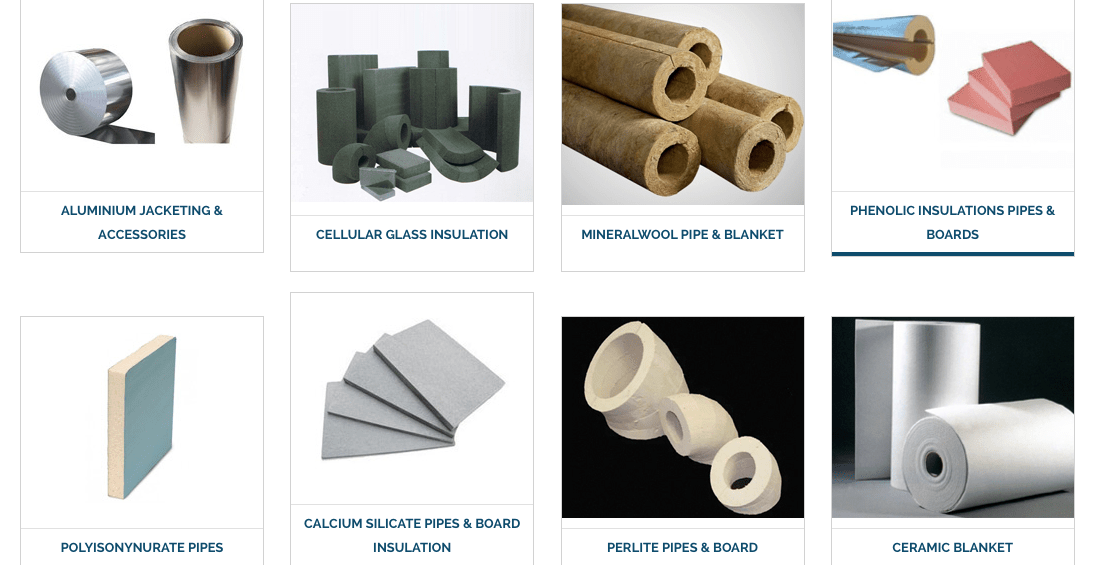
  • Stone Wool
  • Glass Wool
  • CMS Fibers
  • Calcium Silicate
  • Cellular Glass
  • Foamed Plastic
  • Others

By Product:

  • Pipe
  • Board
  • Blanket
  • Others

By Application:

  • Power Generation
  • Petrochemical & Refineries
  • EIP Industries
  • LNG/LPG
  • Others

By Region:

  • North America
  • Latin America
  • Asia Pacific
  • MEA
  • Europe
About Future Market Insights (FMI)

Future Market Insights, Inc. (ESOMAR certified, recipient of the Stevie Award, and a member of the Greater New York Chamber of Commerce) offers profound insights into the driving factors that are boosting demand in the market. FMI stands as the leading global provider of market intelligence, advisory services, consulting, and events for the Packaging, Food and Beverage, Consumer Technology, Healthcare, Industrial, and Chemicals markets. With a vast team of over 400 analysts worldwide, FMI provides global, regional, and local expertise on diverse domains and industry trends across more than 110 countries.

Contact Us:       

Future Market Insights Inc.

Christiana Corporate, 200 Continental Drive,
Suite 401, Newark, Delaware – 19713, USA
T: +1-845-579-5705
For Sales Enquiries: sales@futuremarketinsights.com
Website: https://www.futuremarketinsights.com
LinkedInTwitterBlogs | YouTube

Conductive Ink Printer Market Set for Steady Growth, Projected to Reach USD 17,603.4 Million by 2034, Fueled by Wearable Electronics and AI Integration

Conductive Ink Printer Market

Future Market Insights (FMI) has released an updated report indicating substantial growth in the global conductive ink printer market, with the market size projected to increase from USD 14,022.6 million in 2024 to USD 17,603.4 million by 2034. The market is set to grow at a CAGR of 2.30% from 2024 to 2034, reflecting advancements in wearable electronics, integration of artificial intelligence (AI), and expanding applications in biomedical sectors.

Market Dynamics and Growth Drivers

  1. Wearable and Flexible Electronics: The demand for conductive ink printers is propelled by the surge in wearable and flexible electronics. These printers enable the fabrication of electronic circuits on flexible substrates like textiles and plastics, facilitating the production of bendable displays, rollable electronics, and smart clothing with embedded sensors. As consumer preference shifts towards portable and adaptable electronics, the market for conductive ink printers is poised for significant growth.
  2. Artificial Intelligence (AI) Integration: AI is enhancing manufacturing capabilities in various industries, including conductive ink printing. AI algorithms embedded in printers optimize printing parameters, detect defects, and enable predictive maintenance, thereby improving efficiency and reducing downtime. Manufacturers are increasingly incorporating AI-driven features in conductive ink printers to enhance productivity and quality control.
  3. Biomedical Applications: Conductive ink printers are finding extensive applications in the biomedical sector for fabricating bioelectronic devices and sensors. These printers enable precise deposition of biocompatible materials, facilitating advancements in personalized medicine, regenerative therapies, and biomedical research.

Market Innovations

  1. Energy Harvesting and Storage Devices: Conductive ink printers are utilized in manufacturing components for energy harvesting and storage devices such as solar cells, supercapacitors, and thermoelectric generators. The energy sector’s demand for lightweight and portable solutions is driving the adoption of conductive ink printing technologies.
  2. Integration with 3D Printing: Manufacturers are exploring integration of conductive ink printers with 3D printing technologies to produce smart objects and functional prototypes embedded with circuits and sensors. This trend is fostering innovation across industries including signage, packaging, and electronics.
  3. Smart Packaging Solutions: The demand for smart packaging solutions in sectors like food & beverage, consumer goods, and pharmaceuticals is increasing. Conductive ink printers enable the production of packaging with integrated sensors for real-time monitoring, enhancing product safety and transparency.

Market Trends Analysis:

  1. Energy Harvesting and Storage: Conductive ink printers are utilized in fabricating components for energy harvesting and storage devices, meeting the energy sector’s demand for lightweight and portable solutions.
  2. Integration in 3D Printing: Manufacturers explore integrating conductive ink printers in 3D-printed objects, leading to the development of smart objects and functional prototypes with embedded circuits and sensors.
  3. Hybrid Printing Technologies: Hybrid printing technologies gain popularity in signage, packaging, and electronics industries, offering versatile solutions for various applications.
  4. Smart Packaging Solutions: The demand for smart packaging solutions rises in food & beverage, consumer goods, and pharmaceutical industries, driven by transparency requirements and consumer preferences.
  5. On-demand Manufacturing: Advanced manufacturing technologies like conductive ink printing gain traction in on-demand manufacturing, meeting the need for flexible and customizable production solutions.

Key Players:

  1. DuPont
  2. Henkel AG & Co. KGaA
  3. NovaCentrix
  4. DIC Corporation
  5. Mitsubishi Chemical Corporation
  6. Agfa-Gevaert Group
  7. Creative Materials Inc.
  8. Sun Chemical Corporation
  9. InkTec Corporation
  10. Xerox Corporation
  11. Parker Hannifin Corporation

Key Coverage

  • Adjacent Study on the Conductive Inks Market, Non-conductive Ink Market, and Printed Electronics Conductive Inks Market
  • How Commercialization Drives Growth in the Conductive Inks and Pastes Market?
  • Why is the Conductive Ink Market Changing So Fast?
  • Revenue Analysis of the Conductive Ink Printer Market in India

Access Full Report: https://www.futuremarketinsights.com/reports/conductive-ink-printer-market

Market Segmentation

By Type:

  • Continuous Inkjet
  • Drop-on-demand Inkjet

By Ink Type:

  • Metal Nanoparticle Inks
  • Particulate Inks

By Application:

  • Flexible Electronics
  • Printing
  • Packaging

By Region:

  • North America
  • Latin America
  • Western Europe
  • Eastern Europe
  • Asia Pacific (APAC)
  • Middle East & Africa (MEA)
  • Japan

About Future Market Insights (FMI)

Future Market Insights, Inc. (ESOMAR certified, recipient of the Stevie Award, and a member of the Greater New York Chamber of Commerce) offers profound insights into the driving factors that are boosting demand in the market. FMI stands as the leading global provider of market intelligence, advisory services, consulting, and events for the Packaging, Food and Beverage, Consumer, Technology, Healthcare, Industrial, and Chemicals markets. With a vast team of over 400 analysts worldwide, FMI provides global, regional, and local expertise on diverse domains and industry trends across more than 110 countries.

Contact Us:       

Future Market Insights Inc.
Christiana Corporate, 200 Continental Drive,
Suite 401, Newark, Delaware – 19713, USA
T: +1-845-579-5705
For Sales Enquiries: sales@futuremarketinsights.com
Website: https://www.futuremarketinsights.com
LinkedInTwitterBlogs | YouTube

Global Stationary Battery Storage Market Set to Reach USD 1,571.48 Billion by 2034 with a 29.0% CAGR

The global stationary battery storage market size is projected to reach USD 123.14 billion in 2024. The sales of stationary battery storage are expected to witness a robust CAGR of 29.0% from 2024 to 2034. The demand for stationary battery storage is anticipated to reach a valuation of USD 1,571.48 billion by 2034.

The stationary energy storage market is expected to increase significantly due to the growing need for dependable energy storage solutions. The market growth of stationary battery storage is predicted to be fueled by factors such as the increasing use of renewable energy sources, grid modernization initiatives, and the increased emphasis on energy efficiency.

The economic potential and adoption of stationary battery storage systems are increasing across several industries, including commercial, industrial, and residential, due to advancements in battery technology and falling costs. The stationary battery storage industry gains momentum due to government regulations that support renewable energy and carbon emission reduction programs.

Browse Full Report Here

Issues like regulatory uncertainty and worries about battery safety and recycling must be resolved for the stationary battery storage market to flourish. The market is anticipated to thrive rapidly, providing opportunities for stationary battery storage producers.

“With the increasing need for dependable energy storage solutions, the demand for stationary battery storage keeps advancing. Technological advancements, expanding initiatives to integrate renewable energy, and grid modernization present significant opportunities for the expansion of the market.”, Says an Analyst at Future Market Insights, Inc.

Regional Outlook

Due to its ambitious renewable energy objectives, rapid industrialization, and ambitious renewable energy objectives, China leads the Asia Pacific stationary energy storage market. Growing energy storage and grid stability demand in nations like Australia and Japan propels the Asia Pacific stationary battery storage market.

The widespread adoption of renewable energy sources and electric vehicles is fueling a notable increase in fixed battery storage installations in North America. The United States leads the North American stationary battery storage market due largely to state-level renewable energy regulations and energy storage deployment incentives. Owing to strict environmental laws and aggressive renewable energy targets, Europe has become a significant stationary energy storage market. The expansion is stimulated by supportive regulations, such as subsidies and incentives, that encourage the use of energy storage.

Key Takeaways 

  • The lithium-ion segment in the battery type category to grab a share of 90.5% from 2024 to 2034.
  • In the energy capacity category, the 251kWh to 1MWh segment to acquire a market share of 30.6% between 2024 and 2034.
  • The sales of stationary battery storage in the United States are anticipated to surge at a CAGR of 32.4% by 2024.
  • Germany stationary energy storage market is likely to evolve at a CAGR of 28.8% through 2024.
  • China stationary energy storage market is expected to soar at a CAGR of 33.4% until 2034.
  • India stationary battery storage industry is anticipated to boost at a CAGR of 30.35% by 2024.
  • Australia stationary energy storage market is envisioned to develop at a CAGR of 21.2% by 2024.

Competitive Landscape

Many prominent stationary energy storage manufacturers fight for dominance in the fiercely competitive market. The stationary energy storage vendors are strengthening their positions by concentrating on technology improvements, regional expansion, and strategic alliances. Leading stationary energy storage providers are actively involved in research and development to offer novel solutions and obtain a competitive edge in this fast-paced and shifting market.

Pivotal Stationary Battery Storage Manufacturers

  •  Tesla
  • Durapower Group
  • Johnson Controls
  • Exide Technologies
  • Duracell, Inc
  • BYD Company Ltd
  • Toshiba Corporation
  • Samsung SDI Co., Ltd
  • Panasonic Corporation
  • GS Yuasa International Ltd
  • A123 Systems, LLC
  • LG Chem Ltd.
  • Furukawa Battery Co., Ltd.
  • HydraRedox
  • Narada Power Source Co. Ltd
  • Siemens

Recent Developments

  • BYD Company Ltd. declared in May 2022 that it intended to acquire six lithium-ion mines in Africa to improve its standing in the lithium-ion technology industry and provide the corporation with a significant global footprint in the stationary lithium-ion battery storage market.
  • Tesla installed 1,274MWh of storage and 85MW of solar in 2021. Large-scale battery storage initiatives accounted for an extensive growth in storage installations, while household storage deployments also rose annually.

Stationary Battery Storage Industry Segmentation

By Battery Type:

  • Lithium-Ion
    • Lithium Iron Phosphate
    • Nickel Manganese Cobalt
  • Sodium Sulphur
  • Lead Acid
  • Flow Battery
  • Other Batteries

By Energy Capacity:

  • Up to 250Kwh
  • 251kWh to 1MWh
  • 1.1MWh to 10MWh
  • 10.1 MWh to 20 MWh

By Application:

  • Grid Services
    • Frequency Regulation
    • Flexible Ramping
    • Black Start Services
    • Energy Shifting and Capacity Deferral
    • T&D Congestion Relief
    • Capacity Firming
    • Reduced RE Curtailment
    • Reduced Reliance on Diesel Gensets
  • Behind the Meter
    • Electricity Consumers
    • System Operation
    • Mini-Grids
  • Off Grid

By Region:

  • North America
  • Latin America
  • Europe
  • Asia Pacific
  • The Middle East and Africa

About Future Market Insights (FMI)

Future Market Insights, Inc. (ESOMAR certified, recipient of the Stevie Award, and a member of the Greater New York Chamber of Commerce) offers profound insights into the driving factors that are boosting demand in the market. FMI stands as the leading global provider of market intelligence, advisory services, consulting, and events for the Packaging, Food and Beverage, Consumer Technology, Healthcare, Industrial, and Chemicals markets. With a vast team of ~400 analysts worldwide, FMI provides global, regional, and local expertise on diverse domains and industry trends across more than 110 countries.

Contact Us:       

Future Market Insights Inc.
Christiana Corporate, 200 Continental Drive,
Suite 401, Newark, Delaware – 19713, USA
T: +1-845-579-5705
For Sales Enquiries: sales@futuremarketinsights.com
Website: https://www.futuremarketinsights.com
LinkedInTwitterBlogs | YouTube

Global Aseptic Processing Market Share Anticipated to Drive Past USD 158,571 Million by 2033, Growing at an Average 6.7% CAGR

The aseptic processing market is positioned for substantial growth, aiming to reach a noteworthy valuation of USD 158,571 million by 2033. Commencing its ascent in 2023, the market is anticipated to achieve a significant milestone, surpassing USD 83,124 million. This notable expansion is supported by a robust Compound Annual Growth Rate (CAGR) of approximately 6.7% from 2023 to 2033.

Central to this narrative of success are aseptic processing facilities, pivotal in ensuring the quality and durability of a diverse range of products. These specialized facilities serve as guardians of impeccable hygiene and product integrity, meticulously crafted to maintain environments with the highest cleanliness standards. Within these controlled environments, air quality and equipment conditions are rigorously monitored to eradicate any potential sources of microbial contamination. The term ‘aseptic’ underscores an environment completely free from harmful microorganisms, reflecting an unwavering dedication to preserving product purity and safety.

Browse Full Report Here

Global Aseptic Processing Market: Driving Forces and Growth Prospects

The global aseptic processing market is experiencing robust growth, driven by the expanding food and beverage sector’s demand for dairy products and ready-to-drink beverages worldwide.

Urbanization, increasing disposable income, and the rise of new economies are key factors contributing to the anticipated growth of the global aseptic processing market during the forecast period.

The pharmaceutical industry’s rapid growth, particularly in innovative biotechnology-based injectable pharmaceuticals, is creating opportunities for the aseptic processing hardware market. Technological advancements in sterile pharmaceutical production further boost the demand for aseptic processing equipment.

Competitive Landscape:

The aseptic processing industry is marked by strong competition among key players. In 2023, a select group of companies is expected to dominate aseptic processing sales, focusing on expanding their global customer base.

Strategic collaborations and acquisitions of aseptic processing startups are being pursued to enhance research and development capabilities and increase profits.

Key Players Profiled:

  • Schott AG
  • Robert Bosch GmbH
  • Du Pont De Nemours and Company
  • Tetra Laval International S.A
  • SPX FLOW, Inc.
  • IMA S.p.A
  • Mondi Group
  • SIG Combibloc Group AG
  • Amcor Limited
  • GEA Group
  • Elopak ASA
  • Greatview Aseptic Packaging Co.
  • JBT Corporation
  • Sealed Air Corporation

Recent Developments:

Tetra Pak partnered with worker platform provider Poka in October 2021 to empower factory workers with knowledge to accelerate waste reduction in the food production industry.

Saputo, Inc. acquired Carolina Aseptic and Carolina Dairy in September 2021 to meet the rising demand for aseptic dairy-based nutritional products.

Nestle collaborated with SIG in May 2020 to explore environmentally friendly packaging alternatives, aligning with Nestle’s commitment to reducing plastic waste. This initiative received funding from industry partners for sustainable packaging materials research.

Key Segments in the Aseptic Processing Market:

By Type:

  • Processing
  • Packaging

By Application:

  • Food & Beverages
  • Industrial

By Material:

  • Paper & Paperboard
  • Plastics
  • Metal
  • Glass

Region:

  • North America
  • Latin America
  • Asia Pacific
  • MEA (Middle East and Africa)
  • Europe

Author:

Nikhil Kaitwade (Associate Vice President at Future Market Insights, Inc.) has over a decade of experience in market research and business consulting. He has successfully delivered 1500+ client assignments, predominantly in Automotive, Chemicals, Industrial Equipment, Oil & Gas, and Service industries.

His core competency circles around developing research methodology, creating a unique analysis framework, statistical data models for pricing analysis, competition mapping, and market feasibility analysis. His expertise also extends wide and beyond analysis, advising clients on identifying growth potential in established and niche market segments, investment/divestment decisions, and market entry decision-making.

Nikhil holds an MBA degree in Marketing and IT and a Graduate in Mechanical Engineering. Nikhil has authored several publications and quoted in journals like EMS Now, EPR Magazine, and EE Times.

About Future Market Insights (FMI)

Future Market Insights, Inc. (ESOMAR certified, recipient of the Stevie Award, and a member of the Greater New York Chamber of Commerce) offers profound insights into the driving factors that are boosting demand in the market. FMI stands as the leading global provider of market intelligence, advisory services, consulting, and events for the Packaging, Food and Beverage, Consumer Technology, Healthcare, Industrial, and Chemicals markets. With a vast team of over 400 analysts worldwide, FMI provides global, regional, and local expertise on diverse domains and industry trends across more than 110 countries.

Contact Us:        

Future Market Insights Inc.
Christiana Corporate, 200 Continental Drive,
Suite 401, Newark, Delaware – 19713, USA
T: +1-845-579-5705
For Sales Enquiries: 
sales@futuremarketinsights.com
Website: https://www.futuremarketinsights.com
LinkedInTwitterBlogs | YouTube

Hydrogen Combustion Engines Market Analysis: Anticipated Growth at 9.78% CAGR from 2023 to 2033, Totaling US$ 46.31 Billion

The Hydrogen Combustion Engine Market is witnessing a remarkable surge in adoption, driven by a confluence of crucial factors. Foremost among these is the unwavering commitment of governments worldwide to promote the use of fuel cell cars and sustainable transportation solutions. Such concerted efforts not only incentivize the adoption of hydrogen combustion engines but also pave the way for a cleaner and greener automotive landscape.

The global hydrogen combustion engine market is projected to have a high-paced CAGR of 9.78% during the forecast period. The market for hydrogen combustion engines is currently valued at US$ 18.22 billion in 2023. The market for hydrogen combustion engines is expected to reach a high of US$ 46.31 billion by 2033.

The key factors driving hydrogen combustion engine adoption are government efforts to promote the use of fuel cell cars, an increase in demand for fuel cells in automotive and transportation, and an increase in demand for passenger transportation. Internal combustion engines have been around for a long time.

Despite this, OEMs are shifting their focus to natural gas and hydrogen-powered engines due to rising crude oil prices, strict emission regulations, fuel supply security, and noise pollution. This is clearly going to help the In addition, an increase in government and other organizational support for the development and commercialization of refueling infrastructure throughout the world is projected to result in the rapid advancement of the global market for hydrogen combustion engines over the next few years.

Browse Full Report Here

Furthermore, the impending decrease in fuel cell costs, caused by the increased use of creative strategies by fuel producers to lower fuel prices, is expected to improve the market’s development prospects in the coming years. As a result of various technological breakthroughs and inventions, hydrogen combustion engines are gradually evolving, allowing them to provide high power outputs while also improving fuel efficiency.

Despite a rise in demand for electric engines and a corresponding decrease in demand for internal combustion engines powered by traditional sources, hydrogen combustion engines are estimated to continue to play an important role in the evolution of the automobile industry. Furthermore, they have the ability to improve in a variety of areas, including thermal efficiency, emissions, and electrification.

The need for research is always being filled by researchers. Because more hydrogen-powered vehicles could be produced and put on the market thanks to the development of low-cost hydrogen energy production technology, hydrogen vehicles became a reality.

Growing scientific study has pushed vehicle manufacturers to build eco-friendly automobiles on the market in order to minimize carbon emissions in the environment. These factors are anticipated to expand the global hydrogen combustion engine market size in the forecast period.

However, hydrogen (in gaseous form) is often produced from water using electrolysis, which involves sending a strong electric current through water to separate oxygen and hydrogen atoms. The electrolysis technique is highly expensive due to the high energy needs. Moreover, the stringent norms and regulations regarding greenhouse gas emissions are expected to impede market growth.

Key Takeaways:

  • During the forecast period, North America is expected to account for the largest share of the global hydrogen combustion engine market. The market in this region is expected to rise due to increasing R&D investment in order to provide cutting-edge solutions and meet end-user demands. Furthermore, the US government’s renewable energy programs are spurring market growth throughout the country.
  • The hydrogen combustion engine market in Europe is predicted to develop rapidly, particularly in Germany, during the projected period. This is owing to the key players in the nation are actively developing a hydrogen internal combustion engine, pushing the pan-European goal of becoming the world’s first climate-neutral continent by 2050, based on their significant knowledge and years of research experience in this field.
  • Owing to its ability to transfer protons over the membrane from the anode to the cathode and its importance to the electrochemical process’s effectiveness, the “proton membrane exchange” technology type is expected to hold the greatest revenue, through the forecast period.
  • As it fits the market niche by serving the country’s middle class with low prices, high-quality amenities, small sizes, and simple financing options, the “commercial vehicles” application type, accounts for a significant share, and is the most preferred type.

Key Segments Profiled in the Hydrogen Combustion Engine Market Survey

By Technology:

  • Proton Membrane Exchange
  • Phosphoric Acid Fuel Cell
  • Others

By Application:

  • Passenger Vehicle
  • Commercial Vehicle
  • Ships
  • Others

By Region:

  • North America
  • Latin America
  • Asia Pacific
  • MEA
  • Europe

About Us

Future Market Insights, Inc. (ESOMAR certified, Stevie Award – recipient market research organization and a member of Greater New York Chamber of Commerce) provides in-depth insights into governing factors elevating the demand in the market. It discloses opportunities that will favour the market growth in various segments on the basis of Source, Application, Sales Channel and End Use over the next 10-years.

Contact:

Future Market Insights Inc.   
Christiana Corporate,
200 Continental Drive, 
Suite 401, Newark, 
Delaware – 19713, USA   
T: +1-845-579-5705
For Sales Enquiries: sales@futuremarketinsights.com

Air Conditioning Compressor Market Value Anticipated to Reach USD 42,413.6 Million by 2032, With a 5.0% CAGR

The global air conditioning compressor industry is expected to be valued at USD 25,941.3 Million in 2022 and further grow at 5.0% CAGR between 2022 and 2032. Overall sales of air conditioning compressors are projected to total a valuation of USD 42,413.6 Million by 2032.

Air conditioning compressor sales are increasing as the world’s infrastructure sector develops. The GDP of the entire world depends heavily on infrastructure. Due to the significant contribution of emerging and developing economies to global economic growth, it is expected that the need for air conditioning compressors will increase dramatically during the forthcoming decade.

Air conditioning compressors find application in homes, workplaces, hospitals, entertainment venues, automobiles, and other commercial and industrial buildings. Many people in developing nations view air conditioning as a luxury product for the home.

Browse Full Report Here

Because of reasons like rising population, falling AC prices, increasing disposable income, and changing consumer lifestyles, a positive growth trajectory for air conditioning compressor industry has been predicted by FMI for the projection period.

Similarly, there is an increasing need for air conditioners everywhere, particularly in urban areas, as a result of increased air pollution, high temperatures, and humidity levels. Fluctuation in temperature is prompting people to install cooling units in their buildings. This will continue to boost the  air conditioning compressor industry demand during the assessment period.

Key Takeaways from the Air Conditioning Compressor Industry Report:

  • Based on type, rotary type is projected to hold the highest share of 56.8% in terms of volume in 2022.
  • By refrigerant type, the R290 refrigerant segment is expected to grow at a CAGR of 4.5% during the forecast period.
  • By application, the residential sector is projected to lead the Air conditioning compressor industry, creating an absolute $ opportunity worth US$ 1,069.0 Million during the forecast period.
  • By 2032, East Asia is expected to have the largest share of around 33.1% in the global air conditioning compressor industry.
  • China’s air conditioning compressor industry is projected to grow at 4.9% CAGR during the forecast period,
  • The U.S. air conditioning compressor industry is likely to create an incremental opportunity of nearly US$ 2,042.5 Million by 2032.

Leading Key Players:

  • Emerson Electric Co.
  • Daikin Industries Ltd.
  • LG Electronics
  • The Danfoss Group
  • Tecumseh Products Company LLC
  • Panasonic Corporation
  • GEA Group AG
  • Johnson Controls–Hitachi Air Conditioning
  • BITZER SE
  • Midea Group(GMCC)
  • Officine Mario Dorin S.p.A.

Air Conditioning Compressor Industry Segmentation:

By Type:

  • Rotary
  • Screw
  • Scroll
  • Centrifugal
  • Reciprocating

By Refrigerant Type:

  • R410A
  • R22
  • R404A
  • R134A
  • R290
  • R32
  • Others

By Application:

  • Residential
  • Commercial
  • Medical & Healthcare
  • Industrial
  • Transportation

By Region:

  • North America
  • Latin America
  • Europe
  • East Asia
  • South Asia and the Pacific
  • Middle East & Africa

About Future Market Insights (FMI):

Future Market Insights, Inc. (ESOMAR certified, recipient of the Stevie Award, and a member of the Greater New York Chamber of Commerce) offers profound insights into the driving factors that are boosting demand in the market. FMI stands as the leading global provider of market intelligence, advisory services, consulting, and events for the Packaging, Food and Beverage, Consumer Technology, Healthcare, Industrial, and Chemicals markets.

Contact Us:        

Future Market Insights Inc.
Christiana Corporate, 200 Continental Drive,
Suite 401, Newark, Delaware – 19713, USA
T: +1-845-579-5705
For Sales Enquiries: 
sales@futuremarketinsights.com
Website: https://www.futuremarketinsights.com
LinkedInTwitterBlogs | YouTube

Global Refrigeration Compressor Market Projected to Reach US$ 53,732.1 Million by 2032 with a Steady CAGR of 3.6%

The Refrigeration compressors find a large number of applications, such as in domestic refrigeration, commercial refrigeration, and refrigeration systems used in the transportation industry. The major use of a refrigeration compressor is in the process of food preservation. Various refrigeration compressors are available depending upon the type of application, such as in equipment cooling, and for the transportation industry, and chemical industry, among others.

The performance of a refrigeration system depends upon the performance of the refrigeration compressor. Refrigeration compressors find a large number of applications, such as in domestic refrigeration, commercial refrigeration, and refrigeration systems used in the transportation industry. The major use of a refrigeration compressor is in the process of food preservation. Various refrigeration compressors are available depending upon the type of application, such as in equipment cooling, and for the transportation industry, and chemical industry, among others.

Browse Full Report Here

Refrigeration can be defined as the process of heat removal from a substance or an enclosed space for the purpose of reducing the temperature. A refrigeration compressor is a basic and crucial part of the refrigeration system. It makes use of compression to increase the temperature of low-pressure gas and remove vapor from the evaporator. The performance of a refrigeration system depends upon the performance of the refrigeration compressor.

Refrigeration Compressor Market: Trends, Drivers, Restraints

With evolving technology, the use of refrigerators for household purposes is becoming economical. Attributing to this trend, the market for global refrigeration compressors is expected to grow. Commercial refrigerators are mainly used for food storage, and merchandising purposes; these refrigerators contain a remote condensing unit. With rising processed and frozen food consumption globally, the refrigeration compressor market is expected to grow at a fast pace. Many companies are focusing on cost reduction in the manufacturing of refrigeration compressors.

In the last few years, retails stores across the globe are flourishing at a rapid rate. Many major players in the retail sector are expanding in various countries, especially in growing economies. Attributing to this rapid growth of the retail sector, there is a rise in the number of supermarkets and hypermarkets that require large refrigeration systems. This trend is responsible for the growth of the global refrigeration compressor market. Refrigeration systems are widely used in the transportation industry to move perishable food items from one place to another. As the demand for frozen foods, packed foods, etc. is increasing rapidly, the refrigeration compressor market is experiencing rapid growth in the transportation industry. The pharmaceutical industry also needs highly advanced refrigeration systems for the process of cooling certain raw materials, and finished and semi-finished products. As the pharmaceutical industry is experiencing steep growth, the demand for refrigeration compressors is expected to increase.

Refrigeration Compressor Market: Market Participants

Examples of some of the market participants in the global refrigeration compressor market identified across the value chain include:

  • Bitzer SE
  • Emerson Electric Co.
  • Dorin S.p.A.
  • Embraco
  • Mitsubishi Electric Corporation
  • Frascold SpA
  • GMCC Company
  • Fusheng Co. Ltd.
  • Hanbell Precise Machinery Co. Ltd.
  • Huayi Compressor Barcelona S.L.
  • Danfoss
  • Mayekawa Mfg. Co. Ltd.
  • Panasonic Corporation of North America
  • Torad Engineering
  • Rechi Precision Co., Ltd.
  • Tecumseh Products Company LLC
  • Ramco (India)

The research report presents a comprehensive assessment of the market and contains thoughtful insights, facts, historical data, and statistically supported and industry-validated market data. It also contains projections using a suitable set of assumptions and methodologies. The research report provides analysis and information according to market segments such as geographies, application, and industry.

Regional analysis includes:

  • North America (U.S., Canada)
  • Latin America (Mexico. Brazil)
  • Western Europe (Germany, Italy, France, U.K, Spain)
  • Eastern Europe (Poland, Russia)
  • Asia Pacific (China, India, ASEAN, Australia & New Zealand)
  • Japan
  • Middle East and Africa (GCC Countries, S. Africa, Northern Africa)

The report is a compilation of first-hand information, qualitative and quantitative assessment by industry analysts, inputs from industry experts and industry participants across the value chain. The report provides in-depth analysis of parent market trends, macro-economic indicators and governing factors along with market attractiveness as per segments. The report also maps the qualitative impact of various market factors on market segments and geographies.

By Segmentation:

The global refrigeration compressor market can be segmented on the basis of the type of compressor, application, refrigerant used and industry.

On the basis of type of compressor, the global refrigeration compressor market is segmented as:

  • Reciprocating compressor
  • Screw compressor
  • Centrifugal compressor
  • Rotary compressor
  • Scroll Compressor
  • Others

On the basis of application, the global refrigeration compressor market is segmented as:

  • Domestic
  • Commercial

On the basis of refrigerant used, the global refrigeration compressor market is segmented as:

  • CO2
  • R290
  • R410A
  • Others

On the basis of type of industry, the global refrigeration compressor market is segmented as:

  • Food and beverages
  • Logistics and transportation
  • Chemical
  • Pharmaceutical
  • Automobile
  • Others

About Future Market Insights (FMI)

Future Market Insights, Inc. (ESOMAR certified, recipient of the Stevie Award, and a member of the Greater New York Chamber of Commerce) offers profound insights into the driving factors that are boosting demand in the market. FMI is the leading global provider of market intelligence, advisory services, consulting, and events for the Packaging, Food and Beverage, Consumer Technology, Healthcare, Industrial, and Chemicals markets. With a vast team of over 400 analysts worldwide, FMI provides global, regional, and local expertise on diverse domains and industry trends across more than 110 countries.

Contact Us:        

Future Market Insights Inc.
Christiana Corporate, 200 Continental Drive,
Suite 401, Newark, Delaware – 19713, USA
T: +1-845-579-5705
For Sales Enquiries: 
sales@futuremarketinsights.com
Website: https://www.futuremarketinsights.com
LinkedInTwitterBlogs | YouTube

Global Cutting and Bending Machine Market to Reach US$ 16,383.6 Million by 2032, with a Projected CAGR of 7.1%

The Cutting and Bending Machine Market is experiencing a remarkable surge in demand, fueled by its growing adoption across various industries such as automotive, metal fabrication, electrical and electronics, and more. This rise in popularity can be attributed to the numerous advantages these machines offer, including enhanced precision, efficiency, and cost-effectiveness.

The global cutting and bending machine market will be worth more than US$ 8,238.3 million by 2022, according to Future Market Insights. Furthermore, from 2022 to 2032, overall sales of cutting and bending machines are predicted to expand at a CAGR of more than 7.1%, totaling US$ 16,383.6 Million.

The increasing use of cutting and bending machines in the automotive, metal fabrication, electrical and electronics, and other industries is driving the global cutting and bending machine market.

Among these, strong expansion in the automotive industry is likely to play a significant role in increasing sales of cutting and bending equipment. Metals are frequently utilised in car manufacture, which is constantly increasing the demand for cutting and bending machines.

For increasing the production rate, there is increasing automation in the material processing equipment and their assembly lines, in which integration of cutting machines with robots and automatic or electric bending machines is gaining traction owing to its ability to do faster flexible sheet metal bending in vehicle manufacturing. This will boost the assembly line’s productivity and allow operators to increase production efficiency in a minimum amount of time.

Browse Full Report Here

Regionally, Asia Pacific is likely to emerge as the fastest growing market for cutting and bending machines due to the high presence of leading automotive and electronic component manufacturers and growing end-use industries in these regions.

Key Takeaways from Cutting and Bending Machine Market Study

  • By operation, automatic segment is estimated to account for the highest share of more than 45% in terms of value in 2022.
  • By end use, the automotive segment will dominate the market in terms of end use, creating an incremental opportunity of nearly US$ 2,578.7 Million between 2022 to 2032.
  • By product type, cutting machine segment is set to account for more than 80% of the global cutting and bending machine market during the forecast period.
  • The North America cutting and bending machine market is expected to grow at 6%CAGR through 2032.
  • The U.S. cutting and bending machine market is predicted to expand by 9xthrough 2032.
  • The cutting and bending machines market in China is expected to reach a valuation of US$ 1,317.0 Millionby the end of 2032.

“Significant market opportunities are projected to occur with the differentiated product offerings by the manufacturers attuned to the end user’s viewpoint.” says a Future Market Insights analyst.

Who is Winning?

The cutting and bending machine market is fragmented with the leading players acquiring around 25% to 35% of the market shares. These players are likely to invest in new technology developments and expansion of their distribution networks to maintain their market presence.

Some of the key players in this industry include TRUMPF Group, Amada Co. Ltd., Bystronic Group, Coherent Inc., Hans Laser Technology Ltd., and Others.

Find More Valuable Insights

The research report analyzes the demand for Cutting and Bending machines. The global Cutting and Bending machine market has been analyzed with the COVID-19 impact, various macroeconomic factors, market trends, and market background. As per Future Market Insights, the market has been analyzed based on Product Type, Operation, End Use, and Region. The report provides qualitative and quantitative information on various players in this market. This report also tracks the market by both supply-side and demand factors.

Global Cutting and Bending Machine Industry by Segments

By Product Type:

  • Cutting Machine
    • Laser Cutting Machine
    • Waterjet Cutting Machine
    • Plasma Cutting Machine
    • Flame Cutting Machine
  • Bending Machine
    • Electric
    • Hydraulic
    • Pneumatic
    • Others

By Operation:

  • Automatic
  • Semi-automatic
  • Manual

By End Use:

  • Automotive
  • Aerospace
  • Electrical and Electronics
  • Marine & Construction
  • Others

By Region:

  • North America
  • Latin America
  • Europe
  • East Asia
  • South Asia Pacific
  • Middle East and Africa

About Us

Future Market Insights, Inc. (ESOMAR certified, Stevie Award – recipient market research organization and a member of Greater New York Chamber of Commerce) provides in-depth insights into governing factors elevating the demand in the market. It discloses opportunities that will favour the market growth in various segments on the basis of Source, Application, Sales Channel and End Use over the next 10-years.

Contact:

Future Market Insights Inc.   
Christiana Corporate,
200 Continental Drive, 
Suite 401, Newark, 
Delaware – 19713, USA   
T: +1-845-579-5705
For Sales Enquiries: sales@futuremarketinsights.com

Southeast Asia Submersible Pump Market Size is Projected to Reach US$ 1,076.8 million by 2032, With a 5.5% CAGR

The Southeast Asia Submersible Pumps Market report, unveiled by Future Market Insights—an ESOMAR Certified Market Research and Consulting Firm—presents invaluable insights and meticulous analysis of the Southeast Asia Submersible Pumps market. Encompassing the research’s scope and essence, this report scrupulously examines the driving factors, market size, and predictive data for Southeast Asia Submersible Pumps. It furnishes intricate revenue and shipment segmentations, accompanied by a decade-long projection up to 2032. Additionally, the document evaluates key industry players, their market distribution, the competitive scenario, and regional perspectives.

the Southeast Asia submersible pumps market is expected to reach US$ 1,076.8 Million in 2032. It is anticipated to showcase steady growth at a CAGR of 5.5% between 2022 and 2032. In 2022, more than 56.9% of the market share is likely to be occupied by bore well submersible pumps in the region owing to their increasing end-use applications.

Water stress has recently become a major issue in both developed and developing economies, which is driving the demand for new water sources that can meet Southeast Asia’s industrial and domestic water needs. The use of wastewater treatment to alleviate water constraints is growing in terms of popularity, which is also propelling the South Asia submersible pumps market.

Browse Full Report Here

In addition to that, the market is anticipated to be driven by the rapidly growing oil & gas, utility, construction, and mining sectors in Southeast Asia. Submersible pumps make up around 5-7% of the global market due to their increasing application in various end-use industries like agriculture, residential, commercial, and water utility construction.

To increase sales, many submersible pump manufacturers are concentrating on launching innovative products that are both affordable and efficient. They are mainly focusing on meeting the growing demand for their products from new public and private projects. A few local companies are investing in the establishment of advanced manufacturing facilities.

Key Takeaways of Southeast Asia Submersible Pump Market Study

  • Based on head type, the above 100m segment is expected to reach a valuation of about US$ 808.4 Million by 2032 and exhibit a CAGR of 5.4% from 2022 to 2032.
  • In terms of product type, the borewell segment is anticipated to account for more than 56% of the Southeast Asia submersible pumps market share by 2032.
  • In Southeast Asia, Indonesia is projected to hold a significant market share of about 28% in the evaluation period.
  • From 2017 to 2021, the Southeast Asia submersible pumps market exhibited growth at a CAGR of 5.2%.
  • Sales of submersible pumps are projected to soar between 2022 and 2032 at a CAGR of about 5.5% in Southeast Asia.

“Domestic governments are putting a lot of effort into expanding their economies and spending extensively on the construction of smart factories & infrastructure. It is anticipated to increase sales of submersible pumps throughout the assessment period.,” says a Future Market Insights analyst.

Competitive Landscape: Southeast Asia Submersible Pump Market

The Southeast Asia submersible pumps market is highly fragmented and significantly influenced by leading producers. Owing to rapid technological improvements, industry leaders are seeking to enhance their market share by investing in the creation of new product lines and updating their current product lines.

Key Companies Profiled:

  1. Xylem Inc.
  2. Ebara Corporation
  3. Grundfos
  4. KSB SE & Co. KGaA
  5. WILO SE
  6. Sulzer AG
  7. ITT Inc.
  8. Franklin Electric Co.
  9. PSG (Dover Corporation)
  10. Atlas Copco AB
  11. The Weir Group PLC
  12. Tsurumi Manufacturing Co., Ltd.
  13. Andritz Group
  14. Kubota Corporation
  15. Kirloskar Brothers Ltd.
  16. Pentair PLC
  17. Gorman-Rupp Company
  18. Flowserve Corporation
  19. Hitachi Co. Ltd.
  20. Wacker Neuson Group
  21. SPP Pumps
  22. Ruhrpumpen Group
  23. Shimge Pump Industry Group Co., Ltd
  24. Zhejiang DOYIN Technology Co. Ltd
  25. Shakti Pumps (India) Ltd.
  26. Speck Pumpen Walter Speck GmbH & Co. KG
  27. Pleuger Industries

Find More Valuable Insights into the Southeast Asia Submersible Pump Market

The research report analyzes the market demand trends for submersible pumps. The Southeast Asia market estimation and growth projection are based on factors like end-use industries development, COVID-19 crisis impact, replacement ratio, and adoption rate of submersible pumps. As per Future Market Insights research scope, the submersible pump market has been studied and segmented on the basis of product type, head type and application. The report provides qualitative and quantitative information on various players in this market. This report also tracks the market by both, the supply side and demand side.

Other Reference:
https://www.accesswire.com/727327/Southeast-Asia-Submersible-Pump-Market-to-Exceed-US-107-Bn-By-2032-With-Burgeoning-Need-For-Wastewater-Treatment-In-Indonesia-Future-Market-Insights-Inc

About Future Market Insights (FMI) 

Future Market Insights (ESOMAR-certified market research organization and a member of the Greater New York Chamber of Commerce) provides in-depth insights into governing factors elevating the demand in the market. It discloses opportunities that will favor the market growth in various segments on the basis of Source, Application, Sales Channel, and End Use over the next 10 years.

Contact Us :

Future Market Insights, Inc.
Christiana Corporate, 200 Continental Drive,
Suite 401, Newark, Delaware – 19713, USA
T: +1-845-579-5705
For Sales Enquiries: sales@futuremarketinsights.com
Browse All Reports: https://www.futuremarketinsights.com/reports