Global Non-Opioid Pain Patches Market Poised for Strong Growth, Projected to Reach USD 4.4 Billion by 2029

The global non-opioid pain patches market is experiencing substantial growth, driven by increasing demand for safer and more effective pain management solutions. In 2022, the market surpassed USD 3.3 billion in sales and is projected to reach USD 4.4 billion by 2029, expanding at a Compound Annual Growth Rate (CAGR) of 4.1%.

The rising prevalence of chronic pain worldwide remains a key driver of market growth. Chronic pain affects more individuals than diabetes, cancer, and cardiovascular diseases combined, creating an urgent need for non-narcotic pain relief solutions. Non-opioid pain patches have emerged as a critical innovation, offering targeted relief without the risks associated with opioid-based treatments.

Stay Updated with Market Movements: Get Your Sample Report! https://www.futuremarketinsights.com/report-sample#5245502d47422d3131323836

With the global healthcare industry shifting towards safer, non-addictive pain management strategies, the demand for non-opioid pain patches is set to soar. As regulatory bodies and healthcare providers emphasize opioid alternatives, industry players are actively investing in research and development to enhance product efficacy and accessibility.

As this market continues to evolve, key stakeholders, including pharmaceutical companies and healthcare providers, have a unique opportunity to capitalize on this growing demand, shaping the future of pain management.

Key Takeaways of Non-opioids Pain Patches Market Study:  

  • In terms of product type, the lidocaine patches segment is expected to capture over 65% of revenue share in the non-opioid pain patches market.
  • Owing to superior topical effectiveness with minimal side-effects and prolonged transdermal drug release, lidocaine patches are the most preferred product type.
  • In terms of distribution channel, hospital pharmacies and retail pharmacies & drug stores are expected to collectively hold over 70% of total value in the non-opioid pain patches market during the forecast period.
  • North America is the highest revenue generating market by region, due to high R&D projects and conducive regulatory environment for non-opioid pain therapeutics. Europe is expected to offer lucrative opportunities, owing to the large aging population and increasing per capital healthcare expenditure.

High Demand for Market Insights: Discover Comprehensive Trends in Our Full Report! https://www.futuremarketinsights.com/reports/non-opioid-pain-patches-market

Competition Landscape:

The predominant focus among key players in the global market for non-opioid pain patches revolves around developing topical patches devoid of addictive properties, catering to both chronic and acute pain relief needs. Efforts are directed towards improving skin adhesion and prolonging analgesic effects through innovative therapeutic alternatives. Additionally, select players are deeply invested in collaborative research endeavors with academic institutions to introduce fresh non-narcotic pain patch solutions.

For instance,

  • In January 2021, a team of researchers led by Duke University unveiled a groundbreaking surgical patch designed to release non-opioid pain relievers directly to wound sites, providing sustained relief over several days before naturally dissolving. This innovative polymer patch administers a controlled dose of a medication capable of inhibiting the COX-2 enzyme, known for driving inflammation and pain.
  • In July 2020, the U.S. Food and Drug Administration (FDA) granted approval for an 8% capsaicin patch targeted at alleviating neuropathic pain associated with diabetic peripheral neuropathy of the feet in adults. This non-opioid, topical treatment represents a unique solution, delivering prescription-strength capsaicin directly to the skin without systemic effects, marking a significant advancement in pain management options.

Key Companies Profiled:

  • Sanofi S.A.
  • Pfizer Inc.
  • GlaxoSmithKline Plc.
  • Hisamitsu Pharmaceutical Co., Inc.
  • Clarion Brands
  • Endo Pharmaceuticals
  • TEH SENG Pharmaceutical
  • Veridian Healthcare
  • Sorrento Therapeutics (SCILEX Pharmaceuticals Inc.
  • Teva Pharmaceutical Industries Ltd.
  • Teikoku Seiyaku Co. Ltd.

Get Expert Healthcare Industry Insights Now! https://www.futuremarketinsights.com/industry-analysis/therapeutic-device

Non-opioid Pain Patches Market by Category:

Product Type:

  • Lidocaine Patches
  • Diclofenac Patches
  • Methyl Salicylate Patches
  • Capsaicin Patches
  • Ketoprofen Patches
  • Others

Distribution Channel:

  • Hospital Pharmacies
  • Retail Pharmacies & Drug Stores
  • Online Pharmacies

Region:

  • North America
  • Latin America
  • Europe
  • East Asia
  • South Asia
  • Oceania
  • Middle East & Africa (MEA)

Explore FMI’s Related Ongoing Coverage on Healthcare Market Insights Domain:

Surgical Generators Market: https://www.futuremarketinsights.com/reports/surgical-generators-market

Bronchoscopes Market: https://www.futuremarketinsights.com/reports/bronchoscopes-market

Frontotemporal Disorders Treatment Market: https://www.futuremarketinsights.com/reports/frontotemporal-disorders-treatment-market

About Future Market Insights (FMI)

Future Market Insights, Inc. (ESOMAR certified, recipient of the Stevie Award, and a member of the Greater New York Chamber of Commerce) offers profound insights into the driving factors that are boosting demand in the market. FMI stands as the leading global provider of market intelligence, advisory services, consulting, and events for the Packaging, Food and Beverage, Consumer Technology, Healthcare, Industrial, and Chemicals markets. With a vast team of over 400 analysts worldwide, FMI provides global, regional, and local expertise on diverse domains and industry trends across more than 110 countries.

Contact Us:        

Future Market Insights Inc.
Christiana Corporate, 200 Continental Drive,
Suite 401, Newark, Delaware – 19713, USA
T: +1-347-918-3531
For Sales Enquiries: 
sales@futuremarketinsights.com
Website: https://www.futuremarketinsights.com
LinkedIn| Twitter| Blogs | YouTube

Global Ibuprofen API Market Poised for Steady Growth, Projected to Reach USD 851 Million by 2034 | According to Future Market Insights

The latest market analysis on the ibuprofen API market sector reveals a promising growth trajectory, with demand expected to reach USD 851 million by 2034 from USD 665 million in 2024, registering a CAGR of 2.5% over the forecast period.

Ibuprofen API: A Pillar of Global Healthcare

As a widely used non-steroidal anti-inflammatory drug (NSAID), ibuprofen plays a crucial role in pain management and inflammation relief. It is particularly effective in treating dysmenorrhea, a condition that affects approximately 1.8 billion people worldwide. Known for its analgesic, antipyretic, and anti-inflammatory properties, ibuprofen works by inhibiting prostaglandin production, making it an essential component in fever reduction, pain relief, and inflammation treatment.

Access Key Market Insights: Request a Sample Report Now! https://www.futuremarketinsights.com/report-sample#5245502d47422d3131323630

Market Growth Driven by Rising Demand and Healthcare Advancements

The growing prevalence of pain-related conditions, an aging population, and increasing healthcare expenditures are key drivers fueling market expansion. Additionally, advancements in pharmaceutical formulations and the rising demand for over-the-counter (OTC) pain relief medications continue to push the ibuprofen API market forward.

Key Market Insights:

  • The Ibuprofen API industry in Canada is expected to experience a CAGR of 2.0% through 2034.
  • The Germany market is estimated to demonstrate a CAGR of 2.7% by 2034.
  • The industry in Italy is anticipated to grow at a CAGR of 3.3% from 2024 to 2034.
  • Spain’s Ibuprofen API sector is projected to showcase a CAGR of 3.7% through 2034.
  • France’s market is anticipated to display a CAGR of 3.0% by 2034.

“The growth of the ibuprofen API market underscores its critical role in global healthcare strategies,” stated an analyst from Future Market Insights. “Pharmaceutical and biopharmaceutical companies are making significant investments in research and development to address concerns such as gastrointestinal bleeding and renal damage. Moreover, the transition towards environmentally friendly synthetic ibuprofen APIs is expected to drive demand despite the hurdles posed by environmental regulations.”

Unveil the Ibuprofen API Surge: Read Our Detailed Report for Essential Trends and Insights! https://www.futuremarketinsights.com/reports/ibuprofen-api-market

Competitive Landscape:

The competitive landscape of the ibuprofen API market is characterized by strategic collaborations between pharmaceutical ingredient suppliers and Contract Manufacturing Organizations (CMOs). These partnerships aim to enhance raw material availability and optimize production processes, yielding financial and temporal benefits. The pharmaceutical API industry is also witnessing a surge in mergers and acquisitions, aimed at global market expansion, pipeline development, and therapeutics.

These strategies are essential for boosting productivity in product development, reducing costs, and achieving economies of scale. Additionally, they help increase market share and attract new clients, making them vital for long-term success in the ibuprofen API market.

Recent Market Development:

In December 2020, BioSyent Pharma Inc. launched the first fixed-dose combination of acetaminophen and ibuprofen in a single tablet for short-term pain relief and fever control in Canada. This development represents a significant advancement in the market, offering new options for patients and healthcare providers.

Key Players:

  • BASF SE
  • BIOCAUSE Inc.
  • IOL Chemicals And Pharmaceuticals Limited
  • SI Group, Inc.
  • Sino-US Zibo Xinhua-Perrigo Pharmaceutical Co., Ltd.
  • Solara Active Pharma Sciences Limited
  • Granules India Limited

Make Informed Decisions in Healthcare with Expert Analysis! https://www.futuremarketinsights.com/industry-analysis/pharmaceuticals

Market Segmentation:

By End User:

  • Contract Manufacturing Organizations
  • Pharmaceutical Companies

By Region:

  • North America
  • Latin America
  • Europe
  • East Asia
  • South Asia
  • Oceania
  • Middle East and Africa

Explore FMI’s Related Ongoing Coverage on Healthcare Market Insights Domain:

Point-of-care Cholesterol Monitoring Device Market: https://www.futuremarketinsights.com/reports/point-of-care-cholesterol-monitoring-device-market

Airway Management Devices Market: https://www.futuremarketinsights.com/reports/airway-management-devices-market

Hypoparathyroidism Treatment Market: https://www.futuremarketinsights.com/reports/hypoparathyroidism-treatment-market

About Future Market Insights (FMI)

Future Market Insights, Inc. (ESOMAR certified, recipient of the Stevie Award, and a member of the Greater New York Chamber of Commerce) offers profound insights into the driving factors that are boosting demand in the market. FMI stands as the leading global provider of market intelligence, advisory services, consulting, and events for the Packaging, Food and Beverage, Consumer Technology, Healthcare, Industrial, and Chemicals markets. With a vast team of over 400 analysts worldwide, FMI provides global, regional, and local expertise on diverse domains and industry trends across more than 110 countries.

Contact Us:        

Future Market Insights Inc.
Christiana Corporate, 200 Continental Drive,
Suite 401, Newark, Delaware – 19713, USA
T: +1-347-918-3531
For Sales Enquiries: 
sales@futuremarketinsights.com
Website: https://www.futuremarketinsights.com
LinkedIn| Twitter| Blogs | YouTube

Global Ablation Devices Market Poised for Remarkable Growth, Expected to Reach USD 18.7 Billion by 2035, Driven by a Robust 7.8% CAGR | FMI

The global ablation devices market is on a strong growth trajectory, with sales expected to surge from USD 8,844.0 million in 2025 to USD 18,742.78 million by 2035, reflecting a robust CAGR of 7.8% during the forecast period (2025–2035).

In 2024, the ablation devices market generated USD 8,184.4 million in revenue, highlighting the increasing demand for minimally invasive procedures across various medical specialties, including cardiology, oncology, and pain management. Advancements in ablation technology, rising prevalence of chronic diseases, and the growing adoption of image-guided and robotic-assisted procedures are key factors driving market expansion.

Get Ahead of Market Shifts: Request Your Sample Report! https://www.futuremarketinsights.com/report-sample#5245502d47422d3131323534

With continuous innovation and the introduction of next-generation ablation systems, the industry is poised for sustained growth over the next decade. The rising geriatric population, coupled with the increasing preference for outpatient procedures, is expected to further accelerate the adoption of ablation devices globally.

As healthcare providers seek efficient and effective treatment solutions, the ablation devices market presents lucrative opportunities for manufacturers and stakeholders. Companies investing in research and development, strategic collaborations, and geographic expansion are well-positioned to capitalize on this growing demand.

Market Growth and Drivers

The ablation devices market is expected to witness a robust compound annual growth rate (CAGR) over the forecast period. Key growth drivers include:

  1. Rising Prevalence of Chronic Diseases – Cardiovascular diseases (CVDs) and cancer remain leading causes of mortality worldwide. The increasing incidence of atrial fibrillation, liver tumors, and other malignancies is fueling the demand for ablation therapies.
  2. Technological Advancements – Innovations such as microwave ablation, cryoablation, and radiofrequency ablation (RFA) are improving precision, safety, and efficacy in medical procedures.
  3. Growing Preference for Minimally Invasive Procedures – Patients and healthcare providers are increasingly opting for minimally invasive treatments due to reduced hospital stays, lower complication rates, and quicker recovery times.
  4. Government and Private Sector Investments – Increased funding for research and development (R&D) in ablation technologies is accelerating product development and regulatory approvals.

Key Takeaways

  • China is projected to lead global growth with a 13.2% Value CAGR from 2025 to 2035.
  • The UK is expected to witness a strong expansion, recording an 8.7% Value CAGR over the forecast period.
  • Japan and South Korea are anticipated to experience significant growth, with 8.4% and 8.3% Value CAGR, respectively.
  • Germany is forecasted to achieve a 6.2% Value CAGR, reflecting steady market expansion.
  • The United States is set for moderate growth, with a 4.2% Value CAGR from 2025 to 2035.

Enhanced Interest in Market Trends: Access In-Depth Analysis and Insights with Our Full Report! https://www.futuremarketinsights.com/reports/ablation-devices-market

Competitive Landscape

Companies in this market are implementing various strategies to maintain their competitive edge. One key approach is geographical expansion, with a strong focus on emerging markets such as the United States and Asia Pacific. These regions offer significant growth potential due to advancements in healthcare infrastructure and increasing awareness.

Recent Industry Developments in the Ablation Devices Market

  • Medtronic plc, a global leader in medical technology, has solidified its presence in the ablation devices market with a diverse portfolio, particularly in the cardiovascular and neurological segments.
  • Abbott Laboratories, a renowned global healthcare company, continues to make strides in the ablation devices sector. The company is widely recognized for its cutting-edge solutions in electrophysiology and cardiac care, reinforcing its position as a key player in the industry.

Key Innovations in the Ablation Devices Market

The market has witnessed remarkable innovations, such as:

  • Next-Gen Radiofrequency (RF) Ablation – RF ablation is being refined with better energy control and enhanced real-time monitoring to improve treatment outcomes.
  • Cryoablation for Oncology Applications – Cryoablation is emerging as a promising technique for treating kidney, liver, and lung cancers due to its ability to preserve surrounding healthy tissues.
  • AI and Robotics in Ablation Procedures – The integration of artificial intelligence (AI) and robotic-assisted technologies is revolutionizing ablation procedures by increasing precision and reducing human errors.

Key Players of Ablation Devices Industry

  • Medtronic plc
  • Abbott Laboratories
  • Ethicon Inc. Johnson and Johnson
  • Boston Scientific Corporation
  • AngioDynamics Inc.
  • Biotronik SE & Co. KG.
  • Japan Lifeline Co.
  • CathRx Ltd.
  • AtriCure, Inc.
  • Hologic, Inc.

Get Your Hands on Healthcare Market Projections Now! https://www.futuremarketinsights.com/industry-analysis/therapeutic-device

Ablation Devices Industry Analysis of Key Segments

By Product type:

In terms of product type, the industry is divided into advanced ablation catheters, MRI guided neurosurgical ablation, standard ablation catheters, bipolar energy ablation devices, cryotherapy ablation devices, hydrothermal ablation (HTA) devices, microwave endometrial ablation devices, thermal balloon ablation devices

By Technology:

In terms of technology, the industry is segregated into Radiofrequency (RF) Ablation, Microwave Ablation, Laser Ablation, Ultrasound Ablation, Cryoablation Devices, Hydrothermal/Hydromechanical Ablators, Accessories among others.

By Application:

In terms of application, the industry is segregated into Cardiovascular Disease Treatment, Cancer Treatment, Ophthalmological Treatment, Pain Management, Urological Treatment, Orthopedic Treatment, Cosmetic/ Aesthetic Surgery, Gynecological Treatment and Others Applications.

By Functional:

In terms of functional, the industry is segregated into robotic and conventional.

By End User:

In terms of end user, the industry is divided into hospitals, ambulatory surgical centres and clinics.

By Region:

Key countries of North America, Latin America, East Asia, South Asia & Pacific, Western Europe, Eastern Europe and Middle East and Africa (MEA) have been covered in the report.

About Future Market Insights (FMI)

Future Market Insights, Inc. (ESOMAR certified, recipient of the Stevie Award, and a member of the Greater New York Chamber of Commerce) offers profound insights into the driving factors that are boosting demand in the market. FMI stands as the leading global provider of market intelligence, advisory services, consulting, and events for the Packaging, Food and Beverage, Consumer Technology, Healthcare, Industrial, and Chemicals markets. With a vast team of over 400 analysts worldwide, FMI provides global, regional, and local expertise on diverse domains and industry trends across more than 110 countries.

Contact Us:        

Future Market Insights Inc.
Christiana Corporate, 200 Continental Drive,
Suite 401, Newark, Delaware – 19713, USA
T: +1-347-918-3531
For Sales Enquiries: 
sales@futuremarketinsights.com
Website: https://www.futuremarketinsights.com
LinkedIn| Twitter| Blogs | YouTube

Global Generic Injectable Market Poised for Remarkable Growth, Projected to Reach USD 401.8 Billion by 2035 at a CAGR of 11.5% | Future Market Insights, Inc.

The global generic injectable market is on track for substantial growth, with revenue expected to surge from USD 135.4 billion in 2025 to USD 401.8 billion by 2035, reflecting a robust CAGR of 11.5% over the forecast period. This expansion underscores the increasing demand for cost-effective therapeutics, the rising prevalence of chronic diseases, and the growing adoption of biosimilars.

Generic injectables are playing an increasingly vital role in the healthcare sector by providing affordable and accessible treatment options, leading to widespread acceptance among healthcare providers and patients worldwide. In 2024, the market generated USD 120.7 billion in revenue, showcasing its critical contribution to the pharmaceutical industry.

Stay Updated with Market Movements: Get Your Sample Report! https://www.futuremarketinsights.com/report-sample#5245502d47422d36303531

With healthcare systems worldwide prioritizing affordability and accessibility, the generic injectable market is poised to maintain its upward trajectory, creating lucrative opportunities for pharmaceutical companies, healthcare providers, and investors. As the demand for cost-effective and high-quality injectable treatments continues to rise, industry players are well-positioned to capitalize on this dynamic market landscape.

Market Growth Drivers:

  1. Patent Expirations and Biosimilars Expansion

The expiration of patents on major branded injectables opens the door for generic alternatives, allowing pharmaceutical companies to introduce cost-effective versions of essential drugs. Additionally, the rise of biosimilars—generic versions of biologics—will contribute significantly to the market’s expansion.

  1. Rising Prevalence of Chronic Diseases

The increasing incidence of cancer, diabetes, cardiovascular diseases, and autoimmune disorders is driving the demand for injectable medications. Generic injectables provide an economical alternative to branded drugs, ensuring broader patient access to life-saving treatments.

  1. Advancements in Drug Delivery Technologies

Innovations in pre-filled syringes, auto-injectors, and lyophilized formulations are enhancing the safety and efficiency of injectable therapies. These advancements are improving patient compliance while reducing medication errors in hospitals and homecare settings.

  1. Government and Regulatory Support

Healthcare authorities worldwide are promoting generic drug adoption to curb healthcare costs. Favorable regulations, coupled with faster FDA and EMA approvals, are facilitating market growth and encouraging new players to enter the sector.

“The rapid growth of the generic injectable market underscores the critical role of affordability and accessibility in modern healthcare, with increasing regulatory support and a strong push towards generic alternatives, we anticipate sustained momentum in the coming years.” says Sabyasachi Ghosh Associate Vice President at Future Market Insights (FMI) analyst.

Increased Market Attention: Delve into Detailed Trends and Analysis with Our Report! https://www.futuremarketinsights.com/reports/generic-injectable-market

Challenges to Market Expansion:

Despite the strong growth trajectory, the industry faces certain challenges, including:

  • Stringent Regulatory Hurdles: Compliance with quality and safety standards remains a key challenge for manufacturers.
  • Price Erosion & Competition: The presence of multiple players in the market results in pricing pressures, impacting profit margins.
  • Supply Chain Disruptions: The availability of raw materials and manufacturing consistency are crucial concerns, particularly post-pandemic.

Key Market Trends (2025 to 2035):

  • Increased Investment in Biologic Generics (Biosimilars)
  • Rise of Self-Injectable Devices for Home Use
  • Emergence of AI and Automation in Injectable Manufacturing
  • Focus on Sustainable and Eco-Friendly Packaging
  • Expansion of Generic Injectables in Emerging Markets

Future Outlook:

The generic injectable market is set for transformative growth, driven by technological innovations, regulatory support, and increasing demand for affordable treatment solutions. With the global healthcare sector emphasizing cost reduction and patient accessibility, generic injectables will remain a cornerstone of modern medicine in the next decade.

As industry players focus on innovation, strategic partnerships, and manufacturing efficiency, the market will witness continued expansion, ensuring patients worldwide benefit from safe, effective, and economical injectable therapies.

Key Players of Generic Injectable Industry:

  • Samsung Biologics Co Ltd
  • Aurobindo Pharma Limited
  • Sun Pharmaceutical Industries Ltd.
  • Novartis AG
  • Merck &
  • Cipla Ltd
  • Pfizer Inc
  • Fresenius Kabi
  • Sanofi S.A
  • AstraZeneca Plc
  • Teva Pharmaceuticals.
  • Mylan N.A
  • Baxter International
  • Dr. Reddy’s Laboratories

Get Your Hands on Healthcare Market Projections Now! https://www.futuremarketinsights.com/industry-analysis/pharmaceuticals

Key Segments of Generic Injectable Industry:

By Product Type:

In terms of product type, the industry is divided into monoclonal antibodies, immunoglobulin, cytokines, insulin, peptide hormones, blood factors, peptide antibiotics, vaccines, small molecule antibiotics, chemotherapy agents, and others.

By Molecule:

In terms of molecule, the industry is divided into small molecule, large molecule

By Application:

In terms of application, the industry is divided into oncology, infectious diseases, diabetes, blood disorders, hormonal disorders, musculoskeletal disorders, CNS diseases, pain management, cardiovascular diseases

By Route of Administration:

In terms of technology, the industry is divided into single wavelength generic injectable devices and multiple wavelength generic injectable devices

By Distribution Channel:

In terms of distribution channel, the industry is segregated into intravenous (IV), intramuscular (IM), subcutaneous (SC), homecare settings.

By Region:

Key countries of North America, Latin America, East Asia, South Asia & Pacific, Western Europe, Eastern Europe, and Middle East and Africa (MEA) have been covered in the report.

Explore FMI’s Related Ongoing Coverage on Healthcare Market Insights Domain:

The global inhalation and nasal spray generic drugs market size is projected to have a moderate-paced CAGR of 8.96% during the forecast period. The current valuation of the inhalation and nasal spray generic drugs market is USD 20.78 Billion in 2023. The value of the inhalation and nasal spray generic drugs market is anticipated to reach a high of USD 49.01 by the year 2033.

The injectable drug market share is evaluated to be at USD 5,97,980.6 million in 2024. During the period from 2024 to 2034, the market is expected to progress at a solid clip, registering a CAGR of 5.8%. By 2034, the injectable drug market is anticipated to have reached a value of USD 9,91,631.3 million.

The sales of USA compounding pharmacies is estimated to reach USD 5,156.2 million in 2024. It is estimated that revenue will increase at a CAGR of 7.8% between 2024 and 2034. The industry is anticipated to reach USD 10,659.3 million by 2034.

The global oral controlled release drug delivery technology market demand are estimated to be worth USD 42.1 billion in 2025 and anticipated to reach a value of USD 84.2 billion by 2035. Sales are projected to rise at a CAGR of 7.2% over the forecast period between 2025 and 2035. The revenue generated by oral controlled release drug delivery technology in 2024 was USD 39.1 billion.

The global sphingolipids market growth is estimated to be worth USD 693.9 million in 2025 and anticipated to reach a value of USD 1,145.6 million by 2035. Sales are projected to rise at a CAGR of 5.1% over the forecast period between 2025 and 2035. The revenue generated by sphingolipids in 2024 was USD 664.2 million.

The global drug formulation market trends are estimated to be worth USD 1.7 trillion in 2025 and are anticipated to reach a value of USD 2.8 trillion by 2035. Sales are projected to rise at a CAGR of 5.7% over the forecast period between 2025 and 2035. The revenue generated by drug formulation in 2024 was USD 1.6 trillion.

The niacin and niacinamide market forecast is estimated to reach USD 1.3 billion in 2025. It is anticipated to grow at a CAGR of 3.1% during the assessment period 2025 to 2035 and reach a value of USD 1.8 billion by 2035.

The global medical cyclotron market outlook are estimated to be worth USD 247.3 million in 2025 and are anticipated to reach a value of USD 636.7 million by 2035. Sales are projected to rise at a CAGR of 6.4% over the forecast period between 2025 and 2035. The revenue generated by medical cyclotron in 2024 was USD 232.4 million.

The prefilled formalin vials market overview is estimated to reach USD 459.3 million in 2025. It is estimated that revenue will increase at a CAGR of 6.9% between 2025 and 2035. The market is anticipated to reach USD 661.8 million by 2035.

The global generic oncology market strategies are estimated to be worth USD 23,743.5 million in 2025 and anticipated to reach a value of USD 30,606.3 million by 2035. Sales are projected to rise at a CAGR of 2.6% over the forecast period between 2025 and 2035. The revenue generated by generic oncology in 2024 was USD 23,023.3 million.

About Future Market Insights (FMI)

Future Market Insights, Inc. (ESOMAR certified, recipient of the Stevie Award, and a member of the Greater New York Chamber of Commerce) offers profound insights into the driving factors that are boosting demand in the market. FMI stands as the leading global provider of market intelligence, advisory services, consulting, and events for the Packaging, Food and Beverage, Consumer Technology, Healthcare, Industrial, and Chemicals markets. With a vast team of over 400 analysts worldwide, FMI provides global, regional, and local expertise on diverse domains and industry trends across more than 110 countries.

Contact Us:        

Future Market Insights Inc.
Christiana Corporate, 200 Continental Drive,
Suite 401, Newark, Delaware – 19713, USA
T: +1-347-918-3531
For Sales Enquiries: sales@futuremarketinsights.com
Website: https://www.futuremarketinsights.com
LinkedIn| Twitter| Blogs | YouTube
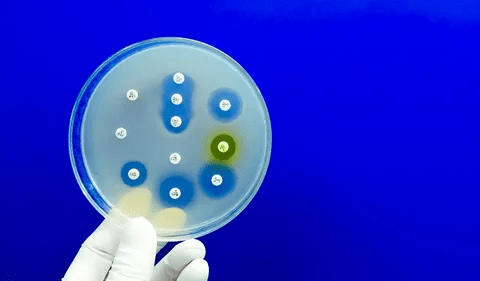
Global Phytopathological Disease Diagnostics Market to Reach USD 163.4 Million by 2034 Amid Rising Focus on Food Security and Sustainable Agriculture | FMI

The global phytopathological disease diagnostics market is set to witness substantial growth in the coming decade, with market projections indicating an increase from USD 105.2 million in 2024 to USD 163.4 million by 2034. This growth trajectory, marked by a CAGR of 4.5%, is driven by mounting concerns over global food security and the accelerated adoption of sustainable agricultural practices.

As plant diseases pose a significant threat to global crop production, the demand for advanced diagnostic solutions is on the rise. The integration of molecular diagnostics, biosensors, and AI-driven detection techniques is revolutionizing plant disease identification, enabling early detection and minimizing crop losses. Furthermore, government initiatives promoting agricultural sustainability and the growing emphasis on organic farming are further propelling market expansion.

Explore Market Dynamics: Request Your Sample Report Now! https://www.futuremarketinsights.com/report-sample#5245502d47422d3131303739

With key industry players focusing on technological advancements, strategic collaborations, and expanding diagnostic accessibility, the phytopathological disease diagnostics market is poised for robust growth. As precision agriculture continues to gain traction, the adoption of innovative diagnostic tools will play a pivotal role in ensuring crop health, productivity, and global food security.

Key Drivers of Growth:

  • Food Security: With the global population continuing to rise, ensuring an adequate food supply is paramount. Effective diagnostics can help mitigate crop diseases, leading to improved food production.
  • Sustainable Practices: The increasing adoption of sustainable agricultural methods is driving demand for reliable diagnostics that assist in the efficient management of crops and resources.
  • Technological Advancements: Ongoing innovations in diagnostic technologies are enhancing detection capabilities, enabling quicker and more accurate identification of plant diseases.

As we move into a future marked by both challenges and opportunities, the growth of the phytopathological disease diagnostics market represents a critical step toward achieving food security and sustainability in agriculture.

Key Takeaways from the Market Study:

  • Serological Tests: This segment emerges as the dominant market player, capturing a significant share of 58.1% in 2024, driven by its effectiveness in detecting antibodies in response to specific pathogens.
  • Diagnostic Kits: Holding a substantial market share of 43.4% in 2024, diagnostic kits continue to dominate the product category, reflecting their critical role in the industry.
  • Regional Insights: The United States maintains its leadership position in the market, with a consistent CAGR of 3.9% projected through 2034. Meanwhile, the United Kingdom anticipates a more measured growth rate with a projected CAGR of 2.2% by 2034. India’s market, however, is set to expand significantly with a remarkable CAGR of 6% through 2034.

High Demand for Phytopathological Disease Diagnostics: Uncover the Trends and Insights with Our Detailed Report! https://www.futuremarketinsights.com/reports/phytopathological-disease-diagnostics-market

Competitive Landscape and Industry Developments:

The phytopathological disease diagnostics market is undergoing rapid evolution, driven by both technological advancements and increasing global concerns about food security. Established diagnostic methods such as PCR and ELISA continue to dominate, but emerging technologies like AI-driven image analysis and portable DNA sequencers are reshaping the landscape, offering both opportunities and challenges for industry players.

The competition in this industry is intense, with traditional diagnostic companies vying against research institutions and agricultural biotechnology firms. As the demand for precision agriculture and sustainable farming practices grows, companies must differentiate themselves by providing comprehensive disease management solutions that integrate diagnostics with actionable insights and agronomic recommendations.

Recent Industry Developments:

  • Michigan State University’s Plant & Pest Diagnostics and MDARD’s Plant Pathology Laboratory are advancing agricultural standards with cutting-edge diagnostic solutions.
  • Agdia Inc. has revolutionized plant virus identification with the introduction of the Thrips Spot Viruses ImmunoComb, a portable and efficient tool for growers worldwide.
  • Abingdon Health plc has partnered with Morrama Ltd to form Eco-Flo Innovations Ltd, pioneering sustainable lateral flow test housings for eco-conscious diagnostics.
  • Planet Labs PBC has expanded its data analytics capabilities with the acquisition of Sinergise, heralding a new era of precision in plant disease identification and agricultural surveillance.

Leading Companies in the Industry:

Key players in the phytopathological disease diagnostics market include ThermoFisher Scientific, Clear Detections B.V, Merck KGaA, Agdia, Inc., and Qualiplante SAS. These companies are at the forefront of innovation, driving the market forward with their advanced diagnostic solutions.

Advantage Healthcare Insights to Outpace Competitors! https://www.futuremarketinsights.com/industry-analysis/in-vitro-diagnostics-devices

Key Segments of Market Report:

By Product Type:

Product segments in the industry include kits such as ELISA kits, DNA-based diagnostics kits, and protein-based diagnostics kits. Additionally, there are lateral flow devices, DNA/RNA probes, and accessories and other consumables. software and cloud databases are also part of this category.

By Test Type:

Test segments encompass molecular tests, which consist of PCR-based assays, PCR & RT-PCR, and multiplex PCR. isothermal amplification assays, microarray assays, NASBA, and LAMP assays are also included. serological tests, like ELSIA, TBIA, and QCMI, along with tests using electronic technology, complete this category.

By Sample Type:

Sample types for testing include seeds, grains, plants, trees, and fruits.

By End User:

End users of these products and tests can be agricultural laboratories, academic and research institutes, food processing laboratories, contract research organizations, and others who utilize these tools and technologies for various purposes.

By Region:

The industry is segmented by regions which are North America, Latin America, Europe, East Asia, South Asia and Pacific, and the Middle East and Africa.

Explore FMI’s Related Ongoing Coverage on Healthcare Market Insights Domain:

Infectious Disease Diagnostics Market Insights – Growth & Forecast 2024 to 2034: https://www.futuremarketinsights.com/reports/infectious-disease-diagnostics-market

Neurodegenerative Disease Market Analysis – Growth & Forecast 2024 to 2034: https://www.futuremarketinsights.com/reports/neurodegenerative-disease-market

PD-L1 Biomarker Testing Industry Analysis by Non-Small Cell Lung Cancer (NSCLC), Melanoma, Renal Cell Carcinoma among others through 2035: https://www.futuremarketinsights.com/reports/pd-l1-biomarker-testing-market

About Future Market Insights (FMI)

Future Market Insights, Inc. (ESOMAR certified, recipient of the Stevie Award, and a member of the Greater New York Chamber of Commerce) offers profound insights into the driving factors that are boosting demand in the market. FMI stands as the leading global provider of market intelligence, advisory services, consulting, and events for the Packaging, Food and Beverage, Consumer Technology, Healthcare, Industrial, and Chemicals markets. With a vast team of over 400 analysts worldwide, FMI provides global, regional, and local expertise on diverse domains and industry trends across more than 110 countries.

Contact Us:        

Future Market Insights Inc.
Christiana Corporate, 200 Continental Drive,
Suite 401, Newark, Delaware – 19713, USA
T: +1-347-918-3531
For Sales Enquiries: 
sales@futuremarketinsights.com
Website: https://www.futuremarketinsights.com
LinkedIn| Twitter| Blogs | YouTube

The Very Best Gambling Establishment Repayment Approaches: A Comprehensive Overview

When it involves on the internet casino sites, among the most essential facets to take into consideration is the payment approaches readily available. Picking the ideal settlement method can make a huge distinction in your overall gaming experience. In this post, we will check out the best casino site settlement approaches that are presently readily available, offering you all the info online casino freispielermation you need to make a notified decision.

What to Search for in a Casino Settlement Method

Prior to we study the particular settlement techniques, it’s important to understand what to try to find when choosing an online casino payment method. Below are some vital variables to consider:

  • Security: The most essential element of any settlement technique is safety and security. You intend to make sure that your individual and monetary info is secure and protected when making purchases.
  • Speed: An additional important element to take into consideration is the speed of deals. You want to pick a payment technique that permits fast and simple down payments and withdrawals.
  • Charges: Some repayment methods may feature costs attached. Make sure to think about any casino mit freispiele ohne einzahlung type of possible costs when selecting a payment approach.
  • Availability: Not all repayment approaches may be readily available in your region. See to it to pick a payment approach that is extensively accepted at on-line casinos in your location.

The Most Effective Gambling Enterprise Payment Methods

Now that you recognize what to look for in a settlement technique, let’s explore several of the very best alternatives readily available:

Credit/Debit Cards

Credit rating and debit cards are one of the most preferred settlement approaches at online gambling enterprises. They are extensively approved and use fast and easy transactions. However, some gamers may be worried about safety problems when utilizing credit/debit cards.

E-wallets

E-wallets such as PayPal, Neteller, and Skrill are another preferred settlement approach at on-line gambling establishments. They provide quickly and secure transactions, along with added personal privacy for gamers that do not intend to share their banking info with the casino site.

Financial institution Transfers

Financial institution transfers are a reputable settlement method that allows for bigger deals. Nevertheless, they might not be as quickly as other payment techniques and might come with higher costs.

Verdict

When choosing a casino site payment method, it is very important to consider your own choices and demands. Whether you prioritize safety, rate, or benefit, there is a repayment technique out there that will certainly fulfill your demands. By putting in the time to study and contrast the options readily available, you can locate the most effective repayment approach for your on-line pc gaming experience.

Global Retinal Biologics Market to Reach USD 41.92 Billion by 2028 at a 11.1% of CAGR

Retinal Biologics Market

The Retinal Biologics Market generated USD 19.96 billion in revenue in 2021 and is projected to grow to USD 41.92 billion by 2028, expanding at a CAGR of 11.1% from 2022 to 2028. In 2021, retinal biologics accounted for 6.9% of the global biologic therapeutics market.

Request a Sample of this Report Now: https://www.futuremarketinsights.com/report-sample#5245502d47422d38363633

Key Market Drivers:

  1. Rising Prevalence of Retinal Disorders:

    • Increasing cases of age-related macular degeneration (AMD), diabetic retinopathy, and retinal vein occlusion are driving demand for retinal biologics.
    • AMD is the leading cause of vision loss in people over 50, while diabetic retinopathy affects approximately one-third of diabetics globally.
  2. Growing Geriatric Population:

    • An aging global population is at a higher risk of developing retinal disorders, leading to increased demand for advanced biologic therapies.
    • WHO projects that by 2050, the global population aged 60 and above will double, contributing to the rise in retinal diseases.
  3. Technological Advancements in Retinal Biologics:

    • Development of targeted biologics and gene therapies is transforming retinal disease management.
    • Anti-VEGF (Vascular Endothelial Growth Factor) therapies, such as Ranibizumab and Aflibercept, are widely used for treating wet AMD and diabetic macular edema.
    • Gene therapies, including Luxturna (voretigene neparvovec), are paving the way for precision medicine in retinal care.
  4. Increasing Adoption of Minimally Invasive Treatment Options:

    • Intravitreal injections and implants offer targeted drug delivery with minimal side effects, enhancing patient compliance.
    • Growing preference for minimally invasive procedures is driving the adoption of long-acting injectable biologics.
  5. Favorable Reimbursement Policies and Government Support:

    • Government initiatives and favorable reimbursement policies are encouraging accessibility and affordability of retinal biologics.
    • Medicare and private insurers in the US cover advanced retinal treatments, boosting market penetration.

Market Trends:

  • Shift Toward Gene Therapies and Regenerative Medicine:
    • Gene therapies are gaining traction for inherited retinal disorders, offering curative potential.
    • CRISPR-Cas9 technology is being explored for genetic mutation correction in retinal diseases.
  • Development of Long-Acting Biologics and Sustained-Release Implants:
    • Sustained-release implants and long-acting injectables reduce the treatment burden by minimizing injection frequency.
    • Port Delivery Systems (PDS) and nanoparticle-based drug delivery are emerging as innovative solutions.
  • Rising Focus on Personalized Medicine:
    • Personalized treatment approaches based on genetic profiling and biomarkers are enhancing treatment efficacy and safety.
  • Strategic Collaborations and Partnerships:
    • Pharmaceutical companies are engaging in strategic collaborations with biotech firms and academic institutions for R&D and product innovation.

Therapeutic Applications:

  • Age-Related Macular Degeneration (AMD):
    • Wet AMD: Treated with Anti-VEGF therapies like Ranibizumab (Lucentis), Aflibercept (Eylea), and Brolucizumab (Beovu).
    • Dry AMD: Increasing focus on gene therapies and complement inhibitors for disease modification.
  • Diabetic Retinopathy and Diabetic Macular Edema:
    • Anti-VEGF agents and Corticosteroid implants for vision restoration and disease control.
    • Faricimab (Vabysmo), a bispecific antibody, offers dual inhibition of VEGF and Ang-2, enhancing therapeutic efficacy.
  • Retinal Vein Occlusion (RVO):
    • Anti-VEGF treatments and intravitreal corticosteroids for macular edema management.
  • Inherited Retinal Diseases:
    • Gene therapies, including Luxturna (voretigene neparvovec), for RPE65 mutation-associated retinal dystrophy.
    • Ongoing research on optogenetics and stem cell therapies for retinal regeneration.

Access the Full Report: https://www.futuremarketinsights.com/reports/retinal-biologics-market

Challenges:

  • High Cost of Biologic Therapies:
    • Advanced biologics are expensive, limiting accessibility in cost-sensitive regions.
  • Regulatory and Reimbursement Challenges:
    • Stringent regulatory approvals and complex reimbursement processes can delay market entry and product adoption.
  • Side Effects and Safety Concerns:
    • Intravitreal injections may lead to ocular inflammation, endophthalmitis, and retinal detachment.
  • Competition from Biosimilars and Generic Alternatives:
    • Biosimilars are gaining traction due to cost-effectiveness, posing a challenge to branded biologics.

Competitive Landscape:

Leading companies are focusing on product innovation, strategic acquisitions, and R&D investments. Key players include:

  • Regeneron Pharmaceuticals Inc. – Offers Eylea (Aflibercept), a leading Anti-VEGF therapy for retinal disorders.
  • Novartis AG – Markets Lucentis (Ranibizumab) and Beovu (Brolucizumab) for wet AMD and diabetic macular edema.
  • Roche Holding AG – Developed Faricimab (Vabysmo) for dual inhibition of VEGF and Ang-2.
  • Biogen Inc. – Focuses on gene therapies for inherited retinal diseases.
  • Spark Therapeutics (Roche) – Launched Luxturna (voretigene neparvovec) for RPE65 mutation-related retinal dystrophy.
  • Allergan (AbbVie Inc.) – Developing Sustained-release implants for long-term retinal disease management.

Key Takeaways:

  • The Retinal Biologics Market is projected to grow at a CAGR of 11.1%, reaching USD 41.92 billion by 2028.
  • Rising prevalence of retinal disorders, technological advancements, and targeted therapies are driving market growth.
  • North America dominates, while Asia-Pacific is the fastest-growing region.
  • High costs, regulatory challenges, and competition from biosimilars pose challenges.
  • Product innovation, strategic partnerships, and R&D investments are key growth strategies.

Key Companies Profiled

Spark Therapeutics, Inc.; F. Hoffmann-La Roche Ltd.; Regeneron Pharmaceuticals, Inc.; AbbVie Inc.; Amgen Inc.; Novartis Pharma AG; MeiraGTx Limited; Oxurion NV; Santen Pharmaceutical Co., Ltd.; Bayer AG; Bausch Health Companies Inc.; Merck & Co., Inc.

Key Segments of Retinal Biologics Industry Survey

Retinal Biologics Market by Drug Class:

  • VEGF-A Antagonists
  • TNF-α Inhibitors

Retinal Biologics Market by Indication:

  • Macular Degeneration
  • Diabetic Macular Edema
  • Diabetic Retinopathy
  • Uveitis
  • Others

Retinal Biologics Market by Distribution Channel:

  • Institutional Sales
  • Retail Pharmacies
  • Mail Order Pharmacies
  • Retail Sales

Retinal Biologics Market by Region:

  • North America Retinal Biologics Market
  • Latin America Retinal Biologics Market
  • Europe Retinal Biologics Market
  • East Asia Retinal Biologics Market
  • South Asia & Pacific Retinal Biologics Market
  • Middle East & Africa (MEA) Retinal Biologics Market

About Future Market Insights (FMI)

Future Market Insights (FMI) is a leading provider of market intelligence and consulting services, serving clients in over 150 countries. FMI is headquartered in Dubai and has delivery centres in the United Kingdom, the United States, and India. FMI’s latest market research reports and industry analysis helps businesses navigate challenges and make critical decisions with confidence and clarity amidst breakneck competition. Our customized and syndicated market research reports deliver actionable insights that drive sustainable growth. A team of expert-led analysts at FMI continuously tracks emerging trends and events in a broad range of industries to ensure that our clients prepare for the evolving needs of their consumers.

Join us as we commemorate 10 years of delivering trusted market insights. Reflecting on a decade of achievements, we continue to lead with integrity, innovation, and expertise.

Contact Us

Future Market Insights Inc.

Christiana Corporate, 200 Continental Drive,
Suite 401, Newark, Delaware – 19713, USA
T: +1-347-918-3531
For Sales Enquiries: sales@futuremarketinsights.com
Website:
 https://www.futuremarketinsights.com
LinkedIn| Twitter| Blogs | YouTube

Global Endometriosis Treatment Market to Reach USD 6,297.2 Million by 2035 at a 5.4% of CAGR

Global Endometriosis Treatment Industry
Endometriosis Treatment Market

The global Endometriosis Treatment Market is projected to grow from USD 3,727.4 million in 2025 to USD 6,297.2 million by 2035, expanding at a CAGR of 5.4%. This growth is driven by the rising prevalence of endometriosis, increased awareness, and advancements in diagnostic technologies.

Request a Sample of this Report Now: https://www.futuremarketinsights.com/report-sample#5245502d47422d33383730

Key Market Drivers:

  1. Rising Prevalence of Endometriosis:

    • Endometriosis affects approximately 10% of women of reproductive age globally, leading to pelvic pain, infertility, and reduced quality of life.
    • Increasing awareness and early diagnosis are contributing to higher demand for treatment options.
  2. Advancements in Diagnostic Technologies:

    • Adoption of non-invasive diagnostic tools, including biomarkers and advanced imaging techniques (e.g., MRI and ultrasound), is improving accuracy and reducing diagnostic delays.
    • AI-powered diagnostic solutions are emerging, enabling early detection and personalized treatment plans.
  3. Growing Demand for Hormonal Therapies and Targeted Treatments:

    • Hormonal therapies such as GnRH agonists, progestins, and oral contraceptives are widely used for symptom management and disease progression control.
    • Increasing focus on targeted therapies like Aromatase Inhibitors and Selective Progesterone Receptor Modulators (SPRMs) is driving market growth.
  4. Preference for Minimally Invasive Surgical Options:

    • Minimally invasive surgeries such as laparoscopy and robot-assisted surgery are gaining traction due to reduced recovery time and better patient outcomes.
    • Growing use of laser and robotic technologies is enhancing surgical precision and treatment efficacy.
  5. Government Initiatives and Funding for Women’s Health:

    • Increasing government initiatives and awareness campaigns are promoting early diagnosis and timely intervention.
    • Research grants and funding for clinical trials are accelerating the development of novel drugs and innovative therapies.

Market Trends:

  • Shift Toward Non-Hormonal and Non-Surgical Treatments:
    • Non-hormonal options, including non-steroidal anti-inflammatory drugs (NSAIDs) and neuromodulators, are gaining popularity for pain management.
    • Non-surgical interventions like pelvic floor therapy and acupuncture are emerging as alternative treatment options.
  • Rising Adoption of Personalized Medicine:
    • Personalized treatment approaches based on genetic profiling and biomarkers are being explored for improved efficacy and reduced side effects.
  • Development of Novel Therapies and Drug Combinations:
    • Increasing focus on combination therapies involving hormonal drugs and pain management solutions to achieve comprehensive symptom control.
    • Biopharmaceutical companies are investing in R&D to develop targeted therapies and disease-modifying drugs.

Get Complete Full Report: https://www.futuremarketinsights.com/reports/endometriosis-treatment-market

Treatment Modalities:

  • Hormonal Therapies:
    • Oral Contraceptives, GnRH Agonists, Progestins, and Aromatase Inhibitors for hormonal regulation and symptom relief.
  • Non-Hormonal Pain Management:
    • NSAIDs, Neuromodulators, and analgesics for pain relief and symptom management.
  • Surgical Interventions:
    • Laparoscopy and robot-assisted surgery for lesion removal and adhesiolysis.
    • Hysterectomy as a last-resort option for severe cases.
  • Emerging Targeted Therapies:
    • Selective Estrogen Receptor Modulators (SERMs) and Selective Progesterone Receptor Modulators (SPRMs) for targeted symptom management.
  • Complementary and Alternative Therapies:
    • Acupuncture, physical therapy, and dietary management as supportive therapies for symptom relief.

Challenges:

  • High Cost of Advanced Therapies:
    • Innovative therapies and minimally invasive surgical options are expensive, limiting accessibility in cost-sensitive regions.
  • Side Effects and Safety Concerns:
    • Hormonal treatments are associated with side effects like weight gain, mood swings, and bone density loss.
  • Underdiagnosis and Misdiagnosis:
    • Lack of awareness among healthcare providers and symptom overlap with other conditions contribute to underdiagnosis and delayed treatment.
  • Cultural Stigma and Social Barriers:
    • Cultural stigma and social misconceptions about menstrual health hinder open discussions and timely diagnosis.

Competitive Landscape:

Key players are focusing on product innovation, strategic collaborations, and expansion of distribution networks. Leading companies include:

  • AbbVie Inc. – Offers Orilissa (Elagolix), a GnRH antagonist for endometriosis pain management.
  • Bayer AG – Known for Visanne (Dienogest), a progestin therapy for endometriosis treatment.
  • AstraZeneca plc – Investing in R&D for targeted therapies and disease-modifying drugs.
  • Pfizer Inc. – Offers Depo-Provera (Medroxyprogesterone) for hormonal management.
  • Myovant Sciences Ltd. – Developing Relugolix, a GnRH antagonist for endometriosis pain.
  • ObsEva SA – Focuses on linzagolix, a GnRH antagonist with low-dose options for long-term use.

Key Takeaways:

  • The Endometriosis Treatment Market is projected to grow at a CAGR of 5.4%, reaching USD 6.3 billion by 2035.
  • Rising disease prevalence, advancements in diagnostics, and innovative therapies are driving market growth.
  • North America dominates, while Asia-Pacific is the fastest-growing region.
  • High costs, safety concerns, and underdiagnosis pose challenges.
  • Product innovation, strategic collaborations, and R&D investments are key growth strategies.

Key Players of Endometriosis Treatment Industry

  • AbbVie Inc.
  • Bayer AG
  • AstraZeneca
  • Pfizer Inc.
  • Teva Pharmaceutical Industries Ltd.
  • Ipsen Pharma
  • Myovant Sciences
  • Endoceutics, Inc.
  • Debiopharm Group
  • Mayne Pharma Group Limited
  • Noven Pharmaceuticals, Inc.
  • Sun Pharmaceutical Industries Limited
  • Amneal Pharmaceuticals, Inc.
  • Mylan N.V.
  • Aurobindo Pharm

Key Segments of Endometriosis Treatment Industry

By Drug:

  • Oral contraceptives
  • Progestins
  • NSAIDs
  • GnRH analogues
  • LNR-IUDs
  • Others

By Treatment Type:

  • Hormonal therapy
  • Pain management

By Distribution Channel:

  • Hospital pharmacies
  • Retail pharmacies
  • Drug stores
  • E-Commerce

By Region:

  • North America
  • Latin America
  • Western Europe
  • Eastern Europe
  • East Asia
  • South Asia and Pacific
  • Middle East and Africa (MEA)

About Future Market Insights (FMI)

Future Market Insights (FMI) is a leading provider of market intelligence and consulting services, serving clients in over 150 countries. FMI is headquartered in Dubai and has delivery centres in the United Kingdom, the United States, and India. FMI’s latest market research reports and industry analysis helps businesses navigate challenges and make critical decisions with confidence and clarity amidst breakneck competition. Our customized and syndicated market research reports deliver actionable insights that drive sustainable growth. A team of expert-led analysts at FMI continuously tracks emerging trends and events in a broad range of industries to ensure that our clients prepare for the evolving needs of their consumers.

Join us as we commemorate 10 years of delivering trusted market insights. Reflecting on a decade of achievements, we continue to lead with integrity, innovation, and expertise.

Contact Us

Future Market Insights Inc.

Christiana Corporate, 200 Continental Drive,
Suite 401, Newark, Delaware – 19713, USA
T: +1-347-918-3531
For Sales Enquiries: sales@futuremarketinsights.com
Website:
 https://www.futuremarketinsights.com
LinkedIn| Twitter| Blogs | YouTube

Psoriatic Arthritis (PsA) Treatment Market to Reach USD 25,375.6 Million by 2034 at a 7.8% of CAGR

Psoriatic Arthritis (PsA) Treatment Market

The global Psoriatic Arthritis (PsA) Treatment Market is expected to grow from USD 11,973.7 million in 2024 to USD 25,375.6 million by 2034, expanding at a CAGR of 7.8%. The increasing prevalence of psoriasis and the aging global population are key drivers of this market’s growth.

Request a Sample Copy Now : https://www.futuremarketinsights.com/report-sample#5245502d47422d32373138

Key Market Drivers:

  1. Rising Prevalence of Psoriatic Arthritis:

    • Psoriasis affects approximately 125 million people worldwide, and 30% of them are likely to develop psoriatic arthritis.
    • The aging population, particularly those in the 50-60 age range, is more susceptible to PsA symptoms, increasing the patient pool for treatment.
  2. Early Onset and Diverse Age Range of Symptoms:

    • While PsA is prevalent in the geriatric population, it also affects individuals aged 20 to 30, creating a broad patient demographic.
    • This wide age range fuels demand for personalized treatment approaches and innovative therapeutic solutions.
  3. Advancements in Biologic Therapies and Targeted Treatments:

    • Biologic drugs like TNF inhibitors, IL-17 inhibitors, and IL-23 inhibitors have revolutionized PsA management by offering targeted treatments with improved efficacy and fewer side effects.
    • Continuous R&D investments in biologics and biosimilars are expected to expand treatment options.
  4. Increasing Awareness and Early Diagnosis:

    • Growing awareness campaigns by health organizations and patient advocacy groups are promoting early diagnosis and timely treatment.
    • Improved diagnostic techniques are enabling early detection of PsA, reducing disease progression and enhancing treatment outcomes.

Market Trends:

  • Shift Toward Biologic and Targeted Synthetic DMARDs (tsDMARDs):
    • Biologic DMARDs (e.g., etanercept, adalimumab) and tsDMARDs (e.g., JAK inhibitors) are preferred for moderate to severe PsA due to their targeted action and high efficacy.
  • Growing Adoption of Personalized Medicine:
    • Increasing focus on personalized treatment approaches based on genetic profiling and biomarkers to enhance treatment efficacy and minimize side effects.
  • Emergence of Biosimilars:
    • Cost-effective biosimilars are gaining traction, enhancing affordability and accessibility of biologic treatments for a wider patient population.
  • Oral Therapies and Combination Treatments:
    • Oral small molecules like apremilast are gaining popularity for their convenience and safety profile.
    • Combination therapies involving biologics and DMARDs are being explored for synergistic effects and better disease management.

A Full Report Overview: https://www.futuremarketinsights.com/reports/psoriatic-arthritis-psa-treatment-market

Treatment Modalities:

  • Non-Steroidal Anti-Inflammatory Drugs (NSAIDs): Used for pain relief and inflammation management.
  • Disease-Modifying Anti-Rheumatic Drugs (DMARDs): Include Methotrexate and Leflunomide to slow disease progression.
  • Biologic DMARDs: Target specific immune pathways (e.g., TNF inhibitors, IL-17 inhibitors) to reduce inflammation.
  • Targeted Synthetic DMARDs (tsDMARDs): Oral JAK inhibitors and PDE4 inhibitors for targeted immune modulation.
  • Corticosteroids: For short-term inflammation control, typically in acute flare-ups.
  • Topical Treatments: Creams and ointments for localized psoriasis lesions.

Challenges:

  • High Cost of Biologic Therapies:
    • Biologics and targeted therapies are expensive, limiting accessibility in cost-sensitive regions.
  • Side Effects and Safety Concerns:
    • Long-term use of biologics and DMARDs is associated with side effects, including immunosuppression and increased infection risk.
  • Patent Expirations and Biosimilar Competition:
    • Expiry of patents on key biologics may lead to market competition from biosimilars, impacting revenue growth.
  • Regulatory Challenges:
    • Stringent regulatory approvals and safety monitoring requirements may delay product launches.

Competitive Landscape:

Key players are focusing on product innovation, strategic collaborations, and expansion of distribution networks. Leading companies include:

  • AbbVie Inc. – Dominates with Humira and Rinvoq (JAK inhibitor) for PsA treatment.
  • Amgen Inc. – Offers Enbrel (TNF inhibitor) and is investing in biosimilar development.
  • Novartis AG – Focuses on Cosentyx (IL-17 inhibitor) and innovative biologic therapies.
  • Johnson & Johnson (Janssen Pharmaceuticals) – Provides Stelara (IL-12/23 inhibitor) and Tremfya (IL-23 inhibitor).
  • Pfizer Inc. – Offers Xeljanz (JAK inhibitor) and developing oral therapies.
  • UCB S.A. – Known for Cimzia (TNF inhibitor) and expanding pipeline in immunology.

Key Takeaways:

  • The Psoriatic Arthritis Treatment Market is projected to grow at a CAGR of 7.8%, reaching USD 25.4 billion by 2034.
  • Rising prevalence of psoriasis, aging population, and advancements in biologic therapies are driving market growth.
  • North America dominates, while Asia-Pacific is the fastest-growing region.
  • High costs, safety concerns, and regulatory challenges pose obstacles.
  • Product innovation, biosimilar launches, and strategic collaborations are key growth strategies.

Key Drivers of Growth

Increasing Prevalence of Psoriasis:

Approximately 125 million people worldwide suffer from psoriasis, and as this number grows, so does the demand for PsA treatments.

Aging Population:

Psoriasis symptoms often appear in the 50-60 age range, and with the global population aging, more individuals are seeking PsA treatments.

Younger Age Groups Affected:

Symptoms can also appear in younger individuals (20-30 years old), expanding the patient pool beyond just the geriatric population.

Technological Advancements:

Continuous advancements in drug classes, such as biologics and disease-modifying anti-rheumatic drugs (DMARDs), improve treatment efficacy and drive market growth.

Regulatory and Healthcare Initiatives:

Government health schemes and awareness campaigns contribute to market expansion by increasing access to treatments and raising awareness about psoriasis and PsA.

Key Companies in the Psoriatic Arthritis (PsA) Treatment Market

Key companies in the industry include Pfizer Inc., Johnson & Johnson, AbbVie Inc., Amgen Inc., Bristol-Myers Squibb Company, UCB S.A., Eli Lilly & Co, Novartis AG, Celgene Corporation, and AstraZeneca PLC.

Key Segments of Psoriatic Arthritis (PsA) Treatment Market

By Drug Type:

Based on the drug type, the psoriatic arthritis (PsA) treatment market can be segmented into the following segments: non-steroidal anti-inflammatory drugs, disease modifying anti-rheumatic drugs, and biologics.

Disease-modifying anti-rheumatic drugs can be further separated into corticosteroids, antimalarial, methotrexate, and others. On the other hand, biologics can be bifurcated into TNF inhibitors and interleukin inhibitors.

By Route of Administration:

Based on the route of administration, the psoriatic arthritis (PsA) treatment market can be bifurcated into the following segments: injectable and oral.

By Distribution Channel:

Based on the distribution channel, the psoriatic arthritis (psa) treatment market can be segmented into the following segments: hospital pharmacies, retail pharmacies, and mail-order pharmacies.

By Region:

The sector has been analyzed with the following regions covered: North America, Latin America, Europe, South Asia, East Asia, Oceania, and the Middle East and Africa.

About Future Market Insights (FMI)

Future Market Insights (FMI) is a leading provider of market intelligence and consulting services, serving clients in over 150 countries. FMI is headquartered in Dubai and has delivery centres in the United Kingdom, the United States, and India. FMI’s latest market research reports and industry analysis helps businesses navigate challenges and make critical decisions with confidence and clarity amidst breakneck competition. Our customized and syndicated market research reports deliver actionable insights that drive sustainable growth. A team of expert-led analysts at FMI continuously tracks emerging trends and events in a broad range of industries to ensure that our clients prepare for the evolving needs of their consumers.

Join us as we commemorate 10 years of delivering trusted market insights. Reflecting on a decade of achievements, we continue to lead with integrity, innovation, and expertise.

Contact Us

Future Market Insights Inc.

Christiana Corporate, 200 Continental Drive,
Suite 401, Newark, Delaware – 19713, USA
T: +1-347-918-3531
For Sales Enquiries: sales@futuremarketinsights.com
Website:
 https://www.futuremarketinsights.com
LinkedIn| Twitter| Blogs | YouTube

Antimicrobial Susceptibility Testing Market to Reach USD 4.8 Billion by 2035 with a 3.6% of CAGR

Antimicrobial Susceptibility Testing Market

The global Antimicrobial Susceptibility Testing (AST) Market is projected to grow from USD 3.4 billion in 2025 to USD 4.8 billion by 2035, expanding at a CAGR of 3.6% over the forecast period. Antimicrobial susceptibility testing is crucial for determining the most effective antibiotic to treat bacterial infections, ensuring optimal patient care and helping to combat antibiotic resistance.

Request a Sample Copy Now : https://www.futuremarketinsights.com/report-sample#5245502d47422d38353734

Key Market Drivers:

  1. Rising Prevalence of Antibiotic Resistance:

    • Antibiotic resistance is a growing global health concern due to the overuse and misuse of antibiotics, making it crucial to identify effective treatments.
    • AST helps in monitoring resistance patterns and guides accurate antibiotic selection, ensuring effective treatment and reducing resistance development.
  2. Increasing Incidence of Infectious Diseases:

    • The rising prevalence of infectious diseases like urinary tract infections (UTIs), respiratory infections, and sepsis is driving the demand for AST.
    • Accurate susceptibility testing aids in effective infection management and improves patient outcomes.
  3. Advancements in AST Technologies:

    • Technological advancements such as automated AST systems, molecular diagnostics, and point-of-care testing are enhancing accuracy, speed, and efficiency.
    • Next-generation sequencing (NGS) and genotypic susceptibility testing are gaining traction for their ability to detect resistance genes rapidly.
  4. Government Initiatives and Awareness Programs:

    • Government initiatives to combat antibiotic resistance and awareness campaigns promoting rational antibiotic use are supporting market growth.
    • Regulatory bodies like the CDC, WHO, and FDA are implementing guidelines and recommendations for AST practices.

Market Trends:

  • Growing Adoption of Automated AST Systems: Automated systems provide high throughput, reduced turnaround time, and standardized results, driving their adoption in clinical laboratories.
  • Development of Rapid AST Methods: Rapid methods, including PCR-based diagnostics, microfluidics, and biosensors, are gaining popularity for quick and accurate results.
  • Integration of Artificial Intelligence (AI): AI and machine learning algorithms are being used to analyze AST data, enhancing accuracy and predictive capabilities.
  • Rise in Point-of-Care Testing: Increased demand for point-of-care AST for fast diagnosis and immediate treatment decisions, especially in remote and resource-limited settings.

Testing Methods Overview:

  • Broth Dilution: Determines the minimum inhibitory concentration (MIC) by exposing bacteria to different antibiotic concentrations in a liquid medium.
  • Disk Diffusion (Kirby-Bauer Test): Uses antibiotic-impregnated disks on agar plates to assess bacterial susceptibility by measuring inhibition zones.
  • E-test (Epsilometer Test): Combines disk diffusion and dilution methods, providing quantitative MIC values.
  • Automated Systems: Advanced systems like VITEK and BD Phoenix provide rapid and accurate AST with automated data analysis.
  • Molecular Methods: Use PCR and NGS to detect resistance genes, offering genotypic susceptibility testing.

Access the Full Report: https://www.futuremarketinsights.com/reports/antibiotic-susceptibility-testing-market

Key Takeaways:

  • The Antimicrobial Susceptibility Testing Market is projected to grow at a CAGR of 3.6%, reaching USD 4.8 billion by 2035.
  • Increasing antibiotic resistance, infectious disease prevalence, and technological advancements are driving market growth.
  • Automated AST systems, rapid diagnostic methods, and molecular diagnostics are emerging trends.
  • North America leads the market, while Asia-Pacific is expected to grow at the fastest rate.
  • High costs, regulatory challenges, and MDR pathogens pose challenges.
  • Product innovation, strategic partnerships, and AI integration are driving competitive growth.

Challenges:

  • High Cost of Advanced AST Systems: Automated systems and molecular diagnostics are expensive, limiting their adoption in cost-sensitive markets.
  • Complex Regulatory Landscape: Stringent regulatory requirements for AST devices and diagnostic assays may delay product approvals.
  • Shortage of Skilled Laboratory Professionals: Lack of trained personnel to operate advanced systems and interpret AST results poses a challenge.
  • Emergence of Multi-Drug Resistant (MDR) Pathogens: MDR bacteria complicate treatment decisions and demand continuous innovation in AST methods.

Competitive Landscape:

Leading players are focusing on product development, strategic collaborations, and geographical expansion. Key companies include:

  • bioMérieux S.A. – Offers VITEK and E-test systems for automated AST and quantitative MIC testing.
  • BD (Becton, Dickinson and Company) – Provides the BD Phoenix system and disk diffusion products for AST applications.
  • Thermo Fisher Scientific Inc. – Specializes in disk diffusion plates, broth dilution kits, and molecular diagnostics for AST.
  • Danaher Corporation (Beckman Coulter) – Focuses on automated AST systems and microbiology solutions.
  • Bruker Corporation – Offers MALDI-TOF mass spectrometry for rapid bacterial identification and susceptibility testing.

Key Drivers of Growth

Rising Antibiotic Resistance:

The increasing prevalence of antibiotic-resistant bacteria globally has heightened the demand for AST to guide effective treatment choices. This resistance necessitates the use of AST to determine which antibiotics are most effective against specific bacterial strains.

Technological Advancements:

Innovations in testing methodologies, such as rapid and automated systems, enhance accuracy and efficiency, propelling market growth. These advancements include the integration of AI and automation in diagnostic tools.

Increasing Prevalence of Infectious Diseases:

The growing incidence of infectious diseases worldwide increases the need for reliable diagnostic tools like AST to manage infections effectively.

Regulatory and Health Initiatives:

Strict regulatory requirements and global health initiatives aimed at combating antimicrobial resistance further support market expansion by emphasizing the importance of AST in infection management.

Improvements in Healthcare Infrastructure:

Expanding healthcare infrastructure in emerging markets and increased investments in research and development contribute to market growth by enhancing access to AST technologies.

Key Market Players

  • BD
  • Danaher
  • Thermo Fisher Scientific
  • Bio-Rad
  • Creative Diagnostics
  • Accelerate Diagnostics
  • Alifax
  • Roche Diagnostics Limited
  • Merck Group
  • Synbiosis

Market Segmentation

Globally, the antimicrobial susceptibility testing market is divided into three main segments: product, application, and end user.

By Product:

By product, the market is segmented into instruments, software & services, and kits & reagents.

By Application:

By application, the market is segmented into sepsis, respiratory infections, gastrointestinal infections, meningitis & encephalitis, endocarditis, and others.

By End User:

By end user, the market is segmented into diagnostic laboratories, hospitals, and research laboratories.

About Future Market Insights (FMI)

Future Market Insights (FMI) is a leading provider of market intelligence and consulting services, serving clients in over 150 countries. FMI is headquartered in Dubai and has delivery centres in the United Kingdom, the United States, and India. FMI’s latest market research reports and industry analysis helps businesses navigate challenges and make critical decisions with confidence and clarity amidst breakneck competition. Our customized and syndicated market research reports deliver actionable insights that drive sustainable growth. A team of expert-led analysts at FMI continuously tracks emerging trends and events in a broad range of industries to ensure that our clients prepare for the evolving needs of their consumers.

Join us as we commemorate 10 years of delivering trusted market insights. Reflecting on a decade of achievements, we continue to lead with integrity, innovation, and expertise.

Contact Us

Future Market Insights Inc.

Christiana Corporate, 200 Continental Drive,
Suite 401, Newark, Delaware – 19713, USA
T: +1-347-918-3531
For Sales Enquiries: sales@futuremarketinsights.com
Website:
 https://www.futuremarketinsights.com
LinkedIn| Twitter| Blogs | YouTube