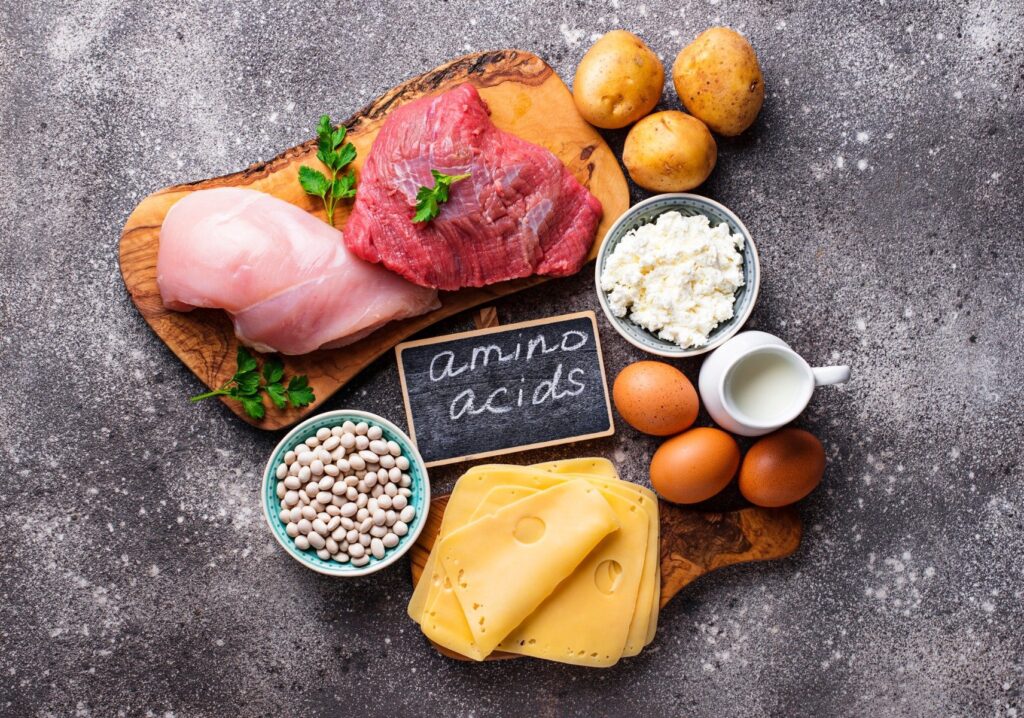
Potato Protein Market Projected to Hit USD 300 Million by 2033 with a 7.6% CAGR

Potato Protein

The potato protein market was experiencing significant growth and gaining traction in the food industry. Potato protein is a high-quality plant-based protein derived from potatoes through various extraction processes. It is a suitable alternative to traditional animal-based proteins and is sought after by consumers looking for plant-based and allergen-free options.

The demand for plant-based protein sources has been rising due to increasing health consciousness, environmental concerns, and dietary restrictions. As a result, the potato protein market has witnessed steady growth as an attractive alternative to soy, wheat, and other plant-based proteins.

Dive into the dynamic world of the Potato Protein Market with our exclusive sample report

The global potato protein market is predicted to register a CAGR of 7.6% over the forecast period, according to FMI’s analysis. The industry’s value is anticipated to increase from US$ 144 million in 2023 to US$ 300 million by 2033 end.

The surging demand for clean-label products as a result of increasing concerns around the robust climate change is propelling the demand for vegetable-based proteins. Due to this, the incorporation of potato protein into several vegetarian products is rising. Moreover, the expanding vegan population, particularly in countries like Canada and the United Kingdom, among others, is fueling the demand for food products consisting of plant-based protein. This new trend is projected to witness an overwhelming response due to the rising demand for potato protein in the thriving vegan industry.

The market is projected to augment owing to the initiation of several research activities. These activities are aimed at promoting the operational efficiency and cost-effectiveness of the potato protein extraction process. The potential utilization of potato protein to safeguard against cancerous cells is predicted to enhance the demand for potato protein. The deployment of novel technologies to curtail potato waste while producing potato protein is anticipated to provide impetus to the market over the upcoming years.

Key Takeaways from the Potato Protein Market:                                               

  • The United States is estimated to dominate the potato protein market over the forecast period. By 2033, the market is projected to attain US$ 106.3 million. The growth rate assumed by the United States market is likely to record 4% CAGR.
  • China is expected to hold a significant position in Asia Pacific potato protein market. The regional market is estimated to attain US$ 21.5 million by 2033, registering a CAGR of 7% from 2023 to 2033.
  • Japan, another key market in the region, is assessed to reach market valuation of US$ 17.6 million by 2033. The Japan potato protein industry is projected to expand at a CAGR of 6.1% over the forecast period.

News Featuring Market Developments by Key Players of Potato Protein Solutions:

  • In April 2022, Branston Ltd. unveiled that it is partnering with Root Extracts to create a potato protein product to be used in vegan and vegetarian foods. The development of the product is likely to take place in Branston’s extraction unit in Lincolnshire, which was under construction at the time of announcement.
  • In February 2022, KMC declared that they have created a texturized potato protein to be utilized as an ingredient in meat alternatives. According to the company, the product is a first of its kind across the globe. The product is also a part of innovation program, which was initiated with the aim to create plant-based ingredient alternatives. The company is planning to manufacture the product on a large scale, with production run for the capacity of 300 tons for the year 2022.
  • In April 2021, Branston Ltd. began the construction of new potato protein extraction plant at Branston’s site in Lincolnshire, the United Kingdom. The complete set up of the new plant is projected to amount US$ 7.94 million. The facility would help convert low-quality potatoes into clean-label functional protein and develop starch-based products. For this set up, the company has partnered with B-Hive Innovations, which has developed the process.

Buy Report now

Market Segments Covered in Potato Protein Market Analysis

By Product Type:

  • 10-40% Protein
  • 40-50% Protein
  • 60-65% Protein
  • 70-80% Protein

By Nature:

  • Organic
  • Conventional

By Form:

  • Isolates
  • Concentrate
  • Textured Protein
  • Hydrolyzed Protein

By End-use Application:

  • Bakery & Confectionery
    • Breads
    • Cookies & Crackers
    • Pastries
    • Other Bakery & Confectionery
  • Protein and Nutritional Bars
  • Breakfast Cereals
  • Functional Beverages
  • Dairy Alternatives
  • Dietary Supplements
  • Sports Nutrition
  • Infant Nutrition
  • Meat Additives

By Region:

  • North America
  • Latin America
  • Europe
  • Asia Pacific excluding Japan
  • Japan
  • Oceania
  • The Middle East & Africa

About Future Market Insights (FMI)

Future Market Insights, Inc. (ESOMAR certified, recipient of the Stevie Award, and a member of the Greater New York Chamber of Commerce) offers profound insights into the driving factors that are boosting demand in the market. FMI stands as the leading global provider of market intelligence, advisory services, consulting, and events for the Packaging, Food and Beverage, Consumer Technology, Healthcare, Industrial, and Chemicals markets. With a vast team of over 5000 analysts worldwide, FMI provides global, regional, and local expertise on diverse domains and industry trends across more than 110 countries.

Contact Us:        

Future Market Insights Inc.
Christiana Corporate, 200 Continental Drive,
Suite 401, Newark, Delaware – 19713, USA
T: +1-845-579-5705
For Sales Enquiries: 
sales@futuremarketinsights.com
Website: https://www.futuremarketinsights.com
LinkedInTwitterBlogs | YouTube

Insect Protein Market Expected to Reach USD 3.1 Billion by 2033, Says Future Market Insights Inc.

Insect Protein

From 2023 to 2033, the insect protein market is projected to accelerate at a CAGR of 17.7% from its 2023 value of US$ 602.3 million. By 2033, there is going to be US$ 3.1 billion global market.

Over the projected period, the demand for insect protein is anticipated to increase due to rising consumer awareness of the consumption of nutrient-dense food products and rising customer preference for a healthy lifestyle.

Get Sample Copy

Thriving Applications and High Protein Content in Insects Insect Protein Need is Increasing

The demand for wholesome food products has grown as a result of rising health consciousness among customers throughout the world. As a result, manufacturers in a variety of industries now have the opportunity to sell such food items.

Consumers today place a premium on natural products and pay attention to the components in their food as well as how it is produced and where it comes from. Some of the main factors anticipated to boost insect protein market expansion throughout the projected period include rising expenditure on functional food products, an increase in the number of sports and gym enthusiasts, and consumers searching for healthy and sustainable food options.

High Costs Limit Market Expansion

Due to its functional, environmental, and nutritional advantages, insect protein is one of the distinctive and innovative animal feed proteins. High costs, regulations, and constrained production capacity continue to be the key barriers to progress of the insect protein market.

The equipment and processes needed to create insect-based proteins need to be optimised for large-scale manufacturing because they are currently expensive. Although many consumers are priced out of this market, few consumers are willing to pay higher rates for the health and environmental advantages of protein derived from insects.

Regional Outlook

Developing Product Demand for Human Consumption May Cause Europe to Exhibit a Strong Growth.

The lion’s share of the revenue came from the European continent. For uses in the food and beverage sector, animal nutrition, and personal care, insect protein is more widely accepted by consumers in the European insect protein market.

Demand is anticipated to increase in the European market as a result of the recent approval of insect protein for feed, especially that for pigs and poultry. The market is anticipated to grow significantly over the forecast period due to the high demand for insect protein from industrialised nations like France, Germany, and the United Kingdom.

The revenue was largely from North America. The market is projected to be a significant market because consumers are becoming more conscious of the use of insect-based products and have a greater need for food products that are nutrient-dense.

Due to Mexico and Canada’s substantial growth potential for new companies and product launches, the insect protein market is likely to grow throughout the projected period.

Key Takeaways

  • With a CAGR of 20.6% and an expected market size of US$ 1.1 billion in 2033, the insect protein market in the United States is expected to grow rapidly over the projected period.
  • With a strong CAGR of 11.9% and an expected market size of US$ 129 million in 2033, the Chinese market is expected to grow throughout the course of the estimated period.
  • In 2033, it is expected that the Japan market would generate US$ 61.7 million and grow at a 9.5% CAGR.
  • With a CAGR of 23.6% throughout the projection period, it is anticipated that the United Kingdom market would grow quickly, reaching US$ 300.8 million in 2033.
  • The insect protein market in South Korea is predicted to expand at a CAGR of 9.8% over the predicted time period and could reach US$ 35.5 million in 2033.
  • Powder is anticipated to expand at a CAGR of 15.4% over the anticipated time frame in the form category.
  • The insect type category’s Caterpillars sector could have a CAGR of 21.8% from 2023 to 2033.

Competitive Landscape

With numerous large- and small-scale manufacturers present, the market is competitive and concentrated. The leading market participants include Aspire Food Group Protifarm, EntomoFarms, Chapul Cricket Protein, Jimini’s, Swarm Nutrition GmbH, EnviroFlight LLC, AgriProtein Holdings Ltd. nsect, Hexafly, Innovafeed, and Protix. To meet the demand on a global scale, these major firms are concentrating on increasing their manufacturing capacity.

Recent Development

·         Partnership – To Expand Its Insect Protein Industry

Archer Daniels Midland Company and Innova Feed announced a partnership in November 2020. The partnership was formed in order to grow its insect protein business by developing a new facility in Illinois, the U.S., with a target capacity of 60,000 tonnes of insect protein annually.

Buy now to gain access to detailed information about each segment

Key Segments  

Insect Type:

  • Beetles
  • Caterpillars
  • Bees, Wasps, and Ants
  • Grasshoppers, Locusts, and Crickets
  • Others

Form:

  • Whole Insect
  • Powder

Application:

  • Food & Beverages
    • Animal Nutrition
    • Aquafeed
    • Pet Food
    • Poultry Feed
  • Pharmaceuticals & Cosmetics

Region:

  • North America
  • Latin America
  • Europe
  • East Asia
  • South Asia
  • Oceania
  • The Middle East & Africa (MEA)

About Future Market Insights (FMI):

Future Market Insights, Inc. (ESOMAR certified, Stevie Award – recipient market research organization, and a member of Greater New York Chamber of Commerce) provides in-depth insights into governing factors elevating the demand in the market. It discloses opportunities that will favor the market growth in various segments on the basis of Source, Application, Sales Channel, and End Use over the next 10 years.

Contact Us:

Future Market Insights Inc.
Christiana Corporate, 200 Continental Drive,
Suite 401, Newark, Delaware – 19713, USA
T: +1-845-579-5705
For Sales Enquiries: sales@futuremarketinsights.com
Browse Other Reports: https://www.futuremarketinsights.com/reports
LinkedIn| Twitter| Blogs

Global Citrus Pectin Market Projected to Hit USD 191.7 Billion by 2033: FMI Report

Citrus Pectin

The global citrus pectin market is anticipated to reach a valuation of US$ 122,277.4 million in 2023, driven by clean-label and plant-based trends. This trend is expected to create new opportunities for the global market, leading to a projected CAGR of 4.8% between 2023 and 2033. It is estimated to gain a valuation of approximately US$ 191,678.9 million by 2033.

Pectin is mainly used in sweets such as jellies, jams, and marmalade. Industry players have developed pectin suitable for various purposes as technology has evolved. For example, GENU Pectin by CP Kelco is gaining prominence in the personal care and cosmetics industries as an organic skin feel stabilizer, assist, and pH-balancing component.

Request Sample Report and Drive Impactful Decisions

Citrus pectin, when utilized as an ingredient in such products, maybe a healthy choice that promotes growth. A growing number of diet-conscious clients are looking for ways to cut fat and calories. Citrus pectin-induced meals are an excellent choice for this demographic. The increasing need for citrus pectin within the baking and confectionery sectors is expected to drive market growth during the forecast period. Pectin is used as a fat or sugar alternative in low-calorie recipes and bakery preserves.

Citrus pectin is in high demand in the confectionery industry because it provides jellies and jams with a gel-like consistency while imparting a pleasant taste to the meals. Citrus pectin can improve confectionary foods’ texture, color, and shelf life.

Key Takeaways from the Market Study

  • Historically, the citrus pectin market increased at a CAGR of 4% from 2018 to 2022.
  • The United States is expected to take over 23.7% of the citrus pectin market in 2023.
  • China is expected to control 12.1% of the global citrus pectin market by 2023.
  • By 2023, Japan’s citrus pectin market will account for 4.5% of the worldwide market.
  • The citrus pectin market in France is expected to grow by 5.3% by 2023.
  • The citrus pectin market in the United Kingdom is predicted to grow to 5.8% by 2023.
  • High-methoxyl pectin accounts for more than half of the worldwide citrus pectin market.
  • The grapefruit category is expected to grow at an 8.4% CAGR during the next ten years to come.

“The market will see growth during the projected period owing to the rising consumer preferences towards clean-label, plant-based, organic and vegan food products,” says Nandini Roy Choudhury, Client Partner at Future Market Insights. .

Competitive Landscape

Prominent players in the citrus pectin market are:

  • Fiber Star
  • Cargill, Inc.
  • DuPont
  • Ceamsa
  • Naturex, SA
  • CP Kelco
  • Yantai Andre Pactin Co. Ltd.
  • Herbstreith & Fox KG Pektin-Fabriken
  • Herbafood Ingredients GmbH
  • Silvateam S.pa.
  • Florida Food Products, Inc.
  • Lucid Colloids Ltd.

Product Portfolio

  • Under the GENU® brand, CP Kelco sells a number of pectin products, particularly citrus pectin. These pectins are found in a variety of food and beverage applications, such as dairy products, fruit spreads, and bread goods.
  • CitriTex® citrus pectin products from Cargill are developed for gelling as well as thickening uses in the food and beverage industries. It is well-known for its gelling qualities and is utilized in jellies, jams, and fruit preparations.
  • Citrus pectin products from DuPont’s GRINDSTED® pectin line are appropriate for a variety of culinary applications. These pectins are used to gel and stabilize goods like fruit spreads, dairy treats, and confectionery products.

More Valuable Insights Available

Future Market Insights offers an unbiased analysis of the global citrus pectin market, providing historical data for 2018 to 2022 and forecast statistics from 2023 to 2033.

To understand opportunities in the citrus pectin market, the market is segmented on the basis of product type (high methoxyl pectin, low methoxyl pectin), source (oranges, tangerines/ mandarins, grapefruit, lemon and lime), application (jams & jellies, beverages, bakery fillings & toppings, dairy products & frozen desserts, confectionery, meat & poultry, dietary supplements, functional food, pharmaceutical, personal care & cosmetics, others), and across seven major regions (North America, Latin America, Western Europe, Eastern Europe, South Asia & Pacific, East Asia, and Middle East & Africa).

Buy Report now

Segmentation Analysis of the Citrus Pectin Market

By Product Type:

  • High Methoxyl Pectin
  • Low Methoxyl Pectin

By Source:

  • Oranges
  • Tangerines/Mandarins
  • Grapefruit
  • Lemon and Lime

By Application:

  • Jams & Jellies
  • Beverages
  • Bakery Fillings & Toppings
  • Dairy Products & Frozen Desserts
  • Confectionery
  • Meat & Poultry
  • Dietary Supplements
  • Functional Food
  • Pharmaceutical
  • Personal Care & Cosmetics
  • Others

By Region:

  • North America
  • Latin America
  • Western Europe
  • Eastern Europe
  • South Asia and Pacific
  • East Asia
  • The Middle East & Africa

About Future Market Insights (FMI)

Future Market Insights, Inc. (ESOMAR certified, recipient of the Stevie Award, and a member of the Greater New York Chamber of Commerce) offers profound insights into the driving factors that are boosting demand in the market. FMI stands as the leading global provider of market intelligence, advisory services, consulting, and events for the Packaging, Food and Beverage, Consumer Technology, Healthcare, Industrial, and Chemicals markets. With a vast team of over 5000 analysts worldwide, FMI provides global, regional, and local expertise on diverse domains and industry trends across more than 110 countries.

Contact Us:       

Future Market Insights Inc.
Christiana Corporate, 200 Continental Drive,
Suite 401, Newark, Delaware – 19713, USA
T: +1-845-579-5705
For Sales Enquiries: 
sales@futuremarketinsights.com
Website: https://www.futuremarketinsights.com
LinkedInTwitterBlogs | YouTube

Meat Alternatives Market to Hit USD 299 Billion by 2034, Driven by Plant-Based Proteins

Meat Alternatives

The meat alternative market is expected to rise from US$ 18.8 billion in 2024 to US$ 299 billion by 2034. This period is marked by staggering growth of 28.8% CAGR, driven by robust FDIs by foreign companies in emerging countries with expansive availability of sources and raw materials to develop alternatives to meat.

Sales of meat mimicry products are ascending at a rapid speed, as consumers are becoming aware of the health risks posed by eating certain meats in excessive quantities. Along with this, people are becoming aware about the different healthy and sustainable foods that are available in the marketplace and can effectively replace meat in consistency, taste, and flavor. Thus, making this transition quite smooth.

Request Sample Report and Drive Impactful Decisions

The growing number of vegans and flexitarians is another vital factor that is predicted to fuel the market growth. Additionally, government bodies across numerous countries are endorsing the consumption of meat alternatives, owing to the health benefits offered by these products.

Market players are making their contribution by introducing new varieties of meat alternatives to meet the growing demand for healthy and tasty products that replace the role of meat in a dish and provide a similar high protein nutritional value.

“Key players are competing on price and eCommerce accessibility to increase their product sales. Additionally, to capture the hesitant consumers, players are experimenting to develop unique flavors influenced by local cuisines,” says Nandini Roy Choudhury (client Partner for Food and Beverages at Future Market Insights, Inc.)

Key Takeaways from the Meat Alternative Market Study

  • Increasing vegan population tracked in various countries, such as the United States and the United Kingdom, is driving the market for meat alternatives.
  • The market in the United States is expected to grow at a CAGR of 10.3% over the forecast period.
  • The market in the United Kingdom is anticipated to expand at a CAGR of 8.1% through 2034.
  • Augmented demand for plant-based protein foods, predominantly in the United States, France, Germany, and the United Kingdom.
  • Based on the Source, the tofu is expected to account for a market share of 14.2% in 2024.

Competitive Landscape

Several top market players are concentrating on providing meat alternatives at a competitive price by lowering their production costs. Prominent players of meat alternatives are investing in research and development activities to produce organic, non-GMO products from meat alternative. Various hotel chains and restaurants are also partnering directly with manufacturers or growers of meat alternatives for sourcing of high-quality products to be used in their dishes.

Meat alternative manufacturers such as Impossible Foods, Benson Hill, Meati, Beyond Meat, Good Catch, Motif FoodWorks, Good Dot, Nature’s Fynd, Evo Foods, Mister Veg, Greenest, Vezley, Wakao, and Imagine Meats, among others, are employing multiple marketing strategies such as geographical expansion, new product launches, partnerships and collaboration, and merger and acquisitions to identify the interest of potential buyers and create a larger customer base.

Key Companies in the Meat Alternative Market

  • Beyond Meat
  • Amy’s Kitchen
  • MorningStar Farms
  • Tofurky
  • Field Roast
  • VBites
  • Maple Leaf Foods
  • Kellogg
  • Pinnacle Foods

Gain Immediate Access to Detailed Market Insights Purchase Now

Key Market Segmentation

By Type:

  • Patties
  • Hotdogs
  • Sausages
  • Meatballs
  • Others

By Nature:

  • Organic
  • Conventional

By Source Type:

  • Seitan or Wheat gluten
  • Tofu
  • Quorn
  • Risofu
  • Tempeh
  • Algae/ Mycoprotein
  • Insects
  • Textured Vegetable Protein
  • Fermented proteins
  • Fish Protein
  • Cultured or ‘clean’ meat
  • Others (Yaso, Nato and Miso)

By Application:

  • Frozen Food
  • Bakeries
  • Pet Food
  • Supplements
  • Others

By Distribution Channel:

  • Supermarkets
  • Departmental Store
  • Modern Trade
  • Food Chain Services
  • Online Stores
  • Others

By Region:

  • North America
  • Latin America
  • Europe
  • Middle East and Africa
  • East Asia
  • South Asia
  • Oceania

About Future Market Insights (FMI)

Future Market Insights, Inc. (ESOMAR certified, recipient of the Stevie Award, and a member of the Greater New York Chamber of Commerce) offers profound insights into the driving factors that are boosting demand in the market. FMI stands as the leading global provider of market intelligence, advisory services, consulting, and events for the Packaging, Food and Beverage, Consumer Technology, Healthcare, Industrial, and Chemicals markets. With a vast team of over 400 analysts worldwide, FMI provides global, regional, and local expertise on diverse domains and industry trends across more than 110 countries.

Contact FMI:

Future Market Insights Inc.
Christiana Corporate, 200 Continental Drive,
Suite 401, Newark, Delaware – 19713, USA
T: +1-845-579-5705
For Sales Enquiries: 
sales@futuremarketinsights.com
Website: https://www.futuremarketinsights.com
LinkedInTwitterBlogs | YouTube

Nucleotide Market Insights: Share Analysis and Future Predictions to 2031

Nucleotide

According to recently released data from the nucleotides market study, the global demand for all nucleotides increased by 5.8% annually in 2021 to reach US$ 559.9 Mn, and it is anticipated to increase by 6.1% annually over the forecasted period.

The market will considerably gain from the increasing scope of application in food and beverages industry and pharmaceuticals sector. The rising awareness among consumers about the adverse health impacts of savoury ingredients is tipping scales in favour of nucleotide-based flavour enhancers. In the coming years, therefore, the market will report strong growth, driven by the increasing applications across diverse sectors.

To Get a Sample Report

It includes in-depth insights into the nucleotide market. Some of these are:

  • The estimated value of the market was at US$ 501.1 Mn in 2021. Through the course of the report’s forecast period, the market is exhibited to show a steady pace of growth.
  • Regionally, North America has emerged as a key market for nucleotide.
  • In addition to this, Europe is expected to remain steady as key markets for nucleotide.
  • Among key technologies used in the market, TaqMan allelic discrimination is identified as the most sought-after technology.
  • Key players are likely to focus on product innovations to stay relevant in developed markets.

“The increasing scope of application of nucleotide, especially in nutraceutical products will aid the market’s expansion. As a result of high demand for nutritive food products, developed regions will emerge as key market places in the nucleotide market,” said a lead analyst at FMI.

Rising Use of Nucleotide to Offer Better Nutrition in Food will Boost Growth

The use of nucleotide in various food products to offer better nutrition has considerably increased in the last few years. Nucleotide often helps in conditions such as stress or poor diet by optimizing immune system functions. The rising awareness about the benefits of the product will result in higher adoption across the world. According to studies, the persistently rising demand for food fortification creates growth opportunities for the market.

The steadily surging prevalence of nutrient deficiency and malnutrition around the world are two leading causes fuelling the demand for nucleotide. To cater to the rising demand, manufacturers are therefore coming up with nucleotide premixes that ensure better health benefits. These strategies adopted by the market players are bolstering growth opportunities for the market.

Who is Winning?

Some of the leading players operating in the nucleotide market are CJ CheilJedang Corporation, Star Lake Bioscience Co., Inc, ThermoFisher Scientific Inc., F. Hoffmann-La Roche Ltd, Promega Corporation, Agilent Technologies Inc., NuEra Nutrition, Meihua Group, Biorigin, DSM Nutritional Products Ltd., Affymetrix Inc., Lallemand Inc., Nanjing BioTogether Co., Ltd., and Ohly GmbH.mention the leading companies).

As a result of increasing competition, nucleotide manufacturers are focusing on innovation and product development. Several new players are focusing on product launches in food and dietary supplements segments.

Buy Complete Report 

Get Valuable Insights into Nucleotide Market

By Technology:

  • TaqMan allelic discrimination
  • SNP by pyrosequencing
  • Gene chips & microarrays
  • Others

By Application:

  • Food & beverage additive
  • Animal feed additive
  • Pharmaceuticals
  • Diagnostics research
  • Others

By Region:

  • North America
  • Latin America
  • Europe
  • East Asia
  • South Asia
  • Oceania
  • MEA 

About Future Market Insights (FMI)

Future Market Insights, Inc. (ESOMAR certified, recipient of the Stevie Award, and a member of the Greater New York Chamber of Commerce) offers profound insights into the driving factors that are boosting demand in the market. FMI stands as the leading global provider of market intelligence, advisory services, consulting, and events for the Packaging, Food and Beverage, Consumer Technology, Healthcare, Industrial, and Chemicals markets. With a vast team of over 5000 analysts worldwide, FMI provides global, regional, and local expertise on diverse domains and industry trends across more than 110 countries.

Contact Us:        

Future Market Insights Inc.
Christiana Corporate, 200 Continental Drive,
Suite 401, Newark, Delaware – 19713, USA
T: +1-845-579-5705
For Sales Enquiries: 
sales@futuremarketinsights.com
Website: https://www.futuremarketinsights.com
LinkedInTwitterBlogs | YouTube

Pectin Market Anticipating a Robust 6.3% CAGR Driven by Rising Demand in Packaged Foods and Bakery Sectors

Pectin Market
Pectin Market

The pectin market is expected to expand from US$ 1,059.2 million in 2024 to US$ 1,945.8 million by 2034. The market is projected to surge at 6.3% CAGR from 2024 to 2034.

  • The changing bakery norms and higher usage of naturally derived dough settings agents are fueling the demand for pectin. Furthermore, the expanding packaged food industry consumes most of the pectin market.
  • The restoration of the FMCG industry coupled with the higher sales of packaged food items are flourishing the sales of pectin globally. Advanced vendors produce highly organic pectin that is naturally extracted.
  • New outlets and products producing jams and jellies with flavor twist demand a condensing agent. Pectin works perfectly in these conditions and offers efficient results.
  • Pectin’s water-binding ability and emulsifying properties work meat products for mutations while thickening with its gel-like properties.
  • Advanced apple and citrus-based pectin is known to promote gut health, help in weight loss, control blood sugar, aid heart health, and relieve diarrhea and constipation. This fuels the demand for pectin from across the verticals.
  • The cheaper cost coupled with easy availability makes it suitable for industrial use as an emulsifying agent, expanding the pectin market size.
  • The higher consumption of pectin is through bakery filling & toppings and hence the growth of bakeries and their chains all over the words is expected to flourish the sales of pectin globally.

Stay Ahead of the Curve: Get access to our latest market analysis and learn how you can leverage key insights to make informed investment decisions.

Key Points

  1. The U.S. market holds the biggest pectin market and is anticipated to cross a value of US$ 129.6 million by 2033. The regional market is expected to thrive at an elevated 48.1% between 2024 and 2034.
  2. The Japanese market thrives at the highest CAGR of 6.9% during the forecast period. The market is likely to reach a value of US$ 94.8 million by 2034.
  3. The high methoxyl pectin segment is expected to thrive in the product category because of the wider applications and easy extraction through specific fruits. It is expected to thrive at a CAGR of 5.9% during the forecast period.
  4. The jams & jellies segment thrives the highest in the source type segments with a CAGR of 5.6% between 2024 and 2034 due to the higher demand for confectionery products that are naturally derived and organic.

“The findings underscore the escalating demand for pectin across various applications, illuminating its significance in product development and consumer preferences. The study positions pectin as a key ingredient driving innovation and market growth, offering valuable insights for industry stakeholders seeking to navigate the evolving landscape.” Nandini Roy Choudhury, Client Partner at Future Market Insights

Competitive Landscape

The key players focus on enhancing the organic content in pectin usage. Also, the sales of industry-specific pectin are likely to expand the pectin market size. Furthermore, the pectin blends in the market are promoting its usage across the verticals, making it the first choice as vendors limit the price and make it accessible. The Key Players in the market are Ingredion Incorporated, Cargill Incorporated, CP Kelco, Tate & Lyle LLC, Koninklijke DSM N.V., Naturex, Lucid Colloids Ltd., DowDupont, Silvateam S.p.A., and Compañía Española de Algas Marinas S.A (CEAMSA)

For instance:

  • CP Kelco has introduced its new batch of pectin powder that is organically derived and is ready to use as a gelling, thickening, stabilizing, and pH-balancing agent. These GENU pectin are differentiation in two types–High methylester (HM), Low methylester (LM).
  • Cargill Incorporated adds nature-derived pectin with nutritional benefits for bakery’s fruity items, dairy & non-dairy drinks, fermented dairy, gummies, jellies and jam.

Secure Your Copy Now: Gain full access to the Pectin Industry report, including Market Forecast, Company Share Analysis, Competitive Intelligence, DROT Analysis, Market Dynamics, Challenges, and Strategic Growth Initiatives.

Major Contributors of the Pectin Market are

  • Cargill Incorporated
  • Ingredion Incorporated
  • CP Kelco
  • Tate & Lyle LLC
  • Koninklijke DSM N.V.
  • Naturex
  • Lucid Colloids Ltd.
  • DowDupont
  • Silvateam S.p.A.
  • Compañía Española de Algas Marinas S.A (CEAMSA)

Key Segments

Product Type:

  • High Methoxyl Pectin
  • Low Methoxyl Pectin
    • Amidated
    • Non-amidated

Application:

  • Bakery Fillings & Toppings
  • Beverages
  • Confectionery
  • Dairy Products & Frozen Desserts
  • Dietary Supplements
  • Functional Food
  • Jams & Jellies
  • Meat & Poultry Products
  • Personal Care & Cosmetics
  • Pharmaceutical

By Region:

  • North America
  • Latin America
  • Europe
  • Asia Pacific (APAC)
  • The Middle East & Africa (MEA)

About Future Market Insights (FMI)

Future Market Insights, Inc. (ESOMAR certified, recipient of the Stevie Award, and a member of the Greater New York Chamber of Commerce) offers profound insights into the driving factors that are boosting demand in the market. FMI stands as the leading global provider of market intelligence, advisory services, consulting, and events for the Packaging, Food and Beverage, Consumer Technology, Healthcare, Industrial, and Chemicals markets. With a vast team of over 400 analysts worldwide, FMI provides global, regional, and local expertise on diverse domains and industry trends across more than 110 countries.

Contact US:
Future Market Insights Inc.
Christiana Corporate, 200 Continental Drive,
Suite 401, Newark, Delaware – 19713, USA
T: +1-845-579-5705
For Sales Enquiries: sales@futuremarketinsights.com
Website:https://www.futuremarketinsights.com
LinkedIn| Twitter| Blogs | YouTube

Integrated Food Ingredients Market to Surge to USD 112.85 Billion by 2033: Anticipating a 5.2% CAGR Growth | FMI

Integrated Food Ingredients Market

The integrated food ingredients market size accumulated a value worth USD 69,510.0 million in 2023. It is anticipated to reach a market value of USD 112,848.7 million by 2033, growing at a CAGR of 5.2% through 2033.

The market for integrated food ingredients is being pushed forward by factors such as

  • Growing popularity of food encapsulation technology
  • Improvements in high-efficiency equipment for mixing integrated food components
  • A growth in the number of end-use applications is a key macroeconomic variable positively driving the global integrated food ingredients market.
  • Nutrition and taste convergence, as well as rising demand for natural flavors and fragrances, will help to increase the market’s development rate.
  • Another important driver is the rising demand for convenience and processed foods, which will accelerate the rate of expansion of the integrated food ingredients industry.
  • Given their multi-functionality, hydrocolloids have a wide range of applications. This is likely to fuel the expansion of the integrated food ingredients industry.

Stay Ahead of the Curve: Get access to our latest market analysis and learn how you can leverage key insights to make informed investment decisions.

Consumer preferences are evolving often because of diet-diversified portfolios, growing urbanization, and the increased availability of foreign direct investment in the food sector. The rise in purchasing capacity, income, and large consumer demand for healthy and nourishing items are projected to present advantageous prospects for global growth and expansion.

Certain varieties of food product interests have become essential to some consumers’ identities. The integrated food ingredient industry and the processed food market have a tight association, with the former providing practical advantages and personalized value-added services based on end-user applications. Consumers today are more conscious of label claims, ingredient lists, and dietary profiles.

Norms regulating the type of ingredient used, a description of all constituents on labels, and other comparable regulations are stifling the expansion of the integrated food ingredients business. Government controls bind them because consumer health is a top issue. Furthermore, more developments are possible if government laws are loosened and more companies are encouraged to come up with better products.

Key Takeaways

  • The United States controls the worldwide integrated food ingredients industry with a value share of 18.7% in 2023.
  • Germany accounts for 6.6% of the overall value of the global integrated food ingredients market in 2023.
  • Australia has 1.9% of the global market for fermented dairy ingredients.
  • China is exhibiting a phenomenal CAGR of 10.6% in the global integrated food ingredients industry.
  • In the global market for integrated food ingredients, India has a phenomenal CAGR of 4.8%.
  • Japan accounts for 4.0% of the global integrated food ingredients market value

Competitive Landscape

In the integrated food ingredients industry, there are many reputable businesses. Considering the market is still in its early stages of expansion, it provides thrilling possibilities for new enterprises to join. Furthermore, market leaders are employing a variety of organic and inorganic strategies to gain a competitive advantage.

Some of the key players proliferating in the market are

  • Archer Daniels Midland Company
  • BASF SE
  • Cargill, Incorporated
  • E. I. du Pont de Nemours and Company
  • Firmenich SA
  • International Flavors & Fragrances Inc.
  • Kerry Group
  • Koninklijke DSM N.V.,
  • Symrise
  • Tate & Lyle PLC

Recent Developments

  • IFF (International Flavours and Fragrances) Inc., a worldwide food, beverage, health, and bioscience leader in February 2023, entered into an agreement to sell its Flavour Speciality Ingredients (FSI) business to Exponent, a UK-based private equity firm for $ 220 million.
  • BASF, in July 2023, signed an agreement to supply Neopentyl Glycol from Zhanijang to KHUA. This letter of Intent was signed to establish a long-term partnership between both parties.

Secure Your Copy Now: Gain full access to the Integrated Food Ingredients Industry report, including Market Forecast, Company Share Analysis, Competitive Intelligence, DROT Analysis, Market Dynamics, Challenges, and Strategic Growth Initiatives.

Key Segments in the Integrated Food Ingredients Market

By Source:

  • Microbial & Fermented
  • Artificial
  • Animal
  • Plant
  • Seaweed

By Product Type:

  • Sweeteners
  • Vegetable Fats & Oils
  • Food Hydrocolloids
  • Food Enzymes
  • Food Colors and Flavors

By End-Use:

  • Dairy Products
  • Frozen Foods
  • Meat, Poultry, Seafood
  • Pet Food
  • Sauces, Dressings, and Condiments
  • Beverages
  • Bakery and Confectionery
  • Snacks

By Functionality:

  • Stabilizer
  • Thickener
  • Leavening Agent
  • Emulsifiers
  • Fortifiers
  • Gelling Agent
  • Flavoring and Coloring Agent
  • Preservatives

By Region:

  • North America
  • Latin America
  • Asia Pacific
  • MEA
  • Europe

About Future Market Insights (FMI)

Future Market Insights, Inc. (ESOMAR certified, recipient of the Stevie Award, and a member of the Greater New York Chamber of Commerce) offers profound insights into the driving factors that are boosting demand in the market. FMI stands as the leading global provider of market intelligence, advisory services, consulting, and events for the Packaging, Food and Beverage, Consumer Technology, Healthcare, Industrial, and Chemicals markets. With a vast team of over 400 analysts worldwide, FMI provides global, regional, and local expertise on diverse domains and industry trends across more than 110 countries.

Contact US:
Future Market Insights Inc.
Christiana Corporate, 200 Continental Drive,
Suite 401, Newark, Delaware – 19713, USA
T: +1-845-579-5705
For Sales Enquiries: sales@futuremarketinsights.com
Website:https://www.futuremarketinsights.com
LinkedIn| Twitter| Blogs | YouTube

L-Carnitine Supplements Market to Reach USD 386 Million by 2033: Driven by 6% CAGR, Rising Health Awareness, and Increasing Chronic Illnesses

 L-Carnitine Supplements Market
L-Carnitine Supplements Market

According to a recent report by Future Market Insights, market research and competitive intelligence provider, in terms of revenue, The global L-carnitine supplements market is poised for substantial growth, projected to reach a valuation of USD 386 million by the end of 2033. This robust expansion reflects a compound annual growth rate (CAGR) of 6% over the forecast period from 2023 to 2033. The market’s upward trajectory is attributed to an increasing awareness among patients about the role of L-carnitine in managing various health conditions, coupled with a rise in chronic illnesses driven by unhealthy lifestyles and an aging global population.

The demand for L-carnitine supplements has seen a marked increase due to their application in treating complications associated with obesity, such as chronic fatigue, diabetes, and heart attacks. Additionally, L-carnitine is gaining popularity for its benefits in post-exercise recovery, weight management, and promoting healthy aging. The pharmaceutical industry’s growing need for nutritional interventions further accelerates this demand, as does the rising consumption of L-carnitine in the food and beverage sector for producing nutritional supplements.

Stay Ahead of the Curve: Get access to our latest market analysis and learn how you can leverage key insights to make informed investment decisions.

Recent trends in the L-carnitine supplements market include a shift towards vegan formulations to cater to the growing vegan population. Innovations in manufacturing processes, such as bioprocessing for higher yields and environmental benefits, are also noteworthy. Major market players are focusing on launching new product lines and expanding their geographic reach to strengthen their market position.

Key Takeaways from Market Study

  • The United States is the world’s third-largest market for biopharmaceuticals and a global leader in biopharmaceutical research and development. The growth of the pharmaceutical and biopharmaceutical sectors in the United States is predicted to increase the use of L-carnitine in medicines to treat diabetes, thyroid illness, high blood pressure, and coronary heart disease.
  • L-carnitine and its derivatives, provide considerable protective effects against severe COVID-19 individuals, according to researchers from the MRC Integrative Epidemiology Unit (IEU) at Bristol Medical School in the United Kingdom. According to the study, doubling carnitine levels in the blood reduces the incidence of severe COVID-19 by 40%. However, the favorable benefit of L-carnitine on severe COVID 19 patients is predicted to have a short-term impact on its demand.
  • The most frequent manufacturing processes are chemical synthesis and bioprocess. Due to the highest yield and environmental benefits it delivers, bioprocess generated the most market share in 2021, and this trend is expected to continue during the projection period.
  • Because of its capacity to synthesize L-carnitine on a large scale, the chemical synthesis method is steadily gaining traction. Asymmetric synthesis, chemical multi-step racemization, enzymatic approaches, resolution by diastereomeric derivatives, and synthesis employing chiral materials are only a few of the chemical procedures accessible for the synthesis of L-carnitine.

Who is Winning?

Due to the fierce rivalry, the sector is projected to face pricing pressure. Increased mergers have been observed in the market, and this trend is projected to continue during the forecast period. Increased market mergers are expected to raise rivalry among high-value firms even further. The industry is likely to see a surge in new market entrants, resulting in increased competition.

Ceva, for example, agreed to buy IDT Biologika GmbH’s veterinary biopharmaceutical business in 2019. IDT will manufacture human biotechnology vaccines and pharmaceuticals for worldwide and national markets as part of the deal. Ceva will be able to strengthen its biological innovation and development as a result of the acquisition.

Some of the leading companies offering L-carnitine supplements are Northeast Pharmaceutical Group Co. Ltd. (NEPG), Huanggang Huayang Pharmaceutical Co. Ltd, Lonza Group Ltd., Ceva Santé Animale S.A., Tokyo Chemical Industry Co. Ltd., and Kaiyuan Hengtai Chemical Co. Ltd.

“Market operators are finding it difficult to adapt their marketing strategies to each country’s restrictions as new rules regulating supplement markets are increasingly implemented in different countries. For a larger client base and a stronger worldwide presence, such players emphasize the separation of nutritional declarations and product ingredients according to the rules and consumer expectations. Furthermore, in order to reach rising vegan consumers, manufacturers are incorporating a line of vegan L-carnitine supplements into their product line too.” – Nandini Roy Choudhury, Client Partner at Future Market Insights

Secure Your Copy Now: Gain full access to the L-carnitine Supplements Industry report, including Market Forecast, Company Share Analysis, Competitive Intelligence, DROT Analysis, Market Dynamics, Challenges, and Strategic Growth Initiatives.

Get More Valuable Insights

Future Market Insights, in its new offering, provides an unbiased analysis of the L-carnitine supplements market presenting historical demand data (2017-2021) and forecast statistics for the period from 2022-2032.

The study divulges compelling insights on L-carnitine supplements based on application (functional drink, medicine, healthcare product, and animal food), end-use (male infertility, kidney treatment, and bone mass), and distribution channel (online and offline) across seven major regions of the world (North America, Latin America, Europe, East Asia, South Asia, Oceania, and MEA).

The global L-carnitine supplements market is set for significant growth, with a projected valuation of USD 386 million by 2033. The market’s expansion is driven by increasing health awareness, rising chronic diseases, and innovative applications in sports and nutrition. As key players continue to invest in research and development and explore new market opportunities, the L-carnitine supplements market is poised for a bright future.

About Future Market Insights (FMI)

Future Market Insights, Inc. (ESOMAR certified, recipient of the Stevie Award, and a member of the Greater New York Chamber of Commerce) offers profound insights into the driving factors that are boosting demand in the market. FMI stands as the leading global provider of market intelligence, advisory services, consulting, and events for the Packaging, Food and Beverage, Consumer Technology, Healthcare, Industrial, and Chemicals markets. With a vast team of over 400 analysts worldwide, FMI provides global, regional, and local expertise on diverse domains and industry trends across more than 110 countries.

Contact US:
Future Market Insights Inc.
Christiana Corporate, 200 Continental Drive,
Suite 401, Newark, Delaware – 19713, USA
T: +1-845-579-5705
For Sales Enquiries: sales@futuremarketinsights.com
Website:https://www.futuremarketinsights.com
LinkedIn| Twitter| Blogs | YouTube

Food Amino Acids Market to Surge to USD 19.6 Billion by 2033: Driven by 9.3% CAGR, Rising Health Consciousness, and Dietary Supplement Expenditure

Food Amino Acids Market

The global food amino acids market is projected to have a moderate-paced CAGR of 9.3% during the forecast period. The current valuation of the food amino acids market is expected to worth US$ 8.1 billion in 2023. The value of the food amino acids market is anticipated to reach a high of US$ 19.6 billion, by the year 2033.

Key factors that are anticipated to propel the sales of food amino acids include an ageing population in advanced nations, rising health consciousness, and consumer expenditure on dietary supplements, which has been rising quickly.

Over the past few years, the price of raw materials required to produce amino acids, such as soybean oilseeds, wheat, and corn, has fluctuated. This trend is anticipated to persist during the projected period due to rising raw material usage for the manufacturing of other foods, which has led to a restricted availability for the synthesis of amino acids. Other obstacles causing a lack of raw materials for the manufacturing of amino acids include short-term causes like rising energy prices.

Stay Ahead of the Curve: Get access to our latest market analysis and learn how you can leverage key insights to make informed investment decisions.

Manufacturers are frequently compelled to produce amino acids in emerging economies using inferior substitutes like cassava or sorghum. In comparison to corn and soybean, these substitute components are less digestible. The production of food amino acid components is now the focus of ingredient producers in order to improve the nutritional qualities of functional foods and beverages. An important amino acid-containing whey protein component, for instance, was introduced in 2021 by one market participant specifically for the South American yoghurt industry.

Fitness lovers are becoming more and more enamored with functional meals and drinks that include BCCA because they promote muscle building and improve workout efficiency. To fulfil the rising demand from fitness channels, makers of sports supplements are creating a line of products based on amino acids. For instance, numerous businesses have increased the scope of their product offerings with the introduction of a novel BCCA functional beverage that promotes muscle repair.

Since lysine is required for hormone, antibody, and enzyme modulation, injury and operation healing, muscle development, bone strength maintenance, and bone strength maintenance. The market for these acids is anticipated to grow as glutamic acid is used more often as a savory component in a range of foods and drinks, including sauces, snacks, and ready-to-eat soups. Over the coming years, the market’s expansion is projected to be driven by the rising demand for amino acids as functional foods and the expanding use of glutamic acid as a taste enhancer in a variety of foods and drinks.

Amino acids have a wide range of uses, from taste creation and preservation to serving as a nutrient or building block of protein to specialty substances like aspartame. These uses are anticipated to drive the industry.

However, the rigorous regulatory requirements, particularly in western countries, on the amount and purity of amino acids that should be consumed daily in supplements are anticipated to impede market expansion. Alternative protein sources, grain price volatility, and regulatory framework are additional difficulties the market for food amino acids must consider.

Key Takeaways:

  • The United States is predicted to have a sizable share of the global food amino acids market throughout the forecast period. In the United States healthy hydration has gained increased acceptance. Furthermore, well-known beverage manufacturers are creating nutrient-rich drinks, including amino acid drinks, to strengthen their position in the healthy beverage markets.
  • Over the projected period, the food amino acids market in Japan is anticipated to expand considerably. The market for food amino acids presently belongs to it. A hybrid drinkable health supplement with essential amino acids and whey protein has been developed by leading companies in the nation and is a great aid for everyone who exercises.
  • The tryptophan product category is anticipated to generate the most income over the course of the forecast period because of its usage to increase serotonin levels in the brain and its capacity to promote sleep.
  • Since amino acids treat muscle tiredness and discomfort and maintain cardiovascular health, the nutraceuticals & dietary supplements application type, which accounts for a sizeable share, is the most innovative for important corporations.

Competitive Landscape:

Owing to both domestic and foreign rivals, the global food amino acids market is fragmented. In their respective niche markets, several firms hold sizable market shares. Large companies typically place high importance on natural occurrences like product approvals and the surge in demand for mood or performance enhancers. These factors are expected to drive the global food amino acids market to expand rapidly.

Key Players:

  • Ajinomoto Co. Inc.
  • Kyowa Hakko Kirin Co. Ltd.
  • Sigma-Aldrich Co. LLC
  • Prinova Group LLC
  • Daesang Corporation
  • Evonik Industries AG
  • AMINO GmbH
  • Taiwan Amino Acids Co. Ltd.
  • Bill Barr & Company
  • IRIS Biotech GmBH

Secure Your Copy Now: Gain full access to the Food Amino Acids Industry report, including Market Forecast, Company Share Analysis, Competitive Intelligence, DROT Analysis, Market Dynamics, Challenges, and Strategic Growth Initiatives.

Recent Developments:

  • In April 2017, Steria Performance, a brand-new amino acid mix including L-citrulline as one of its main ingredients, was introduced by Kyowa Hakko Bio Co.
  • In October 2019, Lysine and methionine, two crucial amino acids for the well-being of ruminants, are included in the amino acid supplement Kessent, which was introduced by Kemin Industries.

Key Segments

By Type:

  • Lysine
  • Glutamic Acid
  • Methionine
  • Tryptophan
  • Others

By Source:

  • Plant-based
  • Animal-based
  • Synthetic

By Application:

  • Nutraceuticals & Dietary Supplements
  • Infant Formula
  • Food Fortification
  • Convenience Food
  • Others

By Distribution Channel:

  • Direct
  • Indirect

By Region:

  • North America
  • Latin America
  • Asia Pacific
  • MEA
  • Europe

About Future Market Insights (FMI)

Future Market Insights, Inc. (ESOMAR certified, recipient of the Stevie Award, and a member of the Greater New York Chamber of Commerce) offers profound insights into the driving factors that are boosting demand in the market. FMI stands as the leading global provider of market intelligence, advisory services, consulting, and events for the Packaging, Food and Beverage, Consumer Technology, Healthcare, Industrial, and Chemicals markets. With a vast team of over 400 analysts worldwide, FMI provides global, regional, and local expertise on diverse domains and industry trends across more than 110 countries.

Contact US:
Future Market Insights Inc.
Christiana Corporate, 200 Continental Drive,
Suite 401, Newark, Delaware – 19713, USA
T: +1-845-579-5705
For Sales Enquiries: sales@futuremarketinsights.com
Website:https://www.futuremarketinsights.com
LinkedIn| Twitter| Blogs | YouTube

Extruded Snacks Market Projected Growth USD 150.4 Billion Driven by 6.6% CAGR and Rising Demand for Nutrient-Rich, Convenient Snacks

Extruded Snacks Market

The extruded snacks market is projected to be valued at US$ 79.1 billion in 2023 and is estimated to grow at US$ 150.4 billion by 2033. The sales of extruded snacks are likely to secure a CAGR of 6.6% during the forecast period.

The growing demand for nutrient-rich snacks, changing consumers’ preferences, and craving spicy food are the factors increasing the adoption of extruded snacks. The growing popularity of wafers and low moist food further drives the market growth. The rising low-cost packed food among consumers is increasing the demand for extruded snacks. Manufacturers develop packed food items with high calories increasing food shelf-life and growing market size.

Stay Ahead of the Curve: Get access to our latest market analysis and learn how you can leverage key insights to make informed investment decisions.

The changing consumer’s ready-to-eat habits and growing consumption of fiber foods are boosting the demand for extruded snacks during the forecast period. Manufacturers are growing the food and beverages sector by innovating healthy diet snacks, which in turn, increasing market opportunities.

How Manufacturers are Increasing Sales of Extruded Snack

Extruded snack machine are utilized to heat up the products and give it a required or near-identical shape. For instance, breakfast cereals, pet foods, other pre-formed snacks are made using extruded machines as they can create a top-level of consistency in snack which are consumed every morning. Therefore, manufacturers use these machine for a variety of purpose, which is driving the market growth.

Growing consumer awareness and experimenting with new food items drive the market expansion. The food and beverage sector continues to experiment to provide extruded snacks for every age group people, which consequently increase the market share. The food industries providing health-conscious dietary snacks to fitness freak trainers are further booming the market opportunities. Furthermore, the adoption of easy-to-digest and light raw materials found in snacks, estimated to boost the market revenue.

Key Takeaways:

  • The extruded snacks market is expected to have a valuation of US$ 150.4 billion by 2033.
  • With a CAGR of 6.6%, the global market increasing from 2022 to 2033.
  • The United States extruded snacks market is anticipated to record a CAGR of 4.5% through 2033.
  • With a CAGR of 7.7%, the United Kingdom market is likely to uplift during the forecast period significantly.
  • The China market is expected to capture a CAGR of 5.4% over the forecast period.
  • Japan market is expected to register a CAGR of 7.7% from 2023 to 2033.

Competitive Landscape:

The prominent players are present all around the globe, consolidating the market during the forecast period. The key vendor’s innovative new technologies to develop unique snack food items propel the market growth. Manufacturers use extruded snack machines to boost production and provide multiple extruded snacks.

These players further aim at adopting various marketing tactics to increase the market growth. These marketing tactics are acquisitions, mergers, partnerships, product launches, and agreements. The innovation of new ancillary equipment is maintaining the proper texture and flavor, which in turn, booming market opportunities.

Other Prominent Players in the Market are:

  • Frito Lay Inc.
  • PepsiCo, Inc.
  • ITC,
  • Kellogg’s
  • Calbee
  • Old Dutch Foods
  • Modalez International Inc
  • Robina Corporation
  • JFC International
  • Others

A Detailed Full Report: Gain full access to the Extruded Snacks Industry report, including Market Forecast, Company Share Analysis, Competitive Intelligence, DROT Analysis, Market Dynamics, Challenges, and Strategic Growth Initiatives.

Recent Developments in the Extruded Snacks Market:

  • In Mar 2018, the United States-based Campbell Soup acquired Snyder to grow its product portfolio.
  • In Oct 2019, Calbee, a United state based company acquired Warnock Food Products, a Japan-based food company to boost its snack business in the country.

Key Segments

By Product Type:

  • Potato
  • Corn
  • Wheat
  • Rice
  • Oats
  • Multi-grains
  • Others

By Type:

  • Simply Extruded
  • Expanded
  • Co-extruded

By Distribution Channel:

  • Hypermarkets & Supermarkets
  • Convenience Stores
    • commerce Platform
  • Specialty Stores
  • Retail Stores
  • Others

About Future Market Insights (FMI)

Future Market Insights, Inc. (ESOMAR certified, recipient of the Stevie Award, and a member of the Greater New York Chamber of Commerce) offers profound insights into the driving factors that are boosting demand in the market. FMI stands as the leading global provider of market intelligence, advisory services, consulting, and events for the Packaging, Food and Beverage, Consumer Technology, Healthcare, Industrial, and Chemicals markets. With a vast team of over 400 analysts worldwide, FMI provides global, regional, and local expertise on diverse domains and industry trends across more than 110 countries.

Contact US:
Future Market Insights Inc.
Christiana Corporate, 200 Continental Drive,
Suite 401, Newark, Delaware – 19713, USA
T: +1-845-579-5705
For Sales Enquiries: sales@futuremarketinsights.com
Website:https://www.futuremarketinsights.com
LinkedIn| Twitter| Blogs | YouTube