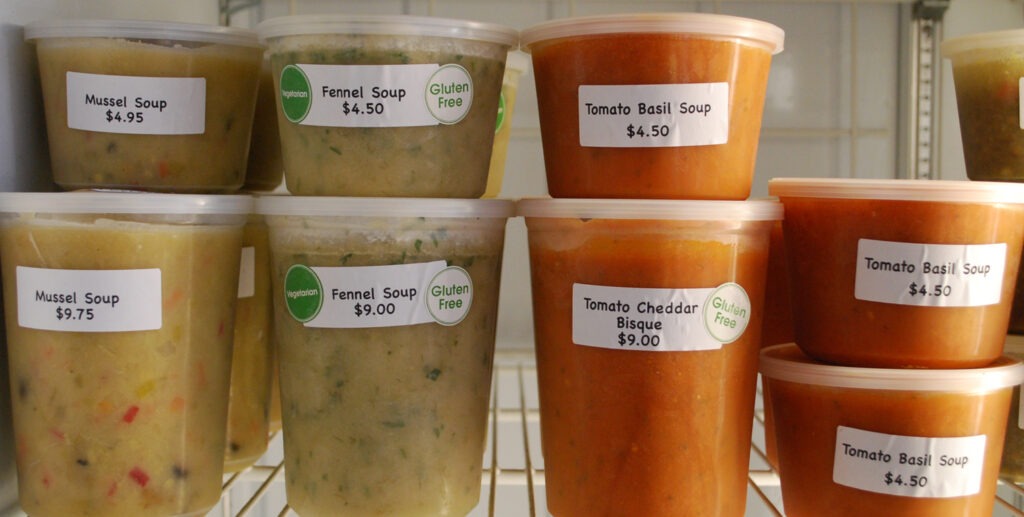
Adaptogen Drink Market to Hit USD 2.42 Billion by 2034, Fueled by Rising Demand for Stress Reduction and Wellness Solutions

Adaptogen Drink Market

The global adaptogen drink market size is expected to reach US$ 1,228.2 million by 2024. It will likely expand at a 6.4% CAGR from 2024 to 2034. The market is anticipated to attain a valuation of about US$ 2,416.8 million by 2034.

In today’s world, stress reduction and overall well-being maintenance are crucial. One such type of beverage that includes ancient medical systems like Ayurveda, traditional Chinese medicine (TCM), and indigenous healing methods is adaptogen-based drinks.

Adaptogens are well recognized for their capacity to improve resilience, support homeostasis, and regulate the body’s stress response. These have grown in popularity as people are persuaded to incorporate them into their everyday routines.

Download the Sample PDF report to explore key market insights and trends: https://www.futuremarketinsights.com/reports/sample/rep-gb-19291

Beverage manufacturers are investing in innovative formulations that combine adaptogens with other natural ingredients to create unique flavor profiles and functional benefits. Some of the popular adaptogens include Ashwagandha, Rhodiola rosea, ginseng, and Reishi mushroom.

Consumers are becoming more proactive about their health and looking for natural ways to stay fit and avoid diseases. This is a sign of growing interest in preventative health.

Brands are continuously innovating and expanding their product offerings, going beyond traditional formats like teas and tinctures. They are launching sparkling waters, functional shots, and even alcohol alternatives infused with adaptogens to gain traction.

Companies are introducing custom formulations to target the specific needs of customers apart from stress management. Their products target conditions such as sleep support, cognitive enhancement, and immune system fortification.

Consumers are demanding transparency about ingredients and sourcing practices. Brands are hence focusing on the use of organic, non-GMO, and ethically sourced adaptogens.

Scope of the Report

Attribute Details
Estimated Adaptogen Drink Market Value (2024) US$ 1,228.2 million
Projected Adaptogen Drink Market Size (2034) US$ 2,262.4 million
Expected CAGR (2024 to 2034) 5.4 %
Forecast Period 2024 to 2034
Historical Data Available for 2019 to 2023
Market Analysis US$ million for Value
Key Countries Covered  

  • United States
  • Brazil
  • Mexico
  • Germany
  • United Kingdom
  • France
  • Italy


  • Spain
  • Nordic
  • Poland
  • China
  • India
  • Thailand
  • Indonesia


  • Russia
  • Canada
  • Australia and New Zealand
  • Japan
  • GCC countries
  • North Africa, South Africa, and others

.

Key Segments Covered Global Adaptogen Drink Market Outlook by Category

By Product Type:

  • Single-herb Adaptogen
  • Blended Adaptogen
  • Functional Adaptogen
  • Ready-to-drink (RTD) Adaptogen
  • Concentrate/Powdered Adaptogen

By Ingredients:

  • Holy Basil
  • Ashwagandha
  • Lavender
  • Mushrooms
  • Maca

By Sale Channels:

  • Store-based
    • Modern Trade
    • Hospital Pharmacies
    • Retail Pharmacies
    • Drug Stores
  • Online Pharmacies

By Region:

  • North America
  • Latin America
  • Europe
  • East Asia
  • South Asia
  • Oceania
  • Middle East & Africa
Key Companies Profiled
  • REBBL
  • RASA
  • Four Sigmatic
  • Kin Euphorics
  • Wylde One
  • Sunwink
  • Peak and Valley
  • Goodmylk Co.
  • Moon Juice
  • OM Mushrooms


Adaptogen Drink Market Report Coverage Market Forecast, Company Share Analysis, Competition Intelligence, Drivers Restraints Opportunity Trends Analysis, Market Dynamics and Challenges, and Strategic Growth Initiatives

Key Takeaways from the Adaptogens Drink Market Report:

  • The global adaptogen drink sales grew at a CAGR of 5.4% from 2019 to 2023.
  • The United States adaptogen drink industry is poised to exhibit a CAGR of 4.3% during the assessment period.
  • Germany’s adaptogen drink industry size is estimated to reach US$ 126.3 million in 2034.
  • Japan is poised to exhibit a CAGR of 5.8% during the evaluation period.
  • The ready-to-drink (RTD) adaptogen segment is expected to register a CAGR of 6.8% from 2024 to 2034.
  • The online pharmacies segment is anticipated to thrive at 7.3% CAGR during the projection period.

“The adaptogen drink market is witnessing a paradigm shift with cutting-edge product innovations. By adopting a proactive approach toward product development, geographic expansion, and strategic mergers, firms can tap into the vast growth opportunities and thrive in this dynamic industry,” says Nandini Roy Choudhury (Client Partner for Food & Beverages at Future Market Insights, Inc.).

Who is Winning?

Four Sigmatic, Kin Euphorics, Wylde One, Sunwink, Peak and Valley, Goodmylk Co., OM Mushrooms, and Moon Juice are the leading adaptogen drink companies. These companies are expanding their product portfolios and employing strategies like advertising to drive growth in the market.

For instance,

  • In February 2024, Collider Brew Co., a leading beverage brand based in the United Kingdom, introduced its first non-alcoholic, adaptogen-infused beers. The beers include ingredients like mushrooms and plants that would allow consumers to tackle fatigue, anxiety, and stress.

Purchase now and gain full access to the Adaptogens Drinks Industry report, featuring comprehensive Market Forecast, Company Share Analysis, Competition Intelligence, DROT Analysis, Market Dynamics and Challenges, and Strategic Growth Initiatives.

Get More Valuable Insights into Adaptogen Drink Market Report

Future Market Insights (FMI), in its new offering, provides an unbiased analysis of the global adaptogen drink industry, presenting historical demand data (2019 to 2023) and forecast statistics for the period from 2024 to 2034.

The study incorporates compelling insights on the adaptogen drink market based on product type (single-herb adaptogen, blended adaptogen, functional adaptogen, ready-to-drink (RTD) adaptogen, and concentrate/powdered adaptogen), ingredients (holy basil, Ashwagandha, lavender, mushrooms, and maca), and sales channels (store-based retails and online pharmacies) across various regions.

About Future Market Insights (FMI)

Future Market Insights, Inc. (ESOMAR certified, recipient of the Stevie Award, and a member of the Greater New York Chamber of Commerce) offers profound insights into the driving factors that are boosting demand in the market. FMI stands as the leading global provider of market intelligence, advisory services, consulting, and events for the Packaging, Food and Beverage, Consumer Technology, Healthcare, Industrial, and Chemicals markets. With a vast team of over 400 analysts worldwide, FMI provides global, regional, and local expertise on diverse domains and industry trends across more than 110 countries.

Contact FMI:
Future Market Insights Inc.
Christiana Corporate, 200 Continental Drive,
Suite 401, Newark, Delaware – 19713, USA
T: +1-845-579-5705
For Sales Enquiries: sales@futuremarketinsights.com
Website:https://www.futuremarketinsights.com
LinkedIn| Twitter| Blogs | YouTube

Food Fortification Industry Poised for Remarkable Growth: Future Market Insights Reveals Flourishing Opportunities

 Food Fortification
Food Fortification

The food fortification market size is to be valued at US$ 106.7 billion by 2024. The market valuation is estimated to be US$ 286 billion by 2034, projected at a CAGR of 10.4%.

The food fortification market stands as a beacon of innovation and public health, leveraging fortified foods and beverages to address nutritional deficiencies and enhance overall well-being and imposes marketing strategies for promoting fortified food products to health-conscious consumers.

A surge in awareness of malnutrition and its impact on public health has spurred government initiatives and industry collaborations to fortify staple foods with essential nutrients. Consumer demand for functional foods and personalized nutrition solutions has fueled innovation in fortification techniques and product formulations, driving market expansion and diversification.

Download the Sample PDF report to explore key market insights and trends: https://www.futuremarketinsights.com/reports/sample/rep-gb-19561

Food Fortification industry also faces challenges and opportunities for fortifying plant-based alternatives. Regulatory complexities and inconsistencies across different regions pose hurdles for market players, requiring compliance efforts and adaptability to navigate varying regulatory landscapes.

Consumer skepticism and misinformation regarding fortified foods may hinder adoption rates, highlighting the importance of education and transparency in fortification initiatives.

Opportunities lie in innovation, education, and expanding market reach to underserved populations, while threats include regulatory hurdles, competitive pressures, and misinformation about fortified foods.

Report Scope

Attributes Details
Estimated Market Size in 2024 US$ 106.7 billion
Projected Market Valuation in 2034 US$ 286 billion
Value-based CAGR 2024 to 2034 10.4 %
Forecast Period 2024 to 2034
Historical Data Available for 2019 to 2023
Market Analysis Value in US$ billion
Key Market Segments Covered By Type:

  • Proteins & Amino Acids
  • Vitamins
  • Lipids
  • Prebiotics & Probiotics
  • Carbohydrates
  • Minerals
  • Others

By Process:

  • Drum Dying
  • Dusting

By Application:

  • Infant Formula
  • Dairy & Dairy-Based Products
  • Cereals & Cereal-Based Products
  • Fats & oils
  • Beverages
  • Dietary Supplements
  • Others

By Region:

  • North America
  • Latin America
  • Western Europe
  • Eastern Europe
  • South Asia and Pacific
  • East Asia
  • The Middle East and Africa
Key Countries Profiled
  • The United States
  •  Canada
  •  Brazil
  •  Mexico
  •  Germany
  •  The United Kingdom
  •  France
  •  Spain


  • Italy
  •  Russia
  •  Poland
  •  Czech Republic
  •  Romania
  •  India
  •  Bangladesh
  •  Australia


  • New Zealand
  •  China
  •  Japan
  •  South Korea
  •  GCC countries
  •  South Africa
  •  Israel


Key Takeaways from the Market Study

  • Based on the type, the proteins and amino acids segment is registered at a CAGR of 10.2% by 2034.
  • The United States is expected to register at a CAGR of 10.7% by 2034.
  • The United Kingdom registers significant growth, projected at a CAGR of 11.7% by 2034.
  • Based on process, the drum dying segment is registered at a CAGR of 10% by 2034.

“The ascending prevalence of malnutrition and related health concerns globally. As the driver underscores the importance of fortification initiatives in combating malnutrition and promoting public health, propelling demand for fortified foods and beverages across various demographics and geographical regions of the industry,” says Nandini Roy Choudhury (Client Partner for Food & Beverages at Future Market Insights, Inc.).

Competitive Landscape

The food fortification ecosystem boasts a competitive landscape characterized by multinational corporations like Nestlé, Kellogg’s, and General Mills alongside regional players.

Intense competition drives innovation and collaboration, with a focus on expanding product portfolios and meeting diverse consumer preferences for fortified foods and beverages.

Some of the key developments are:

  • In 2021, Evolve BioSystems invested in Cargill and Manna Tree to advance its pioneering probiotic technology aimed at bolstering infant gut health. This partnership fueled research and development efforts in California, with a primary focus on optimizing the health and well-being of newborns through innovative probiotic solutions.
  • In 2022, FMC Corporation unveiled a groundbreaking technology aimed at revolutionizing the food fortification market. This development introduced a novel approach to fortifying staple foods with essential nutrients, enhancing their nutritional value, and addressing global malnutrition challenges.

Purchase now and gain full access to the Food Fortification Industry report, featuring comprehensive Market Forecast, Company Share Analysis, Competition Intelligence, DROT Analysis, Market Dynamics and Challenges, and Strategic Growth Initiatives.

More Valuable Insights Available

Future Market Insights offers an unbiased global food fortification market analysis, providing historical data from 2019 to 2023 and forecast statistics from 2024 to 2034.

To understand market opportunities, the food fortification market is segmented based on Type (Proteins & Amino Acids, Vitamins, Lipids, Prebiotics & Probiotics, Carbohydrates, Minerals, Others), Process (Drum Dying, Dusting), Application (Infant Formula, Dairy & Dairy-Based Products, Cereals & Cereal-Based Products, Fats & oils, Beverages, Dietary Supplements, Others), and Region (North America, Latin America, Western Europe, Eastern Europe, South Asia and Pacific, East Asia, and the Middle East and Africa).

About Future Market Insights (FMI)

Future Market Insights, Inc. (ESOMAR certified, recipient of the Stevie Award, and a member of the Greater New York Chamber of Commerce) offers profound insights into the driving factors that are boosting demand in the market. FMI stands as the leading global provider of market intelligence, advisory services, consulting, and events for the Packaging, Food and Beverage, Consumer Technology, Healthcare, Industrial, and Chemicals markets. With a vast team of over 400 analysts worldwide, FMI provides global, regional, and local expertise on diverse domains and industry trends across more than 110 countries.

Contact FMI:
Future Market Insights Inc.
Christiana Corporate, 200 Continental Drive,
Suite 401, Newark, Delaware – 19713, USA
T: +1-845-579-5705
For Sales Enquiries: sales@futuremarketinsights.com
Website:https://www.futuremarketinsights.com
LinkedIn| Twitter| Blogs | YouTube

Korea’s Polydextrose Market to Reach USD 21.59 Million by 2033, Driven by Health Trends and Versatile Applications

Polydextrose Market
Polydextrose Market

In Korea, the polydextrose market is experiencing a surge, driven by a compound of factors propelling its demand and utilization. With an estimated CAGR of 7.6% through 2033, the industry is set to elevate from US$ 10.34 million in 2023 to US$ 21.59 million by 2033. This growth is fueled by a convergence of health-conscious consumer trends, technological advancements, and strategic industry initiatives.

Polydextrose consumption in Korea is skyrocketing, fueled by an increasing awareness of its benefits for gut health and its versatility in various food applications. As consumers prioritize healthier food choices, the demand for polydextrose as a low-calorie, high-fiber ingredient continues to soar across segments like food processing, bakery, confectionery, and dietary supplements.

Request Sample Report and Drive Impactful Decisions: https://www.futuremarketinsights.com/reports/sample/rep-gb-18673

The robust growth of Korea’s polydextrose market is underpinned by several key factors. Firstly, the rising health consciousness among consumers has led to a heightened demand for functional and clean-label food products, where polydextrose finds extensive use. Secondly, technological advancements and innovations in product formulations have expanded the applications of polydextrose across diverse food categories, further fueling its adoption and market growth.

Key Takeaway:

Korea’s polydextrose market is on a trajectory of remarkable expansion, driven by shifting consumer preferences towards healthier food options and technological advancements in food processing. With a projected CAGR of 7.6% and an anticipated industry size of US$ 21.59 million by 2033, investors are presented with lucrative opportunities to capitalize on the burgeoning demand for polydextrose in Korea’s thriving food industry.

New Occurrences in the Field of Polydextrose in Korea

  • In December 2023, Samyang banks on specialty and biotech ingredients as the world is dealing with supply chain challenges. Presently, the sugar prices are at a ten-year high. Thus, creating prospects for healthy sugar substitutes.
  • In October 2022, Aji no Shinai Ame (tasteless candy), composed of organic sugar substitute erythritol and synthetic sugar substitute polydextrose, was made available at Lawson convenience store. The product is sold exclusively via Lawson convenience stores and offers a general absence of taste.

Ask for Customization: https://www.futuremarketinsights.com/customization-available/rep-gb-18673

Key Tactics Employed by Manufacturers of Polydextrose in Korea

Key players offering polydextrose in Korea are focusing on establishing robust distribution networks and forming partnerships with leading distributors. This strategy enables broader product accessibility and reach, extending even beyond borders. Moreover, players are partnering and collaborating with other industry players, including technology providers, food manufacturers, and research institutions. This, in turn, creates expansion opportunities for polydextrose suppliers.

Leading players are further investing in research and development activities to drive innovations and product advancements. Additionally, competitors are strategically merging and acquiring smaller companies to obtain latest technologies, more access, and industry share. This empowers companies to achieve economies of scale and elevate overall competitiveness.

Key Players Providing Polydextrose in Korea

  • Dongwon F&B
  • Kyowa Hakko Bio Co., Ltd.
  • Samyang Genex Co., Ltd.
  • CJ CheilJedang Corp.
  • Wellcom Korea Co., Ltd.
  • Others

Gain Immediate Access to Detailed Market Insights Purchase Now: https://www.futuremarketinsights.com/checkout/18673

Segments Covered in Korea Polydextrose Industry Analysis

By Form:

  • Powder Form
  • Liquid Form

By End Use:

  • Food Processing Industry
    • Bakery and Confectionery
    • Breakfast Cereals
    • Snacks and Bars
    • Dairy Products
    • Desserts and Ice Cream
    • Soups, Sauces, and Dressings
    • Spreads and Fillings
    • Beverages and Dairy Drinks
  • Dietary Supplements
  • Animal Feed and Pet Food
  • Others

By Province:

  • South Gyeongsang
  • North Jeolla
  • South Jeolla
  • Jeju

About Future Market Insights (FMI)

Future Market Insights, Inc. (ESOMAR certified, recipient of the Stevie Award, and a member of the Greater New York Chamber of Commerce) offers profound insights into the driving factors that are boosting demand in the market. FMI stands as the leading global provider of market intelligence, advisory services, consulting, and events for the Packaging, Food and Beverage, Consumer Technology, Healthcare, Industrial, and Chemicals markets. With a vast team of over 400 analysts worldwide, FMI provides global, regional, and local expertise on diverse domains and industry trends across more than 110 countries.

Contact FMI:
Future Market Insights Inc.
Christiana Corporate, 200 Continental Drive,
Suite 401, Newark, Delaware – 19713, USA
T: +1-845-579-5705
For Sales Enquiries: sales@futuremarketinsights.com
Website:https://www.futuremarketinsights.com
LinkedIn| Twitter| Blogs | YouTube
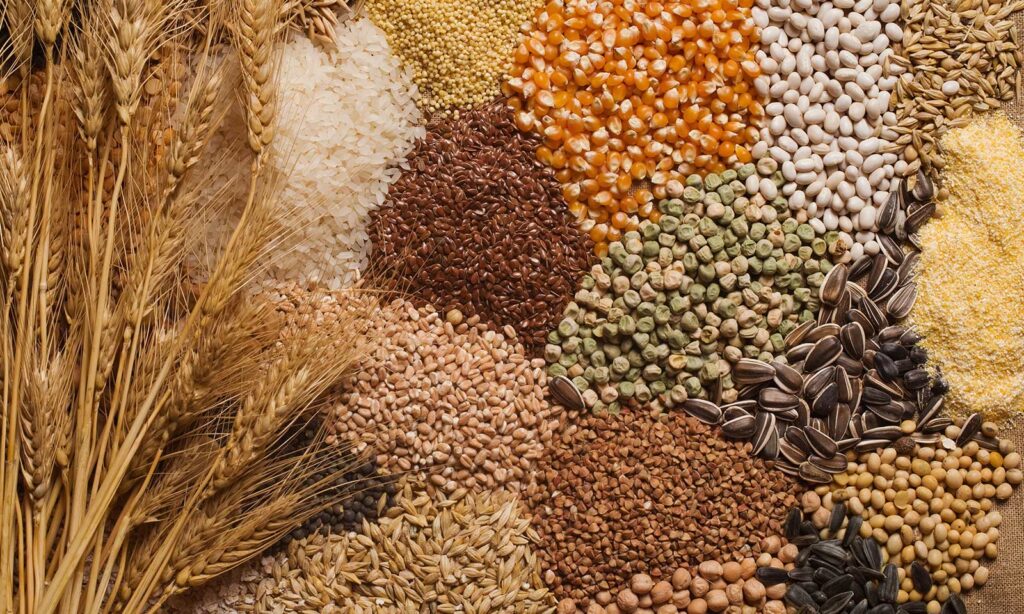
Feed Grain Market to Hit USD 70 Billion by 2034, Driven by Livestock Industry Growth and Rising Meat Consumption

Feed Grain Market
Feed Grain Market

The Global Feed Grain Market value is anticipated to increase from US$ 50.0 billion in 2024 to US$ 70.0 billion by 2034. Global demand for feed grains is projected to expand at a 3.4% CAGR throughout the assessment period.

Several factors are expected to stimulate the growth of the feed grain market during the forecast period. These include-

  • Booming livestock industry
  • Growing demand for high-quality animal feeds
  • Rising consumption of meat and poultry products
  • Population growth and changing dietary patterns
  • Favorable government support aimed at boosting domestic meat production

Feed grains are essential animal feed components, with corn being the predominant grain. They are widely used to feed livestock due to their high nutritional content, low cost, and easy availability.

The exploding population is creating enormous demand for nutritional animal products like meat, eggs, and dairy. This, in turn, will play a key role in boosting the feed grain industry through 2034.

Request Exclusive Sample Report: Feed Grain Industry Strategic Insights, https://www.futuremarketinsights.com/reports/sample/rep-gb-18813

Livestock farmers are focusing on providing high-quality feeds to their animals to foster their growth. This is expected to create lucrative growth opportunities for feed grain suppliers during the forecast period.

Sustainable agriculture practices are gaining immense traction, with feed grain producers increasingly adopting sustainable agriculture practices. This can help them to minimize the ecological footprint of feed grain cultivation.

Key Takeaways from the Report:

  • The global market for feed grains is expected to total a valuation of US$ 70.0 billion by 2034.
  • By grain type, corn is set to lead the global market, holding a value share of 36.8% in 2024.
  • Based on application, the livestock segment is estimated to account for a revenue share of 65.3% in 2024.
  • The United States market valuation is projected to total US$ 19.3 billion by 2034.
  • Sales in Germany are estimated to be valued at US$ 6.7 billion by 2034.
  • Feed grain demand in India is projected to expand at a CAGR of 3.3% through 2034.

“The global feed grain market is driven by the increasing demand for animal protein, with corn being the predominant grain used in animal feed. Sustainable agriculture practices are gaining importance in feed grain production to minimize ecological impact,” – Nandini Roy Choudhury, Client Partner at Future Market Insights

Who is Winning?

Following are the leading players operating in the market.

  • Cargill, Incorporated
  • ADM
  • Louis Dreyfus Company (LDC)
  • GrainCorp.
  • Ardent Mills
  • Stone House Grain
  • Gavilon
  • Nutreco N.V.
  • New Hope Liuhe Co., Ltd.
  • Bartlett Milling Co., LP
  • Scoular
  • Perdue Farms
  • Other Players

Key players are focusing on increasing their production capacities as well as using sustainable farming practices. They also employ strategies like new product launches, acquisitions, partnerships, and collaborations to stay ahead of the competition.

Key Developments in the Feed Grain Market

  • In 2023, Highland Specialty Grains launched new barley varieties, including forage barley varieties, conventional feed grains for feed grain, and food barley.
  • In 2021, Scoular launched Emerge™, a concentrated barley protein, which was introduced to meet the growing demand for plant-based, sustainable ingredients in pet food and aquafeed. This innovative feed product was created through a patent-pending process that concentrates the protein naturally found in whole barley kernels, providing a nutrient-dense ingredient for use in pet food and aquafeed.

Get More Valuable Insights

Future Market Insights (FMI) has released an objective assessment of the global feed grain market, presenting past demand data from 2019 to 2023 and projecting forecast statistics for the 2024 to 2034 period. The study reveals growth projections based on grain type (corn, wheat, barley, sorghum, and others (oats, rye, millets)), application (aquaculture, livestock, and pet food), nature (organic and conventional), and region.

Stay Ahead of Market Trends !!! Get the Full Report Update Now for Comprehensive Insights and Strategic Advantage!” |Latest Research By Future Market Insights, Inc.

About Future Market Insights (FMI)

Future Market Insights, Inc. (ESOMAR certified, recipient of the Stevie Award, and a member of the Greater New York Chamber of Commerce) offers profound insights into the driving factors that are boosting demand in the market. FMI stands as the leading global provider of market intelligence, advisory services, consulting, and events for the Packaging, Food and Beverage, Consumer Technology, Healthcare, Industrial, and Chemicals markets. With a vast team of over 400 analysts worldwide, FMI provides global, regional, and local expertise on diverse domains and industry trends across more than 110 countries.

Contact FMI:
Future Market Insights Inc.
Christiana Corporate, 200 Continental Drive,
Suite 401, Newark, Delaware – 19713, USA
T: +1-845-579-5705
For Sales Enquiries: sales@futuremarketinsights.com
Website:https://www.futuremarketinsights.com
LinkedIn| Twitter| Blogs | YouTube

Coconut Flour Market Poised for Significant Growth: Forecast to Reach USD 6,325.6 Million by 2033

Coconut Flour Market

The global coconut flour market, valued at USD 2,984.2 million in 2023, is projected to witness a remarkable growth trajectory, reaching USD 6,325.6 million by 2033. This growth is expected to surge at a Compound Annual Growth Rate (CAGR) of 7.8% during the forecast period from 2023 to 2033. The increasing consumer inclination towards healthier and gluten-free alternatives is driving the expansion of this market.

Key Industry Trends and Highlights

Coconut flour is gaining popularity for its versatility and nutritional benefits. It is increasingly incorporated into various functional foods like protein bars, gluten-free pastries, and high-fiber snacks, capitalizing on its rich nutritional profile. Both home bakers and professional chefs are experimenting with coconut flour, leveraging its moisture retention and mild coconut flavor for a wide range of recipes.

Get Your Report Sample: https://www.futuremarketinsights.com/reports/sample/rep-gb-2479

Manufacturers are also innovating by creating coconut flour blends with other alternative flours, such as almond flour or tapioca flour, to enhance texture and flavor in gluten-free baked goods. The market is witnessing a diversification of coconut flour products, including organic, non-GMO, and specialty flours like defatted or high-protein coconut flour.

The growth of e-commerce has significantly increased the availability of coconut flour products from various brands and regions, making it easier for consumers to access these products.

Historical Analysis vs. Future Projections

Between 2018 and 2022, the coconut flour market grew at a CAGR of 7.2%, driven by the rising demand for gluten-free and low-carb baked goods and confectionery products. The market is anticipated to continue its growth at a moderate CAGR of 7.8% from 2023 to 2033.

In 2018, the industry was valued at USD 1,859.8 million and rose to USD 2,456.2 million in 2022. The growth was primarily attributed to increasing awareness of the health benefits of coconut flour and the growing demand for gluten-free products.

Key Drivers of Market Growth

  • Health Consciousness: The rising health consciousness among consumers has increased the demand for healthier food alternatives. Coconut flour is perceived as a healthier option due to its lower carbohydrate content, gluten-free nature, and high fiber and protein content.
  • Gluten-Free Diets: The rise in gluten-free diets, driven by consumers with celiac disease and gluten sensitivity, has led to increased interest in coconut flour as an alternative to wheat flour.
  • Clean-Label Ingredient: Coconut flour is considered a natural and clean-label ingredient, aligning with consumer preferences for minimally processed foods with recognizable ingredients.
  • Plant-Based Diets: The popularity of plant-based and vegan diets has expanded the market for coconut flour as it is a plant-derived product. It can be used as a substitute for eggs in baking, making it suitable for vegan recipes.

Challenges in the Market

The coconut flour market faces challenges such as the availability and pricing of coconut products, which can be influenced by variability in coconut harvests, weather conditions, and regional factors. Additionally, coconut flour prices can be susceptible to fluctuations due to changes in coconut supply, processing costs, and international trade dynamics. The market also faces competition from other gluten-free and grain-free flour alternatives like almond flour, cassava flour, and chickpea flour. Furthermore, the distinct texture and flavor profile of coconut flour may not be suitable for all recipes or consumer preferences.

Access Free Sample Copy: https://www.futuremarketinsights.com/checkout/2479

Competitive Landscape

Key players in the market, such as Bob’s Red Mill, Nature’s Way, and Anthony’s Goods, are focusing on product innovation and expansion. In 2023, Bob’s Red Mill launched a new organic coconut flour product, and Nature’s Way expanded its coconut flour product line with a new blend.

The global coconut flour market presents numerous opportunities for growth, driven by health trends, dietary preferences, and product innovations. Manufacturers are well-positioned to capitalize on these trends and expand their market presence in the coming years.

Segmentation Analysis of the Coconut Flour Industry

By End-Use:

  • Retail
    • Conventional / Grocery Stores
    • Modern Trade
    • E-retailers
  • Industrial

By Application:

  • Snack Foods
    • Polvoron
    • Multi-Grain Chips
    • Extruded Products
    • Kroepeck
  • Baked Products
    • Cookies
    • Bread
    • Cakes
  • Animal Feed
  • Extruded Products

By Product Form:

  • Low Fat High Fibre Flour
  • Medium Fat Flour
  • Whole Full Fat Flour

By Technology:

  • Wet Process
  • Fresh-Dry Process

By Nature:

  • Organic
  • Conventional

Region:

  • North America
  • Latin America
  • Western Europe
  • Eastern Europe
  • South Asia & Pacific
  • East Asia
  • The Middle East & Africa

About Future Market Insights (FMI)

Future Market Insights, Inc. (ESOMAR certified, recipient of the Stevie Award, and a member of the Greater New York Chamber of Commerce) offers profound insights into the driving factors that are boosting demand in the market. FMI stands as the leading global provider of market intelligence, advisory services, consulting, and events for the Packaging, Food and Beverage, Consumer Technology, Healthcare, Industrial, and Chemicals markets. With a vast team of over 400 analysts worldwide, FMI provides global, regional, and local expertise on diverse domains and industry trends across more than 110 countries.

Contact FMI:
Future Market Insights Inc.
Christiana Corporate, 200 Continental Drive,
Suite 401, Newark, Delaware – 19713, USA
T: +1-845-579-5705
For Sales Enquiries: sales@futuremarketinsights.com
Website:https://www.futuremarketinsights.com
LinkedIn| Twitter| Blogs | YouTube

Sea Buckthorn Market to Reach USD 1,025 Million by 2034, Driven by Functional Food and Cosmetic Industry Demand

Sea Buckthorn Market

The sea buckthorn market is expected to be valued at USD 393.1 million in 2024. Sea buckthorn’s healthy properties are not a secret and have seen the product become a household name in households, especially in Asia and Europe. Thus, the market has a historical precedent to grow upon.

The market is set to register a CAGR of 10.1% over the period from 2024 to 2034. As functional foods become more commonplace, the sea buckthorn market benefits. The ability of sea buckthorn to be blended and molded into juices, shakes, and pies, among others, is lending the product significant growth prospects.

By 2034, the market is set to acquire a valuation of USD 1,025 million. Apart from food, the use of the product in cosmetic products is set to add considerable value to the market. As the cosmetic industry switches towards organic ingredients, sea buckthorn is a prominent example of the type of ingredient being preferred by consumers.

Download the Sample PDF report to explore key market insights and trends: https://www.futuremarketinsights.com/reports/sample/rep-gb-19607

As part of its functionality in food, sea buckthorn is also finding notable application in dietary supplements. As dietary supplements become more common, due to a combination of factors like the aging population and more people taking up sports, sea buckthorn’s use in them is supposed to grow.

“While the market faces some obstacles, like improper supply of raw material on occasion, the overall prospects of it are positive. Use of sea buckthorn for the making of alcoholic drinks is filled to the brim with potential for investors,” says Nandini Roy Choudhury (Client Partner for Food & Beverages at Future Market Insights, Inc.).

Key Takeaways from the Sea Buckthorn Market

  • The sea buckthorn market is projected to be valued at US$ 393.1 million in 2024.
  • Sea buckthorn predominantly comes in the form of juice. Juice is expected to account for 34% of the market share in 2024.
  • Dietary supplement tops the application segment. For 2024, dietary supplements are anticipated to account for 28% of the market share.
  • South Korea is a promising country for the market. For the forecast period, the CAGR for South Korea is estimated to be 12.3%.
  • China and Japan are pegged to be lucrative countries for the market. The CAGR for China and Japan over the forecast period is predicted to be 10.8% and 11.8% respectively.
  • The market is expected to register a CAGR of 11.4% in the United Kingdom over the forecast period.                           

Competition Analysis of the Sea Buckthorn Market

The market is diverse, as companies of all scales have room to thrive. Partnerships are common in the sector, especially with companies in end user industries. Some of the prominent companies in the market include SeabuckWonders, Wellsash, W.S. Badger Company Inc., and Natures Aid Ltd.

Recent Developments in the Sea Buckthorn Market

  • In July 2023, the 30 Day product was launched by Australia-based Mud Organics in the United States. The product contains sea buckthorn
  • In 2024, a study was published by researchers from Memorial University, Canada, expounding on the benefits of sea buckthorn in fighting obesity.

Key Companies in the Sea Buckthorn Market

Key companies in the industry include SeabuckWonders, Wellsash, W.S. Badger Company Inc., Natures Aid Ltd., Erbology, SIBU, WELEDA, Leh Berry, Natura Health Product, and TEREZIA COMPANY S.R.O.

Purchase now and gain full access to the Sea Buckthorn Industry report, featuring comprehensive Market Forecast, Company Share Analysis, Competition Intelligence, DROT Analysis, Market Dynamics and Challenges, and Strategic Growth Initiatives.

Key Segments of Sea Buckthorn Market

By Application:

Based on application, the sea buckthorn market can be segmented into the following segments: dietary supplements, pharmaceutical, cosmetics & personal care, food and beverages, and others.

By Form:

Based on the form, the sea buckthorn market can be segmented into the following segments: juice, oil, powder, and others.

By Region:

The sector has been analyzed with the following regions covered: North America, Latin America, Europe, South Asia, East Asia, Oceania, and the Middle East and Africa

About Future Market Insights (FMI)

Future Market Insights, Inc. (ESOMAR certified, recipient of the Stevie Award, and a member of the Greater New York Chamber of Commerce) offers profound insights into the driving factors that are boosting demand in the market. FMI stands as the leading global provider of market intelligence, advisory services, consulting, and events for the Packaging, Food and Beverage, Consumer Technology, Healthcare, Industrial, and Chemicals markets. With a vast team of over 400 analysts worldwide, FMI provides global, regional, and local expertise on diverse domains and industry trends across more than 110 countries.

Contact FMI:
Future Market Insights Inc.
Christiana Corporate, 200 Continental Drive,
Suite 401, Newark, Delaware – 19713, USA
T: +1-845-579-5705
For Sales Enquiries: sales@futuremarketinsights.com
Website:https://www.futuremarketinsights.com
LinkedIn| Twitter| Blogs | YouTube
Glutamine Market to Reach USD 199 Million by 2034, Driven by High Demand for L-Glutamine and Its Health Benefits

Glutamine Market
Glutamine Market

The global glutamine market value is anticipated to total USD 140.2 million in 2024 and USD 199 million by 2034. Global demand for glutamine will likely increase at a CAGR of 3.6% during the forecast period.

Sales remain particularly high for L-glutamine owing to its perceived health benefits. The target segment accounted for a revenue share of 63% in 2023 and is set to experience steady growth through 2034.

Download the Sample PDF report to explore key market insights and trends: https://www.futuremarketinsights.com/reports/sample/rep-gb-19618  

Multiple factors are expected to fuel growth of the glutamine industry during the assessment period. These include growing health consciousness, surge in chronic disease prevalence, and high adoption of glutamine in food and beverage, pharmaceutical, and dietary supplement sectors.

With increasing health consciousness, people are becoming aware of the benefits of glutamine supplements. This, in turn, is anticipated to uplift demand for glutamine during the assessment period.

Glutamine plays a key role in enhancing gut health, immunity, and muscle repair. As a result, its usage in industries like nutraceuticals and dietary supplements is expected to grow significantly, leading to sales growth.

Another key factor propelling industry growth is the surging demand for sports nutrition products, including protein powders containing glutamine. Glutamine is gaining immense popularity among fitness enthusiasts and athletes for its role in immune function and muscle recovery.

Leading players are concentrating on strengthening their plant-based glutamine portfolio to meet growing demand from vegans. This will likely play a key role in further boosting growth of the glutamine sector during the assessment period.  

Key Takeaways from Market Report:

  • The global market is forecast to reach USD 199 million by 2034, registering a 3.6% CAGR.
  • Based on type, L-glutamine segment is set to advance at a CAGR of 3.4% through 2034.
  • By form, the powder segment dominated the industry with a share of 58% in 2023.
  • China is predicted to record a CAGR of 4.2% between 2024 and 2034.
  • Sales in the United States are projected to total USD 35.4 million by 2034.

“Glutamine’s growing fame for its potential health benefits like muscle recovery and gut health improvements is acting as a catalyst boosting market growth,” says Nandini Roy Choudhury (Client Partner for Food & Beverages at Future Market Insights, Inc.).

Who is Winning?

Kyowa Hakko Bio Co. Ltd., Ajinomoto Co. Inc., Evonik Industries AG, Amino GmbH, and NutraBio Labs are a few key players listed in the report. Developing new formulations and delivery methods is becoming a key strategy for industry players globally.

Companies are also directing investments in research to back their claims of the health benefits of glutamine. Similarly, strategies like acquisitions, partnerships, mergers, and distribution agreements are becoming popular among players.

Industry Update:

  • In October 2023, NOW Foods, headquartered in the United States, partnered with FoodChain ID to improve the company’s reputation as a market leader in supplement safety and quality.

Purchase now and gain full access to the Glutamine Industry report, featuring comprehensive Market Forecast, Company Share Analysis, Competition Intelligence, DROT Analysis, Market Dynamics and Challenges, and Strategic Growth Initiatives.

Want More Insights?

Future Market Insights (FMI), in its new offering, provides an unbiased analysis of the global glutamine market, presenting historical demand data (2019 to 2023) and forecast statistics for the period from 2024 to 2034.

The study incorporates compelling insights based on type (L-glutamine and D-glutamine), form (capsules & tablets, powder, and liquid), source (plant-based, animal-based, and fermentation-based), and application (dietary supplements, pharmaceuticals, sports nutrition, clinical nutrition, food and beverages, animal nutrition, and others) across various regions.

About Future Market Insights (FMI)

Future Market Insights, Inc. (ESOMAR certified, recipient of the Stevie Award, and a member of the Greater New York Chamber of Commerce) offers profound insights into the driving factors that are boosting demand in the market. FMI stands as the leading global provider of market intelligence, advisory services, consulting, and events for the Packaging, Food and Beverage, Consumer Technology, Healthcare, Industrial, and Chemicals markets. With a vast team of over 400 analysts worldwide, FMI provides global, regional, and local expertise on diverse domains and industry trends across more than 110 countries.

Contact FMI:
Future Market Insights Inc.
Christiana Corporate, 200 Continental Drive,
Suite 401, Newark, Delaware – 19713, USA
T: +1-845-579-5705
For Sales Enquiries: sales@futuremarketinsights.com
Website:https://www.futuremarketinsights.com
LinkedIn| Twitter| Blogs | YouTube

Arrowroot Starch Market to Reach USD 4.2 Billion by 2034, Driven by Culinary Applications and Demand for Natural Thickening Agents

Arrowroot Starch Market

The arrowroot starch market is poised for steady growth, with a projected market value of USD 4.2 billion by 2034. This translates to a CAGR (Compound Annual Growth Rate) of 4.1% from 2024, making it an attractive proposition for investors in the natural and organic food ingredients sector.

Market Overview: Clean-Label Appeal Drives Demand

Arrowroot starch, also known as arrowroot flour or powder, is a natural thickener derived from the arrowroot plant. It has been a culinary staple for centuries, prized for its neutral flavor and high starch content. Today, the arrowroot starch market is thriving due to the growing consumer preference for clean-label and gluten-free products.

Request Sample Report and Drive Impactful Decisions: https://www.futuremarketinsights.com/reports/sample/rep-gb-19651     

Demand on the Rise: Consumers Seek Natural Alternatives

  • Gluten-Free Boon: Arrowroot starch is a natural choice for people with celiac disease or gluten sensitivity, as it is inherently gluten-free.
  • Clean-Eating Trend: Consumers are increasingly opting for natural, plant-based ingredients. Arrowroot starch aligns perfectly with this trend, offering a healthy alternative to traditional wheat-based thickeners.
  • Versatility Across Industries: Arrowroot powder finds application in various industries beyond food and beverage. It is used in cosmetics for its thickening and soothing properties, and in pharmaceuticals for its ability to reduce inflammation and aid digestion.

Key Takeaways:

  • The arrowroot starch market offers a stable and growing investment opportunity with a projected CAGR of 4.1%.
  • Rising consumer demand for clean-label, gluten-free, and natural ingredients is a key growth driver.
  • Investment in companies committed to sustainable practices, innovation, and quality control presents high potential returns.
  • The versatility of arrowroot starch across food, beverage, cosmetic, and pharmaceutical industries offers diverse investment opportunities.

Country-wise Insights:

The section below highlights the CAGRs of the leading countries in the Arrowroot Starch  Market. The three main countries pushing Arrowroot Starch demand include United States, United Kingdom, China, South Korea, Japan.


Country-wise Insights of Arrowroot Starch Industry

Competition Outlook

The arrowroot starch market is competitive. The demand for the product is still developing and in its nascent stages in some areas. Thus, focus is placed on exports to a greater degree. Bob’s Red Mill markets its arrowroot flour as being ideal for use in soups, puddings, and other liquid delicacies. Authentic Foods, on the other hand, markets its products with a non-GMO label.

Several companies are focusing on capitalizing on the clean-label trend by offering organic products. Large investments are being made into research and development to explore new applications of the product. Similarly, companies are employing strategies like partnerships, distribution agreements, acquisitions, and facility expansions to stay ahead.

Industry Updates

  • In April 2024, a study was published in the International Journal of Biological Macromolecules. The study used arrowroot starch to develop a 3D bioprinting structure. The study established that the bionic developed was superior to the existing monolayer structure in the human body.
  • In February 2024, the Dove Men+Care Whole Body Deo Stick was launched. Containing arrowroot powder, the deo stick aims to reduce chafing.

Leading Arrowroot Starch Brands

  • Bob’s Red Mill
  • NOW Foods
  • Authentic Foods
  • Nature’s Way
  • Tropical Traditions
  • Pure Organic Ingredients
  • Frontier Co-op, Anthony’s Goods
  • Health Garden USA
  • Arrowhead Mills
  • Barry Farm Foods
  • Let’s Do…Organic.

Drive Your Growth Strategy: Purchase the Report for Key Insights: https://www.futuremarketinsights.com/checkout/19651       

Investor Action:

The arrowroot starch market presents a compelling opportunity for B2B investors seeking growth in the natural and organic ingredients sector. By carefully evaluating companies demonstrating a commitment to sustainability, quality, innovation, and catering to evolving consumer preferences, investors can capitalize on the full potential of this exciting market. With its natural appeal, diverse applications, and growing demand, the arrowroot starch market offers a promising recipe for investment success.

About Future Market Insights (FMI)

Future Market Insights, Inc. (ESOMAR certified, recipient of the Stevie Award, and a member of the Greater New York Chamber of Commerce) offers profound insights into the driving factors that are boosting demand in the market. FMI stands as the leading global provider of market intelligence, advisory services, consulting, and events for the Packaging, Food and Beverage, Consumer Technology, Healthcare, Industrial, and Chemicals markets. With a vast team of over 400 analysts worldwide, FMI provides global, regional, and local expertise on diverse domains and industry trends across more than 110 countries.

Contact FMI:
Future Market Insights Inc.
Christiana Corporate, 200 Continental Drive,
Suite 401, Newark, Delaware – 19713, USA
T: +1-845-579-5705
For Sales Enquiries: sales@futuremarketinsights.com
Website:https://www.futuremarketinsights.com
LinkedIn| Twitter| Blogs | YouTube

Invert Sugar Market to Reach USD 3.3 Billion with a CAGR of 4.6% Through 2034

Invert Sugar Market
Invert Sugar Market

The global invert sugar market is set to experience significant growth, with its value projected to reach USD 2.1 billion in 2024 and further increase at a CAGR of 4.6% during the forecast period, culminating in a total of USD 3.3 billion by 2034. This growth is attributed to the rising demand for natural sweeteners and the expanding application of invert sugar in various food and beverage products.

Invert Sugar: A Superior Sweetener

Invert sugar, produced through the chemical breakdown of sucrose, is a natural sweetener that is sweeter than regular sugar. Its higher sweetness level means that smaller quantities are needed, making it a cost-effective alternative to regular sugar and honey. This quality has driven its popularity, particularly in the bakery and confectionery industries, where it is used extensively to enhance flavor and texture while extending product shelf life.

Get Your Report Sample: https://www.futuremarketinsights.com/reports/sample/rep-gb-19716

Technological Advancements Revolutionize Production

Traditionally, the production of invert sugar syrup involved costly acid extraction methods. However, the industry has witnessed a shift towards enzymatic processes, which are more cost-effective and environmentally friendly. This method operates at lower temperatures and pH levels, yielding 100% sugar syrup with superior taste and quality. Leading companies such as Eurosweet GmbH and Zuckerhandelsunion GmbH & Co. KG are adopting these innovative production techniques to stabilize large-scale production and improve product quality.

Health and Wellness Trends Drive Market Growth

The global health and wellness trend has significantly impacted the demand for natural sweeteners, including invert sugar syrup. Consumers are increasingly seeking clean-label products with natural ingredients, propelling the use of invert sugar in various food and beverage products. Its natural fructose content and lower glycemic index make it an attractive option for health-conscious consumers and those managing diabetes.

Expanding Applications in Processed Foods

The processed food sector is expanding rapidly, and invert sugar syrup has become a staple ingredient due to its versatile properties. It enhances flavor, improves texture, and extends the shelf life of products such as baked goods, confectioneries, canned fruits, and dairy items. As the demand for processed foods grows, so does the demand for invert sugar syrups, creating new revenue streams for manufacturers.

Sustainability and Eco-friendly Practices

Sustainability is a key focus in the food industry, and invert sugar manufacturers are increasingly adopting eco-friendly production practices. By using renewable energy sources, reducing water consumption, and minimizing waste, companies are aligning their operations with environmental standards and consumer preferences. These sustainable practices not only enhance brand reputation but also reduce operational costs, making them a win-win for manufacturers and the environment.

Technological Advancements Boost Efficiency

Technological advancements in production processes are revolutionizing the invert sugar industry. Modern techniques, such as improved filtration systems and automated processes, enhance efficiency and product quality. These innovations enable manufacturers to produce high-quality invert sugar at lower costs, ensuring they remain competitive in a commoditized industry. Advancements in crystallized invert sugar are also expected to support industry expansion.

Full Report Revealed: https://www.futuremarketinsights.com/checkout/19716

Customization and Product Differentiation

As competition intensifies, manufacturers are focusing on customization and product differentiation to stand out in the market. Offering tailored formulations to meet specific industrial needs, such as different sweetness levels or unique functional properties, helps companies cater to niche industries and specialized applications. This emerging trend in the invert sugar market is poised to boost sales growth.

Market Concentration and Competitive Landscape

The invert sugar market is characterized by a distinct concentration across different tiers of manufacturers and suppliers. Tier 1 companies, including Eurosweet GmbH and Zuckerhandelsunion GmbH & Co. KG, hold around 35% of the market share. These well-established companies have significant production capabilities and extensive distribution networks. Tier 2 companies account for about 40% of the market share, comprising mid-sized firms with substantial regional influence. The remaining 25% of the market is occupied by Tier 3 companies, which include smaller and regional players.

Industry Updates

  • In February 2024, Sudzucker launched its new CO2-reduced beet sugar in the market to contribute to a healthy, sustainable, and enjoyable future.
  • In December 2023, American company ADM announced the acquisition of United Kingdom-based FDL to broaden its global flavors capabilities.

Leading Invert Sugar Brands

  • Nordzucker AG (Nordzucker Holding AG)
  • Südzucker AG
  • International Molasses Corporation
  • Galam Group (FIMI)
  • AP Multiproducts Pvt. Ltd
  • Cargill, Incorporated
  • Ragus Sugars Manufacturing Limited
  • Tereos S.A
  • Honey Sugar Product

Key Segments of Report

By Product Type:

As per product type, the industry has been categorized into fully inverted sugar and partially inverted sugar.

By End Use:

Inverted sugar syrup is mostly used in food, pharmaceutical, and personal care. The food category is further segmented into confectionery, bakery, processed food, frozen desserts, dairy products, and others.

By Region:

Invert sugar industry analysis has been carried out in key countries of North America, Latin America, Europe, East Asia, South Asia, Oceania, and the Middle East & Africa.

About Future Market Insights (FMI)

Future Market Insights, Inc. (ESOMAR certified, recipient of the Stevie Award, and a member of the Greater New York Chamber of Commerce) offers profound insights into the driving factors that are boosting demand in the market. FMI stands as the leading global provider of market intelligence, advisory services, consulting, and events for the Packaging, Food and Beverage, Consumer Technology, Healthcare, Industrial, and Chemicals markets. With a vast team of over 400 analysts worldwide, FMI provides global, regional, and local expertise on diverse domains and industry trends across more than 110 countries.

Contact FMI:
Future Market Insights Inc.
Christiana Corporate, 200 Continental Drive,
Suite 401, Newark, Delaware – 19713, USA
T: +1-845-579-5705
For Sales Enquiries: sales@futuremarketinsights.com
Website:https://www.futuremarketinsights.com
LinkedIn| Twitter| Blogs | YouTube

Refrigerated and Frozen Soup Market Set to Soar to USD 6.3 Billion by 2034

Refrigerated and Frozen Soup Market

The global refrigerated and frozen soup market is on a remarkable growth trajectory, with its valuation projected to escalate from USD 2.6 billion in 2024 to an impressive USD 6.3 billion by 2034. This promising expansion is driven by a robust CAGR of 9.1% throughout the assessment period.

The frozen soup segment is leading the charge, capturing a significant 58% value share of the global industry in 2023. The rising demand for convenience foods, longer shelf life, and minimal preparation time are key factors contributing to the popularity of frozen soups.

Get Your Report Sample: https://www.futuremarketinsights.com/reports/sample/rep-gb-19691

Convenience and Lifestyle Trends Propel Market Growth

The fast-paced modern lifestyle is a major driver behind the growing popularity of refrigerated and frozen soups. As consumers juggle busy schedules, the need for quick, easy-to-prepare meal options is more critical than ever. Frozen and refrigerated soups, which often require only heating, are becoming increasingly attractive to time-pressed consumers.

Popular products in this segment include frozen onion soup, potato soup, miso soup, and clam chowder. The market is also seeing a surge in innovative chilled soups with new flavors and ingredients, contributing to sector growth.

Addressing Food Insecurity and Waste Reduction

Refrigerated and frozen soups play a crucial role in addressing food insecurity and reducing waste. These products have an extended shelf life compared to fresh alternatives, helping to minimize food wastage. The convenience and nutritional value of these soups make them a staple in hotels, cafes, and restaurants.

Organic and Eco-Friendly Trends

The industry is witnessing a growing interest in organic soup variations and eco-friendly packaging. Leading players are focusing on using high-quality ingredients and minimal preservatives to meet the rising demand for healthy and natural food options. Companies are also adopting compostable or recycled packaging materials to attract eco-conscious consumers.

Competitive Landscape and Innovations

Major industry players such as Campbell Soup Company, Conagra Foods, Kraft Heinz, and Nestle dominate the market with their extensive manufacturing and distribution networks. These companies are continuously upgrading their product portfolios with innovative frozen soup varieties featuring exotic flavors and functional ingredients.

Advanced freezing and preservative technologies are being employed to maintain the taste, quality, and nutritional value of soups. Additionally, new players and start-ups are entering the market, offering healthier, nutrient-dense products to compete with established brands. For example, Soupologie recently introduced the new Souper Cube range in the United Kingdom, targeting health-conscious consumers with innovative, plant-based soups.

Regional Insights and Growth Opportunities

United States: The U.S. market is projected to grow at a CAGR of 9.4%, reaching USD 1.1 billion by 2034. The busy American lifestyle and the presence of leading frozen food brands are key factors driving this growth.

United Kingdom: The U.K. market is expected to achieve a 10.4% CAGR, driven by a growing interest in healthy eating and convenient food options. The demand for vegan and vegetarian soups is particularly strong, prompting companies to innovate with plant-based ingredients.

China: China is emerging as a lucrative market with a CAGR of 9.9%, fueled by rapid urbanization and increasing demand for non-veg frozen soups. Ongoing innovation in soup flavors and ingredients is further boosting market growth.

South Korea and Japan: These markets are set to experience significant growth, with CAGRs of 11.3% and 10.8%, respectively, through 2034. The rising popularity of chilled soups and convenience foods is driving demand in these regions.

Full Report Revealed: https://www.futuremarketinsights.com/checkout/19691
Key Segments of the Market Report

By Type:

Based on type, the industry is segmented into refrigerated soup and frozen soup.

By Application:

In terms of applications, the sector is segmented into supermarkets/hypermarkets, foodservice, retail, and others.

By Region:

Frozen and refrigerated soup industry analysis has been carried out in key countries of North America, Latin America, Europe, East Asia, South Asia, Oceania, and the Middle East and Africa.

About Future Market Insights (FMI)

Future Market Insights, Inc. (ESOMAR certified, recipient of the Stevie Award, and a member of the Greater New York Chamber of Commerce) offers profound insights into the driving factors that are boosting demand in the market. FMI stands as the leading global provider of market intelligence, advisory services, consulting, and events for the Packaging, Food and Beverage, Consumer Technology, Healthcare, Industrial, and Chemicals markets. With a vast team of over 400 analysts worldwide, FMI provides global, regional, and local expertise on diverse domains and industry trends across more than 110 countries.

Contact FMI:
Future Market Insights Inc.
Christiana Corporate, 200 Continental Drive,
Suite 401, Newark, Delaware – 19713, USA
T: +1-845-579-5705
For Sales Enquiries: sales@futuremarketinsights.com
Website:https://www.futuremarketinsights.com
LinkedIn| Twitter| Blogs | YouTube