
Vodka Market Projected to Reach USD 68.25 Billion by 2033, According to Future Market Insights

Vodka Market

The vodka market has witnessed steady growth over the years, fueled by increasing consumer demand and a growing cocktail culture. The market size is influenced by factors such as changing consumer preferences, expanding urbanization, and increasing disposable incomes. Vodka consumption has become more prevalent in emerging economies, contributing to the market’s expansion.

The vodka market is anticipated to reach a value of US$ 39.96 billion in 2023 and is expected to expand at a CAGR of 5.5% between 2023 and 2033. It is projected that the vodka industry would be worth US$ 68.25 billion by 2033.

The use of high-end vodka cocktails has increased in developed economies, which can be the cause of this. Sales of vodka are being helped by the rising popularity of flavored vodkas including cranberry, lime, and raspberry. The rise of alcoholic beverage offline commerce is anticipated to speed up market expansion throughout the projection period.

Are you ready to take your Vodka Market business to the next level? Our sample PDF unveils the hottest industry trends, giving you a competitive edge. https://www.futuremarketinsights.com/reports/sample/rep-gb-16624

An Increase in Demand for Premium Vodka

Global consumers today have more discriminating tastes than they did five years ago. To enhance both their overall appeal and functionality, premium vodkas go through numerous stages of distillation, setting them apart from more common variants.

The popularity of healthier alcoholic beverages, which feature a blend of natural ingredients, reduced calories, and sugar-free formulation, is being encouraged by the rise in health consciousness. Due to rising consumer interest in living a sustainable and healthy lifestyle, the premium vodka category has better possibilities, particularly in the foreign market.

As consumers continue to demand flavored, light beverages like hard seltzers, RTD vodka innovation is rising in developing nations. This is projected to fuel the expansion of the vodka market throughout the forecast period.

Customer Preferences have Changed Favoring Alcohol-free Drinks

The vodka market expansion is anticipated to be constrained by the increasing consumer influence of craft beer and the accessibility of substitutes. The government’s stringent regulations and high taxes are preventing the global vodka industry from growing.

Despite this, the worldwide vodka industry is likely to have considerable growth throughout the forecasted period due to consumer trends and numerous developments, such as fruit-based healthy vodka. In contrast, non-alcoholic beverage substitutes are putting pressure on the vodka industry, which is challenging the market significantly.

North America has Remained the Main Market

Sales of flavored vodkas including Texas Grapefruit, Blood Orange, Bartlett Pear, and Sun-Riped Watermelon are gaining in popularity in the United States The sector is expected to develop as a result of Canada’s rising acclaim for sweet citrus flavors coupled with acidic cherry and limeade vodka flavors.

The vodka market rise is also anticipated to benefit from alcoholic beverages such as Pyat Ozar, Svedka, and Hlibny Dar. Market expansion is projected to be sparked by the Canadian government’s help in improving the premium white spirits distribution system.

  • To foster more innovation, broaden customer choice, and foster trade in the developing spirits industry in Canada, Marie-Claude Bibeau, Minister of Agriculture and Agri-Food, revealed in 2019 to 2020 that the compositional standard for vodka had been amended.

Uncover the secrets behind the Vodka Market as our analyst shares their expertise and knowledge in an engaging conversation: https://www.futuremarketinsights.com/ask-question/rep-gb-16624

Key Takeaways

  • From 2023 to 2033, offline trading provided more than 75% of the total market revenue.
  • With a CAGR of 4.4% throughout the projected period, online trading is anticipated to develop the fastest.
  • The category for flavored vodka is anticipated to develop at the quickest rate, with a CAGR of 4.5% throughout the projected period.
  • With a market share of over 35% through the projection period, North America is anticipated to contribute the most to the global market.
  • The CAGR for the Asia Pacific vodka market is expected to be 6.4% between 2023 and 2033.
  • Through 2033, Europe held the major market share, accounting for 38% of the total.

Competitor Analysis

Due to the existence of numerous regional and multinational firms that offer a wide variety of vodka variants with cutting-edge flavors while competing to preserve their dominance in the industry under study, the global vodka market is highly fragmented.

Several of the market’s top participants include Diageo Plc, Brown Forman, LVMH Mot Hennessy Louis Vuitton, Pernod Ricard, and Constellation Brands Inc. These companies, along with others, are implementing business strategies such as product innovations, partnerships, and expansion of online and offline distribution networks to improve brand recognition and the portfolio of products they offer, which will ultimately spur market expansion.

Recent Development

  • Brand Authorization Agreement

Leading beverage alcohol manufacturer Constellation Brands Inc. signed a brand permission deal with The Coca-Cola Company in the United States in 2022 introducing the FRESCA brand to beverage alcohol.

  • Partnership

With the help of young businessmen Stas Karanikolaou and Zack Bia, Global Brand Equities debuted Sunny Vodka in March 2022 as the newest addition to their lucrative liquid portfolio.

  • Collaboration

One of the top vodka makers, Roust Group, announced its collaboration with Beijing Soko in October 2020 to introduce Russian Standard vodka to China.

Unlock the secrets of the Vodka Market! Purchase now and delve into the intricacies of each segment. https://www.futuremarketinsights.com/checkout/16624

Given Below are the vodka Market Segments

By Type:

  • Plain Vodka
  • Flavored Vodka

By Quality:

  • Average
  • Premium
  • Ultra-premium

By Distribution Channel:

  • Off Trade
  • On Trade

By Region:

  • North America
  • Europe
  • Asia Pacific
  • Central & South America
  • Rest of Central & South America
  • The Middle East & Africa

About Future Market Insights (FMI)

Future Market Insights, Inc. (ESOMAR certified, recipient of the Stevie Award, and a member of the Greater New York Chamber of Commerce) offers profound insights into the driving factors that are boosting demand in the market. FMI stands as the leading global provider of market intelligence, advisory services, consulting, and events for the Packaging, Food and Beverage, Consumer Technology, Healthcare, Industrial, and Chemicals markets. With a vast team of over 400 analysts worldwide, FMI provides global, regional, and local expertise on diverse domains and industry trends across more than 110 countries.

Contact FMI:

Nandini Singh Sawlani
Future Market Insights Inc.
Christiana Corporate, 200 Continental Drive,
Suite 401, Newark, Delaware – 19713, USA
T: +1-845-579-5705
For Sales Enquiries: 
sales@futuremarketinsights.com
Website: https://www.futuremarketinsights.com
LinkedIn| Twitter| Blogs | YouTube

Vegan Sauce Market Trends: Exploring Health Benefits and Environmental Impact Leading to Growth by 2033

Vegan Sauce

The global vegan sauce market is expected to be valued at US$ 285 Million in 2023 and reach a valuation of US$ 545 Million by 2033. The demand for vegan sauce is estimated to grow at a steady 6.7% CAGR during the forecast period.

The vegan sauce market is witnessing several trends such as the growing demand for convenience. Consumers are increasingly looking for convenient, ready-to-eat vegan sauce options, which is driving demand for products like pouches, cups, and sachets. This is due to the busy lifestyle of people and the need for quick and easy-to-use products. This trend is also pushing manufacturers to come up with more innovative packaging solutions that are easy to use and can be taken on the go.

Get Sample Copy: https://www.futuremarketinsights.com/reports/sample/rep-gb-13015

Another trend driving the sales of vegan sauce is the increasing interest in ethnic flavors. Consumers are becoming more adventurous with their food choices and are looking for more exotic and ethnic flavors, which is providing an opportunity for vegan sauce manufacturers to introduce new and unique flavors. Consumers are looking for new and different taste experiences and this trend is pushing manufacturers to explore different flavor profiles and ingredients.

The rising popularity of plant-based meat alternatives is also a trend that is driving the demand for vegan sauces. As more consumers opt for plant-based meat alternatives, it may drive demand for vegan sauces that are used as a condiment for these products. This trend is also creating opportunities for manufacturers to develop new products that cater to this market, such as sauces that are specifically designed to complement plant-based meat alternatives.

Key Takeaways

  • The vegan sauce market is driven by a growing demand for plant-based products, increasing health consciousness, and the rising trend of flexitarianism.
  • Consumers are becoming more interested in healthier options and are looking for vegan sauces that are made from natural and organic ingredients.
  • The demand for vegan sauce is also driven by government support for plant-based diets, as a way to combat food insecurity and reduce the environmental impact of agriculture.
  • The market is also witnessing trends such as the growing demand for convenience, increasing interest in ethnic flavors, and the rising popularity of plant-based meat alternatives.
  • The market also presents opportunities for manufacturers to expand into international markets, particularly in regions where the demand for plant-based products is high.

Competitive Landscape

The vegan sauce market is highly competitive and dynamic, with several players vying for market share. The market is characterized by the presence of both global and regional players, with varying levels of market share. The market is also witnessing the entry of new players, particularly small and medium-sized enterprises and start-ups, that are introducing new and innovative products.

The leading players in the market are established food and beverage companies, such as Heinz, Annie’s, Sir Kensington, and Primal Kitchen. These companies have a strong brand presence and distribution networks, and they are leveraging their resources and expertise to introduce new products and expand into new markets.

New entrants in the market are often focused on niche segments, such as organic and natural products, and they are often more agile and able to respond quickly to changing consumer preferences.

In addition, there is a growing ecosystem of vegan sauce startups that are emerging to meet the increasing demand for plant-based products. These startups are often focused on introducing new and innovative products, leveraging technology, and using sustainable and organic ingredients. They are also active in e-commerce and online sales, which enables them to reach a wider customer base and compete with established players in the market.

Purchase the Report for Key Insights: https://www.futuremarketinsights.com/checkout/13015

Key Segments

By Product Type:

  • Tomato-based
  • Mustard-based
  • BBQ
  • Hot sauces
  • Others

By Distribution Channel:

  • Supermarkets
  • Health food stores
  • Online retailers
  • Others

By Region:

  • North America
  • Latin America
  • Europe
  • Asia Pacific (APAC)
  • The Middle East & Africa (MEA)

About Future Market Insights (FMI)

Future Market Insights, Inc. (ESOMAR certified, recipient of the Stevie Award, and a member of the Greater New York Chamber of Commerce) offers profound insights into the driving factors that are boosting demand in the market. FMI stands as the leading global provider of market intelligence, advisory services, consulting, and events for the Packaging, Food and Beverage, Consumer Technology, Healthcare, Industrial, and Chemicals markets. With a vast team of over 400 analysts worldwide, FMI provides global, regional, and local expertise on diverse domains and industry trends across more than 110 countries.

Contact FMI:

Nandini Singh Sawlani
Future Market Insights Inc.
Christiana Corporate, 200 Continental Drive,
Suite 401, Newark, Delaware – 19713, USA
T: +1-845-579-5705
For Sales Enquiries: 
sales@futuremarketinsights.com
Website: https://www.futuremarketinsights.com
LinkedIn| Twitter| Blogs | YouTube
Phytochemical Market Thrives: Forecasted Growth to $14,821 Million by 2033

Phytochemical Market

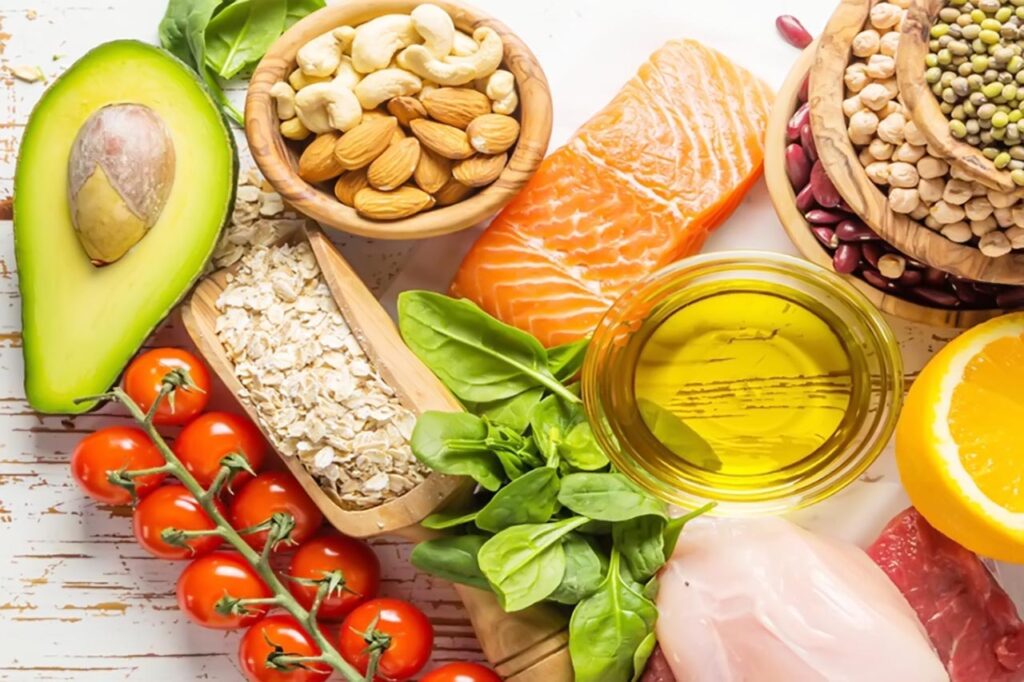
The worldwide phytochemical sales is witnessing substantial growth, with a projected market value of USD 14,821 million by 2033, driven by a healthy CAGR of 7.1%. Phytochemicals, derived from plants, find applications across various sectors such as food & beverages, nutraceuticals, and pharmaceuticals. The market is propelled by the increasing demand for natural and plant-based products, driven by consumer preferences for healthier alternatives.

Dive Into Knowledge Excellence See Our Report Sample For Invaluable Insights: https://www.futuremarketinsights.com/reports/sample/rep-gb-14021

Demand of the Market:

  • Growing Awareness and Health Consciousness: Rising awareness about the health benefits of phytochemicals and the shift towards natural and organic products are driving demand for phytochemicals across industries.
  • Surging Applications in End-Use Sectors: Phytochemicals are extensively used in food & beverages, nutraceuticals, and pharmaceuticals, fueling market growth as these sectors continue to expand globally.
  • Preventive Healthcare Trend: The shift from treatment to prevention in healthcare is boosting the demand for nutraceuticals and functional foods, creating lucrative opportunities for phytochemical market players.

Growing Factors:

  • Consumers are increasingly preferring natural and plant-based products over chemically processed ones, driving the demand for phytochemicals across industries.
  • The growing prevalence of chronic diseases and lifestyle disorders is fueling the demand for nutraceuticals, driving the consumption of phytochemicals for their health benefits.
  • Advancements in extraction methods and cultivation practices are enhancing the availability and quality of phytochemicals, contributing to market growth.

“Phytochemicals are products derived from organic plants and are used in the manufacturing of organic food and supplement manufacturing. The nutraceutical industry has seen an increase in demand for phytochemicals and plant-based products due to the growth in organic agriculture.” – Nandini Roy Choudhury, Client Partner at Future Market Insights

Key Takeaways from Market Study

  • The phytochemical market is expected to record a CAGR of 7.1% over the forecast period.
  • It is estimated that the phytochemical market in North America may remain strong during the forecast period.
  • The phytochemical market of Germany is estimated to be valued at US$ 468.8 million by 2033.
  • The United Kingdom is predicted to thrive at a CAGR of 2.8% due to the rising trend of ‘veganism’ and ‘vegetarianism’.
  • Powder phytochemical product type is estimated to account for more than 82% of the market share in 2023 with a CAGR of 6.7%.
  • Flavonoids are estimated to account for more than 35.0% of the market share in 2023 with a CAGR of 8.8%.

Drive Your Growth Strategy: Purchase the Report for Key Insights@ https://www.futuremarketinsights.com/checkout/14021

Competitive Landscape:

In the phytochemical market, intense competition has resulted from the growing demand for nutritional supplements and the emergence of new players. In a market that focuses more on innovation than sales, small-scale players are creating growth opportunities.

Small-scale companies are merging with substantial companies to offer their products to a broader consumer base and include innovative products in their product portfolios.

Several prominent companies dominate this market, including Döhler GmbH, Naturex SA, Kemin Industries Inc, Linnea SA, Sabinsa Corporation, Kothari Phytochemicals & Industries Ltd, Indena SpA, Alkaloids Corporation, Arboris LLC, Allied Biotech Corp., Organic Herb Inc. (OHI), LIPO Foods, Nektium, FYTEXIA, Chr. Hansen Holding A/S, BASF SE, and others.

Recent Developments:

  • Cargill acquire Delacon, a producer of photogenic chemicals derived from plants, in 2022. Through the acquisition, the company plans to manufacture nutrient-dense foods and gain a deep understanding of feed additives.
  • An exclusive and long-term supply agreement was signed between BASF and Mazza Innovation in July 2018. The company Mazza Innovations specializes in botanical extractions. In order to develop new solutions for cosmetic applications, the company supplies BASF with specific plant extracts.

Key Takeaways for Investors:

  1. Focus on Innovation: Investing in companies that prioritize research and development to identify new phytochemicals and their applications in various industries can unlock growth opportunities and drive profitability.
  2. Diversification of Portfolio: Considering the diverse applications of phytochemicals across food & beverages, nutraceuticals, and pharmaceuticals, investors can benefit from diversifying their portfolio to capitalize on multiple growth avenues.
  3. Monitoring Market Trends: Keeping abreast of market trends such as the rising demand for natural products, increasing consumption of nutraceuticals, and technological advancements in extraction methods can inform investment decisions and maximize returns.
  4. Long-Term Growth Prospects: With a projected CAGR of 7.1% between 2023 and 2033, the phytochemical market offers promising long-term growth prospects for investors seeking sustainable returns.

If Our Report Has Not Included The Data That You Are Looking For, You Can Reach Out To Our Analysts And Get Segments Customized: https://www.futuremarketinsights.com/customization-available/rep-gb-14021     

Market Segmentation by Category

By Molecule Type:

  • Alkaloids
  • Anthocyanins
  • Carotenoids
  • Coumestans
  • Flavon-3-ols
  • Flavonoids
  • Hydroxycinnamic Acids
  • Isoflavones
  • Lignans
  • Others

By Form:

  • Powder
  • Liquid

By Application:

  • Food and Beverages
  • Nutraceutical
  • Pharmaceutical
  • Personal Care and Cosmetics
  • Animal Nutrition
  • Others

By Region:

  • North America
  • Latin America
  • Europe
  • The Middle East and Africa
  • East Asia

About Future Market Insights (FMI)

Future Market Insights, Inc. (ESOMAR certified, recipient of the Stevie Award, and a member of the Greater New York Chamber of Commerce) offers profound insights into the driving factors that are boosting demand in the market. FMI stands as the leading global provider of market intelligence, advisory services, consulting, and events for the Packaging, Food and Beverage, Consumer Technology, Healthcare, Industrial, and Chemicals markets. With a vast team of over 400 analysts worldwide, FMI provides global, regional, and local expertise on diverse domains and industry trends across more than 110 countries.

Contact Us:
Future Market Insights Inc.
Christiana Corporate, 200 Continental Drive,
Suite 401, Newark, Delaware – 19713, USA
T: +1-845-579-5705
For Sales Enquiries: sales@futuremarketinsights.com
Website: https://www.futuremarketinsights.com
LinkedIn| Twitter| Blogs | YouTube

Food Grade Carrageenan Market to Hit $2.6 Billion by 2034: FMI Prediction

Food Grade Carrageenan Market

The global food grade carrageenan market will reach a valuation of US$ 1.3 billion in 2024, attributed to factors such as emerging markets for processed foods. The trend is set to create new opportunities for the market, leading to a projected CAGR of 7.1% between 2024 and 2034, and reaching a total valuation of approximately US$ 2.6 billion by 2034.

There is a growing demand for food products that cater to specific health needs, such as reduced fat or sugar free options, with an aging population globally.  Carrageenan enables the formulation of such products while maintaining desired sensory properties.

The development of clean meat alternatives, such as cultured meat and plant based meat substitutes, presents an opportunity for carrageenan as an ingredient to enhance texture and juiciness, mimicking the sensory experience of traditional meat products.

Download the Sample Report to Enhance Industry Knowledge: Gain a Comprehensive Summary and Valuable Insights: https://www.futuremarketinsights.com/reports/sample/rep-gb-1387

Carrageenan is used in meat and seafood products to improve moisture retention, texture, and sliceability. The demand for carrageenan in these categories will rise, as consumers seek healthier and more convenient protein options. Collaborations between carrageenan producers, food manufacturers, and research institutions can drive innovation, leading to the development of new formulations, applications, and production methods.

Carrageenan is naturally gluten free, making it a suitable ingredient for manufacturers looking to cater to consumers with gluten sensitivities or those following a gluten free diet. The increasing demand for gluten free products presents an opportunity for carrageenan usage.

The growth of e-commerce platforms and direct to consumer channels provides carrageenan suppliers with new avenues to reach customers, particularly small and medium sized food producers and startups.

Manufacturers are increasingly offering customized carrageenan blends and formulations tailored to specific applications and customer requirements, allowing for greater versatility and optimization in various food products. Consumers are increasingly concerned about the environmental impact of food production.

Carrageenan producers focusing on sustainable sourcing practices, transparent supply chains, and traceability initiatives can capitalize on consumer preferences for environmentally friendly products.

Contact Us Now To Discuss Your Customization Options And Unlock The Full Potential Of Market Intelligence For Your Business Success: https://www.futuremarketinsights.com/customization-available/rep-gb-1387

Key Takeaways from the Market Study

  • Global food grade carrageenan market was valued at US$ 7 million in 2023.
  • From 2019 to 2023, the market demand expanded at a CAGR of 6.3%.
  • The market in India to expand at a CAGR of 6.2% through 2034.
  • By application, the food processing segment to account for a share of 25.5% in 2024.
  • The market in China will expand at a CAGR of 5.3% through 2034.
  • In terms of function, the gelling agent segment to account for a share of 34.5% in 2024.

“Ongoing advancements in extraction, purification, and processing technologies for carrageenan production can lead to increased efficiency, cost effectiveness, and quality improvement,” remarks an FMI analyst.

Competitive Landscape

Prominent players in the food grade carrageenan market are DuPont, Cargill, CP Kelco, Ashland Inc., Ingredion, Ceamsa, W Hydrocolloids, Inc., Gelymar, Ina Food Industry Co. Ltd., and ACCEL Carrageenan Corporation, among others.

Top of Form

Company Portfolio

  • CP Kelco offers carrageenan solutions under its GENU Carrageenan brand, providing a variety of refined and semi refined carrageenan products tailored to meet specific customer needs. Their carrageenan portfolio includes options for texture modification, stabilization, and gelling in food and beverage formulations.
  • Ashland Inc. provides carrageenan products under its Food and Beverage Specialty Ingredients division. Their carrageenan offerings are designed to enhance texture, stability, and mouthfeel in food applications such as dairy, desserts, sauces, and plant based products, meeting the demand for clean label and natural ingredients.

More Valuable Insights Available

Future Market Insights offers an unbiased analysis of the global food grade carrageenan market, providing historical data for 2019 to 2023 and forecast statistics from 2024 to 2034.

To understand opportunities in the food grade carrageenan market, the market is segmented on the basis of product type (iota, kappa, lambda), function (gelling agent, thickening agent, stabilizer, other functions), and application (pharmaceutical, beauty and personal care, food processing, other applications), across seven major regions (North America, Latin America, Western Europe, Eastern Europe, South Asia & Pacific, East Asia, and the Middle East & Africa.).

Gain Immediate Access to Detailed Market Insights Purchase Now: https://www.futuremarketinsights.com/checkout/1387

About Future Market Insights (FMI)

Future Market Insights, Inc. (ESOMAR certified, recipient of the Stevie Award, and a member of the Greater New York Chamber of Commerce) offers profound insights into the driving factors that are boosting demand in the market. FMI stands as the leading global provider of market intelligence, advisory services, consulting, and events for the Packaging, Food and Beverage, Consumer Technology, Healthcare, Industrial, and Chemicals markets. With a vast team of over 400 analysts worldwide, FMI provides global, regional, and local expertise on diverse domains and industry trends across more than 110 countries.

Contact Us:
Future Market Insights Inc.
Christiana Corporate, 200 Continental Drive,
Suite 401, Newark, Delaware – 19713, USA
T: +1-845-579-5705
For Sales Enquiries: sales@futuremarketinsights.com
Website: https://www.futuremarketinsights.com
LinkedIn| Twitter| Blogs | YouTube

Soluble Corn Fiber Industry Set to Reach $915.8 Million by 2034: Functional Growth Opportunities

Soluble Corn Fibre Market

The global soluble corn fiber market is set to experience substantial growth, with a projected valuation of US$ 915.8 million by 2034, driven by increasing consumer demand for healthier food and beverage options. With a value-based CAGR of 4.8%, the market presents promising opportunities for investors in the B2B industry.

Soluble corn fibres are healthy fibres that are used as ingredients in a large number of food items and beverages. It falls under the category of functional fibre or prebiotic ingredient. An emerging market for prebiotics translates into a potential market for soluble corn fibre ingredients. These are short-chain fatty acids stable with many food ingredients. With growth in processed foods industry, the demand for dietary fibres is increasing across the food industry. Soluble corn fibre can be easily incorporated in confectionery items, bakery products, sauces, cereal bars, chocolate bars, cold beverages and soups. These fibres are generally added in food or beverages to boost their fibre content without sacrificing taste or texture.

The soluble corn fiber market, estimated at US$ 574.0 million in 2024, is witnessing robust growth fueled by rising awareness of health and wellness, clean-label preferences, and the functional properties of soluble corn fiber. As consumers seek healthier alternatives, the demand for soluble corn fiber is expected to surge across various food and beverage segments.

Download the Sample Report to Enhance Industry Knowledge: Gain a Comprehensive Summary and Valuable Insights: https://www.futuremarketinsights.com/reports/sample/rep-gb-104

Food and beverage manufacturers are increasingly incorporating soluble corn fiber into their products to meet consumer demand for functional and healthier ingredients. With its prebiotic properties and potential health benefits, soluble corn fiber is gaining popularity as a versatile ingredient in beverages, dairy, bakery items, and snacks.

Growing Factors: Key drivers of market growth include the trend toward functional foods and beverages, consumer preference for clean-label ingredients, and regulatory approvals supporting soluble corn fiber as a dietary fiber. Additionally, soluble corn fiber’s ability to enhance the nutritional profile of products without compromising taste or texture contributes to its higher adoption in food formulations.

There is an increasing trend towards “good source of fibre” and “high fibre” labelled foods. Thus, food companies such as Cargill Inc., ConAgra Foods, Inc., Nestle S.A and others are increasingly incorporating such soluble fibres in their products to attract retail consumers. Some of the most talked about new product launches in the category of soluble corn fibres include Promitor Soluble Corn Fibre by Tate & Lyle and Nutriose FM06 by Roquette Frères S.A. Some of the strategies that companies follow are strategic alliances with food processors, diversification and new product launches. Food expositions are the best platforms to showcase new products in ingredients category, for most of the downstream industry players tend to seek ingredients suitable for their products at such exhibitions.

Contact Us Now To Discuss Your Customization Options And Unlock The Full Potential Of Market Intelligence For Your Business Success: https://www.futuremarketinsights.com/customization-available/rep-gb-104

The growing demand for nutritive foods along with innovation in fibre technology has attracted the attention of large manufacturers towards soluble corn fibre as a dietary ingredient. It is used in functional foods and beverages to increase their nutritive value and for transparent labelling. Major FMCG companies such as Kellogg’s, The Quaker Oats Company, Nestle S.A, and Danone are potential customers for these fibres. These companies invest huge amounts in manufacturing healthy fibre-based products for breakfast and on-the-go eating for health conscious consumers.

Competitive Landscape

The global soluble corn fiber market share is highly concentrated, with prominent players such as Archer Daniels Midland Company, General Mills, Tate & Lyle, Roquette Freres, Batory Foods, etc. Food companies invest heavily in research and development to increase their market share to create new soluble corn fiber formulations that align with consumer preferences, such as clean labels, reduced sugar, and improved digestive health.

They also conduct marketing and educational campaigns to raise awareness of the benefits and versatility of soluble corn fiber. Partnerships with industry stakeholders help position soluble corn fiber as a preferred ingredient in various products, contributing to the market’s growth and strengthening the companies’ positions in the industry.

Recent Developments

  • Cargill introduced a new soluble corn fiber on 3rd March 2023, supporting sugar reductions of 30% or more. This ingredient, labeled as soluble corn fiber, provided nutritional benefits, digestive tolerance, and functional attributes, including enhancing bulk and mouthfeel in reduced-sugar applications, especially in indulgent categories like bakery.
  • As of March 16, 2022, Tate & Lyle delved into the potential of prebiotic soluble corn fiber for cognitive health, metabolic health, and immunity. The exploration aimed to understand its impact on the gut microbiome.

Key Companies in the Market

  • Archer Daniels Midland Company
  • General Mills
  • Tate & Lyle
  • Roquette Freres
  • Batory Foods
  • Baolingbao Biology Co, Ltd
  • Ingredion Incorporated
  • Cargill
  • Muby Chemicals
  • Jianlong Biotechnology Co. Ltd

Gain Immediate Access to Detailed Market Insights Purchase Now: https://www.futuremarketinsights.com/checkout/104

Market Segmentation

By Product Type:

  • Food
    • Bakery
    • Breakfast Cereals & Snacks
    • Confectionery
    • Dairy
    • Meat Products
    • Infant food
  • Beverages
  • Pharmaceutical
  • Animal Nutrition
    • Swine
    • Ruminants
    • Poultry
    • Pet
  • Personal care & cosmetics
  • Textile
  • Others (Medical, Automotive)

By Form:

  • Liquid
  • Powder

By End-Use Industry:

  • Food and Beverages
  • Bakery
  • Food Processing
  • Nutraceuticals
  • Dairy

By Region:

  • North America
  • Latin America
  • Europe
  • East Asia
  • South Asia
  • Oceania
  • Middle East & Africa

About Future Market Insights (FMI)

Future Market Insights, Inc. (ESOMAR certified, recipient of the Stevie Award, and a member of the Greater New York Chamber of Commerce) offers profound insights into the driving factors that are boosting demand in the market. FMI stands as the leading global provider of market intelligence, advisory services, consulting, and events for the Packaging, Food and Beverage, Consumer Technology, Healthcare, Industrial, and Chemicals markets. With a vast team of over 400 analysts worldwide, FMI provides global, regional, and local expertise on diverse domains and industry trends across more than 110 countries.

Contact Us:
Future Market Insights Inc.
Christiana Corporate, 200 Continental Drive,
Suite 401, Newark, Delaware – 19713, USA
T: +1-845-579-5705
For Sales Enquiries: sales@futuremarketinsights.com
Website: https://www.futuremarketinsights.com
LinkedIn| Twitter| Blogs | YouTube

Clean-label Demand Propels Cultured Wheat Flour Market: Projected to Exceed $137.2 Million by 2033

Cultured Wheat Flour Market

In 2023, the global cultured wheat flour industry is estimated to acquire US$ 58.6 million. Changing preferences toward wellness and health is expected to aid growth in the market. It is anticipated to cross a value of US$ 137.2 million by 2033. It is likely to garner a CAGR of 8.8% during the forecast period from 2023 to 2033.

The global food sector is evolving with changing customer needs. In the global food & beverage sector, demand for natural and organic products has registered a key growth rate over the last decade. It has further compelled manufacturers to incorporate natural and organic ingredients in their end products.

Shelf life is one of the leading concerns among baked goods manufacturers as these biological compounds are prone to auto-oxidation. These are also capable of generating free radicals, thereby leading to spoilage and rancidity.

Download the Sample Report to Enhance Industry Knowledge: Gain a Comprehensive Summary and Valuable Insights: https://www.futuremarketinsights.com/reports/sample/rep-gb-17452

Cultured wheat flour is hence recognized as a potential substitute for synthetic preservatives. These are extensively used to extend the shelf life of various food products.

Increasing veganism is further benefiting the cultured wheat flour industry. Apart from this, it is the best substitute for current industrial petrochemical-based calcium propionate preservatives. It helps in protecting the environment against harmful chemicals. For vegans and those who choose not to eat dairy or eggs, cultured wheat flour plays a vital role in providing the daily allowance of this nutrient.

Key Takeaways from the Cultured Wheat Flour Market Report:

  • During the historical period from 2018 to 2022, the global cultured wheat flour industry experienced considerable growth at a CAGR of 2%.
  • China cultured wheat flour industry is expected to reach a size of US$ 12.2 million by 2033.
  • The United States cultured wheat flour industry is anticipated to attain a CAGR of 2% in the assessment period.
  • The United Kingdom cultured wheat flour industry is projected to expand at a decent CAGR of 5% in the next ten years.
  • Based on nature, the organic segment is predicted to be valued at US$ 39.8 million in 2033.

“Food intolerances and allergies have also increased in frequency, and for a few people, wheat is a common allergen or sensitivity trigger. People who are sensitive to gluten or have a wheat allergy might choose to replace cultured wheat flour in their diets instead. It is projected to open door to new opportunities in the forecast period.” – says a lead analyst at Future Market Insights (FMI).

Contact Us Now To Discuss Your Customization Options And Unlock The Full Potential Of Market Intelligence For Your Business Success: https://www.futuremarketinsights.com/customization-available/rep-gb-17452

Who is Winning?

Mezzoni Foods, J&K Ingredients, Inc., IFF Nutrition & Biosciences, Cain Food Industries, Glanbia Plc, Norman, Fox & Company, AB Mauri Food Inc., Prathista Industries Limited, Jiangsu Boli Bioproducts Co., Ltd., Limagrain – Ingrédients, Norman, Fox & Company, and Limagrain Ingredients are few leading players operating in the market.

Brands of cultured wheat flour would concentrate on utilizing eye-catching and educational packaging to draw in customers and convey the benefits of their products. Consumers might make informed selections about what products to buy if there is clear labeling highlighting the special features or advantages of cultured wheat flour.

Other businesses are working together with eateries, cafes, and food service providers to include their products on menus. They can spread awareness of the advantages of cultured wheat flour to a wider audience and spur strong demand among restaurants. They might soon deliver inventive dishes or baked products produced with the grain.

For instance,

  • In 2020, CORE Industrial Partners LLC, a Chicago-based private equity firm, acquired J&K Ingredients Corp., a New Jersey-based processor of baked food goods. Most of the company’s product line is made up of organic, natural, and clean-label goods.

Gain Immediate Access to Detailed Market Insights Purchase Now: https://www.futuremarketinsights.com/checkout/17452

Get More Valuable Insights into Cultured Wheat Flour Market

Future Market Insights (FMI), in its new offering, provides an unbiased analysis of the global cultured wheat flour market presenting historical demand data (2018 to 2022) and forecast statistics for the period from 2023 to 2033.

Cultured wheat flour industry is segmented by nature (organic and conventional), end use (bakery, confectionery, cheese, dairy products, salad dressings, processed meat, dips, spreads and sauces, and pet food), and regions.

About Future Market Insights (FMI)

Future Market Insights, Inc. (ESOMAR certified, recipient of the Stevie Award, and a member of the Greater New York Chamber of Commerce) offers profound insights into the driving factors that are boosting demand in the market. FMI stands as the leading global provider of market intelligence, advisory services, consulting, and events for the Packaging, Food and Beverage, Consumer Technology, Healthcare, Industrial, and Chemicals markets. With a vast team of over 400 analysts worldwide, FMI provides global, regional, and local expertise on diverse domains and industry trends across more than 110 countries.

Contact Us:
Future Market Insights Inc.
Christiana Corporate, 200 Continental Drive,
Suite 401, Newark, Delaware – 19713, USA
T: +1-845-579-5705
For Sales Enquiries: sales@futuremarketinsights.com
Website: https://www.futuremarketinsights.com
LinkedIn| Twitter| Blogs | YouTube

Innovative Color Preservation Methods Drive Food and Beverages Color Fixing Agents Market: FMI Predicts $4.14 Billion Market by 2033

Food and Beverages Color Fixing Agents Market

Demand for F&B color fixing agents is anticipated to increase throughout the forecast period at a CAGR of 4.7%. The food and beverages color fixing agents market is anticipated to expand from US$ 2.62 billion in 2023 to US$ 4.14 billion by 2033.

Given the increasing demand for natural and organic products, food and beverage color fixing agents are growing in popularity. This is because people are becoming increasingly aware of the negative effects that artificial food additives, such as artificial colors, can have on their health. To satisfy customer demand, food, and beverage producers are now using natural and organic color fixing chemicals.

Download the Sample Report to Enhance Industry Knowledge: Gain a Comprehensive Summary and Valuable Insights: https://www.futuremarketinsights.com/reports/sample/rep-gb-16946

The market is also expanding given the rigorous restrictions governing the use of artificial color additives. Owing to health concerns, several nations have enacted stringent laws prohibiting the use of artificial colors in food and beverage goods. Natural and organic color fixing chemicals are in high demand as a result of this.

The market is also being driven by the growing clean labeling movement. Manufacturers are switching to natural color fixing chemicals with clear labels because consumers are seeking openness in the labeling of food goods.

The demand for color fixing agents is being driven by the expanding food and beverage sector. Manufacturers are seeking methods to set their goods apart from those of rivals as the number of food and beverage items increase. Manufacturers are investing in color fixing chemicals since color ranks among the top important aspects affecting customer preferences and also improving the aesthetics of their products.

A market opportunity exists owing to the demand for plant-based color fixing agents. Plant-based color fixing agents are in great demand in the food and beverage business as consumers adopt a plant-based lifestyle. Another opportunity for the market is the expanding trend of food customization. Color fixing agents could rise in demand as a result of manufacturers’ ability to modify their goods to suit the tastes of various customers.

Key Takeaways

  • Asia Pacific region dominated the market in 2022 and FMI projects that the region could retain its position during the forecast period. The increasing demand for natural color fixing agents in the food and beverage industry is driving the growth of the market in Asia Pacific.
  • The market in North America is anticipated to take over the global industry in terms of CAGR. The stringent government regulations regarding the use of synthetic color fixing agents in food and beverages are fueling the adoption of natural alternatives in North America market.
  • The food and beverage industry’s expanding need for processed meat and seafood products is boosting the sodium nitrate segment. Its application as a preservative and color enhancer is the reason behind this.
  • The beverages segment is being pushed by the rise in popularity of natural color-fixing ingredients like anthocyanins and beta-carotene as well as the increasing desire for beverages that are both healthy and aesthetically pleasing.

Contact Us Now To Discuss Your Customization Options And Unlock The Full Potential Of Market Intelligence For Your Business Success: https://www.futuremarketinsights.com/customization-available/rep-gb-16946

Competitive Landscape:

Manufacturers in the market are concentrating on producing pioneering solutions to suit the rising demand for natural and clean-label food items. Companies are spending on research and development to produce goods that can improve the look and shelf life of food without reducing its nutritional content. To increase their market presence and fulfill the rising demand for food and beverage color fixing agents, manufacturers are also increasing their production capacity and developing alliances with distributors.

Key Players

  • BASF SE
  • AkzoNobel N.V
  • GNT Group
  • Merck Group
  • Yara International
  • GFS Chemicals, Inc
  • Chr. Hansen Natural Colors
  • Naturex
  • Airedale Chemical
  • American Elements
  • Sonac
  • Mitsubishi Chemical Corporation

Recent Developments:

  • In January 2021, GNT’s Exberry line of oil-dispersible Colorful Foods received a pink color produced from fruits and vegetables.
  • To increase the scope of its robust pigment range, Chr. Hansen Natural Colors announced in April 2021 that it intended to buy the SECNA Natural Ingredients Group.

Gain Immediate Access to Detailed Market Insights Purchase Now: https://www.futuremarketinsights.com/checkout/16946

Market Segmentation

Food and Beverages Color Fixing Agents Industry By Product Type:

  • Sodium Nitrite
  • Sodium Nitrate
  • Potassium Nitrite
  • Potassium Nitrate
  • Others

Food and Beverages Color Fixing Agents Industry By Application:

  • Beverages
  • Meat
  • Poultry and Fish
  • Bakery
  • Dairy
  • Others

Food and Beverages Color Fixing Agents Industry By Region:

  • North America
  • Latin America
  • Western Europe
  • Eastern Europe
  • Asia Pacific excluding Japan
  • Japan
  • Middle East & Africa

About Future Market Insights (FMI)

Future Market Insights, Inc. (ESOMAR certified, recipient of the Stevie Award, and a member of the Greater New York Chamber of Commerce) offers profound insights into the driving factors that are boosting demand in the market. FMI stands as the leading global provider of market intelligence, advisory services, consulting, and events for the Packaging, Food and Beverage, Consumer Technology, Healthcare, Industrial, and Chemicals markets. With a vast team of over 400 analysts worldwide, FMI provides global, regional, and local expertise on diverse domains and industry trends across more than 110 countries.

Contact Us:
Future Market Insights Inc.
Christiana Corporate, 200 Continental Drive,
Suite 401, Newark, Delaware – 19713, USA
T: +1-845-579-5705
For Sales Enquiries: sales@futuremarketinsights.com
Website: https://www.futuremarketinsights.com
LinkedIn| Twitter| Blogs | YouTube

Feed Phosphate Market to Grow at 4% CAGR through 2033

Feed Phosphate Market

The global feed phosphate market is estimated to be worth US$ 3.61 billion in 2023 and is projected to attain a value of US$ 4.84 billion by 2033, advancing at a CAGR of 4% from 2023 to 2033.

The middle-class population is driving a significant increase in spending due to rising disposable income. Government agencies that encourage livestock development helped promote animal husbandry among the public, particularly among the poorer portions, by highlighting the importance of animal nutrition in animal welfare.

The industrialization of the meat business, particularly the poultry and hog industries, has been a critical enabler to the feed phosphate industry. There is an exponential rise in lean meat consumption owing to the growing recognition of its health benefits. The increasing cost of raw materials, as well as the global paucity of phosphate sources, is constraining the feed phosphate industry.

Download the Sample Report to Enhance Industry Knowledge: Gain a Comprehensive Summary and Valuable Insights: https://www.futuremarketinsights.com/reports/sample/rep-gb-16945

Market’s Windows of Opportunity

Opportunities affecting the dynamics of the feed phosphate market include rising demand for natural feed products and replacements, such as phytase being utilized in the making of animal feed as blends to reduce the high manufacturing costs.

Numerous companies also invested in research and development for the long-term use of phosphate. To fulfill the demands of the population’s altering nutritional patterns, livestock production has expanded internationally and across all animal species, particularly in developing markets.

Quality Meat and Cattle Milk Production are Becoming Increasingly Prevalent

The cattle feed phosphate market is expected to grow at a rapid rate through 2033. The livestock sector has evolved as a fast-developing agricultural sub-sector in middle and low-income nations, owing to rising incomes, changing diets, and population growth.

Phosphorus is required for many biological activities in cattle, including milk production, feed consumption, and lipid, carbohydrate, and protein metabolism. Regulatory steps to enhance the development of healthy beef; milk products to reduce illness occurrence in both cattle and human customers are predicted to boost segment outlook.

The Feed Phosphate Industry is Dominated by Asia Pacific

Throughout Asia Pacific, particularly in China, India, Malaysia, Vietnam, and Thailand, the demand for animal protein is increasing as a result of rapid economic growth.

The region’s increased use of complex feed and anticipated notable growth rate have spurred meat output in response to the rising need for meat protein. Compound feed is becoming significant in enhancing meat quality in addition to enhancing nutritional content.

Contact Us Now To Discuss Your Customization Options And Unlock The Full Potential Of Market Intelligence For Your Business Success: https://www.futuremarketinsights.com/customization-available/rep-gb-16945

Key Takeaways:

  • Until 2033, the cattle feed phosphate market is scheduled to expand at a strong CAGR of 3%.
  • By 2033, it is predicted that the calcium phosphate market may have attained a value of US$ 2.5 billion.
  • By 2033, it is expected that Asia Pacific feed phosphate market may generate more than US$ 2 billion in revenue.

Feed Phosphate Business Synopsis

The feed phosphate market is slightly consolidated. This business concentrates on growing their operations and implementing tactics like growth, mergers, and creative product improvements. Leading feed phosphate manufacturers concentrated on buying feed mills and small factories to increase their market share in domestic and international markets.

These businesses concentrated on regional business expansion and the construction of a new plant to increase production capacity and a product line. The feed phosphate manufacturers are enhancing the production capacities of their current plants.

Significant Business Developments

  • Launch

PHOSPHEA announced the introduction of HumIPHORA, a ground-breaking innovation in the phosphate industry, in April 2022. The European Animal Feed Record lists this calcium monophosphate (008979-EN). Compared to other available sources, HumIPHORA lessens the amount of phosphate that is added to recipes.

  • Acquisition

The Serra do Salitre phosphate project in Brazil was purchased by EuroChem Group in February 2022. In the years to come, this acquisition may boost sales of phosphate used in animal feed because it increased phosphate development.

Feed Phosphate Market Leaders

  • The Mosaic Company
  • Eurochem
  • Phosagro
  • OCP Group
  • Potash Corporation

Gain Immediate Access to Detailed Market Insights Purchase Now: https://www.futuremarketinsights.com/checkout/16945

Key Segments

Feed Phosphate by Type:

  • Dicalcium Phosphate
  • Monocalcium Phosphate
  • Tricalcium Phosphate
  • Defluorinated Phosphate
  • Others

Feed Phosphate by Livestock:

  • Poultry
  • Cattle
  • Aquaculture
  • Swine
  • Pet

By Region:

  • North America
  • Latin America
  • Europe
  • Asia Pacific
  • Middle East Asia

About Future Market Insights (FMI)

Future Market Insights, Inc. (ESOMAR certified, recipient of the Stevie Award, and a member of the Greater New York Chamber of Commerce) offers profound insights into the driving factors that are boosting demand in the market. FMI stands as the leading global provider of market intelligence, advisory services, consulting, and events for the Packaging, Food and Beverage, Consumer Technology, Healthcare, Industrial, and Chemicals markets. With a vast team of over 400 analysts worldwide, FMI provides global, regional, and local expertise on diverse domains and industry trends across more than 110 countries.

Contact Us:
Future Market Insights Inc.
Christiana Corporate, 200 Continental Drive,
Suite 401, Newark, Delaware – 19713, USA
T: +1-845-579-5705
For Sales Enquiries: sales@futuremarketinsights.com
Website: https://www.futuremarketinsights.com
LinkedIn| Twitter| Blogs | YouTube

Diverse Uses of Feed Amino Acids Boost Animal Nutrition Market Growth | Analysis by FMI

Feed Amino Acids Market

The global feed amino acids market size is set to reach US$  7.81 billion in 2023. Overall sales of feed amino acids are likely to surge at 5.5% CAGR, taking the forecasted market valuation to US$ 13.34 billion by the end of 2033.

Amino acids are used as bioactive supplements in the animal feed industry because of the many benefits they provide to animals. They improve food digestibility and, in turn, strengthen the immune system, making them essential ingredients in pet food products and veterinary supplements. Animals benefit from feed-grade amino acids because they enhance performance and health and make moving around easier.

Download the Sample Report to Enhance Industry Knowledge: Gain a Comprehensive Summary and Valuable Insights: https://www.futuremarketinsights.com/reports/sample/rep-gb-16932

Due to factors such as an aging pet population, specialized diets, and unique dietary needs, feed-grade amino acids are predicted to experience high demand in the animal feed industry. As more and more people around the world bring pets into their homes, the demand for pet food and, by extension, amino acids are expected to rise.

The price of soybean oilseeds, wheat, and corn used to produce amino acids has fluctuated significantly in recent years. Due to the rising demand for raw materials in other foods, supplies of amino acids are expected to remain tight over the forecast period.

Short-term factors like rising energy prices exacerbate raw material constraints for amino acid production. Amino acids are often made in countries with poorer economies from cheaper ingredients like cassava or sorghum. These alternatives are less digestible than maize and soybeans.

China is a promising market for expanding companies. Growth in consumer spending, livestock feed industry industrialization, rising farmer awareness, and government support are all factors propelling the regional market forward. The feed industry in China has established joint ventures between Thai company Chiatai Macro and Japanese company Ajinomoto. To meet the demand for high-quality methionine for animal feed, Round-Planc formed a joint venture in Tianjin.

The market for additives used in animal feed in China is governed by law and is subject to registration, permit and supervision, and inspection. The State Ministry of Agriculture and the provincial feed administration offices are responsible for this. There are a lot of rules and regulations that new entrants and investors in China’s animal feed additive market need to follow. The government has taken major actions and enacted regulations, such as the Food Safety Law, that have elevated the importance of food safety in the country.

Key Takeaways

  • The increasing demand for high-quality animal feed protein products and the growing trend of healthy animal nutrition are driving the growth of the market.
  • Asia Pacific is a significant market for feed amino acids, with China and India being the key contributors to the region’s growth.
  • The key players in the market focus on developing sustainable and innovative feed solutions that help improve animal health and welfare while meeting the stringent safety and quality standards set by regulatory authorities.
  • The market faces challenges, including the volatility of raw material prices and the increasing competition from alternative feed protein sources.
  • The adoption of new technologies and the growing trend of vertical integration in the animal agriculture sector is expected to create new opportunities for the market.

Contact Us Now To Discuss Your Customization Options And Unlock The Full Potential Of Market Intelligence For Your Business Success: https://www.futuremarketinsights.com/customization-available/rep-gb-16932

Competitive Landscape

Due to numerous regional and international players, the feed amino acids market competitive landscape is extremely dispersed. Ajinomoto Co., Inc., Evonik Industries AG, Adisseo France SAS, CJ CheilJedang Corporation, and Sumitomo Chemical Co., Ltd. are some of this industry’s major players.

To keep up with the changing demands of the animal agriculture industry, the major players in the market are working hard to create new and improved feed solutions. They are spending a lot of money on R&D to make their products better and more effective and to create brand-new products that meet the unique requirements of various species of animals.

Market participants use various growth strategies, such as mergers and acquisitions, collaborations, and partnerships, to increase their market share and diversify their product offerings. In 2020, for instance, Evonik Industries AG bought the Feed Additives division from the French biotechnology firm METEX NVISTA to broaden its amino acid-based feed products offering.

To better their supply chain capabilities and meet the rising demand for their products, market players are also investing in developing new manufacturing facilities and distribution networks. There are new openings for businesses to increase their market share and profits thanks to the rising trend of vertical integration in the animal agriculture sector.

Recent Developments

The DSM – Novozyme alliance released HiPhorius in the first month of 2022. It is a new solution for ensuring the long-term viability and financial success of the poultry industry in the face of rising feed protein demand.

Evonik introduced a new product in September 2020 called “GuanAMINO,” a guanidinoacetic acid (GAA) product to improve energy metabolism in livestock feed production.

The feed industry in Indonesia received a new product from BASF in March 2019 called Natuphos E. Superior overall stability is provided by Natuphos E, both in the premix and during the severe pelleting process, up to 95°C pelleting temperature, and for 18 months after pelleting.

Gain Immediate Access to Detailed Market Insights Purchase Now: https://www.futuremarketinsights.com/checkout/16932

Key Segments

Feed Amino Acids Industry by Product:

  • Lysine
  • Tryptophan
  • Glutamic Acid
  • Threonine
  • Valine
  • Arginine
  • L-Histidine
  • L-Isoleucine
  • Leucine
  • Phenylalanine

Feed Amino Acids Industry by Application:

  • Cattle
    • Dairy
    • Beef
    • Calf
  • Swine
    • Sow
    • Piglet
    • Others
  • Poultry
    • Broilers
    • Layers
    • Turkey
  • Aquaculture
    • Salmon
    • Trout
    • Shrimp
    • Others
  • Pet Food
    • Dog
    • Cat
    • Others

Feed Amino Acids Industry by Geography:

  • North America
  • Latin America
  • Europe
  • East Asia
  • South Asia
  • Oceania

About Future Market Insights (FMI)

Future Market Insights, Inc. (ESOMAR certified, recipient of the Stevie Award, and a member of the Greater New York Chamber of Commerce) offers profound insights into the driving factors that are boosting demand in the market. FMI stands as the leading global provider of market intelligence, advisory services, consulting, and events for the Packaging, Food and Beverage, Consumer Technology, Healthcare, Industrial, and Chemicals markets. With a vast team of over 400 analysts worldwide, FMI provides global, regional, and local expertise on diverse domains and industry trends across more than 110 countries.

Contact Us:
Future Market Insights Inc.
Christiana Corporate, 200 Continental Drive,
Suite 401, Newark, Delaware – 19713, USA
T: +1-845-579-5705
For Sales Enquiries: sales@futuremarketinsights.com
Website: https://www.futuremarketinsights.com
LinkedIn| Twitter| Blogs | YouTube
Feed and Personal Care Sectors Fuel Glycinates Market Growth: 6% CAGR by 2033

Glycinates Market
Glycinates Market

The glycinates market is expected to increase from US$ 1305.74 million in 2023 to US$ 2338.37 million in 2033.

Increased Demand for Nutrient-Dense Foods

Glycolates are in high demand due to the increased demand for nutrient-dense foods. Factors driving the industry growth are:

  • Increased mineral scarcity in the population, particularly in emerging economies such as Brazil.
  • Rising demand for chelated minerals in food additives.
  • Tightening limitations on the use of antibiotics in livestock feed are also driving the business.

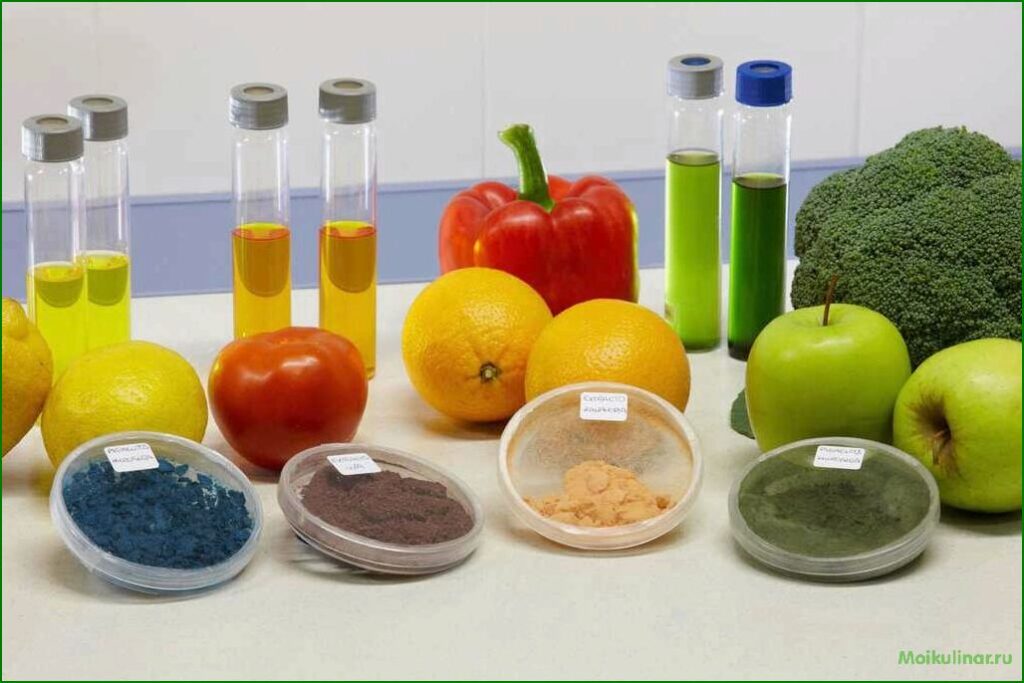
Glycinates are commonly used as dietary supplements to strengthen bones and enhance the immune system. The pharmaceutical and nutraceutical industries’ demand for healthy and natural food additives, as well as rising consumer awareness of skincare products containing natural ingredients such as magnesium glycinate, drive glycinates market growth further.

Download the Sample Report to Enhance Industry Knowledge: Gain a Comprehensive Summary and Valuable Insights: https://www.futuremarketinsights.com/reports/sample/rep-gb-16927

The global increase in demand for nutrient-rich food items is one of the key factors driving the growth of the glycinates market. A few more factors that bolster market growth include:

  • Businesses focused on the development and commercialization of manganese glycinate, which may be used to treat manganese deficiency in consumers.
  • An increase in consumer awareness of precision nutrition approaches.

The growth in mineral deficiency among individuals as a result of an unbalanced lifestyle, and significant demand from the supplement and preventive healthcare product businesses, are also having an impact on the market.

Increased urbanisation, a change in consumer lifestyle, a growing population, an increase in disposable money, and the expansion of the feed and personal care sectors benefit the glycinates industry further.Morever,, throughout the projection period of 2021 to 2031, improvements to the manufacturing process and the introduction of improved items might give market participants profitable opportunities.

White muscle disease can be caused by a deficiency of selenium. The mineral chromium glycinate is used to boost stressed cattle’s growth rate and immune response. Molybdenum glycinate is an animal nutritional supplement used to treat molybdenum insufficiency. Glycinates are occasionally used in the production of wine since they not only contain yeast but also provide necessary nutrients.

Contact Us Now To Discuss Your Customization Options And Unlock The Full Potential Of Market Intelligence For Your Business Success: https://www.futuremarketinsights.com/customization-available/rep-gb-16927

Key Points from the Glycinates Market

  •  Globally increasing demand for pharmaceuticals/nutraceuticals, food additives, feed additives, and personal care items has  a direct impact on the growth of glycinates.
  • The market size is anticipated to be US$ 1305.74 million in 2023.
  • Glycinates market is expected to thrive at a CAGR of 6% during the forecast period 2023 to 2033.
  • Asia Pacific dominated the glycinates market.

Key Developments in the Glycinates Market

  • September 2019 – BASF SA, a chemical business based in Germany, announced the acquisition of Isobionics, a prominent biotechnology company focusing on natural flavors and fragrances. The agreement enabled BASF to expand its product range to meet the rising demand for natural ingredients.
  • November 2017 – BASF SE, a German chemical business, announced a collaboration with Vital Therapeutics Pvt. Ltd., an Indian main maker of veterinary formulations and vitamin premixes. The collaboration is likely to result in a new product for the South Asian feed market, particularly India.
  • BASF Animal Nutrition introduced a new glycinates product range in August 2014. The iron, copper, manganese, and zinc glycinate series line is intended for use in a variety of premixes, minerals, and mixed feeds.
  • In July 2022, Avitech Nutrition introduced Performins, an organic blend of Glycinates to the market. The most widespread application has been in animal feeds, where it functions as an enhancer.
  • In January 2022, OHMG, a U.K.-based company, announced the debut of the world’s first magnesium blend drink. This drink contains three types of glycinates: magnesium threonate, magnesium citrate, and magnesium glycinate, which function as a de-stress cure to reduce tension and anxiety levels.

Glycinates Market Key Segmentation

Glycinates Market by Type:

  • Magnesium glycinate
  • Calcium glycinate
  • Zinc glycinate
  • Iron glycinate
  • Copper glycinate
  • Manganese glycinate
  • Sodium glycinate

Glycinates Market by Form:

  • Dry
  • Liquid

Glycinates Market by Application:

  • Animal feed
  • Pharmaceutical/nutraceutical
  • Food & beverage
  • Cosmetics & personal care

Glycinates Market by Region:

  • North America
  • Europe
  • Asia Pacific
  • Latin America
  • Middle East & Africa

Gain Immediate Access to Detailed Market Insights Purchase Now: https://www.futuremarketinsights.com/checkout/16927

About Future Market Insights (FMI)

Future Market Insights, Inc. (ESOMAR certified, recipient of the Stevie Award, and a member of the Greater New York Chamber of Commerce) offers profound insights into the driving factors that are boosting demand in the market. FMI stands as the leading global provider of market intelligence, advisory services, consulting, and events for the Packaging, Food and Beverage, Consumer Technology, Healthcare, Industrial, and Chemicals markets. With a vast team of over 400 analysts worldwide, FMI provides global, regional, and local expertise on diverse domains and industry trends across more than 110 countries.

Contact Us:
Future Market Insights Inc.
Christiana Corporate, 200 Continental Drive,
Suite 401, Newark, Delaware – 19713, USA
T: +1-845-579-5705
For Sales Enquiries: sales@futuremarketinsights.com
Website: https://www.futuremarketinsights.com
LinkedIn| Twitter| Blogs | YouTube