Global Soy Protein Concentrate Market Growth to Hit USD 4.5 Billion by 2032, Registering a CAGR of 9.2%

According to the recent FMI report, the sales for global soy protein concentrate are expected to surpass a value of USD 4.5 Billion in 2032, rising at a CAGR of around 9.2% through the end of 2032.

As a result of the invention of the soy protein concentrate, the use of soybeans in cattle and poultry diets has increased in many regions of the world. It is proving to be extremely important in animal nutrition as a consistent source of protein with a high amount of key amino acids. Soybeans provide more than two-thirds of the protein concentrates used in animal feeds around the world.

Get Sample Report Now:
https://www.futuremarketinsights.com/reports/sample/rep-gb-14897

The nutritional makeup of the produced products differs slightly between the two processes. SPC is greater in nutritional value than soybean meal and has a lower oligosaccharide content (3%) as well as antigenic components.

In the diets of calves, piglets, and dogs, SPC provides a cost-effective alternative to high-quality animal proteins such skim milk powder or fishmeal. On a protein basis, SPC has the potential to replace up to 50% of fishmeal in salmonid diets in aquaculture.

The necessity to replace fishmeal, as well as other animal by-products, with soy protein concentrate is becoming apparent in the rapidly growing aquaculture sector.

This is due to three major factors: I limited fishmeal production coupled with an increase in global aquaculture production; (ii) consumer concerns about food safety in light of dioxin contamination; and (iii) ethical objections to the use of edible protein in animal diets in light of global population growth. It is, therefore, promoting the soy protein concentrate market.

Key Takeaways from the Soy Protein Concentrate Market Study:

  • Between 2022 and 2032, the North American soy protein concentrate business is expected to grow at a rate of more than 8%, owing to increased demand for healthier baked items.
  • Asia-Pacific will remain the largest soy protein concentrate market, with sales expected to reach USD 1.8 Bn by the end of 2032.
  • By the end of 2032, sales of soy protein concentrate for animal feed are expected to account for more than two-fifths of the soy protein concentrate market.
  • The liquid soy protein concentrate segment is predicted to grow at a quicker rate than the dry soy protein concentrate segment through 2032, despite the fact that the former will continue to be more profitable.
  • Due to the growing use of soy protein concentrate in the food and beverage industry, the emulsification segment is likely to dominate the European market. The high emulsification qualities also contribute to the dominance.

 “Key market players are investing much in R&D in order to introduce new products and obtain a competitive advantage. Companies are also pursuing tactics such as collaboration, acquisitions, mergers, and partnerships in order to extend their client base and increase revenues.” said a lead analyst at FMI.

Who is winning?

Key players operating in the global soy protein concentrate market are focusing on reaching a large consumer base by implementing various strategies such as product innovations, marketing & promotional activity, strengthening distribution channels, and adopting sustainable production.

Some of the leading companies offering soy protein concentrate are DuPont, Cargill, ADM, The Vincent Corporation, Crown Soya, Wilmar International Ltd, Nordic Soya Oy, Incorporated, Shandong Yuxin Biotechnology Co., Batory Foods, and others.

Get Valuable Insights into Soy Protein Concentrate Market 

FMI, in its new offering, provides an unbiased analysis of soy protein concentrate presenting historical demand data (2017-2022) and forecast statistics for the period from (2022-2032). The study divulges compelling insights on the demand for soy protein concentrate based on form (dry and liquid), by application (food products, beverages, dietary supplements,  nutraceuticals, animal feed,  cosmetics and personal care, pharmaceuticals, and others), function  (emulsification, solubility, water binding, foaming, thickening agent, and others) across five major regions.

About Future Market Insights (FMI)

Future Market Insights, Inc. (ESOMAR certified, recipient of the Stevie Award, and a member of the Greater New York Chamber of Commerce) offers profound insights into the driving factors that are boosting demand in the market. FMI stands as the leading global provider of market intelligence, advisory services, consulting, and events for the Packaging, Food and Beverage, Consumer Technology, Healthcare, Industrial, and Chemicals markets. With a vast team of over 400 analysts worldwide, FMI provides global, regional, and local expertise on diverse domains and industry trends across more than 110 countries.

Contact FMI:

Future Market Insights Inc.
Christiana Corporate, 200 Continental Drive,
Suite 401, Newark, Delaware – 19713, USA
T: +1-845-579-5705
For Sales Enquiries: sales@futuremarketinsights.com
Website: https://www.futuremarketinsights.com
LinkedIn| Twitter| Blogs | YouTube

Global Ready-to-Drink (RTD) Tea Market Size Poised for Significant Growth, Projected to Reach USD 72.9 Billion by 2033

Ready-to-Drink (RTD) Tea Market

The global ready-to-drink (RTD) tea market is experiencing robust growth, capturing a valuation of USD 34.3 billion in 2023 and projected to reach an impressive USD 72.9 billion by 2033. This growth is driven by an increasing consumer demand for healthy substitutes for carbonated drinks, registering a CAGR of 8% during the forecast period.

The demand for RTD tea is propelled by a variety of factors, including growing consumer awareness about the health benefits of tea, its convenience, and portability. RTD tea aids in weight loss, alleviates headaches and body pain, lowers cholesterol levels, and reduces the risk of heart attacks. The increasing socialization among millennials, the availability of RTD tea in various packaging, and its easy accessibility in supermarkets, retail stores, and online platforms are key drivers boosting market demand.

Get Sample Report:
https://www.futuremarketinsights.com/reports/sample/rep-gb-14341

Key Factors Driving Market Growth:

  • Increasing awareness of the health benefits associated with tea consumption is encouraging consumers to adopt RTD tea as a healthy alternative to sugary beverages.
  • The convenience of RTD tea in ready-to-drink formats such as bottles, cans, and tetra packs caters to the on-the-go lifestyle of modern consumers.
  • The increase in disposable income is enabling consumers to spend more on premium and convenient beverage options.
  • The growth in the number of cafés, retail stores, and online platforms enhances the availability and accessibility of RTD tea, further driving market growth.

Key Takeaways:

  • The ready-to-drink (RTD) tea market is predicted to register a CAGR of 8% with a valuation of USD 72.9 billion in 2033.
  • In the historical period, the market secured a valuation of USD 33.0 billion in 2022.
  • The United States is estimated to lead the global market by securing a share of 2.7% by 2033.
  • Germany is significantly growing the global market size by capturing a share of 4.9% during the forecast period.
  • With a share of 3.2%, Japan is anticipated to drive the global market during the forecast period.
  • Australia is projected to capture a share of 2.7% in the global market by 2033.

Competitive Landscape:

The RTD tea market is highly competitive with leading players such as Coca-Cola, Unilever, Nestle, Tata Consumer Products Limited, and Starbucks Corporation. These companies are focusing on innovation, sustainability, and strategic marketing to attract consumers. Social media engagement and eco-friendly packaging are becoming critical strategies for market players.

Recent Developments:

  • Coca-Cola Company: In 2021, Coca-Cola launched various RTD tea products under brands like Honest Tea, Fuze Tea, and Gold Peak, responding to the growing demand for ready-to-drink tea.
  • Unilever: The company promotes sustainable and eco-friendly tea products through its Lipton brand, addressing consumer demand for health and environmental consciousness

Country-wise Analysis for Ready-to-Drink (RTD) Tea Market: 

  • North America and Europe:
    • These regions are significant markets for RTD tea due to the high demand for premium products. The presence of key market players in these regions ensures easy access to RTD tea products.
    • North America, in particular, is witnessing significant growth due to the increasing preference for healthy and convenient beverage options.
  • Asia Pacific Excluding Japan:
    • Countries in this region, especially China and India, are expected to exhibit high growth rates. The expanding gym culture and trends towards health and wellness in developing countries are positively impacting the RTD tea market.
    • Japan, while a mature market, continues to see steady growth driven by young consumers and increasing health awareness.
  • Middle East and Africa:
    • The RTD tea market in these regions is expected to grow significantly due to increasing disposable incomes and a rising middle-class population. The growing awareness of premium and healthy products is driving market expansion.
  • United States:
    • The U.S. market is significantly contributing to global RTD tea sales. The emphasis on health and wellness, coupled with the convenience of RTD beverages, is propelling market growth.
    • The U.S. is projected to secure a share of 2.7% in the global market during the forecast period.

About Future Market Insights (FMI)

Future Market Insights, Inc. (ESOMAR certified, recipient of the Stevie Award, and a member of the Greater New York Chamber of Commerce) offers profound insights into the driving factors that are boosting demand in the market. FMI stands as the leading global provider of market intelligence, advisory services, consulting, and events for the Packaging, Food and Beverage, Consumer Technology, Healthcare, Industrial, and Chemicals markets. With a vast team of over 400 analysts worldwide, FMI provides global, regional, and local expertise on diverse domains and industry trends across more than 110 countries.

 Contact Us:
Future Market Insights Inc.
Christiana Corporate, 200 Continental Drive,
Suite 401, Newark, Delaware – 19713, USA
T: +1-845-579-5705
For Sales Enquiries: sales@futuremarketinsights.com
Website: https://www.futuremarketinsights.com
LinkedIn| Twitter| Blogs | YouTube

Vegan Cheese Industry Size on a Robust Growth Trajectory, Valued at USD 8,231 Million by 2034

Vegan Cheese Market
Vegan Cheese Market

The global vegan cheese market is poised for substantial growth, with projections indicating that the market will reach a valuation of USD 8,231 million by 2034, up from USD 3,467 million in 2024. This represents a robust compound annual growth rate (CAGR) of 9% over the forecast period. The rising popularity of veganism, coupled with increasing consumer awareness about the environmental and health impacts of traditional dairy products, is driving this growth.

Vegan cheese, also known as cheese substitute, dairy-free cheese, cruelty-free cheese, and plant-based cheese, is gaining massive popularity among consumers. The demand is primarily driven by individuals who are looking for environment-friendly and cruelty-free alternatives that mimic the taste and texture of traditional dairy cheese. This trend is particularly pronounced among vegans, flexitarians, and reducetarians who are motivated by ethical, health, and sustainability concerns.

Request Sample Report:
https://www.futuremarketinsights.com/reports/sample/rep-gb-7772

Several key factors are contributing to the rapid expansion of the vegan cheese market:

  • The increasing number of people adopting vegan diets is a significant driver of the vegan cheese market. Ethical concerns about animal welfare and the environmental impact of animal agriculture are motivating more individuals to choose plant-based alternatives.
  • The potential health benefits of plant-based diets, including lower risks of heart disease and lactose intolerance issues, are influencing consumer preferences towards dairy-free cheese.
  • Manufacturers are continually introducing new varieties of vegan cheese, such as cream cheese, brie, and feta, to cater to diverse consumer tastes and dietary preferences. These innovations are helping to attract a wider consumer base.
  • Growing awareness about the environmental impact of animal agriculture is driving demand for sustainable food options. Vegan cheese, which requires fewer resources and produces less greenhouse gas emissions compared to dairy cheese, is gaining favor among environmentally conscious consumers.

Country-wise Analysis

The vegan cheese market’s growth varies by region, influenced by local dietary trends and consumer preferences. Here’s a closer look at key markets:

  • United States: The U.S. leads the global vegan cheese market, with a projected CAGR of 6.9% and a market share of 25.4%. The surge in interest in vegan products, coupled with increasing health consciousness, is driving demand for dairy-free cheese. Key players like Miyoko’s Creamery and Follow Your Heart are expanding their offerings to meet this growing demand.
  • United Kingdom: In the U.K., the vegan cheese market is expected to grow at a CAGR of 5.3%. Government initiatives promoting the health benefits of plant-based diets and the rising popularity of brands like Violife are key factors supporting market growth. Consumers are increasingly incorporating vegan cheese into popular dishes like pizza, pasta, and tacos.
  • Germany: Germany’s vegan cheese market is set to expand at a promising CAGR of 7.9%. The country’s growing vegetarian and vegan population, along with increasing awareness of lactose intolerance, is driving demand for dairy-free cheese. The availability of a wide range of vegan cheese options in supermarkets is further boosting market growth.
  • China: The demand for plant-based cheese in China is projected to grow at a CAGR of 3.9%. Rising consumer awareness about sustainability and health is driving demand for dairy-free cheese. Companies are forming strategic partnerships with food distributors to expand their reach, as seen with Youkuai Group International’s partnership with Usource.
  • India: The vegan cheese market in India is expected to grow at a CAGR of 6.8%. Increasing income levels and a growing willingness to pay for ethically-produced products are key factors driving market growth. The rising popularity of online shopping for vegan products is also contributing to market expansion.

The vegan cheese market is being shaped by several significant trends and drivers:

  • The growing adoption of vegan and flexitarian diets is a major driver of market growth. Consumers are increasingly seeking plant-based alternatives to reduce their consumption of animal products for ethical, health, and environmental reasons.
  • Continuous innovation in vegan cheese flavors and varieties is attracting a broader consumer base. Manufacturers are developing new products to meet the diverse tastes and dietary needs of consumers, including vegan mozzarella, cream cheese, and brie.
  • Hypermarkets and supermarkets are allocating more shelf space to vegan products, making dairy-free cheese more accessible to consumers. These retail channels also offer discounts and promotions to attract more buyers.
  • Growing awareness about the environmental impact of animal agriculture is driving demand for sustainable food options. Vegan cheese, which has a lower environmental footprint compared to dairy cheese, is becoming increasingly popular among eco-conscious consumers.

Future Outlook and Opportunities for Vegan Cheese Market:

The global vegan cheese market is set for significant growth over the next decade, offering lucrative opportunities for investors. The rising demand for dairy-free cheese, driven by health, ethical, and environmental concerns, presents a promising investment landscape.

Manufacturers are likely to focus on product innovation and expanding their product lines to cater to diverse consumer preferences. The increasing availability of vegan cheese in retail channels and the growing popularity of online shopping are expected to further boost market growth.

Key Segments Covered in the Vegan Cheese Market Report

Product Type:

  • Mozzarella
  • Parmesan
  • Cheddar
  • Cream Cheese
  • Ricotta
  • Others

Form:

  • Shreds
  • Blocks and Wedges
  • Slices

Source:

  • Almond Milk
  • Soy Milk
  • Coconut Milk
  • Cashew Milk
  • Others

End-Use:

  • Food Processing
  • Baked Goods
  • Sauces, Dips and Dressings
  • Snacks
  • Processed and Packed Foods
  • Ready Meals
  • Dairy and Desserts
  • Food Service/HoReCa (Hotels, Restaurant, Cafes)
  • Household/Retail

Nature:

  • Conventional
  • Organic

Sales Channel:

  • Direct Sales
  • Indirect Sales
  • Hypermarkets/Supermarkets
  • Convenience Stores
  • Specialty Retail Stores
  • Traditional Grocery Stores
  • Online Retailers

About Future Market Insights (FMI)

Future Market Insights, Inc. (ESOMAR certified, recipient of the Stevie Award, and a member of the Greater New York Chamber of Commerce) offers profound insights into the driving factors that are boosting demand in the market. FMI stands as the leading global provider of market intelligence, advisory services, consulting, and events for the Packaging, Food and Beverage, Consumer Technology, Healthcare, Industrial, and Chemicals markets. With a vast team of over 400 analysts worldwide, FMI provides global, regional, and local expertise on diverse domains and industry trends across more than 110 countries.

 Contact Us:

Future Market Insights Inc.
Christiana Corporate, 200 Continental Drive,
Suite 401, Newark, Delaware – 19713, USA
T: +1-845-579-5705
For Sales Enquiries: sales@futuremarketinsights.com
Website: https://www.futuremarketinsights.com
LinkedIn| Twitter| Blogs | YouTube

Global Artificial Sweetener Market Size Set for Growth: Expected to Reach USD 3,600 Million by 2034

Artificial Sweetener Market

The global artificial sweetener market is set to witness substantial growth, with projections from Future Market Insights (FMI) indicating that the market will reach a valuation of USD 3,600 million by 2034. This growth, at a steady compound annual growth rate (CAGR) of 2.9%, marks a significant increase from the estimated USD 2,710 million in 2024.

Artificial sweeteners have become essential substitutes for conventional sugar, largely due to their high sweetness and low-calorie content. They cater to individuals seeking to manage blood sugar levels, reduce calorie intake, and achieve weight loss goals. The rising prevalence of diabetes and obesity has heightened awareness of the adverse effects of excessive sugar consumption, leading to increased demand for healthier alternatives such as artificial sweeteners.

Request Sample Report:
https://www.futuremarketinsights.com/reports/sample/rep-gb-95

Several key factors are propelling the growth of the artificial sweetener market:

  • Increasing health consciousness among consumers is driving the demand for artificial sweeteners. People are more aware of the health risks associated with high sugar consumption, such as diabetes and obesity, prompting them to seek healthier alternatives.
  • Changing dietary habits, especially in urban areas, are boosting the demand for convenient, low-calorie, and sugar-free food and beverage options. Artificial sweeteners allow manufacturers to meet this demand without compromising on taste.
  • Advances in food science and technology are enabling the development of artificial sweeteners that closely mimic the taste and texture of sugar, addressing concerns about aftertaste and broadening their appeal.
  • Manufacturers are expanding their product lines to include a variety of artificial sweeteners catering to different tastes and preferences. This includes the development of injectable sweeteners that bypass the taste buds, eliminating the aftertaste associated with oral sweeteners.
  • Favorable regulatory frameworks in key markets are supporting the growth of the artificial sweetener industry by ensuring product safety and quality.

Key Takeaways from the Artificial Sweetener Industry Report:

  • The global artificial sweeteners industry is forecast to reach US$ 3,600 million by 2034.
  • By product type, the aspartame segment is set to record a CAGR of 8%.
  • Based on end-users, the food & beverages segment will rise at 5% CAGR through 2034.
  • Demand in Japan is forecast to grow at 0% CAGR between 2024 and 2034.
  • Revenue in the United States is set to reach US$ 810.4 million by 2034.
  • India is poised to record a CAGR of 8% through 2034.

Who is Winning?

DuPont, Cargill, Nestlé S.A., Associated British Foods PLC, and Archer Daniels Midland Company are key artificial sweetener manufacturers and suppliers listed in the report. These companies are focusing on expanding their portfolios by introducing new products. They also use strategies such as acquisitions, advertisements, partnerships, agreements, and mergers to stay relevant in the market.

For instance,

  • In January 2021, Roquette and AnalytiCon Discovery invested in research and development to develop Brazzein.

Get More Valuable Insights

Future Market Insights (FMI), in its new offering, provides an unbiased analysis of the global artificial sweetener industry, presenting historical demand data (2019 to 2023) and forecast statistics for the period from 2024 to 2034.

The study incorporates compelling insights on the artificial sweetener market based on product type (aspartame, acesulfame k, saccharin, sucralose, and neotame), end-user (food and beverages, pharmaceuticals, direct sales, and other end users), and application (bakery goods, sweet spreads, confectionery, and chewing gums, beverages, dairy products, and other applications) across several regions.

About Future Market Insights (FMI)

Future Market Insights, Inc. (ESOMAR certified, recipient of the Stevie Award, and a member of the Greater New York Chamber of Commerce) offers profound insights into the driving factors that are boosting demand in the market. FMI stands as the leading global provider of market intelligence, advisory services, consulting, and events for the Packaging, Food and Beverage, Consumer Technology, Healthcare, Industrial, and Chemicals markets. With a vast team of over 400 analysts worldwide, FMI provides global, regional, and local expertise on diverse domains and industry trends across more than 110 countries.

 Contact Us:

Future Market Insights Inc.
Christiana Corporate, 200 Continental Drive,
Suite 401, Newark, Delaware – 19713, USA
T: +1-845-579-5705
For Sales Enquiries: sales@futuremarketinsights.com
Website: https://www.futuremarketinsights.com
LinkedIn| Twitter| Blogs | YouTube

Corrosion Protective Coating and Acid Proof Lining Market Set to Achieve USD 83,434.92 Million by 2033, Growing at 5.7% Annual Rate | FMI Reports

corrosion protective coating and acid proof lining market The global corrosion protective coating and acid proof lining market size is poised to reach USD 47,928.96 million by 2023. The corrosion protective coatings and acid proof lining sales are expected to witness a steady CAGR of 5.7% between 2023 and 2033. By 2033, the corrosion protective coatings and acid proof lining demand is anticipated to attain a sum of USD 83,434.92 million.

Due to rising industrial activity and the need for robust and long-lasting protection options, the corrosion protective coating market has been advancing significantly. Many factors spur the corrosion protective coating and acid proof lining market, including infrastructure construction and the demand for efficient maintenance and protection solutions in sectors like chemical processing and water treatment.

Propel Your Success: Secure Your Sample of Our Insightful Report Now!
https://www.futuremarketinsights.com/reports/sample/rep-gb-161

Market Trends in Corrosion Prevention Coatings and Acid Resistant Lining Solutions

  • Developing eco-friendly and sustainable coatings and linings is one of the ongoing corrosion protective coating and acid proof lining market trends.
  • The corrosion protective coating and acid proof lining manufacturers are concentrating on creating products that are low in VOC content and do not harm the environment in response to growing environmental concerns.
  • Another trend is adopting innovative corrosion protective coating technologies, which offer exceptional resistance against solid chemicals and extreme temperatures. As nanotechnology improves the performance and durability of corrosion protective coating and acid proof lining, it garners traction in the coating formulations.

Obstacles in the Corrosion Resistant Coatings and Acid Proof Linings Sector

  • Due to the strict regulatory framework, the corrosion protective coating and acid proof lining market faces severe constraints. The corrosion protective coatings and acid proof lining manufacturers must handle complicated safety and environmental requirements, which might change from place to region.
  • Competition in the corrosion protective coating and acid proof lining sector is fierce. Established corrosion protective coating, acid-proof lining providers, and new competitors always look for ways to edge out.
  • On the corrosion protective coating and acid proof lining market, the state of the economy can have a significant effect. Economic downturns can result in decreased investment by sectors, which affects the demand for corrosion protective coatings and acid proof lining goods.

Key Takeaways 

  • The polymer coating segment in the product type category will grab a share of 66.5% from 2023 to 2033.
  • In the technology category, the waterborne segment will acquire a market share of 45.8% between 2023 and 2033.
  • The Canada corrosion protective coating market is anticipated to accelerate at a CAGR of 6.7% from 2023 to 2033.
  • The United States corrosion protective coating and acid proof lining sales is anticipated to surge at a CAGR of 7.3% by 2023.
  • The corrosion protective coating and acid proof lining demand in the United Kingdom is to witness a growth of 6.8% from 2023 to 2033.
  • The France corrosion protective coating and acid proof lining market is expected to develop a CAGR of 6.5% between 2023 and 2033.
  • The Italy corrosion protective coating market is expected to continue to spur at a CAGR of 4.6% through 2023.
  • The Spain acid proof lining market expects to evolve from 2023 to 2033 at a CAGR of 6.2%.
  • The Germany corrosion protective coating market forecasts a CAGR of 6.6% through 2023.
  • India acid proof lining market is anticipated to rise at a CAGR of 8.0% by 2023.
  • China corrosion protective coating and acid proof lining sales are expected to climb at a CAGR of 7.5% until 2033.
  • Japan’s market may exhibit a CAGR of 3.0% by 2023.
  • ASEAN corrosion protective coating and acid proof lining sales to record a CAGR of 7.2% between 2023 and 2033.
  • Australia and New Zealand (ANZ) corrosion protective coating market to register a CAGR of 5.9% through 2023.

“The corrosion protective coatings and acid proof lining sales continue to expand progressively, driven by augmenting industrialization and the need to safeguard infrastructure. Technological advancements boost the performance and durability of the products, while stringent environmental regulations push for sustainable and eco-friendly solutions. The corrosion protective coatings and acid proof lining demand indicates optimistic opportunities for constant expansion.” – says FMI analyst.

Regional Market Growth Patterns in the Corrosion Protective Coatings and Acid Proof Lining

  • North America’s corrosion protective coating and acid proof lining market is driven by strict environmental regulations, emphasizing safety and sustainability.
  • Oil and gas, industrial, and infrastructure development are some industries driving the continuous market expansion of corrosion protective coatings and acid proof lining in the United States and Canada.
  • A significant focus on quality and durability in applications across numerous industries characterizes the Europe corrosion protective coatings and acid proof lining sector.
  • Due to their established industrial sectors, nations like Germany, and the United Kingdom, significantly contribute to the Europe corrosion protective coating market.
  • Significant market growth of corrosion protective coatings and acid proof lining is seen in Asia Pacific, primarily due to the region’s quick industrialization and infrastructure development.
  • Economies like China and India are in the foreground of the growth, concentrating on corrosion protection in the chemical, petrochemical, and construction sectors.

Request a Complete TOC of this Report with figures!
https://www.futuremarketinsights.com/toc/rep-gb-161

Competitive Landscape

Several competitors are active in the fiercely competitive corrosion protective coating and acid proof lining market. The corrosion protective coating and acid proof lining manufacturers cater to numerous industries, including oil and gas, automotive, marine, construction, and power generation, by providing a broad range of corrosion protection products and solutions.

To achieve sustainability, prominent corrosion protective coating and acid proof lining providers are concentrating on research and development efforts to deliver advanced and environmentally friendly products.

Recent Breakthroughs

  • With an emphasis on animal welfare, sustainability, and productivity, BASF and Cargill are expanding their collaboration to offer cutting-edge enzyme solutions to United States animal protein producers. The partnership aims to develop advanced products for the United States by combining Cargill’s market reach and BASF’s enzyme research and development expertise.
  • The US$ 2.7 million extension of PPG’s powder coatings factory in Brazil was just completed. The project featured cutting-edge automation for greater quality control and speedier color matching, increasing manufacturing capacity by 40%. With this investment, PPG will be able to meet the growing local demand for environmentally friendly powder coatings used in various industries.

Chart a Course for Success: Purchase Our Report for Market Insights!
https://www.futuremarketinsights.com/checkout/161

Corrosion Protective Coating and Acid Proof Lining Manufacturers

  • BASF Coatings GmbH
  • PPG Industries Inc.
  • Sherwin-Williams
  • Ashland Inc.
  • Axalta Coatings Ltd.
  • Hempel A/S
  • International Paint Limited
  • Jotun A/S

Key Segments

By End Use:

  • Marine
  • Oil and Gas
  • Power Generation
  • Construction
  • Automotive
  • Transportation Vehicles
  • Chemicals
  • Mining and Metallurgy
  • Others

By Product Type:

  • Corrosion Protective Coating
  • Polymer Coatings
  • Rubber Lining Systems
  • Acid Proof Lining
  • Ceramic and Carbon Brick Lining
  • Tile Lining
  • Thermoplastics Lining

By Technology:

  • Solvent-Borne
  • Waterborne
  • Powder-Based

By Region:

  • North America
  • Latin America
  • Western Europe
  • Eastern Europe
  • Asia Pacific
  • The Middle East and Africa

About Future Market Insights (FMI)

Future Market Insights, Inc. (ESOMAR certified, recipient of the Stevie Award, and a member of the Greater New York Chamber of Commerce) offers profound insights into the driving factors that are boosting demand in the market. FMI stands as the leading global provider of market intelligence, advisory services, consulting, and events for the Packaging, Food and Beverage, Consumer Technology, Healthcare, Industrial, and Chemicals markets. With a vast team of 400 analysts worldwide, FMI provides global, regional, and local expertise on diverse domains and industry trends across more than 110 countries.

Contact Us:      

Future Market Insights Inc.
Christiana Corporate, 200 Continental Drive,
Suite 401, Newark, Delaware – 19713, USA
T: +1-845-579-5705
For Sales Enquiries: sales@futuremarketinsights.com
Website: https://www.futuremarketinsights.com
LinkedIn| Twitter| Blogs | YouTube

Thermal Insulation Materials Market Projected to Hit USD 122 Billion by 2033, Driven by 5.6% CAGR | FMI Reports


 thermal insulation material

The thermal insulation material market is expected to reach USD 70.74 billion by 2023, rising to USD 122 billion by 2033, and grow at a 5.6% CAGR. The best way to reduce energy consumption is to insulate all partitions of a building effectively. Polyurethane foam, mineral wool, and polystyrene foam are the most common thermal insulation materials used in buildings, which provide both acoustic and thermal insulation.

According to researchers, a new non-toxic insulation material has been developed, which helps reduce noise and thermal transfer in building construction. Using this material takes less of an environmental toll since it is derived from a natural substance. An insulwood material produced by University of Maryland engineers can be used to insulate structures such as walls and roofs. In addition to being highly porous and scalable, it is also cost-effective. insulwood, however, is made from lignin and hemicellulose found in wood, rather than toxic or petroleum-based materials that are typically found in current insulation.

The market offers other products with similar physical and chemical characteristics. This parameter indicates the thermal conductivity of a thermal insulation material market growth (lambda). Coefficients of thermal conductivity indicate how well a material will perform as a thermal insulator, thus demonstrating its energy efficiency.

Unlock growth potential with industry expertise. Request our market sample report!
https://www.futuremarketinsights.com/reports/sample/rep-gb-660

Buildings can be made more energy-efficient and noise-proof by using environmentally friendly insulation materials that are not harmful to residents or the environment. Humans are being provided with a comfortable living environment by manufacturers using this renewable, eco-friendly material for thermal and acoustic insulation. An eco-friendly alternative insulation has been developed by ORNL scientists without chemicals that are harmful to the environment. In order to make the thermoplastic foam, hollow glass spheres are mixed with expandable polymer microspheres.

Key Takeaways:

  • Investing more in urbanization projects to excel in the market and a relatively active construction industry to grow demand for thermal insulation material.
  • Consumer awareness about energy consumption and the growing demand for reducing the cost of energy should drive the market.
  • Regulations and initiatives to increase energy efficiency and sustainability in the government to grow the market.
  • Increasing energy efficiency in buildings and innovation in smart technologies will drive the market for thermal insulation.
  • India’s government is heavily investing in the construction industry, driving market growth for thermal insulation products.

“With the growing demand for construction applications, suppliers of thermal insulation material will see their growth thrive. The development of new technologies and advancements in materials will lead to an increase in demand for thermal insulation material in the coming years.”– says FMI analyst.

Request a Complete TOC of this Report with figures!
https://www.futuremarketinsights.com/toc/rep-gb-660

Competitive Landscape:

Strategic partnerships are being formed between technology firms and thermal insulation material manufacturers. Organizations are looking to expand their product lines, technology capabilities, and marketing presence to gain a greater share of the market. Innovative products could be developed by combining strengths across companies.

Several companies improve their products through research and development. Gaining a competitive advantage can also be achieved through the launch of new products.

Market Key Players:

  • Asahi Kasei Corporation
  • BASF SE
  • I. du Pont de Nemours and Company
  • Rockwool International A/S
  • Berkshire Hathway (Johns Manville)
  • Bayer AG
  • Owens Corning
  • Dow Chemicals Company
  • Kingspan Group PLC
  • Saint Gobain S.A.

Seize this Opportunity: Buy Now for a Thorough Report!
https://www.futuremarketinsights.com/checkout/660

Market Developments Include:

In February 2023, Dalsan and Saint-Gobain received approval from the Turkish competition authorities for the merger of their plasterboard and plaster products businesses.

In March 2023, Japan-based Thermalytica developed a super insulation material that improves liquid hydrogen storage and transportation efficiency. Due to its high porosity and liquid-like fluidity, this patented material provides superior thermal insulation, heat shielding, and liquid-like fluidity. It can be used for liquid hydrogen logistics, thermal runaway mitigation in EV batteries, and home window insulation, among other uses. By April 2024, Japan will begin pilot production of the technology.

Key Segmentations

Material Type:

  • Stone Wool
  • Fiber Glass
  • Plastic Foam
  • Others

Temperature Range:

  • -160°C to -50°C
  • -49°C to 0°C
  • 1°C to 100°C
  • 101°C to 650°C

Region:

  • North America
  • Latin America
  • Europe
  • Asia Pacific
  • Middle East & Africa

About Future Market Insights (FMI)

Future Market Insights, Inc. (ESOMAR certified, recipient of the Stevie Award, and a member of the Greater New York Chamber of Commerce) offers profound insights into the driving factors that are boosting demand in the market. FMI stands as the leading global provider of market intelligence, advisory services, consulting, and events for the Packaging, Food and Beverage, Consumer Technology, Healthcare, Industrial, and Chemicals markets. With a vast team of 400 analysts worldwide, FMI provides global, regional, and local expertise on diverse domains and industry trends across more than 110 countries.

Contact Us:      

Future Market Insights Inc.
Christiana Corporate, 200 Continental Drive,
Suite 401, Newark, Delaware – 19713, USA
T: +1-845-579-5705
For Sales Enquiries: sales@futuremarketinsights.com
Website: https://www.futuremarketinsights.com
LinkedIn| Twitter| Blogs | YouTube

Ferro Aluminum: A Market with Huge Potential and Growth Opportunities

Ferro Aluminum Market

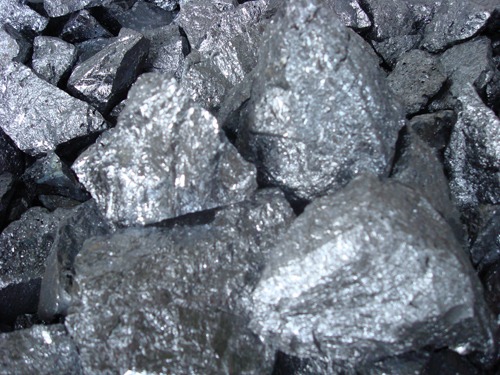
Ferroaluminum, an alloy of iron and aluminum, plays a crucial role in various industrial processes. From strengthening steel to creating high-temperature resistant components, its applications are diverse.

The increasing global demand for automobiles is poised to significantly propel the ferro aluminium market forward. As the automotive industry continues to expand, particularly in emerging economies, the need for lightweight, high-strength materials becomes ever more critical.

Prominent Drivers Propelling Ferro Aluminum Forward

Several factors are propelling the ferro aluminum market forward:

  • Soaring Steel Production: The burgeoning steel industry is a significant driver. Ferroaluminum acts as a deoxidizing agent in steel production, ensuring a cleaner and stronger final product. As steel production continues to rise globally, the demand for Ferro Aluminum is expected to follow suit.
  • Expanding Applications: Beyond steel, Ferro Aluminum finds applications in hardfacing (applying a wear-resistant layer to a metal surface), welding consumables, and even thermite reactions (used for welding or cutting). This diversification in usage broadens the market’s reach.
  • Lightweight Solutions: The increasing demand for lightweight materials in various sectors, like automotive and aerospace, is driving the development of aluminum alloys with specific properties. Here, Ferro Aluminum plays a role in enhancing properties like strength and high-temperature resistance.

Request Your Sample Report Now! https://www.futuremarketinsights.com/reports/sample/rep-gb-365

Challenges Marring the Market Growth

Despite its promising outlook, the ferro aluminum market faces certain challenges:

  • Fluctuating Raw Material Prices: The prices of iron and aluminum, the core components of Ferro Aluminum, are susceptible to market fluctuations. This volatility can impact production costs and overall market stability.
  • Stringent Environmental Regulations: The production of Ferro Aluminum can be energy-intensive, and stricter environmental regulations might lead to increased production costs or limitations on production capacity.
  • Competition from Substitute Materials: The development of alternative materials with similar properties to Ferro Aluminum could pose a threat in specific applications. Manufacturers need to focus on innovation and cost-effectiveness to stay competitive.

A Look at the Global Landscape

The global ferro aluminum market is expected to witness steady growth in the coming years. Regions like Asia Pacific, with their booming steel and manufacturing sectors, are anticipated to be major consumers. Additionally, North America and Europe, with established industrial bases, are expected to remain significant markets.

Conclusion: 

The ferro aluminum market presents a fascinating case of opportunity and challenge. While growth drivers like the steel industry and diverse applications are promising, fluctuating raw material prices, environmental concerns, and competition require careful navigation. By focusing on innovation, cost optimization, and sustainable practices, the Ferro Aluminum industry can ensure its continued growth in the global marketplace.

About Future Market Insights (FMI)

Future Market Insights, Inc. (ESOMAR certified, recipient of the Stevie Award, and a member of the Greater New York Chamber of Commerce) offers profound insights into the driving factors that are boosting demand in the market. FMI stands as the leading global provider of market intelligence, advisory services, consulting, and events for the Packaging, Food and Beverage, Consumer Technology, Healthcare, Industrial, and Chemicals markets. With a vast team of ~400 analysts worldwide, FMI provides global, regional, and local expertise on diverse domains and industry trends across more than 110 countries.

Contact Us:       

Future Market Insights Inc.
Christiana Corporate, 200 Continental Drive,
Suite 401, Newark, Delaware – 19713, USA
T: +1-845-579-5705
For Sales Enquiries: sales@futuremarketinsights.com
Website: https://www.futuremarketinsights.com
LinkedIn| Twitter| Blogs | YouTube

Fatty Amine Market Projected to Reach USD 4,955.9 Billion by 2033, Experiencing 4.9% CAGR | FMI Reports

fatty amine industryThe fatty amine market was estimated to be worth USD 2,940.1 million in 2022. Demand is expected to be worth US$ 3,081.3 million by 2023. From 2023 to 2033, the market is predicted to grow at a 4.9% CAGR and reach USD 4,955.9 million by 2033.

The increased demand for fatty amine as a corrosion inhibitor, water softener, and scale dispersant is one of the primary drivers driving the industry. Fatty amine is used for wastewater treatment in various industrial facilities, refineries, and manufacturing industries, which has led to increased demand within the water treatment business.

Unlock Success: Request Your Sample for Exclusive Insights Today Now!
https://www.futuremarketinsights.com/reports/sample/rep-gb-361

Water supplies have been under significant strain in recent years due to the rising global population, increased demand for clean water in industrial applications, and the impact of climate change, which has resulted in water scarcity worldwide, necessitating the need for water filtration activities. Factors such as these have been propelling the growth of the fatty amine industry.

Key Takeaways from the Market Report

  • The fatty amine industry in the United States is expected to increase at a 4.5% CAGR through 2033.
  • From 2023 to 2033, China is set to register a CAGR of 6.5%.
  • France is expected to register expansion at a 3.2% CAGR from 2023 to 2033.
  • The fatty amine industry in Japan is predicted to flourish at a 4% CAGR over the projected period.
  • The United Kingdom is forecast to advance at a 3.6% CAGR over the projected period.
  • By product type, tertiary amine is expected to accumulate a 48.7% revenue share in 2023.
  • Fatty amine is expected to be extensively used in water treatment, yielding 23.7% revenue in 2023.

“Increasing emphasis on biodegradable and sustainable fatty amine products, driven by environmental awareness as well as regulatory challenges, will affect the strategies and developments of players in the industry for fatty amines,” – says FMI analyst.

Unlock Tailored Solutions: Request Customization to Fit Your Specific Needs!
https://www.futuremarketinsights.com/customization-available/rep-gb-361

Competitive Landscape

Due to the prevalence of regional and small-scale manufacturers, most large corporations obtain raw materials from regional or local businesses. The more experienced rivals invest much in research and development to launch new products. This will create appealing opportunities for the sector in the near future.

Key companies profiled

  • Clariant AG
  • Albemarle Corporation
  • Akzo Nobel N.V.
  • Evonik Industries AG
  • Kao Corporation
  • Arkema S.A.
  • Eastman Chemical Company
  • Solvay S.A.
  • E.I. du Pont de Nemours & Co.
  • Procter & Gamble Company
  • Lonza Group Ltd
  • Indo Amine Ltd
  • Sterling Auxiliaries Pvt. Ltd.
  • Wuxi Zhufeng Fine Chemical Co., Ltd.
  • NOF CORPORATION
  • Nouryon

Elevate Your Competitive Edge: Purchase Our Market-Driven Insights Report!
https://www.futuremarketinsights.com/checkout/361

Key Developments

  • In 2022, Clariant, a sustainable, focused, and inventive specialty chemical company, has agreed to a formal deal to sell its Quats division. It has been sold to Global Amines Company Pte. Ltd. through a joint venture that is owned 50% by Clariant and 50% by Wilmar, Asia’s top agricultural company, as well as global oleochemicals company.
  • Akzo Nobel NV announced its Collaborative Sustainability Challenge in 2023, encouraging partners across the value chain to work on a shared carbon reduction strategy. They continue to invest in new equipment and facilities. In 2022, they opened a new €11 million worldwide research and development center at its Slough, United Kingdom, site.

More Valuable Insights Available

Future Market Insights offers an unbiased analysis of the fatty amine industry, providing historical data for 2018 to 2022 and forecast statistics from 2023 to 2033.

To understand opportunities in the fatty amine industry, the industry is segmented on the basis of product type (primary amines, secondary amines, and tertiary amines), end use (agrochemicals, water treatment, construction, oil field chemicals, personal care, textile industry, others) and across seven major regions (North America, Latin America, Western Europe, Eastern Europe, South Asia & Pacific, East Asia, and Middle East & Africa).

About Future Market Insights (FMI)

Future Market Insights, Inc. (ESOMAR certified, recipient of the Stevie Award, and a member of the Greater New York Chamber of Commerce) offers profound insights into the driving factors that are boosting demand in the market. FMI stands as the leading global provider of market intelligence, advisory services, consulting, and events for the Packaging, Food and Beverage, Consumer Technology, Healthcare, Industrial, and Chemicals markets. With a vast team of 400 analysts worldwide, FMI provides global, regional, and local expertise on diverse domains and industry trends across more than 110 countries.

Contact Us:      

Future Market Insights Inc.
Christiana Corporate, 200 Continental Drive,
Suite 401, Newark, Delaware – 19713, USA
T: +1-845-579-5705
For Sales Enquiries: sales@futuremarketinsights.com
Website: https://www.futuremarketinsights.com
LinkedIn| Twitter| Blogs | YouTube

Gum Rosin Market Poised for Boom: Sales to Hit USD 2.46 Billion by 2033, Driven by Sustainability and Rising Demand

Gum Rosin Market
Gum Rosin Market

From 2023 to 2033, the gum rosin market is anticipated to grow at a 4.7% average annual growth rate. The target market in this area is expected to grow from an estimated USD 1,554.2 million in 2023 to a valuation of USD 2,460.2 million by 2033.

Historically, the gum rosin market recorded a sluggish CAGR of 3.6% and reached a value of USD 1,483.7 million in 2022. Increasing usage of gum rosin in paints, coatings, adhesives, paper, and inks will augur well for the gum rosin market as these products are undergoing a spike in demand.

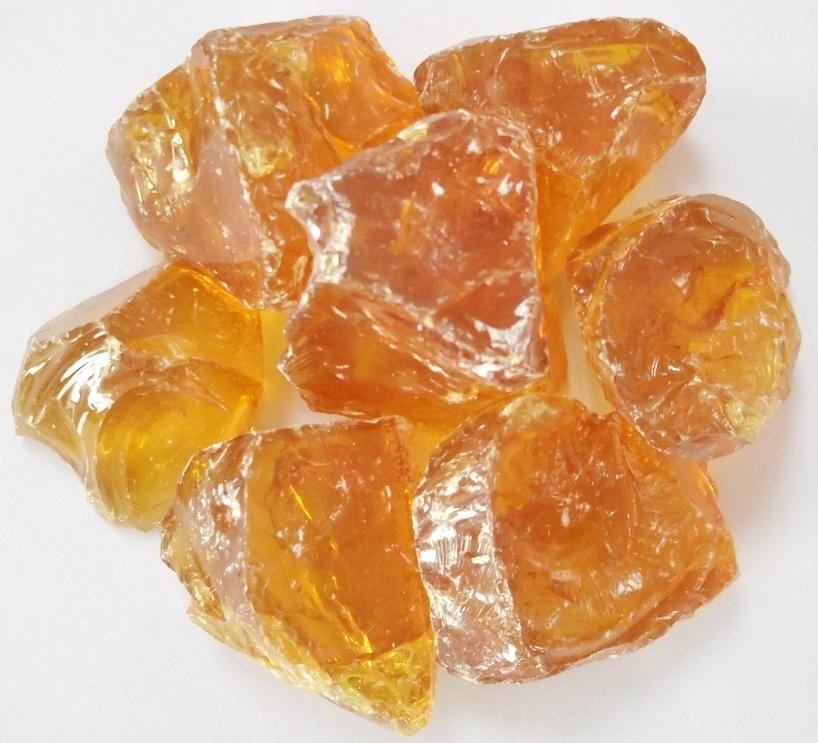
Gum rosin is a kind of solid resin made from pine chemicals that are sourced from pine trees and various other plants. Also known as colophony, gum rosin is made by heating the fresh liquid resin to vaporize the volatile liquid terpene compounds. It is composed of a mixture of pimaric-type and abietic-type acids with a low amount of neutral compounds. Gum rosin Color’s ranging from yellow to black and has a semi-transparent appearance.

Click Here to Request Your Sample Report: https://www.futuremarketinsights.com/reports/sample/rep-gb-8949

The market for gum rosin is positively influenced by the increasing application of the product in adhesives. An upsurge in preference for natural additives across various industry verticals. Gum rosin also finds application in the automotive and construction sectors as it is used in the paints and coatings used in these industries.

Other applications of gum rosin include its usage as a glazing agent in chewing gum and medicines, as a dispersant and as emulsification in the synthetic rubber industry will spur the demand for gum rosin in the global market. Again, the high friction-enhancing properties of gum rosin will further swell up the demand for gum rosin in the upcoming years.

Gum rosin contains excellent physical and chemical properties which promote its usage in the manufacturing of adhesives, printing inks, paper sizing agents, solders and fluxes, surface coatings, insulating materials, synthetic rubber, chewing gums, and soaps and detergents. Gum rosin can also be used on bows of violins and other string instruments, dancing shoes, floors, and stages to prevent slipping. All of these considerations, along with others, propel the gum rosin market forward in the international space.

Key Takeaways:

  • Availability of substitutes may hamper the growth prospects for the gum rosin market.
  • Expansion of the adhesives and paints sector will open avenues of growth for the target market.
  • The gum rosin market in China will register a CAGR of 5.3% and create an absolute dollar opportunity of US$ 648.0 million by 2033.
  • Surging residential and commercial infrastructure projects will bolster the gum rosin market in India to grow at a CAGR of 5.7% during the assessment period.
  • By product type, the WW-type segment will account for 38% of the market share in 2023 due to its extensive usage in paper sizing for maintaining textures and colors.
  • In terms of application, the adhesive segment will continue to dominate the market.

Drive Your Business Growth Strategy: Purchase the Report for Key Insights! https://www.futuremarketinsights.com/checkout/8949

Competitive Landscape 

  1. Naval Overseas, Punjab Rosin and Chemicals Works, and Forestar Chemical Co., Ltd., among others, are a few of the key players in the gum rosin market profiled in the full version of the report.

In a highly fragmented environment, prominent market players are concentrating on the acquisition of smaller firms. The development of novel and sustainable products, and increasing research efforts to adopt new technologies for eco-friendlier manufacturing of gum rosin are some of the other strategies adopted by these businesses.

More Insights into the Gum Rosin Market 

FMI offers the latest, unbiased, and detailed analysis of the global gum rosin market, providing historical data from 2017 to 2022 and forecast statistics for 2023 to 2033. To understand the global market potential, growth, and scope, the market is segmented based on product type, application, and region.

According to the reports, based on segmentation, the WW-type of gum rosin will remain popular in the global market due to its rising usage in paper sizing. Based on application, the adhesive category will continue to dominate the market with a share of 28%. Rising demand for adhesives from the automotive sector will push the segment to expand at a CAGR of 5.9% between 2023 and 2033.

Based on region, the gum rosin market in India will exhibit impressive growth during this period. The target market in this country will grow at a CAGR of 5.7%. Factors like the elevated application of gum rosin in adhesives and its consequent usage in residential and commercial infrastructure projects will foster the growth of the market in India. Besides India, China too will present notable growth in the gum rosin market. Thus, India and China will significantly contribute to the growth of the gum rosin market during the projection period.

About Future Market Insights (FMI)

Future Market Insights, Inc. (ESOMAR certified, recipient of the Stevie Award, and a member of the Greater New York Chamber of Commerce) offers profound insights into the driving factors that are boosting demand in the market. FMI stands as the leading global provider of market intelligence, advisory services, consulting, and events for the Packaging, Food and Beverage, Consumer Technology, Healthcare, Industrial, and Chemicals markets. With a vast team of ~400 analysts worldwide, FMI provides global, regional, and local expertise on diverse domains and industry trends across more than 110 countries.

Contact Us:       

Future Market Insights Inc.
Christiana Corporate, 200 Continental Drive,
Suite 401, Newark, Delaware – 19713, USA
T: +1-845-579-5705
For Sales Enquiries: sales@futuremarketinsights.com
Website: https://www.futuremarketinsights.com
LinkedIn| Twitter| Blogs | YouTube

UV Tapes Market Expected to Achieve USD 1,297.9 Million Valuation by 2033, Driven by 8.8% CAGR | FMI Reports

UV Tapes Market

The global UV tapes market is estimated to be valued at USD 558.4 million in 2023 and is anticipated to reach USD 1,297.9 million by 2033. The market is estimated to secure a CAGR of 8.8% during the forecast period.

The Popularity of UV Tapes Upsurge the Global Market

The demand for UV tapes is a significant drive in the global market due to their design to cure using ultraviolet light. These tapes are widely used in several end-use industries, such as healthcare, electronics, and automotive. The popularity of UV tapes is attributed to various factors, including:

Propel Your Success: Secure Your Sample of Our Insightful Report Now!
https://www.futuremarketinsights.com/reports/sample/rep-gb-435

UV tapes are highly adopted due to their various advantages compared to traditional tapes, including chemical resistance. These tapes provide strong bonds, high temperatures, fast curing times, and high chemical resistance. The popularity of UV tapes is rising due to their versatility, durability, and reliability.

The demand for electronic devices is increasing, surging the adoption of UV tapes. These tapes are heavily used in manufacturing, electronics, semiconductors, and printed circuit boards. These tapes reduce damage to sensitive electronic goods and expand the market size.

The adoption of UV tapes is gaining huge popularity for their eco-friendly nature. These tapes are making the environment more friendly by reducing carbon footprints. Adopting advanced technology, such as UV curing technology, further fuels the global market.

These factors are estimated to continue to drive the global market during the forecast period. Manufacturers are continuing to innovate advanced products to attract more consumers.

Key Takeaways:

  • The UV tapes market is estimated to register a valuation of US$ 558.4 million with a CAGR of 8.8% in 2023.
  • In the historical period, the market secured a valuation of US$ 512.3 million with a CAGR of 9% in 2022.
  • The United States is estimated to secure a share of 31% in the global market during the forecast period.
  • With a share of 12.3%, Germany is estimated to drive the global market by 2033.
  • Japan is anticipated to drive the global market with a share of 5.1% in the global market by 2033.

Get Exactly What You Need: Request Customization for Precision Solutions!
https://www.futuremarketinsights.com/customization-available/rep-gb-435

How Key Players Uplift the Global Market?

The global market is highly fragmented by the number of key players globally. These players are making innovative, improved, advanced products to satisfy consumers’ desires. They are investing huge amounts in research and development activities to develop innovative products to uplift the market size.

Key players are filling their gaps after taking feedback from their genuine consumers to increase their sales. They adopt various marketing strategies to drive the market to another level. These marketing tactics are mergers, acquisitions, collaborations, product launches, and partnerships.

Recent Developments in the Global Market are:

In 2021, Nitto Denko Corporation announced its newly launched UV-curable tapes. These tapes are developed for various medical, electronics, and automotive applications. The company invests in research and development to enhance the performance of its UV tapes.

Elevate Your Business Strategy! Purchase the Report for Market-Driven Insights:
https://www.futuremarketinsights.com/checkout/435

Key Companies Profiled

  • BASF SE
  • Henkel AG & Company
  • The Furukawa Electric Co. Ltd
  • Mitsui Chemicals Group
  • AI Technology Inc.
  • Denka Company Limited
  • Ultron Systens Inc.
  • Nitto Denko Corporation
  • Lintec Corporation
  • Sumitomo Bakelite Co. Ltd

UV Tapes Market by Category
By Product Type:

  • Polyolefin (PO)
  • Polyethylene Terephthalate (PET)
  • Polyvinyl Chloride (PVC)
  • Others

By Application:

  • Wafer Dicing
  • Back-grinding
  • Others

By Region:

  • North America
  • Latin America
  • Europe
  • Asia Pacific
  • Middle East and Africa

About Future Market Insights (FMI)

Future Market Insights, Inc. (ESOMAR certified, recipient of the Stevie Award, and a member of the Greater New York Chamber of Commerce) offers profound insights into the driving factors that are boosting demand in the market. FMI stands as the leading global provider of market intelligence, advisory services, consulting, and events for the Packaging, Food and Beverage, Consumer Technology, Healthcare, Industrial, and Chemicals markets. With a vast team of 400 analysts worldwide, FMI provides global, regional, and local expertise on diverse domains and industry trends across more than 110 countries.

Contact Us:      

Future Market Insights Inc.
Christiana Corporate, 200 Continental Drive,
Suite 401, Newark, Delaware – 19713, USA
T: +1-845-579-5705
For Sales Enquiries: sales@futuremarketinsights.com
Website: https://www.futuremarketinsights.com
LinkedIn| Twitter| Blogs | YouTube