
Pre-Workout Supplements Market Projected to Reach USD 36.9 Billion with a Strong 7.5% CAGR by 2033

The global pre-workout supplements market size is estimated to surpass a valuation of US$ 20,154 million in 2023. It is likely to reach a valuation of US$ 36,905.8 million by 2033. The market is foreseen to record a striking CAGR of 7.5% from 2023 to 2033.

The market is anticipated to swell as customer preferences for healthy meals and awareness of the advantages of fitness and health amplify. Manufacturers are being encouraged to introduce new pre-workout supplements due to rising consumer spending on nutritious and healthy meals. Various international brands are entering untapped markets to capitalize on the growing trend of health and wellness. This is expected to bode well for the global pre-workout supplements industry.

Download a sample to obtain additional highlights and key points on various market segments and their impact in the coming years: https://www.futuremarketinsights.com/reports/sample/rep-gb-9446

The increasing research and development activities by key players are also expected to boost market growth. The rising trend of sustainability and the growing popularity of clean-label products is anticipated to drive market expansion. The increasing trend of home workouts further propels growth opportunities. The lack of time disposal due to hectic work and life schedules are aiding the home workout trend and is likely to amplify sales of pre-workout supplements.

Pre-workout supplements are available in dry and wet forms. Dry pre-workout supplements are highly preferred by consumers due to several reasons, of which, convenience is the most prominent one. Dry pre-workout supplements are available in different pack sizes, flavors, and ingredients. They are easy to consume and store. They also have a longer shelf life than wet pre-workout supplements. These factors boost the demand for pre-workout supplements. Additionally, they are easy to transport, which boosts their overall demand, thereby bolstering global market growth.

Key Takeaways from the Market:

  • In 2018, the global market size stood at US$ 17,410.6 million.
  • The market accounted for US$ 19,739.24 million in 2022.
  • The market developed at a CAGR of 3.2% from 2018 to 2022.
  • In 2022, the ready-to-drink segment captured 53.6% shares in the global market.
  • The offline sales channel segment captured a 63.9% market share in 2022.
  • The United States pre-workout supplements market captured nearly 24.1% of the global pre-workout supplements market share in 2022.
  • The Indian market in pre-workout supplements garnered nearly 5.6% of the global market share in 2022.
  • The United Kingdom captured 7.6% of the global pre-workout supplements market shares in 2022.

Buy Now: https://www.futuremarketinsights.com/checkout/9446

Recent Developments Observed by FMI:

  • RSP Nutrition introduced AminoLean MAX, their newest pre-workout supplement, in June 2022. The new supplement provides better attention, energy, and pump.
  • In May 2022, GNC introduced the ZOA+ pre-workout supplement. High-quality components are used in the production of the new pre-workout pill to provide improved performance.
  • Pre JYM, a brand-new pre-workout supplement for elite athletes and fitness lovers, was introduced by GNC in April 2022.
  • GNC debuted Concept X under the Beyond Raw brand. In it, 16 ingredients make up the new pre-workout pill, which provides greater energy, strength, concentration, pumps, and muscular pain assistance.

Key Players in the Global Pre-workout Supplements Industry

  • MusclePharm Corporation
  • Nutrabolt Corporation
  • BPI Sports LLC
  • Magnum Nutraceuticals
  • GAT Sport
  • Nutrex Research Inc.
  • Beast Sports Nutrition
  • SynTech Nutrition (Medix Laboratories NV)
  • EFX Sports
  • ALLMAX Nutrition Inc.

Expand operations in the future To get requisite details, ask for a custom report @
https://www.futuremarketinsights.com/customization-available/rep-gb-9446

Market Segmentation

By Form:

  • Powder
  • Ready-to-drink
  • Capsule/Tablets

By Sales Channel:

  • Offline Sales Channel
    • Supermarkets/Hypermarkets
    • Departmental Stores
    • Convenience Store
    • Other Sales Channel
  • Online Sales Channel
    • Company Website
    • E-commerce Platform

By Region:

  • North America
  • South America
  • Europe
  • East Asia
  • South Asia & Pacific
  • The Middle East & Africa (MEA)

About Future Market Insights (FMI)

Future Market Insights, Inc. (ESOMAR certified, recipient of the Stevie Award, and a member of the Greater New York Chamber of Commerce) offers profound insights into the driving factors that are boosting demand in the market. FMI stands as the leading global provider of market intelligence, advisory services, consulting, and events for the Packaging, Food and Beverage, Consumer Technology, Healthcare, Industrial, and Chemicals markets. With a vast team of over 400 analysts worldwide, FMI provides global, regional, and local expertise on diverse domains and industry trends across more than 110 countries.

Contact FMI:

Nandini Singh Sawlani
Future Market Insights Inc.
Christiana Corporate, 200 Continental Drive,
Suite 401, Newark, Delaware – 19713, USA
T: +1-845-579-5705
For Sales Enquiries: 
sales@futuremarketinsights.com
Website: https://www.futuremarketinsights.com
LinkedIn| Twitter| Blogs | YouTube
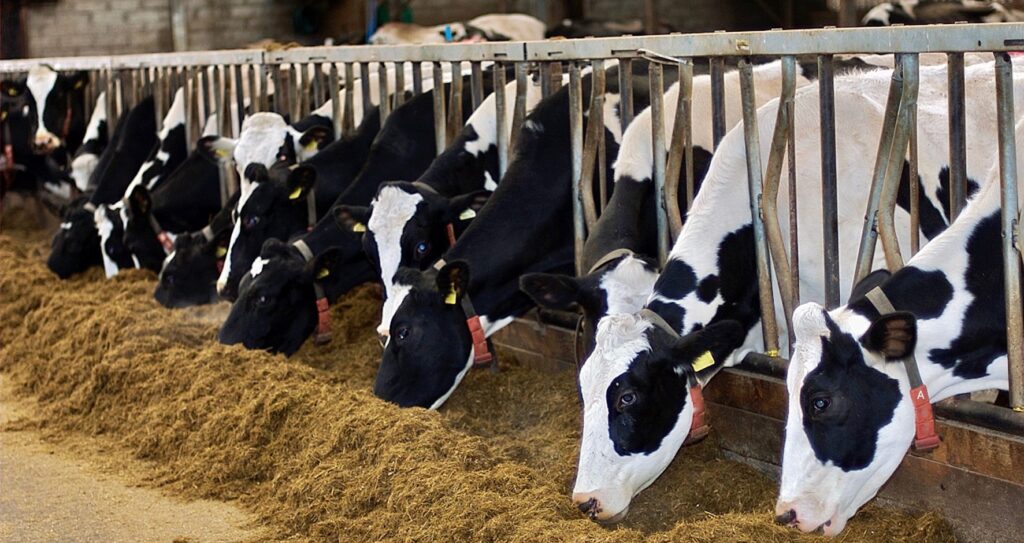
Global Cattle Feed Market Poised for Steady Growth, Projected to Reach USD 127.8 Billion by 2034 According to FMI Report

The cattle feed market is estimated to be worth USD 83.4 billion in 2024 and is projected to be valued at USD 127.8 billion in 2034. Between 2024 and 2034, the industry is expected to register a CAGR of 4.4%.

The growing demand for premium meat and dairy products worldwide is one of the key factors propelling the growth of the cow feed industry. There is an increasing trend toward diets high in protein as the world’s population and wealth rise, especially in emerging economies.

Request a Sample Report! https://www.futuremarketinsights.com/reports/sample/rep-gb-14343

Increased livestock production is required to meet the growing demand for meat and dairy products, which in turn fuels the need for effective and nutrient-rich cattle feed. The market for cow feed is expanding due to the growing need for animal protein, which is also fueled by factors like urbanization, changing dietary patterns, and the rise of the middle class.

Rising economic growth in emerging economies is linked to rising disposable incomes, which in turn drives up animal protein consumption. The market for cow feed is expanding due to this tendency, which also increases consumer demand for animal products.

Livestock farmers are becoming more conscious of the value of animal welfare and nutrition in their operations. The market is growing due to this awareness, which increases demand for premium specialty feeds that satisfy the nutritional needs of various animal growth and development phases.

Key Takeaways

  • From 2019 to 2023, the cattle feed market expanded at a CAGR of 4.06%.
  • Based on the product type, the concentrate food segment is expected to account for a market share of 43.5% in 2024.
  • The demand for cattle feed in Germany is predicted to grow at a CAGR of 3.5% through 2034.
  • In the United States, the cattle feed industry is estimated to register a CAGR of 2.8% from 2024 to 2034.
  • China is projected to expand by a CAGR of 2.1% between 2024 and 2034.
  • The cattle feed market in India is anticipated to record a CAGR of 8.2% during 2034.

“The demand for cattle feed is influenced by factors such as population growth, urbanization, disposable incomes, dietary preferences, and government policies supporting animal husbandry,” says an FMI analyst.

Request for Report Customization: https://www.futuremarketinsights.com/customization-available/rep-gb-14343

Competitive Landscape

The cattle feed market has a very fragmented competitive landscape with a wide range of domestic and foreign competitors. Major businesses are concentrating on growing their product line and geographic reach to get a competitive edge in the industry.

  • Provider of premixes, additives, and feed solutions for cattle, pigs, poultry, and aquaculture, Nutreco is a worldwide leader in animal nutrition and aquafeed. To ensure effective and sustainable feed production methods, Nutreco provides a wide range of feed products and services designed to enhance animal health, welfare, and productivity.
  • A diverse agricultural cooperative, Land O’Lakes is involved in the dairy, animal nutrition, and crop inputs industries. With an emphasis on boosting productivity, profitability, and sustainability for livestock farmers, Land O’Lakes offers a broad selection of feed products, supplements, and nutritional programs for dairy and beef cattle in the cattle feed industry.

More Valuable Insights Available

Future Market Insights offers an unbiased global cattle feed market analysis, providing historical data from 2019 to 2023 and forecast statistics from 2024 to 2034

To understand opportunities in the cattle feed industry, the industry is segmented based on the By Product Type (Concentrate Foods, Roughages (Pasture, Hay, Silage, Straw & Hulls, and Root Crops), and Feed Additive) Form (Powder, Textured Cattle Feed) and Region (North America, Latin America, Western Europe, Eastern Europe, South Asia and Pacific, East Asia, Middle East, and Africa).

About Food and Beverage Team at Future Market Insights

The food and beverage team at Future Market Insights offers expert analysis, time-efficient research, and strategic recommendations to provide authentic insights and accurate results to help clients worldwide. With over 100+ reports and one million+ data points, the team has analyzed the industry lucidly in 50+ countries for over a decade. The team briefly analyzes key trends, including competitive landscape, profit margin, and research development efforts.

Purchase the Report for Key Insights: https://www.futuremarketinsights.com/checkout/14343

Cattle Feed Market – Key Segments

By Product Type:

  • Concentrate Foods
  • Roughages (Pasture, Hay, Silage, Straw & Hulls, Root Crops)
  • Feed Additive

By Form:

  • Powder
    • Granular
    • Liquid
    • Cattle Cubes
    • Pelleted Cattle Feed
  • Textured Cattle Feed

By Region:

  • North America
  • Latin America
  • Western Europe
  • Eastern Europe
  • South Asia and Pacific
  • East Asia
  • The Middle East and Africa

About Future Market Insights (FMI)

Future Market Insights, Inc. (ESOMAR certified, recipient of the Stevie Award, and a member of the Greater New York Chamber of Commerce) offers profound insights into the driving factors that are boosting demand in the market. FMI stands as the leading global provider of market intelligence, advisory services, consulting, and events for the Packaging, Food and Beverage, Consumer Technology, Healthcare, Industrial, and Chemicals markets. With a vast team of over 400 analysts worldwide, FMI provides global, regional, and local expertise on diverse domains and industry trends across more than 110 countries.

Contact FMI:

Nandini Singh Sawlani
Future Market Insights Inc.
Christiana Corporate, 200 Continental Drive,
Suite 401, Newark, Delaware – 19713, USA
T: +1-845-579-5705
For Sales Enquiries: 
sales@futuremarketinsights.com
Website: https://www.futuremarketinsights.com
LinkedIn| Twitter| Blogs | YouTube

Ready-to-Drink Coffee Market Poised to Reach USD 43.78 Billion by 2033

The ready-to-drink coffee market is anticipated to expand its roots at an average CAGR of 5.0% between 2023 and 2033. The market is projected to have a market share of US$ 43.78 billion by 2033 while it is likely to be valued at US$ 27.35 billion in 2023.

– The increase in coffee drinkers along with the people opting for a corporate lifestyle is garnering market growth. Furthermore, coffee is a part of the modern culture routine that is adding value to the market’s growth trajectory.

– The partnerships between market leaders and the introduction of exciting new flavors are expected to transform the market dynamics. Alongside this, advanced brewing machines are likely to garner market growth.

– New production facilities along with the increased awareness around coffee drinking is flourishing the demand for RTD coffee. The new packaging bottles and cans with different levels of caffeine are adding value to the market space.

– Leading brands are integrating cold coffee and coffee RTD mixtures with local flavors to increase consumption. The panic buying during and post-pandemic is fuelling the sales of ready-to-drink coffee.

Request Sample Copy with Graphs & List of Figures: https://www.futuremarketinsights.com/reports/sample/rep-gb-14329

Key Points

  1. The United States market leads the ready-to-drink coffee market in terms of market share in North America. The United States region held a market share of 9.8% in 2022. The growth in this region is higher caffeine consumption along with the trending corporate lifestyle.
  2. Germany’s ready-to-drink coffee market is another significant market in the European region. The market held a market share of 5.6% in 2022. The growth is attributed to the surge in cafés, new and advanced flavors, and rising production facilities.
  3. The Indian ready-to-drink coffee market thrives at a strong CAGR of 16.1% during the forecast period. The market’s growth is attributed to the higher coffee-drinking population, café culture, and the integration of local flavors.
  4. The hypermarket/supermarket segment leads the distribution channel type segment as it held a leading market share in 2022. The growth is attributed to easy availability, 24 x 7 styled stores, and higher tourist consumption.

Competitive Landscape

The key vendors work on different flavors, packaging, and taste. The players also work on enhanced supply chains and higher affordability. Companies collaborate to expand their supply chain. Key competitors and also merge, acquire, and partner with other companies to increase their supply chain, and distribution channel.

Recent Market Development

  • In 2023, Danone S.A. invested US$ 65 million over the next two years in the United States manufacturer of products including stock ready-to-drink coffee. The investment has been done in the RTD coffee and creamer facility.
  • Nescafe has introduced its Chilled Latte, Intense Café, Iced Latte Can, and Hazelnut Coffee. The company has also launched Badal Life Ki Raftaar with Nescafe.
  • Bavzilla, an India-based coffee brand introduced instant coffee cubes pack with diverse flavors. The coffee powder and cubes contain plant-based vitamins and palm jaggery.

Key Players

  • PepsiCo.
  • The Coca-Cola Company
  • Nestle S.A.
  • JAB Holding Company
  • Asahi Group Holdings, Ltd.
  • McDonald’s Corporation
  • Danone S.A.
  • Dunkin’ Brands Group, Inc.
  • Suntory Beverage & Food
  • Lotte Chilsung Beverage Co. Ltd.
  • Dr Pepper Snappel Group.
  • Starbucks
  • Unilever
  • Ajinomoto General Foods Inc.
  • Monster Beverage Co.

Purchase the Report for Key Insights: https://www.futuremarketinsights.com/checkout/14329

Key Segments Covered

Product:

  • Ginseng
  • Vitamin B
  • Taurine
  • Guarana
  • Yerba Mate
  • Acai Berry

Additives:

  • Flavors
  • Artificial Sweeteners
  • Acidulants
  • Nutraceuticals
  • Preservatives
  • Others

Packaging:

  • Glass Bottle
  • Canned
  • PET Bottle
  • Aseptic

Price Segment:

  • Premium
  • Regular
  • Popular Priced
  • Fountain
  • Super Premium

Distribution Channel:

  • On-trade
    • Independent Retailers
    • Supermarkets/Hypermarkets
    • Convenience Stores
    • Others
  • On-trade
    • Food Service
    • Vending

About Future Market Insights (FMI)

Future Market Insights, Inc. (ESOMAR certified, recipient of the Stevie Award, and a member of the Greater New York Chamber of Commerce) offers profound insights into the driving factors that are boosting demand in the market. FMI stands as the leading global provider of market intelligence, advisory services, consulting, and events for the Packaging, Food and Beverage, Consumer Technology, Healthcare, Industrial, and Chemicals markets. With a vast team of over 400 analysts worldwide, FMI provides global, regional, and local expertise on diverse domains and industry trends across more than 110 countries.

Contact FMI:

Nandini Singh Sawlani
Future Market Insights Inc.
Christiana Corporate, 200 Continental Drive,
Suite 401, Newark, Delaware – 19713, USA
T: +1-845-579-5705
For Sales Enquiries: 
sales@futuremarketinsights.com
Website: https://www.futuremarketinsights.com
LinkedIn| Twitter| Blogs | YouTube
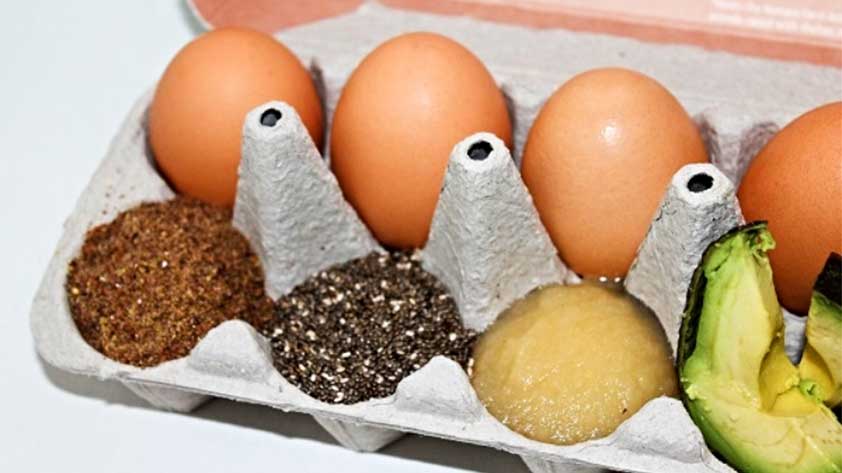
Phospholipid Market Outlook: Projected Exceed USD 4.64 Billion by 2033, Fuelled by 13.5% Annual Growth

The phospholipid market is predicted to be valued at US$ 1.55 Billion in 2023 and US$ 4.64 Billion by 2033. Over the projection period, sales of phospholipid are expected to increase at a CAGR of 13.5%. The phospholipid market is a rapidly growing industry with a wide range of applications in various sectors such as food, pharmaceuticals, and agriculture.

An emerging trend in the phospholipid market is the development of personalized and targeted phospholipid formulations. With advances in technology, it is now possible to analyze an individual’s genetic makeup and develop customized phospholipid formulations to address specific health concerns.

For example, phospholipids can be tailored to address heart health, brain function, or liver function. This personalized approach to phospholipid supplementation is expected to gain popularity in the coming years, providing a significant opportunity for manufacturers in the market.

Get detailed overview with growth opportunities from 2023 to 2033 – Download a sample report

The use of phospholipids in agriculture is also an area of significant opportunity. Phospholipids have been shown to have a positive impact on plant growth and can be used as a natural alternative to chemical fertilizers. The use of phospholipids in animal feed can improve digestion and nutrient absorption, leading to improved animal health and productivity. The increasing demand for organic and natural agriculture practices is expected to drive the growth of this sector of the market in the coming years.

Key Takeaways:

  • According to FMI research, the United States currently holds a significant market share, accounting for almost 35% of the global market in 2022.
  • With a 15% market share in 2022, Germany has emerged as a prominent participant in the Phospholipid market.
  • In 2023, China’s solar pump sector is predicted to have a market share of roughly 25%.
  • The solar pump sector in Japan is still in its infancy, but it is predicted to develop significantly throughout the projection period.
  • With a market share of around 35% by 2023, the above 8 HP sector is predicted to dominate the Phospholipid industry.
  • Submersible pumps are predicted to dominate the solar pump industry, accounting for nearly 40% of the market by 2023.
  • With a market share of roughly 60% by 2023, the agriculture segment is predicted to dominate the Phospholipid industry.

How Key Players are Revolutionizing the Manufacturing of Phospholipid?

The phospholipid industry has a very competitive environment due to numerous companies that operate globally.

Key Players:

  • Avanti Polar Lipids, Inc.
  • Bunge Ltd.
  • Cargill, Inc.
  • DowDuPont, Inc.
  • Kewpie Corporation
  • LasenorEmul SL
  • Lecico GmbH
  • Lipoid GmbH
  • Wilmar International Ltd
  • VAV Life Sciences Pvt. Ltd.

Prominent players in the phospholipid market are revolutionizing the manufacturing process through various innovations and advancements. Among the significant areas of focus is the use of sustainable and environmentally friendly methods of producing phospholipids. This includes the use of renewable sources such as soybeans, sunflowers, and egg yolks to extract phospholipids, minimizing the impact on the environment.

The advancements in technology have enabled key players to develop more efficient methods of production, reducing costs and increasing production capacity. For instance, the use of supercritical fluid extraction technology allows for the extraction of high-quality phospholipids from a variety of sources, including waste streams from other industries. This not only reduces waste but also provides a cost-effective method of producing phospholipids.

The development of new and innovative phospholipid formulations is a prominent area of focus. Eminent players in the market are investing in research and development to create new formulations that meet the evolving needs of customers. This includes the development of personalized and targeted phospholipid formulations that can be customized to address specific health concerns.

The leading players in the market are also focused on improving the supply chain to ensure a consistent and reliable supply of high-quality phospholipids. This includes establishing strategic partnerships with suppliers and distributors to streamline the supply chain and reduce costs.

Buy the Report now! https://www.futuremarketinsights.com/checkout/13040

Market Segmentation:

By Source:

  • Soy
  • Eggs
  • Others

By Form:

  • Powder
  • Granule

By Application:

  • Nutrition & supplements
  • Pharmaceuticals
  • Others

By Region:

  • North America
  • Latin America
  • Europe
  • Asia Pacific
  • Middle East and Africa

About Future Market Insights (FMI)

Future Market Insights, Inc. (ESOMAR certified, recipient of the Stevie Award, and a member of the Greater New York Chamber of Commerce) offers profound insights into the driving factors that are boosting demand in the market. FMI stands as the leading global provider of market intelligence, advisory services, consulting, and events for the Packaging, Food and Beverage, Consumer Technology, Healthcare, Industrial, and Chemicals markets. With a vast team of over 400 analysts worldwide, FMI provides global, regional, and local expertise on diverse domains and industry trends across more than 110 countries.

Contact FMI:

Nandini Singh Sawlani
Future Market Insights Inc.
Christiana Corporate, 200 Continental Drive,
Suite 401, Newark, Delaware – 19713, USA
T: +1-845-579-5705
For Sales Enquiries: 
sales@futuremarketinsights.com
Website: https://www.futuremarketinsights.com
LinkedIn| Twitter| Blogs | YouTube

Egg Substitute Market Projected to Surpass US$ 654.3 Million, with Impressive 17.5% CAGR Expected by 2033

The global egg substitute market size is projected to surpass a valuation of US$ 130.5 million in 2023. It is estimated to reach a valuation of US$ 654.3 million by 2033. During the forecast period from 2023 to 2033, the market is expected to record an astounding CAGR of 17.5%.

Egg substitutes contain ample vitamins such as Vitamin B12 and Vitamin A, similar to regular eggs. Additionally, they are gluten-free and cholesterol-free. This market is growing as a result of increasing consumer awareness of the nutritional benefits of egg substitutes and their predisposition to eating healthy cuisine. Due to the scarcity of eggs, the global market for egg substitutes is anticipated to expand significantly over the coming years.

Request a Sample Report! https://www.futuremarketinsights.com/reports/sample/rep-gb-14323

In the upcoming years, this market’s growth may also be aided by the rising demand for vegetable ingredients and high egg prices.

North America is anticipated to hold dominance during the forecast period. Consumers are being compelled to adopt a healthy lifestyle due to the rising prevalence of health problems like diabetes, blood pressure, and obesity. They are opting for products that are plant-based, gluten-free, and non-GMO. In response to this demand, manufacturers are developing and launching products that are gluten and GMO-free.

The increasing research and development activities by the key players present in the region are expected to amplify the North America egg substitute market’s growth potential.

Key Takeaways from the Egg Substitute Market:

  • In 2018, the global egg substitute market size stood at US$ 984.5 million.
  • The market size stood at US$ 1,123.60 million in 2022.
  • The market size increased at a CAGR of 3.4% from 2018 to 2022.
  • The dry segment under form captured 72.40% market share in 2022.
  • In 2022, the animal-based source segment captured 36.70% market share.
  • The dairy protein segment under ingredients accounted for 37.80% market share in 2022.
  • In 2022, the bakery & confectionery segment occupied 34.60% of the market share worldwide.
  • The United States egg substitute market accounted for 29.0% of the total market share in 2022.
  • The United Kingdom egg substitute market captured a 6.0% market share in 2022.
  • In 2022, India’s egg substitute market accounted for 3.6% of the global market share.

Recent Developments Observed by FMI:

  • In October 2022, AcreMade introduced Plant-based Egg Substitute, a product that replaces eggs by using yellow field peas, a component of PURIS. This powder is intended for baking or scrambling and is shelf-stable.
  • In November 2022, Nestle’ introduced a new plant-based egg substitute in Latin America; the first batch of this product is manufactured from recycled peas. The new shelf-stable plant-based protein powder blends go well with egg dishes without sacrificing nutrition or price.
  • In February 2022, Plant-B introduced a brand-new liquid vegan egg alternative based on Lupin. The company asserts that its egg substitutes have 50% few calories while yet being equal to regular eggs.
  • In March 2021, Evo Foods introduced the first liquid vegan egg alternative in Asia. The business asserts that its egg substitutes have higher protein content than regular eggs.

Purchase the Report for Key Insights: https://www.futuremarketinsights.com/checkout/14323

Egg Substitute Market Segmentation

By Form:

  • Dry
  • Liquid

By Source:

  • Plant
  • Animal

By Ingredient:

  • Dairy Proteins
  • Starch
  • Algal Flour
  • Soy-based Products

By Application:

  • Bakery & Confectionery
  • Savories
  • Sauces
  • Dressings & Spreads

By Distribution Channel:

  • Convenience Stores
  • Hypermarkets
  • Departmental Stores
  • Others

By Region:

  • North America
  • Europe
  • Asia Pacific
  • Latin America
  • The Middle East & Africa

About Future Market Insights (FMI)

Future Market Insights, Inc. (ESOMAR certified, recipient of the Stevie Award, and a member of the Greater New York Chamber of Commerce) offers profound insights into the driving factors that are boosting demand in the market. FMI stands as the leading global provider of market intelligence, advisory services, consulting, and events for the Packaging, Food and Beverage, Consumer Technology, Healthcare, Industrial, and Chemicals markets. With a vast team of over 400 analysts worldwide, FMI provides global, regional, and local expertise on diverse domains and industry trends across more than 110 countries.

Contact FMI:

Nandini Singh Sawlani
Future Market Insights Inc.
Christiana Corporate, 200 Continental Drive,
Suite 401, Newark, Delaware – 19713, USA
T: +1-845-579-5705
For Sales Enquiries: 
sales@futuremarketinsights.com
Website: https://www.futuremarketinsights.com
LinkedIn| Twitter| Blogs | YouTube

Boat Hook Market: Steady Expansion Predicted with 3% to 5% CAGR Through 2032

The boat hook market is set to experience steady growth over the next decade, with projections indicating a CAGR of 3% to 5% from 2022 to 2032. This anticipated expansion is driven by increasing recreational boating activities, rising demand for marine accessories, and advancements in boat hook design and materials.

As more people embrace leisure boating and water sports, the need for reliable and durable boat hooks has become more pronounced. Manufacturers are responding by innovating and enhancing their product offerings, which in turn fuels the market’s growth. With safety and convenience being paramount for boaters, the boat hook market is poised for a robust and sustained upward trajectory in the coming years.

Request for a Sample of this Research Report
https://www.futuremarketinsights.com/reports/sample/rep-gb-13692

Rising consumer spending, especially by the younger generation, on leisure and sports activities, will augment the growth in the market over the forecast period. With rising disposable income, consumer interest in marine tourism and leisure activities is also increasing. Demand for activities like power boating, sailing, yachting, and others has substantially increased. Furthermore, adventure tourism is expanding its reach and quickly gaining traction. All these factors fuel market growth for boat hooks.

Key Takeaways from the Boat Hook Market Report:

  • Government initiatives will fuel the market growth over the forecast period.
  • Investments by cruise companies in land-based private islands are predicted to raise the demand for boat hooks.
  • The demand of the tourism industry will lead to a growth in recreational and leisure boating activities. This will foster the market growth in North America
  • Recreational activities are expected to boost boat hook sales in the U.S.
  • Europe boat hook market, with 32,000 enterprises and 280,000 direct employees, will grow at the fastest rate.

Competitive Landscape:
Davis Instruments, Shurhold Industries, SwiTec, Henssgen Hardware, Samco Sales, Inc., ShangHai Orange Metal Products Co., Ltd., DEYUAN MARINE CO., LTD., Decorstainless International Co., Ltd., Zhenjiang Longyear Marine Equipment Co., Ltd., Lexco Cable Manufacturers, Wichard, Inc., C. Sherman Johnson Co., Inc., Batz Corporation, among others are the some of the key manufacturers of boat hooks profiled in the full version of the report.

Key players in the global boat hook market are investing in research and development activities so as to make improvements on available products as well as expand their product portfolios.

Seize the Opportunity: Get Report Now for a Thorough Report
https://www.futuremarketinsights.com/checkout/13692

More Insights into the Boat Hook Market Report:
In its latest report, FMI offers an unbiased analysis of the global boat hook market, providing historical data from 2017 to 2021 and forecast statistics for the period 2022-to 2032. To understand the global market potential, growth, and scope, the market is segmented based on material type (stainless steel, copper, plastics), end use (logistics, transport), and region.

Manufacturers focus on producing a simple and utilitarian boat hook that will make it safe and easy for boaters to attach a line to a boat cleat hook, ringed mooring buoy, and mooring ring. In order to gain a competitive edge, various manufacturers are adding improvements to the boat hook that will increase its utility.

With improvements to the boat hook, its utility will be greatly increased and berthing will be simplified. Certain boating systems come equipped with carbine hooks that can retrieve things and even people from the sea.

Boat Hook Market Segmentation:

By Material Type:

  • Stainless Steel
  • Copper
  • Plastics

By End Use:

  • Logistics
  • Transport

By region:

  • North America
  • Latin America
  • Europe
  • South Asia
  • East Asia
  • Middle East and Africa

About Future Market Insights (FMI)

Future Market Insights, Inc. (ESOMAR certified, recipient of the Stevie Award, and a member of the Greater New York Chamber of Commerce) offers profound insights into the driving factors that are boosting demand in the market. FMI stands as the leading global provider of market intelligence, advisory services, consulting, and events for the Packaging, Food and Beverage, Consumer, Technology, Healthcare, Industrial, and Chemicals markets. With a vast team of over 400 analysts worldwide, FMI provides global, regional, and local expertise on diverse domains and industry trends across more than 110 countries.

Contact Us:

Future Market Insights Inc.
Christiana Corporate, 200 Continental Drive,
Suite 401, Newark, Delaware – 19713, USA
T: +1-845-579-5705
For Sales Enquiries: 
sales@futuremarketinsights.com
Website: https://www.futuremarketinsights.com
LinkedIn| Twitter| Blogs | YouTube

Organic Oats Market Growth Expected to Reach USD 520.5 Million by 2033: Growing Demand for Healthy and Sustainable Foods”

The global organic oats market is predicted to double in value from USD 281.0 million in 2023 to USD 520.5 million by 2033, with a 6.4% CAGR.

As more people demand healthy food products, there is a great growth opportunity in the market. But there are many challenges in organic oats market as organic oats are typically more expensive than non-organic oats.

Nowadays people are becoming more health conscious so there is more demand for healthy foods and organic oats is one of the best healthy food. Organic oats are versatile ingredients used in many foods and beverage products like snacks and baked products so as the demand for this product grows, the demand for organic oats will also grow.

People are also demanding sustainable food products so it is also one of the key factors in the growth of organic oats market. There is also demand for plant-based diet products so there is much possibility for organic oats market to grow.

Request Sample Report :
https://www.futuremarketinsights.com/reports/sample/rep-gb-1692

Key Takeaways

  • The organic oats sector has been witnessing a stable growing pace, with a CAGR of 6.4% from 2023 to 2033. This denotes a favourable trend and predicts a healthy future for the industry.
  • Projections indicate the global organic oats industry will likely develop and achieve a US $520.5 million revenue by 2033. This indicates a growing need for organic oats and the exciting possibilities that lay ahead in the sector.
  • In 2022, the United States appeared as the predecessor in the organic oats market, collecting a large market of 24.6%. This emphasises the dominating position and substantial presence of the United States in the sector.
  • Germany showed a substantial increase in the global organic oats market in 2022, gaining a market value of 9.6%. This suggests an increasing interest and greater engagement of corporations in Germany’s organic oats industry.
  • Japan showed a strong increase in the organic oats market in 2022, obtaining a high market value of 3.3%. This emphasises Japan’s rising market potential and appealing prospects for organic oats.
  • India became a key participant in the organic oats market in 2022, gaining a remarkable market value of 7.9%. This illustrates India’s active engagement and influence within the sector.

Get Full Report:
https://www.futuremarketinsights.com/checkout/1692

Competitors Winning Strategies
Competitors in organic oats market are working on many strategies, like they are making new products and giving a variety of options for customers to choose what product they want. They are making new flavours also to get different and better tastes in their products.

They are marketing their products online as they get a wider range of customers and advertising on e-commerce platforms to get new customers. They are making attractive packaging for their products and highlighting the product’s benefits to attract customers.

Recent Developments:

  • Nature’s Path, a major organic food brand, recently revealed the debut of a new range of organic oat-based goods, includes oat milk, oat yogurt, and oat granola.
  • General Mills, another significant participant in the organic food sector, has developed a new range of naturally grown oats with its Cheerios brand.
  • Hain Celestial Group has purchased Oatly, a Swedish firm recognised for its well-known range of organic oat milk items.

Market Segmentation for Organic Oats

By Application:

  • Bakery Products
  • Breakfast Cereals
  • Savory & Snacks
  • Others (Cosmetics, Animal Feed, and others)

By Product Type:

  • Rolled Oats
  • Steel Cut Oats
  • Oats Bran
  • Oats Flour

By Distribution Channel:

  • Supermarket/ Hypermarket
  • Online Retail
  • Convenience Stores
  • Others (Small Retail Formats)

Regions:

  • East Asia
  • South Asia
  • Latin and South America
  • North America
  • Oceania
  • Europe
  • Middle East & Africa

About Future Market Insights (FMI)

Future Market Insights, Inc. (ESOMAR certified, recipient of the Stevie Award, and a member of the Greater New York Chamber of Commerce) offers profound insights into the driving factors that are boosting demand in the market. FMI stands as the leading global provider of market intelligence, advisory services, consulting, and events for the Packaging, Food and Beverage, Consumer Technology, Healthcare, Industrial, and Chemicals markets. With a vast team of over 400 analysts worldwide, FMI provides global, regional, and local expertise on diverse domains and industry trends across more than 110 countries.

 Contact Us:

Future Market Insights Inc.
Christiana Corporate, 200 Continental Drive,
Suite 401, Newark, Delaware – 19713, USA
T: +1-845-579-5705
For Sales Enquiries: sales@futuremarketinsights.com
Website: https://www.futuremarketinsights.com
LinkedIn| Twitter| Blogs | YouTube

Global Organic Lamb Market Growth to Reach USD 6.34 Billion by 2032: FMI Report

As per the report published by FMI, the global organic lamb market is projected to have a moderate-paced CAGR of 5.5% during the forecast period. The current valuation of the market is USD 3.71 Billion in 2022. The market value of organic lamb is anticipated to reach a high of USD 6.34 Billion by the year 2032. A historical CAGR of 2.7% has been recorded during 2021.

It is identified by the experts at FMI that health complications accompanied by non-organic meat are likely to boost the market growth for organic lamb. The meat derived from animals that are fed with various antibiotics and growth hormones carries many health complications with it.

Get Sample Report:
https://www.futuremarketinsights.com/reports/sample/rep-gb-5340

Antibiotic leads to bacterial food contaminations which according to a report claim the lives of more than 50,000 people in the US and European Union. Therefore, health cognizance among people is rising and they are making more demand for organic options.

 It is anticipated FMI that demand from young people and developing nations, which is surpassing supply, is predicted to drive a significant CAGR increase in the organic lamb market.

FMI has analyzed that besides preventing food contaminations, organic meat extends several benefits in cancer prevention as it is a rich source of important vitamins and antioxidants. Also, organic options have their fair share in plummeting environmental pollution, especially air.

Additionally, as countries have opened their borders in this era of globalization, the interdependency of nations has risen upon each other. As a result, people in today’s world have much more means of earning a living and leading happy life. However, several factors are most likely to limit the growth of the organic lamb market during the forecast period. Lab-grown meat, pressure from animal welfare organizations, high prices, hampered rearing and strict government regulations are projected to curb the growth in the upcoming years.

Key Takeaways from Market Study

  • Sales of organic lamb products in the US surpassed $2 billion in 2022. As a result of health-conscious consumers, the market for organic and natural lamb foods is expanding.
  • As of 2011, there were 2.3 million acres of pasture and grassland that met organic criteria in the United States, and there were 3.1 million acres of farmland.
  • Australia and New Zealand will likely be bitter rivals. Despite this, the market is likely to continue being modest.
  • The biggest market for lamb and organic lamb in New Zealand right now is China.
  • Europe accounted for 40% of the total organic lamb market share during the base year.
  • By the end of 2032, it is expected that the processed lamb market would have grown by 66 BPS, the volume will exceed 45,000 MT, and value will be close to US$ 200 million.

Get Full Report Now:
https://www.futuremarketinsights.com/checkout/5340

“The rising trend of consuming premium organic food products, coupled with mild taste and chewable nature of organic lamb is unraveling new opportunities for the market players prevailing in the organic lamb market.” says a Future Market Insights analyst.

Competitive Landscape

Several significant participants in the production of organic lamb are focusing on business growth and broadening their geographic reach in order to strengthen their positions in the organic lamb sector globally. Increasing production capacity and improving quality are two more strategies employed by large companies to get a competitive edge in the organic lamb industry.

Thomas Food International, Arcadian Organic & Natural Meat, Mallow Farm & Cottage, Colin & Sally’s Organic Lamb & Beef, Elliott Agriculture, Tulip Ltd, and Good Earth Farms are some of the key players in the market.

Recent Developments

  • On May 28, 2020, Australia-based recognized meat processing company “Thomas Food International” announced that the company has acquired 50% of ownership interest in Victoria, Australia-based company “Frew International”, a company that deals in sheep meat. The financials of the transaction were kept undisclosed. Moreover, the companies have publicized that they will continue to operate autonomously.
  • On October 15, 2019, Colorado, United States-based food company “Pilgrim’s Pride Corporation” announced that it has successfully acquired the United Kingdom-based meat company “Tulip Ltd.” Pilgrim has made a payment of $354 (all in cash) in order to bring the acquisition to a close. The transaction has reinforced Pilgrim’s UK-specific portfolio.

About Future Market Insights (FMI)

Future Market Insights, Inc. (ESOMAR certified, recipient of the Stevie Award, and a member of the Greater New York Chamber of Commerce) offers profound insights into the driving factors that are boosting demand in the market. FMI stands as the leading global provider of market intelligence, advisory services, consulting, and events for the Packaging, Food and Beverage, Consumer Technology, Healthcare, Industrial, and Chemicals markets. With a vast team of over 400 analysts worldwide, FMI provides global, regional, and local expertise on diverse domains and industry trends across more than 110 countries.

Contact Us:        

Future Market Insights Inc.
Christiana Corporate, 200 Continental Drive,
Suite 401, Newark, Delaware – 19713, USA
T: +1-845-579-5705
For Sales Enquiries: 
sales@futuremarketinsights.com
Website: https://www.futuremarketinsights.com
LinkedIn| Twitter| Blogs | YouTube

Prebiotic Ingredients Market Demand Set to Double by 2034: USD 3,763 Million Forecast

The global prebiotic ingredients market size is estimated to expand from USD 7,215 million in 2024 to USD 13,763 million by 2034. Global prebiotic ingredient sales are projected to soar at 6.7% CAGR over the next ten years.

some of the popular products that are expected to contribute to the growth of the global prebiotic ingredients market are Prebiotics for weight loss, prebiotic side effects, prebiotics ingredients for men, prebiotics in food, prebiotics ingredients for weight loss, prebiotics supplements, prebiotic ingredients for diarrhea, and kefir. Prebiotic ingredients are a type of dietary fiber that promotes the growth of beneficial bacteria in the digestive tract, resulting in a healthy digestive system.

Sample Copy of this Report:
https://www.futuremarketinsights.com/reports/sample/rep-gb-788

Processed foods are being consumed in large quantities as they become more popular in order to maintain the healthy gut that friendly bacteria require. Prebiotic ingredients are essential for encouraging the growth of beneficial bacteria. The bakery and confectionery industries use the most emulsifiers, while the meat market is a growing market segment.

The rising preference for plant-based products is expected to benefit the prebiotics market. Compounds of prebiotic fiber are both pH and heat-stable. The numerous benefits of prebiotics have increased their demand in the end-use industry and are expected to propel the prebiotics market forward.

  • Key Takeaways from Prebiotic Ingredient Market Projections (2024 to 2034):
  • Global Health Focus: Increasing health consciousness globally is fueling the demand for prebiotic ingredients, with notable growth anticipated in key markets.
  • Transatlantic Consistency: The United States and the United Kingdom are both expected to experience a steady market growth, with CAGRs of 10.5% and 10% respectively, showcasing a parallel commitment to incorporating prebiotics into dietary choices.
  • German Wellness Uptick: Germany, known for its emphasis on wellness, is poised for a 9.5% CAGR in the prebiotic ingredient market, underlining a sustained interest in health-conscious products.
  • Asian Potential: India and China, with CAGRs of 10.5% and 9.2% respectively, are emerging as significant players in the prebiotic market. The growing interest in gut health supplements indicates a shift towards proactive health management in these nations.
  • Diverse Growth Dynamics: Each country exhibits unique growth dynamics, influenced by factors like cultural preferences, dietary habits, and health awareness. Tailored strategies will be crucial for market success in each region.
  • Global Market Synergy: The collective CAGR trends suggest a harmonized global shift towards prioritizing digestive health, emphasizing a shared belief in the benefits of prebiotic ingredients across diverse populations.

Get Full Access of this Report:
https://www.futuremarketinsights.com/checkout/788

Competitive Landscape

Market players have used a variety of strategies to stay ahead of the competition and expand their market footprint, including mergers, acquisitions, partnerships, and new product development, among others, to stay ahead of the competition and expand their market footprint.

  • In May 2020, FrieslandCampina N.V. launched Biotis GOS, a galactooligosaccharide prebiotic, and to promote it, it launched Biotis, a health benefit forum that allowed consumers to seek various health benefit pieces of advice such as gut health.

Major players in the global prebiotic ingredients market include BENEO, Cargill, DuPont, FrieslandCampina, Tereos SA, Ingredion Inc., Carbiotix, Evolve Biosystems, BioNeutra, and Stratum Nutrition, among others.

Explore More Valuable Insights

Future Market Insights, in its new report, offers an impartial analysis of the global prebiotic ingredient market, presenting historical data (2017-2021) and estimation statistics for the forecast period of 2022-2032.

The study offers compelling insights based on ingredients (Fructo-oligosaccharide, Mannan- oligosaccharide, Galacto- oligosaccharide, Inulin, Other) application (Clinical Nutrition, Dietary Ingredients, Functional Food & Beverages, Dairy Products, Infant Formula, Breakfast Cereal, Meat Products, Animal Nutrition, Pet Food) source (Vegetables, Cereals, Roots, Others) region (North America, Latin America, Western Europe, Eastern Europe, APEJ, Japan, Middle East & Africa).

About Future Market Insights (FMI)

Future Market Insights, Inc. (ESOMAR certified, recipient of the Stevie Award, and a member of the Greater New York Chamber of Commerce) offers profound insights into the driving factors that are boosting demand in the market. FMI stands as the leading global provider of market intelligence, advisory services, consulting, and events for the Packaging, Food and Beverage, Consumer Technology, Healthcare, Industrial, and Chemicals markets. With a vast team of over 400 analysts worldwide, FMI provides global, regional, and local expertise on diverse domains and industry trends across more than 110 countries.

 Contact Us:

Future Market Insights Inc.
Christiana Corporate, 200 Continental Drive,
Suite 401, Newark, Delaware – 19713, USA
T: +1-845-579-5705
For Sales Enquiries: sales@futuremarketinsights.com
Website: https://www.futuremarketinsights.com
LinkedIn| Twitter| Blogs | YouTube

Rapid Growth: Dried Soup Market Size Surges at 7.9% CAGR from 2023 to 2033

From 2023 to 2033, the global dried soup market is expected to grow at an excellent 7.9% CAGR, outpacing the 1.4% CAGR observed between 2018 and 2022. The market value of dried soup increased from US$ 2.1 billion in 2023 to US$ 4.5 billion by 2033, indicating a notable increase in demand.

The need for quick eating options and a fast-paced lifestyle have led to a rise in the global demand for ready-to-eat foods. The development of value-added, organic, gluten-free dry soups, increased availability through various retail channels, creative packaging, and marketing campaigns are all contributing to the growth of the dried soup market.

Due to their ease and nutritious benefits, dried soups are a favorite among the working class. Due to rising disposable income, rising demand for ready meals, and the addition of wholesome components, the industry is anticipated to expand. Growth is hampered by worries about preservatives, but opportunities are presented by organic soups and product developments.

Get a Sample Report:
https://www.futuremarketinsights.com/reports/sample/rep-gb-5066

The market for dried soup is expanding due to rising demand for quick meals and healthy eating practices. Growth is being fueled by gluten-free and organic choices, although concerns about the high levels of maize and salt may deter customers.

Key Takeaways

  • The market for dry soup in India is anticipated to expand significantly due to the nation’s predicted 7.6% CAGR by 2033.
  • The market for dry soup in the United Kingdom is anticipated to continue growing steadily, with a 6% CAGR predicted by 2033.
  • China’s predicted 6.7% CAGR by 2033, the dried soup industry in China is expected to flourish.
  • The dried soup market in Australia is anticipated to grow moderately, with a CAGR of 1.2% by 2033.
  • The market for dry soup in Japan is anticipated to expand gradually because of the country’s predicted 4.7% CAGR by 2033.

Competitive Landscape

A wide variety of competitors, including global corporations, local businesses, and specialized producers, characterize the dried soup market. The market is dominated by major international companies like Nestlé, Unilever, Campbell Soup Company, and Knorr, thanks to their broad product lines and well-known brands.

Regional players are essential in the dry soup industry as well, particularly in their home regions. By providing regional specialties and traditional flavors, these players concentrate on appealing to local preferences and tastes. To achieve greater market penetration, they frequently form strong ties with regional distributors and merchants.

Get Full Report Now:
 https://www.futuremarketinsights.com/checkout/5066

Additional variables that affect the competitive environment include price tactics, product quality, innovative packaging, and promotional activities. To remain competitive in the market, businesses always work to offer new flavors, refine product compositions, and improve packaging designs.

Dried Soup Market by Category

By Product, the Dried Soup Market is Segmented as:

  • Dehydrated Dried Soups
  • Instant Dried Soups

By Packaging, Dried Soup Market is Segmented as:

  • Pouches
  • Cups
  • Boxes

By Sales Channel, Dried Soup Market is Segmented as:

  • HORECA
  • Modern Trade
  • Convenience Stores
  • Online Stores
  • Others

By Region, Dried Soup Market is Segmented as:

  • North America
  • Latin America
  • Europe
  • East Asia
  • South Asia
  • Oceania
  • Middle East & Africa (MEA)

Recent Developments

  • In introducing new flavors and product variants, Knorr has concentrated on adapting to changing consumer tastes. They have created a selection of dried soups to accommodate various nutritional needs, including vegetarian, vegan, and gluten-free alternatives. With the aid of this tactic, Knorr has been able to expand its customer base and satisfy the rising demand for specialty food items.
  • Knorr has focused on altering its products to accommodate shifting consumer preferences by producing new flavors and product variations. To meet different dietary requirements, they have developed a variety of dried soups, including gluten-free, vegetarian, and vegan options. This strategy has allowed Knorr to increase its consumer base and meet the growing demand for gourmet foods.

About Future Market Insights (FMI)

Future Market Insights, Inc. (ESOMAR certified, recipient of the Stevie Award, and a member of the Greater New York Chamber of Commerce) offers profound insights into the driving factors that are boosting demand in the market. FMI stands as the leading global provider of market intelligence, advisory services, consulting, and events for the Packaging, Food and Beverage, Consumer Technology, Healthcare, Industrial, and Chemicals markets. With a vast team of over 400 analysts worldwide, FMI provides global, regional, and local expertise on diverse domains and industry trends across more than 110 countries.

 Contact Us:

Future Market Insights Inc.
Christiana Corporate, 200 Continental Drive,
Suite 401, Newark, Delaware – 19713, USA
T: +1-845-579-5705
For Sales Enquiries: 
sales@futuremarketinsights.com
Website: https://www.futuremarketinsights.com
LinkedIn| Twitter| Blogs | YouTube