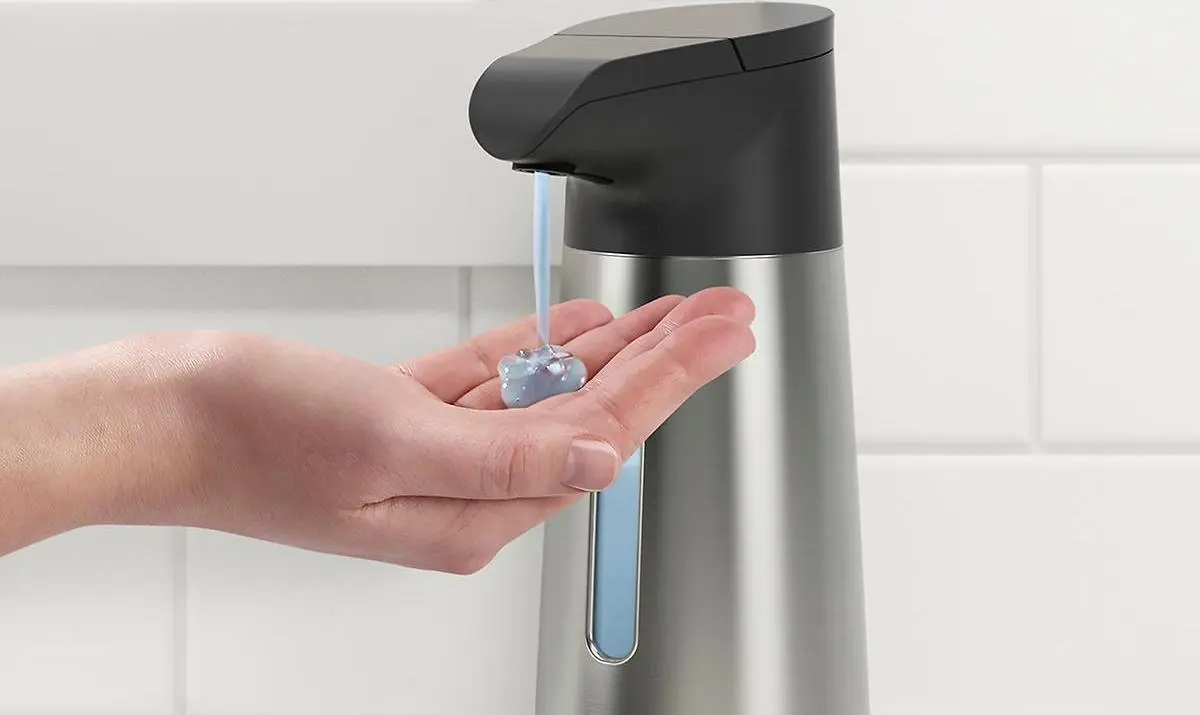
Global Growth of Soap Dispenser Industry Driven by Hygiene Awareness and Technological Advancements

The global soap dispenser market is set to experience significant growth, with an anticipated compound annual growth rate (CAGR) of 6.0% from 2023 to 2033. According to the latest market analysis by Future Market Insights (FMI), the market, valued at USD 3.21 billion in 2023, is projected to cross USD 5.75 billion by the end of the forecast period in 2033. The increasing demand for hygiene-enhancing products and the rising adoption of smart soap dispensers are driving the market’s upward trajectory.

Growth Drivers: Hygiene Awareness and Smart Technology Adoption

The global demand for soap dispensers is primarily being fueled by growing hygiene awareness and the adoption of innovative dispensing technologies. The COVID-19 pandemic significantly heightened consumer awareness of hygiene practices, making contactless and touch-free soap dispensers a preferred choice across various sectors. In particular, automatic soap dispensers, equipped with sensor technology, are gaining popularity for their convenience and ability to prevent contamination.

With an emphasis on public health safety, governments around the world are investing heavily in healthcare infrastructure, which is also contributing to market expansion. From healthcare facilities to public restrooms, the adoption of smart soap dispensers that reduce the risk of cross-contamination is increasingly becoming the norm.

Rising Demand for Liquid Soap and Natural Ingredients

In addition to the growing hygiene concerns, there is a rising consumer preference for natural and organic soap formulations. Liquid and foam soap dispensers are especially popular in households, as they are seen as more hygienic than traditional soap bars. The market is also seeing increased adoption of liquid soap dispensers in various commercial settings, including office premises, healthcare spaces, and hospitality venues, as these dispensers improve handwashing effectiveness and prevent the spread of infectious diseases.

Technological Innovation and Market Trends

Innovation plays a key role in shaping the future of the soap dispenser market. Industry leaders are continually introducing advanced models, such as the touch-free dispensers launched by brands like Simplehuman and Grafdoer, which offer hands-free functionality for ease of use and sanitation. Additionally, new technologies, such as remote-controlled and sensor-based dispensers, are creating new market opportunities.

According to FMI’s analysis, smart soap dispensers with sensor technology and automation are expected to dominate the market in the long term, with increased integration of advanced features aimed at improving convenience and hygiene.

Segment Analysis

Despite the rise of high-tech, automated soap dispensers, manual dispensers remain the dominant product type, accounting for 57.9% of the market share in 2022. Their affordability, ease of use, and lack of reliance on technology make them the preferred choice for both consumers and businesses. However, automatic dispensers, particularly those with sensor-based technology, are increasingly gaining traction due to their convenience and ability to enhance hygiene levels.

In terms of application, the residential sector continues to hold the largest share, accounting for 37.1% of the market in 2022. Growing consumer awareness about personal hygiene, combined with an increasing preference for liquid soap, is driving the expansion of this segment.

Competitive Landscape

The soap dispenser industry features a mix of established leaders and emerging players, with many small- and medium-sized companies entering the market, particularly in the wake of the COVID-19 pandemic. These companies have built extensive and robust distribution networks to expand their reach to a wider customer base.

To strengthen their market position, key players are increasingly focusing on strategies such as launching new products and forming strategic collaborations.

Market Developments

  • Karree soap dispenser by Duravit is made from hand-blown glass. This ascertains durability
  • Sloan entered into a partnership with GOJO for launching a novel line of soap dispensers.
  • Kohler launched its first-to-market touchless foaming and liquid soap dispenser. It also won the 2017 Global Innovation Awards (GIA).

Key Players

  • ASI American Specialties, Inc.
  • Bradley Corporation
  • Simplehuman
  • Kohler Co.
  • Toto Ltd.
  • Georgia-Pacific LLC

Get Strategic Guidance from Our Analyst Contact us on: +1-347-918-3531

Key Segments

By Product Type:

  • Touch-free
  • Manual/Push

By Material:

  • Plastic
  • Nickel
  • Bronze
  • stainless steel
  • silver
  • chrome
  • others

By Type:

  • wall-mounted
  • countertop
  • free standing

By Price Range:

  • economical
  • premium
  • mid-range

By Capacity:

  • below 500 ml
  • 500 – 750 ml
  • 750 – 1000 ml
  • 1000 – 1250 ml
  • 1250 – 1500 ml
  • 1500 ml & above

By Application:

  • Institutional
  • Household

By Sales Channel:

  • Direct
  • Indirect

Key Regions Covered:

  • North America
    • United States
    • Canada
    • Latin America
    • Brazil
    • Mexico
    • Rest of Latin America
  • Europe
    • Germany
    • United Kingdom
    • France
    • Spain
    • Russia
    • Rest of Europe
  • Japan
  • APEJ
    • China
    • India
    • Malaysia
    • Singapore
    • Australia
    • Rest of Asia Pacific Except Japan
  • MEA
    • GCC Countries
    • Israel
    • South Africa
    • Rest of Middle East and Africa

About Future Market Insights (FMI)

Future Market Insights, Inc. (ESOMAR certified, recipient of the Stevie Award, and a member of the Greater New York Chamber of Commerce) offers profound insights into the driving factors that are boosting demand in the market. FMI stands as the leading global provider of market intelligence, advisory services, consulting, and events for the Packaging, Food and Beverage, Consumer Technology, Healthcare, Industrial, and Chemicals markets. With a vast team of over 400 analysts worldwide, FMI provides global, regional, and local expertise on diverse domains and industry trends across more than 110 countries.

Contact Us:

Future Market Insights Inc.
Christiana Corporate, 200 Continental Drive,
Suite 401, Newark, Delaware – 19713, USA
T: +1-347-918-3531
For Sales Enquiries: sales@futuremarketinsights.com
Website: https://www.futuremarketinsights.com
LinkedIn| Twitter| Blogs | YouTube

Colombia’s Agro Tourism Sector Poised for Growth Driven by Sustainable Travel and Rich Agricultural Heritage

The Colombia agro tourism market, valued at USD 3.7 billion in 2022, is on a robust growth trajectory, with expectations to hit USD 4.1 billion by 2023 and reach USD 7.2 billion by 2033. This growth represents a significant compound annual growth rate (CAGR) of 6.2% from 2023 to 2033, according to new insights from Future Market Insights (FMI). The rising interest in sustainable travel experiences and the country’s unique agricultural offerings are key factors driving this trend.

A Blossoming Sector in the Heart of Colombia’s Rich Agricultural Landscape

Agro tourism, also known as farm tourism or agritourism, blends tourism with farming activities, allowing visitors to experience the day-to-day life of farmers, while contributing to local economies. In Colombia, this rapidly growing sector offers tourists the opportunity to engage with agriculture in an immersive and educational way—whether through hands-on activities like harvesting crops, learning traditional farming techniques, or savoring locally produced goods.

Key Drivers Behind the Growth of Agro Tourism in Colombia

Several factors are converging to make Colombia an increasingly attractive agro tourism destination:

  • Sustainability and Rural Exploration: The appeal of agro tourism lies in its ability to offer eco-friendly and authentic travel experiences. Tourists are increasingly drawn to rural areas to enjoy nature, participate in agricultural activities, and learn about local farming practices.
  • Colombia’s Coffee Culture: Colombia’s coffee is world-renowned, and its coffee-growing regions—such as Antioquia, Boyacá, and Huila—are becoming hotspots for agro tourists. The Coffee Cultural Landscape, a UNESCO World Heritage site, attracts visitors eager to explore coffee plantations, engage in coffee-tasting experiences, and learn about the cultural significance of coffee in Colombian society.
  • Diverse Agricultural Offerings: Beyond coffee, Colombia’s agro tourism market is fueled by the growing interest in other agricultural activities, including cacao, tropical fruits, flowers, and even cacao and chocolate-making experiences. This variety of agricultural offerings ensures there is something for every type of visitor.
  • Growing Interest in Experiential and Rural Tourism: Visitors are increasingly seeking experiences that go beyond traditional tourist attractions, making agro tourism an attractive choice. Rural tourism offers a more intimate and educational experience, where travelers can interact with local communities, immerse themselves in farming practices, and explore the natural beauty of Colombia.

Key Opportunities for Tourists in Colombia’s Agro Tourism Market

  • Hands-on Activities: Tourists can immerse themselves in activities like harvesting crops, feeding livestock, and learning traditional agricultural methods. These experiences not only provide education but also help visitors understand the daily life of farmers.
  • Cultural Experiences: Agro tourism in Colombia offers tourists the chance to engage with local communities, share meals with farmers, and learn about the cultural significance of agriculture in Colombian life. The opportunity to witness local festivals and participate in culinary tourism also adds to the appeal.
  • Adventure and Recreation: From horseback riding with Colombian cowboys to hiking in coffee plantations and wildlife viewing in natural parks, agro tourism in Colombia is not just about farming—it also includes outdoor recreation and adventure activities, enhancing the overall visitor experience.

The key players in this market include:

  • GOOD Travel Ltd.
  • lulocolombia.travel
  • Travel2latam.com
  • TERRA COLOMBIA
  • Zicasso, Inc.
  • Angloinfo
  • Bookmundi.com.

Key Developments in the Colombia agro tourism market are

  • Lulo Colombia Travel operates as a boutique travel firm staffed by dedicated local travel professionals. Their major objective is to captivate visitors with a nation that is remarkable for its friendliness of its citizens, biodiversity, and intriguing culture.
  • In early 2022, Wellington social enterprises GOOD Travel and Eco Villa launched their Go Electric Eco Tour eGuide. This eGuide is an online guidebook fabricated to encourage Kiwis to try an electric vehicle and witness extraordinary, sustainable accommodations and tours.

Tap into Expertise: Discuss with Our Analyst on Email: sales@futuremarketinsights.com

Key Segments Profiled in the Colombia Agro Tourism Market

By Activities:

  • Overnight Stay
  • Special Events and Festivals
  • Off the Farm
  • Recreation Activities and Events

By Tour Types:

  • Group Travelers
  • Individual Travelers

By Consumer Demographics:

  • Men
  • Women
  • Kids

By Age Group:

  • 15-25
  • 26-36
  • 36-45
  • 46-55
  • 55 Years and above

By Booking Channel:

  • Online
  • Offline

About Future Market Insights (FMI)

Future Market Insights, Inc. (ESOMAR certified, recipient of the Stevie Award, and a member of the Greater New York Chamber of Commerce) offers profound insights into the driving factors that are boosting demand in the market. FMI stands as the leading global provider of market intelligence, advisory services, consulting, and events for the Packaging, Food and Beverage, Consumer Technology, Healthcare, Industrial, and Chemicals markets. With a vast team of over 400 analysts worldwide, FMI provides global, regional, and local expertise on diverse domains and industry trends across more than 110 countries.

Contact Us:

Future Market Insights Inc.
Christiana Corporate, 200 Continental Drive,
Suite 401, Newark, Delaware – 19713, USA
T: +1-347-918-3531
For Sales Enquiries: sales@futuremarketinsights.com
Website: https://www.futuremarketinsights.com
LinkedIn| Twitter| Blogs | YouTube

According to FMI Logistics Packaging Industry Size, Forecast, Analysis and Share Surpass USD 33.2 Billion | 2034, At 3.1% CAGR

The logistics packaging industry is set for remarkable growth in the coming decade, driven by mounting pressure from rising burglary incidents, climate stresses, and an increased focus on damage prevention. In 2024, the logistics packaging market is projected to be valued at USD 24.5 billion. As the demand for effective packaging solutions escalates, the market is expected to grow at a CAGR of 3.10%, reaching USD 33.2 billion by 2034.

Logistics packaging plays a pivotal role in the entire supply chain management process, offering numerous benefits including reduced transportation costs, enhanced product protection, and streamlined distribution. A robust and efficient logistics packaging system safeguards fragile items, ensuring safe delivery to customers while also optimizing the logistics flow.

Understand the Evolution: Request the Previous Source for This Report!

The growing need for enhanced packaging presents a significant opportunity for manufacturers in this space. By incorporating smart technologies such as RFID tags and smart sensors into logistics packaging, manufacturers can provide a competitive edge and meet evolving customer demands. These smart technologies offer real-time data, helping track products during transit and ensuring complete visibility for both suppliers and customers alike.

As the industry continues to evolve, the integration of innovative packaging technologies will be crucial in ensuring better product security, reducing environmental impact, and providing cost-effective solutions. Logistics packaging is no longer just about protection—it is increasingly about providing added value through smart and sustainable packaging.

Prominent Drivers of the Logistics Packaging Market

  • E-Commerce Growth: The rapid expansion of e-commerce has led to an increased demand for packaging solutions that can protect products during transit and enhance customer satisfaction. Logistics packaging must be durable, lightweight, and adaptable to varying product types.
  • Demand for Sustainable Packaging: As sustainability becomes a key focus, companies are turning to eco-friendly packaging materials, such as biodegradable plastics and recyclable materials, to meet consumer and regulatory demands for reduced environmental impact.
  • Technological Advancements: The integration of advanced technologies like RFID, smart packaging, and automation in logistics packaging helps optimize inventory management, track shipments in real-time, and improve overall supply chain efficiency.
  • Rising Consumer Expectations for Product Safety: As customers expect products to arrive in pristine condition, the need for robust packaging that ensures the safety and security of goods throughout the supply chain has driven innovation in logistics packaging.
  • Global Supply Chain Complexity: The increasing complexity of global supply chains, with multiple touchpoints across borders and regions, requires packaging solutions that offer enhanced durability, easy handling, and efficient storage to streamline transportation and reduce costs.

Key Takeaways from the Logistics Packaging Market Report

  • Plastic logistics packaging materials account for 48.3% of the overall logistics packaging market.
  • Protective packaging is projected to make up 43.1% of the logistics packaging market by the end of 2024.
  • The logistics packaging industry in the United States is expected to grow at a 2.1% CAGR.
  • Canada is expected to experience a 3.5% CAGR in logistics packaging usage.
  • In China, logistics packaging growth is forecasted at a 5.7% CAGR over the next 10 years.
  • The logistics packaging market in the United Kingdom is expected to grow at a 3.8% CAGR during the next decade.
  • India’s logistics packaging sector is forecasted to grow at a 6.4% CAGR over the next 10 years.

Latest Developments Taking Place in the Logistics Packaging Market

  • In January 2024, Supply Value published a white paper outlining solutions for apparel retailers and manufacturers to minimize their carbon footprint. Adopting reusable transportation packaging solutions has emerged as an effective option. Reusing packaging materials can reduce the consumption of new materials, thereby offsetting fashion retailers’ carbon footprints. It is both a cost-efficient and effective sustainability measure.
  • Amazon said in December 2023 that it is increasing the number of things it sells and ships to customers in their packaging. This aims to reduce CO2 emissions, waste, and expenses. The Amazon Packaging Innovation Lab, located just outside of Seattle, serves as a significant hub for this activity.

Top Companies in the Logistics Packaging Market

  • Braid Logistics
  • Trans Ocean Bulk Logistics
  • BLT Flexitank Industrial Co. Ltd.
  • BAG Corp.
  • Jumbo Bag Corporation
  • Boxon USA

Logistics Packaging Market Research Report by Categories

By Material:

  • Plastic
  • Paper and Paperboard
  • Wood
  • Metal

By Product Type:

  • Protective Packaging
    • Bubble Sheets and Air Bags
    • Inserts and Dividers
    • Layer Pads
    • Edge Protectors
    • Others (Void Fill, Loose Fill, etc.)
  • Boxes, Cases and Cartons
  • Films and Wraps
  • Tapes and Labels
  • Bags and Envelops
  • Pallets
  • Drums and Barrels
  • Tanks and IBCs
  • Others (Crates and Straps)

By End Users:

  • Building and Construction
  • Food and Beverages
  • Pharmaceuticals
  • Cosmetics and Personal Care
  • Electronics and Electricals
  • Chemical and Fertilizers
  • E-commerce
  • Other Consumer Goods

By Region:

  • North America
  • Europe
  • Asia Pacific
  • Middle East and Africa
  • Latin America

About Future Market Insights (FMI)

Future Market Insights, Inc. (ESOMAR certified, recipient of the Stevie Award, and a member of the Greater New York Chamber of Commerce) offers profound insights into the driving factors that are boosting demand in the market. FMI stands as the leading global provider of market intelligence, advisory services, consulting, and events for the Packaging, Food and Beverage, Consumer Technology, Healthcare, Industrial, and Chemicals markets. With a vast team of over 400 analysts worldwide, FMI provides global, regional, and local expertise on diverse domains and industry trends across more than 110 countries.

Contact Us:     

Future Market Insights Inc.
Christiana Corporate, 200 Continental Drive,
Suite 401, Newark, Delaware – 19713, USA
T: +1-347-918-3531
For Sales Enquiries: sales@futuremarketinsights.com
Website: https://www.futuremarketinsights.com
LinkedIn| Twitter| Blogs | YouTube

Global Fumigation Service Market Set for Strong Growth, Driven by Rising Demand for Pest Control Solutions

The global fumigation service market is poised to expand significantly in the coming years, with a projected growth rate of 4.2% CAGR from 2022 to 2032. Fumigation, a widely used pest control method involving the application of poisonous gases to eliminate pests, is gaining traction as a vital tool for preventing disease spread and ensuring healthier environments in residential, commercial, and agricultural spaces.

Key Drivers of Market Growth

Fumigation services are witnessing increasing demand across several sectors, including agriculture, warehousing, and commercial real estate. This surge is largely driven by the growing need for effective pest control solutions to protect crops, buildings, and stored goods from pests and insects. The rising health concerns around pest-borne diseases and the need to maintain clean, hygienic environments in both residential and commercial sectors further bolster the market.

The Growing Role of Fumigation in Pest Control

Fumigation offers distinct advantages over traditional pest control methods, particularly due to its ability to eliminate pests in hard-to-reach areas. With its widespread use in warehouses, agricultural lands, and various commercial properties, fumigation has emerged as a preferred choice for pest management. Furthermore, its efficacy in eliminating both visible and hidden pests makes it ideal for sectors like agriculture, food storage, and healthcare.

Market analysts suggest that the demand for fumigation will continue to grow, particularly in light of rising awareness about its benefits over chemical pesticides and other pest control solutions. The introduction of bio-pesticides and eco-friendly fumigation products also contributes to market expansion by appealing to environmentally conscious consumers.

Challenges Facing the Fumigation Service Market

While the market is set for growth, it faces several challenges, including concerns about the toxicity of certain fumigants, particularly in sensitive industries like food production. Some fumigants can have harmful effects on human health and the environment, raising regulatory and safety concerns. For instance, certain fumigants are classified as “restricted-use” pesticides, requiring certified applicators for use, and these regulations may limit adoption in certain regions.

Moreover, the lack of proper safety precautions when using fumigants could result in environmental damage, further complicating the market’s growth prospects.

Competitive Landscape

Key players in the global fumigation service market include Always Eco Inc., Western Fumigation, Rentokil Initial plc, Presto-X, Alpha Fumigation Services Ltd, Flick Anticimex, Fumigation Service Pvt Ltd, and others. These companies are focusing on expanding their product offerings in response to the growing demand for natural and eco-friendly fumigation solutions. Additionally, they are enhancing their manufacturing processes to minimize health risks and improve environmental sustainability, all while aiming to boost their revenue streams.

Get Connected with Our Expert Analyst on Email: sales@futuremarketinsights.com

Key Segments Profiled in the Fumigation Service Industry Survey

Type:

  • Natural Fumigation
  • Artificial Fumigation

Application:

  • Ants
  • Bed Bugs
  • Beetles
  • Flies
  • Termites
  • Cockroaches
  • Wasp
  • Others (Mites and Moths)

End-User:

  • Commercial
    • Transportation Service (Containers)
    • Warehouse
    • Farm/Field
    • Corporate Offices
    • Hospitality Industry
  • Residential

Region:

  • North America
  • Latin America
  • Western Europe
  • Eastern Europe
  • Asia Pacific excluding Japan (APEJ)
  • Japan
  • Middle East & Africa

About Future Market Insights (FMI)

Future Market Insights, Inc. (ESOMAR certified, recipient of the Stevie Award, and a member of the Greater New York Chamber of Commerce) offers profound insights into the driving factors that are boosting demand in the market. FMI stands as the leading global provider of market intelligence, advisory services, consulting, and events for the Packaging, Food and Beverage, Consumer Technology, Healthcare, Industrial, and Chemicals markets. With a vast team of over 400 analysts worldwide, FMI provides global, regional, and local expertise on diverse domains and industry trends across more than 110 countries.

Contact Us:

Future Market Insights Inc.
Christiana Corporate, 200 Continental Drive,
Suite 401, Newark, Delaware – 19713, USA
T: +1-347-918-3531
For Sales Enquiries: sales@futuremarketinsights.com
Website: https://www.futuremarketinsights.com
LinkedIn| Twitter| Blogs | YouTube

Global E-Waste Management Set for Significant Growth Amid Rising Consumer Electronics and Environmental Initiatives

The global E-Waste Management Market is poised for significant growth, with a forecasted revenue of USD 56.98 Billion in 2022 and a projected market size of USD 193.42 Billion by 2032, growing at a moderate CAGR of approximately 13% during the forecast period from 2022 to 2032. The rising demand for upgrading consumer electronics, shorter lifespans of electronic products, and the environmental need for e-waste recycling are key factors driving this growth.

Increasing E-Waste Generation Due to Technological Advancements

The global demand for e-waste management solutions is intensifying as the electronics sector innovates rapidly, producing consumer electronics and electrical products with shorter life cycles. The trend of replacing old devices with newer models, driven by the ever-evolving technology landscape, contributes to an exponential increase in e-waste. Major global electronics manufacturers, including Dell, HP, and Cisco, are intensifying efforts to recycle e-waste to reduce the environmental and pollution risks posed by discarded electronic products.

Market Drivers

Several factors are supporting the growth of the E-Waste Management Market:

  • Technological Innovation: The transition from analogue to digital technologies, alongside the popularity of household electronics like flat-screen TVs, refrigerators, and smartphones, is driving increased e-waste generation.
  • Shorter Product Lifecycles: With electronics such as smartphones, laptops, and PCs having increasingly shorter lifecycles, more electronic products are discarded, contributing to higher volumes of e-waste.
  • Regulatory Pressure: In regions like the European Union, government regulations around e-waste disposal are becoming stricter. The introduction of the Waste Electrical and Electronic Equipment (WEEE) stream, which includes products like refrigerators, mobile phones, and laptops, is creating new opportunities for the e-waste management market to flourish. The EU’s focus on hazardous e-waste materials is pushing for improved disposal methods, spurring growth in the sector.
  • EPR (Extended Producer Responsibility) Policies: The implementation of EPR policies worldwide is making producers responsible for managing the entire lifecycle of their products, including post-consumer disposal and recycling. These policies are encouraging manufacturers to take back and recycle products, ultimately reducing overall e-waste generation and promoting sustainability.

Competitive Landscape

Key players in the e-waste management industry include Aurubis AG, Umicore, Sims Metal Management Ltd., Boliden, Stena Metall Group, Tetronics, Electronic Recyclers International, Inc., Triple M Metal LP, Global Electric Electronic Processing, and others.

These are likely to contribute most to the E-Waste Management Market during the forecast period.

  • The top e-waste management firm has achieved a significant milestone by collaborating with Audi to enhance battery recycling. The firms have completed the first stage of their intended research collaboration effectively, creating a closed loop for the components made up of reusable high-voltage batteries. Additionally, attempts are being made to add valuable materials to the raw materials bank, which is anticipated to improve the market for e-waste management’s prospects for growth.
  • A significant achievement for e-waste management organization is the announcement of its EPEAT-compliant electronics manufacturer partners. The manufacturing affiliates of ERI have earned the EPEAT designation as true manufacturers in sustainability and circular economy. As a result of this achievement, the e-waste management industry is projected to enjoy attractive growth potential in the long run.

Tap into Expertise: Discuss with Our Analyst on Email: sales@futuremarketinsights.com

Key Segments Profiled in the E-Waste Management Market

By Application:

  • Recycle
  • Disposal

By Source:

  • Office Equipment
  • Cell Phone Batteries and Button Cells
  • Medical Equipment & Materials
  • IT and Telecommunication Equipment
  • Electrical & Electronic Goods
  • Domestic Appliance

By Material Type:

  • Rhodium
  • Selenium
  • Germanium
  • Tellurium
  • Tantalum
  • Palladium
  • Gallium
  • Platinum
  • Silver
  • Gold

By Region:

  • North America
  • Latin America
  • Europe
  • East Asia
  • South Asia
  • Oceania
  • Middle East and Africa

About Future Market Insights (FMI)

Future Market Insights, Inc. (ESOMAR certified, recipient of the Stevie Award, and a member of the Greater New York Chamber of Commerce) offers profound insights into the driving factors that are boosting demand in the market. FMI stands as the leading global provider of market intelligence, advisory services, consulting, and events for the Packaging, Food and Beverage, Consumer Technology, Healthcare, Industrial, and Chemicals markets. With a vast team of over 400 analysts worldwide, FMI provides global, regional, and local expertise on diverse domains and industry trends across more than 110 countries.

Contact Us:

Future Market Insights Inc.
Christiana Corporate, 200 Continental Drive,
Suite 401, Newark, Delaware – 19713, USA
T: +1-347-918-3531
For Sales Enquiries: sales@futuremarketinsights.com
Website: https://www.futuremarketinsights.com
LinkedIn| Twitter| Blogs | YouTube

Lotion Tubes Market is Predicted to Reach USD 716.9 Million, Globally by 2034 at 3.7% CAGR: Future Market Insights, Inc.

The global lotion tube market is experiencing robust growth, with sales estimated to reach USD 498.5 million in 2024 and projected to reach USD 716.9 million by 2034. This significant rise in market value reflects a CAGR of 3.7% over the forecast period from 2024 to 2034. In 2023, the market generated revenue of USD 476.7 million, marking a y-o-y growth of 2.5% as demand for efficient and reliable packaging solutions continues to rise.

A key driver behind this market growth is the increasing popularity of aluminium barrier laminated tubes, which are widely used for packaging a range of products including antiseptics, adhesives, essential oils, creams, ointments, and toothpaste.

These collapsible tubes are highly customizable, offering significant advantages for different applications. With their robust aluminium barrier layer, these tubes provide superior protection against air, light, and moisture, helping to preserve product integrity and enhance shelf life.

Dive Deeper into the Data—View the Full Report Here!

In addition to their functional benefits, aluminium barrier laminated tubes are also recognized for their branding potential. The use of decorative elements such as custom designs, embossing, and printing makes them an attractive choice for companies looking to make their products stand out on the shelves.

The aluminium barrier effectively prevents the absorption of external flavours and odors, maintaining the purity of the product. These tubes are particularly ideal for precise dispensing, ensuring that products are applied in a controlled and hygienic manner.

Unlike traditional packaging, the collapsible nature of these tubes holds the squeezed shape, preventing them from returning to their original form, thus allowing for easy and consistent dispensing.

The lotion tube market is poised to continue expanding as industries increasingly recognize the value of aluminum barrier laminated tubes for their superior product protection, customization options, and branding potential. As the demand for innovative and effective packaging solutions grows, the market for lotion tubes is expected to flourish over the coming decade.

Key Takeaways From the Lotion Tubes Market

  • The global lotion tube industry experienced a steady growth with a CAGR of 2.5% from 2019 to 2023.
  • The market value of the lotion tube industry rose from USD 431.2 million in 2019 to USD 476.7 million in 2023.
  • China is forecasted to dominate the lotion tube market with an expected 55% market share by 2034, growing at a CAGR of 4.9%.
  • Germany’s lotion tube market share is estimated to reach 20% by 2034, with a growth rate of 1.6%.
  • Plastic Barrier Laminated (PBL) Tubes are anticipated to hold a 31.2% market value share by 2034.
  • Aluminium is projected to show significant growth, capturing 54% of the market share by 2034.

Competitive Landscape

Several major companies in the lotion tube market are making considerable investments in innovation, research, and development to discover new uses and improve existing offerings. Using technology, these businesses focus safety, product quality, and customer pleasure in order to grow their consumer base.

To address sustainability demands, key lotion tube manufacturers are focused on providing recyclable material packaging as well as packaging solutions. They are pursuing a merger and acquisition strategy to increase company resources and producing new items to fulfill customer demands.

Recent Industry Developments in Lotion Tubes Market

  • In June 2024, the LINHARDT Group bought Pioneer Extruders Pvt. Ltd. and Jeevanlakshmi Packaging Solutions Pvt. Ltd.
  • Hoffmann Neopac AG released Polyfoil Sensation, a new cosmetics tube line, at its Wilson, North Carolina plant in May 2024.
  • Berry Global Group Inc. and Mitsubishi Gas Chemical Company, Inc. collaborated in March 2024 to create MXD6, a recyclable barrier solution for thermoformed items, plastic tubes, jars, and bottles.

Key Players of Lotion Tubes Industry

  • Essel Propack Ltd
  • Montebello Packaging
  • Alltub SAS
  • Hoffman Neopac AG
  • Albea S.A.
  • CCL Industries Inc.
  • Berry Global Group, Inc.
  • Precision Concepts Inc
  • Pack-Tubes
  • Antilla Propack
  • Ctl-Th Packaging
  • Tubopress Italia Spa
  • Huhtamaki Oyj
  • ALPLA Group

Key Segments of Lotion Tubes Industry

By Product:

In terms of product, the industry is divided into aluminum barrier laminated (ABL) tubes, plastic barrier laminated (PBL) tubes, aluminum tubes, and plastic co-extrusion tubes.

By Material:

In terms of material, the industry is segregated aluminum, ethylene vinyl alcohol (EVOH), and polyester (PET).

By Capacity:

The industry is classified by capacity as less than 50 ml, 51 to 100 ml, and above 100 ml.

By Region:

Key countries of North America, Latin America, Western Europe, Eastern Europe, South Asia & Pacific, East Asia, and Middle East and Africa (MEA), have been covered in the report.

About Future Market Insights (FMI)

Future Market Insights, Inc. (ESOMAR certified, recipient of the Stevie Award, and a member of the Greater New York Chamber of Commerce) offers profound insights into the driving factors that are boosting demand in the market. FMI stands as the leading global provider of market intelligence, advisory services, consulting, and events for the Packaging, Food and Beverage, Consumer Technology, Healthcare, Industrial, and Chemicals markets. With a vast team of over 400 analysts worldwide, FMI provides global, regional, and local expertise on diverse domains and industry trends across more than 110 countries.

Contact Us:     

Future Market Insights Inc.
Christiana Corporate, 200 Continental Drive,
Suite 401, Newark, Delaware – 19713, USA
T: +1-347-918-3531
For Sales Enquiries: sales@futuremarketinsights.com
Website: https://www.futuremarketinsights.com
LinkedIn| Twitter| Blogs | YouTube
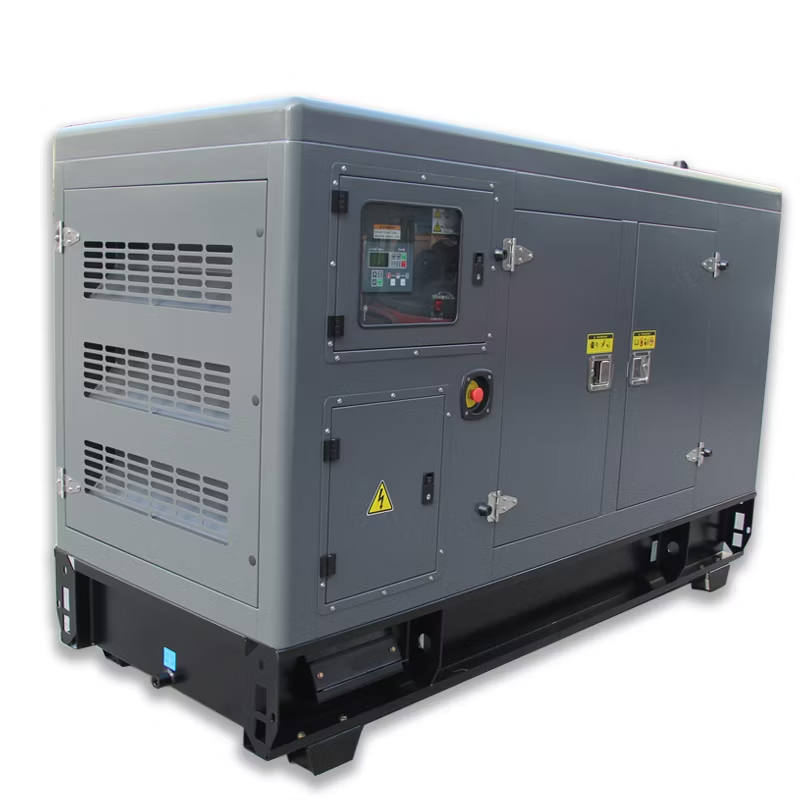
Rising Demand for Silent Generators Driven by Power Interruptions and Urbanization

The global silent generator market is poised for significant growth from 2023 to 2033, with an anticipated compound annual growth rate (CAGR) of 6.0%. According to a newly published report by Future Market Insights, the market, valued at approximately USD 3,026.0 million in 2023, is projected to exceed USD 5,419.1 million by 2033, driven by factors such as increasing power disruptions, the rise of urbanization, and the growing demand for quieter, more efficient energy solutions.

Surge in Demand Due to Frequent Power Cut-Offs

In recent years, the world has witnessed a surge in power cut-offs and disruptions, particularly due to the depletion of coal resources in thermal power plants globally. As electricity supply becomes more unreliable, households, hospitals, and businesses are increasingly turning to silent generators as an alternative power source. This trend is especially pronounced in rapidly growing urban areas, where the demand for reliable, noise-free power solutions is critical.

Key Factors Driving Market Growth

  • Urbanization & Growing Infrastructure: Rapid urbanization, coupled with the construction of new residential and commercial buildings, is boosting the demand for silent diesel and electric generators. Particularly, there is a growing demand for smaller, portable generators for residential applications and recreational use such as camping.
  • Advancements in Technology: The use of advanced soundproofing materials and efficient mufflers has made it possible to develop quieter generators without compromising on performance. Additionally, hybrid and electric generator technologies are gaining traction, further diversifying the market and attracting environmentally-conscious consumers.
  • Environmental Concerns: With the increasing emphasis on sustainability and reduced environmental impact, silent generators, especially natural gas-powered and electric variants, are witnessing a surge in demand. These models offer a cleaner, more eco-friendly solution compared to traditional fossil fuel-based generators.
  • Rising Popularity of Hybrid and Electric Vehicles: As the global shift towards electric and hybrid vehicles accelerates, silent electric generators are expected to see significant growth, providing an alternative power source with minimal environmental impact.

Market Segmentation Insights

  • By Fuel Type: Silent diesel generators remain the dominant segment, driven by widespread adoption in residential and commercial sectors. However, natural gas generators are gaining momentum due to their lower carbon footprint and government incentives for cleaner technologies. Electric silent generators, while still in the nascent stages, are poised to experience substantial growth over the forecast period.
  • By Application: Commercial establishments represent the largest demand segment, accounting for over 42% of the market share in 2022. As urbanization continues, the demand for quiet, reliable power sources in offices, hospitals, and large businesses is expected to accelerate.
  • By Noise Level: Generators producing noise levels below 60 to 70 decibels are expected to be the fastest-growing segment. This trend is driven by increasing consumer preference for quieter solutions for both residential and commercial use.

Key Players in the Global Market

  • Rolls-Royce Holdings
  • Atlas COPCO
  • Generac Power Systems
  • Honda
  • Mahindra Powerol
  • Kirloskar Oil Engines Ltd. (KOEL)
  • Multipurpose Inc.
  • Greaves Cotton Ltd.
  • Yanmar, Huu Toan Corporation
  • Himoinsa

Recent Developments

  • In February 2023, Caterpillar introduced a new mobile generator set that meets modern global emission norms. The new Cat XQ330 mobile diesel generator set comes equipped with a digital control panel. The EMCP 4.4, offers all controls and system indicators in a single interface.
  • For recreational vehicles, Cummins Inc of the United States launched a new type of generator in January 2021 by the name of QG 2800i and 2500i. This advanced type of small silent generator runs on gasoline and liquid propane (LP) making it suitable for truck campers.
  • An industrial steam and water boiler company in the Netherlands by the name of Eco Steam and Heating Solutions was acquired by Atlas Copco of Sweden in May 2021. This acquisition is aimed to help the company in strengthening its consumer base of mini silent generators other than its traditional areas of operation.

Get Strategic Guidance from Our Analyst Contact us on: +1-347-918-3531

Market Segmentation

By Sound Level:

  • Silent
  • Super Silent

By Type:

  • Portable
  • Stationary

By Phase:

  • Single Phase
  • Three Phase

By Power Rating:

  • Upto 25kVA
  • 25kVA to 49kVA
  • 50kVA to 99kVA
  • 100kVA to 499kVA
  • Above 500kVA

By Fuel:

  • Diesel
  • Natural Gas
  • Others

By Application:

  • Standby and Peak
  • Prime Mover

By End User:

  • Residential
  • Commercial
  • Industrial

By Region:

  • North America
  • Latin America
  • Europe
  • Asia Pacific
  • The Middle East & Africa (MEA)

About Future Market Insights (FMI)

Future Market Insights, Inc. (ESOMAR certified, recipient of the Stevie Award, and a member of the Greater New York Chamber of Commerce) offers profound insights into the driving factors that are boosting demand in the market. FMI stands as the leading global provider of market intelligence, advisory services, consulting, and events for the Packaging, Food and Beverage, Consumer Technology, Healthcare, Industrial, and Chemicals markets. With a vast team of over 400 analysts worldwide, FMI provides global, regional, and local expertise on diverse domains and industry trends across more than 110 countries.

Contact Us:

Future Market Insights Inc.
Christiana Corporate, 200 Continental Drive,
Suite 401, Newark, Delaware – 19713, USA
T: +1-347-918-3531
For Sales Enquiries: sales@futuremarketinsights.com
Website: https://www.futuremarketinsights.com
LinkedIn| Twitter| Blogs | YouTube

Global Solar District Heating Market Set for Robust Growth Driven by Sustainability and Technological Advancements

The global solar district heating market is set to expand at a healthy compound annual growth rate (CAGR) of 6.6% during the forecast period, from USD 2.77 billion in 2023 to over USD 5.26 billion by 2033. This remarkable growth is driven by increasing demand for sustainable heating solutions, growing urbanization, and a concerted effort by governments worldwide to reduce carbon emissions and encourage clean energy sources.

Key Drivers of Growth in the Solar District Heating Market

The solar district heating sector is experiencing significant momentum due to several critical factors:

  • Government Regulations and Incentives: Global pressure to meet stricter carbon emissions reduction targets is prompting governments to support and incentivize renewable energy solutions. As part of the green energy transition, solar district heating systems are seen as a viable solution to reduce reliance on traditional fossil fuel-based heating systems.
  • Environmental Awareness: There is a marked shift among businesses and governmental bodies towards adopting solar-powered district heating systems. This change is driven by growing concerns about environmental sustainability and the carbon footprint of traditional heating methods.
  • Urbanization and Infrastructure Development: Rapid urbanization, particularly in emerging economies, is spurring the demand for energy-efficient and low-carbon heating solutions. Solar district heating systems offer an efficient alternative to conventional methods, especially in newly developing urban areas where energy demand is rising rapidly.
  • Technological Advancements: With the advent of smart technologies, such as smart meters and demand-based heating solutions, solar district heating systems are becoming more efficient and cost-effective. These innovations are accelerating the digitalization of heating networks and improving their performance and reliability.

Market Trends and Innovations

  • Integration with Smart Cities: Solar district heating is poised to become a key element in the development of smart cities. New infrastructure developments, such as smart grids and energy-efficient buildings, are creating vast opportunities for solar district heating providers. These systems can easily integrate into modern energy solutions, offering both economic and environmental benefits.
  • Hybrid Heating Solutions: Solar district heating systems are highly flexible and can integrate multiple heat sources, including surplus heat from industrial processes or waste heat from combined heat and power (CHP) plants. This adaptability allows solar district heating to compete effectively with other traditional heating methods and helps maintain cost-effectiveness even in changing market conditions.
  • Emphasis on Cost Efficiency: As energy costs continue to rise, solar district heating systems offer a cost-effective alternative by leveraging the free and renewable energy source of sunlight. This capability makes them particularly attractive for large-scale applications in commercial and industrial sectors.

Challenges Facing the Solar District Heating Market

Despite its growth potential, the solar district heating market faces several challenges:

  • High Initial Investment: The upfront costs for setting up solar district heating systems, including the installation of solar panels, heat exchangers, and distribution networks, are significant. Although these systems offer long-term savings, the capital required for installation may deter some potential investors.
  • Heat Loss in Distribution: Ensuring minimal heat loss during distribution is a critical concern for solar district heating systems. Advanced materials and technologies, such as smart meters and efficient heat exchangers, are essential to maintaining energy efficiency.
  • Competition from Other Heating Solutions: While solar district heating systems offer numerous benefits, they face competition from other renewable energy sources, such as geothermal and biomass heating systems, which also present low-carbon alternatives.

Competitive Landscape

The solar district heating market is not highly competitive, but it is characterized by the presence of several prominent global and regional players. These companies are heavily investing in research and development to innovate new solutions, forge strategic partnerships, and pursue both organic and inorganic growth strategies to maintain a competitive edge in the coming years.

Market Developments

  •  If you want to buy energy for 10 years, you will have to buy it from Vattenfall or Power & Air Solutions, a subsidiary of Deutsche Telekom. This is called an energy supply contract (CPPA), and it is based on solar power. The customer built a new solar park in Mecklenburg-Western Pomerania in mid-2021. The electricity comes from the new solar park. The plant might be able to produce 60 megawatts of electricity when it is fully built (MW).
  • In February 2020 ENGIE Africa and its subsidiary, AUSAR Energy, started building eight hybrid solar power plants in Gabon’s northwest. They did this with the help of the Caisse des Dépôts ET Consignment du Gabon, a bank in Gabon. It is a big pilot project that aims to get energy to remote villages and help the environment.
  • Aalborg CSP has added new affordable ways of installation through CSP parabolic troughs, flat-plate solar collectors, combination plants, and accumulation tanks.

Key Players Working in the Solar District Heating Market

  • LOGSTOR A/S
  • Orsted A/S
  • NRG Energy
  • Aalborg CSP
  • Statkraft
  • STEAG GmbH

Get Connected with Our Expert Analyst on Email: sales@futuremarketinsights.com

Key Segments Covered

By System:

  • Small systems
  • Large systems

By Application:

  • Residential
  • Commercial
    • College/university
    • Office Buildings
    • Government/Military
    • Others
  • Industrial
    • Chemical
    • Refinery
    • Paper

Key Regions Covered:

  • North America
    • The United States
    • Canada
  • Latin America
    • Brazil
    • Mexico
    • Rest of Latin America
  • Europe
    • Germany
    • The United Kingdom
    • France
    • Spain
    • Russia
    • Rest of Europe
  • Japan
  • Asia Pacific Excluding Japan(APEJ)
    • China
    • India
    • Malaysia
    • Singapore
    • Australia
    • Rest of Asia Pacific Excluding Japan (APEJ)
  • The Middle East and Africa
    • GCC Countries
    • Israel
    • South Africa
    • The Middle East and Africa (MEA)

About Future Market Insights (FMI)

Future Market Insights, Inc. (ESOMAR certified, recipient of the Stevie Award, and a member of the Greater New York Chamber of Commerce) offers profound insights into the driving factors that are boosting demand in the market. FMI stands as the leading global provider of market intelligence, advisory services, consulting, and events for the Packaging, Food and Beverage, Consumer Technology, Healthcare, Industrial, and Chemicals markets. With a vast team of over 400 analysts worldwide, FMI provides global, regional, and local expertise on diverse domains and industry trends across more than 110 countries.

Contact Us:

Future Market Insights Inc.
Christiana Corporate, 200 Continental Drive,
Suite 401, Newark, Delaware – 19713, USA
T: +1-347-918-3531
For Sales Enquiries: sales@futuremarketinsights.com
Website: https://www.futuremarketinsights.com
LinkedIn| Twitter| Blogs | YouTube
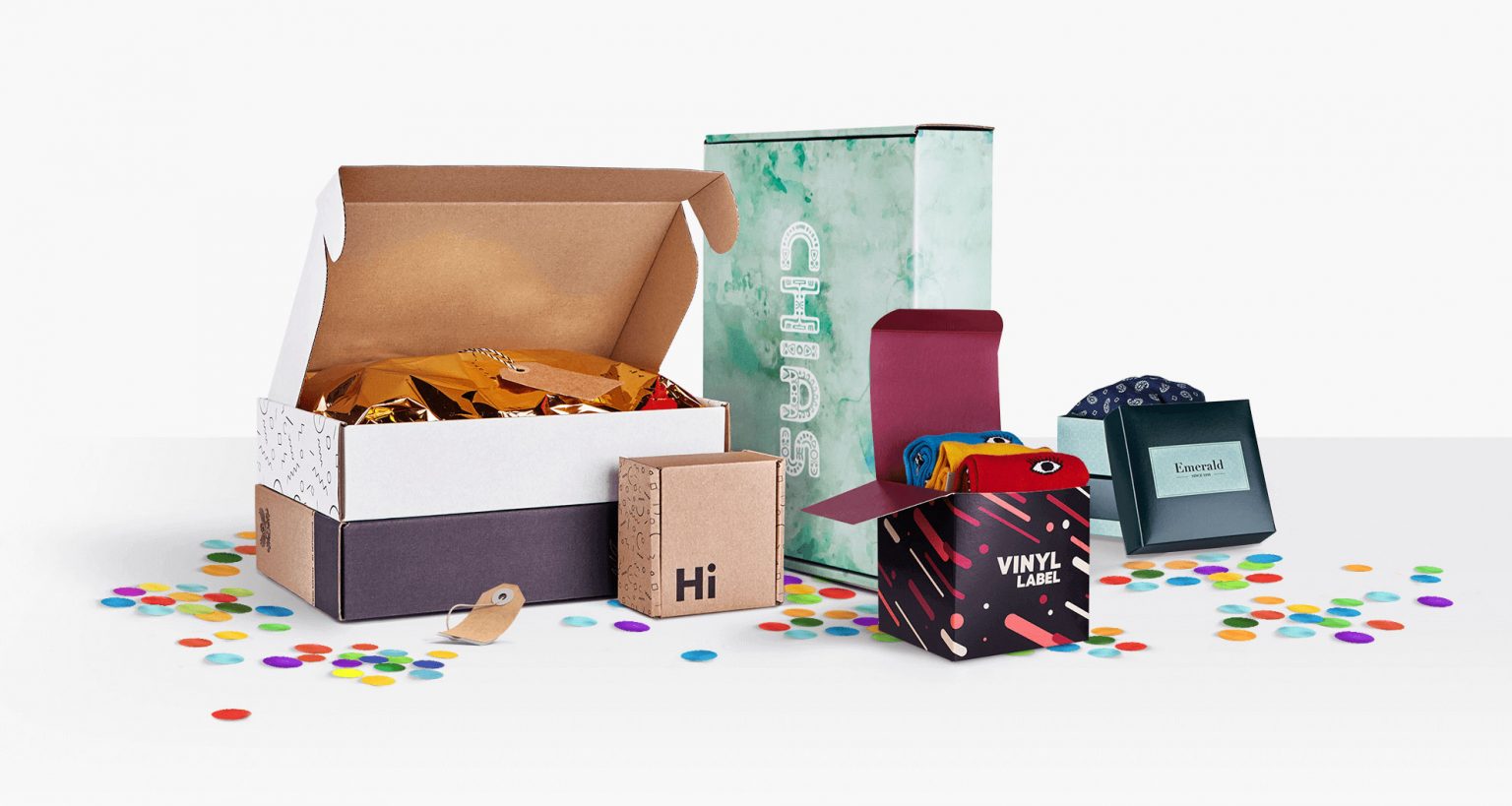
Global Custom Packaging Box Industry is Expected to Generate USD 8.9 Billion by 2034: Future Market Insights, Inc.

The global market for custom packaging boxes has seen impressive growth, reaching a substantial USD 6.1 billion in 2024. With a projected compound annual growth rate (CAGR) of 3.8% from 2024 to 2034, the market is set to surge to USD 8.9 billion by 2034.

Following a challenging period due to the recent economic downturn and the impacts of the COVID-19 pandemic, the packaging industry is gradually regaining its momentum. This resurgence presents a promising opportunity for custom packaging box manufacturers, with a rising demand from various sectors, particularly in e-commerce, which has become the largest consumer of these solutions.

See How Things Have Changed: Access the Old Source for This Report!

E-commerce companies increasingly rely on custom packaging boxes as branded packaging solutions that not only enhance their product presentation but also ensure the protection of goods during transportation. These packaging solutions help safeguard items from damage during transit, an essential feature as global trade and logistics continue to scale.

Countries with established manufacturing capabilities, such as China, India, and the United States, lead the charge as the largest consumers of custom packaging boxes, fueling the market’s growth. As businesses across industries seek cost-effective, efficient, and sustainable packaging options, the demand for custom packaging solutions is expected to continue rising, further solidifying the growth trajectory of this vital sector.

Key Takeaways: Custom Packaging Box Market

  • India is projected to be a highly profitable market, with an estimated CAGR of 5.5% from 2024 to 2034.
  • China remains one of the largest markets for custom packaging boxes, with a forecasted CAGR of 4.8% over the next decade.
  • The United States is expected to show a slower but steady growth in the custom packaging box industry, with a CAGR of 3% in the upcoming decade.
  • Custom packaging boxes are produced from a variety of materials, including metal, glass, paper, paperboard, and plastic, with paper and paperboard accounting for the largest market share (29.2%).
  • The cosmetics and personal goods sector holds a significant share (23.4%) of the custom packaging box market, thanks to its diverse applications across industries.

Prominent Drivers of the Custom Packaging Box Market

  • E-Commerce Growth: The surge in online shopping has led to a higher demand for custom packaging boxes, as businesses seek unique, branded packaging that enhances customer experience and product protection during shipping.
  • Sustainability Demand: As sustainability becomes a key focus for both consumers and businesses, custom packaging boxes made from eco-friendly, recyclable, and biodegradable materials are increasingly in demand to meet both regulatory standards and customer preferences.
  • Brand Differentiation: Custom packaging allows businesses to stand out in a competitive market. Unique, tailored packaging helps brands create a memorable impression, enhance product appeal, and foster customer loyalty.
  • Rising Consumer Expectations: Consumers expect a more personalized shopping experience, which includes packaging that reflects the brand’s identity. Custom packaging enables businesses to meet these expectations by providing distinct, high-quality solutions that add value to the product.
  • Cost Efficiency and Versatility: Advances in manufacturing technologies have made custom packaging boxes more affordable and flexible. The ability to produce small to large quantities, along with customizable shapes, sizes, and designs, makes it a viable option for businesses of all sizes.

Competition Outlook

The custom packaging box market is quite competitive. It is teeming with corporations all aiming for global dominance. Because of their vast financial resources, industry behemoths are introducing new inventions to the market. Meanwhile, smaller businesses face obstacles such as low profit margins, a limited consumer base, and so on. Companies are also focused on creating zero-waste boxes to meet the demands of environmentally concerned consumers and enterprises.

Prominent Companies

  • Westrock Company
  • DS Smith Packaging Ltd
  • Smurfit Kappa Group
  • Interpak Holding B.V.
  • Mayr-Melnhof Karton AG
  • Robinson plc
  • Stora Enso Oyj
  • Metsa Board Oyj
  • Graphic Packaging International, LLC
  • Quintessential Canada Inc
  • Polmac (UK) Ltd.

Key Industrial Developments

  • In March, 2024, UK-based packaging distributor Kite Packaging launched an advanced custom-size box tool, offering standard custom boxes and die-cut boxes. The tool provides customers with the option to specify board grade, color, and dimensions for their desired box, enhancing the overall customer experience.
  • In July, 2024, Axiom Print unveiled its latest offering: custom printed subscription boxes. The new boxes featured premium quality printing, sustainable materials, and complete customization, providing businesses with a tool to increase brand recognition and customer satisfaction.

Key Segments of Market Report

By Material:

The market by material metal, glass, paper and paperboard, plastic, etc.

By End Use:

By end use, the market is divided into consumer goods, electrical and electronics, cosmetics and personal goods, fashion accessories and apparel, healthcare, food and beverages, etc.

By Inserts:

Regarding inserts, the market is categorized into with and without inserts.

By Region:

The sector has been analyzed with the following regions covered: North America, Latin America, Europe, South Asia & Pacific, East Asia, and the Middle East and Africa.

About Future Market Insights (FMI)

Future Market Insights, Inc. (ESOMAR certified, recipient of the Stevie Award, and a member of the Greater New York Chamber of Commerce) offers profound insights into the driving factors that are boosting demand in the market. FMI stands as the leading global provider of market intelligence, advisory services, consulting, and events for the Packaging, Food and Beverage, Consumer Technology, Healthcare, Industrial, and Chemicals markets. With a vast team of over 400 analysts worldwide, FMI provides global, regional, and local expertise on diverse domains and industry trends across more than 110 countries.

Contact Us:     

Future Market Insights Inc.
Christiana Corporate, 200 Continental Drive,
Suite 401, Newark, Delaware – 19713, USA
T: +1-347-918-3531
For Sales Enquiries: sales@futuremarketinsights.com
Website: https://www.futuremarketinsights.com
LinkedIn| Twitter| Blogs | YouTube

Automotive Interior Ambient Lighting System Industry: Shaping the Future of Vehicle Interiors | FMI Reports

Automotive Interior Ambient Lighting System Industry

The automotive interior ambient lighting system industry was valued at USD 36.2 billion in 2022 and is estimated to reach USD 37.23 billion in 2023. The growing recognition of these systems is primarily driven by their comfort and safety features. This increase in demand is largely attributed to the rise in sales of ultra-luxury vehicles and advancements in automotive interior lighting technology, which are further fueling the industry growth.

The Automotive Interior Ambient Lighting System Industry is experiencing significant growth, driven by the rising demand for advanced in-vehicle experiences and premium aesthetics. Ambient lighting systems, designed to enhance vehicle interiors through strategically placed illumination, not only provide aesthetic appeal but also improve functionality and passenger comfort.

As automakers increasingly focus on personalization and connected car technologies, interior ambient lighting systems are evolving to offer energy-efficient, customizable, and mood-enhancing solutions. These systems are now integral to luxury, mid-range, and electric vehicles (EVs), highlighting their universal appeal across the automotive spectrum.

Exhaustive Market Report: A Complete Study

Key Drivers of Growth

  • Growing Demand for Luxury Features: Consumers’ preference for premium and sophisticated vehicle interiors is fueling the adoption of ambient lighting systems.
  • Technological Advancements: Integration of advanced technologies like RGB LEDs, customizable lighting themes, and synchronization with infotainment systems enhances user experience.
  • Rising Popularity of EVs: Electric vehicles are incorporating innovative lighting designs to redefine the concept of futuristic interiors.
  • Focus on Passenger Comfort and Safety: Ambient lighting improves visibility and creates a relaxed environment, contributing to overall passenger satisfaction.
  • Customization and Personalization: Automakers are offering tailored lighting options to meet consumer preferences and enhance brand identity.

Key Takeaways

  • Industry Growth: The automotive interior ambient lighting system Industry is projected to grow at a robust CAGR of 7.5% from 2023 to 2030, reaching a valuation of approximately USD 6.8 billion by 2030.
  • Luxury Segment Dominance: Premium and luxury vehicles lead the adoption, but mid-range cars are increasingly incorporating ambient lighting due to competitive pricing and consumer demand.
  • Regional Insights: Europe and North America dominate the Industry due to the high penetration of luxury vehicles, while the Asia-Pacific region shows rapid growth, driven by rising disposable incomes and expanding automotive Industrys.
  • Energy Efficiency Focus: LED technology dominates the Industry due to its energy efficiency, longevity, and design versatility.
  • Smart Integration: Ambient lighting systems are being integrated with IoT and voice-activated controls, offering seamless interaction with other in-car technologies

Competitive Scenario

Key Players Profiled in the Market

  • Valeo SA
  • HELLA KGaAHueck& Co.
  • OSRAM Licht AG
  • LSI Industries Inc
  • Everlight Electronics Co., Ltd
  • Toshiba Corporation
  • DRÄXLMAIER Group.
  • Oshino Lamps Limited
  • Innotec Group
  • Grupo Antolin
  • DOMINANT Opto Technologies Sdn. Bhd

Automotive Interior Ambient Lighting System Market Segmentation

By Technology:

  • LED
  • Others

By Vehicle Type:

  • Compact
  • Sedan
  • Executive
  • SUV/MUV
  • Luxury
  • Sports
  • LCV
  • HCV

By Application:

  • Centre Console and Dashboard
  • Doors
  • Roof
  • Floor
  • Others

By Sales Channel:

  • OEM
  • Aftermarket

By Region:

  • North America
  • Latin America
  • Europe
  • South Asia
  • East Asia
  • Oceania
  • The Middle East and Africa

About Future Market Insights (FMI)

Future Market Insights, Inc. (ESOMAR certified, recipient of the Stevie Award, and a member of the Greater New York Chamber of Commerce) offers profound insights into the driving factors that are boosting demand in the market. FMI stands as the leading global provider of market intelligence, advisory services, consulting, and events for the Packaging, Food and Beverage, Consumer Technology, Healthcare, Industrial, and Chemicals markets. With a vast team of 400 analysts worldwide, FMI provides global, regional, and local expertise on diverse domains and industry trends across more than 110 countries.

Contact Us:      

Future Market Insights Inc.
Christiana Corporate, 200 Continental Drive,
Suite 401, Newark, Delaware – 19713, USA
T: +1-347-918-3531
For Sales Enquiries: sales@futuremarketinsights.com
Website: https://www.futuremarketinsights.com
LinkedIn| Twitter| Blogs | YouTube