Opportunities in the Agricultural Surfactant Market: Biodegradable Solutions and eCommerce Expansion Drive Investor Interest

Agricultural Surfactant Market

The global agricultural surfactant market is poised to cross US$ 1.8 billion in 2024 and is likely to attain a valuation of US$ 3.5 billion by 2034. The market is projected to expand at a CAGR of 6.5% from 2024 to 2034.

The demand for agricultural input is changing due to the rise in organic farming. Farmers aiming to obtain organic certification increasingly need bio-based and organic surfactants. Surfactant makers can benefit from diversifying their product portfolios and gaining market share in the premium organic category by entering the growing organic industry, leading to consistent revenue growth.

The agriculture sector’s sustainability movement is pushing the demand for green solutions. Ecofriendly agricultural surfactants are becoming more popular because of their improved agrochemical efficiency and less environmental effects. The implications for business include satisfying environmentally conscious consumers, fulfilling sustainability standards, and coordinating product offers with legislative requirements in order to build long-term brand loyalty and competitiveness in the market.

Request a Sample of this Report: https://www.futuremarketinsights.com/reports/sample/rep-gb-18830

Key Takeaways from the Agricultural Surfactant Market Report

  • The non-ionic type segment is predicted to develop at a 4% CAGR through 2034.
  • The herbicides application segment is expected to thrive at a 2% CAGR through 2034.
  • The market size in the United States is projected to increase at a 6% CAGR through 2034.
  • The market size in the United Kingdom is anticipated to develop at a 7% CAGR through 2034.
  • The market size in Japan is estimated to surge at a 2% CAGR through 2034.
  • The market size in South Korea is expected to thrive at a 5% CAGR through 2034.

Businesses can benefit from creating initiatives to reduce the carbon footprint connected to the distribution and manufacturing of surfactants. Companies can focus on sustainability, fulfilling CSR requirements by using eco-friendly production techniques, streamlining transportation logistics, and offsetting carbon emissions,” Nandini Roy Choudhury, Client Partner at Future Market Insights

Competitive Landscape

The dynamic landscape of the agricultural surfactant market comprises a mix of regional competitors, specialized producers, and global agrochemical giants. Prominent international companies that control the industry, including Dow Inc., BASF SE, and Croda International Plc, utilize their vast R&D resources and broad global distribution networks. These prominent figures in the business participate in calculated partnerships, mergers, and acquisitions to broaden their range of products, strengthen their position in the market, and improve their technological capabilities.

Recent Developments

  • In January 2024, Bionema Group, a leader in sustainable biocontrol solutions for crop protection and plant health management, launched Soil-Jet® BSP100, a game-changing invention in the agriculture business. This innovative biodegradable surfactant has the potential to revolutionize agriculture by improving the performance of biologicals and agrochemicals while also enhancing plant health and growth.

Purchase the Report for Key Insights: https://www.futuremarketinsights.com/checkout/18830

Agricultural Surfactant Market Segmentation

By Type:

  • Non-ionic
  • Anionic
  • Cationic
  • Amphoteric

By Application:

  • Herbicides
  • Insecticides
  • Fungicides
  • Others

By Substrate:

  • Synthetic
  • Bio-based

By Crop Type:

  • Cereals & Grains
  • Oilseeds & Pulses
  • Fruits & Vegetables
  • Others

By Region:

  • North America
  • Latin America
  • Western Europe
  • Eastern Europe
  • Asia Pacific (APAC)
  • Middle East & Africa (MEA)
  • Japan

About Future Market Insights (FMI)

Future Market Insights, Inc. (ESOMAR certified, recipient of the Stevie Award, and a member of the Greater New York Chamber of Commerce) offers profound insights into the driving factors that are boosting demand in the market. FMI stands as the leading global provider of market intelligence, advisory services, consulting, and events for the Packaging, Food and Beverage, Consumer Technology, Healthcare, Industrial, and Chemicals markets. With a vast team of over 400 analysts worldwide, FMI provides global, regional, and local expertise on diverse domains and industry trends across more than 110 countries.

 Contact Us:

Nandini Singh Sawlani
Future Market Insights Inc.
Christiana Corporate, 200 Continental Drive,
Suite 401, Newark, Delaware – 19713, USA
T: +1-845-579-5705
For Sales Enquiries: sales@futuremarketinsights.com
Website: https://www.futuremarketinsights.com
LinkedInTwitterBlogs | YouTube

Milk Clarifier Market Growth: Industry Anticipated US$ 1880.7 Million by 2033

Milk clarifiers offer versatility, effectively cleaning both hot and cold milk by harnessing centrifugal force to separate impurities and bacteria. Their utilization of centrifugal force technology renders them highly efficient in clarifying milk.

During the forecast period from 2023 to 2033, the global milk clarifier market is poised to expand at a steady compound annual growth rate (CAGR) of 5.5%. Projections indicate that by 2033, the market will reach a valuation of US$ 1,880.7 million, up from US$ 1,101.0 million recorded in 2023.

These clarifiers present a cost-effective solution by reducing labor costs associated with manual cleaning. The global demand for milk clarifiers continues to rise steadily, driven by their superior performance, efficiency, and significant contribution to bacterial growth control, making them increasingly popular in the market.

Get Exclusive Sample Copy of the Report: https://www.futuremarketinsights.com/reports/sample/rep-gb-16196

Competitive Landscape

Milk clarifiers serve as an essential tool for dairy companies to ensure the safety and quality of milk for consumers. These clarifiers offer a myriad of benefits, including easy sanitation, reduced production time due to minimized equipment cleaning, and the potential to minimize waste generation. Dairy manufacturers rely on these systems to maintain a steady supply of clean milk, thus enabling them to consistently deliver high-quality dairy products.

Alfa Laval, a global leader in heat transfer, separation, and fluid handling solutions, is dedicated to enhancing productivity and competitiveness for its clients across various industries worldwide. With a focus on energy, environment, food, and maritime sectors, the company develops sustainable solutions tailored to meet the unique needs of its customers.

In the dairy sector, Alfa Laval provides a comprehensive range of milk clarifying systems suitable for both fresh milk production and cheese manufacturing. These systems incorporate advanced technologies such as ultrafiltration, nanofiltration, reverse osmosis, and evaporative techniques. Additionally, the company’s latest innovation, the Alfa Laval Twin Screw Pump, is designed to offer exceptional process flexibility and hygiene standards. Featuring low pulsation characteristics, superior solids handling capabilities, and enhanced suction performance, this pump ensures reliability, ease of maintenance, and operational safety for dairy, food, beverage, and personal care applications.

Furthermore, Alfa Laval’s D Series separators are specifically engineered to meet the clarification needs of milk and whey in the dairy industry. Available in a range of variants to accommodate varying capacity requirements, these separators incorporate cutting-edge technologies to deliver efficient, reliable, and cost-effective separation processes.

Key Companies

  • Synelco
  • SPX Flow
  • GEA GROUP
  • ANDRITZ Frantech
  • Tetra Fak
  • Alfa-Laval

Read more info: https://www.futuremarketinsights.com/reports/milk-clarifier-market

Driving the Green Revolution: Anti-Pollution Ingredients Market Set to Surge at a CAGR of 8.1% by 2033

Anti-pollution Ingredients Market

In 2023, the anti-pollution ingredients market is estimated to be worth US$ 917.6 million, with projections indicating a growth to US$ 2,000 million by 2033. Demand for these ingredients is expected to increase at a compound annual growth rate (CAGR) of 8.1% throughout the forecast period.

In addition, increased incorporation of active functional ingredients into PC and cosmetics products with an anti-pollution effect promise a bright future for the global national market growth outlook, according to this new intelligence prospective published by Future Market Insights (FMI).

A bigger growth driver for the anti-pollution ingredients market will be increasing consumer interest in preventative skin and hair care. Despite the fact that women have always represented a majority of users, it is known from research data in this report that following on new trends explained herein for their share by category of men’s grooming products and rated among its top five most rapidly progressing markets globally will be an important stimulant to demand growth as anti-pollution ingredients.

Request for a Sample of this Research Report
https://www.futuremarketinsights.com/reports/sample/rep-gb-6829

Escalating Global Pollution Spurs Demand for Anti-Pollution Ingredients

  • North America:
    • Holds a prominent position in the anti-pollution ingredients sector.
    • Expected to maintain dominance in the forecast period.
    • Surge in skincare and personal care awareness driving demand for anti-pollution ingredients.
    • Desire for flawless skin contributing significantly to market growth.
  • Europe:
    • Constitutes the second-largest market share globally for anti-pollution ingredients.
    • Intensifying pollution levels in the region projected to fuel demand.
    • Lucrative opportunities for anti-pollution ingredient manufacturers.
  • East Asia, South Asia & the Pacific:
    • Present lucrative prospects for anti-pollution ingredient manufacturers.
    • Growing awareness regarding pollution’s impact on skin health driving demand.
    • Increasing focus on skincare and personal care products contributing to market expansion.
  • Middle East & Africa (MEA):
    • Emerging market for anti-pollution ingredients.
    • Rising pollution levels in certain areas driving demand.
    • Growing consumer awareness regarding the importance of protecting skin against environmental pollutants.

Key Players Targeting Asian Markets for New Launches

Consumers in developed regional markets, particularly Europe, have been using cosmetics and personal care products that go beyond moisturization and anti-aging functions to address adverse impact of pollutants on skin and hair. Globally leading brands active in anti-pollution ingredients manufacturing space continue to eye opportunities hinted by changing purchasing patterns of these consumers.                                                                   
On the other side, anti-pollution cosmetics and PC products have established as a popular trend across Asian countries within no time, as a result of which a considerably large consumer population is ready to invest more on products with protective action against ever-increasing levels of pollution. The report states that rampant rate of increase in pollutants and particulate matter in air across fast-developing Asian countries is creating profitable business opportunities for anti-pollution ingredients manufacturers.

Request Report Methodology: https://www.futuremarketinsights.com/request-report-methodology/rep-gb-6829

Currently, the East Asia-South Asia-Oceania cluster accounts for over 50% of the global anti-pollution ingredients sales, as indicated by the report. A recent collaboration between A.S. Watson and Shiseido’s introduced a new, successful anti-pollution skin care range in Thailand. China is likely to be the next target market for this line-up, to be followed by other lucrative markets in Asia.

Non-traditional Ingredients Gaining Momentum

Based on the market analysis by the type of anti-pollution ingredients, polymer-based and antioxidant ingredients remain highly preferred among both, manufacturers and consumers. However, the market has been witnessing novel innovation patterns involving non-traditional active ingredients such as vitamin E and A, and polymer based ingredients. Anti-pollution ingredients such as plant extracts, activated charcoal, and metal chillers are gathering momentum in the market over the recent past.

As consumers continue to seek ‘natural’ product labels and claims of protection from direct contact between skin and pollutants, manufacturers of anti-pollution ingredients are maintaining focus on innovative formulations.

Enhancement of the efficacy of existing ingredients and evaluation of the same of newly found ingredients to be used in the anti-pollution ingredients category currently interests a majority of leading players in the market. Procter & Gamble recently joined forces with botanists of Royal Botanic Gardens (London) to evaluate the efficacy of naturally sourced ingredients for potential use in former’s new range of anti-pollution skin care products. Evonik also recently expanded its portfolio with new ingredients for use in ‘of-the-moment’ applications, including anti-pollution cosmetics and PC products.

Key Players

  • Silab Company
  • Algues & Mer
  • Solabia Group
  • Lucas Meyer Cosmetics S.A.S.
  • The Lubrizol Corporation
  • BioSpectrum Inc.
  • Provital Group
  • Ashland Specialty Chemical Company
  • Symrise AG
  • The Dow Chemical Company
  • AOBiome LLC
  • CoDIF International S.A.S.
  • BASF SE
  • Koninklijke DSM N.V.
  • Lancome
  • Solvay S.A.
  • TULA Life Inc.
  • Covestro AG
  • Sederma S.A.
  • AMSilk GmbH

Gain Immediate Access to Detailed Market Insights: https://www.futuremarketinsights.com/checkout/6829

Key Segments of Anti-Pollution Ingredients Industry Survey

Anti-Pollution Ingredients Market by Ingredient Type:

  • Activated Charcoal
  • Algae and Kelp
  • Chinese Herbs
  • Antioxidants
    • Vitamin A
    • Vitamin B
    • Vitamin C
    • Vitamin E
  • Minerals
    • Sea Salt Minerals
    • Malachite Extract
  • Polymer Based Ingredients
  • Others

Anti-Pollution Ingredients Market by Application:

  • Skincare
    • Sun Care Products
    • Anti agers
    • Moisturizers
    • Facial Masks
    • Cleansers
    • Others
  • Hair Care
    • Shampoos
    • Conditioners
    • Others
  • Colour Cosmetics

Author

Sneha Varghese (Senior Consultant, Consumer Products & Goods) has 6+ years of experience in the market research and consulting industry. She has worked on 200+ research assignments pertaining to Consumer Retail Goods.

Her work is primarily focused on facilitating strategic decisions, planning and managing cross-functional business operations, technology projects, and driving successful implementations. She has helped create insightful, relevant analysis of Food & Beverage market reports and studies that include consumer market, retail, and manufacturer research perspective. She has also been involved in several bulletins in food magazines and journals.

About Future Market Insights (FMI)

Future Market Insights, Inc. (ESOMAR certified, recipient of the Stevie Award, and a member of the Greater New York Chamber of Commerce) offers profound insights into the driving factors that are boosting demand in the market. FMI stands as the leading global provider of market intelligence, advisory services, consulting, and events for the Packaging, Food and Beverage, Consumer, Technology, Healthcare, Industrial, and Chemicals markets. With a vast team of ~400 analysts worldwide, FMI provides global, regional, and local expertise on diverse domains and industry trends across more than 110 countries.

Contact Us:        

Nandini Singh Sawlani  

Future Market Insights Inc.
Christiana Corporate, 200 Continental Drive,
Suite 401, Newark, Delaware – 19713, USA
T: +1-845-579-5705
For Sales Enquiries: 
sales@futuremarketinsights.com
Website: https://www.futuremarketinsights.com
LinkedInTwitterBlogs | YouTube

Wood Coatings Market is Projected to Grow at a Moderate Rate, with a CAGR of 5.9% by 2032

The global wood coatings market is expected to augment at a healthy CAGR of 5.9% throughout the forecast period from 2022 to 2032. The expansion of the wood coatings market is attributed to the growth of the housing market as spending on maintenance of decks, fences, flooring, and siding is rising. Furthermore, stringent regulations, increased competition, a rise in unique formulations, and new product advancements are some of the reasons driving the growth of the wood coatings industry.

Rapid urbanization in response to increasing development and population growth is predicted to increase housing demand on a huge scale. As a result, the demand for furniture such as chairs, tables, mattresses, sofas, shelves, and cupboards has risen exponentially, thereby surging the demand for wood coatings.

Although, the availability of less expensive and higher-quality replacements, such as wood composites and plastic wood, may limit the wood coatings market’s growth. Furthermore, stringent regulations, rising competition, growth in unique formulations, and new product developments are some of the factors stimulating the growth of the wood coatings market.

Request for a Sample of this Research Report:
https://www.futuremarketinsights.com/reports/sample/rep-gb-144

In addition, the availability of cheaper and quality substitutes such as wood composites and plastic wood is likely to hamper the growth of the wood coatings market. Such alternatives are often more durable and require less maintenance in comparison to other wood products.

Although several substitutes are available, wood is a primary choice for commercial and residential purposes for clear wood finish due to its wide availability in the market. Clear coat for wood accounts for most of the wood protection demand comprising paints and stains accounting for the largest shares. In contrast, preservatives, which are applied to lumber by wood treatment companies, account for a smaller portion of wood protection demand.

Key Takeaways

  • Wood coating applications comprise interior wood, small furniture, panels, tables, cupboards, chairs, office furniture, kitchen furniture, doors, and staircases among others. Generally, there are three major types of wood coatings such as evaporative, reactive, and coalescing.
  • It has been often observed that the wood’s color changes by staining, bleaching, or any other techniques. Once the wood surface is prepared and stained, the coating is applied. It usually consists of several coats of shellac, drying oil, paint, wax, or lacquer.
  • In the final stages, the surface may be polished with the help of wool, steel, rotten stone, or other materials. It is also dependent on the shine desired by the customer. In addition to that, a final coat of wax is applied over the finish to add a degree of protection. Polyurethane finish is also associated with wood coatings.
  • Furniture, decking, and siding are the three largest applications of wood coatings in value terms. However, smaller doors, windows, and cabinet applications are expected to achieve faster growth in the near future.
  • Paint is considered a dominant wood coatings product utilized on siding, windows, and doors, but as compared to other products, stains and sealers are more widely utilized on cabinets, decks, furniture, and flooring. Polyurethane wood finish is predominately used in primers and sealers.
  • Residential end-user is known as the largest market for wood protection products, driven by maintenance demand for various items such as fences, siding, and decks. Non-residential and non-building uses account for a much smaller market for wood protection products.

Competitive Landscape

Key players in the global wood coatings market are focusing on launching new and innovative types of wood coatings in order to get an edge over the global landscape. The prominent market players are concentrating on mergers and acquisitions to cater to the diverse customer base. Furthermore, technological advancements are making it possible to innovate new wood coatings products for better results in the future.

More Insights into the Wood Coatings Market

North American region is anticipated to dominate the global wood coatings market. The growth of the region is attributed to the increased demand for personalized home design products, as well as rising customer spending, which will act as a major driver for a thick clear coat of wood in North America.

Asia Pacific region is currently known as the largest market for wood coatings, followed by Europe. The expansion of the market is responsible due to rising sustained demand from the developed markets and burgeoning demand from emerging economies will continue to drive the wood coatings market. The wood coatings market is witnessing a major shift of key market players from Europe and the U.S. to the emerging economies of Asia Pacific, comprising China and India.

Elevate Your Business Strategy! Purchase the Report for Market-Driven Insights:
https://www.futuremarketinsights.com/checkout/144

Key Players

  • Akzo Nobel Coatings nv (Netherlands)
  • PPG Industries Inc. (U.S.)
  • Sherwin-Williams Co. (U.S.)
  • DuPont Coatings and Colour Technologies Group (U.S.)
  • ICI Paints (UK)
  • BASF Coatings AG (Germany)
  • Valspar Corp. (U.S.)

Key Segments

By Type

  • Evaporative
  • Reactive
  • Coalescing

By Application

  • Furniture
  • Decking
  • Siding
  • Smaller Doors
  • Windows
  • Cabinets

By Product

  • Paint
  • Stains and Sealers

By End Use

  • Residential
  • Non-residential

By Region

  • North America
  • Latin America
  • Asia Pacific
  • Japan
  • Western Europe
  • Eastern Europe
  • Middle East & Africa

About Future Market Insights (FMI)

Future Market Insights, Inc. (ESOMAR certified, recipient of the Stevie Award, and a member of the Greater New York Chamber of Commerce) offers profound insights into the driving factors that are boosting demand in the market. FMI stands as the leading global provider of market intelligence, advisory services, consulting, and events for the Packaging, Food and Beverage, Consumer Technology, Healthcare, Industrial, and Chemicals markets. With a vast team of 400 analysts worldwide, FMI provides global, regional, and local expertise on diverse domains and industry trends across more than 110 countries.

Contact Us:      

Nandini Singh Sawlani 

Future Market Insights Inc.
Christiana Corporate, 200 Continental Drive,
Suite 401, Newark, Delaware – 19713, USA
T: +1-845-579-5705
For Sales Enquiries: sales@futuremarketinsights.com
Website: https://www.futuremarketinsights.com
LinkedInTwitterBlogsYouTube

Aluminium-Free Deodorant Market Set to Experience Remarkable 9.5% Growth by 2033

Aluminium-Free Deodorant Market

In the next decade, from 2023 to 2033, the market for aluminum-free deodorant is projected to experience substantial growth, with an expected increase of 9.5%. By 2033, the global aluminum-free deodorant market is forecasted to reach a value of US$ 4,228.3 million. As of 2023, the market is currently valued at US$ 1,730.4 million.

But chemical substances such as the aluminum chlorohydrate or aluminium zirconium compounds found in nearly all antiperspirants, are two of the fundamental causes of long-term diseases like breast cancer and Alzheimer’s. With health-conscious people on the rise around the world, an increasing number of aluminum free deodorants are being used.

In the beauty products and cosmetics industry, we are gradually seeing a turnabout in personal care trends. Recently, the aluminum-free deodorant brands have seized this opportunity. and attempt to produce organic, chemical-free beauty products free of any chemicals or remain completely untreated.

Request a Sample Report: https://www.futuremarketinsights.com/reports/sample/rep-gb-9559

Aluminium-free deodorants are gaining popularity in the general population. Adult women form the leading consumer group in the market, as they are more concerned about the beauty products they use. The market is still in the nascent stages for men, but it is gradually growing. Vegan individuals who prefer products manufactured without animal cruelty contribute substantially to the aluminum-free deodorant market.

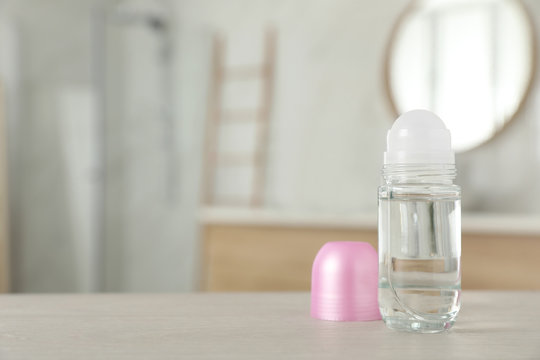
Despite the presence of alternative products like deodorant sticks and luxury perfumes, the aluminium-free deodorant market is set to thrive in the upcoming decade. Roll-on deodorant is the most popular choice among users because of its portability, ease of application, and compact packaging. Users also prefer aluminum-free deodorants in plastic spray bottles as they are more convenient and provide a pleasant, sensational feeling.

”There is a great opportunity for start-ups to develop new fragrances in the deodorant market. There is also an emerging trend of refillable deodorant bottles, which brands can leverage to gain more momentum in the market”, opines an FMI analyst.

Request the Full Report Methodology Now: https://www.futuremarketinsights.com/request-report-methodology/rep-gb-9559

Key Takeaways from the Aluminium-free Deodorant Market Report:

  • The United States is the leading market of aluminium-free deodorants, with a total market share of 32.4%.
  • Region-wise, North America dominates the market, capturing a total revenue share of 36.4%.
  • Aluminium-free deodorant roll-ons dominate the market with a global revenue share of 29.5%.
  • Plastic spray bottles are the most preferred ones, despite the trend toward eco-friendly packaging, with a market share of 29.5%.
  • The Asia Pacific also contributes significantly to the global market, with a share of 13.6%.

Key Companies profiled

  • Unilever PLC
  • Avon
  • Beiersdorf
  • Procter & Gamble Co.
  • Henkel
  • P&G
  • Adidas
  • Weleda
  • L’oreal
  • Shiseido
  • Estee Lauder Companies Inc.
  • Cavin Care
  • Christian Dior
  • Vini Group
  • Church & Dwight
  • Others on additional request

Competitive Landscape

The global market for aluminum-free deodorant is undergoing substantial expansion, attributed to heightened investments in research and development aimed at providing effective solutions for sensitive skin.

Payers are actively making efforts to offer busy individuals all-day protection deodorants, with a wide range of options in fragrance. Moreover, visionaries are looking for plant-based ingredients that can neutralize odor-causing bacteria.

Recent Developments in the Aluminum-free Deodorant Market

  • Sol de Janeiro, a globally renowned cosmetic brand, has recently introduced the Rio Deo aluminum-free deodorant with fruity and floral fragrances. This eco-conscious bottle is designed to address environmental concerns and offers unlimited refills.
  • Dove, a world-renowned cosmetics brand, has introduced a sustainable metal deodorant bottle with a lifetime refill service. This initiative by Dove is considered a watershed moment in how consumers approach the deodorant market.

Gain Immediate Access to Detailed Market Insights: https://www.futuremarketinsights.com/checkout/9559

Market by Category

By Product Type:

  • Roll-On
  • Powder
  • Wipes
  • Spray
  • Cream
  • Gel

By End User:

  • Men
  • Women
  • Unisex

By Packaging Type:

  • Plastic Spray Bottles
  • Pump Bottles
  • Metal Spray Bottles
  • Roll on sticks

By Sales Channel:

  • Dedicated Stores
  • Dedicated E-commerce
  • Specialty Retailers
  • Multi-brand Stores
  • Online Retailers

By Region:

  • North America
  • Latin America
  • Europe
  • East Asia
  • South Asia
  • Oceania
  • The Middle East and Africa (MEA)

Author

Sneha Varghese (Senior Consultant, Consumer Products & Goods) has 6+ years of experience in the market research and consulting industry. She has worked on 200+ research assignments pertaining to Consumer Retail Goods.

Her work is primarily focused on facilitating strategic decisions, planning and managing cross-functional business operations, technology projects, and driving successful implementations. She has helped create insightful, relevant analysis of Food & Beverage market reports and studies that include consumer market, retail, and manufacturer research perspective. She has also been involved in several bulletins in food magazines and journals.

About Future Market Insights (FMI)

Future Market Insights, Inc. (ESOMAR certified, recipient of the Stevie Award, and a member of the Greater New York Chamber of Commerce) offers profound insights into the driving factors that are boosting demand in the market. FMI stands as the leading global provider of market intelligence, advisory services, consulting, and events for the Packaging, Food and Beverage, Consumer, Technology, Healthcare, Industrial, and Chemicals markets. With a vast team of ~400 analysts worldwide, FMI provides global, regional, and local expertise on diverse domains and industry trends across more than 110 countries.

Contact Us:        

Nandini Singh Sawlani  

Future Market Insights Inc.
Christiana Corporate, 200 Continental Drive,
Suite 401, Newark, Delaware – 19713, USA
T: +1-845-579-5705
For Sales Enquiries: 
sales@futuremarketinsights.com
Website: https://www.futuremarketinsights.com
LinkedInTwitterBlogs | YouTube

Global MRI-Compatible IV Infusion Pump Systems Market Set to Surge, Reaching US$580.3 Million by 2032  

MRI-Compatible IV Infusion Pump Systems Market

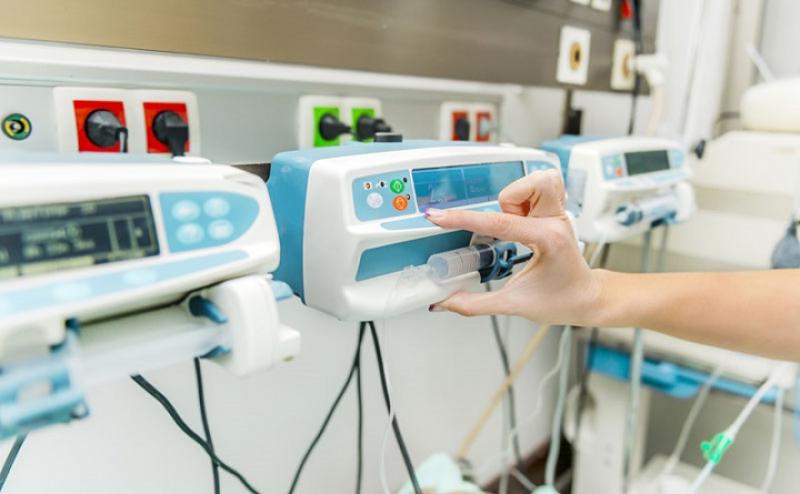
The global MRI-compatible IV infusion pump systems market is on the cusp of remarkable growth, projected to reach a staggering US$580.3 million by 2032, according to recent market analysis. This signifies a significant leap from the anticipated value of US$234.8 million by the end of 2022, reflecting a robust Compound Annual Growth Rate (CAGR) of 9.5% over the coming decade.

This substantial market expansion is primarily driven by the rising demand for advanced medical equipment. Healthcare professionals increasingly require IV infusion pump devices that can safely and precisely administer intravenous fluids and medications throughout MRI procedures. As medical practices evolve, the seamless integration of such pumps within the MRI environment is becoming paramount to ensure patient safety and successful treatment outcomes

Enhance Research With a Sample Report: https://www.futuremarketinsights.com/reports/sample/rep-gb-3525

MRI-compatible IV infusion pump systems address this critical need by offering several key advantages:

  • Enhanced Patient Care: These specialized pumps allow for continuous and uninterrupted medication delivery during MRI scans, improving patient care and treatment outcomes.
  • Safety and Precision: The MRI-compatible design ensures patient safety by eliminating the risks associated with incompatible equipment within the MRI environment. Additionally, these pumps deliver medication with high accuracy.
  • Improved Diagnostic Efficiency: By enabling uninterrupted medication delivery, MRI-compatible pumps contribute to more efficient diagnostic procedures.

Key Global MRI-Compatible IV Infusion Pump Systems Market Drivers and Trends:

  • Growing Demand for MRI Procedures: The increasing prevalence of various medical conditions that require MRI scans, such as cancer, neurological disorders, and cardiovascular diseases, has driven the demand for MRI-compatible infusion pump systems.
  • Advancements in Technology: Ongoing technological advancements in MRI-compatible infusion pumps, such as improved precision, wireless connectivity, and enhanced safety features, have contributed to market growth.
  • Safety and Regulatory Compliance: Safety is a primary concern when using medical devices in MRI environments. The market is driven by the need for devices that meet strict safety and regulatory standards to ensure patient well-being.
  • Rising Healthcare Expenditure: The overall growth in healthcare spending, particularly in developed countries, has supported investments in advanced medical equipment, including MRI-compatible infusion pumps.
  • Expansion of MRI Facilities: The expansion of healthcare facilities, including hospitals and diagnostic centers, has increased the installation of MRI machines, thereby boosting the demand for compatible infusion pump systems.
  • Market Competition: As the market has grown, numerous medical device manufacturers have entered the MRI-compatible infusion pump space, leading to increased competition and innovation.

Get Familiar With Our Methodology: https://www.futuremarketinsights.com/request-report-methodology/rep-gb-3525

Market Challenges:

  • Cost: MRI-compatible infusion pump systems tend to be more expensive than standard infusion pumps due to their specialized design and safety features. Cost constraints in healthcare budgets can be a limiting factor for market growth.
  • Regulatory Compliance: Meeting stringent regulatory standards, such as those set by the U.S. Food and Drug Administration (FDA) and similar agencies worldwide, can be challenging and time-consuming for manufacturers.
  • Technological Integration: Keeping pace with evolving MRI technology and ensuring seamless integration with different MRI machines can be a challenge for manufacturers.
  • Market Fragmentation: The market may become fragmented as various companies develop their own MRI-compatible infusion pump systems, making it harder for healthcare providers to choose the right system for their needs.

Global MRI-Compatible IV Infusion Pump Systems Market Key Companies Profiled:

  • iRadimed Corporation
  • B.Braun Melsungen AG
  • Fresenius Kabi AG
  • Smiths Medical (Smiths Group plc.)
  • Arcomed AG
  • Becton, Dickinson Company (Carefusion)
  • Baxter International Inc.

In-Depth Market Overview: Purchase Now to Access: https://www.futuremarketinsights.com/checkout/3525

Key Market Segments Covered in Global MRI-Compatible IV Infusion Pump Systems Market Research:

By Product:

  • Device System
    • Non-magnetic pump systems
    • Magnetic pump system with shielding
  • Tubing and Disposables

By End User:

  • Hospitals
  • Ambulatory Surgical Centers
  • Diagnostics Imaging Centers

By Region:

  • North America
  • Latin America
  • Europe
  • South Asia
  • East Asia
  • Oceania
  • Middle East and Africa (MEA)

About Future Market Insights (FMI)

Future Market Insights, Inc. (ESOMAR certified, recipient of the Stevie Award, and a member of the Greater New York Chamber of Commerce) offers profound insights into the driving factors that are boosting demand in the market. FMI stands as the leading global provider of market intelligence, advisory services, consulting, and events for the Packaging, Food and Beverage, Consumer Technology, Healthcare, Industrial, and Chemicals markets. With a vast team of over 400 analysts worldwide, FMI provides global, regional, and local expertise on diverse domains and industry trends across more than 110 countries.

Contact Us:        

Nandini Singh Sawlani   

Future Market Insights Inc.
Christiana Corporate, 200 Continental Drive,
Suite 401, Newark, Delaware – 19713, USA
T: +1-845-579-5705
For Sales Enquiries: 
sales@futuremarketinsights.com
Website: https://www.futuremarketinsights.com
LinkedInTwitterBlogs | YouTube

Milk Sterilizer Machine Market Projected to Grow at 8.4% CAGR by 2033

The global milk sterilizer machine market is anticipated to achieve a valuation of US$ 2,231 million by 2023. With an increasing production and consumption of milk worldwide, the demand for milk sterilizer machines is projected to grow at a robust compound annual growth rate (CAGR) of 8.4% between 2023 and 2033, reaching a valuation of US$ 4,998 million by 2033.

Milk sterilizer machines play a crucial role in eliminating harmful pathogens from raw milk, ensuring its safety for consumption and prolonging its shelf life. Widely utilized in manufacturing and processing plants, these machines effectively eradicate pathogenic organisms such as Coxiella burnetii, Staphylococcus, Salmonella, Mycobacterium bovis, Listeria, Yersinia, Campylobacter, Escherichia coli, among others, from liquid-based foods and beverages.

The escalating prevalence of foodborne illnesses worldwide, coupled with the increasing demand for sterilized milk, will continue to drive the growth of the global milk sterilizer machine market throughout the forecast period.

Get Exclusive Sample Copy of the Report: https://www.futuremarketinsights.com/reports/sample/rep-gb-16187

Key Trends

The increasing incidence of foodborne illnesses globally has spurred a surge in demand for safe and nutritious food products in recent years, a trend expected to persist in the forecasted period.

Consumers are increasingly prioritizing high-quality products devoid of pathogens, prompting manufacturing firms to adopt sophisticated machinery such as sterilization equipment. This adoption is anticipated to drive growth in the global milk sterilizer machine market over the projected period.

Moreover, the implementation of diverse government initiatives aimed at promoting the consumption of safe and premium-quality products is poised to positively impact the market’s trajectory.

Key Companies

  • Dion Engineering
  • GEA Group
  • Krones
  • SPX Flow (APV)
  • Tetra Pak International
  • ABL Technology
  • Della Toffola
  • INOXPA
  • HydroLock
  • SEPAK Industries.
  • REDA S.P.A.
  • Shanghai Jimei Food Machinery
  • TESSA I.E.C Group
  • Stephan Machinery Gmbh
  • GOMA Engineering

Buy this Exclusive Report: https://www.futuremarketinsights.com/checkout/16187

Market by Category

By Method:

  • Batch-wise
  • Continuous

By Capacity:

  • 0-100 litres/hour
  • 100-1000 litres/hour
  • 1000-5000 litres/hour
  • 5000-10000 litres/hour
  • Over 10000 litres/hour

By Product:

  • High-Temperature Short Time (HTST)
  • Higher Heat Shorter Time (HHST)
  • Ultra High Temperature (UHT)
  • Ultra Pasteurized (UP)

By Automation Grade:

  • Semi-Automatic
  • Fully Automatic

By Distribution Channel:

  • E-commerce
  • Supermarket
  • Specialized Tool Store

By Region:

  • North America
  • Latin America
  • Europe
  • East Asia
  • South Asia
  • Oceania
  • Middle East and Africa (MEA)

BB Cream Market Poised for Remarkable Growth: Anticipated Expansion at a CAGR of 8.4% by 2033

BB Cream Market
BB Cream Market

The worldwide BB cream market is expected to be worth US$4,078.1 million in 2023, with projections indicating a substantial increase to US$9,135.8 million by 2033. This growth is attributed to an anticipated surge in demand, with the market set to expand at a compound annual growth rate (CAGR) of 8.4% throughout the forecast period.

Demand Outlook:

  • BB cream offers benefits such as improved skin tone, reduction of fine lines, and enhanced glow, attracting the attention of consumers.
  • Growing consumer demand for BB cream stems from the desire for a natural, “naked” finish and makeup-like appearance, contributing to increased revenue in the global market.
  • The trend towards seeking a natural and fresh look without exposure to toxic ingredients is driving the adoption of BB cream among consumers.
  • Influential figures such as makeup artists, beauty experts, and celebrities are driving demand for BB cream as they incorporate it into their skincare routines, further fueling market growth.
  • Female consumers, in particular, are embracing BB cream to steer clear of potentially harmful beauty products, which is a significant factor propelling the expansion of the market.

Get your Sample Report to Boost Your Industry Knowledge for Valuable Insights! https://www.futuremarketinsights.com/reports/sample/rep-gb-9030

BB creams are a combination of hybrid beauty products that offer color correctors and primers to have a clean look. Manufacturers are targeting relevant audiences to boost their brand value. These marketing tactics are effectively fueling global market opportunities.

Men’s grooming trends and advanced beauty packaging solutions attract consumers, upsurging the global market share. Manufacturers are concerned about environmental pollution and are offering shields to protect the skin against harmful bacteria. The rapidly expanding online sales channels are reaching relevant consumers, driving global market opportunities.

“Consumers prefer brands that offer high-quality products ensuring safety. Cosmetic and beauty companies drive consumers’ attention by offering organic BB creams, resulting in enhanced trust and high brand value among customers,” says an analyst at FMI.

Request the Full Report Methodology Now!
https://www.futuremarketinsights.com/request-report-methodology/rep-gb-9030                                                                                                                

Key Takeaways from the BB Cream Market Report

  • The BB cream market is expected to grow at a CAGR of 8.4% through 2033.
  • The United States accounts for the maximum revenue share of 21.1%, leading the global market.
  • Japan holds a share of 9.7% of the global market in 2023.
  • Germany significantly drives the global market with its vintage home decor, accounting for a share of 5.5% in 2023.
  • With a share of 8.6%, China is rapidly advancing in the global market.
  • India holds a share of 7.4% of the global market.
  • The demand for BB cream is higher for oily skin, registering a share of 21% of the market by skin type.

 Key Players Adding Value to the BB Cream Market

The global market is fragmented due to the presence of several essential players. These players are making efforts to innovate and improve their products to satisfy consumers’ needs. They are heavily investing in research and development activities to carry out unique ideas and increase their market revenue.

Key players have a crucial role in advancing the global market through their innovative approaches, ideas, and planning. These players focus on consumers’ requirements and launch new products according to their demands. Major players are adopting several marketing methodologies such as mergers, collaborations, acquisitions, partnerships, and agreements to have a greater reach in the market

Key Players in the BB Cream Market

  • L’Oreal S.A.
  • The Estee Lauder Companies Inc.
  • The Clorox Company
  • L’Occitane International S.A.
  • AmorePacific Corporation
  • Stila Styles LLC
  • Tarte Inc.
  • Lancome SA
  • Groupe Marcelle
  • Bobbi Brown Professional Cosmetics Inc.
  • Physicians Formula Holdings Inc.
  • Clinique Laboratories LLC
  • And More…

Gain Immediate Access to Detailed Market Insights: https://www.futuremarketinsights.com/checkout/9030

Key Segments in the BB Cream Market

By Skin Type:

  • Dry
  • Normal
  • Oily
  • Combination
  • Sensitive

By SPF Type:

  • Below 15 SPF
  • Between 15-30 SPF
  • Above 30 SPF

By End Users:

  • Men
  • Women

By Sales Channel:

  • Direct Selling
  • Specialty Outlets
  • Supermarkets/Hypermarkets
  • Convenience Stores
  • Beauty Stores
  • E-Retailers
  • Others

By Region:

  • North America
  • Latin America
  • Europe
  • East Asia
  • South Asia
  • Oceania
  • MEA

Author

Sneha Varghese (Senior Consultant, Consumer Products & Goods) has 6+ years of experience in the market research and consulting industry. She has worked on 200+ research assignments pertaining to Consumer Retail Goods.

Her work is primarily focused on facilitating strategic decisions, planning and managing cross-functional business operations, technology projects, and driving successful implementations. She has helped create insightful, relevant analysis of Food & Beverage market reports and studies that include consumer market, retail, and manufacturer research perspective. She has also been involved in several bulletins in food magazines and journals.

About Future Market Insights (FMI)

Future Market Insights, Inc. (ESOMAR certified, recipient of the Stevie Award, and a member of the Greater New York Chamber of Commerce) offers profound insights into the driving factors that are boosting demand in the market. FMI stands as the leading global provider of market intelligence, advisory services, consulting, and events for the Packaging, Food and Beverage, Consumer, Technology, Healthcare, Industrial, and Chemicals markets. With a vast team of ~400 analysts worldwide, FMI provides global, regional, and local expertise on diverse domains and industry trends across more than 110 countries.

Contact Us:        

Nandini Singh Sawlani  

Future Market Insights Inc.
Christiana Corporate, 200 Continental Drive,
Suite 401, Newark, Delaware – 19713, USA
T: +1-845-579-5705
For Sales Enquiries: 
sales@futuremarketinsights.com
Website: https://www.futuremarketinsights.com
LinkedInTwitterBlogs | YouTube

Glass Fiber Reinforced Plastic (GFRP) Composites Market: A Soaring Future with a CAGR of 8.4% and a US$ 41.53 Billion Target by 2033

The glass fiber reinforced plastic (GFRP) composites market is estimated to capture an impressive valuation of US$ 18.54 billion in 2023, and is growing to US$ 41.53 billion by 2033. The market is projected at a CAGR of 8.4% during the forecast period.

Growing demand for high durability, flexibility, and premium quality products is increasing the adoption of glass fiber reinforced plastic (GFRP) composites. In addition, increasing electronic, automobile, and construction industries are surging the demand for glass fiber reinforced plastic (GFRP) composites. For example, automobile manufacturers are developing light weighted devices and equipment to reduce the consumption of fuels.

Request a Sample of this Report:
https://www.futuremarketinsights.com/reports/sample/rep-gb-167

Increasing preferences for renewable energy and rising environmental concerns boost the market growth. The adoption of GFRP composites pipes in the oil, chemical, and marine industries to transfer the liquid and boost the strength propels market opportunities. Moreover, innovations of low-weighted vehicles, such as electric cars and SUVs, are further advancing the market expansion during the forecast period.

Growing molding technology, advanced products, and piping activities bolster market opportunities. The government initiatives, the rising number of investors, and present key vendors are flourishing the market opportunities.  Significantly growing wind energy in China is increasing the adoption of glass fiber reinforced plastic (GFRP) composites.

Key Takeaways:

  • The glass fiber reinforced plastic (GFRP) composites market is expected to have a valuation of US$ 41.53 billion by 2033.
  • With a CAGR of 8.4%, the global market is increasing from 2022 to 2033.
  • The United States glass fiber reinforced plastic (GFRP) composites market is leading the global market, with registering a maximum share through 2033.
  • The market secured a CAGR of 8.0% in the historical period between 2017 and 2022.
  • The market captured a valuation of US$ 17.81 billion in the historical period.

Who is winning?

The prominent players are launching their innovative products as per end-users’ requirements. Apart from it, they are investing a huge amount in research and development activities to produce innovative and easy-to-use equipment with the latest technology. The players are setting their goals by adopting better technology, apart from traditional and complicated methods.

The key vendors built several marketing tactics to enhance the market position in the international market. Their marketing strategies are collaborations, mergers, product launches, partnerships, and acquisitions.

Recent Developments in the Glass Fiber Reinforced Plastic (GFRP) Composites Market:

  • In March 2020, Saint Gobain invested INR 500Cr to start manufacturing in India. The company motto provides services for window lines, float glass, and others.
  • In July 2017, Owens Corning acquired Aslan FRP, a United-based company, to advance its portfolio in making infrastructure, including roads, tunnels, buildings, and marine.

Chart a Course for Success: Purchase Our Report for Market Insights:
https://www.futuremarketinsights.com/checkout/167

Key Players Working in the Market are:

  • Johns Manville,
  • BGF Industries
  • Asahi Glass Company Limited
  • Advanced Glassfiber Yarns LLC
  • Chomarat Group
  • Jushi Group Co. Ltd
  • Taishan Fiberglass Inc
  • Owens Corning, PPG Industries Inc
  • Binani 3B-The Fibreglass Company
  • Saertex Group
  • Chongqing Polycomp International Corp
  • Saint-Gobain Vetrotex
  • Nitto Boseki Co. Ltd
  • Nippon Sheet Glass Co. Ltd

Glass Fiber Reinforced Plastic (GFRP) Composites Market Segmentation by Category

By Resin Type:

  • Thermoplastic
  • Polyurethane
  • Polyester
  • Epoxy
  • Vinyl Ester
  • Others

By End User:

  • Transportation
  • Renewable Energy
  • Electric & Electronics
  • Military & Defence
  • Telecommunication
  • Building & Construction
  • Others

By Manufacturing Process:

  • Injection Molding
  • Filaments
  • Compression Molding
  • RTM & VARTM
  • Layup
  • Others

About Future Market Insights (FMI)

Future Market Insights, Inc. (ESOMAR certified, recipient of the Stevie Award, and a member of the Greater New York Chamber of Commerce) offers profound insights into the driving factors that are boosting demand in the market. FMI stands as the leading global provider of market intelligence, advisory services, consulting, and events for the Packaging, Food and Beverage, Consumer Technology, Healthcare, Industrial, and Chemicals markets. With a vast team of 400 analysts worldwide, FMI provides global, regional, and local expertise on diverse domains and industry trends across more than 110 countries.

Contact Us:      

Nandini Singh Sawlani 

Future Market Insights Inc.
Christiana Corporate, 200 Continental Drive,
Suite 401, Newark, Delaware – 19713, USA
T: +1-845-579-5705
For Sales Enquiries: sales@futuremarketinsights.com
Website: https://www.futuremarketinsights.com
LinkedInTwitterBlogsYouTube

Exploring the Growth Trajectory: Baby Toiletries Market Projected to Expand at 5.2% CAGR by 2033

Baby Toiletries Market

The baby toiletries market is currently valued at around US$ 11.1 billion in 2023, with expectations of a steady growth at a rate of 5.2% throughout the forecast period. By 2033, sales in this market are projected to exceed US$ 18.5 billion. This growth is attributed to various factors, such as the increasing demand for baby toiletry products, the surge in popularity of travel-sized options for baby toiletries, and the growing awareness surrounding baby hygiene.

By product type, baby shampoo remains the top-selling product in the United States. It holds 44% share of the global market. High demand for baby shampoo is due to several factors. Parents are becoming aware of the importance of proper hygiene for their children. This will result in increased usage of baby shampoos.

Rapid shift towards natural and organic baby care products is driving the USA market. Availability of various organic baby shampoos has made them accessible and affordable.

Manufacturers are launching specialized shampoos targeting specific needs. These shampoos often contain natural and organic ingredients, making them attractive to parents.

Request Sample Report: https://www.futuremarketinsights.com/reports/sample/rep-gb-8188

As per cosmetic info, baby shampoos are products designed to use on the hair of newborns and young children under the age of three. Due to their unique formulation, these products are gentle and non-irritating to eyes. Adults with sensitive skin or hair can also use these products.

As baby shampoos become popular, parents are likely to buy other baby toiletries such as body wash, bubble bath and lotions. This growing demand will create new opportunities for manufacturers to develop innovative products.

Parents are becoming aware of the importance of proper hygiene for their children. Manufacturers have an opportunity to launch innovative products that meet the needs of consumers. This includes development of baby care products with natural and organic ingredients.

Request the Full Report Methodology Now: https://www.futuremarketinsights.com/request-report-methodology/rep-gb-8188

Key Takeaways from the Baby Toiletries Market

  • The global baby toiletries market is set to expand at 5.2 % CAGR between 2023 and 2033.
  • The revenue generated from the sales of baby toiletries will reach a total of US$ 11.1 billion by 2023.
  • By 2033, the global baby toiletries market is set to reach a valuation of US$ 18.5 billion.
  • Growing usage of baby shampoo, especially natural and organic ones, in the United States will drive demand for baby toiletries.

“As parents become aware of proper hygiene in the United States, demand for baby toiletries is likely to rise. Hence, key manufacturers are ensuring that their products meet safety standards.” Says a Future Market Insights Analyst.                              

Competition Landscape in the Baby Toiletries Market

Leading manufacturers in the baby toiletries market are focusing on offering novel products. These products are designed to meet the needs of a wide range of consumers. They are focusing on developing natural and organic products.

They are striving to make their products affordable so that all parents can access them. Several manufacturers are making sure that their products stand out from the competitors.

Coty Inc., JOHNSON’S Baby, and P&G are key companies in the United States baby toiletries market.

Key Manufacturers Are:

  • The Procter & Gamble Company
  • Johnson & Johnson Consumer Inc. /li>
  • Kimberly-Clark Corporation
  • Artsana S.p.A. California Baby
  • Unilever group (Dove)
  • Beiersdorf, Inc.
  • Galderma Laboratories, L.P.
  • Nature’s Baby Organics
  • Expanscience Laboratoires
  • Weleda, Inc.
  • DR. Fischer Ltd.
  • Earth Mama Organics
  • DCS Group(UK) Limited
  • Wordsworth UK Limited
  • Premier English Manufacturing
  • DeltPak Pty Ltd.
  • Ekko International Pty Ltd.
  • Ampar International and Premier Care Industries.

Recent Developments:

  •          In May 2022, JOHNSON’S Baby, a Johnson & Johnson trademark, introduced new paper-based filler packs. These are conventional bottles of baby shampoo, bedtime bath, and top-to-toe wash.
  •          In September 2021, Kylie Baby, a new baby care product brand created by Kylie Jenner, was launched. The brand’s direct-to-consumer website will be the only place to buy baby care items for infants and children.

Gain Immediate Access to Detailed Market Insights: https://www.futuremarketinsights.com/checkout/8188

Baby Toiletries Market Key Segments

By Product Type:

  • Baby Shampoo
  • Baby Wipes
  • Baby Toothpaste
  • Baby Bath Additives
  • Baby Soaps

By End Users:

  • New Born
  • Infants
  • Toddlers

By Sales Channel:

  • Distributors/Wholesalers
  • Hypermarket/Supermarket
  • Specialty Store
  • Convenience Store
  • Online Retailer

Author

Sneha Varghese (Senior Consultant, Consumer Products & Goods) has 6+ years of experience in the market research and consulting industry. She has worked on 200+ research assignments pertaining to Consumer Retail Goods.

Her work is primarily focused on facilitating strategic decisions, planning and managing cross-functional business operations, technology projects, and driving successful implementations. She has helped create insightful, relevant analysis of Food & Beverage market reports and studies that include consumer market, retail, and manufacturer research perspective. She has also been involved in several bulletins in food magazines and journals.

About Future Market Insights (FMI)

Future Market Insights, Inc. (ESOMAR certified, recipient of the Stevie Award, and a member of the Greater New York Chamber of Commerce) offers profound insights into the driving factors that are boosting demand in the market. FMI stands as the leading global provider of market intelligence, advisory services, consulting, and events for the Packaging, Food and Beverage, Consumer, Technology, Healthcare, Industrial, and Chemicals markets. With a vast team of ~400 analysts worldwide, FMI provides global, regional, and local expertise on diverse domains and industry trends across more than 110 countries.

Contact Us:        

Nandini Singh Sawlani  

Future Market Insights Inc.
Christiana Corporate, 200 Continental Drive,
Suite 401, Newark, Delaware – 19713, USA
T: +1-845-579-5705
For Sales Enquiries: 
sales@futuremarketinsights.com
Website: https://www.futuremarketinsights.com
LinkedInTwitterBlogs | YouTube