Direct reduced iron (DRI) has recently emerged as a quality supplement, in place of scrap steel, among steel making companies. Increasing steel production capacities, heightened awareness about CO₂ emission control among steel producers, and accelerating demand for high-quality steel from end users continue to drive DRI consumption in the global market. According to a recent report published by Future Market Insights (FMI), the global DRI market is projected to reach revenues worth US$ 17 Billion by 2030 end, with growth projected at an impressive CAGR between 2022 and 2030.
While increasing steel production capacities in China, India and some Middle Eastern countries account for the amplifying DRI demand, the COVID-19 pandemic has led to disruptions across end-use industries, thereby impeding demand for steel. Ban on steel scrap imports are significantly steering sales of DRI amid the global coronavirus outbreak. Surplus supply, and low demand and high storage volumes will result in considerably falling steel production in near term, ultimately affecting the demand for DRI.
Manufacturers based in the Middle East are aggressively expanding their DRI production capacities in response to the growing steel demand within region. This would help the regional industry reduce its dependence on imports and emerge as self-reliant in terms of raw material procurement.
Key Takeaways from the DRI Market Study
Gas-based production process to remain as the go-to option among manufacturers, especially in North America, Europe and Middle East, due to lower natural gas prices
Coal-based production is dominated by India, which accounts for almost 80% of the DRI produced through coal-based process
Pellets are the most preferred among DRI form type, as they are easy to transport, have better reactivity and are cost effective than lumps
Over the recent past, DRI imports have been witnessing a steady rise despite facing stern competition from hot briquetted iron (HBI); the latter has low reactivity and is subject to lower transportation costs
Vertical integration strategies adopted by steel manufacturers to produce DRI at their own facilities would remain an impending trend in the near future
DRI Market: Key Participant Insights
While DRI will not replace scrap steel as the primary raw material for steel production, it is projected to be utilized as a key ingredient and in higher proportions. In addition, the growing demand for high quality steel products is further expected to drive DRI demand. Most of the leading tier-1 manufacturers in the DRI market, like ArcelorMittal, SIDOR, Jindal Steel, Mobarakeh Steel and Nucor, use most of their production for captive consumption and the rest for exports to major steel manufacturers around the world. Capacity expansions are also one of the primary focus of the globally leading manufacturers to stay ahead of the competition.
Future Market Insights, Inc. (ESOMAR certified, recipient of the Stevie Award, and a member of the Greater New York Chamber of Commerce) offers profound insights into the driving factors that are boosting demand in the market. FMI stands as the leading global provider of market intelligence, advisory services, consulting, and events for the Packaging, Food and Beverage, Consumer Technology, Healthcare, Industrial, and Chemicals markets. With a vast team of over 5000 analysts worldwide, FMI provides global, regional, and local expertise on diverse domains and industry trends across more than 110 countries.
The construction chemicals market plays a pivotal role in the modern construction industry, revolutionizing the way buildings are designed, constructed, and maintained. These specialized chemicals are used to enhance the performance and durability of construction materials, ensuring the longevity and sustainability of structures. With an increasing emphasis on infrastructure development, urbanization, and environmental consciousness, the construction chemicals market is poised to witness significant growth in the coming years.
The construction chemicals market encompasses a wide range of products, including concrete admixtures, waterproofing compounds, adhesives, sealants, protective coatings, and repair and rehabilitation products. These chemicals cater to various segments, such as residential, commercial, industrial, and infrastructure development projects. They address critical challenges faced during construction, such as enhancing concrete strength, improving workability, reducing water permeability, and providing resistance to chemicals, weather, and abrasion.
According to a recent industry analysis by Future Market Insights, the construction chemicals market is expected to be worth US$ 54.85 billion in 2022. (FMI). Over the projection period, demand is expected to increase at a CAGR of 6.7%.
Major players in the construction chemical industry are focusing on environmentally friendly and sustainable products for cool roof treatments, thermal insulation, overall building protection, polycarboxylate ether-based green admixtures, and underground structure protection.
Demand for construction chemicals is boosted by rising living standards and per capita disposable income. There is probably more residential and non-residential construction to accommodate the growing demand brought on by urbanization. However, government regulations forbid the excessive use of construction chemicals, as VOC emissions prevent the construction chemicals market for these materials from growing.
In order to emphasize multifunctional properties and significantly support unique materials with a variety of uses, the building chemicals industry is generating a wide range of solutions, such as small changes of conventional materials and the development of new material assemblages.
Applications of construction chemicals are essential for maintenance tasks. The importance of maintaining, repairing, and enhancing existing structures, particularly for residential and infrastructural developments, is what drives demand for construction chemicals.
Numerous government initiatives to promote infrastructure development, together with the rising residential sector, have significantly supported the market expansion in the area over the predicted period.
Key Takeaways
The construction chemicals market is likely to have a CAGR of 6.7% during the forecast period.
According to the application, the resident segment holds the largest share during the forecast period for the construction chemicals market.
North America holds a significant share in the global construction chemicals market.
Based on type, concrete admixture accounted for the 36% construction chemicals market share in 2021.
During the forecast period, Asia Pacific is expected to dominate the construction chemicals market.
The value of the construction chemicals market is expected to be US$ 104.92 billion by 2032.
To meet changing consumer demand, manufacturers of construction chemicals prioritize increasing production capacity. Construction chemical market trends are predicted to be influenced by portfolio expansion and divestment plans over the anticipated time period.
To boost their market share in the construction chemicals industry, the leading companies in this space mostly employ acquisition and growth strategies.
The DOW Chemical Co., RPM International Inc, Ashland Inc., MAPEI, Akzo Nobel NV, Arkema SA, Fosroc, Pidilite Industries, Covestro AG, Henkel AG & Co. KGaA, HB Fuller Company, Lanxess AG, The 3M Company, Wacker Chemie AG, Huntsman Corporation, Momentive Performance Materials, Guangzhou Jointas Chemical Co. Ltd are some major key players in the construction chemicals market.
Recent Developments
In July 2021, Saint-Gobain and Chryso, a major player in the worldwide construction chemicals market, entered into a purchase agreement. The purchase of Chryso matches Saint-strategic Gobain’s ambition of being the global leader in sustainable construction. With combined sales of more than €3 billion across 66 countries, it further increased the Group’s footprint in the developing construction chemicals sector.
With the debut of a distinct green product line in the category, JSW Cement, India’s top green cement business, entered the construction chemical market in June 2021. JSW Cement now has new chances to connect innovation in concrete mix products with ethical construction thanks to the Construction Chemical category. The business of the corporation grew as a result of this development.
Future Market Insights, Inc. (ESOMAR certified, recipient of the Stevie Award, and a member of the Greater New York Chamber of Commerce) offers profound insights into the driving factors that are boosting demand in the market. FMI stands as the leading global provider of market intelligence, advisory services, consulting, and events for the Packaging, Food and Beverage, Consumer Technology, Healthcare, Industrial, and Chemicals markets. With a vast team of over 5000 analysts worldwide, FMI provides global, regional, and local expertise on diverse domains and industry trends across more than 110 countries.
The construction aggregates market witnessed substantial growth, reaching a valuation of US$ 395.67 billion in 2023, as reported by Future Market Insights. With a projected compound annual growth rate (CAGR) of 4.86% from 2023 to 2033, the market is poised for further expansion, expected to reach a valuation of US$ 636.46 billion by the end of 2033. This growth trajectory underscores the persistent demand for construction aggregates driven by infrastructure development and urbanization initiatives worldwide.
Increase in infrastructural spending i.e., the growth in population and urbanization, where the demand for infrastructure such as roads, bridges, airports, and housing is rising, with an increase in the demand for construction aggregates. Governments are thus, investing largely in the development of such infrastructural projects, with the growing demand for construction aggregates.
The construction industry also acts as a key driver of the construction aggregates market. It is because of the rise in demand for residential, commercial, and industrial construction projects, which are coupled with the increase in the need for new housing, uplifting the growth of the construction aggregates market.
The rise in population and urbanization, with the need to construct new projects is estimated to increase hugely, thereby leading to higher demand for construction aggregates.
Key Takeaways from this Market Study:
Sales of the construction aggregates market expanded at a CAGR of 3.2% from 2018 to 2022.
Growth rate of Asia Pacific for the construction aggregates market is likely to expand at a share of 5.2%.
Demand for construction aggregates was at 3.8% CAGR from 2016 to 2020.
North America is estimated to capture a market share of 42%.
The United States is said to hold a market share of 26.8%.
Construction aggregates market in the United Kingdom is projected to expand at a CAGR of 4.33%.
Germany is said to hold a significant share in its region consisting of a market share of 16.2%.
Construction aggregates market in China is anticipated to reach a market valuation of US$ 143.3 billion.
Increasing urbanization and industrialization in the country China rises with a CAGR of 3.88%.
Asia Pacific holds an important position in this market sector with a share of 20.3%.
India’s market is likely to rise prominently at a growth rate of 5.3%.
Crushed Stone is said to have a dominant position.
Crushed stone in the construction aggregate sector rises with a growth rate of 4.2%.
Applications in Infrastructure are predicted to hold a leading position.
Infrastructure segment is expected to generate maximum revenue in the construction aggregates market with a share of 33%.
“Impact of Digital Transformation Acts as a Driving Key in Construction Aggregates Market,” – comments an analyst at Future Market Insights (FMI).
Latest Developments by the Key Players in the Market are:
In December 2022, Rogers Group published the memoirs of long-time collaborator Guy Hugnin.
In April 2023, PJSC LSR Group (‘LSR’ or the Company’) (MOEX: LSRG), one of the leading real estate developers and building materials producers in Russia, today announces its operating results for the first quarter of 2023.
In May 2023, Lehigh Hanson, Inc. announced it has now changed its brand to Heidelberg Materials effective immediately as this exciting new brand identity goes into effect today for the company’s corporate office and its core brands of Lehigh Cement and Hanson Aggregates. The majority of the company’s other subsidiaries in the United States and Canada will change their brands to Heidelberg Materials in the coming months.
Future Market Insights, Inc. (ESOMAR certified, recipient of the Stevie Award, and a member of the Greater New York Chamber of Commerce) offers profound insights into the driving factors that are boosting demand in the market. FMI stands as the leading global provider of market intelligence, advisory services, consulting, and events for the Packaging, Food and Beverage, Consumer Technology, Healthcare, Industrial, and Chemicals markets. With a vast team of over 5000 analysts worldwide, FMI provides global, regional, and local expertise on diverse domains and industry trends across more than 110 countries.
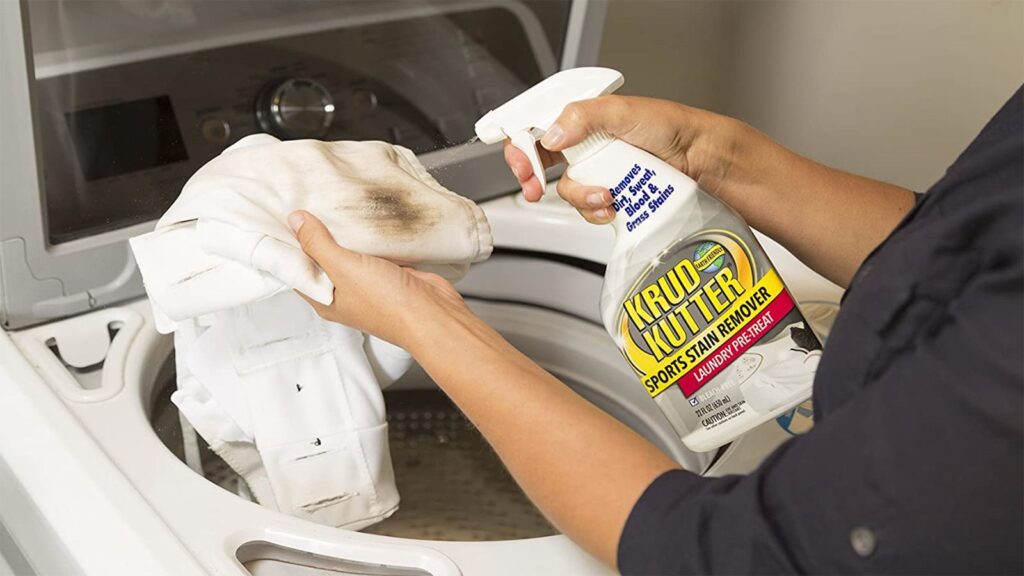
Thefabric stain remover market is estimated to be valued at US$ 10.48 billion in 2023 and is expected to total US$ 17 billion by 2033. The adoption of fabric stain remover is likely to advance at a CAGR of 4.9% during the forecast period
Technological advancements are shaping the market landscape. Nanotechnology, for instance, is revolutionizing stain removal efficacy by enhancing fabric penetration and targeting specific stains. Innovative delivery systems as spray nozzles and gel applicators are gaining popularity for their ease of use and precise application, enhancing user experience.
With the rising preference for DIY solutions, homemade stain removers using natural ingredients like vinegar, baking soda, and lemon juice have become a niche trend. This presents opportunities for companies to explore partnerships with influencers and DIY bloggers to promote their products or collaborate in creating eco-friendly recipes. The rapid growth of e-commerce platforms has significantly influenced the distribution of fabric stain removers. Online retailers offer a wider reach, making it crucial for companies to establish a robust online presence and invest in e-commerce marketing strategies.
The incorporation of artificial intelligence and machine learning in product development and marketing analytics is another promising trend. Analyzing consumer preferences and behavior patterns enables brands to customize stain removers and target specific demographics effectively.
Key Takeaways from the Fabric Stain Remover Market:
According to FMI, the United States is leading the growth in North America, experiencing a CAGR of 4.5% throughout the projected period.
Sales of fabric stain remover are expected to surge at 4.7% CAGR across India by 2023.
Germany is expected to surge at a CAGR of 4.6% in the next ten years.
As per Future Market Insights, conventional fabric stain removers are expected to dominate the product type with a CAGR of 5%.
As per FMI, the liquid fabric stain removers segment is poised to expand at over 5.1% CAGR during the forecast period.
“The fabric stain remover market surges forward, driven by cutting-edge tech and growing demand for eco-friendly stain solutions. This indicates strong growth potential for the industry”, remarks an analyst at FMI.
How Key Players are Revolutionizing the Fabric Stain Remover Market?
Key players are spearheading a revolution in the fabric stain remover market through innovative approaches and advanced formulations. Their relentless pursuit of research and development has led to the creation of highly effective stain removal solutions that cater to diverse fabrics and stains.
Leveraging cutting-edge technologies and eco-friendly ingredients, these players are setting new benchmarks in stain removal performance, convenience, and environmental sustainability. Strategic marketing campaigns and extensive distribution networks ensure broader market reach and consumer awareness. As a result, consumers now have access to a wide array of reliable fabric stain removers that simplify laundry routines and maintain fabric longevity.
Product Portfolio:
Colgate-Palmolive offers a diverse product portfolio, including oral care products like toothpaste and toothbrushes, personal care items, such as body wash and liquid hand soap, and home care solutions like dishwashing liquids and household cleaners.
C. Johnson & Son Inc. presents a comprehensive product portfolio comprising household cleaning products like surface cleaners, air fresheners, and insect repellents. Their lineup also includes personal care items like hand sanitizers, delivering quality and reliability to consumers worldwide.
Lion Corporation’s product portfolio offers a diverse range of innovative solutions designed to enhance daily living. From cutting-edge oral care products that ensure sparkling smiles to effective laundry detergents that tackle stubborn stains, Lion’s offerings exemplify quality and reliability. With a commitment to customer satisfaction, Lion continues to be a leading force in the global market.
More Insights Available
Future Market Insights offers an unbiased analysis of the fabric stain remover market, providing historical data from 2018 to 2022 and forecast statistics from 2023 to 2033.
To understand opportunities in the fabric stain remover market, the report is segmented on the basis of Product (Powder, Bars/Blocks, Pacs & Tablets, Liquid and Others (Sprays, Gels, etc.)), Nature (Conventional Fabric Stain Removers and Organic Fabric Stain Removers), Price Range (Economy/ Mid-range Fabric Stain Removers and Premium Fabric Stain Removers), End Use (Household, Commercial, Hotels & Restaurants, Hospitals, Long-term Care Centers and Others), Sales Channel (Direct Sales of Fabric Stain Removers, Indirect Sales of Fabric Stain Removers, Supermarkets/Hypermarkets, Convenience Stores, Independent Small Stores, Discounted Stores, Online Sales Channels and Others), across 7 major regions (North America, Latin America, Western Europe, Eastern Europe, South Asia and Pacific, East Asia, and Middle East & Africa).
About Future Market Insights (FMI)
Future Market Insights, Inc. (ESOMAR certified, recipient of the Stevie Award, and a member of the Greater New York Chamber of Commerce) offers profound insights into the driving factors that are boosting demand in the market. FMI stands as the leading global provider of market intelligence, advisory services, consulting, and events for the Packaging, Food and Beverage, Consumer Technology, Healthcare, Industrial, and Chemicals markets. With a vast team of over 5000 analysts worldwide, FMI provides global, regional, and local expertise on diverse domains and industry trends across more than 110 countries.
The pet care market is predicted to be valued at US$ 211.1 billion in 2023 and US$ 430 billion by 2033. Over the projection period, sales in the pet care market are expected to increase at a CAGR of 7.4%. The integration of technology into pet care is an avenue that remains largely unexplored. From wearable health trackers and smart feeding solutions to virtual pet healthcare platforms, the intersection of pets and technology offers limitless potential.
The rising wave of eco-consciousness extends to pet care. Biodegradable waste products, sustainable packaging, and organic grooming solutions are untapped areas where businesses can cater to the growing environmentally conscious pet owner demographic. As the importance of mental well-being gains traction, the concept of mental health for pets is emerging. Products and services focused on alleviating anxiety, stress, and behavioral issues in pets present an exciting and uncharted frontier.
Pet owners are increasingly treating their furry companions as family members. This trend has led to the rise of premium pet care products and services, including gourmet treats, luxury grooming, and high-end accessories. Personalization is not limited to humans; it is extending to pets too. Customized diets, tailored exercise regimens, and bespoke grooming services cater to the individual needs and preferences of each pet.
Virtual pet communities and social media influencers are shaping pet ownership. Brands are leveraging these platforms to engage with pet owners, offer advice, and market products directly to engage audiences. The demand for holistic wellness products and practices for pets is on the rise. Natural and herbal remedies acupuncture, and alternative therapies are gaining popularity among pet owners seeking comprehensive well-being for their companions.
Key Takeaways from the Pet Care Market:
The pet care market is led by the United States, projecting a 7.3% CAGR until 2033.
China is at the forefront, anticipating 7.1% CAGR growth in protective clothing by 2033.
The United Kingdom is poised for a 7.2% CAGR by 2033.
The product segment is set to dominate with a 63% global market share.
FMI predicts the dogs segment to grow at a remarkable 7.7% CAGR through 2033.
“An FMI analyst notes that the pet care sector is experiencing rapid expansion, propelled by changing consumer inclinations, increased emphasis on pet welfare, and a notable rise in inventive, customized offering,” remarks an FMI analyst.
How Key Players are revolutionizing the Pet Care market?
Key players are spearheading a transformative shift in the pet care market. Through cutting-edge innovations, personalized services, and holistic approaches, they are redefining pet wellness. Advanced technologies like AI-driven nutrition plans and telehealth services ensure tailored care.
Sustainable and organic product offerings cater to eco-conscious pet owners. Collaborations with veterinarians and animal behaviorists enhance comprehensive pet well-being. These players not only address conventional needs but also tap into the emotional bond between pets and their owners, marking a remarkable revolution in the pet care industry.
Product Portfolio
Offering an exquisite range of premium pet food, Monge & C. Spa provides delectable nutrition solutions for dogs and cats. Their portfolio boasts gourmet creations crafted from high-quality ingredients to ensure the optimal health and well-being of beloved pets.
Hill’s Pet Nutrition SNC excels in tailored pet care, delivering scientifically formulated food. Their portfolio includes specialized diets catering to specific needs, promoting pets’ longevity and vitality through optimal nutrition.
Royal Canin SAS presents a comprehensive line of breed-specific and age-appropriate pet nutrition. With a commitment to precision, their portfolio encompasses meticulously designed formulas to enhance pets’ overall health and contribute to their unique nutritional requirements.
More Insights Available
Future Market Insights offers an unbiased analysis of the pet care market, providing historical data from 2018 to 2022 and forecast statistics from 2023 to 2033.
To understand opportunities in the pet care market, the report is segmented on the basis of Service (Pet Care Products (Pet Food, Pet Healthcare and Fashion, Toys, and Accessories), Pet Care Professional Services (Day Care, Grooming Boarding and Pet Breeding and Training), Pet Care Value Added Services (Insurance, Veterinary Care, Pharmacies and Adoption and Charity), Pet Care Crisis Relief Services), Pet Type (Dogs, Cats, Birds, Fish and Reptiles, Small Pets and Horses & Other Livestock), Service Channel (Modern Trade, Convenience Stores, Care Services Centers, Veterinary Clinics, Online Retails, Support Care Centers and Pet Specialty Stores), across 7 major regions (North America, Latin America, Western Europe, Eastern Europe, South Asia and Pacific, East Asia, and Middle East & Africa).
Future Market Insights, Inc. (ESOMAR certified, recipient of the Stevie Award, and a member of the Greater New York Chamber of Commerce) offers profound insights into the driving factors that are boosting demand in the market. FMI stands as the leading global provider of market intelligence, advisory services, consulting, and events for the Packaging, Food and Beverage, Consumer Technology, Healthcare, Industrial, and Chemicals markets. With a vast team of over 5000 analysts worldwide, FMI provides global, regional, and local expertise on diverse domains and industry trends across more than 110 countries.
“The future of healthcare will be a symphony of automation, precision, and care, where AI plays an indispensable role in augmenting delivery, reshaping treatment, and improving patient outcomes. Dive deeper into our comprehensive FMI report to explore the dynamics of this burgeoning market and uncover compelling opportunities for stakeholders.”
Artificial Intelligence (AI) in Healthcare Industry
The global Artificial Intelligence (AI) in healthcare industry has experienced an unprecedented surge, reaching a remarkable valuation of US$ 19.45 Billion at the close of 2022. This meteoric rise is backed by a groundbreaking analysis, forecasting an extraordinary trajectory with an impressive Compound Annual Growth Rate (CAGR) of 38.5%. The market is anticipated to reach an astronomical valuation of US$ 181.8 Billion by the year 2032.
The healthcare sector’s accelerating adoption of AI technologies has been a key driver behind this remarkable growth. Innovations spanning predictive analytics to personalized medicine have played a pivotal role in transforming the industry landscape. As healthcare providers continually strive to enhance patient care, streamline operations, and improve overall efficiency, AI has emerged as a transformative force reshaping the delivery of healthcare services.
In a groundbreaking leap toward reshaping the healthcare landscape, Artificial Intelligence (AI) has emerged as a potent force, fundamentally altering the landscape of data interpretation and analysis. This innovative approach has become pivotal in delivering precise clinical diagnoses and proposing tailored treatment strategies for a diverse array of conditions.
AI’s role in healthcare transcends conventional data processing; it scrutinizes disease trends, interprets symptoms, and deploys sophisticated algorithms to furnish healthcare practitioners with enriched guidance, feedback, and support in their daily routines. This transformative influence is precipitating a fundamental shift in how medical professionals engage with patient care.
The incorporation of AI into healthcare extends further as it collaborates with wearable smart devices to parse healthcare data, providing patients with digital and virtual consultations. Furthermore, AI-driven systems facilitate drug formulation and management services, streamlining and enhancing healthcare delivery.
The anticipated exponential expansion of AI in healthcare is attributed to its capacity to augment efficiency, precision, and accessibility within the healthcare ecosystem. This encompasses furnishing healthcare professionals with robust tools to make informed decisions, optimizing patient care, and facilitating the seamless assimilation of technology into medical practices.
“We’re witnessing an era where Artificial Intelligence is becoming increasingly integral to the healthcare landscape,” stated Sabyasachi Ghosh (Associate Vice President at Future Market Insights, Inc.). “The projected exponential growth of AI in healthcare underscores its transformative potential in shaping the future of medicine. It’s not just about data analysis; it’s about empowering healthcare providers and improving patient outcomes.”
The Future of AI in Healthcare: A Symphony of Automation, Precision, and Care:
The healthcare landscape is witnessing a revolution fueled by artificial intelligence (AI). The demand for AI solutions is surging, driven by a confluence of factors:
Robotics Reshaping Surgery and Rehabilitation: Surgical robots are no longer science fiction. They are skillfully assisting surgeons in neurological, orthopedic, and minimally invasive procedures, enhancing precision and minimizing risks. Rehabilitation too is benefiting from AI-powered robots, offering personalized therapy and improved outcomes for patients.
Digitization and Automation Streamlining Healthcare: The healthcare sector is embracing digitization and automation, and AI is at the forefront of this transformation. AI-powered systems are revolutionizing data management, ensuring secure and efficient handling of patient information. This, in turn, empowers personalized medicine, with AI algorithms analyzing vast datasets to tailor treatments and diagnoses to individual needs.
An Aging Population Finding Support in AI: As the population ages, the demand for healthcare services increases. AI is stepping in to bridge the gap, providing invaluable support to the elderly. Smart devices for elder care, fall detection systems, and even virtual companions powered by AI are helping seniors maintain independence and well-being.
Beyond the Physical: AI as a Caring Companion: The impact of AI extends beyond the physical realm. Empathetic robots are being developed to provide emotional support and companionship to patients facing physical and mental challenges. This innovative approach holds immense potential to improve patient well-being and address the growing need for compassionate care.
The rise of AI in healthcare is not just about technology; it’s about a paradigm shift. It’s about precision, efficiency, and personalized care, about empowering patients and alleviating the burden on healthcare systems. As AI continues to evolve and integrate into the healthcare landscape, we can expect even more transformative advancements, bringing a brighter future to patients and healthcare providers alike.
Sabyasachi Ghosh (Associate Vice President at Future Market Insights, Inc.) holds over 12 years of experience in the Healthcare, Medical Devices, and Pharmaceutical industries. His curious and analytical nature helped him shape his career as a researcher.
Identifying key challenges faced by clients and devising robust, hypothesis-based solutions to empower them with strategic decision-making capabilities come naturally to him. His primary expertise lies in areas such as Market Entry and Expansion Strategy, Feasibility Studies, Competitive Intelligence, and Strategic Transformation.
Holding a degree in Microbiology, Sabyasachi has authored numerous publications and has been cited in journals, including The Journal of mHealth, ITN Online, and Spinal Surgery News.
About Future Market Insights (FMI)
Future Market Insights, Inc. (ESOMAR certified, recipient of the Stevie Award, and a member of the Greater New York Chamber of Commerce) offers profound insights into the driving factors that are boosting demand in the market. FMI stands as the leading global provider of market intelligence, advisory services, consulting, and events for the Packaging, Food and Beverage, Consumer Technology, Healthcare, Industrial, and Chemicals markets. With a vast team of over 5000 analysts worldwide, FMI provides global, regional, and local expertise on diverse domains and industry trends across more than 110 countries.
The global online grocery market is projected to be worth US$ 377.4 billion in 2023. The market is likely to reach US$ 3396.9 billion by 2033. The market is further expected to surge at a CAGR of 24.60% during the forecast period 2023 to 2033.
Online grocery shopping has been popular among younger generation, but COVID-19 outbreak pulled this novel form of shopping to mainstream. Apart from millennial, which account for more than 32% of the global population, online grocers also witnessed sizable traction from new customer archetypes. These customer groups were geriatric and sub-urban consumers. Witnessing traction from such a diverse customer archetype, online grocers also worked on their offering and expanded the portfolio of products and inventories.
Driven by the increasing consumer spending, improving rate of employment and overall economic growth, online grocery shopping has spurred. Several brands have reported a Multifood surge in sales as a direct consequence of strategies undertaken to boost their online presence and portfolio.
Following e-commerce boom, online grocery shopping is gaining momentum – a trend which is unlikely to subside in the near future. FMI offers valuable insights into the online grocery market. Some of these are:
Personalized and smart packaging are likely to dominate the online grocery shopping scene. FMI’s data, revealing that packed food has comfortable lead over other product types, reiterates the same observation
Presence of a high percentage of millennial has sealed East Asia’s position as a highly lucrative market for online grocery
Subscriptions segment is poised to surge at a higher CAGR among purchaser type. Subscription based online shopping is expected to gather steam as consumers look for better convenience and personalized solutions
Economists at FMI says that online grocery shopping is one of the fastest growing sectors in the U.S. retail. As the number of online shoppers grow it is expected that e-retailers would focus on unique strategies. For instance, many of established e-retailers are partnering with small and medium service providers who would help them with door-step delivery to consumers.
Besides leveraging strategic collaborations, several e-retailers are innovating smart packaging solutions to improve overall purchase experience. QR codes are often used to offer special discounts and coupons to customers.
Overall, there is increasing focus on digitizing solutions to cater to the changing consumer needs. For instance, Amazon.Com Inc. has invested heavily in the development of its integrated and high-tech logistics. Through this, it intends to expand its network and geographical footprint.
Who is winning?
Some of the key players operating in the online grocery market are Amazon.com Inc., Walmart Inc., The Kroger Co., Peapod LLC, Fresh Direct LLC, Target Corporation, Publix Super Markets Inc., Best Buy Co. Inc., Instacart, Costco Wholesale Corporation, Safeway Inc., Carrefour S.A., Tesco PLC, Edeka Group, Aldi, Alibaba Group, JD.Com, Honestbee, Grofers India Pvt. Ltd., Avenue Supermarts Ltd. and among others.
Several online grocery/ e-retailer companies are entering into strategic partnerships with prominent retailers to cater to the growing demand for groceries and other essential items.
Walmart Inc. has entered into a strategic partnerships with four third-party delivery providers which are Point Pickup, Skipcart, AxleHire, and Roadie to help the company provide on-time delivery to its customers
In India Domino’s Pizza, Uber, Rapido, Swiggy, Zomato, and other have ventured into grocery delivery in collaboration with online grocers such as BigBasket and Grofers and retail chains such as Big Bazaar and Spencer
Future Market Insights, Inc. (ESOMAR certified, recipient of the Stevie Award, and a member of the Greater New York Chamber of Commerce) offers profound insights into the driving factors that are boosting demand in the market. FMI stands as the leading global provider of market intelligence, advisory services, consulting, and events for the Packaging, Food and Beverage, Consumer Technology, Healthcare, Industrial, and Chemicals markets. With a vast team of over 5000 analysts worldwide, FMI provides global, regional, and local expertise on diverse domains and industry trends across more than 110 countries.
In 2023, the window coverings market is estimated at US$ 23 billion, with a projected compound annual growth rate (CAGR) of 4.3% expected to drive adoption through 2033. This growth trajectory indicates a steady rise in demand for window treatment solutions, influenced by factors such as increasing focus on energy efficiency, interior design trends, and home improvement projects. As consumers prioritize privacy, light control, and aesthetics in their living spaces, the market for window coverings is poised for expansion, offering a wide range of options including blinds, shades, curtains, and shutters to meet diverse preferences and needs.
The integration of window coverings with smart home technology presents immense opportunities. Automated control systems, voice activation, and smartphone compatibility offer convenience, energy efficiency, and enhanced user experiences.
Growing environmental awareness has created a demand for sustainable window coverings. Natural materials like bamboo, organic fabrics, and recyclable materials provide eco-friendly alternatives, attracting environmentally conscious consumers. Consumers are increasingly seeking customized window coverings to match their unique style and preferences. Manufacturers that offer a wide range of customization options in terms of colors, patterns, and sizes can tap into this market segment.
Motorized window coverings are gaining popularity due to their convenience and energy-saving capabilities. Integration with smart home systems and automated scheduling enhance user comfort and energy efficiency. Energy-efficient window coverings, such as cellular shades and insulated blinds, are in high demand. These coverings help reduce heat loss, enhance thermal insulation, and contribute to energy savings.
Rising Construction Activities: Increased construction activities, especially in residential and commercial sectors, drive the demand for window coverings as they are essential for privacy, insulation, and aesthetic purposes.
Home Renovation and Remodeling: The growing trend of home renovation and remodeling projects, driven by consumer preferences for interior décor and energy efficiency, boosts the demand for window coverings.
Technological Advancements: Innovations such as smart window coverings equipped with automation, remote control, and integration with smart home systems enhance convenience and energy efficiency, driving market growth.
Increasing Awareness of Energy Efficiency: With a growing emphasis on energy conservation, consumers are increasingly opting for energy-efficient window coverings such as thermal curtains, blinds, and shades, leading to market expansion.
Changing Consumer Lifestyles and Preferences: Evolving consumer lifestyles, preferences for personalized and stylish interiors, and the desire for privacy and light control contribute to the growth of the window coverings market.
Expansion of Online Retail Channels: The proliferation of e-commerce platforms facilitates easy access to a wide range of window covering products, offering convenience and driving market growth.
Industry Restraints:
Volatility in Raw Material Prices: Fluctuations in the prices of raw materials such as fabric, wood, plastic, and metal used in window coverings can impact manufacturers’ profit margins and pricing strategies, posing a challenge to market growth.
Regulatory Compliance and Standards: Adherence to stringent regulations and standards related to product safety, environmental sustainability, and child safety features can increase manufacturing costs and pose barriers to market entry for smaller players.
Competition from Alternative Window Treatments: Competition from alternative window treatments such as curtains, drapes, shutters, and decorative films limits the market growth potential for window coverings, necessitating differentiation and innovation.
Economic Uncertainties: Economic uncertainties, including recessionary trends, fluctuations in disposable incomes, and housing market slowdowns, can dampen consumer spending on discretionary items like window coverings, affecting market growth.
Installation and Maintenance Challenges: Complex installation processes, especially for custom or motorized window coverings, and maintenance requirements may deter some consumers and limit market penetration.
Impact of COVID-19 Pandemic: The COVID-19 pandemic disrupted supply chains, manufacturing operations, and consumer spending patterns, leading to uncertainties and challenges in the window coverings market, albeit with varying impacts across regions and product segments.
Key Takeaways from the Window Coverings Market:
As per FMI, the United States Window Coverings Market is spearheading the growth across North America, augmenting at a CAGR of 4.1% over the assessment period.
Sales of window coverings are expected to surge at 3.9% CAGR across Brazil in the next ten years.
Germany is expected to grow at a CAGR of 3.3% during the projected period.
As per Future Market Insights, natural window coverings are expected to dominate the material surging at a CAGR of 4.5% during the forecast period.
The global market shares in 2023 is dominated by the blinds and shades product type segments, constituting 61% of the market’s overall presence.
“The window coverings market is poised for significant growth, driven by factors such as increasing urbanization, rising disposable incomes, and a growing focus on energy-efficient and aesthetically appealing home decor”, remarks an analyst at FMI.
How Key Players Are Revolutionizing the Manufacturing of Window Coverings Market?
Key players in the window coverings market are revolutionizing the manufacturing process to meet evolving consumer demands and market trends. They are leveraging advanced technologies and innovative materials to enhance product quality, functionality, and aesthetics.
Sustainable practices and eco-friendly materials are also being integrated into manufacturing, aligning with growing environmental consciousness. The integration of smart technology allows for automated control and remote operation of window coverings. These advancements collectively contribute to a transformative shift in the manufacturing landscape, ensuring that window coverings offer enhanced performance, style, and sustainability for residential and commercial spaces.
Top 10 Companies in Global Window Coverings Market
Lafayette Venetian Blind Inc.
Lutron Electronics
Qmotion Shades
Springs Window Fashions, LLC
Lafayette Interior Fashion
Griesser AG
Hunter Douglas NV
Legrand
Shades Schenker Storen AG
Ching Feng Home Fashions Co
Product Portfolio:
Lafayette Venetian Blind Inc. offers a diverse product portfolio of high-quality window treatments, including venetian blinds, roller shades, cellular shades, and motorized blinds. Their innovative designs and customizable options cater to residential and commercial spaces, providing both style and functionality.
Lutron Electronics is a renowned leader in lighting control solutions. Their product portfolio encompasses a wide range of advanced lighting control systems, including dimmers, sensors, smart switches, and automated shading solutions. Lutron’s cutting-edge technology enables efficient energy management and personalized lighting experiences for homes and commercial buildings.
Key Segments Profiled in the Window Coverings Market
By Product:
Blinds and Shades
Roller Shades
Vertical Shades/Blinds
Panel Blinds
Roman Shades/Blinds
Venetian Blinds
Honeycomb
Pleated Shades
Others
Curtains
Pinch Pleat Curtains
Goblet Pleat Curtains
Pencil Pleat Curtains
Eyelet Curtains
Rod-pocket Curtains
Tab-top Curtains
Others
Shutters
Panels
Louvers
Boards & Battens
Others
Others
By Window Treatment:
Hard Window Treatment
Soft Window Treatment
Layered Window Treatment
By Application:
Residential Window Coverings
Commercial Window Coverings
Offices
Brick and Mortar Stores
Hotels & Resorts
Industrial
Other Offices
Stores
Shopping Malls and Complexes
Hotels and Restaurants
Others
By Sales Channel:
Online Sales Channels
Company-owned Portal
E-commerce Portals
Offline Sales Channels
Hypermarkets/Supermarkets
Specialty Stores
Multi-brand Stores
Discount Stores
Departmental Stores
Independent Stores
Home Decor Stores
Other Sales Channels
By Functionality:
Manual Window Coverings
Electronic Window Coverings
AC/DC Supply
Inbuilt Battery Operated
Solar Powered
Hybrid
By Material:
Natural
Synthetic
By Price Range:
Economic
Mid-range
Premium
By Region:
North America
Latin America
Western Europe
Eastern Europe
South Asia & Pacific
East Asia
Author
Sneha Varghese (Senior Consultant, Consumer Products & Goods) has 6+ years of experience in the market research and consulting industry. She has worked on 200+ research assignments pertaining to Consumer Retail Goods.
Her work is primarily focused on facilitating strategic decisions, planning and managing cross-functional business operations, technology projects, and driving successful implementations. She has helped create insightful, relevant analysis of Food & Beverage market reports and studies that include consumer market, retail, and manufacturer research perspective. She has also been involved in several bulletins in food magazines and journals.
About Future Market Insights (FMI)
Future Market Insights, Inc. (ESOMAR certified, recipient of the Stevie Award, and a member of the Greater New York Chamber of Commerce) offers profound insights into the driving factors that are boosting demand in the market. FMI stands as the leading global provider of market intelligence, advisory services, consulting, and events for the Packaging, Food and Beverage, Consumer, Technology, Healthcare, Industrial, and Chemicals markets. With a vast team of ~400 analysts worldwide, FMI provides global, regional, and local expertise on diverse domains and industry trends across more than 110 countries.
The down and feather market is estimated at ~USD 7,567.3 Million in 2023 and is projected to reach ~USD 16,175.3 Million by 2033, at a CAGR of 7.9% from 2023 to 2033. Share of down and feather market in its parent market (bedding products market is ~30%-35 %.)
Consumers are increasingly choosing sustainable and environment-friendly products, which has led to an increase in demand for down and feather bedding. This aspect is projected to increase demand for down and feathers in the near future. The ability to reuse down and feather fillings in products like pillows and bedding is expected to boost industry prospects.
In order to meet consumer demand, recycling and reusing is performed by sterilising and washing of feathers filling. These practices are used to make handicrafts, clothing, and bedding products among other things.
In order to compensate for this, several environment protection groups and manufacturers are partnering to promote sustainable sourcing methods. Manufacturers are participating in such activities and are also providing an image of an environment conscious group.
Consumers are increasingly choosing sustainable and environment-friendly products, which has led to an increase in demand for down and feather bedding. This aspect is projected to increase demand for down and feathers in the near future. The ability to reuse down and feather fillings in products like pillows and bedding is expected to boost industry prospects.
In order to meet consumer demand, recycling and reusing is performed by sterilising and washing of down and feathers. These practices are used to make handicrafts, clothing, and bedding products among other things.
In 2018, Heinric Häussling GmbH & Co. constructed a new 1200 square metre warehouse to accommodate increasing down and feather manufacturing capacity.
Higher-quality items created with environment-friendly procedures are valued more than alternative products made with chemicals and raw materials that are hazardous to the environment. Down and feather bedding that is chemical-free and animal cruelty-free is gaining popularity.
A number of corporations are cooperating with environment-protection organizations to promote social action, such as planting trees for every purchase, exploring alternative energy choices, or reducing water consumption, in addition to making luxury eco-friendly products.
Key Takeaways from the Down and Feather Market Study
Duck down and feathers are expected to hold a revenue share of 76.4% in 2021 aided by their lower cost and better quality as compared to other insulation materials.
Bedding products dominate the market with a share of over 75% with a wider scope of product portfolios supporting sales prospects.
The U.S. holds a noteworthy value share of 82.9% in North America owing to the high penetration of key players in the region.
Malaysia is a key market in South Asia reflecting a CAGR of 21.5% owing to higher spending on premium products in the country.
China showcases major opportunities for the down and feather industry owing to a larger consumer population accounting for 40.1% in 2021.
Who is winning?
Leading manufacturers of down and feather are primarily focused on differential strategies and advertisements that have driven sales growth of down and feathers on a global scale.
Major players present in the down and feather market are Pan Pacific Company Ltd., Allied Feather & Down, Down-Lite International Inc., Peter Kohl KG, KL Down, Chunli International Co Ltd., Bettfedern Handelsgesellschaft mbH & Co. KG (Rohdex), Heinrich Häussling GmbH & Co., Karl Sluka GmbH, Norfolk Feather Company, Feather Industries, Treude & Metz GmbH & Co. KG, Sustainable Down Source, Navarpluma, and Shin Joo Won D&G Co.among others.
Global Down and Feather Market by Category
By Product Type:
Feather
Down
By Origin:
Duck
Goose
By Application:
Apparels
Bedding Products
Sleeping Bags and Outdoor Gear
By Region:
North America
Latin America
Europe
East Asia
South Asia
Oceania
MEA
About Future Market Insights (FMI)
Future Market Insights, Inc. (ESOMAR certified, recipient of the Stevie Award, and a member of the Greater New York Chamber of Commerce) offers profound insights into the driving factors that are boosting demand in the market. FMI stands as the leading global provider of market intelligence, advisory services, consulting, and events for the Packaging, Food and Beverage, Consumer Technology, Healthcare, Industrial, and Chemicals markets. With a vast team of over 5000 analysts worldwide, FMI provides global, regional, and local expertise on diverse domains and industry trends across more than 110 countries.
In 2023, the global nutricosmetics market is assessed at approximately US$ 7 billion, with projections indicating a significant surge to US$ 15 billion by 2033. This upward trajectory is expected to be fueled by a compound annual growth rate (CAGR) of 7.9% throughout the forecast period. As consumers increasingly prioritize holistic approaches to skincare and beauty from within, the adoption of nutricosmetics continues to gain momentum. This trend reflects a growing awareness of the correlation between nutrition and skin health, driving demand for innovative beauty supplements and ingestible skincare products in the global market.
The rise of personalized medicine and consumer preferences for customized solutions is extending to the nutricosmetics industry. Advances in technology and data analysis allow for tailored nutricosmetic products based on individual needs, such as specific skin concerns or nutritional deficiencies. Companies that can offer personalized nutricosmetic formulations have the opportunity to cater to consumers’ unique requirements and gain a competitive edge.
Consumers are increasingly seeking sustainable and ethically sourced products across all industries, including nutricosmetics. There is a growing demand for cruelty-free, vegan, and environmentally friendly nutricosmetic products. Companies that prioritize sustainability in their sourcing, manufacturing processes, and packaging can tap into this emerging trend and attract eco-conscious consumers.
The convergence of nutricosmetics and digital health platforms presents an exciting opportunity. By integrating nutricosmetic products with wearable devices and health-tracking apps, companies can offer a comprehensive approach to beauty and wellness. This integration enables real-time monitoring of skin health, nutritional tracking, and personalized recommendations, enhancing the overall effectiveness of nutricosmetics.
While traditional markets like North America and Europe have dominated the nutricosmetics industry, there is untapped potential in emerging markets. Regions such as Asia-Pacific, Latin America, and the Middle East offer significant growth opportunities due to increasing disposable income, changing lifestyles, and growing awareness of beauty and wellness. Companies that strategically expand into these markets can establish a strong presence and capture a new customer base. Collaboration with beauty and wellness professionals, including dermatologists, nutritionists, and aestheticians, presents a dollar opportunity in the nutricosmetics market. By partnering with experts, companies can gain credibility, access professional networks, and receive valuable insights for product development and marketing strategies.
By the end of 2023, the United States is projected to hold the largest market share in North America and exhibit a CAGR of 7% from 2023 to 2033.
By the end of 2033, the nutricosmetic market in Europe is projected to witness a CAGR of 11% in Italy, as per estimations.
India has emerged as the leading nutricosmetics market in the South Asia region, with an estimated CAGR of 14% projected for the Indian market by the year 2033.
The powder-type supplement segment is projected to witness a CAGR of 14.5% by the year 2033.
The e-commerce platform market value for nutricosmetics products is projected to witness a CAGR of 18% by the conclusion of 2033, as observed.
“The Nutri cosmetics market is experiencing significant growth, driven by consumer demand for holistic beauty solutions that promote healthy skin, hair, and nails from within”, remarks an analyst at FMI.
How Key Players are revolutionizing the Manufacturing of Nutricosmetics market?
Key players in the nutricosmetics market are revolutionizing the manufacturing process by embracing innovative approaches and technologies. They are investing in research and development to enhance the formulation and efficacy of nutricosmetic products. This includes incorporating bioactive ingredients, antioxidants, vitamins, and minerals into the formulations to deliver optimal skin, hair, and nail health benefits. Secondly, manufacturers are focusing on quality control and ensuring that their products meet stringent regulatory standards.
They are leveraging advanced manufacturing techniques, such as encapsulation and nanotechnology, to improve bioavailability and ensure targeted delivery of nutrients. Key players are adopting sustainable and eco-friendly practices, using natural and organic ingredients, and reducing packaging waste to align with consumers’ growing preference for clean and environmentally conscious products. Overall, these advancements are driving the transformation of the nutricosmetics market, providing consumers with effective, science-backed, and sustainable beauty solutions.
Key Players in the Market:
Pfizer Inc.
Bayer AG ADR
Reckitt Benckiser Group plc.
Otsuka Holdings Co. Ltd.
Suntory Beverage & Food Ltd.
Shiseido Co. Ltd.
Koninklijke DSM NV
Beiersdorf AG
Lonza Group Ltd.
Herbalife Nutrition Ltd.
Product Portfolio:
Pfizer Inc. offers a diverse product portfolio encompassing pharmaceuticals, vaccines, and consumer healthcare products. Their offerings include well-known brands like Viagra, Lipitor, and Advil, along with a wide range of prescription drugs and over-the-counter medications.
Bayer AG ADR provides a comprehensive product portfolio comprising pharmaceuticals, consumer health products, and agricultural solutions. Their offerings include popular brands such as Aspirin, Xarelto, and Aleve, along with crop protection products and seeds for sustainable agriculture.
Product Diversification: Nutricosmetics manufacturers are expanding their product offerings to include a wide range of supplements and ingestible skincare products tailored to different skin types and concerns.
Research and Development: Companies are investing in research and development to create innovative formulations that combine scientifically proven ingredients with natural extracts, vitamins, and minerals for optimal skin health and beauty benefits.
Market Expansion: Manufacturers are expanding their presence in new geographic regions to tap into emerging markets and reach a broader consumer base seeking holistic beauty solutions.
Collaborations and Partnerships: Collaborations with dermatologists, nutritionists, and beauty influencers enable nutricosmetics manufacturers to leverage expertise and credibility, driving consumer trust and brand loyalty.
Marketing Strategies: Companies are implementing targeted marketing strategies across various channels, including social media, influencer partnerships, and educational campaigns, to raise awareness about the benefits of nutricosmetics and engage with consumers seeking natural, holistic skincare solutions.
More Insights Available
Future Market Insights offers an unbiased analysis of the nutricosmetics market, providing historical data from 2018 to 2022 and forecast statistics from 2023 to 2033.
To understand opportunities in the nutricosmetics market, the report is segmented on the basis of product type (beauty beverages/drinks, supplements, tablets, capsules, powder and liquid), and primary function (skin care, sun care, anti-aging, radiance & glow, anti-acne/pimple, hair & nail care, weight management and multi-functional), across seven major regions (North America, Latin America, Western Europe, Eastern Europe, South Asia and Pacific, East Asia and Middle East and Africa).
About the Consumer Product at Future Market Insights
The consumer product team at Future Market Insights offers expert analysis, time-efficient research, and strategic recommendations with an objective to provide authentic insights and accurate results to help clients worldwide. With a repertoire of over 100+ reports and 1 Billion+ data points, the team has been analyzing the industry lucidly in 50+ countries for over a decade. The team provides a brief analysis of key trends including competitive landscape, profit margin, and research development efforts.
Author
Sneha Varghese (Senior Consultant, Consumer Products & Goods) has 6+ years of experience in the market research and consulting industry. She has worked on 200+ research assignments pertaining to Consumer Retail Goods.
Her work is primarily focused on facilitating strategic decisions, planning and managing cross-functional business operations, technology projects, and driving successful implementations. She has helped create insightful, relevant analysis of Food & Beverage market reports and studies that include consumer market, retail, and manufacturer research perspective. She has also been involved in several bulletins in food magazines and journals.
About Future Market Insights (FMI)
Future Market Insights, Inc. (ESOMAR certified, recipient of the Stevie Award, and a member of the Greater New York Chamber of Commerce) offers profound insights into the driving factors that are boosting demand in the market. FMI stands as the leading global provider of market intelligence, advisory services, consulting, and events for the Packaging, Food and Beverage, Consumer, Technology, Healthcare, Industrial, and Chemicals markets. With a vast team of ~400 analysts worldwide, FMI provides global, regional, and local expertise on diverse domains and industry trends across more than 110 countries.