Gelatin Industry: Key Growth Drivers and Forecast for 2033

Picture background

The Gelatin market is likely to hold a valuation of USD 5.39 Billion by 2033. In 2023, the market value is USD 3.12 Billion. As the demand for healthy and nutritious food increases, the gelatin market is also expected to grow by 6% from 2023 to 2033.

The rising use of gelatin in the pharmaceutical, food and beverages, and self-care industries is due to its capability to thicken liquids and retain considerable moisture for longer. The rapid growth in the pharma industry after the pandemic and the rising health literacy among people worldwide have resulted in a considerable increase in gelatin’s market size.

Gelatin also contains collagen, a chemical compound derived from animal tissues used in most skincare products. The global world population is witnessing a rise, and the gelatin market is likely to go upward in the future. Gelatin sales will also increase as it is one of the critical components used to encapsulate drugs and medicines in the market.

Apart from these, gelatin also has applications in other industries like textile, medical devices, paper, photography, and tissue engineering. Gelatin is obtained from various sources like animals, fish, plants, and algae. Conventional gelatin derived from bovine and porcine animals still dominates the market because of its easy availability, affordability, and familiarity. Due to its transparent, flavorless, and clean nature, Type-1 gelatin is preferred more by consumers and industries, among others.

“There is still very little awareness about the benefits of gelatin in the global market. The capabilities of gelatin should be harnessed extensively in industries other than food and beverages and pharmaceuticals. With a limited number of key players across the world, there is a huge opportunity for companies to strategize accordingly,” -says Nandini Roy Choudhury (client Partner for Food and Beverages at Future Market Insights, Inc.)

Key Takeaways from the Gelatin Market Report:

  • The gelatin market is expected to grow at a modest rate of 6% from 2023 to 2033.
  • Conventional gelatin dominates the global market with an overall revenue share of 43%.
  • The United States is the largest consumer of gelatin and gelatin-related products, with a revenue share of 22%.
  • The United States is followed by China (19%), Japan (10%), Germany (9%), and Australia (2%) in terms of gelatin consumption.
  • China is the highest exporter of gelatin and gelatin-associated products.

Competitive Landscape of the Gelatin Market

The gelatin market is expected to witness a gradual upswing as more people become increasingly aware of the benefits of gelatin. Therefore, key players in the market are continuously focusing on promoting awareness and expanding the market size. Except for a few companies generally based in China, no significant companies compete for their dominance in the international market.

Recent Developments in the Gelatin Market

  1. University of California, San Diego, is working on gelatin-based scaffolds for peripheral nerve repair. These scaffolds are biocompatible and biodegradable and can be seeded with Schwann cells to support nerve myelination.
  2. Rousselot, a French company, developed ‘Pure-X,’ a gelatin-based material for medical embolization that helps treat various conditions like arteriovenous malformations, tumors, and aneurysms.
  3. In September 2023, students from China’s Guangxi University found that gelatin sponges can improve wound healing by enhancing homeostasis.

Key Companies in the Gelatin Market

  • Sterling Biotech Limited
  • Gelita AG
  • Darling Ingredients Inc.
  • Nitta Gelatin Inc.
  • India Gelatine & Chemicals
  • Tessenderlo Group
  • Sterling Gelatin
  • PB Gelatins GmbH
  • Junca Gelatines S.L
  • Trobas Gelatine BV
  • Weishardt Holding SA

Extensive Market Research: Complete Report and Findings

Key Segments Covered in the Gelatin Market Report

By Type:

  • Type A
  • Type B

By Nature:

  • Conventional
  • Organic

By End-Use Application:

  • Protein Bars and Powder
  • Food & Beverage
  • Confectionery
  • Dairy Products
  • Meat & Poultry Products
  • Desserts
  • Beverage
  • Others

By Source:

  • Bovine
  • Porcine
  • Chicken
  • Marine

By Functionality:

  • Stabilizer
  • Thickener
  • Gelling Agent

By Region:

  • North America
  • Latin America
  • Europe
  • Asia Pacific
  • The Middle East & Africa (MEA)

About Future Market Insights (FMI)

Future Market Insights, Inc. (ESOMAR certified, recipient of the Stevie Award, and a member of the Greater New York Chamber of Commerce) offers profound insights into the driving factors that are boosting demand in the market. FMI stands as the leading global provider of market intelligence, advisory services, consulting, and events for the Packaging, Food and Beverage, Consumer Technology, Healthcare, Industrial, and Chemicals markets. With a vast team of over 400 analysts worldwide, FMI provides global, regional, and local expertise on diverse domains and industry trends across more than 110 countries.

Contact FMI:

Future Market Insights Inc.
Christiana Corporate, 200 Continental Drive,
Suite 401, Newark, Delaware – 19713, USA
T: +1-845-579-5705
For Sales Enquiries: 
sales@futuremarketinsights.com
Website: https://www.futuremarketinsights.com
LinkedInTwitterBlogs | YouTube

Gluten-Free Soup Market: Shifting Consumer Preferences Towards Healthier Alternatives

Gluten-Free Soup Market
The gluten-free soup market is anticipated to expand its roots at a steady CAGR of 7% between 2023 and 2033. The market is expected to have a market share of USD 4.74 billion by 2033 while it is likely to be valued at USD 2.42 billion in 2023
  • Advanced healthcare and wellness centers with diet charts and plans are making people aware of their health conditions and body requirements. These structures also explain to the end-users to skip certain edibles that are not supposed to be healthy for the body. Gluten-free products are a part of that list.
  • Gluten-free bread, cakes, and soup are expanding their market across the globe as the global anti-gluten trend rises. Furthermore, the increasing number of restaurants and outlets presenting their gluten-free items for a niche segment of people is propelling the market growth.
  • High penetration of celiac diseases due to the high gluten intake adds value to the market. The increased prevalence of other diseases like bloating, weight loss, and skin rashes also pushes people to avoid food products that involve gluten in them.
  • Soup is an integral part of many delicacies and is served with different local twists and flavors. The advent of gluten-free products is expected to create many opportunities for the gluten-free product industry.

Key Takeaways:

  1. The United States market leads the gluten-free soup market in terms of market share in North America. The United States region held a market share of 20.4% in 2022. The growth in this region is attributed to the expanding food and beverages businesses, people being health conscious, and increasing awareness around gluten-free diets.
  2. Germany’s gluten-free soup industry is another important market in the European region. The market held a market share of 5.0% in 2022. The growth is attributed to high tourist footfall, high-end product-based research, and the importance of soup in German culture.
  3. India’s gluten-free soup market thrives at a CAGR of 8.7% during the forecast period. The growth is attributed to the advent of new food culture, the spread of continental dining, and expanding international hotels and restaurants.
  4. China’s gluten-free soup industry also thrives at a CAGR of 7.2% between 2023 and 2033. The growth is caused by the occurrence of different health conditions in people due to the gluten-intake and the popularity of gluten-free diets.
  5. Based on the form type, the liquid form segment held the leading market share of 31.4% in 2022. The growth is attributed to better mixing and effective usage.
  6. Based on category type, the vegetarian segment leads the market as it held a leading market share of 35.6% in 2022. The growth is caused by higher consumption and increased availability of different flavors.

Competitive Landscape

The key vendors focus on enhancing protein, vitamins, and other elements in the soup to increase its nutritional value. Key competitors merge, acquire, and partner with other companies to increase their supply chain and distribution channel.

Key Players Operating in the Gluten-Free Soup Market

  • Amy’s Kitchen Inc.
  • The Campbell Soup Company
  • ConAgra Brands Inc
  • The Kraft Heinz Company
  • Barilla Holdings
  • Baxter Food Group
  • Anderson House
  • Pacific Foods
  • Progresso
  • Swanson
  • Others

Recent Market Developments

  • Amy’s Kitchen Inc. has extended its gluten-free products with new flavors of soups like organic tortilla soup, organic quinoa, kale, red lentil soup, etc.
  • The Campbell Soup Company has introduced 22 beef, chicken, and vegetable broth items that can be considered gluten-free to 20ppm. These items have low-sodium and unsalted beef and chicken in them.

Read the complete findings—download the full report. https://www.futuremarketinsights.com/reports/gluten-free-soup-market

Key Segments Covered in the Gluten-free Soup Market

By Form:

  • Liquid Form
  • Solid Form

By Category:

  • Vegetarian
  • Non-Vegetarian

By Packaging:

  • Canned
  • Pouched
  • Other Packaging

By Sales Channel:

  • Offline Sales Channel
    • Supermarkets/Hypermarkets
    • Departmental Stores
    • Convenience Store
    • Other Sales Channel
  • Online Sales Channel
    • Company Website
    • E-commerce Platform

About Future Market Insights (FMI)

Future Market Insights, Inc. (ESOMAR certified, recipient of the Stevie Award, and a member of the Greater New York Chamber of Commerce) offers profound insights into the driving factors that are boosting demand in the market. FMI stands as the leading global provider of market intelligence, advisory services, consulting, and events for the Packaging, Food and Beverage, Consumer Technology, Healthcare, Industrial, and Chemicals markets. With a vast team of over 5000 analysts worldwide, FMI provides global, regional, and local expertise on diverse domains and industry trends across more than 110 countries.

Contact Us:        

Future Market Insights Inc.
Christiana Corporate, 200 Continental Drive,
Suite 401, Newark, Delaware – 19713, USA
T: +1-845-579-5705
For Sales Enquiries: 
sales@futuremarketinsights.com
Website: https://www.futuremarketinsights.com
LinkedInTwitterBlogs | YouTube

Probiotic Drink Industry: Key Insights and Future Opportunities

Picture background

The global probiotic drink market size is anticipated to surpass a valuation of USD 19,276 million in 2023. It is expected to attain a valuation of USD 39,362.7 million by 2033. The market is anticipated to thrive at a CAGR of 7% from 2023 to 2033.

Digestive health has emerged as an issue of significance for several individuals trying to keep up a healthy lifestyle. Probiotic beverages have the potential to maintain healthy gut microbiota, improve digestion, and treat gastrointestinal problems. Including bloating, constipation, and diarrhea because they contain live cultures of beneficial bacteria.

The market for probiotic beverages has expanded as a result of rising interest in digestive health. Consumer choices for healthy meals and beverages are being impacted by the larger health and wellness movement. Probiotic beverages match this trend since they provide hydration, taste, and possible health advantages. Probiotic beverages offer a tempting alternative to consumers who are actively looking for products that enhance their entire well-being, including gut health.

An increasing collection of scientific evidence backs up the potential health advantages of probiotics. Consumer trust in probiotic goods, especially beverages, is growing as more studies show the beneficial effects of probiotics on gut health, immune system function, and general wellness. The market for probiotic beverages has grown as a result of the availability of scientific data and confirmation. The market for probiotic drinks is growing in part due to their accessibility.

Key Takeaways from Probiotic Drink Market:

  • The global probiotic drink industry size expanded at a CAGR of 2.9% from 2018 to 2022.
  • In 2018, the global market size stood at US$ 16,548.0 million.
  • The market size stood at US$ 18,534.60 million in 2022.
  • In 2022, the dairy-based probiotic drinks segment garnered 55.4% shares in the global market.
  • In 2022, the online sales channel segment captured 27.5% shares in the global market.
  • In 2022, the United States captured 17.3% shares in the global market.
  • In 2022, India captured 12.1% shares in the global market.
  • China captured 5.8% of global market shares in 2022.

Recent Developments Observed by FMI:

  • Fonterra launched a probiotic powdered drink in Singapore in May 2023 and intends to increase distribution across the APAC region. The company wants to serve the growing middle-class population in the area.
  • Under the brand name FHIRST, a new zero-sugar probiotic and probiotic Living Soda line was introduced in March 2023.
  • KeVita launched three new effervescent probiotic drinks in the United States in May 2022 under the name ‘herbal spritzer.’ The Herbal Spritzer line of beverages features lightly fermented beverages with active probiotics and a subtle flavor of fruit and herbal extracts. It is available at Whole Foods locations around the nation.
  • Probicient and Origgin Ventures, located in Singapore, introduced the first probiotic beer in March 2022. Proficient worked with Brewerkz as its first brewing partner and committed more than SG$ 1.5 million to the development of a probiotic beer.

Thorough Market Evaluation: Full Report

Probiotic Drink Segmentation

By Product Type:

  • Dairy-based
  • Plant-based

By Sales Channel:

  • Offline Sales Channel
    • Supermarkets/Hypermarkets
    • Departmental Stores
    • Convenience Stores
    • Other Sales Channel
  • Online Sales Channel
    • Company Website
    • E-commerce Platform

By Region:

  • North America
  • Latin America
  • Europe
  • East Asia
  • South Asia
  • Oceania
  • The Middle East & Africa (MEA)

About Future Market Insights (FMI)

Future Market Insights, Inc. (ESOMAR certified, recipient of the Stevie Award, and a member of the Greater New York Chamber of Commerce) offers profound insights into the driving factors that are boosting demand in the market. FMI stands as the leading global provider of market intelligence, advisory services, consulting, and events for the Packaging, Food and Beverage, Consumer Technology, Healthcare, Industrial, and Chemicals markets. With a vast team of over 400 analysts worldwide, FMI provides global, regional, and local expertise on diverse domains and industry trends across more than 110 countries.

Contact FMI:   

Future Market Insights Inc.
Christiana Corporate, 200 Continental Drive,
Suite 401, Newark, Delaware – 19713, USA
T: +1-845-579-5705
For Sales Enquiries: sales@futuremarketinsights.com
Website:https://www.futuremarketinsights.com
LinkedIn| Twitter| Blogs | YouTube

Booming Lithium Compound Market: Driven by Pharmaceutical Growth and Expanding Applications in Mental Health Treatment

Lithium Compound Market


The lithium compound market is projected to reach a valuation of USD 11.8 billion in 2024, marking the beginning of a remarkable growth trajectory. With a robust compound annual growth rate (CAGR) of 21.3%, the market is expected to experience extraordinary expansion over the next decade. This significant increase is driven by the surging demand for lithium in applications such as electric vehicle batteries, energy storage systems, and consumer electronics. By 2034, the market is forecasted to attain an impressive valuation of USD 81.5 billion, reflecting the critical role lithium compounds will play in powering the transition to renewable energy and the broader electrification trends across industries.

Li-ion or lithium batteries are one of the most prominent sources of value for the lithium compound market. With batteries in various fields, including cars and aircraft, their sale is propping up the lithium compound market. Greases and lubricants, other essentials in the automobile industries, are also helping the market’s growth.

Other industries also contribute to the upward trajectory of the lithium compound market. Ceramics is one prominent industry where lithium compounds are pushing the market forward. Glass manufacturing is another avenue where lithium compound demand is getting propagated. Lithium compound is making waves in the medical field on a rapid basis. Medications use lithium compounds to increase their effectiveness.

Lithium Compound Market Trends: Insights for 2025 and Beyond

The lithium compound market is experiencing significant growth, driven by rising demand in key industries such as electric vehicles (EVs), energy storage systems, and advanced technology applications. As the world transitions to more sustainable energy solutions, the need for lithium-based materials is surging, particularly lithium-ion batteries, which are crucial for EVs and renewable energy storage.

Key Drivers of Market Growth:

  1. Electric Vehicle Surge: The automotive industry’s shift towards electric vehicles is one of the primary catalysts for the increased demand for lithium compounds. Lithium-ion batteries are central to EVs due to their high energy density, light weight, and long lifespan. As countries implement stricter environmental regulations, automakers are ramping up the production of electric vehicles, further driving demand for lithium.
  2. Energy Storage Demand: With the global push for renewable energy, particularly solar and wind, lithium compounds are playing a critical role in energy storage systems. Lithium-ion batteries are used to store energy generated from renewable sources, making them vital to grid stability and reliability. The continued growth of renewable energy infrastructure is expected to keep lithium demand on a steady upward trajectory.
  3. Technological Advancements: Lithium compounds are also used in various advanced technologies, including electronics, mobile devices, and medical devices. The expanding use of lithium in smartphones, laptops, and wearables further supports market growth.
  4. Government Initiatives: Government policies and subsidies supporting the electric vehicle sector and renewable energy adoption are significantly boosting lithium demand. Initiatives such as tax credits for EV buyers, investment in EV charging infrastructure, and renewable energy projects contribute to a favorable market environment for lithium compounds.

Gain Detailed Understanding by Reviewing the Complete Report!

Competition Analysis of the Lithium Compound Market

The lithium compound market is experiencing significant growth due to the increasing demand for lithium-ion batteries in various applications such as electric vehicles, consumer electronics, and energy storage systems. As the market expands, competition among key players intensifies, driving companies to innovate, expand their product offerings, and enhance their market presence. Some prominent companies in the market include Sigma Lithium, Albemarle Corporation., Bacanora Lithium, and Neometals Ltd.

Recent Developments in the Lithium Compound Market

  • In December 2022, with funding from Synergy Capital, Sigma Lithium got on the way to expand its lithium mine in Brazil.
  • In September 2022, Lithium Americas agreed on a partnership deal with Green Technology Metals.

Key Segments

By Type:

  • Lithium Chloride
  • Butyllithium
  • Lithium Carbonate
  • Lithium Hydroxide
  • Lithium Concentrate
  • Lithium Metal
  • Others

By Application:

  • Li-ion Batteries
  • Glass and Glass Ceramics
  • Automotive Parts
  • Greases
  • Metallurgy
  • Polymer
  • Air Treatment
  • Others

By Region:

  • North America
  • Latin America
  • Europe
  • South Asia
  • East Asia
  • Oceania
  • Middle East and Africa (MEA)

About Future Market Insights (FMI)

Future Market Insights, Inc. (ESOMAR certified, recipient of the Stevie Award, and a member of the Greater New York Chamber of Commerce) offers profound insights into the driving factors that are boosting demand in the market. FMI stands as the leading global provider of market intelligence, advisory services, consulting, and events for the Packaging, Food and Beverage, Consumer Technology, Healthcare, Industrial, and Chemicals markets. With a vast team of over 400 analysts worldwide, FMI provides global, regional, and local expertise on diverse domains and industry trends across more than 110 countries. Join us as we commemorate 10 years of delivering trusted market insights. Reflecting on a decade of achievements, we continue to lead with integrity, innovation, and expertise.

Contact Us:     

Future Market Insights Inc.
Christiana Corporate, 200 Continental Drive,
Suite 401, Newark, Delaware – 19713, USA
T: +1-347-918-3531
For Sales Enquiries: sales@futuremarketinsights.com
Website: https://www.futuremarketinsights.com
LinkedInTwitterBlogs | YouTube

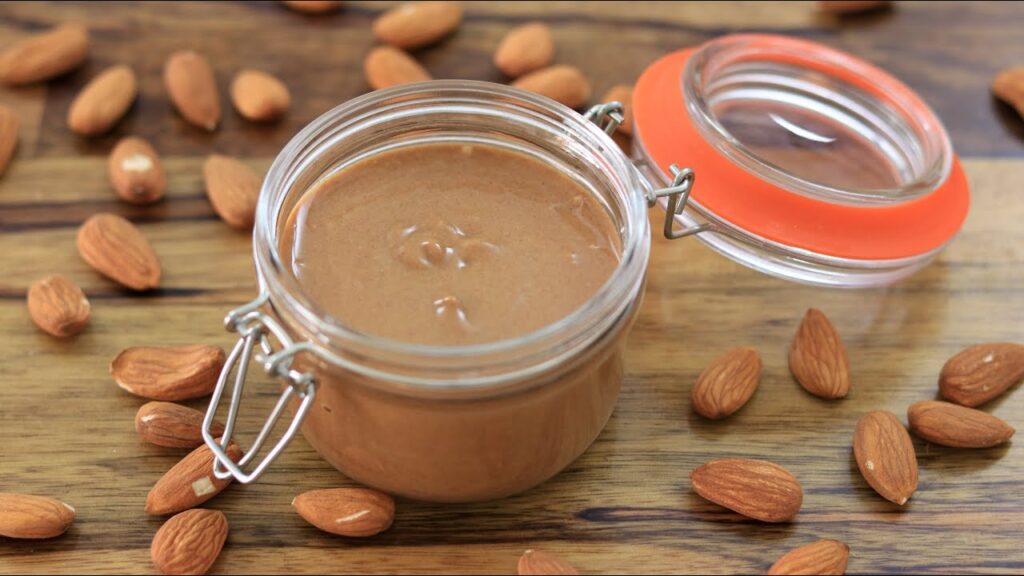
Almond Butter Market: Expanding Demand for Nut-Based Products

Almond Butter Market

The market for almond butter is anticipated to achieve a valuation of USD 669.0 million by the end of 2023. Expanding at a CAGR of 6.0% from 2023 to 2033, the market is estimated to reach a valuation of USD 1,245 million by 2033.

Almond butter has gained popularity as a spread, snack, and sauce thickening owing to the world’s population growth and the resulting constant need for clean-label and plant-based products. As a result, the adoption of a healthy lifestyle globally is propelling the growth of the market.

The market for almond butter has benefited greatly from innovation in the food and beverage sector, particularly in the plant-based food sector. These improvements in product look, as well as improvements in nutritional content and shelf life created several business opportunities.

The high price of almonds and the availability of high-fat substitutes are two main factors that are anticipated to impede the expansion of the global almond butter industry.

The fluctuation in almond prices around the world is also likely to hamper the market size. Another issue that the global market is confronted with that needs to be resolved in the future is the rise in consumer sensitivity or allergy to almonds.

A continuing focus for almond butter producers is the launch of new products. In addition to raw, roasted, flavored (like almond butter with chia seeds and strawberry), flavored almond butter, and organic almond butter, companies are now bringing these products to market. This trend of innovation is anticipated to open up a wide array of market opportunities, in turn fostering overall market growth.

Key Takeaways:

  • The United Kingdom almond butter industry is projected to move forward with a CAGR of 5.8% from 2023 to 2033.
  • The almond butter industry in India is likely to advance at a rate of 9.7% during the forecast period.
  • The United States of America almond butter industry recorded a value share of 20% in 2022 on a global level.
  • During the projected period, China’s almond butter industry is anticipated to expand at a rate of 8%.
  • By nature, organic almond butter was predicted to dominate the market, holding a 19.6% value share in 2022.
  • Spreads segment, by form held sway over the market for almond butter holding 32.8% in 2022.

What is the Competition Landscape in the Almond Butter Market?

The leading players in the global almond butter industry concentrate on effective methods to beat the competition and keep or increase their market share globally. The market for almond butter is highly competitive since it has a wide range of international, regional, and local companies.

Almond butter production has spiked as a result of a market trend toward plant-based substitutes brought on by rising consumer awareness, providing a legion of opportunities to the manufacturers.

Established food manufacturers, as well as small and medium-sized specialty brands, compete for market share by offering a wide range of almond butter products. They differentiate themselves through various factors such as taste, texture, ingredient quality, organic certifications, and innovative flavor combinations.

Packaging and marketing strategies play a crucial role in capturing consumer attention and loyalty. To gain a competitive edge, companies are investing in research and development to create unique formulations, including flavored almond butter, crunchy variants, and blends with other nuts or super-food ingredients.

Read the complete findings—download the full report. https://www.futuremarketinsights.com/reports/almond-butter-market

Almond Butter Market by Category

By Nature:

  • Organic
  • Conventional

By Form:

  • Spreads
  • Liquid
  • Blocks

By End Use:

  • Food and Beverage Industry
  • HoReCa
  • Household Retail

By Sales Channel:

  • B2B
  • B2C
    • Modern Trade
    • Convenience Stores
    • Traditional Grocery Stores
    • Specialty Stores
    • Online Retail
    • Other Retail Formats

By Region:

  • North America
  • Latin America
  • Europe
  • East Asia
  • South Asia
  • Oceania
  • The Middle East and Africa

About Future Market Insights (FMI)

Future Market Insights, Inc. (ESOMAR certified, recipient of the Stevie Award, and a member of the Greater New York Chamber of Commerce) offers profound insights into the driving factors that are boosting demand in the market. FMI stands as the leading global provider of market intelligence, advisory services, consulting, and events for the Packaging, Food and Beverage, Consumer Technology, Healthcare, Industrial, and Chemicals markets. With a vast team of over 5000 analysts worldwide, FMI provides global, regional, and local expertise on diverse domains and industry trends across more than 110 countries.

Contact Us:        

Future Market Insights Inc.
Christiana Corporate, 200 Continental Drive,
Suite 401, Newark, Delaware – 19713, USA
T: +1-845-579-5705
For Sales Enquiries: 
sales@futuremarketinsights.com
Website: https://www.futuremarketinsights.com
LinkedInTwitterBlogs | YouTube

Cheese Industry: Growth Forecast and Key Trends

Picture background

The cheese market is expected to expand from USD 95.0 billion in 2023 to USD 160.0 billion by 2033.

Demand for processed cheese, such as Cheddar, Parmesan, and Romano, has increased in recent years due to factors such as the product’s improved shelf life, the appealing flavor profile of processed cheese, and the versatility it provides at a lower price point than other types of cheese in the market.

Processed cheese is used in local cuisines, in addition to its normal use in fast food products due to its distinct flavor profile. Furthermore, the rise of private labels in developing nations, as well as the demand for western cuisine, have increased the demand for processed cheese.

With increased internet penetration, the global online market for purchasing food items, including cheese, has grown significantly in the previous three to four years. Moreover, this category has drawn a few vertical specialists, such as Amazon, Walmart, Carrefour, and others. They are contending for a significant portion of the online cheese industry, while riding the rising tide of e-commerce growth. Because of the increased global demand for processed cheese, the product is being produced in more places than ever before.

Key Takeaways:

  • The cheese market is expected to expand at a CAGR of 5.4% during the forecast period 2023 to 2033.
  • Rising demand for vegan cheese, as well as increased sales of cheese for home applications, are expected to drive the market throughout the forecast period.
  • North America dominated the cheese market.

Key Developments

  • In March 2021, Dalter Alimentari Spa debuted a new cheese cut, new cheese matchsticks, a market-exclusive cut designed to deliver great results. This product meets the requirements of the food manufacturing and food service industries. It is commonly used as an ingredient in ready meals, salads, soups, and sauces, as well as fillings and stuffing.
  • Glanbia completed the acquisition of Foodarom in August 2020. (Germany). Glanbia’s capabilities in tastes and nutritional solutions were strengthened as a result of the acquisition.
  • In June 2022, Land O Lakes Cheese released Land O Lakes Shredded Cheese, a cheese line that includes seven cheese products in the grocery store’s dairy case section, in Wisconsin, United States. The cheese supply chain begins with Wisconsin farmers, who provide milk that is sent to the Land O’Lakes Kiel, Wisconsin plant where the cheese is made.
  • In May 2021, Arla Foods, a Danish dairy cooperative, invested around US$ 8.2 million in the construction of a new cheese production facility in Japan. Arla announced plans to develop two extra ripening warehouses, new cheese machinery, and a new drainage room at Troldhede Dairy in West Jutland, its home market.
  • Heritage Foods entered the cheese product market in February 2021, introducing processed and mozzarella cheese. Heritage says that its processed cheese and mozzarella cheese are made from 100% cow milk. The company’s freshly announced cheese products were touted to possess a naturally occurring cheesy flavor suited for ingestion by people of all ages.
  • The Kraft Heinz Company announced in November 2021 that it had completed the sale of some assets in its global cheese business, as well as the licensing of certain trademarks. This was done for a Groupe Lactalis affiliate for a total of roughly $3.3 billion. This amounts to roughly US$ 3.2 billion in cash consideration.
  • Kraft Heinz is going to launch vegan cheese singles in three flavors in October 2022. This year, Kraft Heinz and food tech firm NotCo may release a dairy-free version of traditional Kraft singles American cheese slices. This is one of the first goods to be released as a part of their collaboration.

Exhaustive Market Report: A Complete Study

Cheese Market by Key Segment

By Nature:

  • Organic Cheese
  • Conventional Cheese

By Source:

  • Dairy-based Cheese
  • Plant-based Cheese

By Product Type:

  • Mozzarella
  • Cheddar
  • Pepper Jack
  • Parmesan
  • Gouda
  • Other

By Form:

  • Block
  • Cube
  • Shreds
  • Slice
  • Spread
  • Powder
  • Sticks

By End Use:

  • Food and Beverage Industry
  • HoReCa
  • Household Retail

By Sales Channel:

  • B2B
  • B2C
    • Modern Trade
    • Convenience Stores
    • Traditional Grocery Stores
    • Specialty Stores
    • Online Retail
    • Other Retail Formats

About Future Market Insights (FMI)

Future Market Insights, Inc. (ESOMAR certified, recipient of the Stevie Award, and a member of the Greater New York Chamber of Commerce) offers profound insights into the driving factors that are boosting demand in the market. FMI stands as the leading global provider of market intelligence, advisory services, consulting, and events for the Packaging, Food and Beverage, Consumer Technology, Healthcare, Industrial, and Chemicals markets. With a vast team of over 400 analysts worldwide, FMI provides global, regional, and local expertise on diverse domains and industry trends across more than 110 countries.

Contact FMI:
Future Market Insights Inc.
Christiana Corporate, 200 Continental Drive,
Suite 401, Newark, Delaware – 19713, USA
T: +1-845-579-5705
For Sales Enquiries: 
sales@futuremarketinsights.com
Website: https://www.futuremarketinsights.com
LinkedInTwitterBlogs | YouTube

Vegan Butter Market Outlook: Impact of Health and Sustainability on Consumer Preferences

Picture background

The global vegan butter industry is forecasted to expand at 5% CAGR over the estimated period as per FMI’s analysis. The industry’s size is predicted to reach a market value of US$ 2,870 million in 2023.

The vegan butter industry is propelling forward with the surging demand for oats-based vegan butter as witnessed via the B2C sales channel. High demand for oats-based vegan butter can be attributed to the popularity of the associated product like oat milk.

Surging orientation toward vegan and clean-label products is fueling the sales of vegan butter. Brands like Miyoko’s Creamery are working toward certifying and labeling their vegan butter products as ‘non-GMO’, ‘gluten-free’, and ‘soy-free’. Labeling is done to gain large traction, thus improving overall sales of plant-based butter.

Within the bakery industry, vegan butter is being perceptibly used at a large scale now. This evolution in the ingredient choice has been dictated by the surging health-wary consumers, who are seeking bakery items made of vegan butter.

Flavored vegan butter has also been gaining widespread traction, as evident with the increasing number of merchants introducing their line of flavored plant-based butter. Manufacturers require to focus on technological upgrades over the forecast period to:

  • Enhance manufacturing processes
  • Sales monitoring
  • Packaging and design
  • Product variety for business expansion

Geographically, North America is a large market for vegan butter, representing a significant proportion of global consumption. The United States leads the regional market and the global market.

Growth in Asia Pacific region can be accorded to consumer discernment regarding the health and wellness benefits of vegan goods and heightened demand for a vegan diet among the young generation. India, as per FMI’s latest statistics, is projected to expand at 6.5% from 2023 to 2033.

Top Highlights from the FMI’s Analysis of the Vegan Butter Market: 

  • The United States vegan butter industry garnered a 22.4% market share in 2022.
  • Germany’s share in the global vegan butter industry was 6% in 2022.
  • The United Kingdom is anticipated to expand from 2023 to 2033 with a CAGR of 5.5%.
  • Japan’s market contributed a value share of 2.9% in 2022.
  • India’s vegan butter industry is projected to register a prominent CAGR of 6.5% over the forecast period.
  • China’s vegan butter industry is forecasted to expand at 3.8% CAGR over the estimated period.
  • Based on source, the oat milk segment acquired a 26.9% market share in 2022.
  • Based on flavor, the unflavored segment represented 63.5% of the global market in 2022.
  • Under the category of sales channel, the B2C segment garnered 78.4% of the overall market in 2022.

Innovation Watch: New Developments in the Market

  • In September 2019, Country Crock® made moves along with the plant-based food movement by introducing Country Crock® Plant Butter, a new dairy-free plant butter, that is similar in taste to dairy butter. The product is made of plant-based oils and enriched with oils like almonds, avocados, and olives. The product is certified by Plant Based Foods Association (PBFA) as kosher, gluten-free, and plant-based, making it appropriate for vegan diets.
  • In July 2020, Flora, a margarine brand, announced that it is going 100% vegan. Following this announcement, the company introduced the Flora Plant range of 100% vegan butter. The block butter consists of palm, rapeseed, and sunflower oil. The wrapping material of this butter block is 100% biodegradable.

Key Players Operating in the Market

  • Wayfare Food
  • Chobani LLC
  • Miyoko’s Creamery
  • Milkadamia
  • Prosperity Organic Foods, Inc
  • Conagra Brands Inc.
  • Upfield Foods
  • Premier Organics
  • Forager Project
  • wildCREAMERY (Wildbrine®)
  • Others

Exhaustive Market Report: A Complete Study

Vegan Butter Market by Category

By Source:

  • Rice Milk
  • Oat Milk
  • Soy Milk
  • Corn Milk
  • Almond Milk
  • Pea Milk
  • Cashew Milk
  • Coconut Milk
  • Hemp Milk
  • Flax Milk
  • Others

By Flavor:

  • Unflavored
  • Flavored
    • Cocoa/ Chocolate
    • Cinnamon
    • Banana
    • Coconut
    • Grape
    • Hazelnut
    • Lemon
    • Peanut Butter
    • Raspberry
    • Strawberry
    • Vanilla
    • Other Flavors

By Sales Channel:

  • B2B
    • Hotels
    • Restaurants
    • Cafes
  • B2C
    • Hypermarkets /Supermarkets
    • Convenience Stores
    • Mom and Pop Stores
    • Discount Stores
    • Food & Drink Specialty Stores
    • Independent Small Groceries
    • Online Retail
    • Others Retail Formats

By Application:

  • Bakery Industry
  • Confectionery Items
  • Dairy Industry
  • Dietary Supplements
  • Household Pantry
  • Hotel, Restaurant, and Retail Chains
  • Others

By Region:

  • North America
  • Latin America
  • Europe
  • East Asia
  • South Asia
  • Oceania
  • The Middle East & Africa

About Future Market Insights (FMI)

Future Market Insights, Inc. (ESOMAR certified, recipient of the Stevie Award, and a member of the Greater New York Chamber of Commerce) offers profound insights into the driving factors that are boosting demand in the market. FMI stands as the leading global provider of market intelligence, advisory services, consulting, and events for the Packaging, Food and Beverage, Consumer Technology, Healthcare, Industrial, and Chemicals markets. With a vast team of over 400 analysts worldwide, FMI provides global, regional, and local expertise on diverse domains and industry trends across more than 110 countries.

Contact Us:     

Future Market Insights Inc.
Christiana Corporate, 200 Continental Drive,
Suite 401, Newark, Delaware – 19713, USA
T: +1-845-579-5705
For Sales Enquiries: 
sales@futuremarketinsights.com
Website: https://www.futuremarketinsights.com
LinkedInTwitterBlogs | YouTube

Vegan Caviar Industry: Growth Driven by the Rising Trend of Plant-Based Diets

Picture background

The global vegan caviar market size is anticipated to surpass a valuation of USD 245.00 million in 2023. It is likely to attain a valuation of USD 484.1 million by 2033. The market is expected to prosper at a CAGR of 7% from 2023 to 2033.

Vegan caviar’s flavor and quality have dramatically increased in recent years. Innovative techniques have been developed by manufacturers to mimic the flavor, texture, and appearance of traditional caviar using plant-based components. Vegan caviar is enticing and pleasing to consumers due to its improved quality and similarity to regular caviar, which increases demand. For those looking for nutrient-rich alternatives, vegan caviar offers health advantages.

Seaweed, tapioca, or vegetable oils, which can offer vital elements including vitamins, minerals, and omega-3 fatty acids, are frequently used to make plant-based caviar replacements. This appeals to people who are interested in incorporating wholesome substitutes into their diet.

People with allergies to fish or shellfish may experience allergic reactions while eating traditional caviar. Because vegan caviar is free of these allergens, it is a good alternative for anyone with dietary limitations or allergies. The accessibility of allergen-free substitutes expands the market and boosts demand for vegan caviar. The spawn of sturgeons, an endangered species that is frequently overfished and has detrimental ecological effects, is used in traditional caviar manufacturing.

Consumers are worried about the decline of sturgeon populations and the effects of conventional caviar harvesting on the environment. Vegan caviar, produced from plant-based materials, provides a sustainable and environment-friendly alternative by doing away with the harmful consequences that traditional caviar manufacturing has on the environment.

Vegan caviar is a specialty food item with a dedicated consumer base. Companies may concentrate on better serving this particular market by adopting strategic distribution. To encourage client loyalty and advocacy, they might establish a distinctive brand identity, develop specialized marketing plans, and establish a community around their product.

The growth of e-commerce proliferates market growth. Consumers now buy food goods in an alternative fashion due to the growth of e-commerce and online marketplaces. Instead of depending on conventional retail intermediaries, vegan caviar producers may use these channels to offer their products directly to customers. E-commerce enables businesses to reach a wide market and increase their consumer base by offering convenience, accessibility, and a worldwide presence.

Key Takeaways from the Vegan Caviar Market:

  • The global vegan caviar industry size progressed at a CAGR of 2.5% from 2018 to 2022.
  • In 2018, the global market size stood at US$ 214.0 million.
  • The market size valued at US$ 236.00 million in 2022.
  • In 2022, the preserved form segment secured 23% of the share in the global market.
  • In 2022, the direct distribution channel segment captured 57% of the share in the global market.
  • In 2022, the United States recorded a 26.0% share of the global market.
  • In 2022, India captured a 9.0% share of the global market.
  • In 2022, China witnessed a 10.0% share of the global market.

Read the complete findings—download the full report. https://www.futuremarketinsights.com/reports/vegan-caviar-market

Vegan Caviar Market Segmentation

By Form:

  • Preserved
  • Frozen
  • Dried
  • Fresh
  • Cooked
  • Others

By End-use:

  • Household
  • Restaurant
  • Others

By Distribution Channel:

  • Direct
  • Indirect
    • Hypermarkets/Supermarkets
    • Specialty Stores
    • Independent Retailers
    • Online Retailers

By Region:

  • North America
  • Latin America
  • Europe
  • East Asia
  • South Asia
  • Oceania
  • The Middle East & Africa (MEA)

About Future Market Insights (FMI)

Future Market Insights, Inc. (ESOMAR certified, recipient of the Stevie Award, and a member of the Greater New York Chamber of Commerce) offers profound insights into the driving factors that are boosting demand in the market. FMI stands as the leading global provider of market intelligence, advisory services, consulting, and events for the Packaging, Food and Beverage, Consumer Technology, Healthcare, Industrial, and Chemicals markets. With a vast team of over 400 analysts worldwide, FMI provides global, regional, and local expertise on diverse domains and industry trends across more than 110 countries.

Contact Us:

Future Market Insights Inc.
Christiana Corporate, 200 Continental Drive,
Suite 401, Newark, Delaware – 19713, USA
T: +1-347-918-3531
For Sales Enquiries: sales@futuremarketinsights.com
Website: https://www.futuremarketinsights.com
LinkedInTwitterBlogs YouTube

Surge in Demand for Natural Insect Repellents Driven by Health Trends and Innovation

The global market for natural insect repellents is on an upward trajectory, estimated at USD 2 billion in 2023 and projected to double to USD 4 billion by 2033. This growth, driven by rising health consciousness and increasing consumer demand for organic and eco-friendly solutions, represents a robust CAGR of 7.1% during the forecast period.

Natural insect repellents are making waves in a market traditionally dominated by synthetic chemical solutions. While these natural alternatives still hold a 20-25% share of the global insect repellent ingredient market, they are gaining ground as more consumers seek healthier, environmentally responsible products. The surge in sales can be attributed to several key factors, including the growing prevalence of mosquito-borne diseases and a shift toward organic, plant-based lifestyles.

Growing Awareness of Health and Safety

Consumers are becoming more health-conscious, driven by a rising awareness of the risks associated with insect-borne diseases such as malaria, dengue, and Zika virus. This heightened concern is particularly evident in developing countries, where governments and non-governmental organizations are stepping up efforts to combat the spread of these diseases. As a result, rural populations are increasingly turning to natural insect repellents as a safer, non-toxic alternative to conventional chemical options.

According to Future Market Insights (FMI), the adoption of natural insect repellents is expected to continue rising due to changing lifestyles and urban populations becoming more health-conscious. Furthermore, natural repellents made from essential oils and organic plant extracts, including citronella, lemongrass, and marigold, are becoming increasingly popular for home use and outdoor activities.

Innovations Driving Market Growth

Innovation within the sector is also fueling market expansion. Recent developments include the introduction of non-inflammable, organic insect repellents that utilize natural active ingredients, providing effective protection without harm to humans. Furthermore, key players in the market are focusing on product diversification, offering solutions specifically designed for babies, pets, and household use.

One of the significant advancements in the natural insect repellent market is the growing popularity of sprays, aerosols, and vaporizers. These products offer consumers a high level of convenience while maintaining efficacy. Spray and aerosol products alone are expected to account for 33% of the global market share in 2023, while liquid vaporizers—herbal-based and designed for long-lasting use—are projected to capture 27% of the market by 2033.

The Path Forward: Market Forecast and Key Trends

FMI predicts that the global market for natural insect repellents will maintain its positive growth trajectory, driven by several factors:

  • Health Consciousness: Rising awareness of the risks associated with insect-borne diseases is encouraging consumers to seek safer alternatives.
  • Innovation: Advances in natural repellent formulations and the development of new, user-friendly products will continue to drive demand.
  • Shift to Organic: As consumer preference shifts towards plant-based and organic solutions, natural repellents will become more mainstream.
  • Increasing Outdoor Activities: As outdoor recreation and travel continue to rise, so too will the need for effective, portable natural insect repellents.

Key Players in the Market

  • Coghlan’s Ltd.
  • Dabur International Ltd.
  • Godrej Consumer Products Limited
  • Himalaya Herbals
  • Johnson & Johnson Services, Inc. (J&J)
  • Jyothy Laboratories Ltd. (JLL)
  • Reckitt Benckiser Group plc.
  • S. C. Johnson & Son, Inc.
  • Spectrum Brands Holdings, Inc.
  • Sawyer Products, Inc.

Get Strategic Guidance from Our Analyst Contact us on: +1-347-918-3531

Market Segmentation

Product:

  • Sprays/Aerosols
  • Creams
  • Essential Oils
  • Liquid Vaporizers
  • Other Products

Ingredient:

  • Oil of Lemon Eucalyptus
  • Citronella Oil
  • Catnip Oil
  • Soybean Oil
  • Other Ingredients

Distribution Channel:

  • Online Sales of Natural Insect Repellents
  • Offline Sales of Natural Insect Repellents
    • Organized Retail
    • Unorganized Retail

Pest Targeted:

  • Mosquitoes
  • Flies
  • Ticks
  • Others

Region:

  • North America
  • Latin America
  • Western Europe
  • Eastern Europe
  • South Asia and Pacific
  • East Asia
  • Middle East & Africa

About Future Market Insights (FMI)

Future Market Insights, Inc. (ESOMAR certified, recipient of the Stevie Award, and a member of the Greater New York Chamber of Commerce) offers profound insights into the driving factors that are boosting demand in the market. FMI stands as the leading global provider of market intelligence, advisory services, consulting, and events for the Packaging, Food and Beverage, Consumer Technology, Healthcare, Industrial, and Chemicals markets. With a vast team of over 400 analysts worldwide, FMI provides global, regional, and local expertise on diverse domains and industry trends across more than 110 countries.

Contact Us:

Future Market Insights Inc.
Christiana Corporate, 200 Continental Drive,
Suite 401, Newark, Delaware – 19713, USA
T: +1-347-918-3531
For Sales Enquiries: sales@futuremarketinsights.com
Website: https://www.futuremarketinsights.com
LinkedInTwitterBlogs | YouTube

Global Cervical Cancer Screening Market to Surge to USD 5.7 Billion by 2033, Reports Future Market Insights

According to the latest analysis by Future Market Insights, the global cervical cancer screening market is poised for remarkable growth, with projections indicating a leap from USD 1.6 billion in 2023 to an impressive USD 5.7 billion by 2033. This anticipated growth reflects a robust compound annual growth rate (CAGR) of 13.7%, driven by the increasing incidence of cervical cancer and significant advancements in screening technologies.

Cervical cancer, now recognized as a major healthcare challenge globally, is seeing a concerning rise in both new and existing cases. A report published by the American Society of Clinical Oncology in 2020 highlighted a dramatic 20% increase in cervical cancer patients compared to pre-pandemic levels. This spike in cases outpaces the growth rates of other common cancers, underscoring the critical need for effective screening and early detection strategies.

The exponential growth trajectory of the cervical cancer screening market underscores the critical role of innovative technologies and proactive healthcare initiatives in combating this pervasive disease. Through timely intervention facilitated by effective screening methodologies, the impact of cervical cancer can be substantially mitigated, leading to improved patient outcomes and enhanced public health outcomes globally.

Key stakeholders in the healthcare ecosystem, including medical professionals, researchers, policymakers, and industry leaders, are urged to collaborate synergistically to leverage these transformative advancements in cervical cancer screening. By fostering a comprehensive approach encompassing early detection, diagnosis, and treatment, we can collectively strive towards a future where cervical cancer no longer poses a formidable threat to public health.

Key Takeaways:

  • Human papillomavirus (HPV) is the leading segment of tests among end users and held about 75.0% market share in 2022, for risk stratification, HPV testing offers useful information. HPV comes in a variety of forms, including high- and low-risk varieties. While low-risk HPV variants typically result in benign genital warts, high-risk HPV strains are linked to an elevated risk of cervical cancer.
  • By cancer, squamous cell carcinomas are the predominant type and are significantly linked to high-risk HPV infections, particularly those caused by HPV types 16 and 18.
  • 31 to 65 years held the maximum market share of 61.7%, the age range of 31 to 65 years includes a time when people’s rate of cumulative exposure to HPV has become high.
  • Hospital segment by end user accounted for a revenue share of 39.7% in the global market at the end of 2022. Hospitals often have advanced diagnostic facilities and equipment, including imaging technologies, pathology laboratories, and access to specialized tests. These resources can support a comprehensive diagnostic workup and aid in reaching an accurate diagnosis.
  • By region, North America is leading in the global Cervical Cancer Screening market and is expected to continue to do so with a projected CAGR rate of 12.6% during the forecasted years.

“Increasing adoption of screening for the identification of cervical cancer, advancements in detection and management for improved outcomes are the key drivers of the Cervical Cancer Screening market,” says an analyst at Future Market Insights (FMI).

Growing Need for Market Insights: Access Our Full Report for Thorough Analysis and Trends!

Market Competition:

In their pursuit of market expansion, key players in the Cervical Cancer Screening industry are employing growth strategies such as acquisitions, mergers, collaborations, and partnerships. These companies prioritize enhancing sales efforts and leveraging new technologies to develop innovative products.

  • According to the new In-Vitro Diagnostic Medical Devices Regulation (IVDR) in Germany, which replaces the old IVDD requirements, QIAGEN announced in October 2022 that their top in-vitro diagnostic (IVD) kit and its fully automated NeuMoDx platforms have been certified.
  • Everlywell a company that operates in Austin considerably broadened its horizons in March 2021 with the aid of double acquisitions and a restructuring that involved the creation of a parent company, all directed by Everlywell CEO and co-founder Julia Cheek.

Key Players:

  • Abbott Laboratories
  • Becton, Dickinson, and Company
  • F. Hoffmann-La Roche
  • Hologic, Inc.
  • QIAGEN
  • Bio-Rad Laboratories, Inc.
  • Thermo Fisher Scientific Inc.
  • Promega Corporation
  • Sysmex Inostics Inc.
  • Danaher (Cepheid)
  • FUJIREBIO
  • Everlywell, Inc.
  • Sansure Biotech Inc.

What Does the Report Cover?

Future Market Insights offers a unique perspective and actionable insights on the Cervical Cancer Screening market in its latest study, presenting a historical demand assessment of 2012 to 2022 and projections for 2023 to 2033. The global Cervical Cancer Screening market is segmented in detail to cover every aspect of the market and present a complete market intelligence approach to the reader.

Key Segments Covered:

By Test:

  • Cervical Cytology (Pap smear)
  • Human Papillomavirus (HPV)
  • Visual inspection with acetic acid (VIA)

By Cancer:

  • Squamous Cell Carcinomas
  • Adenocarcinomas

By Age Group:

  • 21 to 30 Years
  • 31 to 65 Years

By End User:

  • Hospitals
  • Cancer Research Institutes
  • Specialty Clinics
  • Diagnostic Laboratories

About Future Market Insights (FMI)

Future Market Insights, Inc. (ESOMAR certified, recipient of the Stevie Award, and a member of the Greater New York Chamber of Commerce) offers profound insights into the driving factors that are boosting demand in the market. FMI stands as the leading global provider of market intelligence, advisory services, consulting, and events for the Packaging, Food and Beverage, Consumer Technology, Healthcare, Industrial, and Chemicals markets. With a vast team of over 400 analysts worldwide, FMI provides global, regional, and local expertise on diverse domains and industry trends across more than 110 countries.

Contact Us:        

Future Market Insights Inc.
Christiana Corporate, 200 Continental Drive,
Suite 401, Newark, Delaware – 19713, USA
T: +1-347-918-3531
For Sales Enquiries: 
sales@futuremarketinsights.com
Website: https://www.futuremarketinsights.com
LinkedInTwitterBlogs | YouTube