Non-Dairy Yogurt Market to Surge to USD 13.75 Billion by 2034, Reports Future Market Insights

Picture background

The non-dairy yogurt market is set to secure a valuation of US$ 8,009.37 million in 2024. The demand for non-dairy yogurt is anticipated to rise at a CAGR of 5.60% through 2034. The non-dairy yogurt industry is expected to reach US$ 13,752.78 million by 2034. The non-dairy yogurt industry is being propelled by the increasing adoption of plant-based diets and the growing awareness of lactose intolerance and dairy allergies among consumers.

As consumers increasingly prioritize health and sustainability, the demand for non-dairy yogurt made from soy, almond, coconut, and oat is surging. The rising popularity of vegan and flexitarian lifestyles has further expanded the consumer base for these plant-based alternatives, fueling market growth.

However, challenges persist. Many consumers perceive non-dairy yogurt as inferior in taste and texture compared to traditional dairy-based options. Manufacturers face the task of creating products with creamy, tangy attributes while maintaining clean labels and addressing allergen concerns. Additionally, the higher costs of sourcing and processing plant-based ingredients can affect product affordability and accessibility.

Opportunities in Distribution and Marketing
The expansion of distribution channels, including online platforms and specialty health stores, enables brands to reach health-conscious consumers more effectively. Collaborations with celebrity chefs, nutritionists, and influencers present opportunities to enhance brand visibility and consumer engagement in this growing segment.

Innovation Driving Consumer Appeal
The non-dairy yogurt industry is embracing innovation to cater to diverse tastes. Brands are experimenting with novel flavors, such as exotic fruit blends, savory-sweet combinations, and indulgent dessert-inspired varieties, to stand out and attract adventurous consumers.

Meeting Evolving Consumer Demands
There is a rising preference for non-dairy yogurt with added functional benefits like gut health support, weight management, and immune enhancement. Additionally, packaging innovations, including single-serve pouches, eco-friendly containers, and on-the-go formats, are appealing to consumers seeking convenience and sustainability in their purchases.

In summary, the non-dairy yogurt market continues to grow, driven by evolving consumer preferences and innovations, despite challenges in formulation and cost management.

“The non-dairy yogurt industry presents ample opportunities for innovation and product diversification. Manufacturers can capitalize on the growing consumer demand for functional and fortified yogurt varieties by incorporating probiotics, vitamins, and minerals into their formulations.” Says an FMI analyst.

Key Takeaways from the Market Study

  • The United States market is expected to expand at a CAGR of 4.8% through 2034.
  • The non-dairy yogurt industry in India is projected to rise at a CAGR of 6.8% through 2034.
  • China’s non-dairy yogurt industry is likely to witness expansion at a CAGR of 6.5% through 2034.
  • Japan’s non-dairy yogurt market is projected to expand at a CAGR of 5.8% through 2034.
  • Germany’s non-dairy yogurt market is expected to rise at a 5.0% CAGR through 2034.

Competitive Landscape

The non-dairy yogurt industry is experiencing heightened competition as an increasing number of companies vie for market share. Companies are focusing on product differentiation and innovation to gain a competitive edge. Strategies such as offering a wide range of flavors, textures, and formulations and incorporating unique ingredients and functional benefits are being employed to attract and retain consumers. Furthermore, partnerships with retailers, foodservice outlets, and online platforms are being forged to enhance distribution channels and increase market penetration.

While competition in the non-dairy yogurt industry remains fierce, companies are also grappling with challenges such as pricing pressures, quality control, and regulatory compliance. Maintaining product consistency and ensuring customer satisfaction are paramount to staying competitive in this dynamic market. As consumer demand for healthier and sustainable food options continues to rise, companies must remain agile and responsive to evolving market trends to secure their position in the highly competitive non-dairy yogurt industry.

Download the full report for in-depth insights. https://www.futuremarketinsights.com/reports/non-dairy-yogurt-market

Recent Developments:

  • Hain Celestial Group Inc. has launched its Hain Reimagined strategy, which aims to reinvent the firm and drive profitable growth by 2023. The company intends to focus on its core brands, such as Dream, which sells non-dairy yogurt made with almond, oat, coconut, and rice milk.
  • Danone SA introduced Silk Kids Almondmilk Yogurt Alternative, and So Delicious Dairy Free 0g Added Sugar Yogurt Alternative in 2023.
  • Nestlé SA is also moving into the non-dairy yogurt market with products like Good Karma Flaxmilk Yogurt, Häagen-Dazs Non-Dairy Frozen Yogurt, and Natural Bliss Plant-Based Half & Half. In 2023, the business also purchased Sweet Earth Foods, a plant-based food manufacturer that produces vegan yogurts.

Key Coverage in the Non-Dairy Yogurt Industry Report

  • North America Non-Dairy Yogurt Market Outlook
  • Dairy-Free Yogurt Market Size
  • Demand Analysis of Vegan Yogurt
  • Europe Dairy-Free Yogurt Market Analysis
  • Dairy Alternatives Industry Trends

Key Segments

By Product:

  • Soy Yogurt
  • Almond Yogurt
  • Coconut Yogurt
  • Oats Yogurt
  • Rice Yogurt
  • Pea Yogurt
  • Others

By Nature:

  • Organic
  • Conventional

By Form:

  • Drinkable Yogurt
  • Spoonable Yogurt

By Flavor:

  • Plain/Unflavored
  • Flavored

By Sales Channel:

  • B2B (HoReCa & Other Food Services)
  • B2C
    • Modern Grocery Retailers
    • Hypermarket/ Supermarket
    • Convenience Store
    • Specialty Store
    • Online Retailers
    • Wholesalers
    • Other Retail Forms

By Region:

  • North America
  • Latin America
  • Europe
  • East Asia
  • South Asia
  • Oceania
  • Middle East and Africa

About Future Market Insights (FMI)

Future Market Insights, Inc. (ESOMAR certified, recipient of the Stevie Award, and a member of the Greater New York Chamber of Commerce) offers profound insights into the driving factors that are boosting demand in the market. FMI stands as the leading global provider of market intelligence, advisory services, consulting, and events for the Packaging, Food and Beverage, Consumer Technology, Healthcare, Industrial, and Chemicals markets. With a vast team of over 400 analysts worldwide, FMI provides global, regional, and local expertise on diverse domains and industry trends across more than 110 countries.

Contact Us:

Future Market Insights Inc.
Christiana Corporate, 200 Continental Drive,
Suite 401, Newark, Delaware – 19713, USA
T: +1-347-918-3531
For Sales Enquiries: sales@futuremarketinsights.com
Website: https://www.futuremarketinsights.com
LinkedIn| Twitter| Blogs | YouTube

Infant Nutritional Premix Market to Reach USD 370 Million by 2032, Growing at a Steady 4% CAGR

Infant Nutritional Premix Market

The infant nutritional premix market refers to the industry involved in the production and distribution of powdered blends of essential nutrients specifically formulated for infants and young children. These premixes are designed to be added to infant formula, baby food, and other nutritional products to ensure that infants receive the necessary vitamins, minerals, and other essential nutrients for their growth and development.

Future Market Insights (FMI) projects that the global infant nutritional premix market will grow from USD 235 million in 2022 to USD 370 million by 2032, registering a steady CAGR of 4% during the forecast period.

The demand for infant nutritional premixes is expected to rise significantly due to changing lifestyles, particularly the increasing migration of working women to urban areas, which has driven the need for convenient, nutrient-rich baby food options. Growing consumer awareness of the health benefits of infant food has also positioned it as a trusted alternative to traditional nursing.

To promote healthy postnatal development and reduce infant morbidity and mortality, newborns require a balanced intake of essential vitamins and minerals. High-nutrient food premixes are increasingly being formulated to meet these critical nutritional needs. The term “infant nutrition” encompasses a variety of specialized products designed to support the growth and health of babies and infants.

The market is witnessing a growing preference for organic, probiotic-enriched, and amino acid-fortified nutritional premixes, reflecting rising awareness of their health benefits. Additionally, the demand for purified protein-based premixes is increasing, bolstered by significant investments from key market players focused on quality enhancement and innovation in infant nutritional solutions. These factors are expected to drive sustained market growth throughout the forecast period.

Key Takeaways from the Market Study

  • Because of the existence of key market players and a high consumption rate, the United States will control over 36% of the global market throughout the projection period.
  • Vitamin-based infant nutrition premix contributed for roughly a third of the entire market share in 2021, and it is predicted to expand at a rate of more than 5% over the following ten years.
  • The growing desire for homemade, fresh, organic baby food, are driving the market for infant nutritional premixes in China.
  • Market players are experimenting with new ways to handle, package, and technical development.

“ Leading organizations around the world are focusing on customizing  vitamin and mineral premixes, which is propelling the market of Infant Nutritional Premix even further”.-says a lead analyst at Future Market Insights.

Download the full report for in-depth insights. https://www.futuremarketinsights.com/reports/infant-nutritional-premix-market

Competitive Landscape

Infant Nutritional Premix have a strongly competitive global market. Leading companies are experimenting with new marketing approaches, opening new retail locations, technological advancements, and mergers and acquisitions.

Some of the leading companies offering Infant Nutritional Premix are Koninklijke DSM N.V, Hexagon Nutrition Pvt. Ltd., Vaneeghan International B.V, SternVitamin GmbH & Co. AG, BASF SE , Lycored Limited, Watson Inc., Fenchem Biotek Limited, Farbest Brands, Glanbia Plc.,  Jubilant Life Sciences, Prinova Group LLC, Barentz International B.V, Vitablend Nederland B.V, ADM.

Get More Valuable Insights

Future Market Insights, in its new offering, provides an unbiased analysis of the Infant Nutritional Premix presenting historical demand data (2017-2021) and forecast statistics for the period from 2022-2032.

By Form :

  • Powder
  • Liquid

By Ingredient :

  • Vitamins
  • Minerals
  • Nucleotides
  • Amino Acids
  • Others

By Function :

  • Bone Health
  • Immunity
  • Digestion
  • Vision Health
  • Brain Health & Memory
  • Others

By Distribution Channel :

  • Pharmacy Stores
  • Specialty Outlets
  • Supermarkets
  • Online channel
  • Others

By Region :

  • North America
  • Latin America
  • Europe
  • East Asia
  • South Asia
  • Oceania
  • Middle East & Africa

About Future Market Insights (FMI)

Future Market Insights, Inc. (ESOMAR certified, recipient of the Stevie Award, and a member of the Greater New York Chamber of Commerce) offers profound insights into the driving factors that are boosting demand in the market. FMI stands as the leading global provider of market intelligence, advisory services, consulting, and events for the Packaging, Food and Beverage, Consumer Technology, Healthcare, Industrial, and Chemicals markets. With a vast team of over 400 analysts worldwide, FMI provides global, regional, and local expertise on diverse domains and industry trends across more than 110 countries.

Contact Us:

Future Market Insights Inc.
Christiana Corporate, 200 Continental Drive,
Suite 401, Newark, Delaware – 19713, USA
T: +1-347-918-3531
For Sales Enquiries: sales@futuremarketinsights.com
Website: https://www.futuremarketinsights.com
LinkedIn| Twitter| Blogs | YouTube

Nutraceutical Excipient Market to Grow at 6.4% CAGR, Led by Natural and Sustainable Ingredients Through 2034

Nutraceutical Excipient Market

According to Future Market Insights (FMI), the global nutraceutical excipient market is estimated to reach USD 2,663.4 million in 2024. The market is expected to register a CAGR of 6.4% from 2024 to 2034, reaching a valuation of USD 4,958.7 million by 2034.

The increasing focus on health and wellness among consumers has driven a rising demand for nutraceutical excipients, spurring the need for products with advanced functional properties. Additionally, the growing prevalence of lifestyle-related diseases is anticipated to significantly boost sales of nutraceutical excipients during the forecast period.

Key factors shaping the nutraceutical excipient market include the rising acceptance of preventive healthcare, an aging population, and the enhanced accessibility of healthcare products through e-commerce channels. Innovations in processing technologies, such as nanotechnology, the growing demand for personalized medications, and the increased adoption of multifunctional excipients, are further unlocking growth opportunities in the market.

Despite these growth drivers, the market faces challenges such as high production costs and stringent regulatory requirements, which may limit entry for new players and constrain overall market expansion.

Download the full report for in-depth insights. https://www.futuremarketinsights.com/reports/nutraceutical-excipients-market

Key Takeaways from the Report:

  • The global nutraceutical excipient market is expected to reach a valuation of USD 4,958.7 million by 2034.
  • The market is set to surge at a CAGR of 6.4% over the forecast period
  • The United States is set to surge at a CAGR of 7.2%, showing significant growth over the forecast period.
  • India is expected to reach USD 388.4 million by 2034.
  • China is projected to surge at 7.8% CAGR by 2034.

“Nutraceutical manufacturers and leading companies are seeking customized excipient solutions, including co-processing technologies and multifunctional excipient systems, to meet precise and specific formulation requirements, according to excipient consumers and suppliers.” – says a lead analyst at Future Market Insights (FMI)

Competitive Landscape

Ingredion Incorporated, Cargill Incorporated, Dow Du Pont Inc., Kerry Group PLC, and Roquette Frères SA are the few leading players in the market. Acquisitions and mergers enhance product safety quality and market coverage by combining resources, product knowledge, and processing technology, providing access to new distribution channels.

Correspondingly, introducing new products with enhanced and improved efficiency with wide application is set to help companies stay competitive and meet the changing consumer demands. For instance,

  • In September 2022, Roquette acquired Crest Cellulose, an India-based excipient manufacturer.
  • In 2023, Roquette announced the addition of three new excipient grades to its unmatched portfolio of solutions for moisture-sensitive active pharmaceutical products and ingredients.

Get More Valuable Insights

Future Market Insight’s (FMI) has released an objective assessment of the global nutraceutical excipient market, presenting past demand data from 2019 to 2023 and projecting forecast statistics for the 2024 to 2034 period.

The study incorporates compelling insights on the nutraceutical excipient market based on product type (wintergreen, cinnamon, chocolate mint, peppermint, spearmint), end-use (hypermarket/supermarket, convenience stores, pharmacies, specialty stores, grocery stores, wholesale stores, online retail), form (capsule, pills, spray), and region (North America, Latin America, Europe, East Asia, South Asia, and the Middle East & Africa)

Global Nutraceutical Excipient Market Segmentation by Category

By Product Type:

  • Wintergreen
  • Cinnamon
  • Chocolate Mint
  • Peppermint
  • Spearmint

By End-use:

  • Hypermarket/Supermarket
  • Convenience Stores
  • Pharmacies
  • Specialty Stores
  • Grocery Stores
  • Wholesale Stores
  • Online Retail

By Form:

  • Capsule
  • Pills
  • Spray

By Region:

  • North America
  • Latin America
  • Europe
  • East Asia
  • South Asia
  • Oceania
  • Middle East and Africa

About Future Market Insights (FMI)

Future Market Insights, Inc. (ESOMAR certified, recipient of the Stevie Award, and a member of the Greater New York Chamber of Commerce) offers profound insights into the driving factors that are boosting demand in the market. FMI stands as the leading global provider of market intelligence, advisory services, consulting, and events for the Packaging, Food and Beverage, Consumer Technology, Healthcare, Industrial, and Chemicals markets. With a vast team of over 400 analysts worldwide, FMI provides global, regional, and local expertise on diverse domains and industry trends across more than 110 countries.

Contact Us:

Future Market Insights Inc.
Christiana Corporate, 200 Continental Drive,
Suite 401, Newark, Delaware – 19713, USA
T: +1-347-918-3531
For Sales Enquiries: sales@futuremarketinsights.com
Website: https://www.futuremarketinsights.com
LinkedIn| Twitter| Blogs | YouTube

Feed Enzymes Market Insights: Strategic Growth Opportunities from 2023 to 2033

Picture background

The global feed enzymes market size is estimated to grow to USD 1.2 billion in 2023 and is projected to reach USD 1.8 billion by 2033. The market is expected to record a CAGR of 4.4% during the forecast period.

The Feed Enzymes Market is a rapidly growing sector within the global animal feed industry, driven by increasing demand for efficient and sustainable livestock production. Feed enzymes are additives that enhance nutrient absorption, improve digestion, and reduce environmental impact by minimizing waste. They are widely used in poultry, swine, ruminants, aquaculture, and other livestock feeds to optimize feed utilization and performance.

In the Face of Antibiotics Ban, Feed Enzymes Emerge as Lucrative Alternative

Several developed markets have banned the use of antibiotics for livestock. As a result, feed enzymes have emerged as an alternative. Since they pose few side effects when properly used, they aid in digestion and immune boosting. Hence, a significant segment has started preferring immune-boosting feed enzymes over conventional antibiotics.

Possible Side-Effects of Feed Enzymes, Major Hurdle to Market Growth

The vast array of benefits that can be reaped through feed enzymes is limited by physiological factors impeding enzyme action. Moreover, feeding enzymes to livestock over the prescribed limits could have undesirable consequences. The level of the enzyme to be administered to an animal depends on various factors such as age, size, breed, and such. The same can only be determined by an experienced professional such as a veterinarian. Certain enzymes when consumed improperly can cause blood thinness, diarrhea, and vomiting in animals

Download the full report for in-depth insights. https://www.futuremarketinsights.com/reports/feed-enzymes-market

Key Players Keen to Cater to Niche Markets

Since feed enzymes are increasingly being preferred over antibiotics, key players are aiming to boost production efficiency.  Different livestock animals have different feed enzyme requirements depending on their characteristics. Hence, key players need to develop unique product variants to cater to the livestock market. The current forecast period is already witnessing the launch of diverse product lines, by top manufacturers such as DSM and ADM.

Key Takeaways from the Report:

  • In terms of revenue, the Feed enzymes market grew at a CAGR of around 4.8% during 2017 and 2022.
  • During the forecast period, the Chinese market is projected to grow at a CAGR of 4.3% to attain a valuation of US$ 178.4 million by 2033.
  • The Indian industry is projected to expand at a CAGR of 4.3% between 2023 and 2033 to attain a valuation of US$ 80.4 million.
  • The U.S. market is anticipated to grow at a CAGR of 4.5% during the forecast period.
  • The Carbohydrase segment is expected to grow at a CAGR of 3.8% between 2023 to 2033.

Key Market Developments:

  • Danisco Animal Nutrition recently launched the Extra PHY GOLD, a new variant of phytase enzyme.
  • The second generation of ProAct 360, which is a protease enzyme, was released by the DSM in collaboration with Novozymes Feed Enzymes Alliance.
  • ADM is all geared up to launch new R&D labs in the United States. These focus on developing sustainable variants of feed enzymes.
  • CapriEnzymes is an Indian startup that harnesses biotechnology to produce innovative enzyme variants.
  • BRI is a startup primarily focusing on the research and development of sustainable feed enzyme additives.

Key Players:

  • BASF SE
  • DuPont
  • Associated British Foods Plc
  • BEHN MEYER
  • DSM
  • Azelis S.A.
  • Rossari
  • BIO-CAT
  • BEC Feed Solutions
  • Adisseo
  • Bioproton Pty Ltd.
  • Novus International
  • BioResource International, Inc.,
  • Alltech
  • Lesaffre
  • Karyotica Biologicals Pvt Ltd.
  • Aum Enzymes
  • Biovet
  • Chr. Hansen Holding A/S
  • CapriEnzymes
  • Advanced Enzyme Technologies

Feed Enzymes Market Segmentation

By Form:

  • Dry
  • Liquid

By Product:

  • Phytase
  • Carbohydrase
  • Protease

By Source:

  • Microorganisms
  • Plants
  • Animals

By Animal:

  • Poultry
  • Ruminants
  • Swine
  • Aquatic Animals
  • Others (Equine & Pets)

About Future Market Insights (FMI)

Future Market Insights, Inc. (ESOMAR certified, recipient of the Stevie Award, and a member of the Greater New York Chamber of Commerce) offers profound insights into the driving factors that are boosting demand in the market. FMI stands as the leading global provider of market intelligence, advisory services, consulting, and events for the Packaging, Food and Beverage, Consumer Technology, Healthcare, Industrial, and Chemicals markets. With a vast team of over 400 analysts worldwide, FMI provides global, regional, and local expertise on diverse domains and industry trends across more than 110 countries.

Contact Us:

Future Market Insights Inc.
Christiana Corporate, 200 Continental Drive,
Suite 401, Newark, Delaware – 19713, USA
T: +1-347-918-3531
For Sales Enquiries: sales@futuremarketinsights.com
Website: https://www.futuremarketinsights.com
LinkedIn| Twitter| Blogs | YouTube

Modified Soya Flour Market to Grow at 3.2% CAGR, Projected to Reach USD 85.9 Billion by 2032

Picture background

The modified soy flour market is anticipated to reach USD 85,859 million by 2032, expanding at a CAGR of 3.2% from 2022 to 2032. In addition to being utilised in many industrial goods that contain more than 50% protein, soy flour is employed in a wide range of food products.

The increasing utilization of soy-derived flour in processed meals is driving market growth, attributed to its nutritional benefits, including being trans-fat-free, gluten-free, and suitable for whole-grain food products. During the forecast period (2022–2032), rising economies like Russia and Germany are expected to witness significant growth in modified soya flour sales due to heightened consumption.

Additionally, the demand for packaged foods with extended shelf life is rising as consumers with busy lifestyles increasingly prefer convenient options. This trend boosts the bakery and confectionery sector, driven by growing consumer interest in baked products. Manufacturers are responding by diversifying their offerings, further propelling the growth of the Modified Soya Flour Market.

Key Takeaways from Market Study

  • For the period 2022-2032, the Methylcellulose category is expected to grow at the fastest rate of 5percent.
  • expanding use of modified soya flour in a number of food applications, the global modified soya flour market is expected to rise at a high rate in Asia Pacific excluding Japan-APEJ.
  • During the forecast period of 2022-2032, the organic category is predicted to develop at the fastest rate in terms of value, with a CAGR of 6.5 percent.
  • Due to increased consumer demand for baked goods, the Bakery and Confectionery industry is predicted to grow at the fastest rate of 5.2 percent.
  • Market players are experimenting with new ways on increasing production capacity and also doing research and innovation to create products.

“ The Modified Soya Flour Market is being propelled ahead by rising innovations in the food and beverage sector, as well as rising veganism appeal among the general public.”, –says a lead analyst at Future Market Insights.

Download the full report for in-depth insights. https://www.futuremarketinsights.com/reports/modified-soya-flour-market

Competitive Landscape

Modified Soya Flour have a strongly competitive global market. The Modified Soya Flour Market is going forward as producers focus on developing a variety of baked items that will enhance customer demand.

Some of the leading companies offering Modified Soya Flour are Cargill Incorporated, The Scoular Company, Associated British Foods Plc., The Hain Celestial Group, Inc., General Mills Inc., Parrish and Heimbecker Ltd., ITC Limited, SunOpta Limited, The Caremoli Group, Ingredion Inc., Unicorn Grain Specialties, ConAgra Foods, Inc., Bunge Limited, Archer Daniels Midland Company, and Buhler.

Get More Valuable Insights

Future Market Insights, in its new offering, provides an unbiased analysis of the Modified Soya Flour presenting historical demand data (2017-2021) and forecast statistics for the period from 2022-2032.

Ingredients:

  • Activated Carbon
  • Microcrystalline Cellulose (MCC)
  • Methylcellulose
  • Carboxymethyl cellulose (CMC)
  • Ethylcellulose
  • Phosphorus Chemicals
  • Succinic Acid

Application:

  • Bakery & Confectionery
  • Extruded Snacks
  • Soups
  • Packaged Food
  • Other Application

Sales Channel:

  • Direct Sales
  • Modern Trade
  • Departmental Stores
  • Convenience Stores
  • Online Stores
  • Other Sales Channel

Region:

  • North America
  • Latin America
  • Europe
  • Japan
  • Asia Pacific Except Japan-APEJ
  • Middle East and Africa-MEA

The report covers exhaustive analysis on:

  • How much is the Modified Soya Flour Market current worth?
  • At what CAGR is the market expected to grow?
  • How was the performance in the last five years?
  • What are the key trends boosting Modified Soya Flour Market sales?
  • How are market players reacting to the new developments in the market?
  • How much share does the top 5 companies hold?
  • Which are the major countries driving demand for Modified Soya Flour Market?
  • Who are the major players in Modified Soya Flour Market?
  • At what rate will the U.S. Modified Soya Flour Market grow?

About Future Market Insights (FMI)

Future Market Insights, Inc. (ESOMAR certified, recipient of the Stevie Award, and a member of the Greater New York Chamber of Commerce) offers profound insights into the driving factors that are boosting demand in the market. FMI stands as the leading global provider of market intelligence, advisory services, consulting, and events for the Packaging, Food and Beverage, Consumer Technology, Healthcare, Industrial, and Chemicals markets. With a vast team of over 400 analysts worldwide, FMI provides global, regional, and local expertise on diverse domains and industry trends across more than 110 countries.

Contact Us:

Future Market Insights Inc.
Christiana Corporate, 200 Continental Drive,
Suite 401, Newark, Delaware – 19713, USA
T: +1-347-918-3531
For Sales Enquiries: sales@futuremarketinsights.com
Website: https://www.futuremarketinsights.com
LinkedIn| Twitter| Blogs | YouTube
Hydrolyzed Animal Protein Market Industry Growth and Forecast through 2033

Hydrolyzed Animal Protein Market

The global hydrolyzed animal protein market size is poised for significant growth, projected to reach a valuation of US$ 838.43 million by 2033, from an estimated US$ 463.78 million in 2023. This promising expansion reflects a compound annual growth rate (CAGR) of 6.1% over the forecast period.

Growth Factors Fueling the Market

Hydrolyzed animal protein, produced through the hydrolysis of animal-origin foods, has gained popularity due to its numerous health benefits. As consumer awareness of these benefits increases, so does the demand for hydrolyzed animal protein in diets, particularly within the functional foods and beverages sector.

Several key factors are driving this market growth:

  1. Rising Consumer Awareness and Demand for Functional Foods: Consumers are increasingly seeking nutrient-rich and functional foods, spurred by evolving lifestyles and higher disposable incomes. This trend is particularly pronounced in protein-centric diets, which have significantly boosted the demand for hydrolyzed animal protein in the food and beverage industry.
  2. Expansion in Animal Nutrition and Feed Additives: The animal nutrition and feed additive industries are major contributors to market growth. The increasing number of livestock producers drives the demand for hydrolyzed animal protein, particularly as protein hydrolyzates become more prevalent in sports nutrition and dietary supplements.
  3. Opportunities from the Veganism Trend: Although primarily an animal-derived product, the growing trend towards veganism is expected to create new development opportunities. This trend, combined with the rising demand for plant- and animal-based protein hydrolyzates, supports the market’s expansion.
  4. Innovations in Protein Isolates and Concentrates: The development of various protein isolates and concentrates has led to a broader application of hydrolyzed animal protein in products such as dairy goods, dietary supplements, bakery items, confectionery, and infant formula.

However, the market faces challenges, including high R&D and production costs, and stringent government regulations on the disposal of fish waste. Despite these obstacles, the superior protein content of animal-based sources compared to plant-based counterparts continues to drive market growth.

Historical Market Performance and Future Outlook

Between 2018 and 2022, the hydrolyzed animal protein market grew at a CAGR of 5.1%, rising from US$ 209.92 million to US$ 282.92 million. Looking ahead, the market is expected to maintain its robust growth trajectory, fueled by increasing demand in the pharmaceutical industry, sports nutrition, and dietary supplements.

Regional Insights

  • North America: The region dominates the global market, thanks to a well-established food industry and advanced processing technologies. The growing popularity of protein-centric diets and functional foods is expected to further drive demand.
  • Asia Pacific: High market growth is anticipated, driven by an aging population, increased demand for nutritional supplements among pregnant women, and a rising acceptance of protein components due to fitness centers’ promotional efforts.
  • Europe: The demand for baby formula and weight management products, combined with rising consumer health consciousness, supports market growth. However, high processing costs and competition from plant-based proteins may pose challenges.

Competitive Landscape

Key players in the global hydrolyzed animal protein market include Lactalis Ingredients, Arla Foods Ingredients Group P/S, Fonterra Co-operative Group, Kerry, Inc., Novozymes A/S, Kemin Industries, Inc., BRF S.A., Cargill, Inc., Essentia Protein Solutions, and GELITA.

Recent developments include:

  • Optimum Nutrition launched a new Gold Standard Protein Shake in August 2022.
  • Kerry opened a state-of-the-art facility in Jeddah, Saudi Arabia, in January 2022.
  • Dragon Pharma introduced a whey protein supplement derived from hydrolyzed whey protein in April 2019.
  • Fonterra JV partnered with Tillamook Country Creamery Association and a three-mile canyon farm to release Pro-Optima TM, a functional whey protein concentrate, in June 2022.

Market Segmentation

  • By Type: Dairy Proteins, Meat, Poultry & Beef Proteins, Fish Proteins
  • By Form: Powder, Liquid
  • By Application: Pharmaceuticals and Nutraceuticals, Food, Cosmetics and Personal Care, Feed
  • By Region: North America, Europe, Asia Pacific, Middle East and Asia

About Future Market Insights (FMI)

Future Market Insights, Inc. (ESOMAR certified, recipient of the Stevie Award, and a member of the Greater New York Chamber of Commerce) offers profound insights into the driving factors that are boosting demand in the market. FMI stands as the leading global provider of market intelligence, advisory services, consulting, and events for the Packaging, Food and Beverage, Consumer Technology, Healthcare, Industrial, and Chemicals markets. With a vast team of over 400 analysts worldwide, FMI provides global, regional, and local expertise on diverse domains and industry trends across more than 110 countries.

Contact Us:

Future Market Insights Inc.
Christiana Corporate, 200 Continental Drive,
Suite 401, Newark, Delaware – 19713, USA
T: +1-347-918-3531
For Sales Enquiries: sales@futuremarketinsights.com
Website: https://www.futuremarketinsights.com
LinkedIn| Twitter| Blogs | YouTube
Vegan Pizza Crust Market Market Dynamics and Growth Forecast through 2033

Vegan Pizza Crust Market

The demand for vegan pizza crust market is experiencing strong growth, driven by a number of factors. The increasing demand for vegan options, health and wellness trend, and convenience are driving the growth of the market. The market is expected to be valued at US$ 989.1 million in 2023 and to reach a valuation of US$ 1866.5 million by 2033. The Sales of vegan pizza crust is estimated to grow at a steady 7.3% CAGR, with the U.K., the U.S., China, and India emerging as key producers.

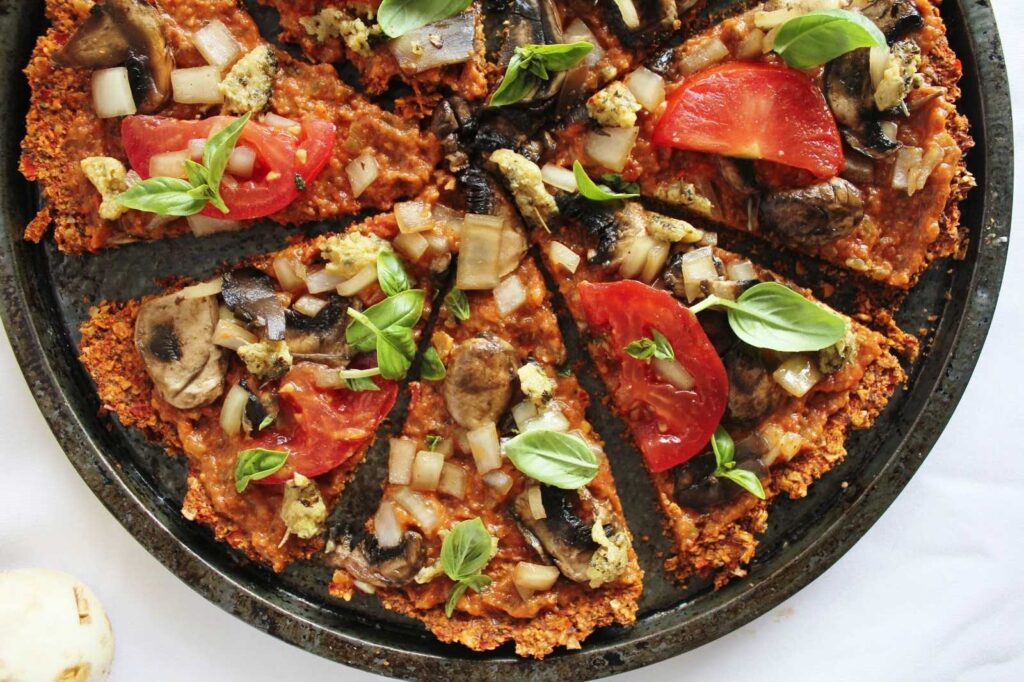
One of the key drivers of the vegan pizza crust is the increasing demand for vegan options. The number of vegans in the world has been steadily increasing in recent years, and this trend is expected to continue. As more people adopt a vegan lifestyle, the demand for vegan pizza crusts is likely to increase. Companies are innovating and creating new and exciting vegan crust options, such as gluten-free, whole wheat, cauliflower crusts, etc to cater to the changing consumer preferences. Gluten-free, organic and vegan crusts are becoming more popular among consumers, and are expected to drive the vegan pizza crust in the future.

Another driver of the market is the health and wellness trend. Many people are becoming more health-conscious and are looking for options that are lower in fat, calories, and cholesterol. Vegan pizza crusts are typically made from plant-based ingredients, which are often considered to be healthier than traditional pizza crusts made from animal products.

The vegan pizza crust market is relatively diverse with a mix of large established companies and small startups. There is a growing number of startups entering the vegan pizza crust market with innovative and unique vegan crust options. Many of these startups are focusing on niche segments such as gluten-free, organic, and plant-based options to cater to the growing demand for vegan pizza crusts. They are also focusing on sustainable packaging and sourcing of ingredients, which are becoming more important for consumers.

However, the vegan pizza crust market also faces some restraints. One of the main restraints is the lack of awareness among consumers about the availability of vegan pizza crusts. Additionally, the high cost of vegan pizza crusts compared to traditional crusts can also be a restraint for some consumers.

Despite the restraints, the vegan pizza crust is expected to continue to grow in the future as more and more people adopt veganism and become more health-conscious.

Key Takeaways

  • The increasing demand for vegan options, health and wellness trend, and convenience are driving the growth of the market.
  • Companies are innovating and creating new and exciting vegan crust options, such as gluten-free, whole wheat, cauliflower crusts, etc to cater to the changing consumer preferences.
  • Gluten-free, organic and plant-based crusts are becoming more popular among consumers, and are expected to drive the market growth in the future.
  • The market is relatively diverse with a mix of large established companies and small startups, and is expected to see more startups entering the vegan pizza crust market with innovative and unique vegan crust
  • Private label brands are becoming increasingly popular among consumers and are expected to drive the market growth in the future.

Competitive Landscape

The competitive landscape of the vegan pizza crust market is relatively diverse, with a mix of large established companies and small startups. The market is characterized by the presence of several well-established players such as Daiya, Tofurky, Dr. Oetker, Follow Your Heart, Caulipower, and Amy’s Kitchen. These companies have a strong presence in the market and have a wide range of products catering to different dietary needs. They also have a strong distribution network and a good brand reputation in the market.

On the other hand, there are also several small and medium-sized startups that are entering the market with innovative and unique vegan crust options. These startups are focusing on niche segments such as gluten-free, organic, and plant-based options to cater to the growing demand for vegan pizza crusts. They are also focusing on sustainable packaging and sourcing of ingredients, which are becoming more important for consumers.

The startup ecosystem in the vegan pizza crust market is relatively new and is still evolving. There is a growing number of startups entering the market with innovative and unique vegan crust options. Many of these startups are focusing on niche segments such as gluten-free, organic, and plant-based options to cater to the growing demand for vegan crusts. They are also focusing on sustainable packaging and sourcing of ingredients, which are becoming more important for consumers.

Key Segments

Ingredient:

  • Wheat
  • Corn
  • Rice
  • Others

Type:

  • Thin crust
  • Thick crust
  • Stuffed crust

Distribution Channel:

  • Supermarkets and hypermarkets
  • Convenience stores
  • Online channels
  • Others

By Application:

  • Household
  • Food service
  • Commercial

Region:

  • North America
  • Latin America
  • Europe
  • Asia Pacific (APAC)
  • Middle East & Africa (MEA)

About Future Market Insights (FMI)

Future Market Insights, Inc. (ESOMAR certified, recipient of the Stevie Award, and a member of the Greater New York Chamber of Commerce) offers profound insights into the driving factors that are boosting demand in the market. FMI stands as the leading global provider of market intelligence, advisory services, consulting, and events for the Packaging, Food and Beverage, Consumer Technology, Healthcare, Industrial, and Chemicals markets. With a vast team of over 400 analysts worldwide, FMI provides global, regional, and local expertise on diverse domains and industry trends across more than 110 countries.

Contact Us:

Future Market Insights Inc.
Christiana Corporate, 200 Continental Drive,
Suite 401, Newark, Delaware – 19713, USA
T: +1-347-918-3531
For Sales Enquiries: sales@futuremarketinsights.com
Website: https://www.futuremarketinsights.com
LinkedIn| Twitter| Blogs | YouTube
Cold Cuts Market Industry Trends and Growth Outlook through 2033

Cold Cuts Market
Cold Cuts Market

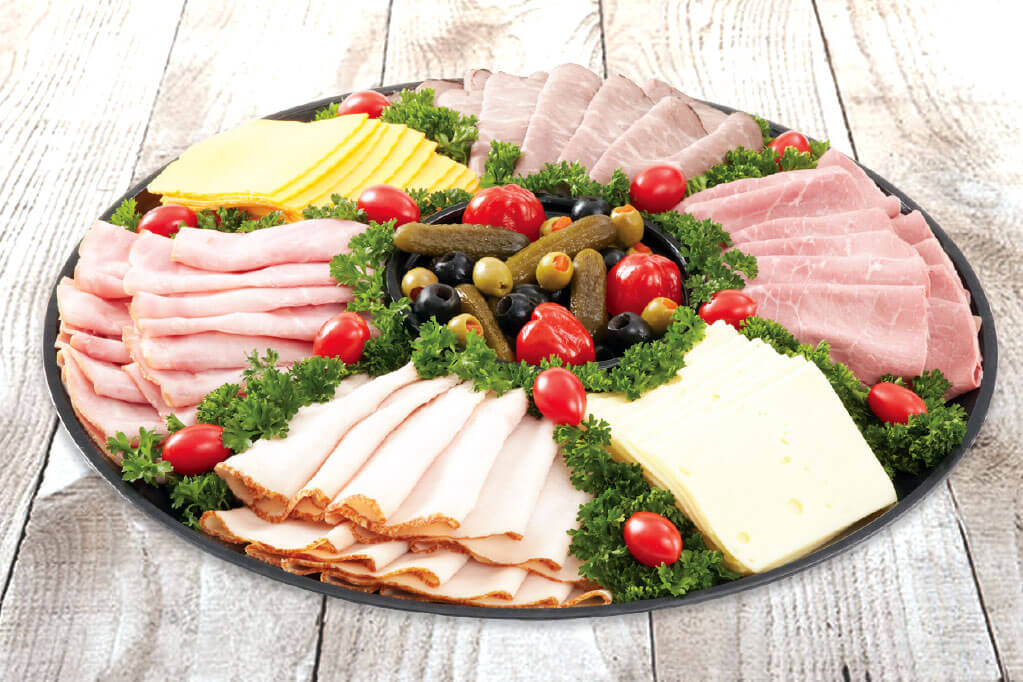
The global demand for cold cuts market is set to witness extraordinary growth over the next decade, with its valuation projected to skyrocket from USD 483.71 billion in 2023 to USD 1,073.66 billion by 2033. This significant expansion is driven by a steady 8.3% CAGR, fueled by expanding urban populations, rising demand for on-the-go foods, and increasing consumer awareness of various cold cuts due to travel and exposure.

The cold cuts market is experiencing a surge in demand, driven by several key factors:

Fresh Cold Cuts Replace Frozen Varieties

In recent years, there has been a notable shift in consumer preferences from frozen to fresh cold cuts. The adoption of fresh cold cuts has become significant in developed cities, where consumers now prioritize better taste and nutritional value. Specialty markets and meat shops were initially the main sources for fresh cold cuts, but now conventional grocers are joining the trend with dedicated charcuterie counters.

Focus on Quality and Ingredients

Consumers are increasingly willing to pay a premium for high-quality ingredients. With growing health awareness, the demand for cold cuts made from natural and healthy cuts, such as hormone-free and antibiotic-free meats, has risen. Manufacturers focusing on providing quality have benefited from consumers’ access to readily available information. Producers are pushing the envelope with flavorful ingredients such as imported spices, quality cheese, and smoky or spicy offerings.

Spotlight on Labels

Consumers are avid label readers, particularly when it comes to meat products. They are interested in not only how the products are made but also how the animals are raised. This has led to an increase in clean labeling and the use of nutritious ingredients. Products and brands that focus on transparency claims, such as those made with no artificial ingredients, sustainable sourcing, and quality ingredients, are growing in popularity. Products made from heritage breeds, which are humanely raised and bred for consistent taste and flavor, are also receiving significant attention.

Health-based and Palate-driven Innovation

Health-conscious consumers continue to drive innovation in the cold cuts market. Brands like Prasuma are giving consumers access to their favorite cold cuts while focusing on socially responsible, charitable, and authentic brands. Categories are making strides to appeal to health-conscious consumers by offering products with fewer ingredients and healthier attributes.

Future Outlook

Short-term Outlook (2023 to 2026)

Companies in the cold cuts market are increasingly focused on sustainability, from sourcing high-quality ingredients from sustainable sources to reducing packaging waste. This focus on sustainability is becoming a key consideration for consumers and companies alike.

Mid-term Outlook (2026 to 2029)

Health and wellness labeling, such as ‘gluten-free’ or ‘low-sodium,’ is becoming more prevalent as companies respond to health-conscious consumers. This trend is expected to continue growing, with companies offering cold cuts that meet specific dietary needs.

Long-term Outlook (2029 to 2033)

Consumers are increasingly seeking food products customized to their individual needs and preferences. Companies are responding by offering personalized cold cuts, such as sampler packs that allow consumers to try a variety of flavors and varieties.

Market Drivers

Health and Wellness Trend

Cold cuts are perceived as healthier than traditional processed meat products, driving demand among health-conscious consumers. These products are often made from high-quality ingredients and are lower in sodium, fat, and other unhealthy additives.

Urbanization

The spread of urban residents with higher disposable incomes is leading to increased demand for high-quality food products, including cold cuts. Urbanization is a significant factor contributing to the market’s growth.

Innovations in Product Development

Companies are investing in research and development to develop new and improved cold cuts products that appeal to changing consumer preferences. This has led to the development of organic and specialty cold cuts, driving market growth.

Competitive Landscape

Leading companies in the cold cuts market include Tyson Foods, Smithfield Foods, JBS USA, and Hormel Foods. These companies are known for their high-quality products and continue to innovate to meet changing consumer preferences.

Regional Insights

United States

The U.S. is a key market for cold cuts, driven by busy consumers looking for convenient, high-quality food options. The growing population and rising disposable incomes are also contributing to market growth.

United Kingdom

The U.K. has a strong tradition of high-quality food production and a well-established cold cuts market. The country’s focus on research and development supports continued innovation and growth.

China

China’s large population and rapidly growing middle class with increasing purchasing power make it an attractive market for cold cuts. Urbanization is also driving growth, with more consumers seeking convenient, high-quality food products.

India

India’s growing middle class and increasing awareness of the convenience and health benefits of cold cuts are expected to drive market growth. However, companies must navigate stringent food safety and labeling regulations and strong competition.

About Future Market Insights (FMI)

Future Market Insights, Inc. (ESOMAR certified, recipient of the Stevie Award, and a member of the Greater New York Chamber of Commerce) offers profound insights into the driving factors that are boosting demand in the market. FMI stands as the leading global provider of market intelligence, advisory services, consulting, and events for the Packaging, Food and Beverage, Consumer Technology, Healthcare, Industrial, and Chemicals markets. With a vast team of over 400 analysts worldwide, FMI provides global, regional, and local expertise on diverse domains and industry trends across more than 110 countries.

Contact Us:

Future Market Insights Inc.
Christiana Corporate, 200 Continental Drive,
Suite 401, Newark, Delaware – 19713, USA
T: +1-347-918-3531
For Sales Enquiries: sales@futuremarketinsights.com
Website: https://www.futuremarketinsights.com
LinkedIn| Twitter| Blogs | YouTube

Catering Services Market Market Expansion and Growth Trends through 2033

Catering Services
Catering Services

As per the market survey report, the catering services business worldwide generated a revenue of around US$ 565 million in the year 2018. Though the market followed a steeply rising curve in the following years, the average CAGR until 2022 has been brought down to 1.2%. This tragic downfall in demand for catering services was a consequence of the pandemic rendering the market value at US$ 592.5 million by end of 2022.

Currently, the net worth of total catering services adopted around the world together is estimated to be around US$ 618.5 million for the year 2023. The catering services sector is projected to expand at an annual rate of 4.4% during the years 2023 to 2033. The FMI global catering services market analysis report further predicts it reaching a value of almost US$ 951.5 million by 2033.

There is a growing concern for safe food handling practices worldwide and a need for outsourcing food preparation services to a reputed supplier. Moreover, the FDA’s strict guidelines for monitoring and controlling the standards of the food being served are perfecting catering services globally.

Recently, the United States FDA established more and stricter rules and guidelines for regulating the quality and standards of food served by catering service providers. As a result, many existing market players in the country have reoriented their business strategies to remain competitive in the market.

Key Takeaways

  • The United States is the leading region for the adoption of all catering services and the regional market is expected to be worth around US$ 152 million in 2023.
  • China is anticipated to record an impressive 7.1% CAGR over the forecast years owing to its huge population and evolving culture.
  • Germany is the leading region in Europe for higher adoption of catering services throughout the Europe region. As per the market report, this regional market is anticipated to exhibit a growth rate of 3.2% during the years 2023 to 2033
  • The demand for catering services in Canada is projected to grow at a rate of 3.5% over the forecast years making it a lucrative market for players in the region as well as the United States.
  • Standalone food catering services control a dominant share of the market in comparison to chain catering services companies.
  • The corporate contract food catering service segment contributes the lion’s share of the total revenue generated by the global market.

Competitive Landscape

Aramark Corp., Compass Group PLC, Bartlett Mitchell Ltd., CH and Co Catering Group Ltd., Delaware North Companies Inc., Newrest Group Services SAS, Deutsche Lufthansa AG, Dine Contract Catering Ltd., Gategroup, DO & CO Aktiengesellschaft, DoorDash Inc., Elior Group SA, The Emirates Group, Sodexo Group PVT Ltd, Cushman & Wakefield, WSH Group Ltd., Newrest Group Services SAS, and ABM Catering Solution, ISS A/S, Jones Lang LaSalle IP, Inc., AVI Foodsystems, Inc, Thompson Hospitality, Albron B.V., Hutten Catering BV among others are prominent players operating in the global catering services market.

To boost profits and strengthen their market positions, many companies in the catering services market have selected new product launches and takeover of regional service providers as their primary development methods.

Some leading global market participants have recognized substantial growth potential in Asia Pacific countries and are extending service points in this region. Due to large investments for attracting foreign corporates and tourism, nations like India, Qatar, and Saudi Arabia present attractive development potential for the catering service sector.

Key Segments

By Service Type:

  • Contractual Catering Service
  • Non-contractual Catering Service
  • Other Catering Services

By Application:

  • Wedding Catering Services
  • Corporate Catering Services
  • Social Events Catering Services
  • Other Events Catering Services

By End User:

  • Catering Services for Industrial Sector
  • Catering Services for Hospitality Sector
  • Catering Services for Educational Sector
  • Catering Services for Healthcare Sector
  • Catering Services for In-Flight Sector
  • Catering Services for Other End Users

By Region:

  • North America
  • Latin America
  • Europe
  • East Asia
  • South Asia and the Pacific
  • The Middle East and Africa (MEA)

About Future Market Insights (FMI)

Future Market Insights, Inc. (ESOMAR certified, recipient of the Stevie Award, and a member of the Greater New York Chamber of Commerce) offers profound insights into the driving factors that are boosting demand in the market. FMI stands as the leading global provider of market intelligence, advisory services, consulting, and events for the Packaging, Food and Beverage, Consumer Technology, Healthcare, Industrial, and Chemicals markets. With a vast team of over 400 analysts worldwide, FMI provides global, regional, and local expertise on diverse domains and industry trends across more than 110 countries.

Contact Us:

Future Market Insights Inc.
Christiana Corporate, 200 Continental Drive,
Suite 401, Newark, Delaware – 19713, USA
T: +1-347-918-3531
For Sales Enquiries: sales@futuremarketinsights.com
Website: https://www.futuremarketinsights.com
LinkedIn| Twitter| Blogs | YouTube

Industrial Margarine Market Key Drivers and Growth Insights through 2033

Industrial Margarine Market

The global industrial margarine market is expected to record a CAGR of 5.1% between 2023 and 2033. In 2023, the market valuation is expected to be at US$ 2.69 billion. By 2033, the figures are expected to surge beyond US$ 4.42 billion.

The world has been witnessing an increase in lactose intolerance cases. The experts believe that nearly 68% of people suffer from lactose intolerance in some way or the other. This presents a huge opportunity in front of the market, as these are not made of milk, and are a rich source of Vitamin D and Vitamin A as well.

There has been an increasing clamor against the consumption of GMO-based food products. Lots of people who have consumed GMO-based products have reported incidents like illness and unease. Apart from that, as these are not naturally processed, the nutritional value is much lower as compared to their organic counterparts. Industrial margarine is a non-GMO-based product. Such factors are expected to surge the demand for industrial margarine during the forecast period.

The Middle East nations are extremely particular when it comes to halal certifications. The industrial margarine and its products are halal certified, which has skyrocketed consumer confidence.

The growing bakery market represents a world of opportunities in front of the industrial margarine sector. The global bakery products market is expected to cross a valuation of US$ 600 billion by 2030. Margarine is used in bakery products, as these act as an emulsifier and also assist in the spreading process.

There is also increased consumption of plant-based food products owing to surging vegans and a surging health consciousness. Industrial margarine does not contain animal fats, and this is expected to massively surge the adoption rate.

Thus, from the insights provided by FMI researchers, it can be inferred that ‘surging cases of lactose intolerance, rising consumption of non-GMO food, mandatory halal certification, and a lot of other factors are expected to surge the industrial margarine market share during the forecast period.’

Key Takeaways:

  • The market is expected to record a CAGR of 5.1% during the forecast period.
  • In 2023, the market size is estimated to be US$ 2.69 billion.
  • By 2033, the figure is expected to surge beyond US$ 4.42 billion.
  • Based on regional analysis, North America is expected to hold the dominant market share. On the basis of CAGR, Asia Pacific is expected to hold the leading position.
  • On the basis of type, the spreadable segment is expected to hold the leading market share during the forecast period.
  • Based on application, the bakery segment is expected to hold the leading market share during the forecast period.

Competitive Landscape

The key players operating in the market are focusing on looking for leaders, who have been a part of the market for decades. Through their expertise, the manufacturers might expand their capabilities. The idea is also to develop strategies to get into meaningful mergers and acquisitions. This is done to expand the market share, and serve new regions. The manufacturers are also developing strategic partnerships with players from other niches to assess their technology. This may also help in knowledge sharing. With a focus all set on sustainable development, the key players are setting strategies that are in tandem with the United Nations’ sustainability goals. Thus, there is an increasing deployment of green practices, like working intensely to reduce carbon emissions.

Key developments in the market:

  • In December 2022, Bunge decided to invest in a new protein concrete facility in the United States.
  • In August 2022, Conagra Brands promoted Tracy Schaefer to Chief Information Officer.

Other companies profiled: Associated British Foods, Fuji Oil, Richardson International, Royale Lacroix, Aigremont, Vandemoortele, NMGK Group, EFCO Group, and Wilmar International.

Industrial Margarine Market Segmentation

By Type:

  • All Purpose
  • Spreadable
  • Butter Blend

By Form:

  • Hard
  • Soft

By Source:

  • Plant
  • Animal

By Application:

  • Bakery
  • Spreads
  • Sauced and Toppings
  • Confectionary
  • Convenience Foods
  • Other Applications

By Region:

  • North America
  • Latin America
  • Asia Pacific
  • The Middle East and Africa
  • Europe

About Future Market Insights (FMI)

Future Market Insights, Inc. (ESOMAR certified, recipient of the Stevie Award, and a member of the Greater New York Chamber of Commerce) offers profound insights into the driving factors that are boosting demand in the market. FMI stands as the leading global provider of market intelligence, advisory services, consulting, and events for the Packaging, Food and Beverage, Consumer Technology, Healthcare, Industrial, and Chemicals markets. With a vast team of over 400 analysts worldwide, FMI provides global, regional, and local expertise on diverse domains and industry trends across more than 110 countries.

Contact Us:

Future Market Insights Inc.
Christiana Corporate, 200 Continental Drive,
Suite 401, Newark, Delaware – 19713, USA
T: +1-347-918-3531
For Sales Enquiries: sales@futuremarketinsights.com
Website: https://www.futuremarketinsights.com
LinkedIn| Twitter| Blogs | YouTube