Flame Retardant Masterbatch Market to Surge at 10.2% CAGR, Reaching USD 6.68 Billion by 2032

Flame Retardant Masterbatch Market

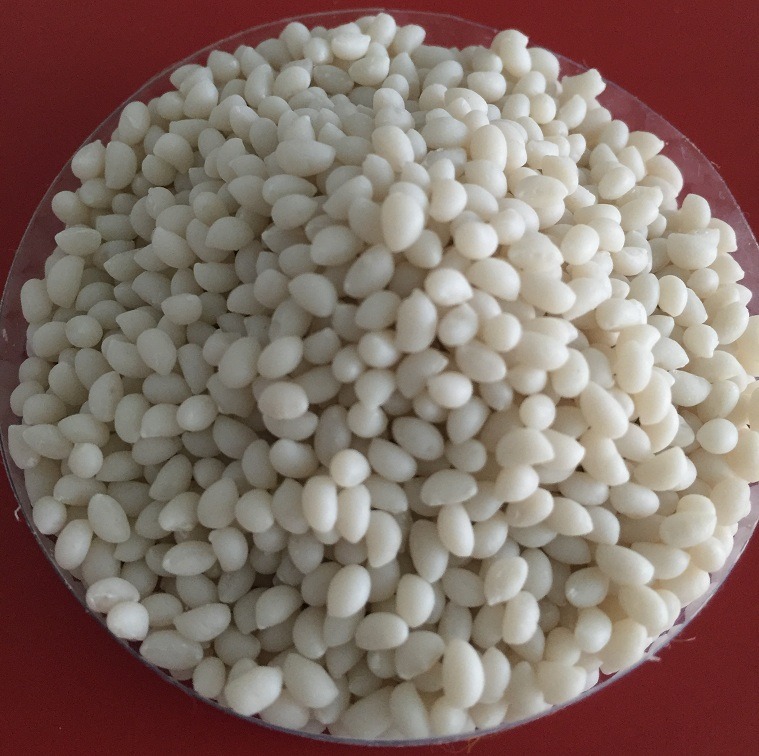
The global flame retardant masterbatch market is poised for significant growth, projected to achieve a robust CAGR of 10.2% during the forecast period from 2022 to 2032. This rapid expansion is driven by increasing demand across industries such as construction, automotive, and electronics, where fire safety regulations are becoming more stringent. The market is anticipated to reach a valuation of USD 6,684.23 million by 2032, fueled by advancements in material technology and the rising adoption of flame retardant solutions to enhance the safety and performance of end-use products.

Flame retardant masterbatches play a pivotal role in enhancing the fire resistance of various polymer-based materials, finding widespread application across industries such as construction, automotive, electronics, and textiles. As safety regulations become more stringent and consumer awareness increases, the flame retardant masterbatch market has witnessed substantial growth in recent years.

Key Factors Driving Growth:

  1. Stringent Safety Regulations: Governments worldwide are implementing stringent regulations to ensure fire safety in various industries. Flame retardant masterbatches play a crucial role in helping manufacturers meet these regulatory standards, driving the demand for these additives.
  2. Rising Awareness of Fire Safety: Increased awareness among consumers about the importance of fire safety has led to a surge in demand for flame retardant materials. Industries, especially construction and automotive, are prioritizing fire-resistant solutions to enhance overall safety standards.
  3. Technological Advancements: Ongoing research and development efforts have led to the development of advanced flame retardant masterbatch formulations. These innovations not only improve the fire resistance of materials but also address concerns related to environmental impact and sustainability.

Top Key Players in the Flame Retardant Masterbatch Market

  • Albemarle Corporation
  • Ampacet Corporation
  • BASF SE
  • Clariant International AG
  • Cromex S/A
  • DIC Corporation
  • Dongguan GreenTech Plastics Co., Ltd
  • DOVER CHEMICAL CORPORATION
  • FERRO-PLAST Srl
  • LANXESS AG
  • Nouryon
  • Polyplast Muller GmbH
  • Polytechs
  • Tosaf

Market Segmentation:

By Type:

  • Halogenated Flame Retardant Masterbatch
  • Non-Halogenated Flame Retardant Masterbatch

By End-Use Industry:

  • Construction
  • Automotive
  • Electronics
  • Textiles

By Region:

  • North America
  • Europe
  • Asia-Pacific
  • Latin America
  • Middle East and Africa

About Future Market Insights (FMI)

Future Market Insights, Inc. (ESOMAR certified, recipient of the Stevie Award, and a member of the Greater New York Chamber of Commerce) offers profound insights into the driving factors that are boosting demand in the market. FMI stands as the leading global provider of market intelligence, advisory services, consulting, and events for the Packaging, Food and Beverage, Consumer Technology, Healthcare, Industrial, and Chemicals markets. With a vast team of over 400 analysts worldwide, FMI provides global, regional, and local expertise on diverse domains and industry trends across more than 110 countries. Join us as we commemorate 10 years of delivering trusted market insights. Reflecting on a decade of achievements, we continue to lead with integrity, innovation, and expertise.

Contact Us:     

Future Market Insights Inc.
Christiana Corporate, 200 Continental Drive,
Suite 401, Newark, Delaware – 19713, USA
T: +1-347-918-3531
For Sales Enquiries: sales@futuremarketinsights.com
Website: https://www.futuremarketinsights.com
LinkedInTwitterBlogs | YouTube

Glutaric Acid Market to Reach USD 8.63 Billion by 2032, Growing at 5% CAGR


The global Glutaric Acid Market is experiencing significant growth, driven by rising demand across various industries such as pharmaceuticals, polymers, and cosmetics. With versatile applications ranging from chemical intermediates to pharmaceutical production, the market is poised to reach new heights in the coming years.

The global glutaric acid market is set to experience steady growth, projected to expand at a CAGR of 5% from 2022 to 2032, reaching an estimated valuation of USD 8.63 billion by the end of this period. This growth is driven by rising demand across multiple sectors, including pharmaceuticals, where glutaric acid is crucial for synthesizing active ingredients, and the polymer industry, which leverages glutaric acid for biodegradable polymer production in response to increasing sustainability mandates.

Overview of the Glutaric Acid Market

Glutaric acid, a dicarboxylic acid with notable versatility, serves as an essential building block in numerous industrial processes. The compound’s reactive properties make it suitable for the synthesis of polymers, lubricants, and active pharmaceutical ingredients (APIs). The market is gaining momentum as industries leverage glutaric acid’s multifaceted applications in innovative product development.

Market Growth Drivers

The expansion of the pharmaceutical sector is a primary driver for glutaric acid demand, particularly due to its application in synthesizing therapeutic compounds and drug formulations. Additionally, the polymer industry is increasingly incorporating glutaric acid for the production of biodegradable polymers, driven by heightened demand for sustainable solutions in packaging and manufacturing.

  • Pharmaceutical Advancements: With the growing focus on drug development and the need for more effective pharmaceutical intermediates, glutaric acid has become essential for synthesizing specific APIs.
  • Sustainable Polymer Production: The shift towards biodegradable materials has amplified the need for glutaric acid in eco-friendly polymer production, as manufacturers aim to reduce environmental impact.
  • Cosmetic and Personal Care Applications: As a safe and effective ingredient, glutaric acid is also gaining popularity in skincare products, further boosting demand in the cosmetics industry.

Market Trends and Opportunities

  1. Biodegradable Polymers: The increasing demand for sustainable packaging and biodegradable materials presents a lucrative opportunity for glutaric acid applications in polymers.
  2. Green Chemistry Initiatives: A growing number of manufacturers are focusing on adopting green chemistry practices, which involve bio-based production methods for chemicals like glutaric acid.
  3. Research and Development in Pharmaceuticals: Ongoing R&D in pharmaceutical applications offers the potential for glutaric acid to be used in next-generation drugs, driving further growth in the market.

Key Companies Profiled

  • E I du Pont de Nemours & Co
  • Liaoyang Hengye Chemical Co., Ltd.
  • Charkit Chemical
  • Kowa India Pvt.Ltd
  • The Chemical Company
  • Penta International
  • TCI AMERICA
  • Santa Cruz Biotechnology
  • Carbosynth and BOC Sciences

Key Segments Profiled in the Glutaric Acid Industry Survey

Product Grade:

  • Industrial Grade Glutaric Acid
  • Reagent Grade Glutaric Acid

End Use Industry:

  • Glutaric Acid for Chemicals
  • Glutaric Acid for Cosmetics & Personal Care
  • Glutaric Acid for Healthcare
  • Glutaric Acid for Other End Use Industries

 Region:

  • North America
  • Latin America
  • Western Europe
  • Eastern Europe
  • CIS & Russia
  • Asia Pacific
  • Japan
  • Middle East & Africa

About Future Market Insights (FMI)

Future Market Insights, Inc. (ESOMAR certified, recipient of the Stevie Award, and a member of the Greater New York Chamber of Commerce) offers profound insights into the driving factors that are boosting demand in the market. FMI stands as the leading global provider of market intelligence, advisory services, consulting, and events for the Packaging, Food and Beverage, Consumer Technology, Healthcare, Industrial, and Chemicals markets. With a vast team of over 400 analysts worldwide, FMI provides global, regional, and local expertise on diverse domains and industry trends across more than 110 countries. Join us as we commemorate 10 years of delivering trusted market insights. Reflecting on a decade of achievements, we continue to lead with integrity, innovation, and expertise.

Contact Us:     

Future Market Insights Inc.
Christiana Corporate, 200 Continental Drive,
Suite 401, Newark, Delaware – 19713, USA
T: +1-347-918-3531
For Sales Enquiries: sales@futuremarketinsights.com
Website: https://www.futuremarketinsights.com
LinkedInTwitterBlogs | YouTube

Try to uromexil pro ženy find creams with emollients, anti-inflammatories, and also barrier-repairing components to hydrate, soothe, and secure your skin.

Bio-Based Levulinic Acid Market to Reach USD 73.54 Million by 2032

The global bio-based levulinic acid market is set for significant growth, with an anticipated average CAGR of 9.78% during the forecast period. As sustainability and eco-friendly products gain traction across various industries, the demand for bio-based levulinic acid is expected to rise, driven by its versatile applications in food, pharmaceuticals, and biofuels. By 2032, the market value is projected to reach an impressive USD 73.54 million, reflecting increasing investments in renewable resources and innovations in bioprocessing technologies. This growth underscores the shift towards greener alternatives, positioning bio-based levulinic acid as a key player in the bioeconomy.

The global bio-based levulinic acid market is poised for significant growth, driven by the rising demand for sustainable and eco-friendly chemical alternatives across various industries. Levulinic acid, a versatile platform chemical derived from lignocellulosic biomass, is gaining traction for its applications in pharmaceuticals, food additives, and biofuels.

Understanding the Bio-Based Levulinic Acid Market

Bio-based levulinic acid is produced through the degradation of lignocellulosic biomass, making it a renewable resource that aligns with global sustainability goals. Unlike traditional petrochemical-derived chemicals, bio-based levulinic acid is non-toxic, biodegradable, and can be used as a precursor for a variety of high-value chemicals. This positions it as a key player in the transition towards a circular economy.

Market Growth Drivers

  1. Increasing Demand for Sustainable Chemicals: With growing environmental awareness, industries are shifting towards sustainable and renewable chemical solutions. Bio-based levulinic acid, being a renewable alternative, is well-positioned to meet this demand.
  2. Government Initiatives and Regulations: Many governments are implementing policies to reduce carbon emissions and promote the use of bio-based chemicals. Financial incentives and grants for research and development further stimulate market growth.
  3. Expanding Applications: The versatility of bio-based levulinic acid in various sectors, including personal care, agrochemicals, and polymers, is expanding its market footprint. As industries explore sustainable alternatives, the demand for levulinic acid is expected to rise.
  4. Technological Advancements: Innovations in production technologies, such as improved catalytic processes and biomass conversion methods, are enhancing the efficiency of levulinic acid production, reducing costs and making it more competitive with traditional chemical alternatives.

Key Takeaways

  • The bio-based levulinic acid market is set to experience substantial growth, driven by sustainability trends and expanding applications across various sectors.
  • Government policies promoting renewable resources are expected to play a crucial role in the market’s evolution.
  • Technological advancements are key to increasing production efficiency and lowering costs, making bio-based levulinic acid a viable alternative to petrochemical products.
  • Stakeholders in the bio-based levulinic acid market should focus on innovation and collaboration to capitalize on emerging opportunities and meet the growing demand for sustainable solutions.

Key applications of bio-based levulinic acid include:

  • Pharmaceuticals: Utilized as an intermediate for the synthesis of various drug compounds.
  • Food Additives: Acts as a flavoring agent and preservative, enhancing food quality and shelf life.
  • Biofuels: Serves as a feedstock for the production of green solvents and fuels.

About Future Market Insights (FMI)

Future Market Insights, Inc. (ESOMAR certified, recipient of the Stevie Award, and a member of the Greater New York Chamber of Commerce) offers profound insights into the driving factors that are boosting demand in the market. FMI stands as the leading global provider of market intelligence, advisory services, consulting, and events for the Packaging, Food and Beverage, Consumer Technology, Healthcare, Industrial, and Chemicals markets. With a vast team of over 400 analysts worldwide, FMI provides global, regional, and local expertise on diverse domains and industry trends across more than 110 countries. Join us as we commemorate 10 years of delivering trusted market insights. Reflecting on a decade of achievements, we continue to lead with integrity, innovation, and expertise.

Contact Us:     

Future Market Insights Inc.
Christiana Corporate, 200 Continental Drive,
Suite 401, Newark, Delaware – 19713, USA
T: +1-347-918-3531
For Sales Enquiries: sales@futuremarketinsights.com
Website: https://www.futuremarketinsights.com
LinkedInTwitterBlogs | YouTube

Global Hydro-Processing Catalysts Market to Hit USD 2.57 Billion by 2032 with 2.3% CAGR

The global hydro-processing catalysts market is on a trajectory of steady growth, poised to reach a value of USD 2,565.46 million by 2032, exhibiting a consistent Compound Annual Growth Rate (CAGR) of 2.3% throughout the forecast period. Presently valued at USD 2,043.66 million, the market demonstrates a robust expansion trend driven by increasing demand for efficient catalysts in hydro-processing applications across various industries worldwide.

Hydro-processing catalysts play a pivotal role in refining processes within the energy sector, facilitating the conversion of heavy hydrocarbons into valuable end products like transportation fuels. As the global demand for cleaner energy intensifies and regulatory pressures for lower emissions tighten, the hydro-processing catalysts market has emerged as a crucial enabler of sustainable solutions.

Market Dynamics

  1. Rising Demand for Clean Transportation Fuels: With growing environmental concerns, there is an increasing shift towards cleaner fuels. Hydro-processing catalysts are instrumental in removing sulfur, nitrogen, and other impurities from crude oil, enabling the production of ultra-low sulfur diesel (ULSD), gasoline, and other clean fuels.
  2. Stringent Environmental Regulations: Governments worldwide are enforcing stringent regulations to limit sulfur content in transportation fuels, driving the demand for hydro-processing catalysts. These catalysts aid refiners in meeting regulatory requirements while enhancing operational efficiency.
  3. Investments in Refinery Upgrades: Refinery operators are investing in upgrading existing infrastructure to meet evolving market demands and regulatory standards. Hydro-processing catalysts are integral to these upgrades, as they enable refiners to enhance product quality and increase throughput.
  4. Technological Advancements: Continuous advancements in catalyst technology, such as the development of novel active materials and improved catalyst formulations, are driving market growth. These innovations offer enhanced catalytic activity, selectivity, and durability, thereby improving process efficiency and reducing operational costs.

Hydro-Processing Catalysts Market: Top Key Players

  • HaldorTopsøe
  • W. R. Grace and Company
  • Albemarle Corporation
  • Axens
  • UOP- Honeywell International Inc.
  • Chevron Corporation
  • Royal Dutch Shell plc
  • BASF SE
  • Criterion Catalysts & Technologies

Regional Insights

  1. Asia Pacific: Dominates the hydro-processing catalysts market, driven by the rapid expansion of refinery capacities in countries like China and India to meet growing energy demands.
  2. North America: Witnessing significant growth due to investments in shale oil refining and the adoption of advanced refining technologies.
  3. Europe: Focused on reducing sulfur emissions from transportation fuels, leading to increased demand for hydro-processing catalysts.

About Future Market Insights (FMI)

Future Market Insights, Inc. (ESOMAR certified, recipient of the Stevie Award, and a member of the Greater New York Chamber of Commerce) offers profound insights into the driving factors that are boosting demand in the market. FMI stands as the leading global provider of market intelligence, advisory services, consulting, and events for the Packaging, Food and Beverage, Consumer Technology, Healthcare, Industrial, and Chemicals markets. With a vast team of over 400 analysts worldwide, FMI provides global, regional, and local expertise on diverse domains and industry trends across more than 110 countries. Join us as we commemorate 10 years of delivering trusted market insights. Reflecting on a decade of achievements, we continue to lead with integrity, innovation, and expertise.

Contact Us:     

Future Market Insights Inc.
Christiana Corporate, 200 Continental Drive,
Suite 401, Newark, Delaware – 19713, USA
T: +1-347-918-3531
For Sales Enquiries: sales@futuremarketinsights.com
Website: https://www.futuremarketinsights.com
LinkedInTwitterBlogs | YouTube

Asia-Pacific Biocomposite Market Projected to Reach USD 27.8 Billion by 2032

Asia Pacific Bio Composites Market

The global Asia-Pacific biocomposites market is projected to augment at a flourishing CAGR of 13.4% throughout the forecast period from 2022 to 2032. The global market was valued at USD 8,603.5 Million in 2022 and is expected to be worth USD 27,817.3 Million by 2032.

The growth of the market is attributed to the propelling industrialization and construction industry combined with increasing demand for consumer goods, transportation, and automotive sector products, which are driving the market demand globally. Furthermore, natural fiber reinforcement and a biopolymer matrix amalgamate together to create biocomposites, also known as green composites. While some materials are biodegradable, it is rare. The market for bio-composites is primarily driven by rising environmental concerns.

The need for green composites is stimulated by the depletion of natural resources like crude oil (crude oil is a significant component of non-bio composites), the focus on lowering environmental pollution levels, and the exploitation of agricultural waste. Natural fibers including jute, wood flour, sugarcane bagasse, oil palm fiber, rice husk, and others are utilized in biocomposites.

Report Highlights

Polypropylene (PP) composites paired with natural fiber reinforcement are rapidly becoming more and more common within the automobile sector. Natural fibers consist of various benefits over synthetic glass fibers, including lower cost, lower density, unique mechanical characteristics, less energy use, etc.

Owing to the fact that natural fibers like hemp are stronger than steel and can be produced at a lower cost, the automotive industry is actively embracing bio-composites. Due to their ease of molding and rigid nature, biocomposites are also used in the maritime and construction industries.

Over the coming years, the Asia-Pacific region is predicted to have a dominant market share over the market. Increasing development and rapid urbanization have enabled opportunities for this region to dominate the market in recent years. The economies of many countries in the Asia-Pacific area have grown in parallel with changes in various types of infrastructure, and these developments have been the main drivers of market expansion in recent years.

Recent Developments

The global market for bio-based goods has witnessed a significant boost due to the growing emphasis on the use of bio-based goods. To efficiently reduce the massive amounts of radioactive materials and garbage that are created daily, vehicle components have been selected for recycling.

In order to stop the escalating production of waste materials and scrap all over the Asia-Pacific, auto manufacturers have been told to handle the disposal process at their end. The manufacturers themselves are now responsible for the lifespan and care of the vehicle.

When compared to composite materials built of synthetic fibers, natural-fiber composites perform poorly mechanically and have relatively low strengths. Every fiber made from plants is polar and hydrophilic. Hemicellulose and hydrophilic pectin make up the majority of natural fibers (they absorb water). The compatibility of the fiber and matrix is hampered by the nonpolar and hydrophobic nature of polymers, which include thermoplastics and thermosets.

The chemical pre-treatment of the fiber is anticipated to boost mechanical strength. Moreover, natural fibers are thermally unstable as compared to synthetic fibers. As it begins to degrade at roughly 392°F, which is not supported by all manufacturing techniques. One other disadvantage of biocomposites that prevents their widespread application is poor fiber separation and dispersion.

Competitive Landscape

The key players in the market are divided into two groups, which are bio-composite manufacturers and bio-composite suppliers. The main producers of natural fiber composites in the market are Flexform Technologies, Technaro GmbH, Procotex S.A. Corporation NV, and Greengran B.V. The prominent suppliers of natural fiber composites are Stemergy, Bast Fibers, LLC, and Crailar.

More Insights into the Asia Pacific Bio Composites Market

On the basis of demographic, the market is sub-segmented into five countries, namely China, India, Japan, Oceania, and ASEAN countries. Among all these countries, China and India collectively have a major share in the Asia-Pacific biocomposite market.

About Future Market Insights (FMI)

Future Market Insights, Inc. (ESOMAR certified, recipient of the Stevie Award, and a member of the Greater New York Chamber of Commerce) offers profound insights into the driving factors that are boosting demand in the market. FMI stands as the leading global provider of market intelligence, advisory services, consulting, and events for the Packaging, Food and Beverage, Consumer Technology, Healthcare, Industrial, and Chemicals markets. With a vast team of over 400 analysts worldwide, FMI provides global, regional, and local expertise on diverse domains and industry trends across more than 110 countries. Join us as we commemorate 10 years of delivering trusted market insights. Reflecting on a decade of achievements, we continue to lead with integrity, innovation, and expertise.

Contact Us:     

Future Market Insights Inc.
Christiana Corporate, 200 Continental Drive,
Suite 401, Newark, Delaware – 19713, USA
T: +1-347-918-3531
For Sales Enquiries: sales@futuremarketinsights.com
Website: https://www.futuremarketinsights.com
LinkedInTwitterBlogs | YouTube

Global Yeast Autolysates Market Poised for Remarkable Growth, Projected to Reach USD 3,207.8 Million by 2034

The yeast autolysates market has demonstrated significant growth over recent years. In 2021, the global market size stood at USD 1,556.3 million. By 2023, worldwide demand increased by 5.6% year-on-year, propelling the market toward an estimated value of USD 1,825.9 million in 2024. With a projected compound annual growth rate (CAGR) of 5.8% from 2024 to 2034, the market is expected to reach USD 3,207.8 million by the end of 2034, highlighting strong and sustained expansion across key regions.

Key Insights into Market Dynamics

Growth Drivers:
The growing demand for natural and sustainable food additives has propelled the adoption of yeast autolysates in various sectors, particularly in food, beverages, and animal nutrition. Increasing consumer preference for clean-label products and the expanding vegan and vegetarian population further enhance the appeal of yeast-derived ingredients. The robust application of yeast autolysates in biotechnology and pharmaceutical formulations is another critical factor driving the market forward.

Industry Challenges:
Despite optimistic growth projections, challenges persist within the market. Price volatility in raw materials, complex production processes, and stringent regulatory standards may restrain rapid market expansion. Additionally, a lack of awareness in underdeveloped regions could slow the penetration of yeast autolysate-based solutions.

Unlock the complete analysis—get the full report now. https://www.futuremarketinsights.com/reports/yeast-autolysates-market

Key Industry Highlights

  • Food and Beverage Sector: Yeast autolysates are increasingly used as flavor enhancers and nutritional boosters, supporting clean-label initiatives in processed food products.
  • Pharmaceuticals and Biotechnology: The ingredient’s functional benefits make it indispensable in drug development and microbial culture media.
  • Regional Growth: North America and Europe are currently the largest markets, with Asia-Pacific emerging as a high-growth region due to rising industrialization and evolving dietary trends.

The yeast autolysates market reflects a promising trajectory in line with growing consumer demand for sustainable, health-focused solutions. Innovations in production technology and an expanding range of applications are key to overcoming existing challenges. Companies must prioritize awareness campaigns and compliance with regulatory standards to harness the market’s full potential.

Leading Brands

  • Lallemand Inc.
  • Leiber GmBH
  • Biospringer
  • KOHJIN Life Sciences Co., Ltd.
  • Fuji Foods Corporation
  • Titan Biotech Ltd.
  • Koninklijke DSM N.V.
  • Kerry Group
  • Angel Yeast Co., Ltd
  • Archer Daniels Midland Company
  • Others

Key Segments of the Report

By Protein Concentration:

As per protein concentration, the industry has been categorized into More than or equal to 50% and Less than 50%.

By End Use:

This segment is further categorized into the Feed Industry (Poultry, Pet Food, Ruminants, and Aquaculture), Fermentation, Microbial Nutrients, and Others.

By Region:

Industry analysis has been carried out in key countries of North America, Latin America, Europe, East Asia, South Asia, Oceania, and the Middle East & Africa.

About Future Market Insights (FMI)

Future Market Insights, Inc. (ESOMAR certified, recipient of the Stevie Award, and a member of the Greater New York Chamber of Commerce) offers profound insights into the driving factors that are boosting demand in the market. FMI stands as the leading global provider of market intelligence, advisory services, consulting, and events for the Packaging, Food and Beverage, Consumer Technology, Healthcare, Industrial, and Chemicals markets. With a vast team of over 400 analysts worldwide, FMI provides global, regional, and local expertise on diverse domains and industry trends across more than 110 countries.

Contact Us:        

Future Market Insights Inc.
Christiana Corporate, 200 Continental Drive,
Suite 401, Newark, Delaware – 19713, USA
T: +1-347-918-3531
For Sales Enquiries: 
sales@futuremarketinsights.com
Website: https://www.futuremarketinsights.com
LinkedInTwitterBlogs | YouTube

Global Cacao Beans Market Projected to Reach USD 26.4 Billion by 2033, Growing at a 6.9% CAGR

Picture background

The global cacao beans market is valued at USD 13,603.2 million in 2023, and it is expected to expand at a CAGR of 6.9% from 2023 to 2033. Forastero cacao beans account for 4/5th of the total market revenue. According to FMI, Germany is estimated to hold more than 17.6% share of the European cacao beans market in 2022, and it is estimated to grow with a CAGR of around 2.6% in the forecast period.

From 2023 to 2033, the cacao bean market is projected to grow at a robust 6.9% compound annual growth rate (CAGR), surpassing the 2.6% CAGR observed from 2018 to 2022. The market value of cacao beans increased from US$ 13,603.2 million in 2023 to US$ 26,392.2 million in 2033, a notable increase that may indicate a surge in demand for the company.

The market for cocoa beans is expanding rapidly; from 2023 to 2033, it is predicted to grow at a spectacular 6.9% CAGR, exceeding the 2.6% CAGR observed between 2018 and 2022. The remarkable increase in market value from US$ 13,603.2 million in 2023 to US$ 26,392.2 million by 2033 is significant.

Consumer Preferences Drive Demand: The escalating demand for organic cocoa beans, fueled by a global shift towards healthier choices, propels the cacao beans market. However, challenges in manufacturing hinder the supply from keeping pace with the soaring demand.

Recent Developments:

1. Hershey’s Strategic Acquisition: In June 2021, Hershey acquired Lily’s Sweets, a producer of low-sugar chocolate, aligning with its efforts to enhance its portfolio with healthier snacking options.

2. Southeast Asia’s Rising Demand: The demand for cocoa beans in Southeast Asia has surged significantly, outpacing the region’s farmers’ ability to meet this rising demand. This situation anticipates more international trade in the global cocoa bean market in the coming years.

Consumer demands for healthier options are driving up demand for organic cocoa beans, but manufacturing issues are preventing supply from keeping up with demand.

Chocolate is expected to grow quickly in emerging nations because cocoa beans are increasingly frequently utilised in food processing and have health benefits. Sales of cocoa beans are also aided by the expanding popularity of chocolate in a wide range of tastes.

To meet the diverse markets’ demands for cacao-based goods, there must be a steady and long-term requirement for high-quality beans. Vertical corporate integration is common in cocoa-producing countries like Cameroon, with Barry Callebaut playing a prominent role.

Key Takeaways:

1. India’s Growth Spurt: The cacao bean market in India is anticipated to experience a substantial CAGR of 23.5% by 2033, driven by increasing consumer demand for premium chocolates and a preference for cacao-based products.

2. UK’s Sustainable Rise: The cacao beans industry in the United Kingdom is expected to witness moderate growth, with a CAGR of 3.8% by 2033, attributed to the rising popularity of artisanal chocolates and a growing emphasis on sustainable sourcing.

3. China’s Steady Incline: China’s cacao bean market is forecasted to grow steadily by 2033, projecting a CAGR of 4.8%. Factors such as the adoption of Western confectionery trends, rising disposable incomes, and a taste for high-quality chocolate contribute to this growth.

4. Australia’s Artisanal Surge: The expansion of the artisanal chocolate sector, increased awareness of the health benefits of dark chocolate, and the emergence of boutique chocolatiers are anticipated to drive Australia’s cacao beans industry, with a CAGR of 3.2% by 2033.

5. Japan’s Moderate Growth: The market for cacao beans in Japan is expected to expand moderately, with a projected CAGR of 2.6% by 2033. Rising demand for high-end chocolate, health-related cocoa trends, and the incorporation of cacao into traditional Japanese desserts fuel this growth.

Competitive Landscape:
Global market leaders such as Barry Callebaut, Cargill, Nestle, and Olam International dominate the cacao bean industry. These multinational players source cacao beans globally, ensuring a widespread supply chain for their products.

Price, quality, sustainability, and certifications are a few examples of the variables that affect the competitive dynamics in the market for cacao beans. Many businesses have adopted responsible sourcing procedures and obtained certifications like Fairtrade and Rainforest Alliance due to rising customer awareness of fair trade, organic agriculture, and environmental sustainability.

Recent developments

  • Hershey purchased Lily’s Sweets, a producer of low-sugar chocolate, in June 2021 as part of its efforts to increase the number of healthier snacking brands in its product lineup. Cynthia Tice started the business so she could use stevia to sweeten conventional chocolate delights.
  • The demand for cocoa beans in Southeast Asia has increased dramatically. The region’s cocoa farmers, however, are unable to meet the product’s rising demand. As a result, more international trade is anticipated to occur in the global cocoa bean market in the upcoming years

Global Cacao Beans Market by Category

By Bean Type:

  • Forastero
  • Trinitario
  • Criollo

By Application:

  • Food and Beverages
  • Bakery and Confectionery
  • Beverages
  • Dairy Products
  • Syrups, Toppings and Fillings
  • Other Applications
  • Pharmaceuticals
  • Cosmetic and Personal Care

By Nature:

  • Organic
  • Conventional

By Sales Channel:

  • B2B
  • B2C
  • Hypermarkets/Supermarkets
  • Convenience Stores
  • Independent Grocery Stores
  • Specialty Stores
  • Online Retail

By Product Type:

  • Cacao Powder
  • Cacao butter
  • Paste/Liquor

By Voluntary Sustainability Standard (VSS):

  • UTZ Certified
  • Rainforest Alliance
  • Fairtrade International

By Region:

  • North America
  • Latin America
  • Europe
  • East Asia
  • South Asia
  • Oceania
  • Middle East and Africa

About Future Market Insights (FMI)

Future Market Insights, Inc. (ESOMAR certified, recipient of the Stevie Award, and a member of the Greater New York Chamber of Commerce) offers profound insights into the driving factors that are boosting demand in the market. FMI stands as the leading global provider of market intelligence, advisory services, consulting, and events for the Packaging, Food and Beverage, Consumer Technology, Healthcare, Industrial, and Chemicals markets. With a vast team of over 400 analysts worldwide, FMI provides global, regional, and local expertise on diverse domains and industry trends across more than 110 countries.

Contact Us:        

Future Market Insights Inc.
Christiana Corporate, 200 Continental Drive,
Suite 401, Newark, Delaware – 19713, USA
T: +1-347-918-3531
For Sales Enquiries: 
sales@futuremarketinsights.com
Website: https://www.futuremarketinsights.com
LinkedInTwitterBlogs | YouTube

Zero Calorie Chips Market Set for 6.9% Annual Growth Through 2033, Reports FMI

Picture background

The global zero calorie chips market size is anticipated to be valued at USD 2,102.0 in 2023. It is expected to grow at a compound annual growth rate (CAGR) of 6.9% from 2023 to 2033, touching a valuation of USD 3,946.8 million by 2033. Rising demand for health and nutritional foods is a key factor pushing sales of zero calorie chips globally, as per FMI.

Over the years, zero calorie chips have gained increasing popularity as they are considered healthier than normal chips. These chips are effective in weight management due to their very low-calorie content. Thus, consumer awareness of lifestyle-related diseases will continue to boost the demand for healthy products like zero calorie chips during the forecast period.

Key Takeaways:

  • The United States market showed an immensely high CAGR of 6%. This could be due to the rising awareness of obesity within the consumer group.
  • FMI calculated that the market in Germany rose at a value share of 3% in 2022.
  • The Japanese market rose at a comparatively lower market value of 3% in 2022.
  • By 2033, the zero calorie chips market in Australia is likely to expand at a CAGR of 0%.
  • The market in China is likely to progress at a CAGR of 3% during 2033.
  • Indian zero calorie chips market is likely to rise at a steady CAGR of 3.3% through 2033.

Competitive Landscape:

With the heavy competition in the zero-calorie space, top companies proceed by transforming the space by introducing lesser calorie-intensive snacks, ensuring that the snacks are as satisfying and comparable as potato chips, and making consumers feel good about their choices. Many brands are also trying out newer advertising methods to promote themselves.

  • Popchips

Popchips is a snack brand that uses gluten-free, non-fried, vegan ingredients to manufacture snacks that are completely crave-able. They mainly manufacture rice chips and potato chips popped using heat and pressure. This ensures that the chips are deeply satisfying. They use oleic oils and ethically sourced spices. This ensures they have significantly lesser fat and calorie content than other fried chips.

  • The Kellogg Company

The Kellogg Company has released a line of pre-portioned, single-serve healthy snacks which help in controlling calories. Their website also offers tips and ideas for people who crave snacks to keep their calories under control. They have also released the Special K Cranberry bar, breakfast bars, cookies, and many more such items which are healthy and delicious.

  • Frito-Lay North America, Inc.

Frito-Lay has released a line of snacks called SMIPLY snacks, which boast of great taste, with no artificial flavoring, and have reduced fat content. The chips also have added nutrients, such as Vitamin D, Calcium, Iron, Potassium, and many more.

Global Zero Calorie Chips Market by Category

By Source:

  • Potato
  • Tapioca
  • Tortilla

By Distribution Channel:

  • B2B
    • Quick Service Restaurants
    • Coffee Shops
  • B2C
    • Online Stores
    • Store based Retailing
    • Convenience Stores
    • Store based Retailing
    • Convenience Stores
    • Hypermarkets/Supermarkets
    • Specialty Stores
    • Discounters
    • Small Grocers

By Price Range:

  • Economy
  • Midrange
  • Premium

By Packaging Type:

  • Pouches
  • Box
  • Combination pack

By Region:

  • North America
  • Latin America
  • Europe
  • East Asia
  • South Asia
  • Oceania
  • Middle East and Africa

About Future Market Insights (FMI)

Future Market Insights, Inc. (ESOMAR certified, recipient of the Stevie Award, and a member of the Greater New York Chamber of Commerce) offers profound insights into the driving factors that are boosting demand in the market. FMI stands as the leading global provider of market intelligence, advisory services, consulting, and events for the Packaging, Food and Beverage, Consumer Technology, Healthcare, Industrial, and Chemicals markets. With a vast team of over 400 analysts worldwide, FMI provides global, regional, and local expertise on diverse domains and industry trends across more than 110 countries.

Contact Us:        

Future Market Insights Inc.
Christiana Corporate, 200 Continental Drive,
Suite 401, Newark, Delaware – 19713, USA
T: +1-347-918-3531
For Sales Enquiries: 
sales@futuremarketinsights.com
Website: https://www.futuremarketinsights.com
LinkedInTwitterBlogs | YouTube

Non-GMO Food Products Market Expected to Exceed USD 144.3 Billion by 2031, According to FMI Analysis

Picture background

Newly released data from the non-GMO food products market analyzed by FMI estimates that the non-GMO food products market enjoys a growth rate of 10.4% at present. The market is expected to witness a prominent growth rate of a CAGR of 13.2% to reach the value of USD 144,322 Million in 2031.

The worldwide non-GMO food products market will gain traction as consumer demand grows due to changes in dietary trends like healthy eating, opting for natural food products, etc. This change is driven by an increase in the number of health-related issues and raising awareness of the harmful consequences of eating genetically modified foods.

Rise of smart labels that facilitate instant access to product-specific information is another factor that is propelling the growth for transparent non-GMO food manufacturers globally. The market is anticipated to cross a market value of USD 3.4 Billion by the end of 2031.

Key Takeaways of non-GMO Food Product Market Study

  • Grains and Cereals will dominate market demand with a multiplying growth rate of 22% through the end of 2029.
  • Bakery & Confectionary products present gainful opportunities with a stupendous growth rate of 19% during the forecast period.
  • Dairy products is another segment that will register a CAGR of 16% from 2019 to 2029.
  • Indirect distribution channels will maintain share-wide and growth-wise dominance throughout the forecast period.
  • North America and Latin America collectively account for more than half of total market value. This can be attributed to the early adopting nature of North American countries and rising millennial population in Latin America.

Consumer Preferences Shape Growth Trajectory

Increase in purchase potential and decrease in production costs is creating remunerative synergy in the market. This is fueled by advancements in packaging and labelling along with proactive consumer participation. Major players are investing in developing consumer communities that support long-term revenue generation.

The non-GMO food products market is dependent on consumer awareness and prevalence of plant-based and vegan diets that require daily consumption of food products manufactured from non-genetically modified organisms.

Who’s Wining?

Competitive landscape in non-GMO food products market is fragmented with the presence of multinationals, niche-manufacturers, and SMEs. Major players that shape the global non-GMO food products market are Cargill, Inc., Associated British Foods Plc, General Mills Inc., Kraft Heinz, Archer Daniels Midland Company, Danone, Nestle S.A., The Hain Celestial Group Inc. Key players in the market are forging strategic partnerships that ensure sustained revenue prospects.

Market Segments Covered in Non-GMO food products Industry Analysis

By Nature :

  • Organic
  • Conventional

By Product :

  • Grain and Cereals
    • Wheat
    • Soya
    • Corn
    • Others
  • Bakery and Confectionery
    • Bread
    • Pastry
    • Candy
    • Others
  • Beverages
    • Alcoholic Beverages
    • Non-Alcoholic Beverages
  • Dairy Products
    • Yogurt
    • Cheese
    • Ice cream
    • Others
  • Infant Food
  • Condiment, Dressing, & Oil
    • Vegetable Oils
    • Jam, Jellies
    • Syrups
  • Others (Spices, soups, etc.)

By Distribution Channel :

  • Direct Sales/B2B
  • Indirect Sales/B2C
    • Supermarket/Hypermarket
    • Wholesaler
    • Online Retail
    • Specialty Stores
    • Other Retail Format

Region :

  • North America
  • Latin America
  • Europe
  • East Asia
  • South Asia
  • Oceania
  • Middle East & Africa

About Future Market Insights (FMI)

Future Market Insights, Inc. (ESOMAR certified, recipient of the Stevie Award, and a member of the Greater New York Chamber of Commerce) offers profound insights into the driving factors that are boosting demand in the market. FMI stands as the leading global provider of market intelligence, advisory services, consulting, and events for the Packaging, Food and Beverage, Consumer Technology, Healthcare, Industrial, and Chemicals markets. With a vast team of over 400 analysts worldwide, FMI provides global, regional, and local expertise on diverse domains and industry trends across more than 110 countries.

Contact Us:        

Future Market Insights Inc.
Christiana Corporate, 200 Continental Drive,
Suite 401, Newark, Delaware – 19713, USA
T: +1-347-918-3531
For Sales Enquiries: 
sales@futuremarketinsights.com
Website: https://www.futuremarketinsights.com
LinkedInTwitterBlogs | YouTube

Gluten-free Bakery Premix Market Forecast to Reach USD 1,323.2 Million by 2033

Gluten-free Bakery Premix Market

The gluten-free bakery premix market is forecasted to garner revenue of USD 1,323.2 million by 2033, up from USD 505 million in 2023 advancing at a rate of 10% from 2023 to 2033.

The gluten-free bakery premix market is experiencing significant growth as it caters to the increasing demand for health-conscious and sustainable baking solutions.

Consumers are seeking gluten-free options due to medical concerns or dietary preferences, leading to a rising need for high-quality premixes that ensure both taste and nutritional value. Additionally, the market is driven by the growing trend of clean label and allergen-free products, as consumers prioritize transparency and natural ingredients.

Manufacturers are innovating to meet these evolving demands, developing premixes that replicate the texture, flavor, and aroma of traditional bakery products.

With a focus on clean, allergen-free ingredients and sustainable practices, the market for gluten-free bakery premix is well-positioned to capitalize on these market trends and offer a diverse range of options to health-conscious consumers.

Another key driver of the market is the evolving preferences of consumers who demand baked goods that are not only gluten-free but also nutritious and delicious.

Gluten-free bakery premixes provide an essential solution by ensuring the texture, taste, and aroma of gluten-free products closely resemble their gluten-containing counterparts.

With advancements in formulation techniques, manufacturers are able to offer a wide range of premixes that produce bakery items with excellent taste, softness, and shelf-life, meeting the growing expectations of discerning consumers.

Developing gluten-free bakery premixes that replicate the taste, texture, and performance of gluten-containing products can be challenging. Gluten plays a crucial role in providing elasticity and structure to baked goods, so formulating substitutes requires careful consideration of various alternative flours and ingredients.

Despite the challenges that exist in the market, the market is anticipated to witness continued growth due to the rising prevalence of gluten-related disorders, increased consumer awareness of gluten-free diets, and the ongoing pursuit of healthier lifestyles.

Advancements in ingredient sourcing, manufacturing processes, and packaging technologies further drive the market’s growth and foster product innovation.

Key Takeaways:

  • The gluten-free bakery premix market value reached US$ 486 million in 2022 with a CAGR of 3.7% from 2018 to 2022.
  • The market in the United States of America is projected to account for a 20.7% share in 2022 on a global level.
  • The United Kingdom gluten-free bakery premix industry is projected to advance at 9.8% CAGR from 2023 to 2033.
  • The value share for the gluten-free bakery premix industry in Japan accounts for approximately 3.6% in 2022.
  • India’s market for gluten-free bakery premix is predicted to progress steadily with a CAGR of 13.0% during the projected period.

How Intense is the Competition in the Gluten-free Bakery Premix Industry?

The competition in the gluten-free bakery premix industry is intense as an increasing number of companies recognize the growing demand for gluten-free products and the potential of this market segment.

Key players in the industry are continuously expanding their product portfolios, investing in research and development, and seeking innovative formulations to differentiate themselves in a crowded market. Additionally, new entrants are emerging, further intensifying the competition.

With a focus on product quality, taste, nutritional value, and clean label ingredients, companies are striving to capture market share and gain a competitive edge in meeting the diverse needs and preferences of health-conscious consumers seeking gluten-free bakery solutions.

Segmentation Analysis

By Application:

  • Bakery
  • Confectionery
  • Restaurant
  • Household

By Product Type:

  • Bread
  • Muffin
  • Cakes
  • Hamburgers
  • Pizza Bases
  • Other Product Types

By Distribution Channel:

  • Direct Sales
  • Indirect Sales

By Region:

  • North America
  • Latin America
  • Europe
  • East Asia
  • South Asia
  • Oceania
  • Middle East and Africa

About Future Market Insights (FMI)

Future Market Insights, Inc. (ESOMAR certified, recipient of the Stevie Award, and a member of the Greater New York Chamber of Commerce) offers profound insights into the driving factors that are boosting demand in the market. FMI stands as the leading global provider of market intelligence, advisory services, consulting, and events for the Packaging, Food and Beverage, Consumer Technology, Healthcare, Industrial, and Chemicals markets. With a vast team of over 400 analysts worldwide, FMI provides global, regional, and local expertise on diverse domains and industry trends across more than 110 countries.

Contact Us:        

Future Market Insights Inc.
Christiana Corporate, 200 Continental Drive,
Suite 401, Newark, Delaware – 19713, USA
T: +1-347-918-3531
For Sales Enquiries: 
sales@futuremarketinsights.com
Website: https://www.futuremarketinsights.com
LinkedInTwitterBlogs | YouTube