
Exploring the Rise of Caprylyl Glycol in Cosmetics and Personal Care Formulations


The global caprylyl glycol market value is estimated to total USD 1.7 billion in 2024 and USD 3.2 billion by 2034. Global demand is anticipated to increase at a CAGR of 6.6% throughout the forecast period, fueled by increasing production and consumption of cosmetics and personal care items.

Multiple factors are expected to propel the demand for caprylyl glycol during the assessment period. These include robust growth of cosmetics and personal care sector, growing interest in natural ingredients, and widening applications of 1,2-octanediol in pharmaceutical and other industries.

Caprylyl glycol is becoming a widely used ingredient in the cosmetics and personal care sector. This is due to its growing popularity as a versatile moisturizer, emollient, and antimicrobial preservative. Thus, as the demand for cosmetics continues to surge, so will sales of caprylyl glycol.

Consumers globally are becoming aware of the importance of personal grooming and hygiene. This is prompting them to invest in a wide range of cosmetic and personal care products, especially those containing caprylyl glycol.

Modern consumers are also looking for natural ingredients in cosmetics and personal care products. Caprylyl glycol aligns well with this trend as it is mostly derived from plant-based sources.

Increasing adoption of caprylyl glycol in pharmaceutical formulations is anticipated to boost sales growth. Similarly, expanding applications of caprylyl glycol in industrial products like coatings, adhesives, and lubricants that require antimicrobial and moisture retention capabilities will fuel demand.

The caprylyl glycol market is projected to experience growth due to several key drivers:

  1. Increasing Demand in the Cosmetics and Personal Care Industry: Caprylyl glycol is widely used as a skin-conditioning agent and preservative in cosmetics and personal care products such as creams, lotions, shampoos, and deodorants. The growing consumer preference for skincare and beauty products, especially those with natural and non-toxic ingredients, is driving demand for caprylyl glycol.
  2. Rising Awareness of Skin Health: As consumers become more conscious about their skin’s health and the products they use, the demand for safe, moisturizing, and non-irritating ingredients in cosmetic formulations is increasing. Caprylyl glycol’s ability to hydrate and provide a smoother skin texture contributes to its popularity.
  3. Shift Toward Natural and Sustainable Products: Caprylyl glycol, derived from natural sources like coconut oil, aligns with the trend towards clean beauty products and sustainability. Consumers increasingly prefer products that are eco-friendly, cruelty-free, and made from renewable resources, which boosts the demand for caprylyl glycol-based products.
  4. Growth in the Pharmaceutical and Healthcare Sectors: Beyond cosmetics, caprylyl glycol is also used in the pharmaceutical industry as an emulsifier, stabilizer, and preservative. The rising demand for pharmaceutical products, especially those with a focus on skin health or personal hygiene, is contributing to its market expansion.
  5. Antimicrobial Properties: Caprylyl glycol’s ability to act as a mild antimicrobial agent, helping prevent the growth of bacteria and fungi in cosmetic formulations, is driving its use in formulations requiring preservatives. This trend is particularly important as consumers seek safer alternatives to parabens and other preservatives.

Access the Complete Report for a Comprehensive Overview!

Caprylyl Glycol Market Key Players

  • Ashland
  • BASF SE
  • Clariant AG
  • Dow
  • Evonik Industries AG
  • Inolex, Inc.
  • Lonza Group Ltd.
  • Lotioncrafter
  • Symrise
  • Thor Personal Care

Get More Valuable Insights

Future Market Insights (FMI), in its new offering, provides an unbiased analysis of the caprylyl glycol industry, presenting historical demand data (2019 to 2023) and forecast statistics for the period from 2024 to 2034.

The study offers compelling insights based on nature (natural and synthetic), grade (cosmetic grade and industrial grade), application (haircare products, skincare products, toiletries, makeup and color cosmetics, and others), and end-use (pharmaceuticals, cosmetics, and personal care, industrial, others) across several regions.

About Future Market Insights (FMI)

Future Market Insights, Inc. (ESOMAR certified, recipient of the Stevie Award, and a member of the Greater New York Chamber of Commerce) offers profound insights into the driving factors that are boosting demand in the market. FMI stands as the leading global provider of market intelligence, advisory services, consulting, and events for the Packaging, Food and Beverage, Consumer Technology, Healthcare, Industrial, and Chemicals markets. With a vast team of over 400 analysts worldwide, FMI provides global, regional, and local expertise on diverse domains and industry trends across more than 110 countries. Join us as we commemorate 10 years of delivering trusted market insights. Reflecting on a decade of achievements, we continue to lead with integrity, innovation, and expertise.

Contact Us:     

Future Market Insights Inc.
Christiana Corporate, 200 Continental Drive,
Suite 401, Newark, Delaware – 19713, USA
T: +1-347-918-3531
For Sales Enquiries: sales@futuremarketinsights.com
Website: https://www.futuremarketinsights.com
LinkedIn| Twitter| Blogs | YouTube
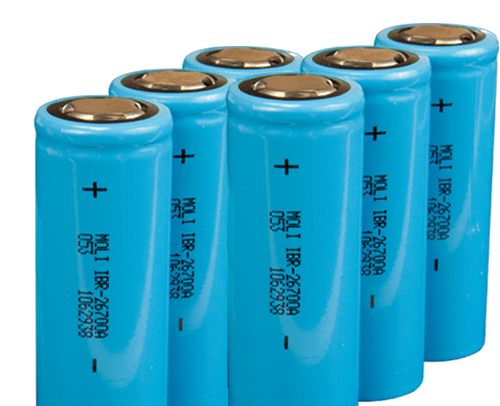
Exploring the Future of Silicon Anode Lithium-Ion Batteries in Electric Vehicles and Energy Storage

Silicon Anode Lithium Ion Battery Market


According to Future Market Insights (FMI), the global silicon anode lithium-ion battery market value is set to reach USD 1,052.8 million in 2024 and USD 57,653.4 million in 2034. Over the assessment period, the industry is predicted to surge at a CAGR of 49.2%.

Growing demand for electric vehicles and electronics necessitates advanced, high-energy, and secure battery solutions, propelling demand for silicon-anode lithium-ion batteries. Developments in battery chemistry, manufacturing, processing, recycling technologies, and infrastructure investments are further projected to fuel the growth.

The automotive industry plays a pivotal part in propelling the silicon anode lithium-ion battery market, fuelled by the necessity for secure and dependable energy sources. Silicon anode batteries exhibit superior safety compared to alternative anode materials like carbon and graphite, offering extended battery life and sustainability.

Silicon anode lithium-ion batteries prove their effectiveness in aerospace applications due to their high energy density and efficiency, surpassing conventional graphite anodes. With a capacity approximately ten times greater than graphite, silicon emerges as a promising option for aerospace applications where weight reduction and energy efficiency are vital.

Market Trends:

  1. Increased Demand for EVs and Energy Storage:
    • The rise in electric vehicles (EVs) is one of the primary drivers for silicon anode LIBs. Silicon anodes can significantly improve the energy density of EV batteries, providing longer driving ranges with smaller, lighter batteries.
    • The growing need for efficient energy storage solutions, particularly in the context of renewable energy integration, is also fueling market growth.
  2. R&D Advancements and Commercialization:
    • Continuous research and development (R&D) are focused on overcoming the challenges associated with silicon anodes, such as issues with cycle life and mechanical stability due to silicon’s volumetric expansion during charge-discharge cycles.
    • Companies are working on advanced technologies, such as silicon-graphene hybrid anodes or silicon nanotubes, to improve performance and durability.
    • Major players like Tesla, Panasonic, and LG Chem are investing heavily in developing silicon anodes for next-generation lithium-ion batteries.
  3. Shift Towards High-Energy Density Batteries:
    • Silicon anodes offer significantly higher theoretical capacity (around 3,500 mAh/g compared to graphite’s 372 mAh/g), making them highly attractive for applications requiring high energy density, such as drones, smartphones, and EVs.
    • As the demand for longer-lasting batteries grows, silicon anode technologies are gaining traction, especially in high-performance sectors.
  4. Sustainability and Environmental Concerns:
    • With growing concerns over sustainability and the environmental impact of battery production, the focus is shifting toward developing more sustainable and efficient battery technologies. Silicon anodes are seen as a way to reduce the carbon footprint of batteries, as silicon is abundant and less harmful to the environment compared to other materials.

Uncover Extensive Insights with the Full Report!

Competitive Landscape

Sila Nanotechnologies, Amprius Technologies, Group14 Technologies, Enovix Corporation, and NanoGraf Corporation are the key companies profiled in the full version of the report. Leading silicon anode lithium-ion battery manufacturers and suppliers are actively investing in continuous research to create new and advanced materials and improve their manufacturing processes to cater to end-user needs.

Recent developments-

  • In March 2024, NanoGraf opened a new facility for advanced manufacturing and expanded research and development capabilities in Chicago.
  • In March 2024, NEO Battery Materials filed a 9Mn patent for a manufacturing innovation in NBMSiDE®, resulting in improved yield, capacity, and quality in silicon anode production.

More Insights into the Silicon Anode Lithium-ion Battery Market Report

In its latest report, Future Market Insights (FMI) offers an unbiased analysis of the global silicon anode lithium-ion battery market, providing historical data from 2019 to 2023 and forecast statistics for the period 2024 to 2034.

To understand the global market potential, growth, and scope, the market is segmented based on capacity (<3000 mAh, 3000 mAh to 10000 mAh, >10000 mAh), material (nanostructured silicon anode, Si-based carbon composite anode), application (automotive, consumer electronics, aerospace, industrial, power, others), and region.

About Future Market Insights (FMI)

Future Market Insights, Inc. (ESOMAR certified, recipient of the Stevie Award, and a member of the Greater New York Chamber of Commerce) offers profound insights into the driving factors that are boosting demand in the market. FMI stands as the leading global provider of market intelligence, advisory services, consulting, and events for the Packaging, Food and Beverage, Consumer Technology, Healthcare, Industrial, and Chemicals markets. With a vast team of over 400 analysts worldwide, FMI provides global, regional, and local expertise on diverse domains and industry trends across more than 110 countries. Join us as we commemorate 10 years of delivering trusted market insights. Reflecting on a decade of achievements, we continue to lead with integrity, innovation, and expertise.

Contact Us:     

Future Market Insights Inc.
Christiana Corporate, 200 Continental Drive,
Suite 401, Newark, Delaware – 19713, USA
T: +1-347-918-3531
For Sales Enquiries: sales@futuremarketinsights.com
Website: https://www.futuremarketinsights.com
LinkedIn| Twitter| Blogs | YouTube

Fumigation Product Industry: The Role of Agricultural Demand and Urbanization

Fumigation Product Market

The fumigation product market is poised for steady growth, projected to expand at a compound annual growth rate (CAGR) of 6.2% over the next decade. This robust growth trajectory, despite potential market constraints, indicates a promising future for the industry. By 2034, the market size is expected to swell to USD 10.1 billion, a significant increase from the USD 5.5 billion recorded in 2024. This upward trend underscores the rising demand for effective pest control solutions, driven by heightened awareness of pest-related health risks and the increasing need for safeguarding agricultural yields and stored products.

The growing population rate and urbanization will drive the fumigation product market growth rate. The increasing commercial and non-commercial sectors will generate the demand for disinfecting products. Also, vigorous methods will be demanded to gain rapid results. Hence, this will be a key growth driver.

The growing prevalence of infectious diseases will give traction to the demand for fumigation products. Due to this, consumers will agitate the fumigation product market size by generating more demand for products.

Stringent policies for food safety and the healthcare industry will generate the demand for fumigation products. Disinfection processes will get traction and the regulatory policies will govern them, fueling the market growth.

The growing agricultural sector will assist the fumigation product market growth rate as the demand for pesticides, fungicides, and germicides will increase drastically. Therefore, this is another key market driver.

Fumigation Product Market Trends

The fumigation product market is experiencing growth driven by increasing environmental concerns, as sustainable pest control practices gain popularity. Integrated pest management techniques are becoming more common, supporting the demand for eco-friendly solutions. Additionally, there is a rising focus on aesthetics, with consumers seeking pleasant-smelling, effective pest-control and disinfecting methods. Advancements in technology and ongoing research are also contributing to the development of new chemical formulations, further fueling innovation in the market. These trends collectively contribute to the expansion of the fumigation product market.

Competitive Landscape

Major players in the fumigation product market innovate and expand through their product launches. Moreover, strategic acquisitions, mergers, and collaborations are key market expansion modes that deliver a sustainable competitive edge.

New entrants possess less negotiating power due to their lower market share. However, strategic alliances, aggressive pricing, and innovation will elevate their market share, giving a decisive competitive advantage. The following key market developments have occurred recently:-

  • In October 2022, AMVAC Chemical Corporation partnered with NewLeaf Symbiotics. The collaboration was intended to use the strategic strengths of both organizations in the field of marketing and operations to deliver optimum results.
  • In February 2024, Arkema expanded its elastomers production capacity by 40%. This development has been significant for the organization in the consumer goods and sports market segment.

Gain Detailed Understanding by Reviewing the Complete Report!

Key Companies Profiled in the Fumigation Product Market

  • AMVAC Chemical Corporation
  • Arkema
  • Detia Degesch GmbH
  • Ecotec Fumigation
  • Intech Organics Ltd
  • LANXESS AG
  • Solvay S.A.
  • Draslovka Services Group
  • S.C. JOHNSON & SON INC.
  • Ensystex Australasia Pty Ltd.

More Valuable Insights Available

Future Market Insights offers an unbiased global fumigation product market analysis, providing historical data from 2019 to 2023 and forecast statistics from 2024 to 2034.

The fumigation product market is segmented by Type (Phosphine, Sulfuryl Fluoride, Methyl Bromide, and Others), Form (Solid, Liquid, and Gas), Application (Commercial & Industrial, Agriculture, and Residential), and Region (North America, Latin America, Western Europe, Eastern Europe, South Asia and Pacific, East Asia, and the Middle East and Africa).

About Future Market Insights (FMI)

Future Market Insights, Inc. (ESOMAR certified, recipient of the Stevie Award, and a member of the Greater New York Chamber of Commerce) offers profound insights into the driving factors that are boosting demand in the market. FMI stands as the leading global provider of market intelligence, advisory services, consulting, and events for the Packaging, Food and Beverage, Consumer Technology, Healthcare, Industrial, and Chemicals markets. With a vast team of over 400 analysts worldwide, FMI provides global, regional, and local expertise on diverse domains and industry trends across more than 110 countries. Join us as we commemorate 10 years of delivering trusted market insights. Reflecting on a decade of achievements, we continue to lead with integrity, innovation, and expertise.

Contact Us:     

Future Market Insights Inc.
Christiana Corporate, 200 Continental Drive,
Suite 401, Newark, Delaware – 19713, USA
T: +1-347-918-3531
For Sales Enquiries: sales@futuremarketinsights.com
Website: https://www.futuremarketinsights.com
LinkedIn| Twitter| Blogs | YouTube
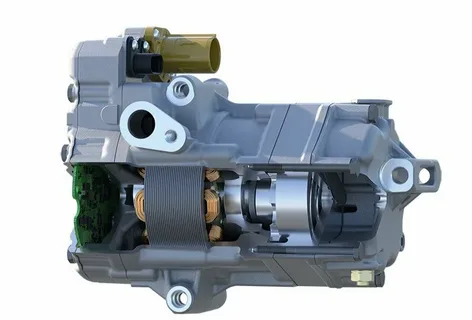
Automotive E-compressor Market Set for Substantial Growth Amid Rising Demand for Electric and Hybrid Vehicles | FMI Reports

Automotive E-compressor Market

The global automotive e-compressor market is projected to generate revenue of USD 1,730.7 million in 2023. With an anticipated CAGR of 11.3%, the market is expected to grow, reaching a valuation of USD 5,048.5 million by 2033.

The global automotive E-compressor market is poised for strong growth over the forecast period as electric and hybrid vehicle adoption accelerates worldwide. With increasing emphasis on reducing greenhouse gas emissions and improving fuel efficiency, automotive E-compressors have gained traction as an essential component for the climate control systems of electric and hybrid vehicles, which lack traditional engine-driven compressors.

The rising trend of vehicle electrification, coupled with advancements in E-compressor technology, is expected to drive significant market expansion. These electric compressors operate independently of the engine, delivering efficient, responsive cooling without increasing fuel consumption, making them ideal for modern vehicle designs. In addition to enhancing overall efficiency, automotive E-compressors help optimize battery range in electric vehicles by reducing energy draw during operation.

With a projected increase in EV production and supportive regulatory frameworks promoting cleaner mobility solutions, the automotive E-compressor market is expected to witness robust growth across regions, especially in North America, Europe, and Asia-Pacific.

Exhaustive Market Report: A Complete Study

Key Takeaways:

  • Market Growth: The automotive E-compressor market is projected to grow significantly, driven by increasing demand for electric and hybrid vehicles, as well as the need for more efficient climate control solutions in these vehicles.
  • Technological Advancements: E-compressors, which operate independently of the engine, offer efficient cooling solutions without compromising vehicle fuel efficiency, making them critical for enhancing battery range in electric vehicles.
  • Demand Drivers: Government regulations promoting green technology, combined with rising EV production and consumer interest in cleaner, fuel-efficient vehicles, are major growth drivers for the E-compressor market.
  • Regional Insights: North America, Europe, and Asia-Pacific are expected to lead the market due to favorable regulatory environments and high levels of EV production and adoption.

Key Players

  • Denso Corporation
  • Hanon Systems
  • Valeo
  • Mahle GmbH
  • Sanden Holdings Corporation
  • Mitsubishi Heavy Industries
  • Hitachi Automotive Systems
  • LG Electronics
  • Panasonic Corporation
  • Calsonic Kansei Corporation
  • Others

Key Segmentations

By Product Type:

  • Variable E-compressor
  • Displacement E-compressor

By Application:

  • Passenger cars
  • Light Commercial Vehicles
  • Heavy Commercial Vehicles

By Region:

  • North America
  • Latin America
  • Europe
  • East Asia
  • South Asia
  • Oceania
  • The Middle East & Africa (MEA)

About Future Market Insights (FMI)

Future Market Insights, Inc. (ESOMAR certified, recipient of the Stevie Award, and a member of the Greater New York Chamber of Commerce) offers profound insights into the driving factors that are boosting demand in the market. FMI stands as the leading global provider of market intelligence, advisory services, consulting, and events for the Packaging, Food and Beverage, Consumer Technology, Healthcare, Industrial, and Chemicals markets. With a vast team of 400 analysts worldwide, FMI provides global, regional, and local expertise on diverse domains and industry trends across more than 110 countries.

Contact Us:      

Future Market Insights Inc.
Christiana Corporate, 200 Continental Drive,
Suite 401, Newark, Delaware – 19713, USA
T: +1-347-918-3531
For Sales Enquiries: sales@futuremarketinsights.com
Website: https://www.futuremarketinsights.com
LinkedIn| Twitter| Blogs | YouTube

Exploring the Growth of the Bromine Flame Retardant (BFR) Market: Opportunities and Challenges

Bromine Flame Retardant (BFR) Market

The global bromine flame retardant (BFR) market is poised for substantial growth, with its value forecasted to rise from USD 2,399.5 million in 2024 to USD 4,264.0 million by 2034. This represents a robust compound annual growth rate (CAGR) of 5.9% throughout the forecast period. The increasing demand for BFRs, driven by their crucial role in enhancing the fire safety of materials across industries such as electronics, construction, automotive, and textiles, is expected to significantly fuel market expansion. As industries continue to prioritize safety and regulatory standards, the adoption of bromine-based flame retardants is anticipated to rise, supporting the market’s positive trajectory over the next decade.

Increasing awareness and stringent regulations regarding fire safety is expected to propel demand for bromine flame-retardant materials. Technological advancements lead to developing more efficient and environmentally friendly flame retardants, driving the BFR market growth.

The booming construction, automotive, and electronics industries are further contributing to the market expansion. The bromine flame retardant market finds extensive utilization across various end-use industries, including electronics, construction, automotive, textiles, and aerospace.

Regulatory requirements and the need for enhanced fire safety measures in several sectors drive widespread adoption of bromine flame retardant materials. The increasing focus on sustainability and environmental protection further drives the demand for eco-friendly flame retardant solutions, particularly in construction and textiles.

Looking at the global outlook, the bromine flame retardant market is witnessing a balanced equilibrium between supply and demand. While demand continues to rise steadily due to increasing safety regulations and industrial growth, the market benefits from a stable supply of raw materials and efficient production processes.

The growth of the Bromine Flame Retardant (BFR) market is driven by several key factors:

  1. Stringent Fire Safety Regulations: Increasing government regulations worldwide focusing on fire safety standards in industries like electronics, construction, and automotive are pushing for the adoption of flame retardants. These regulations mandate the use of fire-resistant materials, boosting demand for BFRs.
  2. Expanding Electronics Industry: As the electronics sector continues to grow, especially in consumer electronics and electric vehicles, the need for BFRs to meet safety and performance standards in components like circuit boards, cables, and connectors is rising.
  3. Growth in Construction & Automotive Sectors: The construction and automotive industries, which require fire-resistant materials for insulation, wiring, and other components, are significant consumers of BFRs. Increased infrastructure development and the adoption of advanced vehicles contribute to rising demand.
  4. Advances in Materials and Applications: Innovations in BFR technology, such as improving efficiency and reducing environmental impact, are expanding their use across diverse applications. The growing trend toward lightweight and high-performance materials in automotive and aerospace sectors is also driving market demand.
  5. Rising Awareness of Fire Safety: As safety concerns grow globally, especially in residential and commercial buildings, the demand for BFR-treated materials has surged. Public awareness of fire hazards and the importance of fire-resistant materials is contributing to market growth.
  6. Growing Demand in Textiles: The textile industry is increasingly adopting BFRs for applications in upholstery, clothing, and fabrics used in transportation. The need for flame-resistant textiles in public spaces and vehicles is contributing to the market’s expansion.
  7. Sustainability Trends: There is a growing focus on developing sustainable and less toxic flame retardants, including bromine-based solutions that offer high effectiveness while reducing harmful environmental impacts, driving innovation and market growth.

Uncover Extensive Insights with the Full Report!

Competitive Landscape

The global bromine flame retardant (BFR) market is fragmented, with leading players accounting for 35% to 40% of the share. Albemarle Corporation, Akzo Nobel N.V., ICL, Lanxess, BASF SE, Clariant, and ISU Chemical are the leading manufacturers and suppliers of bromine flame retardant (BFR) listed in the report.

Key bromine flame retardant (BFR) companies invest in continuous research to produce new products and increase their capacity to meet end-user demand. They are also inclined toward adopting strategies to strengthen their footprint, including acquisitions, partnerships, mergers, and facility expansions.

For instance,

  • In 2022, Canada-based FRX Innovations announced that Nofia-branded flame retardants received the SAFER accreditation from ChemFORWARD.
  • In 2022, BASF SE launched a novel type of thermoplastic Polyurethane termed as ‘Elastollan R 2600 FHF’ from its Elastollan product line.

More Insights into the Bromine Flame Retardant (BFR) Report

In its latest report, Future Market Insights (FMI) offers an unbiased analysis of the global bromine flame retardant (BFR) market, providing historical data from 2019 to 2023 and forecast statistics for the period 2024 to 2034.

To understand the global market potential, growth, and scope, the market is segmented based on type (Tetrabromobisphenol A [TBBPA], Hexabromocyclododecane [HBCD], Polybrominated Diphenyl Ethers [PBDEs], Decabromodiphenyl Ethane [DBDPE], Brominated Polystyrene [BPS], Others) application (electrical and electronics, building & construction, textile & furniture, automotive, aerospace & defense, plastic & polymer, others) and region.

About Future Market Insights (FMI)

Future Market Insights, Inc. (ESOMAR certified, recipient of the Stevie Award, and a member of the Greater New York Chamber of Commerce) offers profound insights into the driving factors that are boosting demand in the market. FMI stands as the leading global provider of market intelligence, advisory services, consulting, and events for the Packaging, Food and Beverage, Consumer Technology, Healthcare, Industrial, and Chemicals markets. With a vast team of over 400 analysts worldwide, FMI provides global, regional, and local expertise on diverse domains and industry trends across more than 110 countries. Join us as we commemorate 10 years of delivering trusted market insights. Reflecting on a decade of achievements, we continue to lead with integrity, innovation, and expertise.

Contact Us:     

Future Market Insights Inc.
Christiana Corporate, 200 Continental Drive,
Suite 401, Newark, Delaware – 19713, USA
T: +1-347-918-3531
For Sales Enquiries: sales@futuremarketinsights.com
Website: https://www.futuremarketinsights.com
LinkedIn| Twitter| Blogs | YouTube

Europe Automotive Tire Market Set for Strong Growth Amid Rising Demand for Sustainable and High-Performance Tires | FMI Reports

Europe Automotive Tire Market

The European automotive tire market is projected to reach a valuation of USD 68.4 billion in 2023. Over the next decade, from 2023 to 2033, tire sales across Europe are expected to grow at a CAGR of approximately 4.8%, pushing the market valuation beyond USD 108.7 billion by 2033.

The Europe automotive tire market is projected to expand significantly over the coming decade, driven by a surge in demand for high-performance, sustainable, and technologically advanced tires across the region. With a strong focus on innovation, European automotive tire manufacturers are capitalizing on the rising consumer demand for fuel-efficient and eco-friendly options, especially as electric vehicles (EVs) and hybrid vehicles gain traction.

European regulations emphasizing fuel efficiency, emission reductions, and road safety standards are further propelling the automotive tire market. Tire manufacturers are investing heavily in research and development to create tires that are not only more durable and capable of withstanding varying weather conditions but also sustainable. The use of eco-friendly materials and advancements in tread design are helping companies meet environmental and regulatory requirements while providing better traction, handling, and performance.

Increasing demand for electric vehicles in Europe has also created a demand for tires specifically designed to handle the unique requirements of EVs, including the need for reduced rolling resistance and durability to manage heavier vehicle weight. The market is poised to witness robust growth as both consumers and fleet operators prioritize cost-efficient, longer-lasting, and sustainable tire solutions.

The adoption of smart tire technology is another key trend, with leading manufacturers developing tires embedded with sensors that monitor pressure, temperature, and tread wear. This technology supports vehicle safety, extending tire life and performance. Major players in the European automotive tire market are responding to consumer and regulatory trends by delivering innovative tire solutions that align with evolving automotive needs.

Exhaustive Market Report: A Complete Study

Key Takeaways:

  • Market Expansion: The Europe automotive tire market is set to grow significantly, driven by rising consumer demand for high-performance, eco-friendly, and fuel-efficient tires, especially amid increasing EV adoption.
  • Sustainability Focus: Manufacturers are investing in eco-friendly materials, advanced tread designs, and sustainable production practices to meet stringent European regulations and environmental expectations.
  • EV Tire Demand: The growing popularity of electric vehicles is creating a demand for specialized tires that offer low rolling resistance and high durability to accommodate EV-specific performance needs.
  • Smart Tire Technology: Leading manufacturers are increasingly incorporating sensor technology in tires, enabling real-time monitoring of tire pressure, temperature, and tread wear for improved safety and maintenance.
  • Innovation in Performance: European tire manufacturers are focused on developing all-season, high-performance tires capable of withstanding diverse European climates, enhancing durability, traction, and handling.

Key Players in the Europe Automotive Tire Industry

  • Bridgestone Corporation
  • Michelin
  • The Hercules Tire and Rubber Company
  • Continental AG
  • Nitto tires
  • Pirelli & C. S.p.A.
  • Yokohama Rubber Company Limited
  • Zhongce Rubber Group Co., Ltd.
  • Cheng Shin Rubber Ind. Co. Ltd.
  • Goodyear Tire & Rubber Company
  • KUMHO TIRE Co., Inc.
  • HANKOOK TIRE & TECHNOLOGY Co., Ltd.
  • Toyo Tires
  • Nankang Rubber Tire Corp., Ltd.
  • NEXEN TIRE

Key Developments in the Europe Automotive Tire Industry:

  • In 2023, Bridgestone EMIA was selected as the official technical partner of Lamborghini. This partnership entails the development and supply of new fitments and premium tires that optimize the performance of Lamborghini’s exotic and luxury sports cars.
  • In 2022, to acquire Michelin Russia Tire Manufacturing Company (MRTMC) LLC and Camso CIS LLC, an agreement was signed by Michelin with Power International Tires LLC. This acquisition will expand Michelin’s presence in Russia and the CIS markets, further strengthening its global footprint and market position.
  • In July 2021, a new tire with high load marking for SUVs and hybrid or electric cars was introduced by Pirelli. The new tire is designed to provide low-rolling resistance and high level of driving comfort.
  • In March 2021, E.Primacy, the first eco-designed tire was launched by MICHELIN. It is designed to reduce environmental impact. The new tire also offers low rolling resistance, resulting in fuel savings and low carbon emissions.

Europe Automotive Tire Market Segmentation

By Vehicle:

  • Passenger Cars
  • LCV
  • HCV
  • 2/3 wheelers
  • Specialty Vehicle

By Aspect Ratio:

  • 35 to 55
  • 65 to 70
  • 75 to 85
  • Granite
  • Wood
  • Others

By Material Type:

  • Natural Rubber
  • Synthetic Rubber

By Tire Type:

  • All season Tire
  • Winter Tire
  • Touring Tire
  • Special Tire

By Ply Type:

  • Radial
  • Bias

By Sales Channel:

  • OEM
  • After Market

By Tube Category:

  • Tube Tire
  • Tubeless Tire

By Country:

  • Germany
  • Italy
  • France
  • United Kingdom
  • Spain
  • Netherlands
  • Luxembourg Countries
  • Belgium
  • Russia
  • Rest of Europe

About Future Market Insights (FMI)

Future Market Insights, Inc. (ESOMAR certified, recipient of the Stevie Award, and a member of the Greater New York Chamber of Commerce) offers profound insights into the driving factors that are boosting demand in the market. FMI stands as the leading global provider of market intelligence, advisory services, consulting, and events for the Packaging, Food and Beverage, Consumer Technology, Healthcare, Industrial, and Chemicals markets. With a vast team of 400 analysts worldwide, FMI provides global, regional, and local expertise on diverse domains and industry trends across more than 110 countries.

Contact Us:      

Future Market Insights Inc.
Christiana Corporate, 200 Continental Drive,
Suite 401, Newark, Delaware – 19713, USA
T: +1-347-918-3531
For Sales Enquiries: sales@futuremarketinsights.com
Website: https://www.futuremarketinsights.com
LinkedIn| Twitter| Blogs | YouTube
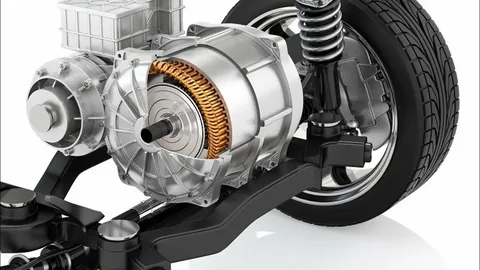
Smart Motors Market Set for Significant Expansion as Industry Shifts Toward Automation and Energy Efficiency | FMI Reports

Smart Motors Market
Smart Motors Market

The global smart motors market reached a valuation of USD 1.9 billion in 2023 and is projected to grow at a steady CAGR of 5.2% from 2023 to 2033. By the end of 2033, the market is expected to reach a significant value of USD 3.2 billion.

The global smart motors market is poised for robust growth in the coming years, fueled by increasing demand for energy-efficient solutions and the ongoing trend toward automation across industries. Smart motors, integrated with advanced sensors, communication interfaces, and control systems, offer higher operational efficiency, predictive maintenance, and reduced energy consumption, making them a preferred choice for various applications in industries such as manufacturing, automotive, robotics, HVAC, and more.

The smart motors market is expected to benefit significantly from the rise of Industry 4.0 and the broader push for industrial automation. These intelligent systems allow for real-time monitoring, enhanced performance, and precise control, enabling companies to reduce downtime, improve productivity, and optimize energy use. The growing trend toward the Internet of Things (IoT) and connected devices further drives the demand for motors capable of integrating into smart, networked systems.

With the increasing adoption of electric vehicles (EVs) and the demand for energy-efficient solutions across sectors, smart motors are becoming a key enabler for achieving sustainability goals. As industries strive to meet stricter energy regulations and reduce operational costs, smart motors offer a compelling value proposition, making them indispensable in modern manufacturing setups.

The growing focus on renewable energy sources, coupled with the rise of smart cities and green technologies, is expected to further boost the adoption of smart motors. The integration of artificial intelligence (AI) and machine learning algorithms for motor control is set to open new opportunities, providing intelligent systems that can predict failure and optimize energy consumption.

Exhaustive Market Report: A Complete Study

Key Takeaways:

  • Market Growth: The smart motors market is set to experience significant growth as industries embrace automation, energy efficiency, and predictive maintenance to enhance productivity and reduce operational costs.
  • Demand Drivers: Key drivers of the market include the adoption of Industry 4.0, increased focus on energy-efficient solutions, and growing demand for automated systems across manufacturing, automotive, and robotics sectors.
  • Technology Advancements: The integration of IoT, AI, and machine learning is transforming smart motors into intelligent devices capable of real-time monitoring, performance optimization, and predictive maintenance.
  • Sustainability and Efficiency: Smart motors support sustainability goals by optimizing energy usage and reducing environmental impact, making them an integral part of green technologies, electric vehicles, and smart city infrastructures.
  • Industry Applications: Smart motors are being increasingly adopted across sectors such as industrial manufacturing, robotics, automotive, HVAC, and renewable energy applications.

Key Players in the Market

  • Rockwell Automation
  • Moog, Inc.
  • Fuji Electric Co., Ltd.
  • ABB Ltd.
  • Siemens AG
  • Schneider Electric SE
  • General Electric
  • Dunkermotoren GmbH
  • Technosoft SA
  • RobotShop, Inc.
  • Roboteq, Inc.

Market Segmentation by Category

By Product:

  • 24V
  • 18V
  • 36V
  • 48.24V

By Application:

  • Industrial
  • Automotive
  • Consumer Electronics
  • Aerospace and Defense
  • Others

By Region:

  • North America
  • Latin America
  • Europe
  • Asia Pacific
  • The Middle East and Africa

About Future Market Insights (FMI)

Future Market Insights, Inc. (ESOMAR certified, recipient of the Stevie Award, and a member of the Greater New York Chamber of Commerce) offers profound insights into the driving factors that are boosting demand in the market. FMI stands as the leading global provider of market intelligence, advisory services, consulting, and events for the Packaging, Food and Beverage, Consumer Technology, Healthcare, Industrial, and Chemicals markets. With a vast team of 400 analysts worldwide, FMI provides global, regional, and local expertise on diverse domains and industry trends across more than 110 countries.

Contact Us:      

Future Market Insights Inc.
Christiana Corporate, 200 Continental Drive,
Suite 401, Newark, Delaware – 19713, USA
T: +1-347-918-3531
For Sales Enquiries: sales@futuremarketinsights.com
Website: https://www.futuremarketinsights.com
LinkedIn| Twitter| Blogs | YouTube

Automotive Wheel Hub Bearing Aftermarket Poised for Growth with Rising Demand for Durable, High-Performance Wheel Components | FMI Reports

Automotive Wheel Hub Bearing Aftermarket

The global automotive wheel hub bearing aftermarket reached a valuation of USD 1,065.5 million in 2023. Over the forecast period from 2023 to 2033, aftermarket sales of automotive wheel hub bearings are projected to grow at a CAGR of 5.0%, with the total market value expected to increase from USD 1,114.2 million in 2023 to USD 1,810.7 million by 2033.

The global automotive wheel hub bearing aftermarket is projected to experience robust growth over the forecast period, driven by the increasing vehicle population, longer vehicle lifespans, and rising consumer awareness of vehicle maintenance. Wheel hub bearings are critical to vehicle performance and safety, ensuring smooth rotation of the wheels and reducing friction and wear on critical components. As a result, demand for high-quality, durable replacement bearings is on the rise in the automotive aftermarket sector.

The shift towards lightweight and compact bearings that offer high durability and better fuel efficiency is a key trend shaping the market. As vehicle owners prioritize maintenance and replacement of worn or damaged wheel hub bearings, aftermarket manufacturers are focusing on producing cost-effective, quality components that meet or exceed OEM standards. Additionally, the growth of e-commerce platforms and online sales channels has made it easier for consumers to access a wide range of aftermarket parts, further fueling market expansion.

With increased automotive sales, particularly in regions such as North America, Europe, and Asia-Pacific, the automotive wheel hub bearing aftermarket is expected to grow steadily. This market also benefits from the rising popularity of electric vehicles (EVs), which require specific types of high-performance wheel bearings designed to support the unique demands of EV systems.

Exhaustive Market Report: A Complete Study

Key Takeaways:

  • Market Growth: The automotive wheel hub bearing aftermarket is expected to grow steadily as more vehicle owners seek quality replacement parts to ensure vehicle safety and performance over time.
  • Demand Drivers: Factors such as increasing vehicle longevity, consumer awareness of vehicle maintenance, and growth in vehicle ownership contribute significantly to the demand for aftermarket wheel hub bearings.
  • Technological Advancements: Aftermarket manufacturers are increasingly focused on producing lightweight, durable wheel hub bearings that offer high efficiency, aligning with trends in fuel efficiency and EV adoption.
  • Regional Insights: Key regions such as North America, Europe, and Asia-Pacific are anticipated to lead in market demand, with significant contributions from the growing automotive sales and expansion of the EV sector.

Competitive Landscape

Continental AG, Tenneco Inc., Schaeffler AG, Mahle GmbH, The Timken Company, NSK Ltd., JTEKT Corp, Rheinmetall AG and others are the leading market players, collectively account for 40% to 45% of the global market share.

Companies are making significant investments to boost output for the global market and take advantage of expansion opportunities. They focus on producing high-quality wheel hub bearings that meet or exceed industry standards.

Leading automotive wheel hub bearing manufacturers invest in research and development to enhance bearing performance, durability, and reliability. By offering superior products, companies can attract customers who prioritize performance and longevity.

The manufacturing cooperation and joint ventures with regional distributors and suppliers may get more recognition in the area as a result of the growth of their service offerings, which improve adoption and services in the regional market.

Recent developments:

  • In 2022, Melior Motion GmbH was acquired by Schaeffler, a leading automotive and industrial supplier.
  • In 2019, dual encoder bearings featuring SureSignal technology were launched by DRiV’s’ National Brand.
  • In 2021, 13 new products, including BCA’s line of wheel bearings & hub assemblies, were released by NTN Corporation.

Key Segmentation

By Vehicle Type:

  • EV
    • Passenger Car
    • LCV
    • HCV
  • IC Engine
    • Passenger Car
    • LCV
    • HCV
  • Two Wheelers
    • EV
    • IC Engine

By Inner Diameter:

  • 12 mm to 25 mm
  • 26 mm to 50 mm
  • 51 mm to 100 mm
  • Above 100 mm

By Product Type:

  • Ball Bearing
  • Tapered Roller Bearing
  • Cylindrical Roller Bearing
  • Angular Contact Ball Bearings
  • Needle Roller Bearings

By Sales Channel:

  • Original Equipment Manufacturer (OEM)
  • Independent Aftermarket

By Region:

  • North America
  • Latin America
  • Western Europe
  • Eastern Europe
  • Central Asia
  • Russia & Belarus
  • Balkan & Baltics Countries
  • East Asia
  • South Asia & Pacific
  • Middle East & Africa

About Future Market Insights (FMI)

Future Market Insights, Inc. (ESOMAR certified, recipient of the Stevie Award, and a member of the Greater New York Chamber of Commerce) offers profound insights into the driving factors that are boosting demand in the market. FMI stands as the leading global provider of market intelligence, advisory services, consulting, and events for the Packaging, Food and Beverage, Consumer Technology, Healthcare, Industrial, and Chemicals markets. With a vast team of 400 analysts worldwide, FMI provides global, regional, and local expertise on diverse domains and industry trends across more than 110 countries.

Contact Us:      

Future Market Insights Inc.
Christiana Corporate, 200 Continental Drive,
Suite 401, Newark, Delaware – 19713, USA
T: +1-347-918-3531
For Sales Enquiries: sales@futuremarketinsights.com
Website: https://www.futuremarketinsights.com
LinkedIn| Twitter| Blogs | YouTube
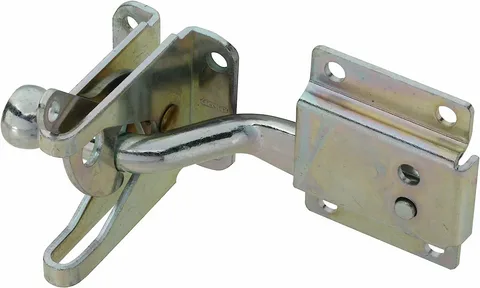
Global Automotive Door Latch and Hinges Market Anticipated to Grow with Rising Demand for Enhanced Vehicle Safety and Design | FMI Reports

Automotive Door Latch and Hinges Market

The global automotive door latch and hinges market recorded a revenue of USD 33.9 billion in 2022, reflecting a year-on-year growth rate of 4.7%. From 2023 to 2033, demand in this market is projected to grow at a steady CAGR of 5.4%, with the market size expected to expand from USD 35.6 billion in 2023 to USD 60.3 billion by 2033. Currently, the automotive door latch and hinges sector contributes approximately 3% to 5% of the global automotive market.

The global automotive door latch and hinges market is set for steady growth as demand increases for robust, reliable, and safety-enhanced vehicle door components. With the automotive industry increasingly focused on safety, convenience, and cutting-edge design, advancements in door latch and hinge technology have become pivotal. Innovations such as electronic latches and lightweight materials for door hinges contribute to improved vehicle security, reduced weight, and enhanced fuel efficiency.

Driven by rising vehicle production, particularly in electric vehicles (EVs) and luxury segments, the need for efficient, durable, and user-friendly door components is on the rise. Manufacturers are focusing on designing door latches with anti-theft capabilities, as well as hinges that can withstand higher load capacities and provide smooth, secure door operation. Technological enhancements like smart door latches, which incorporate sensors for seamless locking and unlocking, are gaining traction as well.

With significant growth potential across North America, Europe, and Asia-Pacific, the automotive door latch and hinges market is expected to benefit from both regulatory pushes for vehicle safety standards and increasing consumer demand for convenience and innovation in automotive design.

Exhaustive Market Report: A Complete Study

Key Takeaways:

  • Market Expansion: The automotive door latch and hinges market is anticipated to grow steadily, supported by the increasing emphasis on vehicle safety, comfort, and aesthetic design in both traditional and electric vehicles.
  • Technological Advancements: Innovations in door latch and hinge technology, including smart latches with integrated sensors and lightweight, high-durability hinges, are key factors driving market growth.
  • Rising EV Demand: As electric vehicle production continues to rise, manufacturers are prioritizing lightweight, efficient components that contribute to better energy efficiency, further boosting the demand for advanced door latches and hinges.
  • Regional Growth: The market is expected to see significant growth across North America, Europe, and Asia-Pacific, supported by regulatory safety requirements and the high rate of vehicle production and sales in these regions.

Competitive Landscape

The global automobile door latch and hinges market is highly fragmented and fierce in competition, with various local and international competitors participating in the market. Among the market’s key players are Kiekert AG, Brose Fahrzeugteile GmbH & Co. KG, Magna International Inc., Inteva Products, LLC, AISIN SEIKI Co., Ltd., and Strattec Security Corporation.

Leading automotive door latch and hinge manufacturing companies are focusing on launching new products with better features. They are also adopting strategies such as acquisitions, partnerships, mergers, and facility expansions to gain profits.

For instance:

  • Magna International, the United States-based firm, bought Haptronik GmbH in 2019, a company specializing in mechatronic controls and systems for automotive applications, such as door latch and hinge systems. Magna was able to enhance its expertise in the industry and develop more advanced goods as a result of this acquisition.
  • In 2022, Veoneer Active Safety Business was acquired by Magna International Inc.
  • In 2018, Magna introduced Comfort+ door latch to meet growing demand for noise reduction door opening and closing components.

Global Automotive Door Latch and Hinges Market Segmentation

By Product Type:

  • Latch Type
    • Side Door Latch
    • Tailgate Latch
    • Hood Latch
  • Hinge Type
    • Front & Rear Door Hinges
    • Tailgate/Bonnet Hinges

By Vehicle Type:

  • Passenger Vehicle
    • Compact
    • Midsize
    • SUV
    • Luxury
  • Commercial Vehicle
    • LCV
    • HCV

By Sales Channel:

  • OEM
  • Aftermarket

By Material:

  • Steel
  • Aluminum
  • Others

By Region:

  • North America
  • Latin America
  • Europe
  • East Asia
  • South Asia & Pacific
  • Middle East & Africa

About Future Market Insights (FMI)

Future Market Insights, Inc. (ESOMAR certified, recipient of the Stevie Award, and a member of the Greater New York Chamber of Commerce) offers profound insights into the driving factors that are boosting demand in the market. FMI stands as the leading global provider of market intelligence, advisory services, consulting, and events for the Packaging, Food and Beverage, Consumer Technology, Healthcare, Industrial, and Chemicals markets. With a vast team of 400 analysts worldwide, FMI provides global, regional, and local expertise on diverse domains and industry trends across more than 110 countries.

Contact Us:      

Future Market Insights Inc.
Christiana Corporate, 200 Continental Drive,
Suite 401, Newark, Delaware – 19713, USA
T: +1-347-918-3531
For Sales Enquiries: sales@futuremarketinsights.com
Website: https://www.futuremarketinsights.com
LinkedIn| Twitter| Blogs | YouTube
The Rise of Composite Doors and Windows: Enhancing Energy Efficiency and Aesthetic Appeal

Composite Door and Window Market

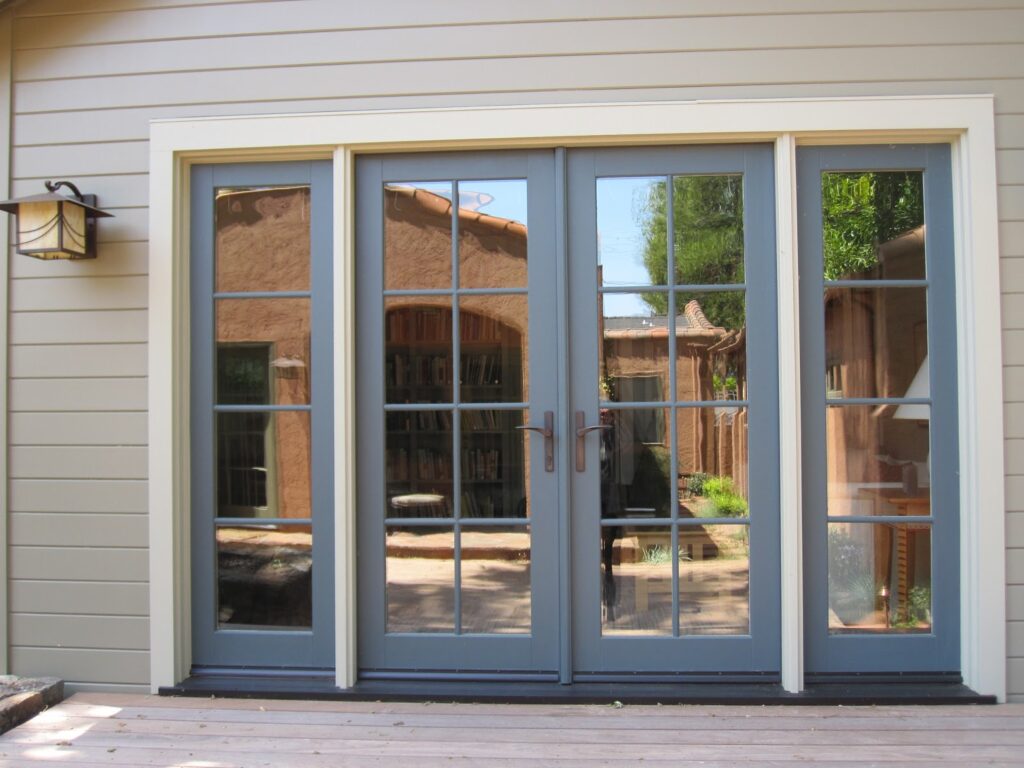
The composite door and window market is expected to experience significant growth, with a projected valuation of USD 1.7 billion by 2034, driven by an estimated CAGR of 7.4%. This growth is primarily fueled by the increasing demand for energy-efficient, durable, and low-maintenance building materials, as well as the rising trend of sustainable construction practices. Composite doors and windows, which combine the benefits of multiple materials such as wood, PVC, and metal, are gaining popularity due to their superior thermal insulation, weather resistance, and aesthetic appeal. As urbanization and construction activities continue to expand globally, the market for these high-performance building solutions is poised for steady expansion over the next decade.

The increasing demand for energy-efficient building materials is one of the primary drivers. Composite doors and windows offer superior thermal insulation properties, helping to reduce heat loss and energy consumption in residential and commercial buildings.

As energy efficiency regulations become more stringent worldwide, a growing preference for composite materials can contribute to sustainable construction practices and lower utility costs for building owners.

Composite materials provide excellent durability and resist weathering, corrosion, and rotting, making them ideal for exterior applications such as doors and windows. Homeowners and architects appreciate the low maintenance requirements of composite doors and windows, which typically require minimal upkeep compared to traditional materials.

Advancements in manufacturing technologies have enabled the production of composite doors and windows with improved strength, structural integrity, and design flexibility. Companies invest in research and development to develop innovative composite formulations and production processes that optimize performance while reducing costs and environmental impact.

The composite door and window market is also driven by urbanization, population growth, and new residential and commercial building construction. As urban areas expand and modernize, there is a growing demand for high-quality building materials that offer longevity, security, and aesthetic appeal.

Competitive Landscape

The competitive landscape of the composite door and window market is characterized by a mix of global manufacturers and regional players. These companies compete based on product quality, design innovation, pricing strategies, and geographical presence, leveraging strategic partnerships and mergers to gain market share and meet evolving consumer preferences.Top of Form

Some of the key developments are

  • In February 2019, NCL VEKA, a joint venture between NCL Group and German UPVC profile producer VEKA AG, inaugurated the country’s largest UPVC profile extrusion plant in Hyderabad. This significant investment underscores their commitment to meeting the growing demand for UPVC profiles in India’s construction sector.
  • In January 2019, REHAU announced plans to establish 56 retail centers across India by 2020. This expansion initiative aimed to strengthen REHAU’s presence in the Indian market and cater to the increasing demand for premium UPVC products among residential and commercial customers.

Access the Complete Report for a Comprehensive Overview!

Top Key Players in the Market

  • Andersen Corporation
  • Chem-Pruf
  • Fiberline Building Profiles
  • Pella Corporation
  • Hardy Smith Designs Private Limited
  • FiberTech Composite Pvt. Ltd.
  • Nationwide Windows
  • Vello Nordic AS
  • Special-Lite
  • Just Doors UK Ltd

More Valuable Insights Available

Future Market Insights offers an unbiased global composite door and window market analysis, providing historical data from 2019 to 2023 and forecast statistics from 2024 to 2034

To understand market opportunities, the composite door and window market is segmented based on product (fibre-reinforced plastics, wood-plastic composites), type (polyester, PVC, and wood), application (industrial, commercial, and residential), and region (North America, Latin America, Western Europe, Eastern Europe, South Asia and Pacific, East Asia, Middle East and Africa).

About Future Market Insights (FMI)

Future Market Insights, Inc. (ESOMAR certified, recipient of the Stevie Award, and a member of the Greater New York Chamber of Commerce) offers profound insights into the driving factors that are boosting demand in the market. FMI stands as the leading global provider of market intelligence, advisory services, consulting, and events for the Packaging, Food and Beverage, Consumer Technology, Healthcare, Industrial, and Chemicals markets. With a vast team of over 400 analysts worldwide, FMI provides global, regional, and local expertise on diverse domains and industry trends across more than 110 countries. Join us as we commemorate 10 years of delivering trusted market insights. Reflecting on a decade of achievements, we continue to lead with integrity, innovation, and expertise.

Contact Us:     

Future Market Insights Inc.
Christiana Corporate, 200 Continental Drive,
Suite 401, Newark, Delaware – 19713, USA
T: +1-347-918-3531
For Sales Enquiries: sales@futuremarketinsights.com
Website: https://www.futuremarketinsights.com
LinkedIn| Twitter| Blogs | YouTube