Global Methane Sulfonic Acid Market Demand Set to Reach USD 1,215.6 million in 2033 | FMI

According to Future Market Insight, the global methane sulfonic acid industry size is likely to reach USD 1,215.6 million by 2033, registering a CAGR of 4.6%. This is a considerable increase from its projected value of USD 775 million in 2023.

Methane sulfonic acid is extensively used in the electroplating industry for metal surface treatment. It is utilized as an electrolyte additive in electroplating baths. It improves the plating efficiency and quality of metal coatings. The increasing demand for metal finishing and surface treatment in the automotive, aerospace, and electronics industries drives the demand for methane sulfonic acid.

The usage of methane sulfonic acid for surface cleaning of tiles, ceramics, and porcelains is increasing. It is also included in scale and rust removers. This increased usage plays a crucial role in driving market revenue growth. In addition, the global popularity of lead-acid and zinc cerium flow batteries is contributing significantly to market growth.

There is a growing demand for the product in the pharmaceutical/medical, technical, and fabrication sectors. The increasing demand for methane sulfonic acid can be attributed to the adoption of environmentally friendly alternatives. These alternatives are being used in place of commercially used electrolytes in batteries. The growing concerns for the environment and sustainability drive this shift. As a result, the global market is anticipated to continue its growth trajectory.

Multiple unfavorable factors impede market growth. Strict government regulations in many countries pose a challenge to the commercialization of methane sulfonic acid in the market. Additionally, manufacturers are required to meet various certifications, which further contributes to potential delays. This creates a significant obstacle that hampers market growth. Furthermore, the rising costs of methane sulfonic acid may pose an additional hindrance to market expansion.

The global demand for methane sulfonic acid is increasing in the pharmaceutical and medical industries. This trend is likely to open up lucrative opportunities for both established companies and new entrants in the market. Companies also highlight the diverse applications of methane sulfonic acid in various industries. Furthermore, the fabrication industry’s high demand for the product is anticipated to drive market growth during the forecast period.

Methane sulfonic acid has been investigated as an electrolyte component in energy storage devices such as batteries and supercapacitors. Its unique properties make it a potential alternative to traditional electrolytes. As the demand for energy storage solutions grows, methane sulfonic acid could play a role in this evolving market. This is particularly prevalent in renewable energy systems and electric vehicles.

Methane sulfonic acid is widely used as a catalyst and acidifier in chemical manufacturing processes. It can be employed in the production of pharmaceuticals, agrochemicals, dyes, pigments, and other specialty chemicals. The growing demand for these chemicals in various industries is expected to present significant market opportunities.

Key Takeaways from the Methane Sulfonic Acid Market:

  • The methane sulfonic acid industry in the United Kingdom is anticipated to rise, exhibiting a CAGR of 3.1% through 2033
  • The United States held a 20.8% share of the global methane sulfonic acid industry in 2022
  • With a CAGR of 6.4% over the forecast period, India is predicted to develop rapidly in the methane sulfonic acid industry
  • In 2022, Japan had a 6.3% share of the methane sulfonic acid industry globally
  • The methane sulfonic acid industry in China is expected to increase, registering a CAGR of 5.8% over the forecast period
  • Germany accounted for 5.9% of the global methane sulfonic acid industry in 2022

Competitive Landscape in the Methane Sulfonic Acid Market

Key market participants implement diverse approaches to sustain their market positions and expand their presence worldwide. These approaches comprehend:

  • Expanding production capacities to meet growing demand
  • Investing in research and development for improved production processes and product quality
  • Emphasizing sustainability and eco-friendly methods
  • Forming strategic partnerships and collaborations
  • Implementing effective marketing and branding strategies
  • Providing customized solutions and technical support
  • Exploring new applications and markets
  • Monitoring market trends and adapting accordingly
  • Ensuring reliable supply chains
  • Prioritizing customer satisfaction with excellent service

Recent Developments by Key Players in the Methane Sulfonic Acid Market

In January 2020, BASF unveiled its plan to expand global capacities for methane sulfonic acid to reach 50,000 metric tons per year. The expansion primarily aims to cater to European customers. Additionally, it seeks to serve the swiftly expanding Asia methane sulfonic acid market.

In August 2021, Hydrite Chemical Co. revealed plans to expand production of ATS=™/Thio 25-17™. The expansion is going to take place at Hydrite Chemical Co.’s Terre Haute, IN facility. The capital expenditure is allocated for the installation of an additional sulfur burner and thiosulfate production line. The expanded capacity is anticipated to be operational by the spring of 2023.

Methane Sulfonic Acid Market by Category

By Grade:

  • Industrial grade Methane Sulfonic Acid
  • Pharmaceutical grade Methane Sulfonic Acid

By Product Form:

  • Solid Methane Sulfonic Acid
  • Liquid Methane Sulfonic Acid

By Application:

  • Electroplating
  • Pharmaceuticals
  • Chemical Synthesis
  • Biodiesel Production
  • Others

By Region:

  • North America
  • Latin America
  • Europe
  • East Asia
  • South Asia and the Pacific
  • Middle East and Africa

About Future Market Insights (FMI)

Future Market Insights, Inc. (ESOMAR certified, recipient of the Stevie Award, and a member of the Greater New York Chamber of Commerce) offers profound insights into the driving factors that are boosting demand in the market. FMI stands as the leading global provider of market intelligence, advisory services, consulting, and events for the Packaging, Food and Beverage, Consumer Technology, Healthcare, Industrial, and Chemicals markets. With a vast team of over 400 analysts worldwide, FMI provides global, regional, and local expertise on diverse domains and industry trends across more than 110 countries.

Join us as we commemorate 10 years of delivering trusted market insights. Reflecting on a decade of achievements, we continue to lead with integrity, innovation, and expertise.

Contact Us:        

Future Market Insights Inc.
Christiana Corporate, 200 Continental Drive,
Suite 401, Newark, Delaware – 19713, USA
T: +1-347-918-3531
For Sales Enquiries: 
sales@futuremarketinsights.com
Website: https://www.futuremarketinsights.com
LinkedInTwitterBlogs | YouTube

Renewable Naphtha Market Growth: Projected to Reach USD 1698 Million by 2033

According to Future Market Insights, the renewable naphtha market will be worth USD 466.58 million in 2023 and USD 1,698 million in 2033, with a CAGR of 13.7%. Increasing fuel blending practices in order to comply with new regulations concerning fuel composition will also increase demand for renewable naphtha.

The use of renewable naphtha by refineries is a great way to provide a low-carbon alternative fuel for their customers. The use of bio naphtha in petrochemicals and gasoline blendstock to replace oil-based naphtha is growing significantly. A bio naphtha fuel can be used in gasoline blending pools both as a complement to ethanol and ETBE and also as a replacement.

Naphtha made from renewable resources has several advantages, including low carbon intensity and renewable alternatives to traditional naphtha. A variety of products, including plastics, bioplastics, and renewable gasoline, can be produced by using biomass sources such as agricultural waste and algae. The environmental impact of fuel production can be minimized by using renewable naphtha instead of traditional fossil fuels. Naphtha made from renewable resources can help diversify fuel supplies and reduce dependence on fossil fuels.

Aromatic compounds can also be produced from renewable naphtha. Consumer demand and European Union regulations have made naphtha an increasingly valuable resource for plastics made from non-fossil sources. As demand for plastic-based products such as bespoke articles, home decor, and electronics grows, sales of renewable naphtha in the plastic production segment are on the rise. The demand for renewable naphtha is increasing as automakers and governments across the United States, India, and China promotes the use of bio-based fuels.

Key Takeaways:

  • Nearly 33% of sales are expected to be generated by Germany in Europe by 2031, making it the fastest-growing country in Europe.
  • The market is forecast to be dominated by China in 2023, accounting for 82% of the market share.
  • There are projections that the light naphtha segment will hold approximately 96% of the near-term market for renewable naphtha.
  • Feed for plastic production is expected to account for nearly 76% of global feed sales by 2033.
  • Renewable naphtha consumption in India is expected to grow at 9.6% CAGR in 2033.

As synthetic plastics regulations tighten and emissions increase, the market will gain traction due to the increased use of petrol and diesel. Renewable naphtha demand is expected to increase due to advances in technologies such as NExBTL over the next few years,” – says an analyst at FMI.

Competitive Landscape:

The number of renewable naphtha producers has expanded and penetrated new markets both organically and inorganically over the past few years. Expansion of production capacity and increase their market share, key companies are developing new production facilities, merging with other players, acquiring companies, and signing agreements with them.

Recent Market Developments Include:

  • In June 2023, Lumene, a Finnish beauty brand, introduced a bio-based packaging application utilizing material produced by UPM and processed by Sabic. UPM BioVerno naphtha, produced by UPM in Finland, is the source of Lumene’s new jar and self-adhesive label. Cooperating with UPM and Sabic, the firm is driving the transition to renewable resources and taking the next step on its sustainability journey.
  • In June 2023, EcoCeres, Inc. announced plans to build a biofuels plant in Pasir Gudang, Johor. An annual capacity target of 350 000 t will be achieved at the facility, which will produce hydrotreated vegetable oils, renewable aviation fuels, and renewable lubricants. The construction of a sustainable biofuel facility will start with the help of EcoCeres, resulting in significant implications for the nation and state as a whole.

Top Key Players

  • Neste Oyj.
  • ENI
  • Darling Ingredients Inc.
  • CNPC
  • Diamond Green Diesel
  • Renewable Energy Group, Inc.
  • Marathon Petroleum Corp
  • Preem
  • Philips 66
  • UPM Biofuels

More Valuable Insights Available:

Future Market Insights offers an unbiased analysis of the global renewable naphtha market, providing historical data for 2018 to 2022 and forecast statistics from 2023 to 2033.

To understand opportunities in the renewable naphtha market, the market is segmented on the basis of product type (light naphtha and heavy naphtha), and application (fuel blending, feed for H2 production, and feed for plastics production), across seven major regions (North America, Latin America, Western Europe, Eastern Europe, South Asia & Pacific, East Asia, and Middle East & Africa).

Renewable Naphtha Market by Category

By Product Type:

  • Light Naphtha
  • Heavy Naphtha

By Application:

  • Fuel Blending
  • Feed for H2 Production
  • Feed for Plastics Production
    • Ethylene
    • Propylene
    • Butadiene
    • Others

By Region:

  • North America
  • Latin America
  • Western Europe
  • Eastern Europe
  • South Asia & Pacific
  • East Asia
  • Middle East & Africa

About Future Market Insights (FMI)

Future Market Insights, Inc. (ESOMAR certified, recipient of the Stevie Award, and a member of the Greater New York Chamber of Commerce) offers profound insights into the driving factors that are boosting demand in the market. FMI stands as the leading global provider of market intelligence, advisory services, consulting, and events for the Packaging, Food and Beverage, Consumer Technology, Healthcare, Industrial, and Chemicals markets. With a vast team of over 400 analysts worldwide, FMI provides global, regional, and local expertise on diverse domains and industry trends across more than 110 countries.

Join us as we commemorate 10 years of delivering trusted market insights. Reflecting on a decade of achievements, we continue to lead with integrity, innovation, and expertise.

Contact Us:        

Future Market Insights Inc.
Christiana Corporate, 200 Continental Drive,
Suite 401, Newark, Delaware – 19713, USA
T: +1-347-918-3531
For Sales Enquiries: 
sales@futuremarketinsights.com
Website: https://www.futuremarketinsights.com
LinkedInTwitterBlogs | YouTube

Global Potassium Carbonate Market Set to Reach USD 3.2 billion by 2033 | FMI

The potassium carbonate industry value is anticipated to increase from USD 2.1 Billion in 2023 to USD 3.2 Billion by 2033 end. The market is predicted to grow at a CAGR of 4.6% over the forecast period, according to FMI’s analysis.

For instance, the European Federation of Pharmaceutical Industries and Association has observed the intensification of investments by numerous research institutes and manufacturers in America and Europe. These investments are aimed at developing and innovating new pharmaceutical products, which are forecast to lead the way for upcoming applications of potassium carbonate.

Besides, the mounting demand for potassium carbonate from multiple industries and the strong presence of major market players are catalyzing market development. For instance, the demand for this compound is springing up in the field of agriculture as it assists in the better development of plants and absorbs water from the environment. Farmers utilize potash to fortify the stems and roots of plants.

Key Takeaways from the Potassium Carbonate Market: 

  • China is projected to rule the potassium carbonate market, as was the case in the historical period, with USD 691.5 Million to be attained by 2033. The market is projected to accelerate at the fastest CAGR of 5.1% in the meantime. Rapid growth in the country can be credited to the surging application of food-grade potassium carbonate.
  • The USA potassium carbonate market is forecast to be next in line, with a market value estimated at USD 500 Million by 2033. The market is projected to grow at a CAGR of 4% between 2023-2033. The market expansion can be attributed to the wide presence of key players in the nation.
  • The United Kingdom is being propelled by research-led potassium carbonate innovations and developments in the region. The UK market is predicted to stand at USD 90.6 Mn by 2033, expanding at a CAGR of 3.9%.
  • Potassium carbonate is widely used in powder form. Powdered potassium carbonate is convenient to use and finds wide applicability in many industries. The segment is projected to grow at a CAGR of 4.2%, a significant increase from the 2.5% witnessed in the historical period.
  • The compound is broadly utilized in the manufacture of soaps, detergents, and cleaning products. This end use is predicted to grow at a CAGR of 4%, up from the 2.5% exhibited in the past assessment period.

News Featuring Market Developments by Companies Providing Potassium Carbonate Solutions

  • In July 2021, a leading European Chlor-alkali and PVC company, Vynova, announced that it is set to build a production unit for liquid potassium carbonate (K2CO3) in Tessenderlo, Belgium. With this new and larger facility, the company will further its growth in Europe as the leading supplier of potassium derivatives.
  • Recently, the company launched the world’s first series of low-carbon potassium (K) derivatives in February 2022. These are advertised under the VynoEcoSolutions brand and will address the sustainable needs of customers dispersed across various industries.

Potassium Carbonate Market by Category

By Product Form:

  • Granules
  • Powder

By End Use:

  • Soaps, Detergents & Cleaning Products
  • Agrochemicals
  • Food & Beverage Processing
  • Personal Care Products
  • Glass
  • Dyes & Inks
  • Fire Suppression Products
  • Water Treatment
  • Others

By Region:

  • North America
  • Latin America
  • Europe
  • East Asia
  • South Asia & Pacific
  • Middle East & Africa

About Future Market Insights (FMI)

Future Market Insights, Inc. (ESOMAR certified, recipient of the Stevie Award, and a member of the Greater New York Chamber of Commerce) offers profound insights into the driving factors that are boosting demand in the market. FMI stands as the leading global provider of market intelligence, advisory services, consulting, and events for the Packaging, Food and Beverage, Consumer Technology, Healthcare, Industrial, and Chemicals markets. With a vast team of over 400 analysts worldwide, FMI provides global, regional, and local expertise on diverse domains and industry trends across more than 110 countries.

Join us as we commemorate 10 years of delivering trusted market insights. Reflecting on a decade of achievements, we continue to lead with integrity, innovation, and expertise.

Contact Us:        

Future Market Insights Inc.
Christiana Corporate, 200 Continental Drive,
Suite 401, Newark, Delaware – 19713, USA
T: +1-347-918-3531
For Sales Enquiries: 
sales@futuremarketinsights.com
Website: https://www.futuremarketinsights.com
LinkedInTwitterBlogs | YouTube

Surge in Lithium Mining Demand: Innovations in Battery Tech and Rising Energy Concerns Driving Market Growth

The global lithium mining market production is anticipated to accrue a value of USD 3.4 billion in 2032, as opposed to a valuation of USD 1.66 billion in 2022. The target market is set to expand at a healthy CAGR of 7.43% from 2022 to 2032. Factors like the escalating adoption of lithium in glass and ceramic manufacturing and the emergence of electronic vehicles that augment the demand for lithium-ion batteries facilitate the growth of the lithium mining market. The ongoing technological innovations and widespread lithium use in air treatment also drive the expansion of the lithium mining market size during the forecast period.

The shift witnessed in the design and advancement of battery technology along with concerns regarding the decline in fossil fuels will likely stimulate market growth for lithium mining. The fall in the availability of fossil fuels, rising carbon emissions, and emphasis on alternative sources of power encourage greater lithium mining. It is estimated that lithium mining will fill the void created by the above-mentioned factors. In addition to this, the development of advanced technology in the automotive sector will foster an environment of growth for the lithium mining market in the upcoming years.

Recent years have observed an escalating demand for electronic vehicles which, in turn, will strengthen prospects for lithium mining. Further, increasing technological progress in the electrification of two/ three-wheelers, buses, and trucks will further propel the demand for electric vehicles. Rising demand for electronic vehicles fuels the demand for lithium-ion batteries which augurs well for the lithium mining market. Increasing government support, the commencement of different projects like Kathleen Valley and others, and elevated product innovation and development by market players are a few of the other factors that will drive the growth of the lithium mining market during the projection period.

Key Takeaways:

  • Growing awareness of the adverse effects of lithium mining on the environment will impede the growth of the lithium mining market during 2022 and 2032.
  • An upsurge in demand for lithium in the manufacturing of glass and ceramics will open new avenues of growth for the market.
  • The Asia Pacific region will emerge as an opportunistic market for the lithium mining market due to significant lithium production in Australia and China.
  • The lithium mining market in Europe will expand at 4.8% CAGR due to favorable government initiatives.
  • By type, lithium carbonate mining will gain traction with a CAGR of 8% owing to rising hard rock and brine activities.
  • In terms of source, brine lithium will account for 65% of the overall market share.

Competitive Landscape 

Eminent market players are keen on strategic agreements, acquiring grants, and other business expansion tactics. These organizations also employ partnerships, collaborations, mergers, and acquisitions to gain a competitive advantage.

Key Companies Profiled

  • Albemarle
  • Ganfeng Lithium
  • Livent
  • Nemaska Lithium
  • Orocobre limited
  • Sichuan Tianqi Lithium Industries
  • SQM
  • Lithium Americas Corp

More Insights into the Lithium Mining Market 

FMI offers the latest, unbiased, and detailed analysis of the global lithium mining market, providing historical data from 2017 to 2021 and forecast statistics for 2022 to 2032. For a comprehensive understanding of the global market potential, growth, and scope, the market is segmented on the basis of source, type, application, and region.

According to the reports, based on segmentation, the brine lithium segment will exhibit strong growth, accounting for 65% of the overall market share. Hard rock lithium will also gain rapid traction and hold about 35% of the revenue share. Based on type, the lithium carbonate mining segment will grow at a CAGR of 8%  owing to greater hard rock and brine activities.

Based on region, the lithium mining market in the Asia Pacific will present notable growth during the assessment period. This region will emerge as a lucrative pocket for the market. This is primarily due to the massive production of lithium in Australia and China. Increasing consumption of electric vehicles in China also contributes to the growth of the lithium mining market in Asia Pacific. Additionally, Europe also contributes to the overall growth of the lithium mining market during the forecast period.

Key Segments Profiled In The Lithium Mining Market

By Source:

  • Brine
  • Hard Rock
  • Others

By Type:

  • Lithium Carbonate
  • Lithium Hydroxide

By Application:

  • Battery
  • Ceramics and Glass
  • Lubricants & Grease
  • Polymer
  • Flux Powder
  • Refrigeration
  • Others

By Region:

  • North America
  • Latin America
  • Europe
  • East Asia
  • South Asia Pacific
  • Middle East and Africa

About Future Market Insights (FMI)

Future Market Insights, Inc. (ESOMAR certified, recipient of the Stevie Award, and a member of the Greater New York Chamber of Commerce) offers profound insights into the driving factors that are boosting demand in the market. FMI stands as the leading global provider of market intelligence, advisory services, consulting, and events for the Packaging, Food and Beverage, Consumer Technology, Healthcare, Industrial, and Chemicals markets. With a vast team of over 400 analysts worldwide, FMI provides global, regional, and local expertise on diverse domains and industry trends across more than 110 countries.

Join us as we commemorate 10 years of delivering trusted market insights. Reflecting on a decade of achievements, we continue to lead with integrity, innovation, and expertise.

Contact Us:        

Future Market Insights Inc.
Christiana Corporate, 200 Continental Drive,
Suite 401, Newark, Delaware – 19713, USA
T: +1-347-918-3531
For Sales Enquiries: 
sales@futuremarketinsights.com
Website: https://www.futuremarketinsights.com
LinkedInTwitterBlogs | YouTube

Global Hemp Paper Bag Market Set to Reach USD 1.31 Billion by 2034, Driven by Growing Consumer Preference for Sustainable Packaging Solutions

Hemp Paper Bag Market

The global hemp paper bag market is projected to grow from USD 654.6 million in 2024 to USD 1,305.9 million by 2034, achieving a robust compound annual growth rate (CAGR) of 7.1% during the forecast period. This growth is fueled by the rising global demand for environmentally sustainable alternatives to traditional packaging solutions.

Sustainable Packaging Solutions Driving Market Growth

  1. Environmental Awareness:  Increasing consumer preference for eco-friendly products is propelling the adoption of sustainable packaging solutions. Hemp paper bags offer a renewable alternative to traditional paper bags, contributing to reduced deforestation and environmental impact.
  2. Expansion of eCommerce:  The rise of eCommerce, particularly in developing economies, is driving demand for durable and sustainable packaging solutions. Hemp paper bags provide an ideal solution for online retailers seeking to reduce their carbon footprint while ensuring product safety during transit.
  3. Versatile Applications:  Hemp paper bags find applications across diverse industries, including food and beverage, cosmetics, tobacco, and gift wrapping. Their durability, aesthetics, and eco-friendly nature make them a popular choice for packaging various consumer goods.

Industry Highlights and Trends

  • Innovation in Design:  Ongoing innovation in hemp paper bag design and customization options is fueling market growth. Manufacturers are responding to diverse industry requirements with tailored solutions, driving further adoption across sectors.
  • Regulatory Shifts:  Regulatory initiatives promoting eco-friendly packaging materials are driving demand for hemp-based paper bags. Incentives and regulations aimed at reducing plastic usage are creating favorable market conditions for sustainable alternatives.

Market Expansion in Key Regions

  • Asian Market Growth:  India, Thailand, South Korea, and Japan are emerging as key players in the global hemp paper bag market. The expansion of eCommerce and online shopping in these economies is driving rapid market development.
  • Legalization in the United States:  The legalization of industrial hemp in the United States, facilitated by the 2018 Farm Bill, has spurred market growth. Favorable government regulations and initiatives promoting sustainable packaging solutions have further boosted demand for hemp-based paper bags.

Future Outlook

The hemp paper bag market is poised for significant expansion, driven by growing consumer awareness, regulatory support for sustainable practices, and the rising prominence of eCommerce. As industry players continue to innovate and invest in sustainable solutions, the market is expected to double in value by 2034, showcasing a promising future for hemp-based packaging.

Leading Hemp Paper Bag Brands

  • Hempy People Trading LLC
  • The Mend Packaging
  • OG Hemp Private Limited
  • GAP Packaging
  • Mill26 Paper Company
  • Guangdong Weiya Packaging Printing Co., Ltd

Access Full Report: https://www.futuremarketinsights.com/reports/hemp-paper-bag-market

Key Segments of Market Report

By Material:

Cotton and linen

By Application:

cigarette paper, filter paper, and bank notes applications.

By End Use:

eCommerce, banking, tobacco, and other industrial end users.

By Region:

North America, Latin America, Asia Pacific, Middle East and Africa (MEA), and Europe.

About Future Market Insights (FMI)

Future Market Insights, Inc. (ESOMAR certified, recipient of the Stevie Award, and a member of the Greater New York Chamber of Commerce) offers profound insights into the driving factors that are boosting demand in the market. FMI stands as the leading global provider of market intelligence, advisory services, consulting, and events for the Packaging, Food and Beverage, Consumer, Technology, Healthcare, Industrial, and Chemicals markets. With a vast team of over 400 analysts worldwide, FMI provides global, regional, and local expertise on diverse domains and industry trends across more than 110 countries.

Join us as we commemorate 10 years of delivering trusted market insights. Reflecting on a decade of achievements, we continue to lead with integrity, innovation, and expertise.

Contact Us:       

Future Market Insights Inc.
Christiana Corporate, 200 Continental Drive,
Suite 401, Newark, Delaware – 19713, USA
T: +1-347-918-3531
For Sales Enquiries: sales@futuremarketinsights.com
Website: https://www.futuremarketinsights.com
LinkedInTwitterBlogs | YouTube

Lip Balm Tube Market Poised to Grow to USD 4.66 Billion by 2034, Driven by Rising Demand for Lip Care Products

The global lip balm tube market is set to reach USD 2,765.4 million in 2024, with projections to expand to USD 4,657 million by 2034. This represents a robust compound annual growth rate (CAGR) of 5.9% over the forecast period. As consumer awareness of lip care increases and the need for convenient, portable lip protection grows, the demand for lip balm tubes is anticipated to rise significantly.

Key Market Drivers and Trends

  1. Rising Demand for Lip Balms:
    The growing incidence of dehydration due to climate change and global warming is contributing to an increased demand for lip balms. As more individuals face the effects of dry and chapped lips, particularly in hot weather, lip balms are becoming an essential item in personal care routines, thus driving the demand for lip balm tubes.
  2. Branding Opportunities through Packaging:
    Lip balm tubes, often compact and functional, offer significant opportunities for branding and customization. Manufacturers are leveraging this by using the tube as a canvas for displaying various flavors, ingredients, and product features, enhancing the attractiveness of lip balms to consumers. The packaging itself plays a pivotal role in marketing and consumer choice, boosting sales.
  3. Rise of DIY and Reusable Products:
    Once empty, many consumers are finding a second life for their lip balm tubes, using them for DIY projects and other creative purposes. This growing trend is prompting manufacturers to focus on making the tubes more durable and reusable, extending their functional lifecycle and adding to the appeal of the product.
  4. Influence of Social Media and Beauty Experts:
    Social media and beauty influencers have significantly increased consumer interest in lip care products. Their promotion of lip balm as a daily essential for skincare has fueled the demand for high-quality, branded lip balm tubes, particularly among younger consumers.
  5. Sustainability and Recycling Trends:
    As environmental concerns continue to rise, consumers and manufacturers are increasingly focused on sustainability. The use of recyclable materials, such as eco-friendly plastics, is helping address concerns over the environmental impact of lip balm tubes, countering the negative reputation of materials like Polypropylene (PP). The shift toward sustainable packaging solutions is expected to enhance the market’s growth prospects.

Market Insights

  1. Increasing Demand for Lip Care Products:  Rising levels of dehydration, exacerbated by global warming, are driving the popularity of lip balms as an essential skincare item. Lip balm tubes, serving as the primary packaging for these products, are witnessing heightened demand as consumers prioritize lip health.
  2. Branding Opportunities and Consumer Engagement:  Lip balm tubes serve not only as functional packaging but also as branding platforms, showcasing flavors, ingredients, and brand messaging. Manufacturers are leveraging the design and material of the tubes to enhance consumer engagement and product visibility.
  3. Secondary Use and Product Durability:  Consumers are repurposing lip balm tubes for DIY projects and crafts, prompting manufacturers to focus on enhancing tube durability for extended use. Social media and beauty influencers are encouraging consumers to prioritize lip care, further boosting demand for lip balm tubes.
  4. Challenges and Opportunities:  Alternative lip care formats, environmental concerns regarding packaging materials, and efforts to reduce waste pose challenges to the market. However, the adoption of recyclable plastics and innovations in tube design mitigate these concerns, presenting growth opportunities.

Key Industry Highlights

  • Rising Sales of Lip Care Cosmetics:  The lip balm sector benefits from the increasing sales of lip care products, expected to exceed USD 3 billion by 2030, indicating growing consumer awareness and demand for lip health solutions.
  • Expansion of Male Consumer Base:  Traditionally considered a product for women, lip balms are gaining acceptance among men, driven by concerns over lip dryness, particularly among smokers. This expansion of the consumer base contributes to market growth.
  • Hydrating Lip Balms in the United States:  The U.S. market is witnessing a surge in demand for hydrating lip balms, reflecting consumers’ preference for multi-functional skincare products.

Regional Market Dynamics

  • Innovative Packaging in India:  India’s lip balm tube market is thriving due to innovative packaging designs, including eco-friendly options. Companies are leveraging unique tube designs to differentiate their products and capture market share.
  • Celebrity Endorsements in the United Kingdom:  In the UK, partnerships with celebrities and beauty influencers are expanding the market scope, leveraging the influence of media-savvy consumers to drive product adoption and brand recognition.

Key Companies in the Lip Balm Tube Market

Key companies in the industry include VisonPack, Albea Group, Graham Packaging, HCP Packaging, ABC Packaging, Aptargroup, Libo Cosmetics, KING SAN YOU, Shantou Yifan Cosmetic Packaging, East Hill Industries, Berlin Packaging, The Packaging Company, Raepak Ltd, Taizhou Kechuang Plastic, Jiangyin Meishun Packing, Shangyu Wanrong (WR) Plastic, Shantou City of Guangdong Province Fine Arts Plastic, Zhan Yu Enterprise, Zhejiang Axilone Shunhua Aluminium & Plastic, Zhejiang Sanrong Plastic & Rubber, Shaoxing Hongyu Aluminium Plastic, and Shantou Feiyi Cosmetic Packaging.

Access Full Report: https://www.futuremarketinsights.com/reports/lip-balm-tube-market

Key Segments of the Lip Balm Tube Market

By Material:

Based on material, the lip balm tube market can be segmented into the following segments: polypropylene, polyethylene, bioplastics, glass, and metal.

By Application:

Based on application, the lip balm tube market can be segmented into the following segments: moisture and hydration, sun protection, and medical use.

By Capacity:

Based on capacity, the lip balm tube market can be segmented into the following segments: up to 5 ml, 5-10 ml, and above 10 ml.

By Region:

The sector has been analyzed with the following regions covered: North America, Latin America, Europe, South Asia, East Asia, Oceania, and the Middle East and Africa.

About Future Market Insights (FMI)

Future Market Insights, Inc. (ESOMAR certified, recipient of the Stevie Award, and a member of the Greater New York Chamber of Commerce) offers profound insights into the driving factors that are boosting demand in the market. FMI stands as the leading global provider of market intelligence, advisory services, consulting, and events for the Packaging, Food and Beverage, Consumer, Technology, Healthcare, Industrial, and Chemicals markets. With a vast team of over 400 analysts worldwide, FMI provides global, regional, and local expertise on diverse domains and industry trends across more than 110 countries.

Join us as we commemorate 10 years of delivering trusted market insights. Reflecting on a decade of achievements, we continue to lead with integrity, innovation, and expertise.

Contact Us:       

Future Market Insights Inc.
Christiana Corporate, 200 Continental Drive,
Suite 401, Newark, Delaware – 19713, USA
T: +1-347-918-3531
For Sales Enquiries: sales@futuremarketinsights.com
Website: https://www.futuremarketinsights.com
LinkedInTwitterBlogs | YouTube

Water-Based Flexographic Printing Market to Reach USD 5.5 Billion by 2034 Amidst Rising Demand for Sustainable Packaging

Water-based Flexographic Printing Market

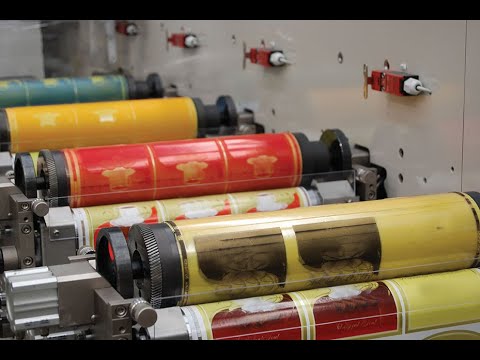
The global water-based flexographic printing market is forecasted to expand significantly, increasing from a valuation of USD 3.6 billion in 2024 to USD 5.5 billion by 2034. With a steady CAGR of 4.3% projected during the period, the market is set to capitalize on growing demand across industries for sustainable and high-quality packaging solutions.

Key Market Drivers and Growth Trends

  1. Advancements in Ink Formulation:
    Continuous innovation in ink properties, including improved drying times, color contrast, and image sharpness, has significantly boosted the adoption of water-based flexographic printing. Enhanced ink quality ensures better visual appeal and durability, catering to the needs of industries like food and beverages, cosmetics, and pharmaceuticals.
  2. Growing Preference for Flexible Packaging:
    Flexible packaging has gained widespread adoption as brands seek to enhance their product presentation and functionality. Water-based inks’ versatility in producing vibrant and long-lasting prints aligns with this trend, driving higher demand within the flexographic printing ecosystem.
  3. Sustainability Regulations:
    Governments worldwide are implementing stringent regulations to limit volatile organic compound (VOC) emissions from printing processes. Water-based inks, known for their eco-friendliness, enable producers to meet these sustainability goals, accelerating market growth.
  4. Cost-Effective and Efficient Solutions:
    Water-based flexographic printing offers a cost-effective alternative to other printing methods without compromising quality. The affordability of inks combined with their superior performance has made them a preferred choice for manufacturers, driving investments in the sector.
  5. Sector-Specific Demand Growth:
    • Food and Beverages: As the demand for packaged and ready-to-eat foods rises, the need for visually appealing, safe, and sustainable packaging grows, creating opportunities for water-based flexographic printing.
    • Beauty and Cosmetics: Brands in this sector focus on vibrant, high-quality packaging to appeal to consumers, further fueling market growth.
    • Pharmaceuticals: Clear and durable packaging prints for medical products rely heavily on high-performing water-based inks.

Key Market Insights

  1. Technological Advancements Driving Innovation:  The growing technological infrastructure is fostering innovation in ink formulations, leading to enhancements in ink quality, drying time, color contrast, and other key characteristics. These advancements are fueling the demand for water-based flexographic printing solutions.
  2. Rising Demand Across Industries:  Industries such as food and beverage, beauty and cosmetics, and pharmaceuticals are increasingly seeking better packaging solutions to enhance product placement in competitive markets. The versatility of water-based inks makes them a preferred choice for flexible packaging, driving the demand and production of these inks.
  3. Growing Preference for Flexible Packaging:  The market forecast suggests a rising need for flexible packaging solutions in the coming years. Organizations are focusing on flexible packaging to improve brand positioning, and water-based inks play a crucial role in achieving vibrant colors, sharp images, and long-lasting prints.
  4. Regulatory Compliance and Sustainability:  Government regulations on volatile organic compounds are driving the adoption of sustainable printing processes and materials. Water-based flexographic printing solutions align with sustainability standards, driving their adoption and market growth.
  5. Affordability and Investment Opportunities:  The affordability of water-based flexographic solutions, coupled with their equivalent quality and performance compared to traditional inks, is driving consumer demand and investment opportunities in the sector.

Challenges and Opportunities:

  • Investment Costs: While water-based flexographic printing offers numerous benefits, including reduced drying time and enhanced printing standards, the initial investment costs for printing equipment are relatively higher. This factor may hinder the profitability of the industry and pose challenges for new entrants. However, the growing demand for sustainable packaging solutions presents opportunities for innovation and investment in the sector.

Leading Water-based Flexographic Printing Brands

Sudarshan Chemical Industries Limited, DIC Global, INX International, GPL/ Unolam Inks, Pemotech, Sun Chemical, InK – Anon, and Spectrum High Tech Ink are key competitors in the ecosystem.

Access Full Report: https://www.futuremarketinsights.com/reports/water-based-flexographic-printing-market

Key Segments

By Ink Type:

Based on the ink type, the landscape is segmented into Medium Solid Water-based Ink, Maleic Water-based Ink, Shellac Water-based Ink, and Other Water-based Ink.

By Application:

Labeling, Corrugated Board, and Graphics are key application segments of the sector.

By End Use:

Based on the end-user applications, Food and Beverages, Pharmaceuticals, Personal Care, Healthcare, and Textile are important segment verticals.

By Region:

North America, Latin America, Western Europe, Eastern Europe, South Asia and Pacific, East Asia, and The Middle East and Africa are the key contributing regions to the industry.

About Future Market Insights (FMI)

Future Market Insights, Inc. (ESOMAR certified, recipient of the Stevie Award, and a member of the Greater New York Chamber of Commerce) offers profound insights into the driving factors that are boosting demand in the market. FMI stands as the leading global provider of market intelligence, advisory services, consulting, and events for the Packaging, Food and Beverage, Consumer, Technology, Healthcare, Industrial, and Chemicals markets. With a vast team of over 400 analysts worldwide, FMI provides global, regional, and local expertise on diverse domains and industry trends across more than 110 countries.

Join us as we commemorate 10 years of delivering trusted market insights. Reflecting on a decade of achievements, we continue to lead with integrity, innovation, and expertise.

Contact Us:       

Future Market Insights Inc.
Christiana Corporate, 200 Continental Drive,
Suite 401, Newark, Delaware – 19713, USA
T: +1-347-918-3531
For Sales Enquiries: sales@futuremarketinsights.com
Website: https://www.futuremarketinsights.com
LinkedInTwitterBlogs | YouTube

Shrink Bundling Machine Market to Reach USD 1,003.7 Million by 2034, Driven by Sustainable Packaging Needs

The global shrink bundling machine market is poised for steady growth, with a projected valuation of USD 732.5 million in 2024, increasing to USD 1,003.7 million by 2034. This growth trajectory reflects a compound annual growth rate (CAGR) of 3.2%, driven by evolving packaging trends and a focus on sustainable solutions.

Core Concepts in the Shrink Bundling Machine Industry

  • Current Market Size : The shrink bundling machine sector is estimated to be USD 732.5 million in 2024.
  • Growth Rate : The industry is expected to grow at a CAGR of 3.2% over the forecast period.
  • S. Market Scope : Sales of shrink bundling machines in the United States are projected to register a CAGR of 3% from 2024 to 2034.
  • Forecasted Market Size by 2034 : The sector is forecasted to reach a size of USD 1,003.7 million by 2034.
  • Key Companies : Major players in the industry include American Packaging Machinery, Inc., Mosca GmbH, Polychem Corporation, and Cyklop Nederland B.V.

Key Market Drivers and Trends

  1. Rising Demand for Bulk Packaging:
    Bulk packaging remains a preferred choice across the consumer goods and food and beverage sectors. Bundling goods offers cost-effective and efficient logistics solutions, ensuring product safety and reducing operational effort.
  2. Eco-Friendly Packaging Shifts:
    • Less Material Usage: Shrink bundling minimizes the amount of packaging material per unit, aligning with sustainability goals.
    • Transition to Sustainable Shrink Wraps: To address concerns about the non-recyclability of traditional plastics, manufacturers are innovating with eco-friendly shrink materials, boosting the demand for machines optimized for these solutions.
  3. Enhanced Product Safety:
    Shrink bundling provides robust product security during transit. Despite the efficiency of bundled packaging, manufacturers are exploring error-mitigation technologies to minimize risks associated with compromised individual items affecting entire bundles.
  4. Technological Advancements:
    Ongoing innovations in shrink bundling machines focus on energy efficiency, automation, and adaptability to sustainable materials. These advances are critical to meeting changing regulatory and consumer demands.

Key Market Insights:

  • Growing Demand for Bulk Packaging:  Bulk packaging continues to be the preferred choice for a vast majority of industries, including consumer goods and food and beverage sectors. Shrink bundling machines offer a reliable and cost-effective solution for bundling items together into one bulky package, providing enhanced safety and reducing packaging material and effort required.
  • Shift towards Sustainability : With increasing concerns about environmental sustainability, the packaging industry is leaning towards eco-friendly solutions. While plastic shrink has been widely used for bundling, manufacturers are increasingly turning towards sustainable shrink wrap materials. Shrink bundling machines are being optimized for eco-friendly packaging, reflecting the industry’s commitment to sustainability.
  • Rise of E-commerce:  The booming e-commerce sector is driving the demand for fast and efficient packaging machines. Shrink bundling machines streamline the packaging process, allowing bulk quantities of goods to be packaged quickly and securely, catering to the growing demand for packaged consumer goods, food items, pharmaceuticals, and other products sold online.

Key Industry Highlights:

  • Diverse Applications across Industries:  Shrink bundling machines are not limited to specific industries but find applications across various sectors, including automotive, pharmaceutical, agriculture, and more. These machines offer ease of handling and transportation, making them indispensable in industries where bulk packaging is required.
  • Technological Advancements:  Advancements in technology have led to the development of semi-automatic and automatic shrink bundling machines, offering enhanced efficiency and cost savings. These automated machines streamline the packaging process, reducing labor costs and improving productivity, thus driving market growth.

Access Full Report: https://www.futuremarketinsights.com/reports/shrink-bundling-machine-market

Key Segments of the Shrink Bundling Machine Market

By Automation:

Based on automation, the shrink bundling machine market can be trifurcated into the following segments: manual, semi-automatic, and automatic.

By Machine Type:

Based on the machine type, the shrink bundling machine market can be segmented into the following segments: in-line, rotary shrink, tunnel shrink, and combination shrink.

By End Use:

Based on end use, the shrink bundling machine market can be segmented into the following segments: food & beverage, pharmaceutical and healthcare, retail and consumer goods, automotive, agriculture, and industrial.

By Region:

The sector has been analyzed with the following regions covered: North America, Latin America, Europe, South Asia, East Asia, Oceania, and the Middle East and Africa.

About Future Market Insights (FMI)

Future Market Insights, Inc. (ESOMAR certified, recipient of the Stevie Award, and a member of the Greater New York Chamber of Commerce) offers profound insights into the driving factors that are boosting demand in the market. FMI stands as the leading global provider of market intelligence, advisory services, consulting, and events for the Packaging, Food and Beverage, Consumer, Technology, Healthcare, Industrial, and Chemicals markets. With a vast team of over 400 analysts worldwide, FMI provides global, regional, and local expertise on diverse domains and industry trends across more than 110 countries.

Join us as we commemorate 10 years of delivering trusted market insights. Reflecting on a decade of achievements, we continue to lead with integrity, innovation, and expertise.

Contact Us:       

Future Market Insights Inc.
Christiana Corporate, 200 Continental Drive,
Suite 401, Newark, Delaware – 19713, USA
T: +1-347-918-3531
For Sales Enquiries: sales@futuremarketinsights.com
Website: https://www.futuremarketinsights.com
LinkedInTwitterBlogs | YouTube

Plastic Molded Inserts Market Set for Steady Growth, Projected to Reach USD 559.1 Million by 2034 | FMI

The global plastic molded inserts market is on a growth trajectory, with the market forecasted to achieve a valuation of USD 366.9 million by 2024 and USD 559.1 million by 2034, reflecting a steady CAGR of 4.3% over the forecast period. The market’s consistent expansion is attributed to rising demand from diverse industries, increasing customization trends, and advancements in sustainable manufacturing practices

Core Concepts in the Plastic Molded Insert Industry

  • Anticipated Value in 2024 : The Plastic Molded Insert market is projected to reach a valuation of USD 366.9 million in 2024.
  • Expected CAGR : The market is set to expand at a CAGR of 4.3% through 2034.
  • Projected Market Valuation by 2034 : The market is forecast to reach USD 559.1 million by 2034.
  • Leading Country : India is expected to lead the market, with a projected CAGR of 4.5% through 2034.
  • Dominant Application : End caps are the dominant application in the plastic molded insert domain, anticipated to account for 27% of the market share in 2024.

Market Drivers and Opportunities

  1. Design Flexibility and Cost Efficiency:
    Plastic molded inserts provide manufacturers with flexibility in design, high-volume production capabilities, and reduced material waste, offering a cost-effective solution for a variety of applications.
  2. Rising Industrialization in Emerging Economies:
    Rapid industrialization in Europe and Asia Pacific is driving demand, with manufacturers increasingly establishing operations in these regions to capitalize on emerging opportunities.
  3. Growing Demand Across Industries:
    • Automotive and Aerospace: For improved product functionality, durability, and lightweight solutions.
    • Healthcare and Electronics: To meet regulatory standards and enhance product safety.
    • Consumer Goods: For customized and aesthetically appealing designs.
  4. Customization and Personalization:
    The increasing preference for personalized products is spurring demand for inserts that cater to specific designs, colors, and functional requirements, enhancing the user experience.
  5. Sustainable Practices:
    With a focus on eco-friendly practices, biodegradable and recycled plastic molded inserts are gaining traction, presenting an opportunity for manufacturers to align with environmental standards and consumer preferences.
  6. Functional Additives:
    The incorporation of advanced additives such as antimicrobial agents, UV stabilizers, and flame retardants is expanding the application range of plastic molded inserts, opening niche markets and high-value opportunities.

Versatility Across Industries: From Cars to Consumer Goods

The demand for plastic molded inserts cuts across diverse industries, including automotive, consumer goods, healthcare, electronics, and aerospace. They are instrumental in enhancing product functionality, durability, and aesthetics.

The automotive industry is witnessing a structural shift, with plastic molded inserts playing a key role in the demand for lighter, more durable, and customized vehicle components. As global vehicle production ramps up, automotive companies are increasingly recommending plastic molded inserts to meet the construction standards of modern vehicles. From dashboards and consoles to door trims, plastic injection molding offers a versatile and aesthetically pleasing solution for car interiors.

Electronics Industry Finds a Perfect Fit

The ever-growing demand for electronics presents a significant opportunity for the plastic molded inserts market. These inserts are vital for housing components, providing structural support, and facilitating connectivity in a wide array of electronic devices. From smartphones and laptops to tablets, wearables, and Internet of Things (IoT) devices, plastic molded inserts ensure the functionality, durability, and visual appeal of modern electronics. The continued emergence of IoT devices and smart gadgets further fuels the demand for these inserts, as they are integral to the design and functionality of connected devices. In smart home, healthcare, automotive, and industrial applications, IoT devices rely on inserts to house sensors, microcontrollers, and communication modules, enabling seamless connectivity and data transmission.

Growth Factors Beyond Electronics

The growth of the healthcare and pharmaceutical sectors is propelling the demand for packaging inserts like blister trays, vial partitions, and desiccant packets. Additionally, the expansion of the food and beverage industry is accelerating the adoption of packaging inserts for product protection, freshness preservation, and consumer convenience.

Meeting the Need for Convenience: On-the-Go Packaging

The demand for convenience and portability is driving the adoption of portioning, compartmentalization, and single-serving packaging formats. Plastic molded inserts cater to this trend by enabling the creation of packaging that caters to busy consumers seeking on-the-go solutions.

Access Full Report: https://www.futuremarketinsights.com/reports/plastic-molded-insert-market

Key Segments of Market Report

By Technology:

The market is classified into injection molding, blow molding, compression molding, thermoforming, and rotational molding

By Material:

The report consists of key end uses of plastic molded insert based on polyethylene (PE), polypropylene (PP), polyethylene terephthalate (PET), polyvinyl chloride, bioplastic, and other plastics

By Application:

The market is classified into bottles and jars, pails and buckets, end caps, caps and closures, trays and clamshell, cutlery, and blister packs

By End Use:

The market is classified into food and beverage, chemical, automotive, healthcare and pharmaceuticals, home care and personal care, electrical and electronics, and other industrial

By Region:

The analysis of the plastic molded insert market has been carried out in key countries North America, Latin America, Western Europe, Eastern Europe, South Asia and Pacific, East Asia, The Middle East and Africa

About Future Market Insights (FMI)

Future Market Insights, Inc. (ESOMAR certified, recipient of the Stevie Award, and a member of the Greater New York Chamber of Commerce) offers profound insights into the driving factors that are boosting demand in the market. FMI stands as the leading global provider of market intelligence, advisory services, consulting, and events for the Packaging, Food and Beverage, Consumer, Technology, Healthcare, Industrial, and Chemicals markets. With a vast team of over 400 analysts worldwide, FMI provides global, regional, and local expertise on diverse domains and industry trends across more than 110 countries.

Join us as we commemorate 10 years of delivering trusted market insights. Reflecting on a decade of achievements, we continue to lead with integrity, innovation, and expertise.

Contact Us:       

Future Market Insights Inc.
Christiana Corporate, 200 Continental Drive,
Suite 401, Newark, Delaware – 19713, USA
T: +1-347-918-3531
For Sales Enquiries: sales@futuremarketinsights.com
Website: https://www.futuremarketinsights.com
LinkedInTwitterBlogs | YouTube

Depth Filtration Market Forecast: Rising at a 8.5% CAGR between 2023 and 2033, Reaching USD 5.4 Billion

The depth filtration Market report, unveiled by Future Market Insights—an ESOMAR Certified Market Research and Consulting Firm—presents invaluable insights and meticulous analysis of the depth filtration market. Encompassing the research’s scope and essence, this report scrupulously examines the driving factors, market size, and predictive data for depth filtration. It furnishes intricate revenue and shipment segmentations, accompanied by a decade-long projection up to 2033. Additionally, the document evaluates key industry players, their market distribution, the competitive scenario, and regional perspectives.

In the dynamic landscape of industry, where innovation is the cornerstone of progress, the global depth filtration market is poised for remarkable growth. Recent projections reveal that by the end of 2023, this thriving sector is expected to achieve a staggering valuation of USD 2.4 billion. But what truly captivates the discerning observer is the foresight, indicating a compound annual growth rate (CAGR) of 8.5% between 2023 and 2033.

Browse Full Report Here

Driving Forces:

  1. Healthcare Renaissance: The resurgence of healthcare, coupled with an insatiable quest for high-quality medicinal products, has propelled depth filtration into the limelight. Its ubiquitous presence in healthcare applications is a testament to its indispensability.
  2. Gastronomic Precision: The culinary world too has recognized the virtues of depth filtration. The food and beverage industry is harnessing its power to achieve unparalleled purity in products, meeting the discerning tastes of the modern consumer.
  3. Prudent Economy: In a world where fiscal prudence reigns supreme, depth filtration’s low expenses make it an attractive proposition. Its simplicity of use further amplifies its appeal, ensuring cost-effectiveness at every juncture.

Challenges Ahead:

As the global depth filtration market gears up for unprecedented growth, it is not devoid of challenges:

  1. Regulatory Vigilance: The ever-evolving regulatory landscape demands rigorous compliance, adding complexity to market operations.
  2. Technological Evolution: To stay ahead, constant innovation is imperative. Keeping pace with technological advancements can be both resource-intensive and demanding.

In conclusion, the depth filtration market’s ascent to a projected USD 2.4 billion valuation in 2023 is emblematic of its irreplaceable role in the healthcare, medicinal, and food and beverage sectors. The future is undeniably promising, though not without its share of hurdles. Navigating these challenges while harnessing the driving forces of growth will be the hallmark of industry leaders, setting the stage for a transformative journey.

Competitive Landscape of the Depth Filtration Market:

Prominent players within the Depth Filtration market are directing their efforts towards two strategic imperatives: the continuous innovation and launch of novel products, and the strategic expansion of production capabilities to augment revenue streams.

In a pivotal move, Industrial Sonomechanics, LLC (ISM) unveiled a high-capacity in-line cartridge filter designed for nanoemulsions in September 2022. These innovative additions to their product portfolio are anticipated to not only enhance the efficiency of nanoemulsion manufacturing but also drive down associated operational costs.

In another notable development, Merck made a significant investment of approximately EUR 100 million in April 2022. This investment was aimed at establishing its inaugural Asia-Pacific Mobius single-use production facility in China. Such a strategic investment underlines Merck’s commitment to expanding its operational footprint and presence within the region, reinforcing its market leadership position.

Key Companies Profiled

  • Merck KGaA
  • Parker Hannifin Corporation
  • Danaher Corporation
  • Sartorius AG
  • Pentair PLC
  • Mann+Hummel GmbH
  • Meissner Filtration Products
  • Allied Filter Systems Ltd.
  • Porvair Filtration Group Ltd
  • Amazon Filters Ltd.

Global Depth Filtration Market by Category

By Media Type:

  • Diatomaceous Earth
  • Cellulose
  • Activated Carbon
  • Perlite
  • Others

By Product:

  • Cartridge Filters
  • Capsule Filters
  • Filter Sheets
  • Filter Modules
  • Others

By Application:

  • Final Product Processing
  • Cell Clarification
  • Raw Material Filtration

By Region:

  • North America
  • Latin America
  • Europe
  • Asia Pacific
  • Middle East and Africa

About Future Market Insights (FMI)

Future Market Insights, Inc. (ESOMAR certified, recipient of the Stevie Award, and a member of the Greater New York Chamber of Commerce) offers profound insights into the driving factors that are boosting demand in the market. FMI stands as the leading global provider of market intelligence, advisory services, consulting, and events for the Packaging, Food and Beverage, Consumer Technology, Healthcare, Industrial, and Chemicals markets. With a vast team of over 400 analysts worldwide, FMI provides global, regional, and local expertise on diverse domains and industry trends across more than 110 countries.

Join us as we commemorate 10 years of delivering trusted market insights. Reflecting on a decade of achievements, we continue to lead with integrity, innovation, and expertise.

Contact Us:       

Future Market Insights Inc.
Christiana Corporate, 200 Continental Drive,
Suite 401, Newark, Delaware – 19713, USA
T: +1-347-918-3531
For Sales Enquiries: sales@futuremarketinsights.com
Website: https://www.futuremarketinsights.com
LinkedInTwitterBlogs | YouTube