FMI Analysis Indicates Global Residual Current Circuit Breaker Market Share to Reach USD 4,718.6 Million by 2033, Rising at a 6.7% CAGR

The global residual current circuit breaker market is anticipated to reach a valuation of USD 2,467.0 million in 2023, driven by surge in data centers. The trend is expected to create new opportunities for the market, leading to a projected CAGR of 6.7% between 2023 and 2033, and reaching a total valuation of approximately USD 4,718.6 million by 2033.

One of the primary drivers fueling the expansion of the residual current circuit breaker (RCCB) market is the increasing adoption of green building standards and a growing emphasis on sustainability. These factors are prompting the widespread deployment of energy-efficient electrical systems, in which RCCBs play a pivotal role in enhancing both energy management and safety protocols.

Moreover, the surge in eCommerce activities and the subsequent rise in last-mile logistics centers have spurred a notable uptick in warehouse construction activities. This, in turn, has generated a corresponding demand for advanced electrical safety solutions such as RCCBs to ensure the secure operation of these facilities.

Furthermore, the escalating deployment of energy storage systems, including batteries and capacitors, for the integration of renewable energy sources and the stabilization of power grids, necessitates robust electrical protection mechanisms. RCCBs are thus increasingly sought-after to meet these evolving needs in the realm of energy infrastructure.

Increased awareness of environmental issues and the imperative for sustainable practices are driving the innovation and development of eco-friendly and energy-efficient RCCB solutions. Recognized as pivotal components in ensuring the resilience of electrical systems and bolstering disaster preparedness measures, RCCBs are indispensable for promptly detecting faults and mitigating the risk of electrical fires during emergencies.Top of Form

RCCB manufacturers are increasingly exploring opportunities to penetrate international markets, capitalizing on the growing global demand for electrical safety devices. This trend is particularly evident in the customization of RCCB solutions tailored to specific industrial applications, including marine, oil and gas, and mining sectors, thereby targeting niche markets.

Collaborative efforts among RCCB manufacturers, technology firms, and electrical system integrators are fostering the development of integrated safety solutions. Notably, there is a rising imperative to incorporate cybersecurity functionalities into RCCBs to mitigate potential cyber threats, aligning with the evolving digital landscape of electrical systems.

Furthermore, the integration of remote monitoring and predictive maintenance capabilities within RCCBs is enabling proactive maintenance strategies, consequently minimizing downtime and enhancing safety protocols. This is especially pertinent with the proliferation of 5G infrastructure, which relies heavily on dependable and secure electrical systems, thus driving demand for advanced RCCB solutions within the telecommunications industry.

Key Takeaways from the Market Study:

  • Global residual current circuit breaker market was valued at USD 2,305.9 million by 2022-end.
  • From 2018 to 2022, the market demand expanded at a CAGR of 6.0%.
  • The market in China is expected to expand at a CAGR of 8.0% through 2033.
  • By network type, the 2 pole segment to account for a share of 50.6% in 2023.
  • From 2023 to 2033, residual current circuit breaker market is expected to flourish at a CAGR of 6.7%.
  • By 2033, the market value of residual current circuit breaker is expected to reach USD 4,718.6 million.

“The rapid adoption of electric vehicles and the need for EV charging infrastructure have increased the demand for RCCBs to ensure safe and efficient charging,” remarks an FMI analyst.

Competitive Landscape:

Prominent players in the residual current circuit breaker market are ABB, Siemens AG, Schneider Electric, Honeywell International Inc., Eaton, Havells India Ltd., Hager Group, HPL Electric & Power Limited, Rockwell Automation, Inc., Gewiss S.p.A., and Legrand, among others.

Recent Developments:

  • In 2023, Eaton, an American multinational power management company, announced its partnership with a major Chinese RCCB manufacturer to offer its customers a wider range of RCCB products.
  • In the same year, Legrand, a French multinational company that specializes in electrical and digital building infrastructure, announced the acquisition of a major Indian RCCB manufacturer, which will strengthen its market position in the Indian RCCB market.
  • In 2022, Schneider Electric India, the Indian subsidiary of Schneider Electric, announced the launch of its new line of RCCBs that are specifically designed for the Indian market.

Segmentation Analysis of the Residual Current Circuit Breaker Market:

By Product Type:

  • AC
  • A
  • F
  • B
  • B+

By Network Type:

  • 2 Pole
  • 3 Pole
  • 4 Pole

By Power Input:

  • Single Phase
  • Three Phase

By End Use:

  • Residential
  • Commercial
  • Industrial

By Region:

  • North America
  • Latin America
  • Western Europe
  • Eastern Europe
  • South Asia & Pacific
  • East Asia
  • The Middle East & Africa

Access Report Details for More In-Depth Information!

Author:

Nikhil Kaitwade (Associate Vice President at Future Market Insights, Inc.) has over a decade of experience in market research and business consulting. He has successfully delivered 1500+ client assignments, predominantly in Automotive, Chemicals, Industrial Equipment, Oil & Gas, and Service industries.

His core competency circles around developing research methodology, creating a unique analysis framework, statistical data models for pricing analysis, competition mapping, and market feasibility analysis. His expertise also extends wide and beyond analysis, advising clients on identifying growth potential in established and niche market segments, investment/divestment decisions, and market entry decision-making.

Nikhil holds an MBA degree in Marketing and IT and a Graduate in Mechanical Engineering. Nikhil has authored several publications and quoted in journals like EMS Now, EPR Magazine, and EE Times.

About Future Market Insights (FMI)

Future Market Insights, Inc. (ESOMAR certified, recipient of the Stevie Award, and a member of the Greater New York Chamber of Commerce) offers profound insights into the driving factors that are boosting demand in the market. FMI stands as the leading global provider of market intelligence, advisory services, consulting, and events for the Packaging, Food and Beverage, Consumer Technology, Healthcare, Industrial, and Chemicals markets. With a vast team of over 400 analysts worldwide, FMI provides global, regional, and local expertise on diverse domains and industry trends across more than 110 countries.

Join us as we commemorate 10 years of delivering trusted market insights. Reflecting on a decade of achievements, we continue to lead with integrity, innovation, and expertise.

Contact Us:        

Future Market Insights Inc.
Christiana Corporate, 200 Continental Drive,
Suite 401, Newark, Delaware – 19713, USA
T: +1-347-918-3531
For Sales Enquiries: 
sales@futuremarketinsights.com
Website: https://www.futuremarketinsights.com
LinkedInTwitterBlogs | YouTube

Global Pressure Reducing Valves Market Revenue Share to Surpass USD 3,932.20 Million by 2034, Surging at 4.7% CAGR

Future Market Insights (FMI) indicates promising prospects for the global pressure reducing valves market, poised to attain a substantial valuation of approximately USD 3,932.20 Million by 2034. Projections suggest a robust Compound Annual Growth Rate (CAGR) of 4.7% over the forecast period.

This noteworthy growth trajectory is chiefly attributed to the escalating adoption of pressure-reducing valves within the industrial sector. These valves have garnered significant attention due to their exceptional capacity to regulate and sustain consistent flow rates, consequently leading to diminished energy consumption. Consequently, they have emerged as indispensable assets for industries striving to curtail their carbon footprint and comply with stringent environmental regulations, thereby aligning with the global thrust towards sustainability.

The increasing global emphasis on energy efficiency and environmental sustainability has driven a heightened demand for pressure-reducing valves. These valves play a crucial role in optimizing energy usage and aligning with the sustainability goals of industries and organizations worldwide. Their significance in the industrial landscape is further underscored by this convergence of factors.

Furthermore, the demand for pressure-reducing valves extends beyond industrial applications to include residential and commercial sectors. This broader scope is expected to contribute significantly to sales figures well into the foreseeable future, supporting the market’s sustained growth trajectory.

Pressure-reducing valves are essential for effectively managing water pressure and protecting plumbing systems from potential damage caused by excessive pressure. Installed on the primary water supply line, these valves regulate water pressure throughout buildings, ensuring the optimal functionality of fixtures and appliances.

In summary, the global Pressure Reducing Valves Market is poised for continued growth due to its multifaceted utility and alignment with critical global imperatives for efficiency and sustainability.

‘Changing end user requirements has created high demand for advanced, energy-efficient, and sustainable systems. As a result, key manufacturers are aiming at developing novel products integrated with smart technologies. Several start-up companies are also entering into the market making it highly competitive,’ says an analyst at Future Market Insights (FMI).

Who is Winning?

Emerson Electric Co., Parker Hannifin Corporation, Watts Water Technologies, Xylem Inc., and Honeywell International are the top manufacturers of pressure reducing valves profiled in the report.

These companies are focusing on developing innovative and technologically advanced solutions to meet end user demand. They are also using strategies such as partnerships, alliances, mergers, and acquisitions to expand their presence.

Recent Developments:

In 2022, Zurn Industries, LLC introduced a new compact and lightweight pressure reducing valve (Zurn Wilkins 500XL3).

Key Players:

  • Xylem Inc.
  • Spirax Sarco Engineering Plc
  • CIRCOR International Inc.
  • Watts Water Technologies Inc.
  • TLV
  • Cla Val
  • Itap Spa
  • Caleffi S.p.a.
  • HYDAC
  • Forbes Marshall
  • ZOLOTO VALVES
  • AIRA EURO AUTOMATION PVT. LTD.
  • Honeywell International
  • Orkimsan
  • XMC Pneumatic Co., Ltd
  • Emerson
  • Parker Hannifin Corporation
  • Flowserve Corporation Lowpad B.V.

Find More Valuable Insights:

The research report analyzes the market demand trends for pressure-reducing valves. The global market estimation and growth projection are based on factors such as end-use industries development, COVID-19 crisis impact, replacement ratio, and adoption rate of pressure-reducing valves.

As per Future Market Insights’ research scope, the pressure-reducing valves market has been studied and segmented on the basis of product, material type, operating pressure, application, and end-use. The report provides qualitative and quantitative information on various players in this market. This report also tracks the market by both, the supply side and demand side.

Market Segmentation:

By Product Type:

  • Direct Acting
  • Residential
  • Commercial
  • Industrial
  • Pilot Operating

By Material Type:

  • Cast Steel
  • Stainless Steel
  • Carbon Steel
  • Cast Iron
  • Ductile Iron
  • Bronze
  • Plastics
  • Others

By Operating Pressure:

  • 50 to 200 Psig
  • 201 to 500 Psig
  • 501 to 800 Psig
  • Above 800 Psig

By Application:

  • Gas
  • Steam
  • Liquid

By End Use:

  • Residential
  • Commercial
  • Industrial
    • Power Generation
    • Pharmaceuticals
    • Pulp and Paper
    • Chemicals
    • Food and Beverages
    • Oil and Gas
    • Others

By Region:

  • North America
  • Latin America
  • Western Europe
  • Eastern Europe
  • South Asia and Pacific
  • East Asia
  • The Middle East & Africa

Access Report Details for More In-Depth Information!

Author:

Nikhil Kaitwade (Associate Vice President at Future Market Insights, Inc.) has over a decade of experience in market research and business consulting. He has successfully delivered 1500+ client assignments, predominantly in Automotive, Chemicals, Industrial Equipment, Oil & Gas, and Service industries.

His core competency circles around developing research methodology, creating a unique analysis framework, statistical data models for pricing analysis, competition mapping, and market feasibility analysis. His expertise also extends wide and beyond analysis, advising clients on identifying growth potential in established and niche market segments, investment/divestment decisions, and market entry decision-making.

Nikhil holds an MBA degree in Marketing and IT and a Graduate in Mechanical Engineering. Nikhil has authored several publications and quoted in journals like EMS Now, EPR Magazine, and EE Times.

About Future Market Insights (FMI)

Future Market Insights, Inc. (ESOMAR certified, recipient of the Stevie Award, and a member of the Greater New York Chamber of Commerce) offers profound insights into the driving factors that are boosting demand in the market. FMI stands as the leading global provider of market intelligence, advisory services, consulting, and events for the Packaging, Food and Beverage, Consumer Technology, Healthcare, Industrial, and Chemicals markets. With a vast team of over 400 analysts worldwide, FMI provides global, regional, and local expertise on diverse domains and industry trends across more than 110 countries.

Join us as we commemorate 10 years of delivering trusted market insights. Reflecting on a decade of achievements, we continue to lead with integrity, innovation, and expertise.

Contact Us:        

Future Market Insights Inc.
Christiana Corporate, 200 Continental Drive,
Suite 401, Newark, Delaware – 19713, USA
T: +1-347-918-3531
For Sales Enquiries: 
sales@futuremarketinsights.com
Website: https://www.futuremarketinsights.com
LinkedInTwitterBlogs | YouTube

Digital Isolator Market 2022 Future Analysis, Demand by Regions and Opportunities with Challenges 2032

The global digital isolator market is expected to grow at a 4.7% CAGR over the projected period. By 2032, the market will be valued $3.3 billion.

According to Future Market Insights, the global market would be worth US$2.1 billion by 2022. From 2022 to 2032, the market will produce US$ 3.2 billion in opportunities in absolute terms.

The industrial sector will see increased demand for digital isolators as remote sensing technologies become more prevalent. Motor control technology and tiny USB connectivity would also help to increase sales.

The use of USB connections in industrial industries is growing along with the development of automated technology. Several of these factors would affect how the market for digital isolators develops.

Human intervention in industrial tasks is reduced by automation. It improves operational effectiveness even further.

Digital and automated system control technology is being widely implemented as a result of industrial facility automation. They include personal computers, domain controllers, and programmable logic controllers (PLCs).

Increasing demand for factory automation across industrial facilities is one of the key factors driving the global market. Applications of digital isolators in devices are driving the need for digital isolators across the industrial sector.

PLCs, wireless sensor equipment, and gadgets for motor coordination are among a few examples. The use of computerized equipment control devices and programmed logic controllers would also increase demand for sophisticated isolators.

In the industry 4.0 space, demand for programmable logic controllers would rise quickly. They offer a variety of advantages. High-speed Ethernet, great convenience, compact design, and increased flexibility are a few of them.

Key Takeaways from the Digital Isolator Market Study

  • The digital insulator market would create an absolute dollar opportunity of US$ 1.2 billion from 2022 to 2032.
  • The global digital isolator market witnessed a steady growth rate at a CAGR of 5.2% from 2017 to 2021.
  • North America digital insulator market stood at US$ 0.79 billion in 2021.
  • The USA digital isolator market size would surpass US$ 1.0 billion in 2032.
  • The United Kingdom digital isolator market would cross a value of US$ 153.2 million by 2032.

“Digital isolators improve a system’s stability and security by lowering signal interference between circuits. In electronic circuits, especially in industrial electronic devices, they use DC isolation.” – Says a lead analyst.

Competitive Landscape

To create new goods, leading market participants in the digital isolator industry are conducting research and development. A few businesses that want to expand their presence are concentrating on mergers, acquisitions, and partnerships.

For instance,

  • In February 2022, GL Microelectronics Technology raised around US$ 15.8 million from Shenzhen Capital Group and Cowin Capital. GL Microelectronics Technology is a newly founded company. It manufactures digital magnetic isolators based on integrated MEMS and CMOS technology.
  • In August 2020, Silicon Laboratories, Inc. declared that Tesla is building its Gigafactory in Austin. It will be helpful for Silicon Labs to suffer less through the COVID-19 times. Tesla is already a customer of the semiconductor manufacturer. Silicon Laboratory is focusing on isolation technology. It would help 100V robots receive commands from a 2V processor. Tesla is the first customer of the new isolation integrated circuits. Currently, all the remaining manufacturers of electric vehicles are following the same path. The company generated a total revenue of around US$ 208 million.

Get More Exclusive Insights into Digital Isolator Market Study

Future Market Insights, in its new offering, presents an unbiased analysis of the digital isolator market, presenting historical market data (2017 to 2021) and forecast statistics for the period of 2022 to 2032.

The study reveals extensive growth in the digital isolator market in terms of data rate (less than 25 Mbps, 25 Mbps to 75 Mbps, more than 75 Mbps), channel (2 channel, 4 channel, 6 channel, 8 channel), vertical (industrial, automotive, healthcare), and region.

About the Technology Division at Future Market Insights

Future Market Insights’ highly experienced technology team aids companies from all over the world with their specific business intelligence needs through professional research, actionable insights, and strategic recommendations. With a library of over a thousand research and 1 million+ data points, the team has spent over a decade analyzing the technology business across 50+ countries. From start to end, the company provides unrivalled research and consulting services. Please get in touch with us to see how we can help.

Global Digital Isolator Market Outlook by Category

By Data Rate:

  • Less than 25 Mbps
  • 25 Mbps to 75 Mbps
  • More than 75 Mbps

By Channel:

  • 2 channel
  • 4 channel
  • 6 channel
  • 8 channel

By Vertical:

  • Industrial
  • Healthcare
  • Automotive
  • Others

By Region:

  • North America
  • Europe
  • Asia Pacific
  • Latin America
  • Middle East & Africa

Request A Sample PDF@ https://www.futuremarketinsights.com/reports/sample/rep-gb-11894

About Future Market Insights (FMI)

Future Market Insights, Inc. (ESOMAR certified, recipient of the Stevie Award, and a member of the Greater New York Chamber of Commerce) offers profound insights into the driving factors that are boosting demand in the market. FMI stands as the leading global provider of market intelligence, advisory services, consulting, and events for the Packaging, Food and Beverage, Consumer Technology, Healthcare, Industrial, and Chemicals markets. With a vast team of over 400 analysts worldwide, FMI provides global, regional, and local expertise on diverse domains and industry trends across more than 110 countries. Join us as we commemorate 10 years of delivering trusted market insights. Reflecting on a decade of achievements, we continue to lead with integrity, innovation, and expertise.

Contact Us:      

Future Market Insights Inc.
Christiana Corporate, 200 Continental Drive,
Suite 401, Newark, Delaware – 19713, USA
T: +1-347-918-3531
For Sales Enquiries: sales@futuremarketinsights.com
Website: https://www.futuremarketinsights.com
LinkedInTwitterBlogs | YouTube

Chip-On-Board Light Emitting Diode (LED) Market 2022 Future Analysis, Demand by Regions and Opportunities with Challenges 2032

The market for chip-on-board light emitting diodes (LEDs) is anticipated to be worth US$ 297.0 billion by 2032. In 2022, the market is anticipated to be valued $23.5 billion USD. It would grow at a 28.9% CAGR between 2022 and 2032.

The chip-on-board approach involves placing exposed silicon bits directly on a substrate or printed circuit board. Light-emitting diodes are packaged with a metallic or non-conductive adhesive. Wire bonding provides extra electrical connection. Its packaging design is more versatile and capable of light dispersal.

The fundamental advantage of chip-on-board LEDs is that they take up less space. They also consume less energy than usual. They are of great quality, have a long lifespan, are extremely reliable, and have better heat control. These LEDs produce more effective colour blending and lighting effects. They help to improve the user experience.

Because of their high intensity and uniform brightness, they are ideal for high power applications. The transition from traditional lighting to silicon lighting technologies has increased the popularity of this type of LED.

The market for chip-on-board LEDs would increase significantly during the next ten years. Technological advancements and cost reductions will accelerate market expansion. A few significant drivers influencing growth are urbanisation, government initiatives, and increased infrastructure spending.

In terms of advantages, chip-on-board LEDs beat competing technologies such as incandescent and CFL lighting. As a result, governments in a number of countries are putting this technology into practise.

These LEDs are in high demand due to their expanding use in a variety of lighting application categories. A rapid drop in the median price of LEDs would also increase purchasing. When compared to competing technology, these LEDs are more expensive. They also necessitate a complicated manufacturing process.

Picture background

Key Takeaways from Chip-on-Board Light Emitting Diode (LED) Market

  • The global chip-on-board light emitting diode market exhibited a CAGR of 38.1% in the historical period.
  • Asia Pacific chip-on-board light emitting diode market would reach a valuation of US$ 143.1 billion in 2032.
  • The USA chip-on-board light emitting diode market would be worth US$ 46.7 billion by 2032.
  • The China chip-on-board light emitting diode market would reach US$ 74.4 billion by 2032.
  • Based on application, the illumination segment would exhibit a CAGR of 28.7% from 2022 to 2032.

“Several governments are replacing CFLs and incandescent bulbs with chip-on-board light-emitting diodes. The sector is expanding as a result of accelerated urbanization and rising infrastructure spending.” – Says a lead analyst.

Competitive Landscape: Chip-on-Board Light Emitting Diode (LED) Market

Top market players are constantly thinking of new, creative ways to offer high-quality products. Their innovations and goods are being patent protected. Their product lineups need to be increased.

Reputable firms, who presently have a modest portion of the industry, are always working to increase their visibility. In the chip-on-board LED industry, they are working with regional businesses.

For instance,

  • In May 2022, Excelitas Technologies introduced the upgraded Omnicure LX500 LED spot UV Curing controller and LED Heads. The redesigned LX500 Controller with V3 UV LED Heads offer a built-in calibration. It also provides an industry-leading light performance. When used as a whole, the OmniCure LX500 UV LED Spot Curing System offers physical state consistency and process improvement. It is meant for a range of manufacturing applications in the medical, electrical, and industrial domains.

Get More Exclusive Insights into Chip-on-Board Light Emitting Diode (LED) Market Study

Future Market Insights, in its new offering, presents an unbiased analysis of the chip-on-board light emitting diode (LED) market, presenting historical market data (2017 to 2021) and forecast statistics for the period of 2022 to 2032.

The study reveals extensive growth in the chip-on-board light emitting diode (LED) market in terms of application (illumination, automotive, backlighting) and region.

Chip-On-Board Light Emitting Diode (LED) Market Outlook by Category

By Application:

  • Illumination
    • Residential
    • Office Space
    • Industrial
    • Shop Area
    • Hospitality Industry
    • Outdoor Lighting
    • Architectural
  • Automotive
    • Interior
    • Exterior
  • Backlighting
    • LED Television
    • Monitor
    • Handheld
    • Screen Display Lighting

By Region:

  • North America
  • Latin America
  • Europe
  • Asia Pacific
  • Middle East and Africa

To Get Sample Copy of Report Visit

About Future Market Insights (FMI)

Future Market Insights, Inc. (ESOMAR certified, recipient of the Stevie Award, and a member of the Greater New York Chamber of Commerce) offers profound insights into the driving factors that are boosting demand in the market. FMI stands as the leading global provider of market intelligence, advisory services, consulting, and events for the Packaging, Food and Beverage, Consumer Technology, Healthcare, Industrial, and Chemicals markets. With a vast team of over 400 analysts worldwide, FMI provides global, regional, and local expertise on diverse domains and industry trends across more than 110 countries. Join us as we commemorate 10 years of delivering trusted market insights. Reflecting on a decade of achievements, we continue to lead with integrity, innovation, and expertise.

Contact Us:      

Future Market Insights Inc.
Christiana Corporate, 200 Continental Drive,
Suite 401, Newark, Delaware – 19713, USA
T: +1-347-918-3531
For Sales Enquiries: sales@futuremarketinsights.com
Website: https://www.futuremarketinsights.com
LinkedInTwitterBlogs | YouTube

Broadcast Equipment Market to Surpass US$ 8.1 Billion by 2032 as Viewership of Live Sports Content Burgeons via OTT Platforms | Future Market Insights, Inc.

According to Future Market Insights, the market would expand at a 5.1% CAGR between 2022 and 2032. In 2022, the market had a value of US$ 4.9 billion. By 2032, the size of the global broadcast equipment market would exceed US$ 8.1 billion. It experienced a CAGR of 5.8% over the preceding ten years.

Sales of broadcast equipment and technology have increased as a result of escalating demand for high-quality video and audio. In recent years, IP live-production technology has advanced. It came about as a result of content produced in 4K and UHD formats.

To Get a Sample Copy of the Report Visit@ https://www.futuremarketinsights.com/reports/sample/rep-gb-16786

For better viewing, these were transmitted in the same format. In order to record live, it is necessary. Flexible and efficient system control are required worldwide.

The market is rising as a result of technical advances. Owing to these factors, broadcasters are nowadays required to provide UHD output to their premium subscribers.

Sales of broadcast equipment would also be pushed by expansion of digital channels. Growing application of cutting-edge broadcasting technologies would also push sales. A few technologies include 4K and 8K video quality for general news coverage and sports news, respectively.

The market may be hampered by digital audio and video formats’ quick evolution. Standards for digital formats and compression methods evolve with each new advancement in digital technology.

Adoption of high definition material is a result of explosive growth in demand for broadcast equipment. Digital broadcasting is replacing analogue transmission among consumers.

In order to broadcast audio and video, encoders are employed. Typically, these transform analogue or digital footage into another digital video format. They facilitate the transfer of the video to a decoder.

A new video encoding device is the Cisco Digital Media Encoder 2200, for instance. It is a multiprocessor and audio device of studio caliber. It offers digital media streaming on demand.

It further provides live streaming over an IP network. As a result, there will be a high demand for encoders for broadcasting as audio and video encoding needs increase.

Key Takeaways from Broadcast Equipment Market Study

  • The global broadcast equipment market would witness 5.1% CAGR in the forecast period.
  • North America would reach a valuation of US$ 3.25 billion by 2032.
  • The USA broadcasting equipment market would outpace US$ 2.5 billion by 2032.
  • The United Kingdom broadcast equipment market would expand at a CAGR of 3% from 2022 to 2032.
  • China would surpass a broadcast equipment market size of US$ 693.4 million by 2032.

“Digital broadcasters are also investing in D2C content enhancements for linear TVs. They are trying to support television program infrastructure development. These include OTT, discovery+, Disney+, and paramount+. They want to air every piece of D2C platform content on different TV channels.” – Says a lead analyst at Future Market Insights.

Competitive Landscape: Broadcast Equipment Market

There are numerous businesses that create products for broadcast equipment worldwide. The level of competition among these businesses would depend on their costs, reputation, or clientele.

By partnering with regional players, significant corporations are concentrating on increasing their geographic reach. A few others are working together and merging businesses to improve their situations.

For instance:

  • In November 2021, Belden Inc. collaborated with Gravita Media to provide broadcasting infrastructure solutions. It would provide these to four locations in Qatar for the broadcast of FIFA World Cup 2022. The broadcast will be in 4K HDR. It will allow production teams to directly plug and play. Gravita Media will supply to multiple broadcasters such as BBC Wales and Fox Sports USA.
  • In January 2021, Evertz Technologies Limited acquired Studer. The latter is an audio brand from Harman International. The iconic brand would help Evertz to better serve its clients in the broadcast market.
  • In March 2020, Datum Systems released highly advanced Elements M7D Multi-Demod. It supports 64 Rx-channels. All of them are equipped with a single unit rack space.

Get More Information on this Report@ https://www.futuremarketinsights.com/reports/broadcast-equipment-market

Key Companies Profiled are Cisco Systems Inc., LM Ericsson, Evertz Microsystems Ltd, EVS Broadcast Equipment SA, Grass Valley, Harmonic Inc, AvL Technologies, ETL Systems Ltd, Global Invacom group Ltd

Get More Exclusive Insights into Broadcast Equipment Market Study

Future Market Insights, in its new offering, presents an unbiased analysis of the broadcast equipment market, presenting historical market data (2017 to 2021) and forecast statistics for the period of 2022 to 2032.

The study reveals extensive growth in the broadcast equipment market in terms of technology (analog broadcasting, digital broadcasting), product (dish antennas, switchers, video servers, encoders, transmitters & repeaters), and region.

Broadcast Equipment Market Outlook by Category

By Technology:

  • Analog Broadcasting
  • Digital Broadcasting

By Product:

  • Dish Antennas
  • Switchers
  • Video Servers
  • Encoders
  • Transmitters and Repeaters

By Region:

  • North America
  • Latin America
  • Europe
  • Asia Pacific
  • Middle East and Africa

About Future Market Insights (FMI)

Future Market Insights, Inc. (ESOMAR certified, recipient of the Stevie Award, and a member of the Greater New York Chamber of Commerce) offers profound insights into the driving factors that are boosting demand in the market. FMI stands as the leading global provider of market intelligence, advisory services, consulting, and events for the Packaging, Food and Beverage, Consumer Technology, Healthcare, Industrial, and Chemicals markets. With a vast team of over 400 analysts worldwide, FMI provides global, regional, and local expertise on diverse domains and industry trends across more than 110 countries. Join us as we commemorate 10 years of delivering trusted market insights. Reflecting on a decade of achievements, we continue to lead with integrity, innovation, and expertise.

Contact Us:      

Future Market Insights Inc.
Christiana Corporate, 200 Continental Drive,
Suite 401, Newark, Delaware – 19713, USA
T: +1-347-918-3531
For Sales Enquiries: sales@futuremarketinsights.com
Website: https://www.futuremarketinsights.com
LinkedInTwitterBlogs | YouTube

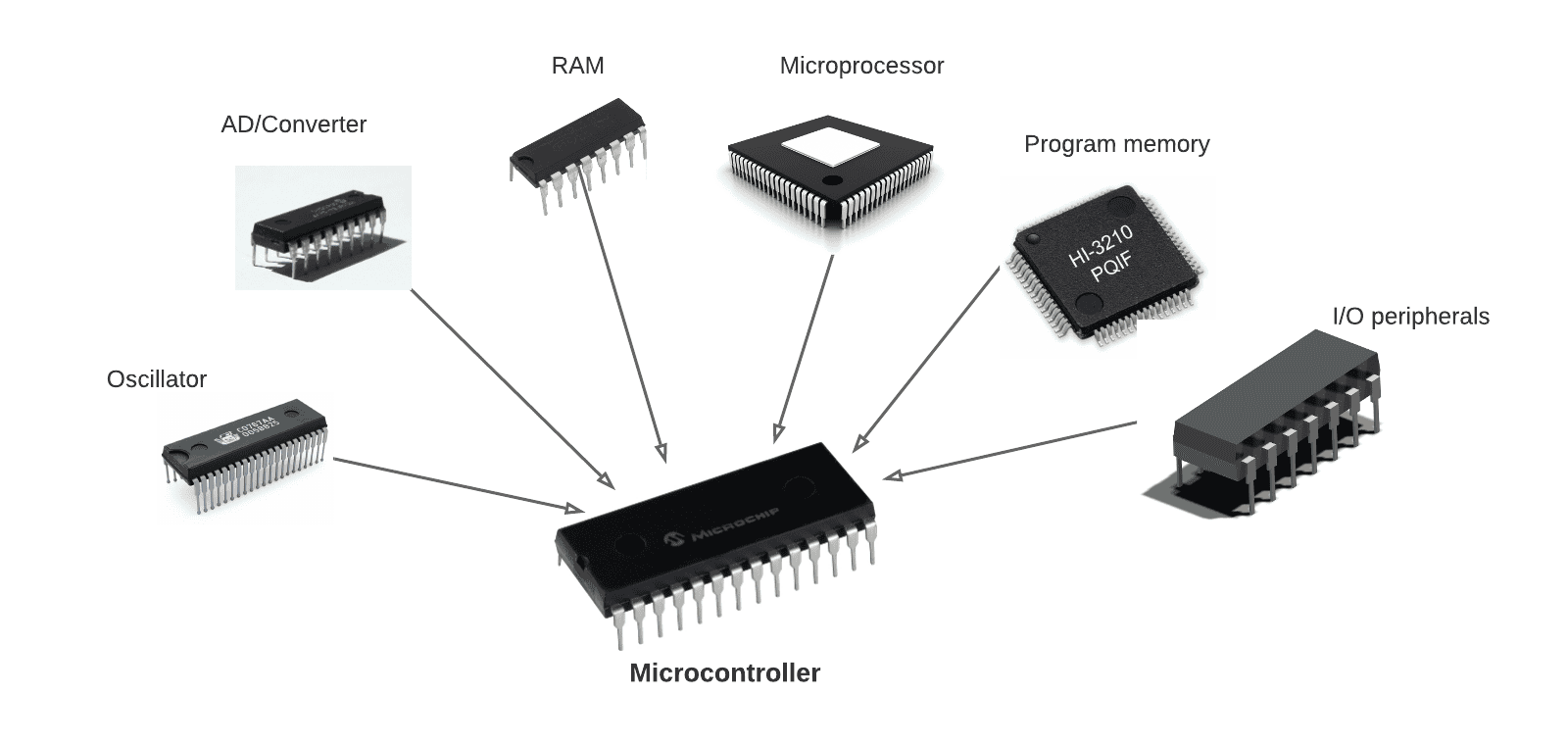
Microcontroller Unit Market for 2023 to 2033: Market Size to Double, Driven by Automation, IoT, and Automotive Applications

The global Microcontroller Unit Market is set for significant growth over the next decade, expanding from an estimated market size of $30.9 billion in 2023 to $70.6 billion by 2033, achieving a Compound Annual Growth Rate (CAGR) of 8.6%. As microcontrollers continue to serve as critical components in numerous smart and automated devices, the demand for these versatile units is expected to soar. Key growth drivers include increasing adoption across the Internet of Things (IoT), automotive, industrial, and consumer electronics sectors. The USA market, holding a substantial share in global revenue, is projected to grow at a steady CAGR of 7.5% from 2023 to 2033.

Advancements in microcontroller technology, including increased integration with wireless communication, enhanced power efficiency, and rising computational capacity, are positioning microcontrollers as essential in the evolution of smart products. The Microcontroller Unit Market is poised for a robust growth trajectory with the rise of connected ecosystems and smart automation in homes, factories, and vehicles.

Key Takeaways from the Market Study:

  • The global Microcontroller Unit Market is anticipated to grow at an 8.6% CAGR between 2023 and 2033, reaching $70.6 billion by the end of the forecast period.
  • North America leads the global demand, with the USA market expected to record a 7.5% CAGR throughout the forecast period.
  • IoT integration and automotive innovations are key sectors contributing to the rising demand for microcontroller units.
  • 32-bit microcontrollers, favored for their computing power and efficiency, are projected to account for a significant market share.
  • Key applications in automotive, healthcare, and industrial automation are expanding the role of microcontrollers in emerging tech and smart infrastructure.

Drivers and Opportunities

The microcontroller market’s expansion is largely driven by rising demand for smart and connected devices. In the automotive sector, microcontrollers are essential for electric vehicles (EVs), Advanced Driver Assistance Systems (ADAS), and other in-vehicle automation applications, creating strong demand. IoT adoption across sectors like healthcare, consumer electronics, and industrial automation also fuels growth, as microcontrollers power devices that enable real-time monitoring, data collection, and process automation. Additionally, advancements in energy-efficient designs are offering opportunities in renewable energy and sustainable applications.

Picture background

Component Insights

Microcontrollers typically come in 8-bit, 16-bit, and 32-bit configurations, with 32-bit microcontrollers becoming increasingly popular due to their superior processing capabilities, especially in applications requiring higher computing power. As smart devices and IoT systems continue to advance, demand for 32-bit units is projected to grow, particularly in complex applications like automotive and industrial automation. Despite the higher cost, these units offer robust processing power and are compatible with advanced machine learning algorithms, making them essential in modern applications.

Application Insights

The automotive sector holds a prominent position in the microcontroller market, driven by the rising implementation of smart electronics and safety features in vehicles. Other growing applications include consumer electronics, healthcare devices, and industrial machinery, where microcontrollers enable greater automation and control. The consumer electronics sector is particularly fueled by demand for smart home devices, wearables, and portable electronics. As healthcare devices become increasingly connected, microcontrollers are playing a crucial role in patient monitoring and diagnostics.

Deployment Insights

Microcontrollers are primarily deployed as embedded components in a wide range of devices. With advancements in wireless communication technologies such as Bluetooth, Wi-Fi, and LPWAN, they are increasingly used in standalone IoT devices as well. Cloud integration is another growing trend in deployment, allowing for real-time data processing and remote monitoring, which is transforming microcontroller deployment in various industrial, healthcare, and consumer applications.

Key Companies & Market Share Insights

The global Microcontroller Unit Market is competitive, with key players like NXP Semiconductors, Microchip Technology, Renesas Electronics, Infineon Technologies, and STMicroelectronics maintaining significant market shares. These companies are focusing on developing high-performance microcontrollers with enhanced connectivity, security, and energy efficiency. Ongoing investments in R&D and strategic partnerships are supporting product innovation, helping companies meet the specific demands of IoT, automotive, and industrial applications.

Recent Developments

  • Microchip Technology recently unveiled an energy-efficient 32-bit microcontroller line designed for IoT and low-power applications, enhancing battery life for consumer and industrial devices.
  • NXP Semiconductors announced a collaboration with leading automotive manufacturers to develop next-generation microcontrollers for EVs, focusing on safety, power management, and ADAS.
  • STMicroelectronics introduced a new family of microcontrollers with embedded AI capabilities, enabling on-device data processing in smart devices without the need for cloud connectivity, which addresses data security concerns and lowers latency.

About Future Market Insights (FMI)

Future Market Insights, Inc. (ESOMAR certified, recipient of the Stevie Award, and a member of the Greater New York Chamber of Commerce) offers profound insights into the driving factors that are boosting demand in the market. FMI stands as the leading global provider of market intelligence, advisory services, consulting, and events for the Packaging, Food and Beverage, Consumer Technology, Healthcare, Industrial, and Chemicals markets. With a vast team of over 400 analysts worldwide, FMI provides global, regional, and local expertise on diverse domains and industry trends across more than 110 countries. Join us as we commemorate 10 years of delivering trusted market insights. Reflecting on a decade of achievements, we continue to lead with integrity, innovation, and expertise.

Contact Us:      

Future Market Insights Inc.
Christiana Corporate, 200 Continental Drive,
Suite 401, Newark, Delaware – 19713, USA
T: +1-347-918-3531
For Sales Enquiries: sales@futuremarketinsights.com
Website: https://www.futuremarketinsights.com
LinkedInTwitterBlogs | YouTube

Advancements in Construction Polymers: Driving Innovation in Building Walls and Flooring Solutions


The global construction polymer market is projected to reach a remarkable valuation of USD 472.4 billion by 2033, driven by a robust compound annual growth rate (CAGR) of 6.8% throughout the forecast period. This growth is fueled by the increasing adoption of polymers in construction applications due to their versatility, durability, and lightweight properties, which enhance the structural integrity and efficiency of building projects. Rising urbanization and infrastructure development worldwide, along with the growing focus on sustainable and energy-efficient construction materials, are key factors contributing to the market’s expansion. Construction polymers, such as polyvinyl chloride (PVC), polyethylene, and polypropylene, are widely used in insulation, coatings, adhesives, and other critical applications, meeting the evolving demands of modern construction practices.

The continuous expansion of the construction sector is anticipated to create demand for innovative and eco-friendly construction materials, thereby fueling the growth of the construction polymer market. Modern infrastructure demands superior, durable, and suitable construction materials.

As an engineering material, construction polymers have gained significant importance. They serve as essential building blocks in the construction of engines, vehicles, household articles, and buildings. Additionally, the global demand for construction polymers is positively influenced by factors such as abundant raw material availability, inherent properties, and versatile processing methods.

Construction polymers find extensive applications in various areas, including road construction, roofing, foundations, and paneling. Additionally, they are utilized in glazing sealants, bridge bearings, waterproof membranes, flooring, and more. Also, the remarkable benefits of construction polymers are difficult to overlook, making a significant impact across numerous sectors.

Both developed and emerging countries are heavily investing in infrastructure development, city connectivity, and establishing new regulatory frameworks to foster better growth. As a result, these countries are expected to offer numerous opportunities, contributing to the flourishing of the construction polymers market in these regions.

The rising importance of construction polymers as a crucial raw material in constructing green buildings has led governments to take initiatives toward promoting green building projects. This proactive approach is expected to drive significant growth in the construction polymers market worldwide.

In recent years, green structures have gained increasing preference over traditional ones. The building industry utilizes polymers to enhance energy efficiency. Further, the growing demand for green buildings is driven by factors such as:

  • Reduced operating costs,
  • Improved air quality
  • Renewable energy adoption,
  • Efficient energy, and water utilization
  • Light loads on metal structures compared to conventional buildings

Social factors like fostering a sense of community, promoting occupant health and well-being, and encouraging sustainable business practices further contribute to the growth of green buildings.

Plastics play a key role in numerous green building applications, such as pipes, windows, floors, roofs, insulation, and fire sprinklers. With the growing demand for green buildings, the market for construction polymers is projected to experience substantial growth in the forecast period.

Plastics possess several qualities that make them highly sought-after for green buildings, including excellent corrosion resistance, easy installation, lightweight, and durability, ease of transport and handling, and high-temperature resistance.

Key Takeaways

  • The market in North America is expected to account for over 16.1% market share in 2023.
  • Based on polymer type, the demand for polyvinyl chloride polymers is expected to rise with a CAGR of 7% during the forecast period.
  • By end-use, commercial real estate, and housing real estate combined are expected to account for over 65% market share by 2033.

“The continuous expansion of the construction sector and rising initiatives to promote green building projects is expected to bode well for market growth,”- comments an FMI Analyst”

Access the Full Report for In-Depth Insights Now!

Competitive Landscape

The construction polymer market is highly competitive, with key industry players making substantial investments to enhance their manufacturing capabilities.

Innovations in the Construction Polymer Market

  • In May 2021, Arkema finalized a deal to acquire Agiplast, a prominent plastic compounding company.
  • In April 2021, Arkema announced its intention to start manufacturing its leading high-performance polymers, Rilsan polyamide 11 and Amino 11, at a new plant on Jurong Island, Singapore, in the first half of the following year.
  • B. Fuller made an announcement in June 2021 regarding the signing of a distribution agreement with Jubilant Agri and Consumer Products Limited (JACPL), which is a wholly-owned subsidiary of Jubilant Industries Limited.

Valuable Insights Available

Future Market Insights offers an unbiased analysis of the global construction polymer market, providing historical data from 2018 to 2022 and forecast statistics from 2023 to 2033.

The market is segmented based on polymer type, application, end-user, construction activity, and region to understand opportunities in the construction polymer market.

About Future Market Insights (FMI)

Future Market Insights, Inc. (ESOMAR certified, recipient of the Stevie Award, and a member of the Greater New York Chamber of Commerce) offers profound insights into the driving factors that are boosting demand in the market. FMI stands as the leading global provider of market intelligence, advisory services, consulting, and events for the Packaging, Food and Beverage, Consumer Technology, Healthcare, Industrial, and Chemicals markets. With a vast team of over 400 analysts worldwide, FMI provides global, regional, and local expertise on diverse domains and industry trends across more than 110 countries. Join us as we commemorate 10 years of delivering trusted market insights. Reflecting on a decade of achievements, we continue to lead with integrity, innovation, and expertise.

Contact Us:     

Future Market Insights Inc.
Christiana Corporate, 200 Continental Drive,
Suite 401, Newark, Delaware – 19713, USA
T: +1-347-918-3531
For Sales Enquiries: sales@futuremarketinsights.com
Website: https://www.futuremarketinsights.com
LinkedInTwitterBlogs | YouTube

Electronic Board Level Underfill Material Market Growth Driven by Expanding Consumer Electronics Demand

Electronic Board Level Underfill Material Market

In 2023, the global electronic board level underfill material market is anticipated to be worth USD 327.2 million. Between 2023 and 2033, sales of electronic board level underfill materials are projected to rise at a 5.3% CAGR, exceeding a worth of USD 548.3 million by 2033.

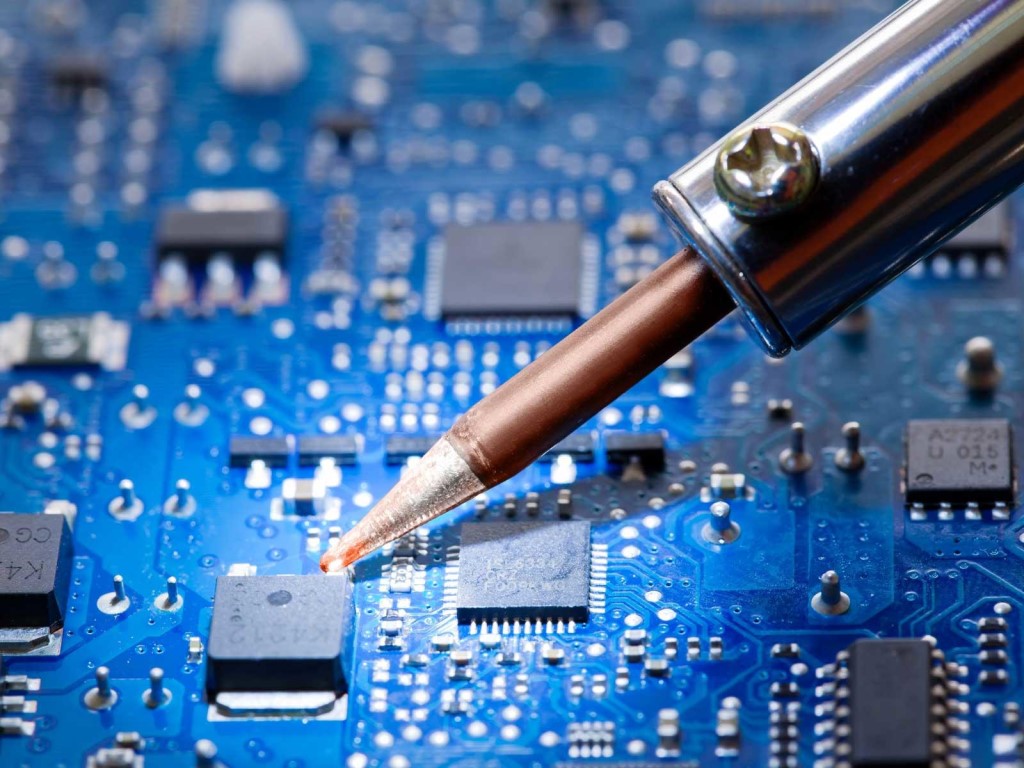
The electronic board level underfill material industry is driven by the relentless pursuit of miniaturization in electronic devices. As consumer demand for sleeker and more compact gadgets rises, manufacturers seek underfill materials that can provide exceptional protection and reinforcement to delicate microelectronics. Additionally, the growing adoption of advanced technologies such as 5G, Internet of Things (IoT), and wearable devices fuels the demand for underfill materials that can enhance thermal performance and reliability.

Despite the promising growth, the electronic board level underfill material industry faces certain challenges. The high initial costs associated with the development and implementation of advanced underfill materials pose a barrier to entry for some manufacturers, limiting market competition. Moreover, stringent regulations related to environmental sustainability and hazardous substances in electronics manufacturing create compliance challenges for underfill material providers.

Amidst the challenges, the electronic board level underfill material industry also opens up numerous opportunities for growth and expansion. With the rapid evolution of smart technology, the demand for underfill materials is anticipated to surge, creating lucrative prospects for both established players and new entrants. As electronic devices permeate various industries such as automotive, healthcare, and aerospace, the application of underfill materials in diverse sectors is expected to witness significant growth. Furthermore, strategic collaborations with electronics manufacturers and partnerships with research institutions can pave the way for innovative product development and market penetration.

The latest trends in the electronic board level underfill material industry showcase a shift towards environmentally friendly solutions. Manufacturers are increasingly focusing on developing underfill materials with reduced environmental impact, aligning with global sustainability goals. Moreover, the advent of nanotechnology has sparked interest in nano-scale underfill materials, offering enhanced thermal conductivity and mechanical properties. Additionally, the industry is witnessing a rising demand for underfill materials compatible with various assembly processes, such as flip-chip, wafer-level, and package-on-package, catering to diverse electronic applications.

Key Takeaways from the Electronic Board Level Underfill Material Market:

  • In the electronic board level underfill material industry, the United States leads the way with an impressive 19.4% market share in 2023.
  • Within the electronic board level underfill material industry, Germany surges ahead, holding a notable 11.1% share in 2023.
  • Emphasizing its influence in the electronic board level underfill material industry, Japan captures a substantial 8.5% market share in 2023.
  • Down under in the electronic board level underfill material industry, Australia shows promise with steady growth, projected at 2.4% CAGR during the forecast period.
  • Powering ahead in the electronic board level underfill material industry, China anticipates rapid expansion with an impressive 6.2% CAGR during the forecast period.
  • Unleashing its potential in the electronic board level underfill material industry, India is poised for remarkable growth, with a projected 6.0% CAGR during the forecast period.
  • Steadily advancing in the electronic board level underfill material industry, the United Kingdom is projected to grow at 4.4% CAGR during the forecast period.
  • The underfills segment dominates with an overwhelming 60.0% market share by product type, showcasing their significant preference among manufacturers.
  • Within the electronic board level underfill material industry, epoxy based materials shine, holding a substantial 35.0% market share by material type, demonstrating their widespread adoption and effectiveness.

Dive Deep into the Full Report for a Complete Analysis!

What are Key Players Doing to Thrive in the Electronic Board Level Underfill Material Market?

The competition in the electronic board level underfill material industry is characterized by intense rivalry among key players striving to assert their dominance and capture a significant market share. Established and renowned companies, as well as emerging players, are vying to meet the growing demand for advanced underfill materials that offer superior performance, reliability, and compatibility with diverse electronic assemblies.

Leading global players such as Henkel AG & Co. KGaA, NAMICS Corporation, and Nordson Corporation hold substantial market shares due to their extensive product portfolios, strong distribution networks, and well-established partnerships with major electronics manufacturers. These companies have a proven track record of providing cutting-edge underfill materials that cater to various industries, giving them a competitive edge.

Several mid-sized and smaller players are also actively competing in the market, focusing on niche segments and specialized applications. These companies often differentiate themselves through product innovation, providing tailor-made underfill solutions, and maintaining agility in responding to customer demands.

In recent years, there has been an influx of startups and research institutions entering the underfill material market with disruptive technologies and novel formulations. These new entrants leverage their innovative approaches and emphasis on sustainability to gain traction and challenge established players.

The competitive landscape is further influenced by strategic alliances, collaborations, and partnerships. Many underfill material manufacturers collaborate with electronic component suppliers, original equipment manufacturers (OEMs), and contract manufacturers to offer integrated solutions and enhance their market reach.

In addition to traditional players, chemical and material giants are also entering the electronic board level underfill material industry through acquisitions or joint ventures. These moves allow them to expand their portfolio and leverage their existing expertise in related sectors.

As the demand for environmentally friendly and sustainable solutions rises, companies that prioritize eco-consciousness in their underfill material offerings gain a competitive advantage. Customers are increasingly seeking products with reduced environmental impact, pushing companies to incorporate green initiatives in their manufacturing processes.

Overall, the electronic board level underfill material industry’s competitive landscape is dynamic and evolving, with players constantly innovating, diversifying, and adapting to market trends and customer preferences. Continuous research and development efforts, strategic collaborations, and a strong focus on meeting the ever-changing demands of the electronics industry are key factors that will shape the competitive landscape in the coming years.

About Future Market Insights (FMI)

Future Market Insights, Inc. (ESOMAR certified, recipient of the Stevie Award, and a member of the Greater New York Chamber of Commerce) offers profound insights into the driving factors that are boosting demand in the market. FMI stands as the leading global provider of market intelligence, advisory services, consulting, and events for the Packaging, Food and Beverage, Consumer Technology, Healthcare, Industrial, and Chemicals markets. With a vast team of over 400 analysts worldwide, FMI provides global, regional, and local expertise on diverse domains and industry trends across more than 110 countries. Join us as we commemorate 10 years of delivering trusted market insights. Reflecting on a decade of achievements, we continue to lead with integrity, innovation, and expertise.

Contact Us:     

Future Market Insights Inc.
Christiana Corporate, 200 Continental Drive,
Suite 401, Newark, Delaware – 19713, USA
T: +1-347-918-3531
For Sales Enquiries: sales@futuremarketinsights.com
Website: https://www.futuremarketinsights.com
LinkedInTwitterBlogs | YouTube

Carboxymethyl Cellulose: Expanding Applications Across Diverse Manufacturing Sectors

Carboxymethyl Cellulose Market


The carboxymethyl cellulose (CMC) market is projected to grow at a steady CAGR of 4.8% from 2023 to 2033, reaching an estimated value of USD 3,073.5 million by 2033. This growth is primarily driven by the increasing demand for CMC across various industries, including food, paints, coatings, paper & pulp, construction, and textiles. In the food industry, CMC is widely used as a thickener, stabilizer, and emulsifier, enhancing product texture and consistency. Similarly, its use in paints and coatings improves viscosity control and dispersion. The paper & pulp industry benefits from CMC’s binding and strengthening properties, while construction and textiles utilize it for its water retention and stabilization qualities. This diverse range of applications highlights the rising importance of CMC as a versatile and functional additive, fueling its sustained demand across multiple sectors.

Carboxymethyl cellulose serves as a stabilizer, thickener, and emulsifier in various food and beverage products, such as dairy products, sauces, and dressings. The pharmaceutical industry is also using it as a disintegrant and binder in tablet formulations to improve medication delivery and effectiveness. The demand for carboxymethyl cellulose in the food & beverage and pharmaceutical industries has been pushed by the rising demand for processed and convenience foods.

Carboxymethyl cellulose is used in the paint and coatings sector as a rheology modifier to enhance the consistency and performance of the end product. In addition to this, it also serves as a sizing agent in the textile industry, giving materials strength and stability throughout production. The rise of the textile sector and the growing demand for paints and coatings is anticipated to boost carboxymethyl cellulose sales further.

Key Takeaways from the Global Carboxymethyl Cellulose Market Study Report by FMI

  • By the end of 2022, the United States dominated the global market by acquiring almost 12% of the total revenue share. The companies based in the country are in a good position to benefit by seizing chances to broaden their customer base in foreign countries.
  • In Europe, Germany was the leading market for carboxymethyl cellulose until 2022, with a global revenue share of 5.6% that year.
  • The demand for carboxymethyl cellulose is expanding fast in the Asia Pacific region as a result of rising industrialization in many countries. For instance, China and India are poised to witness year-on-year growth rates of 6.8% and 6.5% from 2023 to 2033 respectively.

Competitive Landscape for the Carboxymethyl Cellulose Market Players

Regional industries that manufacture and provide carboxymethyl cellulose are seeing much better commercial opportunities as demand for the product is spreading out in emerging economies. New market players are getting a competitive edge in global and regional marketplaces by providing custom solutions catering to various industrial requirements. However, the fluctuation in raw material prices, which can affect manufacturing costs and overall profitability, is the main challenge the regional industries face.

Key Companies Profiled

  • CP Kelco,
  • The Dow Chemical Company
  • Ashland Global Holding Inc.,
  • Anqiu Eagle Cellulose Co., Ltd,
  • Wealthy Chemical Industry (Suzhou) Co., Ltd.
  • Shanghai Shenguang Edible Chemicals Co., Ltd.
  • Akzo Nobel N.V.
  • Nippon Paper Industries Co. Ltd.
  • Lamberti S.p.A.
  • Xuzhou Liyuan Cellulose Technology Co. Ltd.
  • Daicel Finechem Ltd
  • Química Amtex, S.A. de C.V.
  • DKS Co. Ltd
  • Ugur Seluloz Kimya AS
  • Mikro Technik GmbH

Unlock Comprehensive Insights by Reading the Full Report Now!

Carboxymethyl Cellulose Industry Survey by Category

By Grade:

  • High Purity Grade (99.5%+)
  • Technical Grade (90 to 99.5%)
  • Industrial Grade (50 to 90%)

By Application:

  • Food & Beverage
  • Detergent
  • Paper & Pulp
  • Oil Field Drilling Fluid
  • Cosmetic & Pharmaceutical
  • Paint & Coating
  • Others (Construction, Mining, Textile, etc.)

By Region:

  • North America
  • Latin America
  • Europe
  • East Asia
  • South Asia & Pacific
  • The Middle East & Africa

About Future Market Insights (FMI)

Future Market Insights, Inc. (ESOMAR certified, recipient of the Stevie Award, and a member of the Greater New York Chamber of Commerce) offers profound insights into the driving factors that are boosting demand in the market. FMI stands as the leading global provider of market intelligence, advisory services, consulting, and events for the Packaging, Food and Beverage, Consumer Technology, Healthcare, Industrial, and Chemicals markets. With a vast team of over 400 analysts worldwide, FMI provides global, regional, and local expertise on diverse domains and industry trends across more than 110 countries. Join us as we commemorate 10 years of delivering trusted market insights. Reflecting on a decade of achievements, we continue to lead with integrity, innovation, and expertise.

Contact Us:     

Future Market Insights Inc.
Christiana Corporate, 200 Continental Drive,
Suite 401, Newark, Delaware – 19713, USA
T: +1-347-918-3531
For Sales Enquiries: sales@futuremarketinsights.com
Website: https://www.futuremarketinsights.com
LinkedInTwitterBlogs | YouTube

Rust Remover Market Gains Momentum Amidst Rising Construction Activities and Investments in Emerging Economies

Rust Remover Market
Rust Remover Market


The global rust remover market is poised for steady growth, projected to expand at a CAGR of 4.4% from 2023 to 2033, driven by rising demand in industries such as automotive, construction, and manufacturing. As infrastructure and industrial development continue worldwide, the need for effective corrosion protection and maintenance solutions grows, fueling demand for rust removers. Technological advancements in formulations, including environmentally friendly and biodegradable rust removers, are further propelling market growth. With increasing investments in maintenance and repair activities, the market is expected to reach a valuation of approximately USD 817.7 million by 2033, reflecting consistent industry demand for efficient rust removal solutions.

Rust remover market growth has been fueled by the construction and automotive industries’ ongoing search for low-cost corrosion removal technologies. Rust remover compounds now face fierce competition from developments in composite materials. The rising popularity of ultrasonic technology for rust removal has also limited the potential of the rust remover sector.

The rust remover industry’s revenue growth is anticipated to be supported by the rising number of remodeling and restructuring projects. Moreover, it is projected that rising government activities and the rising expenses associated with corrosion would increase demand for rust removers.

Using efficient substitutes for traditional rust removal techniques like abrasives, blasting, and others, such as chemical rust removal, is predicted to boost revenue growth in the worldwide rust remover sector. The market is driven by rising consumer awareness of rust-related problems and the necessity for preventative measures.

Over the forecast period, the use of materials like composites and fibers in a range of end-use sectors to increase corrosion resistance impede market growth. The expanding use of laser and ultrasonic technologies for rust removal is anticipated to restrain market revenue growth.

Key Takeaways

  • By 2033, the rust remover market in the United Kingdom is likely to expand, with a CAGR of 2.3%.
  • In 2023, the United States is expected to develop the rust remover business with a share of 18.4%.
  • The rust remover market grew considerably to US$ 531.6 million in 2022.
  • The rust remover industry expanded at a CAGR of 4.1% from 2018 to 2022.
  • By 2033, the rust remover market in China is projected to have a CAGR of 29.5%.
  • By 2033, India’s rust remover industry is projected to expand with a CAGR of 5.9%.
  • Japan’s rust remover sector is likely to grow significantly, with a 4.3% share in 2023.
  • Australia’s rust remover is expected to develop with a share of 1.9% in 2023.
  • Germany’s rust remover business is expected to grow, with a share of 7.3% in 2023.
  • In 2023, based on product type, the acid rust remover segment is expected to dominate the market, with a share of 65.0%.
  • In 2023, the construction and infrastructure segment is expected to dominate the market, with a share of 18%, based on end-use.

Competitors’ Successful Techniques

Several businesses are working to produce bio-based solutions to find new sources of revenue in the rust remover sector. Several established firms have benefited from the diverse range of needs in the construction sector. Modern corrosion removal methods that can eliminate flash corrosion and prevent re-tarnishing in various settings define novel goods created by a select few players.

Using renewable technology, Cortec Company created EcoAir 422 Rust Remover in March 2021, an eco-friendly corrosion prevention product. The item is packaged in an air-powered spray can, is biodegradable, and has 92% content that is USDA certified as biobased. It is non-flammable and eliminates rust and stains without polluting.

Key Players

  1. Reckitt Benckiser Group
  2. Jelmar LLC
  3. The 3M Company
  4. The Sherwin-Williams Company
  5. Corrosion Technologies, LLC
  6. Chempace Corporation
  7. Fuchs Petrolub SE
  8. Henkel Adhesives
  9. Quaker Chemical Corporation
  10. PPG Industries, Inc.

Explore the Full Report for Detailed Insights!

Key Segmentation of Rust Remover Market

By Product Type:

  • Acid Rust Removers
  • Neutral Rust Removers
  • Alkaline Rust Removers

By End-Use Industry:

  • Automotive
  • Aviation and Aerospace
  • Oil and Gas/Petrochemical
  • Marine
  • Construction & Infrastructure
  • Metal Machining
  • Others

By Region:

  • North America
  • Latin America
  • Europe
  • East Asia
  • South Asia & Pacific
  • Middle East & Africa

About Future Market Insights (FMI)

Future Market Insights, Inc. (ESOMAR certified, recipient of the Stevie Award, and a member of the Greater New York Chamber of Commerce) offers profound insights into the driving factors that are boosting demand in the market. FMI stands as the leading global provider of market intelligence, advisory services, consulting, and events for the Packaging, Food and Beverage, Consumer Technology, Healthcare, Industrial, and Chemicals markets. With a vast team of over 400 analysts worldwide, FMI provides global, regional, and local expertise on diverse domains and industry trends across more than 110 countries. Join us as we commemorate 10 years of delivering trusted market insights. Reflecting on a decade of achievements, we continue to lead with integrity, innovation, and expertise.

Contact Us:     

Future Market Insights Inc.
Christiana Corporate, 200 Continental Drive,
Suite 401, Newark, Delaware – 19713, USA
T: +1-347-918-3531
For Sales Enquiries: sales@futuremarketinsights.com
Website: https://www.futuremarketinsights.com
LinkedInTwitterBlogs | YouTube