High Sales of Gardening Tools and Expansion of DIY to Boost the United States Emission Control Catalyst for Small Engines Market

The global emission control catalyst for small engine industry sales is anticipated to expand at a steady 4.3% CAGR over the forecast period between 2023 and 2033, finds Future Market Insights (FMI) in a recent market analysis.

Expansion of the construction industry due to growing industrialization across the globe will present attractive prospects for the expansion of the market. Driven by this, the overall sales in the market will total USD 1,524  Million by the end of 2033.

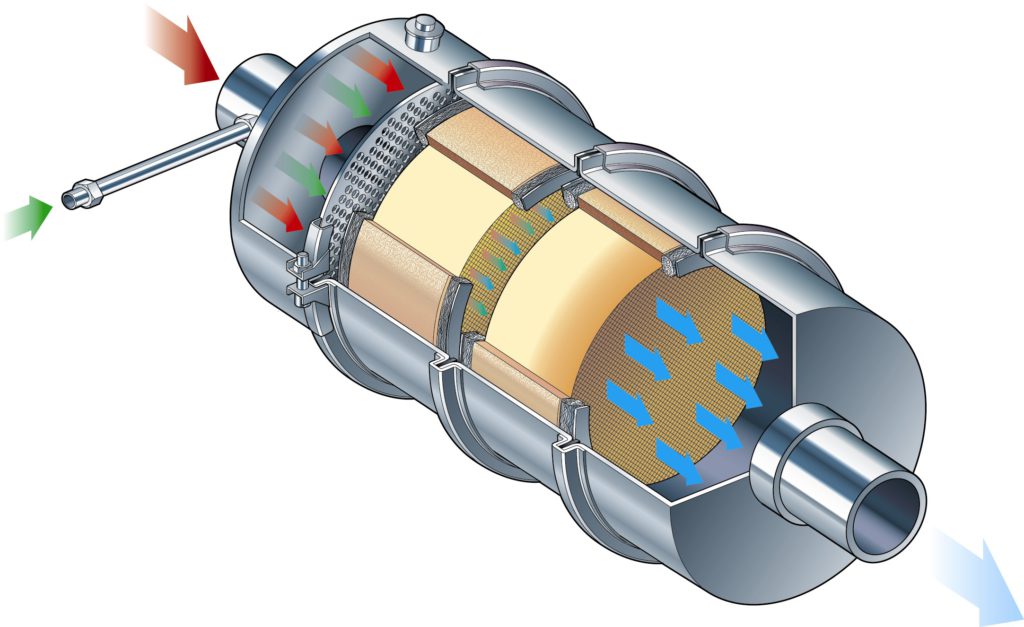
Emission control catalysts are available for diesel and gasoline vehicle types. Selective catalytic reduction catalyst (SCR) is used in on-road and off-road applications. Some of the leading automobile manufacturers are using three-way catalytic converters to reduce harmful emissions. Expansion of construction and infrastructure industries will result in high sales of emission control catalysts for small engines over the forecast period.

Emission Control Catalyst for Small Engines plays a vital role in curbing harmful exhaust emissions from small engines, promoting cleaner air and environmental sustainability. By efficiently converting toxic pollutants into less harmful substances, these catalysts mitigate the impact of small engine emissions on air quality. As the demand for cleaner and greener technologies rises, emission control catalysts continue to be instrumental in enhancing the performance and eco-friendliness of small engines in various applications, from lawnmowers to generators.

Manufacturers of catalytic converters for small engines provide a wide solution range for various applications, which include lawnmowers, trimmers, chain saws, refrigerated transportation, and others. This is one of the leading factors fueling the demand in the market.

Geographically, the market is predicted to be dominated by North America. High demand for gardening tools will push demand for emission control catalysts for small engines in the U.S. This in turn will present attractive prospects for the growth of the market.

 Key Takeaways in Emission Control Catalyst for Small Engines Market Study:

  • By product type, the demand for gasoline-based emission catalysts is expected to surge at 3.8% CAGR over the forecast period.
  • By application, the construction segment is estimated to account for more than 28.3% of the sales in the market.
  • Germany will emerge as an attractive emission control catalyst for the small engine market, with sales growing at a 3.4% CAGR in the forecast period.
  • Based on end use, the OEM segment is expected to register year-over-year growth of 3.6% in 2021.
  • South East Asia and India are anticipated to collectively account for 13.7% of the total emission control catalyst for the small engine market in 2021.

Leading manufacturers are focusing on making technological improvements. Besides this, they are investing in expansion strategies to strengthen their footprint, especially in emerging markets,” says an analyst at FMI.

Competitive Landscape in Emission Control Catalyst for Small Engines

Key market participants in the global Emission Control Catalyst for Small Engine market elaborated in the report include

  • BASF SE
  • Johnson Matthey
  • Umicore
  • Corning Inc.
  • Clariant AG
  • Solvay SA
  • Tenneco Inc.
  • Cataler Corporation
  • NGK Insulators Inc.
  • AP Exhaust Technologies
  • Catalytic Combustion Corporation

Major players in the emission control catalyst for small engines are investing in research & development for new product development. They also focus on expanding their manufacturing capabilities for emission control catalysts due to growing demand from customers across the globe. For instance:

  • In Dec 2021, Clariant AG made a significant investment to modernize its research facility in Japan that manufactures custom emission catalysts.
  • In Nov 2021, BASF SE received an R&D award for its new Diesel Oxidation Catalyst which was designed to reduce tailpipe emissions.

Emission Control Catalyst for Small Engines Market By Category

By Product Type:

  • Diesel Based Emission Catalyst
    • Diesel Oxidation Catalyst (DOC)
    • Selective Catalytic Reduction Catalyst (SCR)
    • Catalyzed Soot Filter/Diesel Particulate Filter
    • Ammonia Oxidation Catalyst (AMX)
    • NOx Absorbers
  • Gasoline Based Emission Catalyst
    • Palladium based catalyst
    • Rhodium based catalyst
    • Platinum based catalyst

By Application:

  • Construction
  • Gardening
  • Industrial
  • Small Vehicles
  • Refrigerated Transportation
  • Domestic

By End Use:

  • OEM
  • Retrofit

About Future Market Insights (FMI)

Future Market Insights, Inc. (ESOMAR certified, recipient of the Stevie Award, and a member of the Greater New York Chamber of Commerce) offers profound insights into the driving factors that are boosting demand in the market. FMI stands as the leading global provider of market intelligence, advisory services, consulting, and events for the Packaging, Food and Beverage, Consumer Technology, Healthcare, Industrial, and Chemicals markets. With a vast team of over 400 analysts worldwide, FMI provides global, regional, and local expertise on diverse domains and industry trends across more than 110 countries.

Join us as we commemorate 10 years of delivering trusted market insights. Reflecting on a decade of achievements, we continue to lead with integrity, innovation, and expertise.

Contact Us:        

Future Market Insights Inc.
Christiana Corporate, 200 Continental Drive,
Suite 401, Newark, Delaware – 19713, USA
T: +1-347-918-3531
For Sales Enquiries: 
sales@futuremarketinsights.com
Website: https://www.futuremarketinsights.com
LinkedInTwitterBlogs | YouTube

Emission Control Catalyst for Motorcycle Market Increased Demand Due to the Adoption of NOx

The emission control catalyst for motorcycle market size is expected to increase from USD 3.46 billion in 2023 to USD 6.20 billion in 2033.

The Global Expansion of the Automobile Industry Leading to the Spike in Demand for Catalysts.

Emission control catalysts are essential parts of all internal combustion engines. Catalytic converters are becoming increasingly popular in response to rigorous worldwide emission laws aimed at reducing harmful greenhouse emissions.

Sales of pollution control catalysts for motorcycles are likely to rise as scooter and motorcycle sales rise in developing economies. The demand to fulfill emission standard laws has also prompted manufacturers to develop innovative technologies that meet the standards. Palladium, which is used in catalytic converters to eliminate dangerous chemicals such as carbon monoxide from exhaust emissions, is becoming popular and consequently boosting the market.

The motorcycle industry in India is likely to be the appealing market globally for emission control catalysts, as the country’s demand for scooters and motorbikes continues to rise, in tandem with tough rules aimed at reducing carbon emissions.

Key Points from the Emission Control Catalyst for the Motorcycle Market

  • The market is expected to surpass US$ 6.20 billion by 2033.
  • Increasing technical advancements are prompting catalyst producers to concentrate on developing high-performance emission catalysts is driving emission control catalysts for the motorcycle market.
  • The emission control catalyst for the motorcycle market is expected to thrive at a CAGR of 6% during the forecast period 2023 to 2033.
  • North America dominated the emission control catalyst for the motorcycle market.

Key Developments in the Emission Control Catalyst for Motorcycle Market

  • In 2021, BASF expanded its mobile emission catalyst production capacity in Chennai, India. The planned expansion aims to increase capacity for heavy-duty on and off-road automobile segments.
  • Johnson Matthey launched the ActivDPFTM diesel particulate filter (DPF) system for stationary diesel engines in 2019. This aid in the delivery of clean energy without the need for a filter monitoring system. This great innovation assists the corporation in meeting the needs of clients in the vehicle industry.
  • In 2017, Umicore purchased Haldor Topsoe, a Danish ECC manufacturer’s heavy-duty diesel business. The acquisition is intended to benefit the company by providing it with customer bases in Europe and China, as well as an emission control technology for heavy-duty diesel applications.
  • March 2019 – Johnson Matthey unveiled the revolutionary Activ DPF diesel particulate filter (DPF) technology for stationary diesel engines, which can be instantaneously regenerated. This would continue to supply renewable electricity without the need for a filter management device. This cutting-edge technology would assist the corporation in meeting the needs of clients in the automobile industry.
  • May 2019 – Corning launched a new production site in China. The new Hefei plant is designed to meet consumer demand for the company’s petrol particulate filter (GPF) product line, Corning DuraTrap GC filters, processing substrates, and particulate filters for vehicle pollution management. It assists the organization in meeting expanding ECC demand.

Key Companies Working in the Emission Control Catalyst for the Motorcycle Market

  • BASF SE
  • Johnson Matthey
  • Heraeus Holding
  • Solvay SA
  • Haldor Topsoe
  • Cormetech
  • Umicore
  • NGK Insulators Ltd.
  • Corning Inc.
  • Clariant AG
  • Cataler Corporation
  • Mitsui & Co. Ltd
  • Nett Technologies Inc.

Emission Control Catalyst for Motorcycle Market Key Segmentation

By Product:

  • Palladium based catalyst
  • Platinum based catalyst
  • Rhodium based catalyst
  • Others

By Application:

  • Motorbikes
  • Scooters

By End Use:

  • OEM
  • Retrofit

By Region:

  • North America
  • Latin America
  • Western Europe
  • Eastern Europe
  • Asia Pacific
  • The Middle East & Africa

About Future Market Insights (FMI)

Future Market Insights, Inc. (ESOMAR certified, recipient of the Stevie Award, and a member of the Greater New York Chamber of Commerce) offers profound insights into the driving factors that are boosting demand in the market. FMI stands as the leading global provider of market intelligence, advisory services, consulting, and events for the Packaging, Food and Beverage, Consumer Technology, Healthcare, Industrial, and Chemicals markets. With a vast team of over 400 analysts worldwide, FMI provides global, regional, and local expertise on diverse domains and industry trends across more than 110 countries.

Join us as we commemorate 10 years of delivering trusted market insights. Reflecting on a decade of achievements, we continue to lead with integrity, innovation, and expertise.

Contact Us:        

Future Market Insights Inc.
Christiana Corporate, 200 Continental Drive,
Suite 401, Newark, Delaware – 19713, USA
T: +1-347-918-3531
For Sales Enquiries: 
sales@futuremarketinsights.com
Website: https://www.futuremarketinsights.com
LinkedInTwitterBlogs | YouTube

Global Emission Control Catalyst for Marine Market Demand to Reach USD 1,673.01 million by 2033 | FMI

The emission control catalyst market for marine applications is expected to grow at a significant compound annual growth rate of 5.3% during the forecast period, with a projected value of USD 998.19 million in 2023 and a rise to USD 1,673.01 million by 2033.

Maritime emission control catalysts are designed to minimize harmful emissions from marine engines and equipment such as ships, boats, and yachts by converting toxic pollutants in engine exhaust into less dangerous molecules.

The International Maritime Organization (IMO) has established rigorous emissions requirements for ships and other marine vessels, increasing demand for emission control catalysts.

Diesel oxidation catalysts (DOCs), selective catalytic reduction (SCR) systems, and diesel particulate filters (DPFs) are among the pollution control catalysts available for maritime applications, and which system to choose is determined by criteria such as engine type, operating conditions, and specific emissions standards.

The rising demand for fuel efficiency is another major driver of the emission control catalysts industry, with a need to cut fuel use. Large marine vessels often require a lot of fuel, and catalytic converters can assist in improving fuel economy by turning hazardous pollutants into less damaging molecules.

Increased commercial vessel sales are likely to drive sales of diesel-based emission catalysts, which account for 86.6% of the market in 2023, while gasoline-based emission catalysts are expected to capture 14.4% of the market share.

Commercial vessels, including container ships, bulk carriers, tankers, and other commercial boats, are a significant area in the marine industry’s emission control catalyst market.

Japan is a prominent player in the maritime industry’s pollution control catalyst market, with a considerable market share (10.9%), and is expected to continue to play a leading role in the development and deployment of innovative emission control technologies in the coming years.

The United States is likely to capture 7.9% of the market share in 2023 due to the presence of several big technologies as well as the rapidly developing marine shipping and transportation industry in the region

Competitive Landscape.

To develop new prospects, key companies in marine catalysts intend to upgrade their existing production facilities as well as extend their manufacturing capacities. Companies are also working on collaborations and partnerships with other manufacturers in order to harness new products and technologies in order to boost profitability and geographical presence.

The market’s leading players are mostly concerned with the technical aspects of the business.

  • Johnson Matthey, for example, has introduced an automatically regenerating Active DPF diesel particulate filter (DPF) system for stationary diesel engines. The innovative method generates clean energy without the use of a filter monitoring system.
  • Hug Engineering introduced selective catalytic reduction systems that comply with the IMO Tier 3 exhaust pollution rules for the marine industry in January 2021.
  • Johnson Matthey launched the revolutionary Activ DPF diesel particulate filter (DPF) system for stationary diesel engines in March 2019. This would continue to supply renewable electricity without the need for a filter management device. This cutting-edge technology would assist the corporation in meeting the needs of clients in the automobile industry.

Key Companies Profiled

  • BASF SE
  • Johnson Matthey
  • Heraeus Holding
  • Haldor Topsoe
  • NGK Insulators
  • Alfa Laval
  • Tenneco Inc.
  • Nett Technologies Inc.
  • Cormetech
  • Cataler Corporation
  • Catalytic Combustion Corporation
  • Hug Engineering Inc.

Key Segments Covered in the Emission Control Catalyst for Marine Market Report

By Product Type:

  • Diesel-Based Emission Catalyst
  • Diesel Oxidation Catalyst (DOC)
  • Selective Catalytic Reduction Catalyst (SCR)
  • Catalyzed Soot Filter/Diesel Particulate Filter
  • Ammonia Oxidation Catalyst (AMX)
  • NOx Absorbers
  • Gasoline-Based Emission Catalyst
  • Palladium based catalyst
  • Rhodium based catalyst
  • Platinum based catalyst

By Application:

  • Commercial Vessel
  • Offshore Support Vessel
  • Passenger Vessel
  • Power Boat
  • Fishing Boat

By End Use:

  • OEM
  • Retrofit

By Region

  • North America
  • Latin America
  • Western Europe
  • Eastern Europe
  • Asia Pacific Excluding Japan (APEJ)
  • Japan
  • The Middle East & Africa (MEA)

About Future Market Insights (FMI)

Future Market Insights, Inc. (ESOMAR certified, recipient of the Stevie Award, and a member of the Greater New York Chamber of Commerce) offers profound insights into the driving factors that are boosting demand in the market. FMI stands as the leading global provider of market intelligence, advisory services, consulting, and events for the Packaging, Food and Beverage, Consumer Technology, Healthcare, Industrial, and Chemicals markets. With a vast team of over 400 analysts worldwide, FMI provides global, regional, and local expertise on diverse domains and industry trends across more than 110 countries.

Join us as we commemorate 10 years of delivering trusted market insights. Reflecting on a decade of achievements, we continue to lead with integrity, innovation, and expertise.

Contact Us:        

Future Market Insights Inc.
Christiana Corporate, 200 Continental Drive,
Suite 401, Newark, Delaware – 19713, USA
T: +1-347-918-3531
For Sales Enquiries: 
sales@futuremarketinsights.com
Website: https://www.futuremarketinsights.com
LinkedInTwitterBlogs | YouTube

Global Wind Power Coatings Market Size Set to Reach USD 4.08 billion by 2033 | FMI

According to FMI analysis, the demand for wind power coatings experienced significant growth in recent years, reaching a value of USD 1.32 billion in 2022. With the worldwide demand increasing at a CAGR of 10.1% between 2018 and 2022, the global wind power coatings market demand has also gained sufficient traction. Because of the increased need for energy caused by the world’s fast urbanization and industrialization, this trend is expected to continue even further.

The overall market is estimated to be worth USD 1.46 billion in 2023. With the rising environmental issues related to traditional energy-producing techniques, the popularity of wind power is increasing, ultimately driving the need for their coatings. According to projections, this sector has a bright future, with a predicted CAGR of 10.8% between 2023 and 2033.

Besides wind power, many other reasons are contributing to the rising demand for wind power coatings on a worldwide scale, which could lead to an overall market value of almost US$ 4.08 billion by 2033. Its applications are expanding in a variety of new sectors, like aircraft parts, demonstrating their adaptability outside the energy industry. Moreover, to improve the effectiveness and endurance of ship propellers and offshore constructions exposed to severe marine conditions, the maritime sector has turned into a prominent end-use industry these days.

The strong investment in renewable energy alternatives by governments and organizations is fueling the demand for wind power coatings across diverse geographies. The application of high-quality coatings has become crucial to ensuring the long-term performance and longevity of wind turbine components exposed to extreme outdoor conditions.

Key Takeaways from the Global Wind Power Coatings Market Study Report by FMI

  • North American countries generate almost half of the worldwide demand for wind power coatings. In 2022, the United States contributed almost 13.5% of the total revenue generated by the global market.
  • While the whole of Europe contributed to almost 32.4% of the global market in 2022, Germany held nearly 11.4% of the global revenue share.
  • China is the leading market in the Asia Pacific region, and it is anticipated to witness a year-on-year growth of 12.9% through 2033.

Competitive Landscape for the Wind Power Coatings Market Players

Key Companies Profiled

  • Hempel A/S
  • PPG Industries, Inc.
  • Covestro AG
  • Akzo Nobel N.V.
  • BASF
  • The Sherwin-Williams Company
  • Jotun Group
  • Teknos Group Oy
  • 3M
  • Sika AG
  • Thomas Industrial Coatings
  • Mankiewicz Gebr. & Co. (GmbH & Co. KG
  • Bergolin GmbH & Co. KG
  • Duromar, Inc.

These leading market players have deliberately set up distributed manufacturing facilities since regional markets have diverse climatic conditions and regulatory requirements.

Wind power coatings are in high demand these days, and this has created profitable prospects for new industry firms engaged in their supply and manufacture. So, some new businesses have concentrated on research and development to gain trust and penetrate the existing market. Additionally, attempts to enhance coating application methods have produced affordable and effective solutions, supporting their market expansion further in terms of sales volume.

To access a wider market and promote innovation, partnerships with wind power project developers and equipment manufacturers have also been extremely beneficial.

Key Segments Covered in the Wind Power Coatings Industry Analysis

By Type:

  • Polymer Coatings
    • Epoxy
    • Polyurethane
    • Acrylic
    • Fluoropolymer
    • Others
  • Ceramic Coatings
  • Metal Coatings

By Coating Method:

  • Spray
  • Roller
  • Others

By Application:

  • Offshore
    • Offshore Blade
    • Offshore Tower
    • Offshore Interior
    • Offshore Turbine Foundation
  • Onshore
    • Onshore Blade
    • Onshore Tower
    • Onshore Interior
    • Onshore Turbine Foundation

By Utilization:

  • OEM
  • Maintenance

By Region:

  • North America
  • Latin America
  • Europe
  • East Asia
  • South Asia & Pacific
  • The Middle East & Africa

About Future Market Insights (FMI)

Future Market Insights, Inc. (ESOMAR certified, recipient of the Stevie Award, and a member of the Greater New York Chamber of Commerce) offers profound insights into the driving factors that are boosting demand in the market. FMI stands as the leading global provider of market intelligence, advisory services, consulting, and events for the Packaging, Food and Beverage, Consumer Technology, Healthcare, Industrial, and Chemicals markets. With a vast team of over 400 analysts worldwide, FMI provides global, regional, and local expertise on diverse domains and industry trends across more than 110 countries.

Join us as we commemorate 10 years of delivering trusted market insights. Reflecting on a decade of achievements, we continue to lead with integrity, innovation, and expertise.

Contact Us:        

Future Market Insights Inc.
Christiana Corporate, 200 Continental Drive,
Suite 401, Newark, Delaware – 19713, USA
T: +1-347-918-3531
For Sales Enquiries: 
sales@futuremarketinsights.com
Website: https://www.futuremarketinsights.com
LinkedInTwitterBlogs | YouTube

Global Methane Sulfonic Acid Market Demand Set to Reach USD 1,215.6 million in 2033 | FMI

According to Future Market Insight, the global methane sulfonic acid industry size is likely to reach USD 1,215.6 million by 2033, registering a CAGR of 4.6%. This is a considerable increase from its projected value of USD 775 million in 2023.

Methane sulfonic acid is extensively used in the electroplating industry for metal surface treatment. It is utilized as an electrolyte additive in electroplating baths. It improves the plating efficiency and quality of metal coatings. The increasing demand for metal finishing and surface treatment in the automotive, aerospace, and electronics industries drives the demand for methane sulfonic acid.

The usage of methane sulfonic acid for surface cleaning of tiles, ceramics, and porcelains is increasing. It is also included in scale and rust removers. This increased usage plays a crucial role in driving market revenue growth. In addition, the global popularity of lead-acid and zinc cerium flow batteries is contributing significantly to market growth.

There is a growing demand for the product in the pharmaceutical/medical, technical, and fabrication sectors. The increasing demand for methane sulfonic acid can be attributed to the adoption of environmentally friendly alternatives. These alternatives are being used in place of commercially used electrolytes in batteries. The growing concerns for the environment and sustainability drive this shift. As a result, the global market is anticipated to continue its growth trajectory.

Multiple unfavorable factors impede market growth. Strict government regulations in many countries pose a challenge to the commercialization of methane sulfonic acid in the market. Additionally, manufacturers are required to meet various certifications, which further contributes to potential delays. This creates a significant obstacle that hampers market growth. Furthermore, the rising costs of methane sulfonic acid may pose an additional hindrance to market expansion.

The global demand for methane sulfonic acid is increasing in the pharmaceutical and medical industries. This trend is likely to open up lucrative opportunities for both established companies and new entrants in the market. Companies also highlight the diverse applications of methane sulfonic acid in various industries. Furthermore, the fabrication industry’s high demand for the product is anticipated to drive market growth during the forecast period.

Methane sulfonic acid has been investigated as an electrolyte component in energy storage devices such as batteries and supercapacitors. Its unique properties make it a potential alternative to traditional electrolytes. As the demand for energy storage solutions grows, methane sulfonic acid could play a role in this evolving market. This is particularly prevalent in renewable energy systems and electric vehicles.

Methane sulfonic acid is widely used as a catalyst and acidifier in chemical manufacturing processes. It can be employed in the production of pharmaceuticals, agrochemicals, dyes, pigments, and other specialty chemicals. The growing demand for these chemicals in various industries is expected to present significant market opportunities.

Key Takeaways from the Methane Sulfonic Acid Market:

  • The methane sulfonic acid industry in the United Kingdom is anticipated to rise, exhibiting a CAGR of 3.1% through 2033
  • The United States held a 20.8% share of the global methane sulfonic acid industry in 2022
  • With a CAGR of 6.4% over the forecast period, India is predicted to develop rapidly in the methane sulfonic acid industry
  • In 2022, Japan had a 6.3% share of the methane sulfonic acid industry globally
  • The methane sulfonic acid industry in China is expected to increase, registering a CAGR of 5.8% over the forecast period
  • Germany accounted for 5.9% of the global methane sulfonic acid industry in 2022

Competitive Landscape in the Methane Sulfonic Acid Market

Key market participants implement diverse approaches to sustain their market positions and expand their presence worldwide. These approaches comprehend:

  • Expanding production capacities to meet growing demand
  • Investing in research and development for improved production processes and product quality
  • Emphasizing sustainability and eco-friendly methods
  • Forming strategic partnerships and collaborations
  • Implementing effective marketing and branding strategies
  • Providing customized solutions and technical support
  • Exploring new applications and markets
  • Monitoring market trends and adapting accordingly
  • Ensuring reliable supply chains
  • Prioritizing customer satisfaction with excellent service

Recent Developments by Key Players in the Methane Sulfonic Acid Market

In January 2020, BASF unveiled its plan to expand global capacities for methane sulfonic acid to reach 50,000 metric tons per year. The expansion primarily aims to cater to European customers. Additionally, it seeks to serve the swiftly expanding Asia methane sulfonic acid market.

In August 2021, Hydrite Chemical Co. revealed plans to expand production of ATS=™/Thio 25-17™. The expansion is going to take place at Hydrite Chemical Co.’s Terre Haute, IN facility. The capital expenditure is allocated for the installation of an additional sulfur burner and thiosulfate production line. The expanded capacity is anticipated to be operational by the spring of 2023.

Methane Sulfonic Acid Market by Category

By Grade:

  • Industrial grade Methane Sulfonic Acid
  • Pharmaceutical grade Methane Sulfonic Acid

By Product Form:

  • Solid Methane Sulfonic Acid
  • Liquid Methane Sulfonic Acid

By Application:

  • Electroplating
  • Pharmaceuticals
  • Chemical Synthesis
  • Biodiesel Production
  • Others

By Region:

  • North America
  • Latin America
  • Europe
  • East Asia
  • South Asia and the Pacific
  • Middle East and Africa

About Future Market Insights (FMI)

Future Market Insights, Inc. (ESOMAR certified, recipient of the Stevie Award, and a member of the Greater New York Chamber of Commerce) offers profound insights into the driving factors that are boosting demand in the market. FMI stands as the leading global provider of market intelligence, advisory services, consulting, and events for the Packaging, Food and Beverage, Consumer Technology, Healthcare, Industrial, and Chemicals markets. With a vast team of over 400 analysts worldwide, FMI provides global, regional, and local expertise on diverse domains and industry trends across more than 110 countries.

Join us as we commemorate 10 years of delivering trusted market insights. Reflecting on a decade of achievements, we continue to lead with integrity, innovation, and expertise.

Contact Us:        

Future Market Insights Inc.
Christiana Corporate, 200 Continental Drive,
Suite 401, Newark, Delaware – 19713, USA
T: +1-347-918-3531
For Sales Enquiries: 
sales@futuremarketinsights.com
Website: https://www.futuremarketinsights.com
LinkedInTwitterBlogs | YouTube

Renewable Naphtha Market Growth: Projected to Reach USD 1698 Million by 2033

According to Future Market Insights, the renewable naphtha market will be worth USD 466.58 million in 2023 and USD 1,698 million in 2033, with a CAGR of 13.7%. Increasing fuel blending practices in order to comply with new regulations concerning fuel composition will also increase demand for renewable naphtha.

The use of renewable naphtha by refineries is a great way to provide a low-carbon alternative fuel for their customers. The use of bio naphtha in petrochemicals and gasoline blendstock to replace oil-based naphtha is growing significantly. A bio naphtha fuel can be used in gasoline blending pools both as a complement to ethanol and ETBE and also as a replacement.

Naphtha made from renewable resources has several advantages, including low carbon intensity and renewable alternatives to traditional naphtha. A variety of products, including plastics, bioplastics, and renewable gasoline, can be produced by using biomass sources such as agricultural waste and algae. The environmental impact of fuel production can be minimized by using renewable naphtha instead of traditional fossil fuels. Naphtha made from renewable resources can help diversify fuel supplies and reduce dependence on fossil fuels.

Aromatic compounds can also be produced from renewable naphtha. Consumer demand and European Union regulations have made naphtha an increasingly valuable resource for plastics made from non-fossil sources. As demand for plastic-based products such as bespoke articles, home decor, and electronics grows, sales of renewable naphtha in the plastic production segment are on the rise. The demand for renewable naphtha is increasing as automakers and governments across the United States, India, and China promotes the use of bio-based fuels.

Key Takeaways:

  • Nearly 33% of sales are expected to be generated by Germany in Europe by 2031, making it the fastest-growing country in Europe.
  • The market is forecast to be dominated by China in 2023, accounting for 82% of the market share.
  • There are projections that the light naphtha segment will hold approximately 96% of the near-term market for renewable naphtha.
  • Feed for plastic production is expected to account for nearly 76% of global feed sales by 2033.
  • Renewable naphtha consumption in India is expected to grow at 9.6% CAGR in 2033.

As synthetic plastics regulations tighten and emissions increase, the market will gain traction due to the increased use of petrol and diesel. Renewable naphtha demand is expected to increase due to advances in technologies such as NExBTL over the next few years,” – says an analyst at FMI.

Competitive Landscape:

The number of renewable naphtha producers has expanded and penetrated new markets both organically and inorganically over the past few years. Expansion of production capacity and increase their market share, key companies are developing new production facilities, merging with other players, acquiring companies, and signing agreements with them.

Recent Market Developments Include:

  • In June 2023, Lumene, a Finnish beauty brand, introduced a bio-based packaging application utilizing material produced by UPM and processed by Sabic. UPM BioVerno naphtha, produced by UPM in Finland, is the source of Lumene’s new jar and self-adhesive label. Cooperating with UPM and Sabic, the firm is driving the transition to renewable resources and taking the next step on its sustainability journey.
  • In June 2023, EcoCeres, Inc. announced plans to build a biofuels plant in Pasir Gudang, Johor. An annual capacity target of 350 000 t will be achieved at the facility, which will produce hydrotreated vegetable oils, renewable aviation fuels, and renewable lubricants. The construction of a sustainable biofuel facility will start with the help of EcoCeres, resulting in significant implications for the nation and state as a whole.

Top Key Players

  • Neste Oyj.
  • ENI
  • Darling Ingredients Inc.
  • CNPC
  • Diamond Green Diesel
  • Renewable Energy Group, Inc.
  • Marathon Petroleum Corp
  • Preem
  • Philips 66
  • UPM Biofuels

More Valuable Insights Available:

Future Market Insights offers an unbiased analysis of the global renewable naphtha market, providing historical data for 2018 to 2022 and forecast statistics from 2023 to 2033.

To understand opportunities in the renewable naphtha market, the market is segmented on the basis of product type (light naphtha and heavy naphtha), and application (fuel blending, feed for H2 production, and feed for plastics production), across seven major regions (North America, Latin America, Western Europe, Eastern Europe, South Asia & Pacific, East Asia, and Middle East & Africa).

Renewable Naphtha Market by Category

By Product Type:

  • Light Naphtha
  • Heavy Naphtha

By Application:

  • Fuel Blending
  • Feed for H2 Production
  • Feed for Plastics Production
    • Ethylene
    • Propylene
    • Butadiene
    • Others

By Region:

  • North America
  • Latin America
  • Western Europe
  • Eastern Europe
  • South Asia & Pacific
  • East Asia
  • Middle East & Africa

About Future Market Insights (FMI)

Future Market Insights, Inc. (ESOMAR certified, recipient of the Stevie Award, and a member of the Greater New York Chamber of Commerce) offers profound insights into the driving factors that are boosting demand in the market. FMI stands as the leading global provider of market intelligence, advisory services, consulting, and events for the Packaging, Food and Beverage, Consumer Technology, Healthcare, Industrial, and Chemicals markets. With a vast team of over 400 analysts worldwide, FMI provides global, regional, and local expertise on diverse domains and industry trends across more than 110 countries.

Join us as we commemorate 10 years of delivering trusted market insights. Reflecting on a decade of achievements, we continue to lead with integrity, innovation, and expertise.

Contact Us:        

Future Market Insights Inc.
Christiana Corporate, 200 Continental Drive,
Suite 401, Newark, Delaware – 19713, USA
T: +1-347-918-3531
For Sales Enquiries: 
sales@futuremarketinsights.com
Website: https://www.futuremarketinsights.com
LinkedInTwitterBlogs | YouTube

Global Potassium Carbonate Market Set to Reach USD 3.2 billion by 2033 | FMI

The potassium carbonate industry value is anticipated to increase from USD 2.1 Billion in 2023 to USD 3.2 Billion by 2033 end. The market is predicted to grow at a CAGR of 4.6% over the forecast period, according to FMI’s analysis.

For instance, the European Federation of Pharmaceutical Industries and Association has observed the intensification of investments by numerous research institutes and manufacturers in America and Europe. These investments are aimed at developing and innovating new pharmaceutical products, which are forecast to lead the way for upcoming applications of potassium carbonate.

Besides, the mounting demand for potassium carbonate from multiple industries and the strong presence of major market players are catalyzing market development. For instance, the demand for this compound is springing up in the field of agriculture as it assists in the better development of plants and absorbs water from the environment. Farmers utilize potash to fortify the stems and roots of plants.

Key Takeaways from the Potassium Carbonate Market: 

  • China is projected to rule the potassium carbonate market, as was the case in the historical period, with USD 691.5 Million to be attained by 2033. The market is projected to accelerate at the fastest CAGR of 5.1% in the meantime. Rapid growth in the country can be credited to the surging application of food-grade potassium carbonate.
  • The USA potassium carbonate market is forecast to be next in line, with a market value estimated at USD 500 Million by 2033. The market is projected to grow at a CAGR of 4% between 2023-2033. The market expansion can be attributed to the wide presence of key players in the nation.
  • The United Kingdom is being propelled by research-led potassium carbonate innovations and developments in the region. The UK market is predicted to stand at USD 90.6 Mn by 2033, expanding at a CAGR of 3.9%.
  • Potassium carbonate is widely used in powder form. Powdered potassium carbonate is convenient to use and finds wide applicability in many industries. The segment is projected to grow at a CAGR of 4.2%, a significant increase from the 2.5% witnessed in the historical period.
  • The compound is broadly utilized in the manufacture of soaps, detergents, and cleaning products. This end use is predicted to grow at a CAGR of 4%, up from the 2.5% exhibited in the past assessment period.

News Featuring Market Developments by Companies Providing Potassium Carbonate Solutions

  • In July 2021, a leading European Chlor-alkali and PVC company, Vynova, announced that it is set to build a production unit for liquid potassium carbonate (K2CO3) in Tessenderlo, Belgium. With this new and larger facility, the company will further its growth in Europe as the leading supplier of potassium derivatives.
  • Recently, the company launched the world’s first series of low-carbon potassium (K) derivatives in February 2022. These are advertised under the VynoEcoSolutions brand and will address the sustainable needs of customers dispersed across various industries.

Potassium Carbonate Market by Category

By Product Form:

  • Granules
  • Powder

By End Use:

  • Soaps, Detergents & Cleaning Products
  • Agrochemicals
  • Food & Beverage Processing
  • Personal Care Products
  • Glass
  • Dyes & Inks
  • Fire Suppression Products
  • Water Treatment
  • Others

By Region:

  • North America
  • Latin America
  • Europe
  • East Asia
  • South Asia & Pacific
  • Middle East & Africa

About Future Market Insights (FMI)

Future Market Insights, Inc. (ESOMAR certified, recipient of the Stevie Award, and a member of the Greater New York Chamber of Commerce) offers profound insights into the driving factors that are boosting demand in the market. FMI stands as the leading global provider of market intelligence, advisory services, consulting, and events for the Packaging, Food and Beverage, Consumer Technology, Healthcare, Industrial, and Chemicals markets. With a vast team of over 400 analysts worldwide, FMI provides global, regional, and local expertise on diverse domains and industry trends across more than 110 countries.

Join us as we commemorate 10 years of delivering trusted market insights. Reflecting on a decade of achievements, we continue to lead with integrity, innovation, and expertise.

Contact Us:        

Future Market Insights Inc.
Christiana Corporate, 200 Continental Drive,
Suite 401, Newark, Delaware – 19713, USA
T: +1-347-918-3531
For Sales Enquiries: 
sales@futuremarketinsights.com
Website: https://www.futuremarketinsights.com
LinkedInTwitterBlogs | YouTube

Surge in Lithium Mining Demand: Innovations in Battery Tech and Rising Energy Concerns Driving Market Growth

The global lithium mining market production is anticipated to accrue a value of USD 3.4 billion in 2032, as opposed to a valuation of USD 1.66 billion in 2022. The target market is set to expand at a healthy CAGR of 7.43% from 2022 to 2032. Factors like the escalating adoption of lithium in glass and ceramic manufacturing and the emergence of electronic vehicles that augment the demand for lithium-ion batteries facilitate the growth of the lithium mining market. The ongoing technological innovations and widespread lithium use in air treatment also drive the expansion of the lithium mining market size during the forecast period.

The shift witnessed in the design and advancement of battery technology along with concerns regarding the decline in fossil fuels will likely stimulate market growth for lithium mining. The fall in the availability of fossil fuels, rising carbon emissions, and emphasis on alternative sources of power encourage greater lithium mining. It is estimated that lithium mining will fill the void created by the above-mentioned factors. In addition to this, the development of advanced technology in the automotive sector will foster an environment of growth for the lithium mining market in the upcoming years.

Recent years have observed an escalating demand for electronic vehicles which, in turn, will strengthen prospects for lithium mining. Further, increasing technological progress in the electrification of two/ three-wheelers, buses, and trucks will further propel the demand for electric vehicles. Rising demand for electronic vehicles fuels the demand for lithium-ion batteries which augurs well for the lithium mining market. Increasing government support, the commencement of different projects like Kathleen Valley and others, and elevated product innovation and development by market players are a few of the other factors that will drive the growth of the lithium mining market during the projection period.

Key Takeaways:

  • Growing awareness of the adverse effects of lithium mining on the environment will impede the growth of the lithium mining market during 2022 and 2032.
  • An upsurge in demand for lithium in the manufacturing of glass and ceramics will open new avenues of growth for the market.
  • The Asia Pacific region will emerge as an opportunistic market for the lithium mining market due to significant lithium production in Australia and China.
  • The lithium mining market in Europe will expand at 4.8% CAGR due to favorable government initiatives.
  • By type, lithium carbonate mining will gain traction with a CAGR of 8% owing to rising hard rock and brine activities.
  • In terms of source, brine lithium will account for 65% of the overall market share.

Competitive Landscape 

Eminent market players are keen on strategic agreements, acquiring grants, and other business expansion tactics. These organizations also employ partnerships, collaborations, mergers, and acquisitions to gain a competitive advantage.

Key Companies Profiled

  • Albemarle
  • Ganfeng Lithium
  • Livent
  • Nemaska Lithium
  • Orocobre limited
  • Sichuan Tianqi Lithium Industries
  • SQM
  • Lithium Americas Corp

More Insights into the Lithium Mining Market 

FMI offers the latest, unbiased, and detailed analysis of the global lithium mining market, providing historical data from 2017 to 2021 and forecast statistics for 2022 to 2032. For a comprehensive understanding of the global market potential, growth, and scope, the market is segmented on the basis of source, type, application, and region.

According to the reports, based on segmentation, the brine lithium segment will exhibit strong growth, accounting for 65% of the overall market share. Hard rock lithium will also gain rapid traction and hold about 35% of the revenue share. Based on type, the lithium carbonate mining segment will grow at a CAGR of 8%  owing to greater hard rock and brine activities.

Based on region, the lithium mining market in the Asia Pacific will present notable growth during the assessment period. This region will emerge as a lucrative pocket for the market. This is primarily due to the massive production of lithium in Australia and China. Increasing consumption of electric vehicles in China also contributes to the growth of the lithium mining market in Asia Pacific. Additionally, Europe also contributes to the overall growth of the lithium mining market during the forecast period.

Key Segments Profiled In The Lithium Mining Market

By Source:

  • Brine
  • Hard Rock
  • Others

By Type:

  • Lithium Carbonate
  • Lithium Hydroxide

By Application:

  • Battery
  • Ceramics and Glass
  • Lubricants & Grease
  • Polymer
  • Flux Powder
  • Refrigeration
  • Others

By Region:

  • North America
  • Latin America
  • Europe
  • East Asia
  • South Asia Pacific
  • Middle East and Africa

About Future Market Insights (FMI)

Future Market Insights, Inc. (ESOMAR certified, recipient of the Stevie Award, and a member of the Greater New York Chamber of Commerce) offers profound insights into the driving factors that are boosting demand in the market. FMI stands as the leading global provider of market intelligence, advisory services, consulting, and events for the Packaging, Food and Beverage, Consumer Technology, Healthcare, Industrial, and Chemicals markets. With a vast team of over 400 analysts worldwide, FMI provides global, regional, and local expertise on diverse domains and industry trends across more than 110 countries.

Join us as we commemorate 10 years of delivering trusted market insights. Reflecting on a decade of achievements, we continue to lead with integrity, innovation, and expertise.

Contact Us:        

Future Market Insights Inc.
Christiana Corporate, 200 Continental Drive,
Suite 401, Newark, Delaware – 19713, USA
T: +1-347-918-3531
For Sales Enquiries: 
sales@futuremarketinsights.com
Website: https://www.futuremarketinsights.com
LinkedInTwitterBlogs | YouTube

Global Hemp Paper Bag Market Set to Reach USD 1.31 Billion by 2034, Driven by Growing Consumer Preference for Sustainable Packaging Solutions

Hemp Paper Bag Market

The global hemp paper bag market is projected to grow from USD 654.6 million in 2024 to USD 1,305.9 million by 2034, achieving a robust compound annual growth rate (CAGR) of 7.1% during the forecast period. This growth is fueled by the rising global demand for environmentally sustainable alternatives to traditional packaging solutions.

Sustainable Packaging Solutions Driving Market Growth

  1. Environmental Awareness:  Increasing consumer preference for eco-friendly products is propelling the adoption of sustainable packaging solutions. Hemp paper bags offer a renewable alternative to traditional paper bags, contributing to reduced deforestation and environmental impact.
  2. Expansion of eCommerce:  The rise of eCommerce, particularly in developing economies, is driving demand for durable and sustainable packaging solutions. Hemp paper bags provide an ideal solution for online retailers seeking to reduce their carbon footprint while ensuring product safety during transit.
  3. Versatile Applications:  Hemp paper bags find applications across diverse industries, including food and beverage, cosmetics, tobacco, and gift wrapping. Their durability, aesthetics, and eco-friendly nature make them a popular choice for packaging various consumer goods.

Industry Highlights and Trends

  • Innovation in Design:  Ongoing innovation in hemp paper bag design and customization options is fueling market growth. Manufacturers are responding to diverse industry requirements with tailored solutions, driving further adoption across sectors.
  • Regulatory Shifts:  Regulatory initiatives promoting eco-friendly packaging materials are driving demand for hemp-based paper bags. Incentives and regulations aimed at reducing plastic usage are creating favorable market conditions for sustainable alternatives.

Market Expansion in Key Regions

  • Asian Market Growth:  India, Thailand, South Korea, and Japan are emerging as key players in the global hemp paper bag market. The expansion of eCommerce and online shopping in these economies is driving rapid market development.
  • Legalization in the United States:  The legalization of industrial hemp in the United States, facilitated by the 2018 Farm Bill, has spurred market growth. Favorable government regulations and initiatives promoting sustainable packaging solutions have further boosted demand for hemp-based paper bags.

Future Outlook

The hemp paper bag market is poised for significant expansion, driven by growing consumer awareness, regulatory support for sustainable practices, and the rising prominence of eCommerce. As industry players continue to innovate and invest in sustainable solutions, the market is expected to double in value by 2034, showcasing a promising future for hemp-based packaging.

Leading Hemp Paper Bag Brands

  • Hempy People Trading LLC
  • The Mend Packaging
  • OG Hemp Private Limited
  • GAP Packaging
  • Mill26 Paper Company
  • Guangdong Weiya Packaging Printing Co., Ltd

Access Full Report: https://www.futuremarketinsights.com/reports/hemp-paper-bag-market

Key Segments of Market Report

By Material:

Cotton and linen

By Application:

cigarette paper, filter paper, and bank notes applications.

By End Use:

eCommerce, banking, tobacco, and other industrial end users.

By Region:

North America, Latin America, Asia Pacific, Middle East and Africa (MEA), and Europe.

About Future Market Insights (FMI)

Future Market Insights, Inc. (ESOMAR certified, recipient of the Stevie Award, and a member of the Greater New York Chamber of Commerce) offers profound insights into the driving factors that are boosting demand in the market. FMI stands as the leading global provider of market intelligence, advisory services, consulting, and events for the Packaging, Food and Beverage, Consumer, Technology, Healthcare, Industrial, and Chemicals markets. With a vast team of over 400 analysts worldwide, FMI provides global, regional, and local expertise on diverse domains and industry trends across more than 110 countries.

Join us as we commemorate 10 years of delivering trusted market insights. Reflecting on a decade of achievements, we continue to lead with integrity, innovation, and expertise.

Contact Us:       

Future Market Insights Inc.
Christiana Corporate, 200 Continental Drive,
Suite 401, Newark, Delaware – 19713, USA
T: +1-347-918-3531
For Sales Enquiries: sales@futuremarketinsights.com
Website: https://www.futuremarketinsights.com
LinkedInTwitterBlogs | YouTube

Lip Balm Tube Market Poised to Grow to USD 4.66 Billion by 2034, Driven by Rising Demand for Lip Care Products

The global lip balm tube market is set to reach USD 2,765.4 million in 2024, with projections to expand to USD 4,657 million by 2034. This represents a robust compound annual growth rate (CAGR) of 5.9% over the forecast period. As consumer awareness of lip care increases and the need for convenient, portable lip protection grows, the demand for lip balm tubes is anticipated to rise significantly.

Key Market Drivers and Trends

  1. Rising Demand for Lip Balms:
    The growing incidence of dehydration due to climate change and global warming is contributing to an increased demand for lip balms. As more individuals face the effects of dry and chapped lips, particularly in hot weather, lip balms are becoming an essential item in personal care routines, thus driving the demand for lip balm tubes.
  2. Branding Opportunities through Packaging:
    Lip balm tubes, often compact and functional, offer significant opportunities for branding and customization. Manufacturers are leveraging this by using the tube as a canvas for displaying various flavors, ingredients, and product features, enhancing the attractiveness of lip balms to consumers. The packaging itself plays a pivotal role in marketing and consumer choice, boosting sales.
  3. Rise of DIY and Reusable Products:
    Once empty, many consumers are finding a second life for their lip balm tubes, using them for DIY projects and other creative purposes. This growing trend is prompting manufacturers to focus on making the tubes more durable and reusable, extending their functional lifecycle and adding to the appeal of the product.
  4. Influence of Social Media and Beauty Experts:
    Social media and beauty influencers have significantly increased consumer interest in lip care products. Their promotion of lip balm as a daily essential for skincare has fueled the demand for high-quality, branded lip balm tubes, particularly among younger consumers.
  5. Sustainability and Recycling Trends:
    As environmental concerns continue to rise, consumers and manufacturers are increasingly focused on sustainability. The use of recyclable materials, such as eco-friendly plastics, is helping address concerns over the environmental impact of lip balm tubes, countering the negative reputation of materials like Polypropylene (PP). The shift toward sustainable packaging solutions is expected to enhance the market’s growth prospects.

Market Insights

  1. Increasing Demand for Lip Care Products:  Rising levels of dehydration, exacerbated by global warming, are driving the popularity of lip balms as an essential skincare item. Lip balm tubes, serving as the primary packaging for these products, are witnessing heightened demand as consumers prioritize lip health.
  2. Branding Opportunities and Consumer Engagement:  Lip balm tubes serve not only as functional packaging but also as branding platforms, showcasing flavors, ingredients, and brand messaging. Manufacturers are leveraging the design and material of the tubes to enhance consumer engagement and product visibility.
  3. Secondary Use and Product Durability:  Consumers are repurposing lip balm tubes for DIY projects and crafts, prompting manufacturers to focus on enhancing tube durability for extended use. Social media and beauty influencers are encouraging consumers to prioritize lip care, further boosting demand for lip balm tubes.
  4. Challenges and Opportunities:  Alternative lip care formats, environmental concerns regarding packaging materials, and efforts to reduce waste pose challenges to the market. However, the adoption of recyclable plastics and innovations in tube design mitigate these concerns, presenting growth opportunities.

Key Industry Highlights

  • Rising Sales of Lip Care Cosmetics:  The lip balm sector benefits from the increasing sales of lip care products, expected to exceed USD 3 billion by 2030, indicating growing consumer awareness and demand for lip health solutions.
  • Expansion of Male Consumer Base:  Traditionally considered a product for women, lip balms are gaining acceptance among men, driven by concerns over lip dryness, particularly among smokers. This expansion of the consumer base contributes to market growth.
  • Hydrating Lip Balms in the United States:  The U.S. market is witnessing a surge in demand for hydrating lip balms, reflecting consumers’ preference for multi-functional skincare products.

Regional Market Dynamics

  • Innovative Packaging in India:  India’s lip balm tube market is thriving due to innovative packaging designs, including eco-friendly options. Companies are leveraging unique tube designs to differentiate their products and capture market share.
  • Celebrity Endorsements in the United Kingdom:  In the UK, partnerships with celebrities and beauty influencers are expanding the market scope, leveraging the influence of media-savvy consumers to drive product adoption and brand recognition.

Key Companies in the Lip Balm Tube Market

Key companies in the industry include VisonPack, Albea Group, Graham Packaging, HCP Packaging, ABC Packaging, Aptargroup, Libo Cosmetics, KING SAN YOU, Shantou Yifan Cosmetic Packaging, East Hill Industries, Berlin Packaging, The Packaging Company, Raepak Ltd, Taizhou Kechuang Plastic, Jiangyin Meishun Packing, Shangyu Wanrong (WR) Plastic, Shantou City of Guangdong Province Fine Arts Plastic, Zhan Yu Enterprise, Zhejiang Axilone Shunhua Aluminium & Plastic, Zhejiang Sanrong Plastic & Rubber, Shaoxing Hongyu Aluminium Plastic, and Shantou Feiyi Cosmetic Packaging.

Access Full Report: https://www.futuremarketinsights.com/reports/lip-balm-tube-market

Key Segments of the Lip Balm Tube Market

By Material:

Based on material, the lip balm tube market can be segmented into the following segments: polypropylene, polyethylene, bioplastics, glass, and metal.

By Application:

Based on application, the lip balm tube market can be segmented into the following segments: moisture and hydration, sun protection, and medical use.

By Capacity:

Based on capacity, the lip balm tube market can be segmented into the following segments: up to 5 ml, 5-10 ml, and above 10 ml.

By Region:

The sector has been analyzed with the following regions covered: North America, Latin America, Europe, South Asia, East Asia, Oceania, and the Middle East and Africa.

About Future Market Insights (FMI)

Future Market Insights, Inc. (ESOMAR certified, recipient of the Stevie Award, and a member of the Greater New York Chamber of Commerce) offers profound insights into the driving factors that are boosting demand in the market. FMI stands as the leading global provider of market intelligence, advisory services, consulting, and events for the Packaging, Food and Beverage, Consumer, Technology, Healthcare, Industrial, and Chemicals markets. With a vast team of over 400 analysts worldwide, FMI provides global, regional, and local expertise on diverse domains and industry trends across more than 110 countries.

Join us as we commemorate 10 years of delivering trusted market insights. Reflecting on a decade of achievements, we continue to lead with integrity, innovation, and expertise.

Contact Us:       

Future Market Insights Inc.
Christiana Corporate, 200 Continental Drive,
Suite 401, Newark, Delaware – 19713, USA
T: +1-347-918-3531
For Sales Enquiries: sales@futuremarketinsights.com
Website: https://www.futuremarketinsights.com
LinkedInTwitterBlogs | YouTube