Smart Vase Market Poised for Growth, Set to Reach USD 1,706.52 Million by 2033

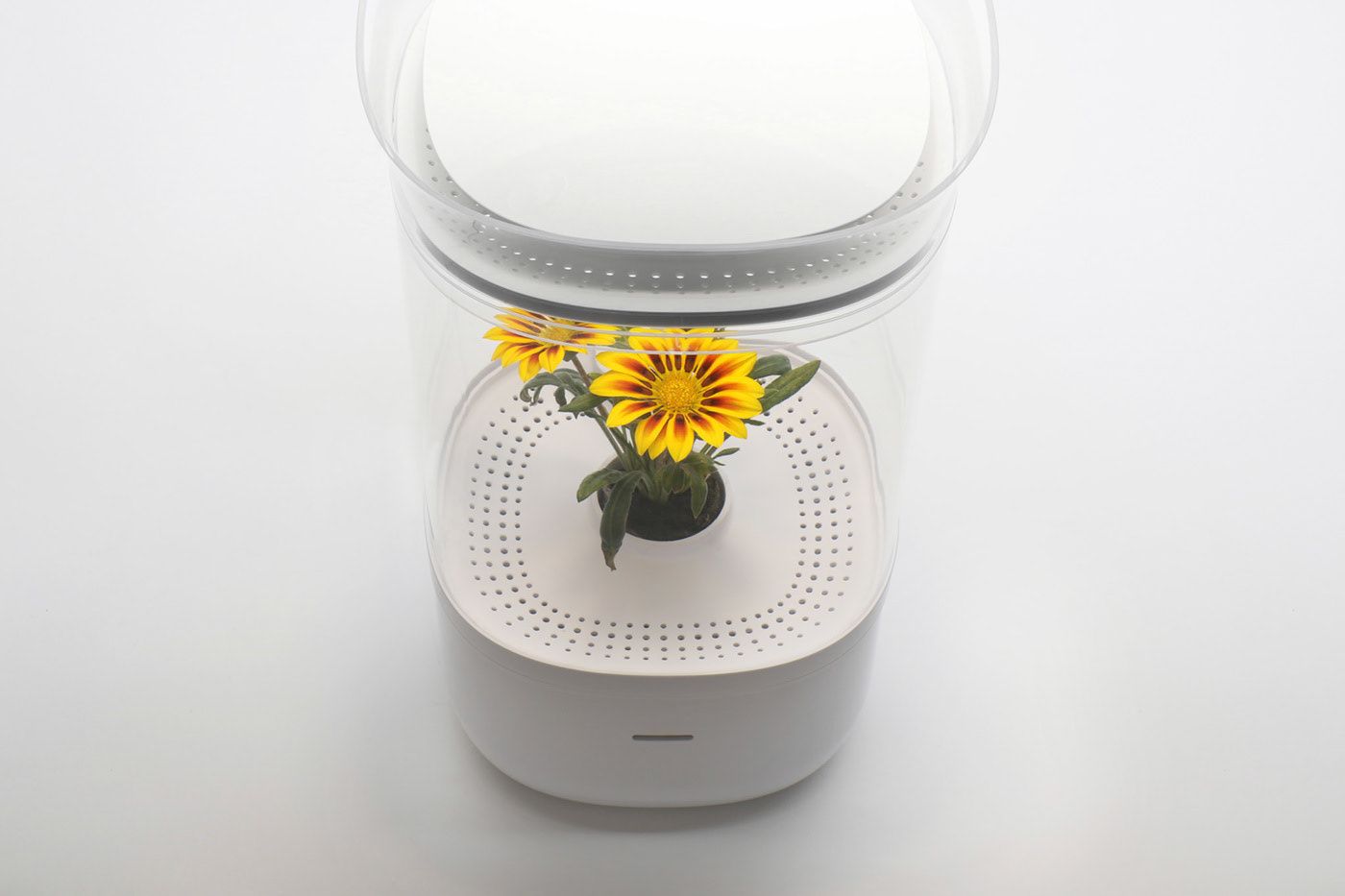
The global smart vase market is on track for steady growth, with a projected value of USD 1,109.45 million in 2023 and an anticipated rise to USD 1,706.52 million by 2033, representing a 4.1% CAGR over the next decade. As homes increasingly adopt smart technologies, the demand for innovative home décor solutions like smart vases continues to grow, particularly among millennials and urban dwellers who value both functionality and aesthetics.

According to recent studies from Future Market Insights, the smart vase market is being driven by several key factors, including rising consumer preference for stylish, tech-enabled home décor items, advancements in smart home technology, and a growing interest in home plants and gardening.

Key Drivers of Smart Vase Market Growth

  • Rise in Smart Home Adoption: Increasing integration of smart technologies in homes is driving the demand for multifunctional home décor products like smart vases, which offer both aesthetic appeal and advanced features like Bluetooth connectivity and app integration.
  • Millennial Consumer Preferences: Millennials, who value both home plants and smart devices, are key drivers of the market. Their demand for stylish, tech-enabled home décor products, such as Bluetooth-enabled vases with interactive features, continues to fuel growth.
  • Plant Care Automation: Smart vases that provide plant care alerts (e.g., for water, sunlight, and nutrients) via mobile apps are gaining popularity, offering convenience for users and enhancing the overall plant care experience.
  • Innovation in Design and Features: Innovative features like plant emotion detection, temperature regulation, and integrated Bluetooth speakers are attracting consumers looking for both functionality and unique home décor items.
  • Gift Market Potential: Smart vases are increasingly being purchased as gifts due to their multifunctionality, with many models doubling as speakers, nightlights, or interactive plant care devices, making them appealing to a wide range of consumers.
  • Environmental Consciousness: Growing consumer interest in sustainability is pushing demand for eco-friendly smart vases made from non-toxic, sustainable materials with energy-efficient features, particularly among environmentally conscious millennials.
  • Regional Urbanization Trends: In regions like Europe and North America, urbanization and rising living standards are leading to increased investment in home automation products, including smart vases, as part of broader trends in home technology adoption.
  • Emerging Market Opportunities: As smart vases remain a luxury product in emerging markets like India and Bangladesh, there is a significant opportunity for manufacturers to innovate and create more affordable options, helping expand global market reach.

Regional Insights

  • North America: Strong demand driven by tech-savvy millennials and high consumer spending on smart home products, particularly in the U.S. and Canada.
  • Europe: Growing interest in smart home automation and urbanization, with consumers increasingly investing in smart vases as part of a broader trend toward advanced home décor solutions.

Key Manufacturers

Some of the leading manufacturers and suppliers of smart flowerpots include

  • Smart Pot
  • Indiegogo, Inc.
  • FUNNYFISH DESIGN
  • Forma and Cemento
  • Xiaomi
  • Autodesk, Inc.
  • Room Professional Simplifi-er Store
  • Meredith Corporation
  • MXYZJCD Garden Store
  • Amaranth Vases
  • The Brandstätter Group

Tap into Expertise: Discuss with Our Analyst on Email: sales@futuremarketinsights.com

Key Segments

By Material Type:

  • Plastic
  • Metal
  • Ceramic
  • Stone
  • PVC
  • Others

By Application:

  • Home
  • Offices
  • Hotels
  • Hospitals
  • Other

By Shape:

  • Square
  • Rectangular
  • Trumpet
  • Amphora
  • Others

By Distribution Channels:

  • Direct Sales
  • Hypermarkets/ Supermarkets
  • Online retailing
  • Others

By Region:

  • North America
    • USA & Canada
  • Latin America
    • Brazil, Mexico, Others
  • Western Europe
    • EU5
    • Nordics
    • Benelux
  • Eastern Europe
  • Asia Pacific
    • Australia and New Zealand (ANZ)
    • Greater China
    • India
    • ASEAN
    • Rest of Asia Pacific
  • Japan
  • Middle East and Africa
    • GCC Countries
    • Other Middle East
    • North Africa
    • South Africa
    • Other Africa

About Future Market Insights (FMI)

Future Market Insights, Inc. (ESOMAR certified, recipient of the Stevie Award, and a member of the Greater New York Chamber of Commerce) offers profound insights into the driving factors that are boosting demand in the market. FMI stands as the leading global provider of market intelligence, advisory services, consulting, and events for the Packaging, Food and Beverage, Consumer Technology, Healthcare, Industrial, and Chemicals markets. With a vast team of over 400 analysts worldwide, FMI provides global, regional, and local expertise on diverse domains and industry trends across more than 110 countries.

Contact Us:

Future Market Insights Inc.
Christiana Corporate, 200 Continental Drive,
Suite 401, Newark, Delaware – 19713, USA
T: +1-347-918-3531
For Sales Enquiries: sales@futuremarketinsights.com
Website: https://www.futuremarketinsights.com
LinkedInTwitterBlogs | YouTube

Popcorn Making Cart Market Set for Steady Growth Driven by Rising Demand for Mobile Vending and Street Food

The global popcorn making cart market is poised for significant growth, projected to expand from an estimated USD 10.54 billion in 2023 to USD 17.83 billion by 2033, reflecting a 5.3% compound annual growth rate (CAGR) during the forecast period from 2023 to 2033. According to a new study by Future Market Insights (FMI), the increasing preference for mobile vending solutions, changing consumer preferences towards convenient snacks, and the rise of street food culture worldwide are key drivers behind this steady market expansion.

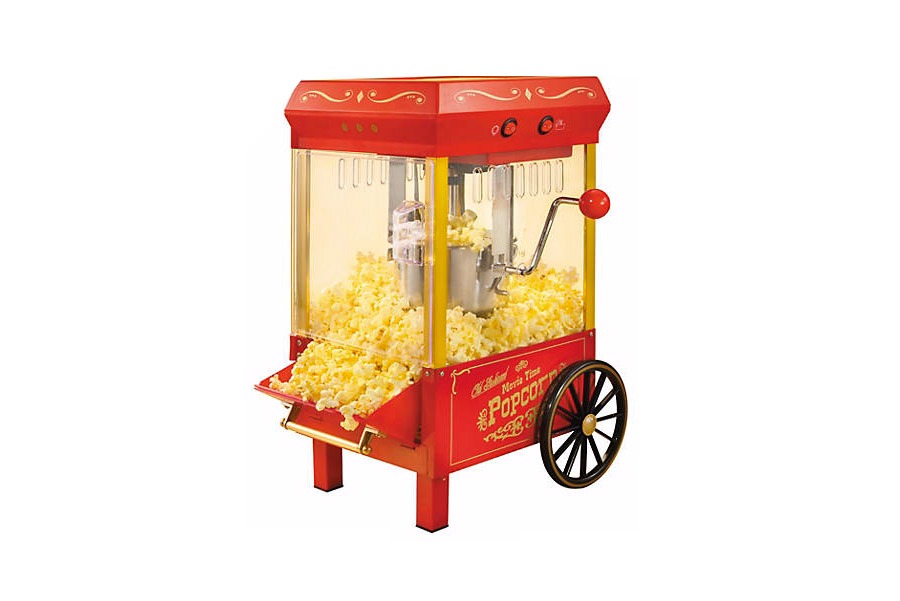
As people across the globe increasingly enjoy activities such as camping, picnicking, and attending public events, the demand for easy-to-access, portable food options, such as popcorn, is on the rise. Popcorn making carts, which are mobile units designed for popcorn sales, are positioned to benefit from these growing trends. These carts, typically mounted on bicycles or tricycles, offer an efficient way for vendors to serve popcorn to customers at outdoor events, entertainment hubs, festivals, and even in urban public spaces such as bus stops, train stations, and parks.

The Rising Popularity of Street Food & Health-Conscious Consumers

The increasing popularity of street food, particularly healthier snack options like popcorn, is expected to drive continued growth in the market. Popcorn is viewed as a low-calorie, high-fiber snack, making it a preferred choice for health-conscious consumers. Moreover, the ongoing trend toward healthier eating, fueled by a growing awareness of nutrition, has bolstered the demand for popcorn at public events, gyms, and wellness centers.

Popcorn carts have become an attractive business model, with many entrepreneurs, including millennials and women entering the street food sector. These portable vending solutions allow for flexibility and mobility, enabling vendors to tap into new consumer bases across various locations, from popular tourist destinations to busy city streets.

Key Takeaways

  • The global popcorn making cart market is projected to grow steadily over the next decade.
  • Increasing demand for mobile vending solutions and street food culture is driving market growth.
  • Health-conscious consumers are fueling the preference for popcorn as a nutritious snack option.
  • Popcorn carts offer an efficient way for vendors to serve customers at public events and outdoor venues.
  • North America and Europe are expected to be key growth regions for the popcorn cart market.
  • Technological advancements, such as digital temperature controls, are enhancing cart performance and food quality.
  • Popcorn carts are providing lucrative business opportunities for entrepreneurs and franchisees in the street food sector.

Key Manufacturers and Suppliers of Popcorn Making Cart

  • Popular Steel Industries
  • Naru Equipment
  • Wayfair LLC
  • R. R. Agencies
  • WebstaurantStore
  • Nostalgia Products
  • Superior Equipment & Supply
  • FunTime Popcorn
  • Aarul Industries India Private Limited
  • Ningbo Hao Cheng Hao Sheng Electric Appliance Co., Ltd.
  • Great Northern Popcorn Company

Get Strategic Guidance from Our Analyst Contact us on: +1-347-918-3531

Key Segments

By Type:

  • Electric Heating
  • Gas Heating

By Material:

  • Stainless Steel
  • Metal
  • Other

By Distribution Channels:

  • Direct Sales
  • Specialty Stores
  • Online retailing
  • Others

By Region:

  • North America
    • USA & Canada
  • Latin America
    • Brazil, Mexico, Others
  • Western Europe
    • EU5
    • Nordics
    • Benelux
  • Eastern Europe
  • Asia Pacific
    • Australia and New Zealand (ANZ)
    • Greater China
    • India
    • ASEAN
    • Rest of Asia Pacific
  • Japan
  • The Middle East and Africa
    • GCC Countries
    • Other Middle East
    • North Africa
    • South Africa
    • Other Africa

About Future Market Insights (FMI)

Future Market Insights, Inc. (ESOMAR certified, recipient of the Stevie Award, and a member of the Greater New York Chamber of Commerce) offers profound insights into the driving factors that are boosting demand in the market. FMI stands as the leading global provider of market intelligence, advisory services, consulting, and events for the Packaging, Food and Beverage, Consumer Technology, Healthcare, Industrial, and Chemicals markets. With a vast team of over 400 analysts worldwide, FMI provides global, regional, and local expertise on diverse domains and industry trends across more than 110 countries.

Contact Us:

Future Market Insights Inc.
Christiana Corporate, 200 Continental Drive,
Suite 401, Newark, Delaware – 19713, USA
T: +1-347-918-3531
For Sales Enquiries: sales@futuremarketinsights.com
Website: https://www.futuremarketinsights.com
LinkedInTwitterBlogs | YouTube

Global Ankylosing Spondylitis Treatment Market Poised for Growth, Projected to Reach USD 5.1409 Billion by 2032 secure a CAGR of 4.6%

The global ankylosing spondylitis treatment market is witnessing significant growth, with projections indicating a market value of USD 8.06 billion in 2022 and an expected increase to USD 5.1409 billion by 2032. This translates to a compound annual growth rate (CAGR) of 4.6% over the forecast period, reflecting advancements in treatment modalities and a deeper understanding of this chronic inflammatory condition.

Ankylosing spondylitis primarily affects the spine, leading to debilitating pain and stiffness. Recent years have seen remarkable therapeutic innovations, particularly in the development of Tumor Necrosis Factor (TNF) inhibitors and Non-Steroidal Anti-Inflammatory Drugs (NSAIDs). These treatments have emerged as pivotal solutions not only for managing ankylosing spondylitis but also for addressing a range of other inflammatory arthritis conditions. This shift signifies a commitment to enhancing patient outcomes and improving overall quality of life.

Despite these advancements, the market faces ongoing challenges, as highlighted by recent studies and findings. The treatment landscape continues to evolve, emphasizing the need for sustained research and development efforts to address unmet needs and optimize treatment efficacy.

“We are witnessing a transformative phase in the management of ankylosing spondylitis,” stated a representative from FMI. “As market leaders, we remain committed to driving innovation and delivering solutions that make a meaningful difference in the lives of patients worldwide.”

As the market continues to grow, stakeholders in the ankylosing spondylitis treatment space are urged to collaborate and invest in research initiatives to further enhance treatment options and improve patient care.

Key Takeaways from Ankylosing Spondylitis Treatment Market Study

  • Nonsteroidal anti-inflammatory drugs lead the market as they are looked upon as the first line of treatment for ankylosing spondylitis
  • Oral route of administration holds the largest market share due to simplicity of consumption.
  • By age group, “adults” contribute to majority of revenue generation as ankylosing spondylitis usually gets initiated in adulthood.
  • North America, led by the US, holds the highest market share due to well-established healthcare infrastructure, high incidences of ankylosing spondylitis, and innovations in pharmaceutical industry.

Accelerated Market Demand: Find Comprehensive Insights and Trends in Our Full Report!

Ankylosing Spondylitis Treatment Market Trends:

The healthcare sector is increasingly focused on advancing research into ankylosing spondylitis, aiming to drive innovation forward.

For example:

  • In July 2020, researchers at Rockefeller University identified “PRIME cells” capable of suppressing inflammation associated with rheumatoid arthritis, offering potential insights into managing flares of this condition. This breakthrough is expected to pave the way for the development of biosimilars to treat such forms of spondylitis before they progress to advanced stages.
  • In June 2020, Celltrion Healthcare received a recommendation from the Committee for Medicinal Products for Human Use (CHMP) for the use of Remsima in ankylosing spondylitis.
  • In October 2019, the Spondylitis Association of America (SAA) partnered with PatientPoint to enhance education about spondylitis and support rheumatology practices across the United States.

Major Players in the Ankylosing Spondylitis Treatment Market:

  • Wyeth
  • Mitsubishi Tanabe
  • Schering-Plough
  • Takeda
  • Amgen
  • Centocor
  • Abbott
  • Eisai
  • Pfizer

Key Segment:

Drug Class

  • Nonsteroidal Anti-inflammatory Drugs
  • Anti-Inflammatory Drugs
  • Immunosuppressive Drugs
  • TNF Blockers
  • JAK Inhibitors
  • Steroids
  • Biologics
  • Others

Route of Administration

  • Parenteral
  • Oral

Application

  • Adults
  • Juveniles

Region

  • North America
  • Latin America
  • Europe
  • East Asia
  • South Asia
  • Oceania
  • Middle East and Africa

About Future Market Insights (FMI)

Future Market Insights, Inc. (ESOMAR certified, recipient of the Stevie Award, and a member of the Greater New York Chamber of Commerce) offers profound insights into the driving factors that are boosting demand in the market. FMI stands as the leading global provider of market intelligence, advisory services, consulting, and events for the Packaging, Food and Beverage, Consumer Technology, Healthcare, Industrial, and Chemicals markets. With a vast team of over 400 analysts worldwide, FMI provides global, regional, and local expertise on diverse domains and industry trends across more than 110 countries.

Contact Us:        

Future Market Insights Inc.
Christiana Corporate, 200 Continental Drive,
Suite 401, Newark, Delaware – 19713, USA
T: +1-347-918-3531
For Sales Enquiries: 
sales@futuremarketinsights.com
Website: https://www.futuremarketinsights.com
LinkedInTwitterBlogs | YouTube

Global GLP-1 Receptor Agonist Market Projected to Surge USD 72,127.79 Million by 2034 grow at a CAGR of 11.7%

The global GLP-1 receptor agonist market is poised for extraordinary expansion, driven by an increase in therapeutic applications and favorable market projections. Recent analysis indicates a promising trajectory, with expectations for the market to grow from USD 23,854.53 million in 2024 to an impressive USD 72,127.79 million by 2034. This meteoric rise reflects a robust Compound Annual Growth Rate (CAGR) of 11.7%, establishing the market as a dynamic and high-growth sector within the pharmaceutical industry.

GLP-1 receptor agonists are essential in managing type 2 diabetes and various metabolic disorders. Their growing effectiveness in glycemic control and weight management is garnering significant attention, and expanding therapeutic applications are further propelling market growth. This expansion is supported by ongoing research and development efforts that are advancing these life-changing therapies.

Key Drivers of Market Growth:

  1. Increased Prevalence of Type 2 Diabetes: The rising global incidence of type 2 diabetes is a major catalyst for demand for effective management solutions, notably GLP-1 receptor agonists.
  2. Advancements in Drug Formulations: Continuous innovations in drug delivery systems and formulations are enhancing the therapeutic profiles of GLP-1 receptor agonists, broadening their clinical applications.
  3. Growing Patient Awareness and Accessibility: Increased awareness among patients and improved access to healthcare services are facilitating the greater adoption of GLP-1 receptor agonists across diverse demographics.
  4. Supportive Regulatory Environment: Favorable regulatory policies and expedited approval processes are creating a conducive environment for the development and commercialization of new GLP-1 receptor agonist therapies.

The projected growth trajectory of the GLP-1 receptor agonist market underscores its potential to address unmet medical needs and transform patient outcomes. Stakeholders across the industry, including pharmaceutical companies, healthcare providers, and investors, stand to benefit from this dynamic expansion and the evolving opportunities it presents.

Key Takeaways from the Market Study:

  • Type-2 Diabetes dominates the GLP-1 receptor agonist market by indication, accounting for a share of 75.00%.
  • Hospital pharmacies lead the distribution channel in the GLP-1 receptor agonist industry, accounting for a 34.00 % market share.
  • The GLP-1 receptor agonist market in India has the potential to increase at 24.70% CAGR through 2034.
  • The market in China is anticipated to develop at a CAGR of 23.10 % through 2034.
  • The market in the United Kingdom is predicted to rise at a CAGR of 12.10% through 2034.

Surge in Market Demand: Explore Comprehensive Trends and Analysis in Our Full Report!

Competitive Landscape:

Pharmaceutical companies use various strategies for market expansion. These include conducting clinical trials to broaden the indications for existing products and targeting additional disease areas such as obesity and NAFLD. They are also developing innovative formulations and delivery systems to improve patient convenience and adherence.

Companies are investing in marketing and educational initiatives to raise awareness among healthcare professionals and patients about the benefits of GLP-1 receptor agonists in diabetes management.

Recent Developments:

  • Eli Lilly introduced Orforglipron in June 2023, which could revolutionize treatment options for obesity and type 2 diabetes.
  • In October 2023, researchers created chimeric GLP-1 receptor agonists that show promise as long-lasting treatments for type 2 diabetes.
  • In November 2023, researchers developed a groundbreaking long-acting GLP-1 agonist that could offer promising advancements in diabetes management.
  • In August 2023, GLP-1 medications like Ozempic, Wegovy, and Mounjaro reshaped the pharmaceutical landscape by curbing appetites and triggering significant weight loss.

Key Companies in the Market:

  • Eli Lilly and Company
  • Sanofi
  • Novo-Nordisk A/S
  • AstraZeneca
  • Pfizer.Inc
  • Amgen, Inc.
  • Innovent Biologics, Inc.
  • PegBio Co., Ltd
  • Sun Pharmaceutical Industries Ltd.
  • Boehringer Ingelheim International GmbH

Key Market Segmentation:

By Drug Class:

  • Exenatide
  • Liraglutide
  • Dulaglutide
  • Lixisenatide
  • Others

By Route of Administration:

  • Parenteral
  • Oral

By Indication:

  • Diabetes
  • Cardiovascular Disease
  • Weight Management
  • Others

By Distribution Channel:

  • Hospital Pharmacies
  • Clinics
  • Ambulatory Surgical Centres

By Region:

  • Asia Pacific
  • Europe
  • North America
  • Middle East & Africa
  • Latin America

About Future Market Insights (FMI)

Future Market Insights, Inc. (ESOMAR certified, recipient of the Stevie Award, and a member of the Greater New York Chamber of Commerce) offers profound insights into the driving factors that are boosting demand in the market. FMI stands as the leading global provider of market intelligence, advisory services, consulting, and events for the Packaging, Food and Beverage, Consumer Technology, Healthcare, Industrial, and Chemicals markets. With a vast team of over 400 analysts worldwide, FMI provides global, regional, and local expertise on diverse domains and industry trends across more than 110 countries.

Contact Us:        

Future Market Insights Inc.
Christiana Corporate, 200 Continental Drive,
Suite 401, Newark, Delaware – 19713, USA
T: +1-347-918-3531
For Sales Enquiries: 
sales@futuremarketinsights.com
Website: https://www.futuremarketinsights.com
LinkedInTwitterBlogs | YouTube

Global Orthotic Devices, Casts, and Splints Market Projected to Reach USD 3.32 Billion by 2024 increase at a CAGR of 6.2%

The global orthotic devices, casts, and splints market is on an impressive growth trajectory, projected to achieve a robust Compound Annual Growth Rate (CAGR) of 6.2% from 2022 to 2024. Market value is expected to rise from USD 2.95 billion in 2022 to an impressive USD 3.32 billion by the end of 2024.

As the global population ages, the prevalence of musculoskeletal ailments such as arthritis and osteoporosis is rising sharply. This demographic shift is driving an increased demand for orthotic solutions, which play a crucial role in rehabilitation and treatment protocols.

Innovative advancements in 3D printing, imaging technologies, and computer-aided design/manufacturing (CAD/CAM) are revolutionizing the orthotics field. These cutting-edge technologies facilitate the development of highly personalized orthotic devices, promising enhanced comfort and efficacy for patients. The potential for future at-home 3D printing of orthotics exemplifies the industry’s commitment to accessibility and patient-centric care.

A notable trend is the growing patient preference for non-surgical approaches to managing pain and correcting deformities. This shift is fueling demand for orthotic devices that offer effective alternatives to invasive procedures. Additionally, ongoing technological advancements are making these devices more affordable and accessible.

Despite the promising growth outlook, upfront costs continue to pose a barrier for many patients seeking orthotic solutions. Addressing this challenge requires innovative pricing models and enhanced insurance coverage to ensure broader accessibility.

In regions where medical personnel lack sufficient training in applying orthotic devices, patient discomfort and complications can occur. Bridging this gap through targeted education and training initiatives is crucial for improving patient outcomes and satisfaction.

The future of the orthotic devices, casts, and splints market appears bright, driven by continuous advancements and an increasing demand from an aging population. Manufacturers are well-positioned to capitalize on the opportunities presented by minimally invasive techniques and personalized medicine, positioning the industry for sustained growth.

Orthotic devices provide targeted support for musculoskeletal conditions such as scoliosis and arthritis, while casts and splints immobilize and assist in the healing of fractured bones and unstable joints. The market’s growth is further fueled by advancements in materials and manufacturing processes, along with heightened awareness and diagnosis of orthopedic conditions.

As the market expands, innovations in materials and manufacturing processes will continue to enhance the efficacy and comfort of orthotic solutions. With a steadfast commitment to addressing accessibility barriers and advancing technological capabilities, the future promises transformative growth in orthotic devices, casts, and splints, ensuring better outcomes for patients worldwide.

Key Takeaways: Global Orthotic Devices, Casts, and Splints Market

  • The global market for orthotic devices, casts, and splints is expected to grow significantly at a CAGR of 6.2% from 2022 to 2024, reaching a value of USD 3.32 billion by 2024.
  • North America holds a leading market share (38% in 2022) driven by factors like senior population growth, rising sports injuries, and increasing musculoskeletal disorders.
  • Advancements in orthotic technology and supportive reimbursement policies are expected to further propel market growth.
  • Rising adoption of healthcare coverage, product launches, healthcare infrastructure expansion, and presence of key suppliers are driving the US market.
  • Availability of skilled professionals, advanced orthotic devices, and patient demand for these products are boosting the US market.
  • The Chinese market is anticipated to grow rapidly due to urbanization, government healthcare improvements, medical tourism, and rising disposable income.

High Demand for Market Insights: Discover Comprehensive Trends in Our Full Report!

Competitive Landscape:

Limitations in traditional orthotics manufacturing processes mean patients often face long wait times for necessary devices. Consequently, there is a significant emphasis on technological advancements aimed at providing a competitive advantage to providers of orthotic devices, casts, and splints throughout the forecast period.

Companies are actively pursuing strategies to enhance production capacity and innovate new products to drive revenue growth. Additionally, they are leveraging partnership strategies such as acquisitions and mergers.

For example,

  • In February 2021, Breg, Inc. introduced Pinnacle and Ascend™, two new lines of spinal orthoses. This launch included 15 new products designed to enhance care for individuals with spinal injuries, while expanding their product offerings.

Key Companies Profiled:

  • Fillauer LLC
  • ComfortFit Orthotic Labs Inc.
  • Hanger Inc.
  • Amfit Inc.
  • Ascent Meditech Ltd.
  • De royal Industries, Inc.
  • Performance Health Inc.
  • DJO, LLC
  • Zimmer Biomet Holdings, Inc.
  • Stryker Corporation
  • 3M Healthcare

Orthotic Devices, Casts, and Splints Industry Survey:

Orthotic Devices, Casts, and Splints Industry by Product Type:

  • Casting Supplies & Equipment
    • Plaster Casts
    • Casting Tapes
    • Cast Cutters
    • Casting Tools and Accessories
  • Splinting Supplies & Equipment
    • Fiberglass Splints
    • Plaster Splints
    • Other Splints
    • Splinting Tools and Accessories
  • Orthotics
    • Functional Orthotics
    • Accommodative Orthotics

Orthotic Devices, Casts, and Splints Industry by Distribution Channel:

  • Institutional Sales
    • Hospitals
    • Orthopedic Clinics
    • Nursing Facilities
  • Retail Sales
    • Online Sales
    • Retail Pharmacies
    • Drug Stores

Orthotic Devices, Casts, and Splints Industry by Region:

  • North America
  • Latin America
  • Europe
  • East Asia
  • South Asia & Pacific
  • Middle East & Africa (MEA)

About Future Market Insights (FMI)

Future Market Insights, Inc. (ESOMAR certified, recipient of the Stevie Award, and a member of the Greater New York Chamber of Commerce) offers profound insights into the driving factors that are boosting demand in the market. FMI stands as the leading global provider of market intelligence, advisory services, consulting, and events for the Packaging, Food and Beverage, Consumer Technology, Healthcare, Industrial, and Chemicals markets. With a vast team of over 400 analysts worldwide, FMI provides global, regional, and local expertise on diverse domains and industry trends across more than 110 countries.

Contact Us:        

Future Market Insights Inc.
Christiana Corporate, 200 Continental Drive,
Suite 401, Newark, Delaware – 19713, USA
T: +1-347-918-3531
For Sales Enquiries: 
sales@futuremarketinsights.com
Website: https://www.futuremarketinsights.com
LinkedInTwitterBlogs | YouTube

Global Spinal Imaging Market with expected to reach USD 3.5 Billion by 2032 grow at a 4.8% CAGR | FMI

The global spinal imaging market is on the cusp of exponential growth, projected to surge from USD 2.2 billion in 2022 to an impressive USD 3.5 billion by 2032, reflecting a robust Compound Annual Growth Rate (CAGR) of 4.8%. This transformative expansion presents a significant opportunity for healthcare innovators to redefine diagnostic capabilities and enhance patient care.

FMI is at the forefront of this burgeoning market, pioneering cutting-edge technology to meet the escalating demand for advanced spinal imaging solutions. With a steadfast commitment to harnessing artificial intelligence (AI) in radiology, FMI is revolutionizing the analysis and interpretation of spinal images, enhancing diagnostic accuracy, sensitivity, and specificity beyond traditional MRI methods.

By integrating AI into magnetic resonance imaging (MRI) workflows, FMI streamlines image segmentation and detection while improving overall image quality without compromising processing time. This breakthrough innovation results in clearer, more detailed images of patients’ spines, facilitating precise diagnoses and informed clinical decisions.

As healthcare systems worldwide grapple with the increasing prevalence of spinal ailments such as herniated discs and degenerative disc disease, FMI remains dedicated to empowering clinicians with state-of-the-art tools for early detection and intervention. This proactive approach not only enhances patient outcomes but also alleviates the strain on healthcare providers facing aging populations and rising diagnostic demands.

FMI’s commitment extends beyond technological advancements to include collaborative partnerships within integrated imaging service lines (ISLs). By consolidating radiology services, ISLs optimize service delivery and leverage economies of scale, benefiting healthcare stakeholders. This strategic collaboration fosters a dynamic ecosystem poised to drive advancements across X-ray, MRI, and other scanning modalities, propelling the entire spinal imaging market toward sustained growth.

In summary, FMI’s leadership in AI-powered MRI technology marks a pivotal moment in the evolution of spinal imaging. By prioritizing innovation, collaboration, and superior patient care, FMI is not only shaping the future of healthcare but also setting new standards in spinal imaging excellence worldwide.

Key Takeaways: Global Spinal Imaging Market

  • The global spinal imaging market is expected to witness significant growth, reaching USD 3.5 billion by 2032, driven by a CAGR of 4.8%.
  • This growth presents a chance for healthcare companies to develop advanced diagnostic tools and improve patient care.
  • North America leads the market due to a high number of spinal surgeries and strong healthcare infrastructure.
  • Patients in North America seek high-precision diagnoses, favoring the adoption of new technologies.
  • Europe remains attractive due to supportive reimbursement policies and government efforts to expand access to modern healthcare.
  • The Asia Pacific region is poised for rapid growth due to a large patient population and government initiatives promoting healthcare expansion.

Enhanced Market Demand: Discover Thorough Trends and Insights in Our Complete Report!

Market Players Focus on Innovation as Key Strategy to Gain Competitive Edge:

In the market, companies commonly emphasize technological advancements, reflecting a strong focus on innovation. In 2019, Siemens Healthineers achieved U.S. FDA approval for its MRI scanner, the ‘MAGNETOM Lumina 3T’. This product features AI-based biomatrix technology designed to significantly accelerate MRI workflows. Concurrently, companies are pursuing strategies such as mergers, acquisitions, and the development of cost-effective equipment to enhance their competitive edge.

For example, the Tata Foundation in India has developed a portable, high-tech MRI scanner that consumes less power yet delivers scan speeds three to four times faster than indigenous models.

Some of the companies profiled in the report are:

  • Canon Medical Systems Corp.
  • GE Healthcare
  • FUJIFILM
  • Siemens Healthineers
  • Koninklijke Philips N.V.
  • Bruker
  • Shimadzu Corp.
  • Mediso Ltd.
  • Toshiba Medical Systems, Inc.
  • Hitachi, Ltd.

Spinal Imaging Industry Segmentation:

Product Type

  • X-ray
  • CT
  • MRI
  • Ultrasound

Application

  • Spinal Infection
  • Vertebral Fractures
  • Spinal Cancer
  • Spinal Cord and Nerve Compression

End User

  • Hospitals
  • Diagnostic Imaging Center
  • Ambulatory Care Center

Region

  • North America
  • Latin America
  • Europe
  • East Asia
  • South Asia
  • Oceania
  • MEA

About Future Market Insights (FMI)

Future Market Insights, Inc. (ESOMAR certified, recipient of the Stevie Award, and a member of the Greater New York Chamber of Commerce) offers profound insights into the driving factors that are boosting demand in the market. FMI stands as the leading global provider of market intelligence, advisory services, consulting, and events for the Packaging, Food and Beverage, Consumer Technology, Healthcare, Industrial, and Chemicals markets. With a vast team of over 400 analysts worldwide, FMI provides global, regional, and local expertise on diverse domains and industry trends across more than 110 countries.

Contact Us:        

Future Market Insights Inc.
Christiana Corporate, 200 Continental Drive,
Suite 401, Newark, Delaware – 19713, USA
T: +1-347-918-3531
For Sales Enquiries: 
sales@futuremarketinsights.com
Website: https://www.futuremarketinsights.com
LinkedInTwitterBlogs | YouTube

Global High Flow Nasal Cannula Market to reach USD 1,063.0 Million by 2034 | FMI

The global high flow nasal cannula market is on the brink of a significant decline, with projections indicating a decrease from USD 1,369.3 million in 2024 to USD 1,063.0 million by 2034. This trend highlights a concerning downturn, as the market is anticipated to experience a compound annual growth rate (CAGR) of -2.5% during the forecast period from 2024 to 2034.

Several key factors are driving this decline, including:

  • Increasing Competition: The market is witnessing heightened competition from alternative therapies that offer comparable benefits, leading to a shift in preference among healthcare providers.
  • Shifts in Clinical Practices: Evolving clinical practices are contributing to a reduced reliance on high flow nasal cannula systems, as healthcare providers explore more effective solutions tailored to patient needs.
  • Cost-Effectiveness Focus: A growing emphasis on cost-effectiveness within healthcare settings is prompting providers to seek innovative alternatives that enhance patient care while managing expenses.

As healthcare providers aim to improve patient outcomes while navigating financial constraints, the demand for high flow nasal cannula systems is expected to diminish.

Despite the projected downturn, industry stakeholders are encouraged to view this as an opportunity for innovation and adaptation. Companies are urged to invest in research and development to enhance their product offerings and align with the evolving needs of healthcare providers.

“We recognize the challenges facing the high flow nasal cannula market,” stated a representative from FMI. “As we move forward, it is crucial for businesses to adapt to the changing landscape by exploring new technologies and strategies to maintain their competitive edge.”

The industry stands at a crossroads, and proactive measures can pave the way for resilience and growth amid challenges. Stakeholders are called upon to collaborate and innovate, ensuring that they can meet the demands of an evolving healthcare environment.

Key Takeaways from the Market Study:

  • Global high flow nasal cannula market was valued at USD 1,494.8 million in 2023.
  • From 2019 to 2023, the market demand expanded at a CAGR of 22.5%.
  • The market in Germany is expected to expand at a CAGR of 3.0% through 2034.
  • By application, the acute respiratory failure segment to account for a share of 42.0% in 2024.
  • The market in India is expected to expand at a CAGR of 1.7% through 2034.
  • In terms of end user, the hospitals segment to account for a share of 46.0% in 2024.

Rising Interest in Market Trends: Our Detailed Report Provides Essential Insights!

Competitive Landscape:

Prominent players in the high flow nasal cannula market are CR BARD Inc., Fisher & Paykel Healthcare Limited, Vapotherm Inc., Teleflex Incorporated, Teijin Pharma Limited, TNI Medical AG, ResMed Corporation, Smiths Medical, MEK-ICS Co., Ltd., Hamilton Medical AG, and Flexicare Medical Limited (U. K.), among others.

Company Portfolio:

  • Teleflex Incorporated is a diversified healthcare company with a presence in the market through its respiratory division. The company manufactures and distributes high flow nasal cannula devices, humidification systems, and airway management solutions. Teleflex prioritizes product quality, regulatory compliance, and customer satisfaction to maintain its competitive edge in the market.
  • ResMed is a global leader in sleep apnea and respiratory care solutions, expanding its portfolio to include high flow nasal cannula therapy devices. The cannula systems of the company incorporate advanced features such as wireless connectivity, data analytics, and patient monitoring capabilities. The company leverages its strong brand reputation, distribution network, and research expertise to drive adoption and market growth.

Segmentation Analysis of the High Flow Nasal Cannula Market:

By Component:

  • Air/Oxygen Blenders
  • Active Humidifiers
  • Nasal Cannulas
  • Heated Inspiratory Circuits
  • Consumables

By Medical Application:

  • Acute Respiratory Failure
  • Chronic Obstructive Pulmonary Disease
  • Bronchiectasis
  • Carbon Monoxide Toxicity
  • Sleep Apnea
  • Acute Heart Failure

By End User:

  • Hospitals
  • Specialty Clinics
  • Long Term Care Centers
  • Ambulatory Care Centers
  • Homecare Settings

By Region:

  • North America
  • Latin America
  • Western Europe
  • Eastern Europe
  • South Asia and Pacific
  • East Asia
  • The Middle East and Africa

About Future Market Insights (FMI)

Future Market Insights, Inc. (ESOMAR certified, recipient of the Stevie Award, and a member of the Greater New York Chamber of Commerce) offers profound insights into the driving factors that are boosting demand in the market. FMI stands as the leading global provider of market intelligence, advisory services, consulting, and events for the Packaging, Food and Beverage, Consumer Technology, Healthcare, Industrial, and Chemicals markets. With a vast team of over 400 analysts worldwide, FMI provides global, regional, and local expertise on diverse domains and industry trends across more than 110 countries.

Contact Us:        

Future Market Insights Inc.
Christiana Corporate, 200 Continental Drive,
Suite 401, Newark, Delaware – 19713, USA
T: +1-347-918-3531
For Sales Enquiries: 
sales@futuremarketinsights.com
Website: https://www.futuremarketinsights.com
LinkedInTwitterBlogs | YouTube

Global Pneumococcal Testing Market Set for Remarkable Growth, Projected to Reach USD 3.6 Billion by 2030 rise at 11.2% CAGR

Future Market Insights (FMI), a leading market intelligence firm, has released a detailed report outlining a robust growth trajectory for the global pneumococcal testing market. According to the study, the market is expected to reach a valuation of USD 3.6 billion by 2030, expanding at an impressive Compound Annual Growth Rate (CAGR) of 11.2% from 2022. The market, which was valued at USD 1.6 billion in 2022, is experiencing rapid growth driven by advancements in diagnostic technologies and evolving healthcare needs worldwide.

The rising demand for pneumococcal testing is closely tied to the evolving diagnostic landscape. As healthcare systems worldwide continue to grapple with persistent challenges related to respiratory infections, there is a growing emphasis on accurate and timely diagnostic solutions. Pneumococcal testing has become increasingly vital in the identification and management of respiratory conditions, such as pneumonia, which remain a significant public health concern.

One of the key factors contributing to the surge in market demand is the advancement of molecular diagnostic techniques, which have significantly improved the precision and efficiency of pneumococcal testing. These technological innovations are meeting the rising demand for reliable diagnostic tools, enabling healthcare professionals to provide more accurate diagnoses, ultimately enhancing patient outcomes.

“The unprecedented growth projected for the pneumococcal testing industry underscores the pivotal role of technological innovation and the pressing need to address diagnostic gaps globally,” said a Future Market Insights.

FMI’s report points to a paradigm shift within the healthcare sector, highlighting a move towards more precise, technology-driven diagnostic tools. The increased adoption of these innovations is poised to revolutionize the identification and treatment of respiratory infections. For both healthcare professionals and patients, this represents a critical advancement in providing efficient, accurate diagnostic solutions.

As the global healthcare landscape continues to evolve, FMI’s comprehensive report underscores the importance of adopting cutting-edge diagnostic technologies. With growing awareness of the benefits of early and accurate diagnosis, the pneumococcal testing market is on track for unprecedented growth, playing a crucial role in advancing global healthcare standards.

Key Takeaways of Pneumococcal Testing Market Study:

  • Point of care testing (POCT) remains the preferred testing methos, representing about 2/5th of total market revenue. This is attributed to rising need to provide results in real time that help physicians make informed decisions in treatment of diseases. Moreover, POCT is useful as medical care shifts to a focus on prevention, early detection, and managing acute and chronic conditions.
  • Analyzers capture a leading value share in market and will maintain the trend throughout the forecast period.
  • Hospitals account for over half of overall market value, given availability of pneumococcal testing and skilled personnel for better clinical management of various diseases across several medical domains.
  • Enzyme linked immunosorbent assay (ELISA) accounts for major revenue share, owing to its high sensitivity and specificity, and easier to perform compared to other methods used for the detection of substances in body.
  • North America and Europe collectively contribute over 70% of market share in pneumococcal testing market, with the former expected to grow at a CAGR of 12% during the forecast period.
  • Increasing prevalence of pneumococcal diseases, recent advancements in pneumococcal diagnostics and government support for quality healthcare is driving the pneumococcal testing market in North America.

Increased Market Demand: Get In-Depth Analysis and Insights with Our Complete Report!

Competitive Landscape:

The pneumococcal testing market is characterized by intense competition among a limited number of players who frequently engage in strategic alliances. These alliances, including product launches and acquisitions, are pivotal in enhancing market share and securing a significant portion of the market. Recent notable developments include:

  • In January 2022, Quest Diagnostics announced a collaboration with Walmart to offer consumer-initiated laboratory testing through QuestDirect™. This innovative solution empowers individuals to manage their healthcare by purchasing high-quality laboratory tests directly from a user-friendly website. This partnership expands on Walmart and Quest Diagnostics’ longstanding relationship, aiming to increase access to premium healthcare services.
  • In December 2021, Quidel Corporation finalized an agreement to acquire Ortho, one of the world’s leading in vitro diagnostics companies. Valued at approximately $6.0 billion, this transaction, priced at $24.68 per share of Ortho’s common stock, involves a combination of cash and newly issued shares in the merged entity. The acquisition represents a 25% premium over Ortho’s closing price, underscoring Quidel’s strategic growth in the diagnostics sector.

Key Companies Profiled:

  • Thermo Fisher Scientific Inc
  • Becton, Dickinson and Company
  • Abbott Laboratories
  • F-Hoffmann la Roche Ltd
  • Hologic, Inc.
  • bioMerieux
  • Bio-Rad Laboratories, Inc.
  • Meridian Biosciences
  • Quest Diagnostics
  • Quidel

Pneumococcal Testing Market by Category:

By Method:

  • Immunodiagnostics
  • Molecular Diagnostic
  • Point of Care Testing

By Product:

  • Consumables
  • Analyzers

By Technology:

  • Immunofluorescence
  • Enzyme Linked Immunosorbent Assay (ELISA)
  • Western Blot Test
  • Nucleic Acid Sequence based Amplification
  • Immunohistochemistry
  • Polymerase Chain Reaction
  • Others

By End User:

  • Hospitals
  • Ambulatory Surgical Centers
  • Clinics

By Region:

  • North America
  • Latin America
  • Europe
  • South Asia
  • East Asia
  • Oceania
  • Middle East and Africa (MEA)

About Future Market Insights (FMI)

Future Market Insights, Inc. (ESOMAR certified, recipient of the Stevie Award, and a member of the Greater New York Chamber of Commerce) offers profound insights into the driving factors that are boosting demand in the market. FMI stands as the leading global provider of market intelligence, advisory services, consulting, and events for the Packaging, Food and Beverage, Consumer Technology, Healthcare, Industrial, and Chemicals markets. With a vast team of over 400 analysts worldwide, FMI provides global, regional, and local expertise on diverse domains and industry trends across more than 110 countries.

Contact Us:        

Future Market Insights Inc.
Christiana Corporate, 200 Continental Drive,
Suite 401, Newark, Delaware – 19713, USA
T: +1-347-918-3531
For Sales Enquiries: 
sales@futuremarketinsights.com
Website: https://www.futuremarketinsights.com
LinkedInTwitterBlogs | YouTube

Global Non-Opioid Pain Patches Market Projected to Reach USD 4.4 Billion by 2029 at a healthy 4.1% CAGR

The global market for non-opioid pain patches is experiencing significant growth, with sales surpassing USD 3.3 billion in 2022 and projected to reach an impressive USD 4.4 billion by 2029. This surge is underpinned by a Compound Annual Growth Rate (CAGR) of 4.1% over the forecast period, driven by a growing demand for safer, non-narcotic alternatives to pain management.

The increasing prevalence of chronic pain worldwide is a major factor fueling this market expansion. Pain, which affects more people than diabetes, cancer, and cardiovascular diseases combined, represents a serious global health burden. As such, the demand for effective pain management solutions is on the rise, with non-opioid pain patches emerging as a critical tool in addressing this widespread issue.

Chronic pain, resulting from various conditions such as arthritis, spine disease, pancreatitis, and physical injuries, has become a pervasive concern across all demographics. As the incidence of these conditions continues to rise, the need for alternative, non-opioid pain relief solutions has gained momentum. Non-opioid pain patches, in particular, offer an attractive option for patients seeking effective relief without the risks associated with opioid medications.

One of the key factors propelling the growth of the non-opioid pain patches market is their ability to significantly reduce the risk of addiction compared to opioid-based treatments, such as fentanyl patches. This characteristic is especially vital in the context of the ongoing opioid crisis, as healthcare providers and patients increasingly turn to safer, non-addictive options for managing chronic pain.

Additionally, the growing preference for minimally invasive pain management solutions is expected to further drive market growth. Non-opioid pain patches offer a convenient and less invasive alternative to traditional pain relief methods, making them increasingly popular among both healthcare providers and patients.

As the global demand for non-addictive, effective pain relief solutions continues to rise, the non-opioid pain patches market is poised for sustained growth. This upward trend presents significant opportunities for industry players to innovate and expand within this rapidly growing market, addressing the critical need for safer pain management practices worldwide.

Key Takeaways of Non-opioids Pain Patches Market Study:  

  • In terms of product type, the lidocaine patches segment is expected to capture over 65% of revenue share in the non-opioid pain patches market.
  • Owing to superior topical effectiveness with minimal side-effects and prolonged transdermal drug release, lidocaine patches are the most preferred product type.
  • In terms of distribution channel, hospital pharmacies and retail pharmacies & drug stores are expected to collectively hold over 70% of total value in the non-opioid pain patches market during the forecast period.
  • North America is the highest revenue generating market by region, due to high R&D projects and conducive regulatory environment for non-opioid pain therapeutics. Europe is expected to offer lucrative opportunities, owing to the large aging population and increasing per capital healthcare expenditure.

High Demand for Market Insights: Discover Comprehensive Trends in Our Full Report!

Competition Landscape:

The predominant focus among key players in the global market for non-opioid pain patches revolves around developing topical patches devoid of addictive properties, catering to both chronic and acute pain relief needs. Efforts are directed towards improving skin adhesion and prolonging analgesic effects through innovative therapeutic alternatives. Additionally, select players are deeply invested in collaborative research endeavors with academic institutions to introduce fresh non-narcotic pain patch solutions.

For instance,

  • In January 2021, a team of researchers led by Duke University unveiled a groundbreaking surgical patch designed to release non-opioid pain relievers directly to wound sites, providing sustained relief over several days before naturally dissolving. This innovative polymer patch administers a controlled dose of a medication capable of inhibiting the COX-2 enzyme, known for driving inflammation and pain.
  • In July 2020, the U.S. Food and Drug Administration (FDA) granted approval for an 8% capsaicin patch targeted at alleviating neuropathic pain associated with diabetic peripheral neuropathy of the feet in adults. This non-opioid, topical treatment represents a unique solution, delivering prescription-strength capsaicin directly to the skin without systemic effects, marking a significant advancement in pain management options.

Top of Form

Key Companies Profiled:

  • Sanofi S.A.
  • Pfizer Inc.
  • GlaxoSmithKline Plc.
  • Hisamitsu Pharmaceutical Co., Inc.
  • Clarion Brands
  • Endo Pharmaceuticals
  • TEH SENG Pharmaceutical
  • Veridian Healthcare
  • Sorrento Therapeutics (SCILEX Pharmaceuticals Inc.
  • Teva Pharmaceutical Industries Ltd.
  • Teikoku Seiyaku Co. Ltd.

Non-opioid Pain Patches Market by Category:

Product Type:

  • Lidocaine Patches
  • Diclofenac Patches
  • Methyl Salicylate Patches
  • Capsaicin Patches
  • Ketoprofen Patches
  • Others

Distribution Channel:

  • Hospital Pharmacies
  • Retail Pharmacies & Drug Stores
  • Online Pharmacies

Region:

  • North America
  • Latin America
  • Europe
  • East Asia
  • South Asia
  • Oceania
  • Middle East & Africa (MEA)

About Future Market Insights (FMI)

Future Market Insights, Inc. (ESOMAR certified, recipient of the Stevie Award, and a member of the Greater New York Chamber of Commerce) offers profound insights into the driving factors that are boosting demand in the market. FMI stands as the leading global provider of market intelligence, advisory services, consulting, and events for the Packaging, Food and Beverage, Consumer Technology, Healthcare, Industrial, and Chemicals markets. With a vast team of over 400 analysts worldwide, FMI provides global, regional, and local expertise on diverse domains and industry trends across more than 110 countries.

Contact Us:        

Future Market Insights Inc.
Christiana Corporate, 200 Continental Drive,
Suite 401, Newark, Delaware – 19713, USA
T: +1-347-918-3531
For Sales Enquiries: 
sales@futuremarketinsights.com
Website: https://www.futuremarketinsights.com
LinkedInTwitterBlogs | YouTube

Global Ibuprofen API Market Set to Reach USD 851 Million by 2034 register a CAGR of 2.5%

Future Market Insights (FMI) has unveiled its latest report on the global ibuprofen API market forecasting substantial growth over the next decade. The market, valued at USD 665 million in 2024, is projected to soar to USD 851 million by 2034, with a steady compound annual growth rate (CAGR) of 2.5% during the forecast period.

Ibuprofen, a key player in global healthcare, is widely recognized for its powerful effects as a non-steroidal anti-inflammatory drug (NSAID). The drug is a go-to treatment for managing conditions like dysmenorrhea, a condition that impacts approximately 1.8 billion people worldwide. Its active components, including analgesic, antipyretic, and anti-inflammatory properties, work by inhibiting prostaglandin production, making it essential in relieving pain, reducing fever, and treating inflammation.

The surge in demand for ibuprofen APIs is largely driven by the rapid expansion of the pharmaceutical and biopharmaceutical sectors, especially in emerging markets. Additionally, the global rise in the aging population is increasing the need for advanced therapeutic solutions, further fueling the market’s growth.

“The growth of the ibuprofen API market underscores its critical role in global healthcare strategies,” stated an analyst from Future Market Insights. “Pharmaceutical and biopharmaceutical companies are making significant investments in research and development to address concerns such as gastrointestinal bleeding and renal damage. Moreover, the transition towards environmentally friendly synthetic ibuprofen APIs is expected to drive demand despite the hurdles posed by environmental regulations.”

As the global healthcare landscape continues to evolve, the ibuprofen API market remains a cornerstone, addressing the urgent needs of patients and healthcare professionals alike. FMI’s comprehensive report offers stakeholders valuable insights into market dynamics, emerging trends, and strategic opportunities within this essential sector.

Key Market Insights:

  • The Ibuprofen API industry in Canada is expected to experience a CAGR of 2.0% through 2034.
  • The Germany market is estimated to demonstrate a CAGR of 2.7% by 2034.
  • The industry in Italy is anticipated to grow at a CAGR of 3.3% from 2024 to 2034.
  • Spain’s Ibuprofen API sector is projected to showcase a CAGR of 3.7% through 2034.
  • France’s market is anticipated to display a CAGR of 3.0% by 2034.

Unveil the Ibuprofen API Surge: Read Our Detailed Report for Essential Trends and Insights!

Competitive Landscape:

The competitive landscape of the ibuprofen API market is characterized by strategic collaborations between pharmaceutical ingredient suppliers and Contract Manufacturing Organizations (CMOs). These partnerships aim to enhance raw material availability and optimize production processes, yielding financial and temporal benefits. The pharmaceutical API industry is also witnessing a surge in mergers and acquisitions, aimed at global market expansion, pipeline development, and therapeutics.

These strategies are essential for boosting productivity in product development, reducing costs, and achieving economies of scale. Additionally, they help increase market share and attract new clients, making them vital for long-term success in the ibuprofen API market.

Recent Market Development:

In December 2020, BioSyent Pharma Inc. launched the first fixed-dose combination of acetaminophen and ibuprofen in a single tablet for short-term pain relief and fever control in Canada. This development represents a significant advancement in the market, offering new options for patients and healthcare providers.

Key Players:

  • BASF SE
  • BIOCAUSE Inc.
  • IOL Chemicals And Pharmaceuticals Limited
  • SI Group, Inc.
  • Sino-US Zibo Xinhua-Perrigo Pharmaceutical Co., Ltd.
  • Solara Active Pharma Sciences Limited
  • Granules India Limited

Market Segmentation:

By End User:

  • Contract Manufacturing Organizations
  • Pharmaceutical Companies

By Region:

  • North America
  • Latin America
  • Europe
  • East Asia
  • South Asia
  • Oceania
  • Middle East and Africa

About Future Market Insights (FMI)

Future Market Insights, Inc. (ESOMAR certified, recipient of the Stevie Award, and a member of the Greater New York Chamber of Commerce) offers profound insights into the driving factors that are boosting demand in the market. FMI stands as the leading global provider of market intelligence, advisory services, consulting, and events for the Packaging, Food and Beverage, Consumer Technology, Healthcare, Industrial, and Chemicals markets. With a vast team of over 400 analysts worldwide, FMI provides global, regional, and local expertise on diverse domains and industry trends across more than 110 countries.

Contact Us:        

Future Market Insights Inc.
Christiana Corporate, 200 Continental Drive,
Suite 401, Newark, Delaware – 19713, USA
T: +1-347-918-3531
For Sales Enquiries: 
sales@futuremarketinsights.com
Website: https://www.futuremarketinsights.com
LinkedInTwitterBlogs | YouTube