Water Turbine Market Expected to Reach USD 3.8 Billion by 2032, Fueled by Growing Demand for Renewable Energy

Water Turbine Market

The global water turbine market is projected to rise from USD 2.4 billion in 2022 to USD 3.8 billion by 2032, with a CAGR of 4.7% over the forecast period (2022–2032).

Industries worldwide are increasingly turning to renewable energy sources such as solar, wind, and water, driving a notable increase in demand for water turbines. These turbines, which convert kinetic energy from water into mechanical energy, are crucial for electricity generation. As the push for sustainable energy and carbon emission reduction gains momentum, the water turbine market is set for significant growth, shaping future trends and expanding market share during the forecast period.

Key Takeaways:

  • Market Growth: The water turbine market is set to grow from USD 2.4 billion in 2022 to USD 3.8 billion by 2032, driven by the increasing adoption of renewable energy.
  • CAGR Projection: The market is forecasted to expand at a steady CAGR of 4.7% over the decade, thanks to rising demand for sustainable energy solutions.
  • Renewable Energy Shift: A global shift toward renewable energy sources, including water turbines, is propelled by the need to reduce dependency on fossil fuels and cut carbon emissions.
  • Diverse Applications: Water turbines are being used for various power generation applications, from household to industrial use, catering to the growing global energy demand.
  • Technological Advancements: Different types of turbines, such as Pelton and cross-flow turbines, are utilized for high-efficiency power generation based on specific water flow and head conditions, ensuring maximum performance.

Recent Development in the Water Turbine Market is:

  • The new Nachtigal hydropower plant in Cameroon will receive seven 60MW Francis turbines from GE Renewable Energy in February 2019. The consortium headed by GE Renewable Energy will conduct the D87 million contract with Elecnor.
  • Ethiopian Electric Power awarded GE Hydro France a multimillion-dollar contract in January 2019 to produce and test turbine generators for five power generating units. For the production of the hydro turbine, GE Hydro France will receive a staggering €53.9 million.
  • GE Power and Navayuga Engineering Company Ltd. entered into a contract in January 2018 for the design, manufacture, supply, erection, testing, and commissioning of 12 units of 80MW vertical Kaplan turbine generators. The contract is estimated to be worth Rs. 818.3 crores.

Who are Some of the Key Competitors in the Water Turbine Market?

Some prominent key market participants in the water turbine market are GENERAL ELECTRIC, Wärtsilä, Alterra Power Corporation, Energy Development Corporation, Nautilus LLC, Canyon Industries, Inc., The James Leffel & Co, Toshiba India Pvt. Ltd., Ram Power Corporation, Enel Spa, Sumitomo Corporation, Gilbert Gilkes & Gordon Ltd., and Calpine Corporation.

The key water turbine market player is using a set of methodology to enlarge the water turbine market size. The above key industries are playing a prominent character to function their responsibility to acquire the lion’s water turbine market share while increasing sales of water turbines during the forecast period.

Therefore, they adopt mergers, acquisitions, partnerships, product launches, and other techniques to increase water turbine market demand analysis in the coming years.

Key Segments:

By Design:

  • Impulse Turbine
  • Pelton Wheel
  • Turgo
  • Water Wheel
  • Jonval Turbine
  • Archimedes Screw
  • Reaction Turbine
  • Francis Turbine
  • Kaplan Turbine
  • Tyson Turbine
  • Gorglow Turbine

By Application:

  • Power Generation
  • Power Storage
  • Marine
  • Aeronautics

By Region:

  • North America
  • Latin America
  • Asia Pacific
  • MEA
  • Europe

Report Preview: https://www.futuremarketinsights.com/reports/water-turbine-market

About Future Market Insights (FMI)

Future Market Insights, Inc. (ESOMAR certified, recipient of the Stevie Award, and a member of the Greater New York Chamber of Commerce) offers profound insights into the driving factors that are boosting demand in the market. FMI stands as the leading global provider of market intelligence, advisory services, consulting, and events for the Packaging, Food and Beverage, Consumer Technology, Healthcare, Industrial, and Chemicals markets. With a vast team of over 400 analysts worldwide, FMI provides global, regional, and local expertise on diverse domains and industry trends across more than 110 countries.

Contact Us:    

Future Market Insights Inc.
Christiana Corporate, 200 Continental Drive,
Suite 401, Newark, Delaware – 19713, USA
T: +1-347-918-3531
For Sales Enquiries: sales@futuremarketinsights.com
Website: https://www.futuremarketinsights.com
LinkedInTwitterBlogs | YouTube

Packaged Food Market Outlook: Trends, Innovations, and Consumer Demands through 2033

Packaged Food Market

The global packaged food market value is likely to jump from US$ 40,79,495 million in 2023 to US$ 62,11,619.50 million by 2033. This estimated growth is expected to be driven by a steady CAGR of 4.3% in global packaged food sales over the next decade.

Packaged food products are gaining prominence in the global landscape as consumers shift toward convenience foods and convenient packaging formats. To beat the market competition, key players in the market are arming themselves with analytics and digital tools. Additionally, key contenders are catering to the demand volatility in a cost-effective manner by boosting network agility via supply-chain digitization and stronger connectivity.

According to recent research, a large share of flexitarians is seeking ways to lower their meat intake. However, about 30% of regular meat eaters are actually following this aspiration. These trends are expected to show their impact on the purchase of packaged products. Particularly in Western Europe, a great share of flexitarians is consuming less or no red meat.

Seize Market Opportunities: Identify and capitalize on market opportunities with our comprehensive report. 

In the marketspace, brand owners are finding convenience opportunity to offer consumers product options that are easy to consume, like single-serve capsules. Companies are coming up with packaging solutions that support single-use systems. An example of this concept is the stand-up pouch, which is easy to open and lightweight.

A key emerging opportunity in this arena is the development of single-use systems in an eco-friendly way. Consequently, market players are working on leveling up their innovation game by eradicating concerning materials out of the packaging solutions sans compromising on packaging functionality or changing their equipment.

“Market players are presented with an innovation challenge to make their product packaging causing lower environmental impact sans compromising on consumer functionality. With better innovation capabilities, key players can strike the right chord between these demands,” says an FMI analyst.

Key Takeaways from the Packaged Food Market Report:

  • In 2022, the global packaged food market size stood at US$ 39,22,591 million.
  • The United States is leading the packaged food industry with 18.6% global market share in 2023.
  • In 2023, China’s packaged food industry closely follows the movement of the United States, holding an 11.6% global market share.
  • Germany emerged as a prominent player in the European packaged food industry, capturing a 5.8% global market share in 2023.
  • The market is led by the ready-to-eat meals segment, commanding 34.6% of the global market in 2023.

Recent Developments Detected by FMI in the Packaged Food Market:

  • In June 2022, Conagra Brands, Inc. released a wide-ranging line of new products made to solve cravings and mealtime dilemmas. The new foods from Conagra Brands feature on-trend ingredients, contemporary flavors, and convenient prep methods.
  • In July 2023, Conagra Brands, Inc., a prominent branded food firm in North America, unleashed more than 50 fresh items across the company’s snacks, grocery, and frozen divisions. Iconic brands from Conagra have developed new recipes to offer contemporary, flavorful, and dynamic food to meet the evolved needs of consumers.
  • In March 2021, Nestlé introduced bio-based lids and scoops composed of renewable resources. This range is targeted at infants and children.

Secure Your Copy Now: Gain full access to the Packaged Food Industry report, including Market Forecast, Company Share Analysis, Competitive Intelligence, DROT Analysis, Market Dynamics, Challenges, and Strategic Growth Initiatives.

Packaged Food Market Segmentation

By Product Type:

  • Baby and Infant Foods
  • Dairy Products
  • Confectionary
  • Bakery and Snacks
  • Meat and Poultry
  • Ready-To-Eat Meals
  • Alcoholic Beverage
  • Non-Alcoholic Beverage

By Packaging:

  • Jugs
  • Packets
  • Bottles
  • Bags
  • Bowls
  • Boxes
  • Cans
  • Cartons
  • Crates

By Region:

  • North America
  • Latin America
  • Europe
  • East Asia
  • South Asia
  • Oceania
  • Middle East and Africa

About Future Market Insights (FMI)

Future Market Insights, Inc. (ESOMAR certified, recipient of the Stevie Award, and a member of the Greater New York Chamber of Commerce) offers profound insights into the driving factors that are boosting demand in the market. FMI stands as the leading global provider of market intelligence, advisory services, consulting, and events for the Packaging, Food and Beverage, Consumer Technology, Healthcare, Industrial, and Chemicals markets. With a vast team of over 400 analysts worldwide, FMI provides global, regional, and local expertise on diverse domains and industry trends across more than 110 countries.

Join us as we commemorate 10 years of delivering trusted market insights. Reflecting on a decade of achievements, we continue to lead with integrity, innovation, and expertise.

Contact FMI:
Future Market Insights Inc.
Christiana Corporate, 200 Continental Drive,
Suite 401, Newark, Delaware – 19713, USA
T: +1-347-918-3531
For Sales Enquiries: sales@futuremarketinsights.com
Website:https://www.futuremarketinsights.com
LinkedIn| Twitter| Blogs | YouTube
Drum to Hopper Blends Market: Key Insights and Growth Trends for 2032

Drum to Hopper Blends Market

According to a recent report by Future Market Insights (FMI), market research and competitive intelligence provider, the global sales of drum to hopper blends are estimated to reach a valuation of US$ 1.53 Billion by 2032, exhibiting a CAGR of 6.6% throughout the forecast period (2022-2032)

Growing demand for fortification of food due to surge in cases of malnutrition and increasing health awareness is a key factor driving growth in the global drum to hopper blends market. Several food products like flour, sugar, maize, wheat, and vegetable oils are generally fortified with vitamins and minerals to improve health, which has driven demand for the drum to hopper blends in recent years.

Usage of drum to hopper blends improves the nutritional content of food products and supplements, and thus plays a key role in fulfilling the requirements of body. These blends improve bone health, digestion, and immunity.

Consumption of mineral and nutrient premix, like infant formula based on amino acid, is also on the rise, owing to consumers’ growing preference for nutritional fortification of baby food and infant formula.

In addition to this, rising demand for customized premixes and a greater emphasis by various government bodies on raising awareness about the benefits of supplements will drive market growth during the forecast period.

Key Takeaways from Market Study

  • By form, powdered blends sales will continue to generate significantly more revenue than liquid blends sales.
  • Based on ingredient, amino acids segment is expected to retain its dominance in the global drum to hopper blends market, accounting for over 33% revenue share through 2032.
  • North America will continue to dominate the global drum to hopper blends market during the assessment period.
  • The drum to hopper blends industry in the U.S. is expected to have the largest market share with 65% and to be the most profitable in North America.
  • With rising consumption of fortified foods, demand for drum to hopper blends to grow at a robust pace across the U.K. during the forecast period.

Factors such as rising demand for functional foods and beverages, as well as increased availability of nutraceuticals in various forms, will drive the drum to hopper blends market growth during the forecast period,” says a lead analyst at Future Market Insights.

Who is Winning?

Some of the key players in the Drum to hopper blends Market include Glanbia, Archer Daniels Midland, Koninklijke DSM, B&H Biotechnology, Jubilant Life Sciences, Farbest Brands, Fenchem, Prinova Group, Watson Inc, Barentz, Lycored, SternVitamin, Hexagon Nutrition.

These leading drum to hopper blends manufacturers are adopting various strategies such as product innovation, strategic mergers, acquisitions, and partnerships to gain a competitive edge in the global drum to hopper blends market. For instance,

  • In December 2020, Prinova launched a line of premixes for dairy replacement products to assist manufacturers in responding to the plant-based revolution.

Drum to Hopper Blends Market by Category

By Form:

  • Powder
  • Liquid

By Ingredient:

  • Vitamins
  • Minerals
  • Amino Acids
  • Nucleotides

By Application:

  • Early Life Nutrition/ Baby Food
  • Food & Beverages
  • Pharma OTC Drugs
  • Dietary Supplements

By Function:

  • Bone Health
  • Immunity
  • Digestion

By Region:

  • North America
  • Europe
  • Asia Pacific
  • MEA
  • Latin America

About Future Market Insights (FMI)

Future Market Insights, Inc. (ESOMAR certified, recipient of the Stevie Award, and a member of the Greater New York Chamber of Commerce) offers profound insights into the driving factors that are boosting demand in the market. FMI stands as the leading global provider of market intelligence, advisory services, consulting, and events for the Packaging, Food and Beverage, Consumer Technology, Healthcare, Industrial, and Chemicals markets. With a vast team of over 400 analysts worldwide, FMI provides global, regional, and local expertise on diverse domains and industry trends across more than 110 countries.

Join us as we commemorate 10 years of delivering trusted market insights. Reflecting on a decade of achievements, we continue to lead with integrity, innovation, and expertise.

Contact FMI:
Future Market Insights Inc.
Christiana Corporate, 200 Continental Drive,
Suite 401, Newark, Delaware – 19713, USA
T: +1-347-918-3531
For Sales Enquiries: sales@futuremarketinsights.com
Website:https://www.futuremarketinsights.com
LinkedIn| Twitter| Blogs | YouTube
Himalayan Salt Market Growth: Trends, Applications, and Future Projections through 2034

Himalayan Salt Market

The demand for Himalayan salt is anticipated to surpass US$ 12,158.4 million in 2024 and is likely to attain a valuation of US$ 19,859 million by 2034. The Himalayan salt market size is projected to expand at a CAGR of 5.00% from 2024 to 2034.

Consumer desires for natural and artisanal items influence the Himalayan salt market’s dynamics. The salt, a pure and unprocessed product with distinct properties, addresses the growing desire for authenticity. Businesses can capitalize on this trend by stressing their Himalayan salt products’ natural origins, unique hue, and handcrafted aspects. A compelling brand narrative centered on sustainability, ethical sourcing, and traditional extraction processes can appeal to environmentally concerned customers. This can help promote brand loyalty and distinguish products in a market increasingly driven by authenticity.

Collaboration with wellness resorts, spas, and the hospitality industry coincides with the increasing wellness tourism movement. Integrating Himalayan salt into unique spa treatments, in-room amenities, and wellness packages improves customer experience. This strategic collaboration serves consumers seeking comprehensive travel experiences and offers unique promotional opportunities in the hospitality sector. Creating unique partnerships, marketing activities aimed at wellness tourists, and aligning with resorts’ wellbeing-focused ethos all help to differentiate brands and increase visibility in the thriving Himalayan salt industry.

“Regulatory compliance, innovation, and sustainability are critical for success in the dynamic Himalayan salt market. Encouraging eco-friendly practices, ongoing product innovation, and regulatory compliance are essentials for industry participants. Strategic alliances and personalization based on customer needs will be essential for surviving this fast-paced market.” -says Nandini Roy Choudhury (client Partner for Food and Beverages at  Future Market Insights, Inc.)

Key Takeaways from the Himalayan Salt Market Report

  • The iodized segment holds 71.4% of market shares in 2024.
  • The food and beverage segment captured 74.0% of market shares in 2024.
  • The market size in the United States is projected to rise at a 6.1% CAGR through 2034.
  • The market size in Germany is anticipated to develop at a 4.7% CAGR through 2034.
  • The market size in Japan is estimated to surge at a 4.6% CAGR through 2034.
  • The market size in India is expected to increase at a 4.1% CAGR through 2034.

Competitive Landscape

The Himalayan salt market is dominated by established businesses such as SaltWorks and Mineral Salt Corporation, who have substantial distribution networks and brand awareness. Himalayan Salt Company and SaltPur are specialized enterprises targeting specific sectors with distinct services. Emerging players such as Himalayan Chef prioritize innovation and agility, while strategic relationships promote synergies and creativity. Adaptability and awareness of customer preferences are critical for keeping a competitive advantage in this changing industry.

Recent Developments

  • In August 2023, Himalayan Source introduced the Himalayan Salt Capsule to help spas, health and fitness facilities, and families increase their halotherapy offerings.
  • In July 2023, Cargill, a food ingredient company, showcased its latest innovation in salty solutions at IFT FIRST, featuring a new line of Pink Himalayan Salt products. Food makers are increasingly seeking the substance for its potential health benefits.

Himalayan Salt Market Segmentation

By Product Type:

  • Iodized
  • Non-Iodized

By Application:

  • Food & Beverage
  • Bath Salts
  • Salt lamps
  • Others

By Sales Channel:

  • Offline Sales Channel
    • Supermarkets/Hypermarkets
    • Departmental Stores
    • Convenience Store
    • Other Sales Channel
  • Online Sales Channel
    • Company Website
    • E-commerce Platform

By Region:

  • North America
  • Latin America
  • Western Europe
  • Eastern Europe
  • Asia Pacific (APAC)
  • Middle East & Africa (MEA)
  • Japan

About Future Market Insights (FMI)

Future Market Insights, Inc. (ESOMAR certified, recipient of the Stevie Award, and a member of the Greater New York Chamber of Commerce) offers profound insights into the driving factors that are boosting demand in the market. FMI stands as the leading global provider of market intelligence, advisory services, consulting, and events for the Packaging, Food and Beverage, Consumer Technology, Healthcare, Industrial, and Chemicals markets. With a vast team of over 400 analysts worldwide, FMI provides global, regional, and local expertise on diverse domains and industry trends across more than 110 countries.

Join us as we commemorate 10 years of delivering trusted market insights. Reflecting on a decade of achievements, we continue to lead with integrity, innovation, and expertise.

Contact FMI:
Future Market Insights Inc.
Christiana Corporate, 200 Continental Drive,
Suite 401, Newark, Delaware – 19713, USA
T: +1-347-918-3531
For Sales Enquiries: sales@futuremarketinsights.com
Website:https://www.futuremarketinsights.com
LinkedIn| Twitter| Blogs | YouTube

Gelling Agent Market Overview: Innovations and Market Projections through 2032

Gelling Agent Market

The global gelling agent market, valued at approximately US$ 4.9 billion in 2022, is poised for substantial growth, projected to reach US$ 8.2 billion by 2032, accelerating at a robust CAGR of 4.9% over the forecast period. This surge is fueled by increasing demand across various sectors, including food and beverages, pharmaceuticals, and personal care products, driven by evolving consumer preferences for healthier and more natural options.

Market Overview and Growth Drivers

Gelling agents are essential food additives that enhance texture, stability, and viscosity in a wide array of products. They play a critical role in preserving food quality and improving sensory attributes, such as mouthfeel and taste. The global market’s expansion is largely attributed to the rising demand for innovative and functional food products, coupled with increasing awareness of the benefits associated with natural and plant-based additives.

Several factors are contributing to the gelling agent market’s growth:

  • Consumer Preference for Natural Ingredients: There is a significant shift towards natural gelling agents like pectin and agar-agar, driven by health-conscious consumers seeking clean-label products. These agents offer benefits such as reduced cooking time, enhanced texture, and extended shelf life.
  • Innovation in Food and Beverage Products: The development of new food and beverage products, including functional foods and dietary supplements, is driving the need for advanced gelling solutions. Gellan gum and xanthan gum, for instance, are increasingly utilized in dairy products and protein-enriched drinks.
  • Rising Demand in Pharmaceuticals and Personal Care: Gelling agents are also finding applications beyond the food industry. They are used in pharmaceuticals for wound care and medical adhesives, as well as in personal care products for their stabilizing and thickening properties.

Regional Insights and Market Dynamics

North America is anticipated to dominate the gelling agent market, driven by the United States, where there is a high demand for sports drinks, functional meals, and nutritional supplements. The growing emphasis on health and wellness among consumers is further propelling market growth.

In Europe, the market is witnessing a surge in demand for natural gelling agents, particularly in the United Kingdom, where plant-based diets and veganism are on the rise. The increasing need for natural additives in food products is expected to drive market growth in the region.

Asia-Pacific, particularly India, is experiencing steady growth in gelling agent demand due to the rising popularity of natural personal care products and cosmetics. The expanding market for these products, coupled with growing consumer awareness, is expected to support the region’s market expansion.

Product and Application Trends

Among the various types of gelling agents, pectin remains a key player due to its widespread use in fruit-based products like jams and jellies. The demand for gellan gum is also on the rise, particularly in dairy and beverage applications, thanks to its superior gelling and thickening properties.

The market is also segmented by function, with stabilizers, thickeners, and texturizers being the primary applications. The adoption of gelling agents in these functions is driven by their ability to improve product consistency and stability.

Competitive Landscape and Key Developments

The gelling agent market is competitive, with major players focusing on product innovation and strategic expansions to strengthen their market positions. Noteworthy developments include:

  • CP Kelco’s Introduction of GENU Pectin YM-SAL 200: A new stabilizing solution for long-shelf-life buttermilk, catering to consumer preferences for saltier flavors.
  • Cargill’s Investment in a New Pectin Production Facility: Set to open in Brazil, this facility aims to meet the growing global demand for pectin with a US$ 150 million investment.

Gelling Agent Market Outlook by Category

By Nature:

  • Natural Gelling Agents
  • Artificial Gelling Agents

By Product Type:

  • Agar-agar
  • Gellan Gum
  • Curdlan
  • Xanthan Gum
  • Karaya Gum
  • Gelatin
  • Pectin
  • Guar Gum
  • Gum Arabic

By Function:

  • Stabilizer
  • Thickener
  • Texturizer
  • Emulsifier

By Region:

  • North America
  • Latin America
  • Europe
  • East Asia
  • South Asia
  • Oceania
  • The Middle East and Africa

About Future Market Insights (FMI)

Future Market Insights, Inc. (ESOMAR certified, recipient of the Stevie Award, and a member of the Greater New York Chamber of Commerce) offers profound insights into the driving factors that are boosting demand in the market. FMI stands as the leading global provider of market intelligence, advisory services, consulting, and events for the Packaging, Food and Beverage, Consumer Technology, Healthcare, Industrial, and Chemicals markets. With a vast team of over 400 analysts worldwide, FMI provides global, regional, and local expertise on diverse domains and industry trends across more than 110 countries.

Join us as we commemorate 10 years of delivering trusted market insights. Reflecting on a decade of achievements, we continue to lead with integrity, innovation, and expertise.

Contact FMI:
Future Market Insights Inc.
Christiana Corporate, 200 Continental Drive,
Suite 401, Newark, Delaware – 19713, USA
T: +1-347-918-3531
For Sales Enquiries: sales@futuremarketinsights.com
Website:https://www.futuremarketinsights.com
LinkedIn| Twitter| Blogs | YouTube
Neotame Market Dynamics: Evaluating Demand and Growth Potential through 2032

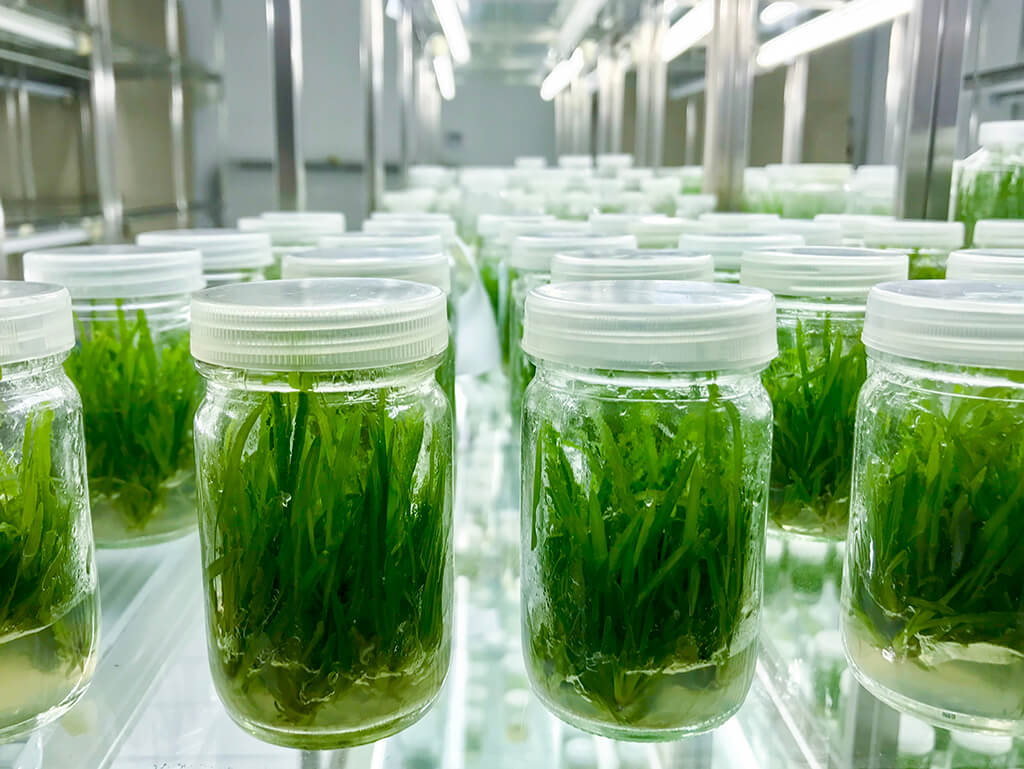
The global neotame market, valued at USD 15.8 million in 2022, is on a robust growth trajectory, with projections indicating a rise to USD 32.3 million by 2032. This impressive growth represents a compound annual growth rate (CAGR) of 7.4% from 2022 to 2032. Neotame, a high-intensity sweetener and a derivative of aspartame, is set to expand its market presence, driven by increasing demand for low-calorie and sugar-free products across various sectors.

Market Drivers and Trends

Several key factors are fueling the growth of the neotame market. The rising consumer demand for healthier and low-calorie alternatives to traditional sweeteners is a major driver. Neotame’s superior sweetness, which is approximately 8,000 times sweeter than sucrose, allows manufacturers to use it in minimal quantities while achieving the desired sweetness level, thereby reducing production costs.

Neotame is widely recognized for its stability and effectiveness in a range of applications, including beverages, dairy products, confectionery, and baked goods. Its ability to enhance flavor without compromising nutritional value is particularly appealing to health-conscious consumers and manufacturers looking to cater to the growing trend of sugar-free and low-calorie diets.

Regional Insights

The U.S. neotame market is expected to reach $3.7 million in 2022, growing at a CAGR of 6.6% through 2032. The high adoption rate of neotame in the food and beverage industry, coupled with its high efficacy and stability, is driving this growth. Neotame’s use as a flavor enhancer in various products and its advantages over aspartame are contributing to its popularity.

Germany is a significant player in the European neotame market, anticipated to hold over 16% market share in 2022. The growing demand for novel food additives that offer nutritional benefits such as low calories and reduced sugar content is driving market growth. Neotame’s appeal to millennials seeking healthier food options is also boosting its adoption in the region.

With more than 45% market share in East Asia, China’s neotame market is growing rapidly. The rising focus on health and wellness among consumers is driving demand for food products that are low in sugar and calories. Neotame’s compatibility with organic ingredients and its role in enhancing the taste of healthy food products are key factors contributing to its growth in China.

Market Applications

Neotame’s versatility extends across various end-use applications, making it a valuable ingredient in numerous products:

  • Food and Beverage: Neotame is widely used in jellies, candies, yogurts, desserts, ice creams, and beverages. Its high sweetness intensity and minimal usage requirements make it an ideal choice for manufacturers aiming to deliver sweet products with reduced calorie content.
  • Pharmaceuticals: Neotame is also utilized in the pharmaceutical industry, where its sweetness can improve the taste of medications, making them more palatable for patients.
  • Animal Feed: The use of neotame in animal feed is on the rise, driven by its ability to enhance flavor and stimulate feed consumption among livestock.

Sales Channels

The neotame market is characterized by two main sales channels:

  • Direct Sales/B2B: This segment dominates the market as neotame is increasingly used in the food and beverage processing industry, as well as in animal feed.
  • Indirect Sales/B2C: This channel includes health and beauty stores, pharmacies, modern trade channels, and online retailing. The growth in e-commerce and the increasing availability of neotame through various retail outlets are contributing to market expansion.

Competitive Landscape

Key players in the neotame market are focusing on research and development to innovate and capture a larger market share. Companies such as Foodchem International Corporation, Prinova Group LLC, NutraSweet Co, and SinoSweet Co Ltd. are investing significantly in developing new applications and enhancing the functionality of neotame. In May 2022, MilliporeSigma introduced the Neotame Emprove Essential NF excipient, showcasing the continued innovation in this sector.

Secure Your Copy Now: Gain full access to the Neotame Industry report, including Market Forecast, Company Share Analysis, Competitive Intelligence, DROT Analysis, Market Dynamics, Challenges, and Strategic Growth Initiatives.

Neotame Market Outlook by Category

By End-use Application:

  • Food and Beverage
    • Bakery
    • Confectionary
    • Candies and Jellies
    • Chewing gums
    • Beverage
    • Desserts
    • Dairy Segment
    • Ice Creams
  • Pharmaceuticals
  • Animal Feed
  • Cosmetics and Personal Care
  • Other

By Sales Channel:

  • On Direct Sales/B2B
  • Indirect Sales/B2C
    • Health & Beauty Store
    • Pharmacies/Drugstores
    • Modern Trade Channel
    • Online Retailing

By Region:

  • North America
  • Latin America
  • Europe
  • East Asia
  • South Asia
  • Oceania
  • Middle east and Africa

About Future Market Insights (FMI)

Future Market Insights, Inc. (ESOMAR certified, recipient of the Stevie Award, and a member of the Greater New York Chamber of Commerce) offers profound insights into the driving factors that are boosting demand in the market. FMI stands as the leading global provider of market intelligence, advisory services, consulting, and events for the Packaging, Food and Beverage, Consumer Technology, Healthcare, Industrial, and Chemicals markets. With a vast team of over 400 analysts worldwide, FMI provides global, regional, and local expertise on diverse domains and industry trends across more than 110 countries.

Join us as we commemorate 10 years of delivering trusted market insights. Reflecting on a decade of achievements, we continue to lead with integrity, innovation, and expertise.

Contact FMI:
Future Market Insights Inc.
Christiana Corporate, 200 Continental Drive,
Suite 401, Newark, Delaware – 19713, USA
T: +1-347-918-3531
For Sales Enquiries: sales@futuremarketinsights.com
Website:https://www.futuremarketinsights.com
LinkedIn| Twitter| Blogs | YouTube
RTD Bottled Cocktails Market: A Look at Innovation and Consumer Trends by 2034

Ready-to-Drink (RTD) Bottled Cocktail Market

The demand for ready-to-drink (RTD) bottled cocktail is poised for significant growth, with a projected CAGR of 10.90% from 2024 to 2034. Valued at US$ 19.58 billion in 2024, the market is expected to reach an estimated valuation of US$ 40.92 billion by 2034. This growth is attributed to the rising demand for hassle-free alternatives to traditional cocktails and the surging popularity of premium and quality cocktails among consumers worldwide.

RTD bottled cocktails have seen impressive growth due to rising consumer demand for convenience and ready-to-drink options. Home-based socializing and a wide range of innovative flavors and premium ingredients have further boosted the market.

Consumers’ increasing preference for on-the-go drinks and the growing popularity of social gatherings and home entertaining are driving the demand for RTD bottled cocktails. Additionally, the shift toward premiumization and the appeal of convenient, high-quality cocktails are attracting a wider range of consumers, including those seeking authenticity and quality in their beverage choices.

Seize Market Opportunities: Identify and capitalize on market opportunities with our comprehensive report. Get sample now to start planning your next move.

Growing Factors:

  • Unique Flavor Profiles: Manufacturers can capitalize on market growth by offering unique and diverse flavor profiles that cater to consumer preferences. By providing a wide range of product lines and focusing on creative packaging options, manufacturers can gain consumer trust and loyalty, thus maximizing market share.
  • E-commerce Platforms: The proliferation of e-commerce platforms presents lucrative investment opportunities for manufacturers to promote their products directly to consumers. By leveraging these platforms, manufacturers can establish better consumer relationships, exercise greater control over sales and branding, and benefit from pricing advantages.

Key Takeaways: RTD Bottled Cocktails Market

  • The RTD bottled cocktails market is expected to expand at CAGRs of 8% and 11.7% in East Asia and South Asia, respectively, through 2034.
  • The RTD bottled cocktail market in the United Kingdom is expected to progress at a CAGR of 7.5% throughout the forecast period.
  • North America and Europe RTD bottled cocktails markets are projected to generate 1% and 27.5% shares, respectively, in 2024.
  • The United States RTD bottled cocktail market is predicted to grow at a 6.8% CAGR over the next decade.
  • The RTD bottled cocktail market in China is expected to register a CAGR of 7.2% through 2034.
  • The market is expected to progress at a CAGR of 6.7% in Germany for the forecast period. Escalating demand for on-the-go drinks is driving up the sale of ready-to-drink bottled cocktails in Germany.

“RTD bottled cocktails are expected to showcase high demand among millennials as key players are launching unique products with innovative ingredients and formulations to provide functional health benefits,” says a Future Market Insights analyst.

Competitive Landscape

Leading RTD cocktail producers continue to introduce fresh offerings to fulfill consumer demand. They also use techniques including mergers and acquisitions, partnerships, distribution agreements, collaborations, ads, and celebrity endorsements to achieve a competitive advantage in their industry.

Key Companies Profiled

  • Bottoms Up cocktail
  • Diageo plc
  • Brown Farman
  • Bacardi Inc.
  • RTM Beverages Ltd.
  • The Kraken
  • Mark Anthony Group, Inc.
  • High West Distillery
  • Pernod Ricard SA
  • Suntory Holdings Limited
  • Others

Recent Development

  • In 2022, Indiana-based Three Floyds Distilling launched three premium bottled cocktails, namely Sanctus, Barnabus, and Brutta, which have been carefully crafted using rare and high-quality ingredients. These cocktails have been designed to appeal to discerning consumers who are looking for a more elevated at-home drinking experience. The company’s award-winning line-up of super-premium spirits has been used as the base for these cocktails, ensuring that the quality is consistent with the brand’s reputation for excellence. With this new offering, Three Floyds Distilling aims to expand its customer base and attract those who are looking for a premium and convenient cocktail experience at home.
  • In 2022, Brody’s Crafted Cocktails, a leading producer of RTD craft cocktails, expanded its distribution network to Hawaii by partnering with the Republic National Distributing Company, which is one of the largest wholesale distributors of beer, wine, and spirits in the United States. The company has announced that its products will be exclusively available at Foodland locations across Hawaii. Brody’s Crafted Cocktails has gained popularity among consumers for its novel range of RTD premium spirits-based bottled cocktails, which have been carefully crafted using high-quality ingredients.
  • In 2021, Captain Morgan, a well-known brand of rum, revamped its portfolio with several updates. It introduced ready-to-drink pre-mixed cocktails in large 1.75-liter bottles in three delicious varieties — Tropical Punch, Mai Tai, and Long Island Iced Tea. In addition, the brand updated the formulation of its flagship product last year to include real vanilla from Madagascar, enhancing its taste and quality.

A Detailed Full Report: Gain full access to the RTD Bottled Cocktails Industry report, including Market Forecast, Company Share Analysis, Competitive Intelligence, DROT Analysis, Market Dynamics, Challenges, and Strategic Growth Initiatives.

Key Segments

By Product Type:

  • Cider
  • Gin
  • Vodka
  • Wine
  • Whiskey
  • Rum
  • Hard Seltzer
  • Cocktail

By Flavor:

  • Natural/Unflavored
  • Flavored
    • Citrus
    • Ginger
    • Apple
    • Vanilla
    • Berry
    • Tropical
    • Coconut
    • Jerk
    • Plantain
    • Mixed Fruits
    • Others

By Price Range:

  • Economic
  • Mid-range
  • Premium

By Sales Channel:

  • On-trade/Food Service
  • Institutional Sale
  • Retail
    • Hypermarket/Supermarket
    • Convenience Store
    • Specialty Stores
    • Liquor Shop/Beverage Exclusive
    • Airport Retail
  • Online Retail

By Packaging:

  • Glass
  • Plastic

By Region:

  • North America
  • Europe
  • Asia Pacific
  • Middle East and Africa
  • Latin America

About Future Market Insights (FMI)

Future Market Insights, Inc. (ESOMAR certified, recipient of the Stevie Award, and a member of the Greater New York Chamber of Commerce) offers profound insights into the driving factors that are boosting demand in the market. FMI stands as the leading global provider of market intelligence, advisory services, consulting, and events for the Packaging, Food and Beverage, Consumer Technology, Healthcare, Industrial, and Chemicals markets. With a vast team of over 400 analysts worldwide, FMI provides global, regional, and local expertise on diverse domains and industry trends across more than 110 countries.

Join us as we commemorate 10 years of delivering trusted market insights. Reflecting on a decade of achievements, we continue to lead with integrity, innovation, and expertise.

Contact FMI:
Future Market Insights Inc.
Christiana Corporate, 200 Continental Drive,
Suite 401, Newark, Delaware – 19713, USA
T: +1-347-918-3531
For Sales Enquiries: sales@futuremarketinsights.com
Website:https://www.futuremarketinsights.com
LinkedIn| Twitter| Blogs | YouTube

Erythrosine Market Forecast: Navigating Demand and Regulatory Changes in 2032

Erythrosine Market
Erythrosine Market

The Demand for Erythrosine is anticipated to increase at a high CAGR of 3.7% (2022-2032), reaching a value of about US$ 56.68 Million by 2032.

As modern manufacturers emphasize elevating their product appeal to entice a larger consumer bases, increasing product attractiveness remains paramount. Colorants play a vital role in achieving this, particularly in the food and beverage sector.

Growing consumer inclination towards decorative foods, has further brought food additives and colorants in spotlight. Obtained from coal tar, erythrosine is one such artificial red coloring agent, commonly known as red dye, which finds significant application in cosmetics, pharmaceutical, and food and beverage sector.

It has been validated with claims that food coloring preparations containing erythrosine possess superior coloring features compared to alternative red food colorings which include longevity, lack of bleeding, color strength, and finished product quality.

The merit of using erythrosine is strongly supported by companies that use erythrosine for food decoration purposes. Precise visual effect and unique shades achieved with erythrosine, which are unattainable by using other food colors, makes erythrosine a preferred choice for end users.

Erythrosine Market: Notable Developments

The key players operating in erythrosine market attempt to focus on changing consumer requirements to gain a competitive edge. Investments centering constant research initiatives regarding the efficacy of erythrosine are also being carried out by leading erythrosine market contributors.

  • Food Ingredient Solutions (FIS), a leading erythrosine market player recently partnered with Spain’s BTSA to provide Non-GMO vitamin E developed from IP non-GMO soy and sunflower oil.
  • BASF and Sichuan Lutianhua Co., Ltd., a globally recognized erythrosine provider recently signed a MoU to co-develop a pilot production plant, which will substantially reduce carbon emissions and boost energy efficiency in producing dimethyl ether from syngas compared to the tradition.

Sigma-Aldrich Co.LLC., a leading erythrosine market player was founded in 1996. The company’s parent organization is Merck Group and its subsidiaries include Cerilliant Corporation, Cell Marque Corporation, BioReliance Corporation, and more. The company aims to solve life science problems through collaborations with the global scientific community.

Dynemic Products Ltd., another company operating in the erythrosine market was founded in 1990 with its headquarters located in India. The company’s subsidiary includes Dynamic Overseas (India) Pvt. Ltd. The company is one of the largest manufacturer and exporter of food colors across the globe.

Consumer Inclination towards Processed Foods to Foster Growth

Packaged and processed foods are becoming a vital aspect of today’s busy, on-the-go consumers, as they support their fast-paced lifestyles. Packaged and processed foods require effective preservation and stronger shelf appeal to entice consumers. Consumer inclination towards processed foods has shifted the food manufacturers towards synthetic food colorants that allow preservation for a longer period of time, including erythrosine.

As packaged and processed food consumption continues to rise, the application of synthetic food colorants such as erythrosine is likely to gain major impetus, supporting the growth of the erythrosine market.

Reluctance for Synthetic Additives to Hamper Sales

Although synthetic additives are gaining widespread applicability across a plethora of industries owing to its effective preservation for a longer time and cost-effectiveness over natural dyes, the growing positive perception associated to natural colorants and dyes is expected to hinder the sales of erythrosine. Demand for natural colorants and additives are witnessing a major growth on account of the rapid gravitation towards the health and wellness trend, and shift towards food products having naturally derived ingredients.

Health Adversities to Impact Adoption

Depending on its long term and short term utilization, erythrosine has potential carcinogic and mutagenic effects. Although it is used as a colorant alternative, the health adversaries of erythrosine have resulted in prohibition of the dye in certain regions. For instance, Erythrosine is banned in the US but is legal in Brazil and other countries. As health remains a top priority, it could hinder the adoption of erythrosine.

Erythrosine Market by Category

By Forms:

  • Liquid
  • Powder
  • Granules

By Solubility:

  • Dyes
  • Lakes

By Application:

  • Beverage
  • Bakery, Snacks, and Cereals
  • Candy/ Confectionery
  • Dairy
  • Fruit Preparations/ Fillings
  • Meat, Poultry, Fish, and Eggs
  • Potatoes, Pasta, and Rice
  • Sauces, Soups, and Dressings
  • Seasonings
  • Pet Food
  • Others

About Future Market Insights (FMI)

Future Market Insights, Inc. (ESOMAR certified, recipient of the Stevie Award, and a member of the Greater New York Chamber of Commerce) offers profound insights into the driving factors that are boosting demand in the market. FMI stands as the leading global provider of market intelligence, advisory services, consulting, and events for the Packaging, Food and Beverage, Consumer Technology, Healthcare, Industrial, and Chemicals markets. With a vast team of over 400 analysts worldwide, FMI provides global, regional, and local expertise on diverse domains and industry trends across more than 110 countries.

Join us as we commemorate 10 years of delivering trusted market insights. Reflecting on a decade of achievements, we continue to lead with integrity, innovation, and expertise.

Contact FMI:
Future Market Insights Inc.
Christiana Corporate, 200 Continental Drive,
Suite 401, Newark, Delaware – 19713, USA
T: +1-347-918-3531
For Sales Enquiries: sales@futuremarketinsights.com
Website:https://www.futuremarketinsights.com
LinkedIn| Twitter| Blogs | YouTube

Ursolic Acid Market Analysis: Exploring Its Role in Health and Wellness by 2032

Ursolic Acid Market

In the dynamic landscape of health and wellness supplements, the global market for ursolic acid is emerging as a lucrative opportunity for investors seeking to capitalize on natural health trends. Valued at US$ 8.6 million in 2022, the market is projected to reach US$ 13.2 million by 2032, growing at a steady CAGR of 5.4%. This growth trajectory is driven by increasing consumer demand for natural and organic products, particularly in the health and cosmetic sectors.

Ursolic acid, renowned for its anti-depressant qualities and its role in countering age-related changes, is witnessing heightened adoption. Its applications extend from dietary supplements for lean muscle acquisition to enhancing ceramic formation in skincare products. This versatility positions ursolic acid as a pivotal ingredient in the health and beauty industries.

Seize Market Opportunities: Identify and capitalize on market opportunities with our comprehensive report. Get sample now to start planning your next move.

The surge in cardiovascular diseases and the pursuit of lean muscle mass are primary drivers for the increased demand for ursolic acid. Scientific research highlighting its antimicrobial, anti-diabetic, and anti-inflammatory properties further amplifies its appeal in functional foods and pharmaceuticals. Moreover, its integration in cancer therapy and cosmetic formulations underscores its multi-faceted utility.

Challenges and Constraints:

Despite its promising benefits, challenges such as lack of awareness in under-developed regions and potential side effects pose hurdles to market expansion. Issues like excessive consumption leading to adverse effects like DNA damage necessitate stringent regulatory oversight and consumer education.

Growth Opportunities:

The nutraceutical and functional food sectors are pivotal growth arenas, with innovations like stearate-free ursolic acid capsules catering to health-conscious consumers. Leveraging plant-derived sources and sustainable production methods not only reduces costs but also aligns with the rising demand for eco-friendly products, enhancing market penetration.

Regional Insights:

North America leads the charge with a commanding CAGR of 33.2%, driven by robust health trends and increasing adoption of natural ingredients in consumer products. Meanwhile, Asia-Pacific and Europe exhibit significant growth potentials, buoyed by rising disposable incomes and heightened awareness of health benefits associated with herbal products.

Investment Outlook:

Investors keen on sustainable growth and innovation are encouraged to explore opportunities in the burgeoning ursolic acid market. The sector’s resilience amidst global disruptions, such as the COVID-19 pandemic, underscores its potential as a stable investment avenue.

Competitive Landscape: Key players shaping the market include Sabinsa, Sami Labs, and Changsha Staherb Natural Ingredients, among others. Their focus on R&D and strategic collaborations underscores a commitment to expanding product applications and market reach.

Recent Developments: Recent milestones include breakthroughs in ursolic acid nanoparticles for cancer treatment and advancements in API production facilities, highlighting ongoing innovation and market responsiveness.

  • In 2017, a study published by the International Journal of Oncology stated the treatment of cervical cancer by utilizing ursolic acid nanoparticles.
  • In January 2020, a ground-breaking ceremony for a new Active Pharmaceutical Ingredients (API) production site in Hassan, Karnataka was held by the Sami-Sabinsa Group.
  • In 2021, a study was published stating the efficiency of ursolic acid in reducing inflammatory and oxidative stress caused by Covid-19.
  • In 2022, VitalNext released a product called Vital01 which is a powder which contains ursolic acid, amino acids, vitamin D, amongst other ingredients – targeting muscle loss in the elderly who are suffering from malnutrition.

About Future Market Insights (FMI)

Future Market Insights, Inc. (ESOMAR certified, recipient of the Stevie Award, and a member of the Greater New York Chamber of Commerce) offers profound insights into the driving factors that are boosting demand in the market. FMI stands as the leading global provider of market intelligence, advisory services, consulting, and events for the Packaging, Food and Beverage, Consumer Technology, Healthcare, Industrial, and Chemicals markets. With a vast team of over 400 analysts worldwide, FMI provides global, regional, and local expertise on diverse domains and industry trends across more than 110 countries.

Join us as we commemorate 10 years of delivering trusted market insights. Reflecting on a decade of achievements, we continue to lead with integrity, innovation, and expertise.

Contact FMI:
Future Market Insights Inc.
Christiana Corporate, 200 Continental Drive,
Suite 401, Newark, Delaware – 19713, USA
T: +1-347-918-3531
For Sales Enquiries: sales@futuremarketinsights.com
Website:https://www.futuremarketinsights.com
LinkedIn| Twitter| Blogs | YouTube

Baby Feeding Accessories Market Set to Reach USD 4,385.1 Million by 2034

In 2023, the baby feeding accessories market generated approximately USD 2,237.3 million in revenue. The market is expected to grow at a rate of 6.4% from 2024 to 2034, with projections indicating a rise to USD 4,385.1 million by 2034, up from USD 2,358.1 million in 2024.

This growth is largely fueled by a shift towards health-conscious parenting, which is driving demand for baby and toddler feeding products. Additionally, the rise of e-commerce and online retail channels has significantly increased awareness of essential baby feeding items, contributing to higher sales.

Key Takeaways from the Global Baby Feeding Accessories Market Study Report

  • The United States dominated the baby feeding essentials market in 2023 and is expected to retain its dominance till 2034, progressing at 4% CAGR.
  • The market for baby feeding products in Australia is poised to grow at an impressive 7.4% rate from 2024 to 2034.
  • China is the leading manufacturer of baby feeding accessories, and it is expected to progress at 6.5% CAGR during the projected years.
  • India is predicted to witness an astounding growth rate of 8.5% in sales of baby feeding accessories over the next ten years.

Competitive Landscape

Competition among players in the infant feeding accessories market has sharpened in recent years, driven by advancements in technology that open up new avenues for innovative product design. Manufacturers of baby bottles and feeding accessories can differentiate their offerings by incorporating smart feeding devices, ergonomic designs, and portable solutions.

Recent Developments in the Global Baby Feeding Accessories Market

  • In September 2023, the Vega Company, which is a global leader in personal and beauty care products, entered the mother and baby market sector with the launch of its Vega Baby & Mom product line. Vega Baby & Mom brand now provides a wide selection of goods made to cater to the unique requirements of moms and their infants. The firm is introducing more than 70 new products, including feeding bottles, nipples, baby bottle sterilizers, teething toys, and accessories.
  • In March 2020, Gerber unveiled a revolutionary, one-material baby food pouch that can be recycled. This is an initiative by Gerber, the pioneer of early childhood nutrition, to have all of its packaging recyclable or reusable by 2025. It was created in collaboration with Gualapack, the global leader in prepared spouted pouches. It is also a significant step in expanding the market for food-safe recycled plastics.

Key Players Profiled in the Baby Feeding Accessories Market Report

  • Philips Avent
  • Tommee Tippee
  • Medela
  • Nuk (Newell Brands)
  • Dr. Brown’s
  • Mayborn USA Inc. (Tommee Tippee)
  • Pigeon Corporation
  • Lässig GmbH
  • NOVATEX GmbH
  • Carter’s, Inc. (Skip Hop)
  • Mothercare PLC

Get Strategic Guidance from Our Analyst Contact us on: +1-347-918-3531

Key Segments Covered by Baby Feeding Accessories Industry Survey Report 

By Product Type:

  • Bottles and Nipples
    • Plastic Bottles
    • Glass Bottles
    • Silicone Nipples
  • Breastfeeding Accessories
  • Baby Feeding Utensils
    • Baby spoons & forks
    • Baby Bowls
    • Baby Pacifiers
    • Plates
    • Others (Cups, Tray, etc.)
  • Baby Formula Dispensers
  • Other Product Types

By Material Type:

  • Metallic Accessories
  • Non-Metallic Accessories
    • Plastic
    • Silicone
    • Other Materials

By Age Group:

  • Less than 6 Months
  • 6 months to 12 Months
  • 12 Months to 3 Years
  • More than 3 Years

By Price Range:

  • Low (Less than US$ 50)
  • Medium (US$ 50 to US$ 100)
  • High or Premium (More than US$ 100)

By End Use Verticals:

  • Residential Use
  • Commercial Use
    • Day Care
    • Nursing Centers
    • Other Commercial Uses

By Sales or Distribution Channel:

  • Online Retail Channels
    • E-commerce
    • Company Owned Website
  • Offline Sales Channels
    • Supermarket or Hypermarket
    • Specialty Stores
    • Other Retail Formats

By Region:

  • North America Market
  • Latin America Market
  • Europe Market
  • East Asia Market
  • South Asia and Pacific Market
  • The Middle East and Africa (MEA) Market

About Future Market Insights (FMI)

Future Market Insights, Inc. (ESOMAR certified, recipient of the Stevie Award, and a member of the Greater New York Chamber of Commerce) offers profound insights into the driving factors that are boosting demand in the market. FMI stands as the leading global provider of market intelligence, advisory services, consulting, and events for the Packaging, Food and Beverage, Consumer Technology, Healthcare, Industrial, and Chemicals markets. With a vast team of over 400 analysts worldwide, FMI provides global, regional, and local expertise on diverse domains and industry trends across more than 110 countries.

Contact Us:

Future Market Insights Inc.
Christiana Corporate, 200 Continental Drive,
Suite 401, Newark, Delaware – 19713, USA
T: +1-347-918-3531
For Sales Enquiries: sales@futuremarketinsights.com
Website: https://www.futuremarketinsights.com
LinkedInTwitterBlogs | YouTube