Global Bioabsorbable Stents Market Set for Significant Growth, Expected to Reach USD 253.9 Million by 2033 Driven by Advancements in Manufacturing Technology and Emerging Markets

The global bioabsorbable stents market is poised for substantial growth, with projections indicating a rise in market value from USD 171.8 million in 2023 to an impressive USD 253.9 million by 2033. This growth represents a steady Compound Annual Growth Rate (CAGR) of 4%, reflecting the increasing global demand for innovative cardiovascular treatment options.

Transformative Trends in Stent Development

The stent development landscape is undergoing a revolutionary transformation, fueled by advanced manufacturing techniques that are reshaping the industry. With a range of innovative modalities now at their disposal, manufacturers are well-positioned to leverage emerging opportunities in the bioabsorbable stents market. Five primary techniques are currently being utilized for stent production: etching laser cutting, electroforming, micro-electro discharge machining, and die-casting.

One of the most noteworthy advancements in recent years is the adoption of 3D printing technology. Traditional processing methods for biodegradable stent materials have faced limitations, prompting the rise of biological 3D printing technology. This cutting-edge development is enabling the creation of more customized and precise solutions, catering to the evolving needs of the market.

Emerging Markets and Future Prospects

As the demand for advanced cardiovascular solutions escalates, emerging economies, particularly in Asia, present significant growth opportunities for the bioabsorbable stents market. Countries such as China are becoming key focal points for manufacturers seeking to capitalize on the growing need for innovative medical devices. This strategic shift towards emerging markets is expected to further drive the expansion of the bioabsorbable stents market.

The global bioabsorbable stents market is on the cusp of a transformative period, with technological innovations and emerging markets providing significant momentum for future growth. Manufacturers are encouraged to adapt to these transformative trends and capitalize on the numerous opportunities arising in this promising sector. As the market continues to evolve, bioabsorbable stents are expected to play a crucial role in addressing the growing demand for effective and sustainable cardiovascular treatments worldwide.

Market players can expand their share in China for bioabsorbable stents, due to significant opportunities present in this market. However, they must take into account the preference for value products as the government is forcing a decrease in the overall product prices. Additionally, they must look out for the long-term viability of the product,” says an FMI analyst.

Key Takeaways from the Bioabsorbable Stents Market Report:

  • In 2022, the global bioabsorbable stents market size stood at USD 167.7 million.
  • North America is a notable market for bioabsorbable stents, accounting for about 48.5% in 2023. The United States occupied 44.4% market share in 2022.
  • The Europe market for bioabsorbable stents gathered a market share of 27.6% in 2022. The German market, a core market in the region, procured a value share of 9.9% in 2022.
  • The United Kingdom market is predicted to expand at a CAGR of 5.7% through 2033.
  • Within Asia Pacific, China and India are predicted to register CAGRs of 6.6% and 4.6% through 2033.
  • Based on product type, the coronary artery stents segment is expected to acquire a value share of around 76.2% in 2023.
  • On the basis of material type, the polymers segment is anticipated to obtain a market share of about 59.3% in 2023.

Stay Ahead with Bioabsorbable Stents: Delve into Our Full Report for Extensive Trends and Insights!

Recent Developments Detected in the Bioabsorbable Stents Market:

  • In September 2020, Abbott Laboratories commenced the launch of the LIFE-BTK clinical trial to assess the Espirit below-the-knee drug-eluting resorbable scaffold. The firm reported that this is its first trial in the United States to examine an entirely resorbable device to cure blocked arteries critical limb ischemia (CLI) and below the knees in patients suffering from severe stages of peripheral artery disease (PAD).
  • In April 2020, Boston Scientific announced the launch of Synergy Megatron, which is a bioabsorbable polymer coronary stent system. The device boasts of invigorated strength and capacity to accommodate reduced vessels. This medical device has made its debut in Europe.
  • In August 2022, PGIMER executed the first-ever robotically-assisted biodegradable stent implantation. These newer bioresorbable stents with thinner struts, which have been developed in India, dissolve in the body post three years, leaving the natural artery as it is.

Key Players in the Market:

  • Boston Scientific Corporation
  • Meril Life Sciences Pvt. Ltd.
  • Medtronic Plc
  • Smith & Nephew Plc
  • Stryker Corporation
  • Wright Medical Group
  • KLS Martin
  • BIOTRONIK Ltd
  • Syntellix AG
  • Q3 Medical Devices Limited.
  • JW Medical Systems LTD
  • ORBUSNEICH MEDICAL
  • Abbott Vascular

Key Market Segments Covered in Bioabsorbable Stents Market Report:

By Stents:

  • Coronary Artery Stents
  • Peripheral Artery Stents
  • Non-vascular Stents
    • Esophageal Stents
    • Billary Stents

By Material:

  • Metallic
  • Ceramic
  • Polymers
    • PGA
    • PLA
    • Co-Polymer

By Application:

  • Cardiovascular
  • Orthopedics
  • Cosmetic Surgery
  • General Surgery
  • Cranial
  • Others

By End User:

  • Hospitals
  • Specialty Clinics
  • Ambulatory Surgical Centers

By Region:

  • North America
  • Latin America
  • Europe
  • South Asia
  • East Asia
  • Oceania
  • Middle East and Africa (MEA)

About Future Market Insights (FMI)

Future Market Insights, Inc. (ESOMAR certified, recipient of the Stevie Award, and a member of the Greater New York Chamber of Commerce) offers profound insights into the driving factors that are boosting demand in the market. FMI stands as the leading global provider of market intelligence, advisory services, consulting, and events for the Packaging, Food and Beverage, Consumer Technology, Healthcare, Industrial, and Chemicals markets. With a vast team of over 400 analysts worldwide, FMI provides global, regional, and local expertise on diverse domains and industry trends across more than 110 countries.

Contact Us:        

Future Market Insights Inc.
Christiana Corporate, 200 Continental Drive,
Suite 401, Newark, Delaware – 19713, USA
T: +1-347-918-3531
For Sales Enquiries: 
sales@futuremarketinsights.com
Website: https://www.futuremarketinsights.com
LinkedInTwitterBlogs | YouTube

Global Dermal Fillers and Botulinum Toxin Market Poised for Significant Growth, Projected to Reach USD 9,002.9 Million by 2034

The global dermal fillers and botulinum toxin market is on the verge of a remarkable expansion, with projections indicating a surge to USD 9,002.9 million by 2034. This represents a substantial increase from its current valuation of USD 6,570.2 million in 2024, translating into a compound annual growth rate (CAGR) of 3.2%.

Several key factors are propelling this growth, with a spotlight on research and development initiatives exploring new therapeutic uses for botulinum toxin. Initially recognized for its aesthetic benefits, botulinum toxin is now gaining traction in a variety of medical applications, presenting new avenues for market expansion. This shift is not only expanding the scope of the industry but also broadening the potential for therapeutic interventions.

Demographic trends are further fueling this upward trajectory, particularly in developed countries, where individuals aged 30 to 40 are increasingly seeking out dermal fillers and botulinum toxin treatments to restore facial volume, reduce wrinkles, and achieve a rejuvenated appearance. This demographic shift reflects the growing societal emphasis on aesthetic enhancements and a shift toward proactive skincare.

In addition, the influence of social media cannot be overstated. As beauty standards evolve and the conversation around age-related skin concerns intensifies, more consumers are turning to dermal fillers and botulinum toxins to maintain a youthful appearance. Social media platforms have not only influenced beauty trends but also empowered individuals to make informed decisions about cosmetic treatments, resulting in increased demand for injectable therapies.

Moreover, the market’s applications are expanding beyond purely cosmetic treatments, incorporating medical procedures such as cleft lip repair and neck volume restoration. This evolution is driven by the rising preference for non-invasive, minimally disruptive procedures, prompting manufacturers to diversify their offerings to meet the shifting needs of global markets.

As the dermal fillers and botulinum toxin market continues to evolve, industry stakeholders can look forward to a future of exciting innovations that reflect both consumer demand and medical advancements. The growing acceptance and adoption of these treatments indicate a market brimming with opportunity, paving the way for continued growth in the aesthetics and medical fields.

This expanding market signals a promising future for the dermal filler and botulinum toxin industry, presenting an ideal landscape for businesses, investors, and researchers seeking to capitalize on a sector that continues to evolve and thrive.

Key Takeaways:

  • The market for dermal fillers and botulinum toxins is projected to grow at a CAGR of 3.2%, reaching USD 9,002.9 million by 2034.
  • In 2023, botulinum toxin is anticipated to hold a market share of 58.4%, while the aesthetic volume restoration segment is expected to account for 61.3% of the market.
  • Regional growth is notable, with Australia and New Zealand expected to grow at a CAGR of 2.3%, France at 2.2%, and the United States at 1.5% by 2034.

“Growing demand for minimally invasive procedures is anticipated to drive the growth of the global dermal fillers and botulinum toxin market,” says an FMI Analyst.

Access the Full Report: Find Detailed Analysis on the Dermal Fillers and Botulinum Toxin Market

Market Competitor Analysis and Strategies:

The global dermal fillers and botulinum toxin market is highly fragmented. Major players are focusing on brand differentiation and market expansion through mergers and acquisitions, technological innovations, and new product releases. Recent developments include Galderma’s January 2024 clearance from Health Canada for Restylane® SHAYPE™, and Merz Therapeutics’ June 2023 opening of a new affiliate in Stockholm.

Leading Brands:

  • Allergan plc
  • Galderma SA
  • Merz Pharma GmbH & Co. KGaA
  • Anika Therapeutics, Inc.
  • Suneva Medical, Inc.
  • Speciality European Pharma
  • HUGEL, Inc.
  • Grex Pharma SaS
  • Daewoong Pharmaceuticals
  • Medy-Tox Inc.
  • TEOXANE Laboratories

Key Segments of the Report:

By Product:

The dermal fillers and botulinum toxin market is classified into hyaluronic acid based dermal fillers, non-hyaluronic acid based dermal fillers and botulinum toxin.

By Application:

The dermal fillers and botulinum toxin market is classified into aesthetic volume restoration and wrinkle reduction.

By Region:

Analysis of the dermal fillers and botulinum toxin market has been carried out in key countries of North America, Latin America, Western Europe, South Asia, East Asia, Eastern Europe and Middle East & Africa.

About Future Market Insights (FMI)

Future Market Insights, Inc. (ESOMAR certified, recipient of the Stevie Award, and a member of the Greater New York Chamber of Commerce) offers profound insights into the driving factors that are boosting demand in the market. FMI stands as the leading global provider of market intelligence, advisory services, consulting, and events for the Packaging, Food and Beverage, Consumer Technology, Healthcare, Industrial, and Chemicals markets. With a vast team of over 400 analysts worldwide, FMI provides global, regional, and local expertise on diverse domains and industry trends across more than 110 countries.

Contact Us:        

Future Market Insights Inc.
Christiana Corporate, 200 Continental Drive,
Suite 401, Newark, Delaware – 19713, USA
T: +1-347-918-3531
For Sales Enquiries: 
sales@futuremarketinsights.com
Website: https://www.futuremarketinsights.com
LinkedInTwitterBlogs | YouTube

Global Diabetic Macular Edema Market Projected to Reach USD 4,642.9 Million by 2034, Driven by Rising Incidence of Diabetes | FMI

The global diabetic macular edema market is on a steady growth trajectory, with an expected valuation of approximately USD 4,120.9 million in 2024. The market is poised to surpass USD 4,642.9 million by 2034, representing a modest compound annual growth rate (CAGR) of 1.2%. This growth underscores the increasing medical need as the global prevalence of diabetes continues to rise, largely driven by longer life expectancy and the increasing incidence of obesity.

As the global diabetic population expands, particularly in aging demographics, the incidence of diabetic macular edema is expected to grow significantly. DME is frequently a comorbid condition in diabetic patients, making its impact particularly pronounced in regions with older populations. This shift presents both a challenge and an opportunity for the healthcare sector to address the increasing demand for effective treatments.

Despite the market’s steady growth, the diabetic macular edema landscape remains fragmented compared to other disease drug markets. This presents unique opportunities for innovation and expansion. Companies and stakeholders in the sector are encouraged to focus on addressing the unmet needs of DME patients, with an emphasis on developing novel therapies and advancing care options.

FMI is committed to advancing solutions that will improve the quality of life for those affected by diabetic macular edema. As we navigate the challenges presented by this chronic condition, we remain dedicated to ensuring that healthcare providers are equipped with effective treatment options to meet the evolving demands of this growing patient population.

Key Takeaways from the Market Study:

  • The United Kingdom anticipates moderate momentum in the diabetic macular edema sector, with a CAGR of 1.1% from 2024 to 2034.
  • Germany is expected to experience tempered growth in the diabetic macular edema market, with a projected CAGR of 3.2% from 2024 to 2034.
  • Intravitreal injections account for a leading share of 94.8% in the form segment in 2024.
  • India foresees sluggish rise in the diabetic macular edema industry, with a CAGR of 1.4% from 2024 to 2034.
  • China is poised to witness stable expansion in the diabetic macular edema sector, with a projected CAGR of 4.3% from 2024 to 2034.
  • Anti-VEGF drugs hold a dominant share of 95.5% in the drug type segment in 2024.

Explore the Growing Demand for Diabetic Macular Edema: Get All the Insights in Our Comprehensive Report!

Competition Outlook of the Diabetic Macular Edema Market:  

The diabetic macular edema market presents a robust competition and ongoing advancements in treatment modalities. With an increasing prevalence of diabetes worldwide, the demand for effective DME therapies continues to rise, fostering a competitive environment among pharmaceutical companies and biotech firms.

Key players in the diabetic macular edema market are actively engaged in research and development endeavors to introduce innovative drugs and therapies, aiming to address the unmet medical needs of patients. The market witnesses intense competition in the development of anti-VEGF drugs, corticosteroid therapies, and other off-label drugs targeting DME. Additionally, advancements in drug delivery systems such as intravitreal injections and implants further intensify competition, as companies strive to enhance treatment efficacy and patient compliance.

Strategic collaborations and partnerships between pharmaceutical companies, research institutions, and healthcare organizations are shaping the market. These collaborations facilitate the exchange of scientific knowledge, clinical data, and resources, accelerating the development and commercialization of novel diabetic macular edema treatments. As the DME market continues to evolve, stakeholders must remain vigilant in navigating regulatory challenges, market dynamics, and emerging therapeutic trends to maintain a competitive edge and meet the evolving needs of patients.

Recent Developments:

  • Novartis AG, headquartered in Switzerland, advances diabetic macular edema (DME) therapy as the FDA and EMA approve applications for BEOVU (brolucizumab-dbll), following favorable Phase III KESTREL trial findings.
  • Bayer AG, located in Germany, has received FDA clearance for Eylea, an aflibercept solution for diabetic macular edema therapy, expanding its portfolio for ocular health.
  • Allergan Plc., located in Ireland, has partnered with the International Diabetes Federation to develop a global strategy for DME screening, diagnosis, and therapy.
  • Hoffmann-La Roche Ltd., located in Switzerland, has received FDA clearance for Vabysmo (faricimab-svoa) in DME therapy, citing good results from phase III trials on Vabysmo for retinal vein occlusion.

Leading Companies in the Diabetic Macular Edema Industry:

  • Novartis AG
  • Bayer AG
  • Allergan Plc.
  • F. Hoffmann-La Roche Ltd.
  • Alimera Sciences Inc.
  • Valeant Pharmaceuticals International, Inc. (Bausch & Lomb Inc.)
  • KalVista Pharmaceuticals
  • Genentech
  • Oxurion (fka ThromboGenics)
  • Ocugen, Inc
  • Regeneron Pharmaceuticals, Inc.
  • Clearside Biomedical
  • Daiichi Sankyo
  • Arctic Vision
  • Chugai Pharmaceutical Co., Ltd.

Key Segments of Market Report:

By Drug Type:

Segmentation by drug includes anti-VEGF medications such as Ranibizumab (Lucentis) and Aflibercept (Eylea), as well as corticosteroid therapies like Dexamethasone (Ozurdex) and Fluocinolone Acetonide (Iluvien), alongside other off-label drugs.

By Form:

Classification by form distinguishes between intravitreal injections and intravitreal implants.

By Distribution Channel:

Regarding distribution channels, patients may access treatments through hospitals, specialty clinics, or mail order pharmacies.

By Region:

Geographical segmentation spans across regions including North America, Latin America, Europe, South Asia, East Asia, Oceania, and the Middle East and Africa (MEA).

About Future Market Insights (FMI)

Future Market Insights, Inc. (ESOMAR certified, recipient of the Stevie Award, and a member of the Greater New York Chamber of Commerce) offers profound insights into the driving factors that are boosting demand in the market. FMI stands as the leading global provider of market intelligence, advisory services, consulting, and events for the Packaging, Food and Beverage, Consumer Technology, Healthcare, Industrial, and Chemicals markets. With a vast team of over 400 analysts worldwide, FMI provides global, regional, and local expertise on diverse domains and industry trends across more than 110 countries.

Contact Us:        

Future Market Insights Inc.
Christiana Corporate, 200 Continental Drive,
Suite 401, Newark, Delaware – 19713, USA
T: +1-347-918-3531
For Sales Enquiries: 
sales@futuremarketinsights.com
Website: https://www.futuremarketinsights.com
LinkedInTwitterBlogs | YouTube

Global Farm Animal Drug Market Poised for Strong Growth, Projected to Reach USD 33,211.3 Million by 2034 But Faces Challenges from Side Effects and Antimicrobial Resistance | FMI

The global farm animal drug market is experiencing significant growth and is projected to reach a market value of USD 19,442.9 million by the end of 2024. Recent forecasts indicate the market will continue its expansion at a steady Compound Annual Growth Rate (CAGR) of 5.5% from 2024 to 2034, with a projected market valuation of USD 33,211.3 million by 2034.

Key Industry Developments

While the market is on a growth trajectory, it faces mounting concerns regarding side effects from farm animal drugs. These concerns have prompted industry-wide reflection and action. In particular, farmers in underdeveloped regions remain largely unaware of prevalent diseases in livestock, often resorting to home remedies rather than regulated treatments. This practice, coupled with the growing fears surrounding antibiotic resistance, is hindering the industry’s ability to fully capitalize on its growth potential.

Innovations Leading the Charge

To address these health concerns, the industry is seeing notable innovations in farm animal drugs. Technological advancements, including the introduction of monoclonal antibodies, stem cell therapies, and digital technologies, are opening new avenues for treatment. Additionally, there has been a surge in the production of anti-infective drugs, a direct response to the rising threat of antimicrobial resistance (AMR). These innovations are crucial in ensuring farm animal health and productivity while mitigating the risks posed by AMR.

The Growing Threat of Antimicrobial Resistance (AMR)

The industry is increasingly concerned about the implications of antimicrobial resistance, which has the potential to severely impact farm animal health. Infections caused by AMR can lead to prolonged hospital stays, reduced surgical protections, and increased treatment costs. These complications threaten not only the health of farm animals but also the profitability and sustainability of the agricultural sector.

As the global farm animal drug market evolves, it is critical that stakeholders address these challenges head-on. There is a pressing need for increased awareness of AMR, along with continued investment in innovative solutions and regulatory frameworks that prioritize both animal health and sustainable practices.

The future of the farm animal drug market depends on balancing the need for pharmaceutical advancements with responsible health practices. With the right combination of innovation, education, and regulation, the industry can overcome current challenges and continue to thrive in the years to come.

Key Takeaways from the Farm Animal Drug Market:

  • The farm animal drug market is expected to register a CAGR of 5.5%, reaching a valuation of US$ 33,211.3 million by 2034.
  • The anti-infective segment is anticipated to dominate the market, holding a market share of 37.7% in 2024.
  • The market in the United States is estimated to surge at a CAGR of 5.7% through 2034.
  • The market in Germany is estimated to rise at a CAGR of 4.6% during the forecast period.
  • The market in the United Kingdom is predicted to develop at a CAGR of 5.3% between 2024 and 2034.

Discover the Rising Demand for Farm Animal Drug: Dive into Our Full Report for Detailed Trends and Insights!

Competitive Landscape:

The farm animal drug market is dynamic and diverse, with established players competing for maximum market share by introducing advanced product lines. Manufacturers have gained consumer trust in recent years by conducting surveys and campaigns in villages to understand farmers’ concerns regarding animal drugs.

Recent Development:

In 2024, the major breakthrough was achieved by the Indian Council of Agricultural Research (ICAR) in the fight against the Lumpy Skin Disease (LSD) virus, which has caused significant damage to the country’s livestock. The council plans to launch a commercially viable vaccine, which has been indigenously developed to tackle the deadly virus. The livestock industry is set to benefit significantly from this vaccine, as it is expected to reduce animal mortality rates and bring down the incidence of LSD infection.

Leading Farm Animal Drug Brands:

  • Bayer AG
  • Boehringer Ingelheim GmbH
  • Zoetis, Inc.
  • Ceva Santé Animale
  • Dechra Pharmaceuticals PLC
  • Elanco Animal Health (Sub. Eli Lilly)
  • Merck Animal Health
  • Virbac SA
  • Vetoquinol SA
  • Intas Animal Health
  • Alembic Animal Health
  • Sequent Scientific
  • Hester Biosciences
  • Ashish Life Sciences
  • Ouro Fino Saude Animal (Ourofino)
  • Zydus Animal Health (Sub. Cadila Healthcare Ltd)
  • Phibro Animal Health Corporation
  • Nippon Zenyaku Kogyo Co., Ltd
  • Norbrook
  • Kyoritsu Seiyaku Corporation

Key Segments of Market Report:

By Product:

Depending on the product type, the sector is categorized into anti-infective, parasiticides, anti-inflammatory, anesthetics, analgesics, hormones, and related products. Moreover, parasiticides are further divided into endo-parasiticides, ecto-parasiticides, and endectocides.

By Animal Type:

The animal type segment is bifurcated into livestock animals and equine. Livestock animals include ruminants, swine, and poultry.

By Route of Administration:

Route of administration of farm animal drugs include oral, parenteral, topical, and others.

By Distribution Channel:

Farm animal drugs are distributed through veterinary hospitals, veterinary clinics, pharmacies drug stores, and other channels.

By Region:

Regional analysis of the industry is conducted in North America, Latin America, Europe, South Asia, East Asia, Oceania, and the Middle East and Africa.

About Future Market Insights (FMI)

Future Market Insights, Inc. (ESOMAR certified, recipient of the Stevie Award, and a member of the Greater New York Chamber of Commerce) offers profound insights into the driving factors that are boosting demand in the market. FMI stands as the leading global provider of market intelligence, advisory services, consulting, and events for the Packaging, Food and Beverage, Consumer Technology, Healthcare, Industrial, and Chemicals markets. With a vast team of over 400 analysts worldwide, FMI provides global, regional, and local expertise on diverse domains and industry trends across more than 110 countries.

Contact Us:        

Future Market Insights Inc.
Christiana Corporate, 200 Continental Drive,
Suite 401, Newark, Delaware – 19713, USA
T: +1-347-918-3531
For Sales Enquiries: 
sales@futuremarketinsights.com
Website: https://www.futuremarketinsights.com
LinkedInTwitterBlogs | YouTube

Global Oral Controlled Release Drug Delivery Technology Market Poised for Exceptional Growth, Projected to Reach USD 68.4 Billion by 2032

The global oral controlled release drug delivery technology market is on track for significant expansion, with projections estimating its market value to soar from USD 34.1 billion in 2022 to USD 68.4 billion by 2032. This growth represents a robust compound annual growth rate (CAGR) of 7.2% over the forecast period, reflecting the increasing importance of advanced drug delivery systems in an evolving healthcare landscape.

Rising Demand for Advanced Drug Delivery Solutions

The accelerating prevalence of chronic and infectious diseases such as cancer, tuberculosis, heart disease, and diabetes is fueling the demand for innovative drug delivery solutions. The growing global reliance on oral medications, coupled with increased healthcare expenditures, further drives the market’s expansion. Manufacturers are actively engaged in the development of complex drug products with customized release profiles to meet the needs of patients and healthcare providers, providing a substantial growth opportunity for the market in the coming years.

Innovative Drug Delivery Mechanisms Boost Market Dynamics

Advanced techniques such as modified controlled release mechanisms, ion exchange release (both hydrophilic and hydrophobic), osmotically controlled release, and combined diffusion and dissolution methods are revolutionizing the oral drug formulation process. These innovations are anticipated to support market growth and further elevate the importance of oral controlled release technologies within the healthcare industry.

Emerging Technologies Create New Opportunities

The introduction of super generics, ongoing advancements in technology, and the increasing number of contract manufacturing facilities specializing in oral solid and liquid dosage forms are poised to unlock exciting growth prospects. Additionally, enhancing patient compliance with oral medications is expected to drive demand and bolster the market’s evolution.

Recent research published in the Journal of Controlled Release reveals that casein-based formulations are emerging as promising candidates for controlled release drug delivery systems. With their high tensile strength and the presence of naturally occurring compounds like genipin and tissue enzymes, casein-based formulations hold significant potential for improving drug delivery efficacy. The development of novel hydrogels for controlled release is another breakthrough in the pipeline.

3D Printing: A Game-Changer in Oral Drug Formulation

One of the most exciting opportunities for the oral controlled release drug delivery market lies in the adoption of 3D printing technology. This innovative approach enables the production of multiple drug doses at a small scale and enhances the design and customization of drug formulations. Manufacturers who embrace this technology are poised to lead the charge in creating cutting-edge oral formulations, offering a new frontier in research and development for the industry.

A Bright Future for Drug Delivery Solutions

As the global oral controlled release drug delivery technology market continues to grow, the combination of rising chronic disease prevalence, technological innovations, and new manufacturing methods is set to shape the future of healthcare solutions. Industry stakeholders and manufacturers are encouraged to leverage these emerging trends to advance drug delivery technologies, improve patient outcomes, and drive sustained market growth in the years ahead.

The oral controlled release drug delivery market is not just a rapidly expanding sector—it’s transforming the way patients and healthcare providers approach treatment, offering customized and more efficient therapeutic options that will enhance the quality of care worldwide.

Oral Controlled Release Drug Delivery Technology Trends Unveiled: Get a Complete Overview with Insights from Our Full Report!

Key Takeaways: Oral Controlled Release Drug Delivery Technology Market

  • The global market reached over USD11 billion in 2021 and is projected to grow at a CAGR of 7% from 2022 to 2032.
  • Rising prevalence of chronic diseases, government support, increased R&D investments, and promotional strategies by key players.
  • Increasing healthcare spending and growing demand for controlled release drug delivery systems.

Regional Market Analysis:

  • USA: Highest spending country on healthcare, with prescription drug expenditures reaching USD 370 billion in 2019.
  • Germany: Market driven by improved patient compliance, rising geriatric and pediatric populations, and high prevalence of circulatory diseases.
  • Japan: Growing market due to rising popularity of oral medication, advancements in the pharmaceutical sector, and increased R&D investments.

Key Market Players:

Leading companies identified in the oral controlled release drug delivery technology market include:

  • AstraZeneca Plc
  • Bristol-Myers Squibb Company
  • Sun Pharmaceuticals Industries Ltd
  • Abbott Laboratories
  • Merck & Co. Inc.
  • Novartis AG
  • Pfizer Inc.
  • Mylan N.V.
  • Sanofi
  • F. Hoffman-La Roche Ltd.
  • Johnson & Johnson Services, Inc.
  • Vectura Group plc
  • GlaxoSmithKline plc

Market Taxonomy:

By Region:

  • North America
  • Latin America
  • Western Europe
  • Eastern Europe
  • APEJ
  • Japan
  • MEA

By Drug Release System:

  • Diffusion Controlled Release System
  • Dissolution Controlled Release System
  • Osmotically Controlled Release System
  • Dissolution & Diffusion Controlled Release System
  • Ion Exchange Resins Controlled Release
  • Hydro-dynamically Balanced Drug Delivery System
  • Others

About Future Market Insights (FMI)

Future Market Insights, Inc. (ESOMAR certified, recipient of the Stevie Award, and a member of the Greater New York Chamber of Commerce) offers profound insights into the driving factors that are boosting demand in the market. FMI stands as the leading global provider of market intelligence, advisory services, consulting, and events for the Packaging, Food and Beverage, Consumer Technology, Healthcare, Industrial, and Chemicals markets. With a vast team of over 400 analysts worldwide, FMI provides global, regional, and local expertise on diverse domains and industry trends across more than 110 countries.

Contact Us:        

Future Market Insights Inc.
Christiana Corporate, 200 Continental Drive,
Suite 401, Newark, Delaware – 19713, USA
T: +1-347-918-3531
For Sales Enquiries: 
sales@futuremarketinsights.com
Website: https://www.futuremarketinsights.com
LinkedInTwitterBlogs | YouTube

Global MRI-Compatible IV Infusion Pump Systems Market to Reach USD 580.3 Million by 2032, Fuelled by Advancements in Patient Safety and Drug Delivery Technology

The global MRI-compatible IV infusion pump systems market is on a dynamic growth path, with projections showing a significant rise from USD 234.8 million in 2022 to USD 580.3 million by 2032. This impressive growth translates to a robust Compound Annual Growth Rate (CAGR) of 9.5% over the forecast period, driven by a shift towards advanced infusion pumps in place of traditional models.

Key Drivers of Market Growth

The surge in the MRI-compatible IV infusion pump systems market can be attributed to increasing awareness of the benefits these devices offer. Healthcare providers are increasingly choosing these systems for their superior safety features, reliability, and ability to safely administer medications in MRI environments. With patient safety and therapeutic efficacy becoming top priorities in hospitals and healthcare facilities, there has been a clear shift towards adopting these advanced infusion technologies.

Innovations in Device Engineering Boost Market Demand

The market growth is further propelled by ongoing innovations aimed at overcoming the clinical limitations of traditional infusion pumps. Advances in device engineering have resulted in pumps with enhanced safety features designed to reduce medication errors and improve the efficiency of drug delivery. These innovations play a crucial role in the continued adoption of MRI-compatible infusion pumps, as hospitals and healthcare professionals prioritize minimizing risks in medication administration.

Advanced Safety Features for Enhanced Patient Care

MRI-compatible IV infusion pump systems are equipped with several advanced features that significantly improve patient safety. A large, high-contrast color touch screen allows healthcare providers to access essential information, including drug concentration, dosage, and infusion rates, all at a glance. Moreover, these systems integrate drug libraries with built-in limits to prevent over- or under-delivery of medications, further reducing the potential for errors in infusion-based therapies.

These systems not only promote safety in medication administration but also improve the overall quality of patient care by providing healthcare professionals with critical, real-time data to make informed decisions. As healthcare facilities focus on enhancing patient outcomes and ensuring safe, effective treatments, the demand for MRI-compatible IV infusion pumps is set to increase exponentially.

A Promising Outlook for the Future

With the healthcare industry’s growing recognition of the advantages of MRI-compatible IV infusion pump systems, the market is expected to continue its rapid growth. As hospitals and clinics worldwide make the shift from conventional infusion pumps to these advanced systems, the MRI-compatible IV infusion pump market is well-positioned for significant expansion in the coming years.

Expanding Market Need: Access Our Full Report for In-Depth Analysis and Trends!

Key Takeaways from the MRI-Compatible IV Infusion Pump Market Analysis:

Market Dominance and Growth:

  • The United States holds the largest market share (70.1% in 2021), driven by factors like increasing chronic disease incidence, FDA-approved devices, and favorable reimbursement policies.
  • The global market is expected to expand at a significant CAGR of 13.6% during the forecast period.

Driving Factors:

  • Chronic Diseases: The rising prevalence of chronic diseases is a primary driver of market growth.
  • Hospital Admissions: Increased hospitalizations and surgical procedures contribute to demand.
  • Advanced Technology: The availability of FDA-approved devices and innovative features like portability drive market adoption.
  • Reimbursement Policies: Favorable reimbursement policies in the United States support market growth.

Regional Trends:

  • Germany: The market is growing due to medical tourism, R&D efforts, insurance industry growth, and demand for smart infusion pumps.
  • China: The market is expanding due to a growing geriatric population, chronic disease burden, increased hospitalizations, and healthcare industry development.

Market Segmentation:

  • Device Systems: This segment holds the largest market share (90.1% in 2021) due to increasing usage in healthcare facilities and portability benefits.
  • Hospitals: Hospitals account for the largest revenue share (63.7% in 2021), driven by increased hospitalizations and surgical procedures.

Competitive Landscape:

Key players in the MRI-compatible IV infusion pump systems market are implementing strategies that include launching new products, obtaining device patents and licenses, and securing regulatory approvals for marketing.

Notable developments in the market include:

  • In July 2020, IRADIMED CORPORATION announced that the US Patent and Trademark Office granted a patent related to the wireless remote control of IV infusion pumps, further enhancing its earlier claims.
  • In April 2020, B. Braun Medical Inc. received Emergency Use Authorization (EUA) from the US Food and Drug Administration (FDA) for its Perfusor Space Syringe Infusion Pump, Infusomat Space Volumetric Infusion Pump, and Outlook ES Pump systems. This authorization allows these devices to be used for treating patients of all ages with confirmed or suspected COVID-19, while minimizing healthcare professionals’ exposure during the pandemic.

Key Companies Profiled:

  • iRadimed Corporation
  • B.Braun Melsungen AG
  • Fresenius Kabi AG
  • Smiths Medical (Smiths Group plc.)
  • Arcomed AG
  • Becton, Dickinson Company (Carefusion)
  • Baxter International Inc.

Key Market Segments Covered in MRI-Compatible IV Infusion Pump Systems Industry Research:

By Product:

  • Device System
    • Non-magnetic pump systems
    • Magnetic pump system with shielding
  • Tubing and Disposables

By End User:

  • Hospitals
  • Ambulatory Surgical Centers
  • Diagnostics Imaging Centers

By Region:

  • North America
  • Latin America
  • Europe
  • South Asia
  • East Asia
  • Oceania
  • Middle East and Africa (MEA)

About Future Market Insights (FMI)

Future Market Insights, Inc. (ESOMAR certified, recipient of the Stevie Award, and a member of the Greater New York Chamber of Commerce) offers profound insights into the driving factors that are boosting demand in the market. FMI stands as the leading global provider of market intelligence, advisory services, consulting, and events for the Packaging, Food and Beverage, Consumer Technology, Healthcare, Industrial, and Chemicals markets. With a vast team of over 400 analysts worldwide, FMI provides global, regional, and local expertise on diverse domains and industry trends across more than 110 countries.

Contact Us:        

Future Market Insights Inc.
Christiana Corporate, 200 Continental Drive,
Suite 401, Newark, Delaware – 19713, USA
T: +1-347-918-3531
For Sales Enquiries: 
sales@futuremarketinsights.com
Website: https://www.futuremarketinsights.com
LinkedInTwitterBlogs | YouTube

Global Oral Solid Dosage Pharmaceutical Formulation Market Set for Impressive Growth, Projected to Reach USD 8,95,636.0 Million by 2034

The global oral solid dosage pharmaceutical formulation market is poised for remarkable expansion, with projections indicating a growth from USD 629,582.6 million in 2024 to USD 895,636.0 million by 2034. This substantial increase represents a compound annual growth rate (CAGR) of 3.7% over the next decade, fueled by continuous advancements in drug discovery and a promising pipeline of innovative medications.

This growth trajectory is further bolstered by the anticipated approval of numerous oral solid medications, which are set to enhance therapeutic efficacy and expand treatment options for patients worldwide. As pharmaceutical companies and research institutes intensify their drug development efforts, the industry is well-positioned to address the increasing demand for oral solid dosage formulations, making significant strides in patient care.

The market’s expansion is largely driven by ongoing advancements in pharmaceutical research and development. However, the sector faces certain challenges, such as the complex and often prolonged approval processes mandated by regulatory authorities. These hurdles can delay product launches, increase development costs, and create barriers for new entrants looking to bring innovative solutions to market. Overcoming stringent regulatory requirements remains a key challenge for industry players seeking to maintain a competitive edge.

Geographically, the Asia Pacific region is witnessing rapid growth in the pharmaceutical sector, driven by rising healthcare expenditures and the increasing demand for affordable medications. In Europe, a focus on patient-centric approaches and personalized therapies is positively influencing market dynamics. Moreover, the rising availability of over-the-counter (OTC) medications and a shift toward generic substitutions are making oral solid dosage pharmaceuticals more accessible and cost-effective for consumers across the region.

“The oral solid dosage pharmaceutical formulation market is evolving rapidly due to the rising demand for accurate and convenient drug delivery methods,” says an analyst from Future Market Insights (FMI). “The outlook remains optimistic, supported by increasing patient compliance, advancements in pharmaceutical technology, and a growing global market.”

As the market continues its upward trajectory, stakeholders in the pharmaceutical industry are encouraged to adapt to emerging trends and address existing challenges to ensure sustained progress and continued innovation in oral solid dosage formulations.

Key Takeaways: 

  • In the drug release mechanism category, the immediate release segment to acquire a market share of 43.3% in 2024.
  • The tablets segment in the dosage form category to grab a share of 48.9% in 2024.
  • China oral solid dosage pharmaceutical formulation sales are expected to surge at a CAGR of 7.2% through 2034.
  • From 2024 to 2034, the South Korea oral solid dosage pharmaceutical formulation industry is projected to strengthen at a 6.8% CAGR.
  • France’s sales of oral solid dosage pharmaceutical formulations anticipate flourishing at a CAGR of 4.6% between 2024 and 2034.
  • The Italy oral solid dosage pharmaceutical formulation market is estimated to rise at a CAGR of 3.8% until 2034.
  • Between 2024 and 2034, the Japan oral solid dosage pharmaceutical formulation industry is projected to evolve at a CAGR of 3.3%.
  • The Canada oral solid dosage pharmaceutical formulation market is forecast to rise at a CAGR of 2.8% until 2034.
  • The Spain oral solid dosage pharmaceutical formulation industry is expected to evolve at a CAGR of 2.7% between 2024 and 2034.
  • The United Kingdom sales of oral solid dosage pharmaceutical formulations is projected to experience expansion at a CAGR of 2.1% through 2034.
  • Through 2034, the United States oral solid dosage pharmaceutical formulation market is expected to expand at a CAGR of 1.7%.
  • The Germany oral solid dosage pharmaceutical formulation industry is projected to exhibit a CAGR of 1.6% between 2024 and 2034.

Understand the Surge in Oral Solid Dosage Pharmaceutical Formulation: Our Comprehensive Report Offers Essential Trends and Insights!

Competitive Landscape:

The oral solid dosage pharmaceutical formulation manufacturers are purchasing a range of strategic initiatives to improve their market position and expand their service offerings internationally. The oral solid dosage pharmaceutical formulation vendors frequently use acquisitions, partnerships, expansion, cooperation, and service launches to boost market presence and revenue and obtain a competitive edge.

Novel Developments:

  • A formal merger agreement between Turning Point Therapeutics and Bristol Myers Squibb was announced in June 2022. The acquisition of Turning Point Therapeutics expanded BMS’s oncology drug portfolio, as the latter is a precision oncology company in the clinical stages.
  • AstraZeneca released The Evusheld long-acting antibody combination to the public in March 2022. It had been approved in Europe for the large-scale pre-exposure prophylaxis (prevention) of COVID-19.

Key Companies Profiled:

  • AstraZeneca Plc.
  • Bristol-Myers Squibb Company
  • Eli Lilly and Company
  • Gilead Sciences
  • Merck and Co. Inc
  • Novartis AG
  • Pfizer Inc.
  • AbbVie Inc.
  • Boehringer Ingelheim GmbH
  • F. Hoffman-La-Roche Ltd.
  • Johnson and Johnson
  • Biogen Inc.
  • Bayer AG
  • Teva Pharmaceuticals
  • Amgen Inc.
  • Takeda Pharmaceutical Company Ltd.
  • Otsuka Pharmaceutical Co., Ltd.
  • Shire Plc.
  • Celgene Corporation
  • Astellas Pharma Inc.

Key Segments:

By Dosage Form:

  • Tablets
    • Conventional/Immediate Release
    • Modified Release
    • Chewable Tablets
    • Effervescent Tablets
  • Capsules
    • Hard Gelatin Capsules
    • Soft Gelatin Capsules
    • Others
  • Powders and Granules
  • Lozenges and Pastilles
  • Gummies

By Drug Release Mechanism:

  • Immediate Release
  • Delayed Release
  • Controlled Release

By Distribution Channel:

  • Hospital Pharmacies
  • Retail Pharmacies
  • Drug Stores
  • Online Pharmacies
  • Hypermarkets/Supermarkets

By Region:

  • North America
  • Latin America
  • Europe
  • South Asia
  • East Asia
  • Oceania
  • Middle East and Africa (MEA)

About Future Market Insights (FMI)

Future Market Insights, Inc. (ESOMAR certified, recipient of the Stevie Award, and a member of the Greater New York Chamber of Commerce) offers profound insights into the driving factors that are boosting demand in the market. FMI stands as the leading global provider of market intelligence, advisory services, consulting, and events for the Packaging, Food and Beverage, Consumer Technology, Healthcare, Industrial, and Chemicals markets. With a vast team of over 400 analysts worldwide, FMI provides global, regional, and local expertise on diverse domains and industry trends across more than 110 countries.

Contact Us:        

Future Market Insights Inc.
Christiana Corporate, 200 Continental Drive,
Suite 401, Newark, Delaware – 19713, USA
T: +1-347-918-3531
For Sales Enquiries: 
sales@futuremarketinsights.com
Website: https://www.futuremarketinsights.com
LinkedInTwitterBlogs | YouTube

Global Spinal Cord Stimulators Market Set for Remarkable Growth, Expected to Reach USD 5,441.4 Million by 2033

The global spinal cord stimulators market is on a robust growth trajectory, poised to reach an impressive valuation of USD 5,441.4 million by 2033. Currently valued at USD 2,702.7 million in 2023, the market is forecasted to experience a strong compound annual growth rate (CAGR) of 7.2% over the next decade, according to expert insights from our healthcare analysts.

Innovative Clinical Studies Driving Market Demand

A significant catalyst for this expansion is the increasing number of clinical studies aimed at enhancing the efficacy and safety of spinal cord stimulators. Notably, ANEUVO, a pioneering platform and therapy development firm, has recently launched a clinical study of its ExaStim TSS system. This wirelessly controlled neuromodulation system is engineered for transcutaneous spinal cord stimulation (TSS). The study aims to assess the ExaStim system’s effectiveness in conjunction with conventional rehabilitation therapy for patients suffering from upper extremity paralysis.

TSS represents an innovative approach in neuromodulation therapy, specifically designed to assist individuals with spinal cord injuries (SCI) in improving their motor functions. Initial findings indicate that non-invasive spinal stimulation may enable individuals with SCI to recover lost motor function and enhance their functional independence.

Technological Advancements in Spinal Rehabilitation

The spinal cord stimulators market is also witnessing significant advances in spinal rehabilitation technology. At the American Congress of Rehabilitation Medicine (ACRM) conference held in 2022, several groundbreaking technologies were showcased, furthering the management and treatment of spinal cord injuries.

A key innovation in this field includes neuromodulation devices, which utilize electrodes placed on the brain, peripheral nerves, or spinal cord. These devices stimulate nerves to elicit a natural biological response or deliver targeted pharmaceutical agents directly to affected areas in small doses. Recent evidence highlights that nearly 50% of patients using these devices have reported improved pain management.

As the spinal cord stimulators market continues to evolve, key players are encouraged to engage with these clinical studies and technological advancements to drive further growth and improve patient outcomes.

Expanding Market Need: Access Our Full Report for In-Depth Analysis and Trends!

Key Takeaways from Spinal Cord Stimulators Market Trends:

The market for spinal cord stimulators (SCS) is experiencing positive growth due to several trends:

  • Clinical studies exploring new applications: Companies are conducting trials to expand the use of SCS beyond traditional pain relief. For example, ANEUVO’s ExaStim system is being investigated for its potential to improve motor function in patients with upper extremity paralysis.
  • Emerging technologies in spinal rehabilitation: Advancements like non-invasive transcutaneous spinal cord stimulation (TSS) offer promise for treating spinal cord injuries (SCI). Studies suggest TSS may help patients regain lost motor function and enhance independence.
  • Focus on neuromodulation for pain management: Newer neuromodulation devices using electrical stimulation are showing positive results in pain management. Evidence suggests nearly half of patients report improved pain control with these devices.

These trends indicate a growing focus on using SCS technology for a wider range of conditions and a potential shift towards more non-invasive approaches. This could significantly impact the future of the SCS market.

New Developments Taken Place in the Market”

  • In March 2023, Nevro reported the United States-wide release of the HFX iQ spinal cord stimulation system. HFX iQ begins patients on the program for pain relief, based on Nevro’s HFX algorithm. The device combines clinical inputs and quality-of-life inputs to offer an individualized program setting for every patient.
  • In February 2023, ANEUVO introduced the United States study of ExaStim, which is a non-invasive spinal neuromodulation system, to assess its effectiveness and safety for paralysis owing to spinal cord injury.

Market Players:

  • Medtronic Public Limited Company
  • Boston Scientific Corp
  • St Jude Medical LLC and Nevro Corp
  • Nuvectra Corporation and Stimwave
  • Neurosigma Inc.
  • Synapse Biomedical Inc.
  • Abbott Laboratories
  • Beijing PINS Medical Co., Ltd
  • Cirtec Medical Corporation
  • Gimer Medical
  • Bluewind Medical
  • Bioinduction
  • Greatbatch, Inc.
  • Saluda Medical Pty Ltd.

Segments Covered in the Spinal Cord Stimulators Market Report:

Products:

  • Rechargeable
  • Non-Rechargeable

Application:

  • Failed Back Surgery Syndrome
  • Complex Regional Pain Syndrome
  • Ischemic Limb pain
  • Others

End User:

  • Hospitals
  • Ambulatory Surgical Centers
  • Clinics

Region:

  • North America
  • Latin America
  • Europe
  • East Asia
  • South Asia
  • Oceania
  • The Middle East and Africa (MEA)

About Future Market Insights (FMI)

Future Market Insights, Inc. (ESOMAR certified, recipient of the Stevie Award, and a member of the Greater New York Chamber of Commerce) offers profound insights into the driving factors that are boosting demand in the market. FMI stands as the leading global provider of market intelligence, advisory services, consulting, and events for the Packaging, Food and Beverage, Consumer Technology, Healthcare, Industrial, and Chemicals markets. With a vast team of over 400 analysts worldwide, FMI provides global, regional, and local expertise on diverse domains and industry trends across more than 110 countries.

Contact Us:        

Future Market Insights Inc.
Christiana Corporate, 200 Continental Drive,
Suite 401, Newark, Delaware – 19713, USA
T: +1-347-918-3531
For Sales Enquiries: 
sales@futuremarketinsights.com
Website: https://www.futuremarketinsights.com
LinkedInTwitterBlogs | YouTube

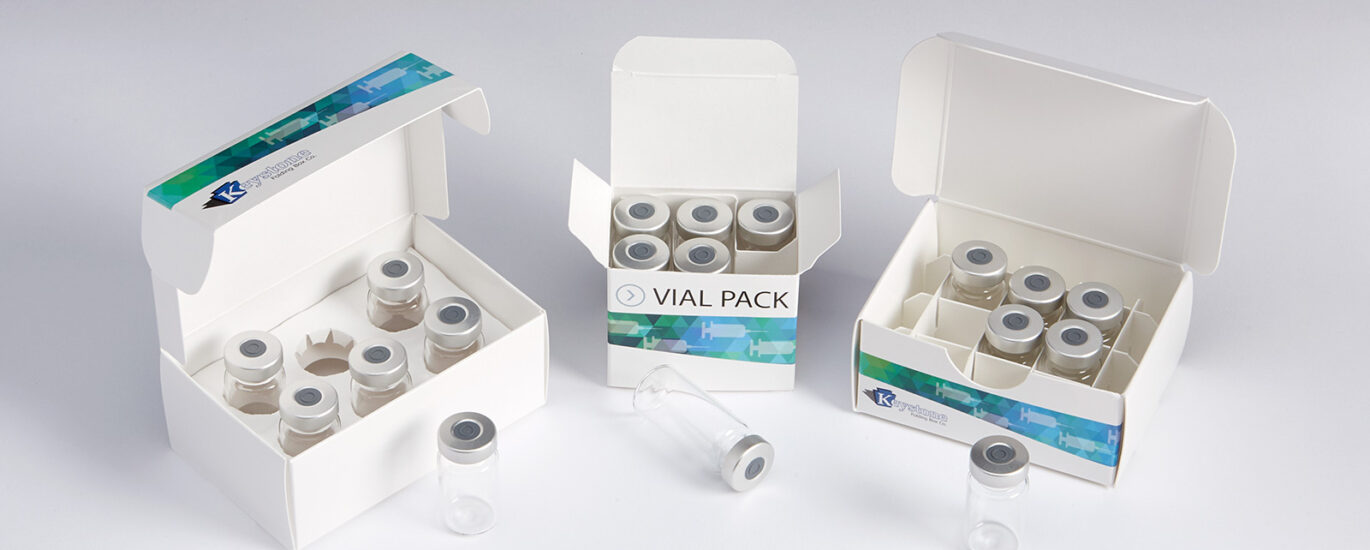
Vial Box Market is Poised to Grow at a Healthy CAGR of 3.8% from 2024 to 2034 | Future Market Insights, Inc.

The global vial box market, currently valued at USD 274.1 million in 2024, is projected to expand to USD 398.2 million by 2034, reflecting a steady compound annual growth rate (CAGR) of 3.8% over the forecast period. According to the latest industry report, the market, which generated revenue of USD 261.9 million in 2023, is set to witness a year-on-year (Y-o-Y) growth of 3.6% in 2024.

Plastic is expected to secure a leading position in the vial box market, driven by its extensive use due to several advantages such as lightweight properties, impact resistance, and affordability. Unlike glass, plastic vial boxes offer enhanced protection during transportation, reducing the likelihood of breakage.

In addition to its durability, plastic’s ability to be molded into various shapes enables customization, providing the option for personalized vial packaging solutions. Although glass continues to be used for high-end or sensitive pharmaceutical products, plastic remains the dominant material in the market due to its practicality, particularly in bulk production and handling.

See All the Details—Click Here for Full Report Information!

Prominent Drivers of the Vial Box Market

  • Growing Pharmaceutical Industry: The rising demand for vials in the pharmaceutical sector, driven by increasing production of vaccines, injectable drugs, and biologics, boosts the need for safe and secure vial packaging solutions.
  • Stringent Regulatory Requirements: Regulations around safe storage, handling, and transportation of vials require specialized packaging, such as vial boxes, to ensure product integrity and compliance.
  • Expansion of Biotechnology: As biotech companies develop more sensitive and high-value therapies, the demand for advanced packaging solutions, like vial boxes, for secure transport and storage is increasing.
  • Rise in Vaccination Programs: Global vaccination initiatives, especially in developing countries, are driving demand for safe, durable, and temperature-resistant vial boxes to distribute vaccines effectively.
  • Growth in Diagnostic Testing: The growing need for diagnostic tests, particularly during pandemics or disease outbreaks, has fueled the demand for safe vial packaging to ensure sample protection and sterility.

Key Takeaways from the Global Vial Box Industry:

  • The global vial box industry recorded a CAGR of 3.1% during the historical period (2019-2023).
  • The market reached a value of USD 261.9 million in 2023.
  • Canada is projected to grow at a 4.2% CAGR through 2034, indicating moderate growth in North America.
  • India is emerging as a key player in South Asia Pacific, with expected growth of 5.5% by 2034.
  • Germany is a prominent market in Europe, forecasted to grow at a 2.5% CAGR.
  • Glass vial boxes accounted for about 35% market share and are expected to grow further at a notable CAGR.
  • The overall vial box industry segment contributes 62% of the total market share.

Competitive Landscape

The leading players in the vial box market are focused on mergers and collaborations, which are driving sales of vial boxes. Companies also emphasize the use of high-quality, A-grade raw materials as well as new technology. The leading competitors in the vial box packaging industry are striving to be innovative and sustainable.

They produce innovative packaging solutions, including as temperature-controlled and tamper-evident vial boxes, to meet demand for high-quality pharmaceutical packaging. Furthermore, the corporations invest in environmentally friendly materials and innovative packaging technology, such as RFID tags for easier tracking. They boost their market positions by improving their product offerings and committing to global standards.

Key Players of Vial Box Industry

  • Acme Vial & Glass Company
  • Dongguan Yaolin Industrial Co.
  • Adelphi Healthcare Packaging
  • MicroSolv Technology Corporation
  • DWK Life Sciences
  • Thermo Fisher Scientific
  • Electron Microscopy Sciences
  • PPD&G
  • Merck KGaA
  • ZEE Packaging
  • CCL Healthcare
  • Corning Incorporated

Recent Industry Developments in Vial Box Market

  • In July 2024, Thermo Fisher Scientific Inc has announced that it has completed its acquisition of Olink Holding AB which is a leading provider of next-generation proteomics solutions.
  • In May 2023, DWK Life Sciences (“DWK”) announced the acquisition of Assem-Pak.
  • In July of 2022, MicroSolv Technology Corporation announced that it has finalized an agreement to acquire the assets of Applied Research Europe GmbH (ARE) which manufactures chromatography accessories.

Key Segments of Vial Box Industry

By Material:

In terms of material, the industry is divided into plastic, paper & paperboard, and glass. Plastic is further divided into polyethene, polypropylene, PET, and polystyrene.

By Capacity:

In terms of capacity, the industry is segregated as less than 1 ml, 1 to 10 ml, and more than 10 ml.

By End Use:

The industry is classified by end use as hospitals & clinics, drug manufacturer, clinical & forensic labs, and healthcare institutions.

By Region:

Key countries of North America, Latin America, Western Europe, Eastern Europe, South Asia & Pacific, East Asia, and Middle East and Africa (MEA), have been covered in the report.

About Future Market Insights (FMI)

Future Market Insights, Inc. (ESOMAR certified, recipient of the Stevie Award, and a member of the Greater New York Chamber of Commerce) offers profound insights into the driving factors that are boosting demand in the market. FMI stands as the leading global provider of market intelligence, advisory services, consulting, and events for the Packaging, Food and Beverage, Consumer Technology, Healthcare, Industrial, and Chemicals markets. With a vast team of over 400 analysts worldwide, FMI provides global, regional, and local expertise on diverse domains and industry trends across more than 110 countries.

Contact Us:     

Future Market Insights Inc.
Christiana Corporate, 200 Continental Drive,
Suite 401, Newark, Delaware – 19713, USA
T: +1-347-918-3531
For Sales Enquiries: sales@futuremarketinsights.com
Website: https://www.futuremarketinsights.com
LinkedInTwitterBlogs | YouTube

Global Flex Pack Coating Market is Expected to Generate USD 2,607.2 Million by 2034: Future Market Insights, Inc.

The global flex pack coating market is projected to experience robust growth over the next decade, with an estimated valuation of USD 2,036.7 million in 2024. According to industry forecasts, the market is expected to grow at a CAGR of 2.5% during the period from 2024 to 2034, reaching a value of USD 2,607.2 million by the end of 2034.

This upward trend is largely driven by the increasing adoption of eco-friendly packaging solutions across various industries. Companies are shifting towards sustainable packaging options that minimize the use of wrapping materials, reduce energy consumption, cut down on transportation costs, and extend the shelf life of products. These factors are expected to be key contributors to the market’s growth in the coming years.

Request Your Sample Now – Unlock Growth Potential and Discover Key Market Opportunities!

Additionally, advancements in barrier packaging technology are opening new avenues for the incorporation of flex pack layering, providing enhanced protection for products. The demand for flex coatings is being propelled by its growing application in diverse end-user sectors such as pharmaceuticals, food, and beverages. These industries are increasingly seeking reliable, efficient packaging solutions to ensure product safety and longevity.

Key Takeaways: Flex Pack Coating Market

  • The global demand for flex pack layering is projected to grow at a CAGR of 1.9% between 2019 and 2023, reaching a market value of USD 1,969.8 million by 2023.
  • By 2034, the Spain market is anticipated to grow at a CAGR of 2.5%.
  • The China market is expected to report a CAGR of 4.2% by 2034.
  • From 2024 to 2034, India’s eating trends are projected to show a CAGR of 4.6%.
  • Epoxy coating is predicted to account for 31.2% of the revenue in 2024.
  • Manufacturers are expected to prefer polyethylene in 2024, representing 32.7% of the market share.

Competitive Landscape

The growing need for flexible packaging solutions in industries such as consumer goods, pharmaceuticals, and food and beverage has resulted in a significant boom in the flex pack coating business in recent years. These coatings are specialized compounds that are applied to flexible substrates to enhance their printability, aesthetics, and barrier protection. They are vital for meeting regulatory requirements, extending product shelf life, and improving visual appeal.

As customers become more environmentally conscious, market participants are expected to shift to more sustainable and convenient packaging solutions. Flex coatings maintain the freshness and integrity of items while offering lightweight, recyclable, and biodegradable alternatives. Businesses are getting into the healthcare industry through specialized areas including industrial applications and medical packaging.

Key Players of Flex Pack Coating Industry

  • FPS Pty Ltd
  • Innovative FlexPak LLC
  • Flex Film Ltd
  • LEIPA Georg Leinfelder GmbH
  • Balmer Lawrie & Co. Ltd
  • Uflex Ltd
  • Amcor Plc
  • Sigma Plastics Group
  • Sealed Air Corp
  • Berry Global Inc.
  • DuPont Co.
  • Winpak Ltd

Recent Industry Developments in Flex Pack Coating Market

  • In February 2024, UFlex introduced innovative packaging films in Q3 2024, winning multiple awards and securing patents. These films are designed for various packaging needs, including dry beverages, chips, snacks, and health and beauty care products. They offer superior oxygen and moisture barriers, excellent seal integrity, and high-performance properties.
  • In September 2023, Labelexpo Europe 2023 featured a ‘Flex Pack Trail’, showcasing digital and conventional press technologies, flex pack material constructions, coating, laminating, ink and curing requirements, and in-line and near-line decoration options.
  • In August 2023, Sappi and Xeikon developed Titon, a dry toner for paper-based flexible packaging. The toner combines food-safe and odorless properties with UV ink’s resistance to chemicals and mechanical abrasion. It can print directly onto paper-based packaging materials without varnishing or lamination and has passed the Nestlé Standard on Printing Inks for Food Packaging.

Key Segments of Flex Pack Coating Industry

By Coating Type:

Based on the coating types, the industry is divided into epoxy coatings, acrylic coatings, urethane and polyurethane coatings, lacquer coatings, plasma coatings, polyesters coatings, phenolic coatings, and others such as silicon and hybrid.

By Substrate:

In terms of substrate, the industry is segregated as polyethylene (PE), polypropylene (PP), polyethylene terephthalate (PET), polyamide (PA), poly vinyl chloride (PVC), and polystyrene (PS).

By End Use:

Based on the End Use Industries of the coatings, the demand is categorized into food and beverages, pharmaceuticals, cosmetic and personal care, chemicals, electrical and electronics, automotive, and other industries.

By Region:

Key countries of North America, Latin America, Europe, East Asia, South Asia & Pacific, Middle East and Africa (MEA), have been covered in the report.

About Future Market Insights (FMI)

Future Market Insights, Inc. (ESOMAR certified, recipient of the Stevie Award, and a member of the Greater New York Chamber of Commerce) offers profound insights into the driving factors that are boosting demand in the market. FMI stands as the leading global provider of market intelligence, advisory services, consulting, and events for the Packaging, Food and Beverage, Consumer Technology, Healthcare, Industrial, and Chemicals markets. With a vast team of over 400 analysts worldwide, FMI provides global, regional, and local expertise on diverse domains and industry trends across more than 110 countries.

Contact Us:     

Future Market Insights Inc.
Christiana Corporate, 200 Continental Drive,
Suite 401, Newark, Delaware – 19713, USA
T: +1-347-918-3531
For Sales Enquiries: sales@futuremarketinsights.com
Website: https://www.futuremarketinsights.com
LinkedInTwitterBlogs | YouTube