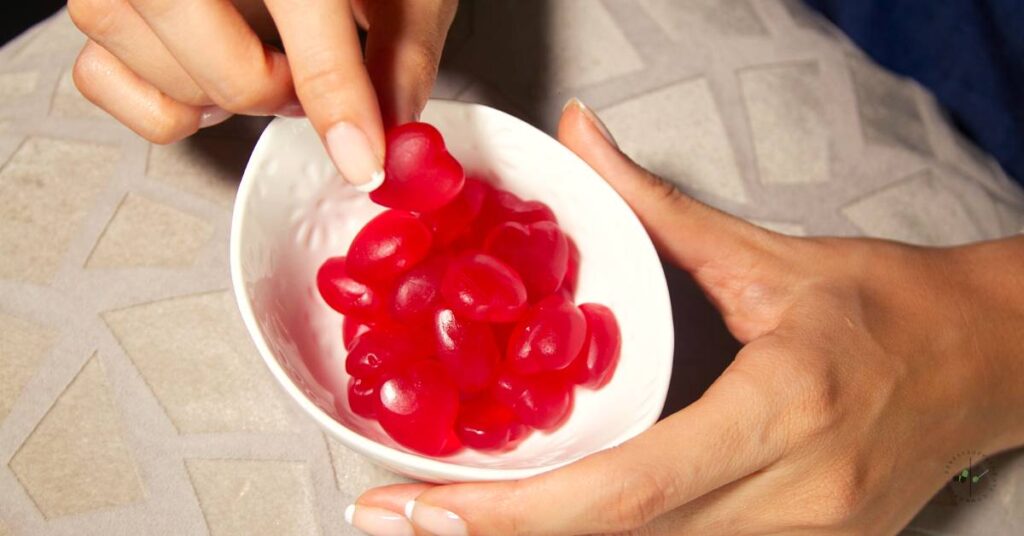
Sleep Gummies Market Primed for 7.3% CAGR Growth by 2034, Tapping into Rising Sleep Health Awareness

Sleep Gummy

According to Future Market Insights (FMI), the global sleep gummy market is expected to grow from USD 447.1 million in 2024 to USD 908.2 million by 2034. It is estimated to witness a 7.3% CAGR in the assessment period 2024 to 2034. 

The growing number of sleep disorders among consumers is driving the sleep gummy market’s expansion. The need to treat illnesses that induce sleep deprivation, such as mental disorders, physical ailments & disturbances, and environmental factors, is further propelling the sleep gummy market.

The demand for sleep gummies is expected to rise as more people have insomnia due to high levels of stress. The growing inclination toward natural health goods and the rising popularity of functional food items like gummies all contribute to the market expansion.

The sleep gummy market is further expanding due to the increasing popularity of gummies among consumers due to their taste and health advantages. The introduction of sleep gummies as an extra snack and aid in sustaining good sleep without a prescription fuels the industry’s growth.

Key Takeaways from the Report:

  • The market is expected to reach a valuation of US$ 908.2 million by 2034.
  • Global demand for sleep gummies is set to surge at 7.3% CAGR over the forecast period.
  • Europe is projected to hold a value share of 23.9% in the global market by 2034.
  • The United States sleep gummy market is projected to reach a valuation of US$ 163.5 million by 2034.
  • India is estimated to witness a value CAGR of 6.1% during the projection period.

“Introducing flavors and textures for limited-edition and seasonal gummies is expected to generate buzz and boost sales at particular periods of the year or for special events. When consumers buy sleep gummies, brands are set to provide personalized choices that let them select the tastes and textures they want. This results in a distinctive and customized experience.” –Nandini Roy Choudhury, Client Partner at Future Market Insights

Competitive Landscape

Leading companies in the market are Olly Sleep, Nature Made Sleep, Vitafusion SleepWell, Zarbee’s Naturals Sleep, and Natrol Melatonin. Key players are developing new sleep gummy formulations by researching and incorporating effective sleep-enhancing ingredients. Innovations often include creating tailored products for specific sleep concerns or demographics.

Effective marketing campaigns, educational content, and expert or influencer endorsements help companies build strong brand identities and trust among consumers. Players also adhere to strict quality control measures, ensuring their sleep gummies meet regulatory standards and consistently deliver high quality and safety.

For instance,

  • In January 2023, Vicks launched ‘ZzzQuil Natura gummies,’ which is a sleep supplement.
  • In November 2022, Natrol introduced MelatoninMax, a sleep supplement product offering 10 milligrams of melatonin in a single gummy.

Explore the full report for expert analysis.

Sleep Gummy Market Segmentation by Category

By Primary Ingredient:

  • Melatonin
  • Herbal Extracts
  • Magnesium
  • L-theanine
  • Vitamin and Minerals
  • Dietary Fiber
  • Prebiotics and Probiotics
  • Polyunsaturated and Fatty Acids
  • Antioxidants

By Customer Orientation:

  • Men
    • Sleep Support
    • Relaxation
    • Sleep Cycle Regulation
  • Women
    • Sleep Support
    • Relaxation
    • Sleep Cycle Regulation
    • Skin Repair
  • Geriatric
    • Sleep Support
    • Relaxation
    • Sleep Cycle Regulation

By Pack Size:

  • 30-Count
  • 60-Count
  • 90-Count
  • 120-Count or Higher

By Sales Channel:

  • Prescription-based
  • Over the Counter
    • Modern Trade
    • Hospital Pharmacies
    • Retail Pharmacies
    • Drug Store
    • Online Pharmacies

By Product Claim:

  • Organic
  • Vegan
  • All Natural
  • Regular

By Region:

  • Latin America
  • North America
  • Europe
  • East Asia
  • South Asia
  • Oceania
  • Middle East and Africa

About Future Market Insights (FMI)

Future Market Insights, Inc. (ESOMAR certified, recipient of the Stevie Award, and a member of the Greater New York Chamber of Commerce) offers profound insights into the driving factors that are boosting demand in the market. FMI stands as the leading global provider of market intelligence, advisory services, consulting, and events for the Packaging, Food and Beverage, Consumer Technology, Healthcare, Industrial, and Chemicals markets. With a vast team of over 400 analysts worldwide, FMI provides global, regional, and local expertise on diverse domains and industry trends across more than 110 countries.

Join us as we commemorate 10 years of delivering trusted market insights. Reflecting on a decade of achievements, we continue to lead with integrity, innovation, and expertise.

Contact FMI:
Future Market Insights Inc.
Christiana Corporate, 200 Continental Drive,
Suite 401, Newark, Delaware – 19713, USA
T: +1-347-918-3531
For Sales Enquiries: sales@futuremarketinsights.com
Website:https://www.futuremarketinsights.com
LinkedIn| Twitter| Blogs | YouTube

Carnosic Acid Market to Grow with 10.1% CAGR through 2034, Driven by Food and Pharma Applications

Carnosic Acid

According to Future Market Insights (FMI), the global market for carnosic acid is expected to expand from USD 92.7 million in 2024 to USD 152.4 million by 2034. The market is expected to surge at 10.1% CAGR from 2024 to 2034.

The full potential of carnosic acid in pharmaceuticals, nutraceuticals, and other sectors highlights its versatile nature and potential health benefits. In the food industry, carnosic acid is used as a natural preservative and antioxidant to extend the shelf-life of food products and prevent lipid oxidation. Carnosic acid is further widely used in the cosmetic industry for its potential anti-aging and skin-protective properties.

Increasing demand for natural and clean-label ingredients is driving demand for carnosic acid. As consumers become more conscious about their health and well-being, there is a growing preference for products free from synthetic additives and chemicals.

Manufacturers are responding to this demand by incorporating carnosic acid into their product formulations as a natural antioxidant and preservative. Manufacturers offer products with extended shelf life and improved stability by using carnosic acid while meeting consumers’ desire for clean-label products.

The carnosic acid market is thriving, driven by consumer demand for natural food preservatives and a health-conscious approach. E-commerce strategies further boost accessibility, marking a dynamic phase in the industry’s growth.

Key Takeaways from the Carnosic Acid Report:

  • The carnosic acid market is projected to grow at a CAGR of 10.1% during the forecast period.
  • The United States carnosic acid market is expected to grow at a CAGR of 5.6% by 2034.
  • Based on function, the food preservatives segment is expected to hold a leading market share of 50.2% in 2024.
  • The United Kingdom is projected to grow at 7.3% CAGR by 2034.
  • Japan’s carnosic acid market is expected to reach US$ 3.5 million by 2034.

“The market’s leading players and anticipated future demand for carnosic acid are expected to have a significant impact on how the sector develops. Demand is projected to be driven by a number of variables through the forecast period, including changes in consumer behavior, worldwide trends, legislative changes, and technical improvements.” – says a lead analyst at Future Market Insights (FMI).

Competitive Landscape

Leading companies in the carnosic acid market are Matrix Life Science, Fuqing King Dnarmsa Spirulina Co. Ltd., Now Foods, and Kent BioEnergy Corporation. Leading companies are expanding their product portfolios and employing advertising, partnerships, acquisitions, agreements, and mergers to maintain market relevance and drive growth.

For instance,

  • Matrix Life Science is a leading manufacturer and supplier of natural ingredients from 100% non-GMO sources, including rosemary extracts, phytosterols, and tocopherols (vitamin E).
  • Jiangxi Global Natural Spices Co., Ltd. is well-known for being the most established business worldwide. For more than a decade, it has developed and produced natural essential oils, plant oils, and natural terpenes.

Get More Valuable Insights

Future Market Insights (FMI), in its new offering, provides an unbiased analysis of the global carnosic acid market, presenting historical demand data (2019 to 2023) and forecast statistics for the period from 2024 to 2034.

The study incorporates compelling insights on the carnosic acid market based on function (antioxidant and food preservatives), application (food, dietary supplements, pharmaceuticals, pet foods, cosmetics/personal care), and form (powder and liquid) across several regions.

Download the full report for in-depth insights.

Carnosic Acid Market Segmentation by Category

By Function:

  • Antioxidant
  • Food Preservatives

By Application:

  • Food
  • Dietary Supplements
  • Pharmaceuticals
  • Pet Foods
  • Cosmetics/Personal Care

By Form:

  • Liquid
  • Powder

By Region:

  • North America
  • Latin America
  • Europe
  • East Asia
  • South Asia
  • Oceania
  • Middle East and Africa

About Future Market Insights (FMI)

Future Market Insights, Inc. (ESOMAR certified, recipient of the Stevie Award, and a member of the Greater New York Chamber of Commerce) offers profound insights into the driving factors that are boosting demand in the market. FMI stands as the leading global provider of market intelligence, advisory services, consulting, and events for the Packaging, Food and Beverage, Consumer Technology, Healthcare, Industrial, and Chemicals markets. With a vast team of over 400 analysts worldwide, FMI provides global, regional, and local expertise on diverse domains and industry trends across more than 110 countries.

Join us as we commemorate 10 years of delivering trusted market insights. Reflecting on a decade of achievements, we continue to lead with integrity, innovation, and expertise.

Contact FMI:
Future Market Insights Inc.
Christiana Corporate, 200 Continental Drive,
Suite 401, Newark, Delaware – 19713, USA
T: +1-347-918-3531
For Sales Enquiries: sales@futuremarketinsights.com
Website:https://www.futuremarketinsights.com
LinkedIn| Twitter| Blogs | YouTube
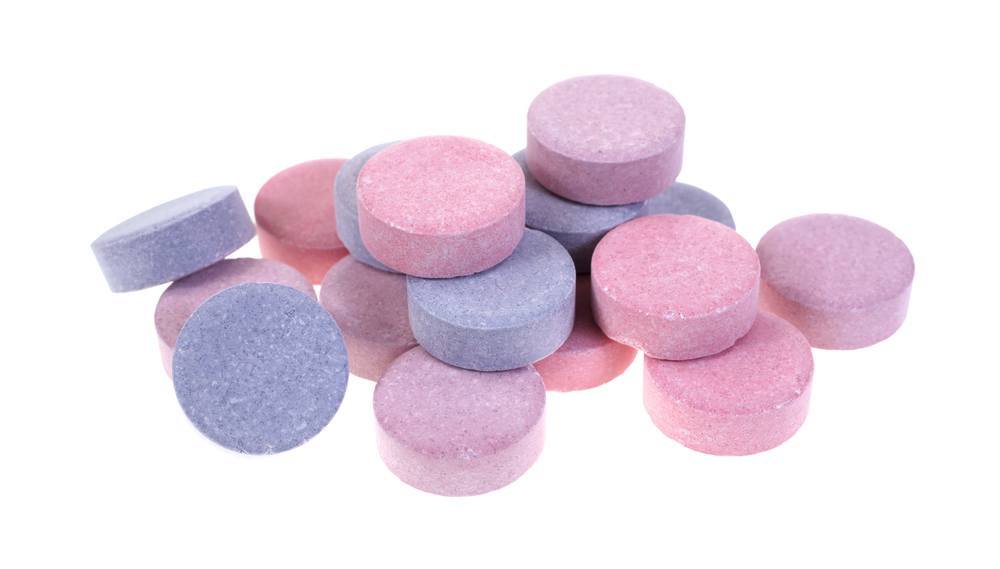
Chewable Energy Tablets Market Valued to Hit USD 1.12 Billion by 2034 as Convenience Trend Rises

Chewable Energy Tablet
The global chewable energy tablet market value is estimated to total USD 478.9 million in 2024. It will likely exhibit a CAGR of 8.9% throughout the forecast period, totaling a valuation of USD 1,120.6 million by 2034.

Consumers mostly prefer orange-flavored chewable energy tablets owing to their perceived health benefits and other advantages. As per the latest analysis, the orange flavor segment will likely progress at a CAGR of 5.6% through 2034.

Several factors are predicted to fuel the growth of the chewable energy tablet industry during the assessment period. These include:

  • Increasing demand for convenient and portable energy sources
  • Growing health consciousness
  • Rising preference of fitness enthusiasts towards chewable energy products
  • Escalating demand for functional foods
  • Availability of chewable energy tablets in a wide range of flavors

The market for chewable energy tablets is experiencing significant growth, driven by increasing consumer demand for convenient and portable energy-boosting products. These tablets offer an alternative to traditional energy drinks, shots, or caffeine pills, providing a quick and convenient way to boost energy levels on the go.

Chewable energy tablets are portable and easy to consume without the need for water. This is making them convenient for busy individuals, athletes, travelers, and students who need a quick energy boost anytime, anywhere.

Manufacturers offer a variety of formulations to cater to different preferences and dietary needs. Some chewable energy tablets contain caffeine derived from natural sources like green tea extract or guarana, while others may include vitamins, minerals, amino acids, or herbal extracts known for their energy-boosting properties.

As consumers become more health-conscious, there is a growing demand for energy products that provide sustained energy without the excessive sugar and calories found in many traditional energy drinks. Chewable energy tablets often contain low or no-sugar formulations, appealing to health-conscious consumers.

Companies in the chewable energy tablet market target specific consumer demographics, including athletes, students, professionals, and those leading active lifestyles. Marketing strategies focus on promoting the tablets’ benefits, such as increased focus, alertness, and endurance, to resonate with their target audience.

Chewable energy tablets are widely available in pharmacies, convenience stores, supermarkets, and online retailers, making them easily accessible to consumers. Overall, the chewable energy tablet market is expected to continue growing as consumers seek convenient and effective solutions to support their energy needs in today’s fast-paced lifestyles.

Key Takeaways from the Chewable Energy Tablets Market Study:

  • The global market for chewable energy tablets is set to total US$ 1,120.6 million by 2034.
  • Based on ingredient type, the caffeine segment will account for a value share of 35.6% by 2034.
  • By flavor, the orange segment is expected to hold a dominant market share of 54.3% in 2034.
  • The United States market value is predicted to reach US$ 313.8 million in 2034.
  • Chewable energy tablet demand in Japan is projected to expand at 7.1% CAGR through 2034.

“Persistent innovation in formulation, flavor, and packaging is essential to differentiate offerings and meet evolving consumer preferences for convenience, health, and taste. Strong marketing strategies that effectively communicate product benefits, target specific consumer demographics, and build brand loyalty are crucial for capturing market share and sustaining growth in a competitive market landscape,” – Nandini Roy Choudhury, Client Partner at Future Market Insights

Who is Winning?

A few of the leading chewable energy tablet manufacturers listed in the report include Nutra Healthcare Private Limited, Nirvana Being, Gnova Biotech Pvt.Ltd, Piping Rock, BNK Healthcare, Pharmaco Healthcare, Lift, GNC, Nature’s Bounty, NOW Foods, NutraBio, Optimum Nutrition, BPI Sports, Cellucor, and Clif Bar.

Established brands with strong market presence and brand loyalty enjoy a competitive edge. They often invest in extensive marketing campaigns, sponsorships, and endorsements to maintain visibility and attract consumers.

Newer entrants can challenge incumbents by offering innovative products and disruptive marketing strategies. Pricing plays a significant role in competitive positioning. While premium brands may command higher prices based on perceived quality or exclusivity, budget-friendly options appeal to price-sensitive consumers.

Competitors continually adjust their pricing strategies to maintain competitiveness while ensuring profitability. Access to efficient distribution networks is critical for reaching target markets and gaining market share. Companies may leverage a combination of retail channels to maximize their profits.

Unlock the complete analysis—get the full report now.

Recent Development:

  • In 2022, Ashland introduced a new Nutrapress organic chewable base for chewable dietary supplements.

Get Valuable Insights into the Chewable Energy Tablet Market:

Future Market Insights (FMI), in its new offering, provides an unbiased analysis of the chewable energy tablet industry, presenting historical demand data (2019 to 2023) and forecast statistics for the period from 2024 to 2034. The study provides market growth projection based on ingredient type (vitamin C, vitamin B, zinc, caffeine, calcium, magnesium, others [chloride, sodium, potassium]), flavors (raspberry, blueberry, lemon & lime, orange, others (blackberry), and sales channel (hospital pharmacies, retail pharmacies, drug stores, online pharmacies, and hypermarkets/supermarkets) across seven major regions.

About Future Market Insights (FMI)

Future Market Insights, Inc. (ESOMAR certified, recipient of the Stevie Award, and a member of the Greater New York Chamber of Commerce) offers profound insights into the driving factors that are boosting demand in the market. FMI stands as the leading global provider of market intelligence, advisory services, consulting, and events for the Packaging, Food and Beverage, Consumer Technology, Healthcare, Industrial, and Chemicals markets. With a vast team of over 400 analysts worldwide, FMI provides global, regional, and local expertise on diverse domains and industry trends across more than 110 countries.

Join us as we commemorate 10 years of delivering trusted market insights. Reflecting on a decade of achievements, we continue to lead with integrity, innovation, and expertise.

Contact FMI:
Future Market Insights Inc.
Christiana Corporate, 200 Continental Drive,
Suite 401, Newark, Delaware – 19713, USA
T: +1-347-918-3531
For Sales Enquiries: sales@futuremarketinsights.com
Website:https://www.futuremarketinsights.com
LinkedIn| Twitter| Blogs | YouTube

Global Lupin Milk Market to Reach USD 66.6 Million by 2034, Driven by Nutritional Demand

The global lupin milk market is experiencing impressive growth, driven by the increasing demand for plant-based milk alternatives among consumers. Lupin milk, derived from the lupin bean, offers a high-protein, low-fat alternative to conventional dairy and has gained significant popularity due to its nutritional profile and environmentally sustainable production. According to recent market research, the lupin milk market is projected to expand at a compound annual growth rate (CAGR) of 9.8% over the next decade, making it one of the fastest-growing segments in the plant-based dairy industry.

The global lupin milk market is expected to grow from USD 39.0 million in 2024 to USD 66.6 million by 2034. By 2034, the market is projected to surge at 9.8% CAGR.

North America and Europe are the largest regional markets for lupin milk, accounting for over 60% of the global market share as of 2024. This growth is fueled by a rising health-conscious population and strong regulatory support for plant-based food production. The European market, particularly, has embraced lupin-based products due to regional dietary preferences, which favor high-protein, vegan-friendly foods. Meanwhile, the Asia-Pacific region is anticipated to exhibit the highest growth rate over the forecast period, driven by a surge in lactose intolerance cases and increasing consumer preference for natural, plant-based foods.

The market is seeing substantial traction in retail, with grocery chains, health food stores, and online platforms increasingly stocking lupin milk products. Additionally, prominent brands in the food and beverage sector are launching innovative lupin milk variants, often infused with flavors like vanilla and chocolate to appeal to a broader consumer base. This widespread availability and growing acceptance among mainstream consumers are poised to drive market growth further.

Furthermore, lupin milk’s high nutritional value is gaining attention in the sports and fitness sector, with athletes and health enthusiasts opting for it due to its protein content. As a rich source of essential amino acids, lupin milk supports muscle recovery and overall health, which has spurred its adoption among fitness-conscious individuals. The demand for lupin milk within specialty markets is expected to grow as awareness of these nutritional benefits spreads globally.

Growth Drivers and Opportunities

The expansion of the lupin milk market is underpinned by several key growth drivers. Rising health consciousness among consumers and a shift towards plant-based diets are significant factors contributing to the market’s growth. Many consumers are increasingly aware of the adverse health effects associated with dairy, such as lactose intolerance, high cholesterol, and allergies. Lupin milk, which is naturally free of lactose and low in saturated fat, presents a viable alternative for those seeking dairy-free options.

Environmental sustainability is another critical growth driver. As consumers prioritize eco-friendly products, the lupin milk industry benefits from lupin’s low environmental impact. Compared to traditional dairy farming, lupin cultivation requires less water and emits fewer greenhouse gases. These sustainable attributes position lupin milk as an attractive choice for environmentally conscious consumers and align with global efforts to reduce carbon emissions.

The market also presents ample growth opportunities, particularly in product innovation and expansion into emerging markets. Leading manufacturers are investing in research and development to create new flavors, organic offerings, and fortified lupin milk products enriched with vitamins and minerals. These innovations cater to specific consumer demands and help differentiate brands in a competitive market. Furthermore, with the Asia-Pacific and Latin American markets showing high demand potential, there is a notable opportunity for companies to expand their geographic presence.

Access the full report for detailed market trends. https://www.futuremarketinsights.com/reports/lupin-milk-market

Key Takeaways from Market Study

  • Strong Market Growth: The global lupin milk market is projected to grow at a CAGR of 7.5% through 2033, driven by increasing demand for plant-based and high-protein milk alternatives.
  • Regional Leadership: North America and Europe lead in market share, with Asia-Pacific anticipated to experience the highest growth rate due to rising lactose intolerance and health consciousness.
  • Environmental Edge: Lupin milk stands out for its sustainability, requiring less water and yielding a lower carbon footprint than traditional dairy products, which resonates with environmentally aware consumers.
  • Product Innovation: Companies are innovating in flavors and fortified offerings, including organic and nutrient-enriched options, to cater to diverse consumer needs and enhance market appeal.
  • Health & Fitness Market: High protein content and essential amino acids make lupin milk attractive to health-conscious consumers and athletes, marking its entry into specialty health markets.

As the global market for lupin milk continues to grow, industry players are well-positioned to capitalize on the changing consumer landscape. By focusing on product innovation, geographic expansion, and environmental sustainability, the lupin milk market is expected to maintain its upward trajectory, contributing to the broader plant-based food industry’s rapid expansion.

Key Companies Profiled

  • Lupin Foods Australia
  • Prolupin
  • SIG Combibloc
  • PURIS
  • Made With Luve

Lupin Milk Market Segmentation by Category

By Product Type:

  • Plain
  • Flavored

By Source:

  • Organic
  • Conventional

By End-use Application:

  • Food & Beverages
  • Bakery and Confectionary
  • Personal Care
  • Retail Sales

By Distribution Channel:

  • Hypermarket/Supermarket
  • Convenience Stores
  • Wholesale Stores
  • Specialty Stores
  • B2B

By Region:

  • North America
  • Latin America
  • Europe
  • South Asia
  • East Asia
  • Oceania
  • Middle East and Africa

About Future Market Insights (FMI)

Future Market Insights, Inc. (ESOMAR certified, recipient of the Stevie Award, and a member of the Greater New York Chamber of Commerce) offers profound insights into the driving factors that are boosting demand in the market. FMI stands as the leading global provider of market intelligence, advisory services, consulting, and events for the Packaging, Food and Beverage, Consumer Technology, Healthcare, Industrial, and Chemicals markets. With a vast team of over 400 analysts worldwide, FMI provides global, regional, and local expertise on diverse domains and industry trends across more than 110 countries.

Join us as we commemorate 10 years of delivering trusted market insights. Reflecting on a decade of achievements, we continue to lead with integrity, innovation, and expertise.

Contact FMI:
Future Market Insights Inc.
Christiana Corporate, 200 Continental Drive,
Suite 401, Newark, Delaware – 19713, USA
T: +1-347-918-3531
For Sales Enquiries: sales@futuremarketinsights.com
Website:https://www.futuremarketinsights.com
LinkedIn| Twitter| Blogs | YouTube

Mineral Yeast Market Anticipates Robust 10.3% CAGR from 2024 to 2034 | Future Market Insights

Mineral Yeast Market

The mineral yeast market is likely to be valued at USD 79.2 million in 2024 and is anticipated to reach USD 211.2 million by 2034. The market is expected to evolve at a CAGR of 10.3% from 2024 to 2034.

Packed with B12 and antioxidants, mineral yeast is a reliable source to protect the body from environmental toxins. Industries such as food and beverages, animal feed, cosmetics, and skincare, among others, are driving the market during the forecast period. Innovation of products with the aromatic properties of yeast is rising demand for yeast products in nutritional baking formulations.

The food and beverage industry is seeing mineral yeast, enriched with essential minerals like zinc, selenium, iron, and magnesium, being incorporated into various products. From bakery items to dairy alternatives, functional beverages, and snacks, mineral yeast is recognized for its ability to enhance both the nutritional profile and flavor of food and beverage offerings. The growing trend of functional and health-conscious consumer choices has fueled the adoption of mineral yeast as a natural and bioavailable source of essential minerals.

Animal nutrition constitutes another significant end-use application for mineral yeast. Livestock and poultry require essential minerals for growth, reproduction, and overall well-being. Mineral yeast, when incorporated into animal feed formulations, serves as a natural and bioavailable source of minerals, contributing to the health and productivity of animals. As the global demand for high-quality animal products continues to rise, the inclusion of mineral yeast in animal nutrition is expected to remain a key practice.

There is increasing consumer demand for health and wellness products as consumers become more health-conscious, leading manufacturers to develop and promote mineral yeast products. Manufacturers are extolling the virtues of zinc yeast in their advertising activities. This strategic response aligns with the consumer’s preference for functional and health-enhancing products, thereby driving sales,” says an FMI analyst

Key Takeaways from the Mineral Yeast Market:

  • Between 2019 and 2024, the mineral yeast market progressed at a CAGR of 7.8%.
  • Japan is set to record a CAGR of 9.4% in the mineral yeast market over the forecast period.
  • Other Asian countries with the potential for mineral yeast demand include China and India. The market is expected to register a CAGR of 6.7% and 8.0% in China and India, respectively, over the forecast period.
  • The sales of mineral yeast are expected to register a CAGR of 10.3% in the United States.

Competition Analysis of the Mineral Yeast Market

Keeping the product line moving and innovative launches are a key focus for market players. Collaborative strategies, as well as mergers and acquisitions, are being resorted to expand demand. Some of the key companies in the market include SCETI K.K., LALLEMAND Inc., AB Biotek Human Nutrition & Health, and Angel Yeast Co., Ltd.

For instance, in 2022, Angel Yeast, a yeast extract manufacturer, displayed a wide array of yeast-infused products at FIC 2022 in Guangzhou, China.

Dive deeper—click here for the comprehensive report.

Mineral Yeast Market by Category

By Product Type:

  • Zinc Yeast
  • Calcium Yeast
  • Selenium Yeast
  • Iron Yeast
  • Others (Magnesium Yeast)

By End-use Application:

  • Food and Beverages
  • Animal Feed
  • Cosmetics and Skincare
  • Agriculture
  • Dietary Supplements
  • Others (Pharmaceuticals)

By Region:

  • North America
  • Latin America
  • Europe
  • East Asia
  • South Asia
  • Oceania
  • The Middle East & Africa

About Future Market Insights (FMI)

Future Market Insights, Inc. (ESOMAR certified, recipient of the Stevie Award, and a member of the Greater New York Chamber of Commerce) offers profound insights into the driving factors that are boosting demand in the market. FMI stands as the leading global provider of market intelligence, advisory services, consulting, and events for the Packaging, Food and Beverage, Consumer Technology, Healthcare, Industrial, and Chemicals markets. With a vast team of over 400 analysts worldwide, FMI provides global, regional, and local expertise on diverse domains and industry trends across more than 110 countries.

Join us as we commemorate 10 years of delivering trusted market insights. Reflecting on a decade of achievements, we continue to lead with integrity, innovation, and expertise.

Contact FMI:
Future Market Insights Inc.
Christiana Corporate, 200 Continental Drive,
Suite 401, Newark, Delaware – 19713, USA
T: +1-347-918-3531
For Sales Enquiries: sales@futuremarketinsights.com
Website:https://www.futuremarketinsights.com
LinkedIn| Twitter| Blogs | YouTube

Vitamin Yeast Market Set for Strong Growth, Expected to Reach USD 148 Million by 2034 with 8.3% CAGR

Vitamin Yeast Market
The vitamin yeast market is valued at USD 66.7 million in 2024, and it is projected to reach USD 148.0 million by 2034. Over the next decade, global vitamin yeast demand is likely to increase at a promising CAGR of 8.3%.

Yeast is extensively used in the food industry and dietary supplements as a valuable source of essential nutrients, particularly B vitamins. Among other vitamins, yeast’s protein and mineral content contribute to its nutritional appeal among health-conscious consumers.

Growing demand for dietary supplements is likely to propel sales of vitamin yeast, which helps meet daily nutritional needs. Growing knowledge that consuming vitamin yeast is instrumental in preserving neurological processes, energy metabolism, and general health is supporting market growth.

For many people on plant-based diets, yeast supplements, which frequently include fortified vitamin B12, are an easy way to get this crucial nutrient, which is normally found in animal products. The growing emphasis on overall health has resulted in a rise in the use of supplements containing yeast in daily routines.

“Vitamin yeast market has been experiencing significant growth and attention in recent years due to its increasing use in the food and beverages industry as well as in dietary supplements,” says a lead analyst at FMI

Key Takeaways from the Vitamin Yeast Industry Report:

  • The global vitamin yeast marketis expected to reach a valuation of US$ 148.0 million by 2034.
  • Japan is projected to have a leading value share of 1% in the global market by 2034.
  • The market for vitamin yeast in the United States is estimated to reach a valuation of US$ 31.6 million by 2034.
  • India vitamin yeast sales to reach a valuation of US$ 19.5 million by 2034.
  • Germany is projected to hold a value share of 1% in the global market by 2034, dominating the industry in Europe.
  • The United States is leading the sale in terms of value and volume share and is calculated to have a value share of 4% in the market by 2034.

Competitive Landscape

Now Foods, Amway, Urban Platter, Bragg Desire, Sharrets Nutrition, and Namo Organics are key vitamin yeast manufacturers listed in the report. Many of these companies are employing laser focus to extend their product portfolio, supported by vigorous research and development activities. Other key strategies that promote market growth are acquisitions, mergers, advertisements, agreements, and partnerships.

Recent Developments in the Vitamin Yeast Market

  • In August 2023, Kerry introduced Wellmune Adapt, which is a 2-in-1 ingredient fusion for stress and immunity. The product contains baker’s yeast beta 1,3/1,6 glucan ingredient.
  • In October 2023, Cult Food Science introduced Vegan Cat Treats through its sub-brand Noochies. The new product deploys the firm’s patented Bmmune nutritional yeast ingredient.
  • In 2022, Angel Yeast, a yeast extract manufacturer, showcased its yeast-based products in food additives and ingredients expo at FIC in China. The company’s offering included health and fermentation ingredients.

Explore the full report for expert analysis.

Vitamin Yeast Market by Category

By Vitamin Composition:

  • Single Vitamin Yeast Products
  • Multivitamin Yeast Products

By Application:

  • Food and Beverages
  • Dietary Supplements
  • Pharmaceuticals
  • Others (Aquaculture, Sports Nutrition)

By Product Claim:

  • Organic
  • Non-GMO
  • Gluten-free
  • Other

By Region:

  • North America
  • The Middle East and Africa
  • Asia Pacific
  • Europe
  • Latin America

About Future Market Insights (FMI)

Future Market Insights, Inc. (ESOMAR certified, recipient of the Stevie Award, and a member of the Greater New York Chamber of Commerce) offers profound insights into the driving factors that are boosting demand in the market. FMI stands as the leading global provider of market intelligence, advisory services, consulting, and events for the Packaging, Food and Beverage, Consumer Technology, Healthcare, Industrial, and Chemicals markets. With a vast team of over 400 analysts worldwide, FMI provides global, regional, and local expertise on diverse domains and industry trends across more than 110 countries.

Join us as we commemorate 10 years of delivering trusted market insights. Reflecting on a decade of achievements, we continue to lead with integrity, innovation, and expertise.

Contact FMI:
Future Market Insights Inc.
Christiana Corporate, 200 Continental Drive,
Suite 401, Newark, Delaware – 19713, USA
T: +1-347-918-3531
For Sales Enquiries: sales@futuremarketinsights.com
Website:https://www.futuremarketinsights.com
LinkedIn| Twitter| Blogs | YouTube

The Bamboo Market: A Growing Industry Driven by Sustainability and Innovation

Bamboo Market
Bamboo Market

The bamboo market is experiencing remarkable growth, with demand projected to surge at a compound annual growth rate (CAGR) of 10.9% between 2024 and 2034. This growth is driven by the increasing consumer preference for sustainable and eco-friendly materials, as well as the versatile applications of bamboo across various industries, including construction, textiles, and furniture. By 2034, the market is estimated to reach an impressive valuation of USD 20,388.7 million, reflecting a significant shift towards greener alternatives and innovative product development. As awareness of environmental issues continues to rise, bamboo’s appeal as a renewable resource is likely to further fuel its expansion in the global market.

The global bamboo market is experiencing significant growth, driven by rising consumer awareness regarding sustainability and eco-friendly materials. With its versatility, bamboo is making its mark across various industries, including construction, textiles, furniture, and biofuels. This press release provides insights into the bamboo market, its growth drivers, emerging trends, and potential opportunities.

Understanding the Bamboo Market

Bamboo, known for its rapid growth and strength, has been utilized for centuries in various cultures around the world. As the demand for sustainable alternatives to traditional materials increases, the bamboo market is expanding rapidly. Factors such as increased urbanization, the rise of eco-conscious consumers, and advancements in bamboo processing technology are contributing to this growth.

Market Growth Drivers

  1. Sustainability and Environmental Awareness:
    As consumers and businesses increasingly prioritize sustainability, bamboo stands out as a renewable resource that requires minimal water and pesticides. This makes it an attractive alternative to wood and synthetic materials.
  2. Diverse Applications:
    Bamboo’s versatility allows it to be used in various applications, from construction materials (like flooring and scaffolding) to textiles (such as clothing and home furnishings). The rising demand for bamboo-based products across these sectors is fueling market growth.
  3. Government Initiatives and Policies:
    Many governments are promoting the use of sustainable materials and supporting the bamboo industry through incentives and subsidies. Such initiatives encourage farmers to cultivate bamboo, thereby increasing supply.

Trends and Opportunities

  1. Innovative Product Development:
    Companies are increasingly investing in research and development to create innovative bamboo products. This includes bamboo composites and bio-based alternatives for plastics, which can help tap into new markets.
  2. Growing Demand in the Construction Sector:
    The construction industry is witnessing a surge in the use of bamboo as a sustainable building material. Its strength and flexibility make it ideal for structural applications, presenting a lucrative opportunity for manufacturers.
  3. Expansion in the Textile Industry:
    The demand for bamboo fabrics is on the rise due to their natural softness, breathability, and hypoallergenic properties. Brands focusing on eco-friendly clothing and home textiles are likely to benefit from this trend.
  4. Increasing Awareness of Health Benefits:
    Bamboo charcoal and other bamboo-derived products are gaining popularity for their health benefits, such as odor absorption and antibacterial properties. This trend presents opportunities for expansion in the health and wellness sector.

Explore the Full Report for Detailed Insights!

Key Players in the Bamboo Market

  • Moso International BV
  • Shanghai Tenbro Bamboo Textile Co. Ltd.
  • Kerala State Bamboo Corporation Ltd.
  • Bamboo Australia Pty. Ltd.
  • Ecoplanet Bamboo
  • Smith & Fong Co. Inc.
  • Jiangxi Kangda Bamboo Ware Group Co. Ltd.
  • Fujian Jianou Huayu Bamboo Industry Co. Ltd.
  • Jiangxi Shanyou Industry Co. Ltd.
  • Tengda Bamboo-Wood Co. Ltd.
  • Higuera Hardwoods LLC
  • Dasso Industrial Group Co. Ltd.
  • Xingli Bamboo Products Company
  • China Bamboo Textile Company Ltd.

About Future Market Insights (FMI)

Future Market Insights, Inc. (ESOMAR certified, recipient of the Stevie Award, and a member of the Greater New York Chamber of Commerce) offers profound insights into the driving factors that are boosting demand in the market. FMI stands as the leading global provider of market intelligence, advisory services, consulting, and events for the Packaging, Food and Beverage, Consumer Technology, Healthcare, Industrial, and Chemicals markets. With a vast team of over 400 analysts worldwide, FMI provides global, regional, and local expertise on diverse domains and industry trends across more than 110 countries. Join us as we commemorate 10 years of delivering trusted market insights. Reflecting on a decade of achievements, we continue to lead with integrity, innovation, and expertise.

Contact Us:     

Future Market Insights Inc.
Christiana Corporate, 200 Continental Drive,
Suite 401, Newark, Delaware – 19713, USA
T: +1-347-918-3531
For Sales Enquiries: sales@futuremarketinsights.com
Website: https://www.futuremarketinsights.com
LinkedInTwitterBlogs | YouTube

Growth Prospects of the Global Paint Additive Market: Projected to Reach USD 15.8 Billion by 2034

Paint Additive Market

The paint additive sector is undergoing significant transformation, driven by technological advancements and a growing emphasis on sustainability. As industries increasingly prioritize eco-friendly practices and high-performance products, the demand for innovative paint additives is on the rise.

The global paint additive market is projected to reach USD 10,096.6 million by 2024, with steady growth anticipated over the coming decade. Driven by increasing demand across construction, automotive, and industrial sectors, the market is estimated to grow at a CAGR of 4.6% through 2034. Paint additives are integral for enhancing properties such as durability, texture, and appearance in coatings, making them essential for high-performance applications. With innovation in eco-friendly and multifunctional additives gaining traction, the market is poised to achieve a value of USD 15,840.4 million by 2034, reflecting sustained investment in high-quality finishes and specialized coating technologies.

Technological Advancements

Technological innovations are revolutionizing the paint additives market, leading to the development of advanced formulations that enhance the performance and functionality of paints and coatings. Modern paint additives now offer superior properties such as improved durability, enhanced UV resistance, and better adhesion. Nanotechnology, for instance, has enabled the creation of nanoparticles that improve the scratch resistance and longevity of coatings. Moreover, additives are being engineered to enhance aesthetic qualities, such as gloss, texture, and color retention, while also improving the ease of application.

Digitalization and smart technologies are also making their way into the sector, with intelligent additives that can respond to environmental conditions, such as temperature or humidity changes, becoming more common. These smart additives are particularly beneficial in industrial applications, where environmental factors can significantly impact the performance of coatings.

Trend Toward Sustainability

Sustainability has become a central focus in the paint additive industry. There is a growing demand for additives that are not only effective but also environmentally friendly. This has led to a surge in the development of bio-based and low-VOC (Volatile Organic Compounds) additives that reduce the environmental footprint of paints and coatings. Companies are increasingly investing in green chemistry to create additives that are biodegradable, non-toxic, and derived from renewable resources.

The push toward sustainability is also driving innovations in waterborne and solvent-free coatings, which require specialized additives to maintain performance standards. As regulatory pressures increase, particularly in regions with stringent environmental regulations, the adoption of these sustainable additives is expected to grow rapidly.

Rising Demand from End-Use Industries

The steady growth in demand for paints and coatings, fueled by increasing consumption in key end-use industries such as construction, automotive, and aerospace, is a major factor driving the expansion of the paint additive market. In the construction sector, for instance, the need for durable and aesthetically pleasing finishes is boosting the demand for high-performance additives. Similarly, the automotive industry’s focus on lightweight and durable coatings is driving innovation in additive formulations.

In industrial applications, where coatings are subject to extreme conditions, there is a growing need for additives that can provide enhanced protection against corrosion, abrasion, and chemical exposure. This demand is further bolstered by the global trend toward infrastructure development and urbanization, which requires large volumes of high-quality paints and coatings.

Conclusion

The paint additive sector is poised for robust growth, driven by technological advancements and a shift toward sustainable solutions. As industries continue to demand high-performance, environmentally friendly coatings, the role of innovative paint additives will become increasingly crucial. This trend, coupled with the steady rise in demand from key end-use industries, positions the paint additive market as a dynamic and rapidly evolving segment of the global chemicals industry.

Driving the Future: How Technological Innovations and Sustainability Are Revolutionizing the Paint Additive Market—Unlock Comprehensive Insights by Reading the Full Report Now!

About Future Market Insights (FMI)

Future Market Insights, Inc. (ESOMAR certified, recipient of the Stevie Award, and a member of the Greater New York Chamber of Commerce) offers profound insights into the driving factors that are boosting demand in the market. FMI stands as the leading global provider of market intelligence, advisory services, consulting, and events for the Packaging, Food and Beverage, Consumer Technology, Healthcare, Industrial, and Chemicals markets. With a vast team of over 400 analysts worldwide, FMI provides global, regional, and local expertise on diverse domains and industry trends across more than 110 countries. Join us as we commemorate 10 years of delivering trusted market insights. Reflecting on a decade of achievements, we continue to lead with integrity, innovation, and expertise.

Contact Us:     

Future Market Insights Inc.
Christiana Corporate, 200 Continental Drive,
Suite 401, Newark, Delaware – 19713, USA
T: +1-347-918-3531
For Sales Enquiries: sales@futuremarketinsights.com
Website: https://www.futuremarketinsights.com
LinkedInTwitterBlogs | YouTube

Global Coating Additives Market Grows as Green Solutions Gain Traction Across Industries

Coating Additives Market

The Coating Additives Market is anticipated to thrive at an average CAGR of 4.8% between 2023 and 2033. The market is expected to have a market share of USD 17.77 billion by 2033, while it is likely to be valued at USD 11.12 billion in 2023.

  • Advanced functions like anti-foaming properties, biocides, and impact modifiers are likely to add value to the market structure. Furthermore, the additives for the automotive and packaging sectors are likely to flourish in market growth.
  • The OEM coatings, primers, monolayer topcoats, and other coatings improve surface properties. The higher demand for customized layers with specific detailing, chemicals, and elements is anticipated to flourish the market success.
  • The stringent zero-VOC emission regulations and government support to automotive businesses contribute to market dynamics. Alongside this, the improved wettability, UV protection, and advanced chemical resistance are likely to help industries get the best out of these additives.
  • New vendors are focusing on building their products through different chemicals and elements that limit microbial growth and prevent corrosion. Alongside this, the high-end research and development facilities and extensive usage of raw materials are increasing the demand for coating additives.
  • The fluctuation in raw material prices makes manufacturing smooth and unique, Though the strict government regulations limit the market growth.
  • The surge in rheology modification operations is expected to help the market widen its boundaries. The construction application of coating additives involves delivering durability and texture.

Key Points

  1. The United States market leads the North American coating additives market in terms of market share in North America. The United States held a healthy market share of 17.0% in 2022. The factors attributed to the growth are increased automotive operations, higher construction activities, and adoption of advanced coatings.
  2. The German coating additives market held an average market share of 5.2% in 2022. The market growth is caused by higher automotive applications due to the large manufacturing sites.
  3. The Indian market thrives at a healthy CAGR of 5.9% between 2023 and 2033. The growth is attributed to higher economic activities and higher construction activities.
  4. Based on formulation type, the solvent-based segment held the leading market share of 58.7% in 2022.
  5. Based on application, the rheology lead as it held a market share of 33.7% in 2022.

Top Key Players in the Global Market

  • Akzo Nobel NV
  • Arkema SA.
  • Ashland Global Holdings Inc.
  • BASF SE
  • BYK-Chemie GmbH
  • Asahi Glass Co., Ltd.
  • Dow Chemical
  • Evonik Industries AG
  • Solvay SA
  • Momentive Performance Materials, Inc.
  • Arch Chemicals
  • Lonza Group AG

Unlock Comprehensive Insights by Reading the Full Report Now!

Key Segmentation of Coating Additives Market

By Product Type:

  • Acrylics
  • Fluoropolymers
  • Urethanes
  • Metallic Additive
  • Others (Epoxy, Polyalkyds, and Amines)

By Formulation Type:

  • Solvent-Based
  • Water-Based

By End Use Industry:

  • Automotive
  • Architectural
  • Industrial
  • Wood & Furniture
  • Others

By Application:

  • Rheology Modification
  • Biocides Impact Modification
  • Anti-Foaming
  • Wetting & Dispersion
  • Others (slip & rub, flexibility, curing)

About Future Market Insights (FMI)

Future Market Insights, Inc. (ESOMAR certified, recipient of the Stevie Award, and a member of the Greater New York Chamber of Commerce) offers profound insights into the driving factors that are boosting demand in the market. FMI stands as the leading global provider of market intelligence, advisory services, consulting, and events for the Packaging, Food and Beverage, Consumer Technology, Healthcare, Industrial, and Chemicals markets. With a vast team of over 400 analysts worldwide, FMI provides global, regional, and local expertise on diverse domains and industry trends across more than 110 countries. Join us as we commemorate 10 years of delivering trusted market insights. Reflecting on a decade of achievements, we continue to lead with integrity, innovation, and expertise.

Contact Us:     

Future Market Insights Inc.
Christiana Corporate, 200 Continental Drive,
Suite 401, Newark, Delaware – 19713, USA
T: +1-347-918-3531
For Sales Enquiries: sales@futuremarketinsights.com
Website: https://www.futuremarketinsights.com
LinkedInTwitterBlogs | YouTube

Global Synthetic Leather Market to Reach USD 50.01 Billion by 2033 with a 6% CAGR Growth

Synthetic Leather Market

As the fashion industry becomes increasingly conscious of its environmental footprint, sustainable synthetic leather is emerging as a game-changer. Unlike traditional leather, which involves significant ethical and environmental concerns, synthetic leather offers a cruelty-free and eco-friendly alternative. But it doesn’t stop there. The future of sustainable synthetic leather lies in innovation—where materials are not only designed to look and feel like genuine leather but also to minimize the environmental impact at every stage of their lifecycle.

The global synthetic leather market is anticipated to grow steadily, reaching a valuation of USD 50.01 billion by 2033, at a CAGR of 6% from 2023 to 2033. This growth is driven by rising demand across sectors like automotive, fashion, and furniture, where synthetic leather is increasingly favored for its durability, cost-effectiveness, and reduced environmental impact compared to natural leather. Additionally, advancements in sustainable and eco-friendly production processes are expected to enhance market appeal, further supporting expansion over the forecast period.

The Sustainable Alternative: Recyclable Synthetic Leather

One of the most promising advancements in this field is recyclable synthetic leather. This innovation goes beyond mere imitation of traditional leather, focusing instead on creating a circular economy within the fashion industry. Recyclable synthetic leather is made from biodegradable or easily recyclable materials, ensuring that it doesn’t contribute to landfill waste at the end of its life. Moreover, these materials often come from renewable resources, further reducing the carbon footprint associated with their production.

This shift towards recyclable synthetic leather is a significant step forward in the quest for sustainable fashion. Brands that adopt these materials are not just appealing to eco-conscious consumers but are also setting new standards for responsibility in the industry.

Surging Demand for Synthetic Leather

The demand for synthetic leather has been skyrocketing in recent years, driven by a combination of ethical concerns and technological advancements. Consumers are increasingly rejecting animal-based products, leading to a surge in the popularity of vegan and cruelty-free alternatives. Synthetic leather, particularly the sustainable variants, is perfectly positioned to meet this demand.

Fashion brands and manufacturers are responding to this shift by investing heavily in synthetic leather production. This is not just about keeping up with consumer trends but also about future-proofing their businesses against the growing regulations and societal pressures to adopt sustainable practices. The versatility, durability, and cost-effectiveness of synthetic leather make it an attractive option for various industries, including fashion, automotive, and furniture.

Challenges on the Path to Sustainability

Despite the clear advantages, the transition to sustainable synthetic leather is not without its challenges. One of the primary hurdles is the misconception that all synthetic leathers are inherently eco-friendly. In reality, many synthetic leathers are still made from petroleum-based plastics, which can have a significant environmental impact. The challenge lies in educating both consumers and manufacturers about the importance of choosing truly sustainable options.

Additionally, while recyclable synthetic leather is a promising innovation, the infrastructure for recycling these materials is still in its infancy. Developing effective recycling systems that can handle the unique properties of synthetic leather will be crucial in ensuring that these products truly contribute to a circular economy.

Moreover, achieving the perfect balance between sustainability, quality, and cost remains a challenge. Sustainable synthetic leather must not only meet the aesthetic and functional expectations of traditional leather but also do so at a competitive price point. This requires ongoing research and development to improve the materials and manufacturing processes involved.

Conclusion: A Bright Future for Sustainable Synthetic Leather

The future of synthetic leather is undeniably tied to sustainability. As consumers continue to prioritize eco-friendly and ethical products, the demand for sustainable synthetic leather will only grow. Recyclable synthetic leather represents a significant step forward, offering a viable alternative that aligns with the principles of a circular economy. However, overcoming the challenges associated with education, infrastructure, and cost will be key to ensuring that this future is both sustainable and successful.

The journey towards a more sustainable fashion industry is ongoing, but with the advancements in synthetic leather, we are moving in the right direction. By embracing these innovations, the fashion industry can continue to evolve, offering products that are not only stylish and durable but also kind to the planet.

Explore the Full Report for In-Depth Insights on the Future of Sustainable Synthetic Leather!

About Future Market Insights (FMI)

Future Market Insights, Inc. (ESOMAR certified, recipient of the Stevie Award, and a member of the Greater New York Chamber of Commerce) offers profound insights into the driving factors that are boosting demand in the market. FMI stands as the leading global provider of market intelligence, advisory services, consulting, and events for the Packaging, Food and Beverage, Consumer Technology, Healthcare, Industrial, and Chemicals markets. With a vast team of over 400 analysts worldwide, FMI provides global, regional, and local expertise on diverse domains and industry trends across more than 110 countries. Join us as we commemorate 10 years of delivering trusted market insights. Reflecting on a decade of achievements, we continue to lead with integrity, innovation, and expertise.

Contact Us:     

Future Market Insights Inc.
Christiana Corporate, 200 Continental Drive,
Suite 401, Newark, Delaware – 19713, USA
T: +1-347-918-3531
For Sales Enquiries: sales@futuremarketinsights.com
Website: https://www.futuremarketinsights.com
LinkedInTwitterBlogs | YouTube