Seasoning Industry Analysis in Europe Market Dynamics and Consumer Behavior

European Seasoning Market

The seasoning demand in Europe is estimated to be US$ 1,003.04 million in 2024 and is projected to surpass US$ 1,740.1 million by 2034. Sales of seasonings in Europe are anticipated to rise at a CAGR of 5.7% through 2034. The region’s rich culinary diversity and the increasing popularity of global cuisines contribute significantly to the rising product sales. Consumers are embracing diverse flavor profiles, leading to a surge in demand for various seasoning options.

The growing preference for healthier and natural food choices has driven the demand for organic and clean-label seasonings. This health-conscious trend aligns with the industry’s focus on providing seasoning products free from artificial additives, appealing to a broader consumer base.

Climate variations can affect crop yields and quality, leading to fluctuations in the supply chain and potential price volatility. Additionally, stringent regulations surrounding food safety and quality standards pose compliance challenges for industry players.

Striking a balance between innovation and adherence to these standards becomes crucial. Economic uncertainties and trade disruptions further contribute to the complexity of the operating environment, requiring businesses to navigate with agility and strategic foresight. The increasing awareness of sustainability and ethical sourcing presents a chance for industry players to differentiate themselves.

Adopting eco-friendly practices, promoting fair trade, and transparent sourcing can resonate positively with environmentally conscious consumers, fostering brand loyalty. The surge in demand for customized and personalized seasoning options is one of the key trends in the industry. Companies offer spice blends that allow consumers to tailor flavors according to their preferences, promoting a sense of culinary individuality.

Adopting advanced technologies, such as artificial intelligence and data analytics, is also gaining traction in optimizing supply chain management and enhancing product development processes. The industry is embracing the shift toward plant-based diets, leading to the development of innovative plant-centric seasoning solutions that align with the broader trend of conscious and mindful eating.

“The rising home cooking trend and the growing influence of culinary shows and social media platforms create a robust market for innovative and premium seasoning products. Companies can tap into this opportunity by introducing convenient and specialized spice blends, catering
to the evolving tastes of home chefs,” – Nandini Roy Choudhury, Client Partner at Future Market Insights

Key Takeaways from the Europe Seasoning Industry

  • The demand for seasonings in BENELUX is anticipated to increase at a CAGR of 6.9% through 2034.
  • Seasoning sales in Germany are expected to rise at a 4.2% CAGR until 2034.
  • The seasoning industry in Italy is predicted to expand at a moderate 1.8% CAGR until 2034.
  • The seasoning industry in France is expected to develop at a 2.4% CAGR until 2034.
  • The seasoning industry in the United Kingdom is predicted to continue to expand at a 3.5% CAGR through 2034.
  • The herbs category is expected to command 31.40% of the European seasoning market in 2024.
  • In 2024, the foodservice segment is expected to hold a share of 65.60%.

Competitive Landscape of the Europe Seasoning Industry 

The Europe seasoning industry is fiercely competitive, with the presence of global giants, regional players, and niche brands. Established industry leaders like Knorr, McCormick & Company, and Unilever wield substantial influence, driving market trends and setting quality standards. These players continually diversify their product offerings, embracing innovation in response to the dynamic culinary preferences of European consumers.

Smaller regional and niche players contribute to the market’s diversity by focusing on authentic and culturally specific seasoning options. The competitive arena places a premium on adaptability, with companies swiftly responding to emerging trends, such as the demand for sustainable, organic, and health-conscious seasoning choices. Digital marketing, innovative packaging, and strategic collaborations further shape the competitive landscape, creating an environment where companies vie for consumer attention and loyalty.

Recent Developments in the Europe Seasoning Market

  • Short-Horn Super Seasonings launched its first insect and cricket-based seasonings line in February 2021. According to the manufacturer, the food has no taste, sight, or odor of crickets, is abundant in protein, vitamin B12, iron, potassium, omega-3, and fiber, and includes all nine necessary amino acids.
  • McCormick & Company, Inc. executed a purchase agreement in June 2022 to acquire 100% of Kamis’s shares. This privately held Polish company distributes its products throughout Russia and additional regions in Central and Eastern Europe.

Gain Immediate Access to Detailed Market Insights Purchase Now: 

Key Segments

By Product:

  • Spices
    • Pepper
    • Ginger
    • Cinnamon
    • Cumin
    • Turmeric
    • Coriander
    • Cardamom
    • Cloves
    • Others
  • Herbs
    • Garlic
    • Oregano
    • Mint
    • Parsley
    • Rosemary
    • Fennel
    • Others
  • Salt and Salts Substitutes

By End Use:

  • Retail
  • Foodservice

By Brand:

  • National Brand
  • Private Label Brand

By Country:

  • UK
  • Germany
  • Italy
  • France
  • BENELUX

About Future Market Insights (FMI)

Future Market Insights, Inc. (ESOMAR certified, recipient of the Stevie Award, and a member of the Greater New York Chamber of Commerce) offers profound insights into the driving factors that are boosting demand in the market. FMI stands as the leading global provider of market intelligence, advisory services, consulting, and events for the Packaging, Food and Beverage, Consumer Technology, Healthcare, Industrial, and Chemicals markets. With a vast team of over 400 analysts worldwide, FMI provides global, regional, and local expertise on diverse domains and industry trends across more than 110 countries.

Contact FMI:
Future Market Insights Inc.
Christiana Corporate, 200 Continental Drive,
Suite 401, Newark, Delaware – 19713, USA
T: +1-845-579-5705
For Sales Enquiries: sales@futuremarketinsights.com
Website:https://www.futuremarketinsights.com
LinkedIn| Twitter| Blogs | YouTube

Vegan Flavor Market Projected to Reach USD 14.4 Billion by 2033, With 4.8% CAGR Growth | FMI

Vegan Flavor Market

The market for vegan flavors is most likely to incline at a CAGR of 4.8% from 2023 to 2033, as per the latest Future Market Insights report. According to the study, the global vegan flavor market is anticipated to reach a valuation of USD 14,406.1 million by 2033, up from USD 9,021 million in 2023.

The vegan flavor market has seen substantial growth in recent years, fueled by an increasing demand for plant-based products. Consumers are becoming more conscious of their dietary choices, leading to a rise in veganism and flexitarian lifestyles. As a result, manufacturers are innovating to create flavors that cater to this growing demographic.

Market Drivers
  1. Health Consciousness: The shift towards healthier eating habits is a significant driver. Consumers are increasingly aware of the health benefits associated with plant-based diets, including lower cholesterol levels and reduced risk of chronic diseases.
  2. Sustainability: Environmental concerns are influencing consumer preferences. The production of plant-based flavors typically requires fewer resources than animal-derived options, appealing to eco-conscious consumers.
  3. Innovative Flavor Development: Advancements in food technology are enabling the creation of more complex and appealing flavors that mimic traditional animal-based products. This innovation is essential for attracting consumers who are hesitant to fully embrace vegan options.
  4. Regulatory Support: Governments and organizations are increasingly promoting plant-based diets as part of public health initiatives. This support is further driving the demand for vegan flavors in various food products.

As animal cruelty and its adverse environmental impact become more widely perceived, key players in the vegan flavor industry benefit from huge market potential. Consumers are making healthy lifestyle choices as a result of increased awareness regarding health and wellness. The popularity of vegan foods and ingredients has increased as a result of this trend. Lactose malabsorption affects around 68% of the global population, as reported by the National Institute of Diabetes and Digestive and Kidney Diseases (NIDDK), resulting in a rise in dairy alternatives, such as vegan milk, cheeses, yogurts, ice creams, and frozen desserts.

In recent years, advances in food science and technology have made it possible for vegan flavors to mirror the taste and texture of their animal-derived counterparts, making them more appealing to a wider range of consumers. Food manufacturers and restaurants have expanded their vegan offerings to cater to the growing demand for vegan flavors, making it easier for consumers to discover and try vegan options. Vegetarianism, veganism, and flexitarianism have gained traction over the past few years, with more people adopting plant-based diets. Therefore, vegan flavors are in high demand in various food and beverage products.

Key Takeaways from the Market Study

  • From 2018 to 2022, the vegan flavor market demand expanded at a CAGR of 2%.
  • Based on the source segment, the fruit segment accounts for a CAGR of 80.7% market share.
  • Based on form, the liquid segment is expected to hold a market share of 59.8%.
  • United States to emerge as a promising vegan flavor market, capturing a market share of 26.4%.
  • Between 2023 and 2033, the beverage industry is expected to hold a market share of 53.7%.

“Expanding demand for plant-based product and exotic flavors for healthy and ethical consumers to drive demand for vegan flavors,” comments the FMI analyst.

Competitive Landscape

Most of the global vegan flavors market is made up of large-scale international companies and local businesses. Manufacturers of food & beverages are trying to meet their diverse flavor requirements by offering customized flavors. It specializes in vegan flavors, such as organic and natural food products, to meet the needs of vegan food manufacturers. Vegan flavor companies are smaller operations, export more products, and provide vegan flavors.

  • In January 2023, Magnum UK expands its vegan ice cream selection with new flavours. A new product line of vegan and minis multipacks will feature Sunlover and Starchaser, two new Double flavors. A milk chocolate and caramelized corn coating coat Starchaser, which includes popcorn, caramel ice cream, and caramel sauce. As opposed to the sunlover, the sunlover is coated in white chocolate and desiccated coconut, and it contains mango and passionfruit sauce beneath.
  • In July 2023, two legendary Philadelphia food brands, HipCityVeg, and The Franklin Fountain, join forces to make one of the best vegan ice cream flavors around: HipCityVeg is releasing an exclusive vegan ice cream flavor. HipCityVeg’s Rittenhouse and Suburban Square locations will offer free ice cream on National Ice Cream Day, July 16.

Know More about What the Vegan Flavor Market Report Covers

Future Market Insights offers an unbiased analysis of the global vegan flavor market, providing historical data for 2018 to 2022 and forecast statistics from 2023 to 2033.

To understand opportunities in the vegan flavor market, the market is segmented based on source, form, application, and sales channel industry type across six major regions.

Comprehensive Industry Report: A Full Market Analysis

Vegan Flavor Market Segmentation

By Source:

  • Vegetables
  • Fruits
  • Algae
  • Herbs & Spice
  • Fusion

By Form:

  • Powder
  • Blended
  • Liquid
  • Oil
  • Others

By Application:

  • Bakery Products
  • Confectionery Items
  • Dairy & Desserts
  • Processed Food
  • Beverage Industry
  • Dietary Supplements
  • Pharmaceutical Industry
  • Others

By Sales Channel:

  • B2B / HoReCa
  • B2C
    • Hypermarkets /Supermarkets
    • Convenience Stores
    • Food Specialty Stores
    • Online Retail
    • Other Retail Formats

By Region:

  • North America
  • Latin America
  • Western Europe
  • Eastern Europe
  • South Asia & Pacific
  • East Asia
  • Middle East & Africa

About Future Market Insights (FMI)

Future Market Insights, Inc. (ESOMAR certified, recipient of the Stevie Award, and a member of the Greater New York Chamber of Commerce) offers profound insights into the driving factors that are boosting demand in the market. FMI stands as the leading global provider of market intelligence, advisory services, consulting, and events for the Packaging, Food and Beverage, Consumer Technology, Healthcare, Industrial, and Chemicals markets. With a vast team of over 5000 analysts worldwide, FMI provides global, regional, and local expertise on diverse domains and industry trends across more than 110 countries.

Contact Us:        

Future Market Insights Inc.
Christiana Corporate, 200 Continental Drive,
Suite 401, Newark, Delaware – 19713, USA
T: +1-845-579-5705
For Sales Enquiries: 
sales@futuremarketinsights.com
Website: https://www.futuremarketinsights.com
LinkedInTwitterBlogs | YouTube

Demand and Trend Analysis of Calcium Supplements in Japan Market Insights and Future Outlook

Calcium Supplement Market

The calcium supplement industry in Japan is set to experience significant growth, with projections indicating a market value of USD 395.8 million by 2033, up from USD 153.3 million in 2023. This anticipated surge is driven by a robust compound annual growth rate (CAGR) of 10% over the forecast period. Investors and stakeholders are increasingly eyeing this burgeoning market, seeking to capitalize on the rising demand for health and wellness solutions.

The contemporary generation’s holistic approach to health and well-being has spurred solutions that address dietary inadequacies and lifestyle disorders. Urbanization and sedentary lifestyles have led to various lifestyle ailments, including calcium deficiency, particularly among women. This scenario has significantly boosted the sales of calcium supplements in Japan.

Growing Demand Among Older Population:

Calcium insufficiency is a prevalent issue among the elderly, with conditions like osteoporosis becoming more common with age. Health specialists recommend calcium supplements to protect bone health, driving substantial market growth. The increasing need for calcium supplements among the aging population underscores the market’s potential for investors.

Market Opportunities:

The rise of eCommerce has expanded the reach of health supplement companies, enabling them to target a broader audience. Additionally, there is a growing emphasis on well-being and self-care, with many individuals turning to supplements to maintain health. Calcium supplements, in particular, are gaining popularity as a convenient solution for strong bones, heart health, muscle function, and nerve health.

As the demand for cruelty-free and plant-based products rises, consumers are shifting from animal-based proteins to plant-based supplements. Plant-based vitamins and minerals are more efficiently absorbed by the body, driving the popularity of such products.

Comparative View of Key Markets:

The calcium supplement industry in Japan is set to exhibit a higher growth rate compared to other regions, such as Korea and Western Europe. The industry’s value in Japan is also projected to surpass that of Korea.

Category-wise Insights:

Soft Gel Pills Dominance:

Soft gel pills are projected to dominate the calcium supplement market in Japan, accounting for 49.8% of the market share in 2023. Their easy-to-swallow nature and suitability for oil- and fat-soluble formulations make them a preferred choice among consumers.

Male Population Driving Demand:

Men’s supplement consumption is expected to capture 39.5% of the market share in 2023, driven by growing health consciousness and an active gym lifestyle. Supplements targeting bone and joint health are particularly popular among men, who are willing to invest in products that help maintain a healthy lifestyle and prevent age-related bone issues.

Competitive Landscape:

The competitive landscape of the calcium supplement industry in Japan is expanding rapidly. Leading companies include Eisai, Morinaga Milk Industry, UNIMAT RIKEN, ORIHIRO, Asahi Group, Otsuka, DHC, Bean Stalk Snow, Dainippon Pharmaceutical, and Kobayashi Pharmaceutical. These firms offer a wide range of calcium supplements catering to various consumer segments and needs.

Recent Developments:

  • Kyowa Hakko Bio Co., Ltd.: Developed a novel probiotic strain in June 2023 to enhance calcium absorption.
  • Suntory Beverage & Food Limited: Launched “Calcium Water” in February 2023, offering 300mg of calcium per bottle.
  • Rohto Pharmaceutical Co.: Introduced a new calcium supplement formulation in October 2022 with nano-sized calcium particles for improved absorption.
  • Daiwa Pharmaceutical Co.: Released “Boneplus” in April 2022, incorporating vitamin D3, vitamin K2, and magnesium in addition to calcium.

Key Segments

By Form:

  • Tablets
  • Capsule
  • Powder
  • Soft Gel Pills
  • Liquid
  • Others

By End Use:

  • Men
  • Women
  • Children
  • Infants

By Type:

  • Child calcium supplement
  • Adult calcium supplement

By Application:

  • Online
  • Offline

By City:

  • Kanto
  • Chubu
  • Kinki
  • Kyushu & Okinawa
  • Tohoku
  • Rest of Japan

Secure Your Copy Now: Gain full access to the Calcium Supplement Market in Japan Industry report, including Market Forecast, Company Share Analysis, Competitive Intelligence, DROT Analysis, Market Dynamics, Challenges, and Strategic Growth Initiatives.

About Future Market Insights (FMI)

Future Market Insights, Inc. (ESOMAR certified, recipient of the Stevie Award, and a member of the Greater New York Chamber of Commerce) offers profound insights into the driving factors that are boosting demand in the market. FMI stands as the leading global provider of market intelligence, advisory services, consulting, and events for the Packaging, Food and Beverage, Consumer Technology, Healthcare, Industrial, and Chemicals markets. With a vast team of over 400 analysts worldwide, FMI provides global, regional, and local expertise on diverse domains and industry trends across more than 110 countries.

Contact US:
Future Market Insights Inc.
Christiana Corporate, 200 Continental Drive,
Suite 401, Newark, Delaware – 19713, USA
T: +1-845-579-5705
For Sales Enquiries: sales@futuremarketinsights.com
Website:https://www.futuremarketinsights.com
LinkedIn| Twitter| Blogs | YouTube

Coconut Oil Market Growth Drivers, Consumer Trends, and Forecast Analysis By 2033

Coconut Oil Market
Coconut Oil Market

Explore the potential of the rapidly growing global coconut oil market, projected to reach USD 11,684.4 million by 2033. Uncover the driving forces behind this surge, from increased demand in food & beverages to the rising popularity of plant-based diets. Delve into the historical performance and discover how manufacturers are leveraging sustainable practices to boost market revenue. Gain insights into the comparative analysis with adjacent markets and identify key trends shaping the industry.

Latest Trends in the Coconut Oil Market

Organic and Non-GMO Products: The increasing demand for organic and non-GMO products is increasing the demand for coconut oil. Consumers are increasing the adoption of clean-label, organic, and natural products.

Sustainability and Ethical Sourcing: Manufacturers are concerned about the environment and are producing sustainable coconut oil production processes. They are offering clean packaging solutions with ethical sourcing practices to maintain a healthy environment.

Virgin and Extra Virgin Coconut Oil: The demand for virgin and extra virgin coconut oil is rising due to its natural flavor, high-quality, and purity foam. Its less processed and more natural nutrients are popularly growing among customers.

Popularity of Plant-based Products: Fitness freak consumers are rapidly surging the adoption of coconut oil to maintain healthy fats and minerals and enhance their digestion.

Flavored Coconut Oil: Key companies are promoting their brands by adding natural ingredients with coconut oil, such as garlic-infusion coconut oil. Due to its uniqueness and biological properties, consumers are attracted to enhance their experiences.

Packaging Innovation: Manufacturers are offering advanced packaging solutions to reduce environmental impacts. They are promoting their brands with innovative packaging styles to reduce carbon footprints.

Local Sourcing: Consumers are more focused on paying attention to products that are made from local sourcing. It leads to enhancing and supporting local economies.

E-commerce: The rapidly growing e-commerce offering varieties of coconut oil is attracting consumers to buy these products with suitable discounts.

Premium Products: The adoption of high-quality and premium products by consumers due to their original taste, fragrance, and purity are driving the global market size.

“Quality of products is the quality of life. Sustainable practices adopted by consumers promote sales of high-quality products. The rising awareness about organic and natural coconut oil is contributing to the growth of the coconut oil market”, says an FMI Analyst.

Key Takeaways

  • The global coconut oil market is registering a CAGR of 7% from 2023 to 2033.
  • The United States holds a maximum share of 10% by dominating the global market.
  • Japan accounts for a share of 2.9% of the global market in 2023.
  • Germany significantly drives the global market with its vintage home decor, with a share of 3.8%.
  • With a share of 9.5%, China is rapidly advancing in the global market.

Key Players Adding Values in the Global Coconut Oil Market

The essential players highly consolidate the global market. They are innovating advanced and innovative products to build their business portfolio in the global market. These players are adopting strategic innovations, agreements, collaborations, and mergers to uplift the global market size.

Companies are launching new products in exhibitions to promote their brand value and reach more audiences to boost their sales. The key players are focusing on consumers’ requirements and offering them a solution. The adoption of these tactics will help in achieving their goals.

Level Up Your Market Understanding – Buy Now: 

Key Segments in the Coconut Oil Market

By Nature:

  • Organic Coconut Oil
  • Conventional Coconut Oil

By Product Type:

  • Virgin or Extra Virgin
  • Refined
  • Partially Hydrogenated

By End-use sector:

  • Food and Beverages
  • Cosmetics and Personal Care
  • Pharmaceutical
  • Household/ Retail
  • Others

By Distribution Channel:

  • Business to Business
  • Business to Consumer
    • Hypermarkets/ Supermarkets
    • Traditional Grocery Store
    • Convenience Stores
    • Specialty Stores
    • Online Retail

By Region:

  • North America
  • Latin America
  • Europe
  • East Asia
  • South Asia
  • Oceania
  • Middle East and Africa

About Future Market Insights (FMI)

Future Market Insights, Inc. (ESOMAR certified, recipient of the Stevie Award, and a member of the Greater New York Chamber of Commerce) offers profound insights into the driving factors that are boosting demand in the market. FMI stands as the leading global provider of market intelligence, advisory services, consulting, and events for the Packaging, Food and Beverage, Consumer Technology, Healthcare, Industrial, and Chemicals markets. With a vast team of over 400 analysts worldwide, FMI provides global, regional, and local expertise on diverse domains and industry trends across more than 110 countries.

 Contact Us:
Future Market Insights Inc.
Christiana Corporate, 200 Continental Drive,
Suite 401, Newark, Delaware – 19713, USA
T: +1-845-579-5705
For Sales Enquiries: sales@futuremarketinsights.com
Website: https://www.futuremarketinsights.com
LinkedInTwitterBlogs | YouTube

Lager Market Analysis of Consumption Patterns and Regional Growth, Consumer Trends, and Forecast By 2033

Lager Market
Lager Market

The lager market is anticipated to grow at a CAGR of 3.1% and reach a value of US$ 512.26 billion by 2033 from US$ 380.73 billion in 2023.

The market’s growth is primarily influenced by a notable rise in global alcoholic beverage consumption. Market expansion is driven by consumers, particularly millennials, who are increasingly demanding premium and super-premium lager. The trend of exploring a variety of alcoholic beverages in bars, restaurants, motels, and fast-service establishments is gaining popularity.

Numerous companies offer lagers, and there is an emerging trend among consumers who are eager to experiment with new and diverse lager options. Additionally, the introduction of innovative flavors like apple, blueberry, chocolate, cheese, and lemon has played a vital role in the company’s growth. Consequently, these factors are expected to contribute significantly to the increased demand for lager in the forecast period.

Market Opportunities

The lager market is experiencing significant growth, presenting abundant opportunities for businesses and manufacturers. With the global lager industry expanding rapidly, there are ample chances to capitalize on its potential. Moreover, the current trend of people becoming more health-conscious works in favor of the lager market, as lager offers a low-carb and low-calorie alternative compared to other types of beers. This health-conscious shift is likely to further enhance the market’s potential for growth during the forecast period.

The retail sector plays a pivotal role in the lager industry, driving significant sales as many customers prefer purchasing this type of beer. Additionally, lager is also popularly bought in various establishments such as bars, restaurants, and other venues where customers have easy access to lager products.

The current prevalence of smartphones and the widespread use of social media have attracted alcoholic and non-alcoholic beverage manufacturers to promote their products. Many consumers, especially the youth, are active on social media platforms. This makes these platforms highly popular among the younger audience. Consequently, brands are utilizing these social media channels to create advertising campaigns, promote their products, and offer them through online platforms and official websites. This strategic approach is expected to fuel the growth of the lager market significantly during the forecast period. 

Key Takeaways

  • The global lager sector expanded at a CAGR of 3.1% from 2023 to 2033.
  • By 2033, the lager industry is projected to expand to US$ 512.26 billion.
  • In 2022, the United States dominated the lager industry with a share of 24.0%.
  • In 2022, Germany expanded significantly in the lager industry, with a share of 7.1%.
  • In 2022, India is projected to expand significantly in the lager industry, exhibiting a CAGR of 4.1% through 2033.
  • Japan emerged as a key player in the lager market in 2022, securing a substantial 4.8% market share.

Competitors Winning Strategies

Competitors in the lager market are employing a wide range of strategies to gain a competitive edge. They are continually innovating by creating new products that cater to customers’ evolving tastes and preferences. Additionally, they are experimenting with novel ingredients to differentiate their offerings.

A key aspect of their success lies in their adeptness at marketing and advertising. Competitors are leveraging various strategies and platforms, such as social media, to reach and target specific consumer segments effectively. Their focus on building a strong distribution network enables them to transfer and deliver products to their customers seamlessly. They can expand their customer base significantly by implementing this strategy.

Certain competitors have managed to establish their own distinct brands, thereby gaining the trust and loyalty of consumers. These brands serve as a valuable tool for customer retention, facilitating easy product recall and recognition. Notable competitors in this market include Ale, Stout, and Porter.

Recent Developments:

  • In June 2023, IMPOSSIBREW®, the pioneering beer startup renowned for its nootropic alcohol substitute, Social Blend™, revealed its latest collection of limited edition beers. The newly launched IMPOSSIBREW® Fruited Lager offers a refreshing summer experience with two delightful flavors: Yuzu & Lime Lager and Salted Grapefruit Lager, each boasting a 0.5% ABV and infused with the signature relaxation effects of Social Blend™.
  • In March 2023, Braxton Brewing Co. delighted beer enthusiasts with the announcement of their newest craft option to join their lineup of celebrated beers. It introduced Spur, an American Amber Lager meticulously crafted to offer a full-flavored experience that meets today’s consumer needs with unmatched perfection.
  • In December 2022, Bira 91 made waves with the introduction of RISE, India’s first-ever premium rice strong lager. This exceptional brew is enhanced with locally sourced rice from India. With an alcohol by volume of less than 8%, this refreshing thirst quencher showcases Japan’s unique Sorachi Ace hops, imparting a delightful touch of subtle lemon citrus aromas.

Gain Immediate Access to Detailed Market Insights Purchase Now: 

Lager Market By Category

By Variety:

  • Pale
  • Vienna
  • Dark

By Product Type:

  • Standard
  • Premium
  • Luxury

By Packaging Type:

  • Glass
  • Metal Can
  • Others

By End Use:

  • HoReCa
  • Household Retail
  • Others

By Sales Channel:

  • B2B
  • B2C
    • Modern Trade
    • Traditional Liquor Stores
    • Specialty Stores
    • Online Retail
    • Other Retail Formats

By Region:

  • North America
  • Latin America
  • Europe
  • Middle East and Africa
  • East Asia
  • South Asia
  • Oceania

About Future Market Insights (FMI)

Future Market Insights, Inc. (ESOMAR certified, recipient of the Stevie Award, and a member of the Greater New York Chamber of Commerce) offers profound insights into the driving factors that are boosting demand in the market. FMI stands as the leading global provider of market intelligence, advisory services, consulting, and events for the Packaging, Food and Beverage, Consumer Technology, Healthcare, Industrial, and Chemicals markets. With a vast team of over 400 analysts worldwide, FMI provides global, regional, and local expertise on diverse domains and industry trends across more than 110 countries.

 Contact Us:
Future Market Insights Inc.
Christiana Corporate, 200 Continental Drive,
Suite 401, Newark, Delaware – 19713, USA
T: +1-845-579-5705
For Sales Enquiries: sales@futuremarketinsights.com
Website: https://www.futuremarketinsights.com
LinkedInTwitterBlogs | YouTube

Vegan Bacon Market Emerging Trends and Consumer Adoption Growth Drivers, and Forecast Analysis By 2033

During the forecast period from 2023 to 2033, the global vegan bacon market is anticipated to expand significantly at a compound annual growth rate (CAGR) of 6%. The growing veganism trend in the world is one of the main motivators. The demand for plant-based food items, like vegan bacon, is significantly increasing as more people choose plant-based diets for ethical, environmental, and health reasons.

Another important driver of the market’s expansion is the growing understanding of the health advantages of plant-based diets. The potential health concerns associated with consuming animal products, especially processed meats like traditional bacon, are coming to the attention of consumers. The vegan bacon market is predicted to grow because of this movement in customer tastes towards healthier substitutes.

Despite the optimistic growth outlook, the market nonetheless faces several difficulties and dangers. Vegan bacon’s high price relative to regular bacon continues to be a barrier, limiting certain consumers’ access to it. The widespread adoption of vegan bacon faces resistance from consumers who prefer the flavor and familiarity of conventional bacon. There are several opportunities on the market. In developing nations where awareness of plant-based diets is constantly rising, there is an increasing demand for vegan bacon.

Key Takeaways

  • Indian market dominance: With a sizable market share of 27.8% in the world market for vegan bacon, India stands out as the leader. This is explained by the nation’s expanding population, rising health awareness, and a major shift towards plant-based diets.
  • Promising Growth Potential in the US: With a significant market share of 20.5%, the US has a significant presence in the vegan bacon market. The American market offers significant development prospects due to the expanding veganism trend and increased emphasis on plant-based substitutes.
  • Germany’s Consistent Market Share: With a 3.6% share of the global vegan bacon market, Germany has a consistent presence in the sector. The nation’s market share is influenced by its long-standing reputation for producing innovative and high-quality foods.
  • Opportunities in the United Kingdom: With a market share of 6.0%, the United Kingdom is a promising market for vegan bacon. The UK market has a lot of room to grow as a result of rising vegan food options and growing public awareness of the environmental and health benefits of plant-based diets.
  • Growing Market Potential in Emerging Economies: With respective market shares of 3.8%, 2.6%, and 3.0%, Japan, Australia, and China all contribute to the worldwide vegan bacon market. Due to the increased popularity of plant-based diets, rising health awareness, and the accessibility of vegan options in their individual marketplaces, these emerging economies have promising growth potential.

Competitive Landscape

There are several competitors in the market for vegan bacon. These players work hard to develop and provide new products that consumers will find appealing. To reach a larger audience, they are also diversifying into new markets and establishing strategic alliances.

Beyond Meat:

This company is a market leader for vegan bacon. The business has had great success innovating new goods, and it has created a number of vegan bacon items that cook and taste like regular bacon. Additionally, Beyond Meat has entered new markets and is currently accessible in more than 50 nations.

Tofurky:

Tofurky is yet another well-known brand of vegan bacon. The business has had great success entering new markets, and it is presently accessible in more than 20 nations. Tofurky has partnered strategically with other businesses like Dunkin’ Donuts to reach a larger market.

Lightlife Foods:

In the plant-based food sector, Lightlife Foods is a reputable business. Strips, crumbles, and bits are just a few of the vegan bacon products offered by the brand. Additionally well-known for its cutting-edge goods is Lightlife Foods, which produces pea protein-based Smart Bacon as one example.

Key Developments

  • The rise of veganism: One of the main factors behind the burgeoning vegan bacon business is the vegan movement’s exponential global growth. The demand for plant-based substitutes like vegan bacon is significantly increasing as more people choose a vegan lifestyle that abstains from using animal products like meat, dairy, and eggs.
  • Product innovation and market expansion: Businesses are constantly coming out with new vegan bacon items to meet the expanding demand. These products are made entirely of plants yet are designed to taste and feel like classic bacon. Additionally, businesses are entering new markets both domestically and abroad to take advantage of the growing veganism trend and the growing demand for vegan bacon options.

Market Segments Covered In Vegan Bacon Analysis

By Type:

  • Bacon Bites
  • Bacon Strip
  • Ready-to-eat Bacon
  • Bacon Bits
  • Standard Bacon

By Storage:

  • Shelf-stable
  • Refrigerated
  • Frozen

By Distribution Channel:

  • Retail Channel
  • Supermarkets/Hypermarkets
  • Specialty Stores
  • Online Stores
  • Other Retail Channels
  • Foodservice Channel
  • Cafes and Bars
  • Quick-service Restaurants
  • Full-service Restaurants
  • Other Foodservice Channels

By Region:

  • North America
  • Latin America
  • Europe
  • East Asia
  • South Asia
  • Oceania
  • Middle East & Africa

About Future Market Insights (FMI)

Future Market Insights, Inc. (ESOMAR certified, recipient of the Stevie Award, and a member of the Greater New York Chamber of Commerce) offers profound insights into the driving factors that are boosting demand in the market. FMI stands as the leading global provider of market intelligence, advisory services, consulting, and events for the Packaging, Food and Beverage, Consumer Technology, Healthcare, Industrial, and Chemicals markets. With a vast team of over 400 analysts worldwide, FMI provides global, regional, and local expertise on diverse domains and industry trends across more than 110 countries.

 Contact Us:
Future Market Insights Inc.
Christiana Corporate, 200 Continental Drive,
Suite 401, Newark, Delaware – 19713, USA
T: +1-845-579-5705
For Sales Enquiries: sales@futuremarketinsights.com
Website: https://www.futuremarketinsights.com
LinkedInTwitterBlogs | YouTube

Cider and Perry Market Exploring Consumer Preferences and Market Expansion By 2033

The global cider and perry market size is experiencing robust growth, with demand anticipated to be valued at USD 92.4 billion in 2023, and is forecasted to grow at a CAGR of 3%, reaching USD 124.7 billion by 2033. This growth trajectory is attributed to shifting consumer preferences towards ready-to-drink beverages and the increasing popularity of craft beers.

Market Dynamics and Growth Factors

From 2016 to 2022, the cider and perry market registered an impressive CAGR of 6%. The market’s expansion is driven by the introduction of mass-market brands offering cider drinks at competitive prices and a rising demand for beer alternatives in mature markets like the USA and Australia. This trend is creating significant opportunities for cider and perry manufacturers to innovate and capture a broader consumer base.

Draught cider and perry currently account for 46.8% of the market share, with the beverage gaining popularity among both young and older demographics. The market’s growth is further supported by increasing production volumes, market innovation, and product diversification.

Regional Insights

North America holds a substantial share of 34.7% in the global cider and perry market. The presence of leading cider producers and high regional demand, coupled with increasing disposable incomes, is driving market growth. Technological advancements and significant R&D initiatives in the USA and Canada are contributing to the region’s dominance.

Europe is projected to capture a 40.7% market share by 2023. The region’s market is bolstered by a rising number of breweries and innovative cider flavors, attracting a diverse consumer base. High consumer spending on food and beverages and the presence of numerous market players further fuel growth.

The Asia Pacific region is expected to exhibit significant growth over the forecast period. The rapidly growing food and beverage industry, particularly in emerging markets like India and China, is driving demand for cider and perry. Manufacturers are responding by increasing production to meet rising consumer demand for premium alcohol brands and varied flavor profiles.

Market Challenges

Despite the promising growth prospects, the cider and perry market faces challenges. Increasing health awareness among consumers about the negative impacts of alcoholic beverages poses a potential impediment. Additionally, distinguishing cider and perry products from sparkling wines and raising product awareness remain key challenges for market participants.

Competitive Landscape

The cider and perry market is highly competitive, with major players such as Crispin Cider Company, WOODCHUCK CIDER, Louis Dupont, Ace Cider, and Aspall leading the market. Several regional players are also making significant contributions, particularly in the Asia Pacific region.

Notable recent developments include:

  • Pall Corporation‘s acquisition of Pall-Austar Lifesciences Limited in March 2022, aimed at expanding manufacturing capacity to support single-use technology supply chain demand in China.
  • Vintage Wine Estates‘ acquisition of ACE Cider in November 2022, enhancing their product portfolio with one of the fastest-growing craft cider brands in the USA.

Drive Your Growth Strategy Purchase the Report for Key Insights: 

Key Segments Profiled in the Cider and Perry Industry Survey

By Product Type:

  • Draught
  • Packaged
  • Keg

By Trade Type:

  • Off Trade
  • On Trade

By Region:

  • North America
  • Latin America
  • Europe
  • East Asia
  • South Asia
  • Oceania
  • Middle East and Africa

About Future Market Insights (FMI)

Future Market Insights, Inc. (ESOMAR certified, recipient of the Stevie Award, and a member of the Greater New York Chamber of Commerce) offers profound insights into the driving factors that are boosting demand in the market. FMI stands as the leading global provider of market intelligence, advisory services, consulting, and events for the Packaging, Food and Beverage, Consumer Technology, Healthcare, Industrial, and Chemicals markets. With a vast team of over 400 analysts worldwide, FMI provides global, regional, and local expertise on diverse domains and industry trends across more than 110 countries.

Contact FMI:
Future Market Insights Inc.
Christiana Corporate, 200 Continental Drive,
Suite 401, Newark, Delaware – 19713, USA
T: +1-845-579-5705
For Sales Enquiries: sales@futuremarketinsights.com
Website:https://www.futuremarketinsights.com
LinkedIn| Twitter| Blogs | YouTube

Hydrolyzed Whey Protein Market Demand Trends and Growth Opportunities in the Health Sector

Hydrolyzed Whey Protein Market

The worldwide Hydrolyzed whey protein market is expected to be valued at USD 4,749.7 million in 2023 and is expected to reach USD 8,175.5 million by 2033. A CAGR worth 5.6% is expected for the market during the 2023 to 2033 forecast period. Developing wellbeing cognizance among individuals, an expansion in the quantity of wellness habitats and fitness centers, and an expansion in the accessibility of hydrolyzed whey protein in coordinated retails are factors adding to the development of the Hydrolyzed Whey Protein Market.

The overall global Hydrolyzed Whey Protein market is expected to witness an intangible growth in terms of CAGR. Whey protein is globular proteins mixture that is isolated from whey, which is the liquid by-product obtained from cheese production. Whey protein is used as dietary supplement and is attributed as alternative medicines for many health issues. Whey is the leftover product obtained by milk coagulation during cheese production, which consists of all substances soluble from milk after the pH 4.6. Whey is a 5% solution of lactose in water along with lactalbumin and minerals.

Hydrolyzed whey is whey protein that is processed by treating it with acid conditions and high heat to isolate the protein. It is typically composed of 90 to 95% whey protein. This process creates small peptides, or bonds that link the amino acids. This, in turn, makes hydrolyzed whey protein easy for the body to absorb.

Global Hydrolyzed Whey Protein Market: Segmentation 

Global Hydrolyzed Whey Protein market can be segmented on the basis of end use, sales channel

Global Hydrolyzed Whey Protein market can be further segmented on the basis of end use into food and beverages, health supplements and pharmaceuticals. Food and beverages segment is further sub segmented into infant foods, bakery, confectionery, functional beverages, snacks and dairy products.

On the basis of sales channel global Hydrolyzed Whey Protein market can be further segmented into direct and indirect. The indirect sales channel can be further sub segmented into Supermarket, hypermarket, specialty stores, drug retail stores and e retailers.

Global Hydrolyzed Whey Protein Market: Drivers, Restraints, and Trends 

The incredible change in lifestyles, raising awareness of health, a surge in consumption of sports nutrition products, bakery and confectionery products is witnessed to expand the growth of global hydrolyzed whey protein market. Furthermore, the rise in demand for dairy products, growing concerns regarding fitness among consumers, increase in the market for pediatric foods are expected to boost the growth of global hydrolyzed whey protein market.

Additionally, growing trends of ready to drink and ready to cook foods, demand for geriatric dietary supplements, and rise in awareness of personal care, beauty consciousness, and bodybuilding are expected to propel the growth of whey protein market. On the other hand, high manufacturing costs and a high price of whey protein, the stringent regulatory framework for the marketing of whey proteins and lack of awareness regarding the benefits of whey protein are restraining of the whey protein market.

Despite of a numerous drivers for the market, the market still faces a challenge of the growth retardation by certain restraints. One of the most important restraint for the market is the high processing and manufacturing cost of the Hydrolyzed Whey Protein.

There are certain health related concerns with the Hydrolyzed Whey Protein which have hindered the consumers in building a complete trust over the protein powders which stunt the growth of the global Hydrolyzed Whey Protein market. Another important factor which restricts this market to flourish is the stringent regulatory concerns and required certifications for marketing whey protein.

Apart from all these restraints, the rising scope of Hydrolyzed Whey Proteins in infant foods and several other food processing sectors are believed to drive the overall global Hydrolyzed Whey Protein market.

Global Hydrolyzed Whey Protein Market: Regional Outlook 

Depending on the geographic regions, Global Hydrolyzed Whey Protein Market is segmented into seven key regions: North America, Latin America, West Europe, East Europe, Asia Pacific excluding Japan, Japan and MEA.

North America dominates the overall market for Hydrolyzed Whey Protein and holds a maximum share of the global Hydrolyzed Whey Protein market. U.S. is the major market in this region.

Asia Pacific whey protein market is growing rapidly owing to the growing health concerns and increase in the disposable income. Asia Pacific also holds a valuable market share of the global Hydrolyzed Whey Protein market.

The Europe Hydrolyzed Whey Protein market is expected to grow at an average rate owing to the increasing demand of food and beverages in the region.

Global Hydrolyzed Whey Protein Market: Key Players 

Some of the prominent players of Global Hydrolyzed Whey Protein Market are: Hilmar Ingredients, Fonterra, Saputo, Murray, Leprino food CO., Westland Milk producers, Glanbia Foods, Agropur Inc. and others.

The research report presents a comprehensive assessment of the market and contains thoughtful insights, facts, historical data, and statistically supported and industry-validated market data. It also contains projections using a suitable set of assumptions and methodologies. The research report provides analysis and information according to market segments such as geographies, application, and industry.

The report is a compilation of first-hand information, qualitative and quantitative assessment by industry analysts, inputs from industry experts and industry participants across the value chain. The report provides in-depth analysis of parent market trends, macro-economic indicators and governing factors along with market attractiveness as per segments. The report also maps the qualitative impact of various market factors on market segments and geographies.

Purchase this Premium Research Report | Immediate Delivery Available

Key Segments Profiled in the Hydrolyzed Whey Protein Market

By Product Form:

  • Capsulated
  • Powdered

By Application:

  • Dietary Supplements
  • Food & Beverages
  • Pharmaceuticals
  • Personal Care

By Sales Channel:

  • Direct Sales
  • Indirect Sales

By Region:

  • North America
  • Latin America
  • Europe
  • Asia Pacific
  • Middle East & Africa

About Future Market Insights (FMI)

Future Market Insights, Inc. (ESOMAR certified, recipient of the Stevie Award, and a member of the Greater New York Chamber of Commerce) offers profound insights into the driving factors that are boosting demand in the market. FMI stands as the leading global provider of market intelligence, advisory services, consulting, and events for the Packaging, Food and Beverage, Consumer Technology, Healthcare, Industrial, and Chemicals markets. With a vast team of over 400 analysts worldwide, FMI provides global, regional, and local expertise on diverse domains and industry trends across more than 110 countries.

 Contact Us:
Future Market Insights Inc.
Christiana Corporate, 200 Continental Drive,
Suite 401, Newark, Delaware – 19713, USA
T: +1-845-579-5705
For Sales Enquiries: sales@futuremarketinsights.com
Website: https://www.futuremarketinsights.com
LinkedInTwitterBlogs | YouTube

Brilliant Blue FCF Colors Market Regulatory Developments and Market Outlook By 2033

Brilliant Blue FCF Colors Market

The global Brilliant Blue FCF colors market value is on a promising trajectory, with projections indicating a significant growth from USD 53.8 million in 2022 to an estimated USD 97.2 million by 2032. This expansion, driven by a robust CAGR of 4.8% over the forecast period, highlights the increasing prominence of synthetic colorants in enhancing the visual appeal of food and beverages.

Market Overview and Growth Projections

The Brilliant Blue FCF colors market, known for its application in a wide array of products including processed foods, beverages, and personal care items, is set to experience substantial growth. The market witnessed a volume sale of approximately 5,000 metric tons in 2021, with a broader food colors market achieving around 185,000 metric tons. By 2032, the demand for Brilliant Blue FCF is anticipated to increase by approximately 9,500 metric tons, reflecting a heightened consumer preference for visually appealing and vibrant products.

Drivers of Market Expansion

Several key factors are fueling the growth of the Brilliant Blue FCF colors market. The rising consumer demand for exotic-looking and aesthetically pleasing food products plays a pivotal role. As the global food and beverage industry continues to evolve, the appeal of vibrant colors in products is becoming more pronounced. The market’s growth is further supported by the increasing penetration of social media and digital platforms, which amplify the demand for visually striking food and beverage items.

The continued dominance of Brilliant Blue FCF in the food and beverage sector can be attributed to its cost-effectiveness and stability compared to natural colorants. While natural blue dyes often face challenges such as instability and high cost, synthetic Brilliant Blue FCF offers a reliable and economical alternative. This makes it a preferred choice for manufacturers aiming to achieve consistent and vibrant colors in their products.

Regional Insights and Market Dynamics

North America remains a significant market for Brilliant Blue FCF colors, accounting for 39.57% of the global market share. The USA, in particular, has seen increased use of Brilliant Blue FCF in various products, including dairy items, baked goods, and beverages. The technological advancements and strong distribution networks in the region further bolster market growth.

In India, the market is witnessing promising growth due to rising applications in meat processing, bakery, confectionery, and functional food manufacturing. The availability of cost-effective raw materials and favorable labor conditions are attracting international companies to set up production facilities in the region.

Competitive Landscape

Key players in the Brilliant Blue FCF colors market are focusing on expanding their distribution networks and innovating their product portfolios to maintain a competitive edge. Leading companies include Sensient Colors LLC, Koel Colors, Clariant, BASF, and Sun Chemical (DIC), among others. These companies are leveraging new technologies to enhance their offerings and cater to the evolving needs of end-use industries.

Challenges and Market Restraints

Despite the positive outlook, the market faces certain challenges. The synthetic nature of Brilliant Blue FCF sometimes leads to poor absorption in the gastrointestinal tract, and stringent regulations in various regions may impact growth. Additionally, the rising consumer inclination towards natural food colorants could pose a challenge to market expansion.

Secure Your Copy Now: Gain full access to the Brilliant Blue FCF Colors Industry report, including Market Forecast, Company Share Analysis, Competitive Intelligence, DROT Analysis, Market Dynamics, Challenges, and Strategic Growth Initiatives.

Brilliant Blue FCF Colors Market Outlook by Category

By Form:

  • Solid
  • Powder
  • Granulated

By Solubility:

  • Lakes
  • Dyes

By Application:

  • Beverage
  • Bakery, Snacks, and Cereals
  • Candy/Confectionery
  • Dairy
  • Fruit Preparations/ Fillings
  • Meat, Poultry, Fish, and Eggs
  • Potatoes, Pasta, and Rice
  • Sauces, Soups, and Dressings
  • Seasonings
  • Pet Food
  • Others

By Region:

  • North America
  • Latin America
  • Europe
  • East Asia
  • South Asia
  • Oceania
  • Middle East and Africa

About Future Market Insights (FMI)

Future Market Insights, Inc. (ESOMAR certified, recipient of the Stevie Award, and a member of the Greater New York Chamber of Commerce) offers profound insights into the driving factors that are boosting demand in the market. FMI stands as the leading global provider of market intelligence, advisory services, consulting, and events for the Packaging, Food and Beverage, Consumer Technology, Healthcare, Industrial, and Chemicals markets. With a vast team of over 400 analysts worldwide, FMI provides global, regional, and local expertise on diverse domains and industry trends across more than 110 countries.

 Contact Us:
Future Market Insights Inc.
Christiana Corporate, 200 Continental Drive,
Suite 401, Newark, Delaware – 19713, USA
T: +1-845-579-5705
For Sales Enquiries: sales@futuremarketinsights.com
Website: https://www.futuremarketinsights.com
LinkedInTwitterBlogs | YouTube

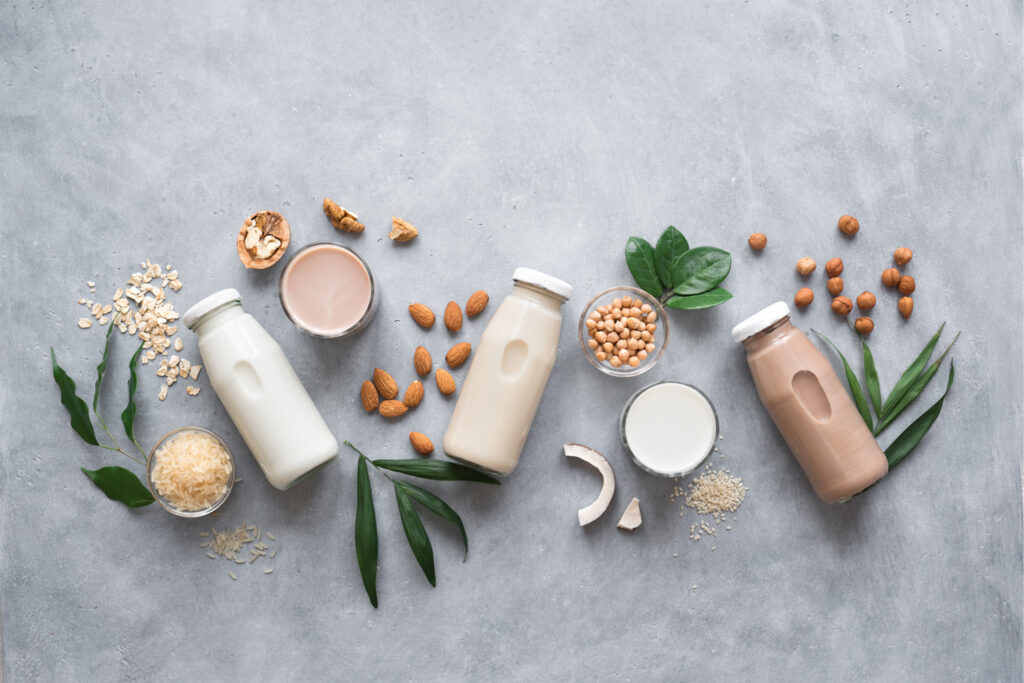
Plant-Based Protein Beverages Market Analyzing Consumer Trends and Market Dynamics

Plant Based Protein Beverages Market

The global demand for Plant-Based Protein Beverages industry are surging in popularity due to increased health consciousness and sustainability preferences. Expected to This market, which began at USD 1065.3 million in 2022, is expected to reach USD 2664.3 million by 2032 because to industry leaders’ eco-friendly initiatives and creative taste options.

Plant-based protein drinks are becoming more and more popular as customers become more health conscious and search for nourishing, sustainable options. Plant-based beverages appeal to a diverse spectrum of consumers, including vegetarians and lactose intolerant people, due to their innovative tastes and flexible replacements. Businesses that invest in taste development, eco-friendly packaging, and research are leading this rapidly expanding industry.

As obesity and other lifestyle disorders become more prevalent, people are turning to healthy eating practises in an effort to enhance their health and quality of life.Due to the growing popularity of veganism and public knowledge of the value of protein in weight reduction programmes, there is a considerable demand for plant-based protein beverages.

The market for plant-based proteins is anticipated to develop modestly as a result of consumers’ perceptions that foods containing fruit and vegetable ingredients are beneficial for enhancing health. The market for plant-based protein beverages is predicted to have significant growth due to a tectonic shift away from animal-based protein and towards plant-based sources of protein like pea and soy. As a result, an increasing number of players in the vegan food business are entering the market for plant-based protein beverages.

Stakeholders are noticing an impressive upsurge in consumption of vegan food products in developed regions, which is expected to improve growth prospects of the plant-based protein beverages market in the U.S. and other developed European countries. Demand for vegan and functional beverages with natural and probiotic ingredients is expected to remain high in these countries, subsequently supporting growth of the plant-based protein beverages market in developed regions.

Plant-based Protein Beverages Market – Competitive Landscape

Key players in the plant-based protein beverages market are Malk Organic, Califia farms, Ripple Foods, The New Barn, Dr. McDougall’s Right Foods, Pacific Foods, and Beyond Meat. Some of the recent and important developments in the plant-based protein beverages market are:

  • In September 2019, Ripple Foods – a California-based manufacturer of pea-protein dairy alternative products – announced that it has launched its new line of plant-based products—Superfood Milk. Ripple Plant-Based Superfood Milks contain the clean label, plant-based protein of Ripple Milk along with other high-quality superfood ingredients free from lactose, soy, nuts and gluten to offer added functional benefits and a nutritious plant-based beverage experience to consumers. The company also declared that it aims to meet the increasing consumer demand for plant-based functional beverages that tout health benefits, with the launch of its new product line.
  • In November 2019, ADM Human Nutrition – the natural health and nutrition division of Archer Daniels Midland Company – announced that it has launched its first plant-based protein beverage in Thailand. The company noticed that availability of dairy-based high-protein drinks in the country’s market as well as the supply-demand gap in plant-based alternatives to those products. The company launched its plant-based protein beverage solution in mocha flavor, to sync with its strategy to expand in Thailand’s market for meat substitutes and plant-based drinks.

Consumer Demand for High-protein and Low-carb Vegan Food Products

Leading players in the vegan food industry are noticing a significant change in consumer preferences for not just plant-based food but also the food with health-benefitting properties. Increasing awareness about the inextricable relationship between food and weight loss and obesity management is triggering consumer demand for plant-based snacks and beverages that promote fat loss.

Consequently, market players are beginning to introduce plant-based beverages with high amount of protein and low-carb ingredients to attract the ever-expanding group of consumers shifting to weight loss diets. High-protein, low-carb food products and beverages are trending as consumer expectations from vegan food continue to change. Leading players in the plant-based protein beverages market are expected to introduce keto-friendly products to sync with the increasing popularity of keto diets in the coming years.

Purchase this Premium Research Report | Immediate Delivery Available: 

Increasing R&D Investments to Discover Innovative and Low-cost Plant Protein Sources

Taking into consideration the rise in popularity of plant protein drinks, leading players in the plant-based protein beverages market are increasing investments in research & development to boost innovation that can enable them to maintain a competitive edge. Discovering unique yet low-cost plant-based protein sources and vegan ingredients such as coconut milk in plant protein drinks is expected to emerge as a popular strategy in this landscape.

About Future Market Insights (FMI)

Future Market Insights, Inc. (ESOMAR certified, recipient of the Stevie Award, and a member of the Greater New York Chamber of Commerce) offers profound insights into the driving factors that are boosting demand in the market. FMI stands as the leading global provider of market intelligence, advisory services, consulting, and events for the Packaging, Food and Beverage, Consumer Technology, Healthcare, Industrial, and Chemicals markets. With a vast team of over 400 analysts worldwide, FMI provides global, regional, and local expertise on diverse domains and industry trends across more than 110 countries.

 Contact Us:
Future Market Insights Inc.
Christiana Corporate, 200 Continental Drive,
Suite 401, Newark, Delaware – 19713, USA
T: +1-845-579-5705
For Sales Enquiries: sales@futuremarketinsights.com
Website: https://www.futuremarketinsights.com
LinkedInTwitterBlogs | YouTube