Global Petroleum-Fuel Dyes and Markers Market: Trends, Drivers, and Forecasts Through 2033


The global petroleum-fuel dyes and markers market is poised for consistent growth, projected to achieve a compound annual growth rate (CAGR) of 4.8% over the forecast period. By 2033, the market is anticipated to reach a valuation of approximately USD 746.3 million. This growth is driven by increasing regulatory requirements for fuel tracking, enhanced demand for fuel quality assurance, and advancements in dye and marker technologies. As industries and governments continue to prioritize transparency and efficiency in fuel management, the market for petroleum-fuel dyes and markers is set to expand steadily, reflecting their critical role in ensuring accurate fuel identification and compliance with safety standards.

The issue of fuel adulteration is a significant concern in certain regions, where unscrupulous operators blend lower-grade fuels with higher-quality ones to increase profits. Petroleum-fuel dyes and markers are employed to detect and deter such practices. By using these dyes and markers, fuel suppliers and governments can easily identify adulterated fuels, enabling appropriate action against offenders.

Government regulations play a crucial role in driving the petroleum-fuel dyes and markers market. Regulatory bodies often mandate the use of specific dyes and markers to differentiate between different fuel types, such as gasoline, diesel, and aviation fuel. These regulations are in place to ensure fuel quality, environmental protection, and tax compliance within the industry. Compliance with these regulations creates a consistent market demand for petroleum-fuel dyes and markers.

Inefficient supply chain management and distribution can lead to confusion and mishaps if different fuel types are not adequately identified. Petroleum-fuel dyes and markers facilitate clear identification of various fuel types. This prevents mix-ups and ensures the right fuel is used for specific applications, such as aviation or marine use.

Dyes and markers serve as essential tools for tracking fuel for taxation purposes. Governments may use unique dyeing programs to mark fuels meant for different tax brackets or applications. This helps in enforcing tax compliance, preventing tax evasion, and ensuring a fair contribution from the fuel industry to public revenue.

Counterfeit fuels may not meet the required quality standards and pose significant risks to consumers, vehicles, and the environment. By incorporating dyes and markers into the fuel, it becomes easier to detect counterfeit products. This enables authorities to take appropriate action against counterfeiters.

The global shift towards cleaner and sustainable energy sources, such as biofuels, presents opportunities for the petroleum-fuel dyes and markers market. As the variety of biofuel blends increases, the need for specific markers to differentiate and trace these fuels becomes crucial for regulatory compliance and accurate supply chain management.

The growth of the oil and gas industry leads to increased demand for fuel products. As the demand for fuels rises, so does the demand for fuel dyes and markers to ensure proper identification, tracking, and quality control throughout the supply chain.

With the expansion of the transportation sector, the demand for fuel increases proportionally. This growth in fuel consumption necessitates the use of dyes and markers to maintain accurate fuel identification and traceability. This enhances safety and efficiency in the transportation industry.

The adoption of nanotechnology is likely to open up growth prospects for the petroleum-fuel dyes and markers market. Nanomaterials exhibit unique properties, such as increased sensitivity and stability, enabling more accurate and long-lasting detection of markers. This can lead to better fuel traceability and improved market penetration for advanced marker solutions.

Key Takeaways from the Petroleum-Fuel Dyes and Markers Market

  • The petroleum-fuel dyes and markers industry in the United Kingdom is anticipated to rise sizably, exhibiting a CAGR of 3.4% through 2033, driven by increasing demand for advanced fuel tracking technologies in compliance with the country’s stringent fuel quality regulations.
  • The United States held a 25.3% share of the global petroleum-fuel dyes and markers industry in 2022, attributed to the country’s robust petroleum refining sector and the growing emphasis on enhancing fuel traceability for security and tax enforcement purposes.
  • With a CAGR of 4.7% over the forecast period, India is predicted to develop rapidly in the petroleum-fuel dyes and markers industry, driven by the government’s initiatives to curb fuel adulteration and the increasing adoption of advanced fuel authentication technologies in the country’s expanding energy sector.
  • In 2022, Japan had a 7.5% share of the petroleum-fuel dyes and markers industry globally, bolstered by the country’s stringent fuel quality regulations and the growing demand for high-quality fuels in its automotive and industrial sectors.
  • China’s petroleum-fuel dyes and markers industry is expected to flourish speedily, registering a CAGR of 4.5% over the forecast period, fueled by the country’s massive fuel consumption, rapid industrialization, and increasing focus on fuel traceability and quality control to meet stringent environmental standards.
  • Germany accounted for 7% of the global petroleum-fuel dyes and markers industry in 2022, driven by the country’s strong automotive and transportation sectors, which demand precise fuel identification and monitoring to ensure compliance with strict emissions regulations and fuel quality standards.

Competitive Landscape in the Petroleum-Fuel Dyes and Markers Market

Key market players are actively engaged in research and development to innovate and improve the performance and environmental friendliness of their products. They are also focusing on expanding their global presence through strategic partnerships and acquisitions to gain a competitive edge. Moreover, these companies are investing in advanced technologies to ensure compliance with regulatory standards. The aim is to meet the increasing demand for fuel authentication solutions across various industries, including automotive, aviation, and oil and gas.

Recent Developments by Key Players

In July 2022, FAST Ltd introduced exocet® Diesel Defender (xo1922bd), a liquid marker dye designed to prevent theft of United Kingdom non-rebated fuel.

Dow, a leading company specializing in fuel marking technologies, introduced a range of launder-resistant solutions branded ACCUTRACE™ in November 2022.

Petroleum-Fuel Dyes and Markers Market Top Players

  • Johnson Matthey (Tracerco)
  • The Dow Chemical Company
  • BASF SE
  • SGS SA
  • Innospec
  • Marquard & Bahls
  • Pylam Products Company, Inc.
  • John Hogg Technical Solutions
  • SBZ Corporation
  • United Color Manufacturing, Inc.
Petroleum-Fuel Dyes and Markers: Key Trends and Market Forecast—Get the Complete Report for a Detailed Overview!

About Future Market Insights (FMI)

Future Market Insights, Inc. (ESOMAR certified, recipient of the Stevie Award, and a member of the Greater New York Chamber of Commerce) offers profound insights into the driving factors that are boosting demand in the market. FMI stands as the leading global provider of market intelligence, advisory services, consulting, and events for the Packaging, Food and Beverage, Consumer Technology, Healthcare, Industrial, and Chemicals markets. With a vast team of over 400 analysts worldwide, FMI provides global, regional, and local expertise on diverse domains and industry trends across more than 110 countries. Join us as we commemorate 10 years of delivering trusted market insights. Reflecting on a decade of achievements, we continue to lead with integrity, innovation, and expertise.

Contact Us:     

Future Market Insights Inc.
Christiana Corporate, 200 Continental Drive,
Suite 401, Newark, Delaware – 19713, USA
T: +1-845-579-5705
For Sales Enquiries: sales@futuremarketinsights.com
Website: https://www.futuremarketinsights.com
LinkedInTwitterBlogs | YouTube

Boron Carbide: Driving Innovation in Electronics and Aerospace Laser Applications

Boron Carbide Market


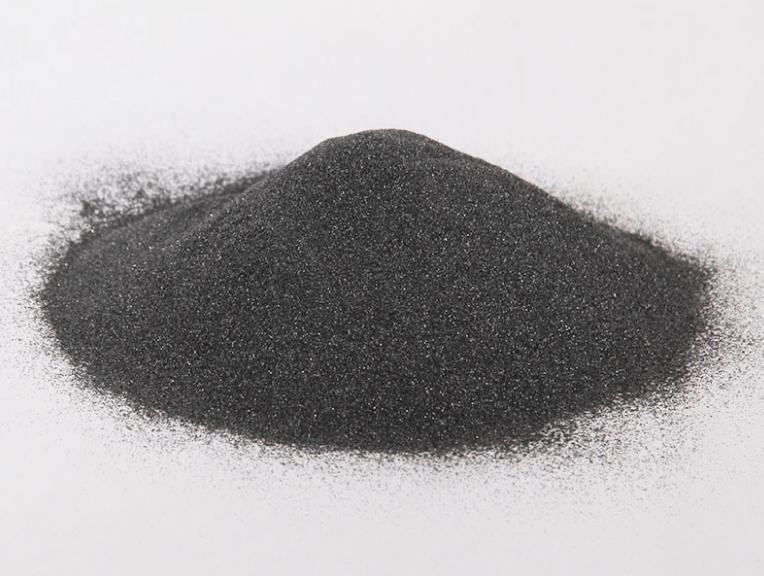
In 2018, the size of the global boron carbide market was USD 136.7 million. The demand for boron carbide is anticipated to increase to USD 256.8 million by 2033. The boron carbide market is expected to display a CAGR of 5.3% from 2023 to 2033. In 2023, its value is projected to increase to USD 153.9 million.

The extraordinary physical properties of boron carbide are set to drive its demand in laser drilling and cutting applications primarily. Boron carbide is a highly sought-after product due to its incredible hardness, which is only surpassed by diamond, and its extraordinary endurance to high temperatures. These properties are crucial for precision machining, high-tech industries and research applications where extreme conditions are expected.

Industries seeking accurate and effective material processing prefer boron carbide nozzles and focusing lenses since they can withstand the tremendous heat produced by strong lasers during laser cutting. In industries such as electronics and aerospace, where precise and clean drilling and cutting procedures are required, its hardness ensures life and lowers the frequency of replacements in laser systems.

Boron carbide is still in great demand as these high-tech industries develop. It is essential for use in contemporary production and research facilities to retain structural integrity under harsh conditions. The unique hardness and heat resistance combination is estimated to position boron carbide as an indispensable material in the laser cutting and drilling industry.

Key Takeaways from the Boron Carbide Market Study

  • The global boron carbide market witnessed a CAGR of 1% over the historical period from 2018 to 2022.
  • The United States boron carbide industry is expected to represent a total financial potential of US$ 18.9 million between 2023 and 2033.
  • The boron carbide industry in China is expected to rise at a CAGR of6% during the forecast period.
  • The abrasive grade segment is estimated to hold around 8% of the global boron carbide market share in 2023.
  • The industrial abrasive segment in terms of end-use is anticipated to expand at a CAGR of 6% during the forecast period.

“Due to increased manufacturing of protective body armor and vehicle armor systems to fulfill growing defense demand, the boron carbide industry is anticipated to rise. As developed and developing countries are expected to push their defense spending to modernize their current armed forces, the market for organic boron carbide is anticipated to surge.” – says a lead analyst at Future Market Insights (FMI).

Competitive Landscape

The market for boron carbide on a worldwide scale has a handful of key companies that are quite active in the industry. An estimated 40 to 45% of the global market share for boron carbide is held by key players.

There can be a number of small and medium-sized participants in the market. These players are poised to drive the market and challenge tier-1 competitors.

Leading business organizations are investing a lot in research & development initiatives to increase the applications for boron carbide. The inclusion of new technology into their products is further boosting the utilization of this chemical component on the international market.

For instance,

  • Researchers from the University of Florida (UF) used Expanse at the San Diego Supercomputer Center (SDSC) at UC San Diego in September 2023. They sought to investigate the atomic-level effects of stress on the useful but naturally brittle boron carbide. Expanse-powered molecular dynamics simulations were utilized by the researchers to demonstrate bond breakdown caused by stretching or an artificial tensile shock. The results were reported in the European Journal of Mechanics – A/Solids.
  • In April 2023, Flex B4C, a cutting-edge boron carbide-enhanced filament, was introduced by Nanovia, a manufacturer of distinctive 3D printing filaments based in France. In the nuclear energy sector, it can be used for neuron shielding. Nanovia Flex B4C is conceptually equivalent to Nanovia’s PLA XRS, which filters X-rays using barium sulfate. The company has been using B4C on ceramic filament in the Cr range that is intended for sintering for an extended period.

Top Key Players in the Market

  • Washington Mills North Grafton, Inc.
  • Saint-Gobain S.A.
  • 3M
  • UK Abrasives, Inc.
  • Songshan Specialty Materials, Inc.
  • ABSCO Limited
  • Advanced Abrasives Corporation
  • Dalian Zhengxing Abrasive Co., Ltd.
  • Henan E-Grind Abrasives Co. Ltd
  • Bhukhanvala Industries Pvt. Ltd.
  • Feldco International
  • U.S. Electrofused Minerals, Inc.

How Boron Carbide is Shaping the Future of Laser Technology: Get Detailed Insights in the Full Report!

About Future Market Insights (FMI)

Future Market Insights, Inc. (ESOMAR certified, recipient of the Stevie Award, and a member of the Greater New York Chamber of Commerce) offers profound insights into the driving factors that are boosting demand in the market. FMI stands as the leading global provider of market intelligence, advisory services, consulting, and events for the Packaging, Food and Beverage, Consumer Technology, Healthcare, Industrial, and Chemicals markets. With a vast team of over 400 analysts worldwide, FMI provides global, regional, and local expertise on diverse domains and industry trends across more than 110 countries. Join us as we commemorate 10 years of delivering trusted market insights. Reflecting on a decade of achievements, we continue to lead with integrity, innovation, and expertise.

Contact Us:     

Future Market Insights Inc.
Christiana Corporate, 200 Continental Drive,
Suite 401, Newark, Delaware – 19713, USA
T: +1-845-579-5705
For Sales Enquiries: sales@futuremarketinsights.com
Website: https://www.futuremarketinsights.com
LinkedInTwitterBlogs | YouTube

Discover the very best Neteller Gambling Establishments: A Complete Guide

Are you looking for a practical way to make on-line gambling enterprise deposits and withdrawals? Look no further than Neteller, a popular e-wallet service that allows you to firmly and seamlessly negotiate with your favored online casino como jogar no lobo 888 sites. In this detailed guide, we will introduce you to the globe of Neteller casino sites, clarify just how the service works, and highlight a few of the leading online gambling enterprises that accept Neteller as a payment approach. Whether you’re a seasoned gambler or a newbie discovering your choices, this article is your ultimate resource for every little thing you need to know about Neteller gambling establishments.

What is Neteller?

Neteller is an e-wallet service founded in 1999 that enables individuals and services to make online repayments. With over two decades of experience, Neteller has developed itself as a relied on and reputable repayment remedy for a wide range of markets, including on the internet gaming.

Unlike typical settlement techniques, such as charge card or bank transfers, Neteller provides a hassle-free and safe method to transfer funds to and from online gambling enterprises. By linking your Neteller account to your favored casino site, you can conveniently transfer and take out money without sharing your sensitive financial details with the online casino.

Neteller is offered in over 200 countries and sustains transactions in several money, making it a truly worldwide payment solution for on the internet bettors worldwide.

How Does Neteller Job?

Making use of Neteller is easy and uncomplicated. To begin, you’ll require to create a Neteller account, which you can do by seeing their official website. The registration procedure fasts and needs you to supply some fundamental individual info.

Once your account is set up, you can fund it making use of various techniques, such as bank transfers, charge card, or various other e-wallet services. Neteller additionally supplies its own pre paid Mastercard, allowing you to access your funds at ATMs or make purchases at physical shops.

When it concerns online gambling enterprise deals, just pick Neteller as your favored payment method during the down payment or withdrawal procedure. You’ll be triggered to enter your Neteller account information, including your email address and safe and secure ID, to license the transaction. The funds will be instantaneously readily available in your online casino account or Neteller equilibrium, depending on the instructions of the purchase.

Neteller also offers a mobile application, enabling you to handle your account, inspect your purchase background, and even pay on the move. With its straightforward user interface and robust safety and security actions, Neteller ensures a smooth and easy experience for online gambling enterprise fanatics.

Top Neteller Casino bet30 registrarse Sites

Now that you recognize how Neteller functions, allow’s check out a few of the very best online gambling enterprises that approve Neteller as a repayment technique. These casino sites have actually been thoroughly chosen based upon their online reputation, video game selection, incentives, and general individual experience.

  • Casino A: With a smooth and modern-day user interface, Online casino A provides a large range of gambling establishment video games, consisting of slots, table games, and live supplier choices. Their generous welcome bonus offer and normal promotions make it a prominent choice among on the internet casino players.
  • Gambling establishment B: Understood for its comprehensive game library and immersive customer experience, Online casino B is a top selection for Neteller customers. They offer a selection of payment options, consisting of Neteller, and boast a diverse selection of slots, reward games, and specialized video games.
  • Gambling enterprise C: For players that value a wide range of gaming alternatives, Gambling establishment C is the best option. From standard gambling enterprise video games to distinct variants, Casino C caters to all types of gamers. They likewise provide a lucrative commitment program for their most devoted consumers.

These are simply a couple of instances of the lots of credible online casino sites that approve Neteller as a repayment approach. When selecting a Neteller casino, it is essential to think about variables such as video game option, client support, and licensing to make certain a risk-free and delightful gaming experience.

Benefits of Making Use Of Neteller Online Casinos

There are several advantages to using Neteller as your preferred payment approach at on the internet gambling enterprises:

  • Protection: By using Neteller, you can keep your financial details exclusive, minimizing the threat of identification theft or fraudulence.
  • Speed: Neteller purchases are processed immediately, allowing you to begin playing your favorite online casino video games without any delays.
  • Benefit: With Neteller, you can quickly handle your gambling enterprise down payments and withdrawals in one systematized place, making it simpler to track your costs and profits.
  • Perk deals: Some on-line gambling enterprises use special benefits and promos for Neteller users, providing you an added incentive to select this repayment method.

Verdict

Neteller supplies a secure and practical way to negotiate with on-line gambling enterprises. With its international reach, numerous money support, and user-friendly interface, Neteller has actually ended up being a recommended option for millions of online gamblers worldwide. By selecting among the top Neteller casinos, you’ll have access to a wide range of video games, rewarding bonuses, and a seamless payment experience. Whether you’re an experienced player or simply starting, Neteller gambling establishments supply a risk-free and delightful setting to satisfy your on-line gaming needs.

Disclaimer:

This short article is for informative functions just and does not constitute lawful or financial guidance. Online gambling might undergo legal limitations in some territories. It is important to check neighborhood regulations and regulations prior to taking part in online gaming activities.

Rising Demand for Acid Proof Linings: How End-Use Industries are Driving Market Growth

Acid Proof Lining Market

The global acid-proof lining market (mercado de revestimiento a prueba de ácidos) is set to achieve a valuation of approximately USD 12,313.08 million by 2033, reflecting a robust growth trajectory with a compound annual growth rate (CAGR) of 6.2% throughout the forecast period. This growth is driven by increasing demand for acid-resistant materials in various industrial applications, including chemical processing, metal finishing, and wastewater treatment. By the end of 2023, the market was valued at USD 6,747.17 million, underscoring the expanding adoption of acid-proof linings across key sectors.

The acid proof lining industry is burgeoning owing to surging demand from multiple end-use industries, wherein walls, floors, and equipment are repeatedly exposed to harsh chemicals and acids. End users can cut costs and preserve the equipment for longer periods by deploying acid proof lining.

Acid proof lining is primarily used to protect the products from humiliation caused by oxidation, salt spray, moisture, and many chemical-based instances that can be harmful to metals and alloys.

Acid proof linings find application in food industries, thermal power stations, and pharmaceuticals. Apart from this, chemical reactors above 125° C also require this lining. Growth in the aforementioned end-user industries is expected to fuel the adoption of acid proof linings.

Coating technology advancements are adding to the booming popularity of acid proof linings. Mounting investments in the oil and gas sector, including upstream and downstream petrochemical enterprises and refineries, is also expected to impact this industry positively.

The market expansion can also be credited to the quickly magnifying demand and low competitive pressure. Besides, end users of acid proof lining are showing an increased inclination toward waterborne technology, thus inciting manufacturers to boost their investments in popular and advanced technologies.

As per FMI’s study, Asian countries are expected to present tempting opportunities for manufacturers to expand their horizons. With construction activities already in full bloom and automotive observing speedy production, the market is anticipated to grow momentously.

Top Highlights from the FMI’s Analysis of the Acid Proof Lining Market:

  • North America is one of the noteworthy markets for acid proof lining. The surge in construction activities and increasing oil and gas exploration activities are bolstering market growth.
  • Australia has a relatively low market share in relation to other competitive markets. However, FMI has assessed that the market is forecast to present significant opportunities for manufacturers to broaden their market size.
  • Asia Pacific countries are projected to be noteworthy revenue generators for acid proof lining industry.
  • FMI anticipates that the Mexico market has been an underexploited market for acid proof lining. Manufacturers can dig into the reserves of the Mexican market to extract profit.
  • South Korea is also spotted as a potential market for acid proof lining. Manufacturers are expected to expand their geographical reach by extending their manufacturing facilities in different parts of the world.

How are Manufacturers Gaining Larger Share in the Market?

Manufacturers in the acid proof lining industry are strengthening their market position by acquisitions, launching new technologies, and research and development activities. Some of the latest information from the market report is as follows:

  • In May 2023, Avient established the first line of long-fiber-reinforced thermoplastics in Asia. The new portfolio was installed at the Asia regional headquarters of Avient in Shanghai.
  • In January 2019, Cromology, a leading player in the decorative paint sector, inked an exclusive distribution contract with Al Gurg Paints for their Viero brand to boost its presence in the United Arab Emirates market. Viero is a lime-based paint that offers designer texture finishes for exteriors and interiors.

Acid Proof Lining Market Outlook by Category

By Product Type:

  • Ceramic & Carbon Brick Lining
  • Tile Lining
  • Thermoplastic Lining

By Form Type:

  • Solvent-Borne
  • Water-Borne
  • Powder-Based

By End Use:

  • Marine
  • Oil & Gas
  • Power Generation
  • Construction
  • Automotive
  • Transportation
  • Chemicals
  • Mining & Metallurgy
  • Others

Rising Demand for Acid Proof Linings: How End-Use Industries Are Driving Market Growth – Access the Complete Report for a Comprehensive Overview!

About Future Market Insights (FMI)

Future Market Insights, Inc. (ESOMAR certified, recipient of the Stevie Award, and a member of the Greater New York Chamber of Commerce) offers profound insights into the driving factors that are boosting demand in the market. FMI stands as the leading global provider of market intelligence, advisory services, consulting, and events for the Packaging, Food and Beverage, Consumer Technology, Healthcare, Industrial, and Chemicals markets. With a vast team of over 400 analysts worldwide, FMI provides global, regional, and local expertise on diverse domains and industry trends across more than 110 countries. Join us as we commemorate 10 years of delivering trusted market insights. Reflecting on a decade of achievements, we continue to lead with integrity, innovation, and expertise.

Contact Us:     

Future Market Insights Inc.
Christiana Corporate, 200 Continental Drive,
Suite 401, Newark, Delaware – 19713, USA
T: +1-845-579-5705
For Sales Enquiries: sales@futuremarketinsights.com
Website: https://www.futuremarketinsights.com
LinkedInTwitterBlogs | YouTube

Growth Drivers in the Asphalt Shingle Market: Urbanization, Energy Efficiency, and Economic Trends

Asphalt Shingle Market

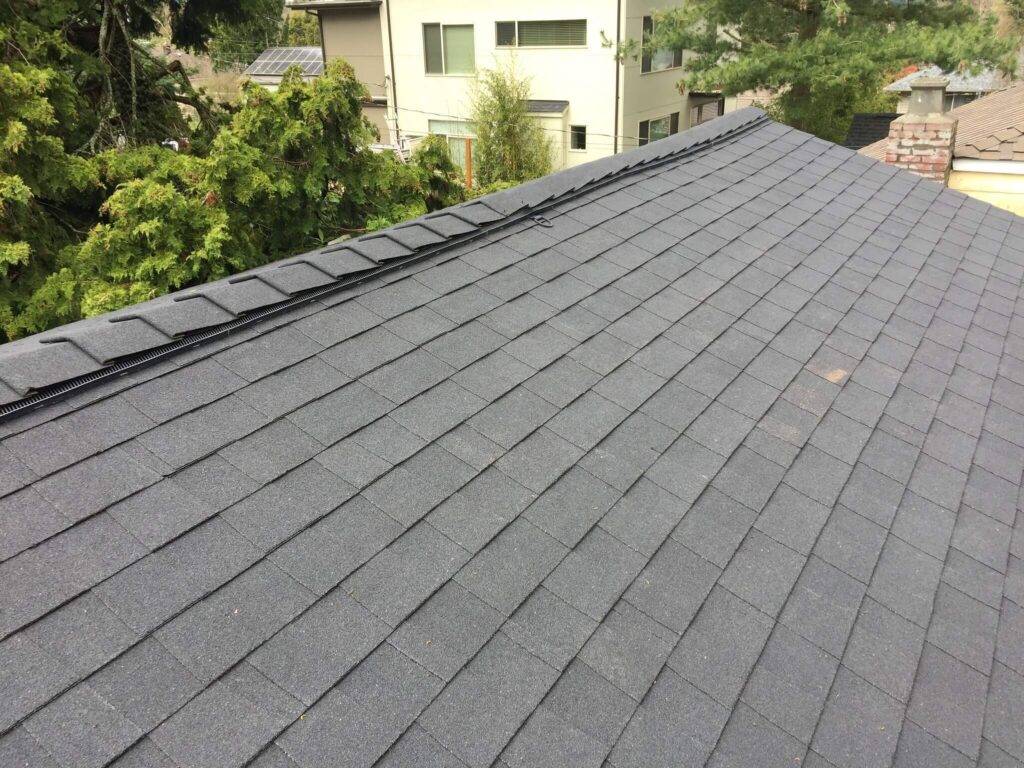
The global asphalt shingle market, which reached a valuation of USD 8,626.5 million in 2023, is projected to experience steady growth with a compound annual growth rate (CAGR) of 3.8% over the forecast period. This consistent expansion is expected to elevate the market’s worth from USD 9,187.2 million in 2024 to an impressive USD 13,340.1 million by 2034. This growth trajectory underscores the increasing demand and widespread adoption of asphalt shingles, driven by factors such as durability, cost-effectiveness, and advancements in roofing technology.

Demand for asphalt shingles is increasing in both residential and commercial sectors due to their affordability and toughness. Urbanization trends, particularly in developing nations, drive the need for housing and infrastructure, making asphalt shingles the preferred material for residential construction.

The asphalt shingle industry is set to rise due to the growing awareness of energy efficiency, as reflective coatings or cool roof technologies reduce energy use. Building rules and regulations that emphasize safety, durability, and energy efficiency can influence the acceptance of these roofing materials.

Weather and natural disasters are expected to necessitate the use of strong, robust roofing materials in areas vulnerable to severe weather or natural disasters. The market is further set to expand due to consumer demand for visually appealing and customizable solutions.

Economic factors, such as housing market movements, interest rates, and disposable income, are set to influence demand for roofing materials. Overall, there is a positive correlation between economic growth and more building and remodeling activity.

Key Takeaways from the Asphalt Shingle Market Report:

  • The asphalt shingle sector is expected to reach a valuation of USD 13340.1 million by 2034.
  • The market is projected to surge at a CAGR of 3.8% by 2034.
  • China’s asphalt shingle market is expected to grow at a CAGR of 4.3% by 2034.
  • India is projected to surge at a CAGR of 5.7% in 2034.
  • Based on end-use, the residential segment is expected to hold a market share of 75.4% in 2024.

“The durability and weather resistance performance of asphalt shingles are expected to contribute significantly to growing usage worldwide. The high-performance asphalt shingle market is projected to experience significant growth through 2034, driven by rising demand for luxury residential and commercial buildings due to urbanization and globalization.” – Says an Analyst at Future Market Insights, Inc.

Competition Outlook

Leading companies in the market compete based on economies of scale, reducing resource consumption and integrating across the value chain. Key asphalt shingle companies aim to increase sales through product development and production through capacity additions.

The market is expected to continue growing due to increasing product penetration and favorable economic conditions, driving capacity and product demand. The industry is undergoing fierce competition, with key companies investing heavily in research and development to improve the performance and functionality of new chemicals.

Key manufacturers are developing asphalt shingles with superior properties, extended durability, and environmental consciousness. Companies are also working on asphalt shingles with improved environmental profiles, aligning with broader sustainability goals. This focus on innovation and material science is ensuring long-lasting utilization in the market.

Industry Updates-

  • In 2023, GAF Materials Corporation introduced a new line of energy-efficient asphalt shingles, featuring a heat-reflecting coating that significantly reduces energy costs.
  • In 2023, Owens Corning inaugurated a new manufacturing plant in Mexico, specializing in the production of asphalt shingles for the market.
  • In 2023, CertainTeed Corporation introduced a new line of durable asphalt shingles, crafted with a special resin that enhances resistance to damage from hail and other weather events.

Leading Asphalt Shingle Players

  • Owens Corning
  • TAMKO Building Products Inc.
  • IKO Industries Ltd
  • Atlas Roofing Corporation
  • GAF Materials Corporation
  • Malarkey Roofing Products
  • PABCO Roofing Products
  • Siplast Inc.
  • Henry Company LLC
  • Building Products of Canada Corp.

Get More Valuable Insights

Future Market Insights (FMI), in its new offering, provides an unbiased analysis of the global asphalt shingle market presenting historical demand data (2019 to 2023) and forecast statistics for the period from 2024 to 2034.

The study incorporates compelling insights on the asphalt shingle market based on product type (laminates asphalt shingles, three-tab shingles, strip shingles, luxury shingles, and architectural shingles), composition (fiberglass and organic), end-use (new construction, re-roofing, residential), and region.

Asphalt Shingle Market Expands Amid Rising Demand for Durable and Affordable Roofing—Explore the Complete Analysis!

About Future Market Insights (FMI)

Future Market Insights, Inc. (ESOMAR certified, recipient of the Stevie Award, and a member of the Greater New York Chamber of Commerce) offers profound insights into the driving factors that are boosting demand in the market. FMI stands as the leading global provider of market intelligence, advisory services, consulting, and events for the Packaging, Food and Beverage, Consumer Technology, Healthcare, Industrial, and Chemicals markets. With a vast team of over 400 analysts worldwide, FMI provides global, regional, and local expertise on diverse domains and industry trends across more than 110 countries. Join us as we commemorate 10 years of delivering trusted market insights. Reflecting on a decade of achievements, we continue to lead with integrity, innovation, and expertise.

Contact Us:     

Future Market Insights Inc.
Christiana Corporate, 200 Continental Drive,
Suite 401, Newark, Delaware – 19713, USA
T: +1-845-579-5705
For Sales Enquiries: sales@futuremarketinsights.com
Website: https://www.futuremarketinsights.com
LinkedInTwitterBlogs | YouTube

Surging Demand from Automotive and Textile Industries to Drive Growth in Global Polymer Coated Fabrics Market

Polymer Coated Fabrics Market

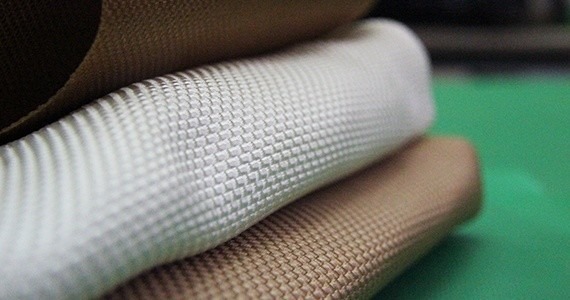
The global polymer coated fabrics market (Mercado de tejidos recubiertos de polímeros), valued at approximately USD 21,791.30 million in 2023, is poised for significant growth over the next decade. Driven by increasing demand across various industries, including automotive, construction, and healthcare, the market is anticipated to expand at a robust CAGR of 5.1% from 2023 to 2033. This growth trajectory is expected to elevate the market’s value to around USD 35,835.30 million by 2033, reflecting the rising adoption of durable and versatile polymer-coated fabrics in diverse applications.

The polymer coated fabrics market is witnessing a surge in popularity due to its waterproof, UV-resistant, abrasion-resistant, and durable characteristics. In addition, the product is experiencing significant demand in applications such as awning pool covers, roof protectors, tarpaulins, and marine covers. It is driven by its excellent physical properties, impermeability to dirt & oil, and corrosion resistance. This strong demand is expected to propel considerable market growth.

Protective Clothing Market Soars with Growing Industrialization in Emerging Economies

Rapid industrialization in developing countries has led to an increasing demand for protective clothing to ensure worker safety in hostile environments. Further, the demand is driven by cultural, sociological, and psychological factors, with stringent government regulations in the Middle East and Asia Pacific making safety precautions mandatory.  As a result, there is a growing need for lightweight, comfortable, and highly heat-resistant protective clothing, leading to an upsurge in demand for coated fabrics.

Coated fabrics with high flame resistance are particularly utilized in manufacturing protective clothing for firefighters. Also, the rising focus on safety measures in transportation applications is expected to boost the polymer coated fabrics market growth.

Eco-Conscious Consumers and Coated Fabrics: Addressing Environmental Concerns

Stringent government regulations have been imposed due to the release of hazardous air pollutants during the manufacturing process of coated fabrics, posing environmental concerns. Also, the growing consumer awareness about the ecological impact of non-recyclable products and disposal issues hampers polymer coated fabrics market growth.

For manufacturers, properly disposing of waste materials remains a significant challenge, as chemical recycling of coated textiles proves costly and leads to logistical issues and limited process flexibility.

The production of coated fabrics, particularly toxic solvents, is the primary source of hazardous air pollutants emitted at various stages of the industrial process. Consequently, these environmental concerns are expected to restrain the market growth of polymer coated fabrics during the forecast period.

Regional Outlook

The Asia Pacific region is poised to dominate the global polymer coated fabrics market due to rapid industrial growth and urbanization in key countries like China and India. Additionally, the demand from transportation, protective clothing, and industrial sectors is fueling market growth. Japan and South Korea are significant contributors.

Developing countries’ booming automotive industry and increased use in household furniture manufacturing boost demand. Also, innovations like shape memory polymers for smart textiles fuel growth. Small countries in Asia with low labor costs and relaxed regulations are projected to show substantial industrial development, enhancing the region’s export and production activities.

Key Takeaways 

  • The PU-coated fabrics segment in the product type category is likely to grab a share of 70% from 2023 to 2033.
  • In the textile material category, the knitted segment is to acquire a market share of 60% between 2023 and 2033.
  • The United States polymer coated fabrics business is expected to acquire a share of 30% by 2023.
  • Germany’s polymer coated fabrics industry is to grab a share of 40% by 2023.
  • Japan’s polymer coated fabrics business is anticipated to hold a share of 00% by 2023.
  • Australia’s polymer coated fabrics industry is predicted to capture a share of 40% by 2023.
  • China’s polymer coated fabrics business is expected to secure a CAGR of 50% through 2033.
  • India’s polymer coated fabrics sales are estimated to develop at a CAGR of 00% from 2023 to 2033.
  • The United Kingdom polymer coated fabrics business is to evolve at a CAGR of 20% through 2033.

Competitive Landscape

Companies covered in the global polymer coated fabrics market include Continental AG, Sioen Industries NV, Serge Ferrari Group, Trelleborg AB, SRF Limited, Synthomer Plc., Seaman Corporation, Cooley Group Holdings Inc., Haartz Corporation, and Heytex Bramsche GmbH.

Market growth is fueled by initiatives taken by participants.

Novel Breakthroughs

  • In Dec 2021, Trelleborg Group acquired a division of Alpha Engineered Composites, a US-based company specializing in polymer-coated fabrics for niche applications in transportation, aerospace, and engineered industrial products.
  • In April 2020, Synthomer acquired OMNOVA Solutions Inc., significantly bolstering its presence in North America and expanding its reach in Europe and Asia. The acquisition established a leading global specialty chemicals company with substantial scale and a solid foundation for future investments and growth.

Key Segmentation

By Product Type :

  • Vinyl Coated Fabrics
  • PU Coated Fabrics
  • PE Coated Fabrics
  • Others (acrylic, nylon 6, nylon 6-6, PA, PC, PEEK, PBT, and PET)

By Textile Material Type :

  • Knitted
  • Woven
  • Non-Woven

By Application :

  • Transportation
  • Protective Clothing
  • Industrial
  • Roofing
  • Awnings & Canopies
  • Furniture & Seating
  • Others (Agriculture, Geotextiles, Medical, Sports & Leisure, And Packaging)

Automotive and Textile Industries Propel Polymer Coated Fabrics Market—Discover Detailed Findings in the Complete Report!

About Future Market Insights (FMI)

Future Market Insights, Inc. (ESOMAR certified, recipient of the Stevie Award, and a member of the Greater New York Chamber of Commerce) offers profound insights into the driving factors that are boosting demand in the market. FMI stands as the leading global provider of market intelligence, advisory services, consulting, and events for the Packaging, Food and Beverage, Consumer Technology, Healthcare, Industrial, and Chemicals markets. With a vast team of over 400 analysts worldwide, FMI provides global, regional, and local expertise on diverse domains and industry trends across more than 110 countries. Join us as we commemorate 10 years of delivering trusted market insights. Reflecting on a decade of achievements, we continue to lead with integrity, innovation, and expertise.

Contact Us:     

Future Market Insights Inc.
Christiana Corporate, 200 Continental Drive,
Suite 401, Newark, Delaware – 19713, USA
T: +1-845-579-5705
For Sales Enquiries: sales@futuremarketinsights.com
Website: https://www.futuremarketinsights.com
LinkedInTwitterBlogs | YouTube

Technological Advancements in Coating Additives to Drive Market Expansion Amidst Growing Environmental Regulations

Coating Additives Market

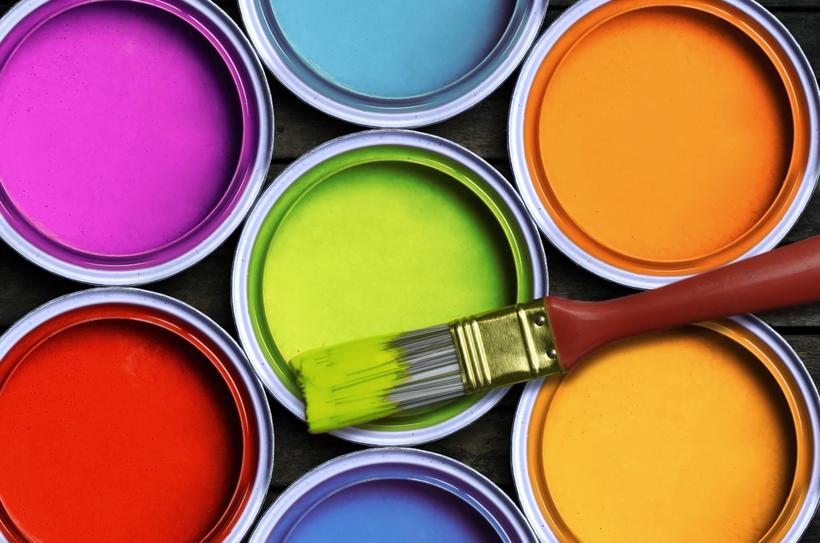
The coating additives market (Mercado de aditivos para recubrimientos) is poised for robust growth, with an anticipated average CAGR of 4.8% between 2023 and 2033. This upward trajectory is expected to elevate the market’s value from USD 11.12 billion in 2023 to a significant USD 17.77 billion by 2033. This growth is driven by the increasing demand for advanced coatings in various industries, including automotive, construction, and industrial applications.

  • Advanced functions like anti-foaming properties, biocides, and impact modifiers are likely to add value to the market structure. Furthermore, the additives for the automotive and packaging sectors are likely to flourish in market growth.
  • The OEM coatings, primers, monolayer topcoats, and other coatings improve surface properties. The higher demand for customized layers with specific detailing, chemicals, and elements is anticipated to flourish the market success.
  • The stringent zero-VOC emission regulations and government support to automotive businesses contribute to market dynamics. Alongside this, the improved wettability, UV protection, and advanced chemical resistance are likely to help industries get the best out of these additives.
  • New vendors are focusing on building their products through different chemicals and elements that limit microbial growth and prevent corrosion. Alongside this, the high-end research and development facilities and extensive usage of raw materials are increasing the demand for coating additives.
  • The fluctuation in raw material prices makes manufacturing smooth and unique, Though the strict government regulations limit the market growth.
  • The surge in rheology modification operations is expected to help the market widen its boundaries. The construction application of coating additives involves delivering durability and texture.

Key Points

  1. The United States market leads the North American coating additives market in terms of market share in North America. The United States held a healthy market share of 17.0% in 2022. The factors attributed to the growth are increased automotive operations, higher construction activities, and adoption of advanced coatings.
  2. The German coating additives market held an average market share of 5.2% in 2022. The market growth is caused by higher automotive applications due to the large manufacturing sites.
  3. The Indian market thrives at a healthy CAGR of 5.9% between 2023 and 2033. The growth is attributed to higher economic activities and higher construction activities.
  4. Based on formulation type, the solvent-based segment held the leading market share of 58.7% in 2022.
  5. Based on application, the rheology lead as it held a market share of 33.7% in 2022.

Competitive Landscape

The key suppliers focus on improving texture, enhanced color, and longer protection. The competitors also merge, acquire, and partner with other companies to increase their supply chain and distribution channel.

Top Key Players in the Global Market

  • Akzo Nobel NV
  • Arkema SA.
  • Ashland Global Holdings Inc.
  • BASF SE
  • BYK-Chemie GmbH
  • Asahi Glass Co., Ltd.
  • Dow Chemical
  • Evonik Industries AG
  • Solvay SA

Key Segmentation of Coating Additives Market

By Product Type:

  • Acrylics
  • Fluoropolymers
  • Urethanes
  • Metallic Additive
  • Others (Epoxy, Polyalkyds, and Amines)

By Formulation Type:

  • Solvent-Based
  • Water-Based

By End Use Industry:

  • Automotive
  • Architectural
  • Industrial
  • Wood & Furniture
  • Others

By Application:

  • Rheology Modification
  • Biocides Impact Modification
  • Anti-Foaming
  • Wetting & Dispersion
  • Others (slip & rub, flexibility, curing)

Explore the Rising Demand for Eco-Friendly Coating Additives—Get the Full Report for In-Depth Analysis!

About Future Market Insights (FMI)

Future Market Insights, Inc. (ESOMAR certified, recipient of the Stevie Award, and a member of the Greater New York Chamber of Commerce) offers profound insights into the driving factors that are boosting demand in the market. FMI stands as the leading global provider of market intelligence, advisory services, consulting, and events for the Packaging, Food and Beverage, Consumer Technology, Healthcare, Industrial, and Chemicals markets. With a vast team of over 400 analysts worldwide, FMI provides global, regional, and local expertise on diverse domains and industry trends across more than 110 countries. Join us as we commemorate 10 years of delivering trusted market insights. Reflecting on a decade of achievements, we continue to lead with integrity, innovation, and expertise.

Contact Us:     

Future Market Insights Inc.
Christiana Corporate, 200 Continental Drive,
Suite 401, Newark, Delaware – 19713, USA
T: +1-845-579-5705
For Sales Enquiries: sales@futuremarketinsights.com
Website: https://www.futuremarketinsights.com
LinkedInTwitterBlogs | YouTube

Electronics Adhesives Market: Driving Growth through Advanced Device Designs and Emerging Technologies

Electronics Adhesives Market

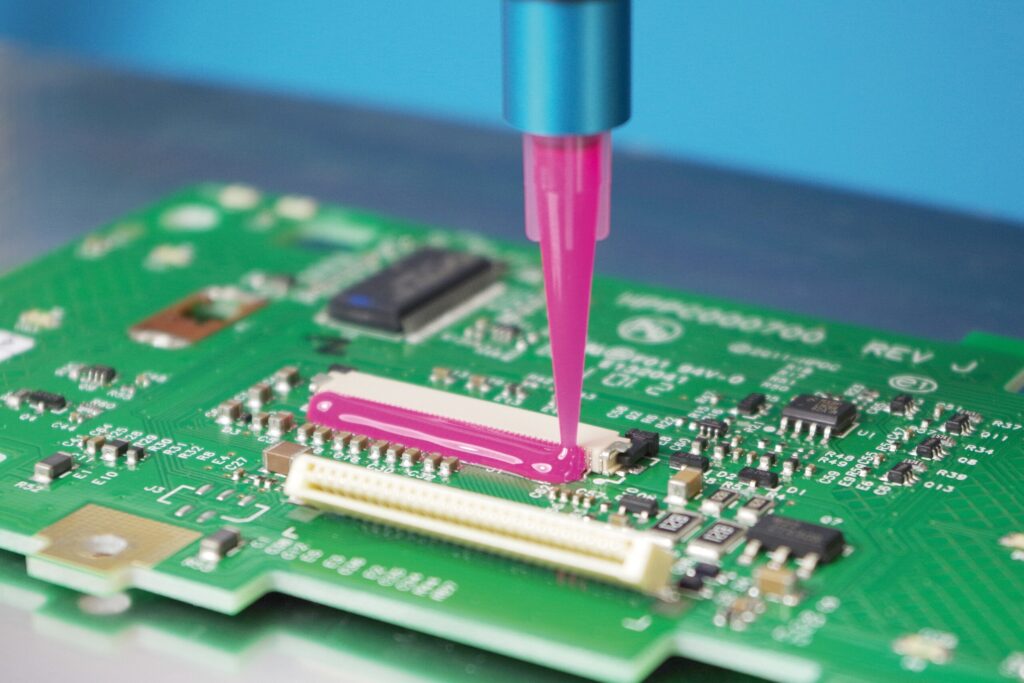
The electronics adhesives market (Mercado de adhesivos electrónicos) is on a robust growth trajectory, projected to expand at a compound annual growth rate (CAGR) of 9.0% from 2023 to 2033, reaching an estimated value of approximately USD 12.1 billion by 2033. This surge in demand is driven by the increasing complexity and miniaturization of electronic devices, which require advanced adhesive solutions for optimal performance and reliability. Innovations in adhesive technologies, coupled with the rising applications across consumer electronics, automotive, and telecommunications sectors, are fueling this growth. As electronic products become more integral to daily life, the need for high-performance adhesives that offer superior bonding, durability, and heat resistance continues to escalate, positioning the market for substantial expansion in the coming decade.

Another significant factor contributing to market growth is the increasing complexity of electronic device designs. The need for adhesives that can bond diverse materials and substrates has intensified, as electronic devices become more sophisticated and multifunctional. Adhesive solutions with compatibility across various surfaces, such as metals, plastics, ceramics, and glass, are in high demand. Manufacturers require adhesives that offer excellent adhesion strength, thermal stability, and resistance to environmental factors like moisture, temperature variations, and chemicals.

The rise of emerging technologies is also anticipated to escalate the growth of the electronics adhesives market. Technologies such as 5G, Internet of Things (IoT), artificial intelligence (AI), and virtual reality (VR) are creating new opportunities in the electronics industry. The technologies demand reliable and durable adhesive solutions for applications ranging from high-speed communication systems to advanced sensor devices. Electronics adhesives play a vital role in ensuring the performance, durability, and reliability of these advanced electronic systems.

The increasing focus on sustainability and environmental regulations is influencing the electronics adhesives market. Manufacturers are seeking adhesive solutions that are environmentally friendly, low in volatile organic compounds (VOCs), and comply with stringent regulations. The development of eco-friendly adhesives that offer comparable performance to traditional counterparts is becoming a key focus area, driving the demand for sustainable adhesive solutions.

The semiconductor industry is experiencing rapid growth and technological advancements. The transition towards advanced packaging technologies such as system-in-package (SiP), fan-out wafer-level packaging (FOWLP), and 3D packaging requires innovative adhesive solutions to ensure reliable connections and thermal management. Electronics adhesives play a critical role in bonding and protecting semiconductor devices, driving the demand for specialized adhesive formulations.

Key Takeaways from the Market Study

  • The global electronics adhesives market was valued at US$ 4.7 billion by 2022-end.
  • From 2018 to 2022, the market demand expanded at a CAGR of 6.5%.
  • China is expected to hold a dominant CAGR of 8.5% during the forecast period.
  • By Material Type, the Polyurethane segment is expected to constitute a CAGR of 8.5% in 2033.
  • On the basis of End-Use, the automotive sector segment is expected to dominate the market with a CAGR of 8.6% in 2033.
  • From 2023 to 2033, electronics adhesives market is expected to flourish at a CAGR of 9.0%.
  • By 2033, the market value of electronics adhesives is expected to reach US$ 12.1 billion.

Technological advancements in adhesive formulations, across the globe is a major factor that is expected to propel the growth of the electronics adhesives market in the near future, remarks an FMI analyst.

Competitive Landscape

Prominent players in the Electronics Adhesives market are 3M, Dymax Corporation, DOW Chemical Company, Henkel AG & Co. KGaA, H.B. Fuller Company (Royal Adhesives & Sealants LLC), Evonik Industries AG, Sika AG, Bostik AG, ThreeBond, Shin Etsu Silicones, Konishi Co, LTD., TERAOKA SEISAKUSHO CO., LTD., TOMOEGAWA, and YAMATO Co., Ltd., among others.

Recent Developments

  • In 2021, B. Fuller announced the development of a new generation of UV-curable adhesives for electronics assembly. These adhesives offer rapid curing, high bond strength, and enhanced environmental resistance, enabling efficient production processes and improved product performance.
  • In 2021, Henkel launched a new series of electrically conductive adhesives (ECAs) for automotive electronics applications. These adhesives provide reliable electrical conductivity, excellent adhesion to various substrates, and resistance to harsh automotive environments.
  • In 2020, 3M launched a new series of thermally conductive adhesives designed for bonding and dissipating heat in electronic devices. These adhesives provide efficient thermal management, enabling improved performance and reliability of electronic components.

More Valuable Insights Available

Future Market Insights offers an unbiased analysis of the global electronics adhesives market, providing historical data for 2018 to 2022 and forecast statistics from 2023 to 2033.

To understand opportunities in the electronics adhesives market, the market is segmented on the basis of material type (polyurethane, acrylics, silicones, and epoxy), by end-use (thermal management, conformal coatings, encapsulation, surface mounting, wire tacking, soldering, underfills, sealing, and constructional), by application (mobiles and telecommunication devices, desktops and networks, televisions, home appliances, automotive electronics, aerospace electronics, analytical & measurement instruments, and other industrial), across five major regions (North America, Latin America, Europe, Asia Pacific, and Middle East & Africa (MEA)).

Uncover the Factors Driving the Electronics Adhesives Market: Advanced Designs, 5G, IoT, and Sustainability – Dive Deep into the Full Report for a Complete Analysis!

About Future Market Insights (FMI)

Future Market Insights, Inc. (ESOMAR certified, recipient of the Stevie Award, and a member of the Greater New York Chamber of Commerce) offers profound insights into the driving factors that are boosting demand in the market. FMI stands as the leading global provider of market intelligence, advisory services, consulting, and events for the Packaging, Food and Beverage, Consumer Technology, Healthcare, Industrial, and Chemicals markets. With a vast team of over 400 analysts worldwide, FMI provides global, regional, and local expertise on diverse domains and industry trends across more than 110 countries. Join us as we commemorate 10 years of delivering trusted market insights. Reflecting on a decade of achievements, we continue to lead with integrity, innovation, and expertise.

Contact Us:     

Future Market Insights Inc.
Christiana Corporate, 200 Continental Drive,
Suite 401, Newark, Delaware – 19713, USA
T: +1-845-579-5705
For Sales Enquiries: sales@futuremarketinsights.com
Website: https://www.futuremarketinsights.com
LinkedInTwitterBlogs | YouTube

Carbonate Minerals on the Rise: How Demand is Shaping the Future of Paper, Pharmaceuticals, and Automotive Sectors

Carbonate Mineral Market

The carbonate mineral market is poised for significant growth, with its valuation expected to reach USD 60.07 billion in 2024 and surge to USD 106.56 billion by 2034, reflecting a robust compound annual growth rate (CAGR) of 5.90% over the decade. This expansion is driven by increasing demand across various industries, including construction, agriculture, and manufacturing, where carbonate minerals are essential for applications such as cement production, soil conditioning, and as fillers in diverse products. The projected growth underscores the critical role of carbonate minerals in supporting infrastructure development and industrial processes worldwide.

The construction industry is experiencing significant growth in the carbonate mineral market. These minerals, which contain the carbonate ion CO32-, are found naturally in the earth’s crust and are used in various industrial applications such as light bulbs, ceramic tiles, paints, wooden flooring, plastic goods, salt, sugar, detergents, and heating elements. Limestone, a common carbonate mineral, is widely used in construction.

Calcium carbonate, produced from limestone, is also used for medicinal purposes in medicine, such as neutralizing stomach acid in chewable tablets. The demand for these minerals is conducted by the paint and coating industry and the construction industry, which presents opportunities in developed and developing countries. However, stringent global regulations on CO2 emissions pose a major restraint for the market.

Carbonate minerals, such as limestone and marble, have been used since ancient times for construction purposes, including the construction of pyramids in Egypt. They are also used in cement and concrete production, construction, roads, and bridges. Calcite is also used as an acid neutralizer, as it can be easily mixed and formed into a slurry for toughened construction materials.

In the construction industry, carbonate minerals like limestone and marble are used as limestone and marble, producing concrete and cement in various construction projects. Concretes are widely used in buildings, highways, walls, and bridges.

The demand for packaging paper in the FMCG sector is significant, and common carbonate minerals used for paper fillings include kaolin clay, talc, calcium carbonate, and titanium dioxide. Precipitated and ground calcium carbonate and kaolin clay are the most commonly used, with precipitated calcium carbonate being the most economical option for producing high-quality paper and paperboard. The demand for PCC as a filler in uncoated paper is anticipated to grow in the forecasting period.

“The carbonate mineral market is growing due to their transparency, improved solubility, and high average specific gravity. These minerals are found in various environments and are used in multiple industries, such as mineral fillers, bleaching, and alkalinizing agents. The demand for carbonate minerals is increasing due to their transparency, improved solubility, and high average specific gravity. They are also used in the paper industry for their high brightness and light-scattering characteristics. The market is anticipated to grow significantly in the coming years due to its widespread use in various industries.” says an analyst of Future Market Insights.

Key Takeaways from the Carbonate Mineral Market Report

  • The carbonates industry in Japan is projected to experience a CAGR of 2.5% through 2034.
  • Germany’s carbonate mineral market is estimated to demonstrate a CAGR of 2.7% by 2034.
  • The carbonate mineral industry in the United States is anticipated to see a CAGR of 3.3% from 2024 to 2034.
  • China’s carbonate mineral sector is projected to showcase a CAGR of 6.6% through 2034.
  • The carbonate mineral market in India is anticipated to display a CAGR of 8.7% by 2034.

Competitive Landscape

The carbonate mineral market is experiencing a surge in demand due to its increasing use in construction, agriculture, pharmaceuticals, and energy. Leading players are investing heavily in mining technology to extract high-quality carbonate minerals. They also adopt strategic mergers and acquisitions to develop their reach and serve a larger domestic market. By leveraging their expertise, these players aim to enhance production capabilities and offer diverse carbonate minerals to meet evolving end-user needs.

Mining sector startups are entering the carbonate mineral market, recognizing its potential. They use innovative technologies to extract and process carbonate minerals more efficiently, increasing production capacities and improving output quality. The dynamic landscape of the carbonate mineral market encourages innovation and the development of advanced mining technologies, which are envisioned to transform the industry in the coming years.

Recent Developments

  • The United States DOE Loan Programs Office extended an offer to Ioneer Rhyolite Ridge LLC in January 2023 to borrow US$ 700 million to manufacture lithium carbonate for use in electric vehicle batteries, which might decrease carbon dioxide emissions and gasoline use.
  • Cimbar Resources purchased the Sahuarita, Arizona-based calcium carbonate production assets of Imerys Carbonates United States to expand its offering and guarantee product security and business continuity in August 2022.

Key Companies in the Carbonate Mineral Market

  • Mineral Technologies, Inc.
  • IMERYS Carbonates Llc
  • Magnesita Refractories SA
  • Maruo Calcium Co., Ltd.
  • Carmeuse
  • Calcinor Sa
  • Huber Engineered Mineral
  • Lhoist North America Inc.

Key Segmentation of the Carbonate Mineral Market

By Mineral Type:

  • Calcite
  • Magnesite
  • Aragonite
  • Smithsonite
  • Dolomite

By Source Type:

  • Natural
  • Synthetic

By End-user:

  • Food
  • Paint
  • Plastic and rubber
  • Paper and pulp
  • Building and Construction
  • Agriculture
  • Glass

The Future of Carbonate Minerals: Exploring Opportunities in the Paper Sector, Medical Field, and EV Market – Unlock Comprehensive Insights by Reading the Full Report Now!

About Future Market Insights (FMI)

Future Market Insights, Inc. (ESOMAR certified, recipient of the Stevie Award, and a member of the Greater New York Chamber of Commerce) offers profound insights into the driving factors that are boosting demand in the market. FMI stands as the leading global provider of market intelligence, advisory services, consulting, and events for the Packaging, Food and Beverage, Consumer Technology, Healthcare, Industrial, and Chemicals markets. With a vast team of over 400 analysts worldwide, FMI provides global, regional, and local expertise on diverse domains and industry trends across more than 110 countries. Join us as we commemorate 10 years of delivering trusted market insights. Reflecting on a decade of achievements, we continue to lead with integrity, innovation, and expertise.

Contact Us:     

Future Market Insights Inc.
Christiana Corporate, 200 Continental Drive,
Suite 401, Newark, Delaware – 19713, USA
T: +1-845-579-5705
For Sales Enquiries: sales@futuremarketinsights.com
Website: https://www.futuremarketinsights.com
LinkedInTwitterBlogs | YouTube

How the Expansion of Hotels and Airports is Boosting the Artificial Turf Market: A Look at the 5.9% CAGR Growth

Introduction

The artificial turf market has seen significant growth in recent years, and it’s showing no signs of slowing down. With an anticipated compound annual growth rate (CAGR) of 5.9% in the coming years, the demand for artificial turf is expanding across various sectors. One of the key drivers behind this growth is the rapid expansion of hotels and airports worldwide. As these industries continue to evolve, the need for durable, aesthetically pleasing, and low-maintenance landscaping solutions like artificial turf becomes increasingly apparent.

The Growing Demand for Artificial Turf

Artificial turf, once primarily associated with sports fields, has now found its way into a myriad of applications. From residential lawns to commercial spaces, the versatility and cost-effectiveness of artificial turf make it an attractive alternative to natural grass. Its durability, especially in high-traffic areas, and its ability to withstand extreme weather conditions have contributed to its rising popularity.

The artificial turf market is set to expand at a 5.9% CAGR, driven by advancements in technology that have improved the quality, appearance, and sustainability of artificial grass. These improvements have made artificial turf more appealing to a broader range of consumers and industries.

Impact of Hotel and Airport Expansion on the Artificial Turf Market

The hospitality and transportation sectors are key contributors to the growth of the artificial turf market. As hotels and airports undergo significant expansion, the demand for low-maintenance and aesthetically pleasing landscaping solutions has surged. Artificial turf fits this need perfectly, offering a green and pristine appearance year-round without the ongoing maintenance challenges associated with natural grass.

  • Hotels: The hospitality industry is increasingly adopting artificial turf for outdoor spaces, including gardens, rooftop terraces, and poolside areas. The primary reason for this shift is the cost-effectiveness and low-maintenance nature of artificial turf. Hotels aim to provide a luxurious experience to guests while minimizing operational costs, and artificial turf helps achieve this balance. Additionally, artificial turf is an eco-friendly option, as it requires no watering, reducing water usage—an important consideration in areas facing water scarcity.
  • Airports: Airports are another significant market for artificial turf. With large expanses of land to cover and strict safety and maintenance requirements, airports benefit greatly from the use of artificial turf. The turf is used in areas such as terminal surroundings, runways, and even in the interiors for decorative purposes. The durability of artificial turf ensures that these high-traffic areas maintain their appearance and functionality without the need for constant upkeep.

Future Outlook

The expansion of hotels and airports is expected to continue at a robust pace, particularly in emerging markets where infrastructure development is a priority. As these sectors grow, so too will the demand for artificial turf. The forecasted 5.9% CAGR growth for the artificial turf market reflects this ongoing trend and highlights the increasing importance of sustainable and cost-effective landscaping solutions.

Additionally, as environmental concerns become more prominent, the demand for artificial turf that mimics the look and feel of natural grass, while also being eco-friendly, is expected to rise. Manufacturers are investing in research and development to produce turf that is not only durable but also recyclable and made from sustainable materials.

Conclusion

The artificial turf market is on a growth trajectory, driven largely by the expansion of hotels and airports. With a forecasted 5.9% CAGR, the industry is set to see continued innovation and adoption across various sectors. As more businesses recognize the benefits of artificial turf, from cost savings to environmental sustainability, its presence in the global market will only strengthen. Whether for aesthetic enhancement, durability, or maintenance ease, artificial turf is becoming the go-to choice for a growing number of industries worldwide.

Visit Our Website