Vacuum Mixing Devices Market is estimated to be valued at US$ 157.9 Million as of 2022

[199 Pages Report] The FMI analyst is of the opinion that market gains will further be upheld by the clinical benefits associated with use of vacuum mixing devices. FMI expects the vacuum mixing devices to see unwavering growth in the next 10 years, as the global healthcare space actively embraces ‘efficiency-enabling’ medical mixing equipment.

Driven by the demand for efficient medical laboratory equipment and the changing face of healthcare models, the global market for vacuum mixing devices – valued at ~ US$ 154.0 Mn in 2021 – is estimated to grow by ~ 2% YOY in 2022. These insights are according to a new research report by Future Market Insights (FMI), which underlines the key headwinds and tailwinds determining the future potential of vacuum mixing devices market.

Medical mixing processes have remained challenging for a long period of time, primarily undermined by the lack of competent technologies. With gradual evolution of vacuum mixing devices, a wide range of mixing applications are handled seamlessly in shorter timespan without compromising on the results. 

According to the FMI report, the vacuum mixing devices market reflects a fair degree of fragmentation, wherein a large pool of regional manufacturers is competing neck to neck. Stryker Corporation and Zimmer Biomet remain two of the market goliaths, with strong product portfolios and extended regional presence.

To remain ahead of your competitors, request for a sample – https://www.futuremarketinsights.com/reports/sample/rep-gb-7515
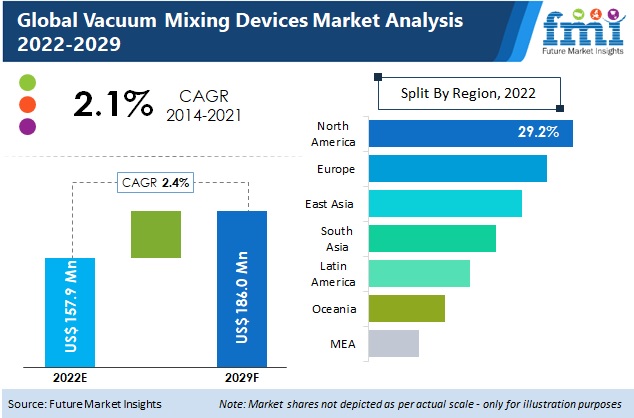
vacuum mixing devices market

A majority of the revenues of these two companies are generated from the US and Germany, and their focus on strategic collaborations will continue to yield significant profit benefits and ensure sustained growth. For instance, in 2021, Zimmer Biomet Holdings, Inc. – a global leader in musculoskeletal healthcare – collaborated with Apple to transform the patients’ journey for two most common type of surgeries undergone by the Americans every year – knee and hip replacement. This collaboration was aimed at popularizing the Zimmer Biomet ‘mymobility™’ app, an app that makes use of Apple Watch to facilitate constructive connections between patients and their respective surgical teams.

The FMI analyst finds that though the factors conditioning success differ for market players of varying statures, but in all the cases, the market partakers will have to be adept at effective tracking of the evolving market trends and make necessary adaptations.

Portability: The New Normal Grappling End User Appeal

In 2021, the devices with vertical orientation is estimated to surpass other variants and account for over ½ of the global vacuum mixing devices-derived value. Though end users will continue to invest in vertical vacuum mixing devices, the demand for rotational vacuum mixing devices will also see a considerable uptick through 2022, unveils FMI.

With ‘portable’ emerging as the new norm in the medical laboratory equipment space, manufacturers are jumping onto the ‘portability’ bandwagon by launching newer models of vacuum mixing devices that are easy-to-carry and compact in size. According to the FMI analysis, North America (29%) and Europe (26%) will continue to be the leading markets for vacuum mixing devices in 2022 and beyond, set in motion by robust healthcare infrastructure and massive investments in development of high-quality laboratory essentials.

Vacuum mixing devices worth ~ US$ 128 Mn were sold in hospitals in 2021, primarily driven by the growing number of inpatient and outpatient procedures. Manufacturers, to draw upon this increase in demand, are focusing on effective marketing of their products to hospitals by using ‘easy-to-use’ and ‘compatibility with varying viscosities’ as two of their key marketing touchpoints. However, various regulations put in place for manufacturing of vacuum mixing devices will continue to impede its penetration by increasing the ‘time-to-market’ factor.

This study sheds light on the untapped opportunities in the vacuum mixing devices market and finds the market would grow at a value CAGR of ~2.4% during the forecast period.

Key Market Segments Covered in Vacuum Mixing Devices Industry Research

By Product:

  • Vertical Vacuum-Mixing Devices
  • Rotational Vacuum-Mixing Devices
  • Vertical+Twisting Vacuum-Mixing Devices

By Modality:

  • Bench Top Devices
  • Portable Devices

By End User:

  • Ambulatory Surgical Centers
  • Hospitals
  • Specialty Clinics

By Region:

  • North America
  • Latin America
  • Europe
  • South Asia
  • East Asia
  • Oceania
  • Middle East and Africa (MEA)

Get a Tailored Made Report to Match Your requirements, Ask from Market Research Expert – https://www.futuremarketinsights.com/ask-question/rep-gb-7515

About Future Market Insights (FMI)
Future Market Insights (FMI) is a leading provider of market intelligence and consulting services, serving clients in over 150 countries. FMI is headquartered in Dubai, and has delivery centers in the UK, U.S. and India. FMI’s latest market research reports and industry analysis help businesses navigate challenges and make critical decisions with confidence and clarity amidst breakneck competition. Our customized and syndicated market research reports deliver actionable insights that drive sustainable growth. A team of expert-led analysts at FMI continuously tracks emerging trends and events in a broad range of industries to ensure that our clients prepare for the evolving needs of their consumers.

Contact:
Future Market Insights,
1602-6 Jumeirah Bay X2 Tower,
Plot No: JLT-PH2-X2A,
Jumeirah Lakes Towers, Dubai,
United Arab Emirates
For Sales Enquiries: sales@futuremarketinsights.com
For Media Enquiries: press@futuremarketinsights.com
Website: https://www.futuremarketinsights.com/
Wearable Healthcare Devices Market Analysis by Products: Trackers, Smartwatches, and Smart Clothing- Forecast to 2022–2032

Trends of Use and Key Predictors of Wearable Health Care Device Being used by Adults in the United States: Insights from a National Survey By 2032, the Wearable Medical Devices Market will be worth US$ 61 billion, with a CAGR of 13%.

The wearable healthcare devices market is anticipated to grow at a CAGR of 13% from US$ 16 billion in 2021 to US$ 61 billion by 2032

Future Market Insights report observes that from US$ 16 billion in 2021, the worldwide wearable healthcare market is expected to reach US$ 30 billion by 2026. From 2022 to 2032, it is predicted to increase at a compound annual growth rate (CAGR) of 13%.

Click on the link to get Report Sample: https://www.futuremarketinsights.com/reports/sample/rep-gb-14294

The wearable healthcare devices market is expected to be influenced by the rise of businesses such as home healthcare and remote patient monitoring devices. In addition, the wearable healthcare devices market is projected to be impacted by an increased focus on fitness and healthy lifestyle orientation.

The COVID-19 pandemic has elevated the importance of wearable medical devices in the healthcare market. As a result, various firms working on wearable medical devices from across the world are joining the wearable healthcare devices market, where wearable medical equipment can detect early warning symptoms of viral infection. For example, the Ava Bracelet, originally designed as a fertility tracker, is now being utilized to aid in the fight against the coronavirus. This wristband monitors heart rate variability, breathing rate, and skin temperature and can monitor viral symptoms. As a consequence of this, the demand for wearables is anticipated to grow.

In the wearable healthcare devices market, the adoption of new sophisticated tools and technologies such as AI and 5G is predicted to give high wearable healthcare devices growth potential.

In deciding compensation for mobile healthcare, national agencies play a significant role. Federal regulations in several EU member states define medical treatment in terms of the patient and doctor’s physical presence, which has an impact on payments for mobile and remote healthcare solutions. Such regulations slow the adoption of wearable healthcare devices in the healthcare sector.

Clinical device manufacturers in the United States and Europe confront significant hurdles from patent reform and patent trolls. Patent trolls are firms that buy patents to collect royalties from businesses that purportedly infringe on patents owned by patent assertion entities or non-practicing organizations (NPEs). The key to success in the fast-developing clinical-grade wearable business is to protect patients.

The pharmacy category held the highest proportion of the wearable healthcare devices market in 2020. The wearable healthcare devices market expansion is being driven by an increase in the elderly population and, as a result, an increase in the incidence of chronic illnesses.

Diagnostic instruments dominated the wearable healthcare devices market. However, the category is likely to grow as people become more aware of the capacity of neurological wearables to continually measure people’s cognitive abilities. At the same time, they go about their daily lives.

Due to the rising intake of therapeutic devices, the therapeutic device sector is expected to grow at the quickest rate throughout the forecast period.

Smartwatches, which allow for monitoring a variety of indicators such as mobility, respiration rate, pulse rate, and Bluetooth and cloud connection, are expected to drive wearable healthcare devices market growth in this category throughout the forecast period.

Due to the rise in prevalence of cardiovascular disease, diabetes, and cancer in this area.

“The rises in chronic illnesses that require regular monitoring, as well as the development of modern healthcare infrastructure, are expected to propel wearable healthcare devices market expansion throughout the forecast period.”

Key Takeaways:

  • The diagnostic instruments category held the largest wearable healthcare devices market share, accounting for 62.5% of total sales.
  • The strap/clip/bracelet category dominated the wearable medical devices market, accounting for 51.2% of total sales.
  • The home healthcare sector dominated the wearable healthcare devices market, accounting for 53.5% of total revenue.
  • North America held the largest wearable healthcare devices market share, accounting for 38.1% of total sales.

Competitive Landscape:

There are various companies in the worldwide wearable medical devices market; nevertheless, the wearable medical devices market includes prominent players, including Apple, Samsung, Fitbit, and Xiaomi, among others. To expand their worldwide wearable medical devices market share, these rivals employ various company growth techniques.

  • Fitbit Luxe was released in April 2021 by Fitbit, Inc. (US).
  • With a single-use, 48-hour, disposable electrode patch, Koninklijke Philips N.V. (Netherlands) launched foetal and maternal pods and patches for continuous, non-invasive monitoring of mother heart rate, foetal heart rate, and uterine activity in June 2020.
  • Fitbit, Inc. (US) teamed with FibriCheck in March 2020 to provide Fitbit smartwatch customers in Europe with a CE-marked Heart Health Detection App.
  • In September 2020, Apple announced the launch of the Apple Watch Series 6, equipped with revolutionary blood oxygen allowing the user to track accurate details of overall wellness. This has broadened its portfolio and contributed to the company’s revenue growth.

Click to get TOC of this Report: https://www.futuremarketinsights.com/reports/wearable-healthcare-devices-market/table-of-content

About the Healthcare Division at Future Market Insights

Future Market Insights facilitates corporates, government, investors, and associated audiences in the healthcare sector to identify and accentuate vital aspects applicable to product strategy, regulatory landscape, technology evolution, and other crucial issues to achieve sustainable success. Our unique approach to gathering market intelligence equips you in devising innovation-driven trajectories for your business. Know more about our sector coverage here.

About Future Market Insights (FMI)
Future Market Insights (FMI) is a leading provider of market intelligence and consulting services, serving clients in over 150 countries. FMI is headquartered in Dubai, and has delivery centers in the UK, U.S. and India. FMI’s latest market research reports and industry analysis help businesses navigate challenges and make critical decisions with confidence and clarity amidst breakneck competition. Our customized and syndicated market research reports deliver actionable insights that drive sustainable growth. A team of expert-led analysts at FMI continuously tracks emerging trends and events in a broad range of industries to ensure that our clients prepare for the evolving needs of their consumers.

Contact Us:
Future Market Insights
Unit No: AU-01-H Gold Tower (AU), Plot No: JLT-PH1-I3A,
Jumeirah Lakes Towers, Dubai,
​United Arab Emirates
For Sales Enquiries: sales@futuremarketinsights.com
For Media Enquiries: press@futuremarketinsights.com
Website: https://www.futuremarketinsights.com

Aluminium Composite Panels Market Key Players Yaret Industrial Group, 3A Composites GmbH, Jyi Shyang Industrial

Aluminium Composite Panels (ACP) are flat panels made of two aluminum-based alloy sheets, bonded with a core material to form a composite. Protective films are used to cover various levels of panel layers and the front side is generally given a Polyvinylidene Fluoride (PVDF) coating. Aluminium composite panels are environment-friendly materials widely used in the construction industry for cladding and insulation purposes in commercial buildings, including airports, food & beverages shops and residential premises.

They are also extensively used in the advertising industry as substitutes for heavier and expensive substrate options. The recent ban on import of polyethylene (PE) core in countries such as the U.S. and Germany is proving to be a major threat for market participants. However, the market will continue to grow with the development of non-combustible fire retardant cores such as mineral fiber based products. Another major challenge for participants is the high price of repairs and raw materials.

Get a Sample Copy of Report: https://www.futuremarketinsights.com/reports/sample/rep-gb-6544

Reasons for Covering this Title

Ongoing research efforts in the industry for the development of cladding products and to invent new technologies have resulted in the development of better core material options that comply with fire and building regulation developments. Key manufacturers are enhancing their product profiles in terms of color and finish offerings and are stepping up their inventories to support the increasing construction activity. Aluminium composite panels are high performance materials as they are corrosion, water and fire resistant along with being lightweight, efficient, flexible and durable. Attributing to the increasing awareness pertaining to sustainable materials and growth in the real estate sector, the demand for interior and exterior cladding operations is rapidly increasing.

Aluminium composite panels are gaining widespread adoption among end users. These panels offer proven performance in all kinds of climatic conditions and can be cleaned by merely washing with normal wash detergents. Application of aluminium composite panels in the automotive sector is also anticipated to play a key role in the global industry growth over the forecast period. Macro-economic factors such as rising population, urbanization and increasing disposable income will positively impact the demand for aluminium composite panels from builders as well as other Original Equipment Manufacturers (OEMs).

Request Report Methodology: https://www.futuremarketinsights.com/askus/rep-gb-6544

Global Aluminium Composite Panels Market: Key Players

Examples of some of the key players operating in the global aluminium composite panels market are:

Yaret Industrial Group, 3A Composites GmbH, Jyi Shyang Industrial, Alstrong, Arconic, Mitsubishi Plastic, CCJX, Goodsense, Seven,  HuaYuan, LiTai, Pivot, Vbang, Walltes, Daou, Genify, Shuangou, HongTai, Deltyn, and Anexa Group among others.

Key Developments

  • In 2017, Archicom, a Singapore-based aluminum composite materials producer, entered the Africa market with the introduction of aluminum composite panel products, aiming to meet the growth in market demand from building and construction services.
  • In April 2017, Fairview Architectural acquired the STRYUM business, an intelligent non-combustible aluminum cladding system, from Vitekk Industries

Opportunities for Market Participants

The aluminium composite panels market is slated to witness attractive overall growth over the forecasted period with large revenue growth expected from Asia-Pacific, led by China and India. In the Middle East & Africa, business will improve with the positively changing construction market landscape. In terms of the core type, the marketplace is expected to witness strong shift in demand towards the high-quality fire-retardant and non-combustible segment due to the increasing number of reported building fires in the recent past.

Organizations focused towards developing product portfolios with fire resistant offerings are well positioned to take advantage from the stringent construction and fire safety regulations laid out by concerned authorities. Such organizations have started to adapt more towards developing well designed solutions, especially for interior applications, to create a distinctive identity for buildings.

FMI will follow a modelling-based approach and triangulation methodology to estimate data covered in this report. A detailed market understanding and assessment of the nature, product type and applications of aluminium composite panels covered in the study are followed by carrying out a demand-side approach to estimate the sales of target product segments.Display and architecture applications are the driving force benefiting Aluminium Composite Panel market prospects. Adding to this, the trend towards lightweight material solutions in the transportation sector will further strengthen and make a positive contribution towards market success. The derived data is then cross-referenced with a supply-side assessment of value generated over a pre-defined period. The statistics and data are collected at a regional level and consolidated and synthesized at a global level to estimate the overall market sizes.

Ask for Customization: https://www.futuremarketinsights.com/customization-available/rep-gb-6544

Key Data Points Covered in the Report

Some of the key data points covered in our report include:

  • An overview of the aluminium composite panels market, including background and evolution
  • Macroeconomic factors affecting the aluminium composite panels market and their potential
  • Market dynamics such as drivers, challenges and trends
  • Detailed value chain analysis of the aluminium composite panels market
  • Cost structure of the products and segments covered in the global aluminium composite panels market
  • In-depth pricing analysis by key product segments, regions and major market participants
  • Analysis of supply and demand, such as top product producing and consuming geographies, product imports/exports, exchange of services and overall trade scenario, in the global aluminium composite panels market
  • Analysis of the global aluminium composite panels market structure, including a tier-wise categorization of key market participants
  • Competitive landscape of the market, including detailed profiles of the top players in the aluminium composite panels market

The research report presents a comprehensive assessment of the market and contains thoughtful insights, facts, historical data, and statistically supported and industry-validated market data. It also contains projections using a suitable set of assumptions and methodologies. The research report provides analysis and information according to market segments such as geographies, application, and industry.

The report covers exhaust analysis on:

  • Market Segments
  • Market Dynamics
  • Market Size
  • Supply & Demand
  • Current Trends/Issues/Challenges
  • Competition & Companies involved
  • Technology
  • Value Chain

Regional analysis includes:

  • North America (U.S., Canada)
  • Latin America (Mexico. Brazil)
  • Western Europe (Germany, Italy, France, U.K, Spain)
  • Eastern Europe (Poland, Russia)
  • Asia Pacific (China, India, ASEAN, Australia & New Zealand)
  • Japan
  • Middle East and Africa (GCC Countries, S. Africa, Northern Africa)

The report is a compilation of first-hand information, qualitative and quantitative assessment by industry analysts, inputs from industry experts and industry participants across the value chain. The report provides in-depth analysis of parent market trends, macro-economic indicators and governing factors along with market attractiveness as per segments. The report also maps the qualitative impact of various market factors on market segments and geographies.

Global Aluminium Composite Panels: Market Segmentation

On the basis of panel type, the global aluminium composite panels market has been segmented as:

  • Polyvinylidene fluoride (PVDF) aluminum composite
  • Polyester aluminum composite
  • Polyester aluminum composite
  • Laminating coating aluminum composite
  • Oxide film aluminum composite
  • Other aluminum composite

On the basis of core, the global aluminium composite panels market has been segmented as:

  • Polyethylene (PE)
  • Fire Retardants
  • Non-combustible

On the basis of application, the global aluminium composite panels market has been segmented as:

  • Construction
  • Residential
  • Commercial
  • Automotive
  • Advertisement

About Future Market Insights (FMI)

Future Market Insights (FMI) is a leading provider of market intelligence and consulting services, serving clients in over 150 countries. FMI is headquartered in Dubai, and has delivery centers in the UK, U.S. and India. FMI’s latest market research reports and industry analysis help businesses navigate challenges and make critical decisions with confidence and clarity amidst breakneck competition. Our customized and syndicated market research reports deliver actionable insights that drive sustainable growth. A team of expert-led analysts at FMI continuously tracks emerging trends and events in a broad range of industries to ensure that our clients prepare for the evolving needs of their consumers.

Contact:
Corporate Headquarter
Future Market Insights,
1602-6 Jumeirah Bay X2 Tower,
Plot No: JLT-PH2-X2A,
Jumeirah Lakes Towers, Dubai,
United Arab Emirates
Website: https://www.futuremarketinsights.com

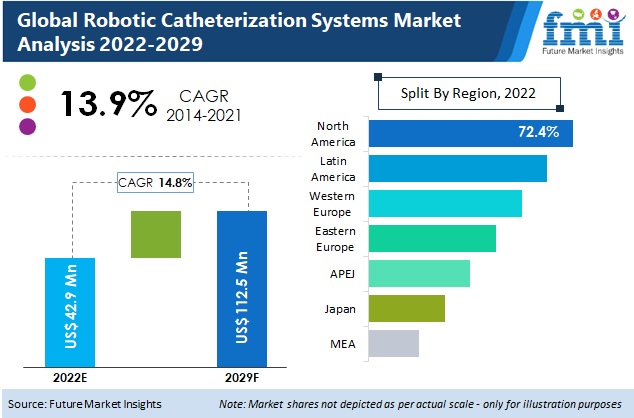
Robotic Catheterization Systems Market value of around US$ 42.9 Million as of 2022

[193 Pages Report] This factor will be prominent in pushing the preference for robotic catheterization systems as an effective procedure for catheterization. Projected to reach US$ 42.9 Mn by the end of 2022, robotic catheterization systems market is set to thrive at an impressive CAGR of 14.8% during the forecast period (2022 – 2029).

A recent clinical study radiation level research with robotic catheterization and normal cardiac intervention procedures reveals that robotic catheterization systems show reduction of ionizing radiation exposure by 95%.

Interventional and surgical robotic systems have already made a significant impact on how surgeries are performed and are being increasingly adopted in modern operating rooms. Robotic catheterization systems have proved their abilities to perform interventional procedures with immensely low operator radiation exposure in comparison to the tradition catheterization procedures.

Procedures where clinicians are given navigational and mechanical tools that permit definite actions or part of the procedure to be executed autonomously with a level of precession and control are possible only with robot-assisted catheterization.

Key Takeaways – Robotic Catheterization Systems Market Study

  • Popularity of robotic catheterization systems, increasing system awareness, improving reimbursement scenarios for percutaneous coronary intervention (PCI), larger patient pool for coronary artery diseases are key factors influencing the robotic catheterization systems market in developed countries.
  • High upfront cost is posing a negative impact on end users’ decision to purchase robotic catheterized systems. To rework this problem, Hansen Medical is offering sensei system at a competitive pricing depicting lower accessory cost and lower total cost per procedure.
  • Robotic catheterization systems installed in Chesapeake Regional Healthcare marks as the first fully integrated catheterization laboratory installed in its all intervention operating room.
  • In terms of product type, electromechanical robotic catheterization systems with comparatively higher technical advantage over magnetic-guided robotic catheterization systems is expected to generate significant revenue.
  • In terms of application, increasing adoption of robotic catheterization for percutaneous coronary intervention as compared to cardiac electrophysiology procedure marks higher revenue potential.

global robotic catheterization systems market

To remain ahead of your competitors, request for a sample – https://www.futuremarketinsights.com/reports/sample/rep-gb-9667

The first ever successful robotic PCI procedure in Asia Pacific that delivered positive results will be offering an inception point for the growth of robotic catheterization systems market in developing Asian economies.

Report Scope

Attribute Details
Forecast Period 2022-2029
Historical Data Available for 2014-2021
Market Analysis US$ Mn for Value
Key Regions Covered North America, Latin America, Europe, South Asia, East Asia, Oceania and Middle East & Africa
Key Countries Covered US, Canada,  Brazil,  Germany, U.K., France, Italy, Spain, China, Japan, South Korea, India, Australia, New Zealand, and GCC Countries
Key Market Segments Covered Product, Application, End User and Region
Key Companies Profiled

Market Leaders on Acquisition Spree

In reference to the trend in other medical device markets, key factors impacting the robotic catheterization systems market are partnerships and mergers observed in recent years. Key manufacturers are entering the robotic catheterization systems market by strategically expanding their reach through acquisitions and mergers, considering the increasing demand for these systems.

Product bundling of robotic catheterization and accessory systems at promotional rates and research contracts are forcing a decline in ASPs. Companies are focusing on limiting operational expenses to grow profitability. In contrast to these market changes, another significant factor influencing the robotic catheterization systems market is the exit and entrance of co-participating companies.

In August 2022, Corindus Vascular Robotics Inc., a prominent developer of precision vascular robotics, declared that it has settled on acquisition by Siemens Healthineers AG., representing a collective purchase price of approximately $1.1 billion.

In April 2016, Hansen Medical Inc. was acquired by Auris Surgical Robotics Inc. in an arrangement with roughly US$ 80 Mn of equity value. With Hansen portfolio, Auris attained Magellan Robotic System, employed in navigating peripheral blood vessels in endovascular procedures, and Sensei Robotic System, a robotically steerable catheter system.

Looking for More Insights?

Robotic catheterization systems market, a new study from Future Market Insights, provides unparalleled insights on evolution of the robotic catheterization systems market during 2014 – 2021 and presents demand projections during 2022 – 2029 on the basis of product category (Electromechanical robotic catheterization systems, magnetic-guided robotic catheterization systems), application (percutaneous coronary intervention, cardiac electrophysiology procedures), and end user (hospitals, ambulatory surgical centers, catheterization laboratories) across seven prominent regions.

Get a Tailored Made Report to Match Your requirements, Ask from Market Research Expert – https://www.futuremarketinsights.com/ask-question/rep-gb-9667

About Future Market Insights (FMI)
Future Market Insights (FMI) is a leading provider of market intelligence and consulting services, serving clients in over 150 countries. FMI is headquartered in Dubai, and has delivery centers in the UK, U.S. and India. FMI’s latest market research reports and industry analysis help businesses navigate challenges and make critical decisions with confidence and clarity amidst breakneck competition. Our customized and syndicated market research reports deliver actionable insights that drive sustainable growth. A team of expert-led analysts at FMI continuously tracks emerging trends and events in a broad range of industries to ensure that our clients prepare for the evolving needs of their consumers.

Contact:
Future Market Insights,
1602-6 Jumeirah Bay X2 Tower,
Plot No: JLT-PH2-X2A,
Jumeirah Lakes Towers, Dubai,
United Arab Emirates
For Sales Enquiries: sales@futuremarketinsights.com
For Media Enquiries: press@futuremarketinsights.com
Website: https://www.futuremarketinsights.com/
Molecular Quality Controls Market is looking for the Growth of 7% over the Forecast Period 2022 to 2032

According to the market research report by Future Market Insights, the global molecular quality controls market is estimated to increase at a CAGR of 7%, from US$ 165 million in 2021 to US$ 226 million by 2026.

The rising adoption of third-party quality controls, the growing number of accredited clinical laboratories, the rising demand for external quality assessment support, increasing government funding to support genomics projects, increasing demand for personalized medicines, declining sequencing costs, and the rising prevalence of infectious diseases, cancer, and genetic diseases are all driving molecular quality controls market forward.

Ask for the Report Sample: https://www.futuremarketinsights.com/reports/sample/rep-gb-14301

The COVID-19 pandemic had a detrimental impact on molecular quality controls sales. As governments increasingly loosen their prohibitions on migration, there is a rise in testing numbers.

With the COVID-19 pandemic, dealing with infectious illness has become a major medical concern throughout the world. There is an increasing demand for more precise and easy testing methods, as well as the expansion of testing structures. Companies have also made strategic decisions to deploy COVID-19 quick testing, maintain revenue, and mitigate COVID-19’s influence on their operating capabilities.

Due to the expanding global burden of various diseases, the number of laboratory tests performed has grown. The number of laboratories in both the public and private sectors is growing to satisfy this need.

Setting up a quality control process in a clinical laboratory necessitates a large financial commitment. Laboratories must also have specialized people to supervise the quality control system.

Regardless of the number of tests completed, QC procedures entail equal expenses. As a result, the expense of implementing QC processes in clinical laboratories that perform modest quantities of diagnostic tests is prohibitively expensive. This, along with funding restrictions in many hospitals and laboratories in both developed and emerging economies, is projected to lead to a decreased adoption of quality-control techniques.

New multi-analyte and multi-instrument controls have been developed as a result of technological improvements. These cutting-edge controls combine many instrument-specific controls into a single control, allowing clinical laboratories to save money. In addition, these controls save time by eliminating the need for separate QC processes for each analyte.

In the next years, the increased availability of such molecular quality controls for infectious disease diagnostics and other applications is likely to drive market expansion.

Key Takeaways:

  • The Asia Pacific molecular quality controls market is expected to reach US$ 72.07 million in 2028 from US$ 34.27 million in 2021; it is estimated to grow at a CAGR of 11.2%.
  • The European molecular quality controls market is expected to reach US$ 109.59 million by 2028 from US$ 55.76 million in 2021; it is estimated to grow at a CAGR of 10.1%.
  • The growing implementation of genomic sequencing in healthcare systems is supported by substantial government investments, totaling over US$ 4 billion by at least 14 countries.

Competitive Landscape:

The prominent players in the molecular quality control market F. Hoffmann-La Roche Ltd. (Switzerland), Bio-Rad Laboratories, Inc. (US), Thermo Fisher Scientific, Inc. (the US), Randox Laboratories Ltd. (UK), LGC Limited (UK), Abbott Laboratories (US), Fortress Diagnostics (UK), SERO AS (Norway), Anchor Molecular (US), Ortho-Clinical Diagnostics, Inc. (US), Quidel Corporation (US), Sun Diagnostics, LLC (US), Seegene Inc. (South Korea), ZeptoMetrix, LLC (US), Qnostics (UK), Bio-Techne Corporation (US), Microbiologics, Inc. (US), Microbix Biosystems Inc. (Canada), SpeeDx Pty. Ltd. (Australia), Maine Molecular Quality Controls, Inc. (US), and Grifols, S.A. (Spain).

  • SeraCare and the International Quality Network for Pathology (IQN Path) (Luxembourg) announced a collaboration in June 2021 to develop, manufacture, and supply a range of highly characterised cell line genomic DNA and formalin-fixed, paraffin-embedded (FFPE) standards with confirmed low, mid, and high levels of mutational burden within their exome regions.
  • Bio-Rad and Roche Diagnostics (Switzerland) announced worldwide cooperation in May 2021 to supply clients with a comprehensive array of InteliQ devices and Unity QC data management systems, as well as customer training and support services.
  • Abbott Laboratories spent USD 2.4 billion in research and development in 2020, with USD 10.80 billion going toward producing technologically enhanced diagnostic devices to expand its product offering.

Ask for the in-depth TOC of this Report: https://www.futuremarketinsights.com/reports/molecular-quality-controls-market/table-of-content

About the Healthcare Division at Future Market Insights

Future Market Insights facilitates corporates, government, investors, and associated audiences in the healthcare sector to identify and accentuate vital aspects applicable to product strategy, regulatory landscape, technology evolution, and other crucial issues to achieve sustainable success. Our unique approach to gathering market intelligence equips you in devising innovation-driven trajectories for your business. Know more about our sector coverage here

About Future Market Insights (FMI)
Future Market Insights (FMI) is a leading provider of market intelligence and consulting services, serving clients in over 150 countries. FMI is headquartered in Dubai, and has delivery centers in the UK, U.S. and India. FMI’s latest market research reports and industry analysis help businesses navigate challenges and make critical decisions with confidence and clarity amidst breakneck competition. Our customized and syndicated market research reports deliver actionable insights that drive sustainable growth. A team of expert-led analysts at FMI continuously tracks emerging trends and events in a broad range of industries to ensure that our clients prepare for the evolving needs of their consumers.

Contact Us:
Future Market Insights
Unit No: AU-01-H Gold Tower (AU), Plot No: JLT-PH1-I3A,
Jumeirah Lakes Towers, Dubai,
​United Arab Emirates
For Sales Enquiries: sales@futuremarketinsights.com
For Media Enquiries: press@futuremarketinsights.com
Website: https://www.futuremarketinsights.com

Engineering Plastics Market registering a CAGR of 7.2% during the forecast period 2022-2026

Future Market Insights delivers key insights on the global engineering plastics market in an upcoming research publication titled, “Engineering Plastics Market: Global Industry Analysis and Opportunity Assessment, 2016 – 2026”. The global engineering plastics market is projected to register a healthy CAGR of 7.2% in terms of value and 5.7% in terms of volume during the forecast period. Future Market Insights analyses the market performance and provides information on the key factors and trends impacting market growth over the forecast period 2016–2026.

Get a Sample Copy of Report: https://www.futuremarketinsights.com/reports/sample/rep-gb-1881

The report segments the global engineering plastics market on the basis of Product Type into Polyamides (PA), Polycarbonates (PC), Polyoxymethylene (POM), Polybutylene terephthalate (PBT), Acrylonitrile butadiene styrene (ABS) and Styrene Acrylonitrile (SAN), High Performance Polymers, Fluoropolymers, Polymethyl methacrylate (PMMA), and Others (includes UHMWPE/UHMW, TPI alloys and blends, etc.); and on the basis of Application into Automotive and transportation, Electrical and electronics, Construction, Medical, Industrial and machinery, Packaging, and Others (includes furniture and fixtures, sports goods, leisure products, etc.).

The Automotive and transportation segment is increasingly inclined towards adoption of engineering plastics products due to their various thermal and mechanical properties. The fuelling demand for engineering plastics is largely from automotive components such as fasteners and supports for chassis and power trains and body panel lens of head lamps as these parts require higher strength materials. Besides mechanical strength, engineering plastics help in reducing the overall weight of the vehicles. Bio-based engineering plastics that help reduce carbon footprint such as polyamides and polycarbonates are also in high demand. Packaging, electrical and electronics, and consumer goods are lucrative segments for bio-based engineering plastics ranging from stiff to flexible grades. Strong market growth is likely to be observed across high performance plastics such as PEI, PEEK, PSU/PES, PCTF, PVDC, PPSU, LCP, PPS.

A growing use of engineering plastics by end user industries, especially automotive, transportation, and medical industries is expected to drive global demand over the forecast period. Rapid urbanisation, infrastructure development, and increased income levels across various end-user segments are other factors likely to boost the growth of the global engineering plastics market. However, high costs of engineering plastics, increasing use of alternative substitutes, and fluctuations in the cost of raw materials are expected to hamper the growth of the global engineering plastics market over the forecast period.

Global sales revenue of engineering plastics is expected to witness steady incremental growth during the forecast period. In the product type category, the high performance plastics segment is anticipated to register a healthy CAGR of 9.6% between 2016 and 2026, attributed to an increasing application in the medical industry. In the application category, the electrical and electronics segment is estimated to account for 36% value share of the global engineering plastics market by 2016, followed by the automotive and transportation segment (32.1%) and the construction segment (11.1%).

Engineering Plastics Market: Region-wise Insights

This report also covers trends driving each segment and offers analysis and insights of the potential of the engineering plastics market in specific regions. The APEJ region is expected to exhibit the highest market growth due to an increase in population, income levels, and rapid urbanisation in the region. There is plenty of scope in the APEJ region for manufacturing automobiles, consumer appliances, electronic products, medical devices, industrial, and machineries.

The APEJ region is anticipated to register a CAGR of 6.8% between 2016 and 2026 in terms of volume. APEJ is expected to gain substantial market share owing to high demand from India and China, especially in the automotive and electrical and electronics industries. The North America market is expected to register a CAGR of 7.3% during the forecast period, owing to an increasing consumption of engineering plastics in the automotive and transportation industry in the region. In terms of volume, the market share of Western Europe and Japan is expected to decrease substantially over the forecast period, as they are mature markets for engineering plastics.

Request a Complete TOC of this Report with figures: https://www.futuremarketinsights.com/toc/rep-gb-1881

Vendor Highlights

The report also profiles leading players dominating the global engineering plastics market. Arkema Group, Asahi Kasei Corporation, BASF SE, Celanese Corporation, Covestro, DSM N.V, DuPont, Lanxess, LG Chem, Mitsubishi Engineering-Plastics Corporation, Saudi Basic Industries Corporation (SABIC), Solvay SA, Teijin Limited, Toray Industries, and Victrex PLC are some of the top companies operating in the global engineering plastics market.

Ask Us Your Questions About This Report: https://www.futuremarketinsights.com/ask-question/rep-gb-1881

About Future Market Insights (FMI)
Future Market Insights (FMI) is a leading provider of market intelligence and consulting services, serving clients in over 150 countries.
FMI is headquartered in Dubai, and has delivery centers in the UK, U.S. and India. FMI’s latest market research reports and industry analysis
help businesses navigate challenges and make critical decisions with confidence and clarity amidst breakneck competition. Our customized and
syndicated market research reports deliver actionable insights that drive sustainable growth. A team of expert-led analysts at FMI continuously
tracks emerging trends and events in a broad range of industries to ensure that our clients prepare for the evolving needs of their consumers.

Contact:
Corporate Headquarter
Future Market Insights,
1602-6 Jumeirah Bay X2 Tower,
Plot No: JLT-PH2-X2A,
Jumeirah Lakes Towers, Dubai,
United Arab Emirates
Website: https://www.futuremarketinsights.com

Home Healthcare Market Expanding with the Key Players: American Well, CVS Health, Humana Inc., LHC Group Inc. & Kindred Healthcare 2022-2032

Projected to reach global market revenues of over US$ 4 Bn by the end of 2030, home healthcare continues to receive a strong impetus from a shifting preference for a value-based healthcare delivery model.

Expensive hospital stays, coupled with evolving patient expectations and advancing technologies, are putting immense pressure on healthcare systems to reimagine the way healthcare is delivered over the years. Home-based primary care and hospital-at-home care will continue to make significant strides in the near future, according to a new Future Market Insights (FMI) study on the global home healthcare market.

However, adoption of home healthcare products and solutions has been on a slight decline since Q1 2022 due to evolving priorities of industry amid the global outbreak of COVID-19. Nationwide lockdowns, shutdown of production units, and considerable alternations in supply chains are currently challenging the progress of home healthcare market. The market is however set for a rapid rebound post the containment of coronavirus.

Request for the Sample of this Report: https://www.futuremarketinsights.com/reports/sample/rep-gb-11594

Home Healthcare Market Size (2022) US$ 3.13 Bn
Sales Forecast (2030) US$ 4 Bn
Global Market Growth Rate (2022 to 2030) 3.1% CAGR
Share of Top 5 Market Players 50%

 As per the Bureau of Labor Statistics, increasing workforce pertaining to healthcare services translates to rising need for personal healthcare and home health aides will outperform the capital performance of the healthcare sector, with over 4 million jobs in the homecare sector alone.

Key Takeaways of Home Healthcare Market Study

  • Prevalence of chronic diseases, especially among the geriatric population, is opening a broad array of opportunities for home healthcare companies.
  • Infusion pumps would remain preferred among various home healthcare products such as pressure relief devices; ostomy drainage bags to follow closely.
  • Stoma care would be the prominent application area in home healthcare market; key players to invest in IV medication.
  • North America and Europe continue to offer opportunities of growth and profitability, owing to strong presence of leading players and rising adoption of home healthcare services.

Leading Manufacturers Capitalize on Product Portfolio Expansion and Distributional Partnerships

A majority of companies are focused on development of innovative home healthcare. Several prominent players are investing in expansion of their product portfolio thorough acquisitions in order to extend their geographical reach. For instance, the famous BD and C.R. Bard merger gave rise to a new global healthcare leader. With an aim to expand operations in the UK, Medline had announced opening of its new warehouse in the UK, in 2018.

Some of the prominent players in home healthcare industry that are profiled in the FMI report, include Coloplast A/S, Baxter International Inc, B. Braun Melsungen AG, Hollister Incorporated, ConvaTec Group Plc, Medtronic plc., and Becton Dickinson and Co.

Know More About Report Inclusions

The FMI report brings to fore a comprehensive research on the market growth forecast at global, regional, and country levels and provides an analysis of the latest industry trends in each of the sub-segments from 2015 to 2030. The global Home Healthcare market is segmented in detail to cover every aspect of the market and present a complete market intelligence approach to the reader.

The study provides compelling insights on Home Healthcare market on basis of product type (infusion systems, pressure relief devices, hydrocolloid dressings, hydrofibre dressings, hydrogel dressings, semi-permeable film dressings, superabsorbent dressings, wound contact layers, gauze sponges, gauzes, sponges, ostomy drainage bags), application (total parenteral nutrition (TPN), IV medication, pressure ulcer, stoma care), across seven major regions.

Request for the complete TOC of this Report: https://www.futuremarketinsights.com/reports/home-healthcare-products-market/table-of-content

About the Healthcare Division at Future Market Insights

Future Market Insights facilitates corporates, government, investors, and associated audiences in the healthcare sector to identify and accentuate vital aspects applicable to product strategy, regulatory landscape, technology evolution, and other crucial issues to achieve sustainable success. Our unique approach to gathering market intelligence equips you in devising innovation-driven trajectories for your business. Know more about our sector coverage here.

About Future Market Insights (FMI)
Future Market Insights (FMI) is a leading provider of market intelligence and consulting services, serving clients in over 150 countries. FMI is headquartered in Dubai, and has delivery centers in the UK, U.S. and India. FMI’s latest market research reports and industry analysis help businesses navigate challenges and make critical decisions with confidence and clarity amidst breakneck competition. Our customized and syndicated market research reports deliver actionable insights that drive sustainable growth. A team of expert-led analysts at FMI continuously tracks emerging trends and events in a broad range of industries to ensure that our clients prepare for the evolving needs of their consumers.

Contact Us:
Future Market Insights
Unit No: AU-01-H Gold Tower (AU), Plot No: JLT-PH1-I3A,
Jumeirah Lakes Towers, Dubai,
​United Arab Emirates
For Sales Enquiries: sales@futuremarketinsights.com
For Media Enquiries: press@futuremarketinsights.com
Website: https://www.futuremarketinsights.com

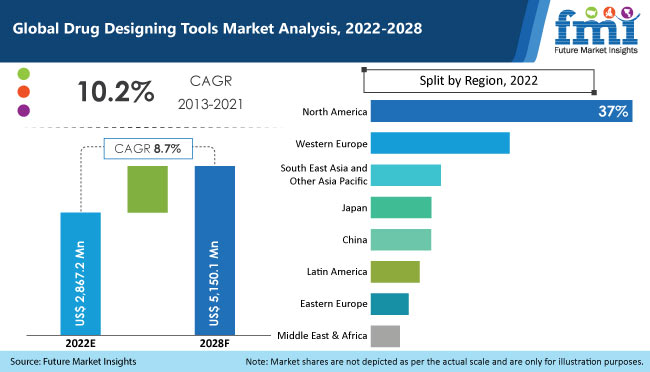
Drug Designing Tools Market expanding at a CAGR of 8.7% in terms of revenue during the forecast period (2022-2028).

[220 Pages Report] The global drug designing tools market is expected to grow from US$ 1,777.3 Mn in 2021 to US$ 5,150.1 Mn by 2028, expanding at a CAGR of 8.7% in terms of revenue during the forecast period (2022-2028). In a new report by Future Market Insights, the global drug designing tools market is tracked in terms of value and is calibrated to obtain the market revenue estimates. The adoption of advanced technologies in drug designing tools and increasing requirement of time- and cost-effective tools are boosting growth of the drug designing tools market. However, infrastructure compatibility is a major problem faced by most organizations and is likely to challenge revenue growth of the global drug designing tools market.

drug designing tools market

To understand and assess the demand and opportunities in the drug designing tools market, the report is categorically split into four major sections that focus on market analysis by solutions, by application, by end user, and by region.

The section – market analysis by solutions comprehensively analyses the market on the basis of multi databases, virtual screening tools, structure designing/building tools, predictive analytics, model building tools, and other solutions in terms of value for the period 2022-2028. In 2022, the multi databases segment dominated the drug designing tools market, followed by the virtual screening tools segment. The predictive analytics segment is projected to expand at the fastest CAGR of 13.22% over the forecast period in the drug designing tools market in terms of revenue, followed by the virtual screening tools segment.

The section – market analysis by application, analyses the various applications that use drug designing tools, and the data is provided in terms of value for 2022-2028. The binding site prediction segment is expected to expand at a significant CAGR of 12.75% in terms of value during the forecast period. In terms of market share, the docking segment accounted for a major percentage of the revenue share of the overall market in 2021, and is expected to dominate the drug designing tools market throughout the forecast years, followed by the target prediction segment.

The section – market analysis by end user, analyses various users that use tools in research and development, and the data is provided in terms of value for 2022-2028. The contract research organisations segment is expected to expand at a significant CAGR of 11.99% in terms of value during the forecast period. In terms of market share, the pharmaceutical companies segment accounted for a major percentage of the revenue share of the overall market in 2021, and is expected to dominate the drug designing tools market throughout the forecast years, followed by the biotechnology companies segment.

The section – market analysis by region includes an in-depth country-level analysis of the key regions in the world, namely, North America, Latin America, Western Europe, Eastern Europe, SEA & Others of APAC, China, Japan, and Middle East & Africa by product type, end user, and countries; and provides market data in terms of value for the forecast period 2022-2028. In 2022, the market in North America dominated the overall global drug designing tools market, followed by the market in Western Europe.

To remain ahead of your competitors, request for a sample – https://www.futuremarketinsights.com/reports/sample/rep-gb-3806

Key Segments of Drug Designing Tools Industry Analysis

Drug Designing Tools Market by Solution:

  • Multi Databases
  • Virtual Screening Tools
  • Structure Designing/ Building Tools
  • Predictive Analytics
  • Model Building Tools
  • Others

Drug Designing Tools Market by Application:

  • Chemical Screening
  • Molecular Modeling/ Homology Modeling
  • Target Prediction
  • Binding Site Prediction
  • Docking
  • Energy Minimization
  • Others

Drug Designing Tools Market by End User:

  • Pharmaceutical Companies
  • Biotechnology Companies
  • Academic and Research Institutes
  • Contract Research Organizations
  • Others

Drug Designing Tools Market by Region:

  • North America Drug Designing Tools Market
  • Latin America Drug Designing Tools Market
  • Europe Drug Designing Tools Market
  • East Asia Drug Designing Tools Market
  • South Asia & Pacific Drug Designing Tools Market
  • Middle East & Africa (MEA) Drug Designing Tools Market

Get a Tailored Made Report to Match Your requirements, Ask from Market Research Expert – https://www.futuremarketinsights.com/ask-question/rep-gb-3806

About Future Market Insights (FMI)
Future Market Insights (FMI) is a leading provider of market intelligence and consulting services, serving clients in over 150 countries. FMI is headquartered in Dubai, and has delivery centers in the UK, U.S. and India. FMI’s latest market research reports and industry analysis help businesses navigate challenges and make critical decisions with confidence and clarity amidst breakneck competition. Our customized and syndicated market research reports deliver actionable insights that drive sustainable growth. A team of expert-led analysts at FMI continuously tracks emerging trends and events in a broad range of industries to ensure that our clients prepare for the evolving needs of their consumers.

Contact:
Future Market Insights,
1602-6 Jumeirah Bay X2 Tower,
Plot No: JLT-PH2-X2A,
Jumeirah Lakes Towers, Dubai,
United Arab Emirates
For Sales Enquiries: sales@futuremarketinsights.com
For Media Enquiries: press@futuremarketinsights.com
Website: https://www.futuremarketinsights.com/
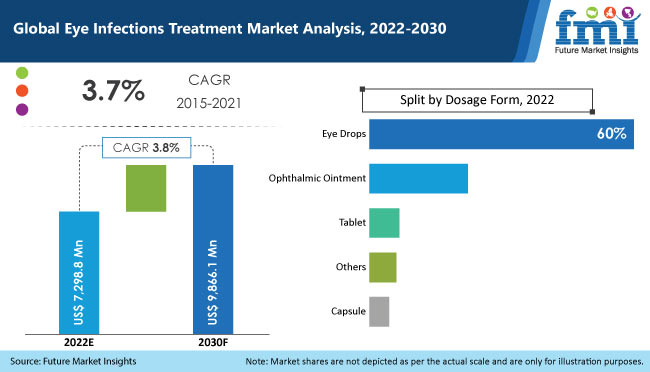
Eye Infections Treatment Market to reach US$ 10 Billion by the end of 2030.

[256 Pages Report] Increasing prevalence of eye infections due to ocular surgical procedures is primarily shaping eye infection treatment market. A recent Future Market Insights (FMI) report forecasts that even though the eye infection treatment market would continue to experience a downtrend throughout 2022 due to COVId-19 pandemic, revenues would reach US$ 10 Bn by the end of 2030. Post-operative ocular infections remain among the most common eye infection types, says the FMI study.

Rising Caseloads
Caseloads of ocular surgical conditions such as cataracts, glaucoma, age-related macular degeneration (AMD), and diabetic retinopathy are growing due to sedentary lifestyle habits, and expanding geriatric cohort. According to the US statistics 2021, cataracts affect over 24 million Americans aging at least 40 years.By age 75, about half of the Americans suffer from cataract. Further, diabetic retinopathy affects nearly 7.7 million Americans aging at least 40 years. In similar fashion, there were 48,229 corneal transplants performed in the US in 2015.

Key Takeaways of Eye Infection Treatment Market Study

  • Antibiotics would contribute over 55% revenue share in the eye infection treatment market owing to their use in treating primary eye infections and post-surgical eye infections.
  • Eye drop sales capture over 60% market share in the eye infection treatment market.
  • Conjunctivitis would account for a third of eye infection treatment demand through 2030.
  • Bacterial infections continue to account for over 3/5th market share.
  • Hospitals and retail pharmacies collectively generate over 70% total returns to shareholders.
  • Increasing rate of eye surgeries and rising usage of contact lenses continue to push North American market. European market would be upheld by the expanding geriatric pool.

eye infections treatment market

Demand for eye infection treatment will continue to receive a strong impetus from increasing awareness about different eye infection types and availability of treatment, further complemented by technological advancements on ophthalmology.

To remain ahead of your competitors, request for a sample – https://www.futuremarketinsights.com/reports/sample/rep-gb-1300

Demand for Eye Infection Drugs to Slump Amidst COVID-19 PandemicThe coronavirus (COVID-19) pandemic has resulted in widened gap between supply and demand of eye infection treatments. As such, it has significantly reduced ocular surgery rate for short-term basis and, in turn, post-operative eye infections.

According to World Health Organization (WHO), national healthcare resources redirection and utilization to contain COVID-19 pandemic is expected to delay and reschedule the treatment of non-critical healthcare conditions for brief period, including eye care services, and ocular surgeries.

Development and Licensing Deals with Multiple Commercialization PartnersTechnology developers are laying greater emphasis on developing of novel ophthalmic formulation technologies and engaging with commercialization partners with licensing-out proprietary ophthalmic technologies.

For instance, Nicox S.A. has licensed out ZERVIATE (cetirizine ophthalmic solution) 0.24% to Eyevance Pharmaceuticals LLC for commercialization of ZERVIATE in the US. ZERVIATE is the first topical ocular formulation of antihistamine cetirizine approved for treatment of ocular itching associated with allergic conjunctivitis. In addition, Ocumension Therapeutics is responsible for all development and commercialization activities in Chinese market for ZERVIATE.

Know More About FMI’s Eye Infection Treatment Market StudyEye infection treatment market, a new study from Future Market Insights, opines on eye infections treatment from 2015 – 2021 and presents demand projections from 2022 – 2030 on the basis of; drug class (antibiotics, antivirals, antifungals, antihistamines, corticosteroids, and glucocorticoids), dosage form (tablet, capsule, ophthalmic ointment, and eye drops), indication (conjunctivitis, keratitis, endophthalmitis, blepharitis, stye or sty (hordeolum), uveitis, cellulitis, and ocular herpes), causative agent (virus, bacteria, fungus, and allergens) and distribution channel (hospital pharmacies, retail pharmacies, online pharmacies, and drug stores) across seven prominent regions.

Get a Tailored Made Report to Match Your requirements, Ask from Market Research Expert – https://www.futuremarketinsights.com/ask-question/rep-gb-1300

Key Segments Of Eye Infections Treatment Industry SurveyBy Drug Class :

  • Antibiotics
    • Sulfonamides
    • Macrolides
    • Erythromycin
    • Chloramphenicol
    • Aminoglycosides
    • Fluoroquinolones
    • Vancomycin
    • Tetracyclines
  • Antivirals
    • Thymidine-Based Nucleoside Analogues (Trifluridine)
    • Thymidine Phosphorylase Inhibitors (Trifluridine)
    • Acyclic Nucleoside Analogue of 2’Deoxyguanasine (Ganciclovir)
    • Acyclic Guanine Nucleoside Analog (Acyclovir)
    • Others
  • Antifungals
    • Polyenes (Amphotericin B (AMB) And Natamycin (NTM))
    • Azoles (Miconazole (MCZ), Econazole (ECZ) And Ketoconazole (KCZ))
    • Pyrimidines
    • Echinocandins (Caspofungin (CFG) and Micafungin (MFG))
    • Others
  • Antihistamines
  • Corticosteroids
  • Glucocorticoids

By Dosage Form :

  • Eye Infections Treatment Tablets
  • Eye Infections Treatment Capsules
  • Eye Infections Treatment Ophthalmic Ointments
  • Eye Infections Treatment Eye Drops
  • Others

By Indication :

  • Eye Infections Treatment for Conjunctivitis
  • Eye Infections Treatment for Keratitis
  • Eye Infections Treatment for Endophthalmitis
  • Eye Infections Treatment for Blepharitis
  • Eye Infections Treatment for Stye or Sty (Hordeolum)
  • Eye Infections Treatment for Uveitis
  • Eye Infections Treatment for Cellulitis
  • Eye Infections Treatment for Ocular Herpes

By Causative Agent :

  • Virus
  • Bacteria
  • Fungus
  • Allergens

By Distribution Channels :

  • Hospital Pharmacies
  • Retail Pharmacies
  • Online Pharmacies
  • Drug Stores

For in-depth competitive analysis, Buy Now – https://www.futuremarketinsights.com/checkout/1300

About Future Market Insights (FMI)
Future Market Insights (FMI) is a leading provider of market intelligence and consulting services, serving clients in over 150 countries. FMI is headquartered in Dubai, and has delivery centers in the UK, U.S. and India. FMI’s latest market research reports and industry analysis help businesses navigate challenges and make critical decisions with confidence and clarity amidst breakneck competition. Our customized and syndicated market research reports deliver actionable insights that drive sustainable growth. A team of expert-led analysts at FMI continuously tracks emerging trends and events in a broad range of industries to ensure that our clients prepare for the evolving needs of their consumers.

Contact:
Future Market Insights,
1602-6 Jumeirah Bay X2 Tower,
Plot No: JLT-PH2-X2A,
Jumeirah Lakes Towers, Dubai,
United Arab Emirates
For Sales Enquiries: sales@futuremarketinsights.com
For Media Enquiries: press@futuremarketinsights.com
Website: https://www.futuremarketinsights.com/

Ablation Devices Market is Expanding with a Healthy 11.3% CAGR, the Market Size is Projected to Total US$ 8.3 Billion in the Time Period of 2022- 2029

Ablation devices are gathering momentum around the world, owing to their proven procedural efficacy, improved safety profiles, and awareness in current asymptomatic procedure-related events. Over the last decade, ablation devices have undergone significant technical improvements. These devices offer the benefits of enhanced patient quality of life, patient safety, and clinician efficiency, and are used as a frontline therapy.

Decrement in long-term hospitalization and minimal invasion are critical factors that are expected to propel the growth of the ablation devices market over the coming years. Ablation devices have gained clinical significance on the basis of effective treatment across various medical applications, as well as due to shorter recovery time with affordable minimal invasive procedures. Moreover, rising prevalence of chronic diseases such as cardiovascular diseases and tumors are expected to provide impetus to market growth.

Get the Report Sample: https://www.futuremarketinsights.com/reports/sample/rep-gb-11254

However, the coronavirus (COVID-19) pandemic has put forward a challenging situation for players in the ablation devices market. The pace at which the pandemic is spreading and the resultant humanitarian toll is making it difficult for market players to react accordingly. As the healthcare industry is addressing the pandemic along with patients’ ever-evolving expectations, market players are devising future-ready strategies to brace themselves for the humanitarian and economic concerns ahead.

The global ablation devices market was valued at US$ 2.7 Bn in 2021, and is anticipated to witness a CAGR of 11% during the forecast period (2022–2029).

“Significant morbidity reduction, prompt hospital discharge, minimally-invasive alternatives to traditional surgical treatment, and fewer risks associated with procedures are key factors influencing healthcare service providers to shift to ablation devices”.

Key Takeaways of Ablation Devices Market Study

  • Advanced ablation catheters has emerged as the largest segment by product type, representing 68% of overall revenue of the ablation devices market in 2021. This is attributed to being a viable alternative management strategy and their frequent use in the clinical management of paroxysmal atrial fibrillation. Further, better clinical outcomes through new ablation technologies to treat most arrhythmias and certain types of structural heart disease are responsible for their significant market share.
  • Hospitals accounted for a leading revenue share of 52%, owing to the availability of ablation devices and skilled personnel for better clinical management of various diseases across several medical domains.
  • Radiofrequency captured a major value share in the technology segment, attributable to its lesser potential risk and side effects, lesser recovery time, and its effective application on patients suffering from multiple tumors.
  • By functionality, automated or robotic ablation devices are expected to grow at an impressive rate; these accounted for around one-third of the global ablation devices market in 2021.
  • Cumulatively, North America and Europe hold a major share of the global ablation devices market, with the former holding a noteworthy share, and is expected to progress at a high CAGR during the forecast period.
  • Increasing prevalence of chronic diseases, high purchasing power, technology advancements, and government support for quality healthcare are contributing to the hegemony of North America in the ablation devices market, in terms of value.

Ablation Devices Manufacturers to Focus on New Product Launches

Continuous upgradation and product launches in the ablation devices market are spurring intense competition among market players. Several companies are focusing on new product approvals for ablation devices. For example, in February 2020, Hologic, Inc. launched a next-generation NovaSure ADVANCED global endometrial ablation (GEA) system in the U.S. This system has been approved by the Food and Drug Administration (FDA). Regional and local players are also implementing these differentiating strategies to sustain their competitiveness.

Want more insights?

Future Market Insights brings a comprehensive research report on forecasted revenue growth at global, regional, and country levels, and provides an analysis of the latest industry trends in each of the sub-segments from 2014 to 2029. The global ablation devices market is segmented in detail to cover every aspect of the market, and present a complete market intelligence approach to the reader.

The study provide compelling insights on the ablation devices market on basis of product type (bipolar energy ablation devices, cryotherapy ablation devices, hydrothermal ablation (HTA) devices, microwave endometrial ablation devices, thermal balloon ablation devices, advanced ablation catheters, standard ablation catheters, and MRI guided neurosurgical ablation), technology (lasers, radiofrequency, microwave, and ultrasound), application (cardiovascular, cancer, urological, ophthalmic, and others), functional (automated and conventional), and end user (hospitals, ambulatory surgical centers, and clinics), across seven major regions.

Get the TOC of this Report with figures: https://www.futuremarketinsights.com/reports/ablation-devices-market/table-of-content

 About the Healthcare Division at Future Market Insights

Future Market Insights facilitates corporates, government, investors, and associated audiences in the healthcare sector to identify and accentuate vital aspects applicable to product strategy, regulatory landscape, technology evolution, and other crucial issues to achieve sustainable success. Our unique approach to gathering market intelligence equips you in devising innovation-driven trajectories for your business. Know more about our sector coverage here.

About Future Market Insights (FMI)
Future Market Insights (FMI) is a leading provider of market intelligence and consulting services, serving clients in over 150 countries. FMI is headquartered in Dubai, and has delivery centers in the UK, U.S. and India. FMI’s latest market research reports and industry analysis help businesses navigate challenges and make critical decisions with confidence and clarity amidst breakneck competition. Our customized and syndicated market research reports deliver actionable insights that drive sustainable growth. A team of expert-led analysts at FMI continuously tracks emerging trends and events in a broad range of industries to ensure that our clients prepare for the evolving needs of their consumers.

Contact Us:
Future Market Insights
Unit No: AU-01-H Gold Tower (AU), Plot No: JLT-PH1-I3A,
Jumeirah Lakes Towers, Dubai,
​United Arab Emirates
For Sales Enquiries: sales@futuremarketinsights.com
For Media Enquiries: press@futuremarketinsights.com
Website: https://www.futuremarketinsights.com