PCSK9 Inhibitor Market Set to Surge to USD 15,140.3 Million by 2034, Driven by Soaring Cardiovascular Disease Rates and Demand for Advanced Cholesterol Therapies | FMI

The global PCSK9 inhibitor market is on a trajectory of substantial expansion, with its valuation expected to reach USD 2,733.7 million by the end of 2024, marking a year-on-year growth rate of 21.5%. Over the next decade, the market is projected to grow at a robust CAGR of 18.7%, eventually reaching USD 15,140.3 million by 2034, according to new industry research. This impressive growth reflects escalating demand for advanced cholesterol-lowering treatments amid rising cardiovascular disease rates worldwide.

PCSK9 (proprotein convertase subtilisin/kexin type 9) inhibitors are gaining rapid traction due to their superior efficacy in lowering low-density lipoprotein cholesterol (LDL-C) and managing high-risk cardiovascular patients, particularly those who do not respond adequately to statins.

Get Insights into Market Movements: Request a Sample Report! https://www.futuremarketinsights.com/reports/sample/rep-gb-16339

Evolocumab Leads the Market, While Inclisiran Emerges as Fastest-Growing Segment

The evolocumab segment is expected to account for a dominant 71.3% market share in 2024. Its proven clinical efficacy and widespread physician adoption have solidified its position as a go-to therapeutic option.

However, inclisiran is quickly emerging as a breakthrough treatment, projected to expand at an astounding CAGR of 31.3% during the forecast period. Its innovative siRNA-based mechanism of action offers durable LDL-C reduction with just two doses per year, providing a patient-friendly alternative with significant adherence benefits.

Key Drivers of Market Growth

Several dynamic factors are propelling the global PCSK9 inhibitor market forward:

  • Rising incidence of cardiovascular diseases (CVDs) such as coronary artery disease and stroke, which remain leading causes of global mortality.
  • Growing geriatric population, which is at higher risk of hypercholesterolemia and related complications.
  • Superior efficacy of PCSK9 inhibitors over traditional statins in achieving LDL-C targets.
  • Increasing public and private investment in cholesterol management programs across developed and emerging economies.
  • Growing awareness of advanced lipid-lowering therapies, leading to higher diagnosis and treatment rates.
  • Expansion of product pipelines, including novel monoclonal antibodies and siRNA therapies.
  • Price reductions in PCSK9 inhibitors, enhancing accessibility and affordability.
  • Increased healthcare infrastructure development, particularly in emerging markets.

Key Takeaways: Country-wise Market Outlook

The growth of the PCSK9 inhibitor market is also being shaped by country-specific developments and healthcare initiatives. Here’s a snapshot of regional performance forecasts:

  • South Korea is expected to witness the fastest growth, registering a remarkable CAGR of 26.2%, indicating strong market expansion potential.
  • Italy follows with a robust CAGR of 21.0%, reflecting growing adoption and demand.
  • The United States is projected to maintain steady growth with a significant CAGR of 17.0%, highlighting its mature yet expanding market.
  • Germany shows promising growth with a CAGR of 13.4%, driven by technological advancements and healthcare investments.
  • India is projected to grow at a CAGR of 9.4%, suggesting emerging opportunities and gradual market development.

The United States remains a key revenue-generating region, supported by strong healthcare infrastructure, rapid regulatory approvals, and high public awareness. Meanwhile, South Korea and Italy are expected to witness explosive growth due to increased investment in cardiovascular care and rising health consciousness.

Soaring Demand for Market Information: Uncover Detailed Trends and Insights in Our Report! https://www.futuremarketinsights.com/reports/pcsk9-inhibitors-market

Competitive Landscape: Innovation Driving Market Differentiation

The PCSK9 inhibitor market is highly competitive, with leading pharmaceutical companies investing heavily in research and development to enhance efficacy, safety, and patient compliance. Companies are also focusing on clinical trials as a strategic promotional tool, building trust with healthcare providers and regulatory authorities.

FDA approval remains a gold standard, symbolizing both innovation and safety assurance. Recent developments in the space demonstrate the relentless pace of innovation:

  • April 2021: Praluent (alirocumab) received FDA approval for treating homozygous familial hypercholesterolemia (HoFH).
  • August 2023: Merck initiated a Phase 3 clinical program for MK-0616, an oral PCSK9 inhibitor targeting adults with hypercholesterolemia.
  • November 2023: LIB Therapeutics completed the global Phase 3 LIBerate program for Lerodalcibep, a promising third-generation PCSK9 inhibitor.

Major industry players include:

  • Novartis AG
  • Regeneron Pharmaceuticals, Inc. (in collaboration with Sanofi)
  • Amgen Inc.
  • Innovent
  • LIB Therapeutics, LLC
  • Shanghai Junshi Biosciences Co., Ltd
  • Merck & Co., Inc.
  • AstraZeneca

These companies are exploring combination therapies and novel delivery methods to expand indications and maximize patient benefit.

Market Segmentation Highlights

The PCSK9 inhibitor industry can be segmented based on drug type, modality, indication, sales channel, and geography:

By Drug:

  • Alirocumab
  • Evolocumab
  • Inclisiran
  • Tafolecimab

By Modality:

  • Fully-humanized monoclonal antibodies
  • Small interfering RNA (siRNA)

By Indication:

  • Primary hyperlipidemia
  • Familial hypercholesterolemia
  • Prevention of other cardiovascular events

By Sales Channel:

  • Hospitals
  • Specialty Clinics
  • Retail Pharmacies
  • Online Pharmacies

By Region:

  • North America
  • Latin America
  • East Asia
  • South Asia & Pacific
  • Western Europe
  • Eastern Europe
  • Middle East & Africa

Looking Ahead: A Decade of Transformative Growth

With the burden of cardiovascular diseases continuing to rise, PCSK9 inhibitors are set to play an increasingly pivotal role in the global therapeutic landscape. Their superior performance, long-term safety profile, and convenience of use are transforming the way clinicians approach cholesterol management.

In particular, the expanding use of siRNA-based therapies and oral PCSK9 inhibitors is expected to widen patient access and promote greater market penetration, especially in low- and middle-income countries.

Pharmaceutical companies that focus on clinical innovation, pricing strategy, and geographic expansion will be best positioned to capture the market’s immense growth potential over the next decade.

About Future Market Insights (FMI)

Future Market Insights, Inc. (ESOMAR certified, recipient of the Stevie Award, and a member of the Greater New York Chamber of Commerce) offers profound insights into the driving factors that are boosting demand in the market. FMI stands as the leading global provider of market intelligence, advisory services, consulting, and events for the Packaging, Food and Beverage, Consumer Technology, Healthcare, Industrial, and Chemicals markets. With a vast team of over 400 analysts worldwide, FMI provides global, regional, and local expertise on diverse domains and industry trends across more than 110 countries.

Contact Us:        

Future Market Insights Inc.
Christiana Corporate, 200 Continental Drive,
Suite 401, Newark, Delaware – 19713, USA
T: +1-347-918-3531
For Sales Enquiries: 
sales@futuremarketinsights.com
Website: https://www.futuremarketinsights.com
LinkedInTwitterBlogs | YouTube

Oncolytic Virus Cancer Therapy Market Set to Soar: Forecasted to Reach USD 386.89 Million by 2035 at an Astounding CAGR of 26.5% |FMI

The global oncolytic virus cancer therapy market is poised for exceptional growth, expanding from an estimated USD 36.87 million in 2025 to an impressive USD 386.89 million by 2035, marking a Compound Annual Growth Rate (CAGR) of 26.5%. This promising therapeutic area harnesses the power of genetically engineered or naturally occurring viruses to selectively infect and kill cancer cells while stimulating a strong antitumor immune response—positioning oncolytic virotherapy at the forefront of next-generation cancer immunotherapy.

Oncolytic viruses, including adenoviruses, herpes simplex viruses (HSV), reoviruses, vaccinia viruses, and coxsackieviruses, represent a dynamic segment of immunotherapy. These agents are designed not only to destroy cancer cells but also to trigger systemic immune responses, often synergizing with checkpoint inhibitors and CAR-T cell therapies.

Explore Key Trends in the Market: Request Your Sample Report! https://www.futuremarketinsights.com/reports/sample/rep-gb-16335

With rising global cancer rates, increased public and private funding in R&D, and encouraging clinical outcomes—particularly when paired with immune checkpoint inhibitors—this market is gaining traction among leading biopharmaceutical companies and research institutions. Regulatory agencies across key markets are also showing increasing openness to novel biologics, further accelerating clinical development and commercialization.

Driving Forces Behind Market Growth

  1. Rising Cancer Incidence: With the global cancer burden increasing, there is a growing demand for novel, effective, and less toxic treatment options.
  2. Advancements in Genetic Engineering: Development of viruses capable of selective tumor targeting and immune modulation has become a reality, thanks to CRISPR and synthetic biology innovations.
  3. Synergy with Immunotherapy: Oncolytic viruses enhance the efficacy of immune checkpoint inhibitors, which are already mainstream in oncology.
  4. Supportive Regulatory Climate: Regulatory bodies such as the FDA and EMA are showing a flexible approach toward expedited approvals of novel biologics.
  5. Robust R&D Pipeline: Investments by both private biotechs and public institutions are accelerating product development and trial completions.

Country-wise Outlook: Key Growth Territories

United States

The U.S. market is expected to witness a CAGR of 27.0% between 2025 and 2035, leading the global effort in oncolytic virus cancer therapy. Backed by a robust pipeline, favorable FDA policies for breakthrough therapies, and the involvement of major biotech firms and research powerhouses, the U.S. continues to be a critical hub for innovation. Institutions funded by the NIH and numerous clinical trials centered on virus-based oncology approaches are pushing the envelope in targeting tumor lysis and enhancing immunogenicity.

United Kingdom

In the UK, a CAGR of 26.1% reflects the country’s strategic focus on immuno-oncology, aided by NHS investment and collaborative efforts with leading academic institutions like University of Oxford and Cancer Research UK. Early access schemes and a well-established clinical trial network are propelling research in indications such as melanoma, glioblastoma, and colorectal cancer.

European Union

The EU is projected to grow at a CAGR of 25.8%, driven by Horizon Europe funding, emphasis on targeted medicine, and a regulatory framework by EMA that supports the development of complex biologics. Europe’s long-standing investment in early-stage oncology trials and cross-border collaborative projects are bolstering progress in oncolytic virotherapies.

Japan

With a CAGR of 26.5%, Japan continues to invest heavily in biologics and regenerative medicine. Government support and a rising elderly population, particularly susceptible to hard-to-treat cancers such as gastric and pancreatic cancer, have propelled the adoption of oncolytic therapies. Hospitals across Japan are increasingly integrating these therapies into routine oncology care.

South Korea

South Korea stands out with a CAGR of 26.4%, driven by local biotech innovation and government-backed initiatives in precision medicine. South Korean companies are actively forming alliances with global pharma players to co-develop next-gen oncolytic platforms. High trial participation and targeted applications in liver, lung, and gastric cancers reflect a rapidly maturing ecosystem.

Surge in Market Demand: Explore Comprehensive Trends and Analysis in Our Full Report! https://www.futuremarketinsights.com/reports/oncolytic-virus-cancer-therapy-market

Competitive Outlook: Race to Commercialization

The competitive landscape of the oncolytic virus cancer therapy market is characterized by rapid clinical advancements, regulatory approvals, and strategic partnerships. A growing number of biotechnology and pharmaceutical companies are exploring this space, with several candidates progressing through Phase II and III clinical trials.

Key industry players include:

  • Oncolytics Biotech Inc.
  • Amgen Inc.
  • Sorrento Therapeutics
  • Transgene SA
  • Daiichi Sankyo Company
  • Shanghai Sunway Biotech Co., Ltd
  • Takara Bio Inc.
  • PsiOxus Therapeutics
  • SillaJen Inc.
  • ViroCure

These companies are leveraging diverse virus platforms and combination regimens, especially in areas with unmet clinical needs and high tumor resistance to traditional therapies.

Market Segmentation

By Virus Type

  • Genetically Engineered Oncolytic Viruses
    • Herpes Simplex Virus
    • Adenovirus
    • Vaccinia Virus
  • Oncolytic Wild-type Viruses
    • Reovirus
    • Newcastle Disease Virus
    • Vesicular Stomatitis Virus

By Application

  • Solid Tumors
    • Breast Cancer
    • Prostate Cancer
    • Lung Cancer
    • Glioblastoma
    • Melanoma
  • Hematological Malignancies
    • Lymphoma
    • Leukemia
    • Myeloma

By End-Use

  • Hospitals
  • Specialty Clinics
  • Cancer Research Institutes

By Region

  • North America
  • Latin America
  • East Asia
  • South Asia & Pacific
  • Eastern Europe
  • Western Europe
  • Middle East & Africa

Looking Ahead

As cancer therapy becomes increasingly personalized and immune-focused, oncolytic virotherapy is set to transform from a niche field into a mainstream therapeutic approach. With its unique dual mechanism—tumor lysis and immune stimulation—the therapy offers a revolutionary approach to overcoming resistance to conventional cancer treatments.

The next decade will likely witness an upsurge in combination therapy trials, commercial partnerships, and first-in-class approvals, solidifying oncolytic virus cancer therapy as a cornerstone of the future oncology arsenal.

About Future Market Insights (FMI)

Future Market Insights, Inc. (ESOMAR certified, recipient of the Stevie Award, and a member of the Greater New York Chamber of Commerce) offers profound insights into the driving factors that are boosting demand in the market. FMI stands as the leading global provider of market intelligence, advisory services, consulting, and events for the Packaging, Food and Beverage, Consumer Technology, Healthcare, Industrial, and Chemicals markets. With a vast team of over 400 analysts worldwide, FMI provides global, regional, and local expertise on diverse domains and industry trends across more than 110 countries.

Contact Us:        

Future Market Insights Inc.
Christiana Corporate, 200 Continental Drive,
Suite 401, Newark, Delaware – 19713, USA
T: +1-347-918-3531
For Sales Enquiries: 
sales@futuremarketinsights.com
Website: https://www.futuremarketinsights.com
LinkedInTwitterBlogs | YouTube

Global Progressive Pulmonary Fibrosis Treatment Market to Surpass USD 8,182.4 Million by 2035, Driven by Rising Prevalence of Interstitial Lung Diseases and Innovative Therapies |FMI

The global progressive pulmonary fibrosis treatment market a chronic, progressive, and irreversible lung condition—is poised for significant expansion, fueled by a growing patient population suffering from interstitial lung diseases (ILDs), which remains the leading cause of PPF worldwide. A newly released market report projects that the PPF treatment market will grow at a CAGR of 7.3% from 2025 to 2035, rising from USD 4,044.6 million in 2025 to reach an estimated USD 8,182.4 million by 2035.

PPF typically arises as a secondary condition to autoimmune diseases like rheumatoid arthritis or sarcoidosis, and is marked by progressive scarring of lung tissue that severely limits breathing capacity. It represents a formidable challenge for patients and clinicians alike, with treatment options historically limited and outcomes often poor.

Explore Key Trends in the Market: Request Your Sample Report! https://www.futuremarketinsights.com/reports/sample/rep-gb-16356

However, the landscape is changing rapidly. Driven by a combination of breakthrough therapeutics, biologic drug development, and precision diagnostics, the future of PPF treatment is undergoing a major transformation.

Rising Disease Burden and Research Innovation Fuel Market Expansion

The uptick in interstitial lung disease diagnoses, largely attributed to increasing awareness, improved imaging technology, and expanded screening protocols, is significantly influencing market dynamics. Current estimates suggest that the growing respiratory disorder burden is not only highlighting unmet medical needs but also encouraging faster adoption of novel therapeutics.

Biopharmaceutical companies, academic institutions, and global health organizations are investing aggressively in new anti-fibrotic agents, immunomodulatory treatments, and early-stage diagnostics to slow disease progression and improve quality of life for patients.

Moreover, ongoing R&D into tyrosine kinase inhibitors (TKIs), autotaxin inhibitors, and MAPK pathway modulators is expected to yield effective options capable of halting or reversing fibrotic processes.

Country-Wise Market Outlook: Global Innovation Hubs Spearheading PPF Advancements

United States

As the global leader in PPF treatment, the U.S. boasts a mature ecosystem supported by advanced clinical research infrastructure, wide availability of biologics, and a robust payer network. With active trials exploring next-generation antifibrotic therapies and digital tools such as home spirometry, the U.S. market is expected to grow at a CAGR of 7.4% from 2025 to 2035.

United Kingdom

The UK government, through NHS-led initiatives, is advancing early diagnosis and patient stratification efforts via AI-based lung imaging and public-private research collaborations. The country is experiencing a 7.2% CAGR, with a focus on equitable access to antifibrotic therapies.

European Union

Europe is investing heavily in cross-border clinical trials, orphan drug designations, and PPF biomarker research. Germany and France are pioneering combination antifibrotic therapies, while Italy and Spain are expanding reimbursement pathways for chronic care, helping the EU maintain a CAGR of 7.3% over the forecast period.

Japan

In Japan, the convergence of an aging population, national screening programs, and domestic biotech development has spurred demand for PPF therapies. With a firm commitment to precision medicine, the country’s market is expected to witness 7.3% CAGR by 2035.

South Korea

South Korea is a rising star in the PPF treatment landscape, marked by government-backed respiratory disease registries, AI-assisted diagnostics, and an active pharmaceutical R&D pipeline. Its market is forecast to grow at a CAGR of 7.4%, underpinned by innovation and digital integration in chronic care delivery.

Enhanced Market Demand: Discover Thorough Trends and Insights in Our Complete Report! https://www.futuremarketinsights.com/reports/progressive-pulmonary-fibrosis-ppf-treatment-market

Competitive Outlook: Pharma Giants and Biotech Innovators Driving Change

Global market leaders and biotech disruptors are pouring resources into combination therapies, biologic-based solutions, and targeted inhalation systems aimed at improving patient outcomes. The industry has witnessed a shift toward identifying PPF as a distinct clinical entity, which has accelerated drug development, diagnostic capabilities, and treatment personalization.

Key Market Participants Include:

  • Boehringer Ingelheim
  • Bristol-Myers Squibb
  • FibroGen
  • Hoffmann-La Roche Ltd
  • Pliant Therapeutics, Inc.
  • Galapagos
  • Novartis AG
  • Prometic Life Sciences Inc.
  • Merck & Co., Inc.

These companies are at the forefront of antifibrotic-immunomodulatory combinations, precision-guided biologics, and next-gen tyrosine kinase inhibitors that may redefine treatment pathways.

Market Segmentation: A Diverse and Evolving Treatment Ecosystem

By Treatment Type:

  • MAPK Inhibitors
  • Tyrosine Inhibitors
  • Autotaxin Inhibitors

By Distribution Channel:

  • Hospital Pharmacies
  • Online Pharmacies
  • Retail Pharmacies

By Treatment Options:

  • Self-Care
  • Medications (Pirfenidone, Nintedanib)
  • Lung Transplantation
  • Palliative Care

By Region:

  • North America
  • Latin America
  • Western Europe
  • Eastern Europe
  • East Asia
  • South Asia Pacific
  • Middle East and Africa

Each of these segments is expected to experience robust growth, as countries intensify efforts to provide personalized, effective, and accessible care for PPF patients.

Looking Ahead

As progressive pulmonary fibrosis continues to gain recognition for its severity and complexity, early diagnosis, innovative therapeutics, and cross-disciplinary collaboration will remain central to the market’s trajectory. The next decade will likely see an evolution in care—from hospital-based interventions to home-based monitoring, digital tools, and precision therapies that radically reshape patient outcomes.

With strong global momentum, cutting-edge science, and an urgent need to address this debilitating condition, the future of PPF treatment has never looked more promising.

About Future Market Insights (FMI)

Future Market Insights, Inc. (ESOMAR certified, recipient of the Stevie Award, and a member of the Greater New York Chamber of Commerce) offers profound insights into the driving factors that are boosting demand in the market. FMI stands as the leading global provider of market intelligence, advisory services, consulting, and events for the Packaging, Food and Beverage, Consumer Technology, Healthcare, Industrial, and Chemicals markets. With a vast team of over 400 analysts worldwide, FMI provides global, regional, and local expertise on diverse domains and industry trends across more than 110 countries.

Contact Us:        

Future Market Insights Inc.
Christiana Corporate, 200 Continental Drive,
Suite 401, Newark, Delaware – 19713, USA
T: +1-347-918-3531
For Sales Enquiries: 
sales@futuremarketinsights.com
Website: https://www.futuremarketinsights.com
LinkedInTwitterBlogs | YouTube

Global Cryotherapy Market Poised to Soar to USD 16,594.2 Million by 2035, Driven by Technological Innovation and Expanding Therapeutic Adoption | FMI

The global cryotherapy market is experiencing a transformative surge, projected to grow from USD 6,059 million in 2025 to a staggering USD 16,594.2 million by 2035, marking a robust CAGR of 10.6% over the forecast period. With increasing adoption across pain management, dermatology, oncology, sports rehabilitation, and wellness sectors, cryotherapy is no longer a fringe treatment but a fast-rising cornerstone of modern therapeutic practices.

At the heart of this expansion is the integration of AI-driven cryotherapy devices, continuous technological innovations, and the global proliferation of cryotherapy wellness centers. From elite athletes to dermatology clinics and chronic pain sufferers, a broad spectrum of end users is embracing cryotherapy’s benefits.

Stay Informed on Key Market Changes: Get a Sample Report! https://www.futuremarketinsights.com/reports/sample/rep-gb-16346

Cryotherapy: From Cold Cure to Global Healthcare Solution

Cryotherapy, which involves the use of extreme cold to treat various medical conditions, is gaining rapid traction across both medical and wellness landscapes. Initially recognized for its role in treating inflammation and muscle recovery, cryotherapy is now widely used in pain management, dermatology, oncology, and rehabilitation therapy.

One of the most popular formats is Whole-Body Cryotherapy (WBC), now a staple in sports medicine for its proven ability to reduce muscle soreness, enhance recovery, and optimize athletic performance. At the same time, localized cryotherapy is becoming a go-to for quick pain relief, targeted inflammation treatment, and cosmetic skin rejuvenation.

Additionally, cryosurgery has evolved into a minimally invasive procedure for removing skin lesions and even some cancerous tumors—adding a powerful tool to the arsenal of modern dermatologists and oncologists.

Innovation at the Forefront: AI, Portability, and Personalization

The evolution of portable cryotherapy devices—many enhanced with AI-based temperature control—has revolutionized the way treatments are delivered. These innovations have allowed cryotherapy to become more accessible, precise, and customizable for patients and practitioners alike. AI integration facilitates real-time temperature monitoring, ensures safety, and personalizes therapy to match individual patient profiles.

These advancements are helping expand cryotherapy’s applications into immune system support, improved circulation, and anti-aging treatments, making it a preferred option in wellness circles and luxury health spas globally.

Global Government & Institutional Support Fuels Adoption

Governments and health authorities are actively supporting the development and deployment of cryotherapy technologies. With increasing funding for pain management solutions, and favorable regulatory frameworks promoting non-invasive therapies, cryotherapy is becoming a key player in chronic pain and inflammation care. Collaboration between sports organizations, healthcare systems, and cryotherapy manufacturers is also opening new growth opportunities across continents.

Key Country-Wise Insights

United States: Spearheading Market Expansion

The U.S. cryotherapy market is thriving due to growing demand for minimally invasive treatments, advances in sports recovery protocols, and increased FDA oversight ensuring device safety. Rapid adoption in pain clinics, dermatology offices, and athletic facilities continues to fuel demand. AI-controlled cryochambers and cryo-facials are becoming mainstream, supported by a CAGR of 10.9% through 2035.

United Kingdom: Rising Interest in Non-Invasive Wellness Therapies

With a CAGR of 10.2%, the UK cryotherapy market is benefiting from expanding aesthetic applications, sports medicine uses, and public awareness. Backed by the NHS and MHRA, cryotherapy is increasingly being used in neurology, oncology, and rehabilitation.

European Union: Backed by Research and Regenerative Medicine

The EU market, driven by Germany, France, and Italy, shows strong promise with a 10.6% CAGR. Supported by initiatives from the European Medicines Agency (EMA) and Horizon Europe, cryotherapy is gaining ground in regenerative medicine, cancer care, and orthopedic pain management.

Japan: Fusion of Technology and Longevity Care

Japan’s market, growing at a 10.8% CAGR, is flourishing due to strong government support for non-invasive treatments and R&D in nerve regeneration and metabolic health. Compact, AI-powered cryotherapy devices and mobile cryo-solutions are making their way into mainstream medical practice and anti-aging clinics.

South Korea: Beauty and Medicine Converge

Recording the highest CAGR of 11.0%, South Korea is leveraging its dominant cosmetic dermatology sector to drive cryotherapy adoption. From cryo-facials to AI-powered rejuvenation chambers, the Korean market is setting trends in precision skincare and medical wellness innovation.

Accelerated Market Demand: Find Comprehensive Insights and Trends in Our Full Report! https://www.futuremarketinsights.com/reports/cryotherapy-market

Competitive Landscape: Innovation and Expansion

Cryotherapy is no longer a niche technology. It is being reshaped by competitive players developing next-generation tools—from liquid nitrogen cooling systems to AI-integrated chambers and portable cryo devices. These technologies aim to optimize safety, improve recovery, and increase accessibility across healthcare facilities and sports rehabilitation centers.

Notable industry leaders include:

  • Brymill Cryogenic Systems
  • Metrum Cryoflex Sp. z o.o.
  • CryoConcepts LP
  • Medtronic
  • CooperSurgical, Inc.
  • Cortex Technology
  • Cryoalfa
  • ERBE Elektromedizin GmbH
  • Special Medical Technology Co., Ltd.

These players are leveraging strategic partnerships, clinical research, and customer demand to advance cryotherapy applications in oncology, sports therapy, and wellness tourism.

Cryotherapy Market Segmentation Snapshot

By Device Type:

  • Cryo Probes
  • Cryogen
  • Gas Cylinders
  • Localized Devices
  • Cryochambers and Cryosaunas

By Therapy Type:

  • Cryosurgery
  • Icepack Therapy
  • Chamber Therapy
  • Cryo Monitoring & Inventory Management

By Application:

  • Surgical Applications
  • Pain Management
  • Aesthetic & Other Applications

By Region:

  • North America
  • Latin America
  • Western & Eastern Europe
  • East & South Asia Pacific
  • Middle East & Africa

Conclusion

With AI transforming treatment accuracy, wellness centers promoting cryotherapy’s rejuvenation benefits, and medical professionals embracing its clinical potential, the cryotherapy market stands on the cusp of a new era. Whether for elite athlete recovery, chronic pain relief, or aesthetic transformation, cryotherapy is evolving from a niche option to a global standard in therapeutic care.

As innovation continues and adoption spreads, the global cryotherapy market is not just freezing symptoms—it’s heating up as one of the most promising growth sectors in health and wellness.

About Future Market Insights (FMI)

Future Market Insights, Inc. (ESOMAR certified, recipient of the Stevie Award, and a member of the Greater New York Chamber of Commerce) offers profound insights into the driving factors that are boosting demand in the market. FMI stands as the leading global provider of market intelligence, advisory services, consulting, and events for the Packaging, Food and Beverage, Consumer Technology, Healthcare, Industrial, and Chemicals markets. With a vast team of over 400 analysts worldwide, FMI provides global, regional, and local expertise on diverse domains and industry trends across more than 110 countries.

Contact Us:        

Future Market Insights Inc.
Christiana Corporate, 200 Continental Drive,
Suite 401, Newark, Delaware – 19713, USA
T: +1-347-918-3531
For Sales Enquiries: 
sales@futuremarketinsights.com
Website: https://www.futuremarketinsights.com
LinkedInTwitterBlogs | YouTube

CRISPR and Cas Gene Market Set to Soar to USD 56,087 Million by 2035, Revolutionizing Global Biotechnology | FMI

A new in-depth market research report titled global CRISPR and Cas gene market Analysis by Product, Application, Region, Size and Trends with Impact of COVID-19 (2025–2035) has been released, providing critical insights into the market’s extraordinary growth potential, disruptive innovations, and country-specific developments. With its projected CAGR of 30% and market valuation set to surge from USD 4,068 Million in 2025 to USD 56,087 Million by 2035, CRISPR technology is at the forefront of a biotechnological revolution.

CRISPR (Clustered Regularly Interspaced Short Palindromic Repeats) and Cas (CRISPR-associated) genes are dramatically transforming genetic engineering by enabling ultra-precise, efficient, and cost-effective DNA editing. This pioneering capability has profound applications in medicine, agriculture, and industrial biotechnology, making CRISPR a cornerstone of the next-gen bioeconomy.

Stay Ahead with Market Trends: Access Your Sample Report Now! https://www.futuremarketinsights.com/reports/sample/rep-gb-16325

Key Drivers of Market Growth

The exponential growth of the CRISPR and Cas gene market is fueled by several transformative trends:

  • Wide Range of Applications: CRISPR’s versatility in gene therapy, disease modeling, and agricultural biotechnology is widening its global footprint.
  • Investment Surge: Growing funding for synthetic biology and personalized medicine is boosting R&D and commercial deployment of CRISPR technologies.
  • AI and Bioinformatics Integration: AI-driven genome sequencing and CRISPR delivery systems are improving editing accuracy and therapeutic efficiency.
  • Regulatory Support: Accelerating approvals for gene-editing therapies are facilitating broader adoption across healthcare systems.

Country-Wise Outlook: CRISPR and Cas Gene Market

United States (CAGR: 31%)

The U.S. leads the global CRISPR charge, propelled by robust government backing, an advanced biotechnology ecosystem, and substantial private investment. Major biotech firms are exploring base and prime editing technologies to enhance accuracy. CRISPR applications in gene therapy, oncology, and drug discovery continue to grow, with AI playing a key role in optimizing genome editing.

United Kingdom (CAGR: 29.5%)

Driven by collaborative research frameworks, public-private partnerships, and government initiatives focused on rare disease treatments, the UK market is thriving. Innovations in non-viral gene delivery and synthetic guide RNA development are expanding the application base, while ethical and regulatory structures are being refined to support future adoption.

European Union (CAGR: 29.8%)

Germany, France, and Italy are leading EU nations, benefitting from strong research infrastructure and biotech funding. CRISPR technologies are catalyzing advances in regenerative medicine, stem cell research, and agriculture. EU regulatory bodies are facilitating market adoption through clear ethical guidelines and gene-editing policy development.

Japan (CAGR: 30.2%)

Japan’s focus on precision medicine, stem cell advancements, and disease-resistant crop development is translating into rapid CRISPR adoption. The integration of AI tools with CRISPR workflows and increasing investments in synthetic biology are opening new commercial avenues, particularly in oncology and neuroscience.

South Korea (CAGR: 30%)

The South Korean market is benefitting from strong government support, academic innovation, and biotech commercialization. Startups and established firms alike are focusing on CRISPR applications in hereditary disease treatments, biopharmaceutical manufacturing, and functional genomics. Strategic international collaborations are boosting technology transfer and innovation velocity.

Growing Need for Market Insights: Access Our Full Report for Thorough Analysis and Trends! https://www.futuremarketinsights.com/reports/crispr-and-cas-gene-market

Competitive Outlook

The global CRISPR and Cas gene market is becoming increasingly competitive as industry leaders and emerging players race to develop next-generation gene-editing solutions. Major trends include:

  • High-Precision Editing Tools: Enhanced platforms like base and prime editing.
  • CRISPR Diagnostics: Expanding applications in infectious disease detection and personalized health monitoring.
  • Agricultural Innovation: Development of pest-resistant, climate-resilient, and high-yield crops using gene-editing.
  • Ex Vivo Therapies: Increasing adoption of CRISPR for engineered cell therapies.
  • Off-Target Editing Solutions: Tools and strategies to improve editing specificity and safety.

The competitive landscape is shaped by major players such as AstraZeneca, Addgene, CRISPR Therapeutics, Editas Medicine, Caribou Biosciences, and F. Hoffmann-La Roche AG, who are developing novel delivery mechanisms, targeting specific diseases, and expanding CRISPR’s reach into diagnostics and agriculture.

Future Outlook

From enabling functional cures for genetic diseases to revolutionizing agriculture and biotechnology, CRISPR is poised to reshape global industries. The next decade will witness deeper integration of AI, scalable manufacturing of gene-edited products, and expanding access to CRISPR therapies in both developed and emerging markets.

The global CRISPR and Cas gene market is not only a scientific breakthrough but also a commercial frontier. Stakeholders across sectors—from biotech firms and research institutes to policymakers and investors—must align strategies to harness its transformative power responsibly and effectively.

Market Segmentation and Industry Highlights

The report breaks down the market by product, service, application, end use, and geography:

  • By Product Type: Kits & Enzymes, Libraries, Design Tools, Antibodies
  • By Service Type: Cell Line Engineering, gRNA Design, Microbial Gene Editing, DNA Synthesis
  • By Application: Clinical, Financial, Operational & Administrative
  • By End Use: Biotechnology & Pharmaceutical Companies, Academics & Government Research Institutes, CROs
  • By Region: North America, Latin America, Europe, Asia-Pacific, Middle East & Africa.

About Future Market Insights (FMI)

Future Market Insights, Inc. (ESOMAR certified, recipient of the Stevie Award, and a member of the Greater New York Chamber of Commerce) offers profound insights into the driving factors that are boosting demand in the market. FMI stands as the leading global provider of market intelligence, advisory services, consulting, and events for the Packaging, Food and Beverage, Consumer Technology, Healthcare, Industrial, and Chemicals markets. With a vast team of over 400 analysts worldwide, FMI provides global, regional, and local expertise on diverse domains and industry trends across more than 110 countries.

Contact Us:        

Future Market Insights Inc.
Christiana Corporate, 200 Continental Drive,
Suite 401, Newark, Delaware – 19713, USA
T: +1-347-918-3531
For Sales Enquiries: 
sales@futuremarketinsights.com
Website: https://www.futuremarketinsights.com
LinkedInTwitterBlogs | YouTube

Amplify Your Wins – Experience the Plinko Game for Massive Multipliers & Adjustable Risk Levels

Celestial Drops: Master the Art of Chance & Win Up to 1000x Your Stake with BGaming’s plinko.

In the ever-evolving world of online casino games, BGaming has introduced a captivating title that’s capturing the attention of players: the plinko game. This isn’t your grandfather’s arcade game; it’s a modern take on a classic concept, blending simplicity with the potential for substantial rewards. With an impressive Return to Player (RTP) of 99%, and a maximum multiplier of up to 1000x your stake, Celestial Drops offers an exciting and accessible gaming experience. This game stands out due to its unique mechanism and adaptable risk settings, making it appealing to both casual players and seasoned veterans alike.

Celestial Drops’ gameplay is incredibly straightforward. Players release a ball from the top of a pyramid-shaped grid, watching as it bounces down, randomly landing in lower collection points each with a varying value. The potential winnings increase as the ball descends, with higher values clustered towards the edges. This process of unpredictable descent is what makes Celestial Drops so engaging, offering a thrilling element of chance and a visual spectacle as the ball navigates the grid.

Understanding the Core Mechanics of Celestial Drops

The fundamental appeal of Celestial Drops lies in its simplicity. Unlike complex slot games laden with paylines and bonus features, this game focuses on a single, compelling mechanic: dropping the ball and hoping for a favorable outcome. The pyramid structure itself is key, guiding the ball through a randomized path. The more levels the ball passes through, the higher the potential payout. Furthermore, the game provides a degree of player control through adjustable settings, allowing for customization of the gaming experience.

The random number generator (RNG) ensures fairness in each drop, guaranteeing that the landing spot is completely unbiased. The visual representation of the descending ball and the illuminating of each landing point create a dynamic and captivating experience. Observing the ball’s journey adds an extra layer of excitement, as the anticipation builds with each bounce. This simplicity allows players to quickly grasp the game’s principles and dive straight into the entertainment.

Understanding the core mechanics is crucial to appreciating the game’s appeal. It’s more than just random chance; it’s about understanding the probabilities and adjusting your strategy to optimize your potential returns. This accessibility, paired with the possibility of significant payouts, is what makes Celestial Drops a standout title in the online casino landscape.

Setting Description Risk Level
Lines Adjustable number of landing spots. Low-High
Risk Level Controls the volatility of the game. Low/Normal/High
Auto Play Allows for automating consecutive drops. Customizable

Adjusting Risk Levels: Tailoring Your Gameplay

One of the most compelling features of Celestial Drops is the ability to adjust the risk level. Players have three options: Low, Normal, and High. Selecting a ‘Low’ risk level reduces volatility, resulting in more frequent but smaller wins. This setting is ideal for players who prefer prolonged gameplay with minimal risk of significant losses. Conversely, the ‘High’ risk level dramatically increases the potential for substantial payouts, albeit with a higher probability of losing individual games.

The ‘Normal’ risk level strikes a balance between frequency and payout size, offering a versatile mid-range experience. Adjusting the number of lines also plays a crucial role in risk management. Choosing fewer lines reduces the overall stake but also lowers the potential for winning combinations. Increasing the number of lines increases both the stake and the potential reward. Understanding the interplay between risk level and line selection is key to crafting a personalized gaming strategy.

This level of customization empowers players to adapt their gameplay to their risk tolerance and bankroll. Whether you’re a cautious beginner or a high-rolling enthusiast, Celestial Drops provides the flexibility to tailor the experience to your preferences. The clarity of these settings helps players quickly understand the potential implications of their choices and build a gaming style that suits them best.

Manual vs. Auto Play: Convenience and Control

Celestial Drops offers both Manual and Auto Play modes, catering to different play styles. Manual Play provides complete control, allowing players to initiate each drop individually. This is the preferred method for players who enjoy a hands-on approach and wish to carefully consider each bet. Auto Play, on the other hand, automates the process, allowing for a predetermined number of consecutive drops. This mode is ideal for players who want to relax and enjoy the game without constant interaction.

The Auto Play mode features customizable settings, allowing players to set parameters such as the number of spins, win/loss limits, and stop conditions. This ensures that the game pauses automatically when a specified criterion is met. This level of control is beneficial for bankroll management and responsible gaming. It allows players to set boundaries and avoid overspending.

Choosing between Manual and Auto Play comes down to personal preference. Manual Play offers a more immersive and controlled experience, while Auto Play provides convenience and automation. Understanding both modes enables players to optimize their gameplay based on their time and desired level of involvement. The option to switch between the two modes seamlessly is another aspect that adds to the game’s flexibility.

Understanding the RTP and Payout Potential

Celestial Drops boasts an impressive Return to Player (RTP) of 99%, significantly higher than many other online casino games. This means that, on average, the game returns 99% of all wagered money to players over an extended period. The payout potential, up to 1000x your stake, further enhances its appeal. However, it’s important to remember that RTP is a theoretical average and doesn’t guarantee individual outcomes. Each drop remains a game of chance.

The maximum multiplier of 1000x is achievable but requires a combination of luck and strategic settings. Selecting a higher risk level and more lines increase the potential payout, but also increase the risk of losing. Understanding the probabilities is key to maximizing your chances of hitting a significant win. While the game is largely based on chance, knowledge of the mechanics can inform your betting strategy.

The high RTP and substantial payout potential make Celestial Drops an attractive option for players seeking a thrilling and rewarding gaming experience. The randomness combined with a dynamic structure is what sets it apart from many other crypto games. This appealing feature alongside its innovative design solidifies its position as a leading title in modern online gaming.

  • 99% RTP: Provides excellent value for players.
  • 1000x Max Multiplier: Allows for substantial winnings.
  • Adjustable Risk Levels: Caters to diverse playing styles.

Strategic Play: Optimizing Your Chances

While Celestial Drops is fundamentally a game of chance, employing a strategic approach can enhance your overall experience and potentially improve your winnings. Start by understanding the impact of risk levels. Lower risk levels provide more frequent but smaller wins, while higher risk levels offer the potential for massive payouts but carry a greater risk of loss. Adjust your risk level based on your bankroll and risk tolerance.

Experiment with the number of lines. More lines increase your chances of hitting a winning combination but also increase your overall stake. Find a balance that aligns with your budget and desired level of risk. Furthermore, utilize the Auto Play feature strategically. Set win/loss limits to prevent overspending and ensure responsible gaming. This will help you stay within your boundaries.

Remember, the RNG ensures fairness, and each drop is independent of previous outcomes. Don’t fall victim to the gambler’s fallacy, which assumes that past results influence future outcomes. Consistent responsible gaming is key and understand the conditions of the gaming platform as it is where you are ultimately playing this plinko game.

Risk Level Volatility Payout Frequency Recommended Stake
Low Low High Higher
Normal Medium Moderate Moderate
High High Low Lower

The Future of Plinko-Style Games

Celestial Drops represents a compelling evolution of the classic plinko game concept. Its innovative mechanics, high RTP, and adjustable risk levels have set a new standard for this game, with many echoes of its design starting to appear in newer titles across various online casino platforms. Its success highlights a growing demand for accessible, visually appealing, and potentially lucrative gaming experiences. This interest in casual, yet engaging gameplay could inspire further innovations within the category.

We can expect to see future iterations of plinko-style games incorporate advanced features such as interactive bonus rounds, enhanced graphics, and perhaps even social elements that let players compete or collaborate. Integrating blockchain technology for provably fair gameplay is another potential avenue for innovation, ensuring transparency and building trust with players. The demand for simplicity combined with achievable wins is booming in the crypto online casino industry.

The growing popularity of plinko-style games suggests that they are poised to remain a popular choice for players for the foreseeable future. Their blend of simplicity, chance, and the potential for big wins makes them a uniquely appealing option in the crowded online casino landscape. As designers continue to refine and innovate, we can anticipate even more engaging and rewarding plinko-style experiences in the years to come.

  1. Adjust your risk level before each session.
  2. Utilize the Auto Play function with win/loss limits.
  3. Understand the impact of line selection on your stake.
  4. Practice responsible gambling habits.

Smart Insulin Pens Market Projected to Grow from USD 4.61 Billion in 2025 to USD 10.22 Billion by 2035

The smart insulin pens market is projected to reach USD 4,606.3 million by 2025 and is expected to grow steadily at a CAGR of 8.3% to reach USD 10,224.3 million by 2035. In 2024, the smart insulin pens market generated roughly USD 4,253.3 million in revenues.

The smart insulin pens market represents a significant advancement in diabetes management technology, providing a modern solution to a longstanding health challenge. These devices combine traditional insulin delivery with digital technology to enhance dosing accuracy, monitoring, and patient adherence. As diabetes prevalence continues to rise globally, especially type 1 and insulin-dependent type 2 diabetes, smart insulin pens are gaining momentum as an essential tool for improving patient outcomes.

Smart insulin pens offer connectivity features that integrate with mobile applications, allowing patients and healthcare providers to track insulin usage patterns, blood glucose levels, and dosing history in real time. This connectivity empowers patients to manage their condition more effectively and supports clinicians in optimizing treatment plans. The evolving landscape of diabetes care, with an emphasis on personalized treatment, has made smart insulin pens increasingly relevant and desirable.

Get Sample Report: – https://www.futuremarketinsights.com/reports/sample/rep-gb-1827

The market’s growth is supported by technological innovation, rising awareness of diabetes complications, and healthcare systems’ focus on reducing long-term costs through better disease management. As the demand for smart healthcare devices escalates, smart insulin pens stand out by addressing critical gaps in insulin therapy adherence and precision.

Market Trends

The smart insulin pens market is characterized by rapid technological evolution and expanding integration with digital health ecosystems. One notable trend is the incorporation of artificial intelligence and machine learning algorithms into insulin management platforms. These technologies help predict glucose fluctuations and provide personalized dosing recommendations, further enhancing the utility of smart insulin pens.

Increasing collaborations between device manufacturers and software developers are shaping the market, creating comprehensive diabetes management solutions that combine smart pens with continuous glucose monitoring (CGM) systems and mobile health apps. Such integration offers a seamless user experience and improves patient engagement.

Another trend is the focus on user-friendly design, with manufacturers developing compact, lightweight, and ergonomic pens that are easy to use across various age groups. Voice-command features, customizable alerts, and multilingual app interfaces are examples of innovations aimed at expanding accessibility.

The market also shows a rising inclination toward reimbursement coverage and insurance support, which are critical in facilitating adoption among a broader patient base. Countries with supportive healthcare policies and initiatives promoting digital health technologies are witnessing accelerated growth in smart insulin pen usage.

Driving Forces Behind Market Growth

Several key factors are driving the expansion of the smart insulin pens market. The global increase in diabetes incidence, fueled by sedentary lifestyles, obesity, and aging populations, creates an ever-growing demand for effective insulin delivery solutions. Patients and healthcare providers are seeking ways to improve insulin therapy outcomes while minimizing risks of hypoglycemia and dosing errors.

Technological advancements are a core driver. Smart insulin pens, equipped with Bluetooth connectivity, sensors, and app integration, offer real-time feedback and dose tracking, which traditional insulin pens lack. These features encourage better compliance and empower users to maintain tighter glycemic control, thereby reducing complications and hospitalizations.

Another significant growth driver is the shift towards personalized medicine. Healthcare providers increasingly value data-driven insights to tailor treatment regimens, and smart insulin pens provide the detailed usage data necessary for informed decision-making. This personalized approach aligns with broader healthcare trends focusing on preventive care and chronic disease management.

Rising awareness among patients about diabetes management technologies and digital health tools further propels market growth. Educational campaigns, patient advocacy, and increased digital literacy contribute to a more receptive market environment.

Challenges and Opportunities

Despite promising growth prospects, the smart insulin pens market faces challenges that must be addressed for sustained expansion. One major obstacle is the relatively high cost of smart insulin pens compared to conventional devices. This price barrier limits accessibility, especially in low- and middle-income countries where healthcare budgets are constrained.

Data privacy and security concerns also present challenges. As these devices rely heavily on digital connectivity and cloud storage, ensuring the protection of sensitive health information is paramount. Regulatory frameworks governing medical device cybersecurity continue to evolve, requiring manufacturers to stay ahead of compliance standards.

User acceptance and adaptation can be another hurdle. Older patients or those less comfortable with technology may find the digital aspects of smart pens intimidating. Therefore, usability enhancements and comprehensive training programs are essential to maximize adoption across diverse demographics.

On the opportunity front, there is immense potential for market growth through partnerships with healthcare providers, insurance companies, and governments. Inclusion of smart insulin pens in national diabetes management programs could significantly increase accessibility and affordability.

Advancements in technology, such as the integration of AI for predictive analytics and the development of multi-dose pens with extended battery life, open new avenues for product innovation. Moreover, the growing trend of remote patient monitoring and telemedicine, especially highlighted by recent global health crises, enhances the value proposition of smart insulin pens.

Recent Industry Developments

The industry surrounding smart insulin pens has witnessed notable developments focused on enhancing device capabilities and expanding market reach. Several companies have launched new models featuring improved connectivity, intuitive mobile applications, and compatibility with popular continuous glucose monitoring systems.

Collaborations between pharmaceutical companies and technology firms have accelerated innovation cycles. These partnerships leverage expertise in drug delivery and digital health, resulting in devices that offer seamless integration of insulin delivery with data analytics.

Regulatory approvals in multiple regions, including North America, Europe, and Asia Pacific, have paved the way for increased commercialization. These approvals often come after rigorous clinical evaluations demonstrating improved patient adherence and safety profiles.

Furthermore, some manufacturers have introduced smart insulin pens with refillable cartridges and customizable dosing increments, allowing for greater flexibility in insulin management. This diversification caters to a broader patient population, including those requiring precise low-dose adjustments.

Awareness campaigns and patient support initiatives have also become more prominent. Industry players collaborate with healthcare professionals to educate patients on the benefits and proper use of smart insulin pens, boosting acceptance rates.

Regional Analysis

Geographically, the smart insulin pens market exhibits diverse growth patterns driven by regional healthcare infrastructure, diabetes prevalence, and economic conditions. North America leads the market, propelled by advanced healthcare systems, widespread adoption of digital health technologies, and supportive reimbursement policies.

Europe follows closely, with countries like Germany, the United Kingdom, and France showing strong uptake due to robust healthcare frameworks and patient awareness programs. The presence of multiple established medical device manufacturers also contributes to market maturity in this region.

Asia Pacific is emerging as a high-growth market fueled by the rising incidence of diabetes in countries such as India, China, and Japan. Growing urbanization, lifestyle changes, and expanding healthcare access are encouraging adoption. However, cost sensitivity and infrastructure gaps pose challenges that companies must address to penetrate these markets effectively.

Latin America and the Middle East & Africa are developing markets with increasing focus on improving diabetes care. Investments in healthcare infrastructure, along with partnerships with global health organizations, create promising prospects for smart insulin pen market expansion.

Competitive Outlook

The competitive landscape of the smart insulin pens market is dynamic and marked by innovation-driven rivalry. Leading medical device manufacturers and technology firms compete to introduce advanced features, improve user experience, and expand their global footprint.

Companies are adopting strategies such as mergers and acquisitions, strategic partnerships, and product portfolio diversification to strengthen their market positions. The race to achieve regulatory approvals in key markets further intensifies competition.

In addition to established players, several startups and emerging companies are bringing disruptive technologies to the market. These firms often focus on niche segments or regional markets, offering customized solutions and rapid innovation cycles.

Quality, reliability, and post-sale support are critical factors influencing competitive success. Manufacturers investing in patient education, customer service, and app development tend to build stronger brand loyalty.

Top Companies

Top companies in the smart insulin pens market include both well-established medical device manufacturers and newer technology innovators. These organizations are recognized for their robust research and development capabilities, extensive distribution networks, and commitment to improving diabetes care.

Leading players have launched multiple smart insulin pen models compatible with various insulin types and digital platforms. They emphasize product safety, accuracy, and seamless integration with diabetes management software.

Many top companies actively engage in collaborations with healthcare providers, payers, and regulatory bodies to facilitate market access and reimbursement. Their global presence enables them to tailor offerings according to regional needs and regulatory requirements.

Continued investment in innovation, clinical trials, and user experience enhancement ensures that these companies remain at the forefront of the evolving smart insulin pens market.

Explore In-Depth Analysis-Click Here to Access the Report:- https://www.futuremarketinsights.com/reports/smart-insulin-pens-market

Segmentation Outlook

The smart insulin pens market can be segmented based on technology, end user, insulin type, and distribution channel. Technology segments include reusable smart pens and disposable smart pens, each catering to different user preferences and clinical needs. Reusable pens tend to offer more advanced features, while disposable pens provide convenience and lower upfront costs.

End users primarily consist of individual patients, healthcare facilities, and pharmacies. Patients form the largest segment, driven by increasing self-management awareness and the desire for digital health solutions.

Insulin types administered via smart pens include rapid-acting, long-acting, and premixed insulin formulations. Device compatibility with different insulin types enhances flexibility and appeal across varied treatment regimens.

Distribution channels encompass hospital pharmacies, retail pharmacies, and online platforms. The rise of e-commerce and telemedicine services is creating new avenues for product availability and patient education.

In conclusion, the smart insulin pens market is poised for significant growth fueled by rising diabetes prevalence, technological innovation, and increasing adoption of digital health tools. While challenges such as cost and user acceptance remain, ongoing advancements and expanding healthcare initiatives offer promising opportunities. As the market evolves, smart insulin pens will play an increasingly vital role in improving diabetes management and patient quality of life worldwide.Top of Form

Bottom of Form


About Future Market Insights (FMI)

Future Market Insights, Inc. (ESOMAR certified, recipient of the Stevie Award, and a member of the Greater New York Chamber of Commerce) offers profound insights into the driving factors that are boosting demand in the market. FMI stands as the leading global provider of market intelligence, advisory services, consulting, and events for the Packaging, Food and Beverage, Consumer Technology, Healthcare, Industrial, and Chemicals markets. With a vast team of over 400 analysts worldwide, FMI provides global, regional, and local expertise on diverse domains and industry trends across more than 110 countries.

Contact Us:     

Future Market Insights Inc.
Christiana Corporate, 200 Continental Drive,
Suite 401, Newark, Delaware – 19713, USA
T: +1-347-918-3531
For Sales Enquiries: sales@futuremarketinsights.com
Website: https://www.futuremarketinsights.com
LinkedInTwitterBlogs | YouTube


Dengue Vaccines Market Projected to Grow from USD 90 Million in 2025 to Nearly USD 200 Million by 2035

Dengue Vaccines Market Projected to Grow from USD 90 Million in 2025 to Nearly USD 200 Million by 2035

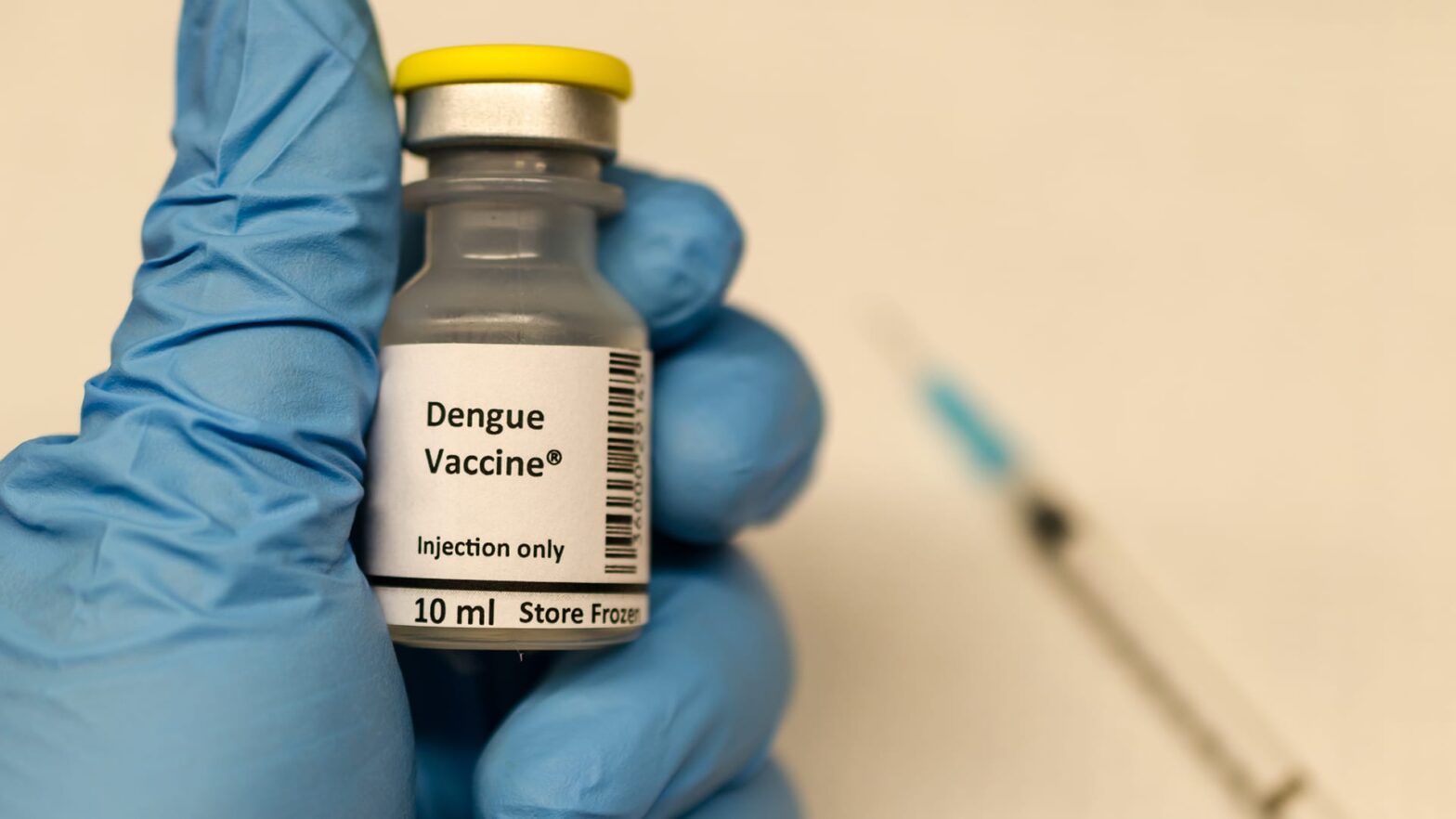
The global Dengue Vaccines Market is expected to be reach USD 90.0 million in 2025 and is likely to expand up to approximately USD 199.9 million by the end of 2035. The sales are believed to rise with a CAGR of 8.3% during the period of 2025 to 2035.

The dengue vaccines market addresses a critical public health concern, given the widespread prevalence of dengue fever in tropical and subtropical regions worldwide. Dengue fever, transmitted by Aedes mosquitoes, affects millions annually, causing significant morbidity and mortality. Vaccination against dengue has emerged as a vital strategy to reduce the incidence and severity of the disease, complementing vector control efforts.

The market for dengue vaccines has gained considerable attention due to the urgency of controlling outbreaks and the potential to alleviate healthcare burdens in endemic regions. Several vaccine candidates have progressed through clinical trials, with a few achieving regulatory approvals. This market combines pharmaceutical innovation, public health policy, and global collaboration to enhance access to effective preventive measures.

Get Sample Report: – https://www.futuremarketinsights.com/reports/sample/rep-gb-1763

As dengue continues to pose challenges in densely populated and resource-limited areas, the market is driven by growing investments in vaccine development and increasing awareness of vaccination benefits among populations at risk.

Market Trends

Current trends in the dengue vaccines market reflect a growing focus on next-generation vaccines that offer broader protection against all dengue virus serotypes. Earlier vaccine formulations had limitations, including variable efficacy depending on prior exposure to the virus, which has spurred research into more universally effective options.

The rise of combination vaccines, which can protect against dengue alongside other mosquito-borne diseases such as Zika and chikungunya, is gaining traction. These combined approaches may enhance vaccination campaigns by simplifying immunization schedules and increasing overall acceptance.

Digital health initiatives are also influencing market dynamics. Governments and health organizations are utilizing digital platforms for vaccine awareness campaigns, appointment scheduling, and tracking vaccine coverage, thus improving immunization rates. Furthermore, partnerships between public and private sectors are expanding, allowing for enhanced research, funding, and distribution networks.

The increasing role of emerging markets is shaping global trends. Countries with high dengue incidence are actively participating in vaccine trials and facilitating regulatory approvals, reflecting a shift toward localized solutions that address region-specific epidemiological profiles.

Challenges and Opportunities

Despite the promise of dengue vaccines, the market faces several challenges. One significant hurdle is vaccine hesitancy fueled by misinformation and lack of awareness in certain communities. Overcoming skepticism through education and transparent communication is essential for successful vaccine adoption.

The complexity of dengue virus biology presents scientific challenges, as the vaccine must provide balanced immunity against four distinct virus serotypes to avoid the risk of severe disease upon subsequent infections. This complexity requires extensive research and testing, which can slow product development and increase costs.

Regulatory complexities also pose barriers, as different countries have varied requirements for vaccine approval, complicating global market entry. Navigating these regulatory landscapes demands coordinated efforts between manufacturers and health authorities.

On the other hand, opportunities abound in expanding access to dengue vaccines through government immunization programs and international health initiatives. There is considerable potential for innovative delivery methods such as needle-free administration and thermostable formulations that improve vaccine accessibility in remote areas.

Increasing investments in research and development also open avenues for next-generation vaccines with improved safety profiles and efficacy, potentially transforming dengue prevention strategies worldwide.

Key Points

  • A critical aspect of the dengue vaccines market is the balance between efficacy and safety, which directly impacts public confidence and vaccine uptake. Continued post-marketing surveillance and real-world effectiveness studies are vital to monitor vaccine performance and address any safety concerns.
  • Collaboration among global health organizations, governments, and pharmaceutical companies strengthens the overall market. Joint initiatives help streamline clinical trials, funding mechanisms, and public education campaigns, accelerating progress in dengue vaccine deployment.
  • The integration of dengue vaccines into routine immunization schedules in endemic countries marks a key milestone. Such integration ensures broader coverage and helps establish herd immunity, reducing overall disease transmission.
  • Furthermore, technological advancements in vaccine design, such as DNA and mRNA platforms, offer exciting prospects for rapid development and scalability, potentially revolutionizing the dengue vaccine landscape.

Key Regional Insights

The dengue vaccines market exhibits distinct regional characteristics driven by disease prevalence, healthcare infrastructure, and government policies. Asia Pacific stands out as the largest market due to the high burden of dengue in countries like India, Indonesia, Thailand, and the Philippines. Growing healthcare expenditure and increased vaccination awareness fuel market growth in this region.

Latin America also holds significant market potential, with Brazil, Mexico, and Colombia experiencing recurrent dengue outbreaks. Government initiatives to improve vaccination coverage and enhance public health preparedness contribute to expanding demand.

In Africa and the Middle East, the dengue vaccines market is emerging, supported by increasing recognition of dengue’s public health impact and ongoing vector control challenges. These regions offer growth opportunities as healthcare systems strengthen and vaccination programs are implemented.

North America and Europe represent smaller but strategically important markets, primarily focused on vaccine research, development, and regulatory activities. These regions also play a critical role in funding global health initiatives aimed at controlling dengue in endemic countries.

Competitive Outlook

The competitive landscape of the dengue vaccines market is characterized by a mix of established pharmaceutical companies and emerging biotech firms. Market players invest heavily in research and development to improve vaccine efficacy, safety, and delivery methods.

Strategic partnerships, collaborations, and licensing agreements are common approaches to accelerate product development and expand market reach. Companies often engage with governments and international organizations to support vaccine introduction and uptake.

Competition extends beyond vaccine efficacy, encompassing pricing strategies, supply chain management, and community engagement efforts. Maintaining a strong regulatory compliance record and fostering public trust are crucial competitive advantages.

Innovation remains a key differentiator, with companies exploring novel platforms such as live attenuated vaccines, recombinant vaccines, and nucleic acid-based vaccines. The ability to respond quickly to epidemiological changes and emerging strains also defines leadership in this market.

Top Companies

Leading companies in the dengue vaccines market include those with established vaccines approved in multiple countries as well as those with candidates in late-stage clinical trials. These companies leverage their expertise in vaccine development and strong distribution networks to secure significant market shares.

Some top companies focus on expanding access through partnerships with global health agencies and local governments, ensuring vaccines reach populations at greatest risk. They also emphasize transparency and continuous communication to address safety concerns and improve public confidence.

Emerging biotech firms contribute innovation and agility, often pioneering new vaccine technologies that complement traditional platforms. These players enrich the competitive environment and drive overall market advancement.

The diversity of companies involved—from multinational corporations to regional specialists—reflects the global importance and complexity of combating dengue through vaccination.

Explore In-Depth Analysis-Click Here to Access the Report:- https://www.futuremarketinsights.com/reports/dengue-vaccines-market

Segmentation Outlook

The dengue vaccines market can be segmented based on vaccine type, end-user, distribution channel, and geography. Vaccine types include live attenuated vaccines, recombinant vaccines, and nucleic acid-based vaccines. Live attenuated vaccines currently dominate the market due to established efficacy and approvals, though newer types are gaining attention for potential advantages in safety and scalability.

End-users primarily comprise public health programs, hospitals, clinics, and community health centers involved in mass immunization campaigns. These settings are crucial for reaching at-risk populations and achieving widespread vaccine coverage.

Distribution channels range from government-run immunization initiatives to private healthcare providers and pharmacies. Increasing use of digital platforms for appointment scheduling and vaccine tracking is optimizing distribution efficiency and consumer engagement.

Geographically, segmentation highlights the disparity in vaccine demand and access, driven by differing dengue incidence rates, healthcare policies, and infrastructure quality. This segmentation helps manufacturers tailor their marketing strategies and distribution models to meet local needs effectively.

About Future Market Insights (FMI)

Future Market Insights, Inc. (ESOMAR certified, recipient of the Stevie Award, and a member of the Greater New York Chamber of Commerce) offers profound insights into the driving factors that are boosting demand in the market. FMI stands as the leading global provider of market intelligence, advisory services, consulting, and events for the Packaging, Food and Beverage, Consumer Technology, Healthcare, Industrial, and Chemicals markets. With a vast team of over 400 analysts worldwide, FMI provides global, regional, and local expertise on diverse domains and industry trends across more than 110 countries.

Contact Us:     

Future Market Insights Inc.
Christiana Corporate, 200 Continental Drive,
Suite 401, Newark, Delaware – 19713, USA
T: +1-347-918-3531
For Sales Enquiries: sales@futuremarketinsights.com
Website: https://www.futuremarketinsights.com
LinkedInTwitterBlogs | YouTube


Cold, Cough and Sore Throat Remedies Market to Reach USD 59.54 Billion by 2034 Growth Outlook from USD 42.62 Billion in 2024

The cold, cough, and sore throat remedy market plays a crucial role in the global healthcare landscape, addressing some of the most common respiratory ailments experienced by people of all ages. These conditions, often triggered by viral infections, seasonal changes, or environmental factors, drive continuous demand for effective remedies. The market encompasses a wide variety of products including syrups, lozenges, sprays, tablets, and herbal formulations designed to alleviate symptoms and promote recovery. The market is set to be valued at USD 42,618.7 million in 2024. The promising nature of the pharma sector in emerging economies sees an uptrend in market valuation, projected to turn figures to USD 59,539.6 million by 2034.

Consumers increasingly prefer remedies that provide quick relief while minimizing side effects, which encourages manufacturers to innovate in terms of ingredients and delivery methods. Additionally, rising awareness of health and wellness has contributed to increased demand for both over-the-counter (OTC) and prescription products. The market is further shaped by trends toward natural and organic ingredients, reflecting a shift in consumer preferences toward holistic healthcare solutions.

Get Sample Report: – https://www.futuremarketinsights.com/reports/sample/rep-gb-1292

Size & Trends

The cold, cough, and sore throat remedy market has experienced steady growth driven by a consistent prevalence of respiratory illnesses worldwide. Factors such as urbanization, pollution, and seasonal variations contribute to the frequency of colds and respiratory infections, fueling demand for symptom relief products. The market size continues to expand, supported by a growing middle class and increasing healthcare access in emerging economies.

A notable trend in the market is the increasing popularity of herbal and natural remedies. Consumers are looking for safer alternatives to chemical-based medications, especially parents purchasing for children or elderly consumers sensitive to synthetic drugs. This trend is pushing manufacturers to develop formulations enriched with natural extracts like honey, ginger, eucalyptus, and turmeric.

Another important development is the rise of personalized medicine and targeted remedies. Companies are investing in research to understand consumer needs and tailor products that address specific symptoms or conditions more effectively. For instance, there are remedies specifically designed for dry cough versus productive cough, or sore throats caused by bacterial infections versus viral origins.

Digital health platforms and e-commerce channels are also influencing market trends, making these remedies more accessible to a broader audience. Consumers are increasingly turning to online reviews, telemedicine consultations, and direct online purchases, which expands market reach and accelerates growth.

Key Highlights

  • One of the key highlights of the cold, cough, and sore throat remedy market is the diversification of product formats and ingredients to meet varying consumer needs. Companies are innovating with fast-dissolving lozenges, sugar-free syrups, and multi-symptom relief tablets to enhance user experience. The inclusion of immune-boosting ingredients such as vitamin C, zinc, and elderberry is becoming commonplace, catering to consumers’ desire for preventive healthcare.
  • The role of global pandemics, such as COVID-19, has also heightened awareness of respiratory health, leading to increased sales of cold and cough remedies. This awareness has encouraged consumers to stock up on remedies for early symptom management, even in the absence of confirmed infections. Moreover, the emphasis on hygiene and respiratory wellness is likely to sustain interest in this market beyond pandemic conditions.
  • Regulatory bodies are playing an important role in maintaining product safety and efficacy, which is critical given the wide range of formulations available. The need for clear labeling and accurate dosage instructions is emphasized to ensure consumer safety, especially since many of these products are available OTC.

Challenges and Opportunities

Despite robust growth, the cold, cough, and sore throat remedy market faces challenges. One primary challenge is the presence of counterfeit and substandard products, especially in developing regions, which can harm consumer trust and pose health risks. Ensuring product authenticity and building brand credibility is an ongoing concern for manufacturers.

Another challenge lies in the competition between conventional pharmaceuticals and alternative therapies. While many consumers seek natural remedies, others remain loyal to well-established pharmaceutical brands. Balancing these competing preferences requires strategic product development and marketing.

The market also contends with the difficulty of differentiating products in a crowded space. Since many remedies offer similar symptom relief, companies need to focus on innovation, branding, and consumer education to maintain market share.

However, these challenges also create opportunities. There is significant scope for developing combination therapies that address multiple symptoms effectively. Expanding into underserved markets with affordable and accessible remedies presents further growth potential. Additionally, increasing health consciousness and preventive care initiatives open avenues for education campaigns and product diversification.

Key Benefits for Stakeholders

Stakeholders in the cold, cough, and sore throat remedy market benefit from the sector’s resilience and consistent demand. Retailers enjoy steady foot traffic and repeat purchases, as consumers frequently restock essential remedies, especially during cold seasons. For pharmaceutical companies and manufacturers, this market offers opportunities for product innovation, portfolio expansion, and entry into emerging markets.

Healthcare providers benefit as these remedies help reduce the burden on clinics and hospitals by offering effective OTC options for mild respiratory conditions. This, in turn, promotes better healthcare resource allocation and improves patient outcomes through early symptom management.

Consumers themselves benefit from improved access to a broad range of remedies that cater to different preferences, age groups, and health conditions. The availability of natural and multi-symptom products allows for personalized care and improved satisfaction.

Market Share by Geographical Region

The cold, cough, and sore throat remedy market demonstrates significant regional variation. North America and Europe are mature markets characterized by high consumer awareness, strong regulatory frameworks, and widespread availability of a variety of products. These regions tend to favor innovative formulations, such as sugar-free and fast-acting remedies, and show high demand for natural ingredients.

In contrast, Asia Pacific represents one of the fastest-growing regions, driven by expanding healthcare infrastructure, rising disposable incomes, and increasing consumer awareness. Countries like India, China, and Southeast Asian nations present vast opportunities for market expansion, especially with rising urbanization and pollution-related respiratory health issues.

Latin America and the Middle East & Africa regions are also witnessing growth fueled by improving healthcare access and increasing OTC drug usage. However, challenges such as regulatory heterogeneity and product accessibility continue to impact market penetration.

Competitive Outlook

The competitive outlook in the cold, cough, and sore throat remedy market is dynamic, with numerous players ranging from multinational pharmaceutical giants to regional and local companies. The market is highly fragmented, with companies striving to carve out niches through innovation and brand loyalty.

Competitive strategies often revolve around product differentiation, quality assurance, and marketing efforts emphasizing safety and efficacy. Companies also invest in clinical trials and scientific validation to build consumer trust and meet regulatory demands.

Collaborations and acquisitions are common, allowing firms to expand their product portfolios, enhance geographic reach, and leverage each other’s expertise. Branding and digital marketing campaigns play a significant role in consumer engagement and market positioning.

Top Companies

Several top companies lead the cold, cough, and sore throat remedy market with well-established brands and extensive distribution networks. These companies are recognized for their consistent product quality, innovative formulations, and marketing prowess.

Key players focus on research and development to improve product efficacy, safety, and user convenience. They also emphasize sustainable sourcing of natural ingredients and compliance with evolving regulatory standards. By maintaining consumer trust and adapting to changing market demands, these companies sustain their competitive edge.

Emerging companies and startups are also gaining traction by offering unique natural or herbal formulations that appeal to niche consumer segments seeking holistic remedies.

Explore In-Depth Analysis-Click Here to Access the Report:- https://www.futuremarketinsights.com/reports/cold-cough-sore-throat-remedies-market

Segmentation Outlook

The cold, cough, and sore throat remedy market is segmented based on product type, distribution channel, end-user, and geography. Product types include syrups, lozenges, tablets, sprays, and herbal remedies. Syrups often dominate due to their effectiveness in relieving multiple symptoms and ease of use, particularly among children.

Distribution channels include pharmacies, supermarkets, online platforms, and specialty stores. The growth of e-commerce has become particularly significant, offering consumers convenient access to a wide variety of products and enabling brands to reach broader audiences.

End-users cover a diverse demographic spectrum, including children, adults, and elderly consumers. Age-specific formulations and dosages cater to the unique needs of these groups, enhancing safety and effectiveness.

Geographical segmentation highlights the varied demand and preferences across regions, helping companies tailor their strategies to local market conditions and regulatory environments.

About Future Market Insights (FMI)

Future Market Insights, Inc. (ESOMAR certified, recipient of the Stevie Award, and a member of the Greater New York Chamber of Commerce) offers profound insights into the driving factors that are boosting demand in the market. FMI stands as the leading global provider of market intelligence, advisory services, consulting, and events for the Packaging, Food and Beverage, Consumer Technology, Healthcare, Industrial, and Chemicals markets. With a vast team of over 400 analysts worldwide, FMI provides global, regional, and local expertise on diverse domains and industry trends across more than 110 countries.

Contact Us:     

Future Market Insights Inc.
Christiana Corporate, 200 Continental Drive,
Suite 401, Newark, Delaware – 19713, USA
T: +1-347-918-3531
For Sales Enquiries: sales@futuremarketinsights.com
Website: https://www.futuremarketinsights.com
LinkedInTwitterBlogs | YouTube


Asia Pacific Reprocessed Medical Devices Market to Reach USD 833.5 Million by 2035 | 5.7% CAGR Forecast

The Asia Pacific reprocessed medical devices market is a critical segment within the broader healthcare industry, addressing the growing demand for cost-effective and sustainable medical solutions. Reprocessed medical devices are devices that have been previously used but then cleaned, sterilized, and restored to a condition suitable for reuse. This market segment is gaining significant traction in the Asia Pacific region due to increasing healthcare expenditures, rising demand for affordable medical care, and a growing focus on environmental sustainability.

Hospitals and healthcare facilities in the Asia Pacific region are increasingly adopting reprocessed medical devices as a strategic approach to manage rising medical costs without compromising patient safety and care quality. Reprocessed devices span a range of categories, including surgical instruments, electrophysiology catheters, and other critical medical equipment. This market benefits from stringent regulatory oversight aimed at ensuring the safety and efficacy of reprocessed products, fostering trust among healthcare providers and patients alike.

Get Sample Report: – https://www.futuremarketinsights.com/reports/sample/rep-ap-3211

Market Trends

Several trends are shaping the Asia Pacific reprocessed medical devices market, reflecting broader shifts in healthcare and regulatory frameworks. One prominent trend is the rising emphasis on sustainable healthcare practices. Hospitals and clinics are increasingly recognizing the environmental impact of medical waste and are turning to reprocessed devices to reduce the volume of disposables. This trend aligns with global efforts to promote circular economies and minimize carbon footprints within healthcare systems.

Another key trend is the increasing acceptance of reprocessed devices by healthcare professionals and patients. As awareness about the safety and cost benefits of these devices grows, adoption rates continue to rise. This is facilitated by advancements in sterilization and testing technologies, which ensure that reprocessed devices meet stringent quality standards.

Technological innovation is also influencing the market, with companies developing more efficient and reliable reprocessing methods that extend the lifecycle of devices while maintaining performance. Furthermore, digital tracking systems are being introduced to ensure traceability and compliance, enhancing transparency and patient confidence.

Driving Forces Behind Market Growth

The Asia Pacific reprocessed medical devices market is propelled by several driving forces. Cost containment remains a primary motivator for healthcare facilities, especially in countries with limited healthcare budgets. Reprocessing medical devices reduces the need for purchasing new devices, offering significant cost savings without compromising safety.

Increasing healthcare infrastructure development across the region is also a significant growth driver. Rapid urbanization, rising population, and government investments in healthcare facilities are expanding the demand for medical devices. This growth necessitates affordable options, making reprocessed devices an attractive choice.

Additionally, growing awareness of environmental concerns is motivating healthcare providers to adopt eco-friendly practices, including device reprocessing. The healthcare industry is a major contributor to medical waste, and reprocessing offers a practical solution to mitigate this challenge.

Regulatory bodies in the Asia Pacific region are becoming more proactive in establishing clear guidelines and standards for reprocessed medical devices. This regulatory clarity reduces uncertainty and encourages manufacturers and healthcare providers to participate in the market with confidence.

Challenges and Opportunities

While the Asia Pacific reprocessed medical devices market shows promising growth, it faces some challenges that need to be addressed. One major challenge is the lingering perception of risk associated with using previously utilized medical devices. Despite advancements in sterilization technology and rigorous quality checks, skepticism among some healthcare professionals and patients remains a barrier to widespread adoption.

Another challenge lies in the variation of regulatory frameworks across different countries in the region. The lack of uniformity in regulations can complicate market entry and increase compliance costs for manufacturers operating in multiple jurisdictions.

Logistical challenges related to the collection, reprocessing, and redistribution of devices also pose hurdles. Efficient supply chain management is critical to ensuring timely availability and maintaining device integrity.

Despite these challenges, the market presents ample opportunities. Growing healthcare demand in emerging economies such as India, China, and Southeast Asian nations offers a substantial customer base. Collaborations between reprocessing companies and healthcare institutions can drive market penetration by demonstrating the benefits and safety of reprocessed devices.

Investment in R&D to develop innovative sterilization and testing technologies can further enhance product quality and regulatory compliance. Digitalization and smart tracking solutions offer new ways to improve supply chain transparency and patient safety.

Recent Industry Developments

  • The Asia Pacific reprocessed medical devices market has witnessed several noteworthy developments in recent years. Leading players have been investing in expanding their reprocessing facilities and adopting cutting-edge sterilization technologies to meet rising demand.
  • Strategic partnerships between device manufacturers and healthcare providers are becoming more common, facilitating better access to reprocessed devices in hospital networks. These partnerships often include training and education programs to alleviate concerns and improve acceptance among medical staff.
  • Regulatory agencies in the region have also been active in updating guidelines to keep pace with technological advancements and international standards. This regulatory progress is fostering greater market confidence and encouraging new entrants.
  • Moreover, the COVID-19 pandemic highlighted the importance of supply chain resilience in medical devices, leading to increased interest in reprocessed devices as a way to manage shortages and maintain continuous healthcare delivery.

Regional Analysis

The Asia Pacific reprocessed medical devices market exhibits varied growth patterns across different countries. Developed nations like Japan, South Korea, and Australia lead the region in adopting reprocessed medical devices due to their advanced healthcare systems and stringent environmental regulations.

Emerging economies such as India, China, and Southeast Asian countries are rapidly expanding their healthcare infrastructure and showing growing interest in reprocessed devices to address cost pressures and improve access to healthcare services.

China, with its large population and government initiatives to improve healthcare quality, represents a significant market opportunity. India’s expanding healthcare sector and increasing adoption of sustainable medical practices also contribute to market growth.

Southeast Asian countries are witnessing growing awareness about the benefits of reprocessed devices, supported by initiatives aimed at improving medical waste management and healthcare affordability.

Competitive Outlook

The competitive landscape of the Asia Pacific reprocessed medical devices market is shaped by both regional players and multinational corporations. Market leaders emphasize quality, regulatory compliance, and technological innovation to differentiate themselves.

Companies are investing in expanding production capabilities and enhancing their sterilization processes to meet the demands of healthcare providers. Providing robust after-sales support, including device tracking and validation services, is also becoming a key competitive advantage.

Some players focus on niche segments, such as orthopedic devices or cardiovascular instruments, leveraging specialized expertise to capture market share. Others adopt a broader product portfolio approach to cater to diverse clinical needs.

The increasing competition is also driving companies to form strategic alliances and partnerships to enhance market reach and accelerate product development.

Top Companies

Several key companies dominate the Asia Pacific reprocessed medical devices market, known for their commitment to quality and innovation. These companies invest heavily in research and development to ensure their devices meet international safety standards and regulatory requirements.

Leading players include established medical device manufacturers who have expanded into the reprocessing segment as well as specialized companies focusing exclusively on device reprocessing. These firms have developed strong relationships with hospitals and healthcare providers, offering comprehensive solutions that combine device supply, reprocessing, and training.

Companies that emphasize transparency, traceability, and environmental sustainability tend to gain greater acceptance in the market. Their ability to navigate complex regulatory landscapes and provide cost-effective solutions also positions them well for future growth.

Explore In-Depth Analysis-Click Here to Access the Report:- https://www.futuremarketinsights.com/reports/asia-pacific-reprocessed-medical-devices-market

Segmentation Outlook

The Asia Pacific reprocessed medical devices market can be segmented based on device type, application, end-user, and geography. Device types typically include surgical instruments, cardiovascular devices, electrophysiology catheters, and orthopedic implants. Surgical instruments remain a significant segment due to their frequent use and high reprocessing potential.

Applications cover a wide range of medical procedures, including cardiovascular surgeries, orthopedics, general surgery, and minimally invasive procedures. Each application demands specific device types and reprocessing protocols, influencing market dynamics.

End-users predominantly include hospitals, ambulatory surgical centers, and specialty clinics. Hospitals remain the largest consumers, but outpatient and remote care facilities are gradually increasing their adoption of reprocessed devices due to cost and environmental benefits.

Geographically, the market segmentation reveals the distinct growth trajectories of developed and emerging countries within the Asia Pacific region, highlighting opportunities for tailored strategies and regional partnerships.

About Future Market Insights (FMI)

Future Market Insights, Inc. (ESOMAR certified, recipient of the Stevie Award, and a member of the Greater New York Chamber of Commerce) offers profound insights into the driving factors that are boosting demand in the market. FMI stands as the leading global provider of market intelligence, advisory services, consulting, and events for the Packaging, Food and Beverage, Consumer Technology, Healthcare, Industrial, and Chemicals markets. With a vast team of over 400 analysts worldwide, FMI provides global, regional, and local expertise on diverse domains and industry trends across more than 110 countries.

Contact Us:     

Future Market Insights Inc.
Christiana Corporate, 200 Continental Drive,
Suite 401, Newark, Delaware – 19713, USA
T: +1-347-918-3531
For Sales Enquiries: sales@futuremarketinsights.com
Website: https://www.futuremarketinsights.com
LinkedInTwitterBlogs | YouTube