Global Non-Small Cell Lung Carcinoma (NSCLC) Market Set to Soar to USD 21.40 Billion by 2033, Driven by Innovation and Rising Cancer Burden | FMI

The global non-small cell lung carcinoma market is poised for significant expansion over the next decade, according to new industry projections. Valued at USD 8.25 billion in 2023, the NSCLC market is expected to surge to an impressive USD 21.40 billion by 2033, registering a strong compound annual growth rate (CAGR) of 10% during the forecast period of 2023 to 2033.

The substantial growth trajectory of the NSCLC market is attributed to a combination of factors, including a robust pipeline of promising therapies, strategic collaborations among key industry players, and an increasing prevalence of lung cancer globally. Continuous innovation in treatment modalities, including targeted therapies and immunotherapies, is expected to further propel market expansion.

Get Ahead of Market Shifts: Request Your Sample Report! https://www.futuremarketinsights.com/reports/sample/rep-gb-16180

Pipeline Advancements Driving Market Growth

One of the key factors contributing to the growth of the NSCLC market is the development of a strong pipeline of next-generation treatments. Several innovative therapies are currently undergoing clinical trials, promising to revolutionize NSCLC treatment.

Fruquintinib (HMPL-013), a novel therapy under clinical evaluation, is specifically designed to address advanced non-small cell lung carcinoma. Developed with a focus on targeted therapy, fruquintinib has shown encouraging results in preliminary studies, highlighting its potential to enhance patient outcomes.

Another notable advancement is Avelumab, developed by Merck KGaA. This fully human monoclonal antibody targets PD-L1, a protein that plays a critical role in suppressing the immune system. By blocking PD-L1, Avelumab aims to enhance the body’s immune response against cancer cells, offering a promising avenue for NSCLC treatment.

The ongoing development of such advanced treatment options is expected to significantly drive market growth by providing more effective and personalized therapies for patients battling NSCLC.

Key Takeaways

  • North America to Lead NSCLC Market:

North America is projected to dominate the non-small cell lung carcinoma (NSCLC) market in 2023, accounting for 40% of the global market share. This growth is driven by a strong drug development pipeline, substantial research investments, rapid acceptance of costly treatments, and increased government funding for R&D initiatives.

  • Launch of New Drugs Strengthening Treatment Landscape:

The introduction of newer and more effective drugs is enhancing treatment options for NSCLC in North America, contributing significantly to market expansion.

  • Asia Pacific Emerging as a Key Growth Region:

Asia Pacific is anticipated to be the second-largest market contributor in 2023, capturing around 35% of the market share. Factors such as a large patient population, less stringent regulatory frameworks, and the availability of advanced therapies in countries like Japan and China are fueling regional growth.

  • Regulatory Environment and Pricing Pressures:

While Asia Pacific benefits from faster approval processes, pricing pressures in Europe, exemplified by instances like NICE’s disapproval of Opdivo funding, could restrict market expansion in that region.

Rising Interest in Market Trends: Our Detailed Report Provides Essential Insights! https://www.futuremarketinsights.com/reports/non-small-cell-lung-carcinoma-nsclc-market

Leading Players Shaping the Competitive Landscape

The NSCLC market is highly competitive, with major pharmaceutical giants actively investing in research, development, and strategic partnerships to strengthen their market position. Key players operating in the global NSCLC market include:

  • AstraZeneca
  • Boehringer Ingelheim
  • Bristol-Myers Squibb
  • Celgene Corp
  • Eli Lilly and Company
  • F. Hoffmann-La Roche Ltd.
  • Genentech Inc.
  • GlaxoSmithKline plc
  • Novartis
  • Pfizer Inc
  • Roche Holding AG
  • Sun Pharmaceutical Industries Ltd.

These companies are at the forefront of advancing NSCLC therapies through a combination of innovative product development, acquisitions, and collaborations.

In a significant development, AstraZeneca and HUTCHMED’s Orpathys (savolitinib) received conditional approval in China in June 2021. The drug is targeted at treating NSCLC patients with MET exon 14 skipping alterations who have either progressed following prior systemic therapy or are unsuitable for chemotherapy. This milestone underscores AstraZeneca’s commitment to expanding its oncology portfolio and addressing unmet medical needs in lung cancer treatment.

Similarly, Pfizer continues to prioritize investments in research and development for NSCLC. The company is rigorously evaluating its medication portfolio through clinical trials, aiming to bring forward novel therapies that can receive regulatory approvals and enhance patient outcomes.

Segmentation Highlights: Diverse Treatment Options and Growing End-User Base

The NSCLC market is segmented by type, treatment, end user, and region, reflecting the diverse approaches being utilized to manage the disease effectively.

By Type, the NSCLC market is categorized into:

  • Adenocarcinoma
  • Squamous Cell Carcinoma
  • Large Cell Carcinoma
  • Large Cell Neuroendocrine Tumors

Among these, adenocarcinoma remains the most common subtype, particularly among non-smokers, and continues to be a major focus for therapeutic advancements.

By Treatment, the market is segmented into:

  • Chemotherapy
  • Targeted Therapy
    • Bevacizumab (Avastin)
    • Nectiumumbab (Portrazza)
    • Ramucirumab (Cyramza)
  • Immunotherapy
    • Nivolumab (Opdivo)
    • Atezolizumab (Tecentriq)
  • Others

The emergence of targeted therapies and immunotherapies has notably transformed the NSCLC treatment landscape, offering more precise and effective interventions compared to traditional chemotherapy.

By End User, the NSCLC market serves:

  • Hospitals
  • Homecare
  • Specialty Clinics
  • Others

Hospitals currently dominate the end-user segment, driven by the availability of comprehensive oncology treatment facilities. However, the homecare and specialty clinics segments are also witnessing growth due to a rising preference for personalized care and the convenience of at-home treatment regimens.

Regional Insights: North America Leads, Asia-Pacific Emerges as a Growth Hotspot

Geographically, the NSCLC market is segmented into:

  • North America
  • Latin America
  • Europe
  • South Asia & Pacific
  • East Asia
  • Middle East & Africa

North America currently holds the largest market share, fueled by a high prevalence of lung cancer, sophisticated healthcare infrastructure, and strong investments in oncology research.

Europe follows closely, driven by an aging population and increasing adoption of advanced treatment modalities.

Meanwhile, the Asia-Pacific region is projected to witness the fastest growth during the forecast period. Rising healthcare awareness, improving diagnostic capabilities, and government initiatives to enhance cancer care are key factors fueling the region’s market expansion. China, in particular, has shown rapid advancements, evidenced by the approval of drugs like Orpathys, highlighting its growing influence in the global NSCLC landscape.

Future-Proof Your Healthcare Business with Our Reports! https://www.futuremarketinsights.com/industry-analysis/therapy-area

Future Outlook: A Decade of Innovation and Opportunity

The future of the non-small cell lung carcinoma market appears exceedingly promising. Continuous innovation, strategic partnerships, and a focus on precision medicine are expected to redefine the treatment paradigm for NSCLC.

With a strong pipeline of new drugs, increasing investments in clinical research, and a growing demand for targeted therapies, the market is set to offer numerous opportunities for key stakeholders, including pharmaceutical companies, healthcare providers, and investors.

As the fight against lung cancer intensifies, the NSCLC market stands at the forefront of transforming patient care, offering renewed hope for millions worldwide.

About Future Market Insights (FMI)

Future Market Insights, Inc. (ESOMAR certified, recipient of the Stevie Award, and a member of the Greater New York Chamber of Commerce) offers profound insights into the driving factors that are boosting demand in the market. FMI stands as the leading global provider of market intelligence, advisory services, consulting, and events for the Packaging, Food and Beverage, Consumer Technology, Healthcare, Industrial, and Chemicals markets. With a vast team of over 400 analysts worldwide, FMI provides global, regional, and local expertise on diverse domains and industry trends across more than 110 countries.

Contact Us:

Future Market Insights Inc.
Christiana Corporate, 200 Continental Drive,
Suite 401, Newark, Delaware – 19713, USA
T: +1-347-918-3531
For Sales Enquiries: sales@futuremarketinsights.com
Website: https://www.futuremarketinsights.com
LinkedInTwitterBlogs | YouTube

What Does International Dating Mean?

International dating is a global fad that gives you the opportunity to discover new civilizations. Additionally, it may provide options for personal development and a greater understanding of the world around you.

When dating outside the united states, be sure to include photographs and a bio that show your interests and values. Avoid employing vernacular or recommendations to music culture that might not work well.

It’s a great way to make new friends.

International dating is a great way to make new friends and establish new relationships. It’s moreover a useful resource for learning about various beliefs and civilizations. Use dating apps like tinder, Okcupid, and Hily to communicate with songs from all over the planet. International dating locations that are dedicated to assisting you in finding a meaningful relationship are also available.

Globally, immigration and post-pandemic enthusiasm are contributing to the rise in the popularity of online relationship. The lines between love and firm are blurring as many dating apps and websites now allow users https://find-single.com/danish-singles/ from all over the world to search for games.

Long-distance ties can become challenging over occasion, though. It’s crucial to discuss expectations well in advance and make sure both partners are willing to travel if essential. Additionally, it’s crucial to regard your partner’s principles and society. This will help you minimize miscommunications and establish a lasting partnership. Keep in mind to listen and lend aid when your companion is over.

It’s a fantastic way to study fresh ethnicities.

A worldwide trend that promotes diversification and compassion is the worldwide dating industry. Additionally, it gives you the opportunity to study and study their customs in a variety of nations. But, it is crucial to keep in mind that social differences can cause miscommunications. This is why it’s crucial to speak out and adhere to their opinions.

International friendships can also be a fantastic way to pick up a new speech. Numerous foreign lovers have two or more cultures. This linguistic exchange is both intimate and entertaining. Additionally, it strengthens the relationship between the colleagues.

Although there are many advantages to dating abroad, it is important to measure up the benefits and drawbacks before jumping in. For instance, it’s important to regard your long-term objectives and whether you’re ready to travel if essential. Additionally, it’s crucial to become polite with your partner’s culture, family dynamics, and social conventions. This can aid in avoiding miscommunication and facilitating better connection. Also, long-distance relationships does occasionally lead to frustrations, such as missing important occasions like birthdays or holidays.

It’s a fantastic way to travel.

International dating is a fun way to meet people from various cultures and travel novel sites. However, it’s crucial to be respectful of your partner’s traditions and values. You must also be willing to share your wife’s culture and know about it. This will assist you in fostering romantic believe.

Long-distance conversation is a common problem in some worldwide interactions, which can become challenging over day. Setting realistic goals and timelines for your relation is crucial. This will assist you in avoiding miscommunications and maintaining your objectives.

Use a status that is obvious and sincere when meeting potential associates online. Instead of using slang or referrals to pop tradition that may not interpret, it should identify your values and interests. Avoid party pictures as well, as they may remain confusing for your match. Meet in person before beginning a long-distance partnership if it’s achievable. This will help you make sure you’re never dealing with a fish. You can also request a film chat with your spouse to confirm their personality.

It’s a wonderful way to fall in love.

Making new associations while dating abroad is a fantastic way to meet individuals from all over the planet. It is crucial to speak with your prospective match directly and seriously. This will help you avoid misinterpretations and frustrations. Additionally, you should always be obvious about what you want from a relation.

Dreamonelove is a dating site that makes international intimate interactions possible. The website’s service are intended to raise the standard of living for tunes around the world, and it has assisted numerous people in finding their spirit mates. Despite its popularity, dating abroad may be challenging for some people. When dating someone from another state, it is crucial to get measures, such as avoiding economical ripoffs and sharing personal information.

Courting abroad can be beautiful and wonderful, but it can also be a challenging practice. Being calm and open-minded is essential. Regardless of the range between you and your partner, you might be surprised at how nearby they does get.

Wound Debridement Products Market Size to Reach USD 9.7 Billion by 2035 with 6.9% CAGR, Market Trends & Growth Forecast 2025-2035

The wound debridement products market plays a vital role in healthcare by providing essential solutions for the management and treatment of chronic and acute wounds. Debridement—the removal of dead, damaged, or infected tissue—promotes faster healing and reduces the risk of infection, which is crucial for patients with wounds caused by diabetes, pressure ulcers, burns, or surgical procedures. This market encompasses a wide range of products including enzymatic agents, mechanical tools, autolytic dressings, and surgical devices, all designed to aid in the effective cleaning and preparation of wounds for healing.

The market size is estimated to increase of USD 5.0 Billion in 2025 and shall observe a constant high growth rate of CAGR 6.9% throughout the forecast period of 2025 to 2035, USD 9.7 Billion by 2035. Increase prevalence of surgical wounds, traumatic, and infected wounds are causing the demand of debridement therapy which involve mechanical, enzymatic, autolytic and surgical debridement therapy. Moreover, bioactive and nanotechnology based therapy for wound care is coming into play, as it offers a less-invasive and more efficacious debridement therapy strategy than the conventional therapies.

As healthcare systems globally prioritize better wound care management, the demand for innovative and effective wound debridement products continues to rise. These products are integral to improving patient outcomes, reducing hospitalization time, and minimizing healthcare costs associated with wound complications. With the growing prevalence of chronic wounds and an aging population, the wound debridement products market is witnessing significant growth and evolution.

Get Sample Report: – https://www.futuremarketinsights.com/reports/sample/rep-gb-584

Market Trends

Emerging trends in the wound debridement products market reflect advances in medical technology and a deeper understanding of wound care biology. There is a notable shift toward less invasive, patient-friendly debridement methods that minimize pain and discomfort. Products that enable selective debridement, preserving healthy tissue while removing necrotic matter, are gaining popularity among clinicians and patients alike.

Additionally, integration of bioactive components within wound dressings that not only debride but also promote tissue regeneration is shaping the market. Innovations such as enzymatic debriders combined with antimicrobial properties are becoming more prevalent. This dual-action approach reduces infection risk while accelerating healing.

The increasing use of advanced wound care protocols and evidence-based practices in hospitals and outpatient settings is driving adoption of sophisticated debridement products. Telemedicine and remote monitoring technologies also contribute to trend shifts by allowing healthcare providers to better assess wound status and optimize debridement strategies.

Sustainability and eco-friendly product development are gaining traction as manufacturers and consumers become more environmentally conscious. Biodegradable and natural-origin debridement products are emerging as a niche within the broader market, reflecting this growing consumer preference.

Challenges and Opportunities

Despite promising growth, the wound debridement products market faces several challenges. One significant hurdle is the high cost associated with advanced debridement technologies, which can limit access in low-resource settings and emerging economies. The complexity of chronic wounds and variability in patient response necessitate personalized treatment approaches, complicating standardization of product use.

Another challenge lies in educating healthcare professionals and patients about the appropriate selection and application of debridement products. Misuse or delayed debridement can result in poor wound outcomes and increased healthcare burden.

Regulatory hurdles also pose challenges, especially as newer, more sophisticated products require rigorous clinical validation before market approval. Diverse regulatory frameworks across countries may slow product launch and adoption.

However, these challenges open up significant opportunities for innovation and market expansion. Developing cost-effective, easy-to-use debridement solutions can dramatically increase market penetration, particularly in under-served regions. There is also scope for digital tools that aid wound assessment and guide debridement decisions, enhancing treatment precision and outcomes.

Collaborations between manufacturers, healthcare providers, and research institutions can accelerate product innovation and validation. The rising incidence of diabetes and other lifestyle diseases worldwide further amplifies the opportunity for wound debridement products, as these conditions often lead to complicated wound healing scenarios.

Key Points

  • An important aspect of the wound debridement products market is the diversity of product types, each catering to different clinical needs and wound characteristics. Mechanical debridement, which includes sharp instruments and surgical methods, remains widely used for rapid removal of necrotic tissue. However, enzymatic and autolytic methods are increasingly preferred for less aggressive, more selective debridement.
  • The choice of product depends heavily on wound type, patient condition, and clinical setting. Acute wounds such as surgical or trauma-related wounds may require different debridement approaches compared to chronic wounds like diabetic foot ulcers or pressure sores.
  • The market also reflects growing patient-centric care, emphasizing minimally painful and easy-to-apply products that improve adherence to wound management protocols. Home care is a critical segment, with many patients needing effective debridement options outside hospital settings.
  • Emerging markets, driven by rising healthcare infrastructure and increasing awareness of advanced wound care, present lucrative opportunities. Education and training programs aimed at healthcare professionals on best practices in debridement are pivotal to market growth and better patient outcomes.

Key Regional Insights

The regional dynamics of the wound debridement products market reveal substantial variation shaped by healthcare infrastructure, demographic trends, and economic factors. North America holds a significant share due to advanced healthcare facilities, high incidence of chronic wounds, and widespread adoption of innovative wound care products.

Europe also maintains a strong position, supported by robust healthcare spending and stringent regulatory frameworks that encourage high-quality product development and safety standards. Countries like Germany, France, and the UK are key contributors to market growth in this region.

Asia-Pacific is the fastest-growing region in the wound debridement products market. Increasing prevalence of diabetes and aging populations in countries such as China, India, and Japan drive demand. Expansion of healthcare infrastructure and rising disposable incomes further support market development.

Latin America and the Middle East & Africa regions are emerging markets with growing awareness about wound care. Improving healthcare access and government initiatives to combat chronic diseases create opportunities for market players to establish a foothold.

Competitive Outlook

The wound debridement products market is highly competitive, with several multinational companies and regional players vying for market share. Competition is largely driven by innovation, product portfolio breadth, and the ability to meet regulatory and clinical requirements.

Leading companies focus on research and development to introduce new, effective, and safer debridement products. Strategic partnerships and acquisitions are common strategies to expand market presence and technological capabilities. Companies that prioritize quality assurance, certification, and evidence-based clinical support enjoy stronger market positioning.

There is also intense competition around pricing and accessibility, especially as emerging markets gain importance. Companies investing in education and training for healthcare providers tend to build stronger relationships and loyalty.

The ability to provide integrated wound care solutions, combining debridement products with other advanced wound dressings and monitoring tools, is becoming a key differentiator in the competitive landscape.

Top Companies

Several top companies dominate the wound debridement products market due to their extensive product lines and strong global distribution networks. These companies invest heavily in innovation, clinical trials, and regulatory compliance to maintain leadership.

Key players often collaborate with healthcare institutions and research organizations to develop next-generation debridement products that enhance efficacy and patient comfort. Their focus on expanding product portfolios to address various wound types and patient needs positions them as trusted suppliers.

Many of these companies also emphasize sustainability and ethical sourcing, responding to evolving consumer expectations. Their global reach enables them to cater to diverse markets, balancing advanced product offerings with cost-effective solutions for emerging economies.

Explore In-Depth Analysis-Click Here to Access the Report:- https://www.futuremarketinsights.com/reports/wound-debridement-devices-market

Segmentation Outlook

The wound debridement products market can be segmented based on product type, application, end user, and region. Product types include mechanical debridement tools such as scalpels and curettes, enzymatic debridement agents, autolytic dressings, and surgical devices designed for more invasive debridement.

Application segments cover various wound types, including diabetic foot ulcers, pressure ulcers, burns, surgical wounds, and traumatic injuries. Each application demands specific debridement approaches tailored to wound severity, patient health status, and healing goals.

End users include hospitals, clinics, wound care centers, and home care settings. Increasing preference for home-based wound care solutions is shaping product design and distribution strategies.

Regional segmentation provides insights into market demand and growth opportunities, highlighting the need for customized approaches to meet the unique healthcare challenges and economic conditions of each area.


About Future Market Insights (FMI)

Future Market Insights, Inc. (ESOMAR certified, recipient of the Stevie Award, and a member of the Greater New York Chamber of Commerce) offers profound insights into the driving factors that are boosting demand in the market. FMI stands as the leading global provider of market intelligence, advisory services, consulting, and events for the Packaging, Food and Beverage, Consumer Technology, Healthcare, Industrial, and Chemicals markets. With a vast team of over 400 analysts worldwide, FMI provides global, regional, and local expertise on diverse domains and industry trends across more than 110 countries.

Contact Us:     

Future Market Insights Inc.
Christiana Corporate, 200 Continental Drive,
Suite 401, Newark, Delaware – 19713, USA
T: +1-347-918-3531
For Sales Enquiries: sales@futuremarketinsights.com
Website: https://www.futuremarketinsights.com
LinkedInTwitterBlogs | YouTube


Halal Nutraceuticals and Vaccines Market to Reach USD 144.5 Billion by 2035, Growing at 5.2% CAGR

The halal nutraceuticals and vaccines market has gained significant attention in recent years as consumers increasingly seek products that align with their religious and ethical values. Halal certification ensures that products comply with Islamic dietary laws, which govern the permissible ingredients and manufacturing processes. This market encompasses a wide range of health supplements, functional foods, and vaccines that meet halal standards, addressing the growing demand among Muslim populations worldwide.

Halal nutraceuticals include vitamins, minerals, herbal supplements, and other products designed to promote health and wellness. Similarly, halal vaccines are developed and produced without the use of ingredients or processes prohibited in Islam, ensuring acceptance among Muslim communities. As global awareness of halal products expands, the halal nutraceuticals and vaccines market is poised to experience substantial growth driven by demographic trends, health consciousness, and regulatory support.

Get Sample Report: – https://www.futuremarketinsights.com/reports/sample/rep-gb-2703

Size & Trends

The halal nutraceuticals and vaccines market has witnessed robust expansion, fueled by increasing demand from Muslim consumers who prioritize halal-certified health products. This growth is further amplified by rising global awareness of the importance of nutrition and disease prevention. Nutraceuticals, in particular, have seen rising popularity as individuals seek preventive healthcare options that complement conventional medicine.

The market is also influenced by broader trends in the healthcare and food industries, such as the shift toward natural, organic, and clean-label products. Consumers are more discerning about product ingredients and sources, driving manufacturers to adopt halal certification as a marker of quality and trust. Additionally, advancements in biotechnology and pharmaceutical manufacturing have enabled the development of halal vaccines that meet stringent safety and efficacy standards while adhering to religious requirements.

Increasing urbanization and higher disposable incomes in Muslim-majority countries support market growth by expanding access to premium nutraceuticals and vaccines. Moreover, halal certification is becoming a differentiator in global markets, encouraging international trade and cross-border collaborations.

Key Highlights

  • One of the key highlights of the halal nutraceuticals and vaccines market is the rising involvement of regulatory bodies and certification agencies that ensure compliance with halal standards. These organizations play a crucial role in verifying the authenticity of halal claims and maintaining consumer confidence. Their work enables manufacturers to expand product lines and reach new markets with assurance.
  • Another important highlight is the diversification of product offerings within the halal segment. From traditional supplements such as omega-3 fatty acids and probiotics to advanced functional foods fortified with bioactive compounds, the range of halal nutraceuticals continues to broaden. In the vaccine sector, the development of halal versions of vaccines for common diseases enhances healthcare accessibility and acceptance in regions with predominantly Muslim populations.
  • Furthermore, partnerships between pharmaceutical companies and halal certification bodies have increased, facilitating the smooth introduction of halal vaccines into healthcare systems. This collaboration ensures adherence to religious guidelines without compromising scientific rigor or regulatory compliance.

Challenges and Opportunities

The halal nutraceuticals and vaccines market faces a mix of challenges and opportunities. A significant challenge lies in the complexity and cost of halal certification, which requires rigorous scrutiny of supply chains, ingredient sourcing, and production processes. Ensuring compliance while maintaining cost-effectiveness can be difficult, especially for smaller manufacturers.

There is also the issue of inconsistent halal standards across different regions, which can create barriers for international trade. Harmonizing certification requirements and establishing universally recognized standards would facilitate market growth and reduce compliance costs.

On the opportunity side, the expanding Muslim population worldwide represents a vast consumer base seeking halal health products. This demographic growth, combined with increasing health awareness, creates a fertile environment for innovation and market penetration. Companies that invest in research and development to produce high-quality halal nutraceuticals and vaccines can capture significant market share.

The integration of digital technologies in marketing, distribution, and education offers another opportunity. Enhanced consumer awareness campaigns and e-commerce platforms can boost accessibility and engagement, especially among younger generations who are more tech-savvy.

Key Benefits for Stakeholders

Stakeholders in the halal nutraceuticals and vaccines market benefit from several distinct advantages. For manufacturers, halal certification opens doors to a loyal and rapidly growing consumer segment that prioritizes ethical and religious considerations in purchasing decisions. This certification also enhances brand reputation and trust, which are critical in the health sector.

Healthcare providers and governments benefit from increased acceptance and uptake of vaccines that meet cultural and religious requirements, improving public health outcomes in Muslim communities. Halal-certified nutraceuticals support preventive healthcare strategies, reducing the burden on medical systems by promoting wellness and managing chronic conditions.

Consumers gain peace of mind knowing that the products they use align with their beliefs and values. This assurance encourages consistent use of nutraceuticals and vaccines, which can lead to better health outcomes. Moreover, the availability of halal products fosters inclusivity and respect for cultural diversity in healthcare.

Market Share by Geographical Region

The halal nutraceuticals and vaccines market shows significant regional variation reflecting demographic patterns and economic development. The Middle East and North Africa (MENA) region holds a dominant position due to its large Muslim population and strong demand for halal products. Countries in this region actively support halal certification infrastructure, enabling rapid market growth.

Asia-Pacific is a critical region with immense potential, especially countries like Indonesia, Malaysia, and Pakistan, where large Muslim populations coexist with rising income levels and expanding healthcare infrastructure. Growing urbanization and increasing health awareness further drive demand in these markets.

Europe and North America also represent important markets due to increasing multicultural populations and a growing interest in halal-certified health products among Muslim minorities. These regions provide opportunities for market expansion and product innovation.

Latin America and Africa, while smaller markets currently, present emerging opportunities as awareness of halal products grows alongside improving healthcare access and economic conditions.

Competitive Outlook

The competitive landscape of the halal nutraceuticals and vaccines market is characterized by a mix of established multinational corporations and emerging specialized firms. Leading companies leverage their experience in pharmaceutical manufacturing and global distribution to introduce halal-certified products that meet stringent quality and safety standards.

Competition is fueled by innovation in product formulation, certification processes, and marketing strategies. Companies that invest in robust halal compliance systems and transparent supply chains are better positioned to win consumer trust and regulatory approvals. Brand reputation and strategic partnerships with halal certification bodies also influence competitive advantage.

Smaller and regional players often focus on niche markets or specific product categories, offering tailored solutions that resonate with local consumers. Collaborations between companies across different regions enable knowledge sharing and expansion into new markets.

The role of technology, including blockchain for traceability and digital platforms for consumer engagement, is increasingly shaping competition, as companies seek to differentiate themselves through transparency and accessibility.

Top Companies

Key players in the halal nutraceuticals and vaccines market include global pharmaceutical firms and specialized halal product manufacturers. These companies have established halal certification as an integral part of their quality assurance and product development strategies.

Top companies focus on expanding their halal portfolios through acquisitions, partnerships, and research initiatives aimed at improving product efficacy and safety. They often collaborate with religious and regulatory authorities to ensure ongoing compliance and to educate healthcare providers and consumers about halal benefits.

Many leading firms emphasize sustainability and ethical sourcing alongside halal compliance, reinforcing their commitment to social responsibility. By maintaining high standards and investing in innovation, these companies continue to set benchmarks for the industry.

Explore In-Depth Analysis-Click Here to Access the Report:- https://www.futuremarketinsights.com/reports/halal-nutraceuticals-and-vaccines-market

Segmentation Outlook

The halal nutraceuticals and vaccines market is segmented based on product type, application, end-user, and region. Product types include dietary supplements such as vitamins, minerals, herbal extracts, and functional foods, each designed to support various aspects of health such as immunity, digestion, and cardiovascular wellness.

Vaccine products are segmented by target diseases, formulation types, and administration methods. These vaccines address common infectious diseases and conditions prevalent in regions with high Muslim populations, ensuring cultural acceptability and regulatory compliance.

Applications span preventive healthcare, chronic disease management, and public health vaccination programs. End-users include hospitals, clinics, pharmacies, and direct-to-consumer channels like e-commerce platforms.

Regional segmentation reflects demographic and economic diversity, which shapes market dynamics and growth strategies. Understanding these segments helps companies tailor their offerings and marketing approaches to meet specific consumer needs and regulatory requirements.

About Future Market Insights (FMI)

Future Market Insights, Inc. (ESOMAR certified, recipient of the Stevie Award, and a member of the Greater New York Chamber of Commerce) offers profound insights into the driving factors that are boosting demand in the market. FMI stands as the leading global provider of market intelligence, advisory services, consulting, and events for the Packaging, Food and Beverage, Consumer Technology, Healthcare, Industrial, and Chemicals markets. With a vast team of over 400 analysts worldwide, FMI provides global, regional, and local expertise on diverse domains and industry trends across more than 110 countries.

Contact Us:     

Future Market Insights Inc.
Christiana Corporate, 200 Continental Drive,
Suite 401, Newark, Delaware – 19713, USA
T: +1-347-918-3531
For Sales Enquiries: sales@futuremarketinsights.com
Website: https://www.futuremarketinsights.com
LinkedInTwitterBlogs | YouTube


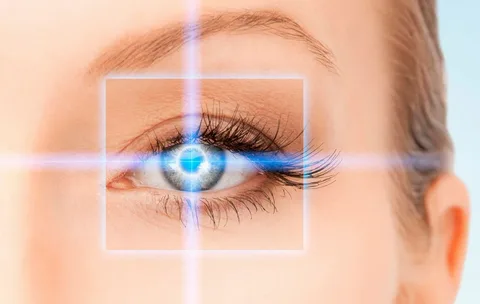
Ophthalmic Lasers Market Forecast From USD 976.8 Million in 2024 to USD 1.56 Billion by 2034

The global sales of ophthalmic lasers are estimated to be worth USD 976.8 million in 2024 and are anticipated to reach a value of USD 1,561.0 million by 2034. Sales are projected to rise at a CAGR of 4.8% over the forecast period between 2024 and 2034. The revenue generated by ophthalmic lasers in 2023 was USD 932.1 million.

The ophthalmic lasers market is an evolving sector within the broader healthcare industry that focuses on the use of laser technology to diagnose and treat eye disorders. This market encompasses a variety of laser devices designed to address conditions such as glaucoma, cataracts, diabetic retinopathy, and refractive errors. Ophthalmic lasers have become essential tools in modern eye care, enabling minimally invasive, precise, and effective treatments that reduce patient recovery time and improve clinical outcomes.

The adoption of ophthalmic lasers has grown significantly due to advancements in laser technology and the increasing prevalence of eye diseases worldwide. As populations age and lifestyle changes lead to greater incidences of vision problems, the demand for innovative treatment options continues to rise. Ophthalmic lasers are used in procedures ranging from laser-assisted cataract surgeries to retinal photocoagulation, illustrating their versatility and importance in contemporary ophthalmology.

Get Sample Report: – https://www.futuremarketinsights.com/reports/sample/rep-gb-1529

Market Trends

Several market trends are shaping the ophthalmic lasers market today. One of the most prominent is the growing preference for laser-based refractive surgeries such as LASIK and PRK, which correct vision problems with minimal discomfort and rapid recovery. Patients increasingly favor these procedures over traditional corrective methods due to their accuracy and safety profile.

Another important trend is the integration of advanced imaging technologies with ophthalmic laser systems. Real-time imaging and eye-tracking features enhance the precision of laser treatments, allowing ophthalmologists to perform highly customized procedures tailored to individual patient anatomy. This fusion of technologies leads to better outcomes and fewer complications.

The development of portable and user-friendly laser devices is also transforming the market. Smaller, more affordable ophthalmic lasers allow wider adoption in clinics and hospitals of varying sizes, improving access to advanced eye care. Additionally, the rise of telemedicine and remote diagnostic capabilities supports more efficient patient monitoring and post-procedure follow-ups.

Sustainability and energy efficiency are gaining importance among manufacturers, who are focusing on eco-friendly designs to reduce environmental impact. This reflects a broader trend in medical technology toward responsible production and resource utilization.

Driving Forces Behind Market Growth

Several factors are propelling the growth of the ophthalmic lasers market. One major driver is the increasing prevalence of eye diseases such as glaucoma, diabetic retinopathy, and cataracts, especially among aging populations. As the global population ages, the demand for effective ophthalmic interventions rises correspondingly, fueling market expansion.

Technological innovations continue to push the boundaries of what ophthalmic lasers can achieve. Advances in laser precision, power modulation, and safety mechanisms improve treatment efficacy and patient comfort, making laser therapies more attractive to both practitioners and patients.

Growing awareness about eye health and early disease detection encourages people to seek timely treatment. The ability of ophthalmic lasers to offer minimally invasive solutions appeals to patients wary of traditional surgical methods. Insurance coverage and reimbursement policies for laser procedures also facilitate greater accessibility.

Furthermore, rising healthcare expenditure and investments in healthcare infrastructure, particularly in developing regions, enable more widespread availability of sophisticated ophthalmic laser systems. Collaborations between technology companies and healthcare providers support ongoing innovation and market penetration.

Challenges and Opportunities

While the ophthalmic lasers market holds significant promise, it also faces a set of challenges. High costs associated with advanced laser systems and the need for specialized training can limit adoption, especially in smaller clinics or low-income regions. The complexity of regulatory approvals for medical laser devices can slow down product launches and market entry.

Patient safety remains a paramount concern, necessitating rigorous clinical trials and continuous monitoring of adverse events. There is also competition from alternative treatment modalities, including pharmacological therapies and conventional surgical approaches, which may affect market share.

Nevertheless, these challenges create opportunities for manufacturers and healthcare providers to innovate. Developing cost-effective laser devices with simplified operation can increase accessibility and affordability. Enhanced training programs and support for ophthalmologists can improve clinical outcomes and boost confidence in laser treatments.

Expanding into emerging markets where awareness and infrastructure are improving offers substantial growth potential. Additionally, combining laser therapy with other diagnostic and treatment technologies can lead to integrated solutions that appeal to healthcare providers and patients alike.

Recent Industry Developments

The ophthalmic lasers market has witnessed notable developments recently. Companies are increasingly focusing on research and development to improve laser technology, including the introduction of femtosecond lasers that offer ultra-precise cuts with minimal thermal damage. These lasers are revolutionizing procedures such as cataract surgery by enabling better control and faster healing.

Collaborations between laser manufacturers and technology firms have led to innovations in imaging and eye-tracking integration, enhancing treatment accuracy. Furthermore, companies are launching portable and compact laser systems to address the needs of outpatient clinics and remote healthcare facilities.

There has also been a trend toward expanding the indications for ophthalmic laser treatments. For example, lasers traditionally used for retinal conditions are now being adapted for glaucoma management and corneal reshaping. These advances diversify the market and broaden the patient base.

Strategic partnerships and mergers have strengthened the competitive positioning of leading players, enabling them to pool resources and accelerate innovation. Increasing investment in marketing and awareness campaigns helps educate both clinicians and patients about the benefits of laser treatments, driving adoption.

Regional Analysis

The ophthalmic lasers market is influenced by regional healthcare infrastructure, economic conditions, and demographic trends. North America holds a significant share of the market due to its well-established healthcare system, high healthcare spending, and early adoption of advanced medical technologies. The presence of leading manufacturers and research institutions further supports market growth in this region.

Europe is also a key market, driven by increasing government support for healthcare innovation and widespread availability of ophthalmic care services. Regulatory frameworks and reimbursement policies encourage the use of laser technologies in routine ophthalmology practice.

Asia-Pacific is emerging as a rapidly growing market for ophthalmic lasers. Rising population, increasing prevalence of eye disorders, improving healthcare infrastructure, and greater awareness contribute to strong demand. Countries like China, India, and Japan are investing heavily in healthcare modernization, making them important growth hubs.

Latin America and the Middle East & Africa, though smaller markets, offer potential for expansion as healthcare access improves and medical technology adoption accelerates. Regional disparities in healthcare quality and affordability create opportunities for tailored strategies that address local needs.

Competitive Outlook

The ophthalmic lasers market is highly competitive, featuring several established global players alongside emerging companies. Leading firms differentiate themselves through continuous innovation, diverse product portfolios, and strong distribution networks. Customer service and training support also play a critical role in maintaining market leadership.

Competitive strategies include mergers and acquisitions to expand technological capabilities and geographical reach. Companies invest in marketing efforts to build brand recognition and educate healthcare providers about the benefits of laser-based treatments.

New entrants often focus on niche segments or developing cost-effective solutions to gain footholds in the market. Partnerships with research institutions and ophthalmology clinics help accelerate product development and validation.

The competitive landscape is further shaped by the pace of technological advancements. Companies that successfully integrate complementary technologies such as artificial intelligence and advanced imaging into their laser platforms position themselves for sustained growth.

Top Companies

Several companies dominate the ophthalmic lasers market due to their extensive experience, innovative products, and global presence. These organizations offer a broad range of laser systems tailored to different ophthalmic applications, including refractive surgery, retinal treatments, and glaucoma management.

Their commitment to research and development ensures a steady stream of new product launches and improvements, which address evolving clinical needs. By establishing strong relationships with eye care professionals and healthcare institutions, these companies maintain robust sales channels and customer loyalty.

Many leading companies also emphasize regulatory compliance and quality assurance, instilling confidence in their products. Corporate social responsibility initiatives, including support for eye health awareness and access programs, enhance their reputations and stakeholder engagement.

Through strategic investments and collaborations, top players continue to expand their influence in the ophthalmic lasers market, driving innovation and improving patient outcomes globally.

Explore In-Depth Analysis-Click Here to Access the Report:- https://www.futuremarketinsights.com/reports/ophthalmic-lasers-therapeutic-market

Segmentation Outlook

  • The ophthalmic lasers market is segmented based on product type, application, end-user, and region. Product segmentation includes various types of lasers such as excimer lasers, femtosecond lasers, YAG lasers, and diode lasers. Each type serves different clinical purposes, ranging from corneal reshaping to posterior capsulotomy.
  • Application segments cover refractive surgery, glaucoma treatment, cataract surgery, retinal treatments, and other ophthalmic procedures. Refractive surgery remains a major segment due to the widespread demand for vision correction. Retinal treatments are also significant given the high prevalence of diabetic retinopathy and age-related macular degeneration.
  • End-users of ophthalmic lasers include hospitals, eye care clinics, ambulatory surgical centers, and research institutions. Hospitals typically account for a large share due to their advanced facilities and specialized departments. However, outpatient centers and smaller clinics are increasingly adopting laser technologies to expand their service offerings.
  • Regional segmentation reflects the geographical distribution of market demand and adoption patterns, as previously discussed.

About Future Market Insights (FMI)

Future Market Insights, Inc. (ESOMAR certified, recipient of the Stevie Award, and a member of the Greater New York Chamber of Commerce) offers profound insights into the driving factors that are boosting demand in the market. FMI stands as the leading global provider of market intelligence, advisory services, consulting, and events for the Packaging, Food and Beverage, Consumer Technology, Healthcare, Industrial, and Chemicals markets. With a vast team of over 400 analysts worldwide, FMI provides global, regional, and local expertise on diverse domains and industry trends across more than 110 countries.

Contact Us:     

Future Market Insights Inc.
Christiana Corporate, 200 Continental Drive,
Suite 401, Newark, Delaware – 19713, USA
T: +1-347-918-3531
For Sales Enquiries: sales@futuremarketinsights.com
Website: https://www.futuremarketinsights.com
LinkedInTwitterBlogs | YouTube


North America Vision Care Market Projected to Grow Steadily to USD 91.5 Billion by 2035

The North American vision care market is expected to reach USD 70,760.8 million by 2025 and is projected to grow steadily at a CAGR of 2.8% to reach USD 91,509.4 million by 2035. In 2024, cluster headache syndrome generated roughly USD 69,115.2 million in revenues.

The North America vision care market has steadily grown to become one of the most dynamic sectors within the broader healthcare landscape. This market encompasses a wide range of products and services designed to address various eye-related conditions, from corrective lenses to advanced diagnostic and treatment technologies. Increasing prevalence of vision impairments such as myopia, presbyopia, cataracts, and glaucoma, combined with the aging population and rising digital device usage, has significantly boosted the demand for vision care solutions across North America.

Technological advancements in eye care, coupled with growing awareness about the importance of regular eye examinations and early disease detection, are transforming the market. Eye care professionals and consumers are increasingly seeking innovative products that offer better comfort, improved vision, and enhanced protection. The expanding adoption of digital eye strain management tools and personalized vision correction solutions reflects the evolving consumer preferences. Moreover, supportive government initiatives and reimbursement policies facilitate access to essential eye care services, fueling market expansion in this region.

Get Sample Report: – https://www.futuremarketinsights.com/reports/sample/rep-na-2018

Market Trends

The North America vision care market is experiencing a wave of significant trends that are shaping its trajectory. A prominent trend is the increasing demand for advanced contact lenses that not only correct vision but also offer features such as UV protection, blue light filtering, and moisture retention. Consumers today prefer lenses that provide comfort for prolonged use, especially given the surge in screen time due to work-from-home setups and digital entertainment.

Another notable trend is the integration of smart technology into vision care products. Smart glasses and augmented reality (AR) devices are emerging as innovative solutions that combine vision correction with connectivity and interactive features. This intersection of vision care and technology opens new possibilities for users requiring both corrective and assistive vision solutions.

The rise of tele-optometry services has also gained momentum, particularly accelerated by the COVID-19 pandemic. Virtual eye exams and remote consultations enable wider access to professional eye care, reducing barriers for individuals in remote or underserved areas. Additionally, the increasing popularity of fashionable and designer eyewear merges healthcare with lifestyle, appealing to a younger demographic.

Sustainability has become an important consideration, with manufacturers adopting eco-friendly materials and production methods to reduce environmental impact. This aligns with consumer demand for products that reflect their values beyond functionality.

Challenges and Opportunities

The North America vision care market faces a variety of challenges despite its growth potential. One of the main challenges is the high cost of advanced vision care devices and treatments, which may limit affordability for certain population segments. Additionally, the regulatory environment surrounding vision care products, especially medical devices, can be complex and may slow down the introduction of new innovations.

Compliance issues related to the use and maintenance of contact lenses and other corrective devices remain a concern. Improper use can lead to infections and other eye health complications, necessitating ongoing consumer education. Moreover, the rising incidence of eye diseases linked to lifestyle factors such as prolonged screen exposure and poor nutrition demands robust preventive strategies.

Nevertheless, these challenges present multiple opportunities. Increasing investment in research and development promises breakthroughs in materials science and eye health technology, leading to more effective and user-friendly products. Expanding tele-optometry and mobile eye care clinics can improve access to vision care services for rural and marginalized communities.

The growing aging population creates a sustained demand for cataract surgery devices, intraocular lenses, and vision rehabilitation technologies. Furthermore, partnerships between eye care professionals, insurers, and technology firms can enhance service delivery and patient engagement. Public health campaigns aimed at promoting eye health and preventive care offer opportunities to boost market penetration.

Key Points

  • Several key points define the North America vision care market landscape. The region is marked by strong consumer awareness about eye health and a willingness to invest in quality vision care solutions. Advances in diagnostic technologies such as optical coherence tomography (OCT) and retinal imaging have improved early detection and monitoring of eye diseases, enhancing patient outcomes.
  • Consumer preferences increasingly lean towards personalized vision correction, whether through customized lenses, refractive surgeries, or innovative eyewear options. The demand for multifocal and progressive lenses reflects the need to address age-related vision decline without compromising aesthetics.
  • Retail channels are evolving, with online platforms gaining traction for eyewear sales and subscription-based models for contact lenses becoming popular. This shift increases convenience and customer loyalty but also pressures traditional brick-and-mortar establishments to innovate.
  • Insurance coverage and reimbursement policies play a critical role in determining consumer access to advanced vision care services and products. Collaborations between insurers and eye care providers to offer affordable packages can expand market reach.
  • Lastly, public awareness regarding the impact of digital eye strain and the benefits of protective eyewear is rising. Products that cater to this need, such as blue light blocking glasses, are seeing increasing adoption among working professionals and students.

Key Regional Insights

North America’s vision care market is influenced by the unique demographic, economic, and healthcare characteristics of the United States and Canada. The United States dominates the market due to its large population base, high healthcare expenditure, and advanced medical infrastructure. The country benefits from widespread availability of specialized eye care centers, research institutions, and a mature retail network.

Canada also contributes significantly to the market, with a strong emphasis on preventive care and public health programs targeting eye diseases. The government’s role in funding vision care and promoting awareness complements private sector initiatives, enhancing market development.

Both countries witness regional variations in demand based on urban-rural divides, income levels, and accessibility to eye care professionals. Urban areas show higher adoption rates for premium and technologically advanced products, while rural regions may rely more on government-supported vision care programs.

The presence of numerous academic and research centers across North America supports continuous innovation in the vision care market. Furthermore, cross-border trade and collaborations among manufacturers, distributors, and healthcare providers foster competitive advantages and knowledge sharing.

Competitive Outlook

Competition in the North America vision care market is intense, with both multinational corporations and regional players striving to capture market share. Established companies leverage strong brand recognition, extensive product portfolios, and global distribution networks to maintain leadership positions. Innovation, quality, and customer service are key factors that differentiate top competitors.

The market sees ongoing consolidation through mergers and acquisitions, enabling companies to expand capabilities and product lines. New entrants often focus on niche segments or disruptive technologies to carve out their market space. Collaborations with technology firms are increasingly common, especially to develop smart eyewear and digital vision care solutions.

Pricing strategies are crucial in a competitive environment, balancing affordability with advanced features. Customer loyalty programs, subscription services, and omnichannel retail strategies enhance consumer engagement.

Regulatory compliance and adherence to quality standards remain critical for maintaining trust and ensuring patient safety. Companies that invest in education and support services for eye care professionals and consumers build stronger market positions.

Top Companies

The North America vision care market features several prominent companies that lead in innovation, product diversity, and market penetration. These companies provide a comprehensive range of products including contact lenses, eyeglasses, intraocular lenses, and diagnostic equipment.

They continuously invest in research and development to introduce cutting-edge solutions that address unmet clinical needs. Many of these companies have a global footprint but maintain a strong focus on North America due to the region’s significant market potential.

Partnerships with eye care professionals and healthcare institutions enhance their ability to deliver integrated vision care solutions. Additionally, these companies prioritize sustainability and corporate social responsibility in their business operations, aligning with consumer expectations.

The combination of strong marketing, product innovation, and customer-centric approaches helps these companies maintain their competitive edge and grow their market share.

Explore In-Depth Analysis-Click Here to Access the Report:- https://www.futuremarketinsights.com/reports/north-america-vision-care-market

Segmentation Outlook

The segmentation of the North America vision care market offers valuable insights into consumer preferences and technological advancements. The market can be divided based on product types such as contact lenses, eyeglasses, sunglasses, intraocular lenses, and diagnostic devices.

Contact lenses dominate a significant portion of the market due to their convenience and technological enhancements. Within this segment, daily disposables, toric lenses for astigmatism, and multifocal lenses show increasing popularity. Eyeglasses remain a staple product, with growing demand for fashion-forward frames and lenses equipped with blue light filters.

Intraocular lenses are a crucial segment driven by the high incidence of cataract surgeries. Innovations in lens materials and designs continue to enhance visual outcomes and patient satisfaction. Diagnostic devices such as retinal scanners, OCT machines, and autorefractors are indispensable for early detection and management of eye diseases.

The market can also be segmented by distribution channels including ophthalmology clinics, optical retail stores, e-commerce platforms, and specialty stores. The rise of online sales channels reflects changing consumer behavior favoring convenience and personalized shopping experiences.

About Future Market Insights (FMI)

Future Market Insights, Inc. (ESOMAR certified, recipient of the Stevie Award, and a member of the Greater New York Chamber of Commerce) offers profound insights into the driving factors that are boosting demand in the market. FMI stands as the leading global provider of market intelligence, advisory services, consulting, and events for the Packaging, Food and Beverage, Consumer Technology, Healthcare, Industrial, and Chemicals markets. With a vast team of over 400 analysts worldwide, FMI provides global, regional, and local expertise on diverse domains and industry trends across more than 110 countries.

Contact Us:     

Future Market Insights Inc.
Christiana Corporate, 200 Continental Drive,
Suite 401, Newark, Delaware – 19713, USA
T: +1-347-918-3531
For Sales Enquiries: sales@futuremarketinsights.com
Website: https://www.futuremarketinsights.com
LinkedInTwitterBlogs | YouTube


Prosthetic Heart Valve Market to Reach USD 31.5 Billion by 2035, Growing at 7.5% CAGR

The global market for prosthetic heart valve is forecasted to attain USD 15,294.6 million by 2025, expanding at 7.5% CAGR to reach USD 31,522.6 million by 2035. In 2024, the revenue of prosthetic heart valve was around USD 14,227.52 million.

The prosthetic heart valve market has emerged as a critical segment within the broader cardiovascular device industry, addressing the urgent need for effective treatment of heart valve diseases. Prosthetic heart valves are artificial devices implanted to replace malfunctioning heart valves, restoring normal blood flow and improving the quality of life for patients suffering from conditions such as aortic stenosis and mitral valve regurgitation. The increasing prevalence of cardiovascular diseases worldwide, coupled with technological advancements in valve design and materials, has significantly boosted the demand for prosthetic heart valves.

This market is driven by the growing aging population, rising incidence of heart valve disorders, and the expansion of healthcare infrastructure globally. As awareness about heart health increases, more patients are seeking timely diagnosis and treatment, which further fuels the adoption of prosthetic heart valves. The market’s evolution is also shaped by innovations that aim to reduce complications, improve durability, and offer minimally invasive implantation options.

Get Sample Report: – https://www.futuremarketinsights.com/reports/sample/rep-gb-666

Size & Trends

The prosthetic heart valve market has experienced substantial growth in recent years, reflecting both demographic shifts and technological progress. The aging global population contributes heavily to the market size, as older adults are more prone to developing valve-related heart conditions. With advancements in diagnostic tools, more patients are being accurately diagnosed and referred for valve replacement surgeries, leading to higher market demand.

One of the key trends in the market is the increasing preference for transcatheter aortic valve replacement (TAVR) procedures. This minimally invasive approach allows for faster recovery, reduced hospital stays, and lower risk compared to traditional open-heart surgery, attracting a larger patient base. Additionally, the development of bioprosthetic valves made from animal tissue offers an alternative to mechanical valves, reducing the need for lifelong anticoagulation therapy.

Another trend shaping the market is the rising focus on personalized medicine and patient-specific valve designs. Customized valves tailored to individual anatomical and physiological characteristics improve surgical outcomes and patient satisfaction. Furthermore, improvements in materials science, including the use of novel polymers and anti-calcification coatings, enhance valve longevity and functionality.

Key Highlights

  • The prosthetic heart valve market is characterized by several key highlights that underline its growth trajectory. The prevalence of valvular heart disease remains a primary driver, with millions of people affected worldwide. Early diagnosis combined with technological advancements ensures that more patients can benefit from valve replacement therapies.
  • The shift toward minimally invasive procedures like TAVR is a significant highlight, reducing surgical risks and making treatment accessible to patients previously considered inoperable due to age or comorbidities. Bioprosthetic valves are gaining popularity for their better biocompatibility and lower anticoagulation requirements compared to mechanical valves.
  • Regulatory approvals for innovative valve models and enhanced surgical tools also mark important milestones, accelerating market expansion. Increasing investments by healthcare providers to upgrade cardiac surgery facilities contribute to higher adoption rates. Moreover, growing public awareness campaigns about heart valve diseases encourage timely medical intervention.

Challenges and Opportunities

Despite promising growth prospects, the prosthetic heart valve market faces several challenges that impact its development. High costs associated with valve replacement surgeries and post-operative care can limit access, especially in low- and middle-income countries. The need for lifelong medication, particularly anticoagulants for mechanical valve recipients, poses compliance challenges and potential complications.

Technical challenges include the risk of valve degeneration, thrombosis, and paravalvular leaks that can affect patient outcomes. Moreover, the complexity of valve replacement surgeries requires highly skilled surgeons and advanced medical facilities, which may not be universally available.

However, these challenges open up numerous opportunities for innovation and market growth. Developing affordable valve solutions and expanding reimbursement coverage can improve accessibility. Advances in 3D printing and biomaterials offer exciting possibilities for creating more durable and patient-specific prosthetic valves.

Telemedicine and remote patient monitoring provide opportunities to enhance post-surgical care and improve long-term patient management. Emerging markets present untapped potential as healthcare infrastructure improves and awareness about heart valve diseases grows.

Collaborations between medical device manufacturers, research institutions, and healthcare providers can accelerate the development of next-generation valves with superior safety and performance profiles.

Key Benefits for Stakeholders

Stakeholders in the prosthetic heart valve market stand to gain considerable benefits from the ongoing market evolution. Patients receive improved treatment options with enhanced safety, better valve durability, and less invasive implantation methods that translate to faster recovery and better quality of life.

Healthcare providers benefit from innovations that reduce surgical complications and hospital stays, optimizing resource utilization and improving patient throughput. The availability of a wider range of valve options enables cardiologists and surgeons to tailor treatments based on individual patient needs and risk profiles.

Medical device companies see growth opportunities in expanding markets and product innovations. Enhanced collaboration with healthcare institutions helps improve product design and post-market surveillance. Investors and healthcare payers also benefit from increased market activity and cost-effective therapies that reduce long-term healthcare expenditure.

Furthermore, regulatory bodies gain from the introduction of safer and more effective medical devices, contributing to public health goals and reduced disease burden.

Market Share by Geographical Region

The prosthetic heart valve market exhibits distinct growth patterns across different geographical regions. North America holds a significant market share due to the presence of advanced healthcare infrastructure, higher healthcare spending, and widespread awareness about cardiovascular diseases. The United States is a major contributor to the regional market, with a large patient base and early adoption of cutting-edge valve technologies.

Europe also accounts for a substantial portion of the market. Countries such as Germany, France, and the United Kingdom have well-established cardiac care centers and reimbursement frameworks supporting valve replacement procedures. Increasing investments in healthcare infrastructure and aging populations drive demand in this region.

The Asia-Pacific region is emerging as the fastest-growing market for prosthetic heart valves. Expanding healthcare access, rising incidence of heart valve diseases, and growing government initiatives to improve cardiac care are key factors propelling growth. Countries like China, India, Japan, and South Korea are investing in advanced cardiac treatment facilities, enhancing the market potential.

Latin America and the Middle East & Africa regions are showing steady growth, supported by increasing healthcare awareness and infrastructure development. Though challenges related to affordability and accessibility remain, improving economic conditions and health policies create promising opportunities.

Competitive Outlook

The prosthetic heart valve market is highly competitive, with several established medical device manufacturers and emerging players vying for market share. Companies focus on innovation, regulatory compliance, strategic partnerships, and expanding their product portfolios to stay ahead.

Research and development investments are crucial for introducing valves with enhanced features such as improved hemodynamics, durability, and ease of implantation. Companies also compete on pricing strategies and distribution reach to penetrate diverse markets.

Collaborations with healthcare institutions enable better clinical validation and adoption of new products. Marketing and educational initiatives targeted at healthcare professionals and patients help build trust and awareness about novel valve options.

Technological advancements such as next-generation TAVR systems and the integration of digital health tools in patient management further intensify competition. Regulatory approvals and timely product launches also determine market leadership.

Explore In-Depth Analysis-Click Here to Access the Report:- https://www.futuremarketinsights.com/reports/prosthetic-heart-valve-market

Top Companies

Several top companies dominate the prosthetic heart valve market, renowned for their innovation, quality, and global reach. These industry leaders continuously invest in research and clinical trials to develop cutting-edge valve technologies that meet evolving patient needs.

They operate through diversified portfolios covering mechanical valves, bioprosthetic valves, and TAVR devices, serving a broad range of clinical applications. Strong relationships with healthcare providers, effective distribution networks, and comprehensive after-sales support contribute to their market leadership.

These companies also emphasize sustainability by improving manufacturing processes and adhering to stringent regulatory standards. Many have expanded their presence in emerging markets through strategic acquisitions and partnerships.

Their commitment to advancing cardiac care ensures continued introduction of innovative products that enhance patient outcomes and address unmet clinical needs.

Segmentation Outlook

  • The prosthetic heart valve market can be segmented based on valve type, material, procedure type, and end-user. Valve types include mechanical valves, bioprosthetic valves, and tissue-engineered valves. Mechanical valves are known for durability but require anticoagulant therapy, while bioprosthetic valves offer better biocompatibility and are favored for older patients.
  • Materials used in valves range from metals such as titanium and stainless steel to biological tissues sourced from pigs, cows, or human donors. Emerging materials with improved durability and anti-calcification properties are gaining traction.
  • Procedure types cover surgical valve replacement and transcatheter valve implantation. The minimally invasive transcatheter approach is increasingly preferred for high-risk patients or those unsuitable for open-heart surgery.
  • End-users primarily include hospitals, cardiac care centers, and specialized clinics where valve replacement surgeries and procedures are performed. Growing outpatient surgical centers and ambulatory care settings are also becoming important end-users, reflecting shifts toward less invasive care delivery.

About Future Market Insights (FMI)

Future Market Insights, Inc. (ESOMAR certified, recipient of the Stevie Award, and a member of the Greater New York Chamber of Commerce) offers profound insights into the driving factors that are boosting demand in the market. FMI stands as the leading global provider of market intelligence, advisory services, consulting, and events for the Packaging, Food and Beverage, Consumer Technology, Healthcare, Industrial, and Chemicals markets. With a vast team of over 400 analysts worldwide, FMI provides global, regional, and local expertise on diverse domains and industry trends across more than 110 countries.

Contact Us:     

Future Market Insights Inc.
Christiana Corporate, 200 Continental Drive,
Suite 401, Newark, Delaware – 19713, USA
T: +1-347-918-3531
For Sales Enquiries: sales@futuremarketinsights.com
Website: https://www.futuremarketinsights.com
LinkedInTwitterBlogs | YouTube


Branded Generics Market Size & Growth Analysis USD 382.4 Billion in 2025 to USD 860.5 Billion by 2035

The global branded generics market is forecasted to expand from USD 382.4 billion in 2025 to USD 860.5 billion by 2035, registering a CAGR of 8.4%. This growth is driven by rising healthcare expenditures and the increasing prevalence of chronic diseases, particularly in emerging economies.

The branded generics market has witnessed remarkable growth over recent years, becoming a vital segment within the broader pharmaceutical industry. Branded generics refer to medicines that are off-patent but marketed under a brand name, offering a balance between affordability and perceived quality. These products serve as an essential alternative to patented drugs and unbranded generics, meeting the needs of both patients and healthcare providers who seek cost-effective treatment options without compromising on reliability.

Get Sample Report: – https://www.futuremarketinsights.com/reports/sample/rep-gb-1260

In many developing and emerging economies, branded generics play a critical role in healthcare by improving access to essential medicines at affordable prices. These markets have recognized the potential of branded generics to bridge the gap between innovative patented drugs and lower-cost generics. The widespread acceptance of branded generics is reshaping pharmaceutical landscapes worldwide, making them a significant contributor to overall market dynamics.

Market Trends

One of the prevailing trends in the branded generics market is the increasing adoption by healthcare systems seeking cost containment without sacrificing drug quality. Governments and insurers encourage the use of branded generics through policies and incentives, promoting their role in reducing healthcare expenditure. Additionally, patients tend to prefer branded generics due to their recognizable names and perceived assurance of efficacy compared to unbranded versions.

Pharmaceutical companies are increasingly focusing on expanding their branded generics portfolios, emphasizing value-added services such as patient support programs, adherence tools, and better packaging. These initiatives improve patient compliance and strengthen brand loyalty, thereby enhancing market penetration.

Another trend is the rising demand for branded generics in specialty therapeutic areas such as cardiovascular diseases, diabetes, oncology, and central nervous system disorders. As the prevalence of chronic diseases rises globally, branded generics provide affordable and reliable options for long-term therapy management, attracting greater attention from both healthcare providers and patients.

The growth of online pharmacies and digital platforms has also influenced market dynamics. Consumers now have easier access to branded generics through e-commerce, which offers convenience and competitive pricing. This digital transformation is opening new distribution channels and enabling companies to reach previously underserved areas.

Driving Forces Behind Market Growth

Several factors drive the expansion of the branded generics market. One of the primary forces is the increasing healthcare expenditure worldwide, especially in developing countries, which creates demand for cost-efficient medications. Branded generics provide a way for governments and insurance companies to manage rising healthcare costs while ensuring treatment accessibility.

Patent expirations of blockbuster drugs also contribute significantly to market growth. As more patented drugs lose exclusivity, pharmaceutical firms launch branded generic versions to capture market share quickly, leveraging brand recognition to attract patients who might be hesitant to switch to unbranded generics.

Population aging and the growing burden of chronic diseases such as hypertension, diabetes, and respiratory illnesses increase the need for continuous medication. Branded generics offer a sustainable solution by combining affordability with trust, making them preferable for long-term use.

Moreover, the increasing focus on healthcare infrastructure development in emerging markets facilitates the availability of branded generics. Better supply chains, improved regulatory frameworks, and rising health awareness encourage the use of these medicines across urban and rural populations.

Challenges and Opportunities

The branded generics market faces challenges despite its promising outlook. Regulatory hurdles in various countries can slow down product approvals and market entry, creating uncertainty for manufacturers. Additionally, price erosion due to intense competition among generic players forces companies to innovate in marketing and product differentiation to maintain profitability.

Another challenge is patient skepticism regarding the efficacy and safety of generics, including branded generics. Although branded versions typically enjoy higher trust than unbranded generics, misinformation and lack of awareness sometimes affect adoption rates. Educational efforts and transparent communication are critical to overcoming this barrier.

On the opportunity front, emerging economies present vast potential for growth. Countries with growing middle classes and expanding healthcare access are ideal markets for branded generics. These regions offer untapped patient populations who require affordable treatment options for chronic and infectious diseases.

Technological advancements in manufacturing and quality control enable companies to produce branded generics with higher precision and consistency, enhancing market acceptance. Partnerships with local distributors and healthcare providers create opportunities to extend reach and improve product availability.

The integration of patient-centric services, such as mobile apps for medication reminders and teleconsultation support, adds value to branded generics and encourages patient loyalty. These innovations open new revenue streams and distinguish brands in a competitive environment.

Recent Industry Developments

The branded generics market has seen several notable developments that shape its future trajectory. Increased mergers and acquisitions among pharmaceutical companies aim to consolidate portfolios and expand geographic presence. These strategic moves enable companies to leverage synergies and access new markets more effectively.

Innovation in formulation and delivery methods also marks industry progress. Extended-release tablets, fixed-dose combinations, and novel dosage forms improve patient compliance and therapeutic outcomes. Companies investing in such innovations gain a competitive advantage by offering differentiated products.

Regulatory authorities in various countries are revising guidelines to streamline approvals and encourage the availability of quality branded generics. These efforts aim to balance patient safety with faster market access, fostering industry growth.

Additionally, some governments have introduced pricing policies and reimbursement schemes that favor branded generics to reduce healthcare costs. This supportive regulatory environment boosts market demand and encourages manufacturers to invest more aggressively in this segment.

Regional Analysis

Geographically, the branded generics market exhibits diverse growth patterns. Asia-Pacific stands out as the fastest-growing region due to rising healthcare awareness, large patient populations, and improving infrastructure. Countries like India and China are key players, with India being one of the world’s largest producers of generics and branded generics. Expanding middle-class populations and increasing insurance coverage further drive demand in this region.

North America, particularly the United States, maintains a substantial market share. The presence of well-established pharmaceutical companies, strong intellectual property regimes, and advanced healthcare systems contribute to this dominance. However, pricing pressures and regulatory scrutiny pose ongoing challenges.

Europe also holds a significant market position, supported by mature healthcare systems and strict regulatory standards ensuring drug quality. Countries such as Germany, France, and the UK promote the use of branded generics as part of cost containment strategies.

Latin America and the Middle East & Africa represent emerging markets with considerable growth potential. Improving healthcare infrastructure, expanding insurance coverage, and government initiatives to increase medicine accessibility support market development in these regions.

Competitive Outlook

The branded generics market is highly competitive, characterized by the presence of numerous multinational pharmaceutical companies alongside regional and local manufacturers. Success in this market depends on the ability to develop strong brand identities, ensure consistent product quality, and maintain effective distribution networks.

Competition also extends to pricing strategies, with companies striving to offer affordable medicines while sustaining margins. Firms invest heavily in marketing and educational campaigns to build awareness and trust among healthcare professionals and patients.

Strategic collaborations with hospitals, clinics, and pharmacy chains are common, facilitating wider product reach and better market penetration. Some companies also partner with technology firms to introduce digital tools that enhance patient engagement and support therapy adherence.

Innovation in drug delivery and patient support services helps companies differentiate their offerings. Emphasis on regulatory compliance and timely product launches further strengthens competitive positioning.

Top Companies

Several top companies dominate the branded generics market due to their extensive product portfolios, global presence, and strong R&D capabilities. These companies have developed robust pipelines that address various therapeutic areas, ensuring a diverse range of treatment options for patients.

They focus on maintaining stringent quality standards and invest in marketing initiatives that build brand recognition and loyalty. Many have expanded their footprint in emerging markets through acquisitions, joint ventures, and partnerships.

Leading companies continuously explore innovative formulations and patient-centric services to retain their competitive edge. They also prioritize regulatory compliance and actively engage with healthcare stakeholders to promote the benefits of branded generics.

Explore In-Depth Analysis-Click Here to Access the Report:- https://www.futuremarketinsights.com/reports/branded-generics-market

Segmentation Outlook

The branded generics market can be segmented based on therapeutic areas, distribution channels, and end-users. Therapeutic segmentation includes cardiovascular, central nervous system, oncology, anti-infectives, gastrointestinal, respiratory, and others. Cardiovascular and central nervous system therapies account for a substantial share, driven by the global prevalence of related diseases.

Distribution channels comprise hospital pharmacies, retail pharmacies, online pharmacies, and drug stores. Retail pharmacies remain the dominant channel, offering convenience and widespread accessibility. However, online pharmacies are gaining traction due to increasing digital adoption and consumer preference for home delivery.

End-users consist of hospitals, clinics, and home care settings. Hospitals remain critical for branded generics usage, particularly for managing chronic diseases. Home care is an emerging segment, supported by growing emphasis on outpatient treatment and self-medication.

About Future Market Insights (FMI)

Future Market Insights, Inc. (ESOMAR certified, recipient of the Stevie Award, and a member of the Greater New York Chamber of Commerce) offers profound insights into the driving factors that are boosting demand in the market. FMI stands as the leading global provider of market intelligence, advisory services, consulting, and events for the Packaging, Food and Beverage, Consumer Technology, Healthcare, Industrial, and Chemicals markets. With a vast team of over 400 analysts worldwide, FMI provides global, regional, and local expertise on diverse domains and industry trends across more than 110 countries.

Contact Us:     

Future Market Insights Inc.
Christiana Corporate, 200 Continental Drive,
Suite 401, Newark, Delaware – 19713, USA
T: +1-347-918-3531
For Sales Enquiries: sales@futuremarketinsights.com
Website: https://www.futuremarketinsights.com
LinkedInTwitterBlogs | YouTube

Portable Ultrasound Bladder Scanner Market Forecast Growing at 3.1% CAGR to USD 188.8 Million by 2034

Exhibiting a steady y-o-y growth, the global portable ultrasound bladder scanner market value is forecast to total USD 139.9 million in 2024. Global sales of portable ultrasound bladder scanners will likely rise at 3.1% CAGR, totaling a valuation of USD 188.8 million by 2034.

The portable ultrasound bladder scanner market has been evolving rapidly as healthcare providers seek efficient, non-invasive diagnostic tools to improve patient outcomes. Portable ultrasound bladder scanners allow clinicians to accurately measure bladder volume and assess urinary retention without the need for catheterization, reducing patient discomfort and the risk of infection. These devices have become indispensable in various healthcare settings, including hospitals, outpatient clinics, and nursing homes. Their portability and ease of use make them especially valuable in emergency care and home healthcare environments.

The increasing focus on improving patient care while reducing hospital stays and healthcare costs has fueled the demand for portable ultrasound bladder scanners. As healthcare systems worldwide adopt advanced diagnostic tools, these devices continue to gain prominence due to their ability to provide real-time imaging and rapid assessments. The technological advancements in ultrasound imaging, combined with the convenience of portability, position the market for robust growth.

Get Sample Report: – https://www.futuremarketinsights.com/reports/sample/rep-gb-2008

Market Trends

Several key trends characterize the portable ultrasound bladder scanner market. One significant trend is the integration of artificial intelligence (AI) and machine learning algorithms with portable ultrasound devices. These advancements enhance image quality, automate volume measurements, and reduce user dependency, enabling even less experienced operators to deliver accurate results. This trend is making portable bladder scanners more accessible and user-friendly across different medical specialties.

Another notable trend is the development of handheld and wireless bladder scanners, which offer increased flexibility and mobility for healthcare providers. These compact devices can be connected to smartphones or tablets, allowing for easy data sharing and telemedicine applications. This trend aligns with the broader movement towards digital health and remote patient monitoring, which is becoming increasingly important in post-pandemic healthcare models.

The rising emphasis on point-of-care diagnostics is also driving demand for portable ultrasound bladder scanners. Healthcare professionals prefer tools that provide immediate insights without requiring patients to move to specialized imaging centers. This has accelerated adoption in emergency rooms, surgical wards, and home healthcare, where rapid bladder volume assessment can guide clinical decisions effectively.

Challenges and Opportunities

While the portable ultrasound bladder scanner market holds significant promise, it also faces some challenges. One of the primary obstacles is the high cost associated with advanced portable devices, which may limit adoption, particularly in smaller clinics or low-resource settings. Although prices are gradually becoming more affordable, initial investment costs remain a barrier in certain regions.

Additionally, the accuracy of portable bladder scanners can vary depending on the operator’s skill and the patient’s anatomy, potentially leading to inconsistent results. This highlights the importance of proper training and standardization of scanning protocols to ensure reliable measurements. Some healthcare providers may be hesitant to fully replace traditional catheterization methods without sufficient evidence of consistent accuracy.

On the opportunity side, increasing awareness about the risks of catheter-associated urinary tract infections (CAUTI) is encouraging healthcare facilities to adopt non-invasive bladder scanning methods. This shift creates a favorable environment for market growth. The aging global population is another important driver, as elderly patients are more prone to urinary retention and related conditions that require bladder volume monitoring.

Expanding applications beyond conventional hospital settings present further opportunities. For example, the use of portable ultrasound bladder scanners in home care, rehabilitation centers, and long-term care facilities is growing. Manufacturers that focus on producing affordable, easy-to-use devices with remote monitoring capabilities are likely to capture significant market share.

Key Points

  • The portable ultrasound bladder scanner market is distinguished by its focus on convenience, accuracy, and patient safety. These devices provide a clear advantage over invasive methods by minimizing patient discomfort and reducing the risk of infections. Healthcare providers benefit from faster diagnostics, which can improve workflow and clinical decision-making.
  • The technological evolution of portable scanners is a key point, with innovations like 3D imaging and AI-powered analytics enhancing device functionality. The trend towards integration with electronic health records (EHR) and mobile applications further increases their utility in clinical practice.
  • Moreover, the market is driven by rising investments from both public and private sectors aimed at improving diagnostic infrastructure. This has resulted in increased availability of portable bladder scanners in emerging economies, where access to high-end diagnostic tools was previously limited.

Key Regional Insights

Geographically, North America holds a dominant position in the portable ultrasound bladder scanner market due to its advanced healthcare infrastructure, high adoption of medical technologies, and strong presence of key industry players. The United States, in particular, benefits from widespread use of portable diagnostic devices in hospitals, ambulatory surgical centers, and home healthcare.

Europe also commands a significant market share, supported by increasing healthcare expenditure and growing awareness about non-invasive diagnostic solutions. Countries like Germany, the UK, and France are actively integrating portable ultrasound technologies into clinical practice, particularly in urology and emergency medicine.

Asia-Pacific represents the fastest-growing region for portable ultrasound bladder scanners, driven by expanding healthcare access, rising prevalence of urinary disorders, and growing demand for minimally invasive diagnostics. Nations such as China, India, Japan, and South Korea are witnessing robust growth, fueled by government initiatives to modernize healthcare systems and improve diagnostic capabilities.

Other regions such as Latin America and the Middle East & Africa are gradually increasing their adoption of portable bladder scanners. While infrastructure challenges exist, rising healthcare investments and awareness campaigns about urinary health offer promising prospects.

Competitive Outlook

The competitive landscape of the portable ultrasound bladder scanner market features several established global companies and innovative emerging players. Intense competition revolves around product innovation, technological advancement, pricing strategies, and after-sales service. Leading companies focus on improving device accuracy, enhancing user interfaces, and developing complementary software solutions that allow better data management and analysis.

Collaborations and strategic partnerships with healthcare providers and research institutions are common among market leaders to validate product efficacy and expand market reach. Continuous research into new applications and technology integration remains a critical differentiator.

The market also witnesses competition from manufacturers offering portable ultrasound devices that combine bladder scanning with other diagnostic functionalities, thereby providing multi-use solutions that appeal to a wider range of medical specialties.

Top Companies

Several top companies dominate the portable ultrasound bladder scanner market by leveraging technological expertise and global distribution networks. These companies continuously invest in research and development to introduce advanced devices that offer improved image clarity, faster processing times, and greater ease of use.

Some of the leading players are known for their extensive product portfolios that cater to different clinical needs, including handheld scanners and full-featured portable units. These companies prioritize compliance with regulatory standards and emphasize customer education through training programs and technical support.

Manufacturers also focus on expanding their presence in emerging markets by tailoring products to local requirements, offering cost-effective solutions, and establishing partnerships with regional distributors.

Explore In-Depth Analysis-Click Here to Access the Report:- https://www.futuremarketinsights.com/reports/portable-ultrasound-bladder-scanner-market

Segmentation Outlook

The portable ultrasound bladder scanner market can be segmented by device type, end-user, and application. Device types include handheld scanners, portable console-based units, and wireless models. Handheld scanners dominate the market due to their compact size, affordability, and ease of use in diverse clinical settings.

End-users encompass hospitals, outpatient clinics, emergency care centers, long-term care facilities, and home healthcare providers. Hospitals remain the largest segment, driven by the need for rapid diagnostics and efficient patient management. However, the home healthcare segment is expanding rapidly as remote monitoring gains traction.

Applications of portable ultrasound bladder scanners extend beyond urinary retention assessment to include monitoring bladder health in patients with neurological disorders, post-operative care, and chronic kidney disease management. This broadening scope supports market growth and encourages manufacturers to develop specialized devices suited for different clinical scenarios.

About Future Market Insights (FMI)

Future Market Insights, Inc. (ESOMAR certified, recipient of the Stevie Award, and a member of the Greater New York Chamber of Commerce) offers profound insights into the driving factors that are boosting demand in the market. FMI stands as the leading global provider of market intelligence, advisory services, consulting, and events for the Packaging, Food and Beverage, Consumer Technology, Healthcare, Industrial, and Chemicals markets. With a vast team of over 400 analysts worldwide, FMI provides global, regional, and local expertise on diverse domains and industry trends across more than 110 countries.

Contact Us:     

Future Market Insights Inc.
Christiana Corporate, 200 Continental Drive,
Suite 401, Newark, Delaware – 19713, USA
T: +1-347-918-3531
For Sales Enquiries: sales@futuremarketinsights.com
Website: https://www.futuremarketinsights.com
LinkedInTwitterBlogs | YouTube


Radio Frequency Beauty Equipment Market Forecast USD 380.3 Million in 2025 to USD 1,022.8 Million by 2035

The global market for Radio Frequency Beauty Equipment is forecasted to attain USD 380.3 million by 2025, expanding at 10.4% CAGR to reach USD 1,022.8 million by 2035. In 2024, the revenue of pharmacovigilance was around USD 348.7 million.

The radio frequency beauty equipment market has gained significant momentum over recent years, driven by the increasing demand for non-invasive aesthetic treatments. Radio frequency (RF) beauty equipment utilizes electromagnetic waves to stimulate collagen production, tighten skin, and reduce wrinkles, offering a safer alternative to traditional surgical procedures. These devices have become popular in dermatology clinics, medical spas, and beauty salons, as they provide effective results with minimal downtime. The growing awareness of skincare and anti-aging solutions among consumers worldwide has further propelled the adoption of radio frequency beauty equipment.

As more people seek innovative methods to maintain a youthful appearance without invasive surgery, the market for radio frequency beauty equipment continues to expand. Both end-users and professionals favor these devices due to their ability to target multiple skin concerns, including skin laxity, cellulite, and fat reduction. The rising trend of self-care and beauty consciousness among various demographics contributes to the sustained interest in RF-based beauty treatments.

Get Sample Report: – https://www.futuremarketinsights.com/reports/sample/rep-gb-1147

Size & Trends

The size of the radio frequency beauty equipment market has witnessed considerable growth, reflecting the surge in demand for advanced beauty technologies. Increasing investments in research and development have resulted in more sophisticated and efficient devices entering the market, enhancing treatment outcomes and user experience. One of the key trends shaping this market is the shift towards portable and home-use RF devices. These products cater to the growing segment of consumers who prefer self-administered beauty treatments in the comfort of their homes, supported by the rise of e-commerce platforms and digital marketing.

Another trend driving the market is the integration of radio frequency technology with other beauty treatment modalities such as ultrasound, laser, and LED light therapy. This multi-technology approach offers enhanced results by addressing different skin issues simultaneously. Additionally, the trend of personalized beauty treatments is becoming more pronounced, with RF equipment manufacturers developing customizable settings to cater to individual skin types and conditions.

Technological advancements have also contributed to the miniaturization of RF devices, making them more portable and user-friendly. Wireless and rechargeable RF beauty equipment is gaining popularity, adding convenience for both professional and home users.

  • Key Highlights
  • Several key highlights define the radio frequency beauty equipment market. The effectiveness of RF technology in promoting skin tightening and contouring without surgery remains a primary attraction for consumers. Unlike invasive procedures, RF treatments involve minimal discomfort and virtually no recovery time, making them accessible to a broader audience.
  • Furthermore, regulatory approvals and certifications by health authorities have helped build consumer trust and ensured safety standards in RF devices. This regulatory clarity has encouraged manufacturers to innovate and introduce new products that comply with stringent guidelines, further enhancing the market’s credibility.
  • Market growth is also fueled by increasing collaborations between beauty clinics, dermatologists, and device manufacturers. Such partnerships facilitate training programs for professionals and raise awareness about the benefits of RF treatments among potential customers. Social media and influencer endorsements play a significant role in popularizing radio frequency beauty equipment, making it a trending topic in the beauty and wellness space.

Challenges and Opportunities

Despite its rapid growth, the radio frequency beauty equipment market faces certain challenges. One of the key obstacles is the high initial cost of professional-grade RF devices, which can be a barrier for small clinics or startups. Moreover, the efficacy of treatments depends on operator skill and device quality, leading to inconsistent results in some cases. This variability can affect customer satisfaction and impede wider adoption.

Another challenge is the lack of standardized protocols for RF treatments, which can create confusion among both providers and consumers about the optimal use of these devices. Additionally, competition from alternative aesthetic technologies such as cryolipolysis and high-intensity focused ultrasound presents a challenge to the market’s expansion.

However, these challenges also present opportunities for growth and innovation. Manufacturers have the chance to develop more affordable yet effective RF devices tailored for smaller clinics and home users. Educational initiatives to train practitioners and raise awareness about the technology’s benefits can improve treatment outcomes and boost consumer confidence.

There is also an opportunity to expand market penetration in emerging regions where the beauty and wellness industry is in its nascent stages. As disposable incomes rise and beauty consciousness increases in these areas, demand for non-invasive aesthetic treatments like RF technology is expected to grow substantially.

Key Benefits for Stakeholders

The radio frequency beauty equipment market offers several benefits for stakeholders including manufacturers, healthcare providers, and end-users. For manufacturers, the market presents significant revenue potential driven by continuous innovation and increasing consumer demand for anti-aging and body contouring solutions. The growing trend towards home-use devices allows companies to diversify their product portfolios and target a wider customer base.

Healthcare providers and beauty clinics benefit from RF equipment by offering versatile treatment options that appeal to a broad patient demographic. These devices enhance clinical service portfolios without requiring extensive training or large capital investments, making them attractive additions to aesthetic practice.

Consumers gain from the availability of effective, safe, and convenient beauty treatments. Radio frequency beauty equipment offers non-invasive solutions with minimal side effects, providing an attractive alternative to surgery. The flexibility of both professional and home-use devices empowers consumers to take control of their skincare routines according to their preferences and schedules.

Market Share by Geographical Region

The radio frequency beauty equipment market shows diverse growth patterns across different geographical regions. North America holds a significant share due to well-established aesthetic treatment infrastructure, high consumer awareness, and a strong presence of leading device manufacturers. The United States is a major contributor, fueled by a robust healthcare system and a culture that embraces beauty innovations.

Europe follows closely with substantial market activity driven by countries such as Germany, the UK, and France. These nations benefit from advanced regulatory frameworks and a mature market with well-informed consumers. The region also witnesses strong adoption of combined technology treatments incorporating radio frequency.

Asia-Pacific is the fastest-growing market, propelled by increasing urbanization, rising disposable income, and expanding beauty and wellness industries. Countries like China, Japan, South Korea, and India are witnessing heightened interest in RF treatments both in professional settings and for home use. The expanding middle class and evolving lifestyle trends in these countries continue to drive market growth.

Latin America and the Middle East & Africa regions are gradually gaining traction as awareness about non-invasive aesthetic procedures increases. Investment in healthcare infrastructure and growing beauty consciousness are expected to further boost demand for radio frequency beauty equipment in these markets.

Competitive Outlook

The competitive landscape of the radio frequency beauty equipment market is characterized by a mix of established global players and emerging innovative companies. Market competition is intense, with players striving to differentiate through product innovation, quality, and service offerings. Research and development investments are crucial to maintaining a competitive edge, with companies focused on enhancing device functionality, ease of use, and safety features.

Strategic partnerships and collaborations with dermatologists, aesthetic clinics, and technology firms are common approaches adopted by companies to expand market reach and credibility. Marketing strategies leveraging digital channels and influencer endorsements have proven effective in capturing consumer interest.

Customer service, training programs, and after-sales support are additional competitive factors that influence purchasing decisions in the professional segment. Companies that provide comprehensive education and technical assistance are better positioned to build strong client relationships and foster loyalty.

Top Companies

Several key companies dominate the radio frequency beauty equipment market by leveraging their technological expertise and strong brand presence. These companies offer a wide range of products catering to both professional clinics and home users. Leading manufacturers focus on continuous innovation to introduce devices with advanced features such as multi-polar RF, fractional RF, and combination therapies.

In addition to product development, top companies invest in global distribution networks to ensure wide availability and timely support. Their emphasis on compliance with international safety and quality standards further reinforces their market positions.

Some companies have also diversified into offering holistic aesthetic solutions that integrate RF technology with other treatment modalities, providing comprehensive care for patients seeking multi-dimensional skin rejuvenation.

Explore In-Depth Analysis-Click Here to Access the Report:- https://www.futuremarketinsights.com/reports/radio-frequency-beauty-equipment-market

Segmentation Outlook

  • The radio frequency beauty equipment market can be segmented based on device type, application, end-user, and geography. Device types range from monopolar and bipolar RF devices to multipolar and fractional RF systems, each with specific clinical advantages. The choice of device depends on treatment goals such as skin tightening, wrinkle reduction, or body contouring.
  • Applications of RF beauty equipment extend across facial rejuvenation, body contouring, cellulite reduction, and scar treatment. Facial applications remain the largest segment, driven by strong demand for anti-aging solutions.
  • End-users include dermatology clinics, medical spas, beauty salons, and home consumers. The rising preference for at-home treatments has expanded the consumer segment significantly, making it a key focus area for manufacturers.
  • Geographical segmentation, as previously discussed, highlights varying growth opportunities and market maturity levels across regions, guiding strategic decisions for stakeholders.

About Future Market Insights (FMI)

Future Market Insights, Inc. (ESOMAR certified, recipient of the Stevie Award, and a member of the Greater New York Chamber of Commerce) offers profound insights into the driving factors that are boosting demand in the market. FMI stands as the leading global provider of market intelligence, advisory services, consulting, and events for the Packaging, Food and Beverage, Consumer Technology, Healthcare, Industrial, and Chemicals markets. With a vast team of over 400 analysts worldwide, FMI provides global, regional, and local expertise on diverse domains and industry trends across more than 110 countries.

Contact Us:     

Future Market Insights Inc.
Christiana Corporate, 200 Continental Drive,
Suite 401, Newark, Delaware – 19713, USA
T: +1-347-918-3531
For Sales Enquiries: sales@futuremarketinsights.com
Website: https://www.futuremarketinsights.com
LinkedInTwitterBlogs | YouTube