Gas Engine Market Poised to Reach USD 7.47 Billion by 2032 as Demand for Clean Power Grows

Gas Engine Market
Gas Engine Market

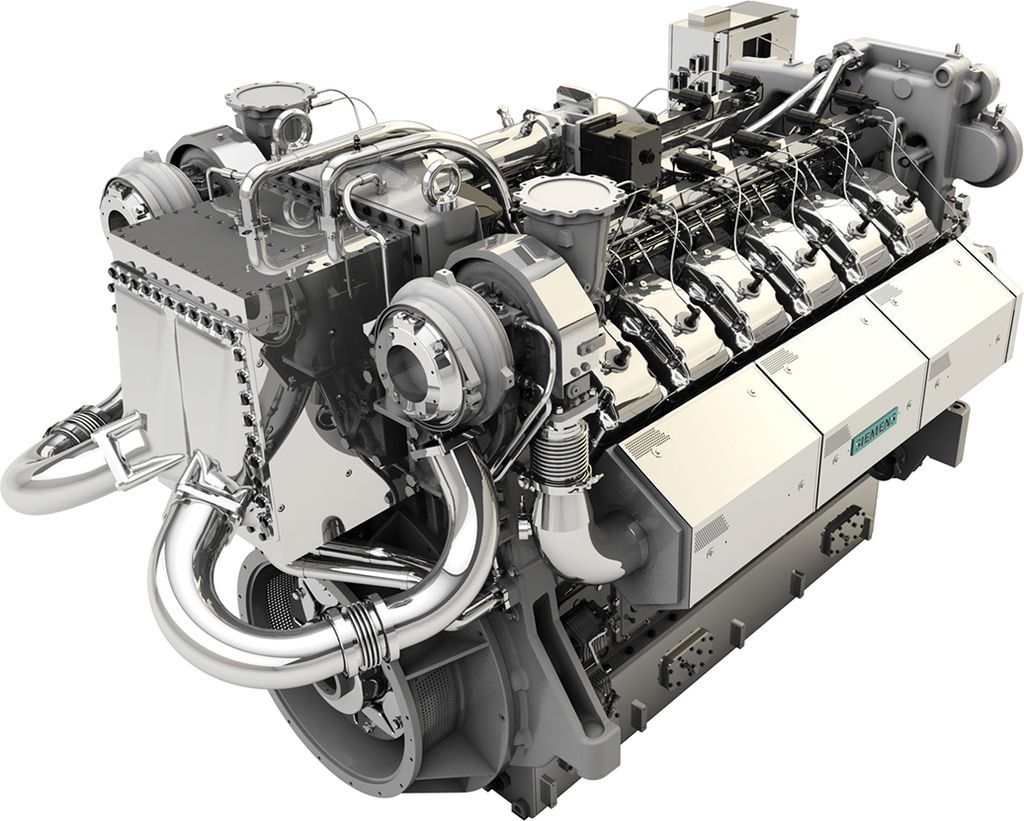
The global gas engine market is projected to grow from USD 4.8 billion in 2022 to USD 7.47 billion by 2032, reflecting a CAGR of 4.1% during the forecast period. Increasing demand for clean and efficient power generation technologies is a key factor driving this growth.

Gas engines, which operate on gaseous fuels such as natural gas, biogas, coal gas, and specialty gases, are becoming increasingly popular across sectors like automotive, utilities, oil & gas, and manufacturing. Their appeal stems from benefits like lower operating costs, enhanced efficiency, and reduced environmental impact, positioning them as a sustainable choice for diverse power generation needs.

Increasing concerns for the environment coupled with a gradual shift towards energy production via natural gas and special gas fuels are propelling the market demand for gas engines. A majority of power generation plants are focused on replacing their conventional power generation infrastructure with gas engines to reduce emission levels.

In addition to this, the growing demand for electricity along with an upsurge in the use of natural gas for producing energy owing to its easy availability, clean and economical nature, will likely augment the market growth of gas engines over the forecast period.

Moreover, the implementation of strict carbon emission regulations, rising government initiatives to expand the power generation infrastructure, the increasing popularity of gas engine technologies across emerging economies, and technological advancements in gas engines are some of the prominent factors fueling the growth in the global gas engines market.

Key Takeaways:

  • Multiple end-use industry applications like electricity generation, powering mechanical equipment, and vehicles to boost market possibilities.
  • Expansion of industrial gas turbine market to generate attractive market opportunities.
  • Countries like India, Germany, and the U.K. are increasing investment in gas-powered power plants.
  • Sales of gas engines in China are expected to exhibit substantial growth over the forecast period.
  • The U.K. gas engine market will present steady growth over the assessment period.
  • By fuel type, the natural gas segment is projected to account for the largest market share, with a high CAGR.
  • Based on power output, 15 MW gas engines continue to dominate the market.
  • By application, the mechanical drive segment is anticipated to lead market growth.

Competitive Landscape 

  • Westport Fuel Systems Inc, Wärtsilä, IHI Power Systems Co., Ltd. (Subsidiary of IHI Corporation), YANMAR HOLDINGS CO., MAN SE, BERGEN engines AS, LIEBHERR, JFE Engineering Corporation, Siemens, INNIO, MITSUBISHI HEAVY INDUSTRIES, LTD, Kawasaki Heavy Industries, Ltd and Caterpillar, Cummins Inc. among others are some of the major players in the gas engine market that are profiled in the full version of the report.
  • Major gas engine market players are focused on employing various organic and inorganic tactics including product expansion and capacity expansion. These businesses are intent on releasing new and innovative products as well as expanding and establishing new manufacturing facilities across appealing regions. They are also participating in mergers and acquisitions, partnerships, and collaborations to achieve a competitive advantage.

Key Segments

By Fuel Type:

  • Natural gas
  • Special gas
  • Others

By End Use:

  • Utilities
  • Marine
  • Oil & gas
  • Manufacturing
  • Others

By Power Output:

  • 1-2 MW
  • 2-5 MW
  • 5-15 MW
  • Above 15 MW

By Application:

  • Power Generation
  • Mechanical Drive
  • Cogenerations
  • Others

By Region:

  • North America
  • Latin America
  • Europe
  • Middle East and Africa
  • Asia Pacific

Report Preview: https://www.futuremarketinsights.com/reports/gas-engines-market

About Future Market Insights (FMI)       

Future Market Insights, Inc. (ESOMAR certified, recipient of the Stevie Award, and a member of the Greater New York Chamber of Commerce) offers profound insights into the driving factors that are boosting demand in the market. FMI stands as the leading global provider of market intelligence, advisory services, consulting, and events for the Packaging, Food and Beverage, Consumer Technology, Healthcare, Industrial, and Chemicals markets. With a vast team of over 400 analysts worldwide, FMI provides global, regional, and local expertise on diverse domains and industry trends across more than 110 countries.

Contact Us:    

Future Market Insights Inc.
Christiana Corporate, 200 Continental Drive,
Suite 401, Newark, Delaware – 19713, USA
T: +1-347-918-3531
For Sales Enquiries: sales@futuremarketinsights.com
Website: https://www.futuremarketinsights.com
LinkedInTwitterBlogs | YouTube

Sustainable Aviation Fuel Market to Reach USD 61.92 Billion by 2033 as Demand for Low-Carbon Alternatives Rises

Sustainable Aviation Fuel Market

The sustainable aviation fuel (SAF) market is projected to experience remarkable growth, expanding at a robust CAGR of 60% from 2023 to 2033. With an estimated valuation of USD 563.2 million in 2023, the market is expected to reach USD 61.92 billion by 2033. Key drivers include the decline in fossil fuel availability, rising air pollution, and increased air traffic, prompting governments to implement measures to reduce carbon emissions.

Advanced SAF sources, including waste and scrap materials, are gaining traction, enhancing the appeal of sustainable fuels. The growing adoption of SAF across the aviation sector is further supported by the establishment of SAF production plants worldwide and partnerships between governments and aviation companies focused on sustainable solutions.

SAF offers advantages over conventional jet fuel, such as higher energy content, better oxygen efficiency, and reduced emissions. Additionally, the adoption of zero-carbon hydrogen fuel cell technology is contributing to market expansion. Fuel price fluctuations—exacerbated by factors like the Russia-Ukraine conflict—are encouraging airlines to seek cost-effective alternatives. Rising income levels and higher living standards are also driving demand for commercial flights, with airlines increasingly turning to SAF to manage costs and meet environmental goals.

Key Points

  • The North American region is one of the crucial spaces for a sustainable aviation fuel market. As it has many airports with a high density of international and national flights. Lately, the Biden administration has advanced the prospects of sustainable fuels in American aviation with a target of reducing aviation emissions by 20% by 2030.
  • Europe with its restored tourism industry and high tourist footfall has also invested in the sustainable aviation fuel industry. The European Parliament has passed a mandate named ‘ReFuelEU Aviation’ in 2022.
  • Based on fuel type, the biofuel segment leads over other segments as it is considered highly safe, reliable, and low carbon. The fuel comes from forestry and agricultural waste.
  • Based on biofuel blending capacity, the 30% to 50% segment leads as it is more acceptable across the regions.

Market Value and Growth Projections

The Sustainable Aviation Fuel market is on the cusp of a transformative era, with exponential growth projected over the next decade. In 2023, the market was valued at USD 563.2 million. However, as governments and industries intensify their efforts to curb carbon emissions and promote cleaner energy sources, the market is forecast to soar to USD 61.92 billion by 2033, representing a massive CAGR of 60%.

This unparalleled growth is primarily driven by the urgent need for decarbonizing the aviation industry, especially in light of increasing regulatory mandates and targets set by organizations such as the International Air Transport Association (IATA) and International Civil Aviation Organization (ICAO). As airlines and airports commit to greener practices, investments in SAF production and infrastructure are expected to increase dramatically, further propelling market growth.

Competitive Landscape

The key vendors work on fastening their manufacturing process while also expanding their plants. Furthermore, the mergers between the government and SAF producers are transforming the market strategies. Key competitors and also merge, acquire, and partner with other companies to increase their supply chain, and distribution channel.

Key Players:

  • Preem (Sweden)
  • OMV (Austria)
  • Atmosfair (Germany),
  • Wastefuel (United States)
  • Prometheus Fuels
  • Red Rocks Biofuel (United States)
  • Northwest Advanced Biofuels

Recent Market Developments

  • Swedish brand, Preem has selected Haldor Topsoe’s Hydroflex for its renewable fuel plant. The plant is expected to hold the potential of saving 2.5 million tons of Co2. The plant also holds a capacity of 16,000 barrels-per-day unit.
  • German startup, Atmosfair has introduced the world’s first clean jet fuel plant with carbon-neutral aircraft technology.

Sustainable Aviation Fuel Market: Segmentation

By Platform:

  • Commercial Aviation
  • Military Aviation
  • Business & General Aviation
  • Unmanned Aerial Vehicle

By Biofuel Blending Capacity:

  • Below 30%
  • 30% to 50%
  • Above 50%

By Type:

  • Total Stations
  • Global Navigation Satellite Systems (GNSS)
  • Laser Scanners
  • Sensors
  • Others

By Biofuel Manufacturing Technology:

  • Hydroprocessed Fatty Acid Esters and Fatty Acids – Synthetic Paraffinic Kerosene (HEFA-
  • Fischer Tropsch Synthetic Paraffinic Kerosene (FT-SPK)
  • Synthetic Iso-paraffin from Fermented Hydroprocessed Sugar (HFS-SIP)
  • Alcohol to Jet SPK (ATJ-SPK)
  • Catalytic Hydrothermolysis Jet (CHJ)

By Fuel Type:

  • Biofuel
  • Hydrogen Fuel
  • Power to Liquid Fuel
  • Gas-to-Liquid

Report Preview: https://www.futuremarketinsights.com/reports/sustainable-aviation-fuel-market

About Future Market Insights (FMI)       

Future Market Insights, Inc. (ESOMAR certified, recipient of the Stevie Award, and a member of the Greater New York Chamber of Commerce) offers profound insights into the driving factors that are boosting demand in the market. FMI stands as the leading global provider of market intelligence, advisory services, consulting, and events for the Packaging, Food and Beverage, Consumer Technology, Healthcare, Industrial, and Chemicals markets. With a vast team of over 400 analysts worldwide, FMI provides global, regional, and local expertise on diverse domains and industry trends across more than 110 countries.

Contact Us:    

Future Market Insights Inc.
Christiana Corporate, 200 Continental Drive,
Suite 401, Newark, Delaware – 19713, USA
T: +1-347-918-3531
For Sales Enquiries: sales@futuremarketinsights.com
Website: https://www.futuremarketinsights.com
LinkedInTwitterBlogs | YouTube

Thermoplastic Pipe Market to Reach USD 3.83 Billion by 2033, Driven by Offshore Oil & Gas and Water Treatment Applications

Thermoplastic Pipe Market

The global thermoplastic pipe market, valued at USD 2.54 billion in 2023, is projected to grow to USD 3.83 billion by 2033, with a compound annual growth rate (CAGR) of 4.2% during the forecast period of 2023-2033, according to a recent report by Future Market Insights (FMI).

The market is being driven by increasing demand for thermoplastic pipes in the water and wastewater treatment industries, as well as the rising importance of offshore oil and gas production. Thermoplastic composite pipes are expected to see significant use in deep and ultra-deepwater oil and gas applications, including flowlines, umbilicals, and risers, due to their cost-effectiveness, chemical resistance, and lighter weight compared to traditional steel pipes.

While the COVID-19 pandemic led to disruptions in demand and logistics, the market is poised to recover, with growth expected to be particularly strong in the Asia-Pacific region due to rising offshore and onshore production activities. Despite challenges in large-scale production and the high costs associated with thermoplastic composite pipes, the advantages offered by these pipes in terms of flexibility and reduced installation costs are expected to fuel market growth.

Key Takeaways:

  • With a thermoplastic pipe market share of over 30%, North America is estimated to maintain its dominant position in the thermoplastic pipe market.
  • Reinforced thermoplastic pipes account for 30% of the market in the United States.
  • North America reigned supreme in the RTP market in 2019, with a valuation of USD 81 Mn, owing to the shale gas effect and massive ongoing expansions in the United States.
  • According to the research, the offshore reinforced thermoplastic pipes market in Asia is predicted to increase from USD 2.18 billion in 2020 to USD 2.7 billion by 2031.

Competitive Landscape:

Some of the key players are NOV (US), Wienerberger (Austria), TechnipFMC (UK), Georg Fischer (Switzerland), and Advanced Drainage Systems (US). The leading thermoplastic pipe manufacturers are adopting various strategies to increase their thermoplastic pipe market share.

TechnipFMC purchased Magma Global’s outstanding shares in October 2021 and will use Magma Global’s technology to manufacture Thermoplastic Composite Pipes (TCPs) made of PEEK polymer. Magma Global’s expertise will be combined with TechnipFMC’s thermoplastic piping systems to build a Hybrid Flexible Pipe (HFP) used in Brazil’s pre-salt fields.

Wienerberger bought the entire stock of FloPlast and Cork Plastics in July 2021. Both firms’ product ranges are focused on rainfall, roofline, and drainage products. As a result of the acquisition, Wienerberger is projected to become a full-service provider of managed greywater and stormwater solutions in the residential sector.

FGS Brasil Industria e Comércio (FGS), Cajamar (Brazil), a manufacturer of polyethylene thermoplastic piping systems, was bought by GF Piping Systems, a part of Georg Fischer, in December 2020. GF Piping Systems was able to increase its position in Brazil and South America due to the acquisition.

Subsea 7 granted NOV a contract in July 2020 to construct a flexible thermoplastic piping system, including flexible thermoplastic piping systems and associated ancillary components, for Woodside’s Sangoma Phase 1 project offshore Senegal, West Africa.

Significant Thermoplastic Pipe Manufacturers

  • Wiener Berger AG
  • Strohm
  • Baker Hughes
  • Saudi Arabian Amiantit
  • Advanced Drainage Systems
  • TechnipFMC plc
  • Geog Fischer
  • Prysmian S.p.A
  • Chevron Phillips Chemical
  • IPEX

Key Segments

By Product Type:

  • Reinforced Thermoplastic Pipes (RTP)
  • Thermoplastic Composite Pipes (TCP)

By End-use Industry:

  • Oil & Gas
  • Water & Wastewater
  • Mining & Dredging
  • Utilities & Renewable

By Application:

  • Onshore
  • Offshore

By Polymer Type:

  • Polyethylene (PE)
  • Polypropylene (PP)
  • Polyvinylidene Fluoride (PVDF)
  • Polyvinyl Chloride (PVC)

By Region:

  • North America
  • Europe
  • South America
  • Asia Pacific
  • Middle East & Africa

Report Preview: https://www.futuremarketinsights.com/reports/thermoplastic-pipe-market

About Future Market Insights (FMI)       

Future Market Insights, Inc. (ESOMAR certified, recipient of the Stevie Award, and a member of the Greater New York Chamber of Commerce) offers profound insights into the driving factors that are boosting demand in the market. FMI stands as the leading global provider of market intelligence, advisory services, consulting, and events for the Packaging, Food and Beverage, Consumer Technology, Healthcare, Industrial, and Chemicals markets. With a vast team of over 400 analysts worldwide, FMI provides global, regional, and local expertise on diverse domains and industry trends across more than 110 countries.

Contact Us:    

Future Market Insights Inc.
Christiana Corporate, 200 Continental Drive,
Suite 401, Newark, Delaware – 19713, USA
T: +1-347-918-3531
For Sales Enquiries: sales@futuremarketinsights.com
Website: https://www.futuremarketinsights.com
LinkedInTwitterBlogs | YouTube

The Rising Demand for Automotive Interior Leather in Japan: Luxury, Durability, and Sustainability at the Forefront | FMI Reports

Automotive Interior Leather in Japan

The automotive interior leather market in Japan is valued at USD 3,020.5 million in 2023 and is projected to reach USD 4,198.4 million by 2033. From 2023 to 2033, the market is expected to grow at a CAGR of 3.3%, driven by increasing demand for premium and luxury vehicle interiors.

The Japanese automotive industry is renowned for its precision engineering, cutting-edge technology, and commitment to quality. Among the various premium features that Japanese automakers are incorporating into their vehicles, automotive interior leather has become a crucial element in enhancing the overall driving experience. Whether it’s used for upholstery, steering wheels, or trim accents, high-quality leather adds both luxury and functionality to vehicle interiors. As Japanese consumers demand greater comfort, style, and sustainability, the automotive interior leather market is experiencing robust growth.

With a focus on premium vehicles and technological advancements in leather manufacturing, Japan is embracing leather materials that not only offer superior aesthetics but also provide durability, ease of maintenance, and eco-friendly solutions. The increasing shift towards luxury and electric vehicles (EVs) is also influencing the demand for innovative and sustainable leather alternatives.

Comprehensive Market Insights: Full Report Overview

Key Drivers of the Automotive Interior Leather Industry in Japan

  • Demand for Premium Vehicles: Japan’s automotive market is known for its strong inclination toward luxury vehicles, and leather interiors are often associated with high-end cars. Consumers are increasingly opting for vehicles that offer comfort and an elevated driving experience. As such, automakers are integrating leather interiors into both traditional and electric vehicle models to meet these preferences.
  • Technological Advancements in Leather Production: Japan is at the forefront of innovations in leather processing technologies, with automakers and suppliers focusing on improving the quality, texture, and durability of automotive leather. Advances such as microfiber leather and synthetic leather are enabling manufacturers to offer premium aesthetics without compromising on sustainability.
  • Focus on Sustainability and Eco-Friendly Materials: As consumer awareness about environmental issues grows, there is a rising demand for sustainable alternatives in the automotive industry. Japanese automakers are increasingly investing in eco-friendly leather alternatives such as vegetable-tanned leather, recycled leather, and bio-based synthetic materials. These sustainable options help manufacturers align with global green initiatives and meet consumer demand for environmentally responsible products.
  • Rising Popularity of Electric Vehicles (EVs): The growing shift toward electric vehicles is another key driver of the automotive interior leather market in Japan. EVs are typically marketed as luxury or high-performance vehicles, where the interior plays a significant role in appealing to premium buyers. High-quality leather is often a key element of the interior design in these vehicles, particularly for seats and steering wheels.
  • Consumer Preference for Customization and Personalization: Japanese consumers are known for their interest in personalizing their vehicles to suit their style and preferences. Automotive interior leather provides a wide range of customization options, such as different colors, textures, and stitching patterns. Automakers are responding to this demand by offering tailored leather solutions to enhance the appeal of their vehicles.
  • Durability and Comfort: Leather is known for its durability and comfort, and these attributes are highly valued in Japan’s automotive market. The ability of leather to retain its shape and texture over time makes it an ideal choice for high-usage areas like seats and armrests. Additionally, leather offers superior comfort during long drives due to its softness and ability to regulate temperature.

Key Takeaways

  • Premium vehicles are a significant driver of the automotive interior leather market in Japan, as consumers seek comfort, luxury, and high-quality finishes in their vehicles.
  • Technological advancements in leather processing are enabling the production of durable, high-quality leather materials and innovative synthetic alternatives, offering greater design flexibility.
  • Sustainability is becoming an increasingly important factor, with eco-friendly leather alternatives gaining traction in response to both consumer demand and environmental regulations.
  • The rise of electric vehicles (EVs) in Japan is pushing automakers to incorporate premium materials like leather into their vehicle interiors, further boosting market demand.
  • Consumer interest in customization continues to grow, with leather options offering enhanced personalization for vehicle interiors.
  • Durability, comfort, and aesthetic appeal are driving factors behind the continued popularity of automotive interior leather, which enhances both the luxury and functionality of vehicle cabins.

Some of the Key Players of Automotive Interior Leather in Japan

  • Lear Corporation
  • Seiren Co., Ltd
  • GST AutoLeather Inc
  • BOXMARK Leather GmbH and Co KG
  • Bader GmbH and Co. KG
  • Katzkin Leather,Inc.
  • Leather Resource of America
  • WOLLSDORF LEDER SCHMIDT and Co. Ges.m.b.H.
  • DK Leather Corporation
  • Scottish Leather Group Limited

Key Segmentations

By Material Type:

  • Genuine Leather
  • Synthetic Leather
    • PU Leather
    • PVC

By Vehicle Type:

  • Passenger Cars
    • Compact
    • Mid-sized
    • Sedan
    • Luxury
    • Van
  • Light Commercial Vehicles
  • Heavy Commercial Vehicles

By Application:

  • Upholstery
  • Dashboard
  • Seat belts
  • Air-bags
  • Floor and trunk carpets
  • Headliners
  • Others

By Sales Channel:

  • OEM
  • Aftermarket

By City:

  • Kanto
  • Chubu
  • Kinki
  • Kyushu & Okinawa
  • Tohoku
  • Rest of Japan

About Future Market Insights (FMI)

Future Market Insights, Inc. (ESOMAR certified, recipient of the Stevie Award, and a member of the Greater New York Chamber of Commerce) offers profound insights into the driving factors that are boosting demand in the market. FMI stands as the leading global provider of market intelligence, advisory services, consulting, and events for the Packaging, Food and Beverage, Consumer Technology, Healthcare, Industrial, and Chemicals markets. With a vast team of 400 analysts worldwide, FMI provides global, regional, and local expertise on diverse domains and industry trends across more than 110 countries.

Contact Us:      

Future Market Insights Inc.
Christiana Corporate, 200 Continental Drive,
Suite 401, Newark, Delaware – 19713, USA
T: +1-347-918-3531
For Sales Enquiries: sales@futuremarketinsights.com
Website: https://www.futuremarketinsights.com
LinkedInTwitterBlogs | YouTube

The Automotive Lighting Market in Korea: Paving the Way for Innovation, Safety, and Sustainability | FMI Reports

Automotive Lighting in Korea

The automotive lighting market in Korea is expected to grow at a modest CAGR of 2.4% through 2033. The industry is forecasted to present lucrative opportunities, with projected revenue increasing from USD 1,007.8 million in 2023 to USD 1,279.0 million by 2033.

Korea’s automotive lighting industry is rapidly evolving, fueled by technological innovations, stringent safety standards, and the growing demand for energy-efficient solutions. As one of the leading automotive manufacturing hubs globally, Korea is home to major automakers such as Hyundai, Kia, and Genesis, all of whom are incorporating cutting-edge automotive lighting technologies into their vehicles. From advanced LED lighting systems to laser lights and adaptive headlights, Korea is leveraging its expertise in technology and design to shape the future of automotive lighting.

With a shift toward electric vehicles (EVs) and autonomous driving technology, the automotive lighting sector in Korea is experiencing a transformative phase. Lighting systems not only serve as a vital component for vehicle aesthetics but also play a critical role in improving road safety and enabling next-generation driving technologies.

Comprehensive Market Insights: Full Report Overview

Key Drivers of the Automotive Lighting Industry in Korea

  • Technological Advancements in Lighting Solutions: Korea’s automotive lighting sector is highly driven by technological advancements, particularly in LED and OLED lighting technologies. These innovations offer superior performance in terms of energy efficiency, durability, and design flexibility, making them highly sought after in modern vehicles.
  • Stricter Safety Regulations: In line with global trends, Korea has seen stricter safety regulations driving the demand for advanced automotive lighting systems. Features such as adaptive headlights, automatic high beams, and cornering lights are becoming standard to enhance visibility and improve road safety, particularly in low-light conditions.
  • Rise of Electric and Autonomous Vehicles: The shift toward electric vehicles (EVs) and autonomous driving technologies is fueling the demand for specialized lighting systems. EVs, which are highly energy-efficient, require lighting solutions that consume less power while maintaining high levels of visibility. Autonomous vehicles rely on smart lighting solutions for communication with other vehicles and pedestrians, as well as to support autonomous sensors and navigation systems.
  • Consumer Demand for Aesthetic and Customizable Lighting: Korean consumers are known for their keen interest in vehicle customization, and automotive lighting is an integral part of this trend. From dynamic lighting systems to signature lighting designs, automotive lighting in Korea is increasingly focused on offering distinctive and personalized features that enhance the visual appeal of vehicles.
  • Sustainability and Eco-Friendly Technologies: As sustainability becomes a key priority in Korea’s automotive industry, lighting systems that reduce energy consumption are in high demand. LED headlights and other energy-efficient lighting technologies are helping manufacturers meet both environmental goals and consumer demand for greener, more eco-friendly vehicles.

Key Takeaways

  • Technological innovation is the driving force behind Korea’s automotive lighting industry, with advancements in LED and OLED technologies offering superior energy efficiency, longevity, and design options.
  • Safety regulations continue to push the adoption of more advanced lighting systems, such as adaptive headlights, which provide better visibility and help reduce accidents on the road.
  • The rise of electric and autonomous vehicles in Korea is leading to a demand for specialized lighting solutions that optimize energy consumption and support autonomous driving technologies.
  • Consumer demand for aesthetic features and vehicle customization is propelling innovations in automotive lighting, with manufacturers offering unique lighting systems for personalization and style.
  • Sustainability is a central driver in the automotive lighting market, with the demand for energy-efficient solutions helping automakers meet green targets and consumer preferences for eco-friendly vehicles.

Key Providers of Automotive Lighting in Korea

  • LG Innotek
  • Samsung Electronics
  • Seoul Semiconductor
  • DH Lighting
  • Namyung Lighting
  • Backsan LNT
  • ANYLUX
  • DSE CO.
  • KOREA LED AND EQUIPMENT
  • HWASHIN KOREA
  • LX Pantos Logistics
  • Seino Logix

Key Segments Profiled in the Korea Automotive Lighting Industry Survey

By Application:

  • Front Headlights
  • Fog Lights
  • Rear Lights
  • Side Lights
  • Interior Lights

By Vehicle Type:

  • Passenger Cars
  • Compact
  • Mid
  • Luxury
  • SUVs
  • Light Commercial Vehicles
  • Heavy Commercial Vehicles
  • Electric Vehicles
  • Battery Electric
  • Plug-in Hybrid Electric
  • Hybrid Electric
  • Two Wheelers
  • Motorcycles
  • Scooters

By Light Source:

  • Halogen
  • LED
  • Xenon

By Sales Channel:

  • OEM
  • Aftersales

Key Cities/Provinces:

  • South Gyeongsang
  • North Jeolla
  • South Jeolla
  • Jeju

About Future Market Insights (FMI)

Future Market Insights, Inc. (ESOMAR certified, recipient of the Stevie Award, and a member of the Greater New York Chamber of Commerce) offers profound insights into the driving factors that are boosting demand in the market. FMI stands as the leading global provider of market intelligence, advisory services, consulting, and events for the Packaging, Food and Beverage, Consumer Technology, Healthcare, Industrial, and Chemicals markets. With a vast team of 400 analysts worldwide, FMI provides global, regional, and local expertise on diverse domains and industry trends across more than 110 countries.

Contact Us:      

Future Market Insights Inc.
Christiana Corporate, 200 Continental Drive,
Suite 401, Newark, Delaware – 19713, USA
T: +1-347-918-3531
For Sales Enquiries: sales@futuremarketinsights.com
Website: https://www.futuremarketinsights.com
LinkedInTwitterBlogs | YouTube

Japan’s Automotive Lighting Industry Illuminated by Innovation, Safety, and Sustainability | FMI Reports

Automotive Lighting Industry in Japan

The automotive lighting market in Japan is projected to grow steadily, with demand expected to reach USD 2,633.7 million in 2023, up from USD 2,513.2 million in 2022. Sales of automotive lighting in Japan are forecasted to maintain a consistent growth trajectory, with a CAGR of 3.9% from 2023 to 2033. By the end of 2033, the market is anticipated to reach a value of USD 3,855.6 million.

The automotive lighting industry in Japan is undergoing significant transformations, driven by advancements in technology, safety requirements, and growing sustainability concerns. As one of the world’s largest automobile markets, Japan is at the forefront of adopting innovative lighting solutions that enhance vehicle performance, aesthetics, and energy efficiency. From advanced LED systems to cutting-edge technologies such as adaptive headlights and smart lighting solutions, Japan’s automotive lighting sector is becoming increasingly integral to the automotive industry’s evolution.

Japanese consumers and manufacturers alike are placing a greater emphasis on energy-efficient lighting solutions that not only reduce the carbon footprint but also enhance vehicle safety. As the global push for electric vehicles (EVs) and autonomous driving technologies gains momentum, Japan’s automotive lighting industry is strategically positioned to lead with solutions that meet both environmental and technological demands.

Comprehensive Market Insights: Full Report Overview

Key Drivers of the Automotive Lighting Industry in Japan

  • Technological Advancements in Lighting Solutions: Japan has been a global leader in lighting technology, especially with the development of high-performance LEDs and OLEDs. These energy-efficient lighting technologies offer superior brightness, longevity, and aesthetic appeal, making them essential in modern vehicle design.
  • Stringent Safety Regulations: Japan’s stringent vehicle safety standards are driving the demand for advanced lighting systems, such as adaptive headlights, automatic high beams, and cornering lights. These innovations ensure better visibility, contributing to enhanced safety for drivers and pedestrians, particularly in low-light conditions.
  • Growth of Electric and Autonomous Vehicles: As Japan continues to embrace the electrification of its automotive fleet, the demand for energy-efficient lighting solutions is rising. Electric vehicles require lighting systems that minimize energy consumption, while autonomous vehicles rely on specialized lighting for better communication with other road users and to support their advanced sensors.
  • Sustainability and Environmental Goals: With growing environmental awareness, Japan is actively pursuing sustainable automotive technologies. The automotive lighting industry is responding by developing energy-efficient solutions, such as LED headlights, that reduce the overall carbon footprint of vehicles and support Japan’s broader green initiatives.
  • Consumer Demand for Aesthetic Appeal: Japanese consumers have a keen interest in vehicles with cutting-edge designs and personalization options. Automotive lighting plays a crucial role in this trend, as manufacturers offer customizable and distinctive lighting solutions that enhance the visual appeal of vehicles.

Key Takeaways

  • Technological innovation remains the cornerstone of Japan’s automotive lighting industry, with advancements in LED and OLED technology contributing to improved energy efficiency and aesthetics.
  • Safety regulations are driving the adoption of more advanced lighting solutions, such as adaptive headlights and dynamic lighting systems, that enhance driver visibility and overall road safety.
  • The rise of electric and autonomous vehicles in Japan is increasing the demand for specialized lighting technologies that are energy-efficient, functional, and adaptable to the needs of next-generation vehicles.
  • Sustainability is a key driver of growth, as the demand for eco-friendly, low-energy lighting solutions aligns with Japan’s environmental goals and the global shift towards green technologies.
  • Consumer preferences for customization and aesthetics in vehicle design are spurring innovations in automotive lighting, as manufacturers look to offer more distinctive and personalized lighting options.

Some of the Key Players with Automotive Lighting in Japan 

  • Koito Manufacturing Co. Ltd.
  • Hella KGaA Hueck & Co.
  • Stanley Electric Co.
  • Valeo SA
  • Osram Licht AG
  • Magnetti Marelli
  • Varroc Group
  • ZKW Group
  • Ichikoh Industries Ltd.
  • General Electric Company
  • Kaga Electronics
  • Toyoda Gosei Co. Ltd.

Key Segments of Automotive Lighting in Japan

By Application:

  • Front Headlights
  • Fog Lights
  • Rear Lights
  • Side Lights
  • Interior Lights

By Vehicle:

  • Passenger Cars
  • Compact
  • Mid
  • Luxury
  • SUVs
  • Light Commercial Vehicles
  • Heavy Commercial Vehicles
  • Electric Vehicles
  • Battery Electric
  • Plug-in Hybrid Electric
  • Hybrid Electric
  • Two Wheelers
  • Motorcycles
  • Scooters

By Cities:

  • Kanto
  • Chubu
  • Kinki
  • Kyushu & Okinawa
  • Tohoku
  • Rest of Japan

About Future Market Insights (FMI)

Future Market Insights, Inc. (ESOMAR certified, recipient of the Stevie Award, and a member of the Greater New York Chamber of Commerce) offers profound insights into the driving factors that are boosting demand in the market. FMI stands as the leading global provider of market intelligence, advisory services, consulting, and events for the Packaging, Food and Beverage, Consumer Technology, Healthcare, Industrial, and Chemicals markets. With a vast team of 400 analysts worldwide, FMI provides global, regional, and local expertise on diverse domains and industry trends across more than 110 countries.

Contact Us:      

Future Market Insights Inc.
Christiana Corporate, 200 Continental Drive,
Suite 401, Newark, Delaware – 19713, USA
T: +1-347-918-3531
For Sales Enquiries: sales@futuremarketinsights.com
Website: https://www.futuremarketinsights.com
LinkedInTwitterBlogs | YouTube

Western Europe’s Automotive Lighting Market to Shine Bright with Advancements in Technology and Sustainability | FMI Reports

Automotive Lighting in Western Europe

The automotive lighting industry in Western Europe is projected to experience a steady growth rate of 5.3% CAGR through 2033. In 2023, the demand for automotive lighting in the region is expected to reach a valuation of USD 7,812.0 million. Looking ahead, sales of automotive lighting across Western European countries are forecasted to grow significantly, with an anticipated value of USD 13,077.9 million by 2033.

The automotive lighting market in Western Europe is poised for significant growth as the demand for advanced lighting solutions, driven by innovation and sustainability goals, continues to increase. With the growing focus on vehicle safety, energy efficiency, and the integration of smart technologies, automotive lighting has become a crucial aspect of vehicle design. The rise of electric and autonomous vehicles, along with increasing consumer expectations for better visibility and aesthetics, are further fueling the demand for cutting-edge lighting technologies in the region.

Western Europe’s automotive lighting sector is benefiting from the ongoing trends of electrification, autonomous driving, and the growing importance of vehicle aesthetics. The development of energy-efficient lighting systems, such as LED and OLED technology, aligns perfectly with the region’s environmental goals. As automotive manufacturers and suppliers respond to consumer demand for energy-efficient, durable, and customizable lighting solutions, the market for automotive lighting in Western Europe is expected to continue its upward trajectory.

Comprehensive Market Insights: Full Report Overview

Key Drivers of the Automotive Lighting Market in Western Europe

  • Technological Advancements in Lighting Solutions: The continuous evolution of automotive lighting technologies, particularly LEDs and OLEDs, is a key driver of the market. These technologies offer improved efficiency, longer lifespans, and enhanced brightness, contributing to better vehicle safety and lower energy consumption.
  • Stringent Safety and Regulatory Standards: Increasing road safety regulations and the growing importance of night-time visibility are prompting automotive manufacturers to invest in advanced lighting systems. Features like adaptive headlights, dynamic lighting, and advanced signaling systems are becoming essential for meeting safety regulations and enhancing driver visibility.
  • Rise of Electric and Autonomous Vehicles: The shift towards electric and autonomous vehicles is influencing the demand for innovative lighting solutions. Electric vehicles, in particular, require energy-efficient lighting systems that reduce power consumption. Similarly, autonomous vehicles rely on advanced lighting to improve communication with other vehicles and pedestrians and to ensure safety.
  • Aesthetic and Customization Demands: Consumers are increasingly seeking vehicles with distinctive and attractive designs. Automotive lighting plays a critical role in shaping the vehicle’s aesthetics, with manufacturers offering customizable lighting options to meet consumer preferences. This trend is contributing to the growth of the automotive lighting market, especially in Western Europe.
  • Sustainability and Environmental Concerns: The increasing emphasis on reducing the carbon footprint in Western Europe is encouraging the use of energy-efficient lighting solutions. LEDs and other low-energy lighting systems help reduce the environmental impact of vehicles, driving their adoption in the automotive sector.

Key Takeaways

  • The automotive lighting market in Western Europe is growing rapidly, driven by technological advancements in lighting systems, such as LEDs and OLEDs, that provide improved efficiency and longevity.
  • Regulatory pressure on safety standards and the need for better nighttime visibility are compelling automotive manufacturers to adopt advanced lighting technologies.
  • The rise of electric and autonomous vehicles is significantly impacting the demand for specialized lighting systems that cater to energy efficiency and improved safety features.
  • Consumer demand for aesthetics and customization in vehicle design is fueling the need for innovative lighting solutions that not only improve functionality but also enhance vehicle appearance.
  • Sustainability goals in Western Europe are driving the adoption of energy-efficient automotive lighting solutions, aligning with the region’s environmental policies and the global push for cleaner technologies.

Some of the Key Players in Automotive Lighting in Western Europe

  • Valeo PVT Ltd.
  • HELLA Lights PVT Ltd.
  • Rober Bosch GmbH
  • ZF TRW Automotives Holdings Corp.
  • Continental AG
  • OSRAM Beteiligungen GmbH
  • Magneti Marelli Holdings Co., Ltd.
  • Stanley Electric Co., Ltd

Key Segments of Automotive Lighting in Western Europe

By Application:

  • Front Headlights
  • Fog Lights
  • Rear Lights
  • Side Lights
  • Interior Lights

By Vehicle Type:

  • Passenger Cars
    • Compact Cars
    • Mid Segment Cars
    • Luxury Cars
  • Sports Utility Vehicles (SUVs)
  • Light Commercial Vehicles (LCVs)
  • Heavy Commercial Vehicles
  • Electric Vehicles (EVs)
    • Battery Electric Vehicles (BEVs)
    • Plug-in Hybrid Electric Vehicles (PHEVs)
    • Hybrid Electric Vehicles (HEVs)
  • Two Wheelers
    • Motorcycles
    • Scooters

By Light Source:

  • Halogen Bulbs
  • Light Emitting Diodes (LEDs)
  • Xenon Gas Bulbs

By Sales Channel:

  • Original Equipment Manufacturers (OEMs)
  • Aftersales Sector

By Countries:

  • Germany
  • Italy
  • France
  • Spain
  • United Kingdom
  • BENELUX
  • Rest of Western Europe

About Future Market Insights (FMI)

Future Market Insights, Inc. (ESOMAR certified, recipient of the Stevie Award, and a member of the Greater New York Chamber of Commerce) offers profound insights into the driving factors that are boosting demand in the market. FMI stands as the leading global provider of market intelligence, advisory services, consulting, and events for the Packaging, Food and Beverage, Consumer Technology, Healthcare, Industrial, and Chemicals markets. With a vast team of 400 analysts worldwide, FMI provides global, regional, and local expertise on diverse domains and industry trends across more than 110 countries.

Contact Us:      

Future Market Insights Inc.
Christiana Corporate, 200 Continental Drive,
Suite 401, Newark, Delaware – 19713, USA
T: +1-347-918-3531
For Sales Enquiries: sales@futuremarketinsights.com
Website: https://www.futuremarketinsights.com
LinkedInTwitterBlogs | YouTube

Western Europe’s Low Rolling Resistance Tire Market Set for Growth with Environmental Benefits Driving Demand | FMI Reports

Low Rolling Resistance Tire Industry Analysis in Western Europe

The demand for low rolling resistance tires in Western Europe is expected to grow at a CAGR of 9.50% through 2033. This increase is primarily driven by stringent government regulations focused on enhancing fuel efficiency and reducing carbon emissions within the automotive sector.

Rising environmental awareness among consumers has led to a surge in demand for eco-friendly automotive solutions, with low rolling resistance tires standing out due to their ability to reduce fuel consumption and lower CO2 emissions.

In 2023, sales of low rolling resistance tire technology in Western Europe are estimated to reach USD 315,345 million, with projections indicating that the market will exceed USD 781,497 million by 2033. The automotive industry’s shift toward sustainable and energy-efficient solutions is accelerating the adoption of low rolling resistance tires, both by manufacturers and consumers, as part of the broader movement toward environmentally responsible driving.

The Western European market for low rolling resistance tires is poised for significant growth as the demand for environmentally-friendly and fuel-efficient vehicles continues to rise. Low rolling resistance tires, designed to reduce fuel consumption and carbon emissions, are gaining traction as consumers and businesses alike focus on sustainability in the automotive industry. As regulatory pressure increases and automakers innovate to meet stricter emissions standards, the adoption of these tires is expected to accelerate, contributing to the market’s expansion in the coming years.

Low rolling resistance tires are engineered to minimize the energy lost as a tire rolls, which directly impacts the vehicle’s fuel efficiency. This is particularly important in a region like Western Europe, where governments are actively promoting the adoption of green technologies, including electric and hybrid vehicles. With the transition to cleaner, more energy-efficient solutions gaining momentum, the low rolling resistance tire market is set to thrive.

Comprehensive Market Insights: Full Report Overview

Key Drivers of the Low Rolling Resistance Tire Market in Western Europe

  • Stringent Environmental Regulations: Western European countries have introduced stringent emissions standards, compelling automakers to develop and adopt technologies that improve fuel efficiency. Low rolling resistance tires are a key solution for achieving these goals.
  • Increasing Fuel Efficiency Awareness: Consumers are becoming more aware of the environmental and economic benefits of reducing fuel consumption. This growing consciousness is driving demand for tires that help decrease overall energy consumption, including low rolling resistance options.
  • Growth in Electric and Hybrid Vehicles: The rise in electric and hybrid vehicle adoption in Western Europe has further boosted the need for low rolling resistance tires. These vehicles require tires that can maximize their energy efficiency, and low rolling resistance tires are essential to meeting these needs.
  • Government Incentives for Green Technologies: Various government initiatives and incentives aimed at reducing carbon footprints are encouraging the use of fuel-efficient automotive components, including low rolling resistance tires. These policies are propelling the market’s growth as manufacturers align with green standards.
  • Technological Advancements in Tire Manufacturing: Continued innovation in tire manufacturing technology, including improved materials and designs that enhance rolling resistance performance without compromising safety or durability, is driving market expansion.

Key Takeaways

  • The Western Europe low rolling resistance tire market is experiencing growth, driven by a combination of government regulations, environmental awareness, and technological advancements.
  • Fuel efficiency remains a core factor, with both consumers and manufacturers increasingly prioritizing energy-saving solutions in the automotive sector.
  • The rising adoption of electric and hybrid vehicles in Western Europe is a significant catalyst for the demand for these tires, ensuring that the market for low rolling resistance tires will continue to expand.
  • As environmental policies become stricter, low rolling resistance tires will play an essential role in helping manufacturers meet regulatory standards and reduce emissions.
  • Innovations in tire technology will further contribute to the market’s growth by offering more cost-effective, durable, and fuel-efficient tire options for consumers.

Key Companies Providing Low Rolling Resistance Tire in Western Europe

  • Continental
  • Michelin
  • Bridgestone
  • Pirelli
  • Goodyear
  • Hankook
  • Nokian Tyres
  • Kumho Tyre
  • Toyo Tires
  • Nexen Tire
  • Zee Tire & Rubber
  • Giti Tire

Key Segments

By Vehicle Type:

  • Passenger Vehicle
  • Light Commercial Vehicle
  • Heavy Commercial Vehicle

By Width Type:

  • Dual Type
  • Wide Band Type

By Sales Channel:

  • OEM
  • Aftermarket

By Country:

  • United Kingdom
  • Germany
  • France
  • Netherlands
  • Italy

About Future Market Insights (FMI)

Future Market Insights, Inc. (ESOMAR certified, recipient of the Stevie Award, and a member of the Greater New York Chamber of Commerce) offers profound insights into the driving factors that are boosting demand in the market. FMI stands as the leading global provider of market intelligence, advisory services, consulting, and events for the Packaging, Food and Beverage, Consumer Technology, Healthcare, Industrial, and Chemicals markets. With a vast team of 400 analysts worldwide, FMI provides global, regional, and local expertise on diverse domains and industry trends across more than 110 countries.

Contact Us:      

Future Market Insights Inc.
Christiana Corporate, 200 Continental Drive,
Suite 401, Newark, Delaware – 19713, USA
T: +1-347-918-3531
For Sales Enquiries: sales@futuremarketinsights.com
Website: https://www.futuremarketinsights.com
LinkedInTwitterBlogs | YouTube

Advancements in Coatings and Application Technologies for Robotics: Addressing Environmental and Efficiency Concerns

Coatings and Application Technologies for Robotics Market

The global coatings and application technologies for robotics market is on the brink of reaching a substantial valuation, projected to reach USD 18,141.9 million by 2023. The market is estimated to attain a total valuation of USD 38,925 million by 2033 and is predicted to record a CAGR of 7.9% from 2023 to 2033.

The growth is primarily driven by the burgeoning interest and insights surrounding the coatings and application technologies for robotics market. The trend is expected to open doors to new opportunities within the market.

The global coatings and application technologies for robotics industry is witnessing significant growth. This growth is driven by the extensive use of automotive robotics in various sectors, including chemical and material industries.

Robotic systems offer many advantages, such as improved product quality, enhanced production capacity, reduced warranty costs, and ensuring the safety of workers by automating hazardous and challenging tasks. This transformative impact of robotics technology has been a driving force in propelling the industry forward.

One of the primary catalysts for the growth of the coatings and application technologies for robotics market is the remarkable enhancement in product quality achieved through automation. Robots are known for their precision and consistency, which leads to a significant reduction in defects and errors in the final products. This not only improves the overall quality of products but also enhances customer satisfaction, thereby boosting the market’s prospects.

The utilization of robotics in various industries results in increased production capacity. Robots can work tirelessly around the clock without the need for breaks, thus substantially increasing manufacturing output. The heightened production capacity is particularly beneficial in industries with fluctuating demand or seasonal variations, as it allows for rapid adjustments to meet market needs.

Lower warranty costs represent another key advantage of incorporating robotics into industrial processes. The consistency and precision of robots significantly reduce the occurrence of defects and faults, thereby minimizing the need for warranty repairs and replacements. This translates to cost savings for manufacturers and bolsters their competitiveness in the market.

The high initial cost of acquiring and implementing robotic systems, as well as the ongoing maintenance expenses, can pose a barrier to market growth. Industry experts foresee a promising future for the coatings and application technologies for robotics market, driven by the increasing adoption of Industry 4.0 principles.

Key Takeaways from the Market Study

  • The market valuation in 2022 was US$ 17,066.7
  • Based on technology, water-borne coatings are expected to dominate at a market share of 33.5% by 2033.
  • Based on resin type, acrylic coatings are likely to register a market share of 53.4% by 2033.
  • The coatings and application technologies for robotics market size expanded at 4.68% CAGR between 2018 and 2022.
  • Japan is estimated to reach a market share of 6.5% in 2023.
  • Australia experiences a significant value share of 4.42% in 2023.

 “The investment aims to improve operational efficiency and reduce downtimes, further fueling the market’s growth. It is considered one of the key drivers of the coatings and application technologies for robotics market”, comments a Future Market Insights analyst.

Competitive Landscape

The coatings and application technologies for robotics industry boasts a substantial array of market participants. Research and development play a pivotal role among the market participants. It primarily focuses on the introduction of eco-friendly product lines as a core aspect of their manufacturing endeavors.

Key participants also employ various expansion strategies, including collaborations, mergers and acquisitions, and diligent exploration of regulatory approvals to bolster their market presence.

Key Innovations in the Market

  • Akzo Nobel, a prominent player in the coatings industry, embarked on a groundbreaking partnership with Qlayers, a Netherlands-based startup specializing in robotic solutions for applying paints and surface treatments in industrial and marine settings.

This collaboration signified Akzo Nobel’s commitment to exploring the synergy between its product offerings and robotic applications.

  • Axalta Coating Systems announced the launch of Imron® Industrial Ultra 2.8 VOC Topcoat, an enhanced urethane topcoat to support the agriculture, construction and earthmoving equipment (ACE) market segments.

The new technology offers low VOC emissions and a faster cure compared to other urethane topcoats

Discover Detailed Findings in the Complete Report!

Top Key Players

  • Akzo Nobel N.V.
  • Axalta Coating Systems
  • PPG Industries
  • The Sherwin-Williams Company
  • HMG Paints Limited
  • The Lubrizol Corporation
  • Yashm Paint & Resin Industries
  • U.S. Paint Corporation
  • Kansai Paint Co. Ltd.
  • Bernardo Ecenarro SA
  • Nippon Paint Holdings Co., Ltd.
  • Sheboygan Paint Company
  • Beckers Group, Alps Coating Sdn. Bhd
  • NOROO Paint & Coatings Co., Ltd.
  • WEG SA, Reichhold LLC
  • Tikkurila

More Valuable Insights Available

Future Market Insights offers an unbiased analysis of the global coatings and application technologies for robotics market providing historical data between 2018 and 2022 and forecast statistics from 2023 to 2033.

To understand opportunities in the coatings and application technologies for robotics market, it is segmented based on major By Resin Type: (Polyurethane Coatings, Acrylic Coatings , Alkyd Coatings, Polyester Coatings, Epoxy Coatings ), Technology: (Solvent Borne Coatings, Water Borne Coatings , UV Cure Coatings, Powder Coatings), Coating Layer: (Primer Coatings, Base Coat Coatings , Top Coat Coatings , Clear Coat Coatings ), End-Use Industry: (Healthcare, Agriculture, Mining, Manufacturing, Construction), and by region: (North America, Latin America, Eastern Europe, Western Europe, Asia Pacific excluding China & Japan, Japan, China, Middle East & Africa)

About Future Market Insights (FMI)

Future Market Insights, Inc. (ESOMAR certified, recipient of the Stevie Award, and a member of the Greater New York Chamber of Commerce) offers profound insights into the driving factors that are boosting demand in the market. FMI stands as the leading global provider of market intelligence, advisory services, consulting, and events for the Packaging, Food and Beverage, Consumer Technology, Healthcare, Industrial, and Chemicals markets. With a vast team of over 400 analysts worldwide, FMI provides global, regional, and local expertise on diverse domains and industry trends across more than 110 countries. Join us as we commemorate 10 years of delivering trusted market insights. Reflecting on a decade of achievements, we continue to lead with integrity, innovation, and expertise.

Contact Us:     

Future Market Insights Inc.
Christiana Corporate, 200 Continental Drive,
Suite 401, Newark, Delaware – 19713, USA
T: +1-347-918-3531
For Sales Enquiries: sales@futuremarketinsights.com
Website: https://www.futuremarketinsights.com
LinkedInTwitterBlogs | YouTube

Animal Feed Additives Market to Grow at 6.9% CAGR, Projected to Reach USD 2034, FMI Reports

Picture background

The global Animal feed additives market (Mercado de aditivos para piensos animales) is projected to increase from USD 55,842.2 million in 2024 to USD 109,184.5 million in 2034. The market is anticipated to surge at a CAGR of 6.9% by 2034.

Feed additives are substances incorporated into animal diets to enhance the quality of feed, improve the quality of animal-derived food products, or boost the performance and health of animals. These additives can, for example, increase the digestibility of feed ingredients, leading to better overall nutrition and well-being.

The increased production of livestock has raised concerns about public health issues related to the use of antibiotics and the spread of foodborne diseases. As a result, probiotics or direct-fed microbials are gaining popularity in the animal feed market, as they promote gut health, overall productivity, and well-being in animals.

Probiotics also help control enteric pathogens and improve digestion and immune systems in animals such as cattle, ruminants, and poultry. Yeast-based probiotics are commonly used in swine, poultry, and ruminants.

Commercial probiotic-based animal feed additives usually contain microorganisms such as lactobacillus, streptococcus, bacillus, Pedi coccus, and Bifidobacterium. The demand for probiotics is expected to increase as the market shifts toward antibiotic-free meat. Adequate labeling of animal feed products is important to ensure safety and enable buyers to make informed choices.

Government regulations require proper labeling of feed ingredients, including complete lists of ingredients and nutrient levels. Balanced animal diets are crucial for livestock growth, development, and reproduction.

Animals have varying dietary requirements, and the inclusion of proper animal feed additives is necessary to enhance nutritional content. Insufficient nutrients can lead to malnutrition and health issues in animals.

Farmers are increasingly incorporating sustainable methods and investing in research and development to produce high-quality animal feed additives that improve livestock yield and the quality of end products such as eggs and milk.

Key Takeaways:

  • The animal feed additives market in the United States held a significant value share of 5.2% in 2034. The market is driven by increasing livestock production in the United States and Mexico, and strict government regulations on meat quality and animal feed additives.
  • In China, the demand for animal feed additives is estimated to thrive with a CAGR of 2.5%, fueled by rising per capita expenditure on high-quality food products and increased disposable income.
  • Germany is expected to lead the animal feed additives market in Europe, with a CAGR of 2.8%, driven by the sales of ready-to-eat and packaged meat products and stringent food regulations.
  • India is a promising market with a transforming CAGR of 4.9%, driven by the increasing consumption of animal protein and rising disposable income.
  • Amino acids are the most preferred product type, accounting for a significant share of 33.1% in 2024, as they play a crucial role in muscle and tissue development, reproduction, and overall animal health.
  • Plant-based animal feed additives are gaining traction due to their medicinal, antimicrobial effects, and their ability to improve growth performance and enhance the flavor and odor of feed.

Competitive Landscape

The animal feed additives industry is highly concentrated, with large global and regional companies present. In the face of fierce rivalry, the top five competitors, which include BASF SE, EVONIK INDUSTRIES AG, Cargill, Inc., Koninklijke DSM N.V., and Nutreco N.V., are expected to account for 30-40% of the overall market share.

In March 2021 Ajinomoto Co. joined forces with Pegasus Tech Ventures, a worldwide venture capital firm, to invest in Silicon Valley-based start-ups to capitalize on growing trends in the food and healthcare sectors. The collaboration is going to allow the organization to expand its geographical footprint to 16 sites worldwide.

Thorough Market Evaluation: Full Report

Animal Feed Additives Market by Category

By Additive Type:

  • Antibiotics
  • Vitamins
  • Antioxidants
  • Amino Acids
  • Feed Enzymes
  • Feed Additives
  • Minerals

By Application Type:

  • Ruminants
  • Poultry
  • Swine
  • Aquatic

By Source Type:

  • Plant
  • Animal
  • Micro-organisms

By Region:

  • North America
  • Latin America
  • Europe
  • South Asia & Pacific
  • East Asia
  • The Middle East & Africa (MEA)

About Future Market Insights (FMI)

Future Market Insights (FMI) is a leading provider of market intelligence and consulting services, serving clients in over 150 countries. FMI is headquartered in Dubai and has delivery centers in the United Kingdom, the United States, and India. FMI’s latest market research reports and industry analysis helps businesses navigate challenges and make critical decisions with confidence and clarity amidst breakneck competition. Our customized and syndicated market research reports deliver actionable insights that drive sustainable growth. A team of expert-led analysts at FMI continuously tracks emerging trends and events in a broad range of industries to ensure that our clients prepare for the evolving needs of their consumers.

Join us as we commemorate 10 years of delivering trusted market insights. Reflecting on a decade of achievements, we continue to lead with integrity, innovation, and expertise.

Contact Us

Future Market Insights Inc.

Christiana Corporate, 200 Continental Drive,
Suite 401, Newark, Delaware – 19713, USA
T: +1-347-918-3531
For Sales Enquiries: 
sales@futuremarketinsights.com
Website: https://www.futuremarketinsights.com
LinkedInTwitterBlogs | YouTube