Aloe Vera Extracts Market to Reach USD 7.3 Billion by 2033, According to FMI Assessment

Picture background

The global aloe vera extracts market is estimated to register a CAGR of 6.5% during the forecast period. The market is predicted to secure a valuation of USD 3.5 billion in 2023 and USD 7.3 billion by 2033.

Aloe vera extraction is employed to create powders, gels, capsules, beverages, and concentrates. Consequently, the consumption of Aloe vera-based products has experienced a notable upswing in recent decades, leading to an increased preference for Aloe vera over its competitors.

Key Opportunities Upsurge the Global Market

  • Increasing Demand for Organic and Natural Products: Consumers’ growing demand for organic ingredients products in cosmetics, healthcare, and personal care. The demand for aloe vera extracts is widely used for healing and soothing properties in these industries.
  • Health and Wellness Trends: Rising demand for health benefits such as skin care, immune system, and digestive health increase the adoption of aloe vera extracts. By focusing on wellness and health, the end-use industries such as food & beverages and dietary supplements increased demand.
  • Cosmetic and Skincare Sector: The cosmetic and skincare industry is increasing the demand for aloe vera extracts due to their anti-aging properties, anti-inflammatory, and moisturizing properties. Consumers are growing their awareness to maintain their daily skin routine by adopting organic ingredients products based on aloe vera extracts.
  • Pharmaceuticals Applications: Aloe vera extracts are widely used for medicinal properties such as wound healing. Pharmaceutical companies are adopting aloe vera extracts to develop new products and formulations to drive global market opportunities.
  • Agriculture and Horticulture: Aloe vera is utilized in agriculture and horticulture practices to enhance soil health and crop yield. Aloe vera extracts find more acceptance to resist crop diseases fueling the market growth.
  • Global Expansion: Key companies are more concerned about healthy lifestyles and are increasing the global market opportunities to expand their business portfolio. Their geographical reach through natural and organic aloe vera extract products fuel the market revenue.
  • Research and Development Advancements: Key companies invest in research and development for better extraction techniques, formulations, and potentially lower costs.

Key Takeaways:

  • The aloe vera extracts market is estimated to secure a CAGR of 6.5% with a valuation of US$ 7.3 billion during the forecast period.
  • In the historical period, the market registered a CAGR of 2.4% with a valuation of US$ 3.3 billion in 2022.
  • The United States is predicted to capture a share of 25.6% of the global market by 2033.
  • With a share of 3.7%, Germany is significantly driving the global market during the forecast period.
  • Japan is estimated to capture a share of 5.2% in the global market by 2033.

How Key Players Are Innovating Products to Drive the Global Market?

The market is highly fragmented by the present players that heavily invest in research and development activities to carry out ideas to develop innovative products. These players are developing cost-effective, high-quality organic products by adopting the latest technologies. Manufacturers and suppliers also focus on expanding the global market by investing in organic and herbal products.

Key players try to offer sustainable and wellness products by following government regulations. These players are adopting several marketing methodologies to drive the market size. These marketing tactics are mergers, acquisitions, collaborations, and product launches.

Browse full Report: https://www.futuremarketinsights.com/reports/aloe-vera-extracts-market

Recent Developments in the Global Market are:

In 2019, Aloe Farms announced implementing advanced technologies for aloe vera for better cultivation and processing. It allows them to maintain consistency and high-quality aloe vera products.

Aloe Vera Extracts Market by Category

By Product:

  • Aloe Vera Gel Extracts
  • Aloe Vera Whole Leaf Extracts
  • Others

By Form:

  • Gels
  • Powders
  • Capsules
  • Drinks
  • Concentrates

By End Use Industry:

  • Pharmaceutical
  • Food
  • Cosmetics

By Region:

  • North America
  • Latin America
  • Europe
  • Asia Pacific
  • Middle East and Africa

About Future Market Insights (FMI)

Future Market Insights (FMI) is a leading provider of market intelligence and consulting services, serving clients in over 150 countries. FMI is headquartered in Dubai and has delivery centers in the United Kingdom, the United States, and India. FMI’s latest market research reports and industry analysis helps businesses navigate challenges and make critical decisions with confidence and clarity amidst breakneck competition. Our customized and syndicated market research reports deliver actionable insights that drive sustainable growth. A team of expert-led analysts at FMI continuously tracks emerging trends and events in a broad range of industries to ensure that our clients prepare for the evolving needs of their consumers.

Join us as we commemorate 10 years of delivering trusted market insights. Reflecting on a decade of achievements, we continue to lead with integrity, innovation, and expertise.

Contact Us

Future Market Insights Inc.

Christiana Corporate, 200 Continental Drive,
Suite 401, Newark, Delaware – 19713, USA
T: +1-347-918-3531
For Sales Enquiries: 
sales@futuremarketinsights.com
Website: https://www.futuremarketinsights.com
LinkedInTwitterBlogs | YouTube

Global Perfume Ingredient Chemicals Market to Reach USD 12.4 Billion by 2033, Growing at a 5.7% CAGR

Perfume Ingredient Chemicals Market


The global perfume ingredient chemicals market is anticipated to reach a valuation of USD 12.4 billion by 2033, growing at a steady compound annual growth rate (CAGR) of 5.7% during the forecast period. This growth is driven by factors such as increasing consumer demand for luxury and premium fragrances, rising disposable incomes in emerging markets, and a growing shift towards natural and organic ingredients. Technological advancements in fragrance synthesis and extraction, coupled with the rising popularity of personalized scents, are further propelling the market. Additionally, the surge in e-commerce platforms for fragrance sales and a growing focus on sustainability and clean beauty are shaping the future of the perfume ingredient chemicals market, ensuring its continued expansion.

The growth of the perfume ingredients chemical market is fueled by the rising expenditure on premium quality products, including herbal fragrances, and the increasing consumer spending on cosmetics. The market is also positively impacted by consumer preferences for herbal fragrances and natural beauty products, driving the demand for premium chemical ingredients in perfumes.

The demand for perfume ingredient chemicals is expected to rise due to the rising demand for hair and skin care products. Consumer awareness and preference for new brands positively impact the perfume market. Product innovations, research and development activities, and new product launches in cosmetics and toiletries are expected to drive market growth, especially in the toiletries and cosmetic products segment. These factors contribute to the expansion and retention of the customer base in the perfume ingredients chemicals market.

The market is experiencing a surge in the development of natural-based chemical ingredients to meet the increasing demand for natural fragrances among consumers. With a growing focus on sustainability, consumers are paying more attention to fragrances, especially in personal care and home care products. As a result, market players are concentrating on creating more natural-based ingredient chemicals.

Perfume Ingredient Chemicals Market Growth Drivers

  • Rising Consumer Demand for Luxury and Premium Fragrances: Increased consumer interest in high-end, branded perfumes boosts demand for quality fragrance chemicals.
  • Expanding Middle-Class Population in Emerging Markets: Growing disposable incomes in regions like Asia-Pacific and Latin America are increasing the demand for personal care products, including perfumes.
  • Trend Toward Natural and Organic Ingredients: Shift toward natural and eco-friendly fragrances, driven by consumer preference for sustainable and non-toxic products.
  • Innovation in Fragrance Combinations: Continuous development of new, unique fragrance blends, utilizing advanced chemistry, to attract diverse customer segments.
  • Increasing Popularity of Personalization in Fragrance Products: Demand for custom and personalized scents is encouraging the use of a wide range of perfume ingredients.
  • Rising Focus on Clean Beauty and Green Chemistry: Growing awareness about the harmful effects of synthetic chemicals is pushing the demand for safer, greener ingredients in perfumes.

Competitive Landscape

The perfume ingredient chemicals market is highly competitive, with key industry players making substantial investments to enhance their manufacturing capabilities.

Some recent developments in the perfume ingredient chemicals market are:

  • In May 2022, DSM Group, a Dutch company, acquired Firmenich, a Switzerland-based perfume manufacturer.
  • In December 2021, Givaudan acquired Custom Essence, a fragrance creation house based in the US, which allowed Givaudan to enhance its natural perfumery capabilities.
  • In October 2021, L’Oréal Groupe, a leading personal care company from France, introduced a new fragrance disclosure model to inform customers about the ingredients used in its global portfolio of brands and products, beginning with the U.S. rollout.
  • In July 2021, German-based flavors and fragrances company, Symrise, unveiled a unique fragrance raw material called Lilybelle.

Uncover Extensive Insights with the Full Report!

Top Key Players

  • Sensient Technologies Corporation
  • BASF SE
  • Eternis Fine Chemicals
  • YingYang (China) Aroma Chemical Group
  • KDAC CHEM Pvt. Ltd.
  • Frutarom
  • Harmony Organics Pvt. Ltd.
  • Atul Ltd.
  • Godavari Biorefineries Ltd.
  • Givuadan
  • Firmenich
  • International Flavors and Fragrances Inc.
  • Symrise

More Valuable Insights Available

Future Market Insights offers an unbiased analysis of the global perfume ingredient chemicals market, providing historical data for 2018 to 2022 and forecast statistics from 2023 to 2033.

To understand opportunities in the perfume ingredient chemicals market, the market is segmented on the basis of product type, application and region.

About Future Market Insights (FMI)

Future Market Insights, Inc. (ESOMAR certified, recipient of the Stevie Award, and a member of the Greater New York Chamber of Commerce) offers profound insights into the driving factors that are boosting demand in the market. FMI stands as the leading global provider of market intelligence, advisory services, consulting, and events for the Packaging, Food and Beverage, Consumer Technology, Healthcare, Industrial, and Chemicals markets. With a vast team of over 400 analysts worldwide, FMI provides global, regional, and local expertise on diverse domains and industry trends across more than 110 countries. Join us as we commemorate 10 years of delivering trusted market insights. Reflecting on a decade of achievements, we continue to lead with integrity, innovation, and expertise.

Contact Us:     

Future Market Insights Inc.
Christiana Corporate, 200 Continental Drive,
Suite 401, Newark, Delaware – 19713, USA
T: +1-347-918-3531
For Sales Enquiries: sales@futuremarketinsights.com
Website: https://www.futuremarketinsights.com
LinkedInTwitterBlogs | YouTube

Boron Trifluoride & Complexes Market: Catalyzing Growth in Chemical and Pharmaceutical Sectors

Boron Trifluoride & Complexes Market


Boron trifluoride (BF3), a compressed, non-flammable gas, holds a pivotal role in multiple industries, driving substantial growth in the global market. The versatile compound finds extensive applications across diverse end-use sectors, positioning it for impressive growth in the coming years. Among the industries fueling this expansion, the chemicals and petrochemical sectors stand out as primary drivers.

The global boron trifluoride and complexes market is expected to witness significant growth, with a projected compound annual growth rate (CAGR) of 6.34% from 2023 to 2033. This robust expansion is set to propel the market towards an estimated total valuation of approximately USD 478.9 million by 2033. The increasing demand for boron trifluoride in a variety of industries, including petrochemicals, pharmaceuticals, and electronics, alongside its applications in chemical synthesis, is driving this upward trajectory. As technological advancements continue to evolve, the versatility and essential role of boron trifluoride and its complexes in numerous industrial applications are expected to further fuel market growth.

The chemicals and petrochemical industries are anticipated to remain key growth engines for the boron trifluoride and complexes market. One of the key reasons behind this trajectory is the widespread utilization of boron trifluoride as a catalyst in chemical processes.

The multifaceted compound significantly enhances the efficiency and yield of various chemical reactions, elevating the quality of end products. Moreover, it helps reduce operational expenses, making it a highly sought-after ingredient in the manufacturing processes of chemicals and petrochemicals.

Beyond the chemicals and petrochemical sectors, the pharmaceutical and chemical industries significantly contribute to the flourishing boron trifluoride and complexes market. In the chemical industry, BF3 plays a pivotal role as a catalyst, driving up overall demand for the compound.

The catalytic properties of BF3 make it indispensable in various chemical reactions, underpinning its importance in this sector. Furthermore, its role as a catalyst not only enhances the efficiency of these processes but also helps produce high-quality chemical products, further solidifying its position.

In the pharmaceutical industry, boron trifluoride finds applications in the production of a wide range of medicines, drugs, and antibiotics. The vital role in pharmaceutical manufacturing processes underscores the compound’s significance and widespread adoption in this sector.

As the global pharmaceutical industry experiences steady growth, driven by factors such as increasing consumer spending on health-related concerns, BF3 and its complexes play a crucial role in meeting the rising demand for pharmaceutical products.

The changing lifestyle patterns, dietary habits, and heightened health awareness among consumers have collectively contributed to a surge in demand for pharmaceuticals worldwide. This evolving landscape has led to a continuous influx of innovative drugs and formulations, addressing various health issues.

The pharmaceutical sector, poised for expansion, is well-equipped to meet the evolving healthcare needs of a growing global population.

Competitive Landscape

The boron trifluoride & complexes industry boasts a substantial array of market participants. Research and development play a pivotal role among these players, primarily focusing on the introduction of eco-friendly product lines as a core aspect of their manufacturing endeavors.

Market Participants employ various expansion strategies, including collaborations, mergers and acquisitions, and diligent exploration of regulatory approvals to bolster their market presence. A few key innovations in the market are discussed below.

  • Praxair-Linde merger creates the world’s largest industrial gas supplier.
  • Praxair Surface Technologies New Castle Pa is a world-renowned manufacturer of specialty coatings and finishes for industrial surfaces, providing solutions for a wide range of industrial applications. Praxair has developed a reputation for excellence in coatings and finishes, providing superior quality, performance, and value to its customers.
  • Honeywell announced a collaboration with SK E&S, an affiliate of Korean conglomerate SK Group, to deploy Honeywell carbon capture technology. It is to help enable SK to accelerate the energy transition in Korea and other parts of Southeast Asia.

Access the Complete Report for a Comprehensive Overview!

Key Countries Profiled in the Boron Trifluoride & Complexes Market

  • BASF SE
  • Voltaix LLC (acquired by Air Liquide)
  • NAVIN FLUORINE INTERNATIONAL LIMITED
  • Praxair Technology, Inc.
  • Honeywell International Inc.
  • Stella Chemifa Corporation
  • Matheson Tri-Gas Inc.
  • Arkema
  • Gulbrandsen
  • Entegris, Inc.
  • Tanfac Industries Ltd.
  • Qingzhou Chenkai Chemical Co., Ltd.
  • The Linde Group

Valuable Insights Available

Future Market Insights offers an unbiased analysis of the global boron trifluoride & complexes market providing historical data from 2018 to 2022 and forecast statistics between 2023 and 2033.

To understand opportunities in the boron trifluoride & complexes market, it is segmented based on major By Product Type: [BF3 (Gas), BF3 Tetrahydrofuran Complex, BF3 Methanol Complex, BF3 Diethyl Etherate Complex, BF3 acetonitrile Complex, Others], By Application: (Catalyst, Chemical Intermediate, Others), By End Use: (Polymer and Petrochemicals, Pharmaceuticals, Electronics, Agrochemicals, Others) and by region: (North America, Latin America, Eastern Europe, Western Europe, Asia Pacific excluding China & Japan, Japan, China, Middle East & Africa)

About Future Market Insights (FMI)

Future Market Insights, Inc. (ESOMAR certified, recipient of the Stevie Award, and a member of the Greater New York Chamber of Commerce) offers profound insights into the driving factors that are boosting demand in the market. FMI stands as the leading global provider of market intelligence, advisory services, consulting, and events for the Packaging, Food and Beverage, Consumer Technology, Healthcare, Industrial, and Chemicals markets. With a vast team of over 400 analysts worldwide, FMI provides global, regional, and local expertise on diverse domains and industry trends across more than 110 countries. Join us as we commemorate 10 years of delivering trusted market insights. Reflecting on a decade of achievements, we continue to lead with integrity, innovation, and expertise.

Contact Us:     

Future Market Insights Inc.
Christiana Corporate, 200 Continental Drive,
Suite 401, Newark, Delaware – 19713, USA
T: +1-347-918-3531
For Sales Enquiries: sales@futuremarketinsights.com
Website: https://www.futuremarketinsights.com
LinkedInTwitterBlogs | YouTube

Surging Demand for Technical Coil Coatings: Boosted by Infrastructure and Furniture Sectors

Technical Coil Coatings Market

Technical coil coating is a process in which a coating material is applied on the metal strip in a continuous process. The technical coil coating process involves chemical pre-treatment of the metal surface on either one side or both the sides. The process is used in many industries like construction, transportation, furniture etc.

According to the report, the global technical coil coatings market is anticipated to reach a market value of over USD 13.0 Billion by the end of 2027. APEJ and MEA are expected to hold a significant market potential in the global technical coil coatings market. Manufacturers are also expected to bring in to the market several latest technologies such as water based products, e-coatings and UV primers. These are radiation curable paint systems, which are expected to appeal to the masses and bring profits for businesses.

Global Technical Coil Coatings Market: Drivers

An exceptional increase in the demand for corrosion free products has helped further the revenue growth of the global technical coil coatings market. The rise in demand for high-quality products to be used in the manufacturing of various consumer durable goods as well as in the electricity and power sector is being witnessed. People are also demanding more of finished goods for domestic as well as commercial use.

There is also an increase in investments in the coatings market. All these factors have highly contributed to the growth of the global technical coil coatings market. Companies are even increasing local manufacturing to strengthen their presence in the regional market. Most of the companies enter the market with support from local suppliers. These companies later strengthen their presence by strategically acquiring local partners/suppliers in the region.

Global Technical Coil Coatings Market: Segmental Analysis

  • Among the various regional markets, Asia Pacific Excluding Japan is expected to witness the fastest growth. The region is also anticipated to hold the largest market share with a valuation of over US$ 700 Mn by the end of 2027
  • In terms of product type, both top coats and primers are expected to turn out to be the most attractive segments with the fastest growth rate during the forecast period
  • On the basis of material type, polyester is the dominating segment in the global market, with an estimated market share of over US$ 1,600 Mn by the end of 2027
  • Based on application, steel is the dominant segment with a projected market value of over US$ 1,700 Mn by the end of 2027. The steel market is expected to grow at a CAGR of 4.8% during the forecast period
  • On the basis of end user, the body panel segment is likely to hold maximum market value share and growth rate during the forecast period

Global Technical Coil Coatings Market: Competitive Analysis

According to the research report, the top four players/manufacturers account for around 30% – 33% of the overall market share. The report comprises a brief profile of all the major players in the industry. These profiles depict the current and future strategies of all the businesses involved in this market. The research also lists the top five players in the global technical coil coatings market – Akzo Nobel N.V., Beckers Group, Axalta Coating Systems Ltd, PPG, Industries Inc. and The Valspar Corporation. Some of the other players profiled in this report include Nipsea Group, Kansai Paint Co., Henkel AG & Co. KGaA, The Chemours Company, and Axalta Coating Systems Ltd.

Uncover Extensive Insights with the Full Report!

Market Segmentation:

By Material Type

  • Polyester
  • Epoxy
  • PVC/Vinyl
  • Plastisols
  • Acrylic
  • Polyurethane
  • PVDF
  • Silicone

By Product Type

  • Topcoats
  • Primers
  • Backing Coats
  • Others

By Technology

  • Liquid Coating
  • Water  Borne
  • Solvent Based
  • Powder Coating

By End Use

  • Transportation
  • Consumer Durable Goods
  • HVAC
  • Metal Furniture
  • Others

About Future Market Insights (FMI)

Future Market Insights, Inc. (ESOMAR certified, recipient of the Stevie Award, and a member of the Greater New York Chamber of Commerce) offers profound insights into the driving factors that are boosting demand in the market. FMI stands as the leading global provider of market intelligence, advisory services, consulting, and events for the Packaging, Food and Beverage, Consumer Technology, Healthcare, Industrial, and Chemicals markets. With a vast team of over 400 analysts worldwide, FMI provides global, regional, and local expertise on diverse domains and industry trends across more than 110 countries. Join us as we commemorate 10 years of delivering trusted market insights. Reflecting on a decade of achievements, we continue to lead with integrity, innovation, and expertise.

Contact Us:     

Future Market Insights Inc.
Christiana Corporate, 200 Continental Drive,
Suite 401, Newark, Delaware – 19713, USA
T: +1-347-918-3531
For Sales Enquiries: sales@futuremarketinsights.com
Website: https://www.futuremarketinsights.com
LinkedInTwitterBlogs | YouTube

Adsorbent Market Outlook: Rising Demand in Water Treatment and Air Purification


The global adsorbent market, valued at USD 5,757.10 million in 2024, is poised for significant growth, projected to reach USD 10,117.20 million by 2034. This expansion, driven by increasing demand across various industries such as water treatment, air purification, and chemical processing, reflects a robust compound annual growth rate (CAGR) of 5.80% over the forecast period. The rising focus on environmental sustainability and stringent regulations on emissions and waste management are key factors propelling the adoption of adsorbents, positioning the market for steady advancement through 2034.

Demand for adsorbents used in air pollution management applications is rising as concerns regarding air quality and its effects on human health become more prominent. Pollutants including nitrogen oxides (NOx), sulfur dioxide (SO2), and volatile organic compounds (VOCs) can be effectively removed from vehicle exhaust and industrial emissions by using adsorbents like activated carbon and zeolites. The need for adsorbent-based air purification systems is growing as governments impose more stringent rules to reduce air pollution.

Adsorbent applications in water treatment are expanding due to the need for clean water. Adsorbents are used to treat drinking water, industrial wastewater, and groundwater to remove impurities such as heavy metals, organic pollutants, and microbes. The demand for efficient adsorbent-based water treatment solutions is rising due to urbanization, population growth, and industrial activity. This is particularly true in areas where water shortages and pollution problems are present.

Rapid industrialization, urbanization, and infrastructural development are occurring in developing countries, especially in Asia-Pacific, Latin America, and Africa. The need for adsorbents in pollution control and environmental remediation applications is being driven by this rise, which is being accompanied by rising pollution levels and environmental concerns. The need for adsorbents in water treatment, healthcare, and pharmaceutical applications is also increasing due to these regions’ developing healthcare infrastructure and growing living standards. The demand for adsorbents is generally increasing, helped by the growing market potential in developing nations.

The global adsorbent market is experiencing significant growth due to several key drivers:

  1. Industrial Growth and Environmental Concerns: The increasing demand for adsorbents in various industries like chemicals, automotive, and food processing is propelling market growth. As industries focus on minimizing emissions, water treatment, and waste management, adsorbents are becoming crucial for removing impurities and pollutants, such as VOCs, sulfur compounds, and heavy metals, from air and water.
  2. Water and Air Purification Demand: With the growing concerns about water and air pollution, there is an increasing demand for adsorbents used in water treatment and air purification processes. Activated carbon, zeolites, and silica gel are particularly in demand for purifying drinking water, wastewater treatment, and air filtration, which supports the growth of the market.
  3. Environmental Regulations: Stricter environmental regulations globally are driving the demand for efficient adsorption technologies. This includes regulations related to industrial emissions, which is spurring the use of adsorbents in catalytic processes and emission control systems.
  4. Rise in Oil and Gas Industry Applications: Adsorbents are widely used in oil and gas industries for refining, natural gas purification, and the removal of impurities from hydrocarbons. As the demand for cleaner fuels grows, the need for efficient adsorbents to meet these standards is growing.
  5. Emerging Markets and Urbanization: Rapid industrialization and urbanization in emerging markets, such as Asia-Pacific and the Middle East, are driving the need for better pollution control, wastewater treatment, and clean energy solutions. This is leading to an increased demand for adsorbents in these regions.
  6. Growth in Pharmaceutical and Healthcare Sectors: Adsorbents are gaining traction in the pharmaceutical industry, where they are used for drug delivery systems, as well as in the healthcare sector for treatments like toxin removal and dialysis. The increasing healthcare needs in developing and developed regions are contributing to the market’s expansion.

Gain Detailed Understanding by Reviewing the Complete Report!

Competitive Landscape

The adsorbent industry is characterized by strong competition among prominent companies, contending for market dominance and competitive advantage. Leading organizations such as BASF SE, Calgon Carbon Corporation, and Arkema Group use strategic initiatives such as product innovation, R&D, and mergers and acquisitions to retain their competitiveness and growth. These organizations use their technological knowledge, worldwide reach, and strong brand name to distinguish their services and seize market opportunities in a variety of sectors and applications.

Recent Developments

  • In October 2023, Zeolyst International introduced a branded product line. The new product portfolio brand names are Opal Renew, Opal Infinity, Opal Pure, and Opal Blue. The new brands represent a commitment to driving improvements in zeolite catalysis and adsorption.
  • In June 2023, Clariant introduced Desi Pak® Eco moisture adsorbing packets. It uses bio-based paper derived from sustainably farmed raw materials. They’re intended to assist manufacturers and distributors in preserving sealed packed items from moisture damage.

Key Players in the Adsorbent Market

  • BASF SE
  • Sorbead India
  • Adsorbents Carbons
  • Universal Carbons
  • Global Absorbents Pvt. Ltd.
  • Arkema Group
  • W. R. Grace & Co.-Conn.
  • Axens S.A
  • Cabot Corporation
  • Clariant AG
  • Zeochem AG
  • Honeywell International Inc
  • Zeolyst International
  • Ashapura Group

About Future Market Insights (FMI)

Future Market Insights, Inc. (ESOMAR certified, recipient of the Stevie Award, and a member of the Greater New York Chamber of Commerce) offers profound insights into the driving factors that are boosting demand in the market. FMI stands as the leading global provider of market intelligence, advisory services, consulting, and events for the Packaging, Food and Beverage, Consumer Technology, Healthcare, Industrial, and Chemicals markets. With a vast team of over 400 analysts worldwide, FMI provides global, regional, and local expertise on diverse domains and industry trends across more than 110 countries. Join us as we commemorate 10 years of delivering trusted market insights. Reflecting on a decade of achievements, we continue to lead with integrity, innovation, and expertise.

Contact Us:     

Future Market Insights Inc.
Christiana Corporate, 200 Continental Drive,
Suite 401, Newark, Delaware – 19713, USA
T: +1-347-918-3531
For Sales Enquiries: sales@futuremarketinsights.com
Website: https://www.futuremarketinsights.com
LinkedInTwitterBlogs | YouTube

Strong Growth Ahead: PP Homopolymer Market Set to Reach USD 101.28 Billion by 2033 with a 5.1% CAGR

PP Homopolymer Market


The polypropylene (PP) homopolymer market is poised for significant growth, with an anticipated compound annual growth rate (CAGR) of 5.1% from 2023 to 2033. As industries continue to seek cost-effective, durable, and versatile materials, the demand for PP homopolymer is expected to surge, reaching a market valuation of USD 101.28 billion by 2033. This growth is driven by its widespread use in packaging, automotive, consumer goods, and construction sectors, where its lightweight, chemical resistance, and high tensile strength make it an attractive choice. Additionally, ongoing advancements in production techniques and the increasing trend toward sustainable and recyclable materials are expected to further fuel market expansion over the next decade.

  • Restoration of industrial expansion, advanced research and development around new materials, and their application is likely to propel market growth. Also, the lightweight material for aerospace manufacturing is expected to push the vendors to produce more tough and durable PP homopolymers.
  • Rising demand for alternative materials to metal is also leading the market to its highest space. The use of different additives with the material provides flexibility to the product while maintaining its strength.
  • Different types of PP materials, such as polypropylene copolymers and impact copolymers have various uses, PP homopolymers are generally consumed in the packaging, textile, and automotive industries.
  • The expanding electrical and piping applications have led the PP homopolymer to gain more traction during the forecast period. The commercial, industrial, and residential usage of PP homopolymers helps the market is holding a wider end-user audience.
  • Big government projects, new industries entering the market, and higher productivity delivered by these PP materials are helping the market have a flow.
  • Some ongoing applications of PP homopolymer include packaging and injection molding – thermoplastics. The key features like higher clarity and lower emissions make it the ideal material for such applications.

Key Points

  1. The United States market leads the North American PP homopolymer market in terms of market share in North America. The United States held a market share of 12.5% in 2022. The factors attributed to the growth are the rising packaging and automotive sector, high-end research and development on new materials, and their applications.
  2. The German PP homopolymer market held a healthy market share of 7.3% in 2022. The market growth is caused by Germany working on its sustainable goals and researching emission materials that can be used as a metal alternative.
  3. The Indian market thrives at an average CAGR of 4.7% between 2023 and 2033. The growth is attributed to industrial expansion, increased propylene production, and its derivatives.
  4. China thrives at a CAGR of 4.3% between 2023 and 2033.
  5. Based on processing technology type, the injection molding segment held the leading market share of 32.9% in 2022.
  6. Based on end-use type, the packaging segment leads as it held a market share of 23.6 in 2022

Competitive Landscape

The key suppliers focus on newer concepts, innovative manufacturing procedures, and the addition of additives for more end users. The competitors also merge, acquire, and partner with other companies to increase their supply chain and distribution channel.

Recent Market Developments

  • Reliance Industries Limited has launched its long range of homopolymer derivatives such as AM1120N, AM650N, AS030N, and H200MA.
  • ExxonMobil Corporation has introduced its PP homopolymer with fast cycle times, low part weight and cost, and excellent stiffness & impact balance.

Key Players

  • LyondellBasell Industries N.V
  • Reliance Industries Limited.
  • Braskem S.A
  • INEOS Group Ltd.
  • ExxonMobil Corporation
  • Borealis AG
  • Total Petrochemicals USA Inc.
  • Sasol Limited
  • IRPC Public Company Limited
  • National Petrochemical Industrial Company
  • Polyolefin Company
  • L.C.Y. Chemical Corporation

Discover Detailed Findings in the Complete Report!

Key Segments Covered

By Processing Technology:

  • Injection Moulding
  • Film
  • Other Extrusion
  • Fiber
  • Others
  • Blow Moulding
  • sheet

By End Use:

  • Packaging
  • Flexible Packaging
  • Rigid Packaging
  • Electrical & Electronics
  • Textile
  • Automotive
  • Building & Construction
  • Others

About Future Market Insights (FMI)

Future Market Insights, Inc. (ESOMAR certified, recipient of the Stevie Award, and a member of the Greater New York Chamber of Commerce) offers profound insights into the driving factors that are boosting demand in the market. FMI stands as the leading global provider of market intelligence, advisory services, consulting, and events for the Packaging, Food and Beverage, Consumer Technology, Healthcare, Industrial, and Chemicals markets. With a vast team of over 400 analysts worldwide, FMI provides global, regional, and local expertise on diverse domains and industry trends across more than 110 countries. Join us as we commemorate 10 years of delivering trusted market insights. Reflecting on a decade of achievements, we continue to lead with integrity, innovation, and expertise.

Contact Us:     

Future Market Insights Inc.
Christiana Corporate, 200 Continental Drive,
Suite 401, Newark, Delaware – 19713, USA
T: +1-347-918-3531
For Sales Enquiries: sales@futuremarketinsights.com
Website: https://www.futuremarketinsights.com
LinkedInTwitterBlogs | YouTube

The Future of Energy: How the Renewable Methanol Market is Shaping Sustainable Solutions

Renewable Methanol Market

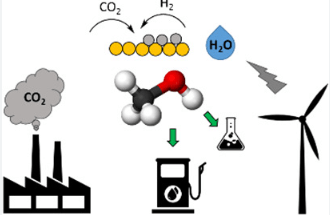
The global renewable methanol market is projected to experience substantial growth, expanding at a compound annual growth rate (CAGR) of 6.6% during the forecast period. This growth is expected to propel the market value beyond USD 398.1 million by 2033. Renewable methanol, derived from sustainable sources such as biomass, CO2, and waste, is gaining traction due to its environmentally friendly properties and role in reducing carbon emissions. The increasing demand for clean energy solutions, coupled with rising industrial adoption across sectors like chemicals, automotive, and energy, is driving the expansion of this market. Additionally, supportive government policies and technological advancements in methanol production processes are further contributing to its growth potential in the coming years.

As it is used in the chemical sector to make acetic acid, formaldehyde, and plastics, there is expected to be an increase in demand for renewable methanol throughout the projection period. To produce polyethylene and polypropylene, much more biomethanol is now being used. Moreover, the main applications of biomethanol are as fuel for industrial boilers, vehicles, ships, and kitchen appliances.

The key reasons behind the market expansion include decreasing or eliminating CO2 emissions to prevent climate change drastically and the increased emphasis on limiting the average global temperature rise to no more than 1.5°C. This suggests that emissions throughout the economy are net zero by the middle of the century.

In some industries with few choices for carbon emission reduction, biomethanol has been more effective as a feedstock in the chemical industry or as a fuel for land or marine transportation.

Low petrol costs are also affecting the use of renewable methanol. Due to weak domestic and global demand, several EU, Brazil, and United States production facilities have cut their output. As a result of the decreased demand, renewable methanol stocks are predicted to rise across several markets, driving down prices and jeopardizing profitability.

Key Trends Boosting the Renewable Methanol Sector

  • Growing Demand for Sustainable Energy Solutions: Increasing global awareness of environmental issues is driving the shift towards clean energy alternatives, including renewable methanol, as a key component in reducing carbon emissions.
  • Government Support and Policy Initiatives: Many governments are offering subsidies, tax incentives, and grants to promote the production and adoption of renewable methanol, supporting the transition to green energy.
  • Advancements in Methanol Production Technology: Innovations in production technologies, such as power-to-liquid and carbon capture utilization, are enhancing the efficiency and scalability of renewable methanol production, making it more cost-competitive.
  • Carbon Footprint Reduction: Renewable methanol is being increasingly recognized as a solution for carbon dioxide (CO2) emissions reduction, making it attractive for industries aiming for carbon neutrality and compliance with environmental regulations.
  • Expansion of Application Areas: Renewable methanol is gaining popularity in various industries, including automotive (for fuel cells), chemical production, and shipping (as a low-carbon fuel option), expanding its potential market.
  • Rising Adoption in the Shipping Industry: The maritime sector is exploring renewable methanol as a cleaner alternative to traditional fuels, in response to international regulations aimed at reducing greenhouse gas emissions from ships.
  • Partnerships and Strategic Alliances: Increased collaboration between renewable energy companies, research institutions, and policymakers is accelerating the development and commercialization of renewable methanol.
  • Growing Consumer and Industrial Awareness: As industries and consumers increasingly prioritize sustainable practices, renewable methanol’s market acceptance is growing, driven by the desire for greener alternatives in everyday products and energy sources.

Access the Full Report for In-Depth Insights Now!

Competitors’ Successful Techniques and Recent Developments:

  • At Anyang, Henan Province, China, production of the first CO2-to-methanol facility on a commercial scale began in October 2022.
    • The state-of-the-art plant is the first in the world to generate methanol at this scale from waste carbon dioxide and hydrogen gasses.
    • Methanol is a valuable fuel and chemical feedstock. The manufacturing method of the plant is based on Carbon Recycling International’s Emissions-to-Liquids (ETL) technology.
  • A contract for a 100,000 tonnes per year CO2 to methanol plant was signed on September 28, 2021, between the China-based petrochemicals firm Jiangsu Sailboat Petrochemicals Co. Ltd. and the Icelandic technology company Carbon Recycling International.
  • Repsol, Enerkem, and Agbar constructed the first waste-to-chemicals facility in the Iberian Peninsula on April 27, 2021. Repsol, a Spanish multi-energy corporation, will join the Eco Planta project to build a waste-to-chemicals plant in Tarragona, Spain, alongside Enerkem, a technical leader located in Montreal, and Agbar, a world authority in water and waste management.

Key Players

  • Methanex Corporation
  • Carbon Recycling International
  • BioMCN
  • Enerkem
  • Chemrec Inc.
  • VarmlandsMethanol
  • Alberta Pacific
  • New Hope Energy
  • Trans World Energy
  • Proman
  • ENI
  • BASF SE
  • Apex Energy Teterow GmbH
  • Liquid wind
  • Veolia

About Future Market Insights (FMI)

Future Market Insights, Inc. (ESOMAR certified, recipient of the Stevie Award, and a member of the Greater New York Chamber of Commerce) offers profound insights into the driving factors that are boosting demand in the market. FMI stands as the leading global provider of market intelligence, advisory services, consulting, and events for the Packaging, Food and Beverage, Consumer Technology, Healthcare, Industrial, and Chemicals markets. With a vast team of over 400 analysts worldwide, FMI provides global, regional, and local expertise on diverse domains and industry trends across more than 110 countries. Join us as we commemorate 10 years of delivering trusted market insights. Reflecting on a decade of achievements, we continue to lead with integrity, innovation, and expertise.

Contact Us:     

Future Market Insights Inc.
Christiana Corporate, 200 Continental Drive,
Suite 401, Newark, Delaware – 19713, USA
T: +1-347-918-3531
For Sales Enquiries: sales@futuremarketinsights.com
Website: https://www.futuremarketinsights.com
LinkedInTwitterBlogs | YouTube

Global Pea Protein Market to Surge to USD 4.7 Billion by 2034, Driven by Plant-Based Nutrition Trends, FMI Reports

Picture background

The pea protein market is experiencing a surge in popularity, driven by the rising demand for plant-based alternatives. Consumers are increasingly seeking healthy, sustainable, and ethical food options, and pea protein fits the bill perfectly.

Market Size and Growth:

The global pea protein market size is projected to reach US$ 1,604.3 million in 2024. It will likely exhibit a compound annual growth rate (CAGR) of 11.4% during the forecast period, with overall pea protein sales totaling US$ 4,723.9 million by 2034.

Factors Driving the Market:

  • Plant-Based Protein Trend: Consumers are seeking alternatives to meat protein for various reasons, including health, environment, and animal welfare. Pea protein offers a complete protein source, ideal for vegetarians, vegans, and flexitarians.
  • Health and Wellness: Pea protein is linked to several health benefits, including muscle building, weight management, and improved satiety.
  • Clean Label Appeal: Pea protein is derived from yellow peas and minimally processed, aligning with the growing consumer preference for natural and clean label products.
  • Versatility: Pea protein offers functional properties like emulsification, texture enhancement, and foaming, making it suitable for various food applications.

Market Segments:

  • Type: Pea protein isolate is the dominant segment, used in dietary supplements, sports nutrition products, and fortified foods. Textured pea protein is another growing segment due to its ability to mimic meat texture.
  • Application: The food and beverage industry is the primary driver, with applications in plant-based meat alternatives, protein bars, and dairy alternatives. The sports nutrition sector is another significant user.

Key Players:

Major players in the pea protein market include Roquette Frères, Cargill, Glanbia, and Kerry. These companies are constantly innovating and expanding their pea protein offerings.

Key Players in the Pea Protein Market Include

  • Burcon Nutrascience
  • Roquette Freres
  • The Scoular Company
  • Cosucra Groupe Warcoing SA
  • Nutri-Pea Ltd.
  • Shandong Jianyuan Group
  • Sotexpro SA
  • Ingredion, Inc.
  • Axiom Foods, Inc.
  • Fenchem Inc.
  • Martin & Pleasance

The Future of Pea Protein:

With increasing consumer interest in plant-based products, the pea protein market is poised for continued growth. Innovation in pea protein processing and product development will further propel the market forward.

Detailed Market Study: Full Report and Analysis

Pea Protein Market by Category

By Nature:

  • Organic
  • Conventional

By Product Type:

  • Protein Concentrates
  • Protein Isolates
  • Textured Protein
  • Hydrolyzed Protein

By End-use:

  • Food Processing
    • Meat Alternatives
    • Bakery Products
    • Confectionery
    • Snacks & Cereals
    • Meat-based Products
    • Functional Beverages
    • Others
  • Animal Feed
    • Livestock
      • Cattle
      • Swine
      • Poultry
    • Pet Food
    • Aquafeed
  • Nutraceuticals
  • Sports Nutrition
  • Infant Nutrition
  • Cosmetic and Personal Care

By Region:

  • North America
  • Latin America
  • Europe
  • East Asia
  • South Asia
  • Oceania
  • Middle East and Africa

About Future Market Insights (FMI)

Future Market Insights (FMI) is a leading provider of market intelligence and consulting services, serving clients in over 150 countries. FMI is headquartered in Dubai and has delivery centers in the United Kingdom, the United States, and India. FMI’s latest market research reports and industry analysis helps businesses navigate challenges and make critical decisions with confidence and clarity amidst breakneck competition. Our customized and syndicated market research reports deliver actionable insights that drive sustainable growth. A team of expert-led analysts at FMI continuously tracks emerging trends and events in a broad range of industries to ensure that our clients prepare for the evolving needs of their consumers.

Join us as we commemorate 10 years of delivering trusted market insights. Reflecting on a decade of achievements, we continue to lead with integrity, innovation, and expertise.

Contact Us

Future Market Insights Inc.

Christiana Corporate, 200 Continental Drive,
Suite 401, Newark, Delaware – 19713, USA
T: +1-347-918-3531
For Sales Enquiries: 
sales@futuremarketinsights.com
Website: https://www.futuremarketinsights.com
LinkedInTwitterBlogs | YouTube

Bromine Derivatives Market Trends: Fueling Fire Safety and Water Treatment Solutions

Bromine Derivative Market

The bromine derivative market is expected to experience a substantial surge, with a remarkable Compound Annual Growth Rate (CAGR) of 5.10%. The market is predicted to reach an impressive valuation of USD 12,037.00 million by 2034, which is a significant increase from its current value of USD 7,292.20 million as of 2024.

Bromine derivatives are extensively used in the production of flame retardants, which are compounds added to materials to reduce their flammability. The demand for flame retardants has been increasing due to the growing awareness about the importance of fire safety in various industries, including construction, electronics, and automotive. Bromine-based flame retardants are highly effective, and they are widely used in a variety of applications, including textiles, plastics, and foam products. This has led to a significant increase in demand for bromine derivatives, particularly in the flame retardant segment of the market.

Bromine derivatives are also used in the production of agricultural chemicals, including insecticides and herbicides. The demand for bromine derivatives in agriculture has been increasing due to the need for effective and sustainable pest control solutions. Bromine-based agricultural chemicals are highly effective, and they are widely used in many crops, including fruits, vegetables, and grains. This has led to a significant increase in demand for bromine derivatives, particularly in the agricultural segment of the market.

Bromine derivatives are used in the production of pharmaceuticals, including drugs that treat cancer, HIV, and other diseases. The demand for bromine derivatives in the pharmaceutical industry has been increasing due to the growing prevalence of chronic diseases and the need for effective treatments. Bromine-based pharmaceuticals are highly effective, and they are used in many life-saving drugs. This has led to a significant increase in demand for bromine derivatives, particularly in the pharmaceutical segment of the market.

Bromine derivatives are also used in the production of oil and gas drilling fluids, which are used to lubricate and cool drilling equipment during the drilling process. The demand for bromine derivatives in the oil and gas industry has been increasing due to the growing demand for energy and the need to explore new oil and gas reserves. Bromine-based drilling fluids are highly effective, and they are widely used in many oil and gas exploration activities. This has led to a significant increase in demand for bromine derivatives, particularly in the oil and gas segment of the market.

“The increasing demand for bromine derivatives is also driven by the growing use of bromine in water treatment. Bromine is widely used as a disinfectant in swimming pools, hot tubs, and other water systems. The demand for bromine-based water treatment products has been increasing due to the need for safe and clean water. This has led to a significant increase in demand for bromine derivatives, particularly in the water treatment segment of the market.” – Says an analyst at FMI.

Key Takeaways from the Bromine Derivative Market

  • The bromine derivative market is estimated to register a CAGR of 5.10%, reaching a valuation of US$ 12,037.00 million by 2034.
  • The organobromine segment is anticipated to dominate the market by holding a 27.60% market share in 2024.
  • The market is estimated to grow at a CAGR of 2.10% in Germany during the forecast period.
  • The market in the United Kingdom is predicted to grow at a 2.60% CAGR between 2024 and 2034.
  • The market in the United States is expected to grow at a CAGR of 3.20% through 2034.

Competitive Landscape

The bromine derivative market is highly competitive due to the presence of numerous players operating in the market. Companies compete based on factors such as product quality, pricing, innovation, and distribution networks. There is also a high degree of backward integration, with several bromine producers manufacturing downstream derivatives. Hence, players aim to expand their market share through strategic partnerships, collaborations, and acquisitions.

Recent Development

In 2023, Archean Chemical Industries started commercial production at their new facility that produces bromine derivative products. The primary objective of this facility is to cater to the increasing demand for brominated derivatives in numerous end-use industries, such as agrochemicals, pharmaceuticals, and flame retardants. The facility is equipped with advanced technology and is expected to manufacture high-quality products at a competitive cost. The commencement of this facility is expected to help Archean Chemical Industries expand its product portfolio and strengthen its position in the bromine derivatives market.

Key Companies Profiled

  • Albemarle Corporation
  • ICL Industrial Products
  • Jordan Bromine Company Ltd.
  • Tata Chemicals Ltd.
  • Tosoh Corporation
  • Gulf Resources Inc.
  • Hindustan Salts Limited
  • Morre-Tec Industries Inc.
  • Shouguang Weidong Chemical Co. Ltd.

Unlock Comprehensive Insights by Reading the Full Report Now!

Key Segments

By Derivative:

  • Organobromine
  • Hydrogen Bromide
  • Lithium Bromide
  • Clear Brine Fluids (CBF)

By Application:

  • Biocide
  • Flame Retardant
  • Oil & Gas Drilling
  • Plasma Etching
  • PTA Synthesis
  • Fumigant Synthesis
  • Others

By End Use:

  • Oil & Gas
  • Chemicals
  • Pharmaceuticals & Cosmetics
  • Electronics & Consumer Goods
  • Textile
  • Medical
  • Agricultural & Pesticides
  • Automotive
  • Building & Construction
  • Water Treatment
  • Other Industrial

About Future Market Insights (FMI)

Future Market Insights, Inc. (ESOMAR certified, recipient of the Stevie Award, and a member of the Greater New York Chamber of Commerce) offers profound insights into the driving factors that are boosting demand in the market. FMI stands as the leading global provider of market intelligence, advisory services, consulting, and events for the Packaging, Food and Beverage, Consumer Technology, Healthcare, Industrial, and Chemicals markets. With a vast team of over 400 analysts worldwide, FMI provides global, regional, and local expertise on diverse domains and industry trends across more than 110 countries. Join us as we commemorate 10 years of delivering trusted market insights. Reflecting on a decade of achievements, we continue to lead with integrity, innovation, and expertise.

Contact Us:     

Future Market Insights Inc.
Christiana Corporate, 200 Continental Drive,
Suite 401, Newark, Delaware – 19713, USA
T: +1-347-918-3531
For Sales Enquiries: sales@futuremarketinsights.com
Website: https://www.futuremarketinsights.com
LinkedInTwitterBlogs | YouTube

Acrylic Fibre Market to Reach USD 8,006.7 Million by 2033, Expanding at a 4.2% CAGR

Acrylic Fibre Market

The acrylic fibre market is expected to reach a valuation of USD 8,006.7 million by 2033, growing at a compound annual growth rate (CAGR) of 4.2% from 2023 to 2033. This steady growth is driven by increasing demand across various industries, including textiles, home furnishings, and outdoor fabrics, due to acrylic fiber’s durability, warmth, and resistance to outdoor elements. The market expansion is also influenced by rising consumption in emerging markets, where demand for affordable, synthetic alternatives to natural fibers continues to grow. Innovations in production techniques that enhance fiber quality and reduce environmental impact are likely to further support market growth, positioning acrylic fiber as a competitive choice in the synthetic fiber industry.

Due to its characteristics, such as softness, lightness, and superb drape, acrylic fibers are frequently used in the textile industry. Due to their comparable warmth and appeal at a lesser price, they are frequently used to replace natural fibers like wool. The textile industry’s rising need for acrylic fibers has fueled the market’s growth.

It is simple to blend acrylic fibers with other fibers, such as cotton, wool, and polyester, improving their qualities and making them appropriate for various applications. The popularity of acrylic fibers is growing because they may be tweaked to match certain specifications for various end-use sectors, including garments, home textiles, upholstery, and industrial uses.

The growing emphasis on health and fitness has increased demand for outdoor and sportswear. These applications benefit from the characteristics of acrylic fibers, such as breathability, resistance to fading, and resistance to pilling. This industry’s demand for acrylic fibers is increasing as consumers want more cozy and long-lasting garments.

The proliferation of e-commerce platforms and online vendors has increased the market for textile items on a worldwide scale. Customers may access a variety of items, including those derived from acrylic fibers, through online retail, improving their visibility and sales, which in turn supports market expansion.

Key Takeaways from Acrylic Fibre Market Report:

  • In 2018, the global market size stood at US$ 4,696.1 million.
  • The market expanded at a CAGR of 3.1% from 2018 to 2022.
  • In 2022, the global market size stood at US$ 5,306.1 million.
  • The filament segment captured 58.1% of global market shares in 2022.
  • The apparel segment acquired 38.3% of global market shares in 2022.
  • India captured 3.8% of global market shares in 2022.
  • The United States captured 13.1% of global market shares in 2022.
  • China captured 3.2% of global market shares in 2022.
  • The United Kingdom captured 4.1% of global market shares in 2022.

Key Players in the Global Market:

  • Aksa Akrilik Kimya Sanayii A.
  • Dralom
  • Aditya Birla Group
  • Jilin Chemical Fiber Company
  • TAEKWANG INDUSTRIAL CO. LTD.
  • Exlan Japan Co. Ltd.
  • Kaneka Corporation
  • Indian Acrylics Limited
  • Pasupati Acrylon Ltd.
  • Vardhman Acrylics Ltd.

Dive Deep into the Full Report for a Complete Analysis!

Acrylic Fibre Market Segmentation

By Fiber Form:

  • Staple
  • Filament

By Dyeing Method:

  • Acid
  • Gel
  • Undyed

By Blending:

  • Wool
  • Cotton
  • Others

By End Use:

  • Apparels
  • Home Furnishing
  • Industrial
  • Outdoor

By Region:

  • North America
  • Latin America
  • Europe
  • East Asia
  • South Asia & Pacific
  • Middle East & Africa (MEA)

About Future Market Insights (FMI)

Future Market Insights, Inc. (ESOMAR certified, recipient of the Stevie Award, and a member of the Greater New York Chamber of Commerce) offers profound insights into the driving factors that are boosting demand in the market. FMI stands as the leading global provider of market intelligence, advisory services, consulting, and events for the Packaging, Food and Beverage, Consumer Technology, Healthcare, Industrial, and Chemicals markets. With a vast team of over 400 analysts worldwide, FMI provides global, regional, and local expertise on diverse domains and industry trends across more than 110 countries. Join us as we commemorate 10 years of delivering trusted market insights. Reflecting on a decade of achievements, we continue to lead with integrity, innovation, and expertise.

Contact Us:     

Future Market Insights Inc.
Christiana Corporate, 200 Continental Drive,
Suite 401, Newark, Delaware – 19713, USA
T: +1-347-918-3531
For Sales Enquiries: sales@futuremarketinsights.com
Website: https://www.futuremarketinsights.com
LinkedInTwitterBlogs | YouTube